
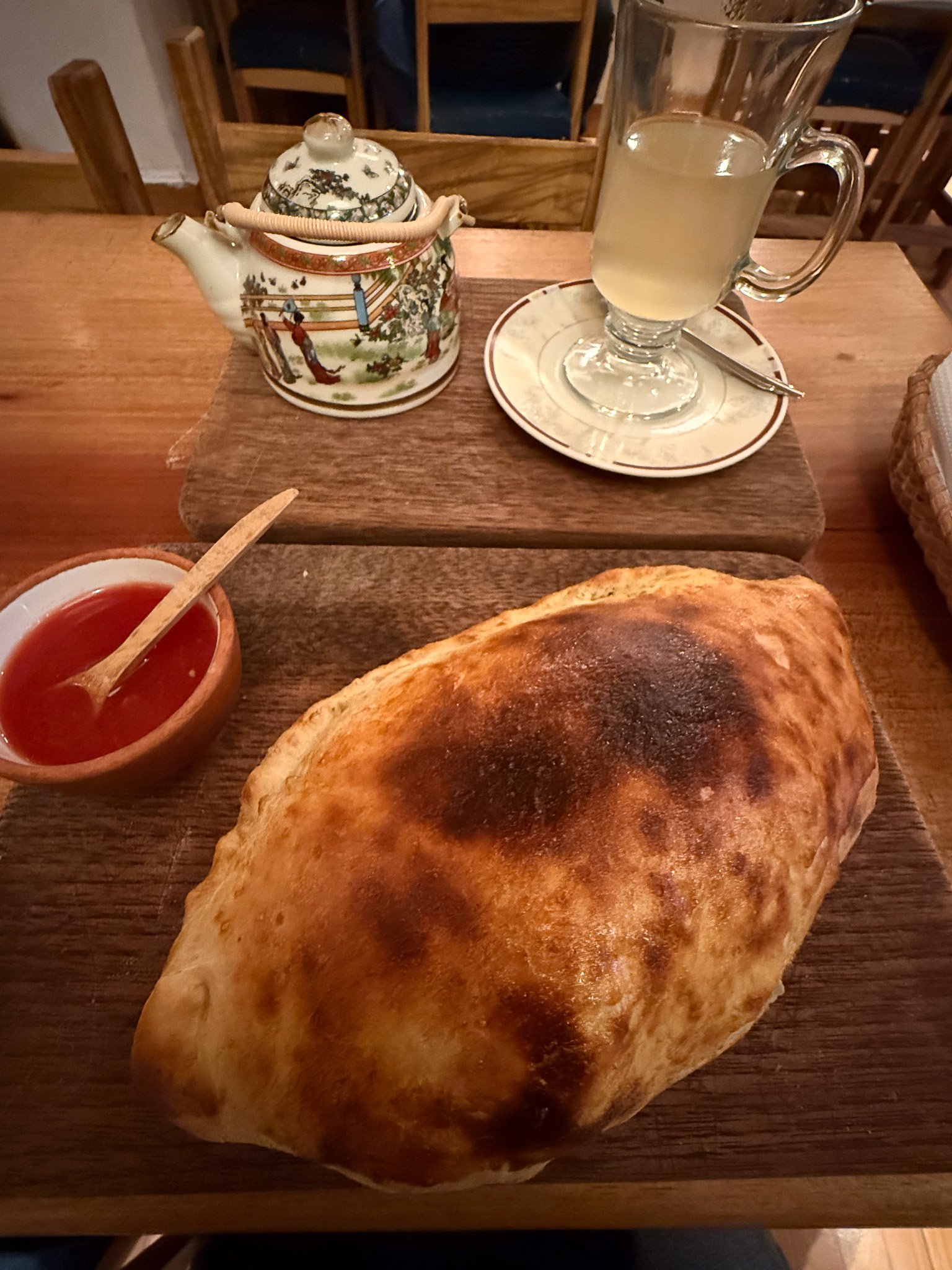
I was having dinner at a little pizzeria just around the corner from my accommodation (NaturAle Cusco Pizza & Coffee, the Calzone was huge and delicious) when a cat chose me. A black cat. He came, he looked at me, jumped on my lap and fell asleep. He did not ask for food. He simply wanted a warm, soft place to sleep. It was one of those moments of… “am I… special?”
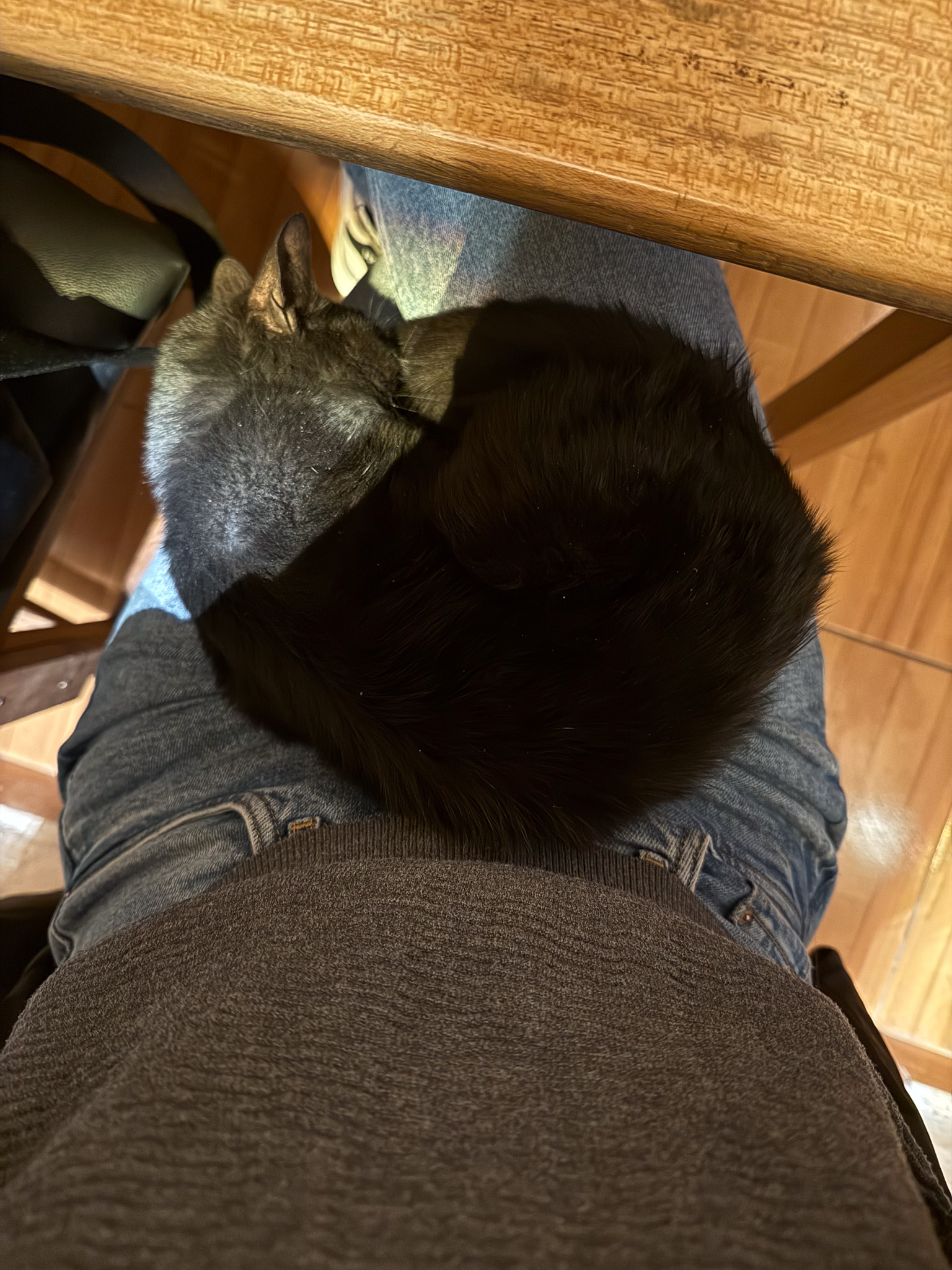
Now, there is a reason why I’m starting with this tiny episode of my time in Peru. Cats are domesticated felines. I adore them. And I also adore the wild ones. Lions, tigers, jaguars… and pumas.
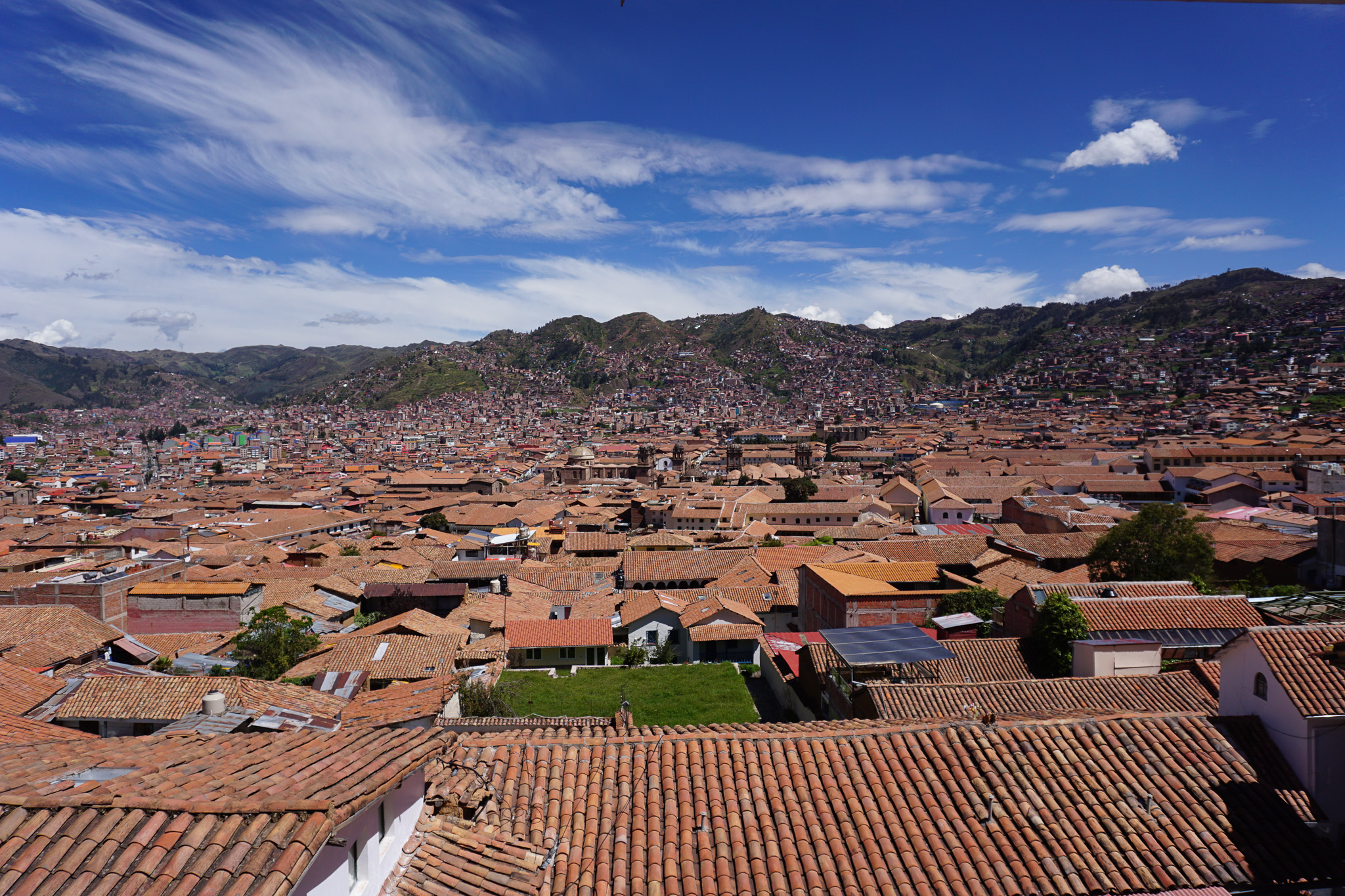
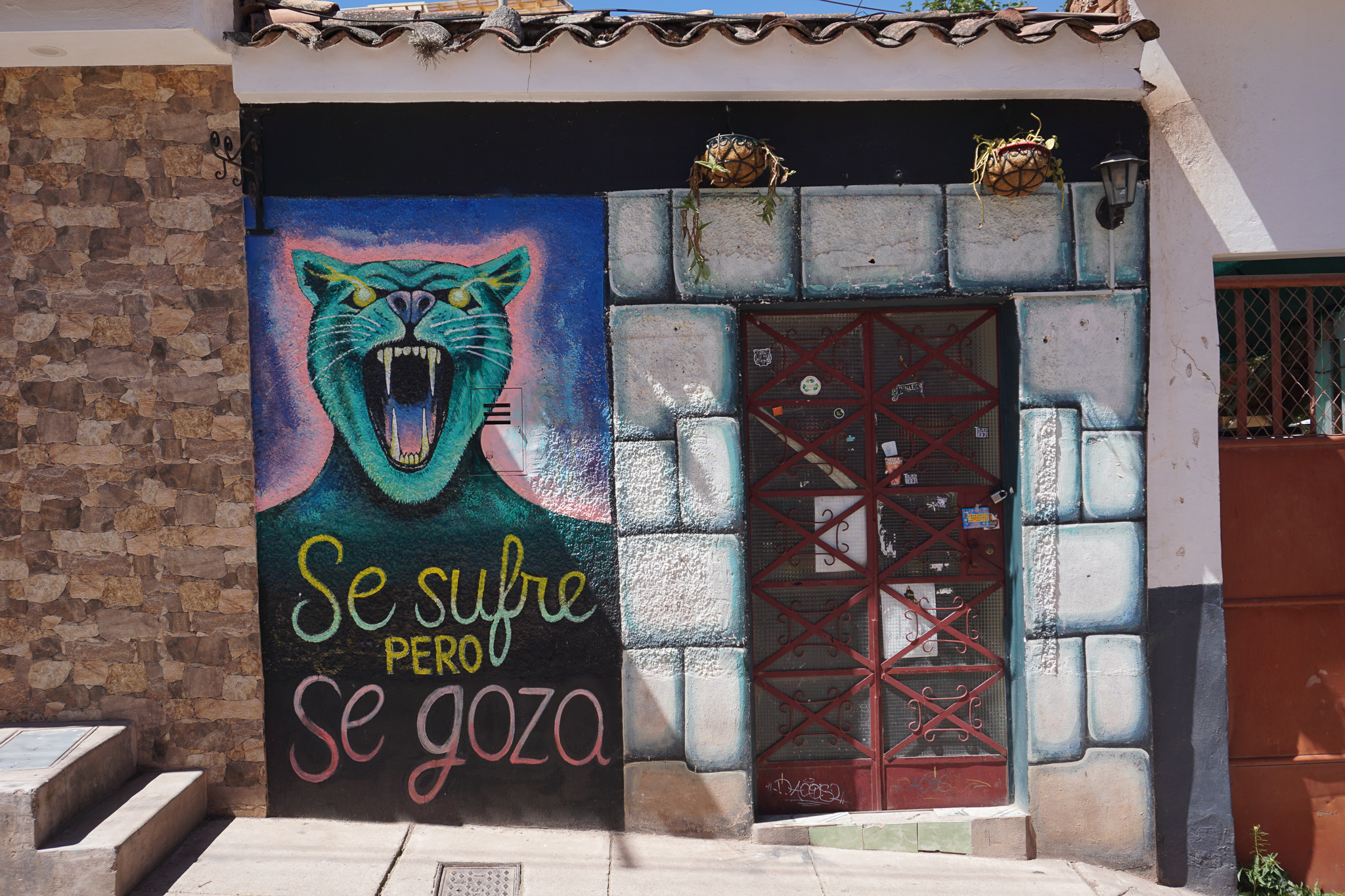
Pumas were an important deity of the Incas. And when that cat suddenly jumped on me, I remember thinking “oh my little puma” without even knowing something really cool I was about to learn the next morning – that Cusco, the sacred capital of Incas, was actually puma shaped…the Incas, the Andean indigenous people, loved symbolism. And so do I.
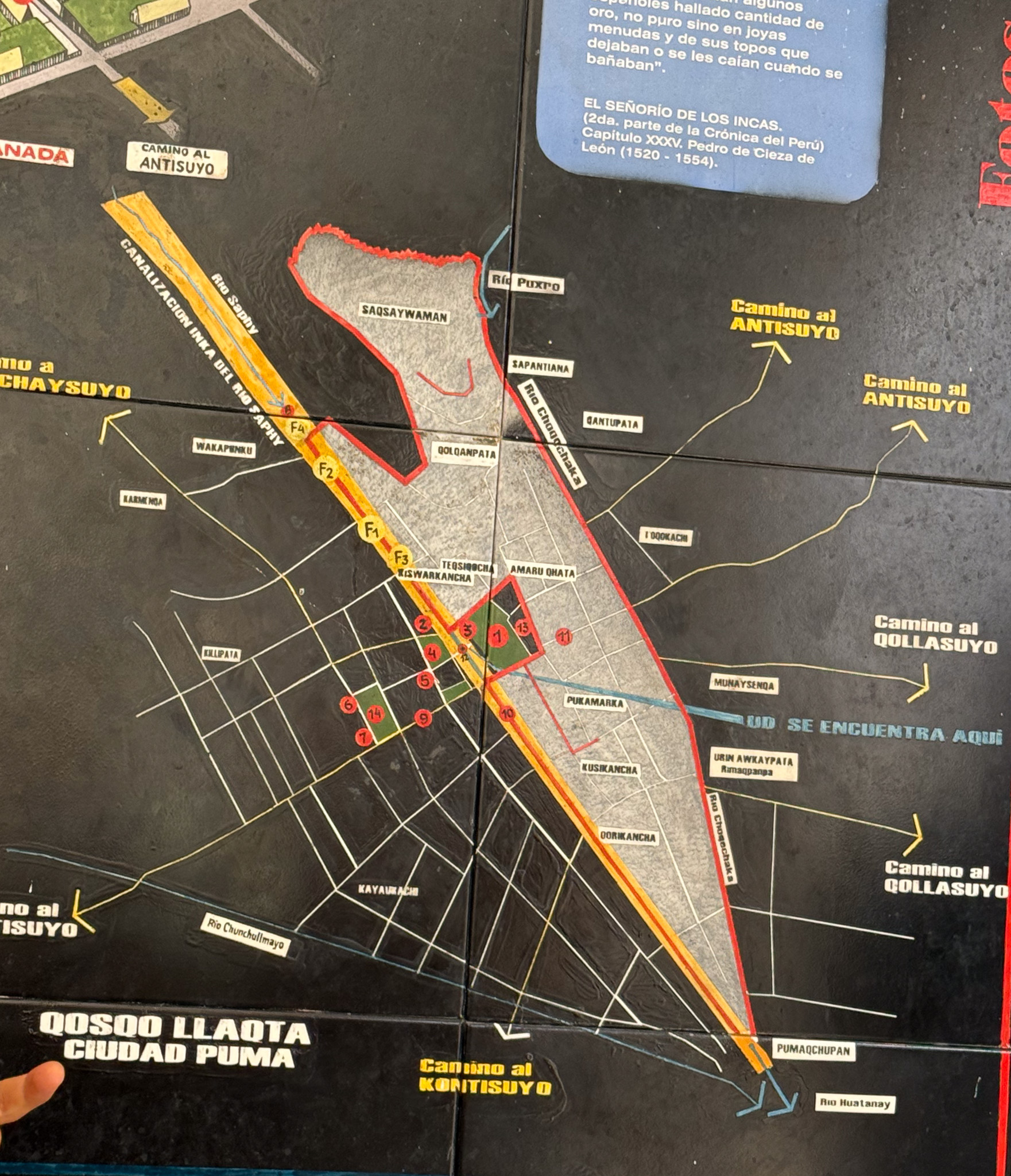
The Incas saw the universe divided into three spiritual realms, each guarded by a sacred animal – the underworld, guarded by the serpent, the middle world (earth) guarded by the Puma, and the heavens guarded by the condor.
The Puma was the ruler of the world where humans lived. Symbolized strength, wisdom, courage and, perhaps the most important skill of all, adaptability. Pumas are solitary creatures, but have survived the harsh rough peaks of the Andes and the low jungles due to their patience and capacity to adjust.
The Puma was therefore an example to follow. But it was only when I went on my free walking tour that I learned that even the city had been shaped like one. My guide had the looks of someone who goes where the wind takes him. He talked in a solemn tone, taking his hands to his heart, as if all the knowledge he was sharing with us was indeed from his heart, dense with meaning, with feeling.
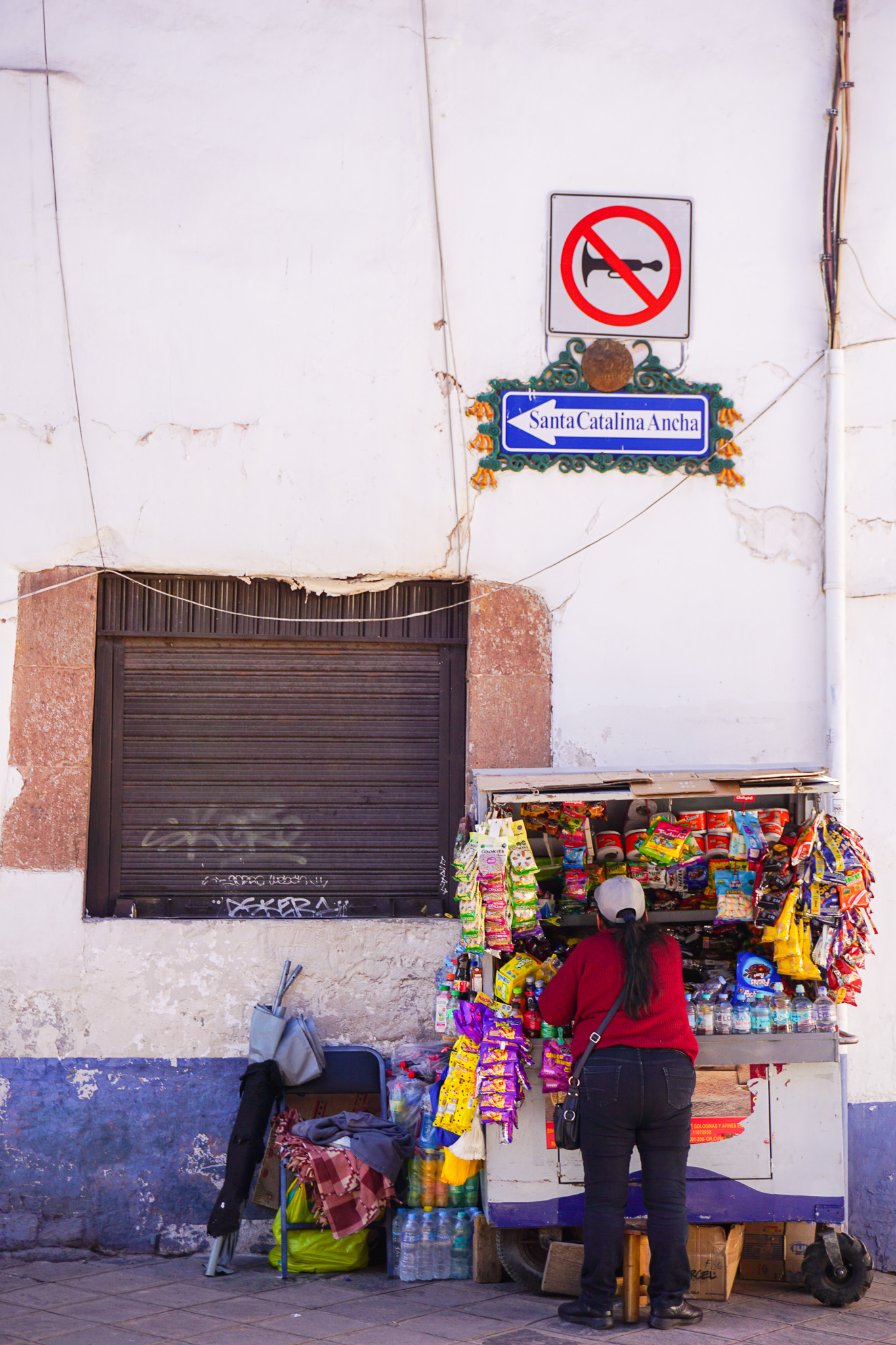
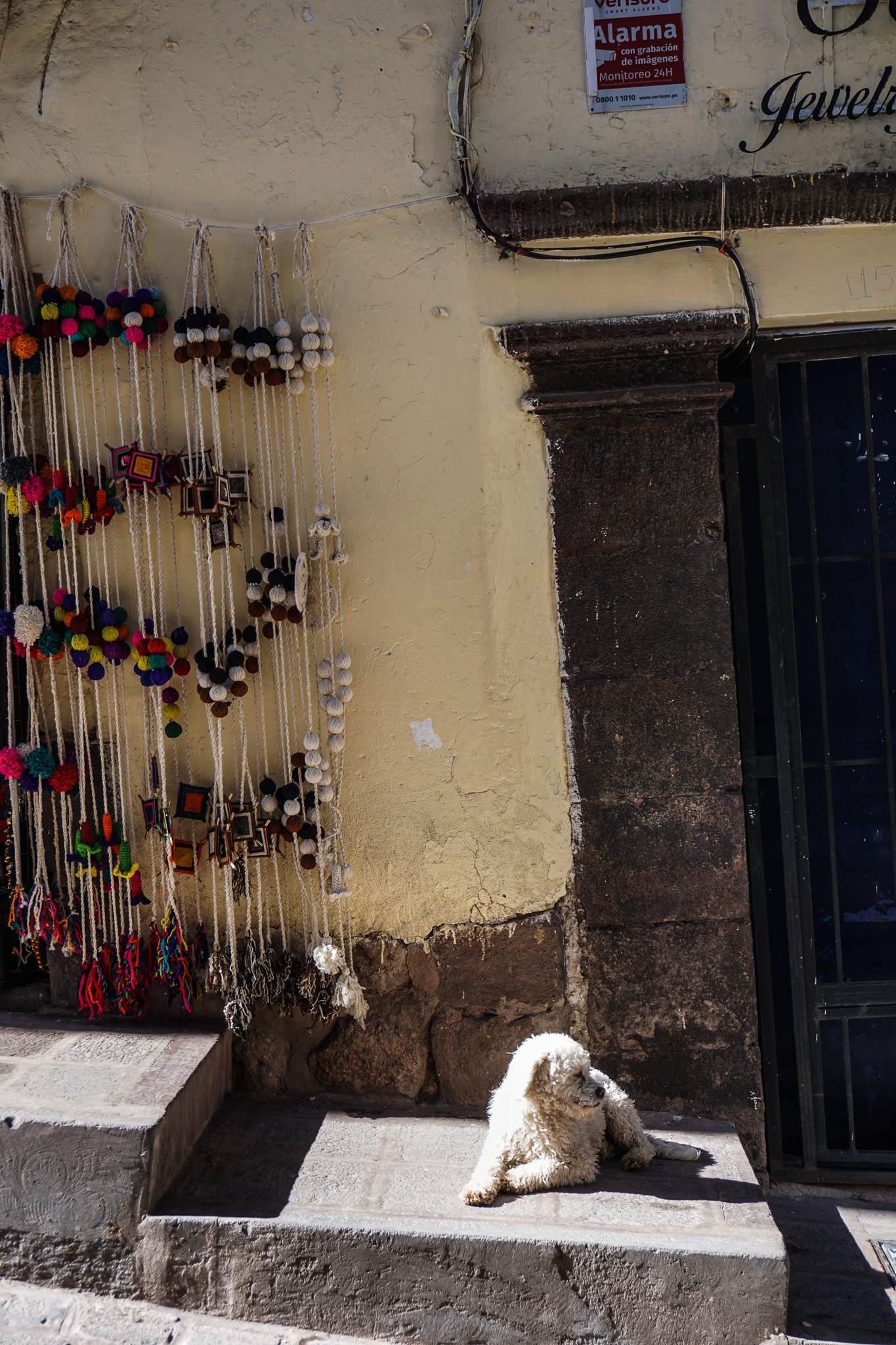
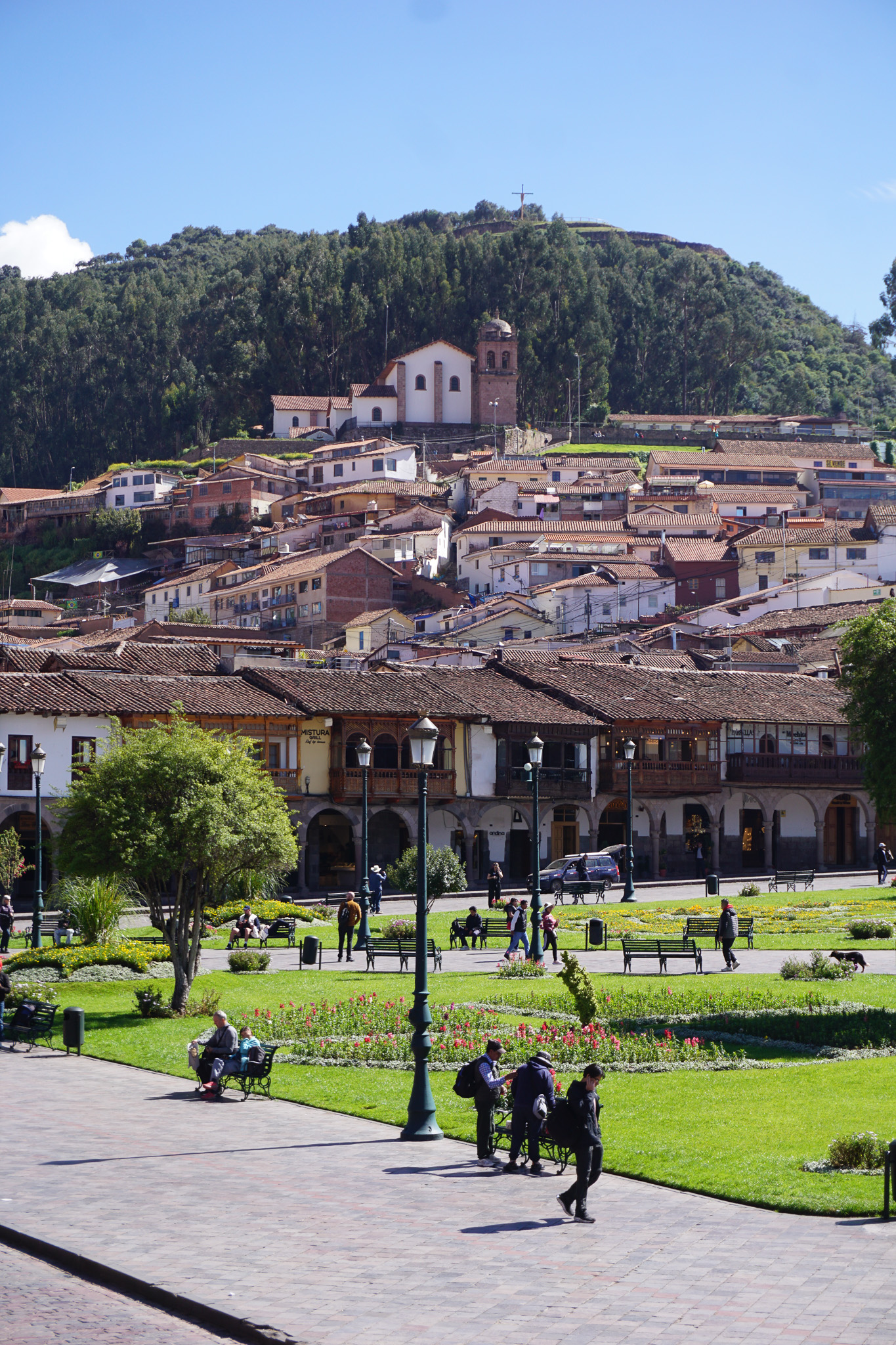
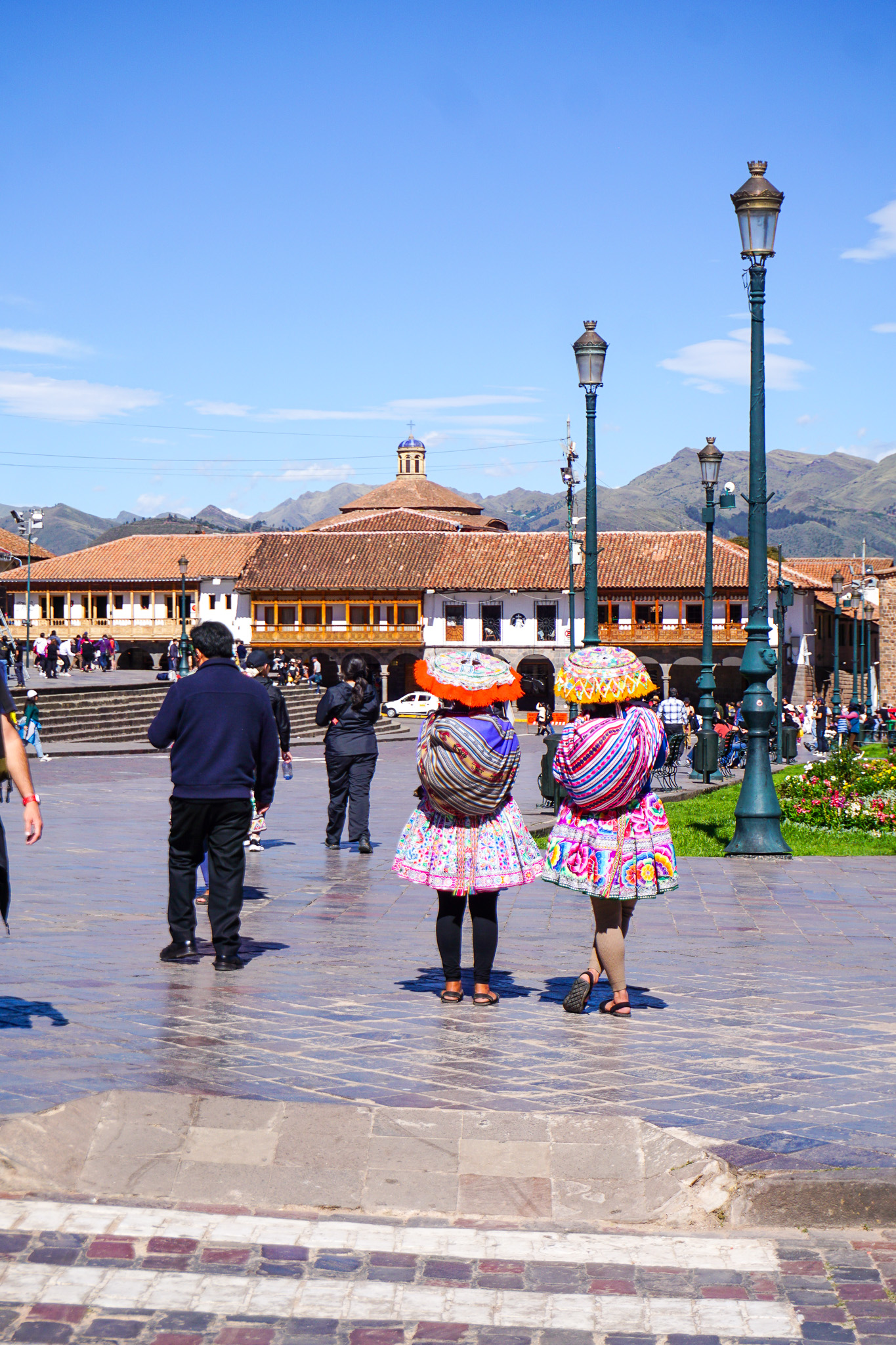
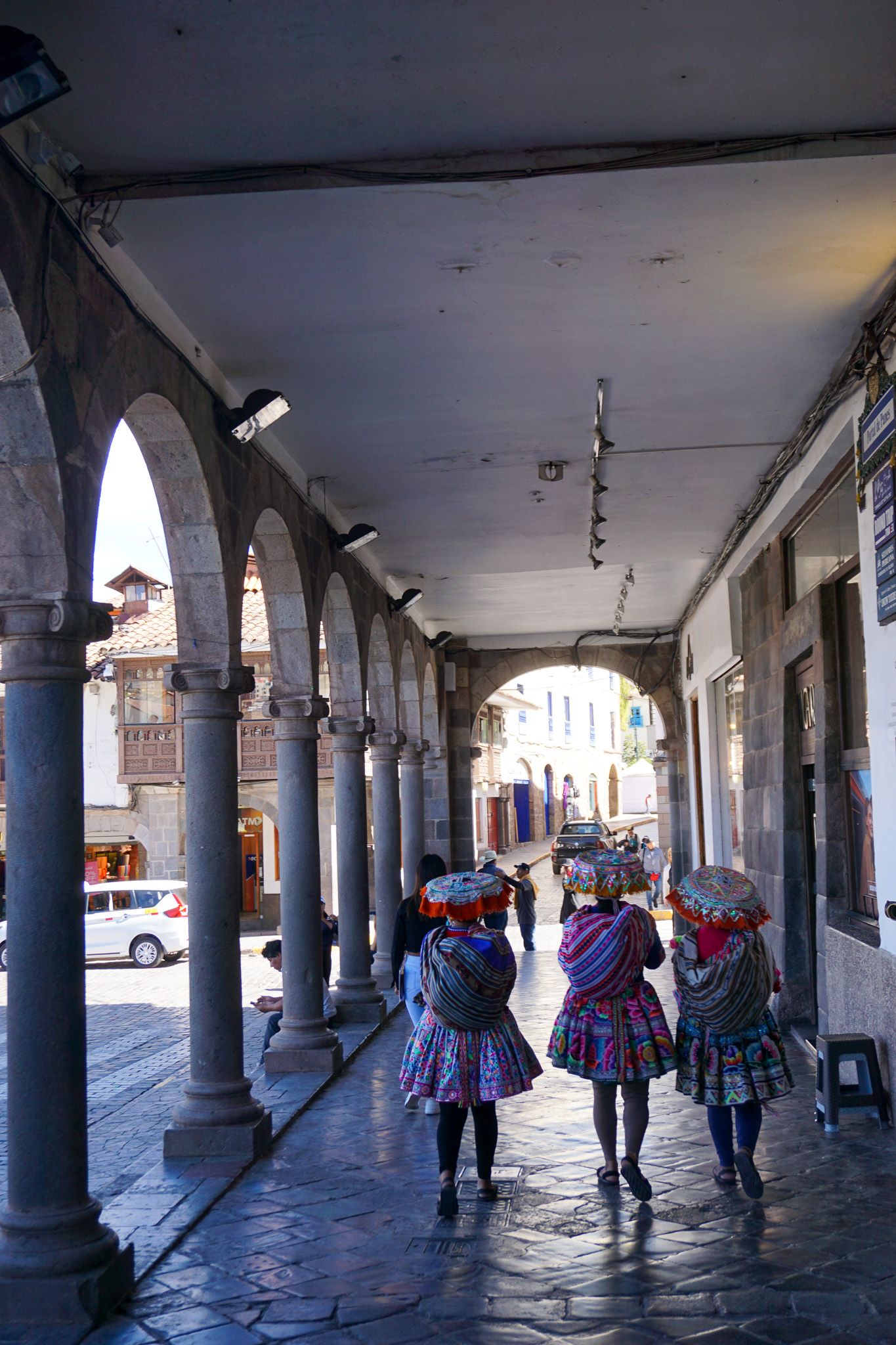
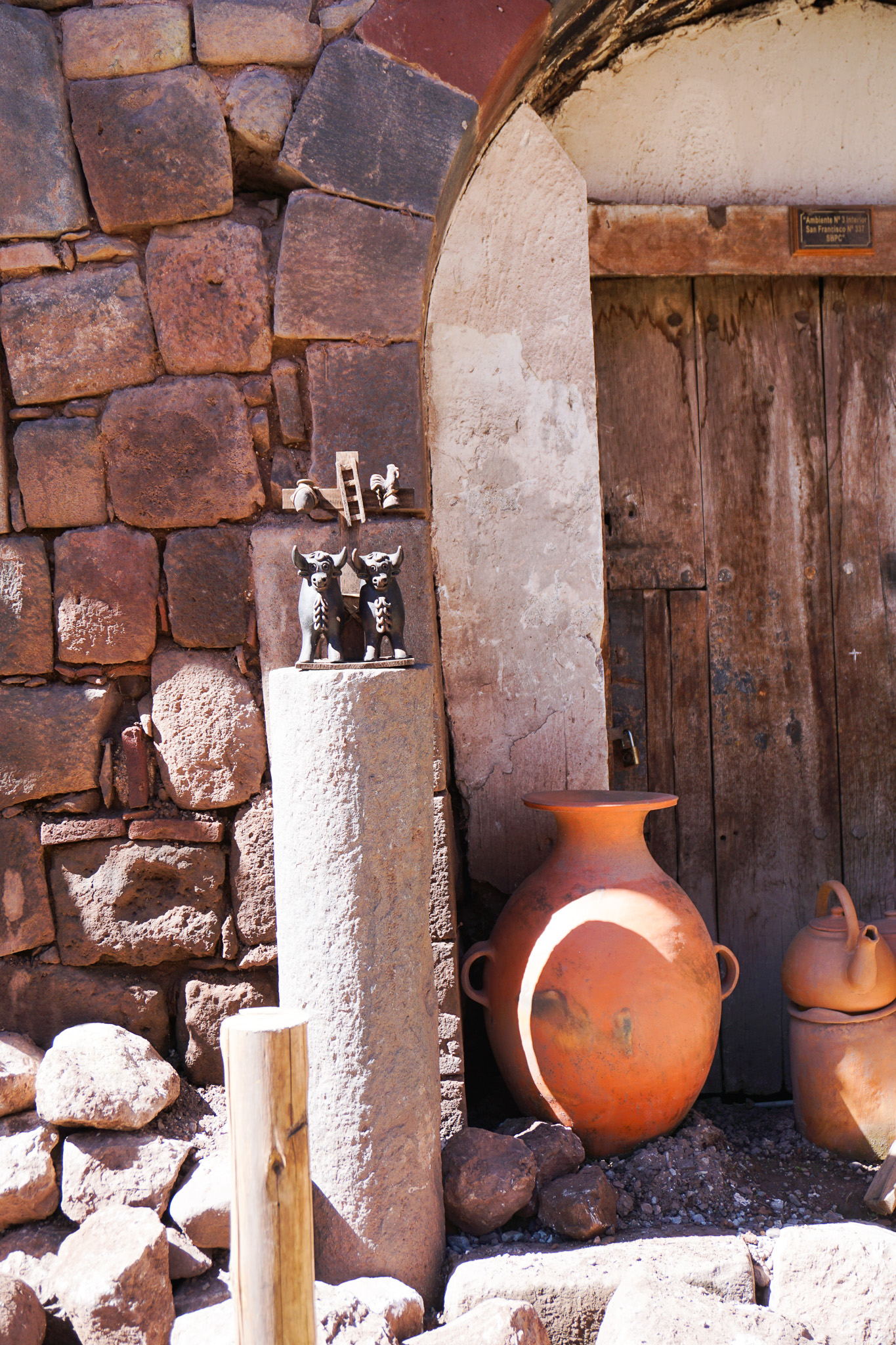
He took us around the city unveiling its secrets, telling the stories of the stones that have built the city. Those that form the pre-Inca walls; those that were clearly built by the Incas; and finally the walls the Spanish built. The latter is recognizable due to the use of mortar. The colonialists destroyed much of what the Incas had built, but Nature would have the last word – the massive earthquake of 1650, with a magnitude of about 7.5 – demolished many of the Spanish constructions. Still, the Inca foundations and walls stayed proudly and perfectly standing. And in 1950, when another strong earthquake made Cusco shake, once again Spanish constructions collapsed – and the Inca foundations remained unbothered.
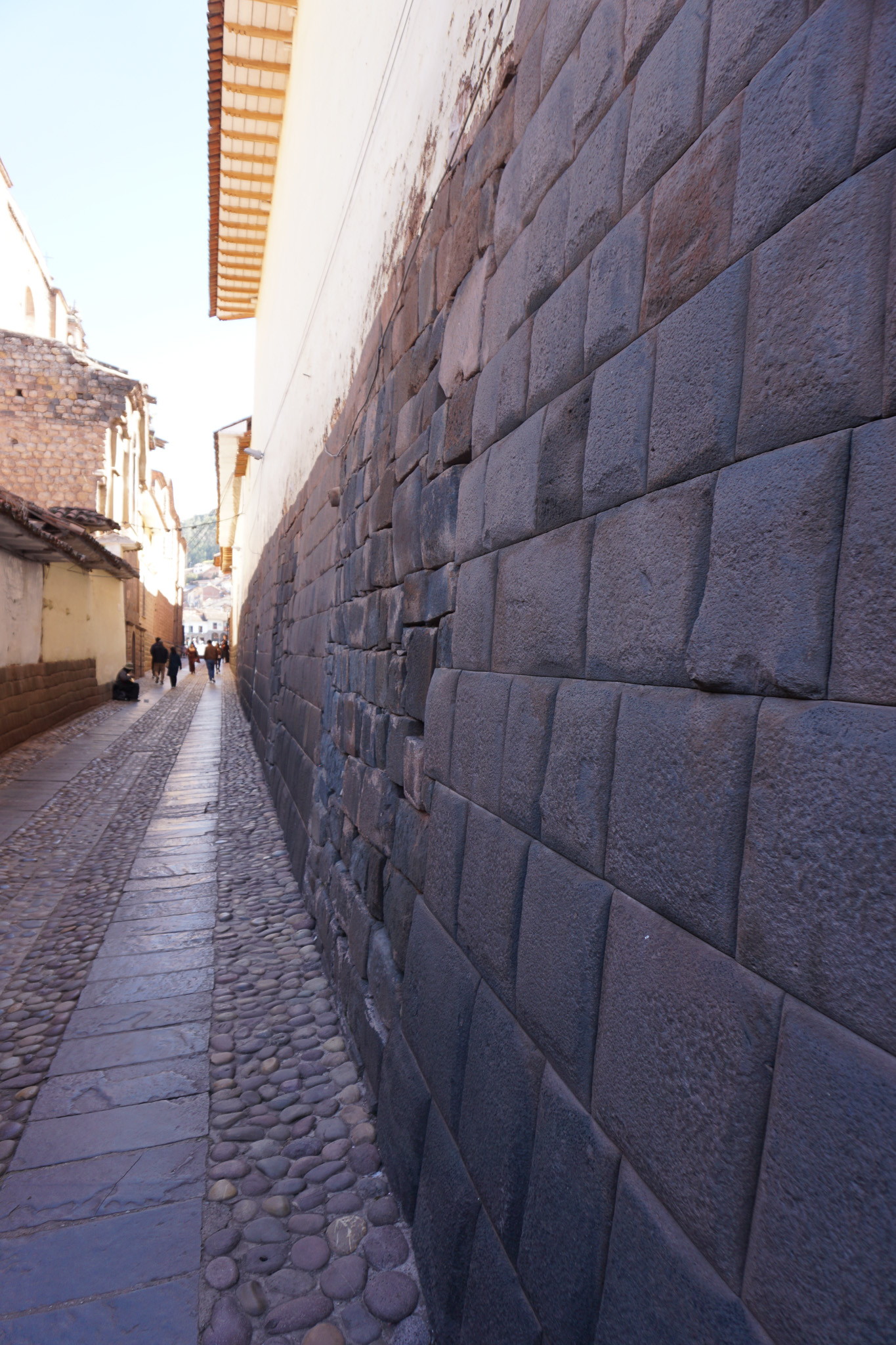
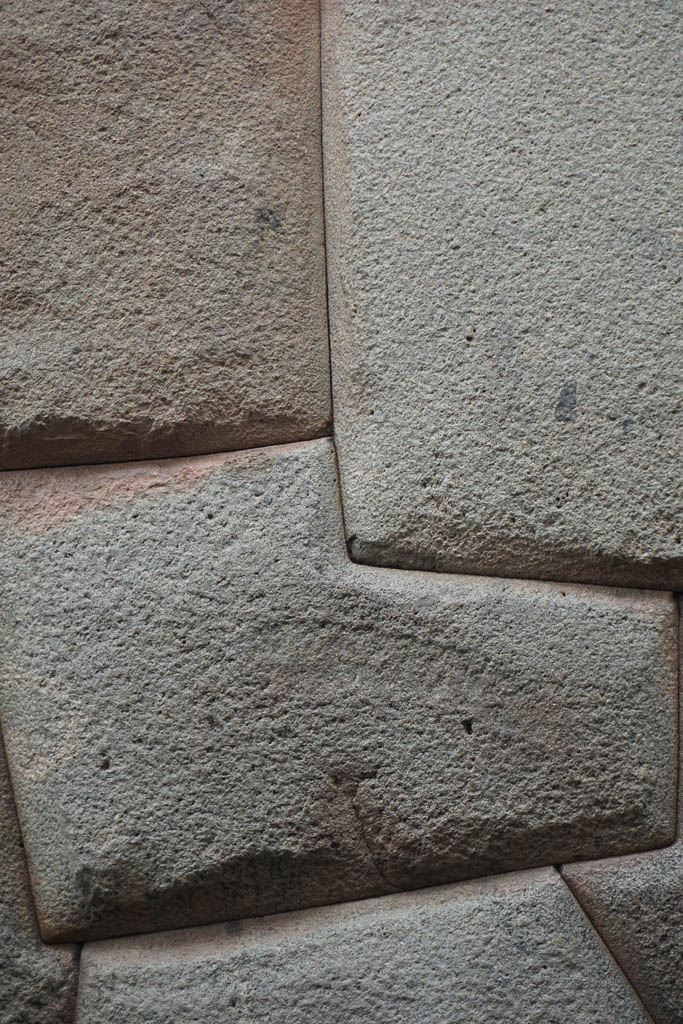
You’re not meant to touch these walls, but how soft they looked, all I wanted was to caress them, almost hoping that the knowledge of the Incas would be imprinted on those stones and could be absorbed through touch. The Incas knew how to build anti-seismic structures, and the walls are built in a way that can move with the ground – the famous “dancing stones”. What kept the walls of the Incas up through all of these centuries and adverse conditions is that the stones were literally carved like pieces of a puzzle, to fit in with one another, interlocking hands, without any mortar. So when the earth shakes, these stones hold their hands and move along at the rhythm of the earth. Not breaking. Simply moving with it, with an elasticity that is hard to spot with the naked eye, as those walls look solid and unmovable. In addition, the walls lean slightly inward – creating a stable base that resisted collapsing. This is why so many ancient structures are pyramids – the ancient pyramids of Egypt, those of the Mayans and the Aztecs.
The Incas knew earthquakes were inevitable. Like the puma, they did not underestimate the forces that they could not control – instead, they adapted, engineering how their buildings could withstand the violent shakes of the earth.
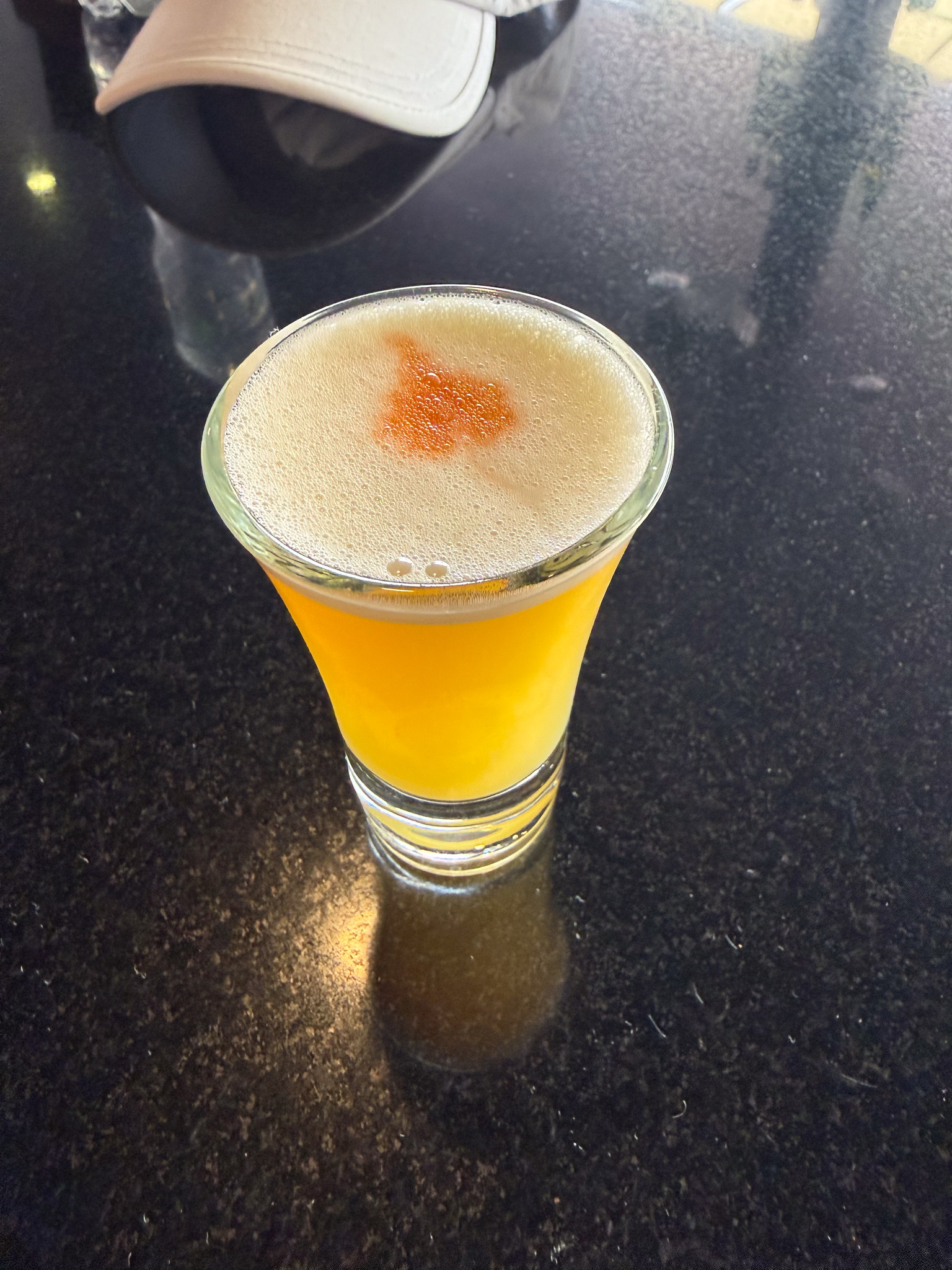
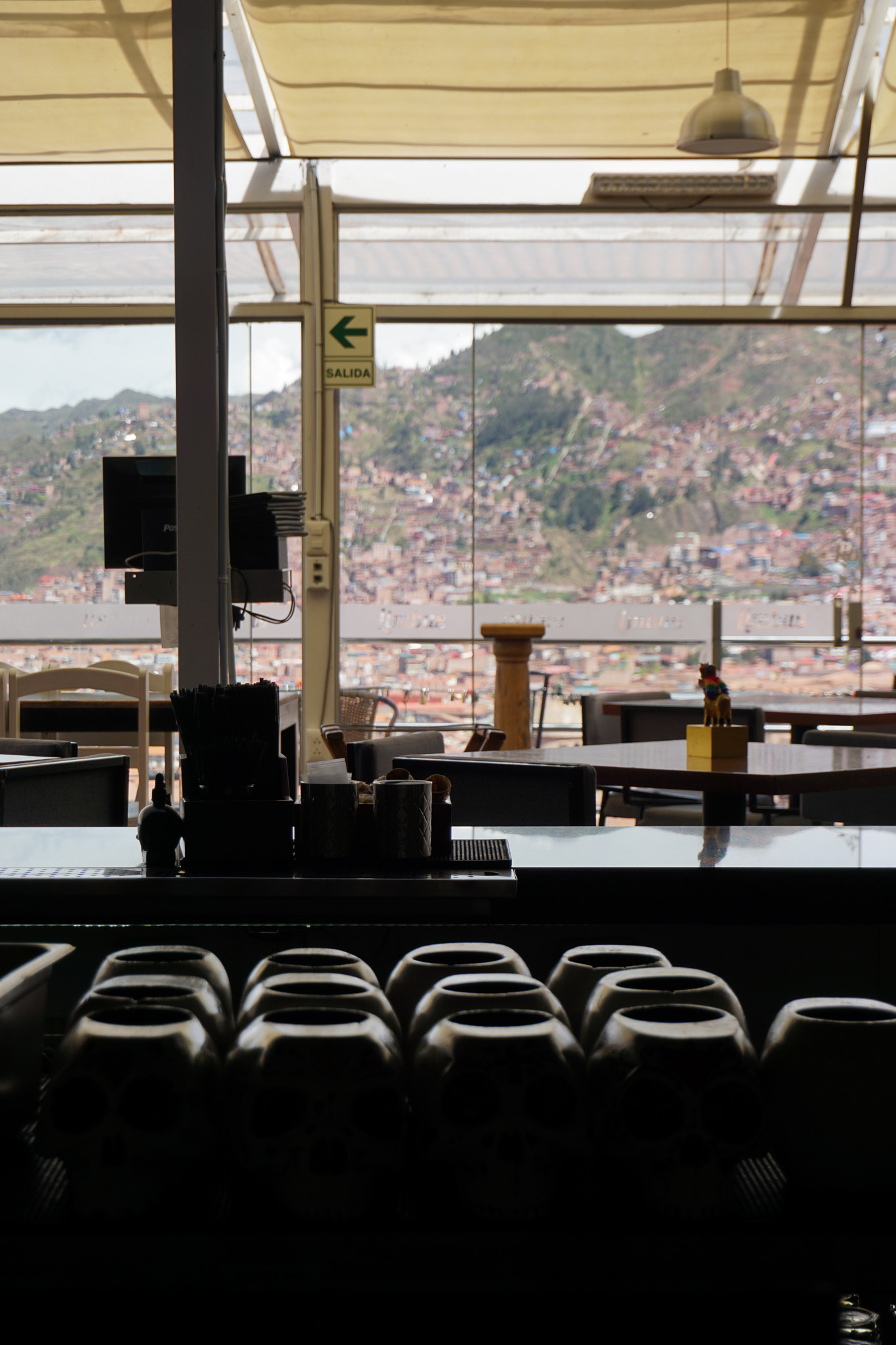
The tour ended at a hilltop bar in San Blas, where our guide told us how to prepare the local pisco sour, and we also got to try it for free. Not going to lie – it was so good, to the point I ended up going back to that place later on my trip.
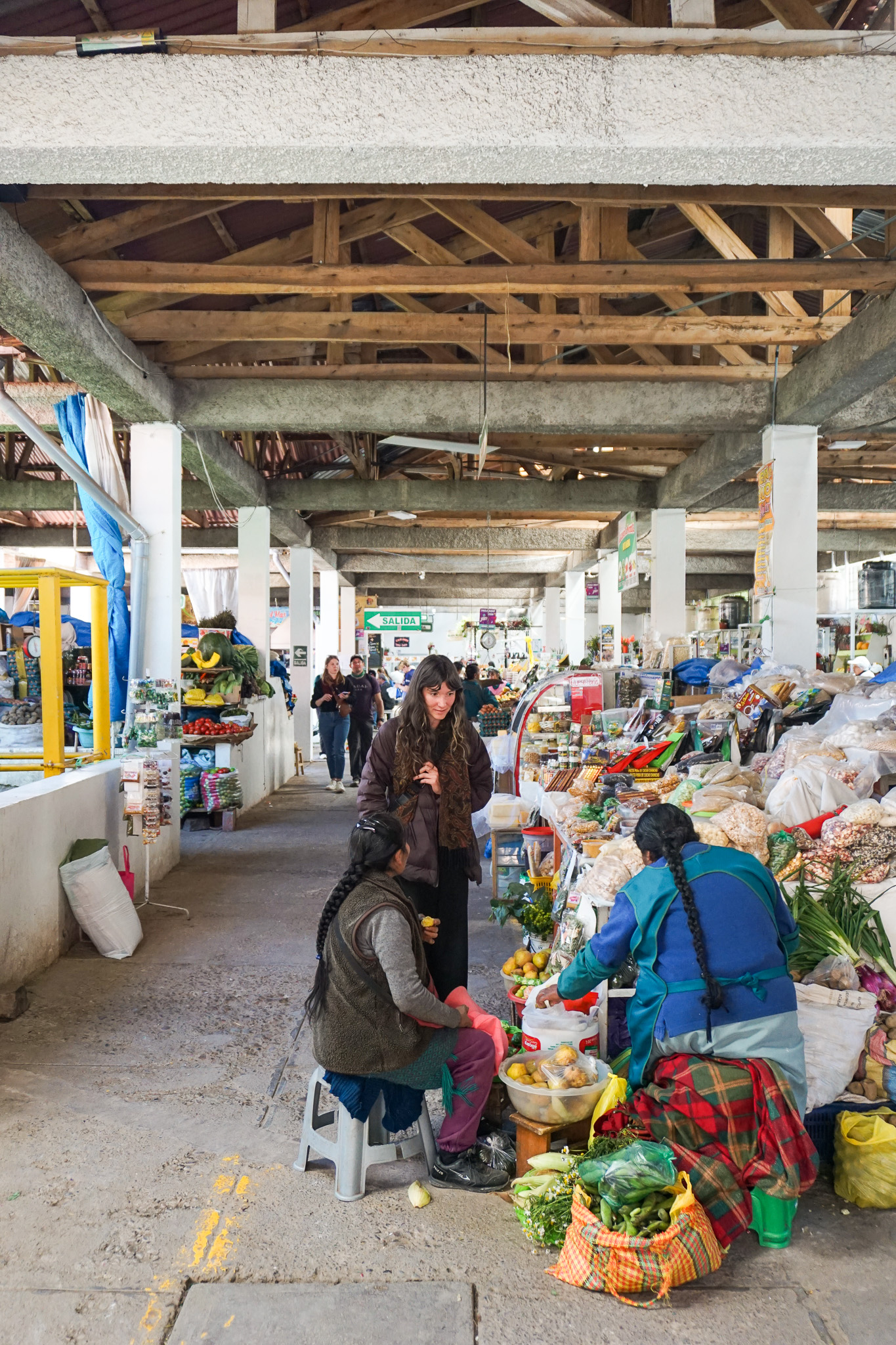
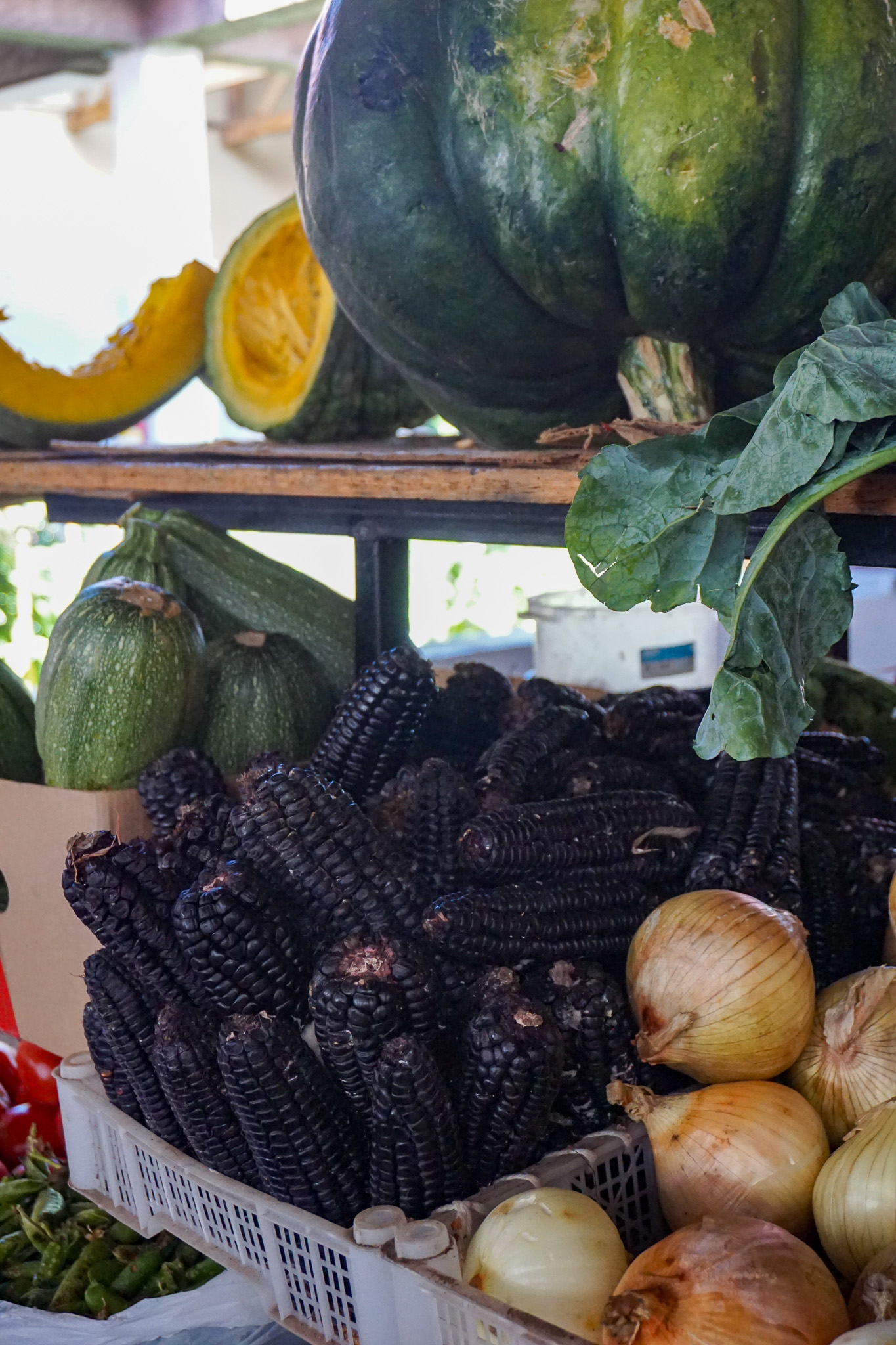
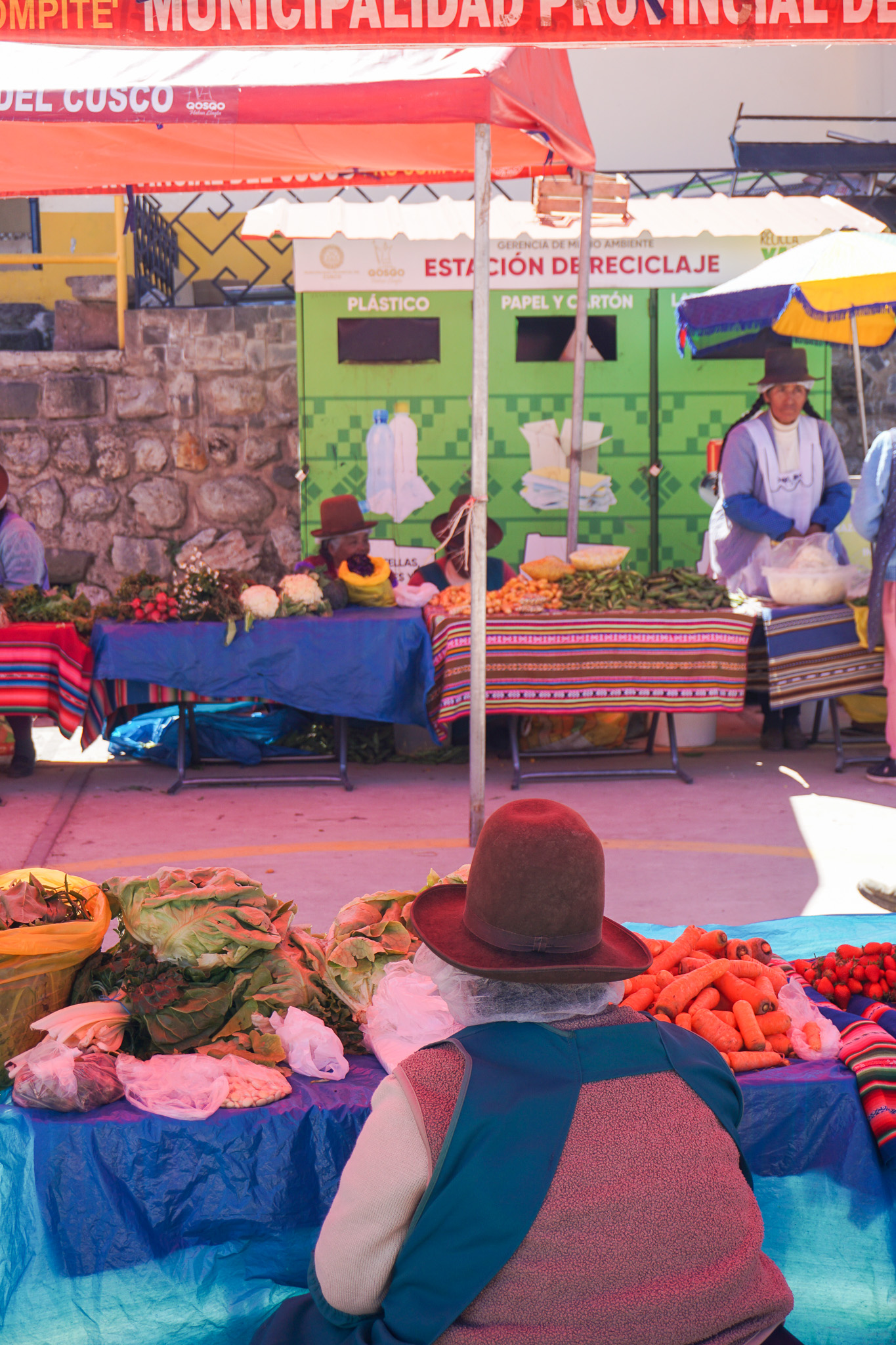
In the afternoon, I went to the famous Mercado Central de San Pedro, the local market. I always like to see these places, especially when tourism has not ruined them. It is where locals shop for clothes, food, and other household items, a unique and special glimpse to the day to day life of the locals.
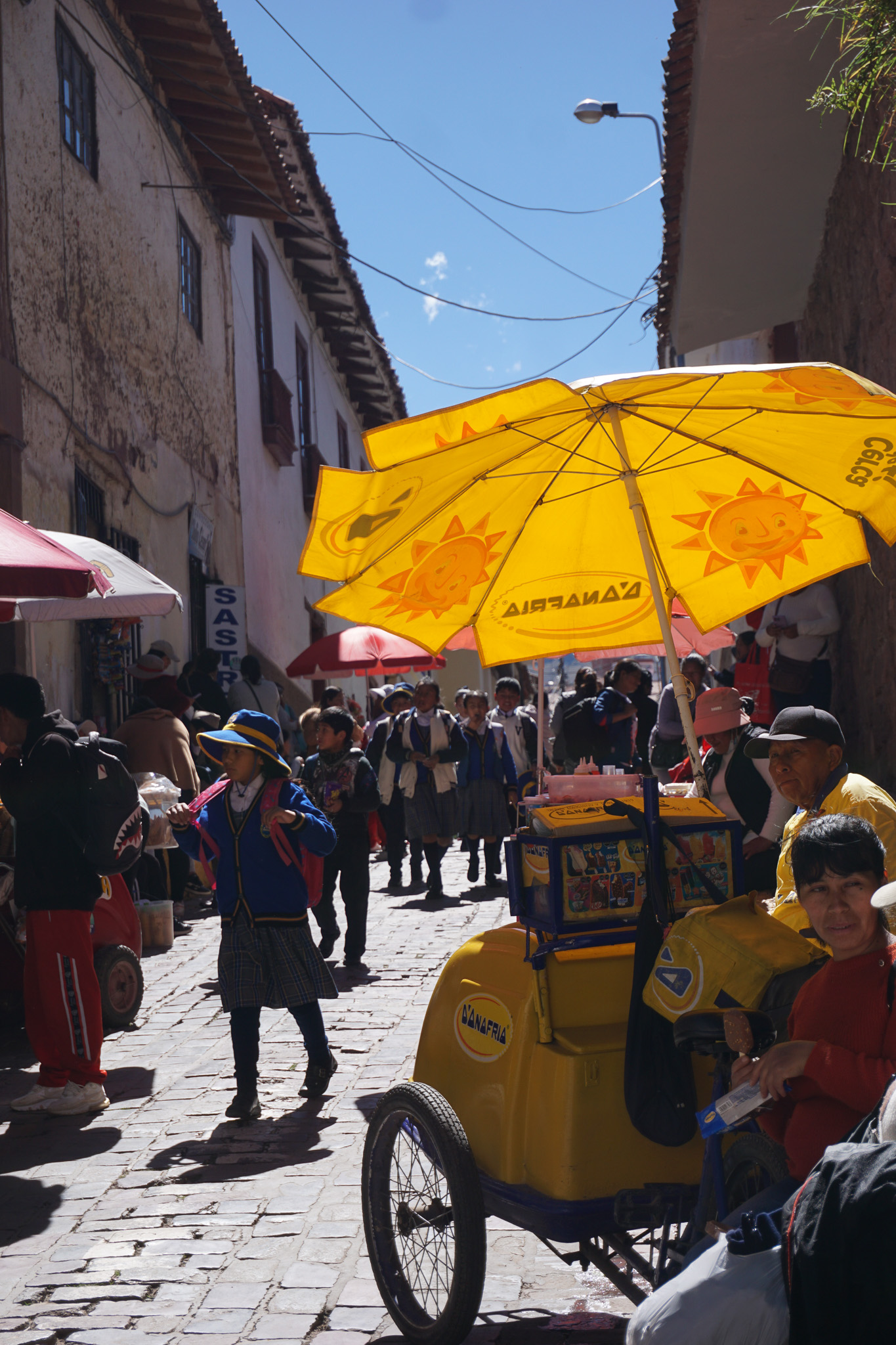
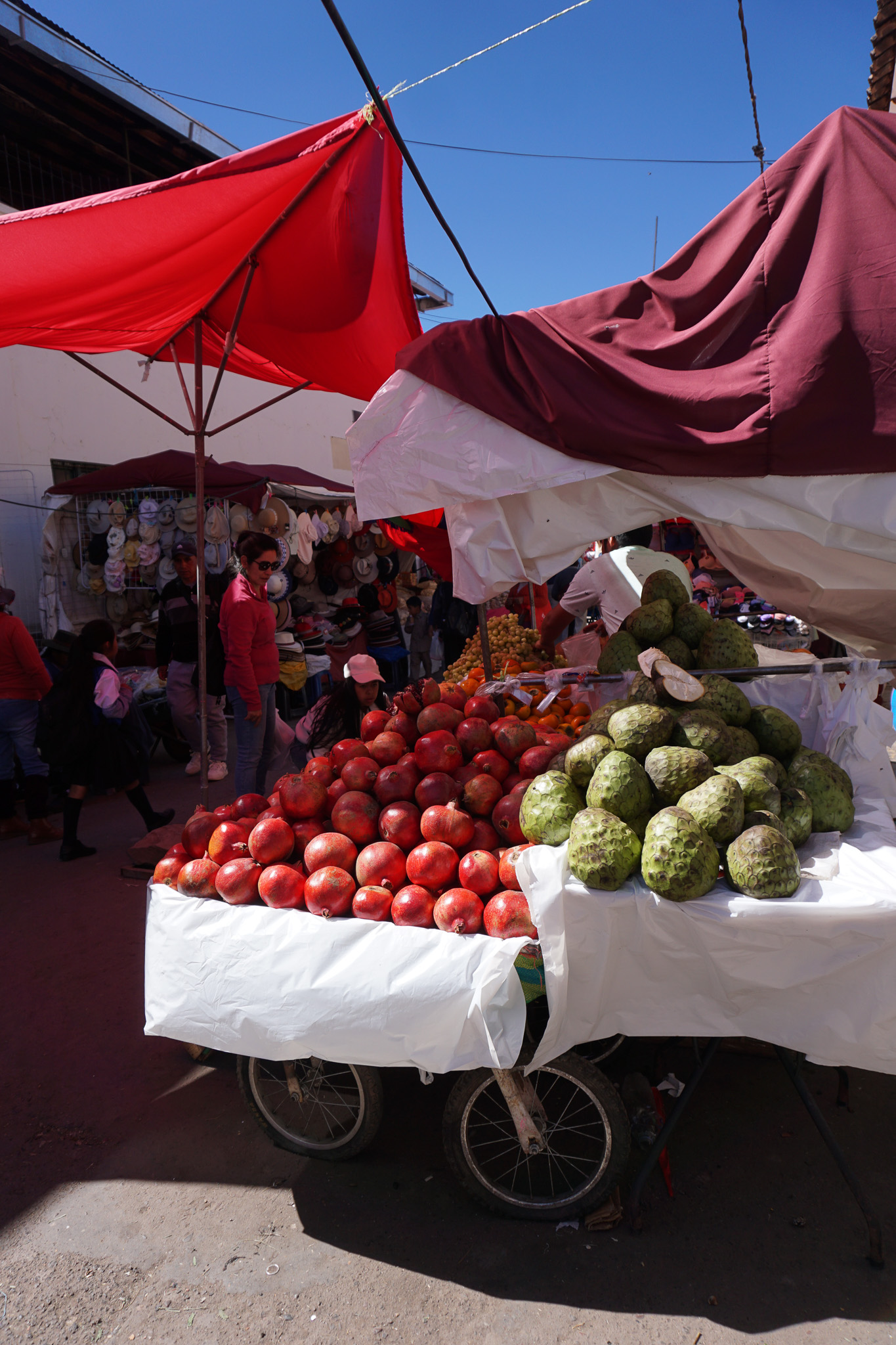
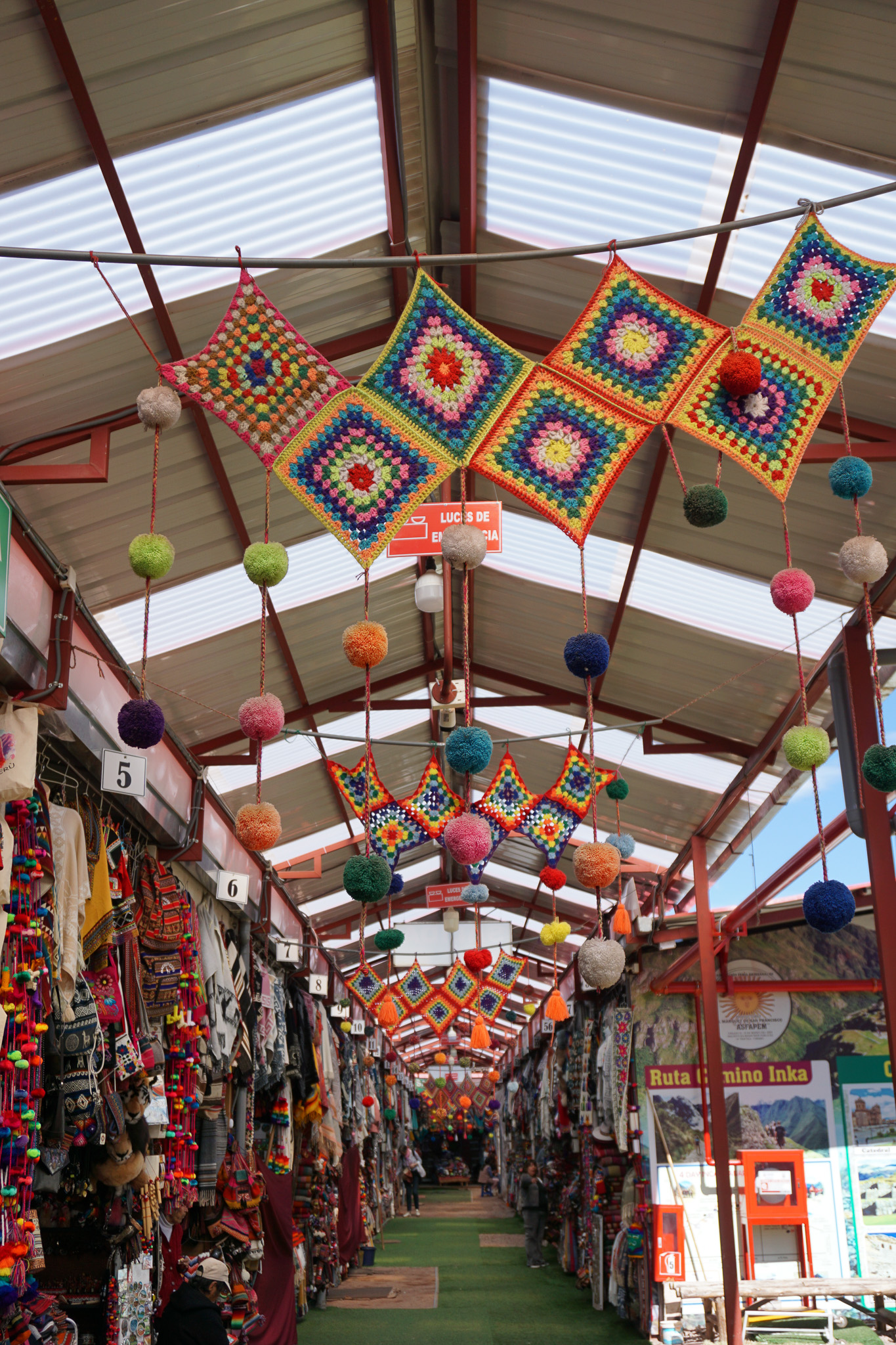
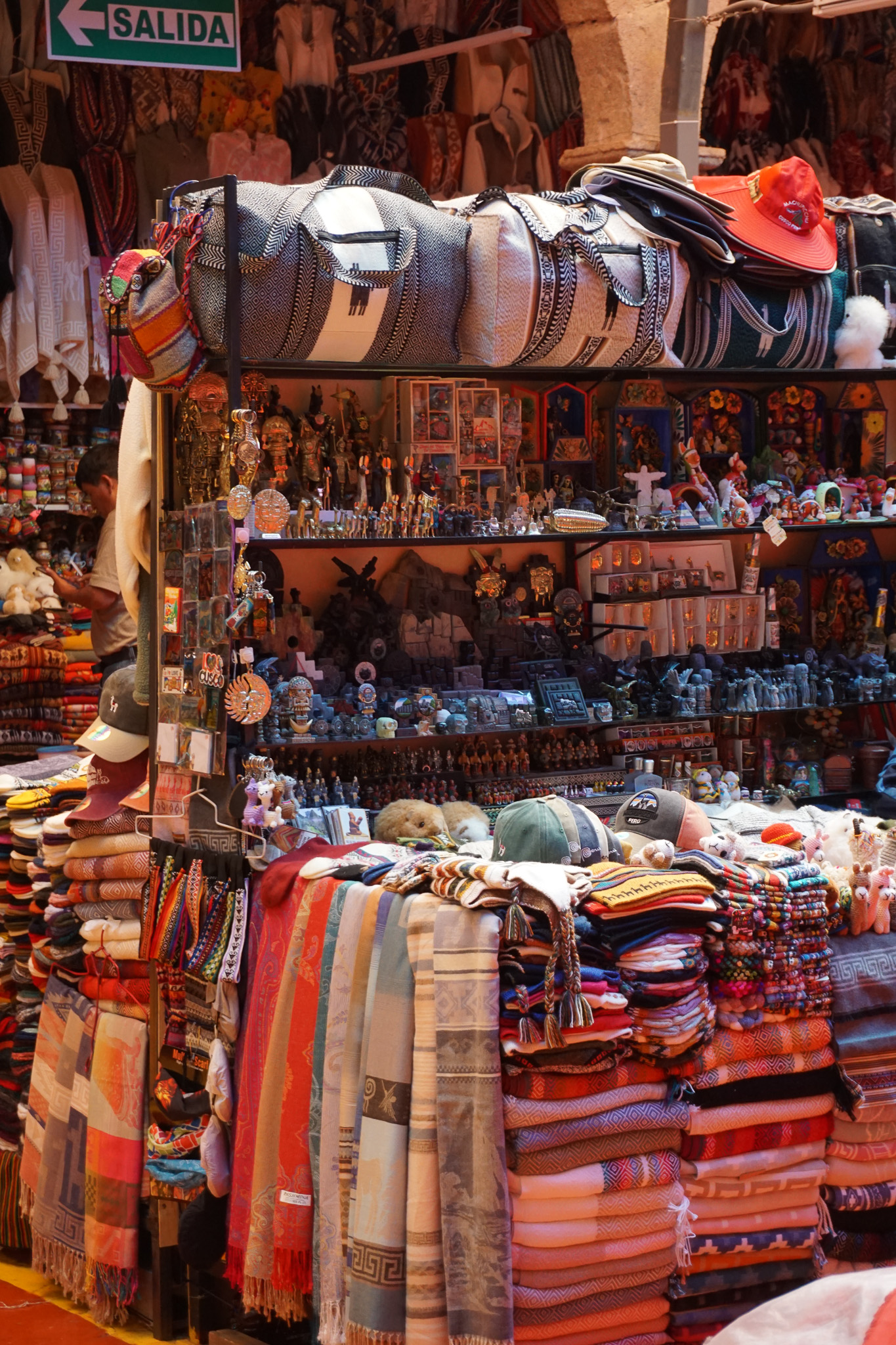
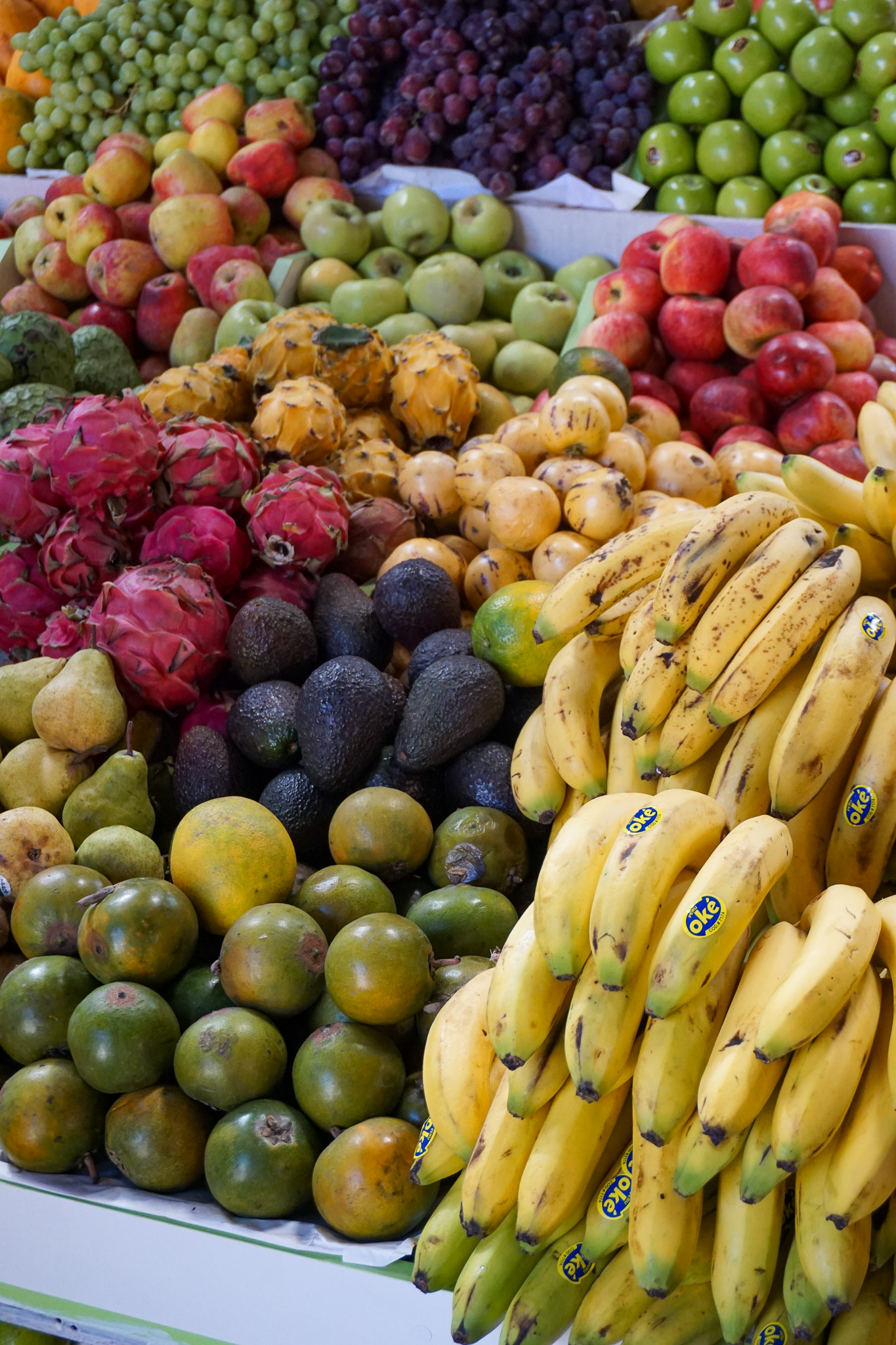
I had heard about their juices – dozens of stalls, with piles of colourful, fresh fruit, the only limitation to what sort of juice you could get was your imagination. So many of those fruits were unrecognisable to me. I stood in front of one of these stalls with a confused look, not sure what to choose. The lady on the other side of the counter was generous and gave me a local fruit to try, and I ended up handing her the power to decide on what to put in my juice. I took a sip, with the expectant eyes of the lady on me. Hum, muy bueno, I said, and the lady smiled, clearly happy that her suggestion had been to my taste. And I was not just being polite – it was delicious, one of the best natural juices I’ve ever had.
It was my plan to have lunch there, but I was forced to leave by my own senses when I reached a part where they were selling meat and the smell was too much for my sensitive nose. It overcame me in such a way, a revolting smell of blood and raw meat that I simply could not stand, which took away any appetite I had left.
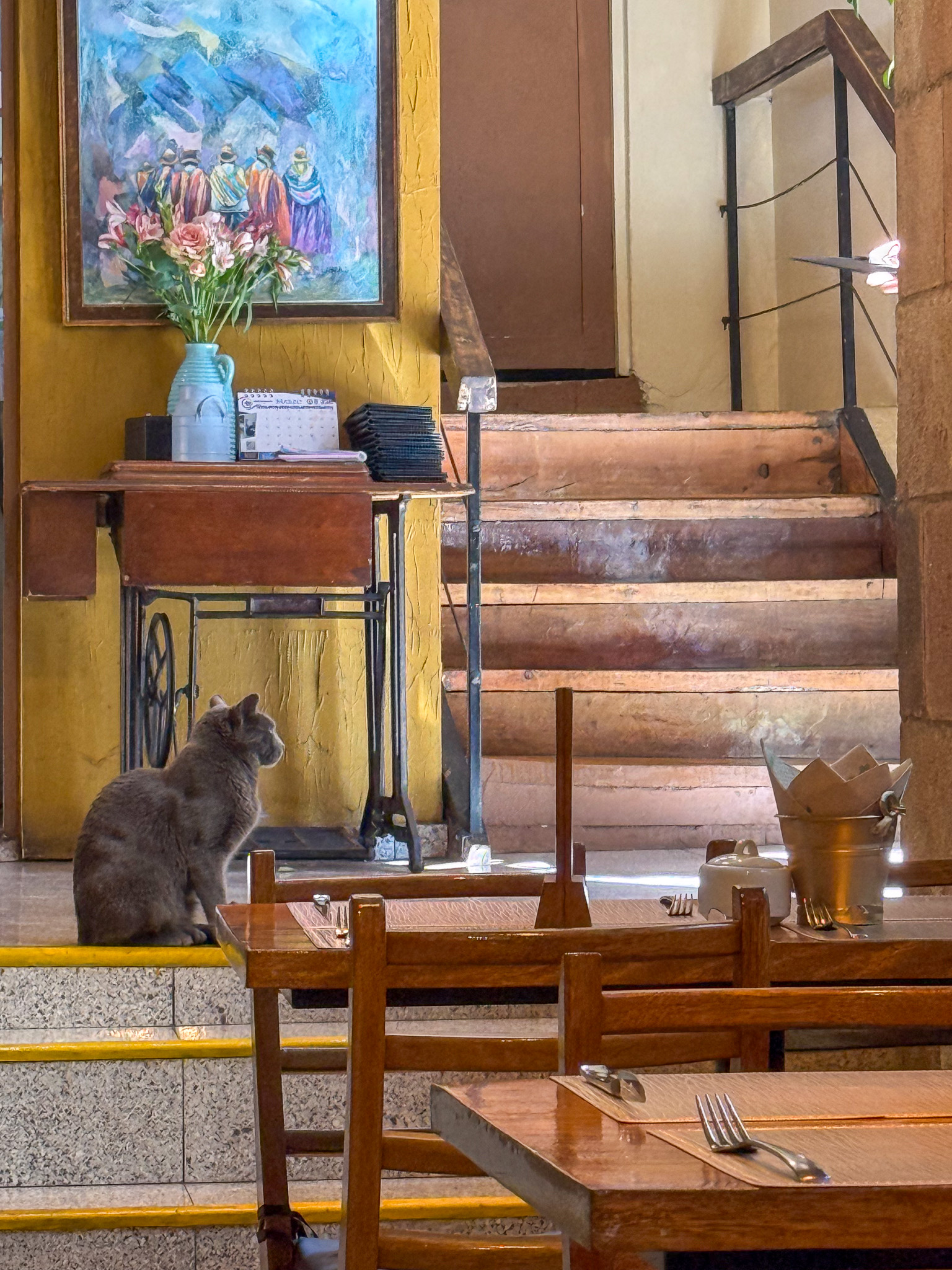
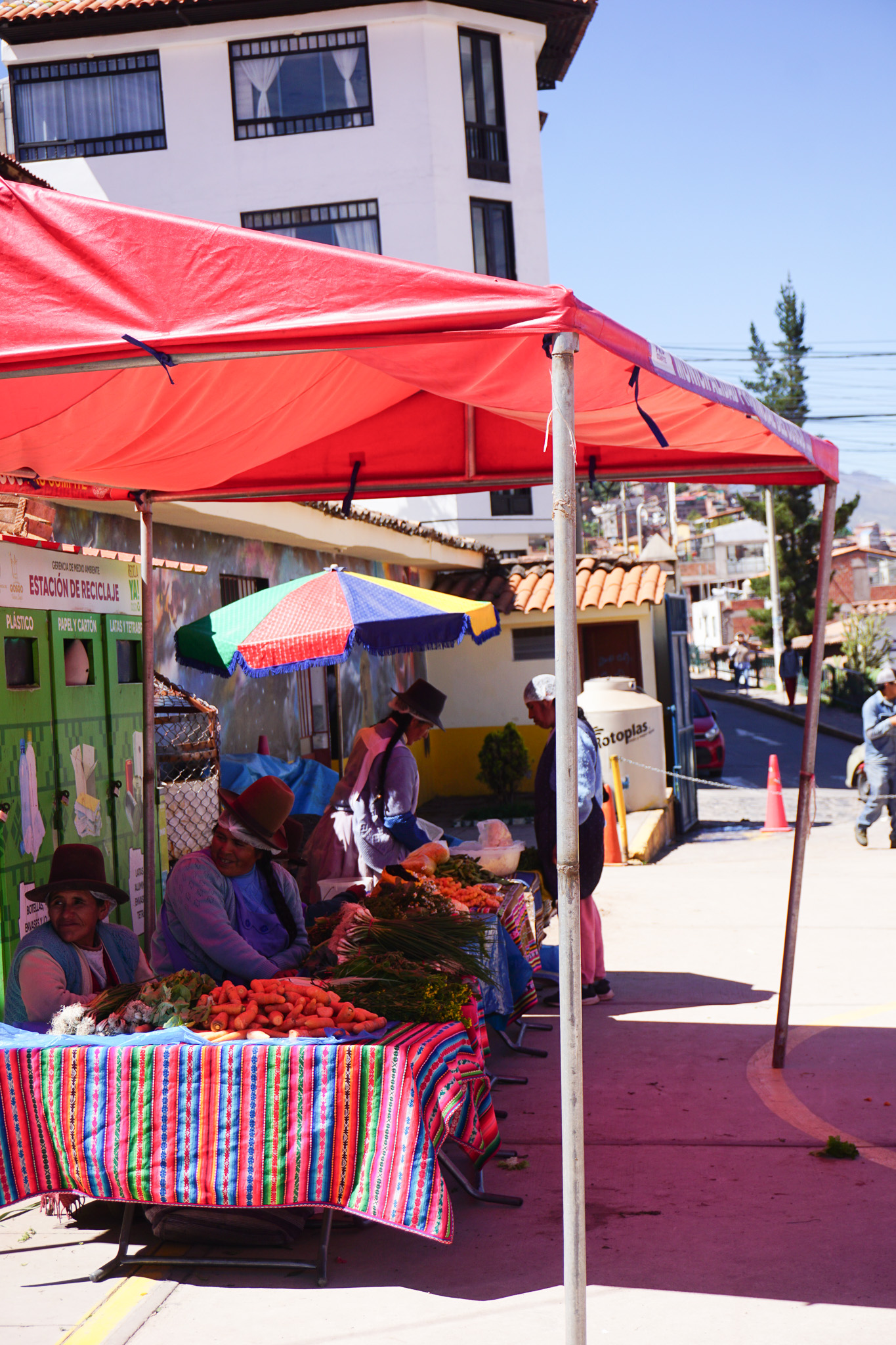
I left the market in the end, and after recovering my bearings, I ended up going to another wonderful cafe for a nice salad – this was part of the same restaurant I had gone to on my first day, Organika Bakery & Coffee. I spent some time here reading and people watching for a bit (also cat watching) and then decided to head back to San Blas. I wanted to visit the market there – much smaller – and then change to slightly warmer clothes for the evening. I was going to have my Salkantay trek briefing at 5pm, and god I was anxious. What kind of people were going to be in my group? What if I had forgotten to pack something important?
Cafes & Restaurants 🍴
- Where I had coffee in Plaza de Armas: Experiences Arte & Cafe
- Dinner around the corner to my accomodation: NaturAle Cusco Pizza & Coffee
- where our guide took us for pisco sour: Limbus Restobar, amazing view
- Where I went for lunch: Organika Bakery & Coffee
- Where I went for dinner before my trek: Los Toldos
I won’t spoil it. I’ll talk about what was going to be the highlight of my time in Peru in my next post. However, I could not go to bed that day with an empty stomach – and I must tell you about this place, as it’s adored by locals and tourists alike and had been a recommendation from my guide in the Sacred Valley tour – Los Toldos. Simply grilled chicken with fries and salad, something that is also traditional in Portugal and was simply perfect for my last night in Cusco, before heading out on a 5-day-long trek.
Accomodation 🛏️
- Where I stayed in Cusco: Casa Montes San Blas. Book here
- Highly recommend both: highly rated on Booking.com and amazing experience.
Nic
Love, Nic
P.S. Some links are affiliate links, which means I may earn a small commission if you choose to book through them. This does not affect the price you pay and my suggestions are not sponsored. These were places where I stayed and genuiely recommend 🙂


One thought on “Cusco Before the Trail: Cats, Sacred Pumas, and Market Juices”