
When in Cusco, there is barely a day when you get a lie in. Most tours start early as driving hours through the mountains can be long. On my second day, I was going to give my body some relief from the altitude with a tour of the Sacred Valley. The pick up was at 7am.
When looking for tours in Cusco you have two different options – budget, those you easily find through Get Your Guide, and may have quite a few “commercial stops” – and the more expensive ones where the groups tend to be much smaller, you might get more attention from your guide, and less commercial stops, which means more time at the actual sites.
For this trip I really wanted to treat myself – so I booked with TreXperience the VIP Sacred Valley with Maras Moray day tour. I have no regrets. The tour ended up being almost private – it was just me and another lady who was Romanian and, like me, lived and worked in England. Whilst she was older, with 2 young adult kids, we had a lot in common, which meant the conversation was always interesting – she talked about the places she’d like to visit in the future, and how now that her kids were older she could finally do these things for herself.
The guide was also fantastic. He told us how he is trying to do more of these Sacred Valley tours, as he often guides the famous multi day trek of the Inca trail. For him, this was almost a holiday, and it was adorable to see him stopping to take photos and videos of places he had probably visited countless times. Plus, with such a tiny group of two people, it also meant we could ask him as many questions as we’d like.
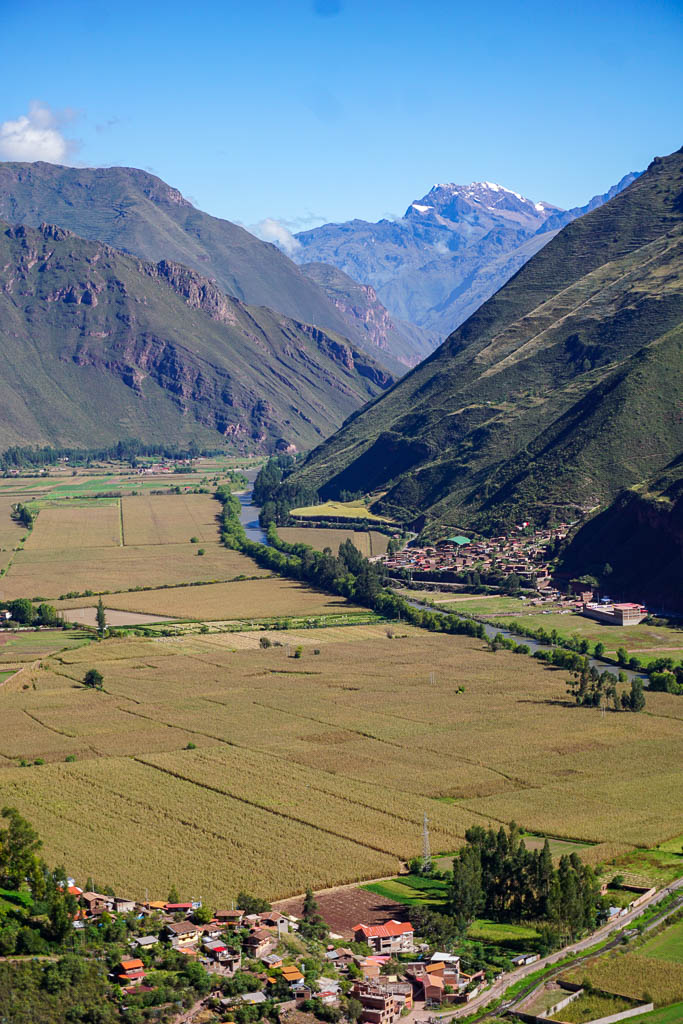
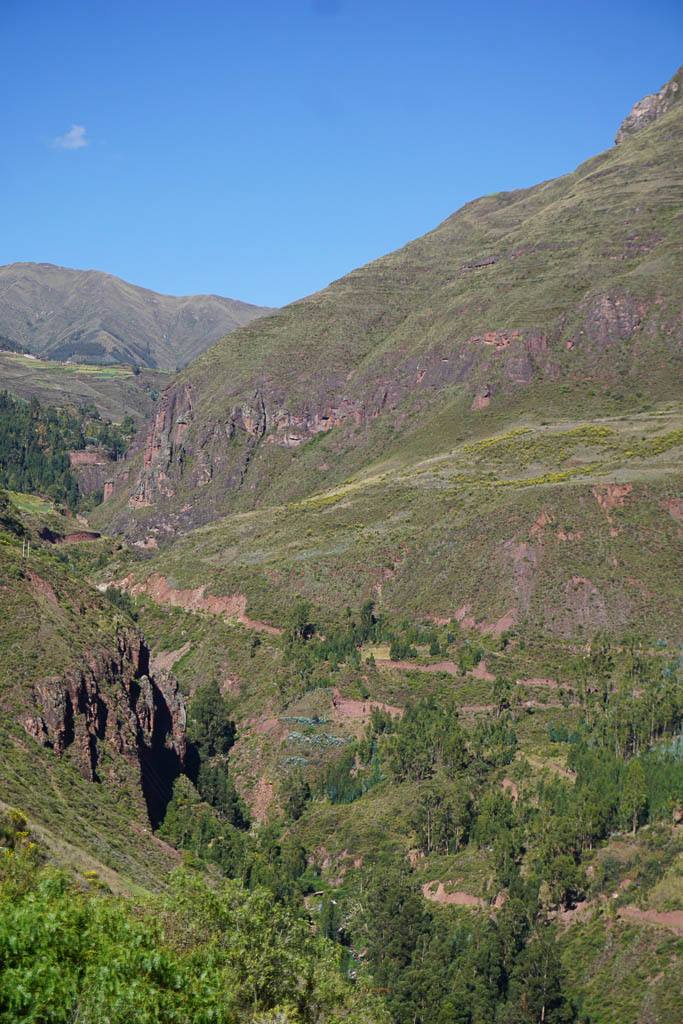
At the beginning I said this tour would give my body a rest from the altitude. As the name implies, a visit to the valley means a descent. But what is this valley and why is it called sacred? It starts with the temperatures – with the valley floor sitting at 2,700 to 3,000 meters of altitude, these are much warmer than Cusco. It stretches from the Urubamba River from Isca to Ollantaytambo… and precisely because of these great conditions, it was favoured by the Inca empire for agriculture.
Before heading to the archaeological sites, we had a stop at an alpaca farm. From my point of view, this seemed ethically dubious… but after looking into it, I found that this was much more than a place where animals are kept in captivity for tourist enjoyment. The place we visited was called Manos de La Comunidad and they operate as an ethical artisan cooperative and living museum. It functions as a cooperative to give local indigenous women an independent source of income, whilst keeping alive the ancient Quechua weaving traditions.
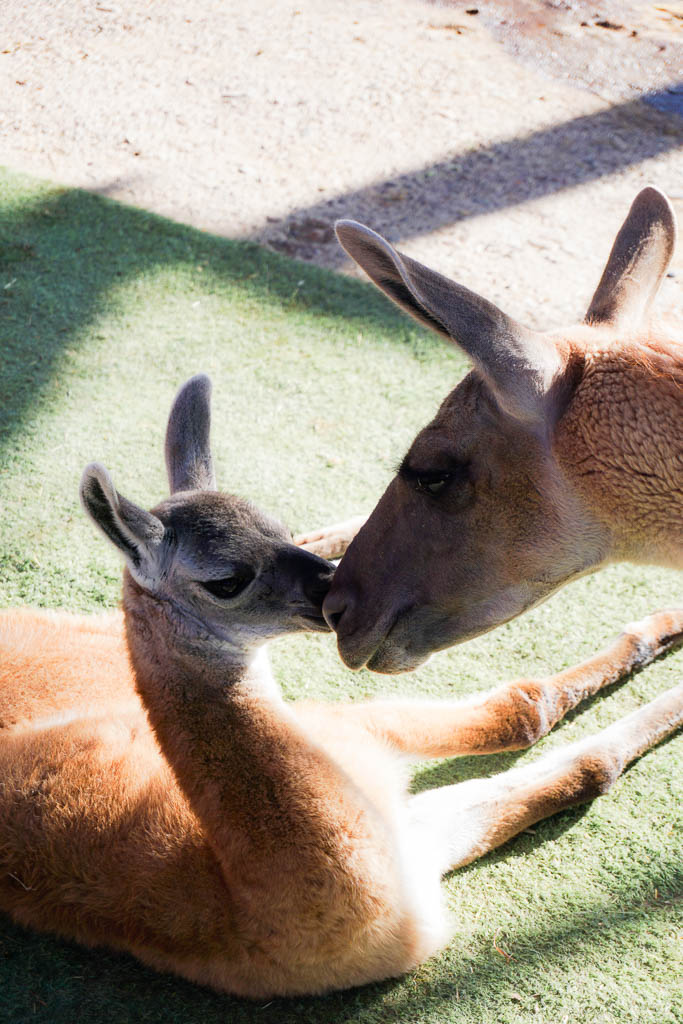
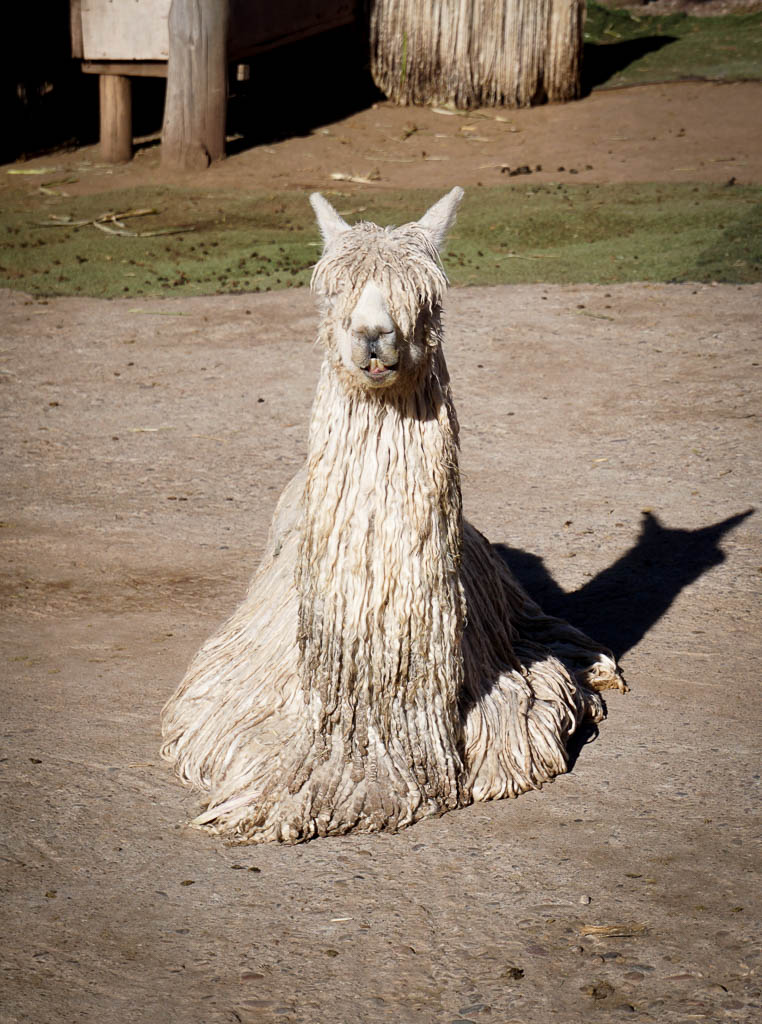
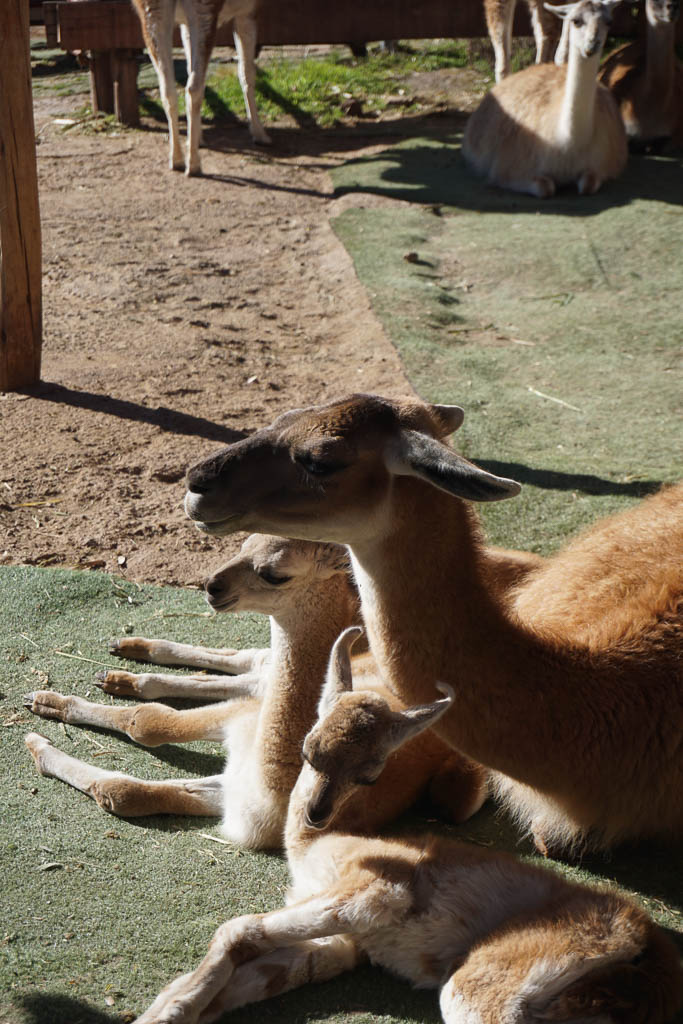
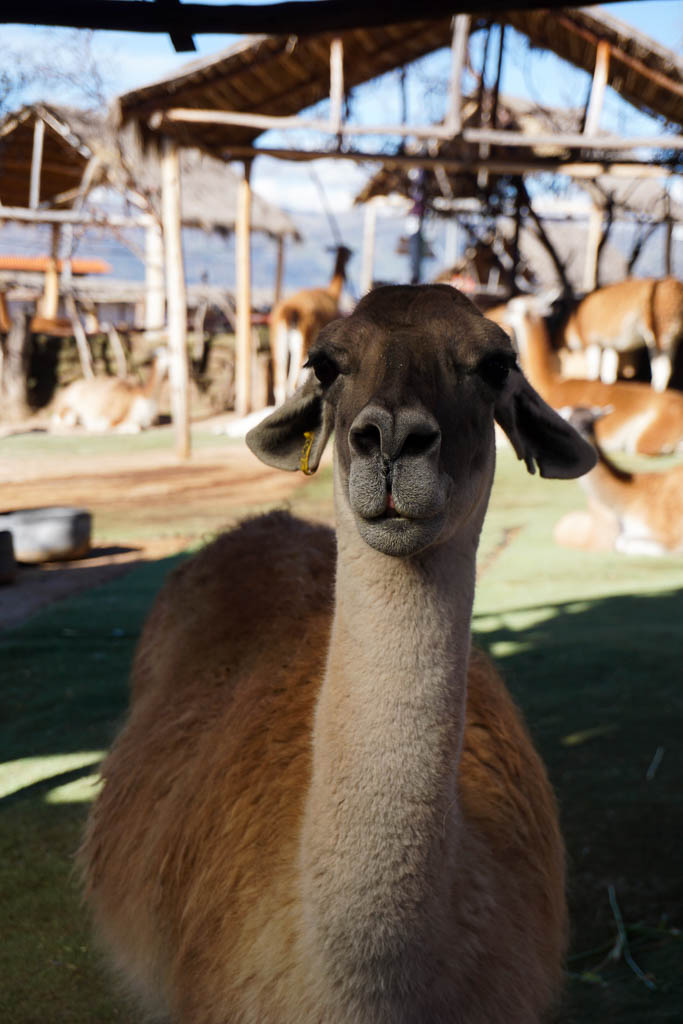
We not only learned about the native animals, but also about the weaving and dyeing techniques. It was fascinating. They run an official social project to support local families and children as well, so every purchase you make will stay in the hands of the locals.
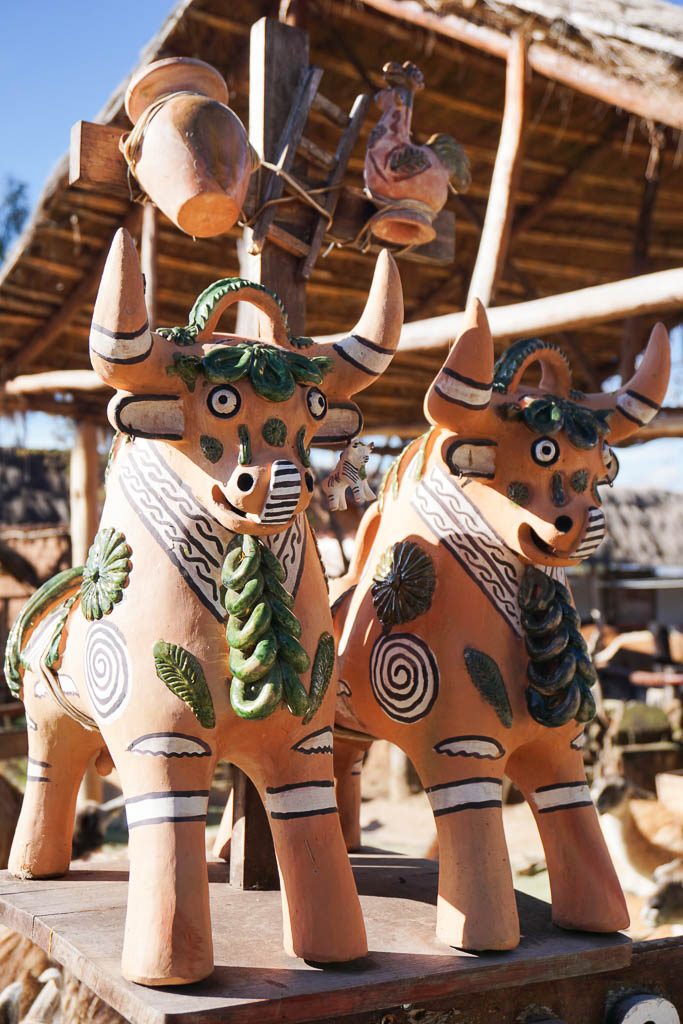
The day before in Cusco, I had noticed pairs of ceramic bulls at the top of roofs – and just there I could finally see them up close, and I decided to ask the guide about them. These are the Toros de Pucará – according to legend, these bring protection to the household and are usually a gift from a close friend when moving to a new house. And, it’s also the responsibility of such friends to place them at the top of the roof. These pieces are mostly handmade in the town of Pucará, hence the name, but of course I can see very clearly there is possible a strong Spanish influence in it. How lovely to see such syncretism.
The animals were well taken care of, with spacious living enclosures. I knew about the llamas and alpacas, but the Vicuna is the actual national animal – and its wool is the most valuable as well. It produces the finest, most expensive wool in the world.
The first archaeological site we visited was Pisac, which was one of my favourites.The well preserved agricultural terraces, the cliffside ruins, the almost perfect geometry to it… and hydraulic systems that still work to this day! But this is also where the largest known Inca cemetery exists. But these burials are much different from those we are used to in the Western world these days. The tombs are bored into the rock in the cliffs, and these are noticeable looking at the cliffsides. The whole point was for these to be hard to reach, and be kept safe from robbers and animals. They also believed the spirits of the ancestors would look over the valley and protect the living below. Sadly, the Spanish looted these tombs alongside grave robbers looking for gold – this is why we see the empty holes nowadays.
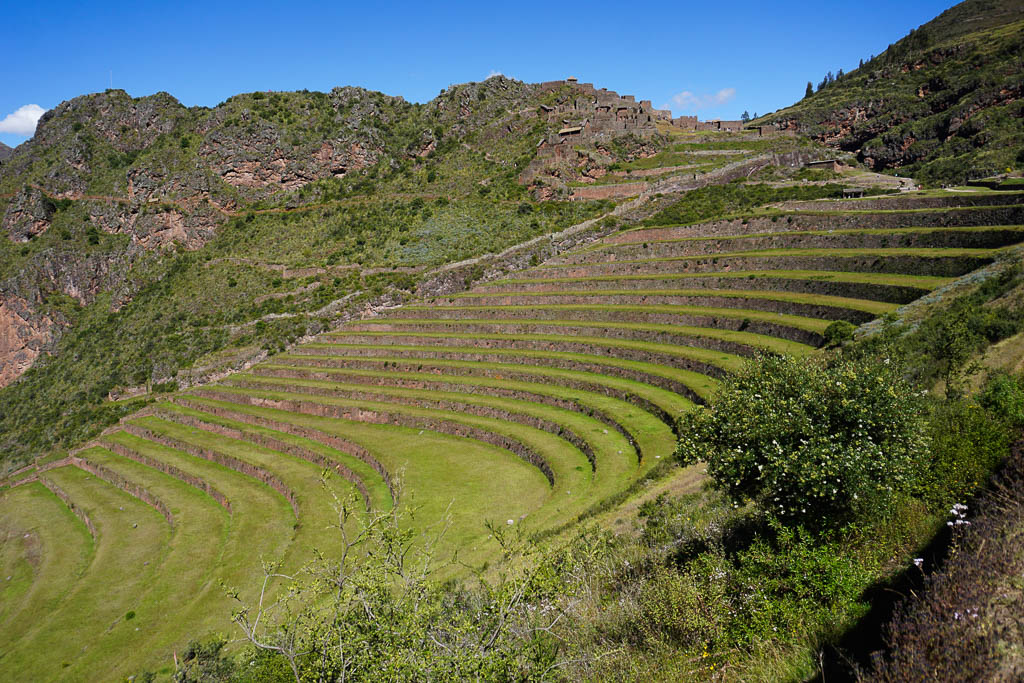
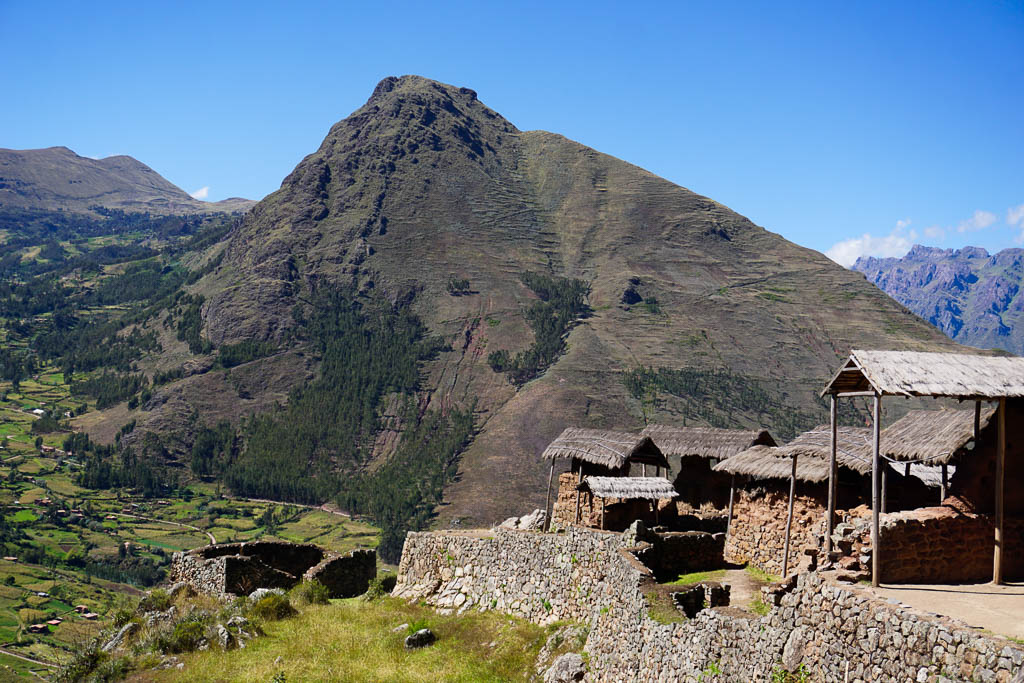
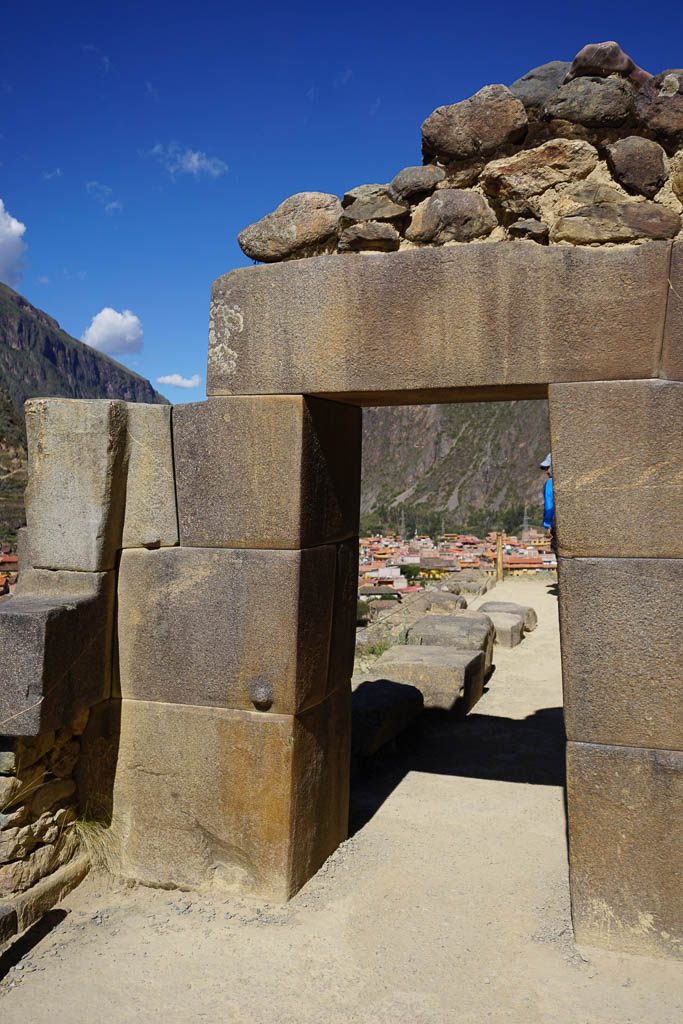
Our guide also explained how it’s possible to distinguish between an Inca building that was meant for the upper class versus those that were for the common people. Walls built with perfectly cut and polished stones were likely part of an important building for the noble class. And how perfect these walls are, hard to believe these were manually polished by persistent, patient hands, and not with sophisticated modern machinery just a few weeks ago. The guide caressed the stones with his hand, slowly and softly, whilst explaining the process. I was simply obsessed. There is something about human perseverance that hits me every time. But oh well. There was no internet back then.
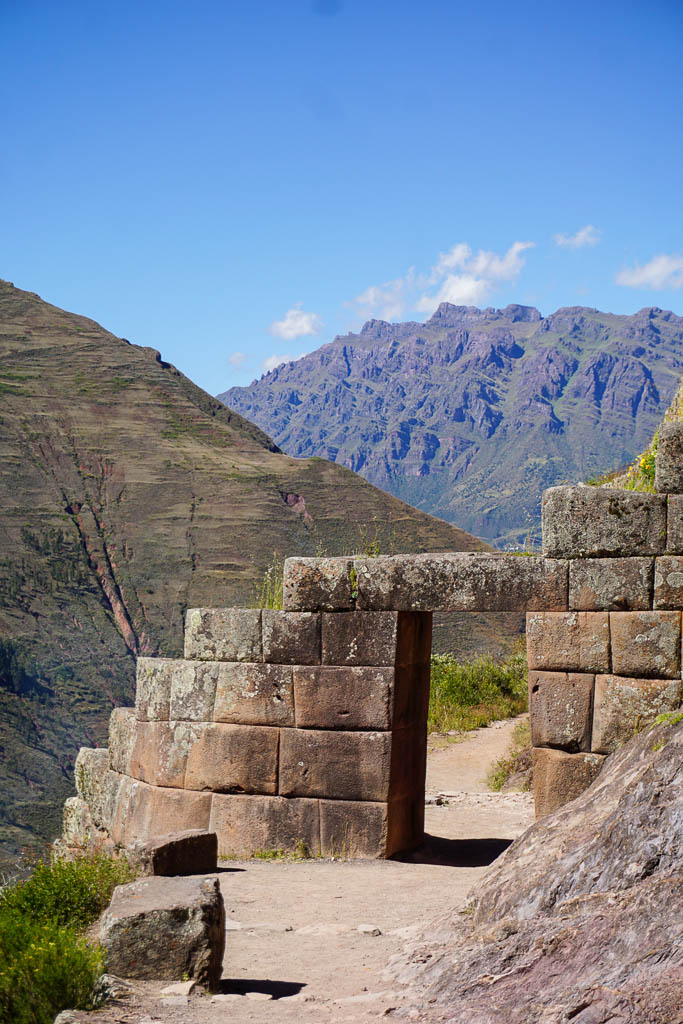
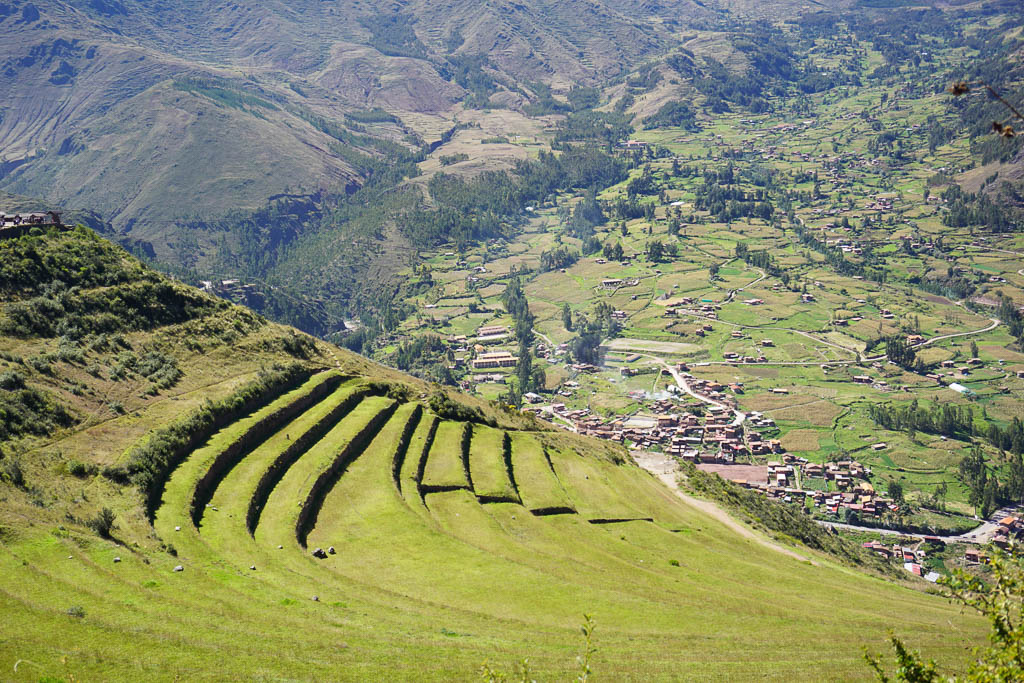
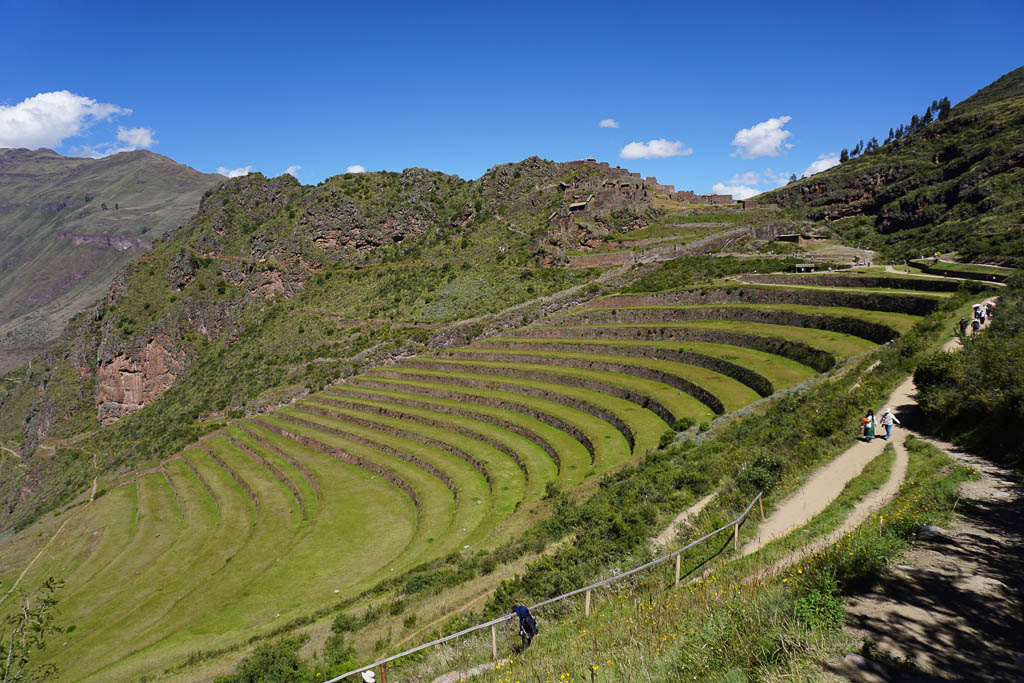
I found it impressive how so much of the ruins have survived invasion, weather, and earthquakes. This would be a constant in my adventures in Peru, an almost eternal state of awe of the Inca engineering and architecture prowess.
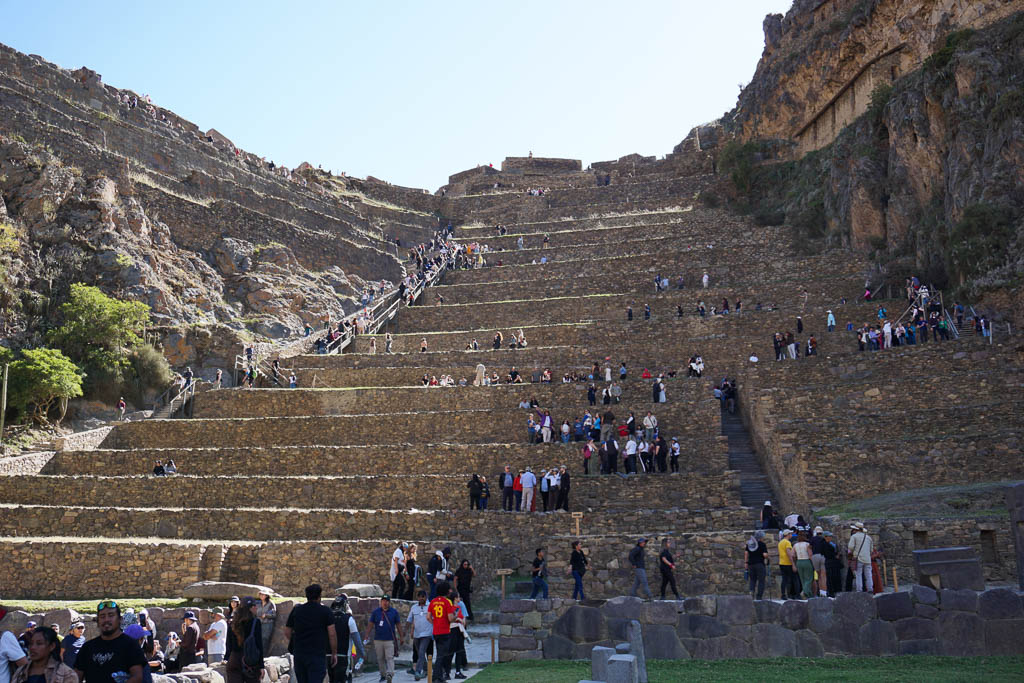
After Pisac, we went to lunch and then headed to Ollantaytambo. It was busy! This is where the train from Machu Picchu stops, and so it was hectic as travellers were arriving from there and taking transport back to Cusco or staying in town. What makes Ollantaytambo so special is that you can literally feel the emotional toll of something left unfinished. It was not about the massive terraces for me – it was seeing the so-called “piedras cansadas” – tired stones. Massive blocks that the Incas had been transporting from miles away (people are still debating how they managed it) – but when the Spanish invaded these were left on the way to the temple that they had been building.
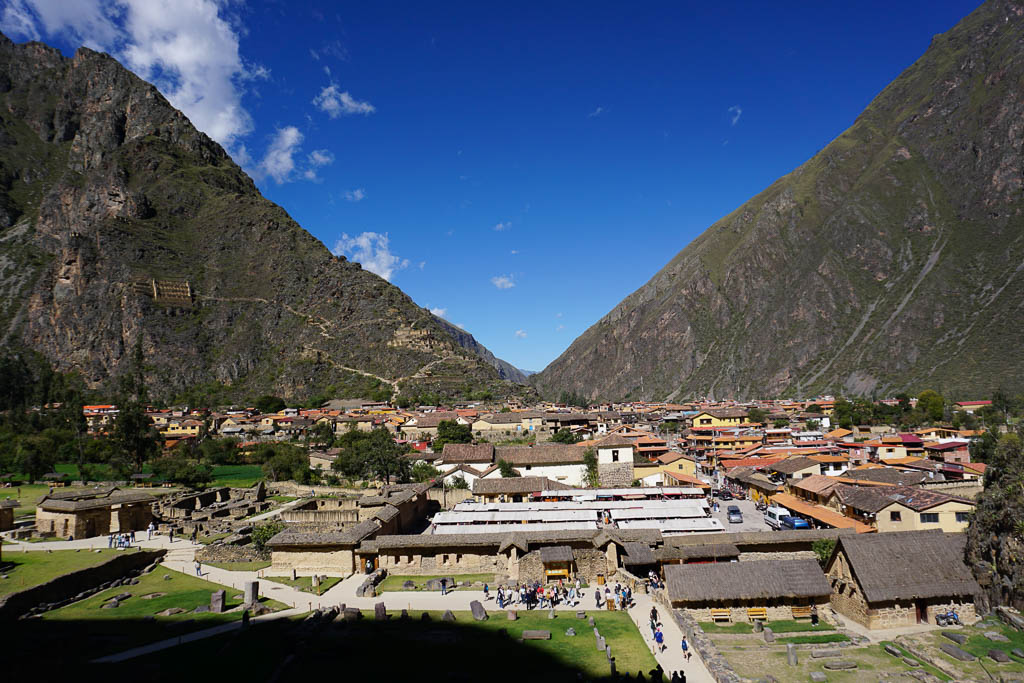
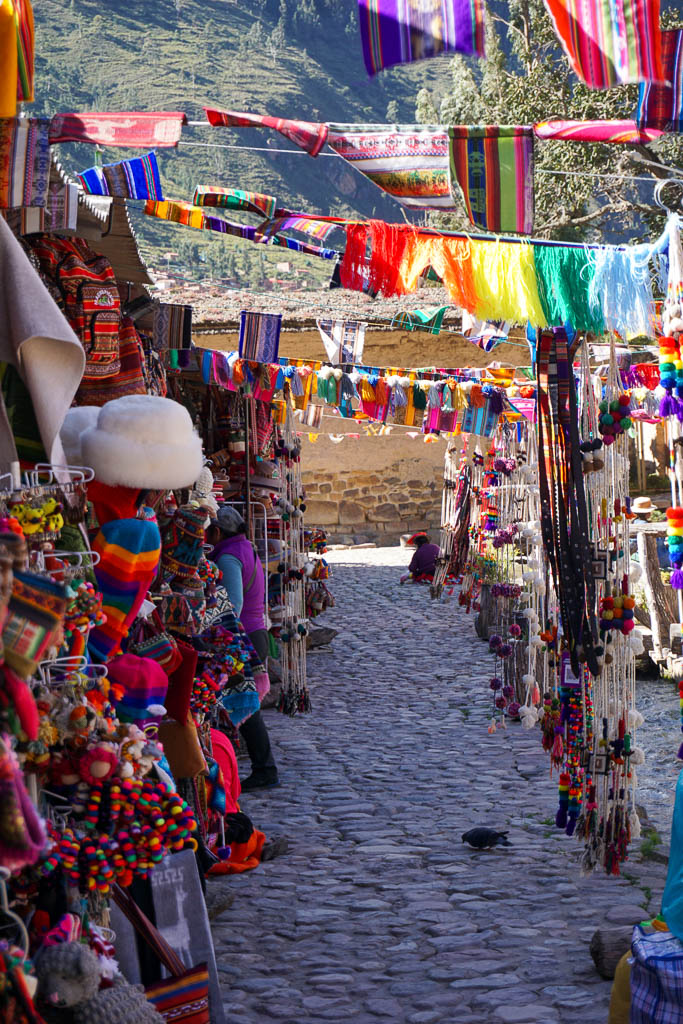
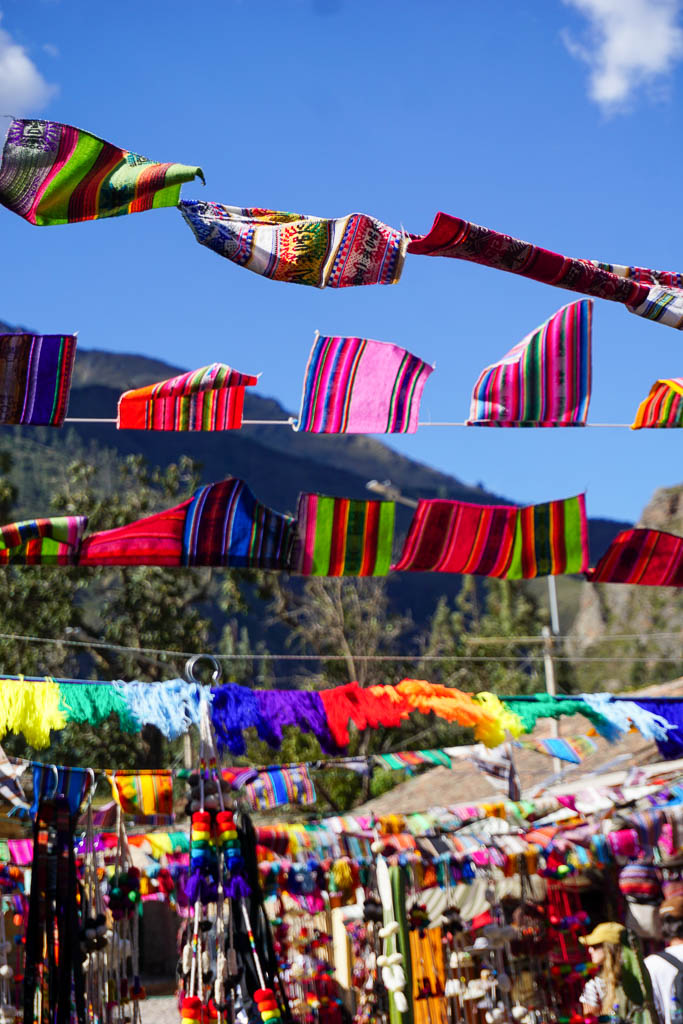
Ollantaytambo is also known as the Last Living Inca town because it is the only place where people still live in actual, original residential structures. We did not have time to explore the town itself, but in the future I’d love to spend a couple nights here. If you have time, do consider it.
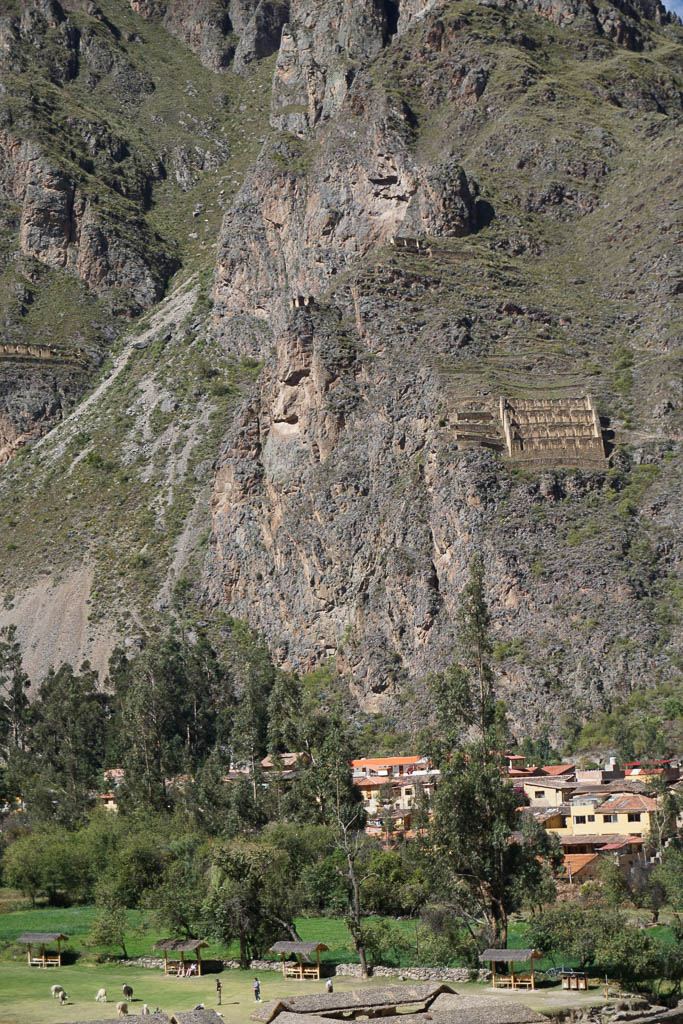
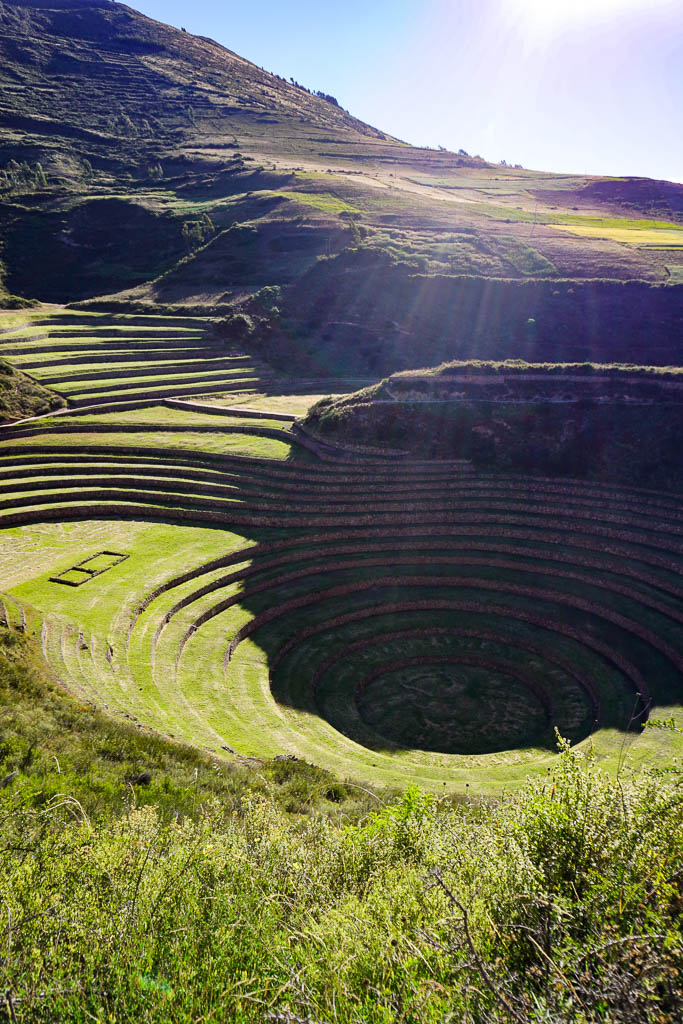
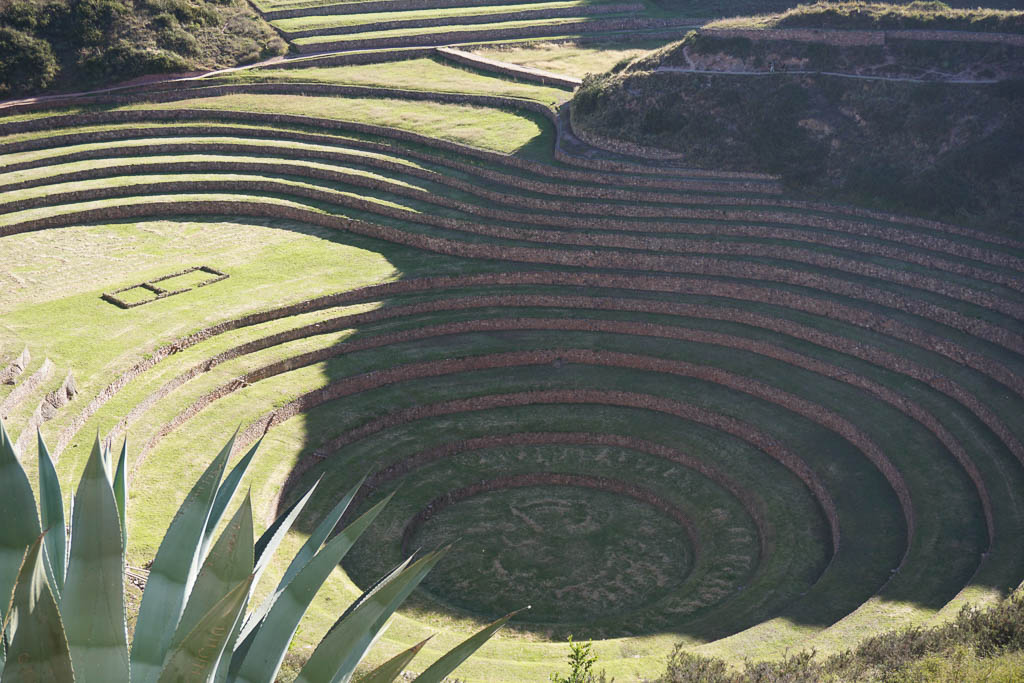
Moray was the next stop, and this is really where the agricultural prowess of the Inca levels up – it is known for its perfect concentric terraces that look like they were created by aliens in spaceships. But these are actual laboratories. Different “balconies” had different microclimates – this is how they came to grow different kinds of potato and corn. But it gets even more impressive – the soil in these terraces was also intentionally engineered. When archaeologists excavated Moray, they discovered the soils in the terraces weren’t local. The Incas imported soil from different regions of Peru to match the climate they were simulating – the topsoil was fertile, organic humus from the lower Amazonian jungle. Below there was sand, and below that gravel and larger stones. Jaw-dropping.
Finally, we visited the stunning Maras Salt Mines. And if one is impressed with Inca engineering, bear in mind these salineras pre-date them. This is pre-inca tech, that still operates exactly the same way today. How impressive is this?
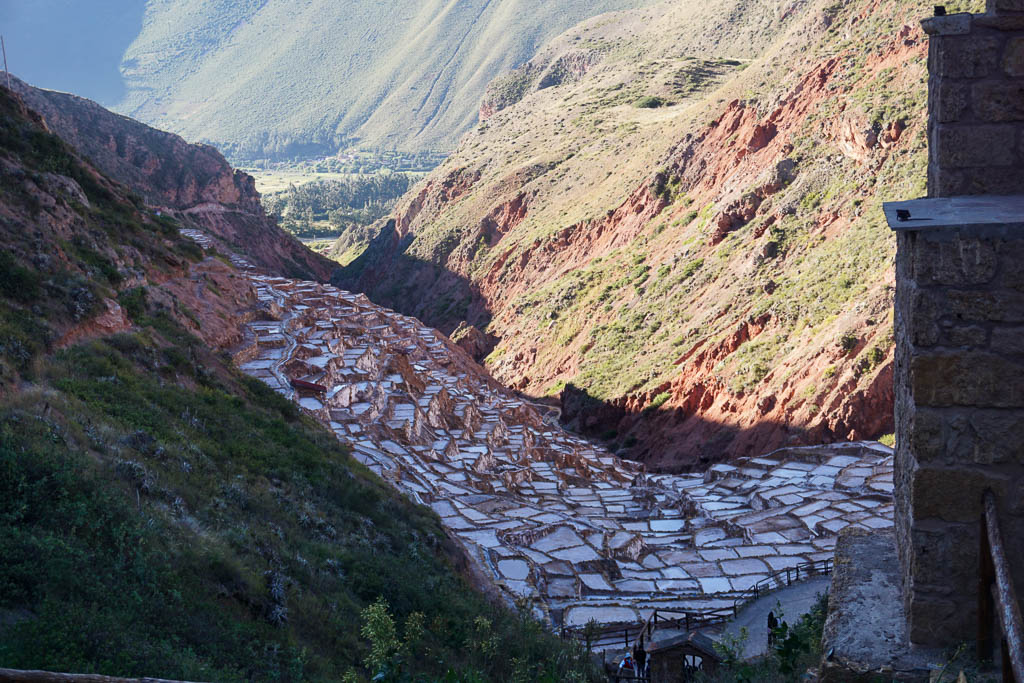
The salt pans were constructed by the Chanapata culture around 200-900 AD. When the Incas took over the valley they recognised the genius of the design and simply integrated it into their empire – this was a vital resource for food preservation.
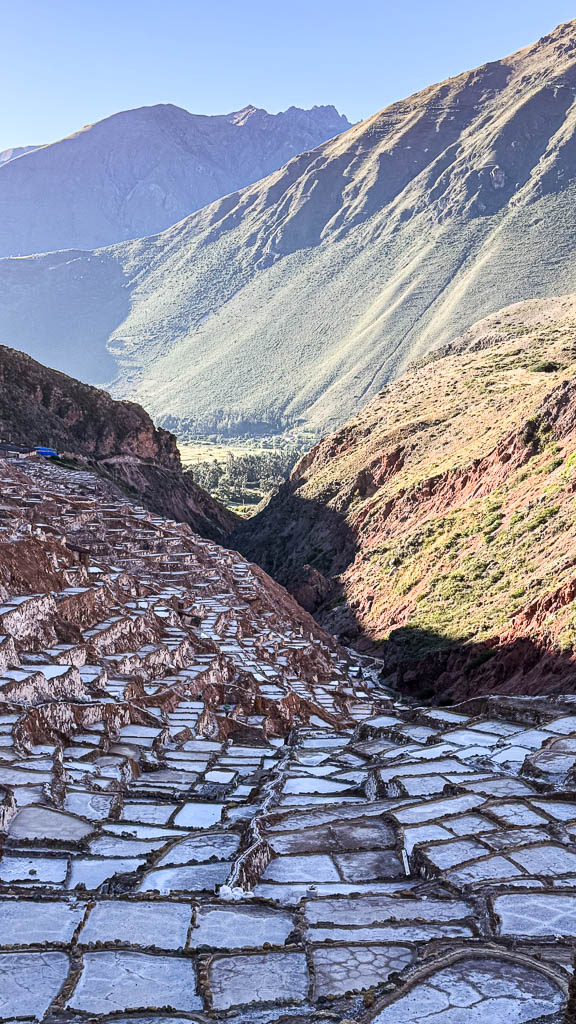
In the past few years, Himalayan pink salt has become quite famous. I was surprised to know that here the salt is also pink due to a unique blend of different minerals – such as magnesium, calcium, zinc and iron. This is hand-harvested and unrefined, retaining these rich minerals – most sales are exports for chefs all around the world.
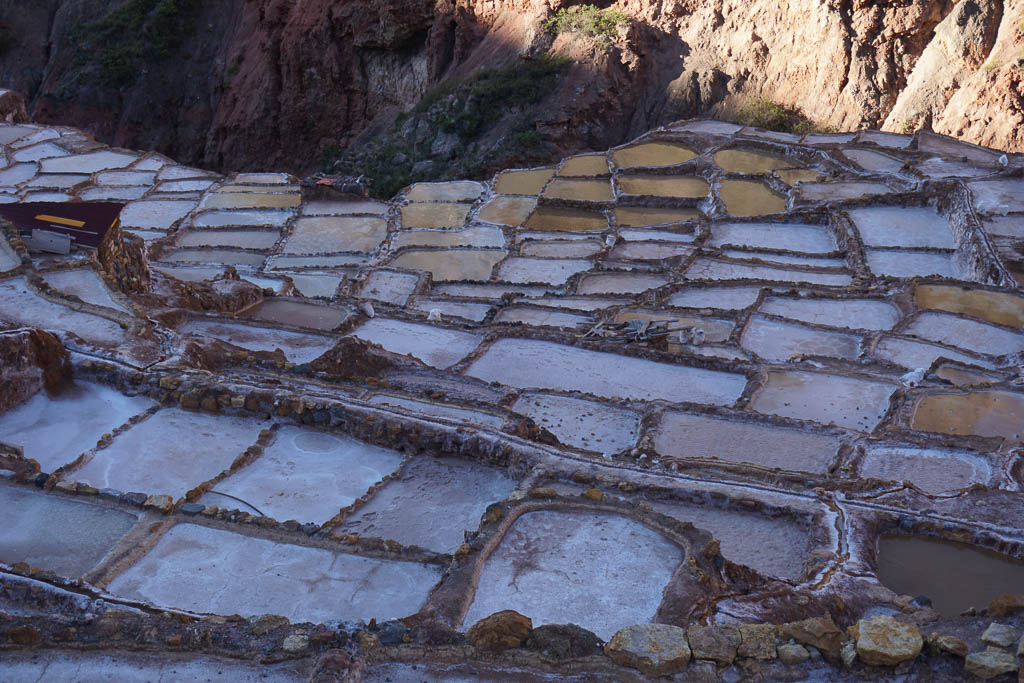
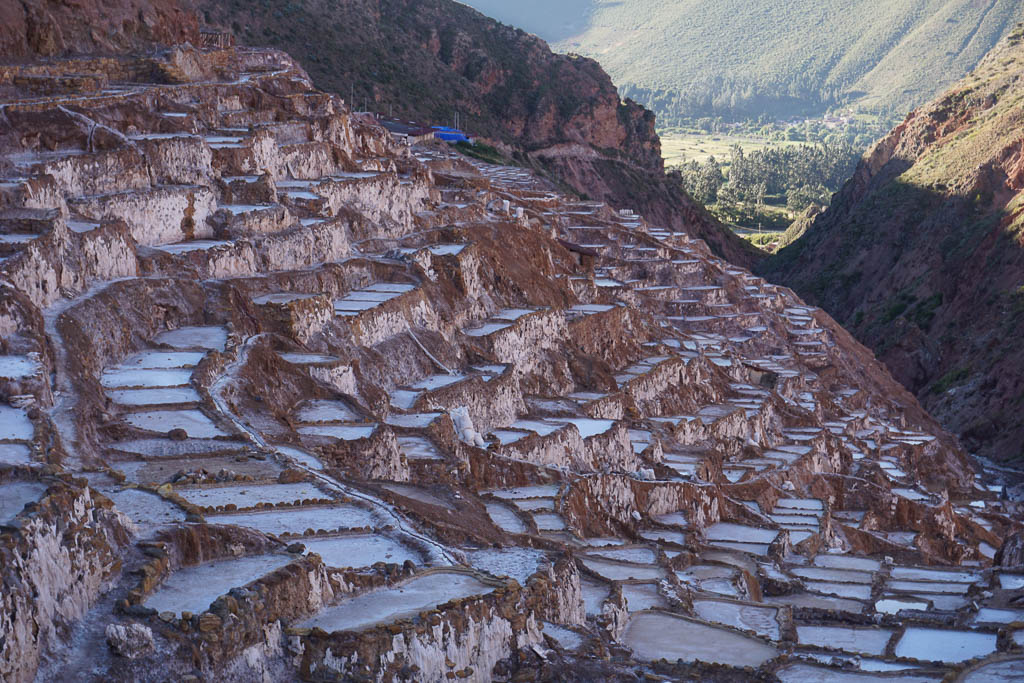
Now – I have visited salineras before. In Portugal, we have them close to the ocean, which makes sense – the salt is what remains when the ocean water evaporates. I also visited the amazing Wieliczka Salt Mines in Poland – underground, from when this region was in fact covered in seas millions of years ago. But here, it’s different. We are in the mountains, there’s no ocean nearby… and there’s water. The whole thing is fed by a single, modest, subterranean spring called Qoripujio. The water from this spring is hyper-saline thermal brine (extremely salty, warm water). The ancient engineers built a complex network of tiny, hand-carved (!!!) channels that split off from the main spring, coming down to feed roughly 3,000 to 5,000 individual ponds!
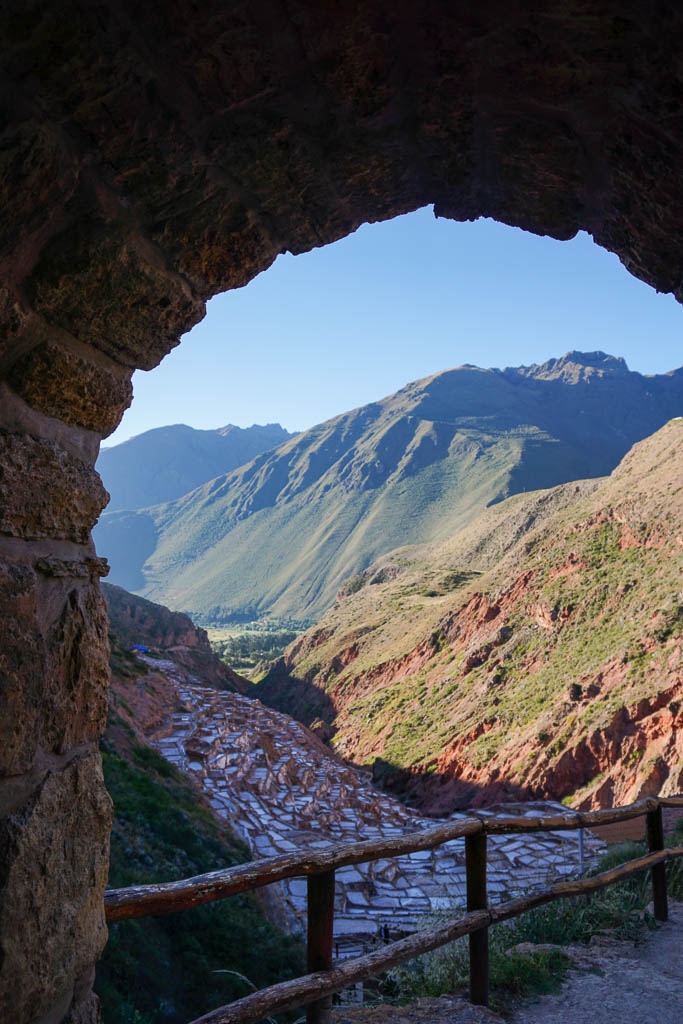
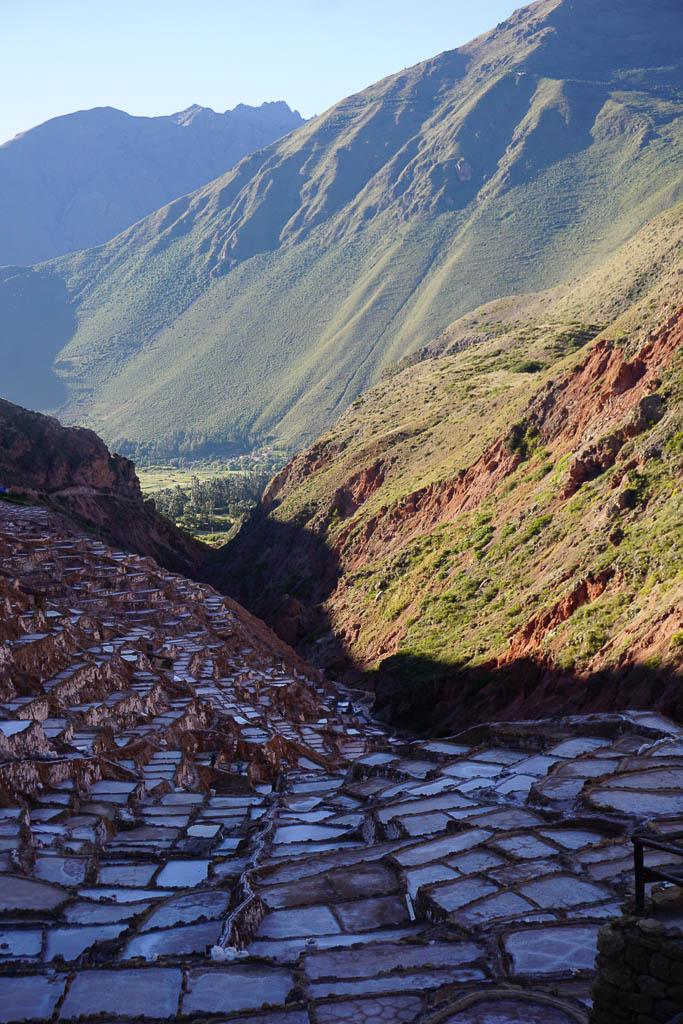
And how are these managed nowadays? I am very glad and happy to say, not by a big corporation. This is locally owned, through a community cooperative model. The ponds don’t belong to the government nor a large corporation, but by families living in the nearby towns. A family controls a specific set of ponds. They open a small notch in the stone channel to fill their pond with brine, then plug the channel up. Over the next few weeks, the Andean sun evaporates the water, leaving the crystalised salt behind. This is scraped and packed. And the process goes on again.
To own a pond, the person has to be registered as a local community member and these are passed down through generations. New families marrying into the community are allocated a new pond at the outer edges of the canyon.
The whole place is simply fascinating. Beyond being a beautiful sight, the white ponds contrasting with the reddish and reddish-brown of the mountain. What brought me the most joy, though, was learning that it is still locally owned. Strict rules also forbid tourists from walking in between the ponds – this used to be the case but was causing contamination via dirt and trash left behind by bad tourists.
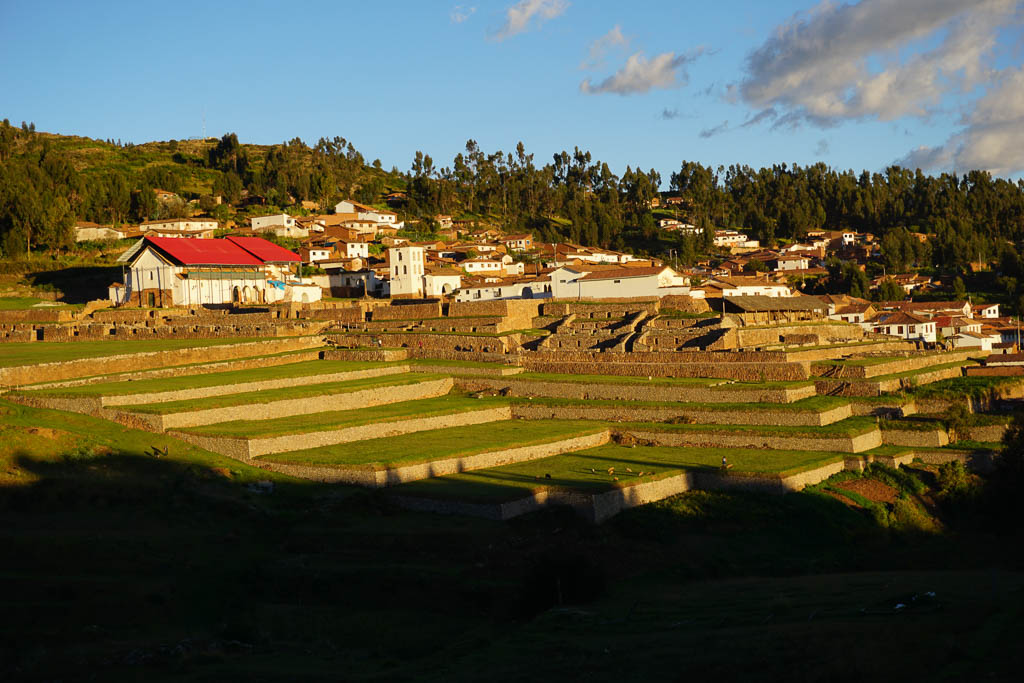
The final stop was Chinchero, but the sun was setting and sadly we didn’t get there on time to visit the archaeological site – we simply admired it from afar. Chinchero is known as the weaving capital of the region. One to keep in mind if I ever come back to the Andean region of Peru.
This was a brilliant day. It was tiring, but full of impressive history. One memory that stuck with me was the pride with which our guide spoke about the history, the culture and the heritage of his country. His eyes were brimming with delight, and he didn’t shy away from saying so himself.
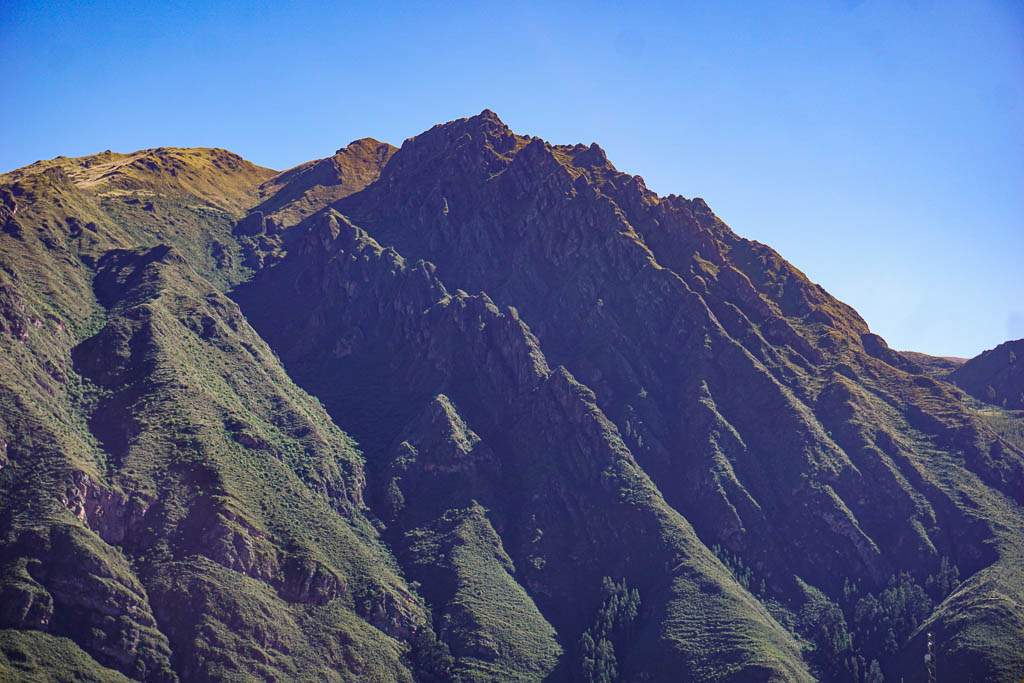
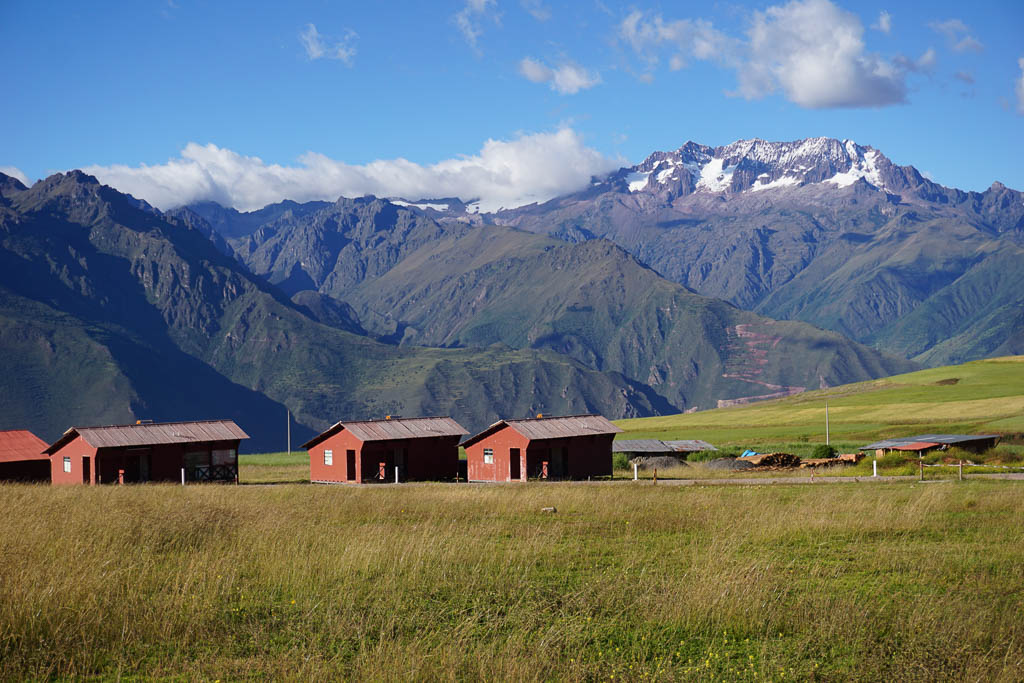
And whilst each place we visited was uniquely special, the sights during the drive itself were marvellous. So many times I had to pinch myself to believe I wasn’t dreaming. I was exploring the Andes, and at times their beauty felt almost unreal.
I know that the Incas were conquerors and warriors. That violence was also part of how they became such a huge, powerful Empire. But I could not stop myself from comparing them to the Spanish. Unlike the Spanish, they tended to incorporate useful technologies and practices from the cultures they conquered rather than erase them. They built on top of the amazing advancements cultures before them had achieved. The Spanish way of building on top was with literal destruction, turning a blind eye and a deaf ear to the locals. And because the Incas did not use writing as a way to store information, so much was lost with their deaths.
I suppose this is why, for some reason, the emotional whiplash of that day for me was the piedras cansadas. I never imagined I could find myself one day relating to blocks of stones.
Love, Nic
P.S. Some links are affiliate links, which means I may earn a small commission if you choose to book through them. This does not affect the price you pay and my suggestions are not sponsored. These were places where I stayed and genuiely recommend 🙂
Accomodation 🛏️
- Where I stayed in Cusco: Casa Montes San Blas. Book here
- Highly recommend both: highly rated on Booking.com and amazing experience.

