
I arrived in Reykjavik with a nasty cold and a sprained ankle. The cold had started a few days before, and whilst it was subsiding, my brain was still foggy and my breathing difficult. My ankle? I only have myself to blame.
I have an uncanny ability to space out, which isn’t great when you rely on public transport. I was on my way to the airport and almost missed my stop to change lines. Usually, I’d just accept it and get off at the next station – not a huge problem when it happens on the Tube. Do not ask me what came over me at that moment (perhaps my cold had infected my brain cells), but I rushed for the doors just as they were closing. My backpack caught lightly on the closing door, and I tripped, falling flat onto the platform.
Like any self-respecting adult, I scrambled up quickly, shame spreading through my limbs. Two people rushed over to ask if I was okay. “All good, all good, thanks,” I mumbled, avoiding eye contact while making sure all my belongings were still with me. I felt no immediate pain and walked to my next train. It was only when I reached the airport that I noticed a sharp pain in my right foot. It escalated during the flight, forcing me to take off my boot and pop an ibuprofen. It was truly unbearable. I started to panic: had I broken something? I was on my way to Iceland – a trip I had been dreaming about for years, with a considerable financial investment on the line. Had I ruined everything because of a moment of idiocy?
Fortunately, the ibuprofen worked. While I was limping slightly when I landed in Reykjavik, I could stand and walk, which I took as a good sign.
Leaving Keflavík Airport, my lungs filled with cool, crisp Icelandic air, carrying the familiar, salty scent of the North Atlantic. I spotted my bus heading toward the city and started walking over. Naturally, the driver saw an opportunity for a joke and pretended he was about to drive off by shutting the luggage door, forcing me to jog when I was in no condition to do so. He laughed; I offered a strained, pained smile. My foot hurt, and as lovely as that first breath of Icelandic air was, it wasn’t quite enough to cure my ailments.
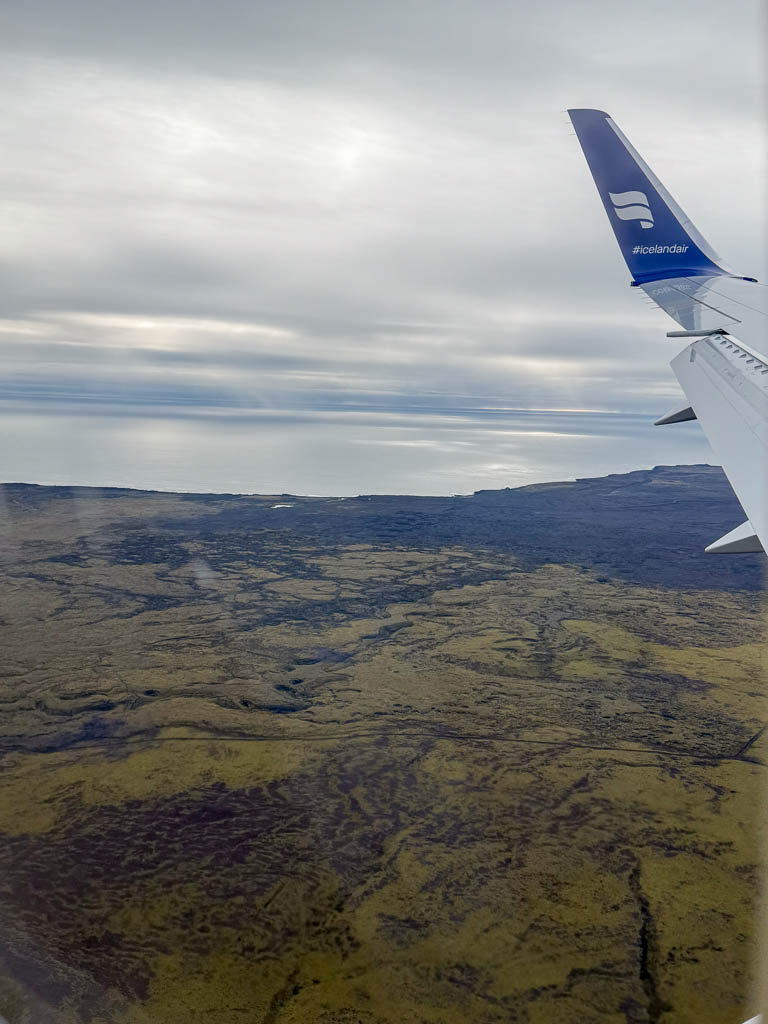
The drive takes about 50 minutes, depending on traffic, and serves as a lovely introduction to the lava fields characteristic of the Icelandic landscape. A golden glow brought out the deep green of the moss blankets, softening fields of lumpy, cracked, solidified lava.
These fields stretch to the horizon – a flat yet deeply textured landscape that feels endless. You could describe it as bleak; instinctively, you know only a resilient minority of life can inhabit this terrain. Yet, these are my favorite kinds of places. They inspire respect for the Earth and a deep sense of how ancient it is. It’s raw, powerful, and awakens something wild inside me.
The bus dropped me at BSÍ, the main bus terminal in Reykjavik, followed by a 17-minute walk to my hotel. My foot was aching, but once it warmed up, the pain almost disappeared. Nothing seemed broken, at least!
My very first impression of Reykjavik was, quite literally: Where is the city?! I was surrounded by houses with gardens, small greenhouses, and treehouses in the backyards. I passed a hospital and a school. On a Saturday afternoon, hardly any cars passed by. It felt like a quiet suburb… which made no sense because I was staying at Oddsson Downtown. I was bewildered – this was downtown?
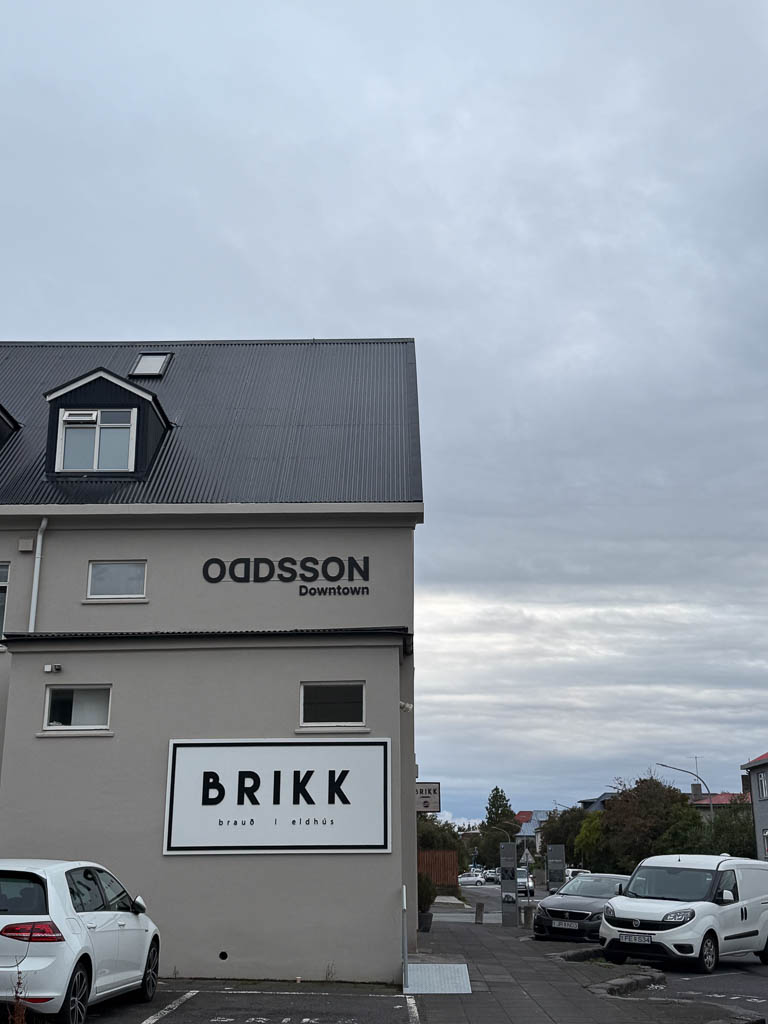
Well, yes, it was. Reykjavik didn’t feel like any other capital city I’d visited. In many ways, that’s what makes it fantastic: it’s quiet, compact, and completely walkable. The air feels remarkably clean, it’s incredibly safe, and… well, super expensive!
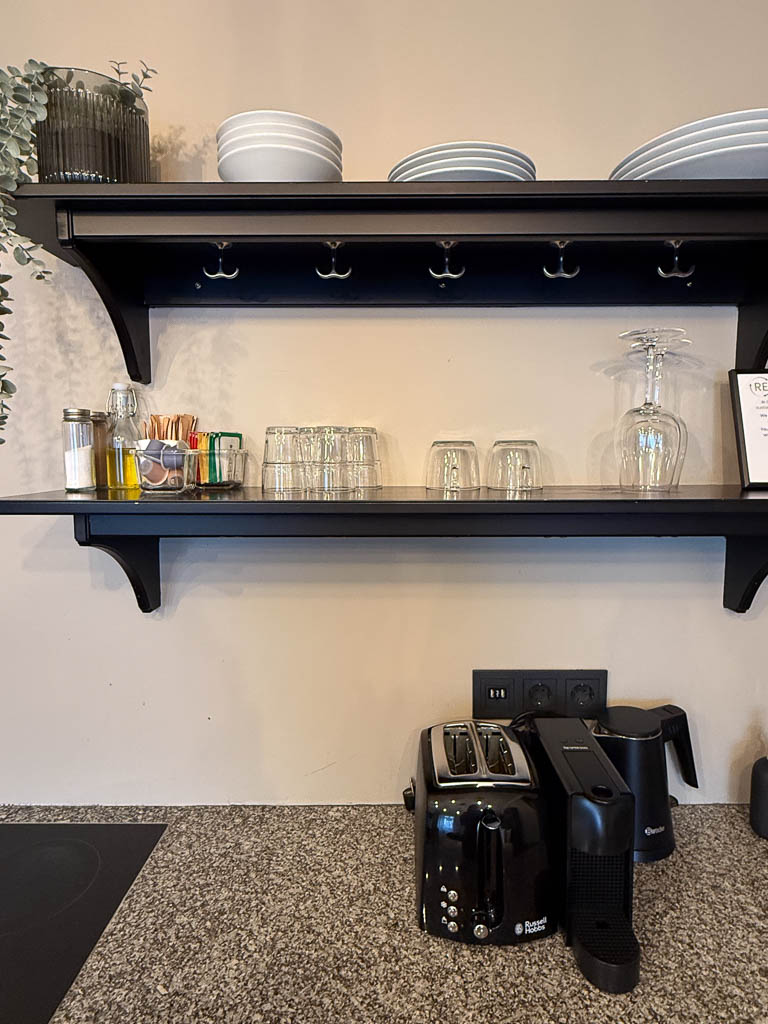
My room at Oddsson had a well-equipped kitchenette—coffee machine, toaster, kettle, microwave/oven hybrid, and hob. This kept the trip manageable, as I bought groceries where Icelanders shop: the budget supermarkets Bónus and Krónan. I picked up traditional Icelandic snacks like skyr (dense Icelandic yogurt) and rúgbrauð (dark rye bread), alongside sandwiches, cereal bars, cheese, nuts, fruit, and a few microwavable meals. This covered breakfast and most dinners, while the sandwiches were perfect for day trips.
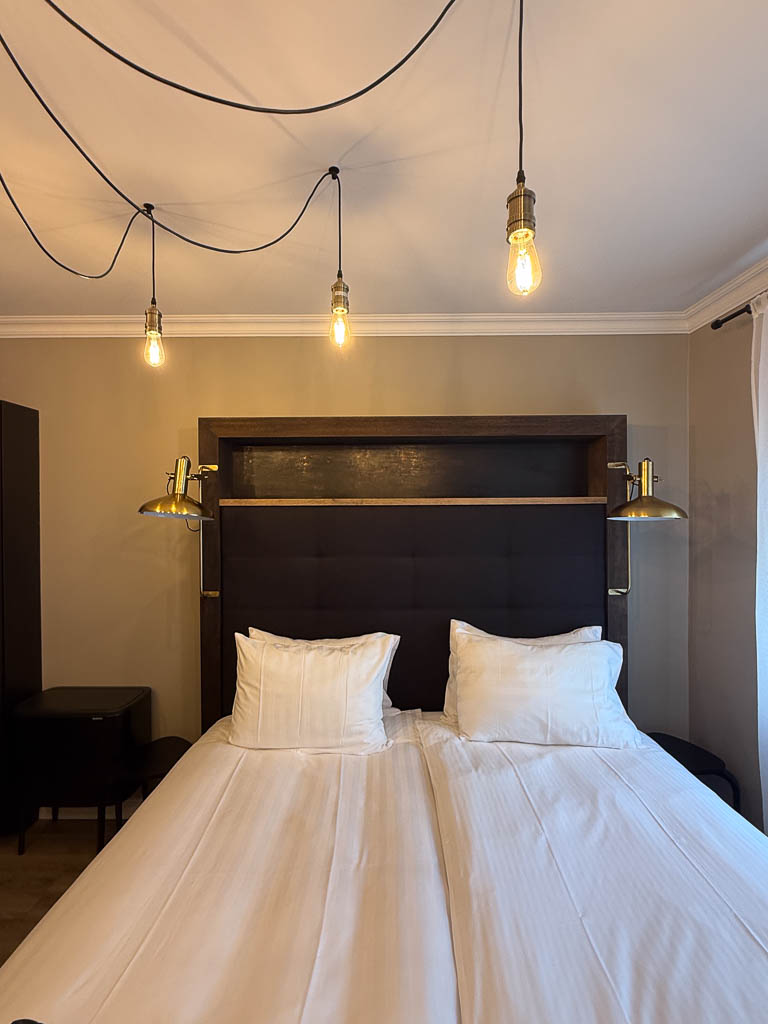
Sunday was dedicated to exploring Reykjavik. When I woke up, my ankle was swollen, but I could tell it wasn’t serious. (Not that I’m a doctor, but I could bear weight, and the pain eased after a few steps.) Nothing was going to stop my exploration day – not even the weather, which, as it turned out, was the last “good” weather day I’d get (spoiler alert).
Iceland’s total population is tiny – around 400,000 people – with about 64% living in the Capital Region. So at first glance, it might seem like there isn’t much going on in town. After all, the main draw of Iceland is its natural wonders. But don’t write off the city! There’s plenty to do, though most activities are either pricey or weather-dependent. For instance, I booked a whale-watching tour that ended up canceled for the entire week due to sea conditions. In Iceland, you have to be ready to pivot, as the weather changes instantly. They have a saying: “If you don’t like the weather, just wait five minutes.” I can confirm this is no exaggeration.
For this post, I want to focus on the low-cost, fulfilling things I enjoyed around Reykjavik.
Budget Highlights in the Capital
1. Hallgrímskirkja
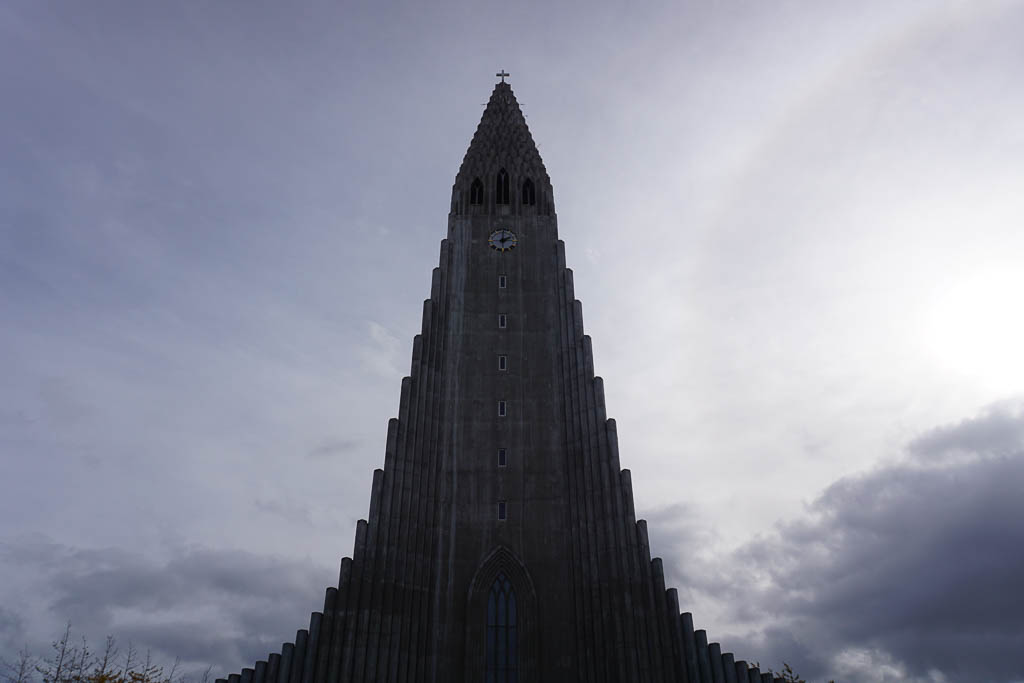
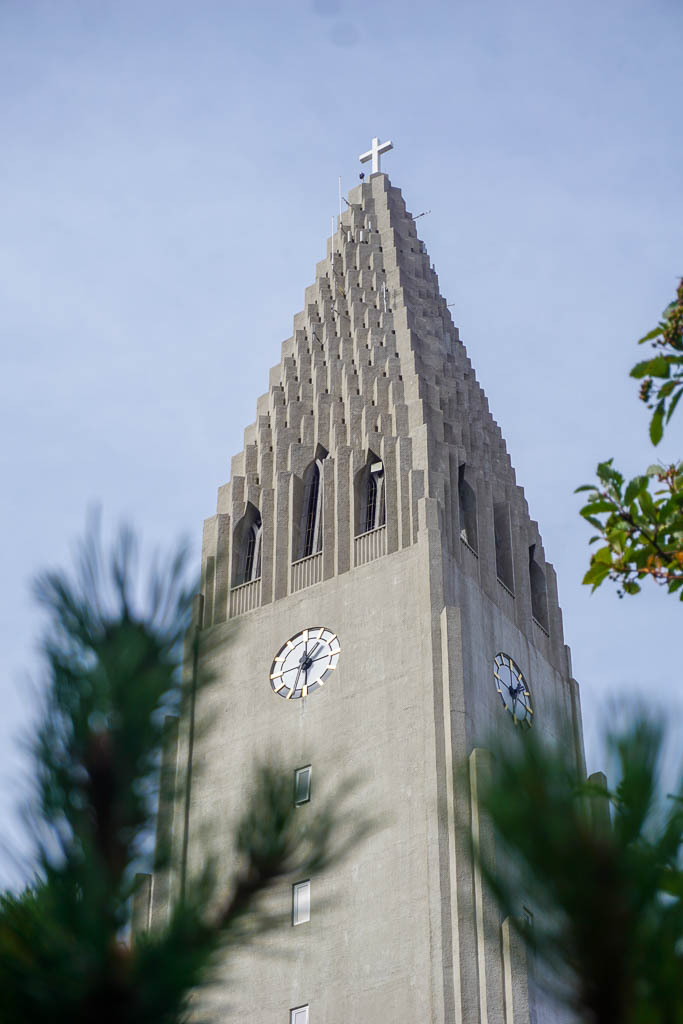
Hallgrímskirkja is impossible to miss; its tower peeks out from almost anywhere in the city. It’s the largest church in Iceland and its second-tallest building. Unlike any church you’ve seen before, it was designed specifically with Icelandic geology in mind. The architect, Guðjón Samúelsson, drew inspiration from native landscapes and basalt formations. The facade looks almost geological, with its towering wings mimicking hexagonal basalt columns rising like glaciers.
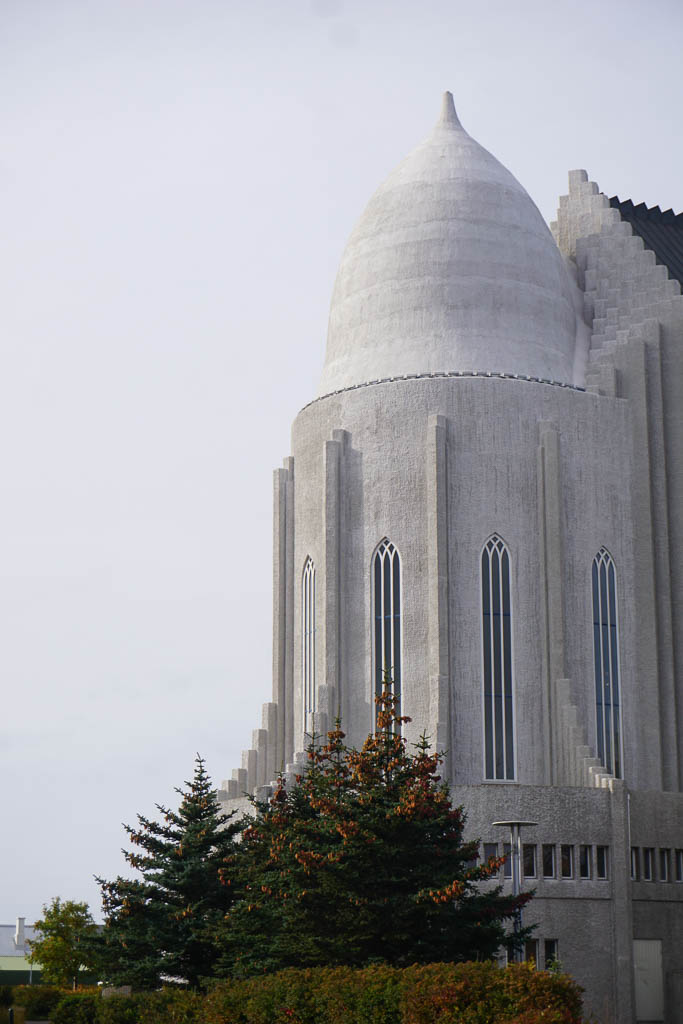
Iceland officially adopted Christianity around the year 1000, largely to avoid a devastating civil war. The conversion was decided at the Althing parliament in a single day without bloodshed—pagan practices were initially allowed in private, and followers were not persecuted. It was likely one of the most peaceful religious shifts in history. Today, Iceland is predominantly Lutheran Protestant, a transition brought about in the 1500s during the reign of the King of Denmark, who ruled Iceland at the time.
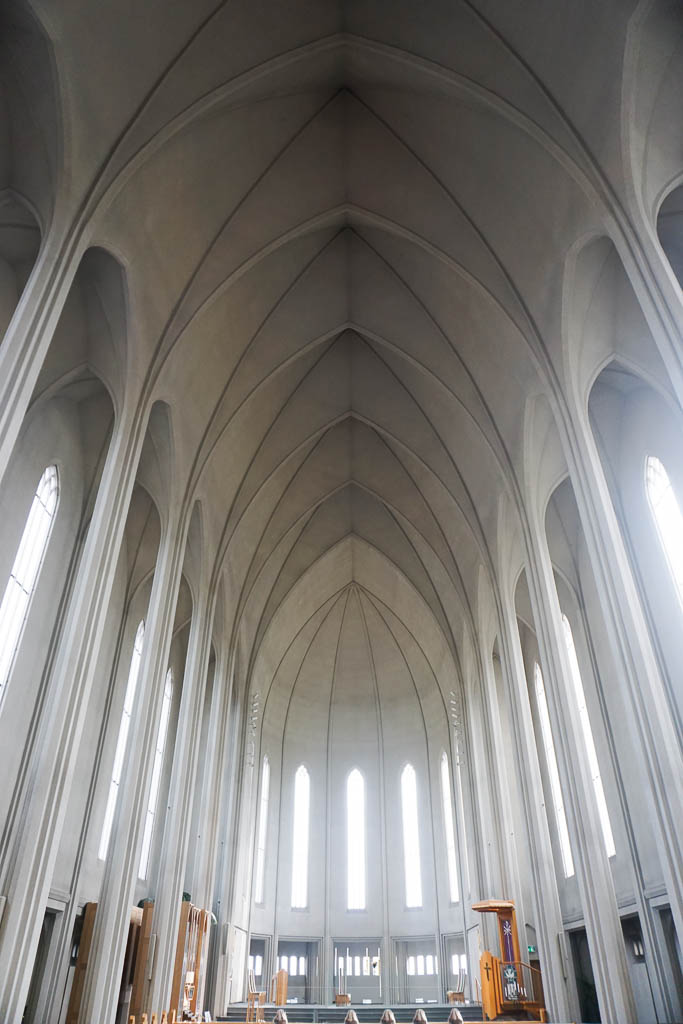
Entry to the church interior is free and well worth it. It’s remarkably flooded with light, and the stark, minimal altar creates a serene atmosphere. There’s little decorative clutter inside, leaving the grand pipe organ as the focal center.
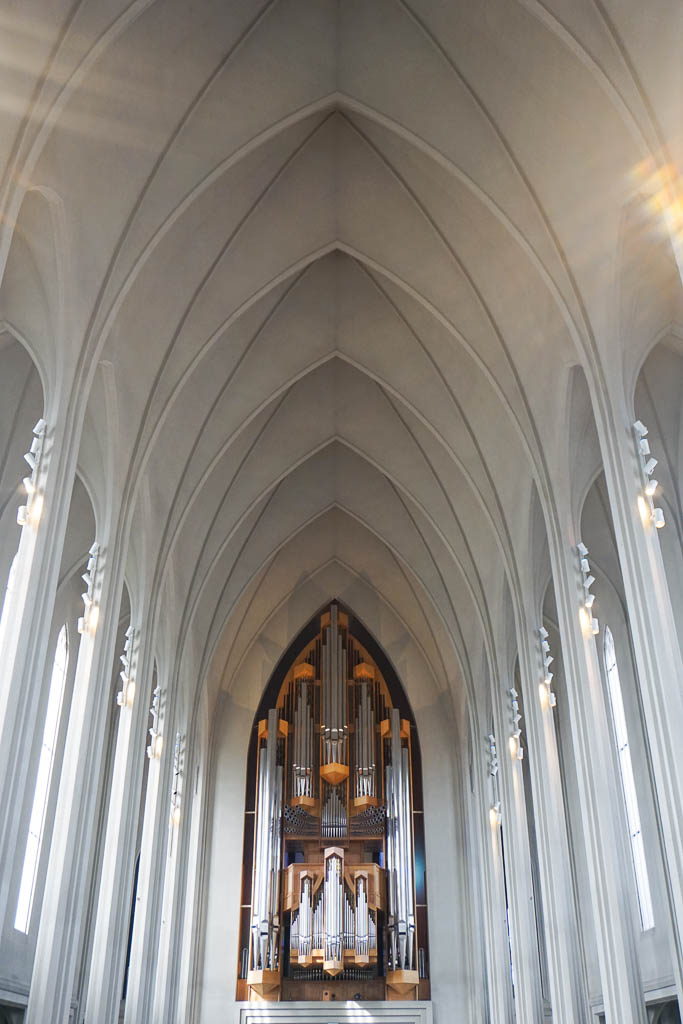
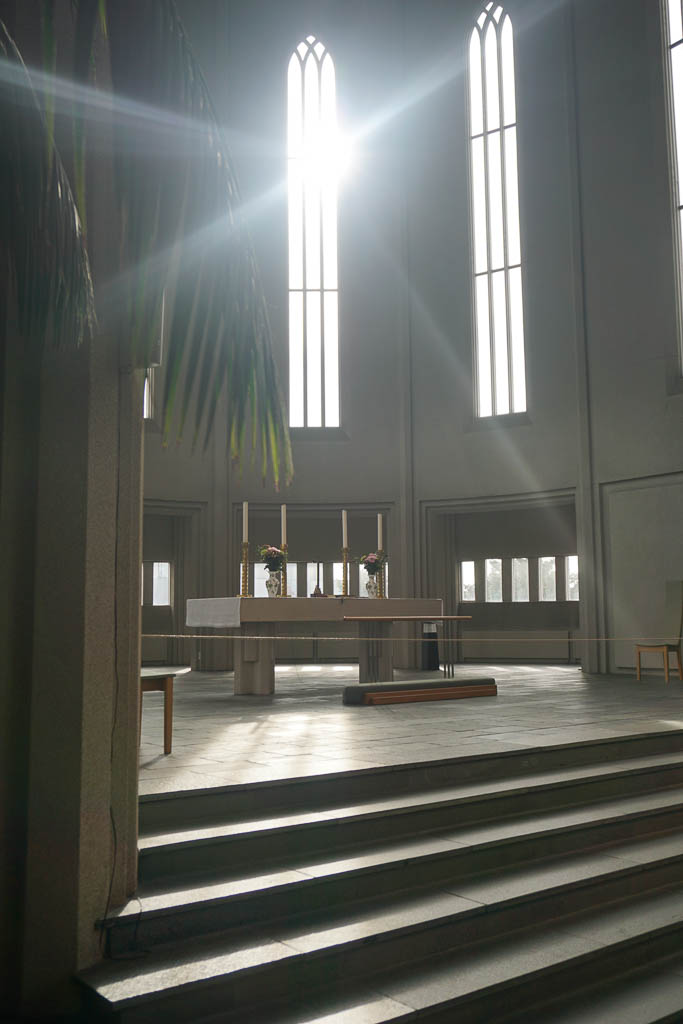
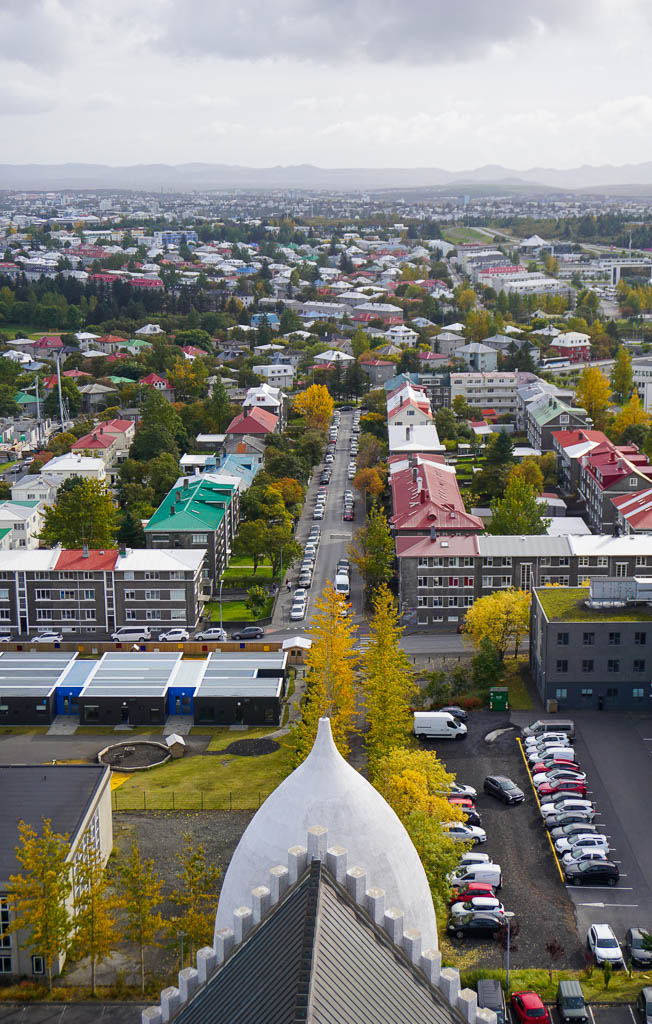
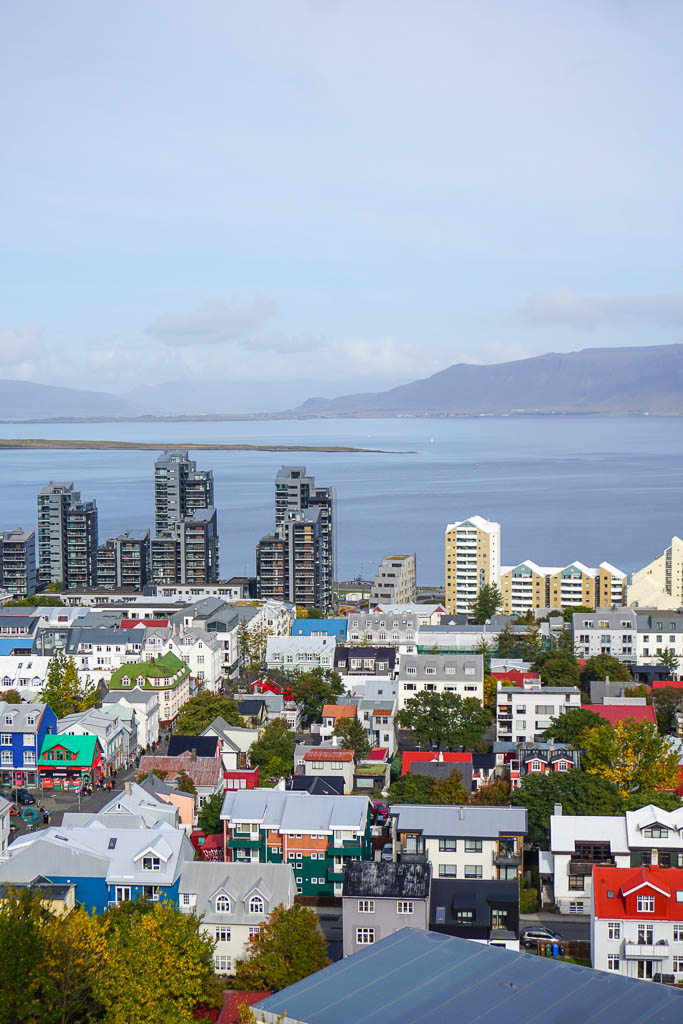
You can also take a lift up the tower for a 360-degree view over Reykjavik. This part is paid (1,500 ISK, roughly $12.50 / £9). While steep for a brief lift ride, on a clear day it’s the single best vantage point to appreciate how colorful Reykjavik really is.
2. Wandering the Colorful Streets
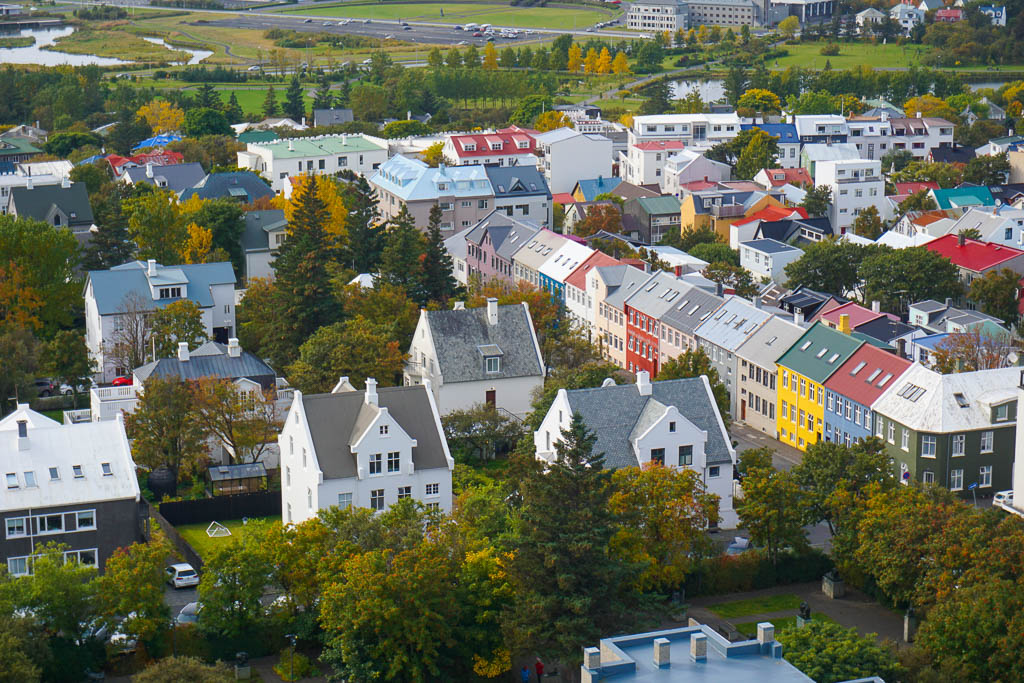
Walking through the residential neighborhoods is a genuine pleasure. Reykjavik could easily look grey under overcast skies if not for its brightly painted houses. These wooden-framed homes are clad in corrugated iron, originally imported from England to withstand harsh, salty winds. The paint serves a double purpose: bright aesthetics and vital protection against rot and weathering.
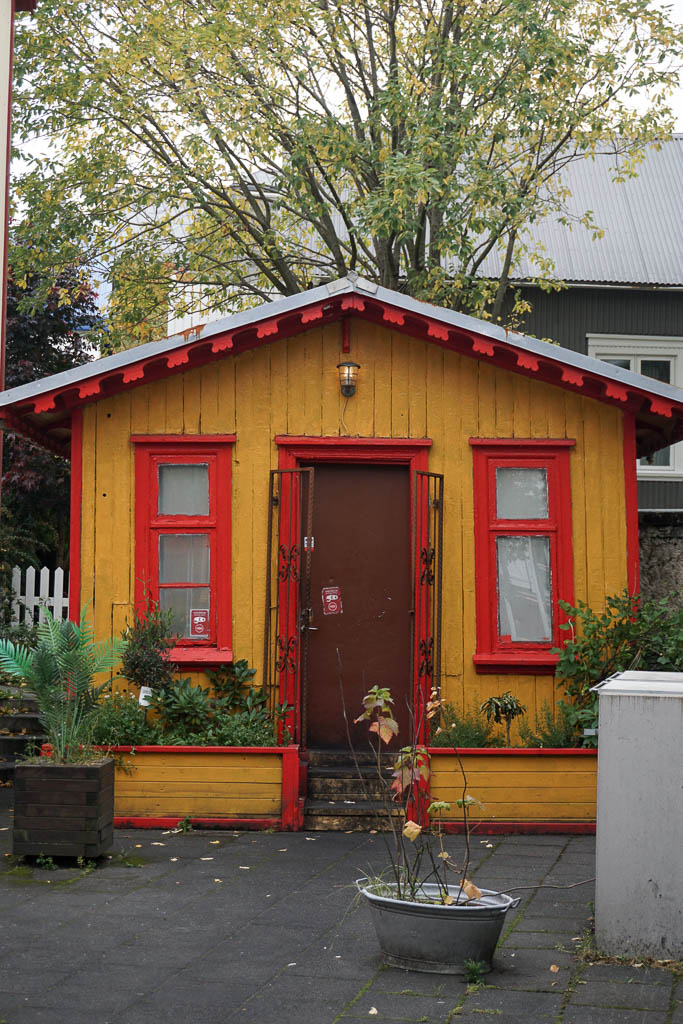
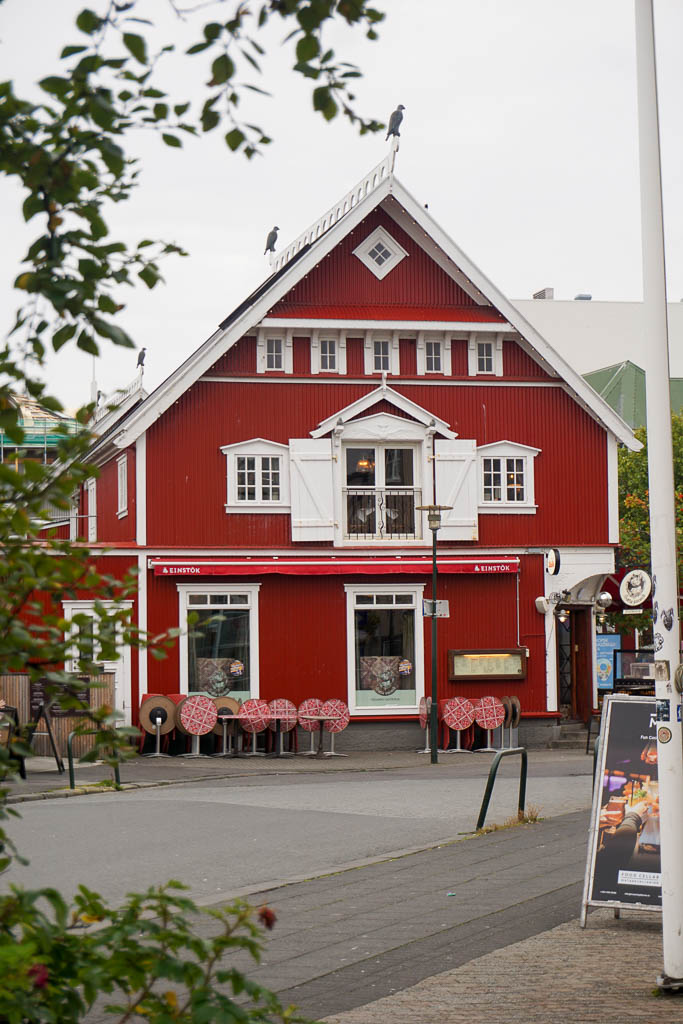
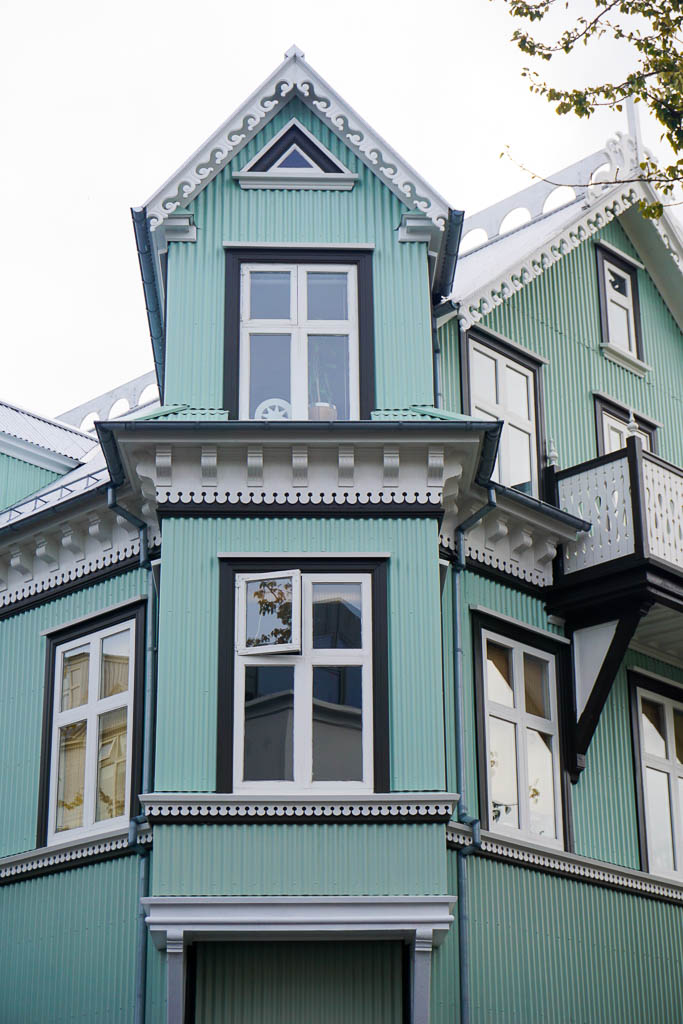
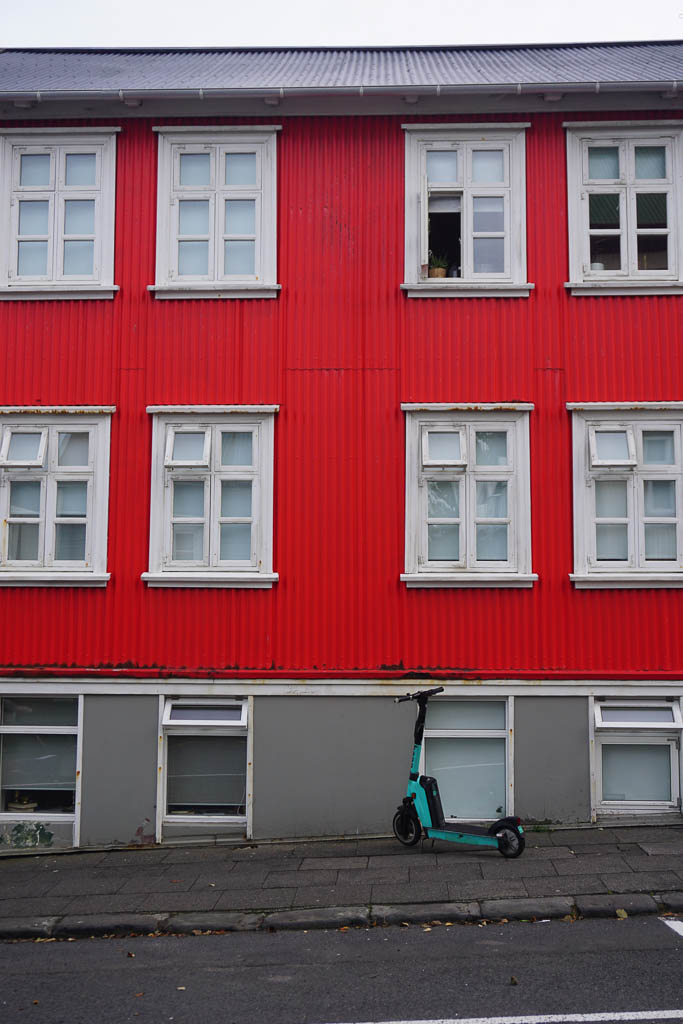
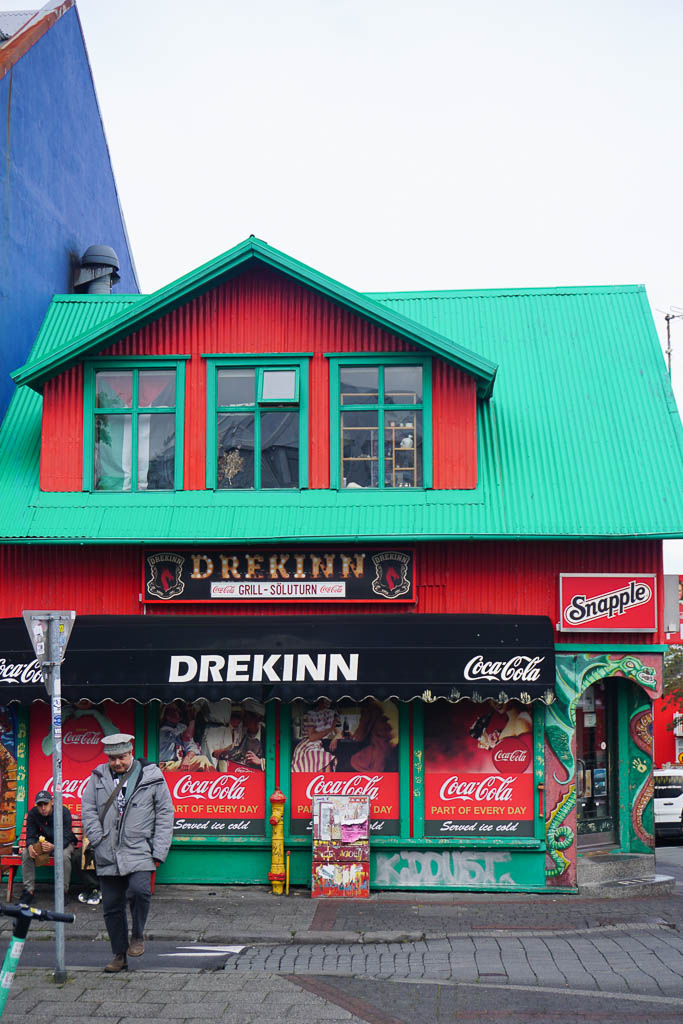
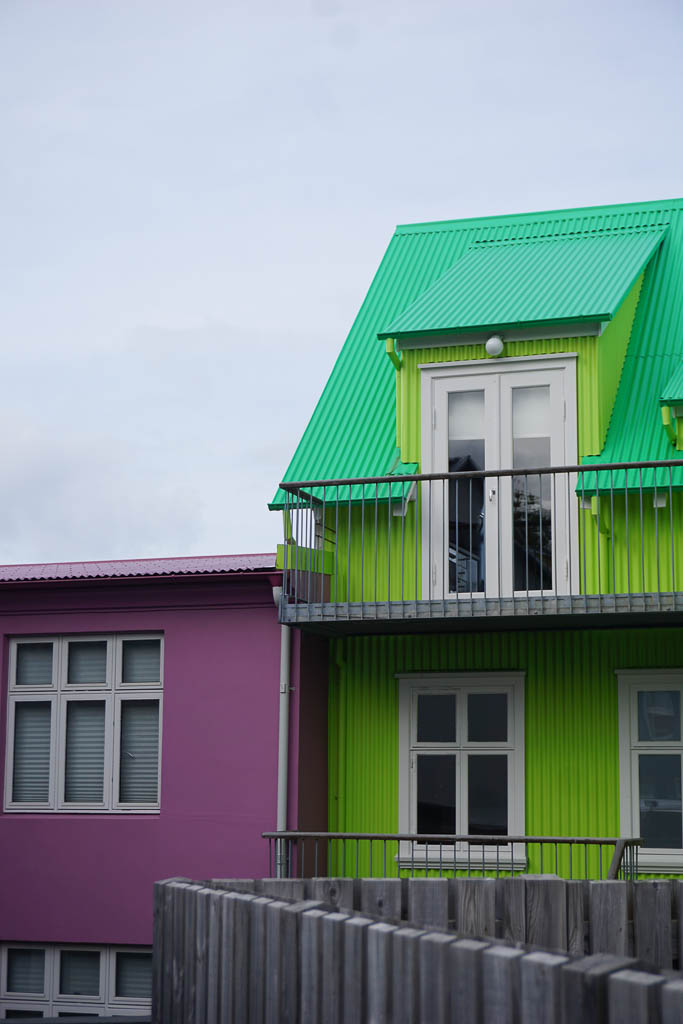
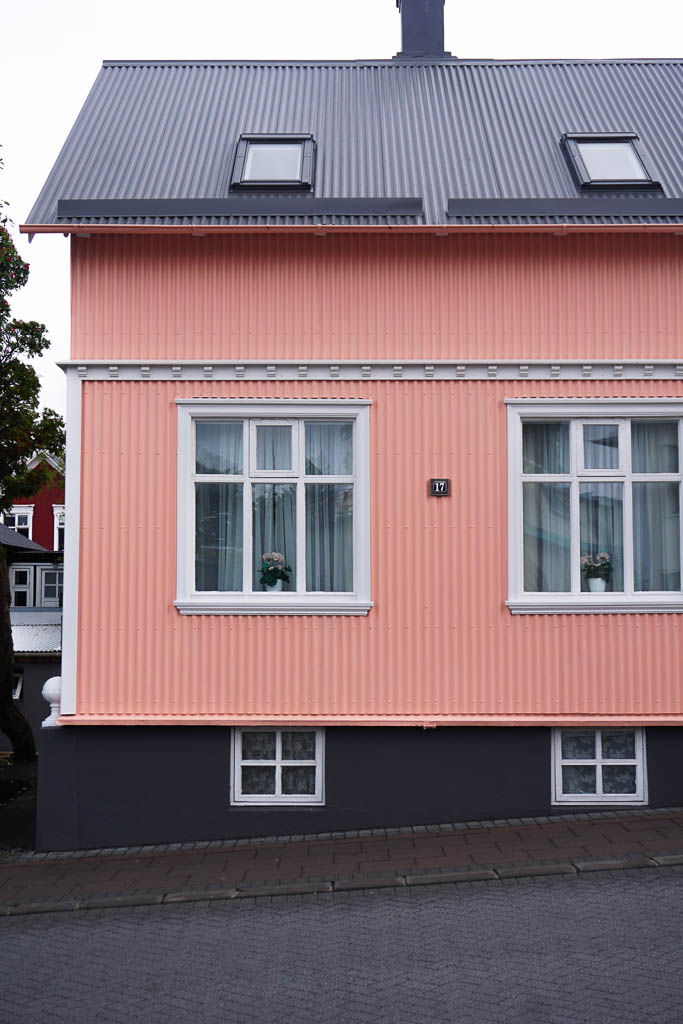
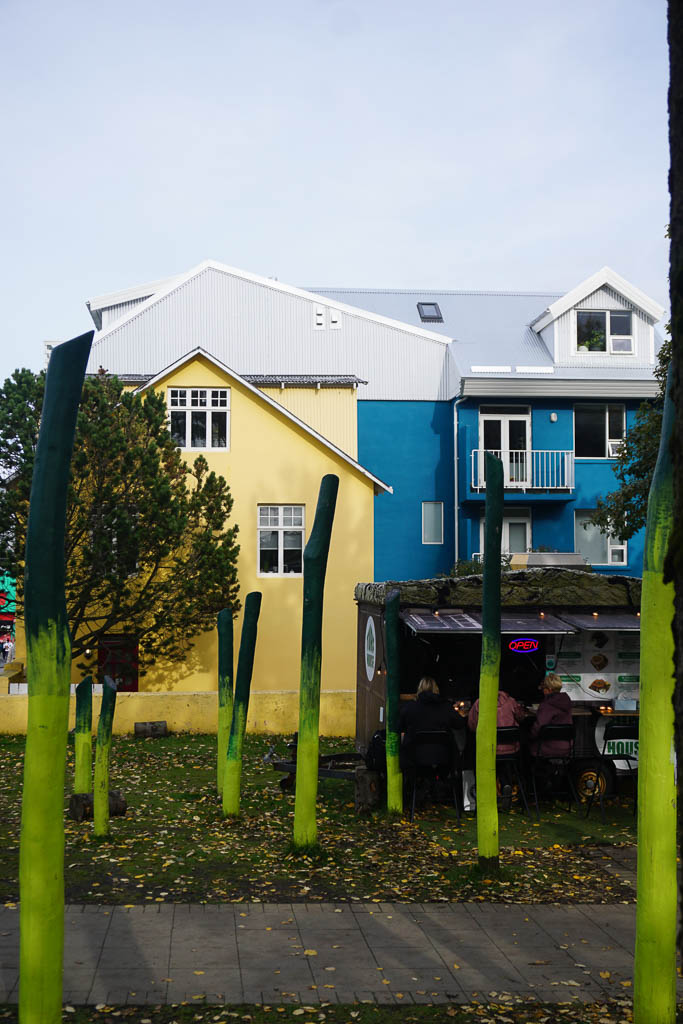
Iceland naturally lacks dense timber forests (as is obvious from the drive in from Keflavík), so wood had to be imported alongside the iron. Building a weather-resistant city with such limited local materials was no small feat.
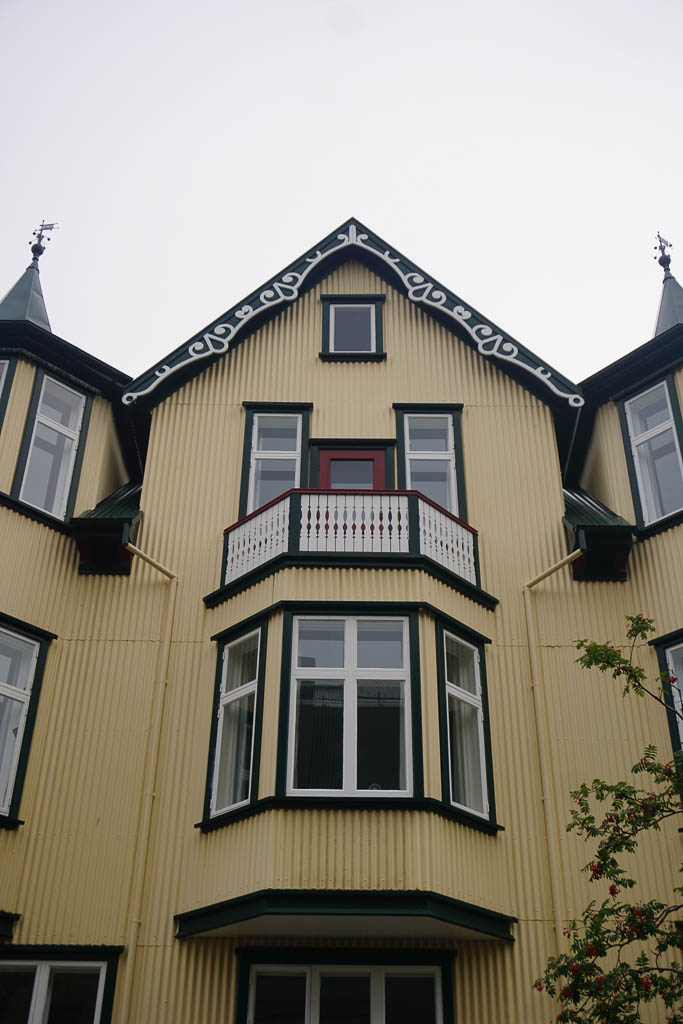
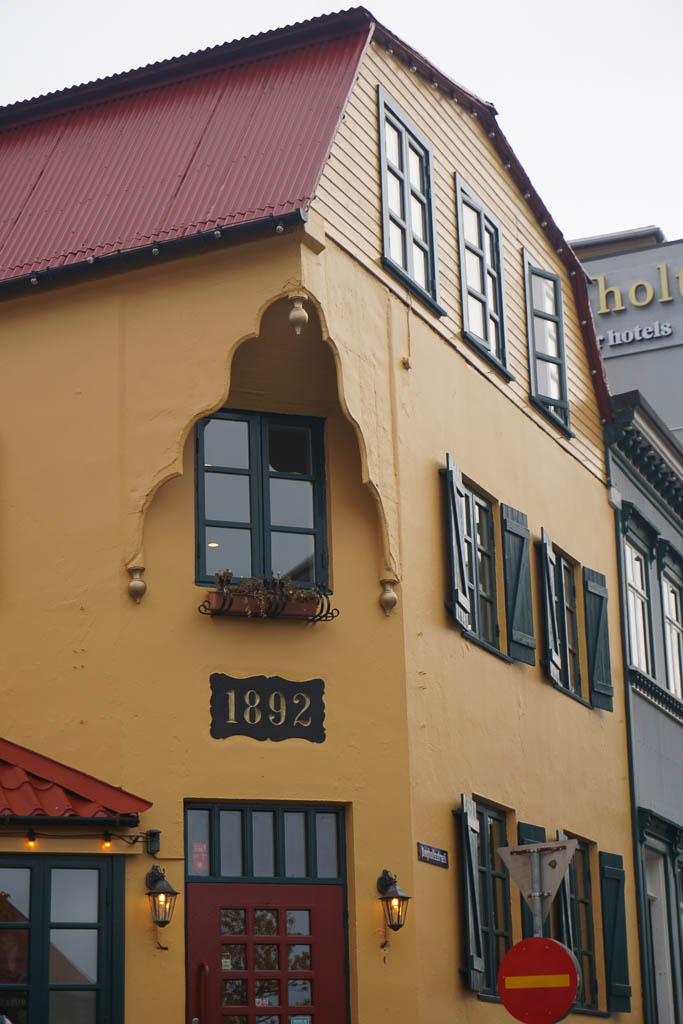
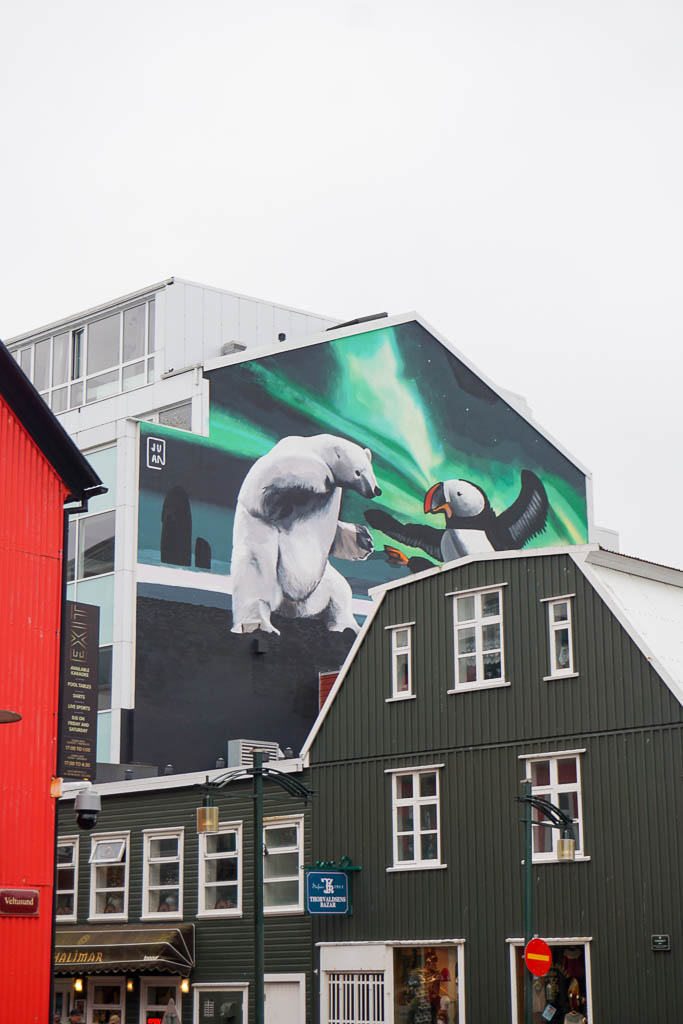
Serious urban fires in the early 20th century led to stricter regulation around construction of wooden buildings and concrete was instead prioritised. So you’ll see many modern buildings made of concrete – reminding me of Brutalism, an architectural style that often leaves me in two minds.
Thankfully, after concrete became dominant, historic wooden houses became treasured heritage, and modern construction is a lot more sophisticated about how timber can be used safely. This gives me hope that the traditional houses won’t go away any time soon.
3. The Waterfront & Sun Voyager
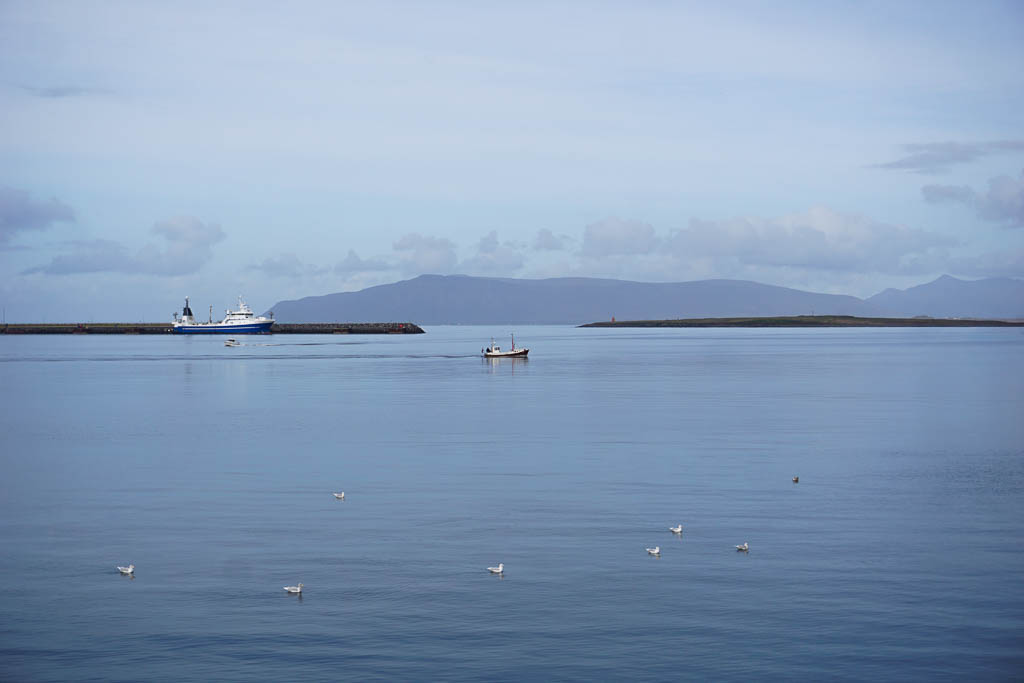
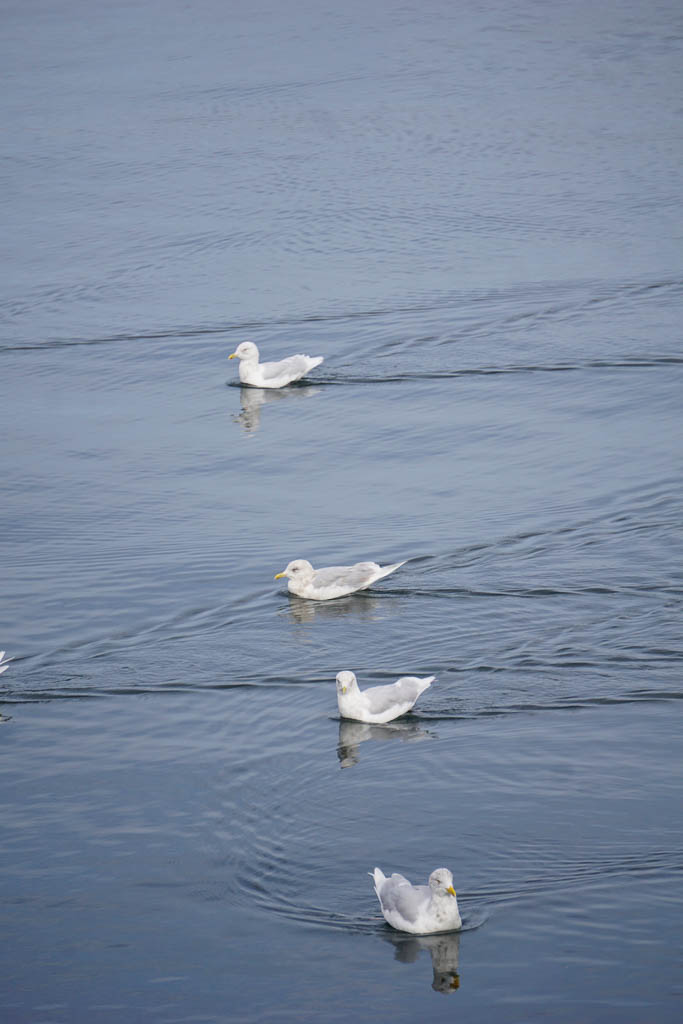
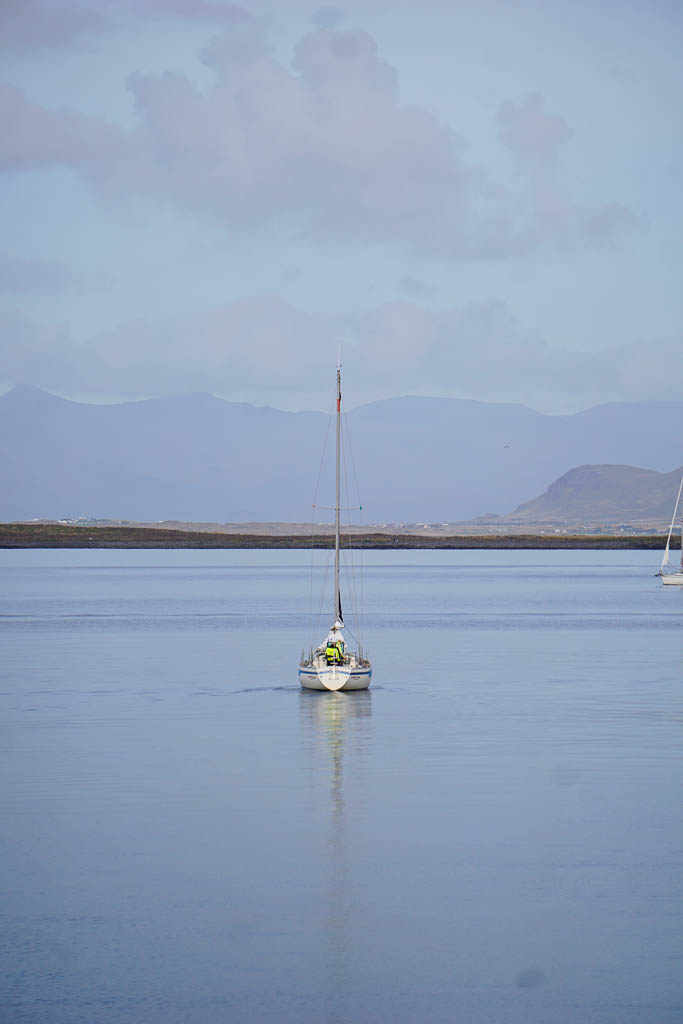
A shoreline walk is lovely when the weather cooperates. You’ll enjoy views across the ocean, sea birds skimming the water, and boats passing in the distance. Along the path sits the Sun Voyager (Sólfar), a striking steel sculpture designed by Jón Gunnar Árnason.
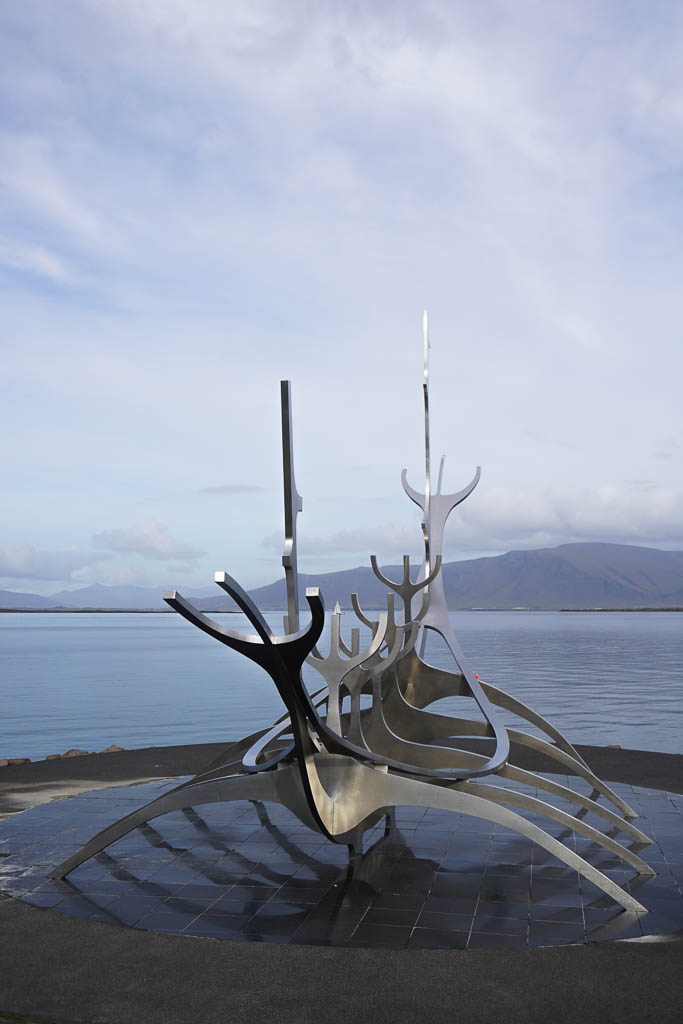
The design won a 1986 competition celebrating Reykjavík’s 200th anniversary and was unveiled in August 1990, shortly after the artist’s passing. Now, looking at it, my thoughts were “a modern interpretation of a Viking ship” but it seems that was not the artist’s intention – it was meant to be a “dreamboat”, an ode to the sun, a symbol of light, hope, freedom and the promise of undiscovered territory. And, to be quite honest, to me this connects the sculpture even more to the Vikings – explorers of the North Atlantic, looking for new lands to settle, where the sun allowed crops to grow.
4. Harpa Concert Hall & City Hall
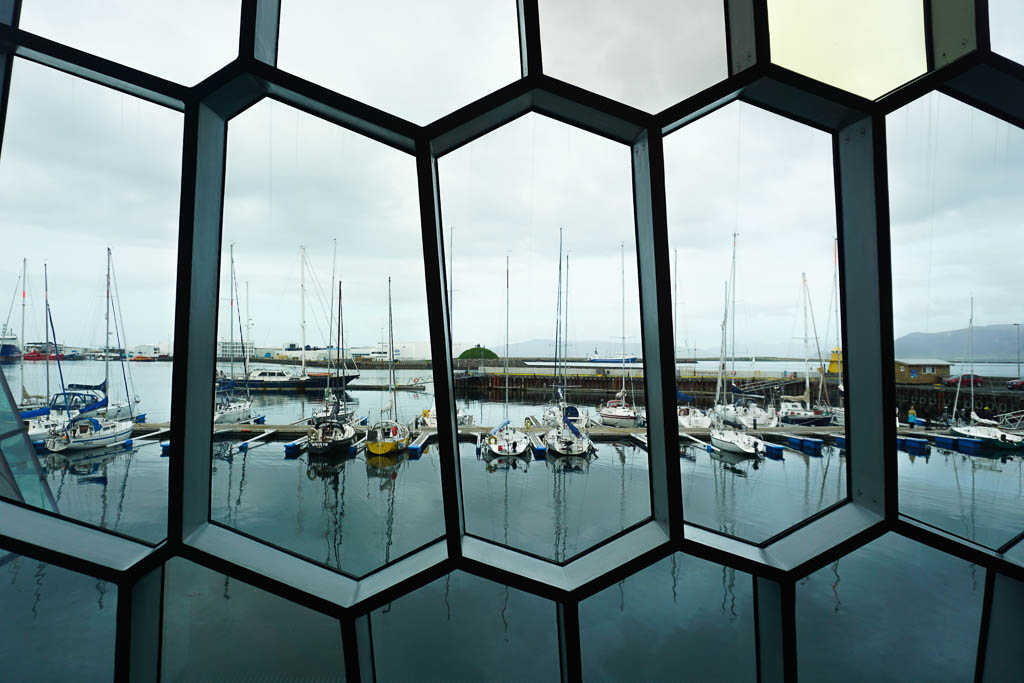
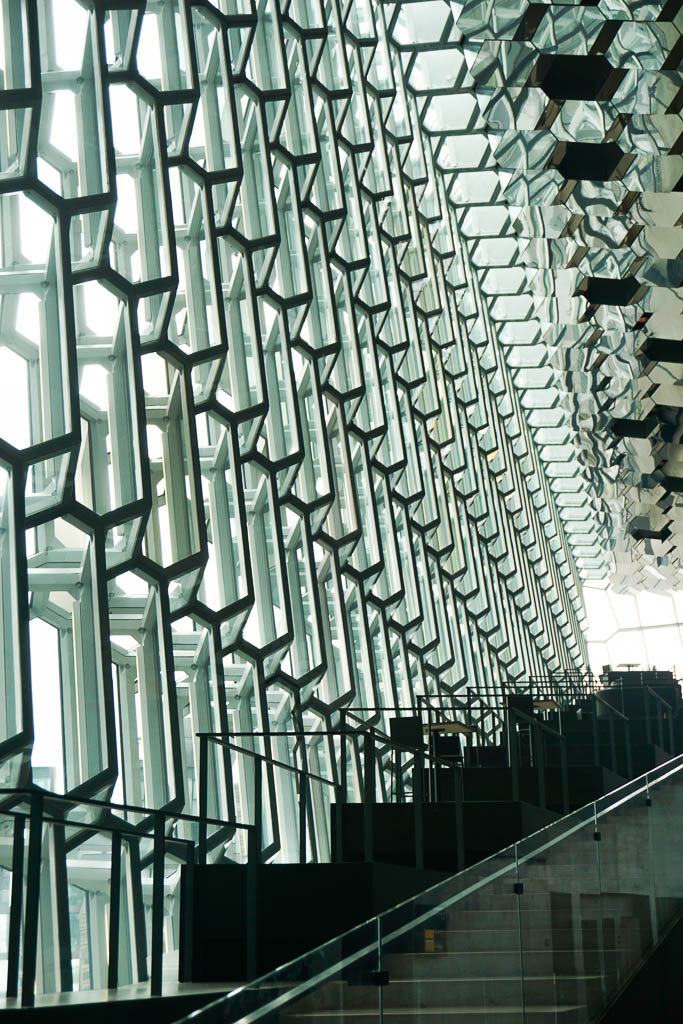
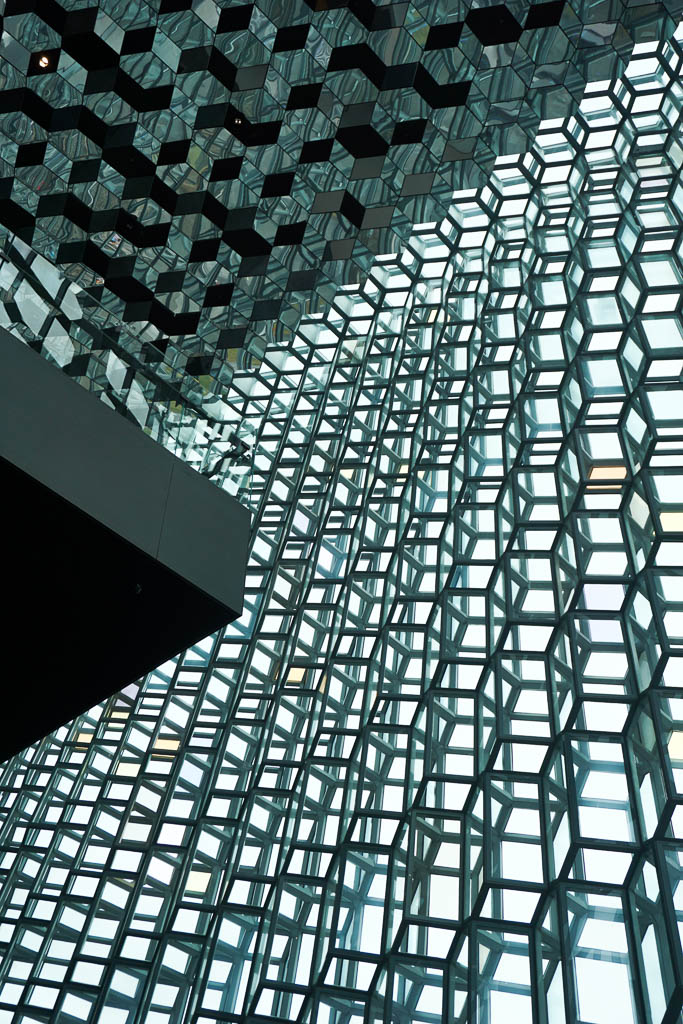
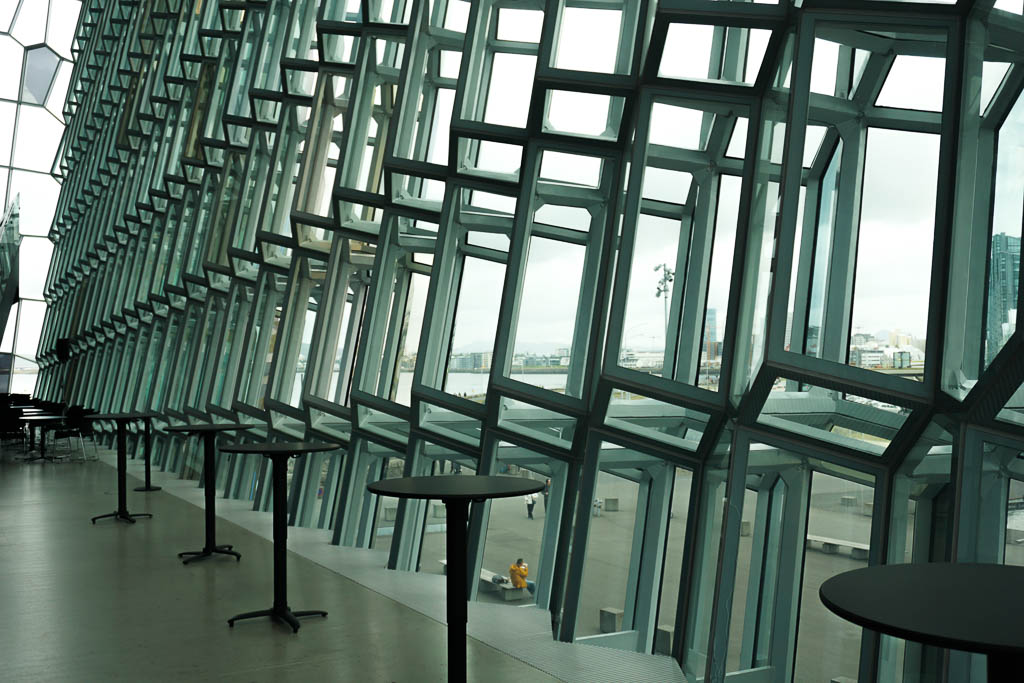
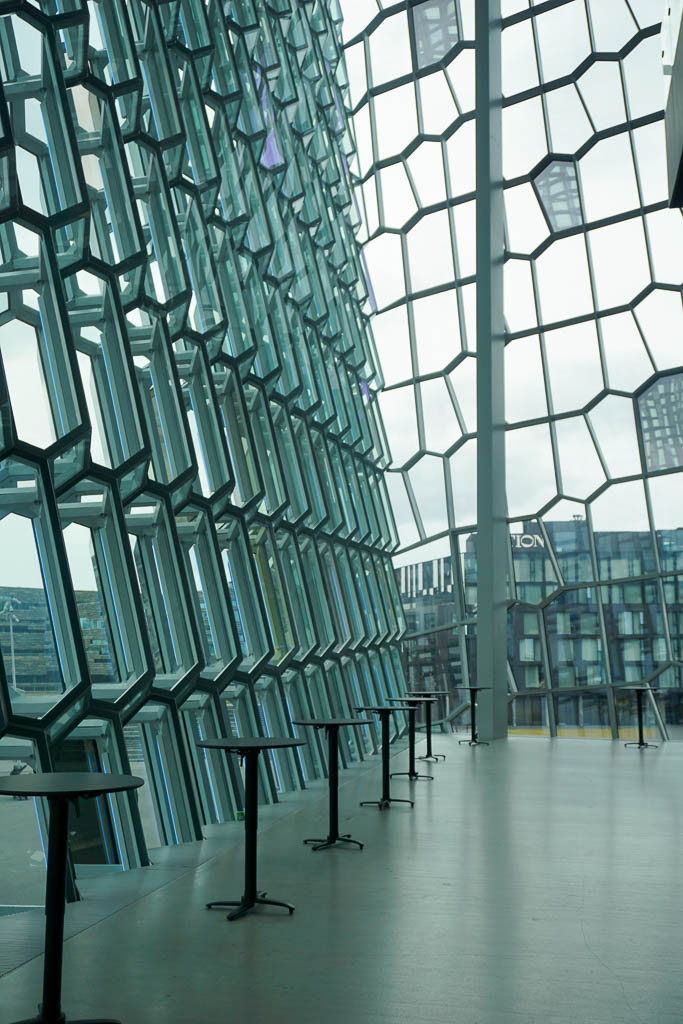
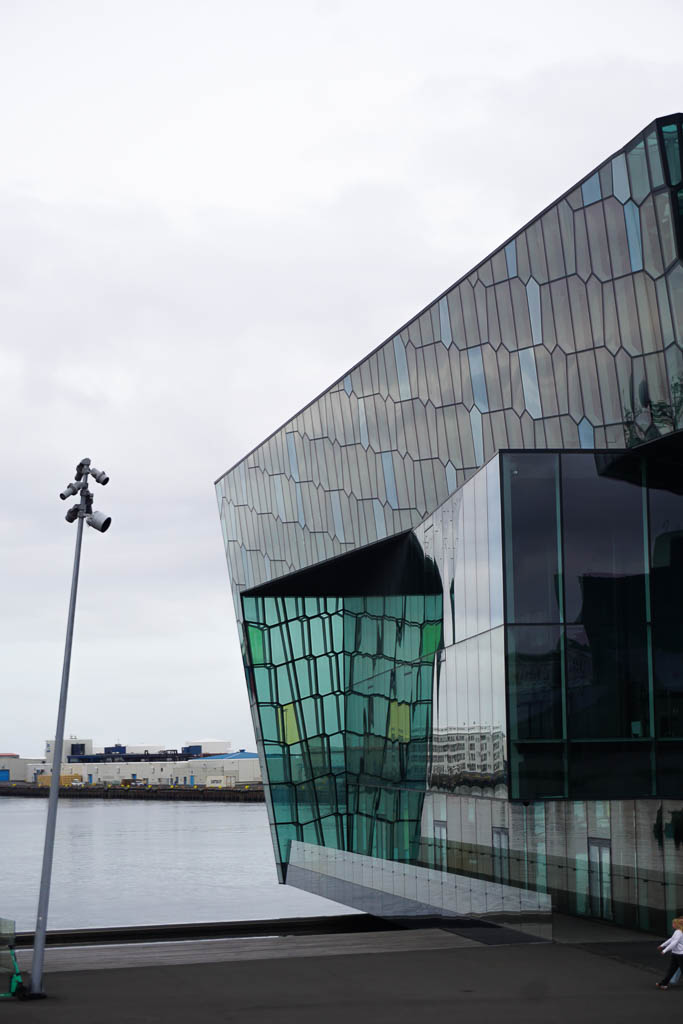
Continuing along the coast brings you to Harpa, Reykjavik’s glass concert hall – and a welcome refuge if you’re cold or wet. The building’s facade features a geometric glass honeycomb structure that maximizes natural light while reflecting the harbor and sky. Entrance to the foyer and public space is free.
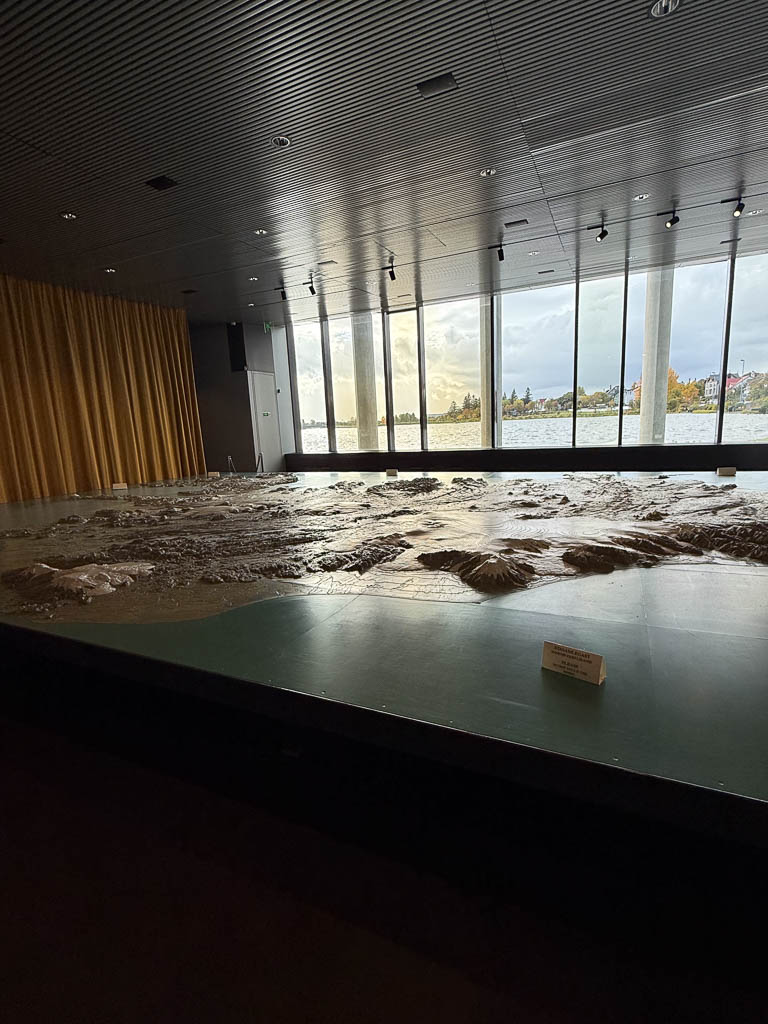
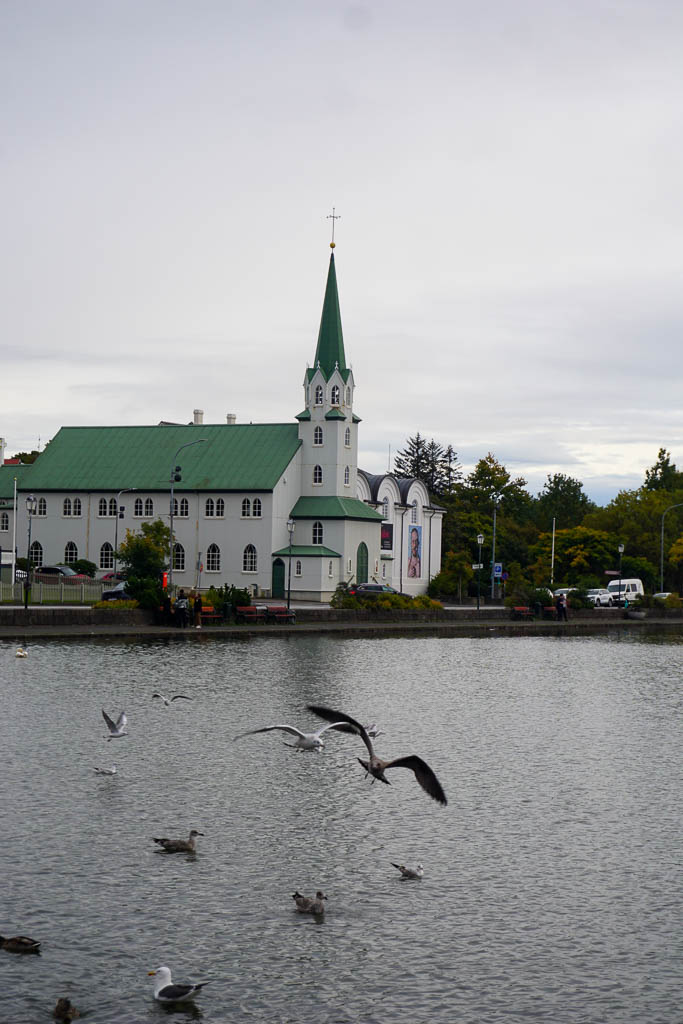
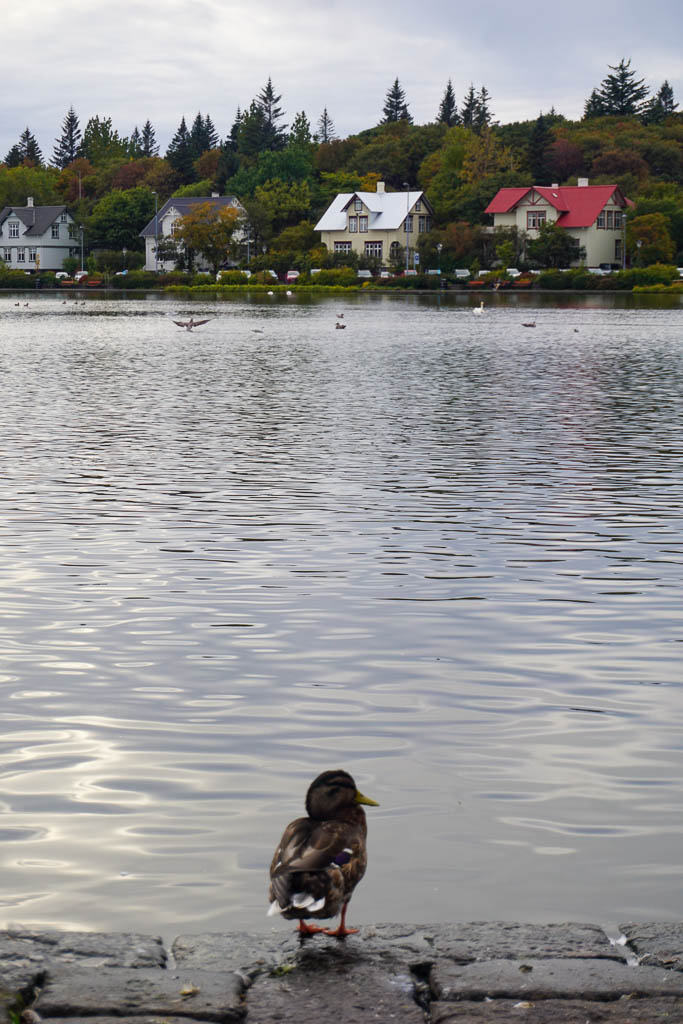
Another great indoor stop is Reykjavik City Hall (Ráðhúsið), situated on the edge of Lake Tjörnin. Inside, you’ll find a massive 3D relief map of Iceland detailing the island’s topography.
5. CityWalk Reykjavik
I have to recommend the city walking tour. When these are available and fit my itinerary, I always try my best to attend one – 95% of the times, these are amazing, and the one provided by CityWalk Reykjavik was not an exception. I learned about the city, its less known facts, a little baout Icelandic folklore and always with great humour – as it must, with the Icelanders.
Iceland has become known for its otherworldly landscapes: natural wonders, endless lava fields, and ever-active volcanoes. Yet, what added an even richer layer to my trip was taking the time to explore Reykjavik and learn about Icelandic culture and its people. It is such a unique place, and you certainly don’t have to spend a fortune there -unless you really want to!
Until next time, Nic

