
The classic tour. The one that everyone does – whether independently or with a company. Classics are classics for a reason, and the Icelandic Golden Circle isn’t an exception.
Yet, that day, I woke up grumpy and tired. My foot was still hurting and I was doing my best not to think about my Northern Lights experience from the previous night (in time, I will write about it). Thankfully this tour started at 9am, one of the shortest ones I did. I took time having my breakfast, drinking my coffee and trying to hype myself up – I knew I was going to see some pretty spectacular nature that day.
In Iceland, you cannot let the weather bring you down. The weather is itself an attraction for how extreme and borderline it can be, everchanging in minutes. In fact, I saw more rainbows in Iceland in a day than I would see in an entire year. Sometimes, we would be driving, and it would be raining on my left, and clear skies on my right. I could be wearing sunglasses due to how strong the sun was, and then have to take them off and hoodie up to protect myself from the sudden rain. Be ready for any kind of weather and be open to it. Throw out of the window any prejudices you might have against going out in the rain – if you have that attitude in Iceland, then perhaps you shouldn’t have come in the first place. And also do not waste luggage space bringing an umbrella – the winds are too strong. My advice? A good waterproof jacket, that also serves as a windbreak – the perfect outer shell to keep you dry.
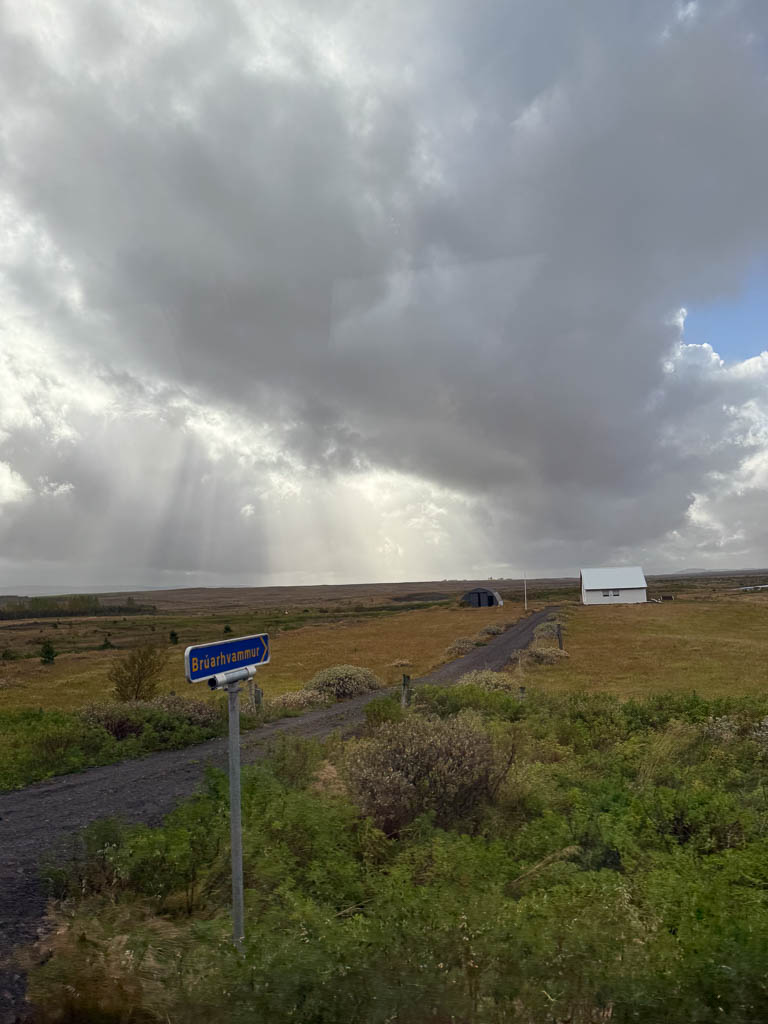
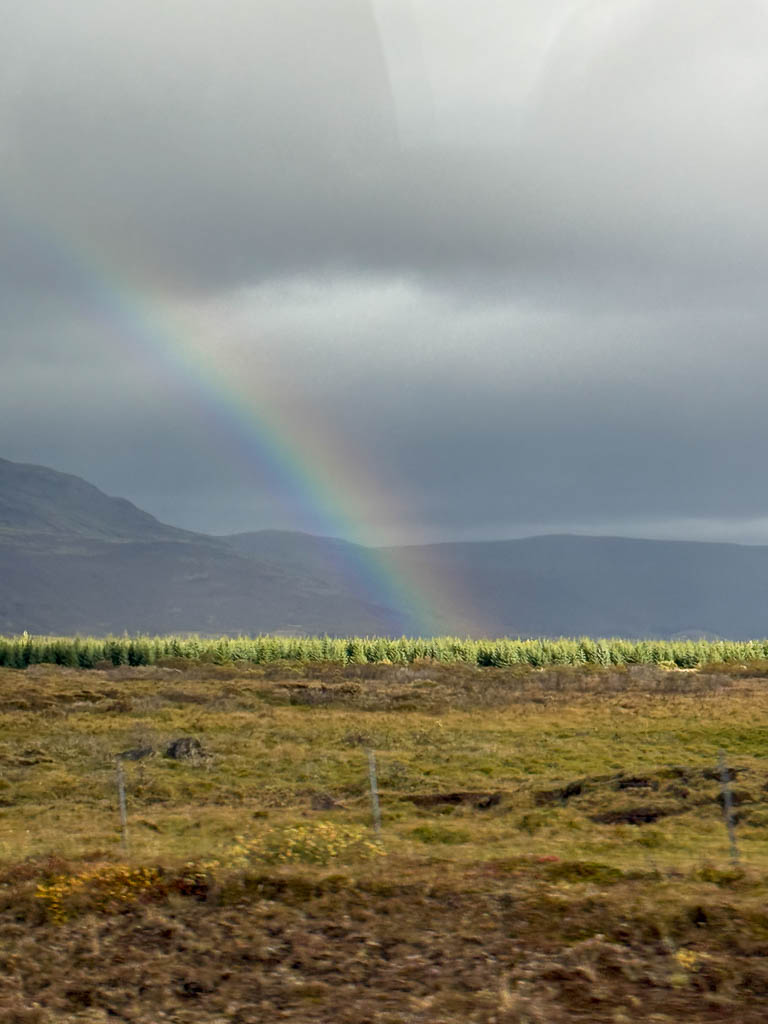
I had come to Iceland with that mindset, and therefore waiting in the rain for my pick up became enjoyable. Almost as if I had to deserve Iceland, passing its many weathered initiations. In a land as wild as this, you must adapt and accept Nature reigns over. Respecting it and learning to live with it is the best way to enjoy this country. And this leads me nicely to the first stop of the Golden Circle tour.
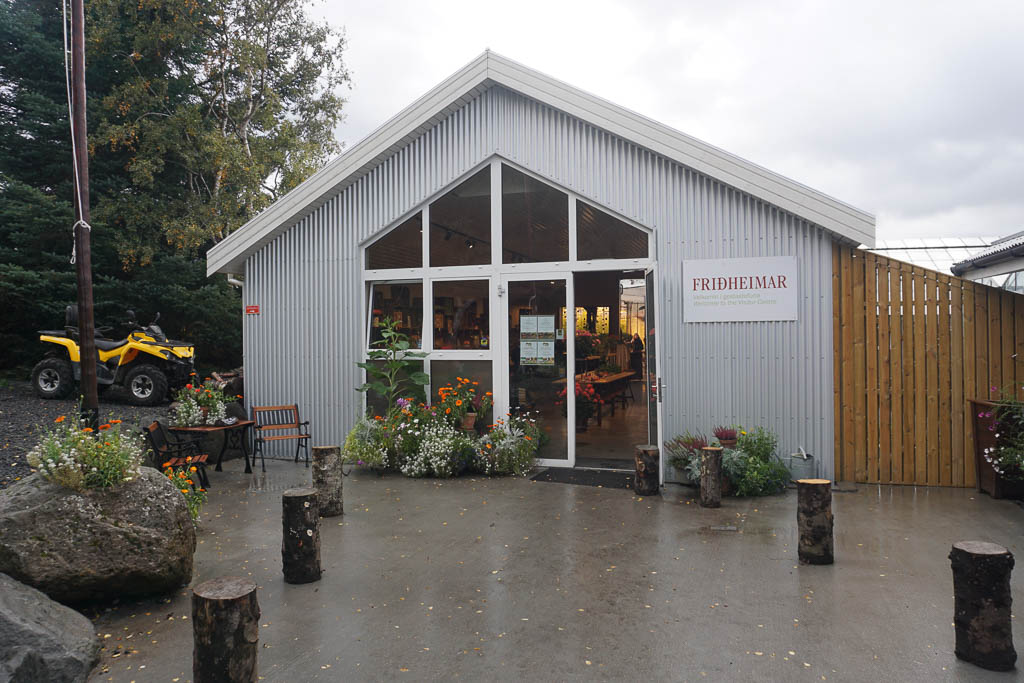
The Friðheimar Tomato Farm
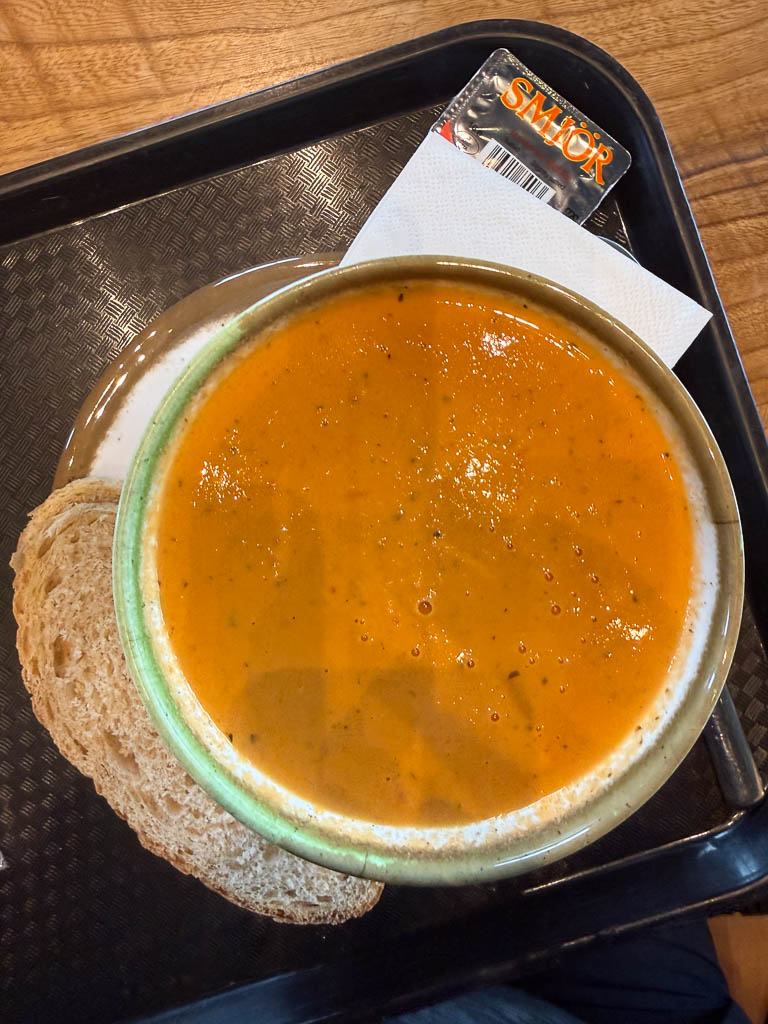
This place is fascinating. They grow tomatoes all year round despite the dark and cold Icelandic days. How? Using highly sophisticated geothermal greenhouses. Once I stepped inside, the fresh and crisp smell of tomatoes – an aroma I immediately linked to home, colourful summer salads and Mediterranean landscapes… but wait, I’m in Iceland! How is this possible?
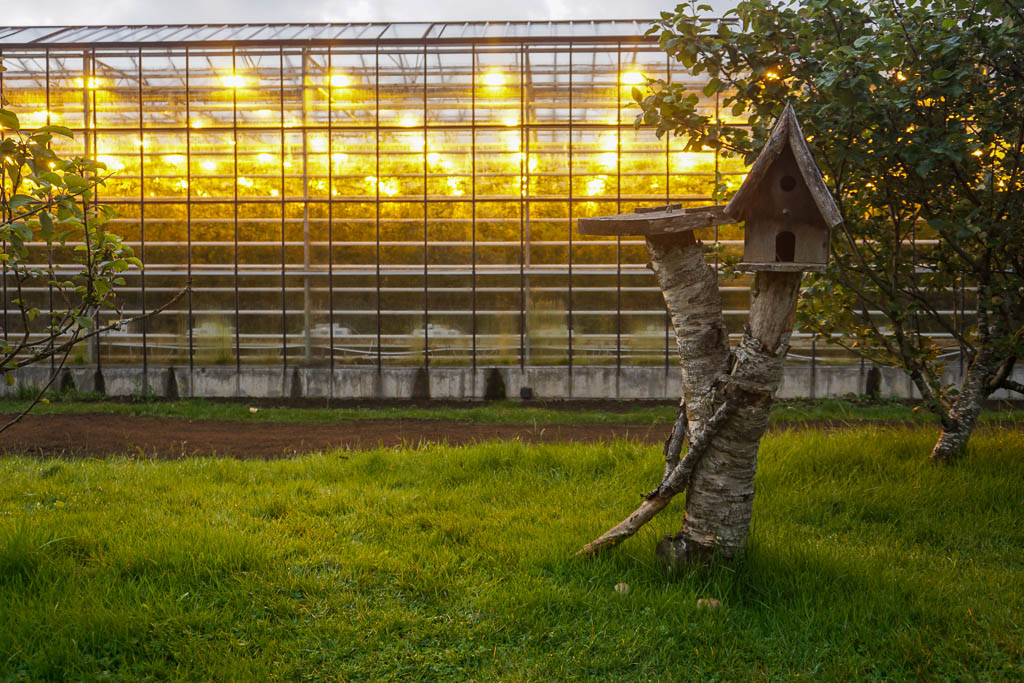
Mostly due to the geothermal heating which is a cheap and abundant green energy resource in Iceland. The water goes through pipes inside the greenhouse at temperatures of about 95°C. And because Iceland gets so little winter daylight, they supplement sunlight with electricity-powered grow lights, which also comes from Iceland’s renewable hydro/geothermal system.
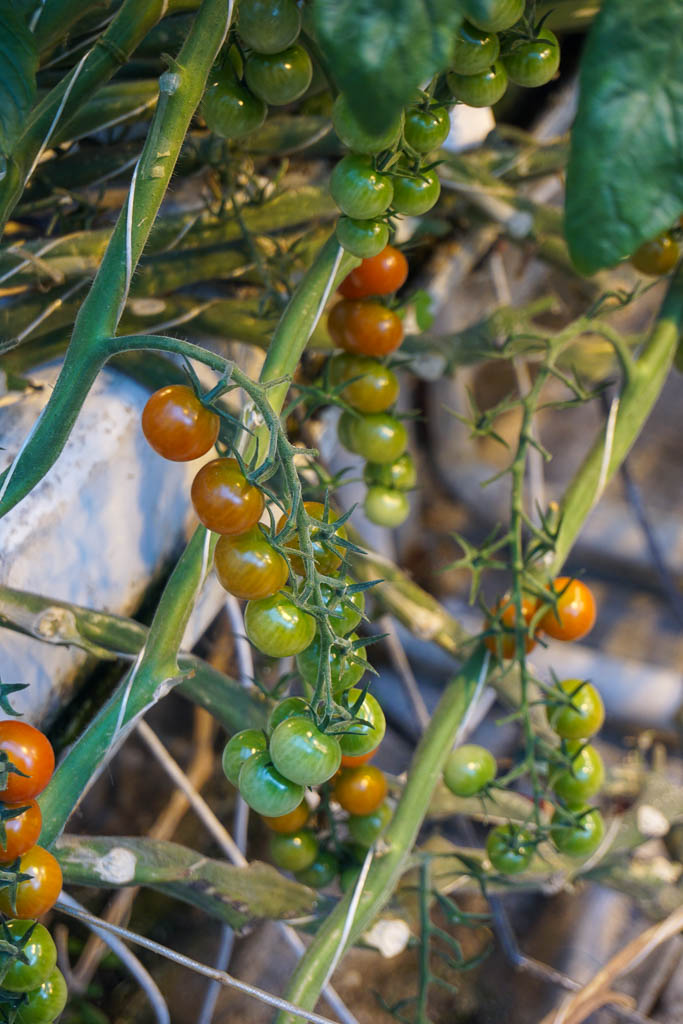
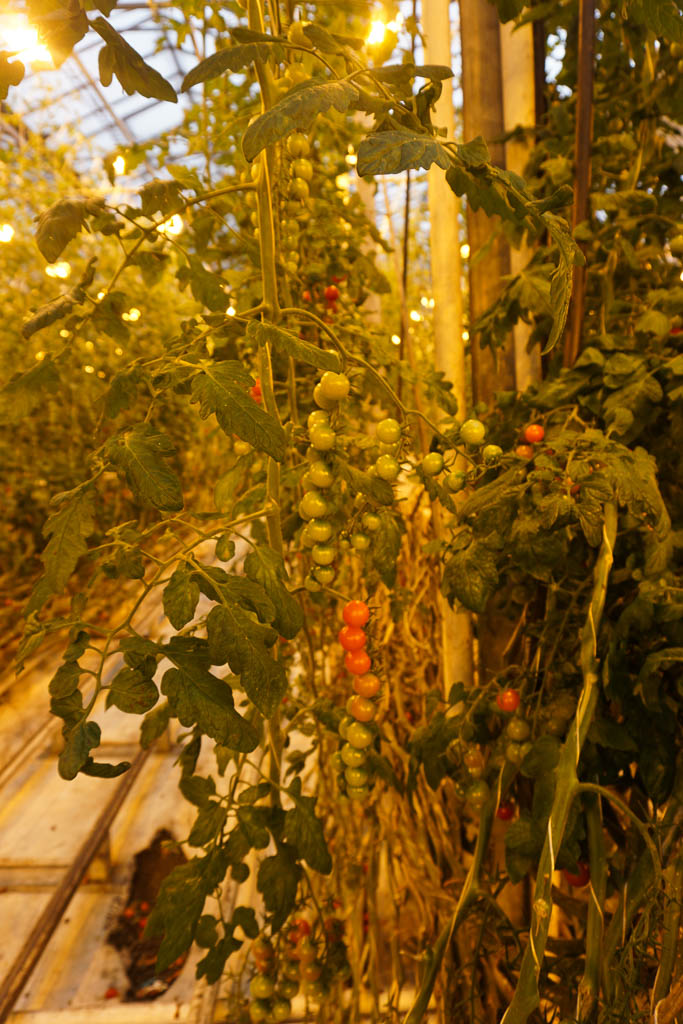
Iceland is also known for having one of the purest waters in the world, which they use for irrigation. Yet, the tomato plants need nutrients that are delivered through a computer-controlled fertiliser system.
The soil is mostly imported from Sri Lanka – and they also use bumblebees for pollination, which are imported from the Netherlands. Each bee is potentially pollinating around 2,000 flowers a day under favourable conditions.
And for pest control…they do not rely on conventional pesticides. The number one pest responsible for eating tomato plants are the black aphids. Since white flies eat their eggs, they have added them into the ecosystem. A complete biological pest control.
This sophisticated system makes it possible for Friðheimar to produce around 40% of Iceland’s tomatoes.
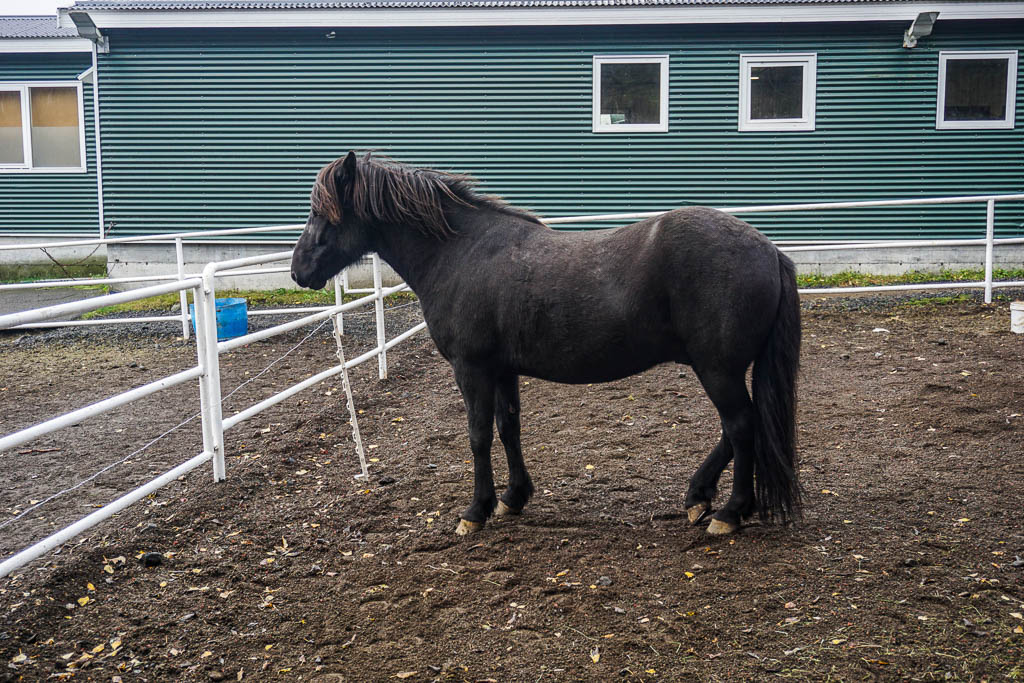
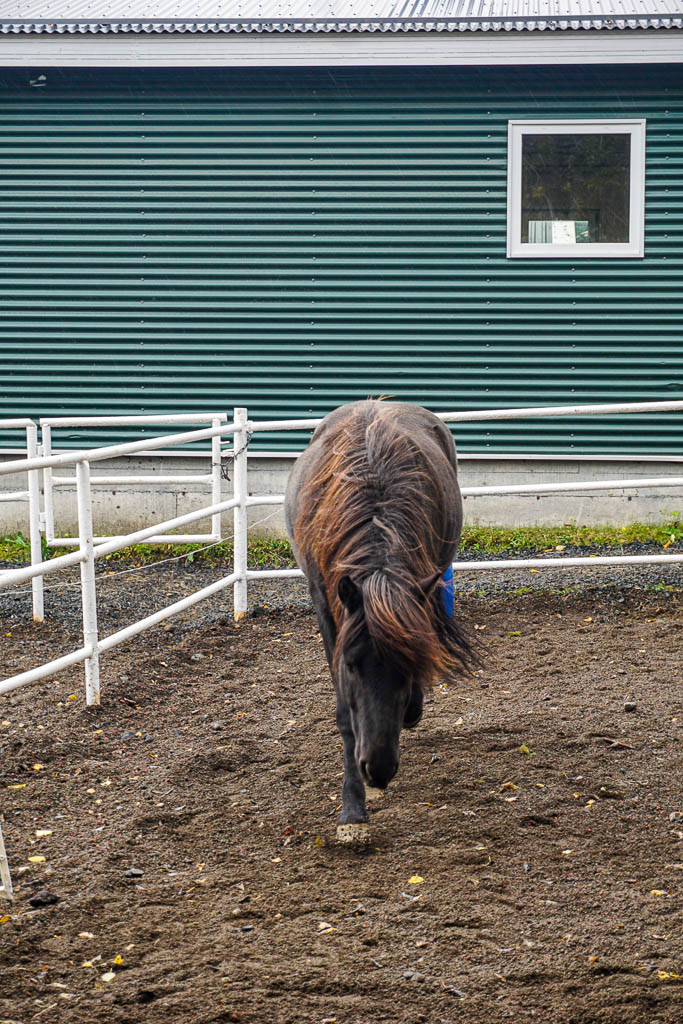
But there is also more to see here – Icelandic horses. Which may seem like ponies, but don’t you dare calling them that, unless you want to offend an Icelander! In fact, these horses are quite special – they have five gaits, rather than the traditional three. Beyond the walk, the trot and the gallop, they also have the tölt and the flying pace (skeið/flugskeið). The tölt is a four-beat lateral gait, meaning there’s always at least one hoof on the ground, making it remarkably smooth for the rider. The flying pace is a very fast two-beat lateral gait, with the horse’s legs on each side moving almost together, with a brief moment where four feet are off the ground.
Horses were brought to Iceland in the 9th century by the Norse and since the country remained pretty isolated for the next 1,000 years, the breed remained mostly untouched. In fact, horses have not been allowed to be imported into Iceland and an Icelandic horse that leaves the country cannot return. This is to protect the population from diseases.
The Geysir Geothermal Area
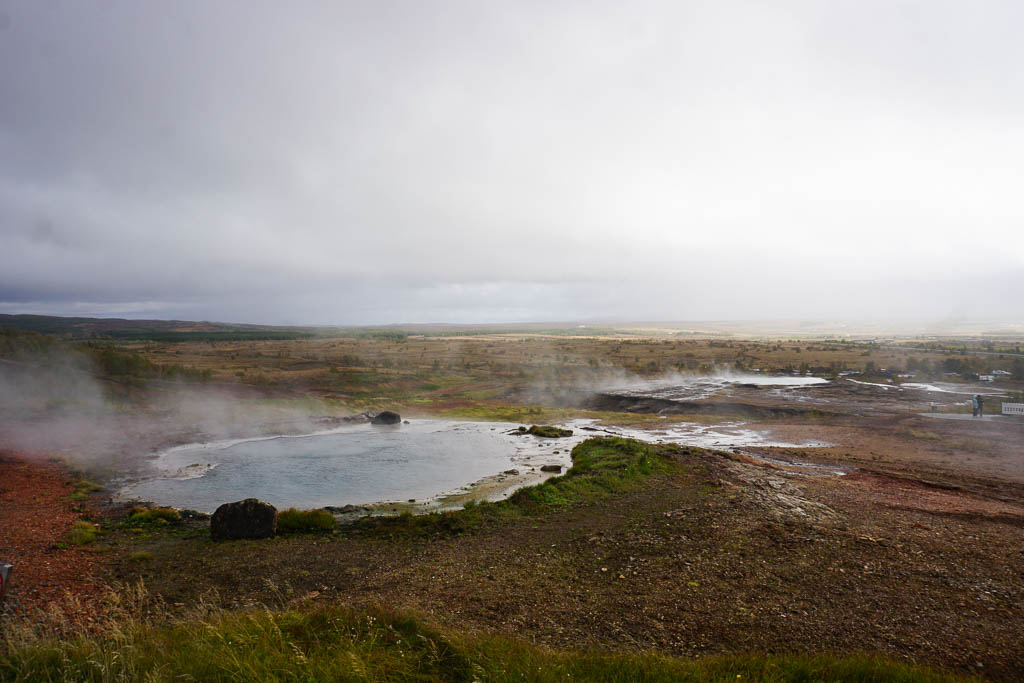
The whole of Iceland is otherworldly, but if there is a place that truly felt alien to me was Geysir Geothermal Park. From a distance, you can see the earth seemingly smoking, as condensated water escapes from the ground to the atmosphere. This is a visible demonstration of Iceland’s geothermal plumbing that makes the greenhouse I had just visited possible – underground water gets heated by volcanic activity, pressure builds, and eventually the water is violently expelled.
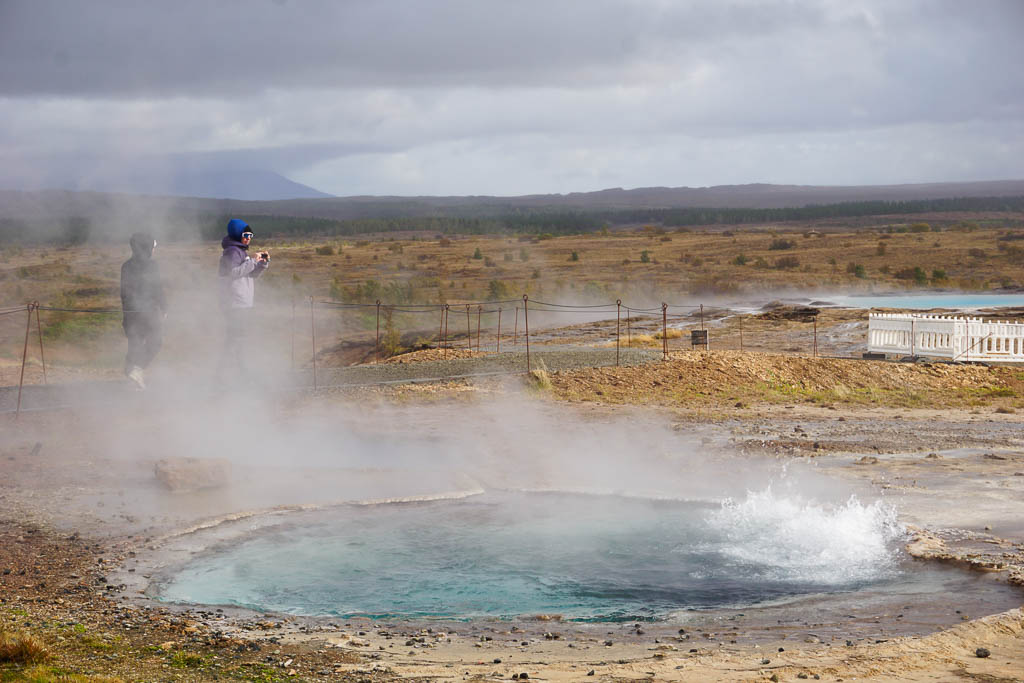
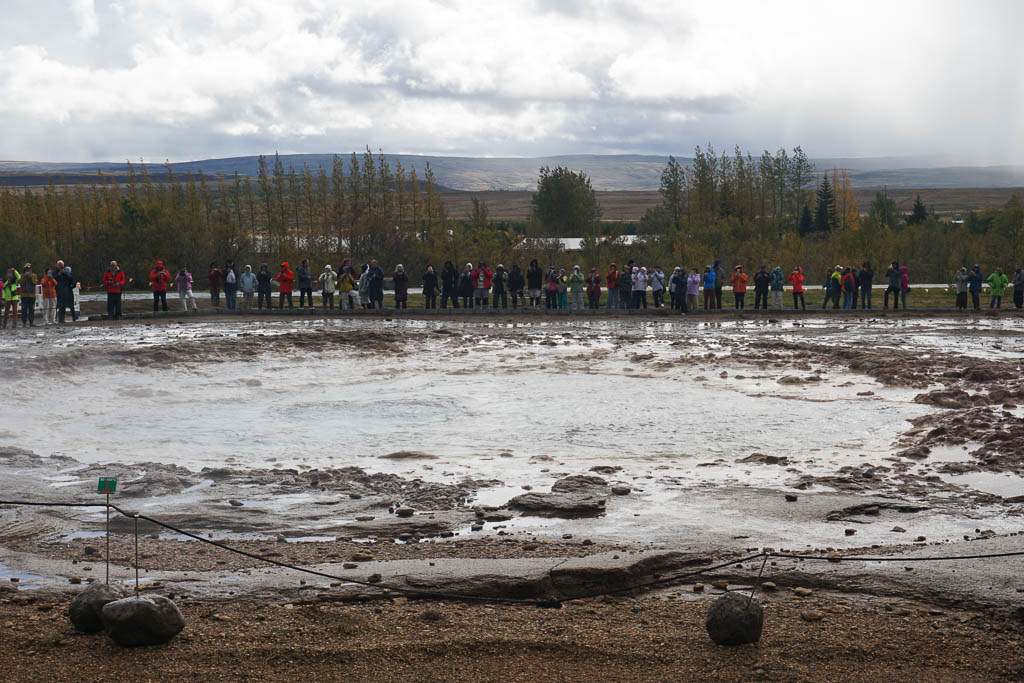
Stokkur is the main geyser, shooting boiling water every 6-10 minutes. I saw it three times – closely observing the water moving, churning, attempting to guess when the shooting would happen. It is really fascinating, yet another humble experience of the power that lives under our feet.
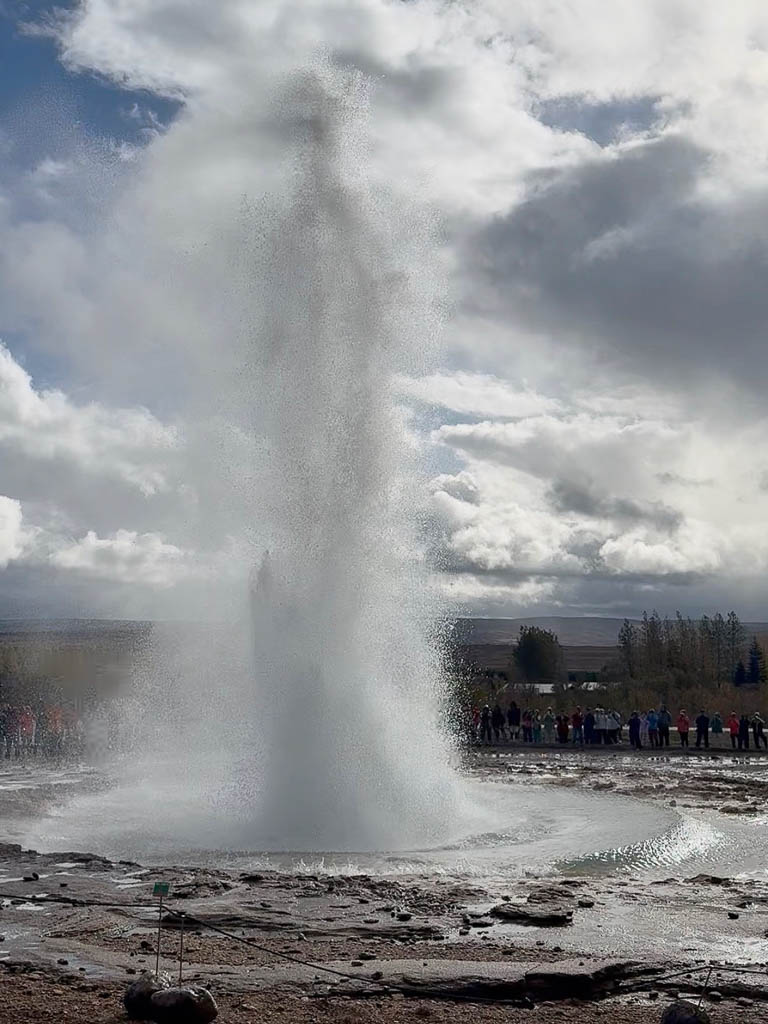
But don’t stay just for Stokkur. The weather changed at least three times in the 30-40 minutes I was there, but I ignored the rain and walked around the park. The landscape is unreal, pools of bubbling water, as if magical concoctions were being prepared by earth itself. The sulphurous smells (typically similar to that of rotten eggs) were not as strong as one would expect, or perhaps I was just lucky the wind was not blowing my way.
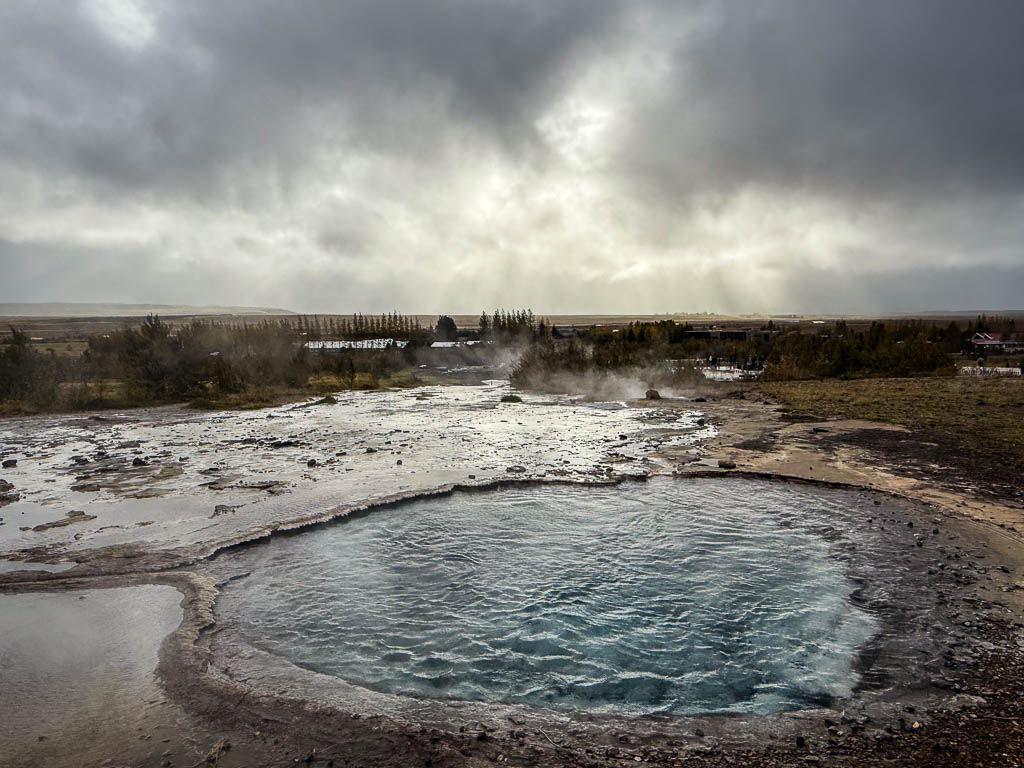
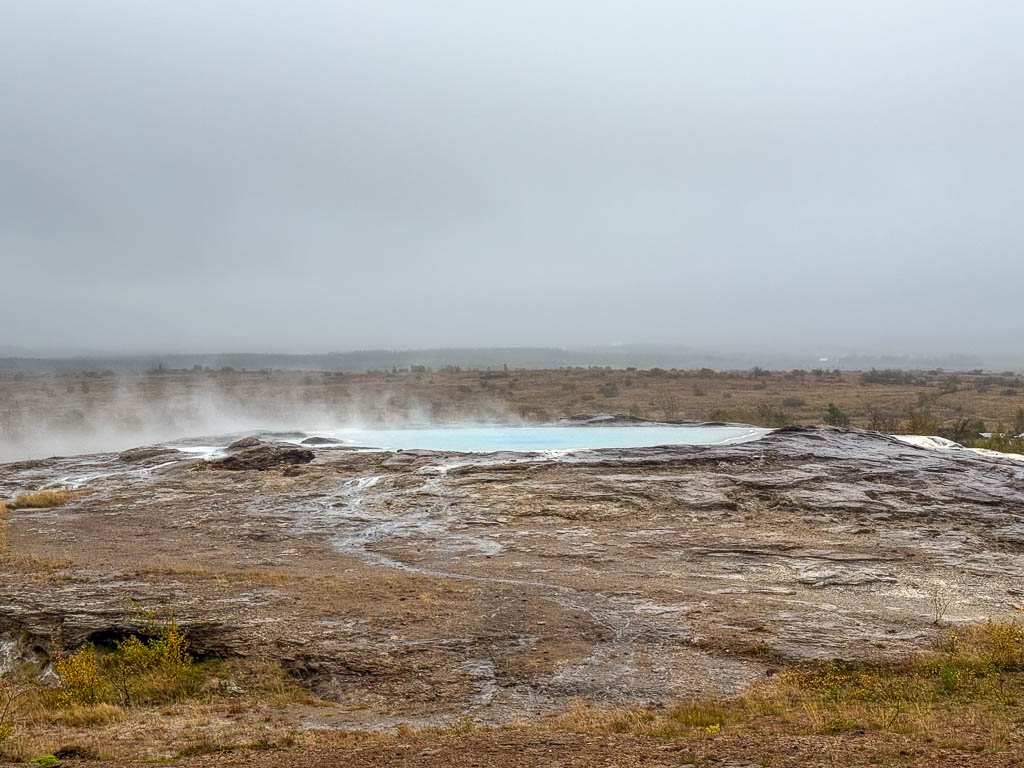
It’s alive, I thought, this beautiful earth is alive, working on this landscape, designing the planet we get to live on, at least for a small period of time. The work is endless, and unforgiving. But how stunning, how beautiful, how perfect in its imperfections. How can I not feel privileged to be alive, with earth, on this planet and right now?
The Gullfoss Waterfall
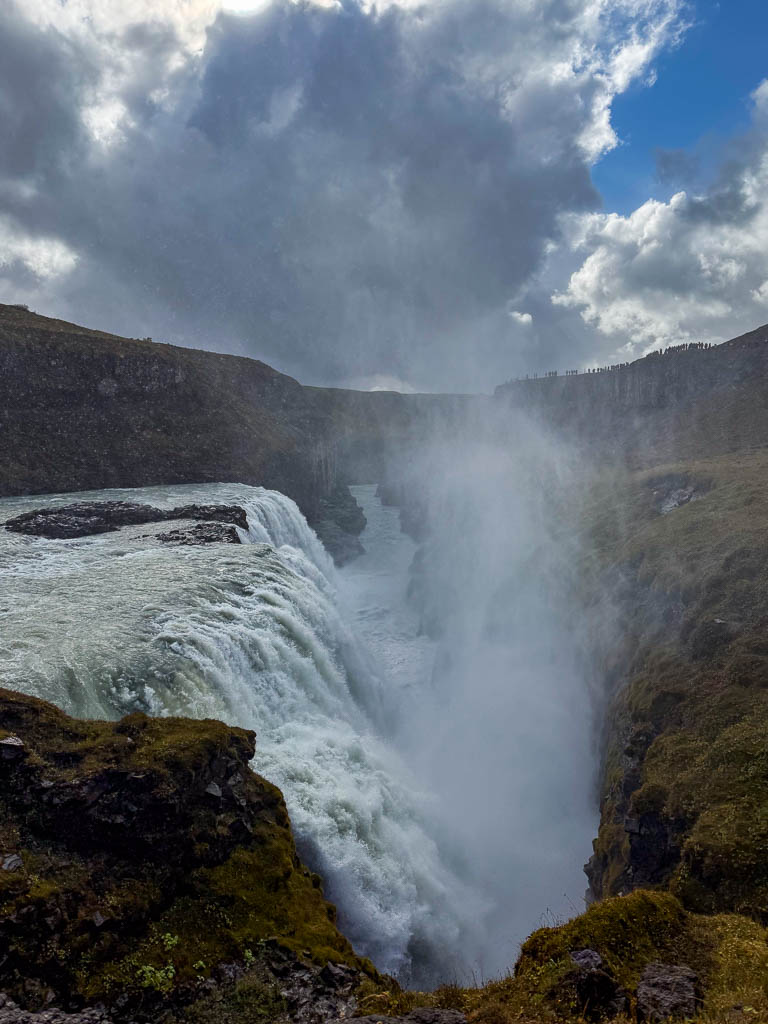
If I were an anime character, I would have been portrayed with my chin quite literally on the floor. The sight of Gullfoss was enough to both make me float in ecstasy and yet feel so grounded by its power. I have seen many waterfalls in my life, but nothing like Gullfoss. This is a massive, two-tiered golden waterfall fed by the Langjökull glacier, plunging down into a deep canyon.
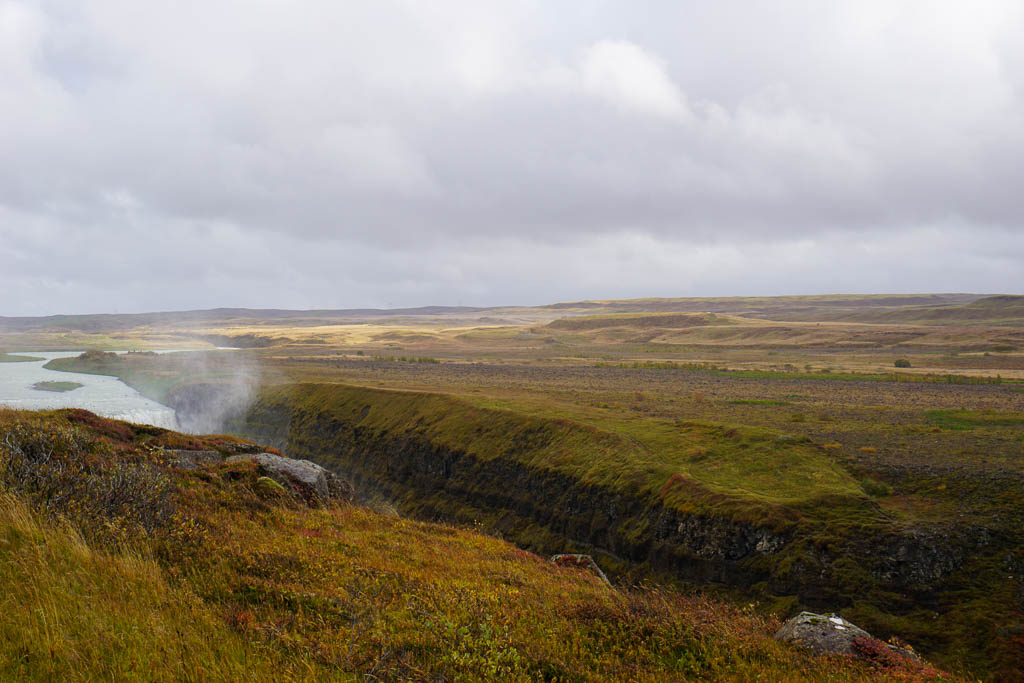
Gullfoss isn’t just about its clear beauty, a Nature’s masterpiece. It’s about feeling it. The inescapable droplets of water in your skin, the thundering and everlasting sound of thousands of litters of water falling off the cliffs into the canyon.
Yet, we almost didn’t get to see it like this.
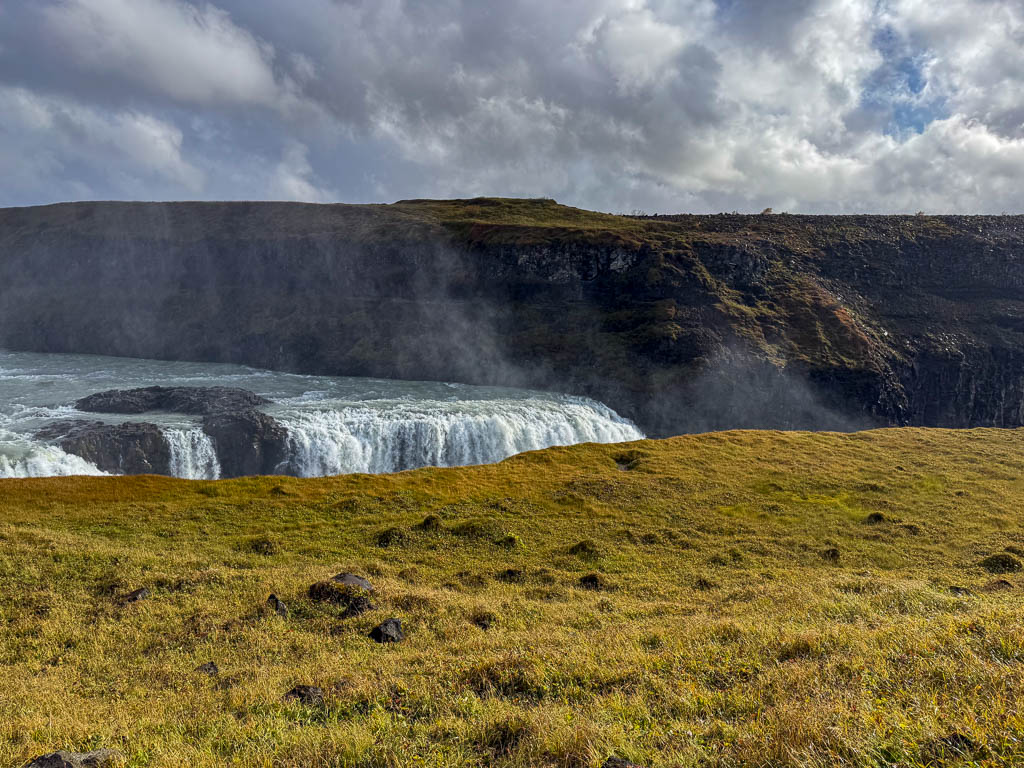
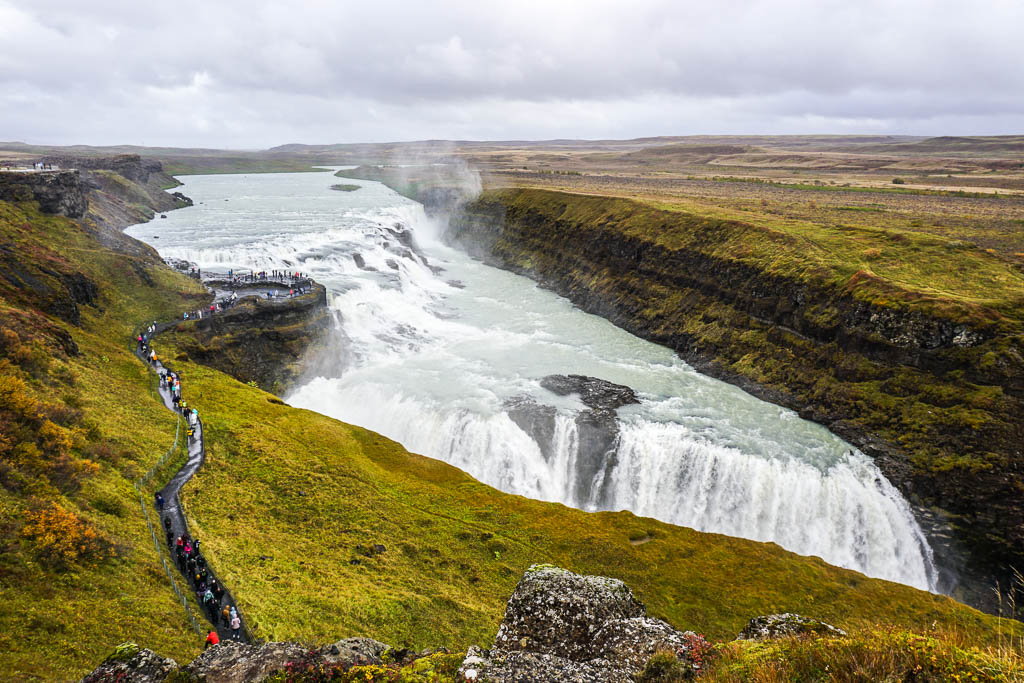
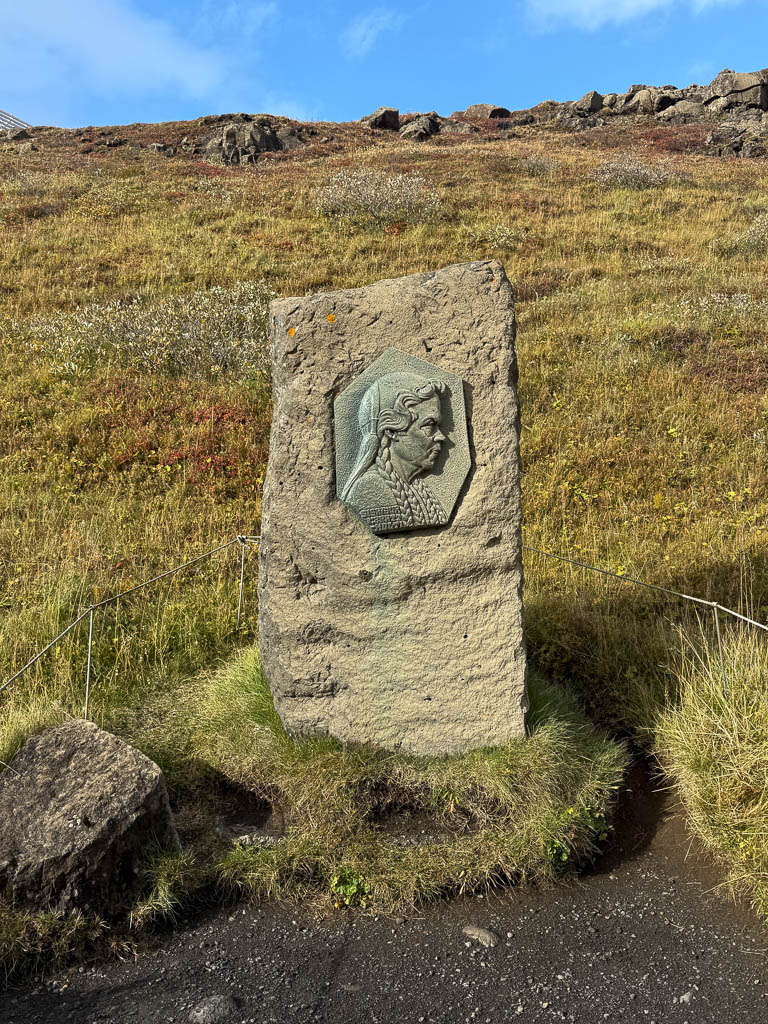
At the beginning of the 20th century, foreign investors wanted to harness the Hvítá river for hydroelectric power, which would have involved developing the Gullfoss area. A family living at the nearby Brattholt farm contested it. Tómas, the father, refused to sell the waterfall, famously saying “ I do not sell my friends”. Still, eventually, a lease was arranged that allowed investors to pursue the hydroelectric project. One of his daughters – Sigríður Tómasdóttir – absolutely refused to let it happen. She repeatedly went to Reykjavik to fight it. Now, Reykjavik is roughly 120 km away one way, and she made the journey multiple times, including on foot, to persuade officials to protect Gullfoss. Some accounts describe her walking 200-240 km round trip along difficult roads. In addition, she spent her own money in the legal fight and when things looked like they were completely lost, she threatened to throw herself into the Gullfoss if construction began.
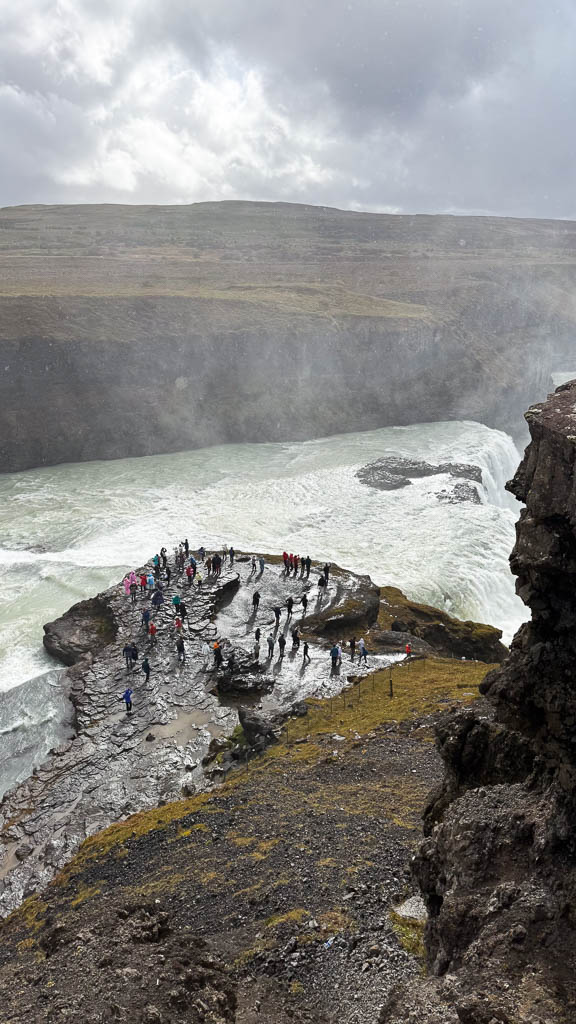
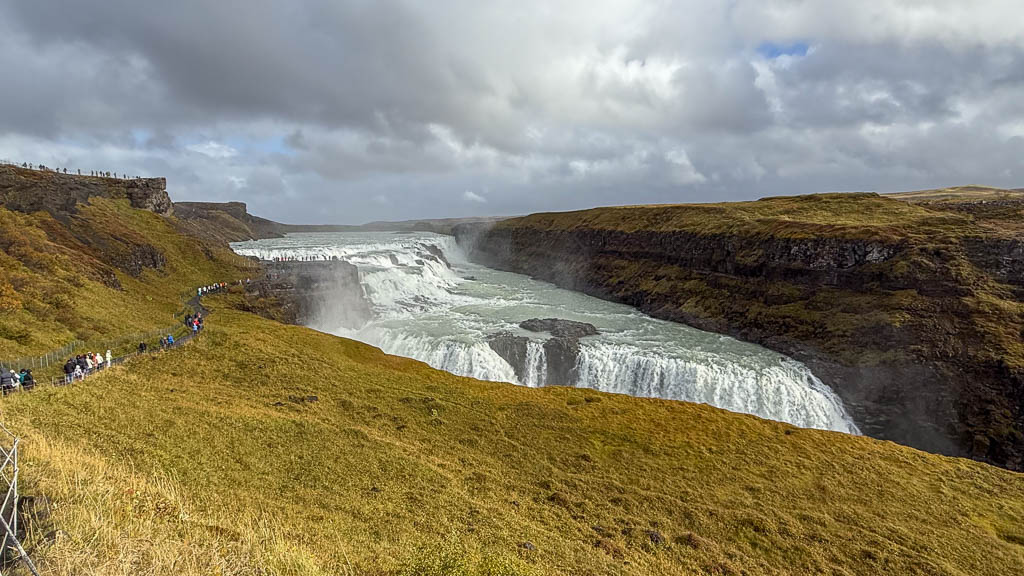
Today she is seen almost like a local hero, a legend, and there is a monument in her honour in Gulfoss. Sadly, whilst she absolutely deserves the utmost credit for her bravery and perseverance, the reason why the projecs did not go ahead was instead, as usual, about money. Her lawyer, Sveinn Björnsson, helped challenge the leaser. He later became Iceland’s first president. Eventually, investors stopped paying the required lease payments, the agreement was terminated, and the hydroelectric project never happened…
Gullfoss eventually became state property in 1940, and the area was formally protected in 1979.
Can you imagine. We were this close to lose out to this – all because of greed.
The Þingvellir National Park
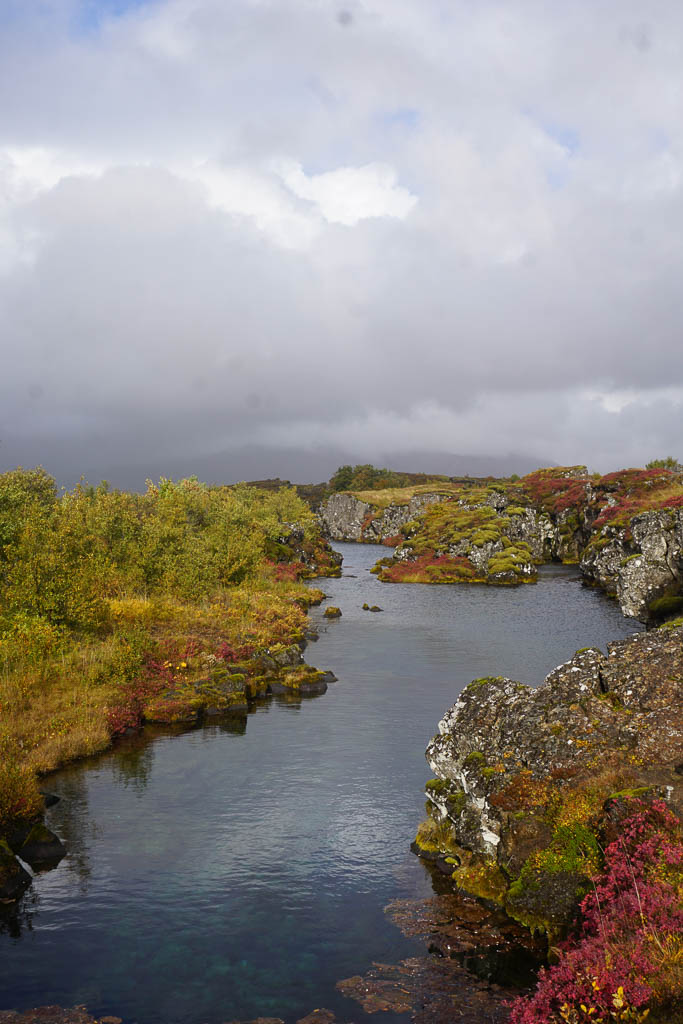
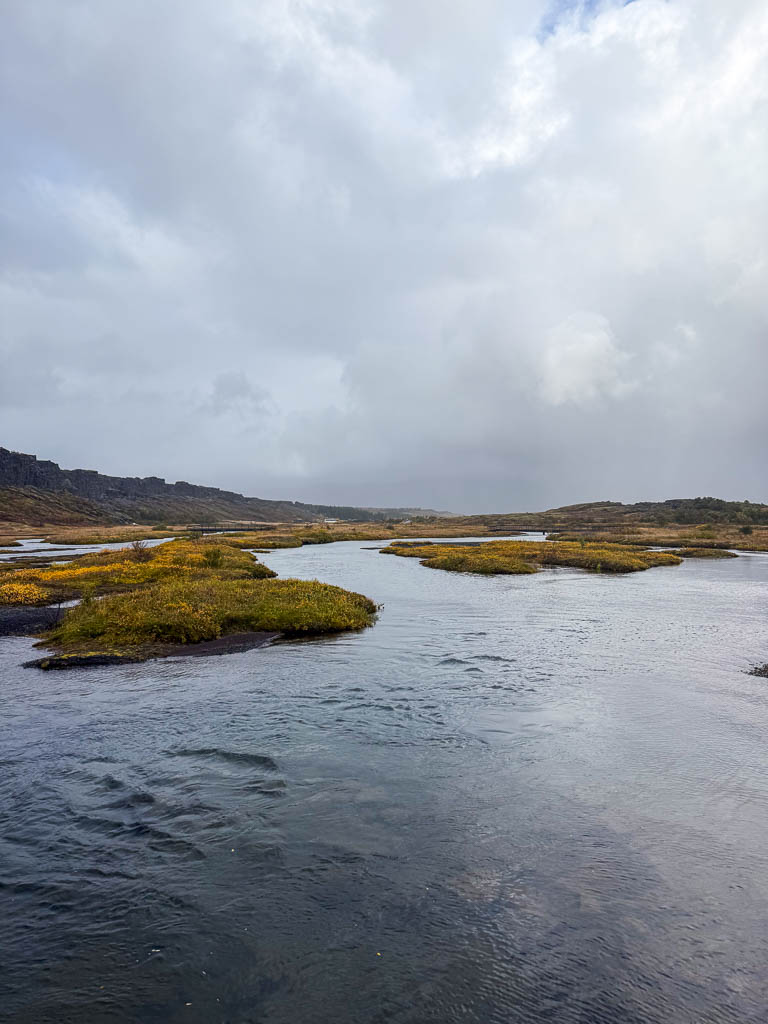
Out of all the incredible places I saw that day, this was the one that was magical to me. I could almost feel its sacredness, some feeling deep inside me cautioning me of how special it was. It’s the sort of place that makes me understand why some believe in elves in these parts, and why this was the chosen place for the first Icelandic parliament. It has been the chosen location for demonstrations of unity between clans and its people, even though you are literally standing in between the North American and the Eurasian tectonic plates, which keep separating further and further away.
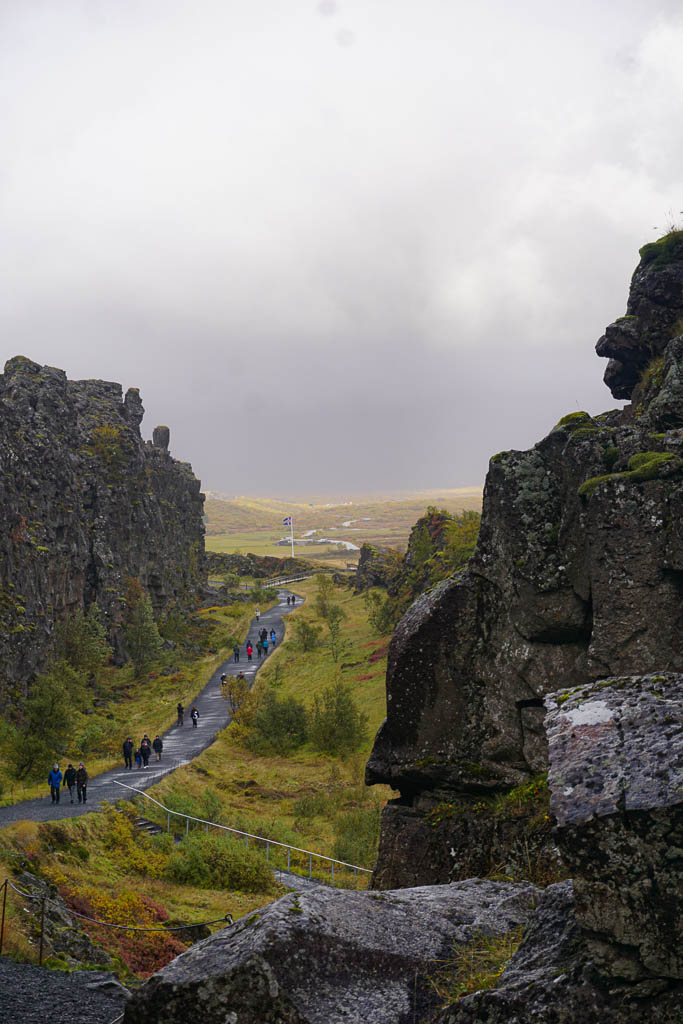
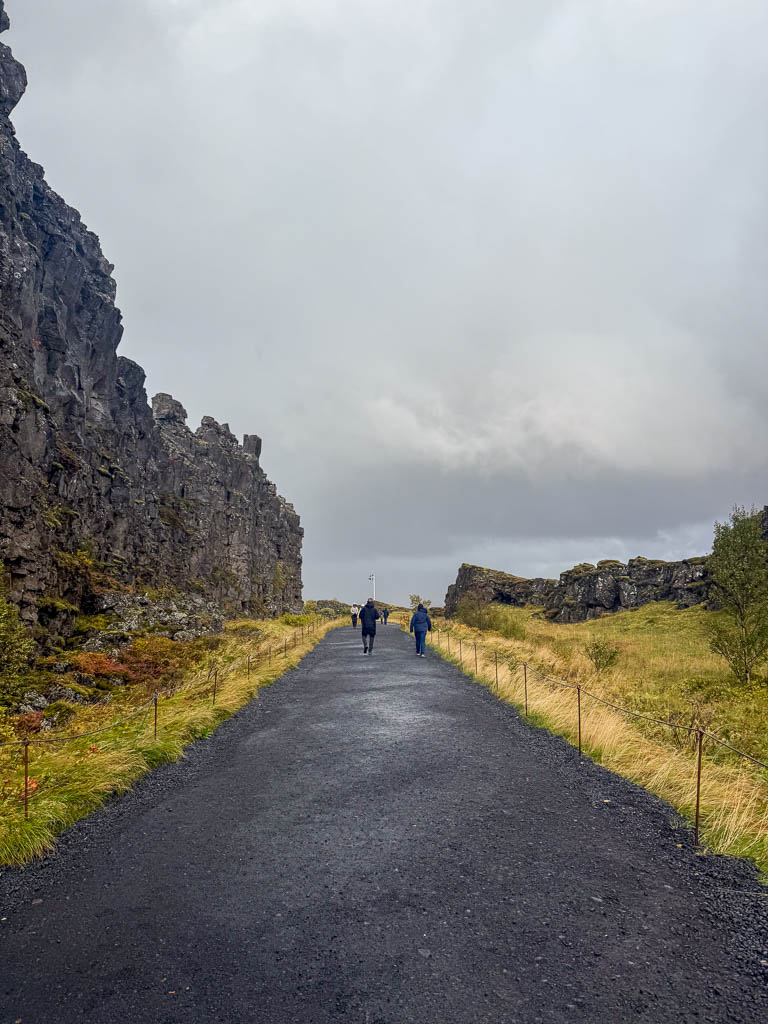
Seeing this with your own eyes – a literal fissure of the Earth – how the landscape was moulded by it, its in itself mind bending, almost incomprehensible to our little brains – my own two eyes seeing Earth’s crust physically being pulled apart – at a rate of about 2cm/year.
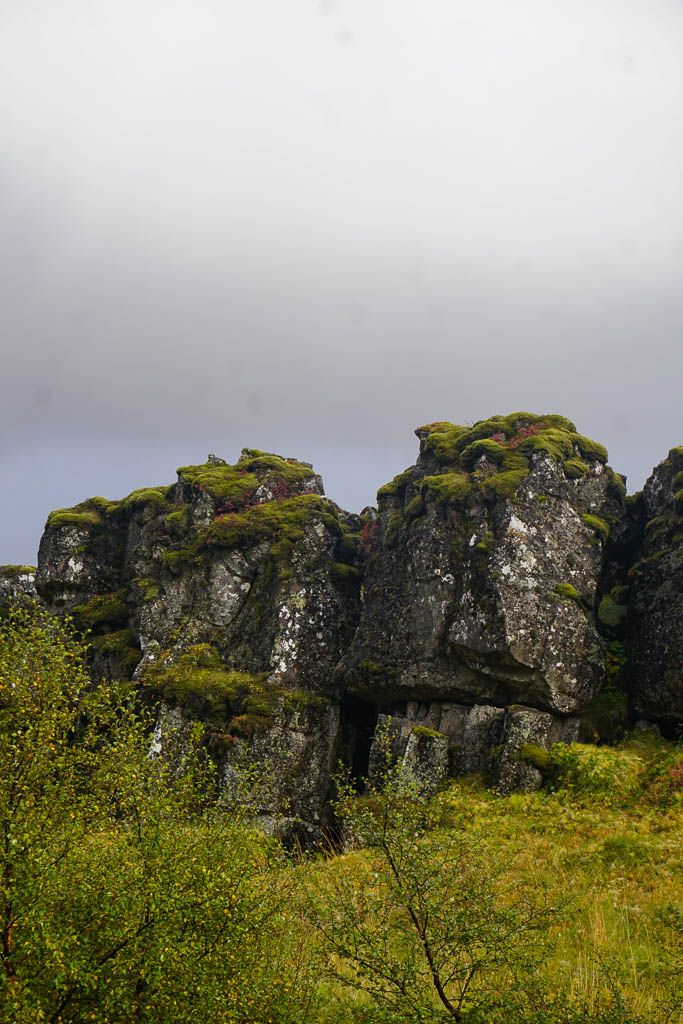
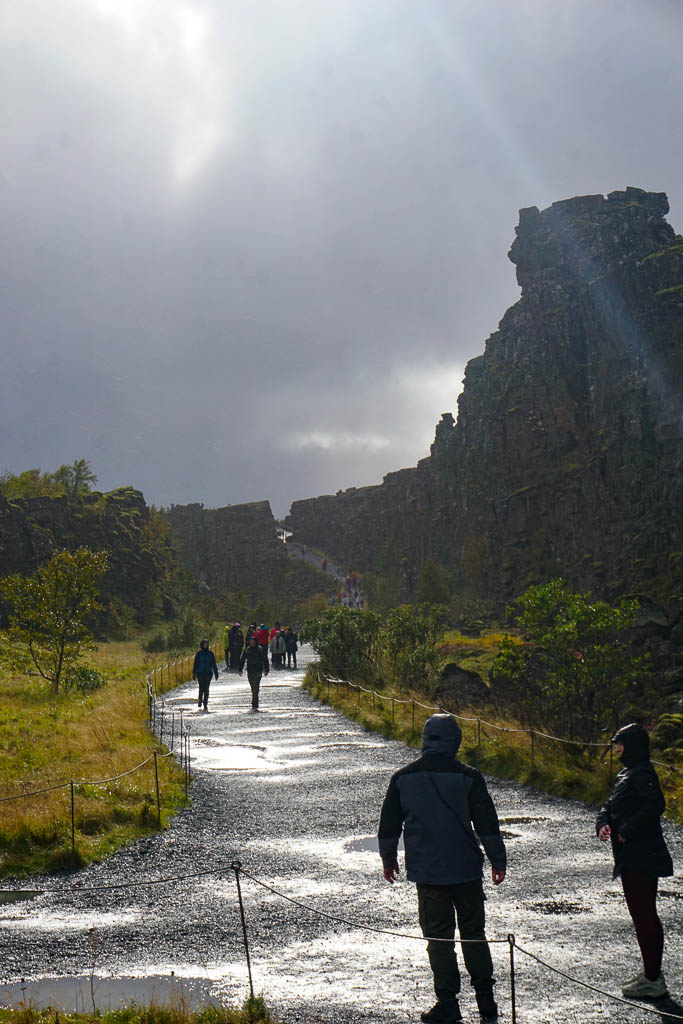
This is a UNESCO World Heritage Site and one of the most important historical places in Iceland. Around 930, Iceland’s chieftains established the Alþing (Althing), the country’s general assembly there, at Þingvellir. People travelled there from across Iceland every summer. The Law Speaker stood at Lögberg (Law Rock) and recited the laws, while people gathered in the surrounding area. It wasn’t just a parliament in the modern definition – it was simultaneously a legislative assembly, court and enormous social gathering. People would camp around the area , conduct business, settle disputes, arrange marriages, trade, gossip… basically a gigantic networking event.
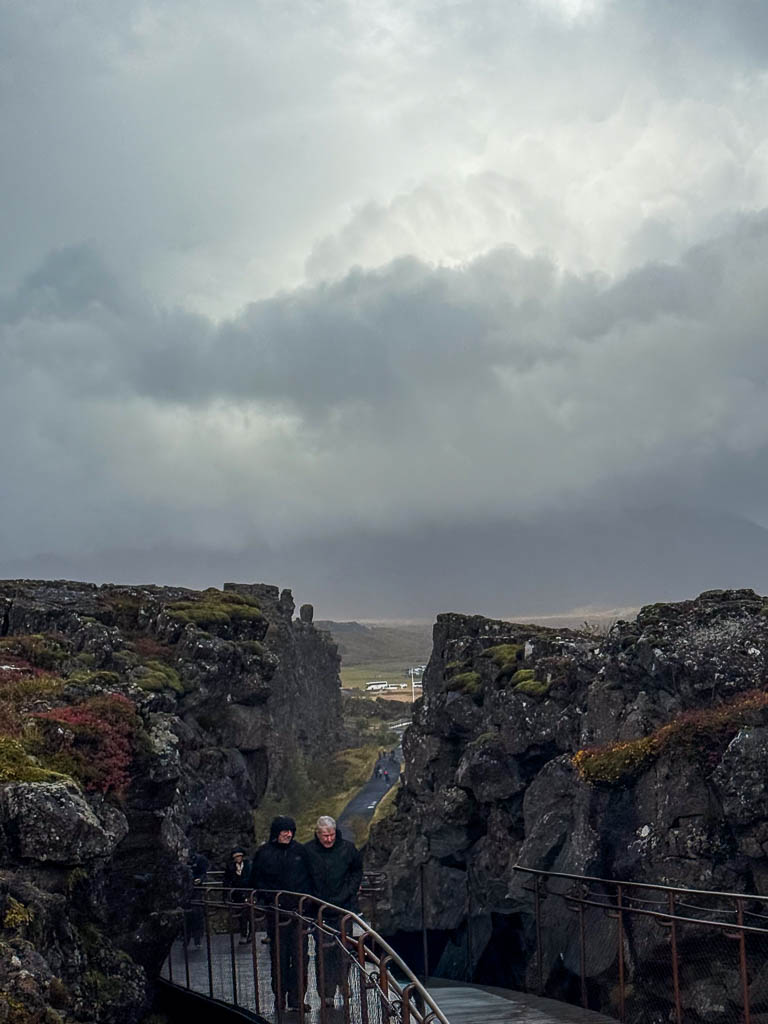
And in the year 1000, this was also the place where the Law Speaker Þorgeir Ljósvetningagoði decided that Iceland would officially adopt Christianity, while still allowing people to continue practicing the old religion privately.
The Alþing continued meeting at Þingvellir until 1798.
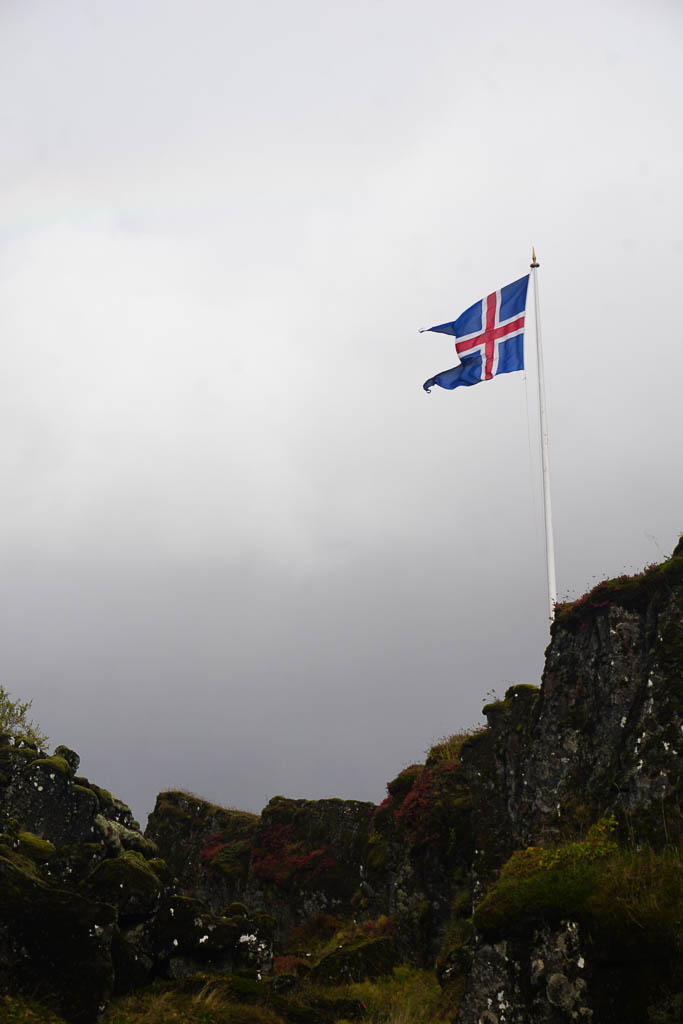
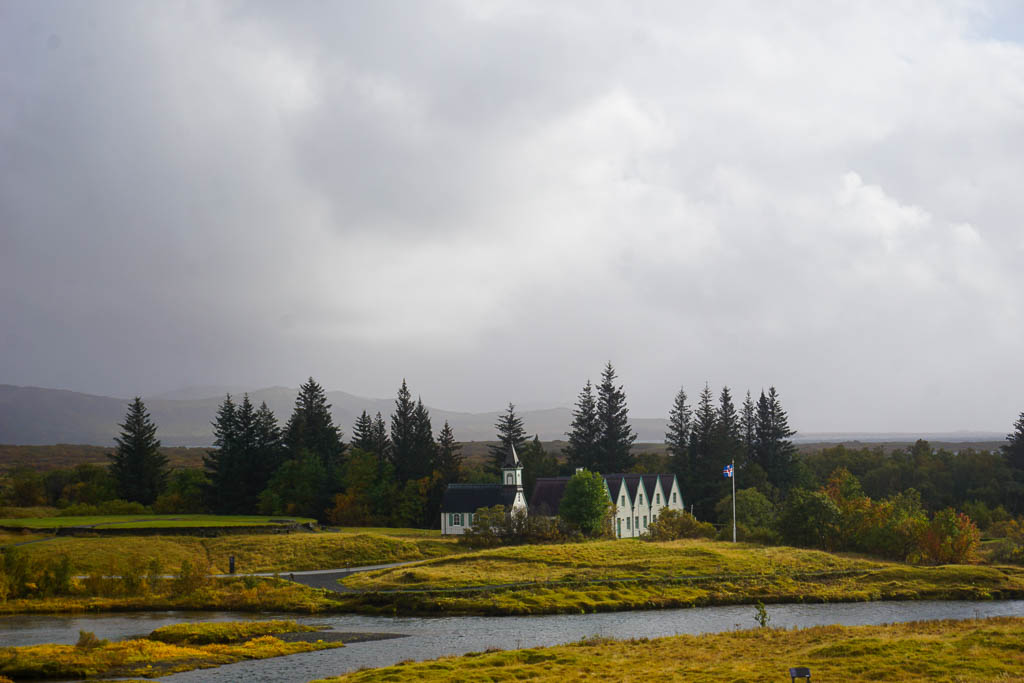
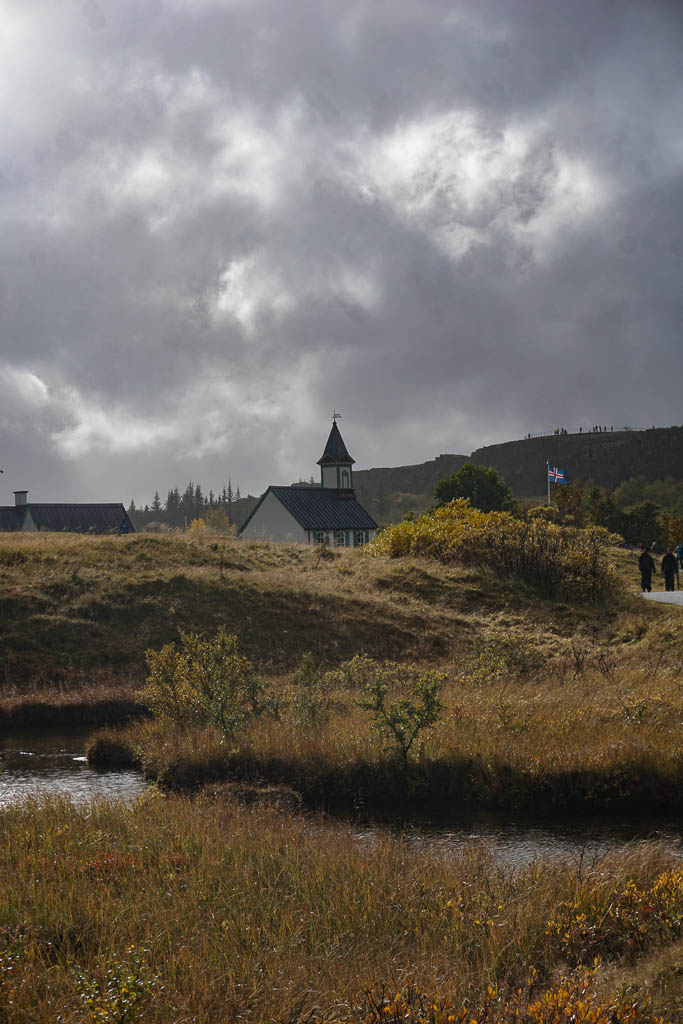
But until then… the landscape was the monument. Coming to this place you won’t see any buildings that would at all indicate this was the place where hundreds of people came to hear about law. I find it fascinating. Truly. The only signs of civilization are the Icelandic flag and then a little church, the Þingvallakirkja, and the houses next to it – which serve as the prime minister’s Summer residence.
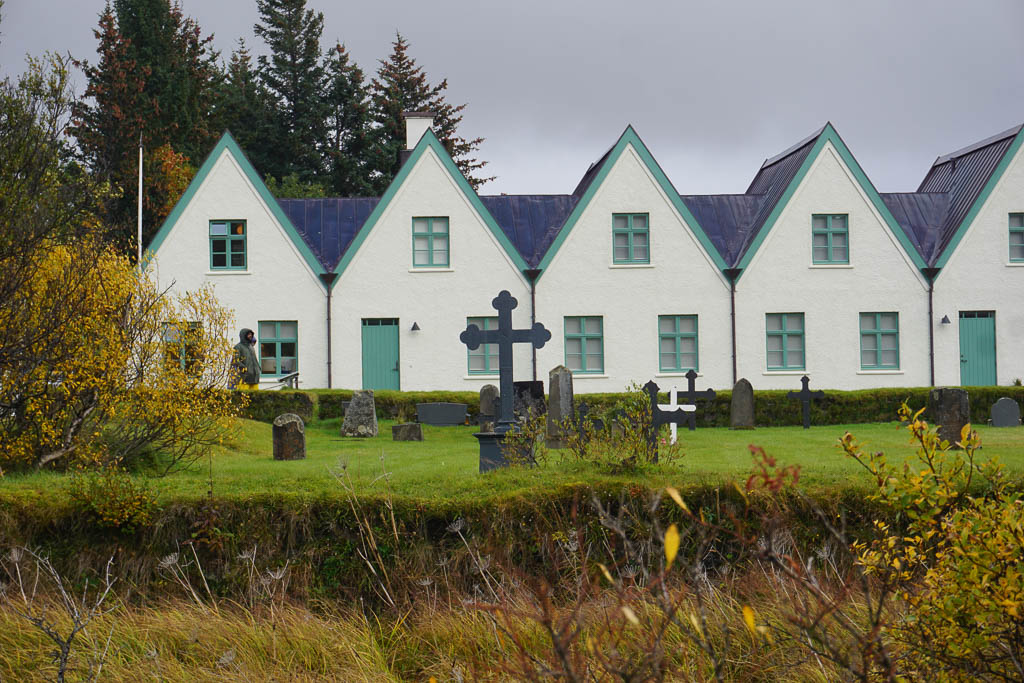
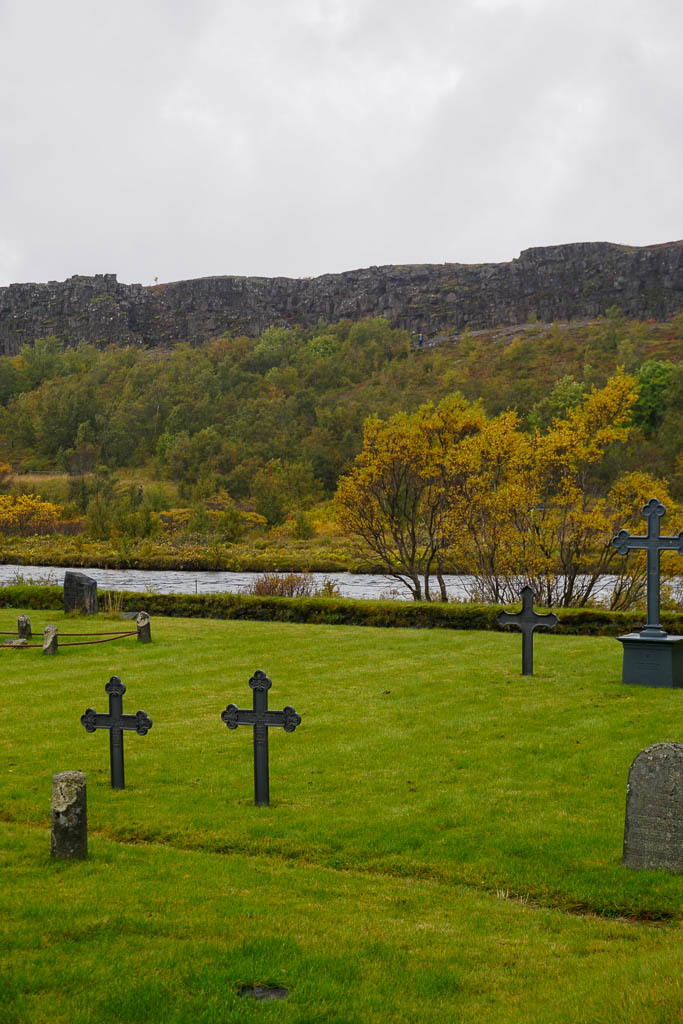
This was the last stop of my Golden Circle tour, and I truly went back to my hotel with starry eyes. Looking through my photos now, it almost brings me to tears. It all felt so immense, so vast, so powerful — and yet, somehow, delicate.
And you may think: delicate? How?
In Iceland, you get to witness the indisputable fact that the Earth is alive. It is constantly moving, shifting, erupting and changing. And yet the landscape can be misleading. It looks ancient. Timeless, even. When, geologically speaking, so much of it really isn’t. Lava fields have been formed in relatively recent eruptions; mountains and valleys are still being shaped; lakes and fissures are part of an ongoing geological process.
That, to me, is where the delicacy lies.
Because if the landscape is still being made, it is also still vulnerable. Vulnerable to the relentless intervention and greed of humans.
Gullfoss was almost lost to a hydroelectric project. It was saved through a combination of determination, circumstance and, perhaps, a little luck. But who knows what comes next?
I can only trust the judgement of the Icelanders who have inherited this extraordinary land – particularly when a country so rich in natural and renewable energy can also become attractive to what I might classify as “undesirable industries”, such as data centres built to feed the ever-growing demands of AI.
So yes. Powerful, but delicate.
Very delicate indeed.
Nic
Where I styed in Reykjavik (and recommend): Oddsson Downtown
Golden Circle Tour with: Reykjavik Excursions
P.S. Some links are affiliate links. If you click through and make a purchase I will receive a small commission at now extra cost to you.

