
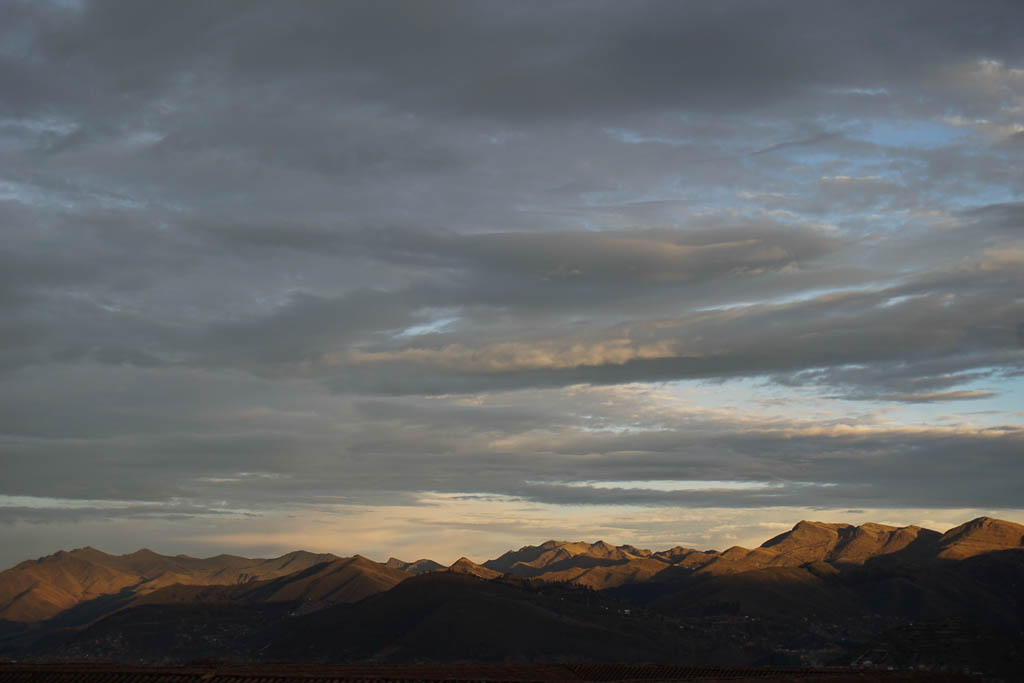
In Portuguese, Peru means turkey (the bird), which in turn is peru in Portuguese. And Turkey, the country, is Turquia in Portuguese. I always found this a curious one. And before finally making it to Peru, after years of dreaming about getting there, I decided to investigate.
Turkey, the country, came first. English speakers have called the region Turkey (as in, the land of Turks) since the 1300s. In the 1500s, the British started importing a speckled bird from Africa. Because the bird arrived via shipping routes controlled by the Ottoman Empire (Turkey), the English called it the “turkey-cock”, the bird from Turkey. This bird though wasn’t the modern turkey – it was a guineafowl.
Fast forward a few decades, British settlers in North America saw a different, huge wild bird. Because it vaguely resembled the African guineafowl they started to say “hey look at another turkey!”. As a result, turkeys are called turkeys in English because at some point people couldn’t be bothered to think about a new name for an exotic bird. What’s even funnier in Turkey (country), turkey (the bird) is called hindi – because they thought it came from India!
Now let’s move on to my native language, Portuguese. Why do we call Perú, the country, peru, the bird? Whilst Portuguese and Spanish are similar, and one could assume that perhaps the Spanish gave it this name, it is not true. In Spanish, the word for turkey is pavo. But actually when both the Portuguese and the Spanish landed in South America, they had found the original home of the turkey. One theory is that a local chief told them the name of the bird was Birú (or Pelú) and the Europeans mispronounced it to Peru. and because the bird came from that region, the Portuguese called the country Peru, which seems to have stuck in the Spanish language as well, even though for a Spanish speaker this has got nothing to do with any bird, it’s just the name of a country. In fact, the Spanish also made a mistake… pavo meant peacock. They got confused and panicked…
What a far-fetched introduction for the beginning of my notes on my trip to Perú! I do love a fun language investigation, and I find it fascinating that a couple of birds influenced three different languages this much.
This trip was yet another one that had been a long time coming, similarly to Japan. It was on my bucket list since I was a little child, fascinated with archaeology and fancying myself a little Indiana Jones. Not knowing much about Peru, all I knew was that I must, as in absolutely must, visit Machu Picchu. With the passion for archaeology came a fascination for civilizations. Growing up I learned more about them, and the desire to visit Peru grew with it.
I had decided years ago that as part of the Machu Picchu experience, I had to properly experience the Andes. For years I had the Inca Trail on my list, but a couple years back I came across the Salkantay trek. I felt an immediate pull towards it. I had never done a multi day trek though… and I was nervous. Was I strong enough?
And was I? I suppose you’ll learn about that once we get there.
But first, I needed to get to Cusco and that in itself was a long journey. I took a flight from London to Madrid, and then from Madrid to Lima. Getting out of the airport carrying a big, heavy suitcase, a whiff of humid and warm sea scented air filled my lungs. The capital of Peru is located by the coast of the Pacific ocean, and I was at sea level. And this needed to change – I had to acclimatise to high altitudes in preparation for the trek. As a result, my time in Lima was limited to a single night at the airport’s Holiday Inn. If you’re in a similar predicament, in which you must fly over to Cusco from Lima but either have no time to do it on arrival day or you just need a bit of a rest, this is the place to go. There is a free shuttle that takes you door to door, both on the way to the hotel and the way back.
After a nice sleep, I got on a plane once again the next morning, headed to Cusco, the old capital of the Inca Empire. I was lucky to have a window seat, from which I could admire the mountain peaks. The Andes already felt special from up there. An ode to the grandeur of Nature, and the smallness of humans. I was nervous though – not because of the flight, but the landing. Cusco is located at about 3,400 meters above sea level – and altitude sickness is not a joke.
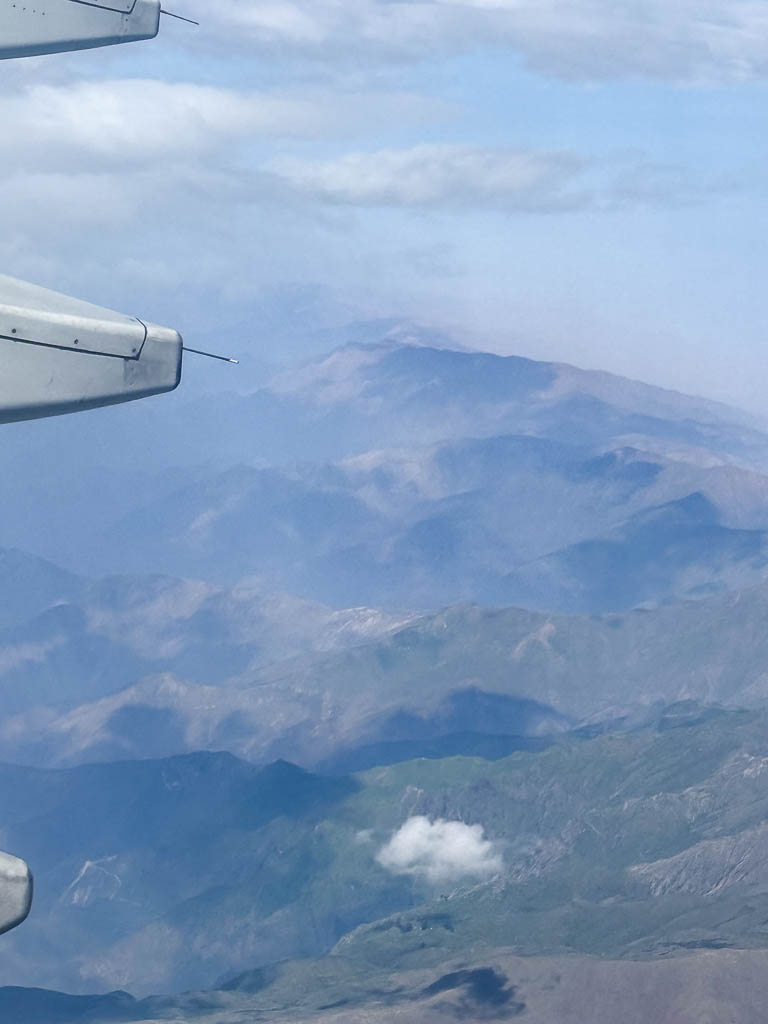
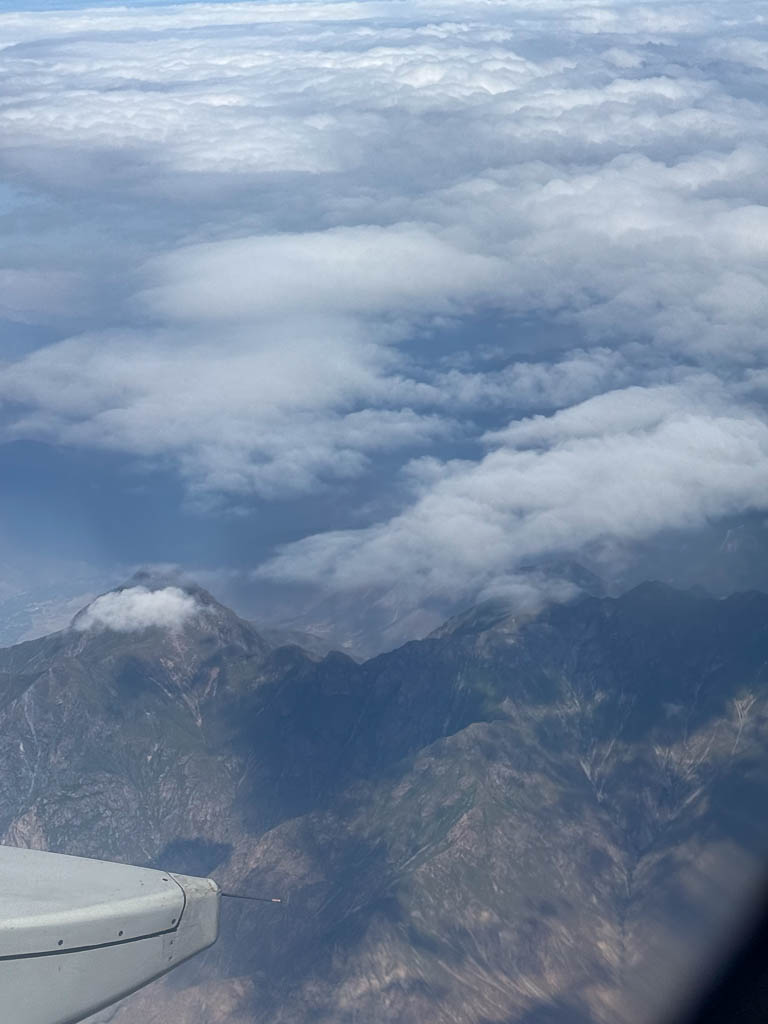
Let’s put this in perspective – the highest mountain in my home country Portugal is 2,000 meters high – and the only reason it’s 2,000 is because a tower was built to make it from 1,900 to around 2,000. That’s Serra da Estrela. In the UK, where I live, the highest mountain is Ben Nevis, in the Scottish Highlands… at a humble 1,345 meters high.
The highest city I had been to was Quito – 2,850 meters high, which seems like child’s play in comparison to Cusco. I was afraid of altitude sickness, something that can affect anyone from any age and fitness level, and in severe cases you have to move to lower altitudes and might not be able to join any trek. As someone who has migraines, I thought there would be a high likelihood of getting a pretty bad one. Spoiler alert: I didn’t!
Practical Tips – Altitude Acclimatisation
Altitude sickness is no joke and there isn’t a way to know if you’ll be affected or not. Take acclimatisation seriously:
- Before starting any treks stay in Cusco for at least 2 days. There’s plenty to do, you won’t get bored
- Eat light meals and avoid alcohol – your digestion will slow down
- Hydrate
- Drink coca tea in moderation: this drink is energising and will keep you awake at night
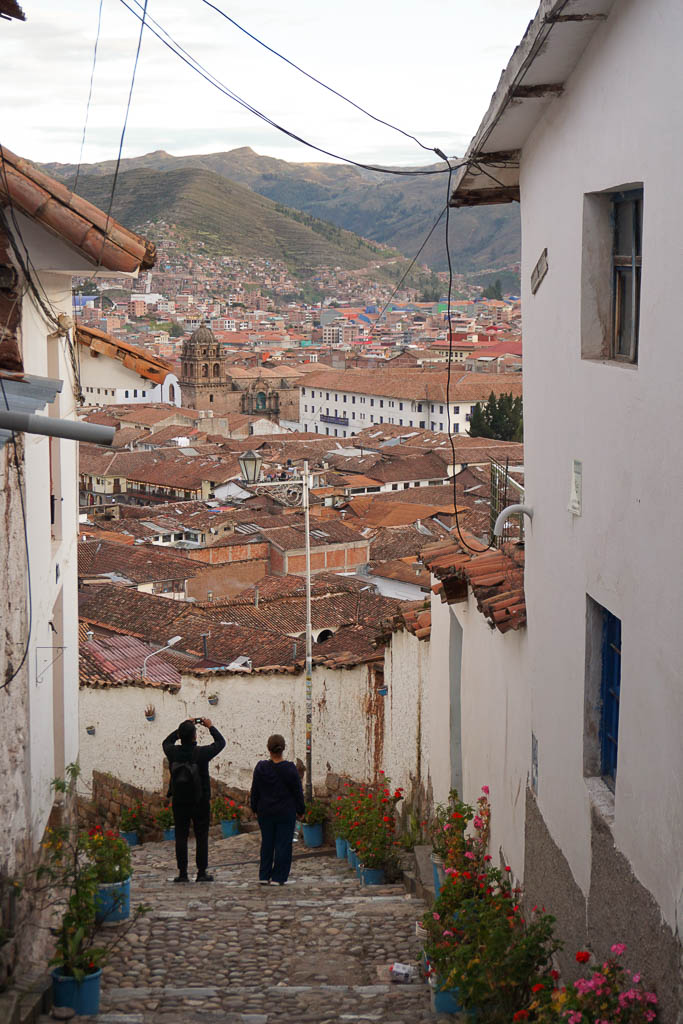
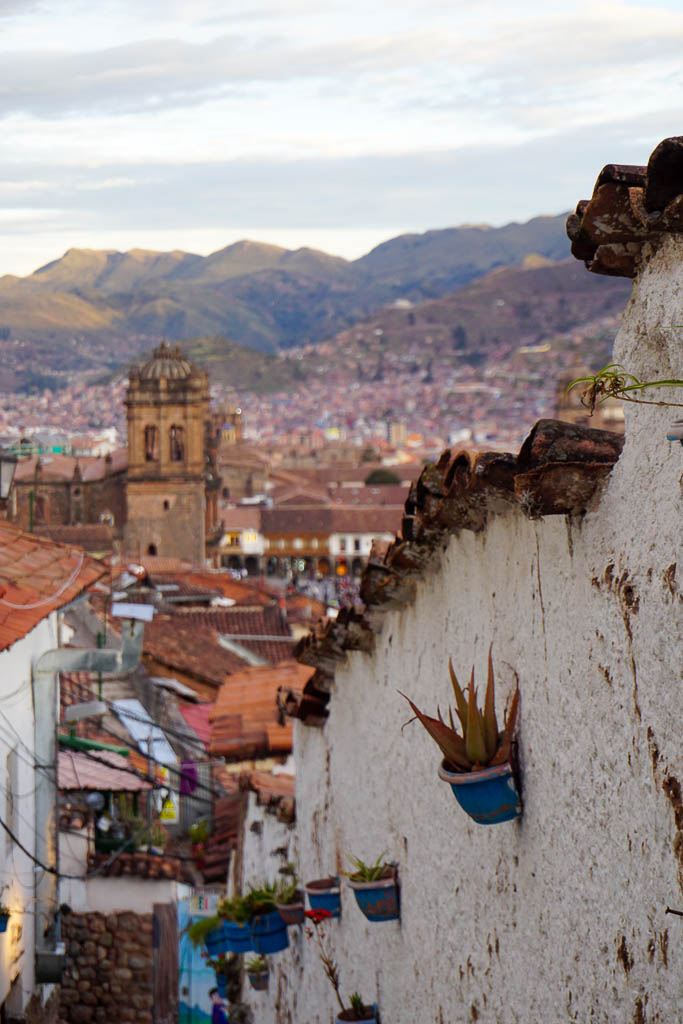
My accommodation was Casa Montes San Blas, just by the Plazeta San Blas. San Blas sits on a hilltop, known for its charming narrow, cobblestone streets, whitewashed houses with blue doors and windows. Very Mediterranean in fact. There is also a bohemian and artist atmosphere that I immediately fell for. The location was perfect and the little family run B&B was lovely – beautifully decorated rooms, super clean and they cooked breakfast for me every morning and, in the mornings where I had really early tours, they gave me a small breakfast box to take with me. In Cusco, most tours will start very early, so this is handy.
Pratical Tips – Currency
- 💰 Whilst larger purchases are typically paid in US Dollars (accomodation, tours, flights, etc) for day-to-day expenses at shops, restaurants, etc, only local currency is accepted. Carry Peruvian soles with you at all times.
- 💵 For fee free cash withdrawls, use ATMs from Banco de La Nación/Multired
The first thing I did when I got to my room was to drink coca tea. Coca leaves have been used for hundreds of years by the locals to combat altitude sickness. I was feeling fine, but scared that at any point sickness would take place. With a bitter, herbal taste, it reminded me of green tea, which is my favourite kind of tea. But one thing some tourists don’t know is that Coca tea is also energising. If you drink too much of it, you might have trouble sleeping. I’ve encountered some people associating sleep problems with altitude, when in fact they were just drinking Coca tea a little too much and before bed…
You are meant to take it very easy in the first few hours and days, so your body can adapt to the high altitude. It’s common to assume there is less oxygen – in fact, the amount of oxygen in the atmosphere is technically the same, but the air pressure is lower, meaning fewer oxygen molecules enter your lungs with each breath. This is why it’s normal to feel breathless even just by walking a few steps, and feeling your heart rate accelerate. No, it’s not your fitness levels. It’s the altitude.
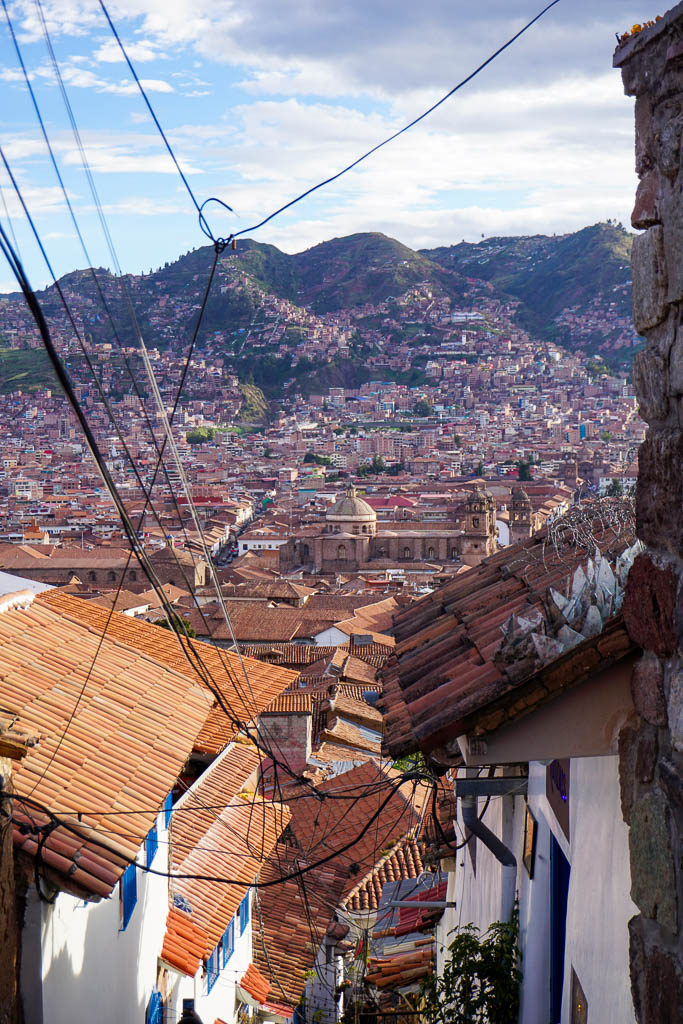
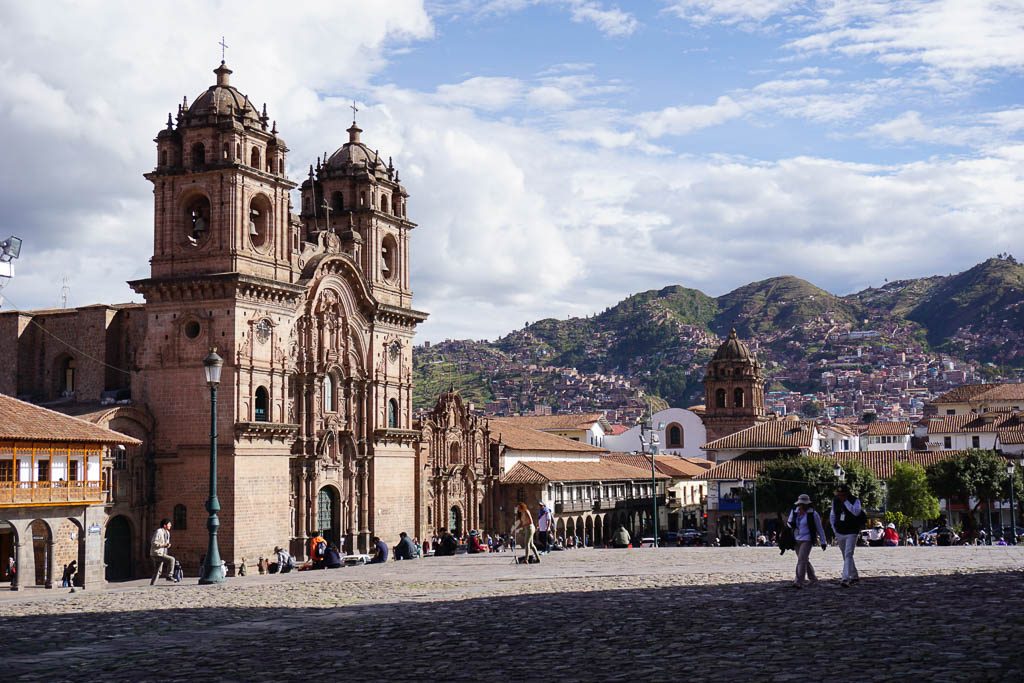
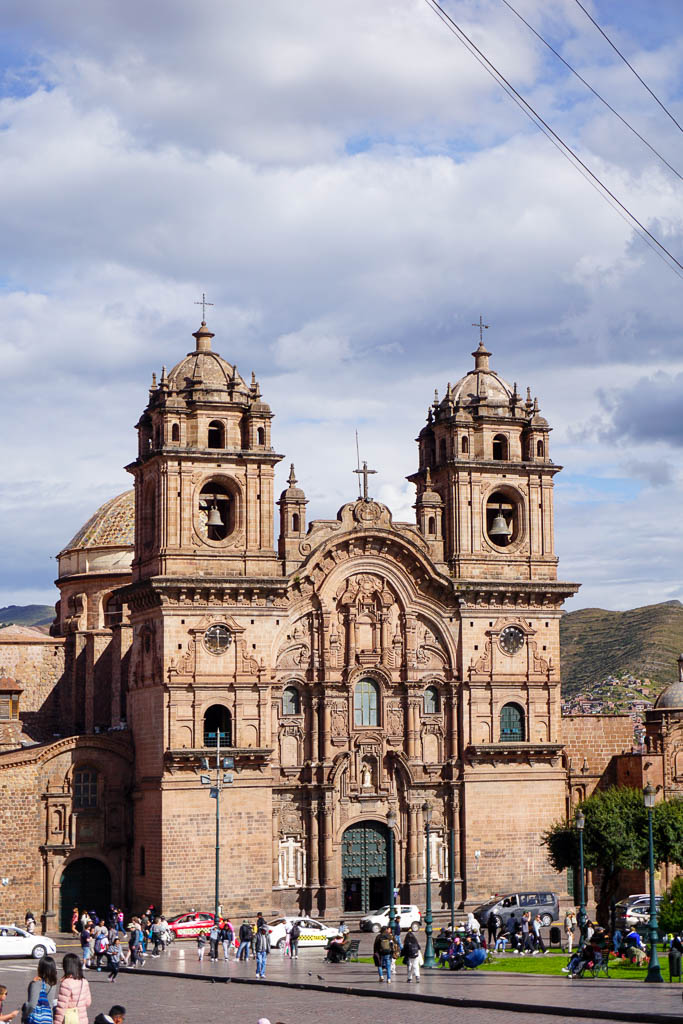
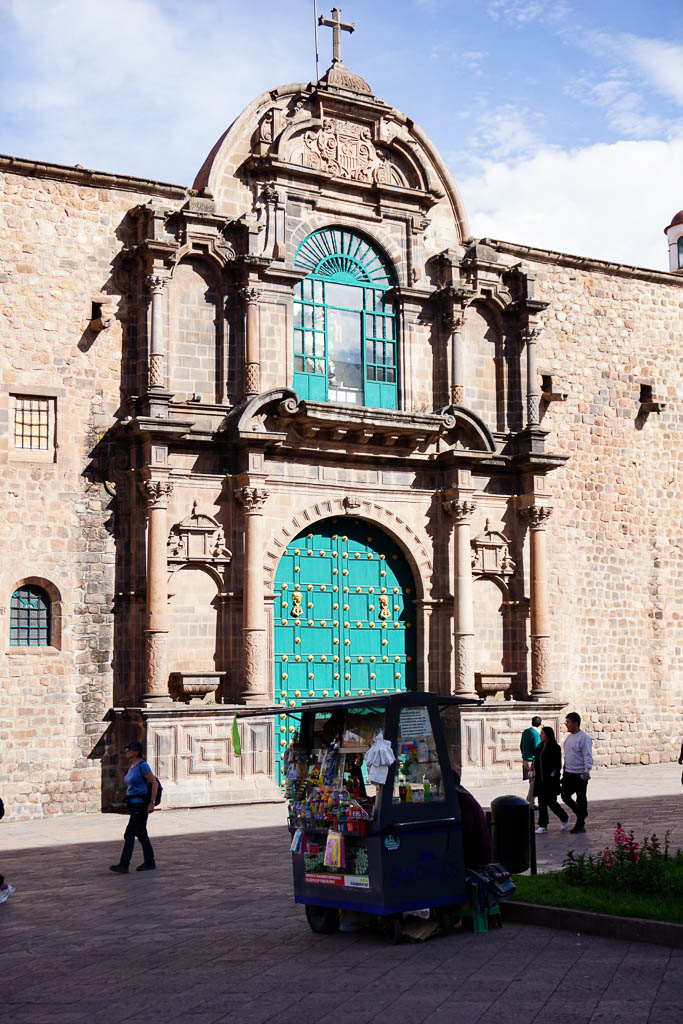
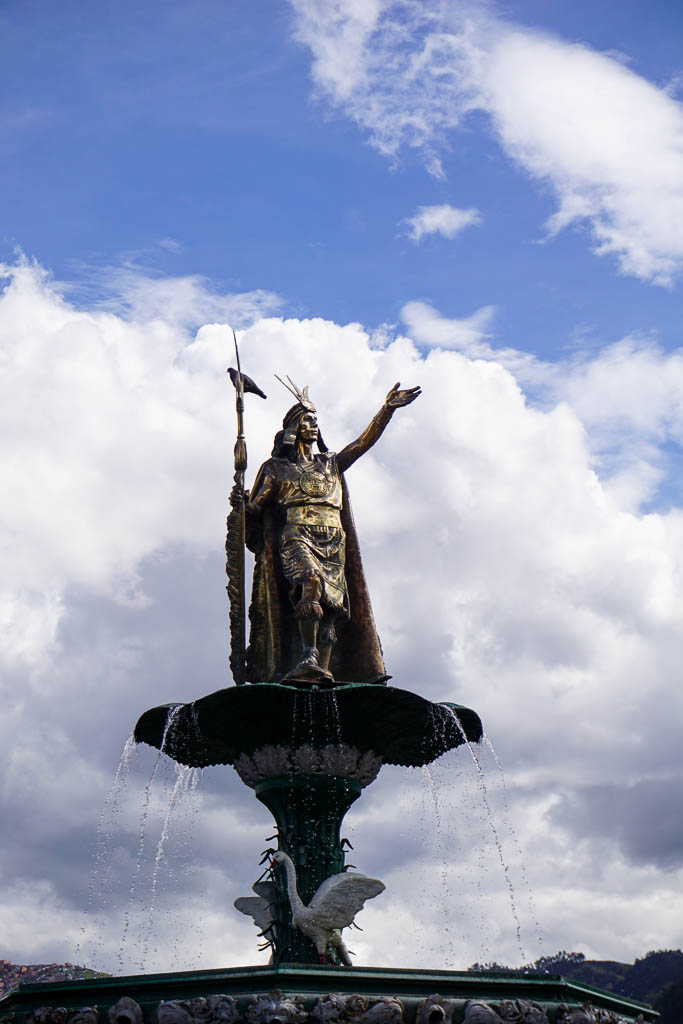
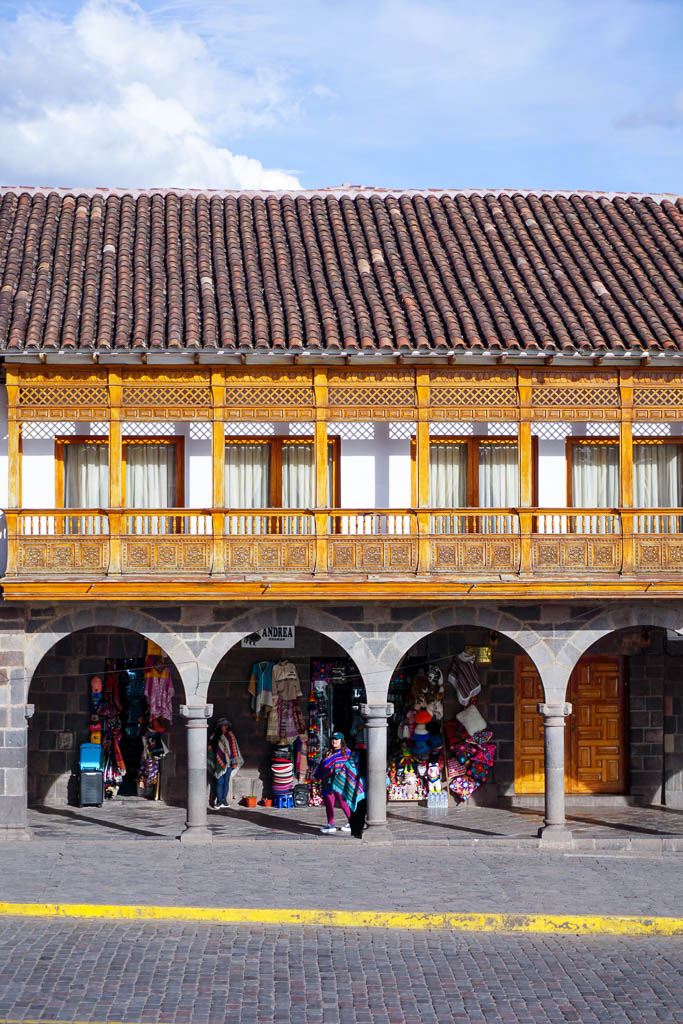
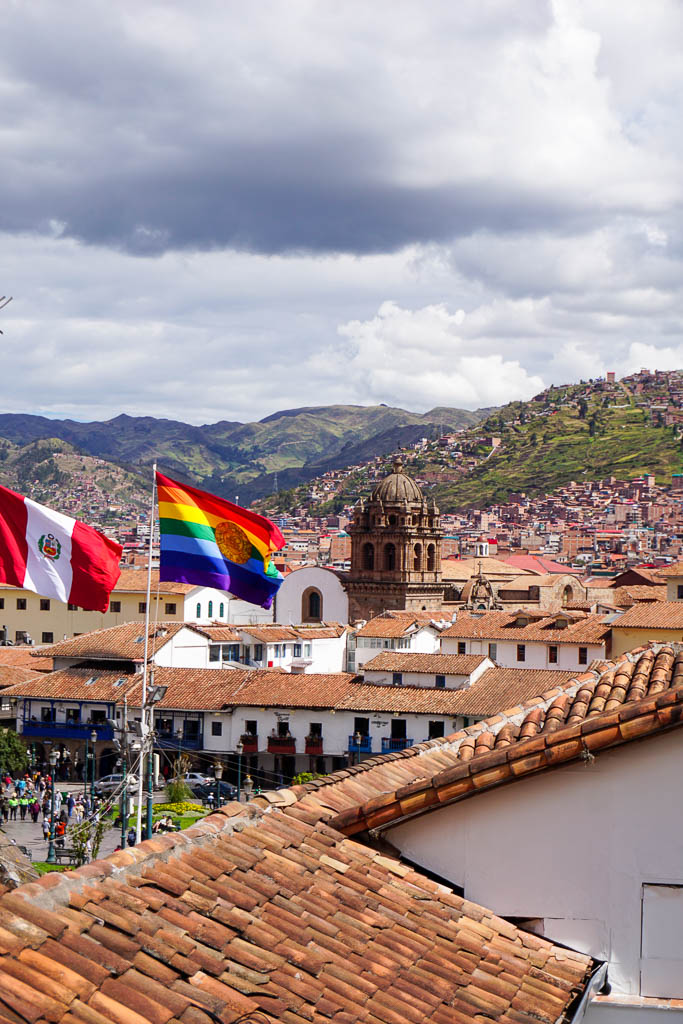
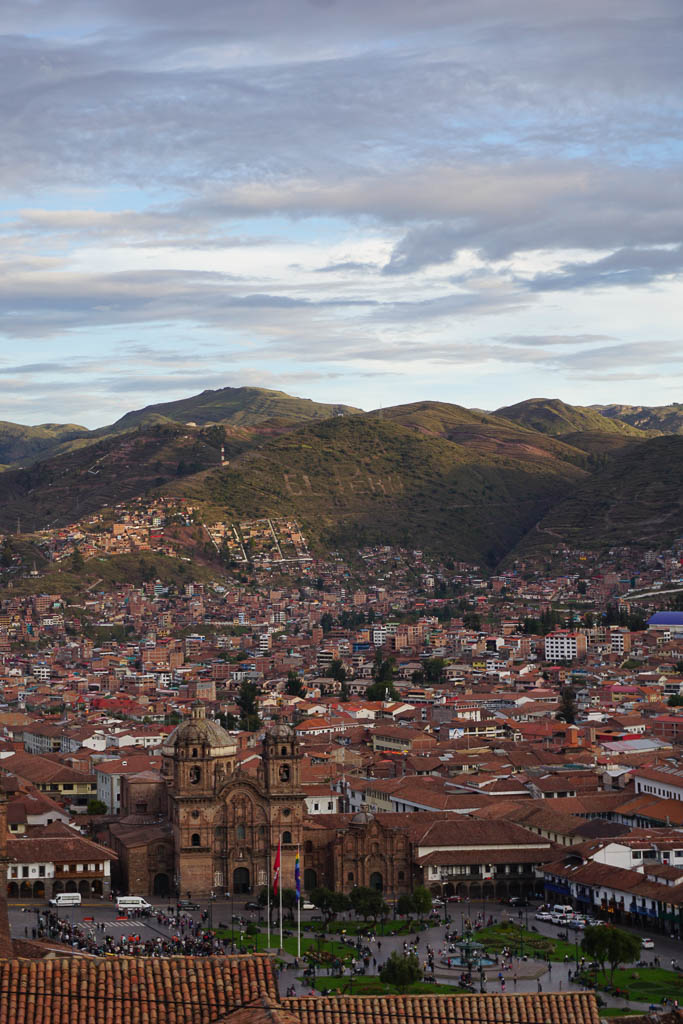
I decided to go down to Plaza Mayor, the centre of Cusco city, where its big Cathedral sits. The Plaza was always so full of people, and it was particularly lively in the evenings. The sun was shining bright, but in Cusco you must always carry a jacket – it gets cold very quickly and in fact I was there at the start of their “winter” – less rain but colder mornings and nights.
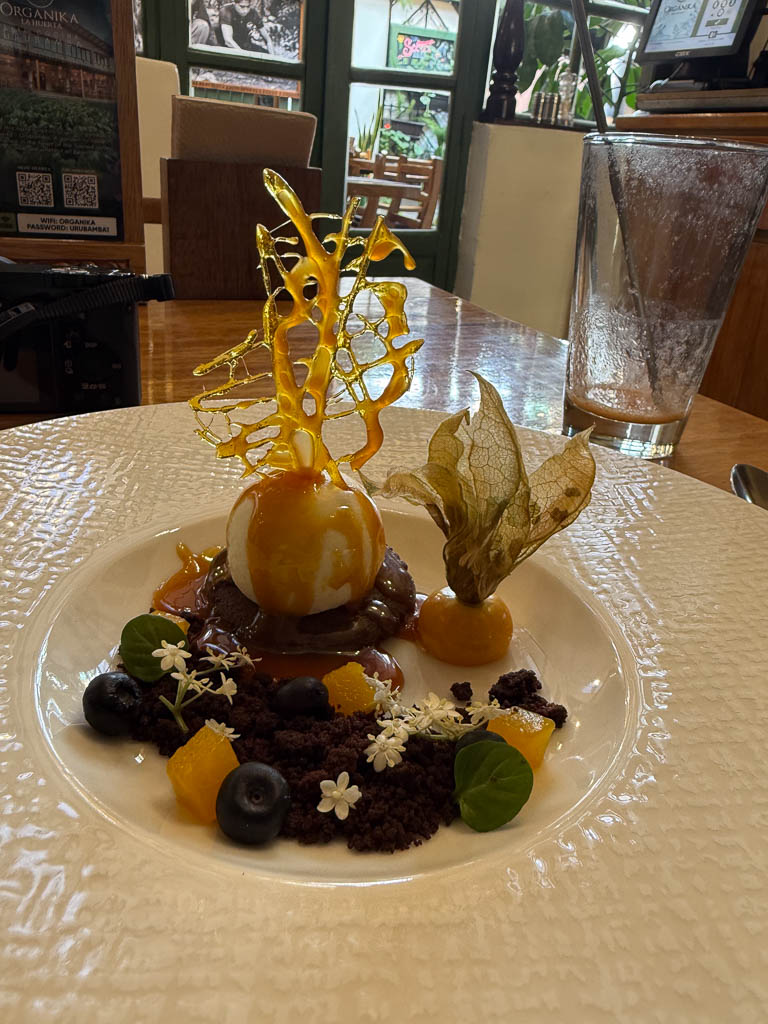
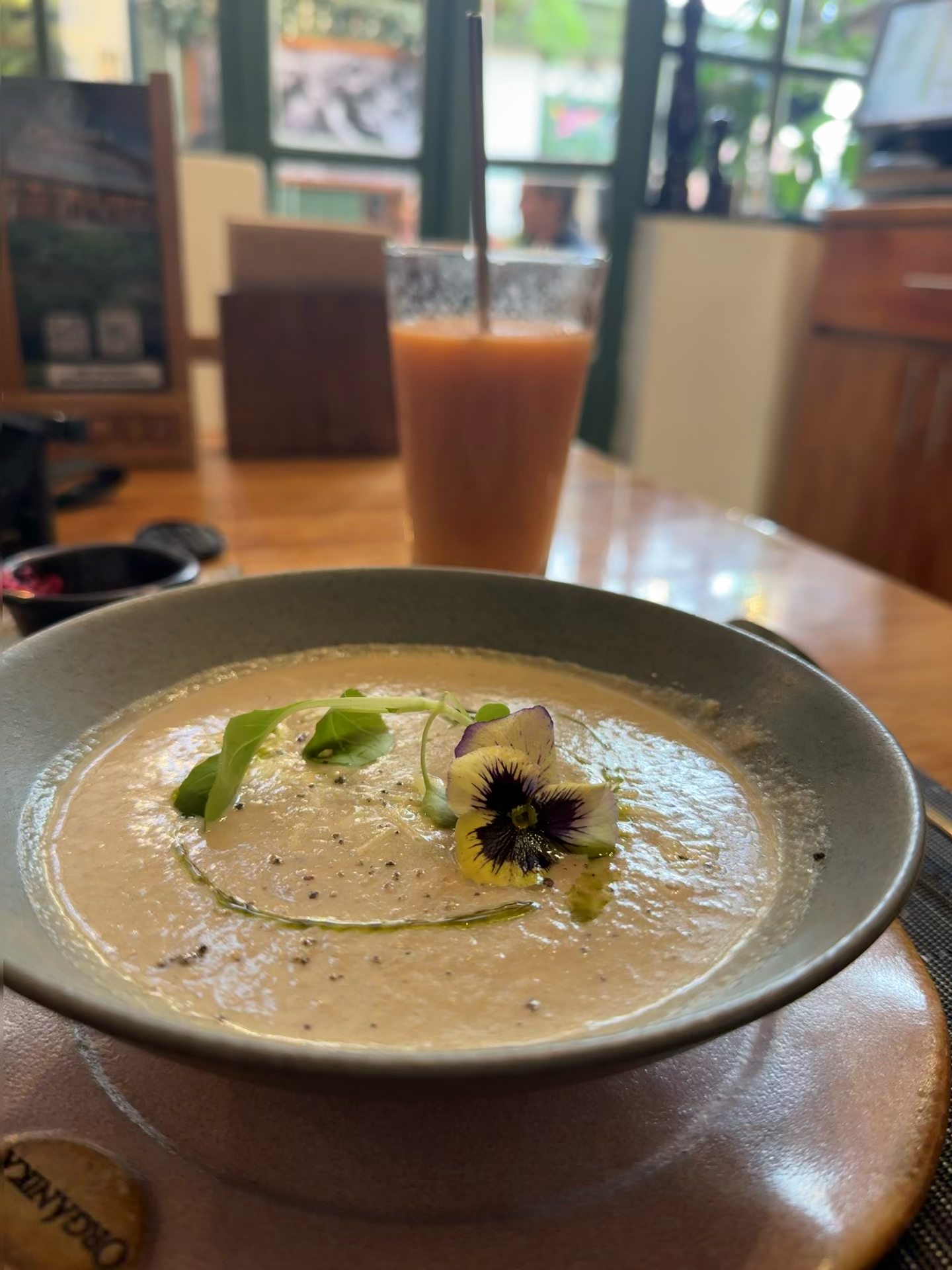
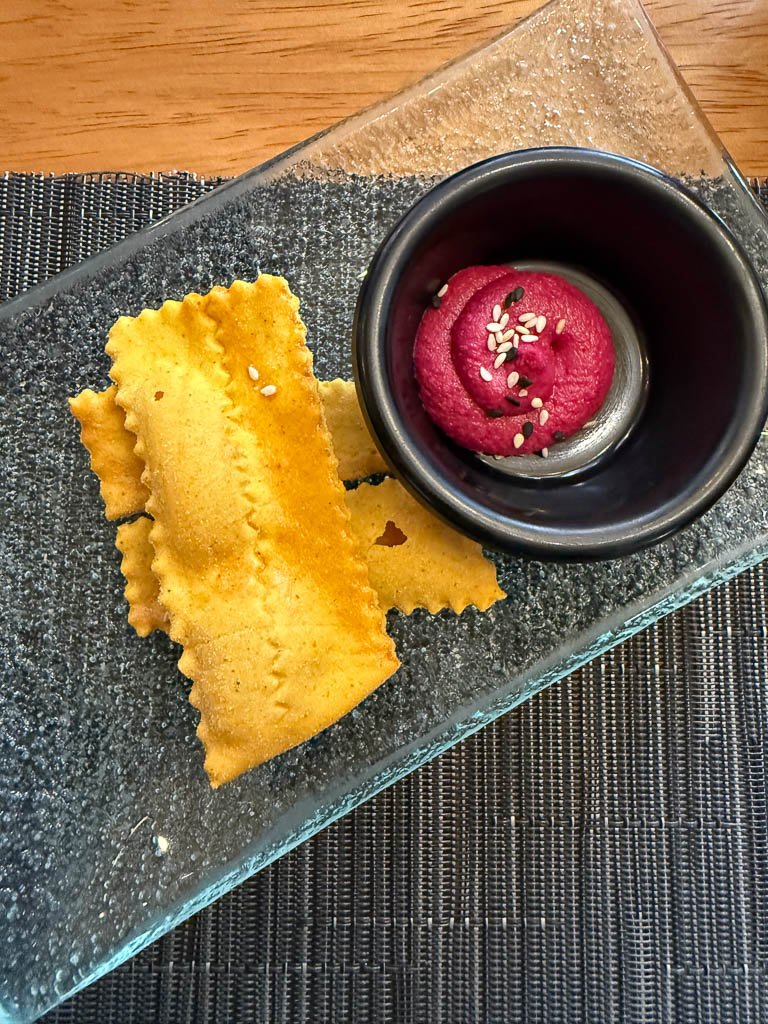
I knew I needed lunch and I made my way to Organika Restaurant. This is on the higher end and very tourist friendly (in fact, it’s probably only tourists that go there). I do recommend it, especially if you are vegetarian. They use products from their own gardens, so you know all ingredients are fresh and in season. I had a mushroom soup which was probably the best I’ve ever had. And since this was my first meal in Cusco (and proper meal of my holiday) I treated myself to dessert which looked like an art installation when it came to the table. It was an interpretation of cheese cake and I must say it was also very, very good.
After this, I decided to visit the Cathedral itself. I would argue this is a must visit. The most fascinating thing about this cathedral – and what distinguishes it from any other cathedrals you may find in Europe – it’s the religious syncretism: Catholicism expressed through an Andean worldview.
The Cathedral was built on top of an Inca palace. When the Spanish conquered Cusco, they dismantled it and used the materials to build the cathedral – this was a strong statement. By replacing an important Inca site with a Christian one, the colonialists were sending a message that they were the new powerful rulers. The physical labour was forced upon the local indigenous people, many of whom were Inca descendants. Amongst them, there were Andean craftsmen who used their craft and their art to show some resistance against the imposed new religion – by quietly incorporating their own symbols into Christian art. Since they could not reject Christianity outright, they added their own spin to it.
The most striking masterpiece in the cathedral is a painting of the Last Supper that features a guinea pig (cuy, local dish) instead of the lamb. There are also depictions of native plants and animals, and the association of Virgin Mary to Pachamama – the Indigenous Earth goddess. This artistic movement came to be called Escuela Cusqueña (Cusco School).
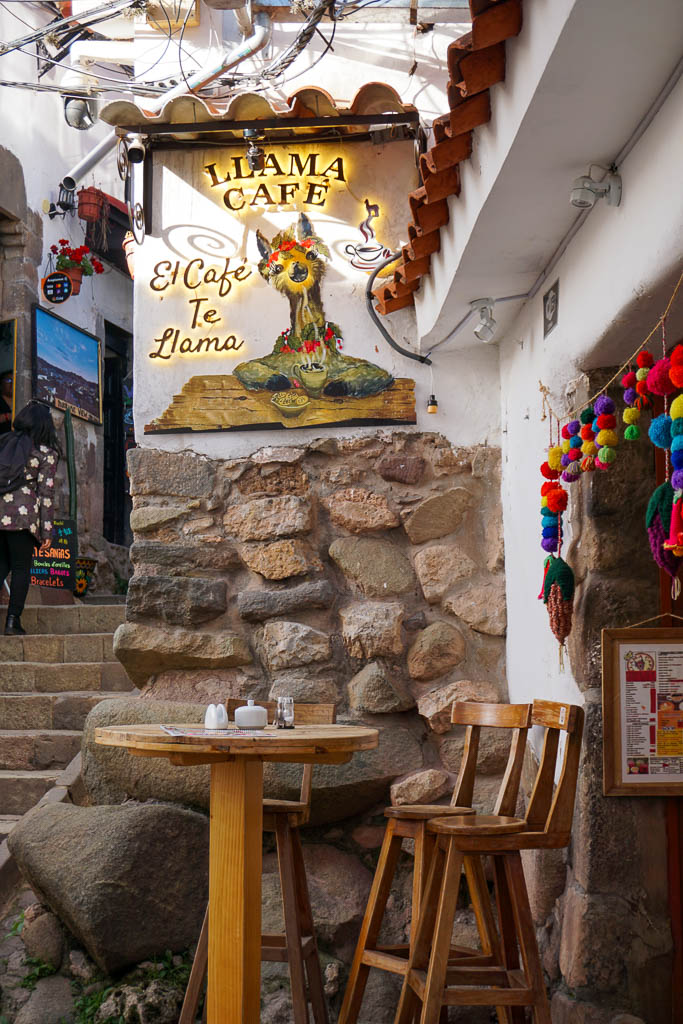
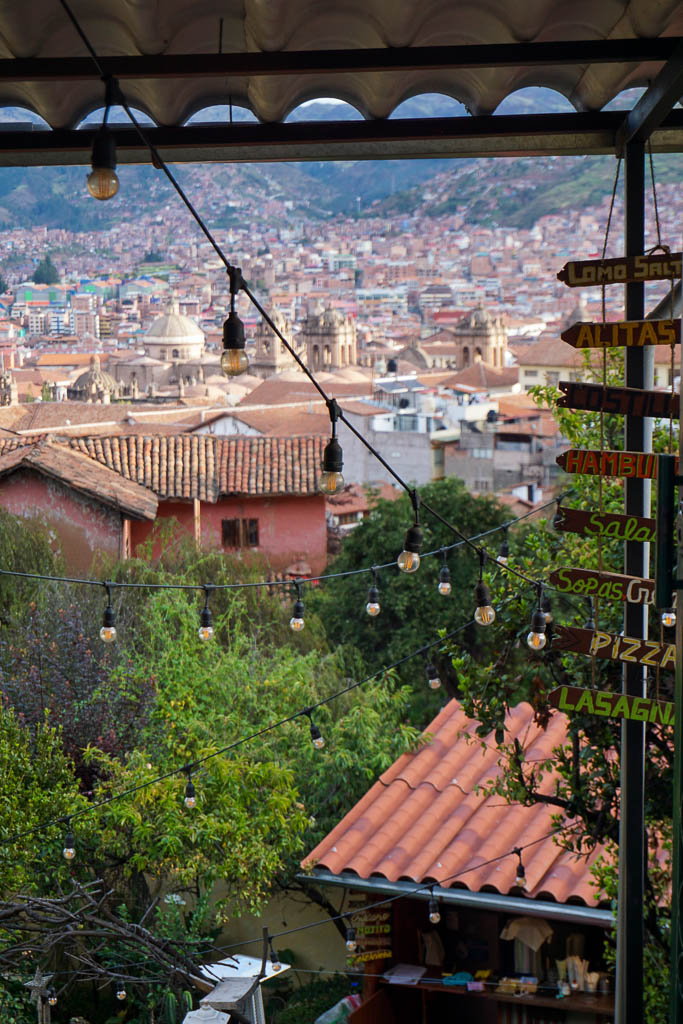
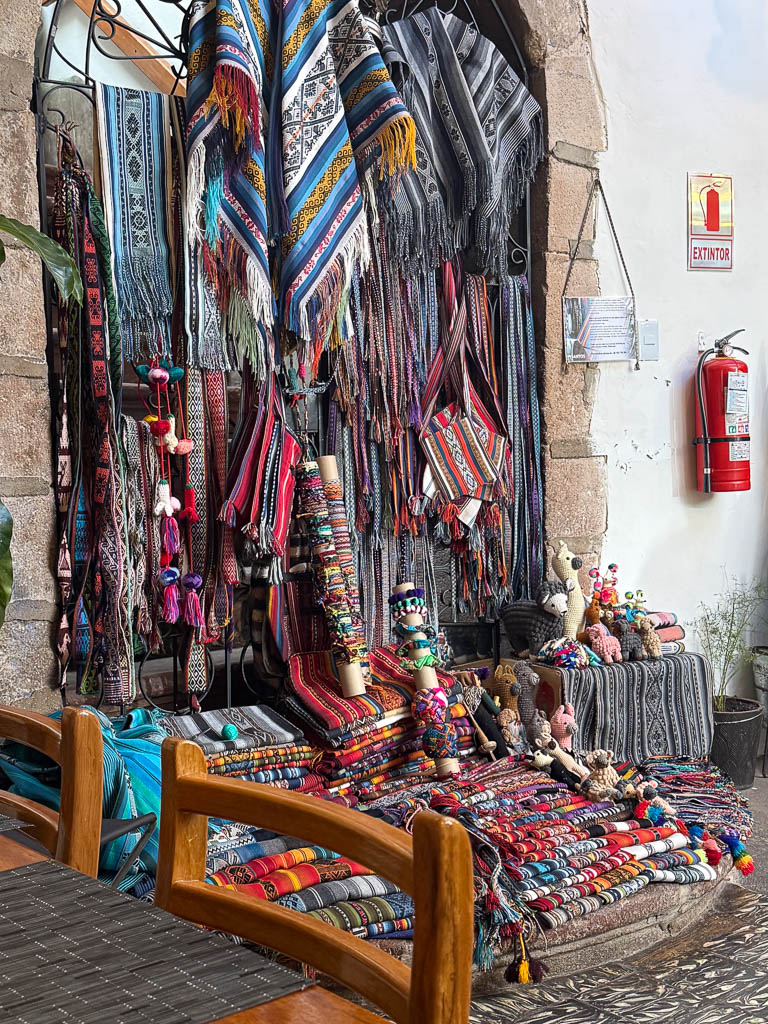
Artisan shops are also everywhere in Cusco, a temptation for those like me who adore to admire the local craftsmanship and to support it as well. Art Sacra, ceramic representation of Pachamama, wonderful textiles, beautiful paintings. I’d rather not think about the money I spend there…
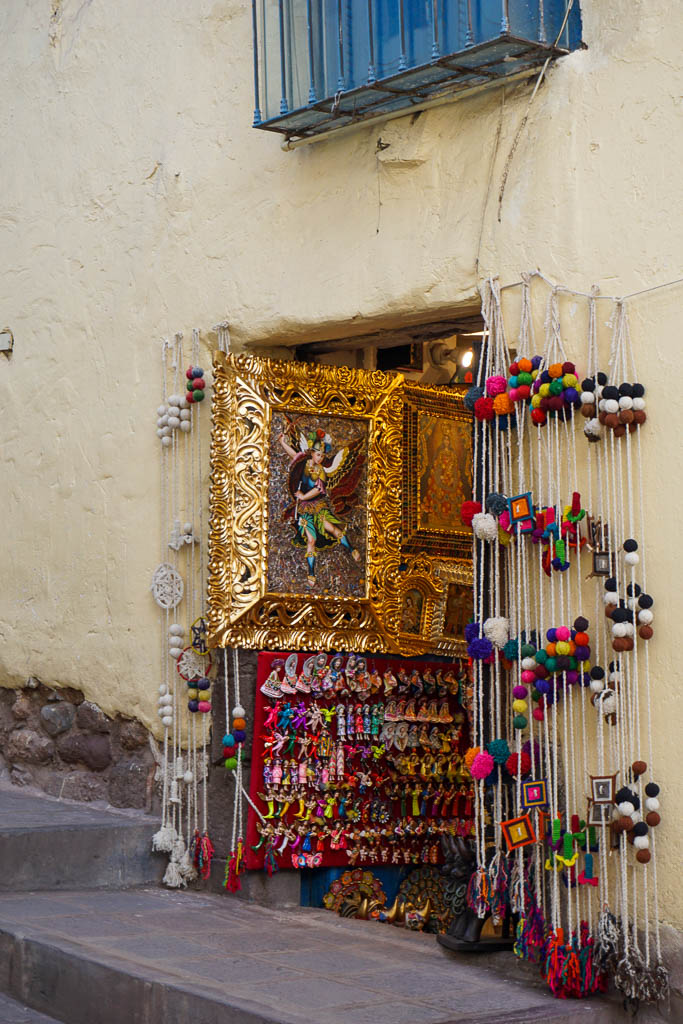
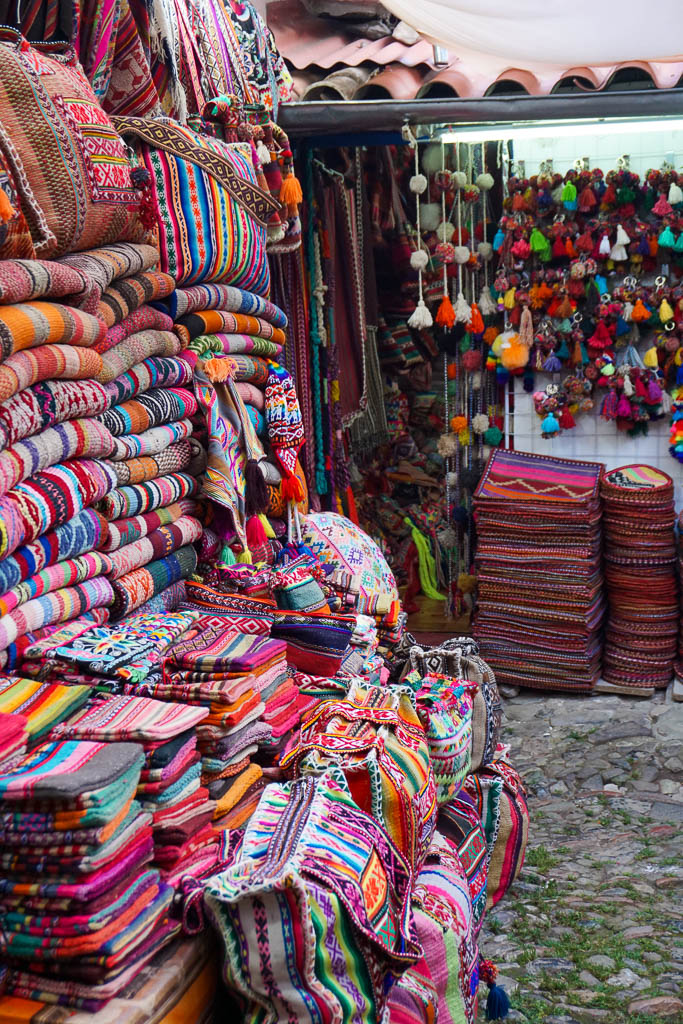
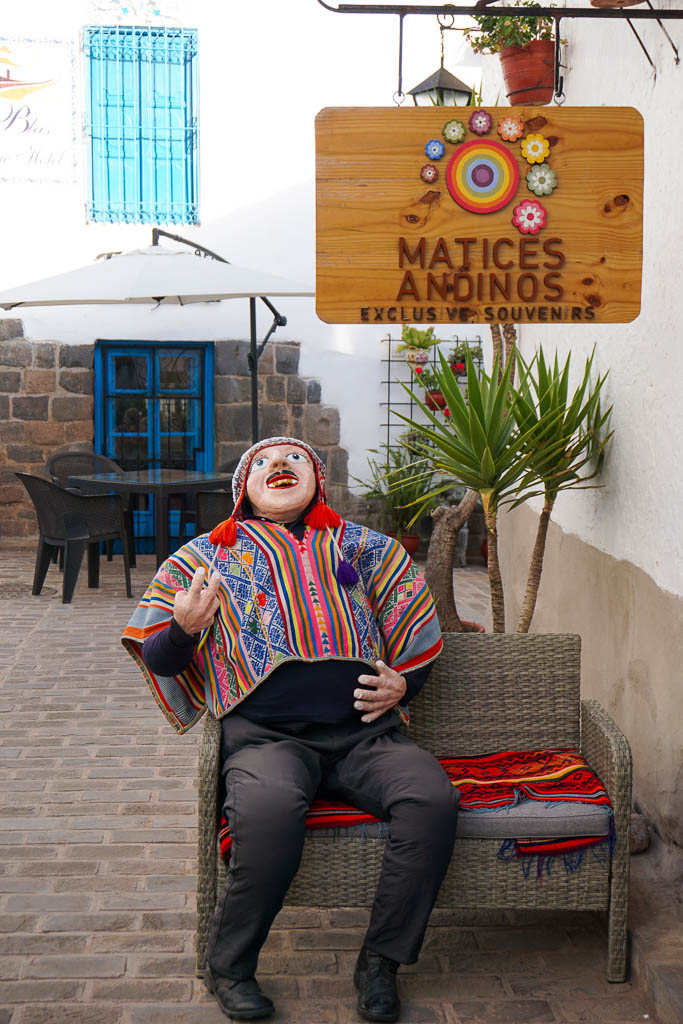
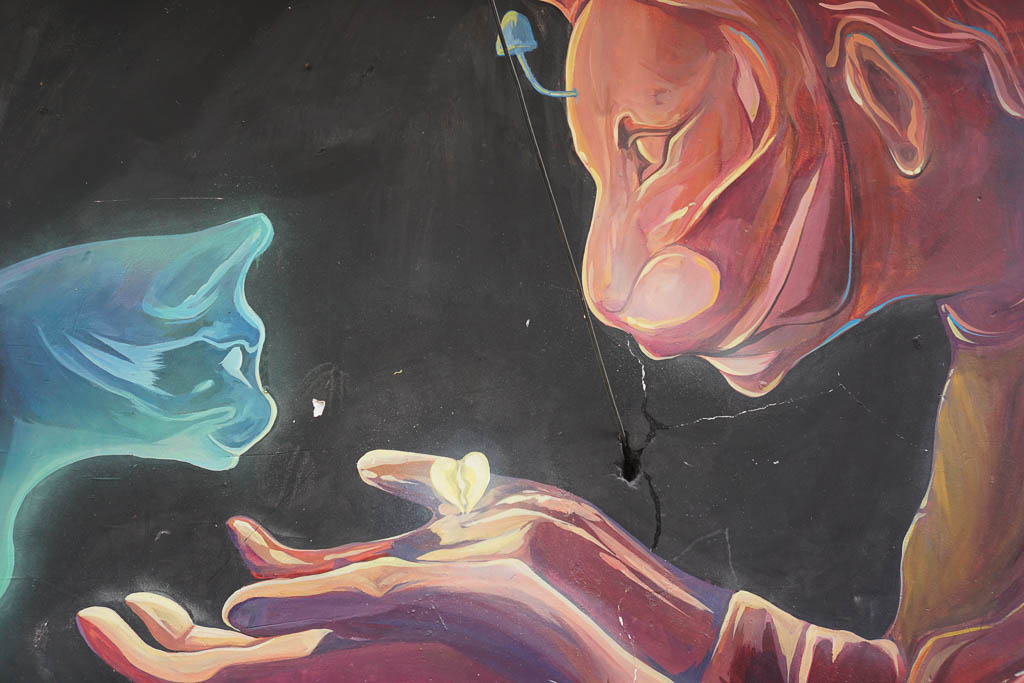
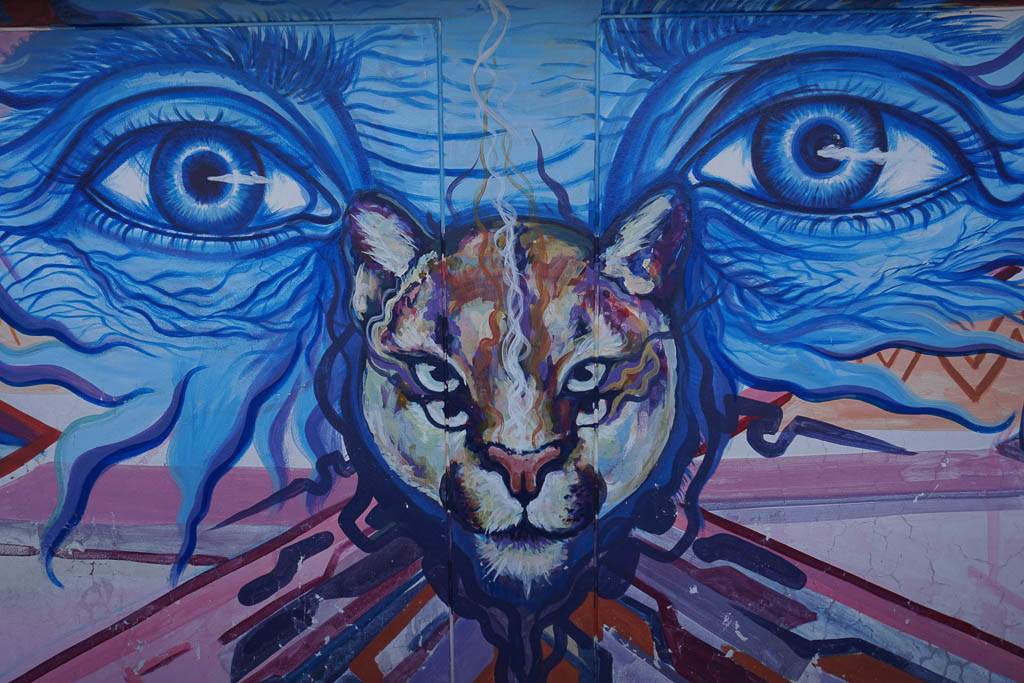
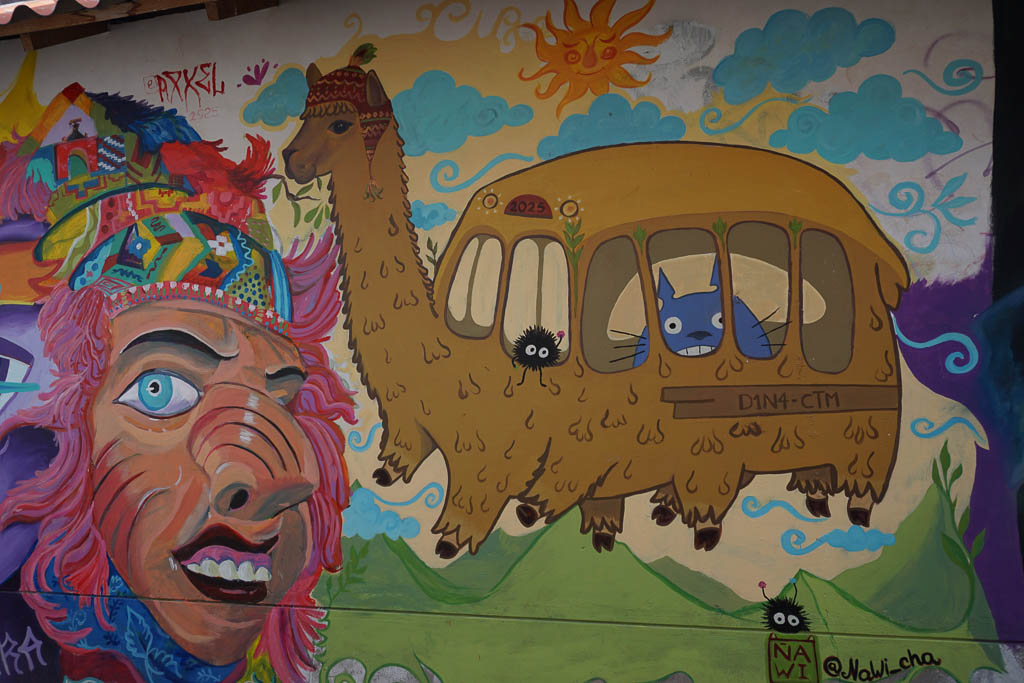
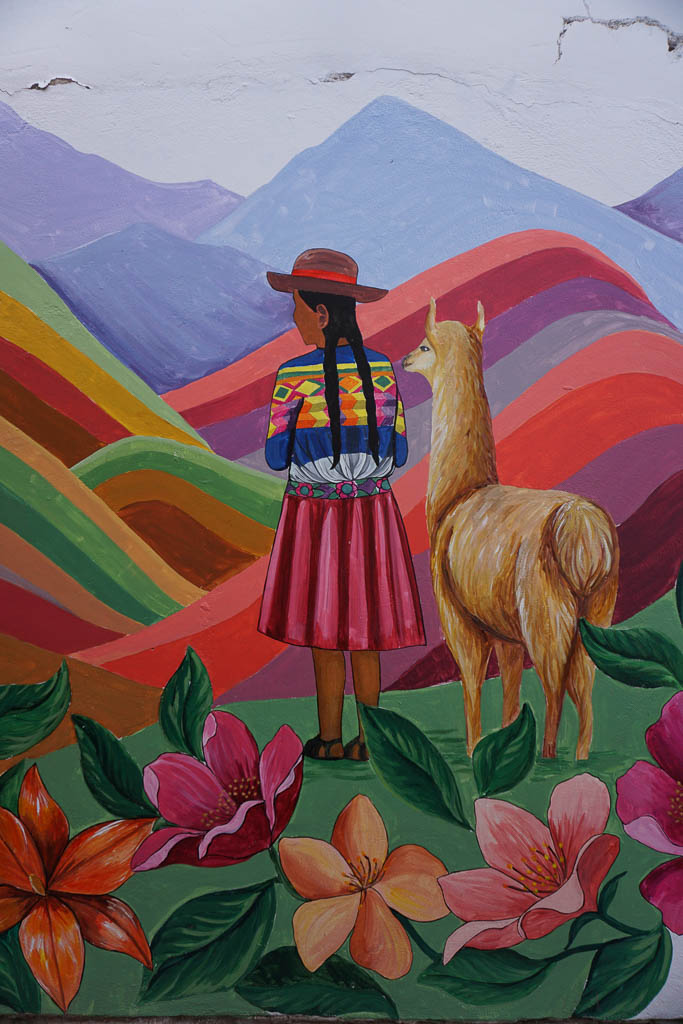
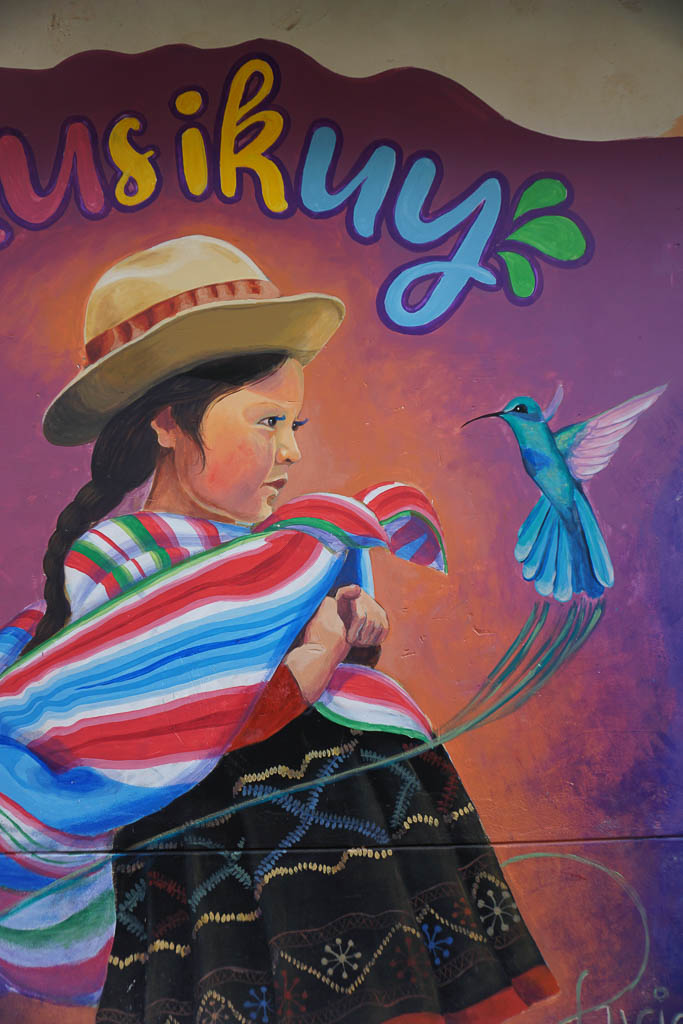
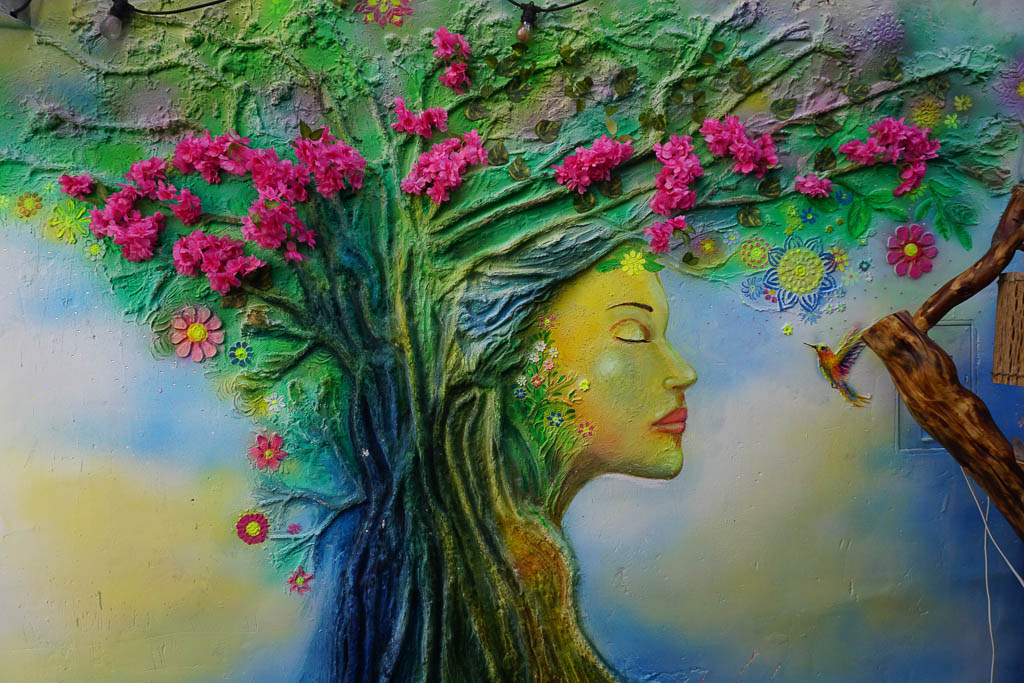
Whilst I was not meant to go overboard on my first day in Cusco, I ended up walking quite a bit. I made a special effort to slow down, which wasn’t difficult as I kept pausing to take pictures. I even came across some local street art full of indigenous symbolism… and my favourite is the Andean Totoro adaptation.
Whilst walking around Cusco I saw many ladies dressed in traditional clothing – colourful, vibrant – with their long black, thick braids. They usually have a fluffy alpaca with them, also adorned with colourful textiles, and sometimes they carry a baby lamb. I couldn’t say no when they asked if I wanted to take a photo of them, but make sure you ask how much – it’s not free. However, I’m not posting these photos here. The moment I did it, I was left with an eerie feeling at the bottom of my gut.
The world isn’t black and white. It’s full of nuances and grey areas, and what is right or wrong isn’t always as straight forward as one might think. First, what is the problem? I helped those women put food on the table for their families. Tourism is in fact what makes life much easier for many indigenous people in Peru. But then I thought about the animals. Those alpacas, those baby lambs… should they be walking around the streets of Cusco for photos, or actually be in the fields, with others of their own species? And don’t get me wrong – I’ve never seen one that seemed mistreated, quite the opposite. The ladies seem to treat them with the utmost kindness. I also know alpacas, llamas and horses have been used for centuries in the region for transportation and as food. So is the life of an alpaca that has to navigate annoying tourists and pose for photos any better or worse than the life of an alpaca that has to carry heavy loads up and down mountains?
To this day, I still do not know if I should have “supported” this practice. Not sure if there is an answer. As someone who wants to be on the good side of travelling, I often find myself having moral disputes like this. A part of me saw the goodness in helping those ladies out (I believe it was just over £4 for the photos), another part of me was like… was this ethical?
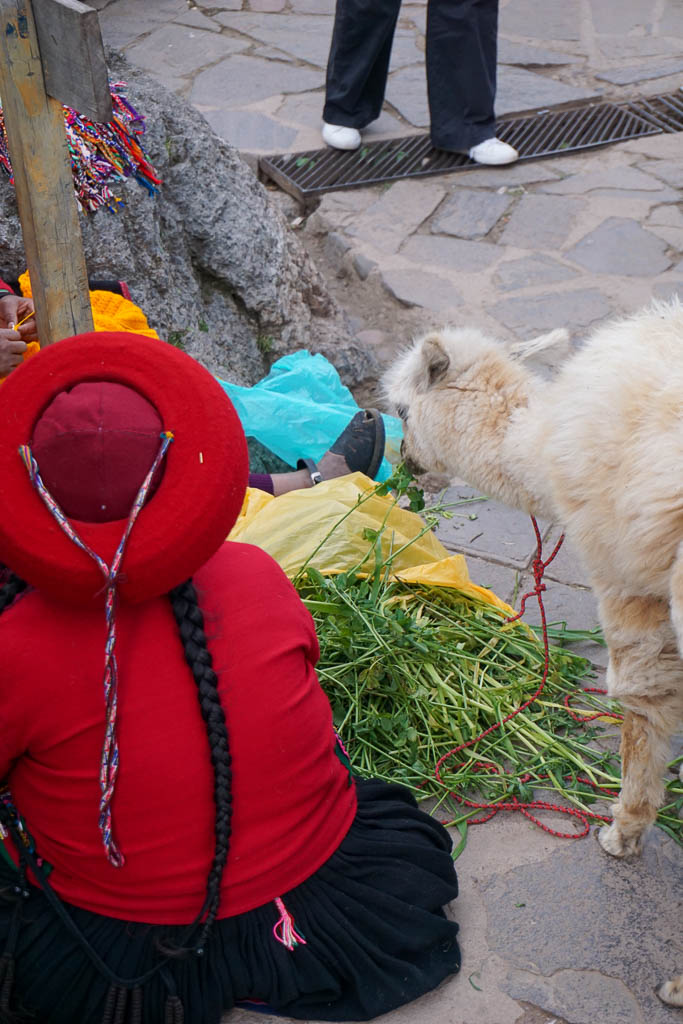
Jetlagged, I had to move on from this reflection. It was done anyway, so what was the point in dwelling?
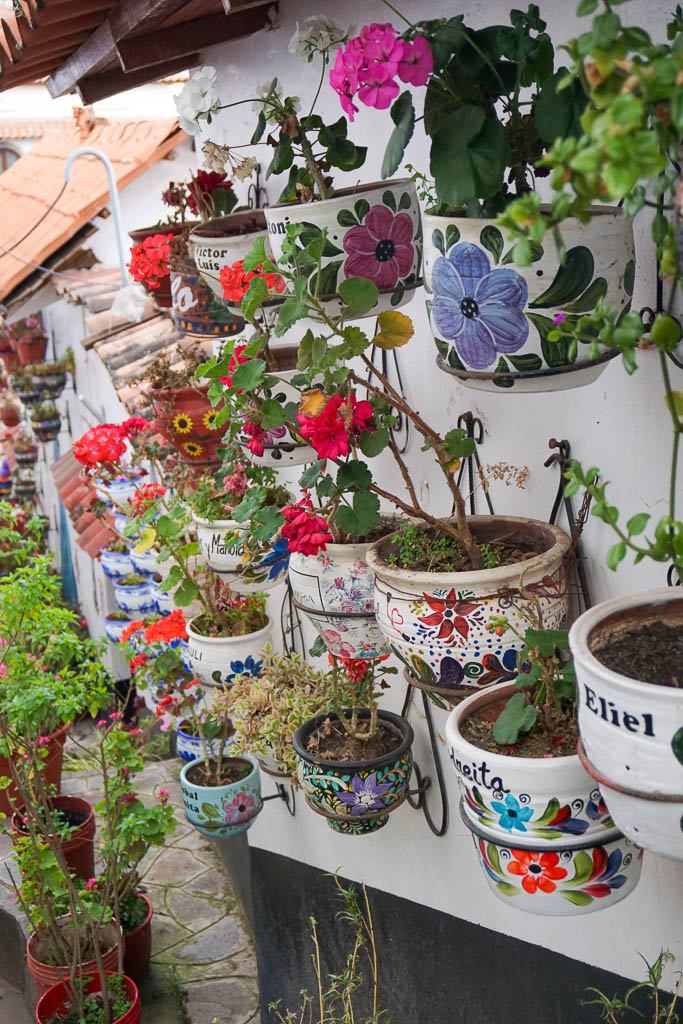
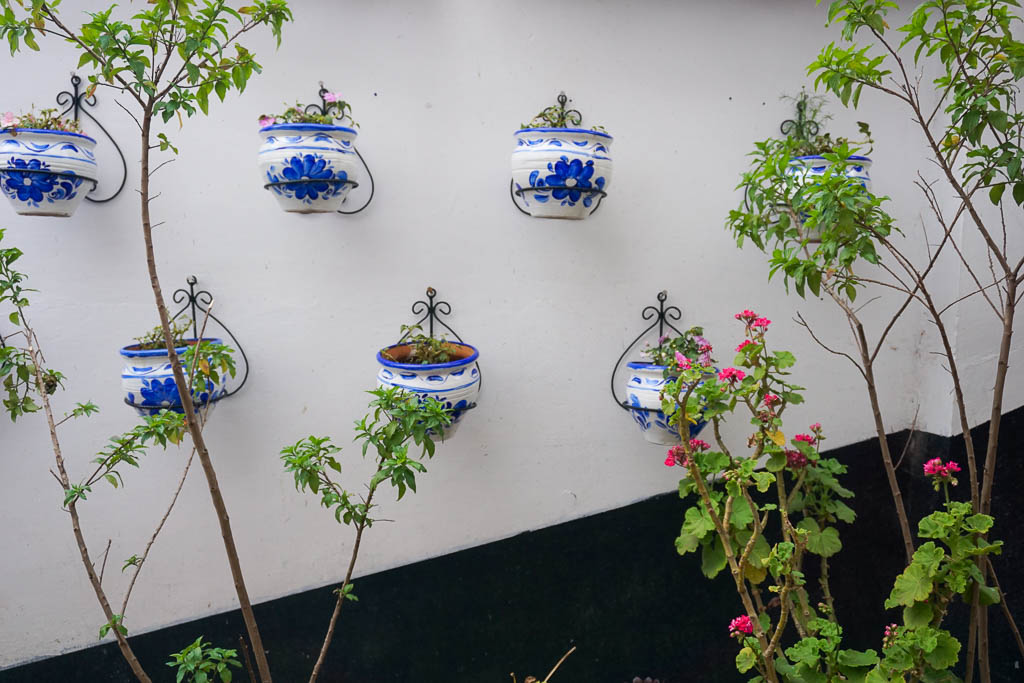
So I continued to explore the narrow, cobblestone streets of San Blas, and eventually found myself in the most famous of all – Calle Siete Borreguitos. Colourful ceramic pots brimming with bright geraniums adorn the whitewashed walls, adding an extra splash of colour to the already charming street. This is a favoured place for photos, so it’s always busy with tourists.
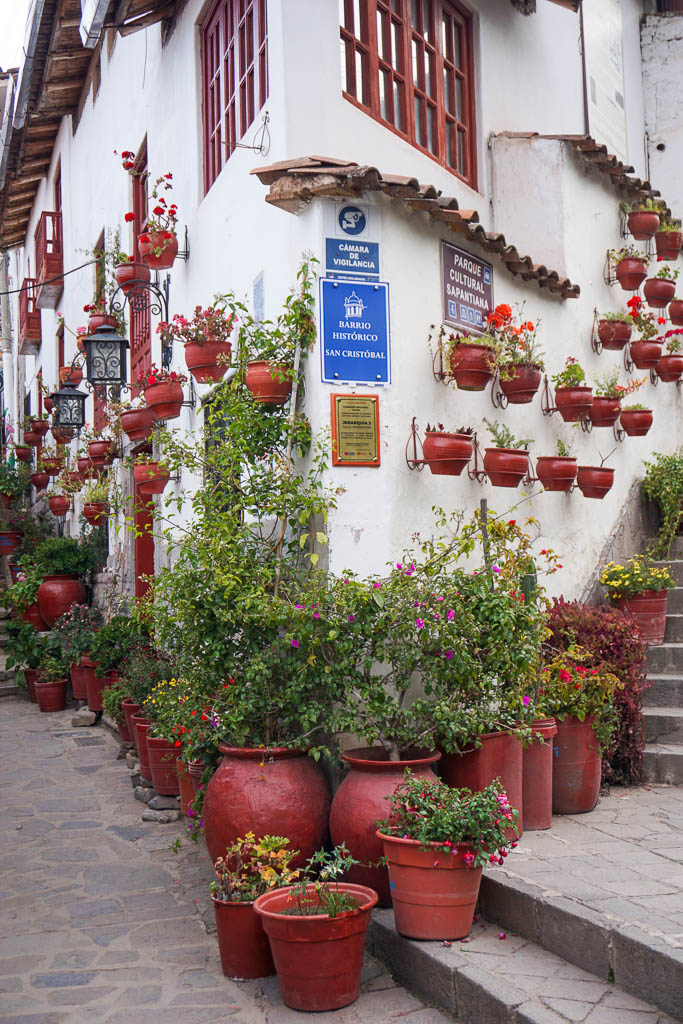
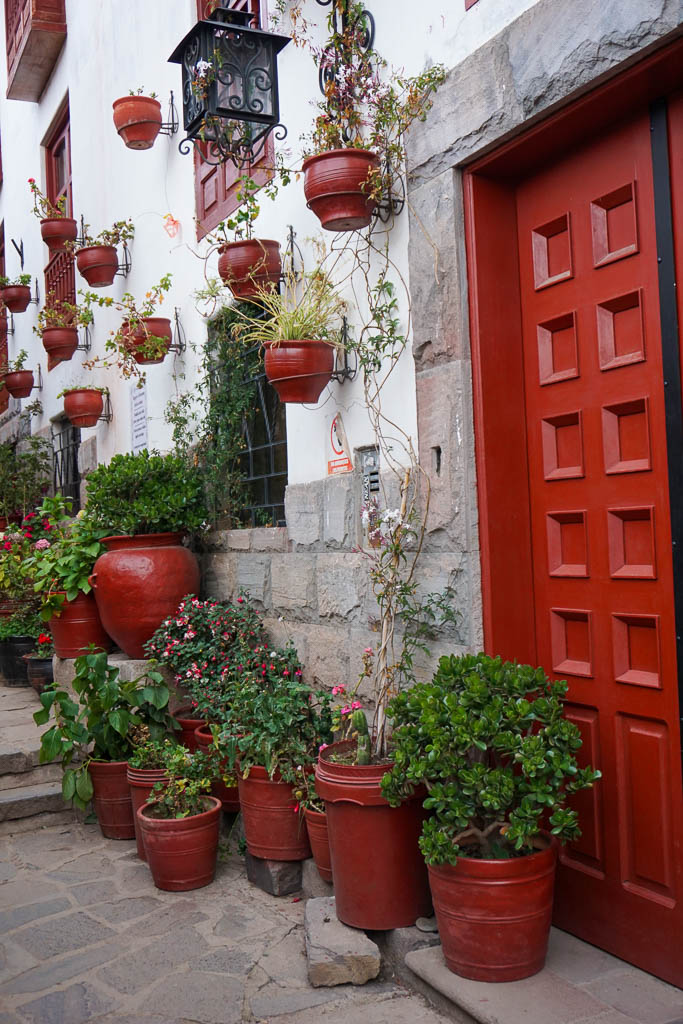
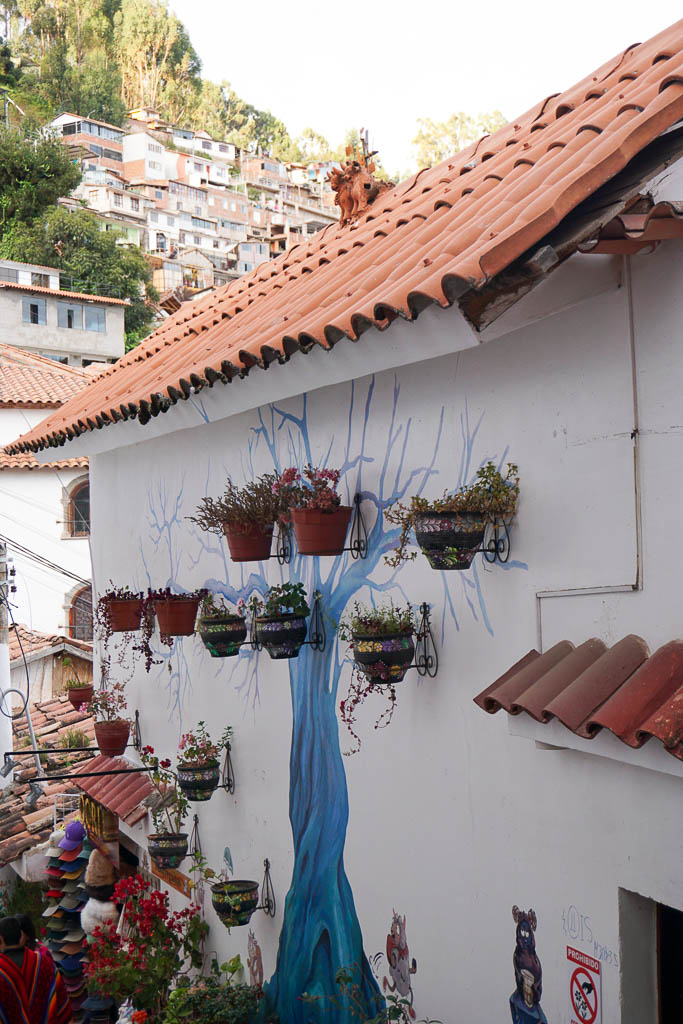
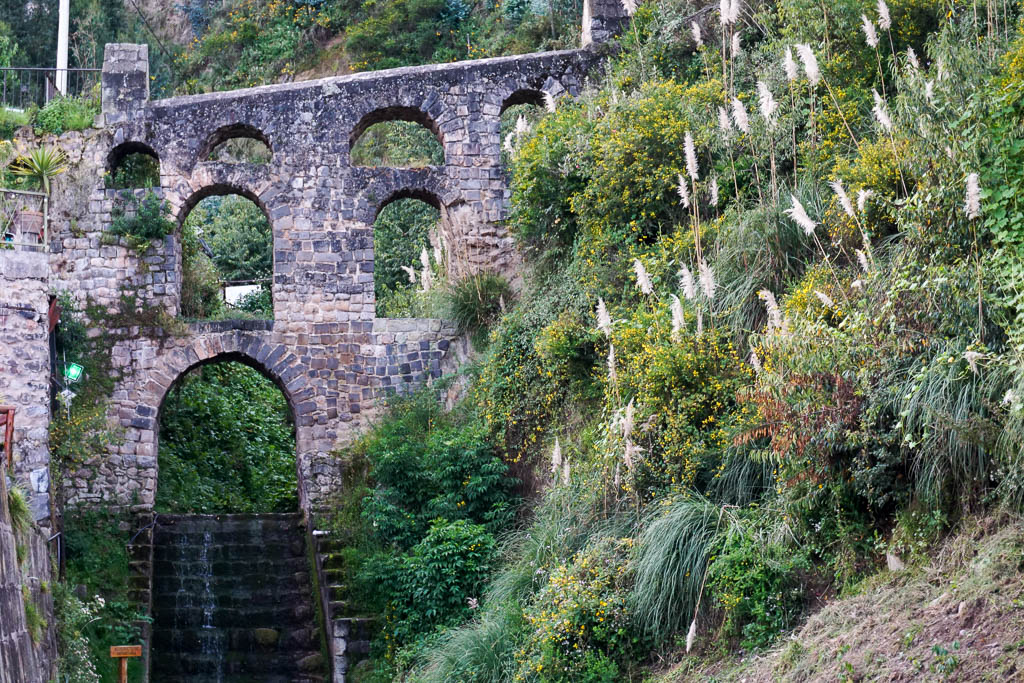
Make sure you don’t miss the Acueducto de Sapantiana which represents really well one of the things I loved the most about Cusco – not just the religious syncretism, but also the coexistence of Inca engineering and Spanish architecture (even though the latter lacked in comparison to the former, but more on that later).
The Aqueduct dates to the colonial period (17th century) and it was built to channel water from nearby springs to the city. The Inca were exceptional hydraulic engineers, and the Spanish adapted their existing constructions to serve their own interests. Whilst this place is somehow tucked away, it seems to have become a hotspot for photoshoots – there was a guy in there equipped with professional camera gear, and for a fee, people were having him taking photos in front of the beautiful stone arches. It annoyed me though, not going to lie. I couldn’t take a good picture precisely because there wasn’t a single moment when someone wasn’t posing there.
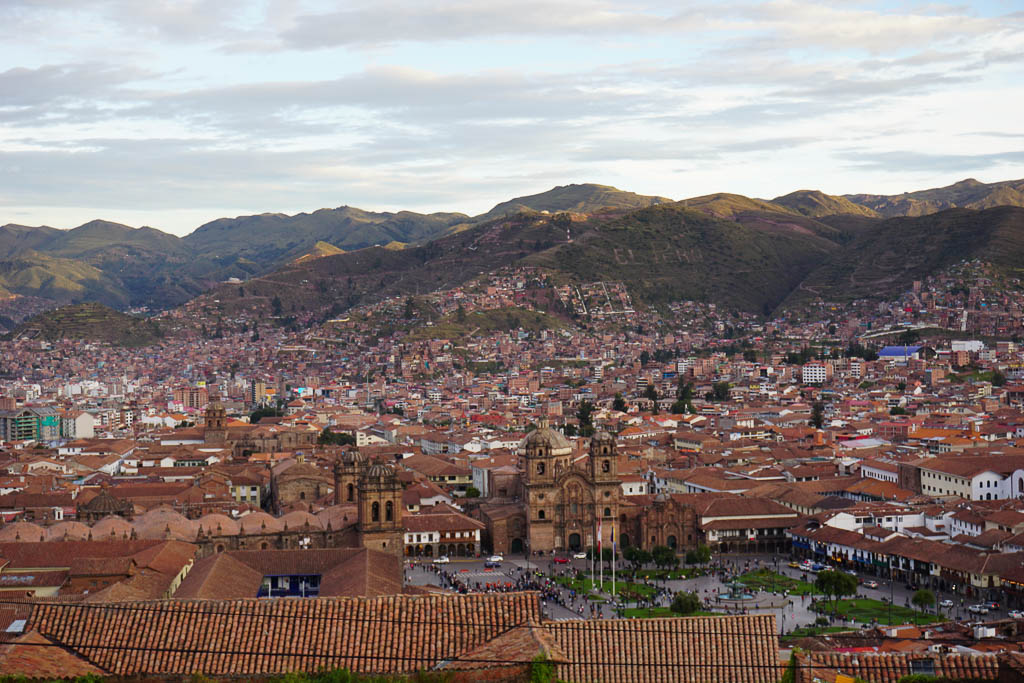
I finished off my first day in Cusco with a stunning view. I went up to Mirador de San Cristobal just as sunset was taking place, to see the city of Cusco in golden tones of sepia. This place wasn’t busy and very tranquil – definitely recommend to recover your breath and admire this stunning city from above.
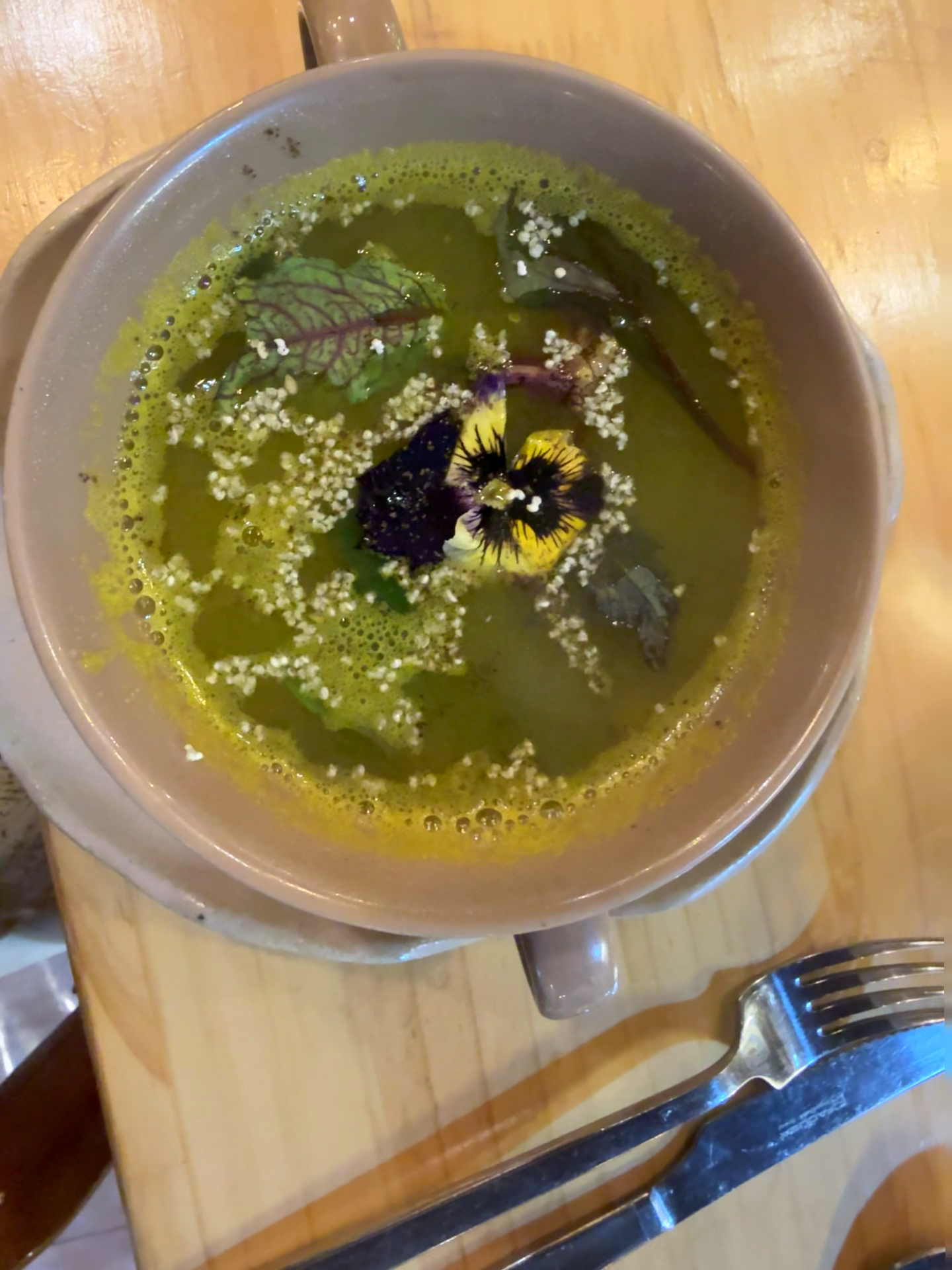
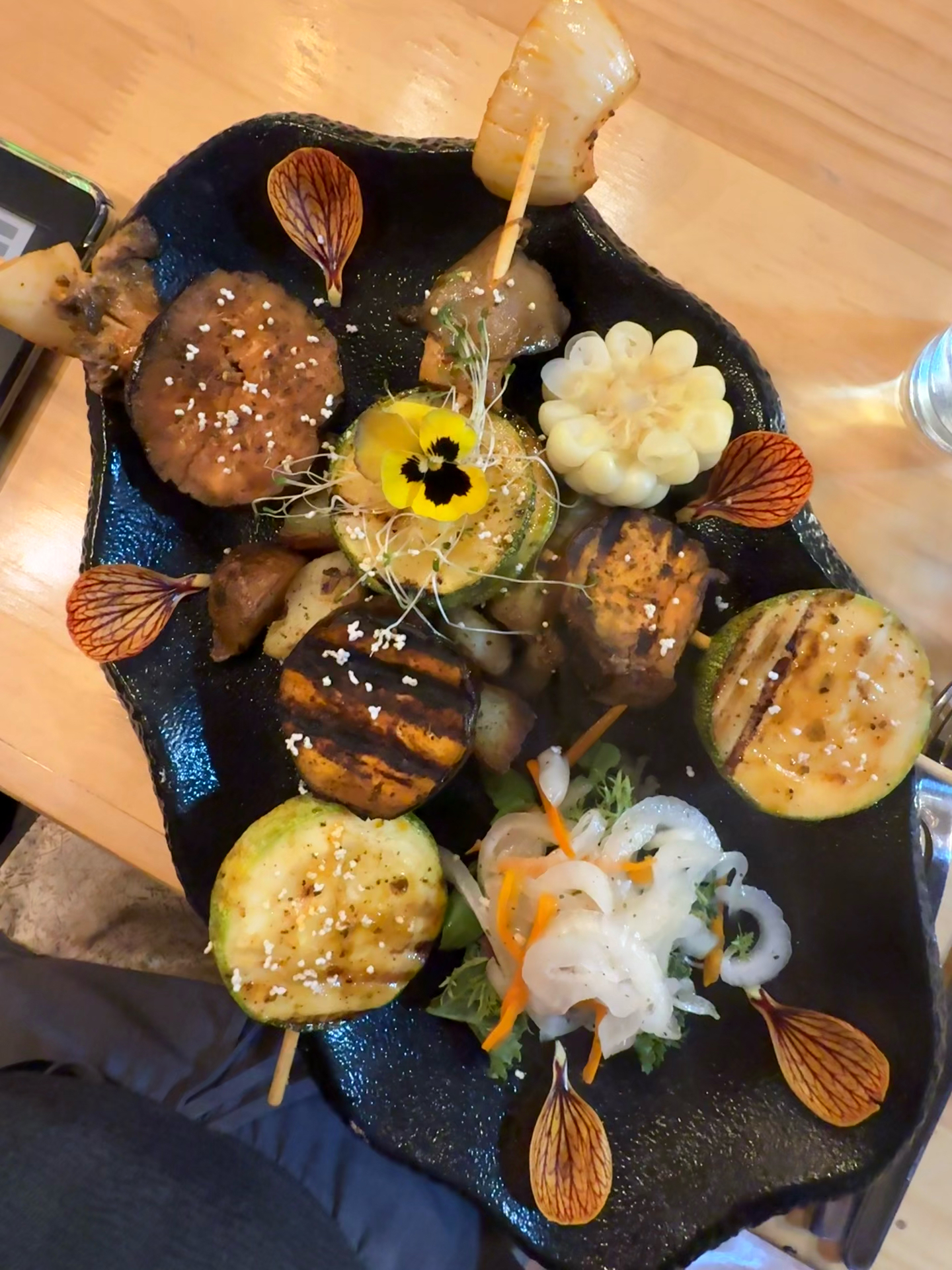
Before heading back to my accommodation, I had dinner – a traditional quinoa soup and some grilled veggies at yet another organic restaurant in San Blas, Raíces Peruvían. It was delicious, well served, and if you’re trying to keep your meals light, this is another fantastic place to come.
Love, Nic
P.S. Some links are affiliate links, which means I may earn a small commission if you choose to book through them. This does not affect the price you pay and my suggestions are not sponsored. These were places where I stayed and genuiely recommend 🙂


One thought on “Peru: notes from the Beginning of a Journey to the Andes”