
Only one day left in Sicily. I had started my journey in Palermo, where the weather was for the most part overcast, touching on cold temperatures, with some rain here and there. Cefalu welcomed me with blue skies, but it only lasted for this day – my time in Taormina had been grey and wet. Finally though, in Catania, the last stop of my trip, the skies had opened up. This trip came at a time when I was exhausted – not just the usual tiredness that comes from work, but also after long winter months in London.
If there is something I can’t control in my travels it’s the weather, and I also try to just accept it as it is – what is the point of wallowing over something you can’t change? You must adapt and try to make the best out of the situation… but I’m not going to lie. Travelling all the way to Sicily after 3 long dark wintery months in London just to find it equally grey (unusual for the time of the year) really hit me harder than I wanted it to. Emotionally, I was spent.
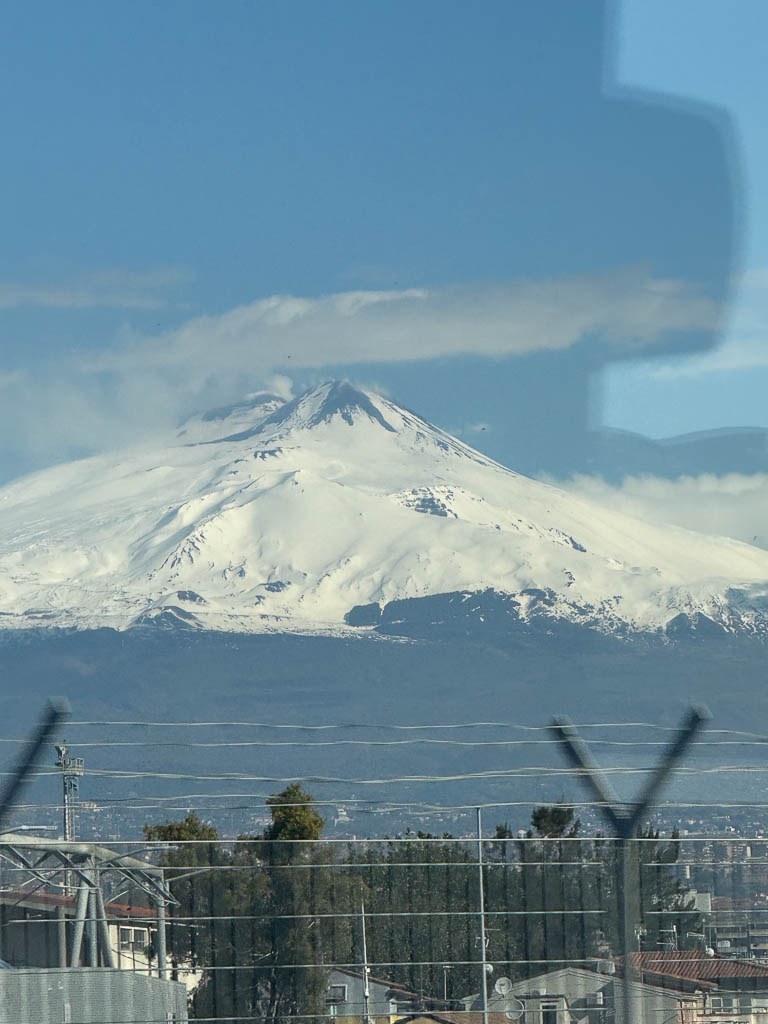
When I got to Catania I was feeling better though, and of course the weather helped. My visit to Etna had been truly inspiring – even though it was in the snow. It was beautiful, humbling and I can now say that I’ve been to an active volcano… which sounds like I looked into a pit of boiling lava. That was not the case though, and if you’re curious about it, you can read it here.
In fact, for my last full day in Sicily, I was going to do something that was exactly the opposite – visiting Siracusa, specifically the island of Ortigia, totally levelled with the sea. The temperatures were in the low 20s degrees Celsius, which was perfect – except that I had no proper clothes for it, except that I had no proper clothes for it, considering that for most of my time in Sicily it had been about 7 to 10 degrees colder.
I had initially planned to spend one or two nights in Ortigia, but I’m glad I didn’t. It is beautiful, don’t get me wrong. But it’s a lot more expensive than staying in Catania, and it’s very easy to get there by bus, just about one hour each way. Plus, coincidentally one of my friends had stayed there just a few days before, and she didn’t have any running water… which seems to be a common issue. Or at least that’s what their host told them.
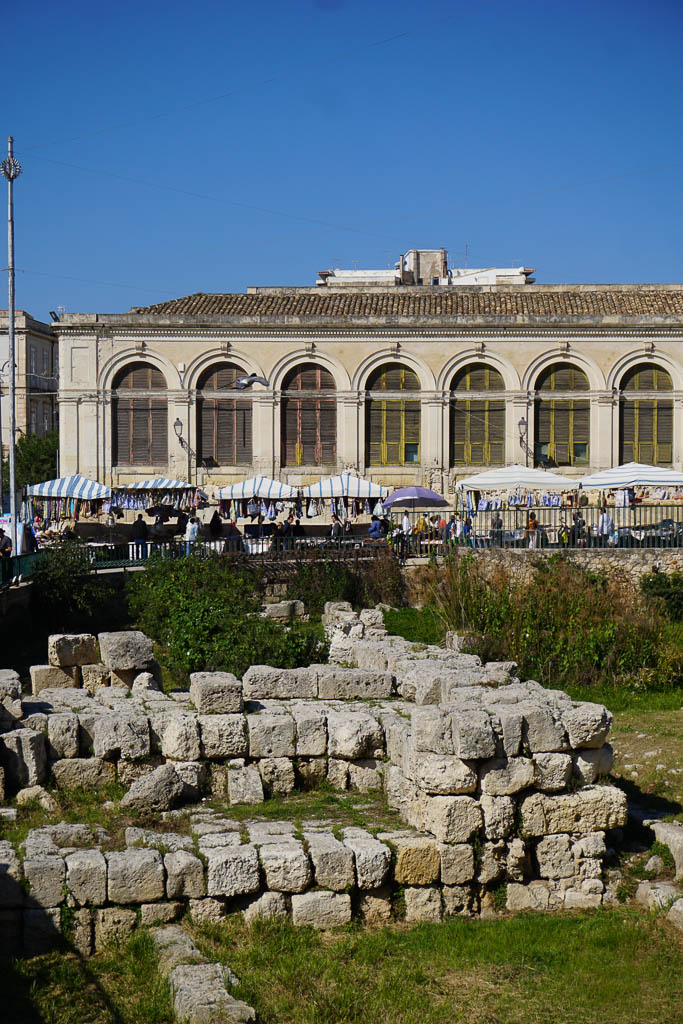
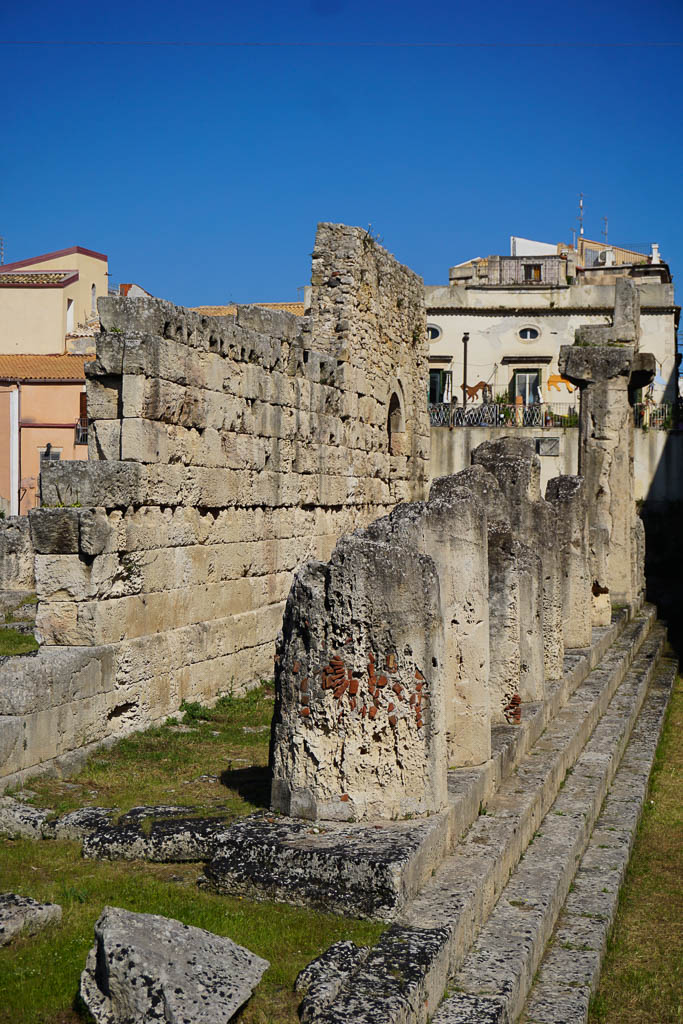
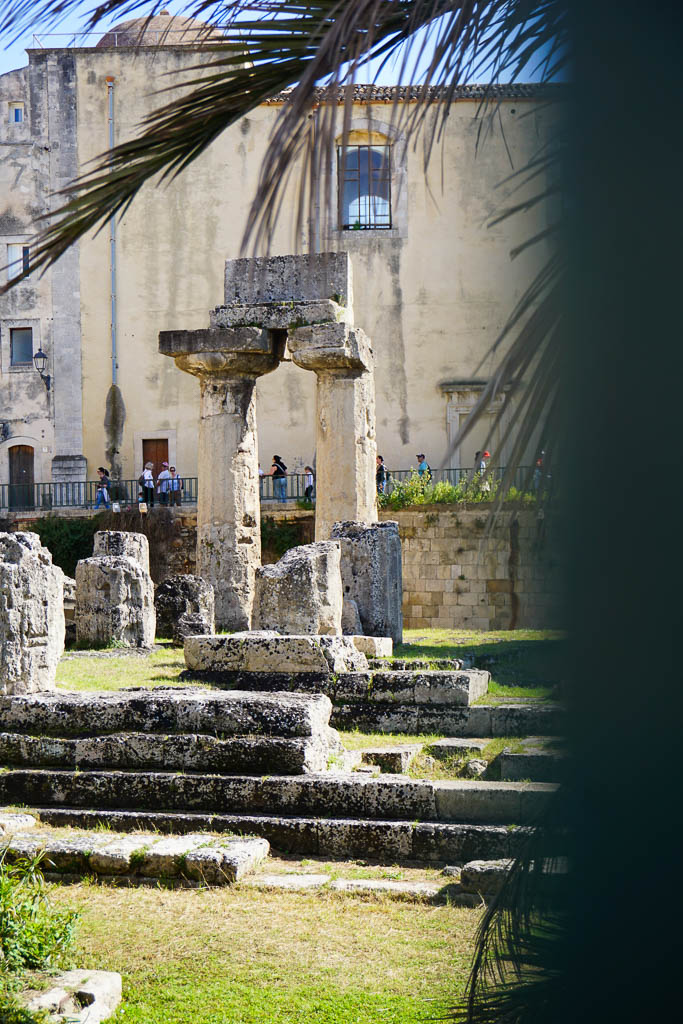
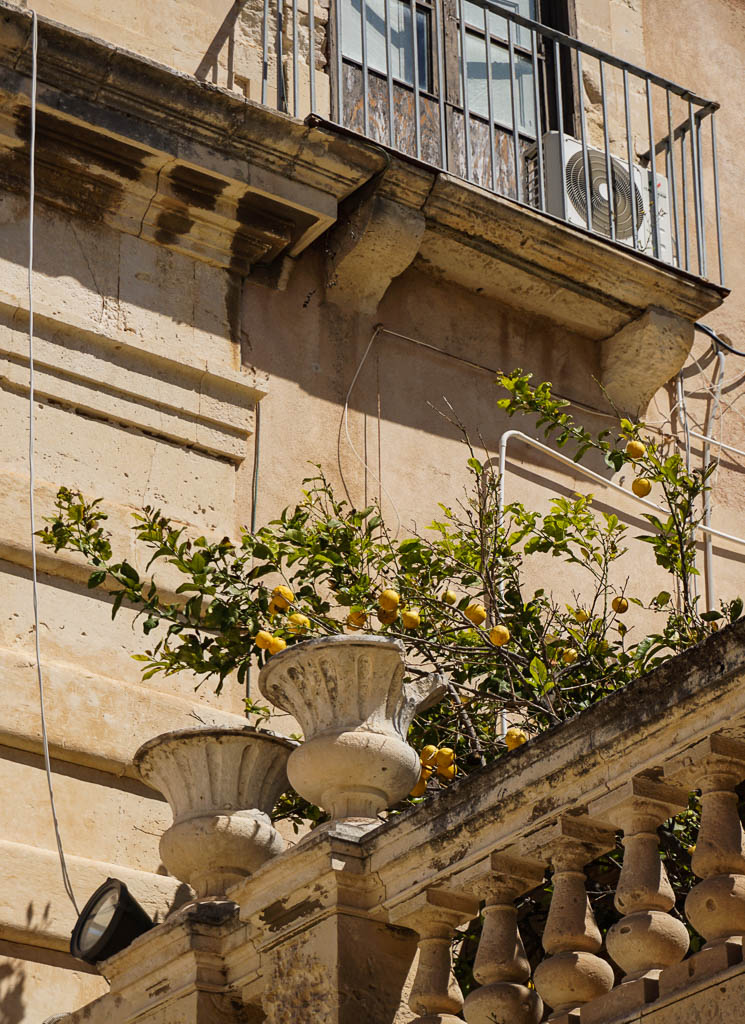
It’s interesting though… walking in Ortigia brought back Taormina. It’s charming, not as manicured, but it still exhales luxury. It’s old, but well taken care of. Yes, old, ancient… I find it so odd to say it, sometimes, about these places. Of course they are old, these lands have been around for billions of years, even before humans were a species. But there is something unique about a place that has been human inhabited for thousands of years, leaving behind layers of different cultures and religions. Ortigia, this small island, jutting into the Ionian Sea, was contested over and over again by multiple naval powers, each leaving its own footprint. This was a common thread in every place I visited in Sicily – so here you’ll also find layers of Greek, Byzantine, Arab, Norman and Baroque history.
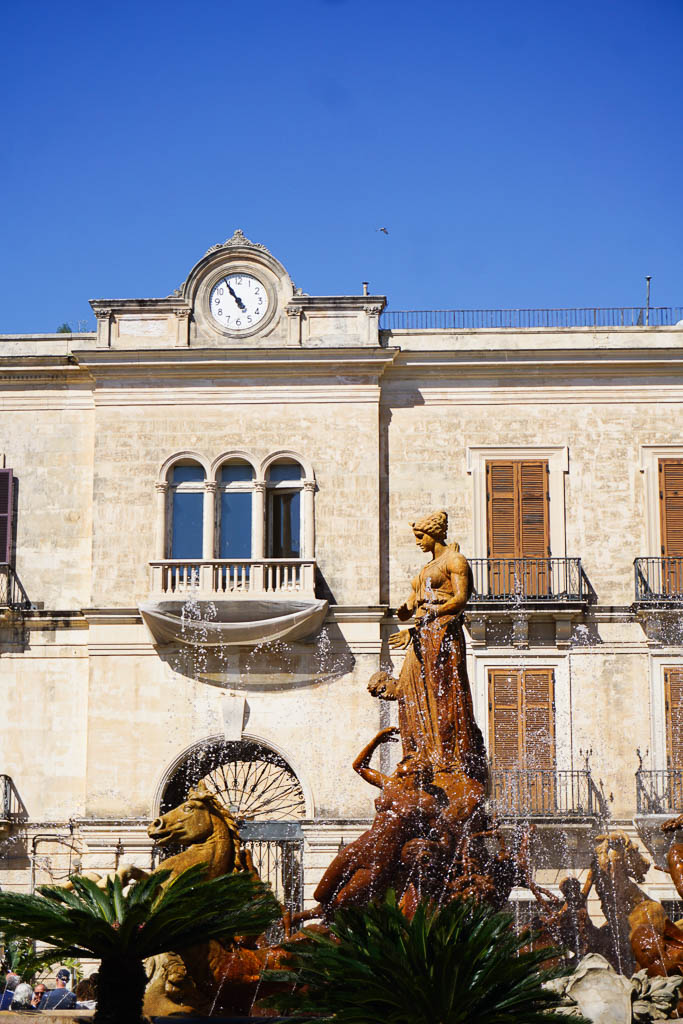
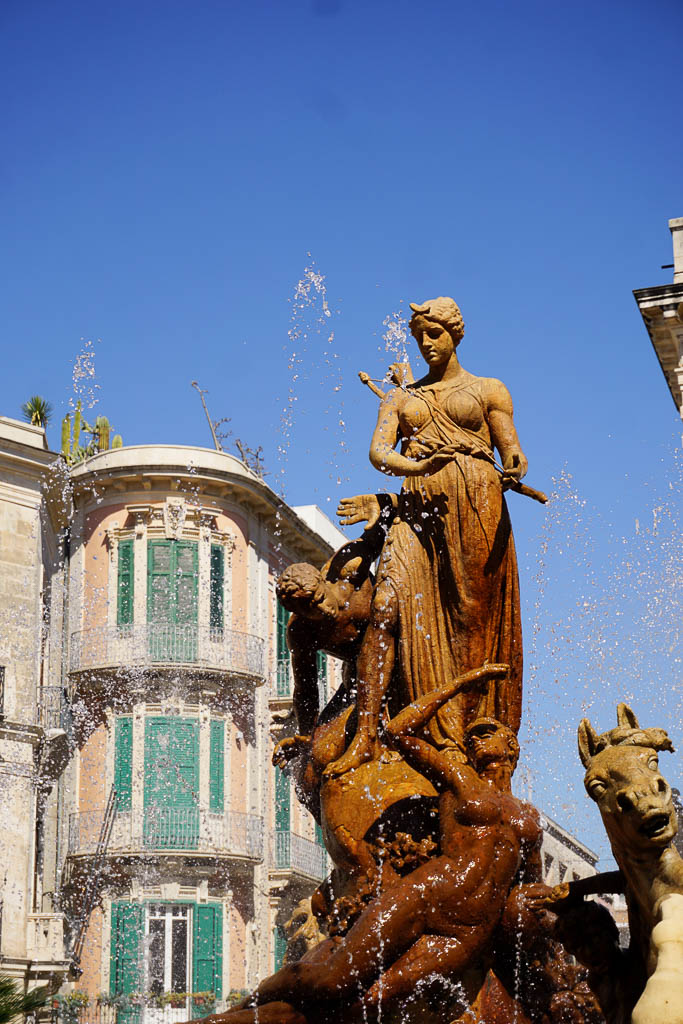
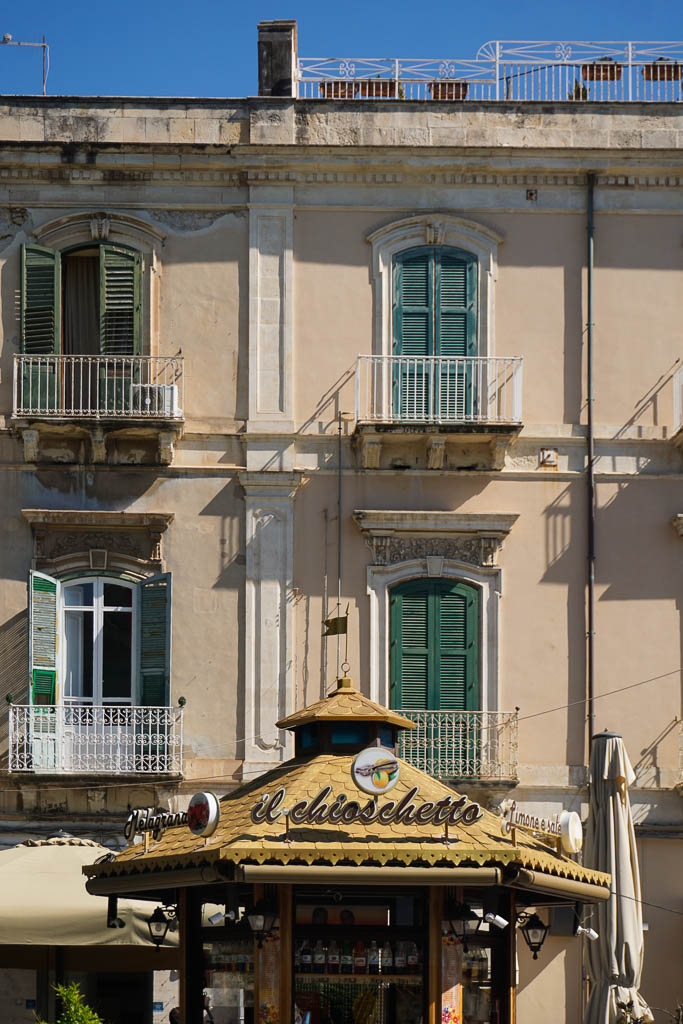
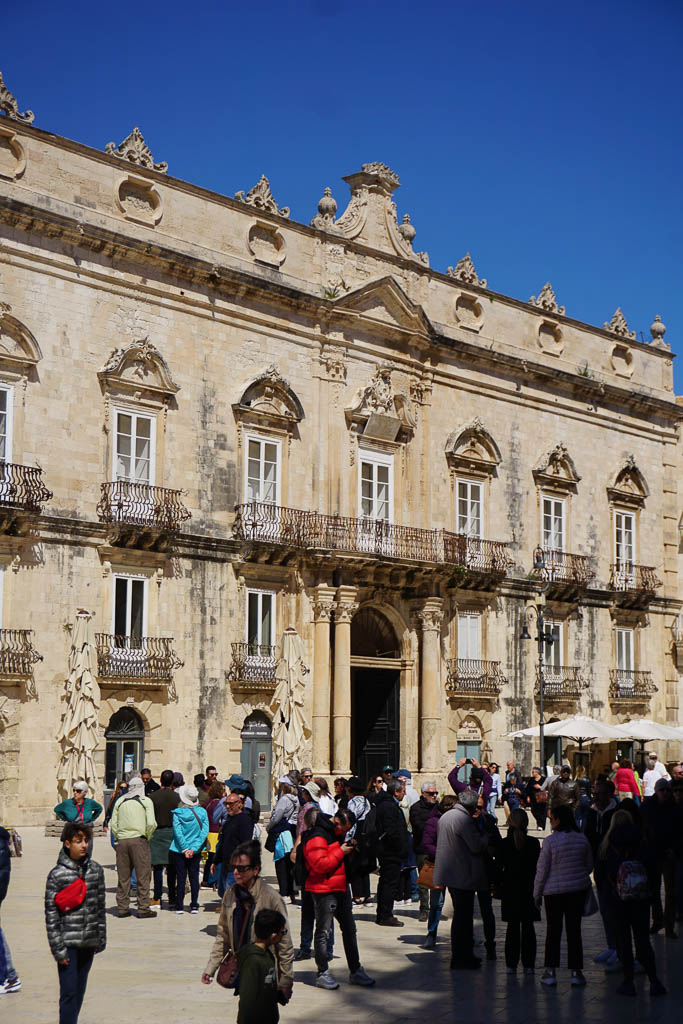
My favourite place in Siracusa was without a doubt its Cathedral. Formally the Cattedrale metropolitana della Natività di Maria Santissima, it is considered one of the world’s most remarkable examples of architectural layering. I never imagined that one day I would be visiting a Catholic church inside a pagan temple, and there I was. Of course I had seen in the Valley of the Temples that some of these had been reused by other religions, becoming churches – and in Athens, even mosques. But these days there is usually little left of the most recent developments – which speaks so much to how incredible the ancient Greeks truly were when it came to construction and engineering – literally building for eternity.
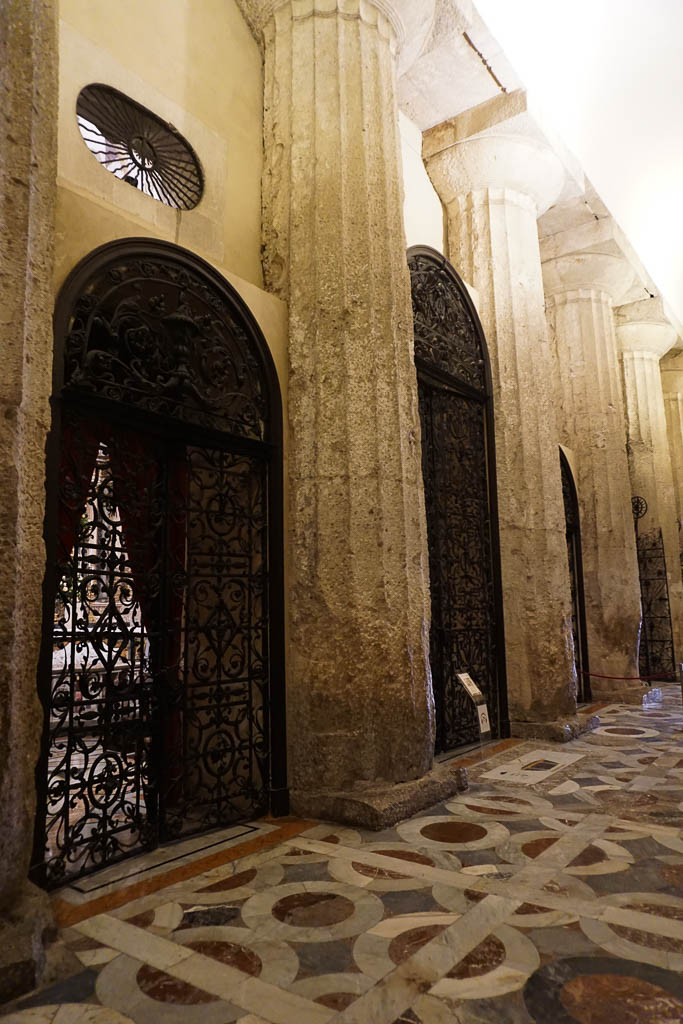
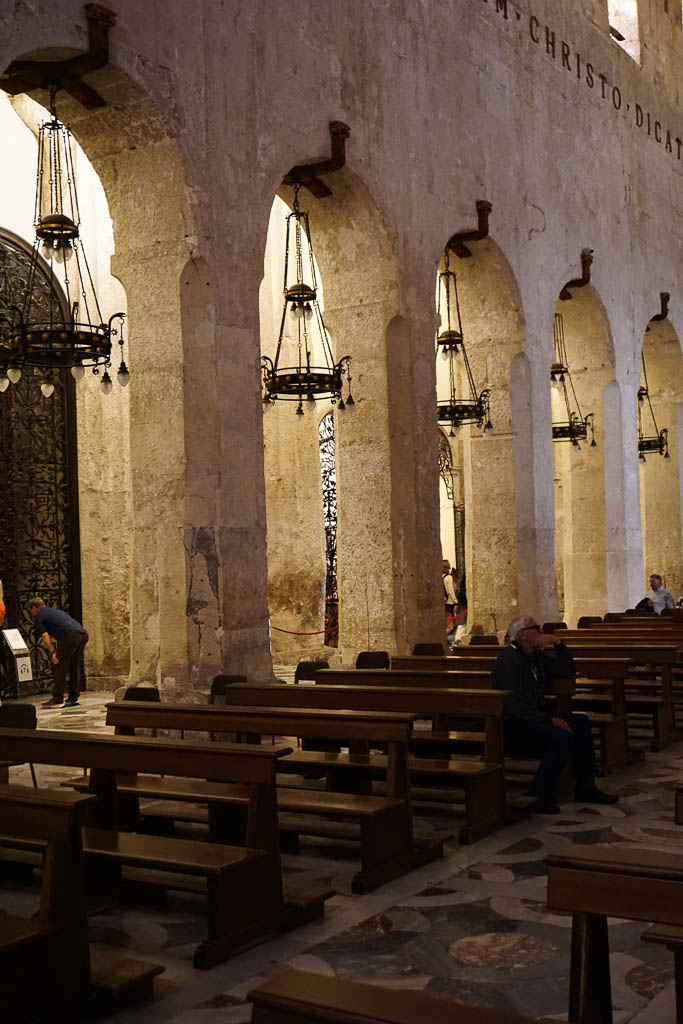
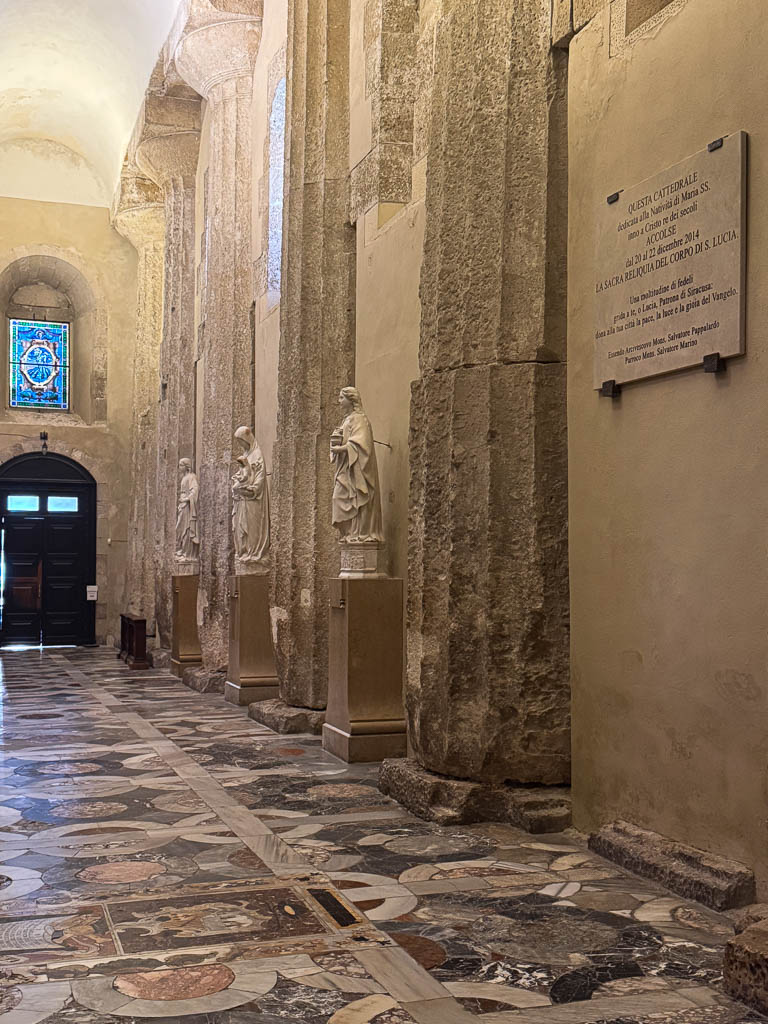
Supported by Greek Doric columns, but surrounded by Catholic saints, the Grand Temple of Athena was built by tyrant Gelon in 480 BC as a celebration of their victory over Carthage. It stood there for centuries as a beacon for sailors, who were able to spot it from the open sea. But in the 7th century, it became a Christian Church. Instead of tearing down the temple, walls were built to fill the open gaps between the stone pillars. The smart choice.
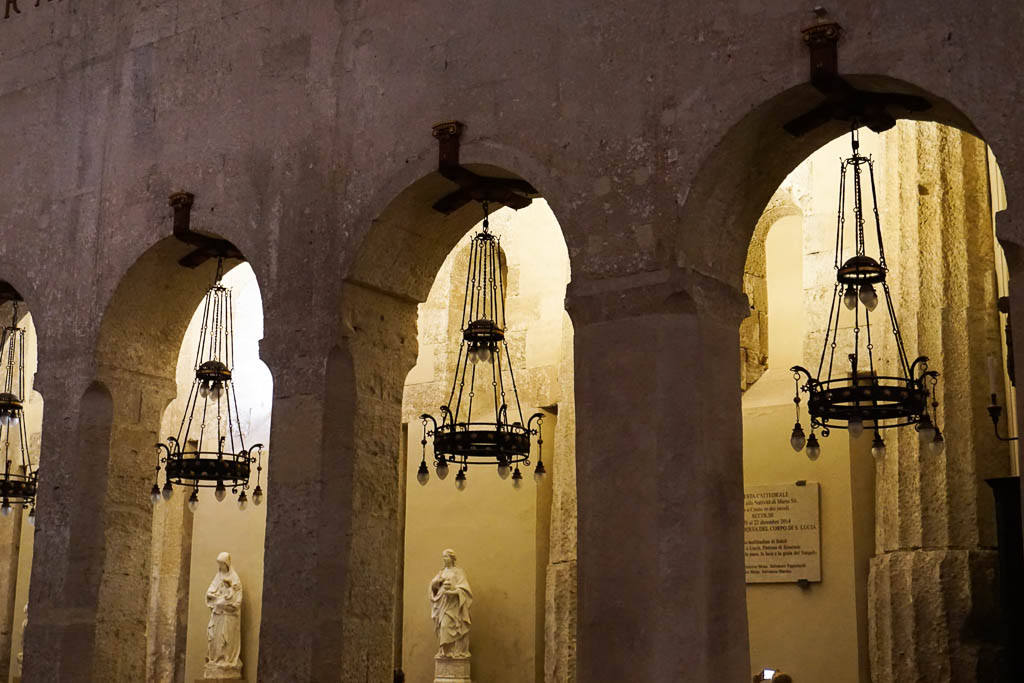
Today you can sit here praying amongst layers of history. This place has literally been a home for spirituality for thousands of years, no matter what kind, and it continues to be so. I spent quite some time there, spotting all of the different layers, as if playing a little game with myself – the Greek layer is impossible to miss, and hard to move your eyes away – after all those Doric columns are authentic and over 2,500 years old… the medieval layer is mostly found in the roof, wood, with mosaics from the Byzantine and Norman eras. And finally, the Baroque – which came after the catastrophic 1693 earthquake.
It’s quite rare for me to feel at ease in Catholic churches. I tend to find them austere – spent way too much time in my childhood being forced to mass and Sunday school, and so my relationship with the Catholic Church has always been complicated. I always feel as if I’m being watched, that I do not belong, that I can’t move properly. As much as I love to visit them, for the art, the architecture, the masterpieces these often are, typically I’m unable to be there for too long.
But not here. Perhaps because the different layers reminded me of tolerance. Of acceptance of difference and history. So I sat for a while, thinking of Athena, my favourite goddess. I have my qualms with her, but the beauty of the Greek gods is that they were imperfect like humans. Most times narcissistic, egotists, acting more often than not like spoiled children. But Athena – the goddess of knowledge, the warrior – will always have a special place in my heart, even though I do judge her harshly for what she did to Medusa.
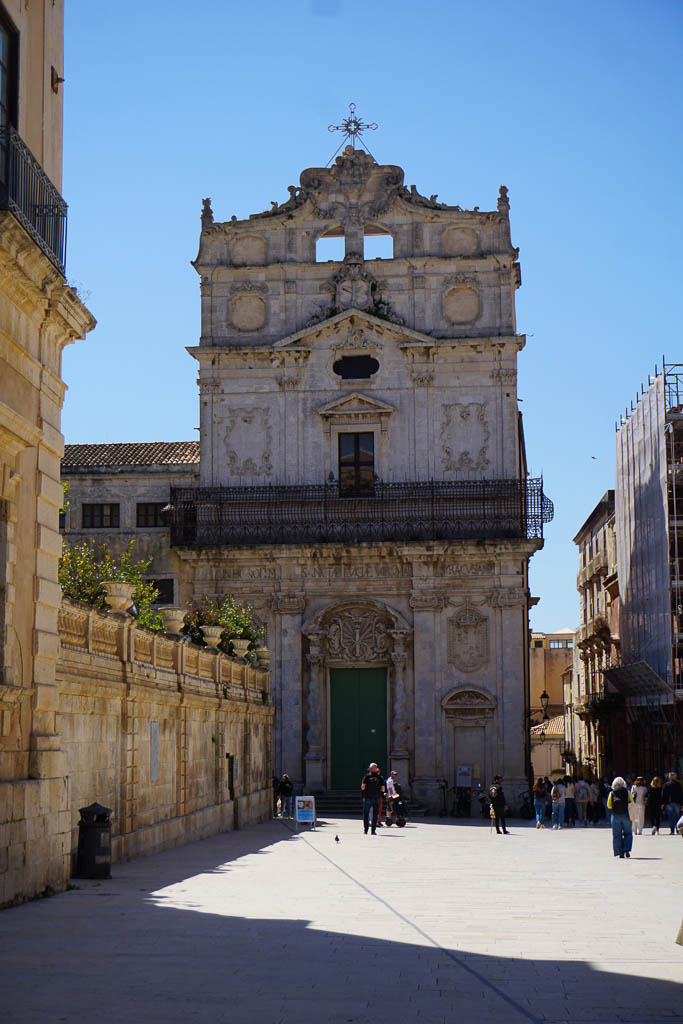
Here is the story I need to tell you. The story of Saint Lucia. There is a beautiful chapel here dedicated to her, the city’s patron saint, so I had to investigate.
Lucia was born into a wealthy noble family in Siracusa around 283 AD. As was the practice of the time, her mother had arranged her to marry a wealthy pagan nobleman, but the story says Lucia had secretly already decided at a young age she would consecrate her life to God. At one point, her mother fell ill, and Lucia went on a pilgrimage to Catania to pray at the tomb of Saint Agatha. While there, she had a vision and her mother miraculously recovered. That is how her mother eventually agreed to call off the wedding, allowing Lucia to give her dowry to the poor.
But her fiancé was definitely not happy. In fact, he was furious. It was not so much about the rejection, but more so because this would have been a very profitable business for him. In revenge, he marched to the Roman governor and denounced her as a Christian. This was during the reign of Emperor Diocletian, a time when a being Christian was punished with death.
Lucia stood her ground and refused to renounce her faith. Instead of death, the governor sentenced her to be defiled in a brothel. According to legend though, when the guards went to drag her away, it was impossible to move her – the Holy Spirit made her as heavy as a mountain. Since this clearly didn’t work, the governor passed a new sentence – she was to be burned alive. Yet, another miracle occurred – the flames wouldn’t touch her. She was finally martyred by a sword to the throat in 304 AD.
Now – this is the legend, embellished over the centuries, made so she became a Christian saint, accepted by the Church. But, if I may, allow me to offer my own interpretation.
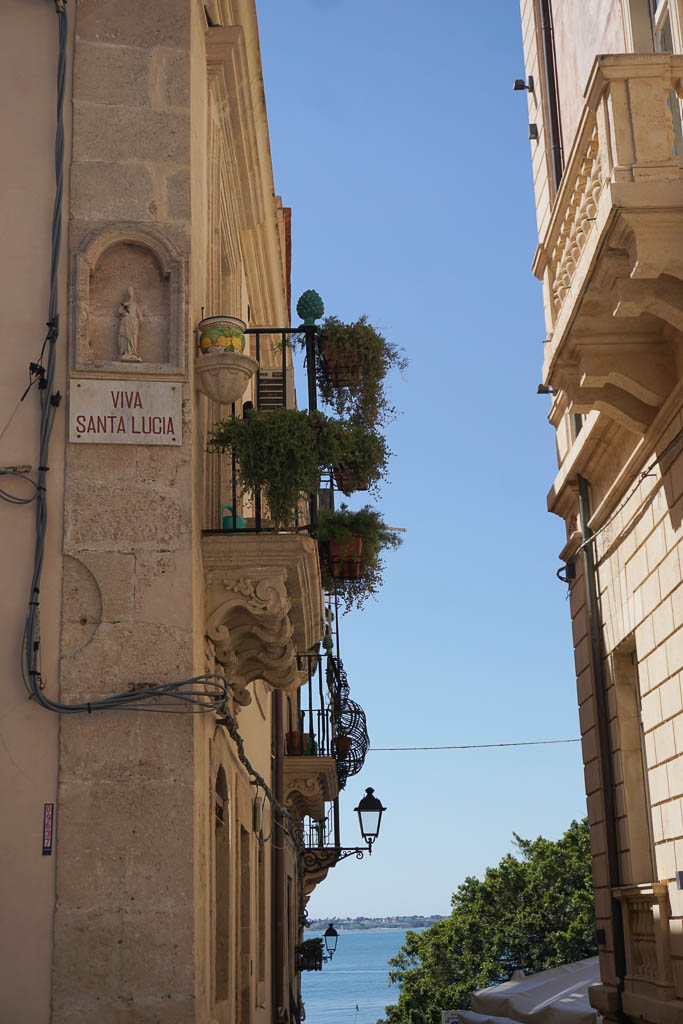
At the time, women had very few choices – and choosing a life dedicated to God was often the only socially acceptable way to claim agency over their body and future. Lucia was refusing marriage – which especially in her case was business, not love. And I couldn’t stop myself from finding a connection between Lucia and Athena. The latter was the virgin goddess who fiercely protected her independence, refusing to ever be mastered by a man. Athena was also considered the goddess of intellectual light – and Lucia means light, from the Latin lux. Interesting to see that Lucia, a Christian, or so the story says, is honoured in the same place hundreds of years ago, others revered Athena.
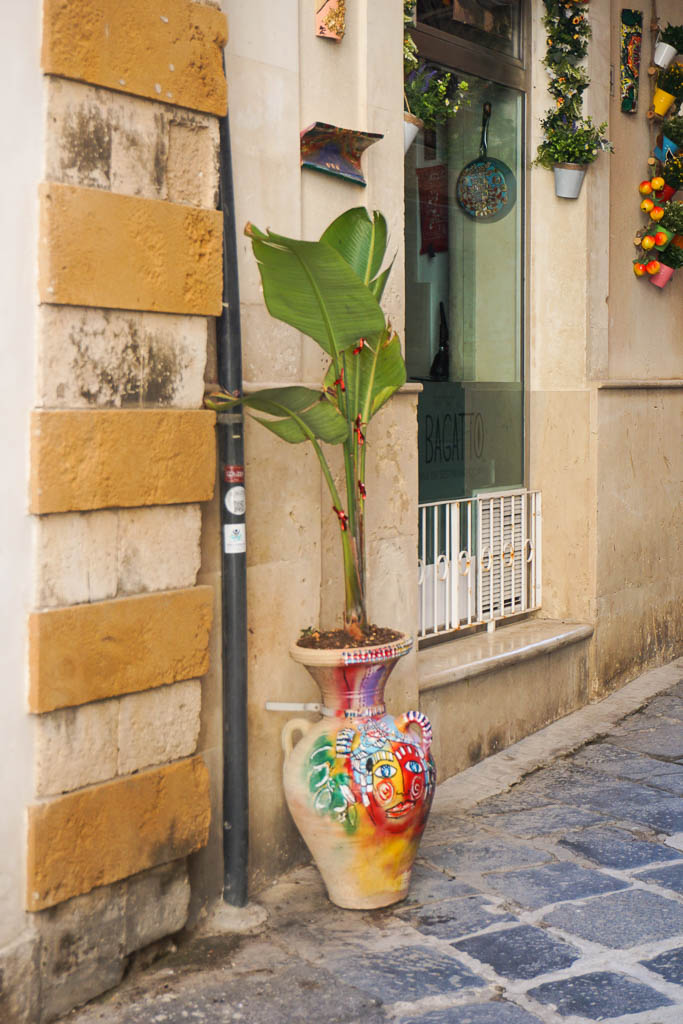
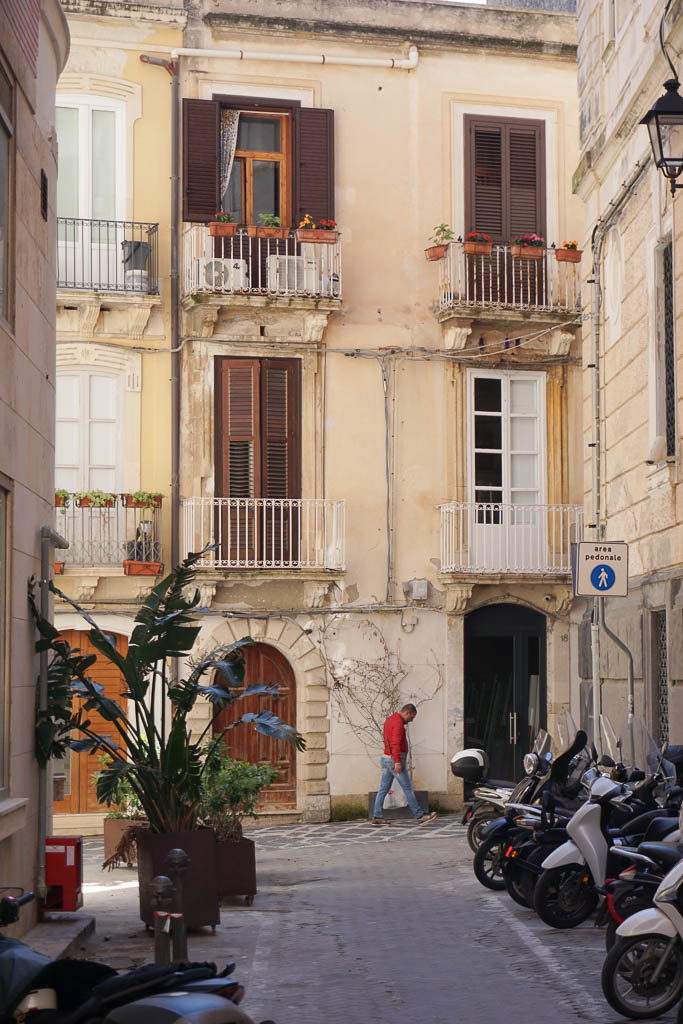
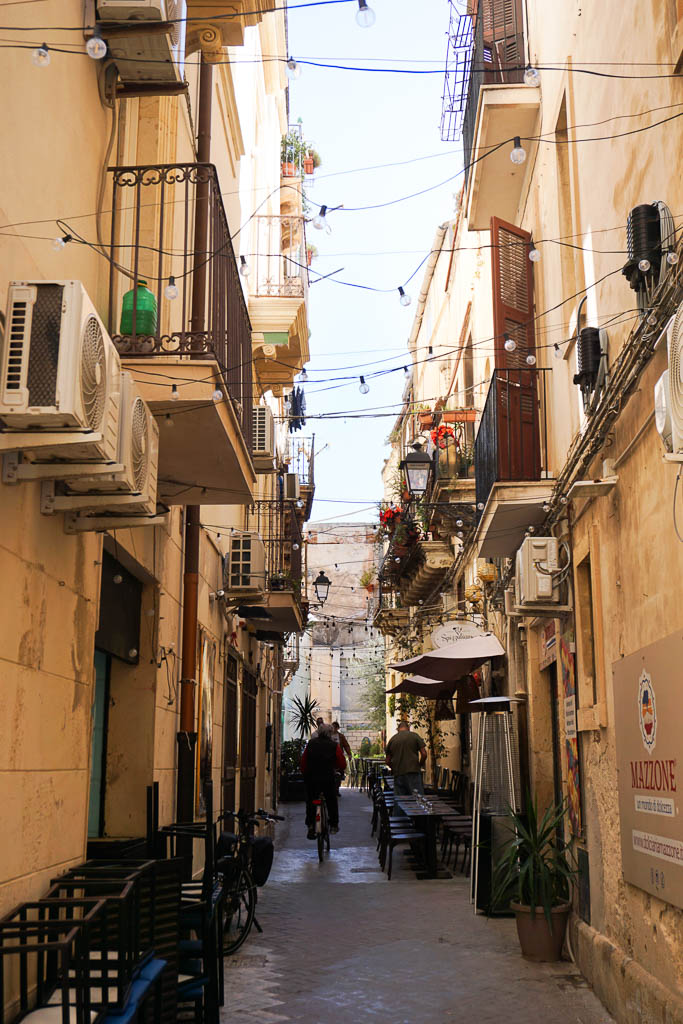
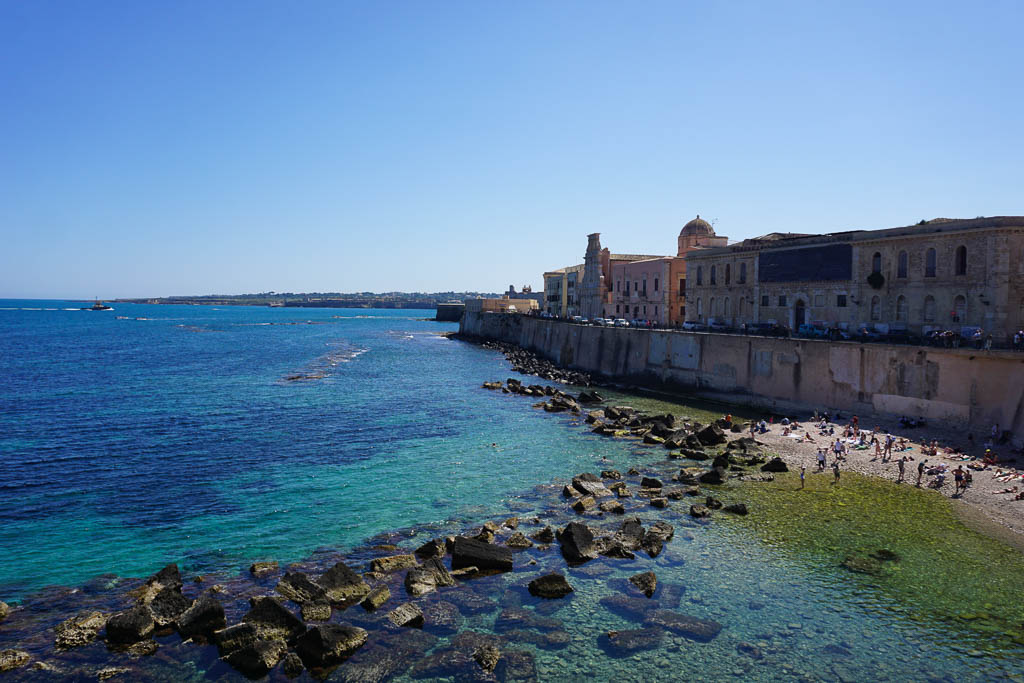
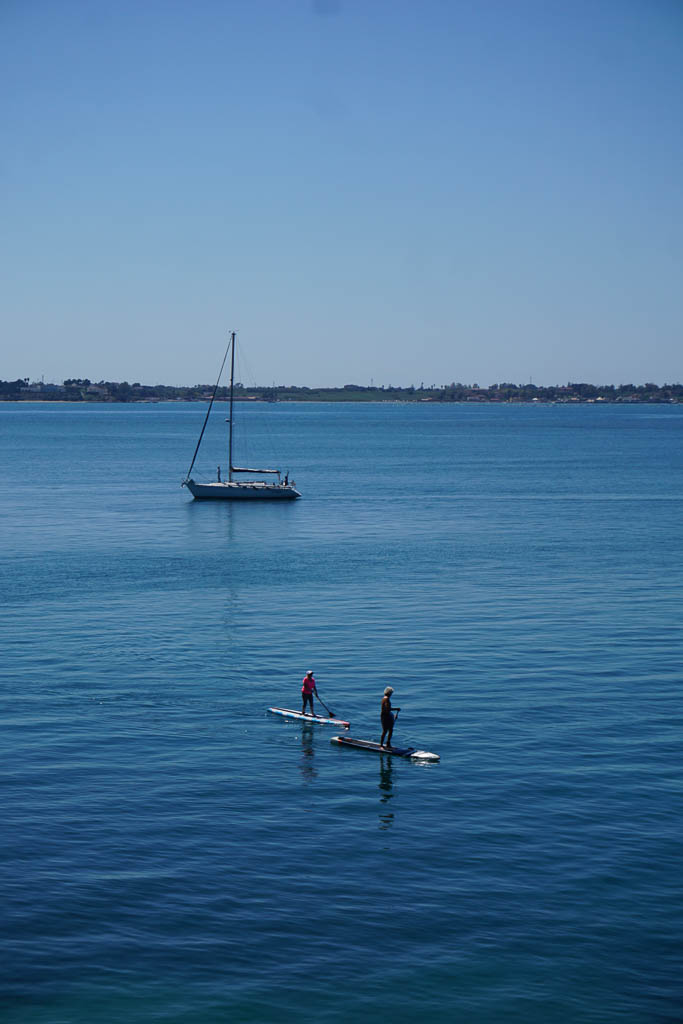
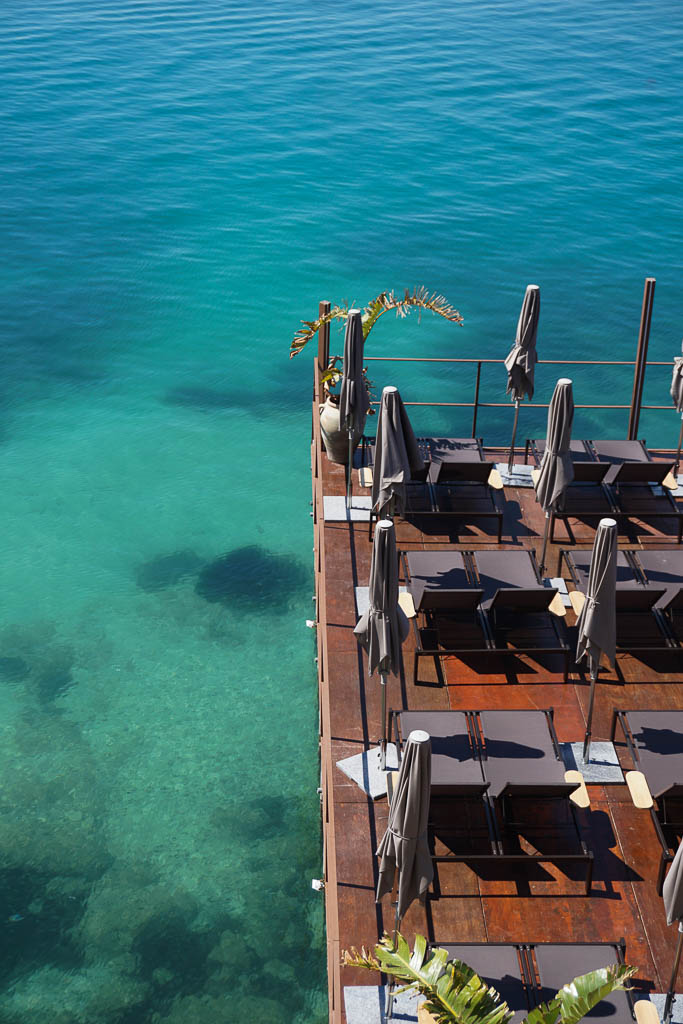
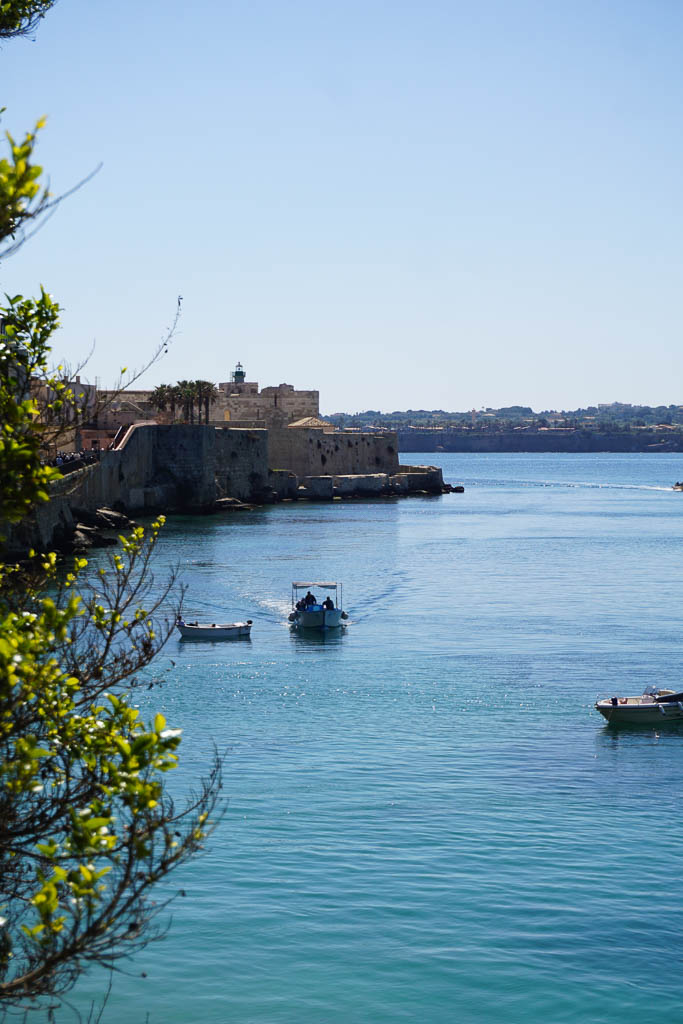
After this, I spent quite a bit of time exploring the narrow streets of Ortigia, which were becoming very busy. It was Easter Monday, another important day for the Sicilians, the sun was out, the vibe was festive. It felt like the beginning of Summer, even though we had just entered Spring. The blue sea was inviting, the slow, soft waves caressing the land languidly, sensually.
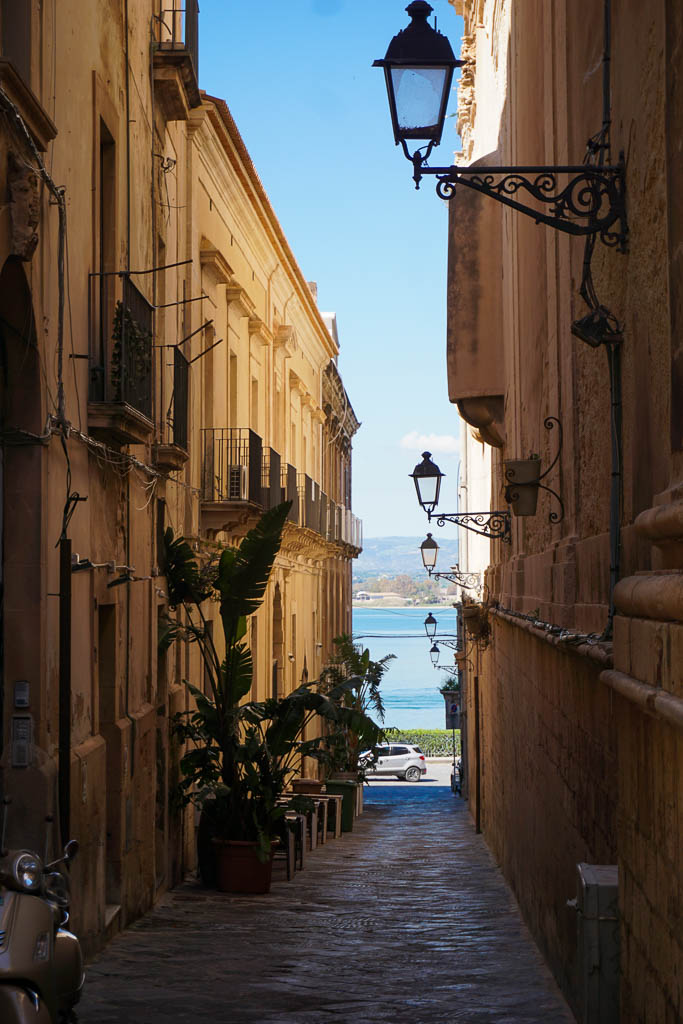
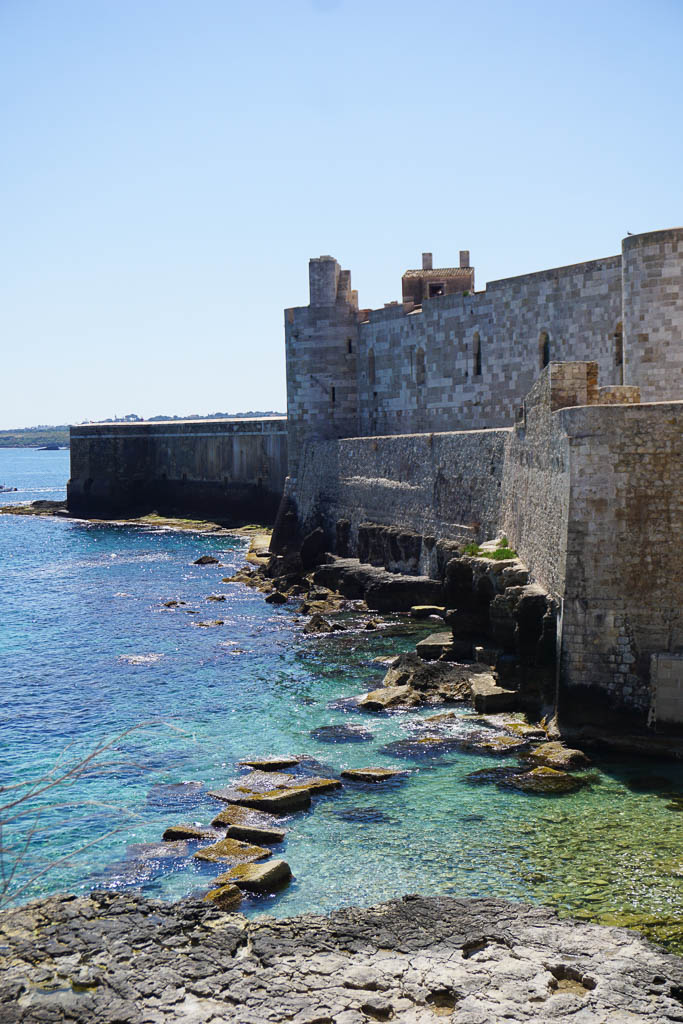
At the southern tip of Ortigia you’ll find Castello Maniace, a 13th century military fortress built by the Holy Roman Emperor Frederick II. I’m not a fortress person, but when it invites even more marvellous views of the sea, I find myself torn. To be quite honest, I struggle to get myself in the mindset of so many men in history, who looked at the world and saw enemies, the need for defences, to fortify. But I’ve also never been a man in those times, having to defend my city and my people from invaders. I was thinking if the guards, the soldiers, guarding the fortress, always in the lookout for threats, in the hot summer days, and windy winters, with such a beautiful view, if they ever once thought how small they all actually were. Because that was my thought.
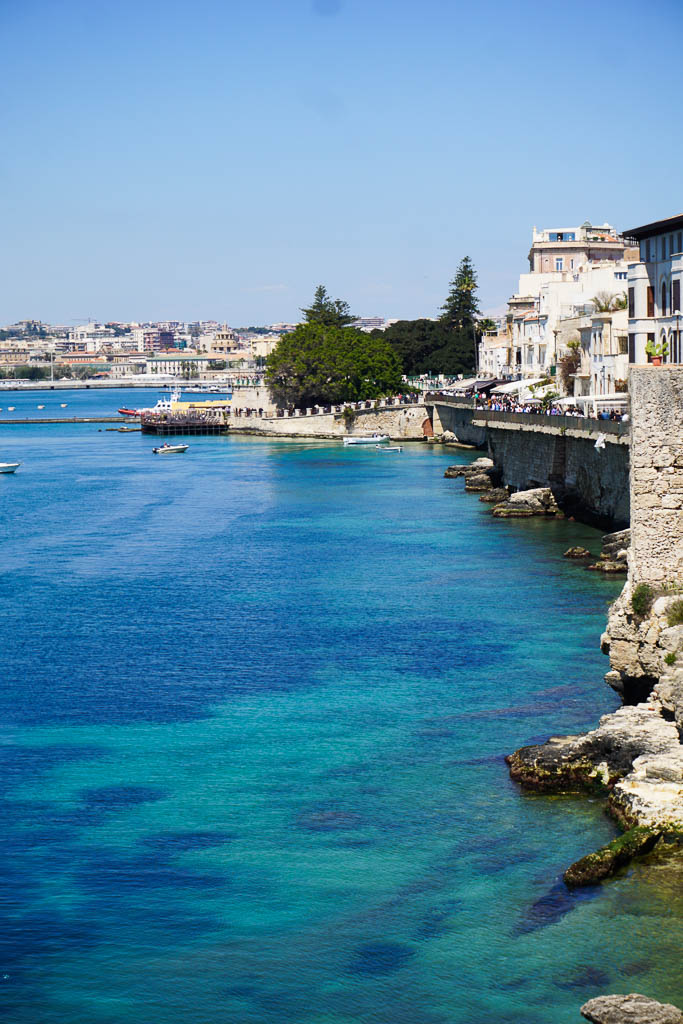
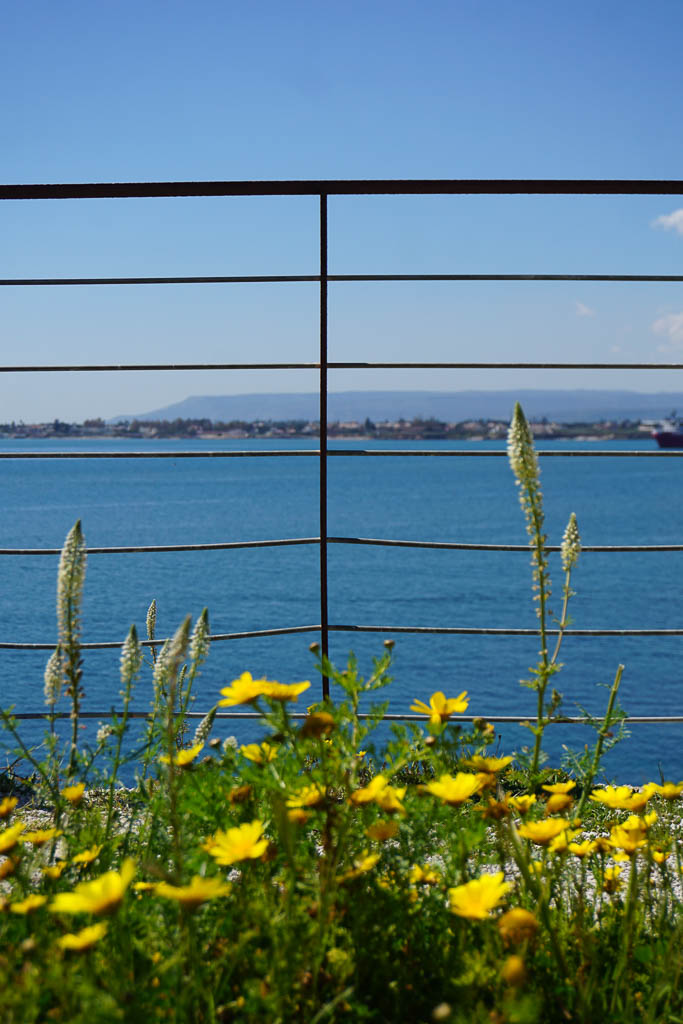
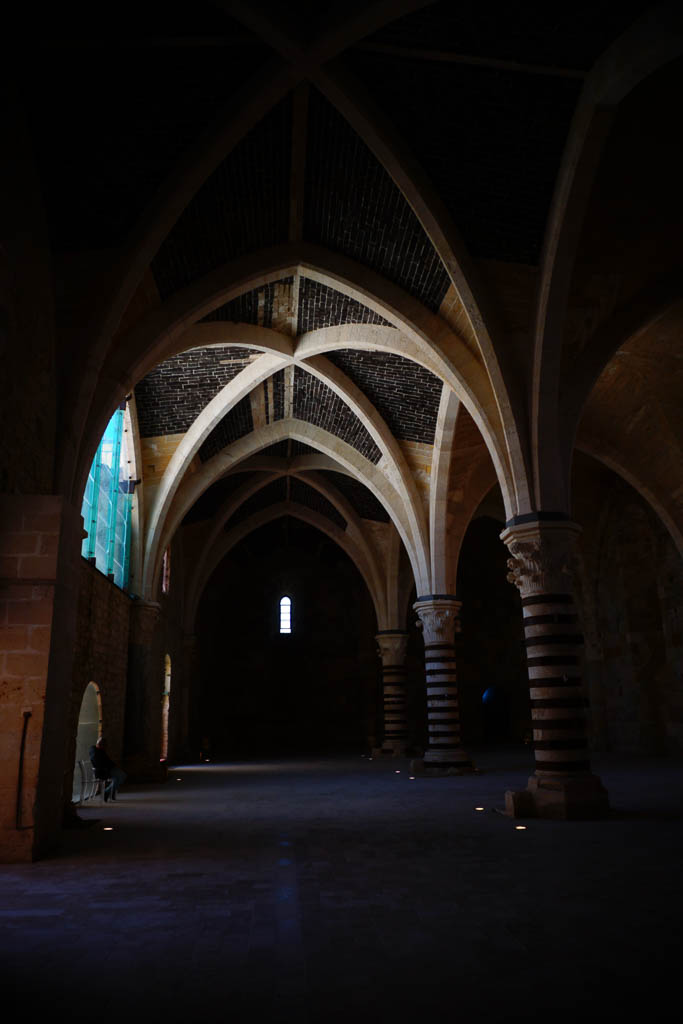
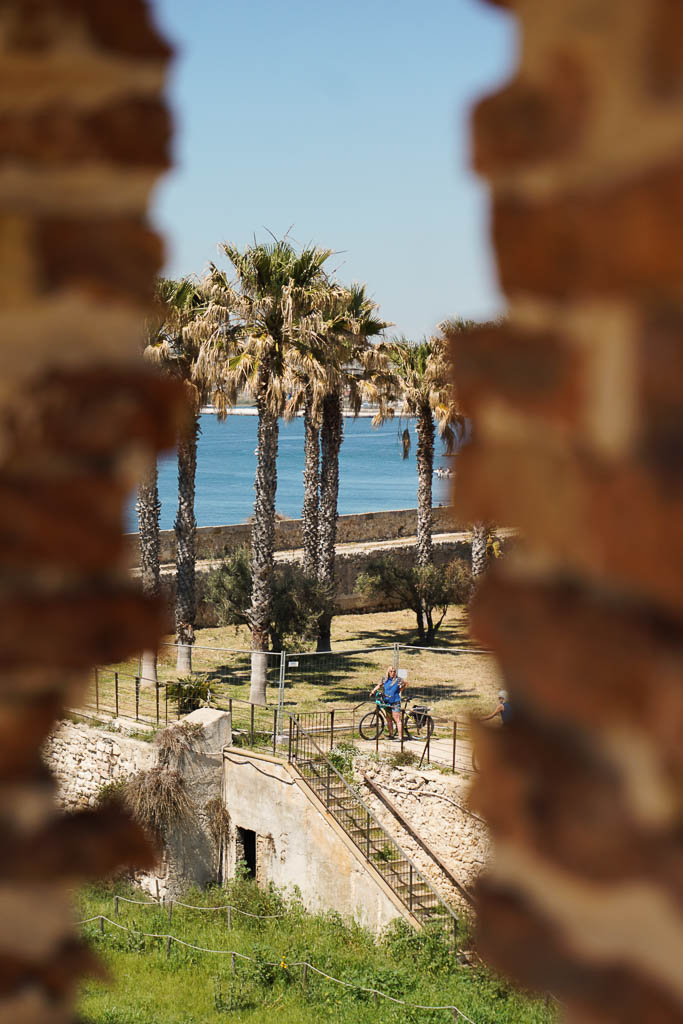
The vistas are simply magnificent – but other than the strong walls of the fortress – which does have an interesting architecture – there isn’t much to see from a historical perspective. Also don’t expect any informational plaques. Like I said at the beginning of this travel series, Sicily simply doesn’t cater.
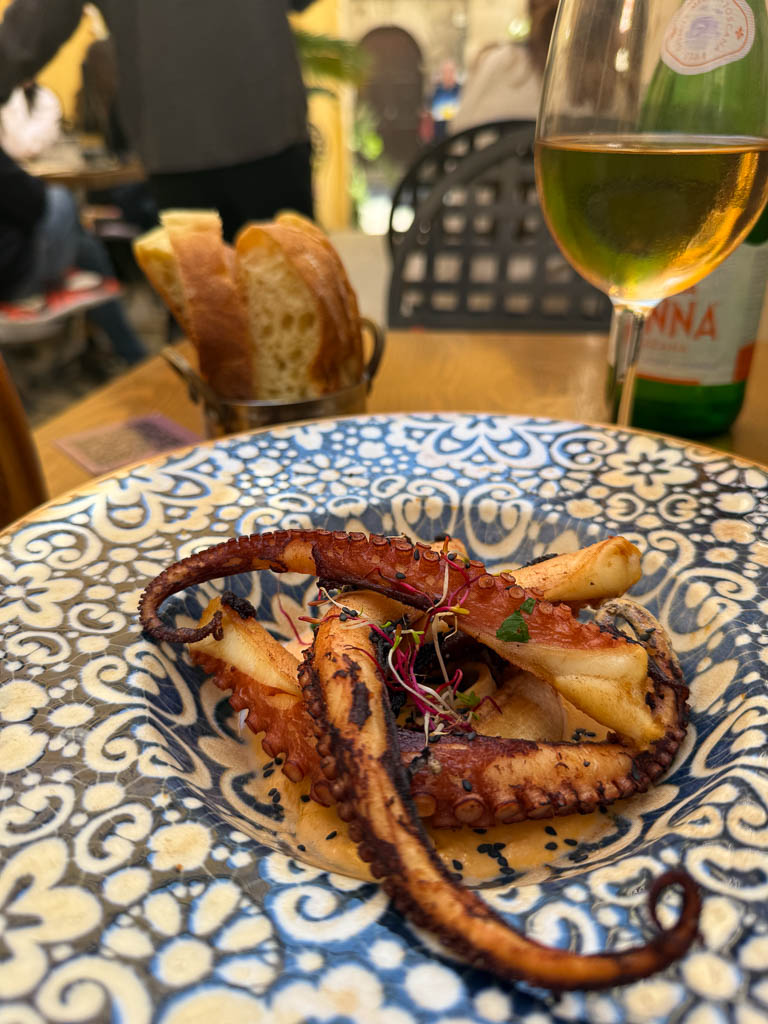
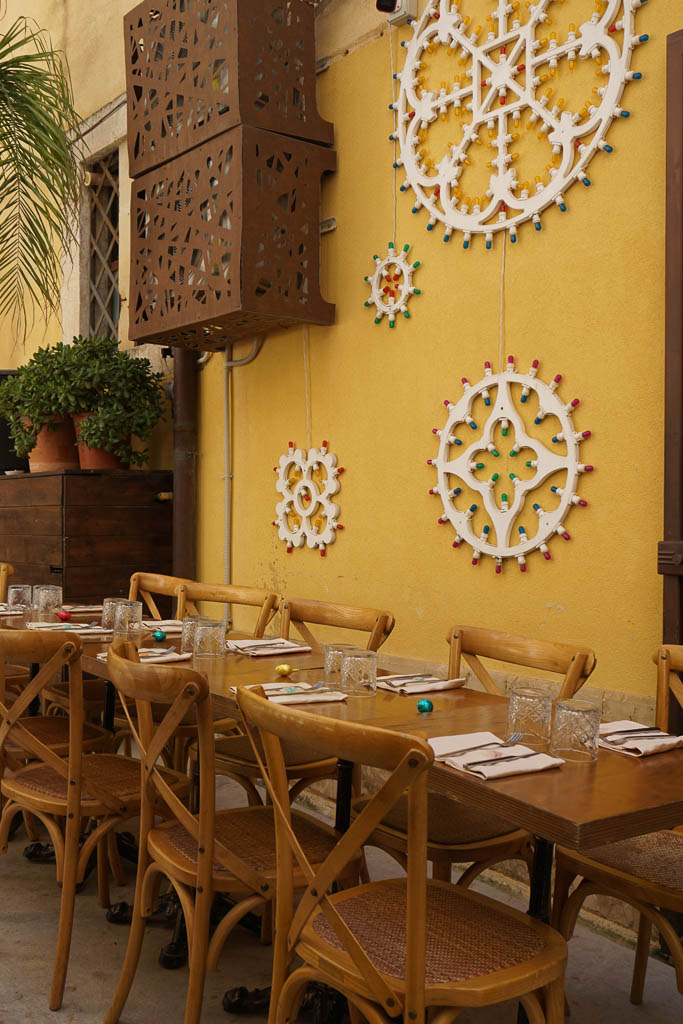
After this I went looking for a nice place to eat. It was my last lunch in Sicily, and I wanted some good food and wine. I ended up in a restaurant called Le Vin de l’Assassin, which I highly recommend. Incredibly nice staff, and stunning little terrace, where I had some tasty octopus.
I wandered for yet another hour or so, taking in the views and looking at some shops. In the end though, as the day got warmer, and the streets busier, I made my way back to the bus station and in Catania just after 5pm. It was then that to my dismay I realised everything was still closed, as it had been on Easter Sunday. No supermarkets, no grocery shops, and I was too tired to walk to the town centre to find an open restaurant. So I ended up having a dinner of crackers and some strawberries I had bought in the previous days. Not ideal, but I went to bed early anyway – after all my flight was the next day at 10:30am.
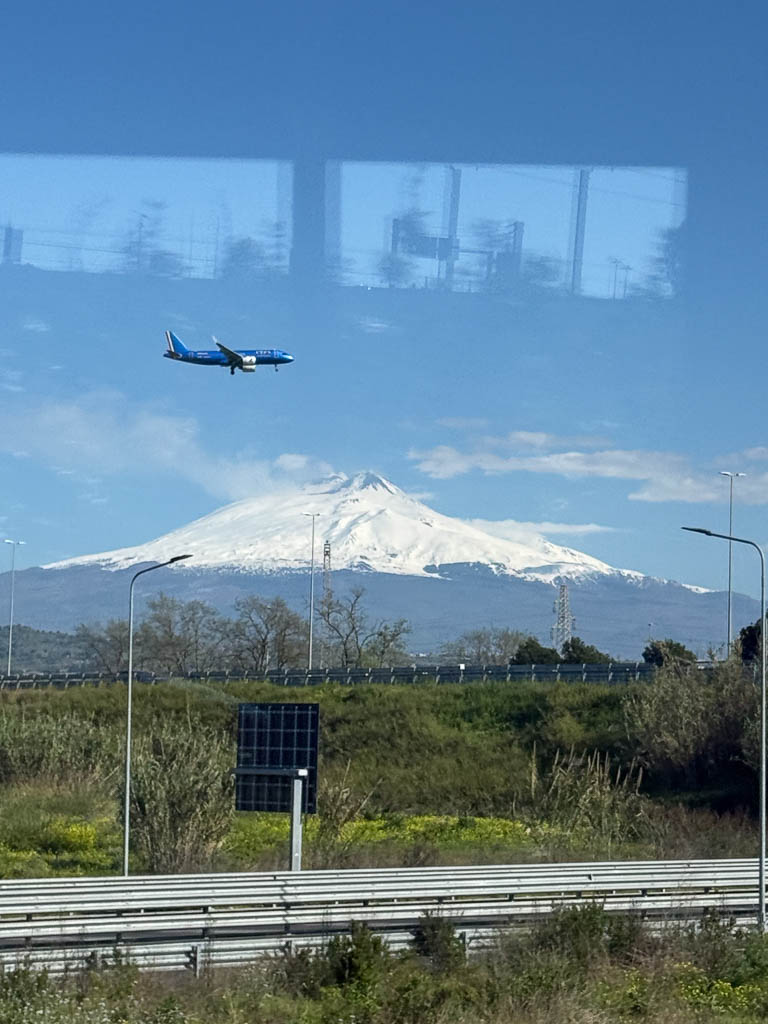
And of course, in my last few hours, I experienced the messiness of public transportation in Sicily. I was planning to take the bus to the airport – and imagined that the same bus that had taken me to Siracusa could also take me there, as I had noticed we stopped at the airport on the way there just the day before. But I can only imagine that was only to pick up people and not to drop off anyone – because when I walked to the bus station and asked for a ticket to the airport they told me that was not the place. The guy loosely pointed to behind him – where there was a wall as he was sitting in this office, but of course I imagined the location was on the other side of the road behind the station.
I needed to get to the airport, so of course this made me nervous. As I walked, I spotted a car park with many buses, so I was relieved for a second. Until I got there and couldn’t see any signage for airport buses at all – and ended up asking a driver about it. He was super nice – he told me it was not there and walked with me for a few seconds to point me to the right place – a city bus stop just in front of the cafe. There was barely any identification that it was a bus stop at all… so I waited there, hoping a bus would appear. I waited 15 minutes. No sign of a bus, and I was also the only person there. Thankfully, Uber is available in Catania, and without much further hesitation I hailed one on my phone. All I wanted was to get to the airport on time, so I didn’t care about the cost. So perhaps think twice before relying on public transport in Sicily to get to the airport.
With this post, my Sicily series ends. It is time. I made this trip over Easter, the first week of April, and we are now in July. Life has been busy, and work has sadly taken a lot more energy from me lately, since a return to office to four days a week was imposed at the start of this year. I’m trying to adapt, and it’s been hard. Perhaps the biggest challenge of this year for me. It breaks my heart because the energy and the time to write are lacking, and I’m afraid of letting my passions fade away.
But I’m working on it. In May, I was in a very special place, and I can’t wait to share all about it.
Love, Nic
Where I stayed in Catania: Art & Jazz Hotel, book here.
P.S. Some links on this post are affiliate links. This means if you click through and decide to make a purchase, I may gain a small commission. This is not sponsored and it’s based on my personal experience.


Such a beautiful way to end your Sicily journey. 😊 Ortigia sounds full of history, layers, and stories waiting to be discovered. I love how you connected the past with your own reflections, those are the moments that make travel truly meaningful.
LikeLiked by 1 person
Thank you so much
LikeLiked by 1 person