
In the lead up to my trip to Sicily, my lower back had been bothering me. Depending on the days, the pain levels varied. I was worried it would spoil my trip, and made a promise to myself to see a doctor if the pain subsisted. I got myself some Voltarol at the airport Boots, and hoped for the best… and turns out, when I woke up in Palermo the day after my arrival, the pain was miraculously gone! Was it that I actually just needed a vacation? Perhaps. Sadly, that changed the day I arrived in Catania.
My backpack had been buried by incredibly heavy suitcases in the trunk of the bus, and no one offer to help me as I struggled to find it, kneeling and basically crawling inside the trunk. As I was pulling one of the suitcases out of the way, my back snapped and I felt such an acute pain I winced and almost cried out. What was on that suitcase, rocks?!
I had found my backpack, but my back was aggressively flaring up. It was a short walk from the bus stop to my accommodation, but a painful one. As soon as I got in my room, I lied down for a bit and rubbed some voltarol in my back. And the worst part? I was due to climb Etna the next day, and was now very worried I wouldn’t be able to make it. I also took some paracetamol, and after about one hour I was feeling better. I only had that day to explore the city of Catania – I was going to stay there as a base to go to Etna and then to Siracusa. I had neglected researching much about this city… I had not heard great things about it. A rough place, industrial, often perceived as dirty.
Turns out, Catania ended up being my favourite place to photograph and explore in Sicily. Its grittiness surpasses that of Palermo, and if the latter couldn’t care less about its appearance, then Catania simply takes it to another level. And rightly so.
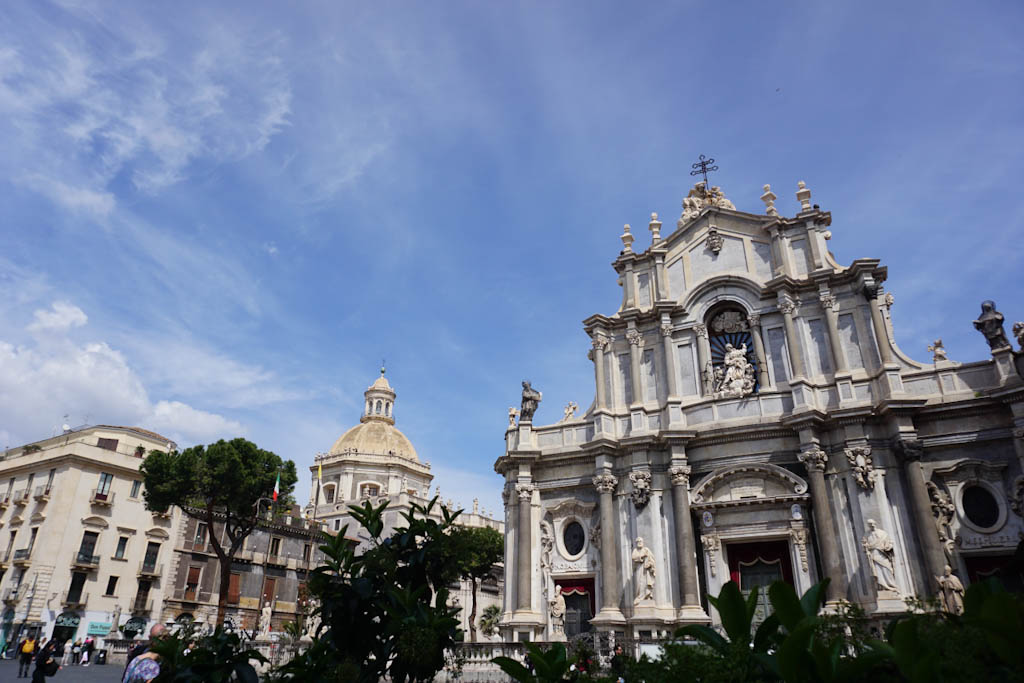
Etna has created and shaped this place, a city built on top and around lava streams. The eternally alive Etna is omnipresent, the goddess of the city, the one locals consider their Mother. Catania is a proud lineage. Darker buildings, dusty roads are the blessings of the ashes and the smoke that come from under the Earth, that make the land fertile, feeding generations. Sometimes Mother is angry. Catania is a savvy child, though.
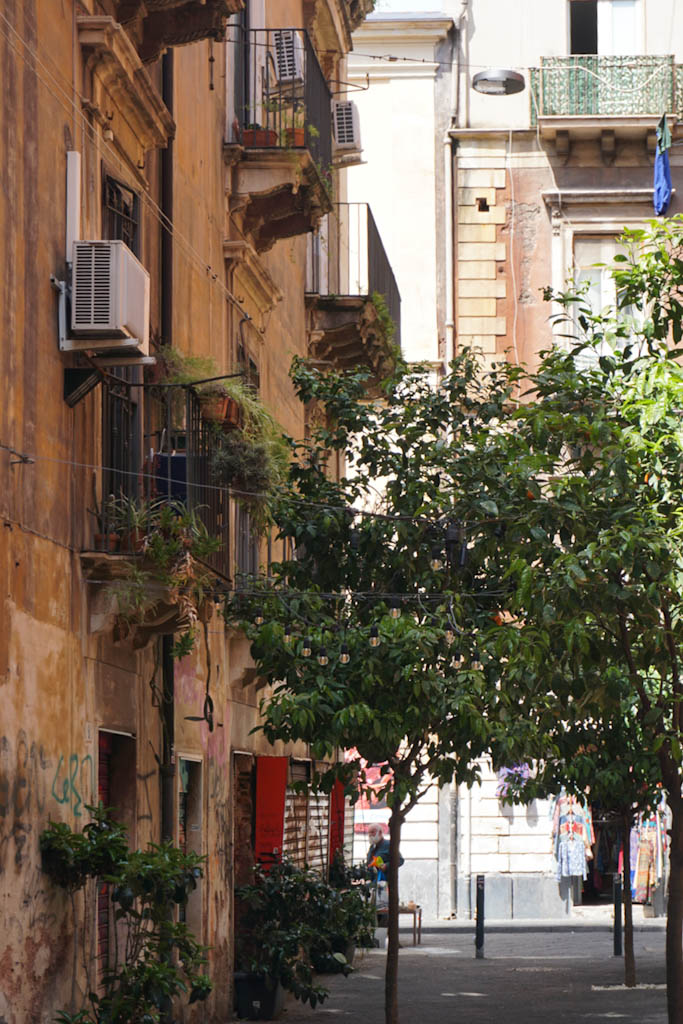
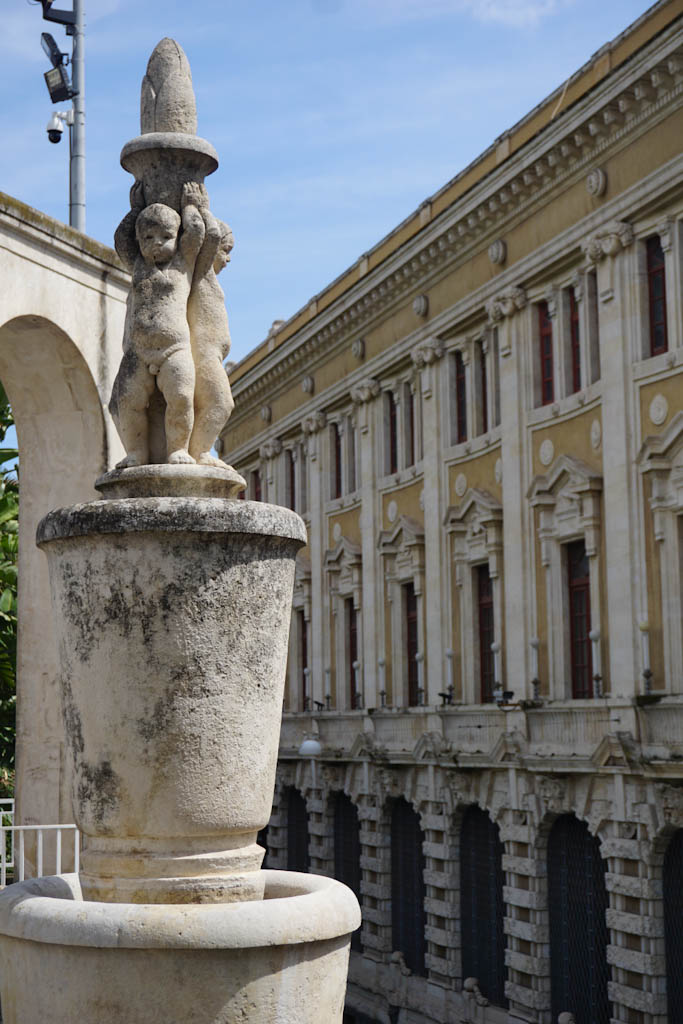
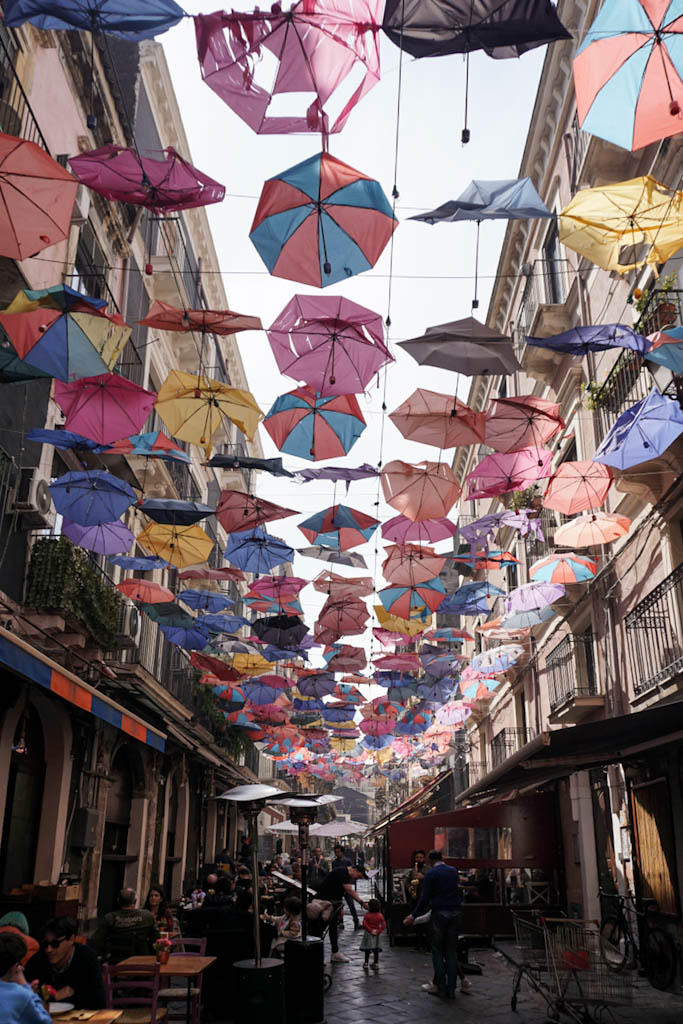

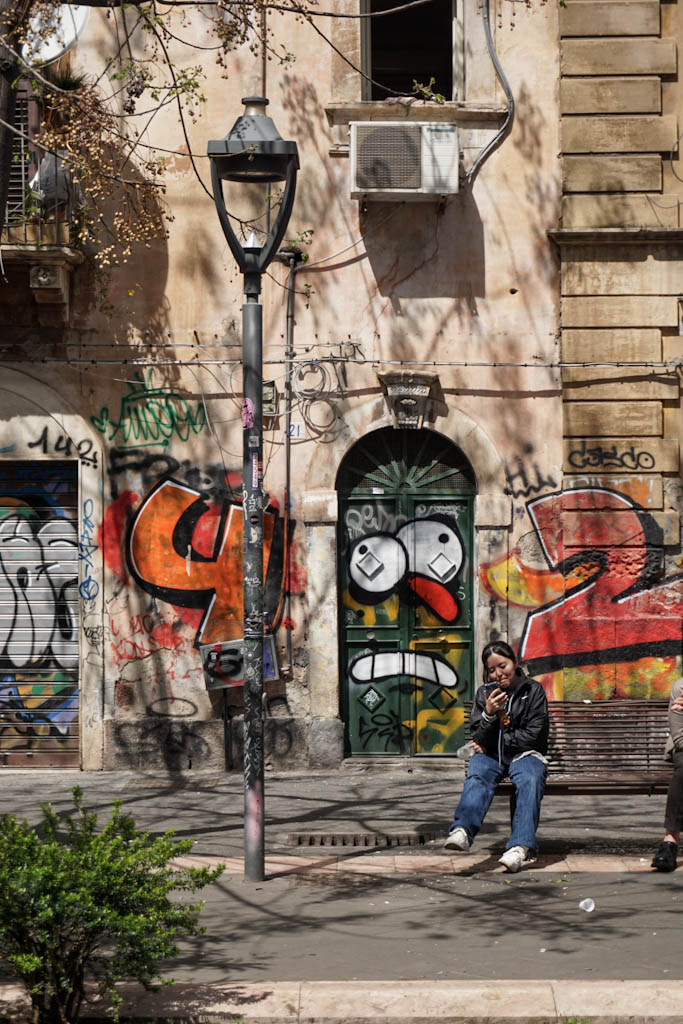
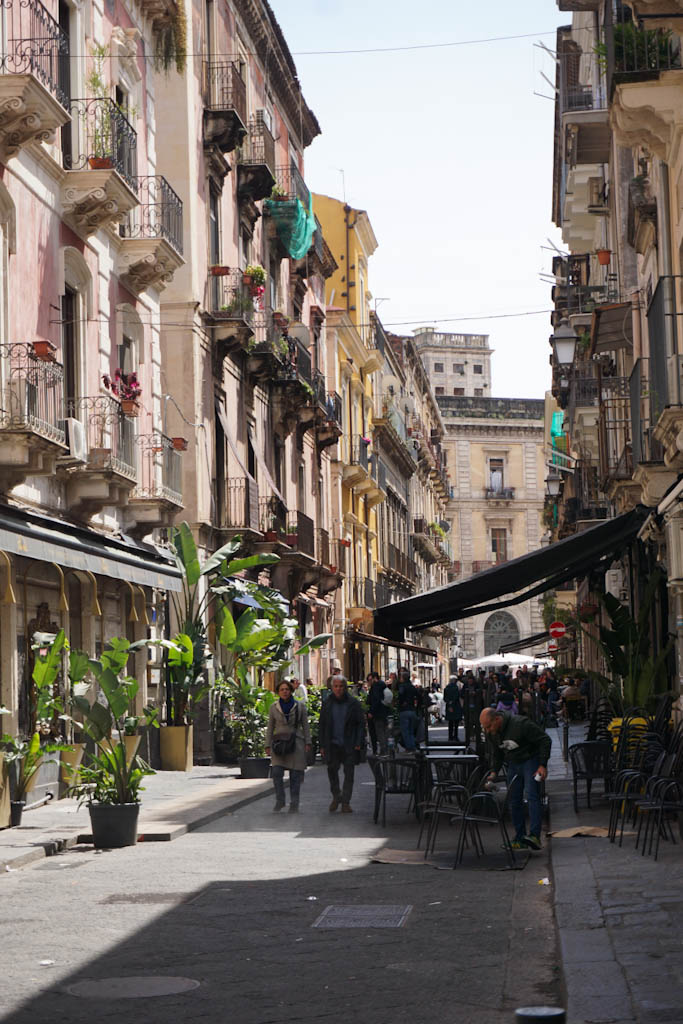
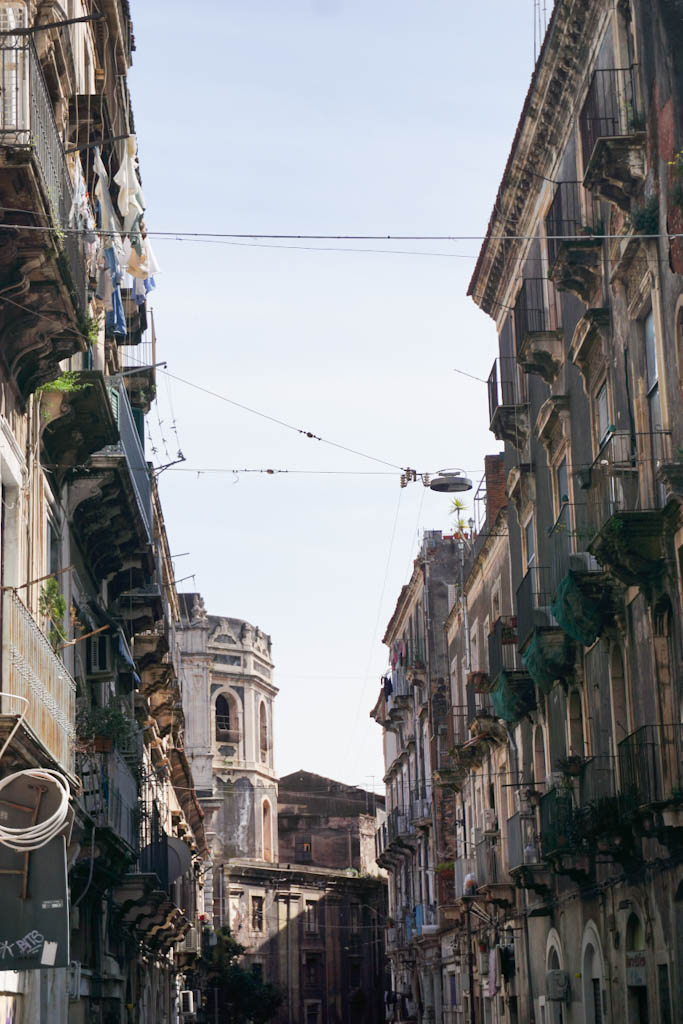
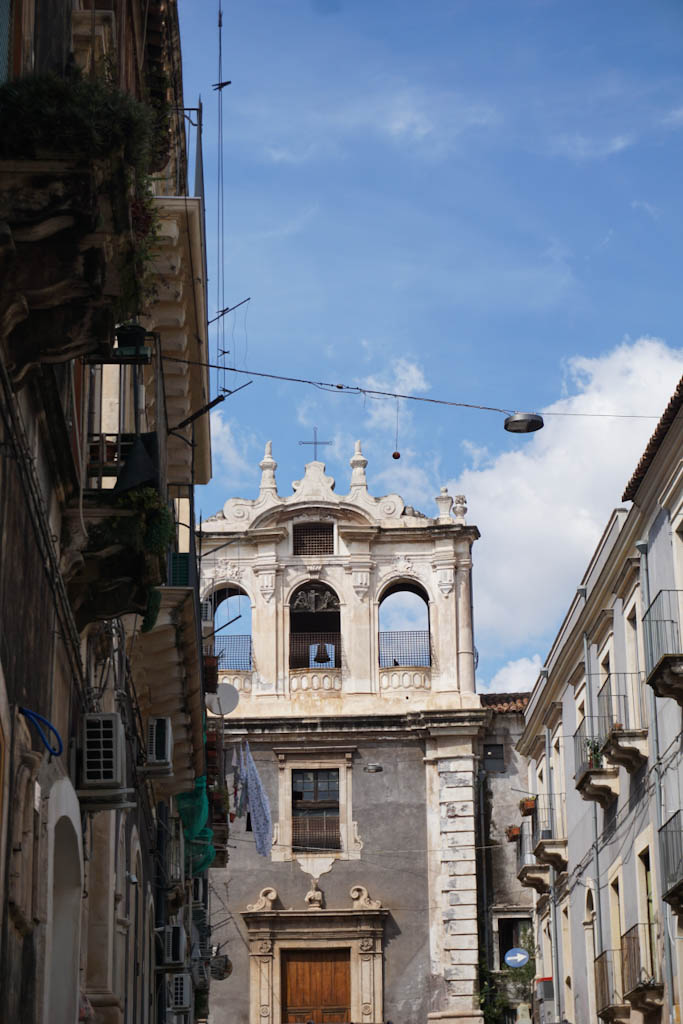
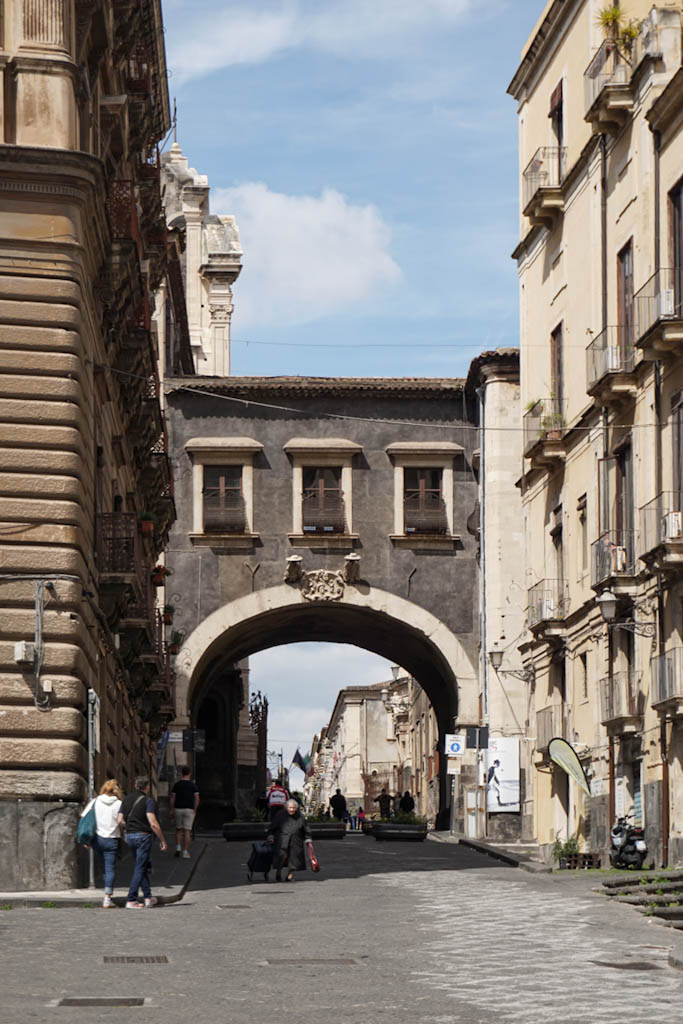
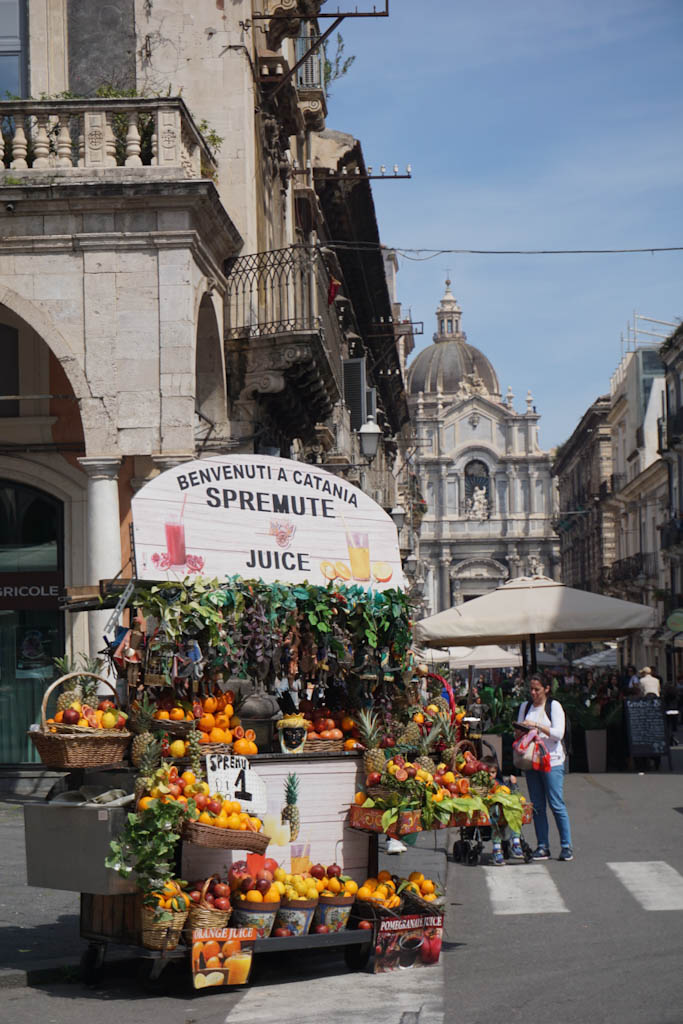
Walking around I was again filled with the desire to travel in time. The streets of Catania are framed with stunning architecture from the 17th and 18th century. After being consumed by lava in 1669, Catania was rebuilt having beauty in mind, with the architecture styles in vogue in the major European metropoles.
What I see now is decay. Grafittis, roofs falling apart, walls dirty with grime. It’s the same form of resistance I witnessed in Palermo. Whoever walks in Catania could assume these streets are unsafe. That this isn’t a place for tourists, for outsiders. Perhaps that is precisely the goal. But I personally feel my heart ache seeing the heritage of this city falling apart, literally crumbling to the ground. The frequent earthquakes do not help of course.
When did they stop caring about beauty? Do locals really accept it as it is because it keeps prices cheap? Are they not tax payers, deserving of walking in nice clean streets, keeping their beautiful heritage alive? I do not believe so. Because art does pop out here and there. And where there is art, there is hope.
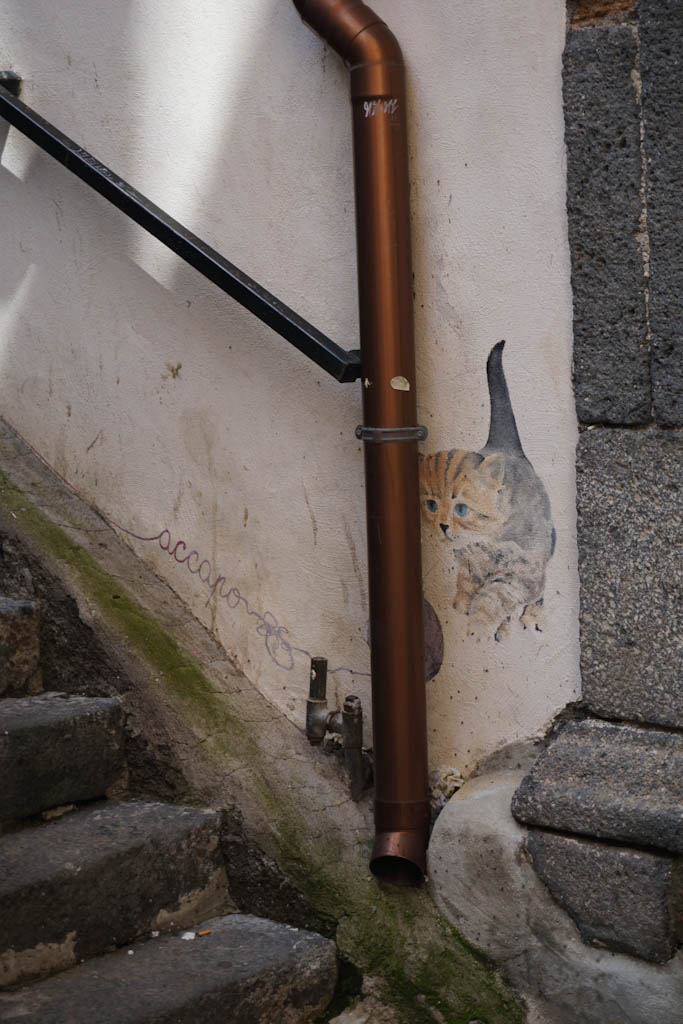
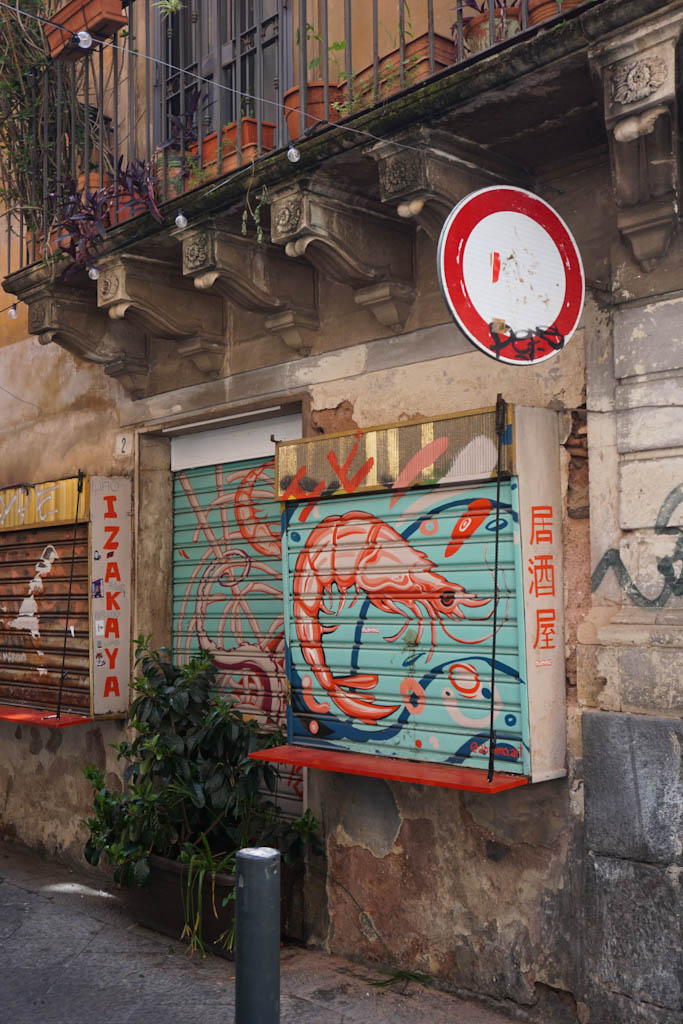
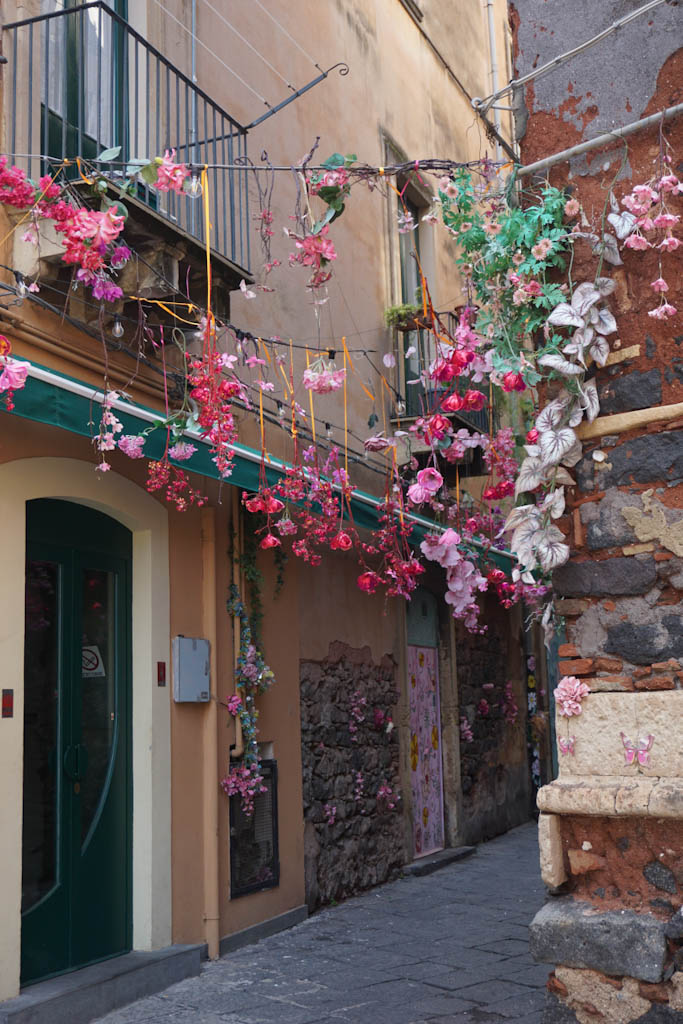
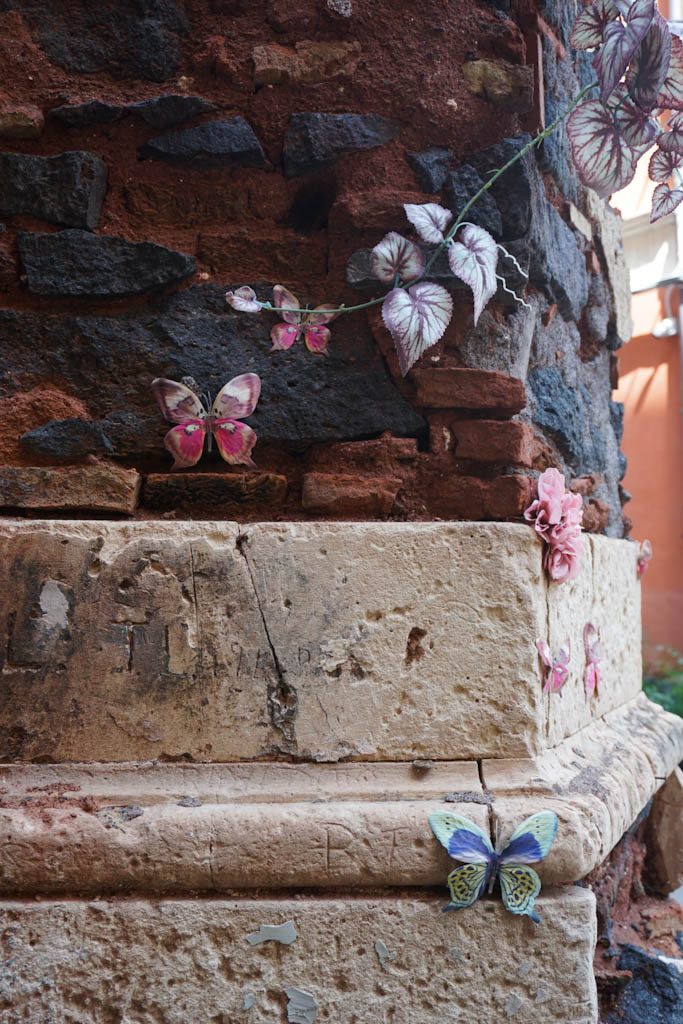
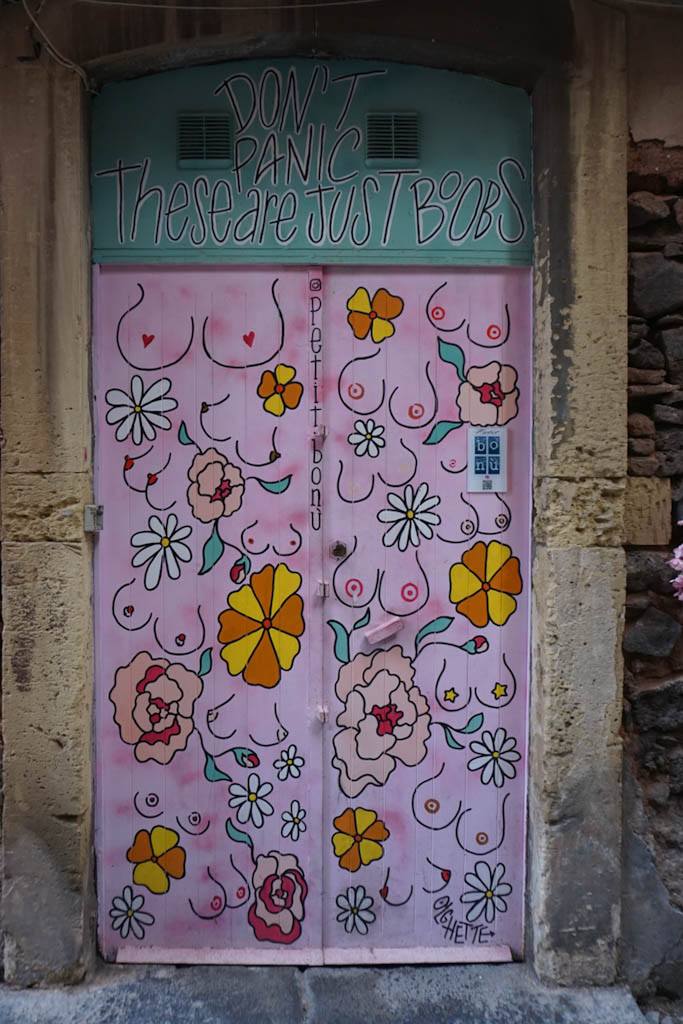
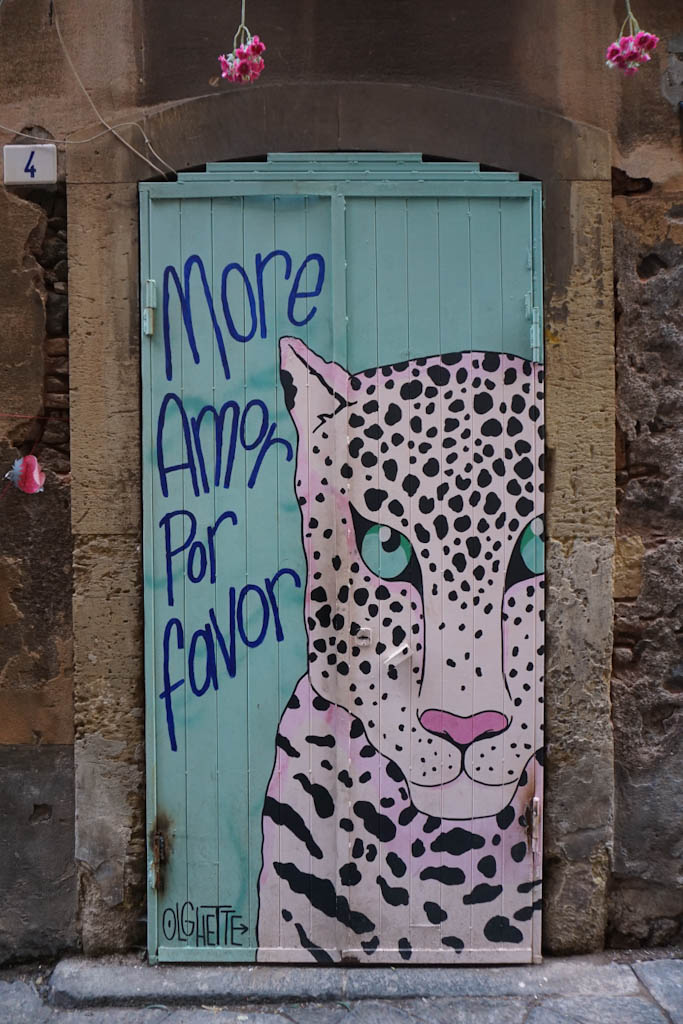
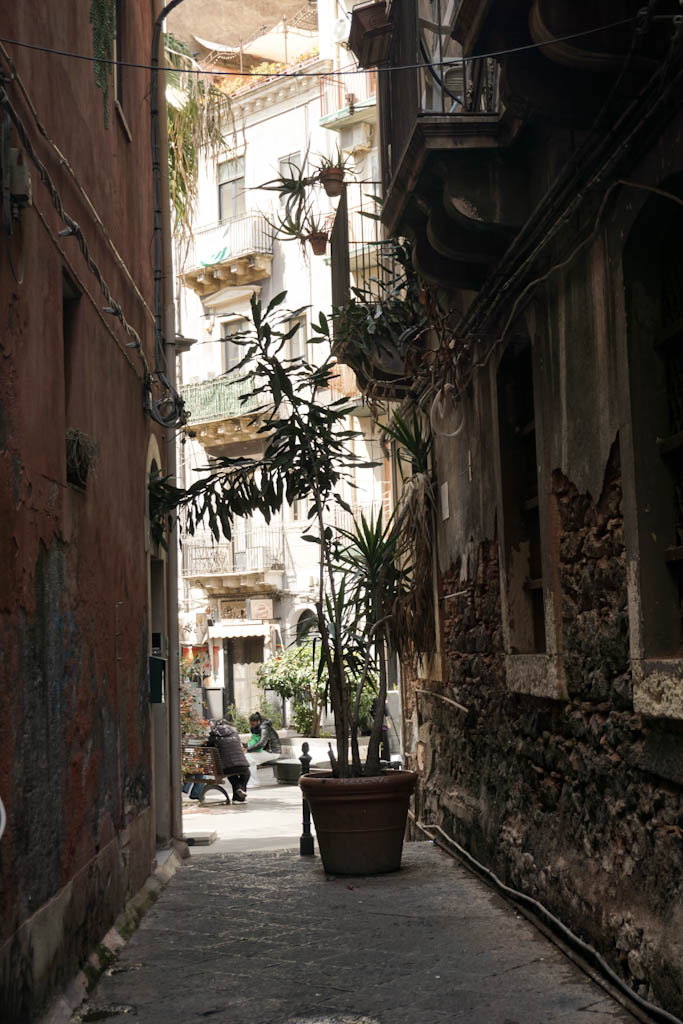
Yet, Catania is beautiful. I am attracted to this wilted gilded city as a fly is to a cadaver. It’s perhaps a morbid side of mine. One that I should not be writing about, but here I am.
It was hard to walk with my back in pain, and I was getting tired easily and having to sit down often. Whilst I liked my hotel, I had stayed near the bus station as it would be a very convenient location – but that meant a bit farther from the center. Also realised that using the public transport would take me almost the same amount of time as walking or I would have to walk a lot anyway. So I just took things very, very slowly.
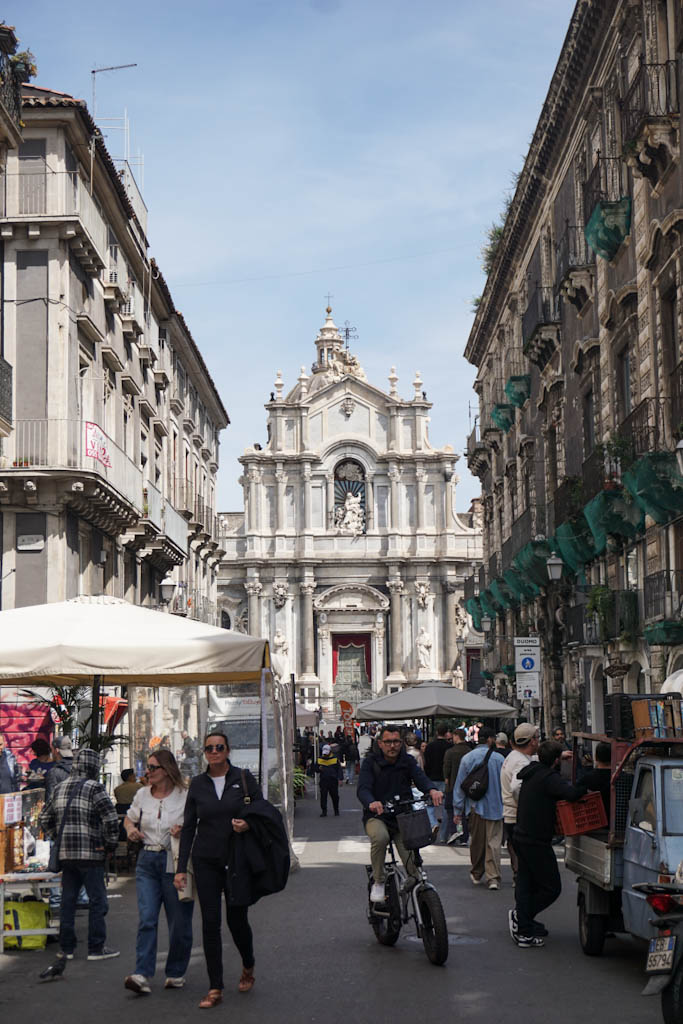
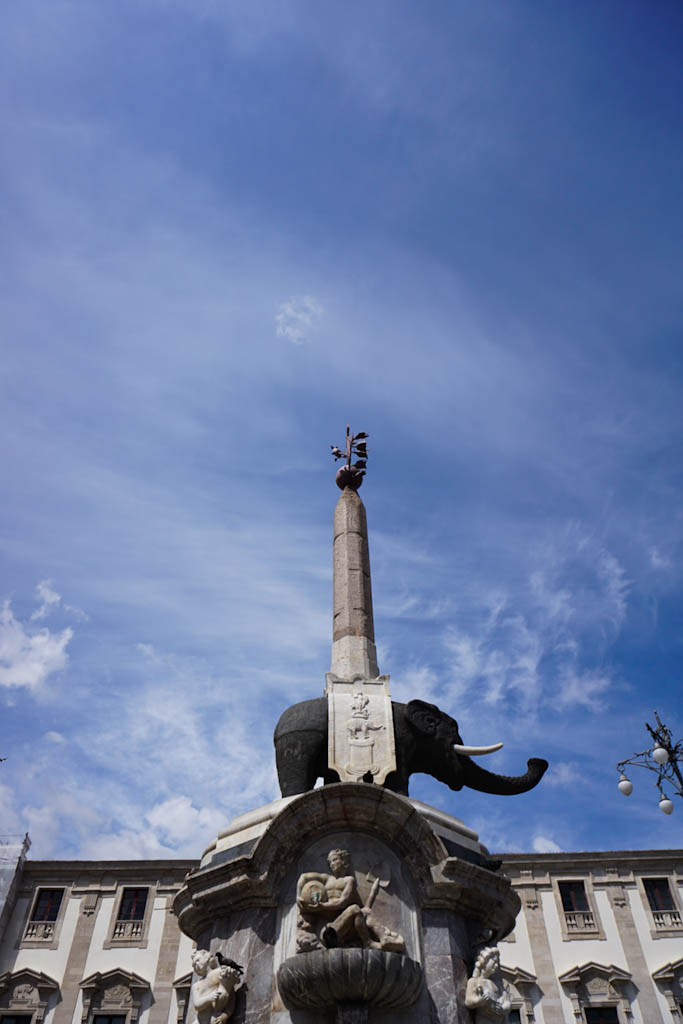
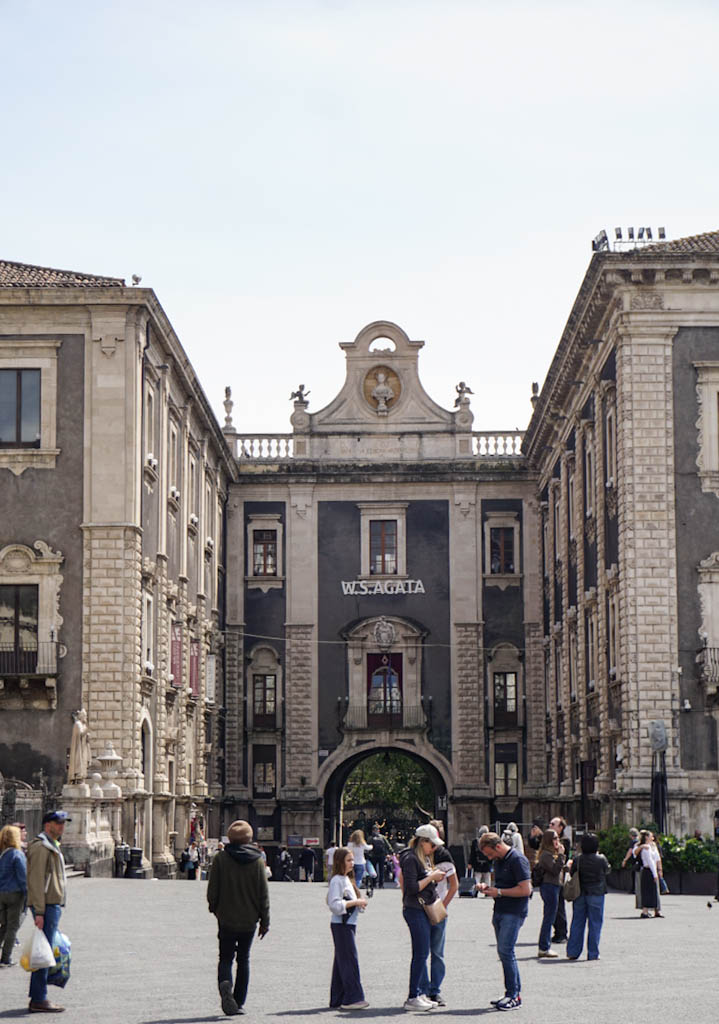
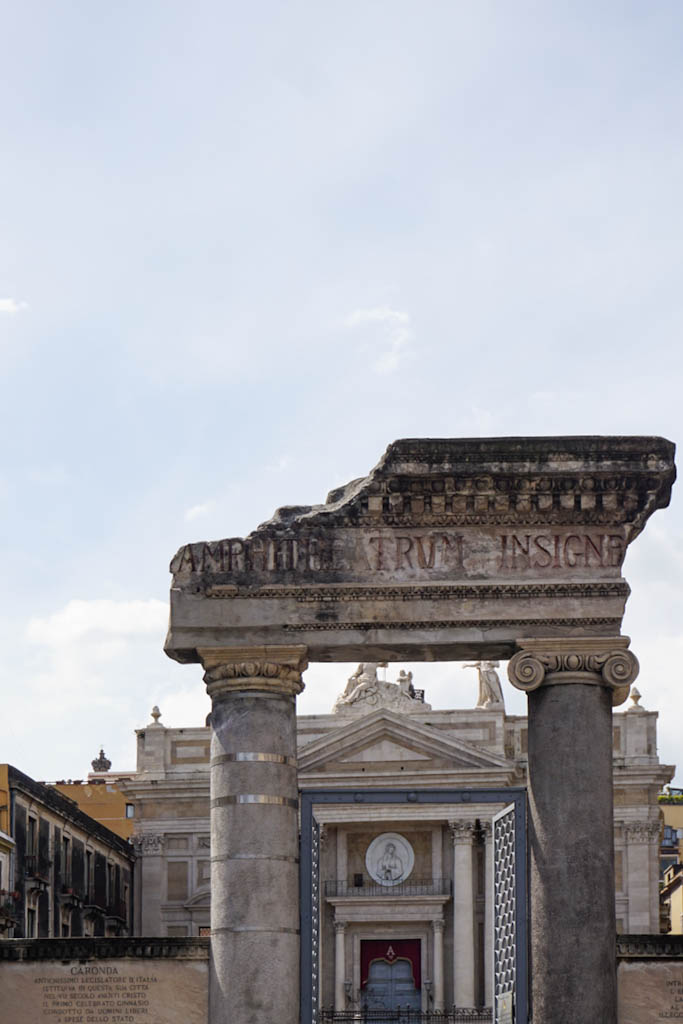
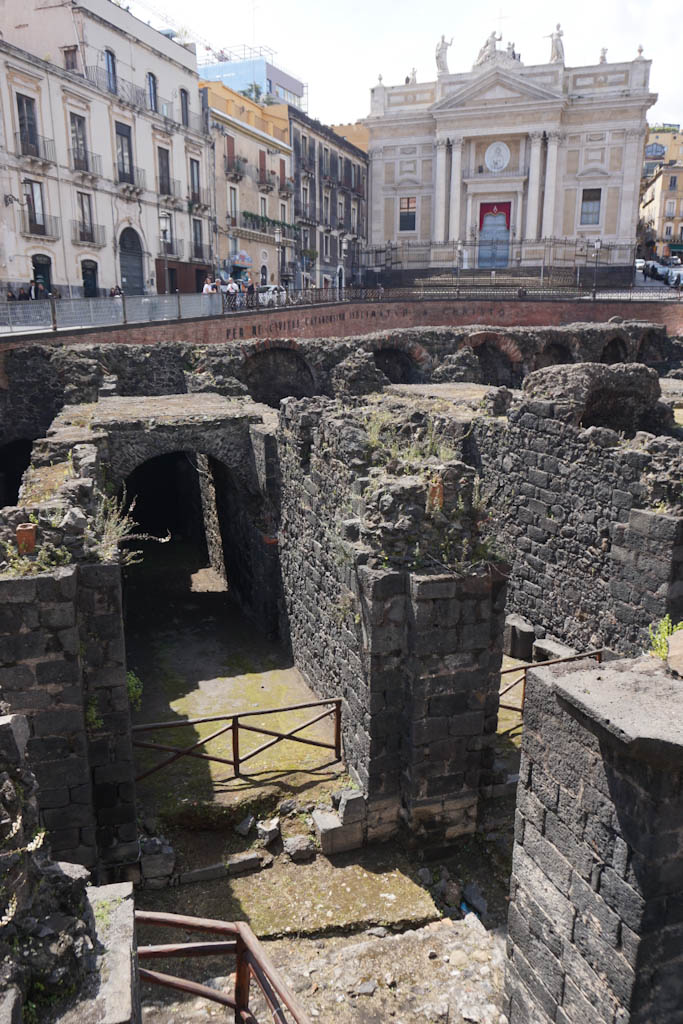
One of my favourite things to do was visiting the Monastero dei Benedettini di San Nicolò l’Arena. You can only do it with a tour guide – when I got there, the next tour in English was at 4pm. I still had about an hour wait, so I decided to go the nearby Teatro Antico greco-romano di Catania – whilst not as impressive as the one in Taormina, it’s still worth visiting. The fact that these structures manage to survive so many centuries in a place where wars, invasions, earthquakes and a literal active volcano kept shaking the land is simply jaw dropping.
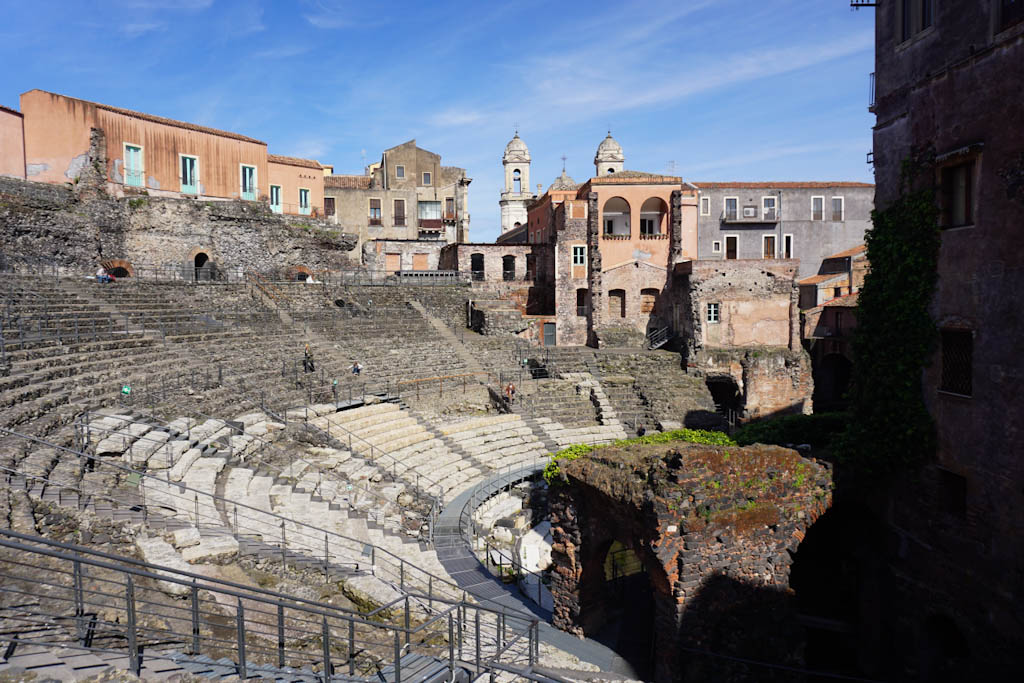
The Monastery is one of the largest Benedictine monasteries in Europe, and whilst it was founded in the 16th century, it became what it is today – particularly grand – after being rebuilt following the devastating eruption of Etna of 1669 and a devastating earthquake in 1693.
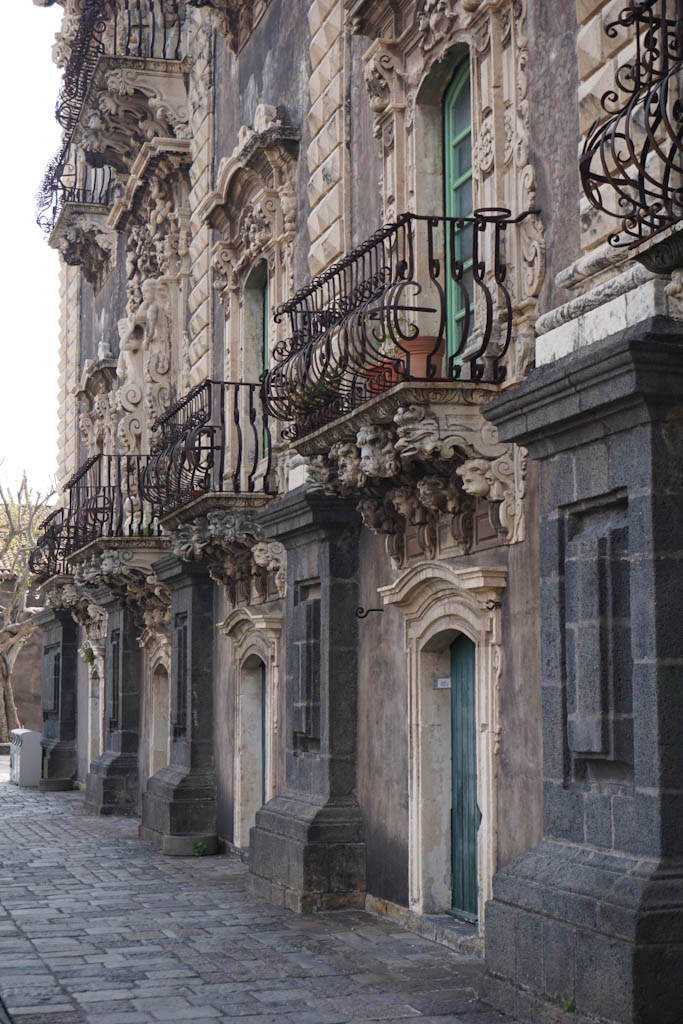
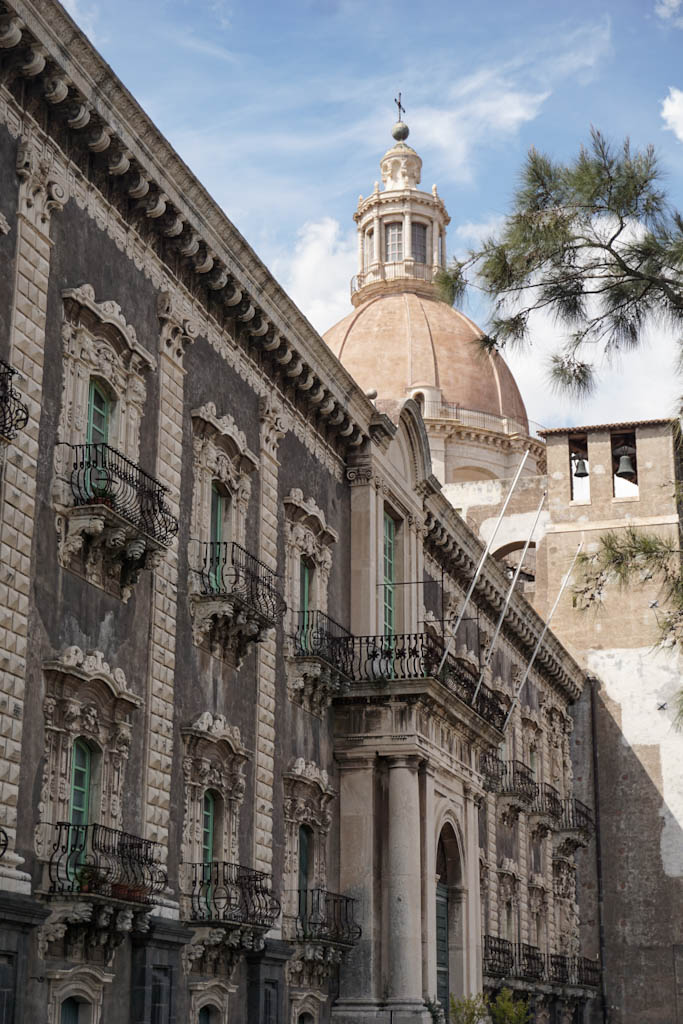
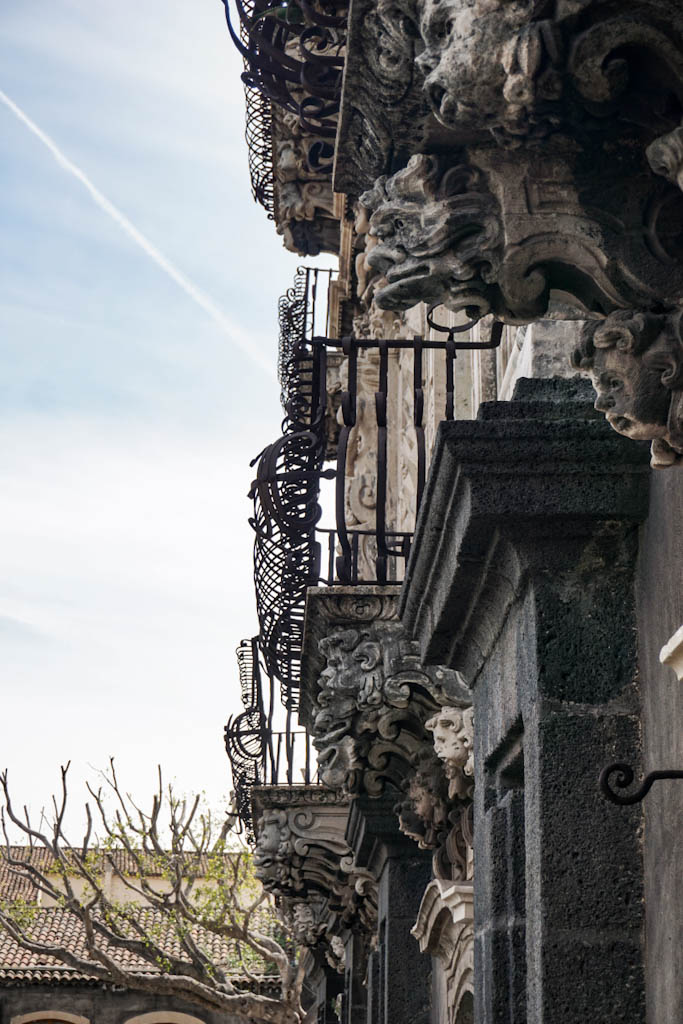
This is a contradiction – the monks belonged to the Benedictine tradition, founded by Saint Benedict of Nursia, whose rules rested on moderation, prayer, work and communal living…and yet, these monks had grand meals, prepared in well equipped kitchens, beautiful gardens, decorated cloisters, extensive libraries and spacious private rooms.
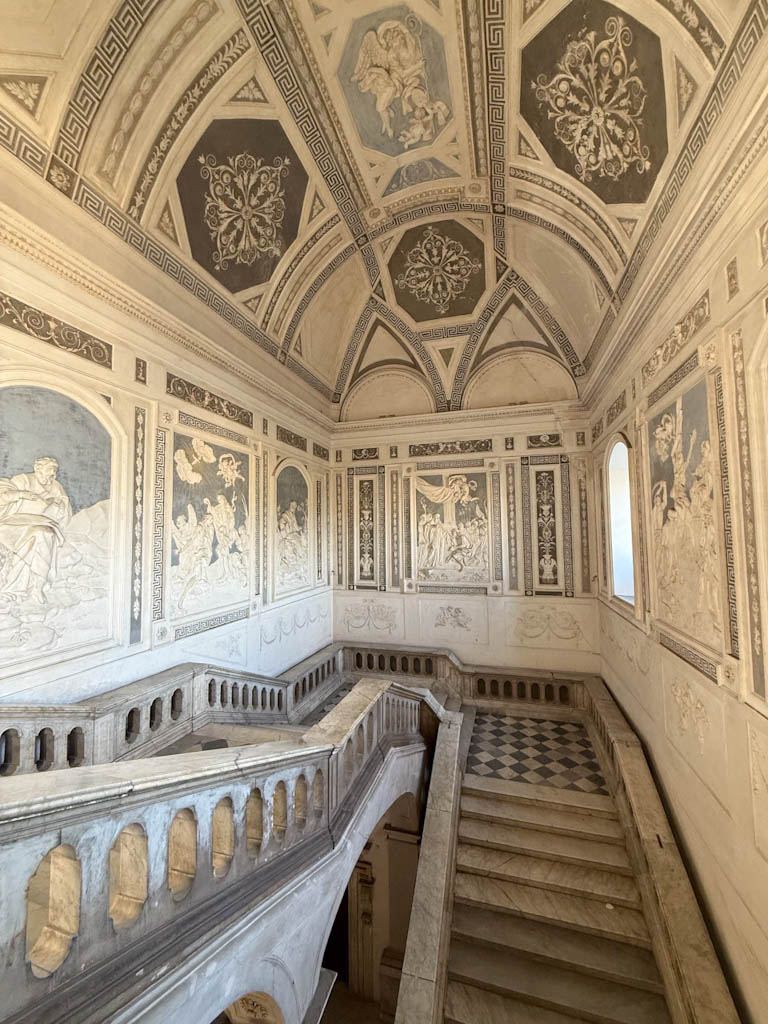
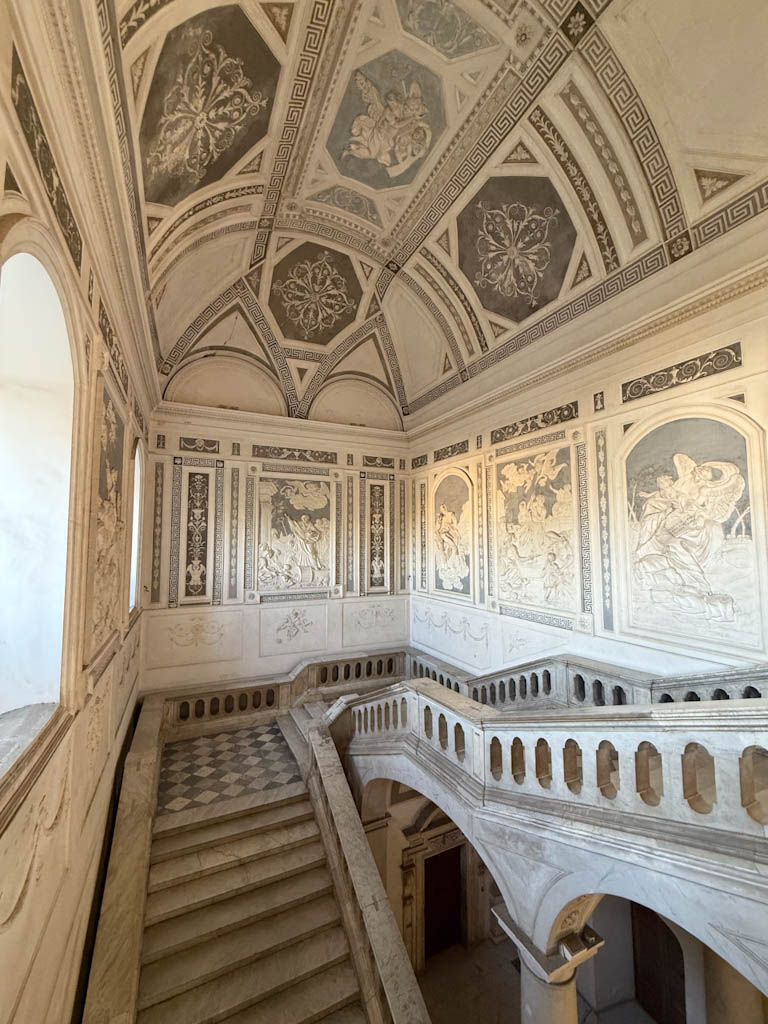
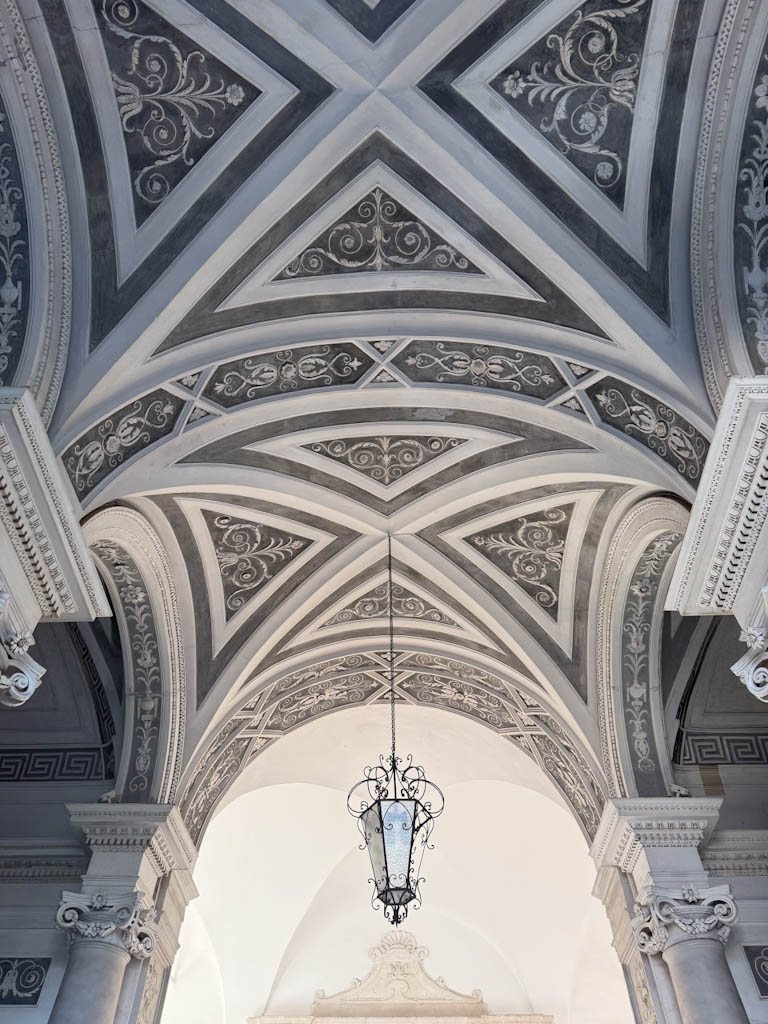
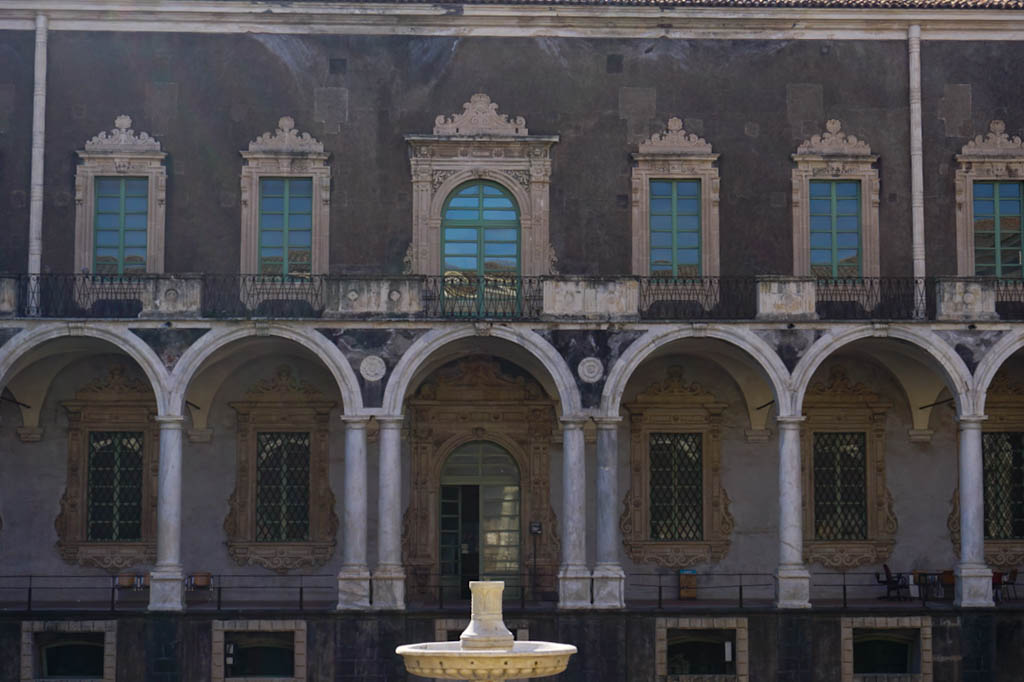
By the 17th and 18th century in fact, the Benedictine Monastery had become extraordinarily wealthy. Most monks living there had come from Sicilian aristocratic families, and the monastery itself owned land, generated income and had been lavishly rebuilt following the Baroque style. Whilst technically they did not own private wealth, which was forbidden according the to the order, they didn’t have to – their lifestyle was hardly arduous.
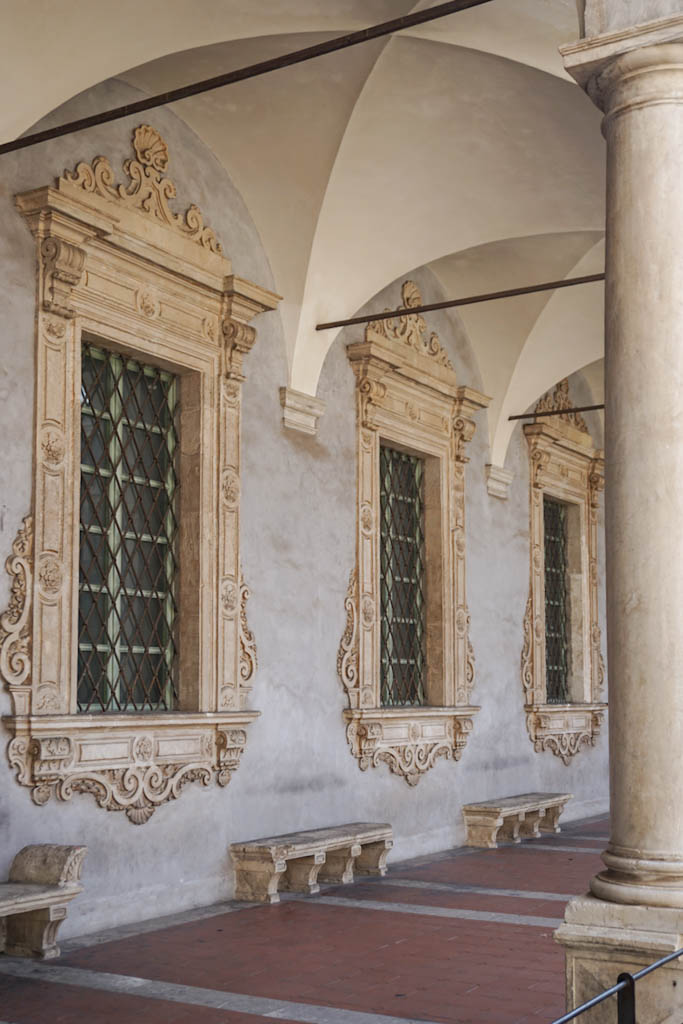
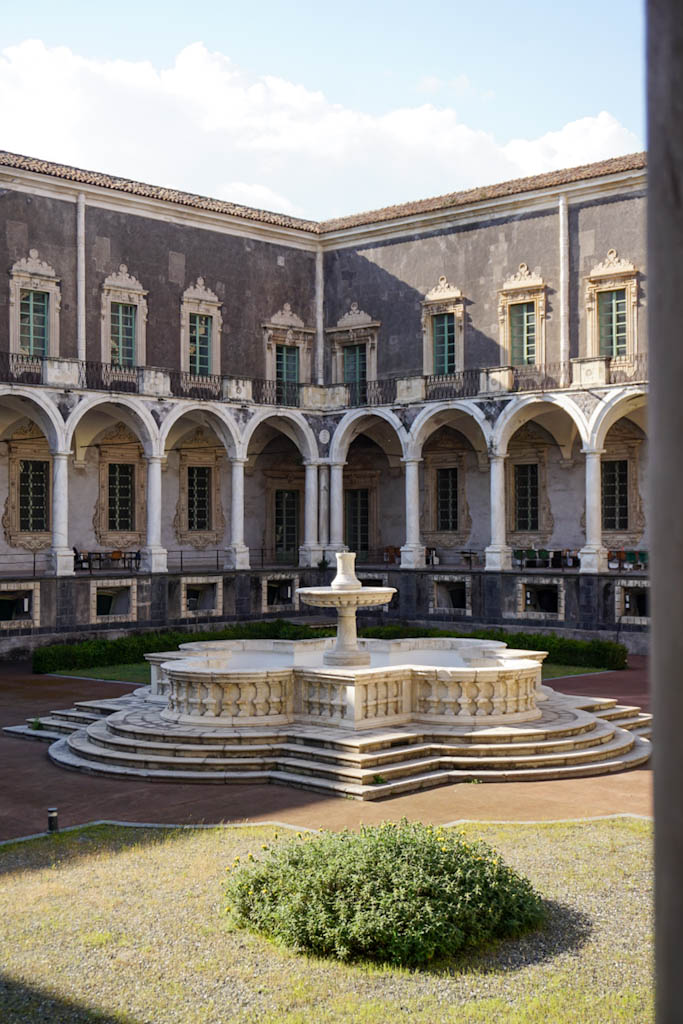
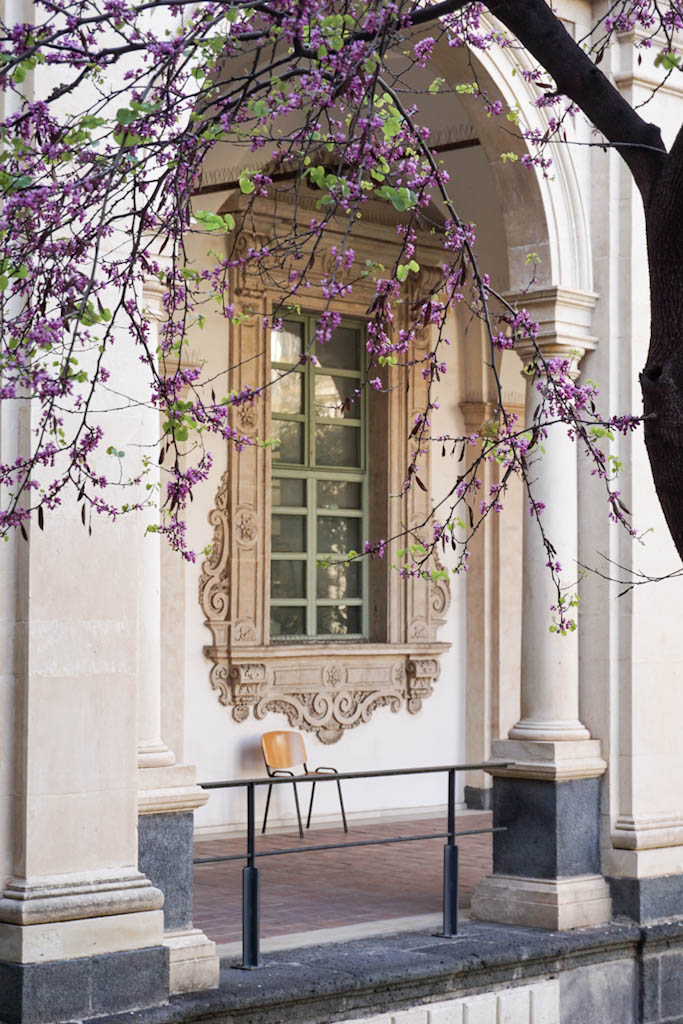
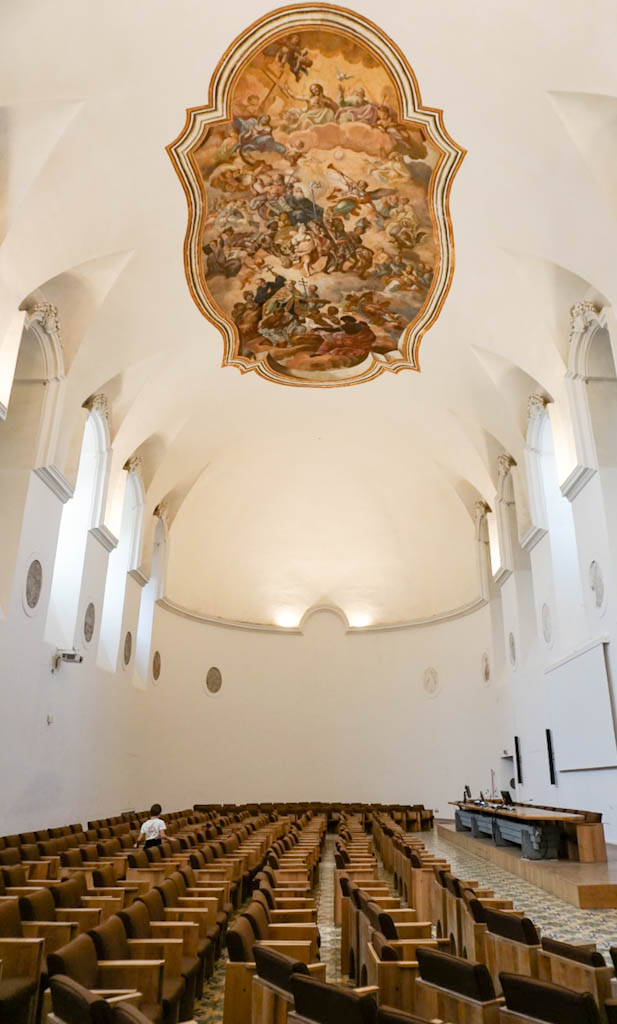
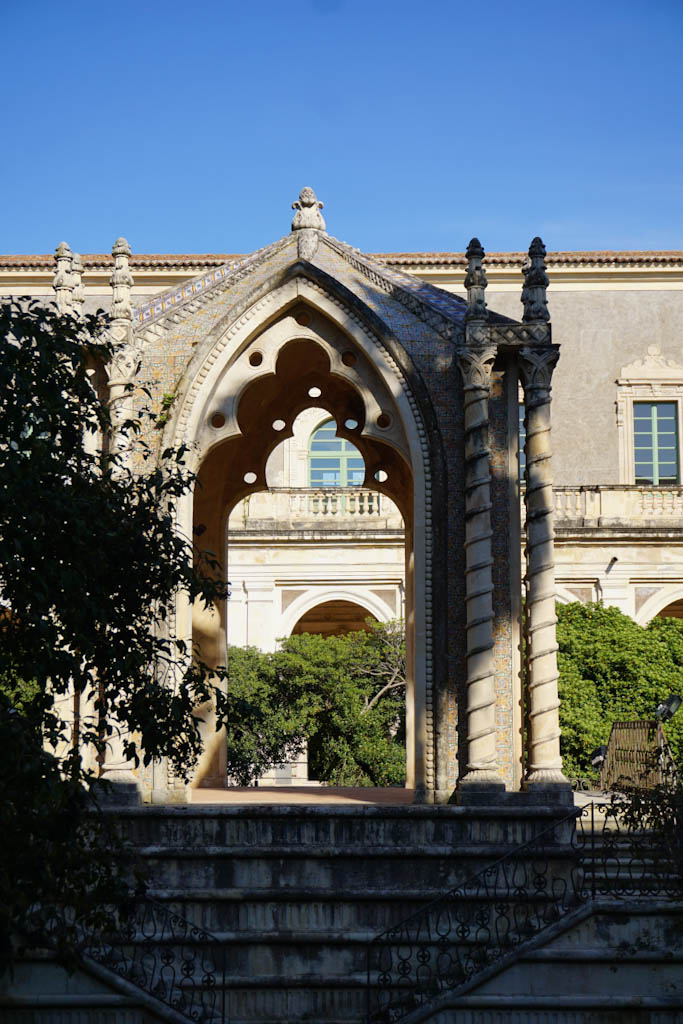
However, by the 17th and 18th centuries, the Benedictine monastery in Catania had become extraordinarily wealthy. The monks who lived there were often drawn from Sicilian aristocratic families. The monastery itself owned land, generated income, and was lavishly rebuilt in the Sicilian Baroque style after the earthquake. More than a religious institution, the monastery was a centre of power and prestige. So much for those Benedictine principles!
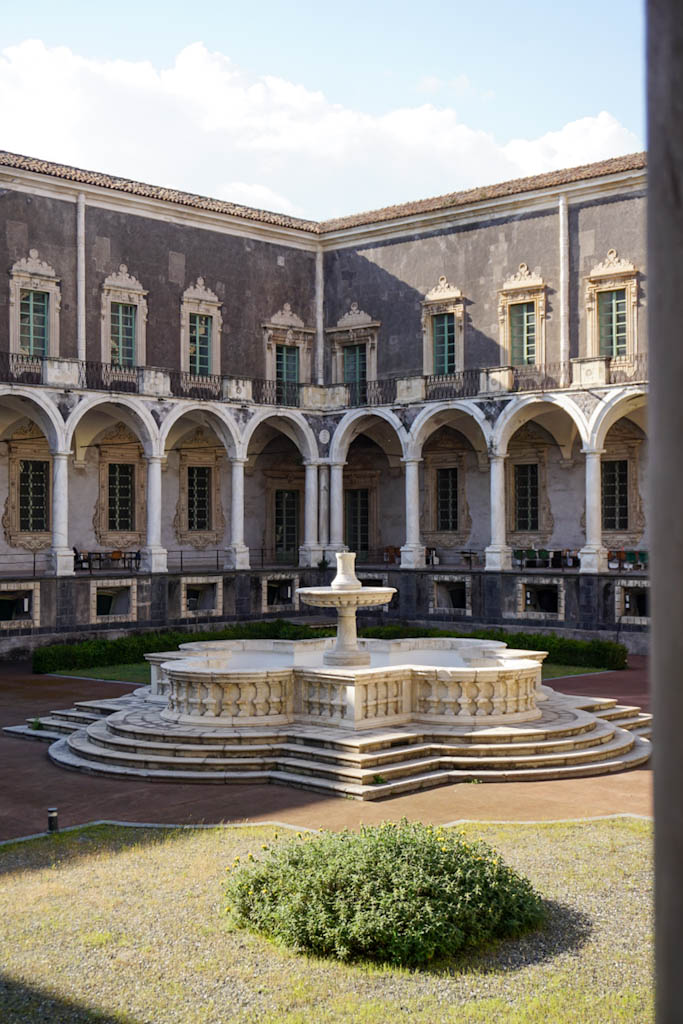
And yet, isn’t this contradiction something that most religions in the world deal with? The goodness of spirituality so easily corrupted by humanity’s infinite hunger for power, wealth and status. Places of prayer resembling palaces and heads of religion controlling politics.
These days, the monastery has become part of the University of Catania, housing the main campus for the study of Humanities literature, philosophy, languages, etc). I couldn’t think about a more fitting place to hold such lectures – in fact, as part of the tour, you go down a few levels to see the library the students have access to, as well as layers of time excavations uncovered, of Roman tiles. Students have a lot of material to inspire their studies.

Yet, the whole city of Catania is inspirational, as the whole of Sicily – layer upon layer of natural and humanity’s history, every corner a remnant of an era of the past, making me think, what is our era leaving behind?
Love, Nic
Where I stayed in Catania: Art & Jazz Hotel, book here.
P.S. Some links on this post are affiliate links. This means if you click through and decide to make a purchase, I may gain a small commission. This is not sponsored and it’s based on my personal experience.


2 thoughts on “Catania, the proud child of a volcano”