
My poor body. For the past five days, it had held me steady and strong throughout the Salkantay Trek, with barely a complaint about the drastic changes in altitude and temperature, the lack of sleep, or the many kilometres of climbs and descents. I had been so proud of my limbs, my muscles. I knew I had put my body through a lot – and now that the trek was over and I was safely back in civilisation, my immune system gave in. A cold. I woke up with a runny nose and a cold sore on my lower lip. I’ve got that bloody virus in my system, and every time my immunity drops, it tends to surface.
I let myself stay in bed a while longer. I had the whole day in Cusco to recover. The next day was going to be another tough one, so I tried to give my body what it had been deprived of for so many days: rest.
But I have itchy feet, and resting isn’t something I’m naturally good at. After getting up and taking a shower, I took some paracetamol and applied cold sore cream. I went down to have a delicious breakfast and then set out to continue exploring Cusco. It was my last full day, and there were still places I couldn’t leave without seeing.
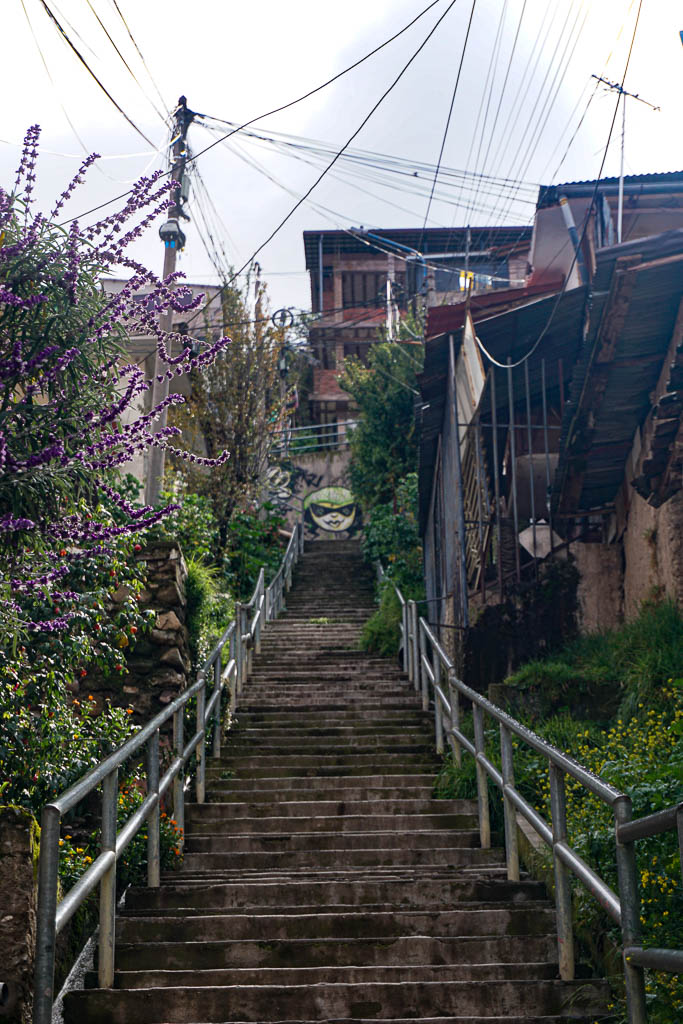
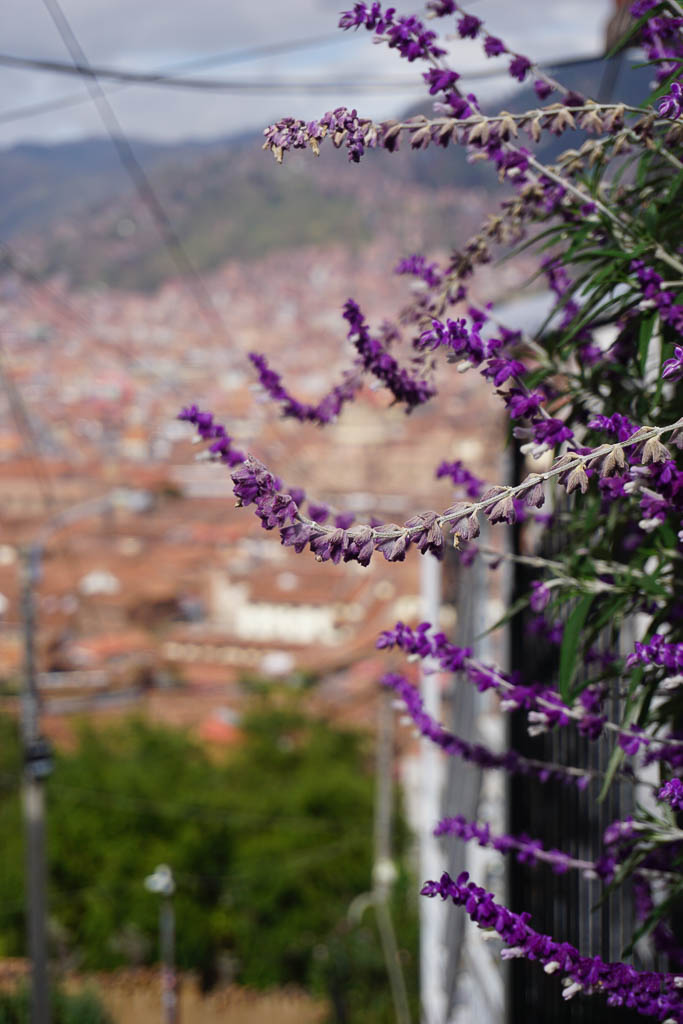
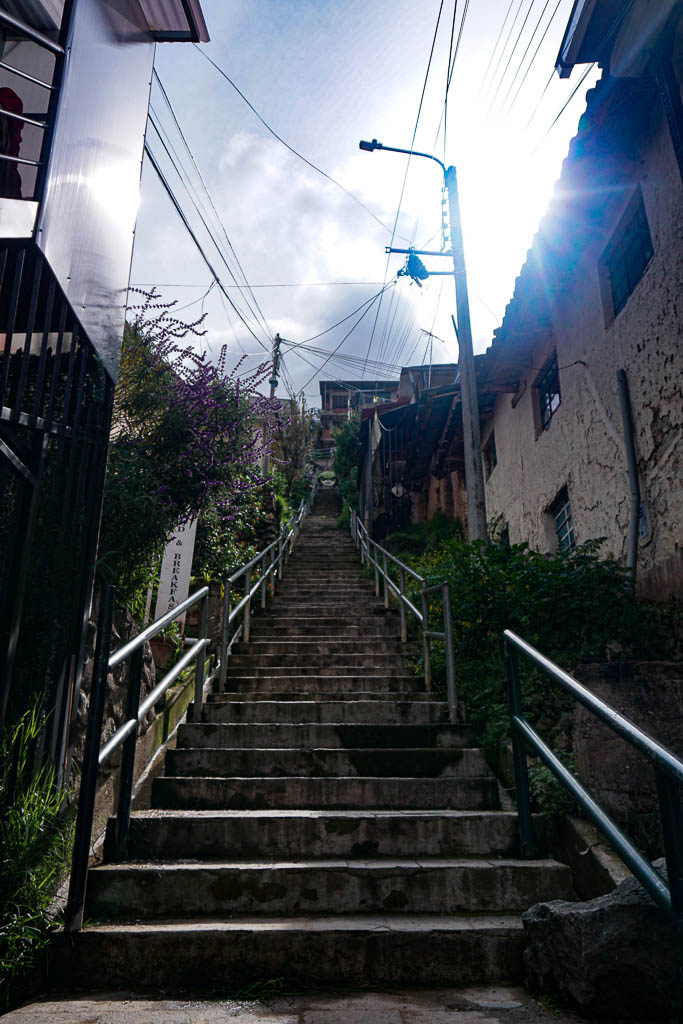
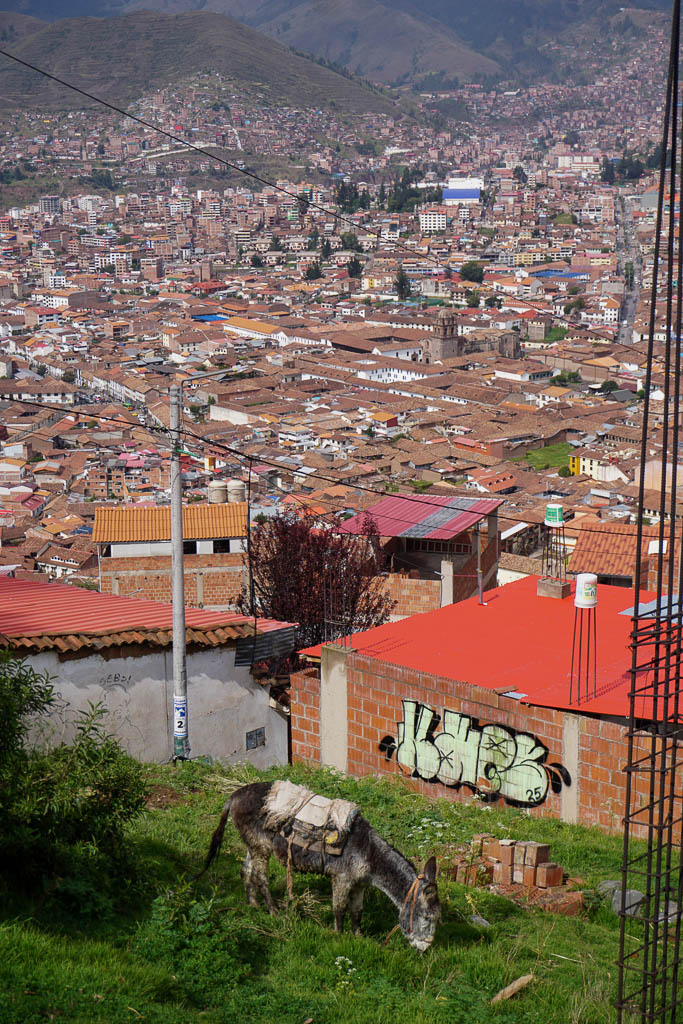
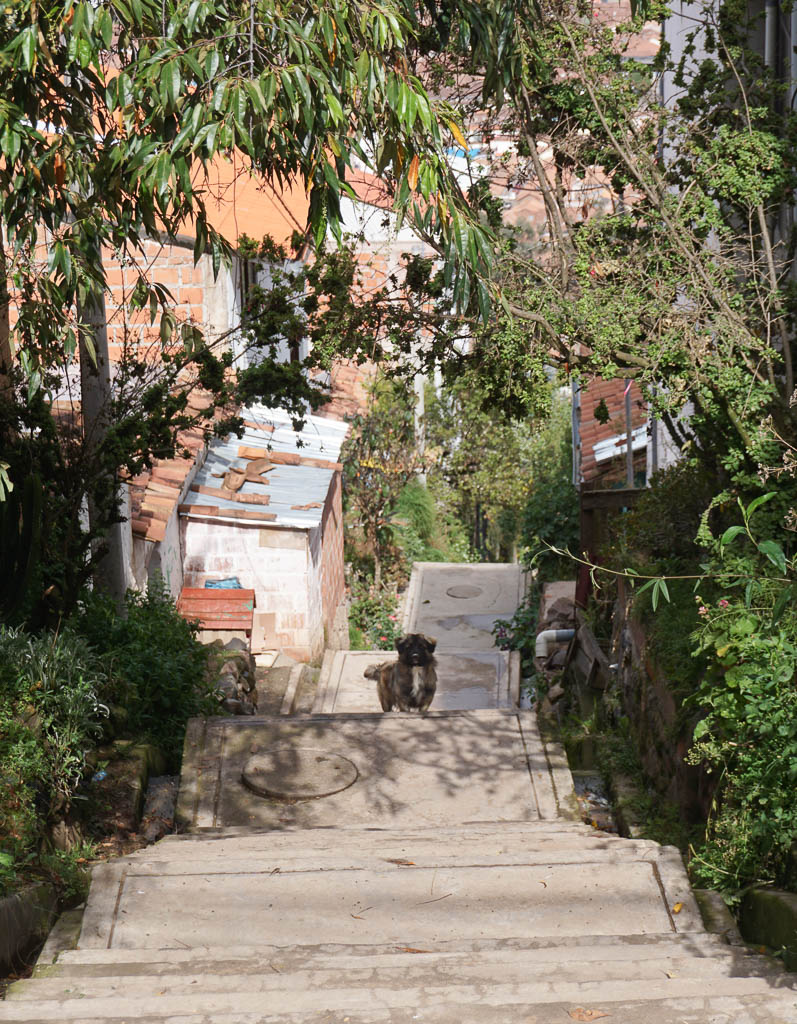
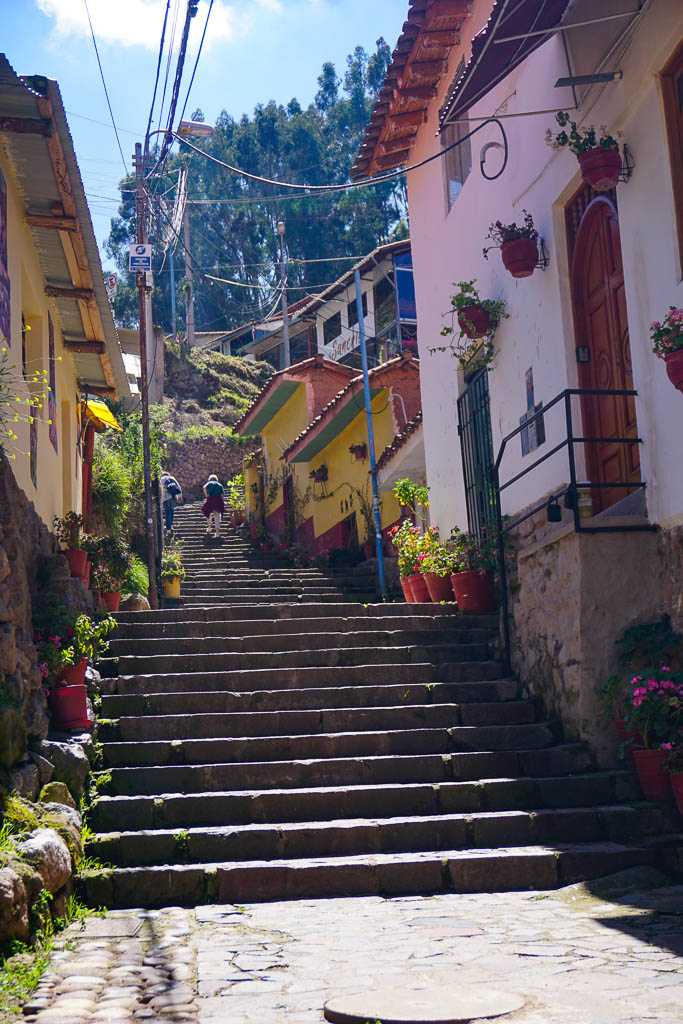
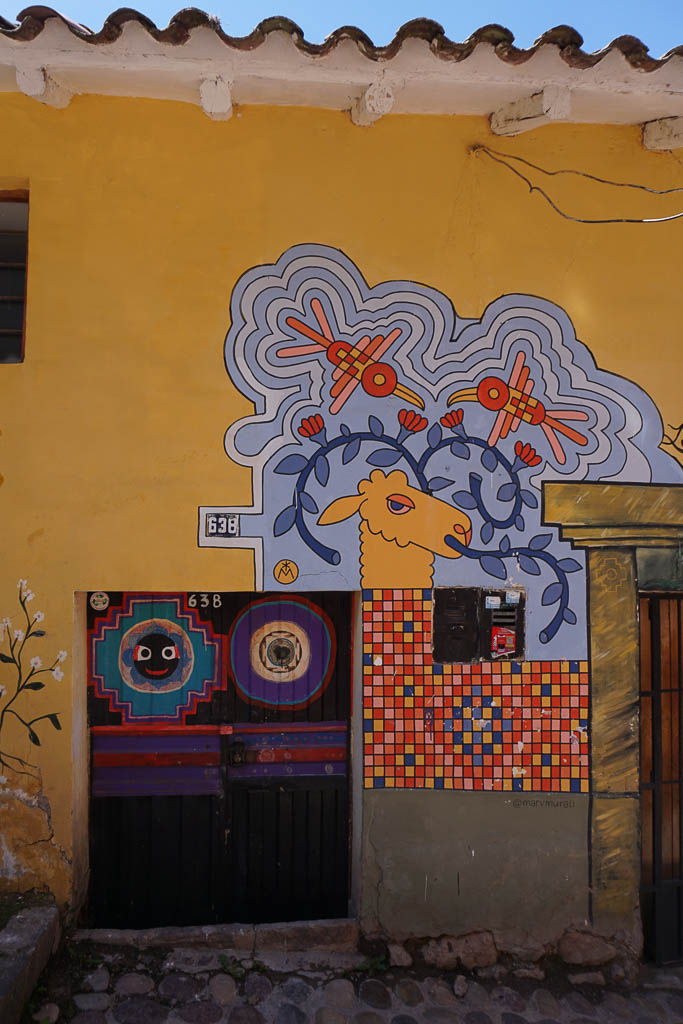
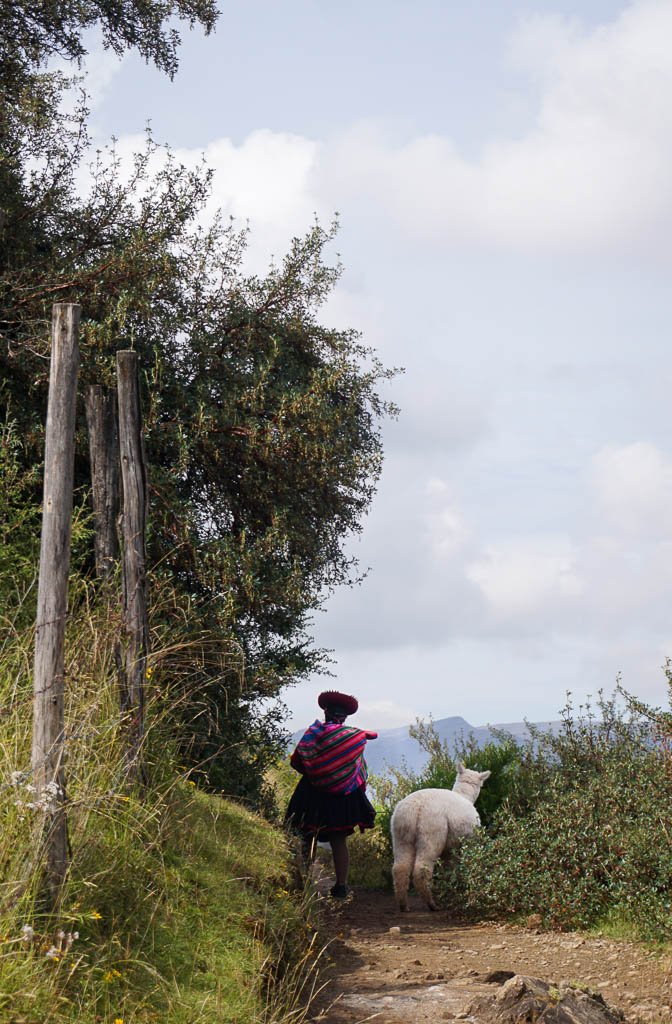
Sacsayhuamán was one of them. It is the most spectacular archaeological site easily reached from the city center. I simply walked. I say this as if it were an easy stroll, but you just keep climbing. Most people take a taxi, but I love walking. The fact that my body was recovering from an intense trek – and clearly signaling that a cold was coming -didn’t stop me. Why? Because I want to fully feel a place, even if only through the soles of my feet. Walking those streets, climbing those steps. Being able to look around and notice the tiny details of the houses, the shops, the flowers lining the alleys. Seeing which animals cross my path. Listening to the unique melody of the city and breathing in its distinct scents. Engaging all five senses – that’s how I truly experience a place.
When I’ve travelled to places where walking wasn’t possible or was difficult for various reasons, I felt blind. Claustrophobic, even. As if I had been there, but hadn’t truly seen anything.
So there I was. It was a thirty-minute walk from my hotel to the ruins, though it took me longer because I was back at a higher altitude… remember, Cusco is higher than Machu Picchu, after all. I had acclimatised, but it never makes the climb effortless. Beyond that, I was taking my time – feeling, observing, photographing.
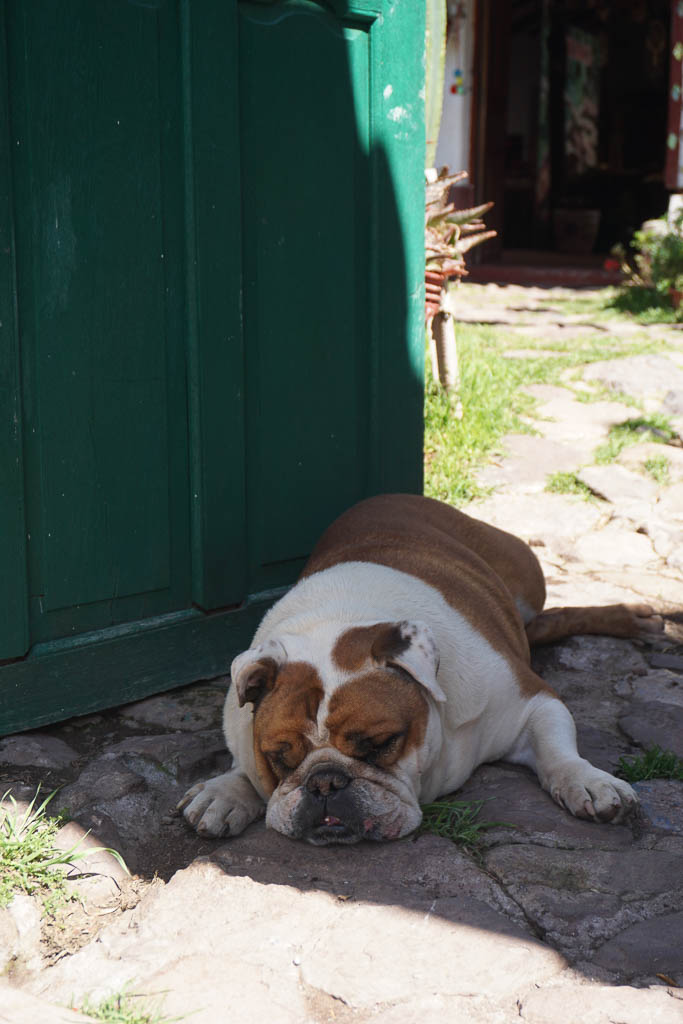
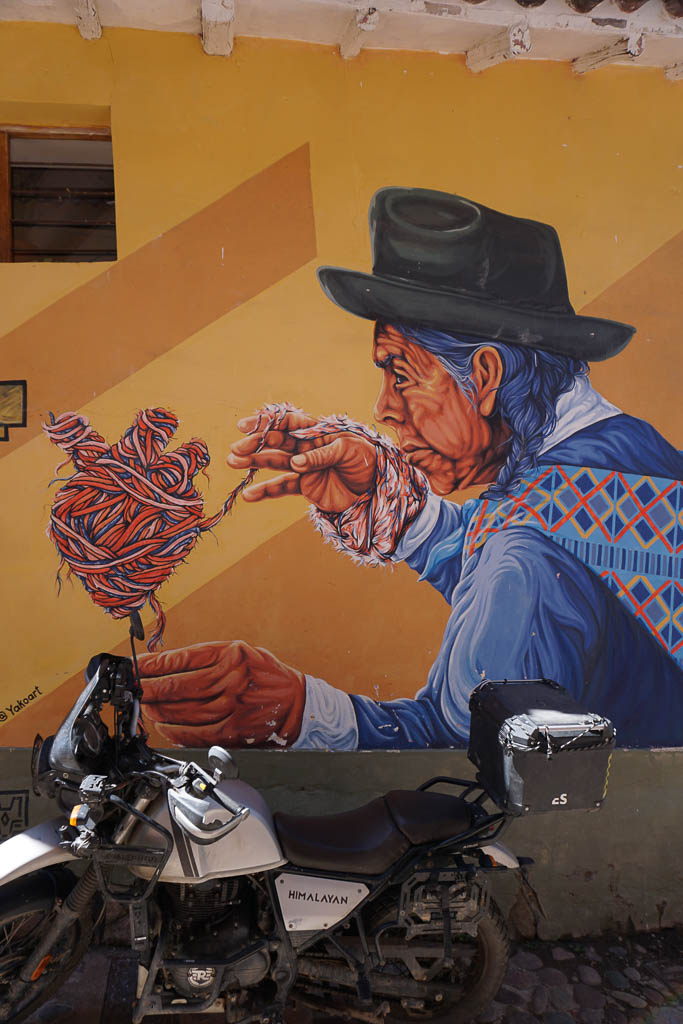

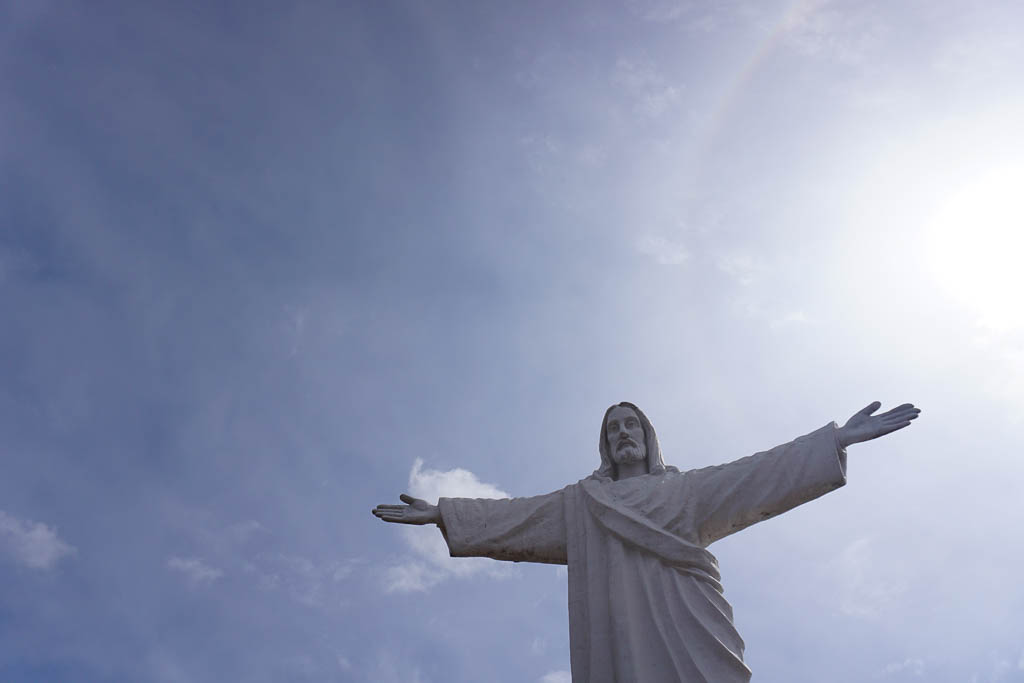
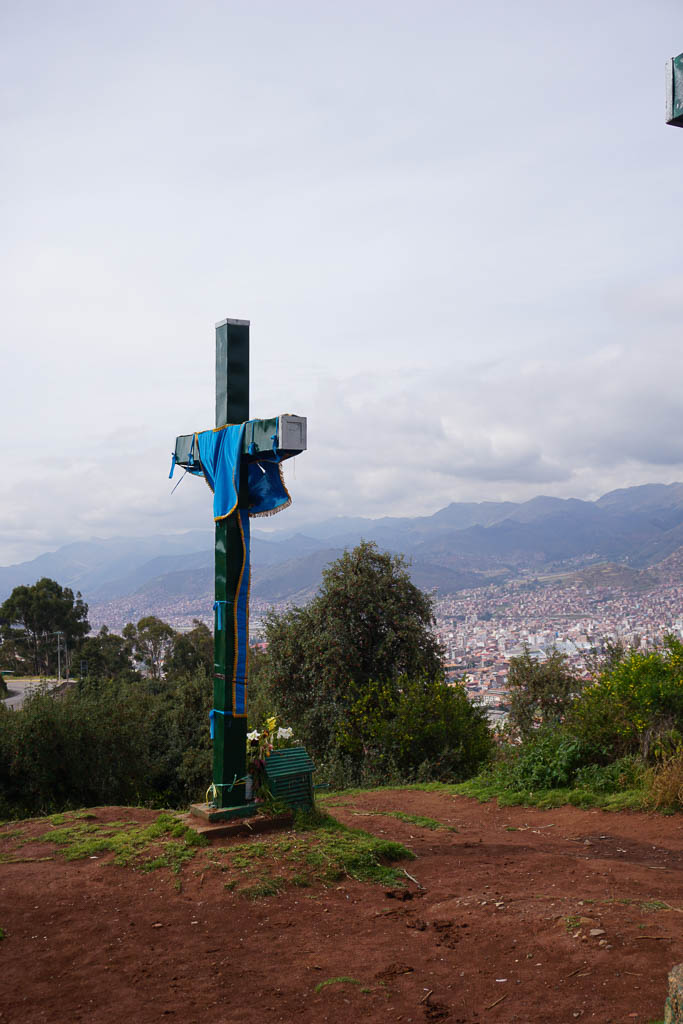
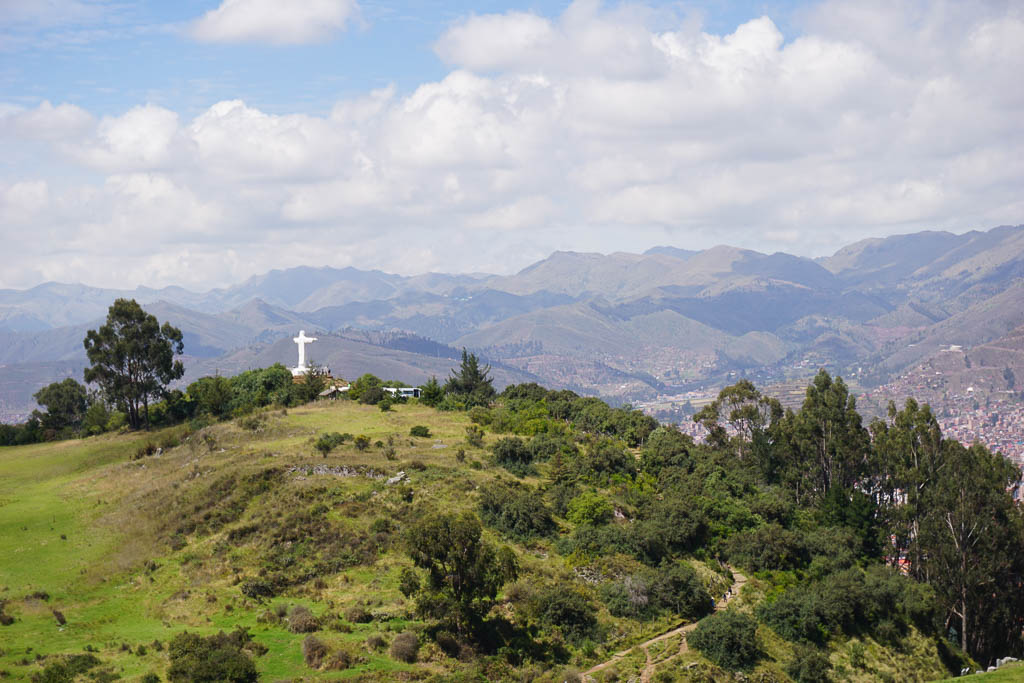
My first stop was Cristo Blanco (White Christ), an eight-metre-high statue of Christ the Redeemer – a miniature version of the ones in Rio de Janeiro and Lisbon. The view from there is fantastic and well worth combining with a visit to the ruins. The only thing I didn’t expect was the ground around the statue: it was extremely muddy. I almost slipped a few times, and my trainers got filthy. I was also the only tourist there; the place was completely empty. Perhaps it was just the time of day. Either way, I certainly won’t complain about having it all to myself.
I continued along until I reached the ticket office for Sacsayhuamán. While this site is often called an Inca fortress -and it certainly functioned as one during the Spanish invasion – it was also a ceremonial and religious complex, a storage facility, and an important symbolic heart of Cusco. In fact, in my last post on Cusco, I mentioned how the Incas designed the city in the shape of a puma. Sacsayhuamán sits right where the head would be – a detail that speaks volumes about its significance.
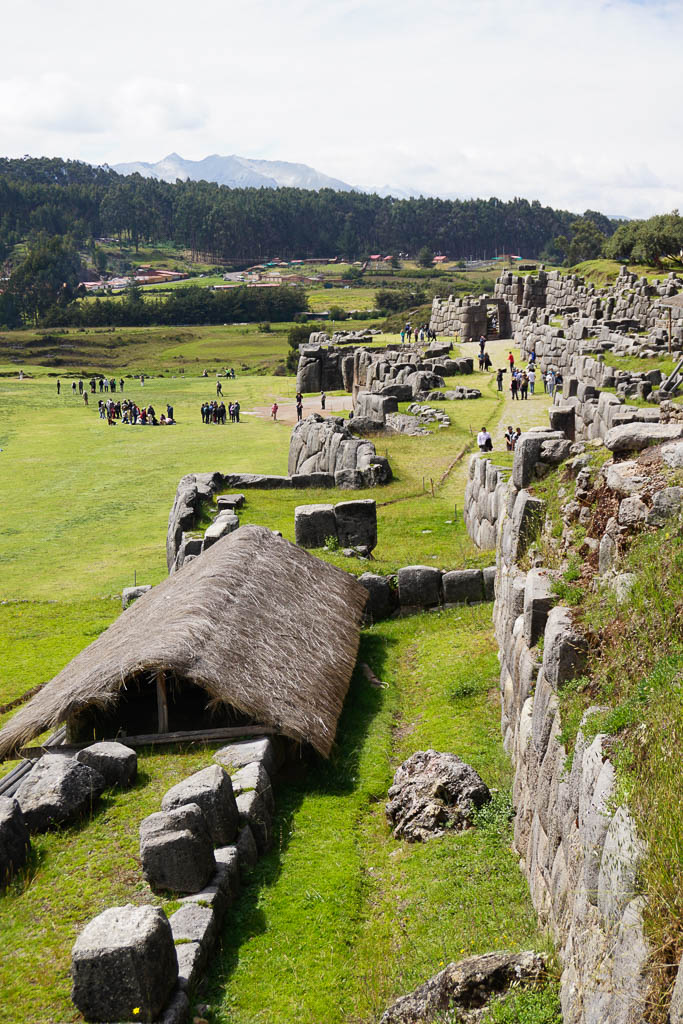
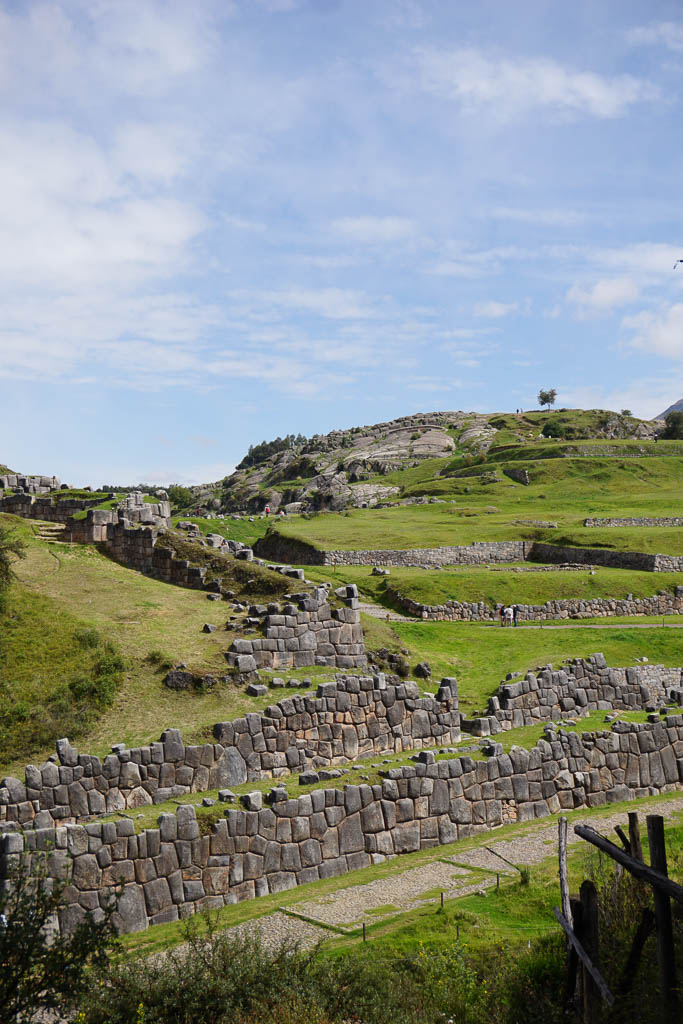
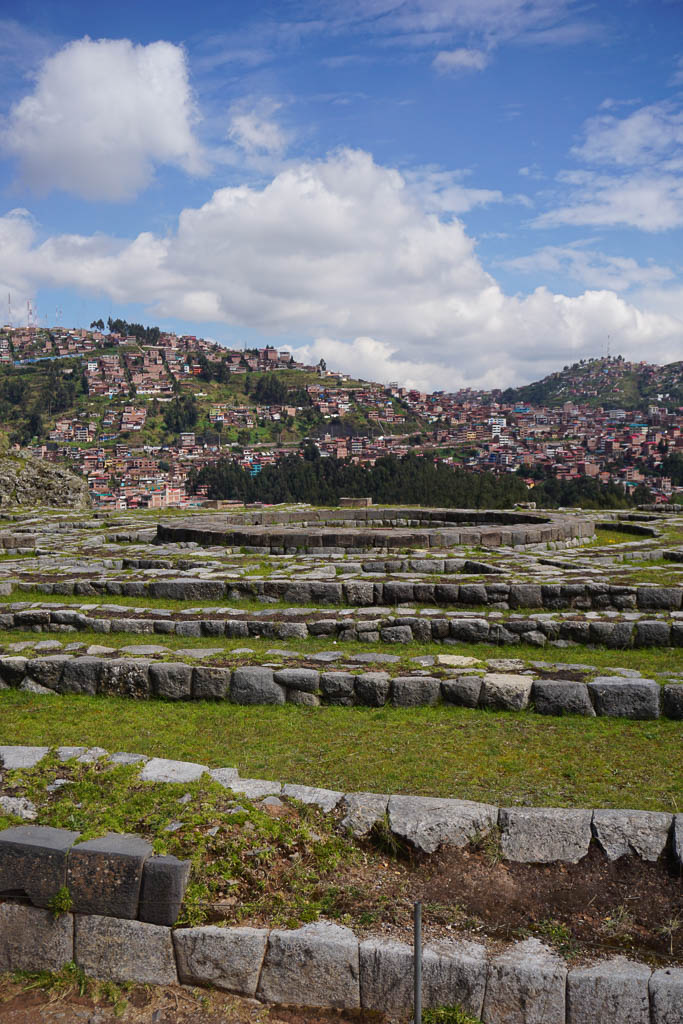
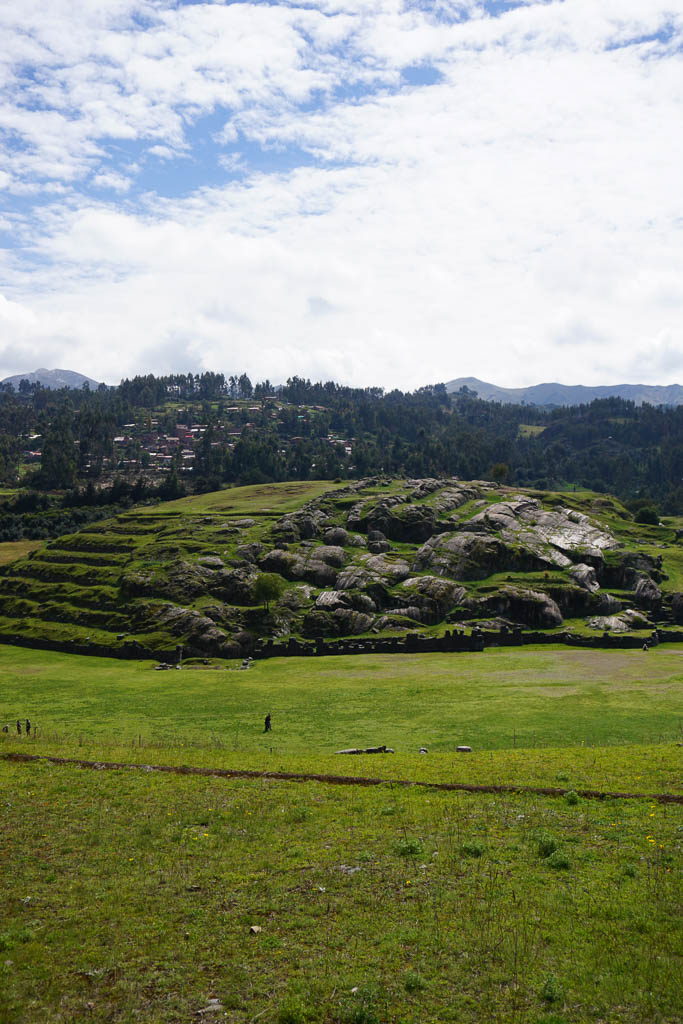
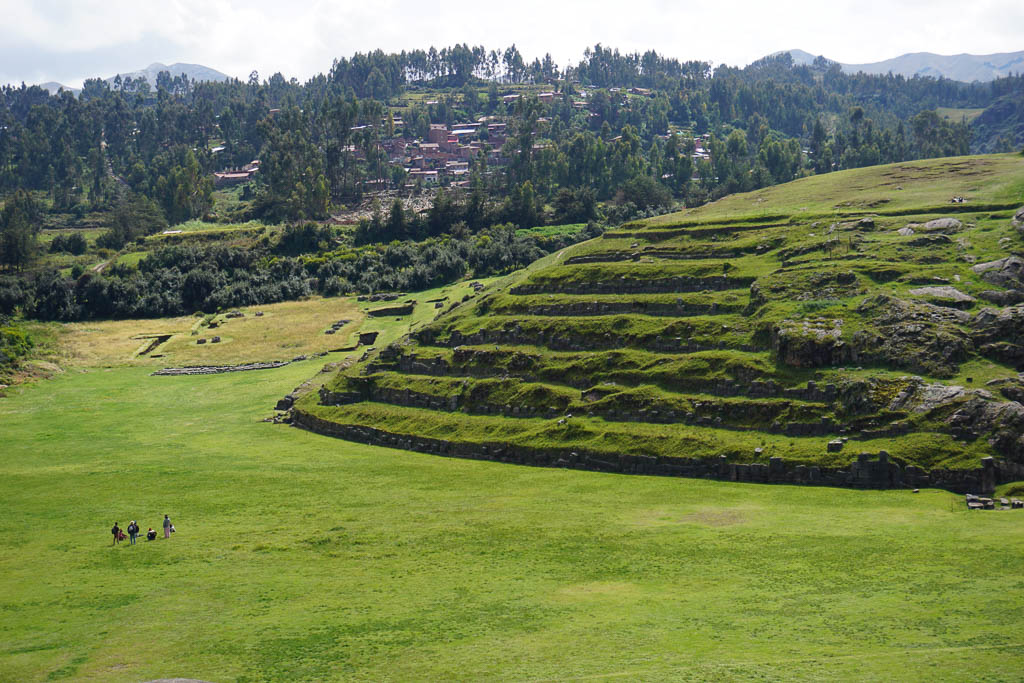
I found the site breathtaking. I was awed by its scale, and I wasn’t even looking at a complete Sacsayhuamán – just its remaining bones. The Spanish dismantled a massive portion of its walls to build colonial Cusco. And oh, the stones! I never thought I would become so obsessed with stonework as I did in Peru.
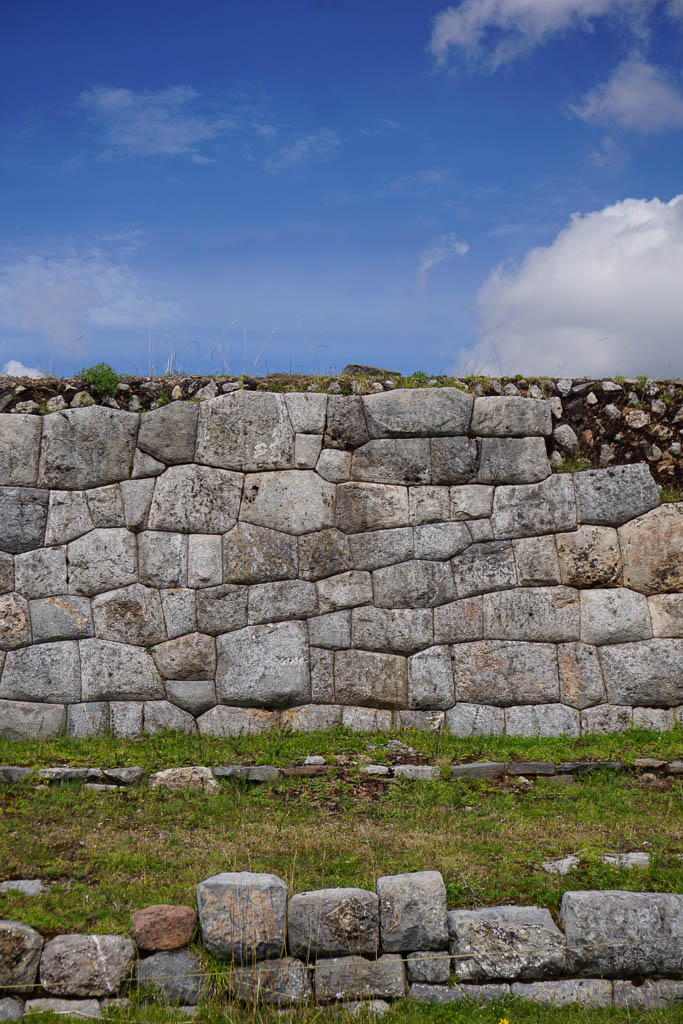
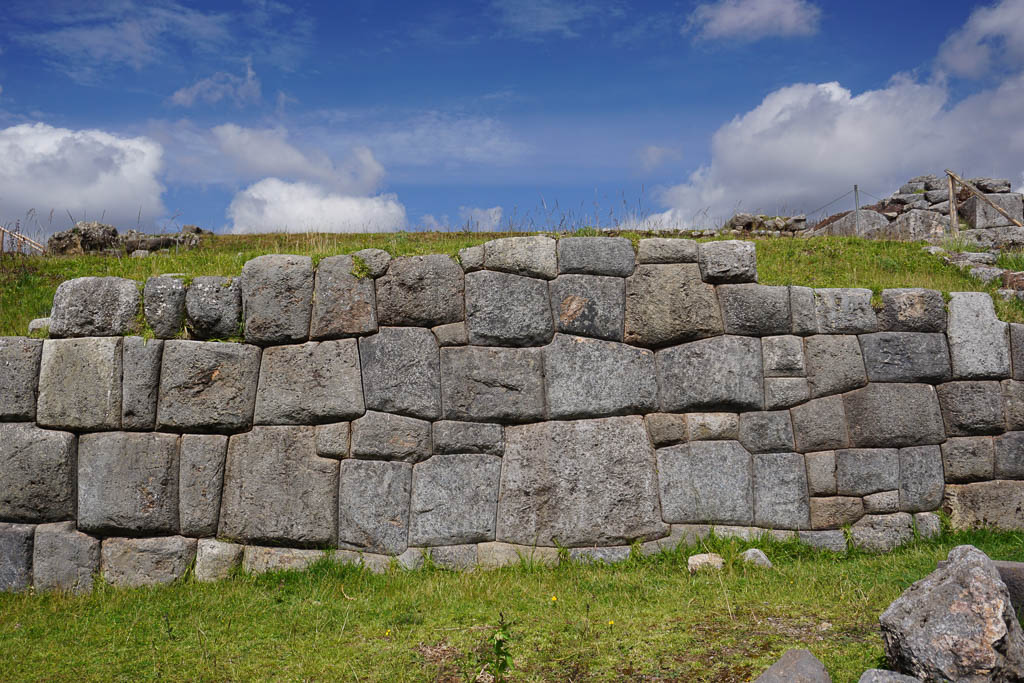
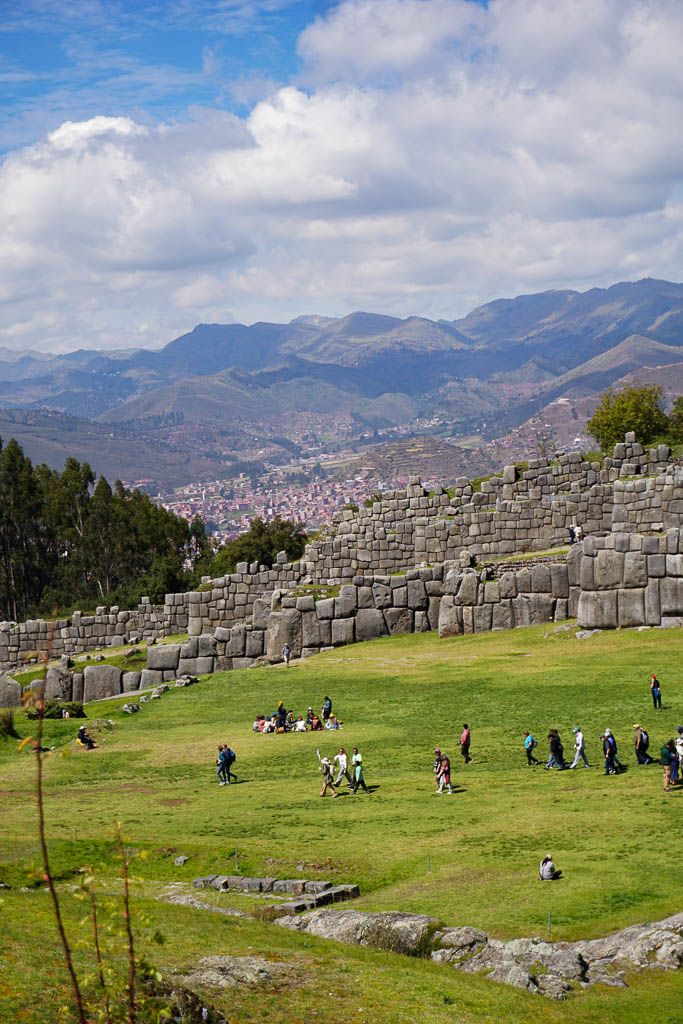
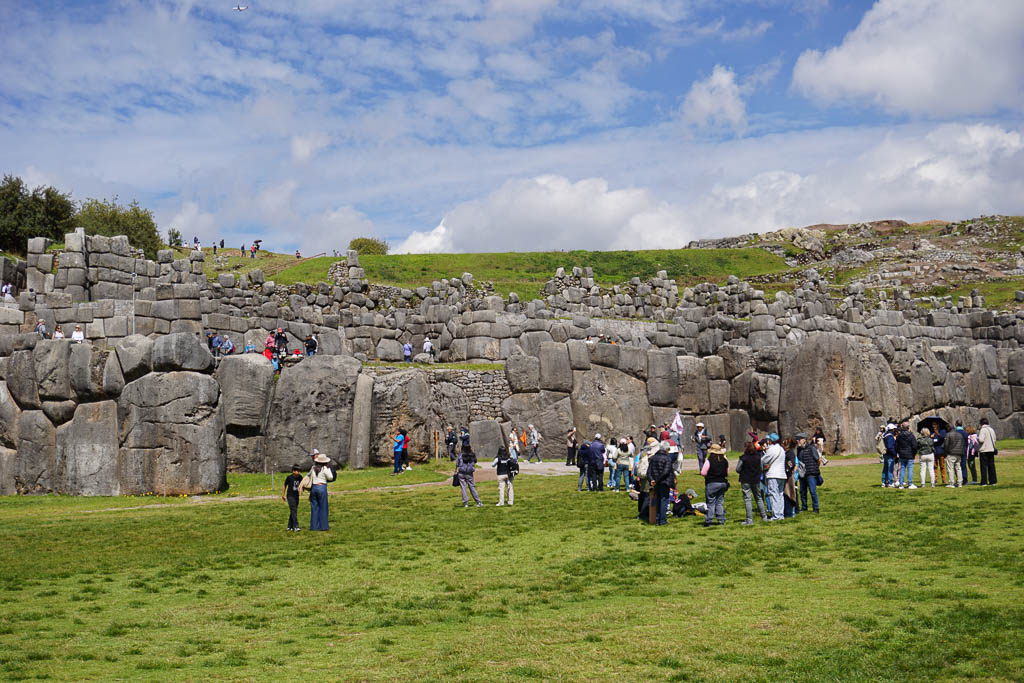
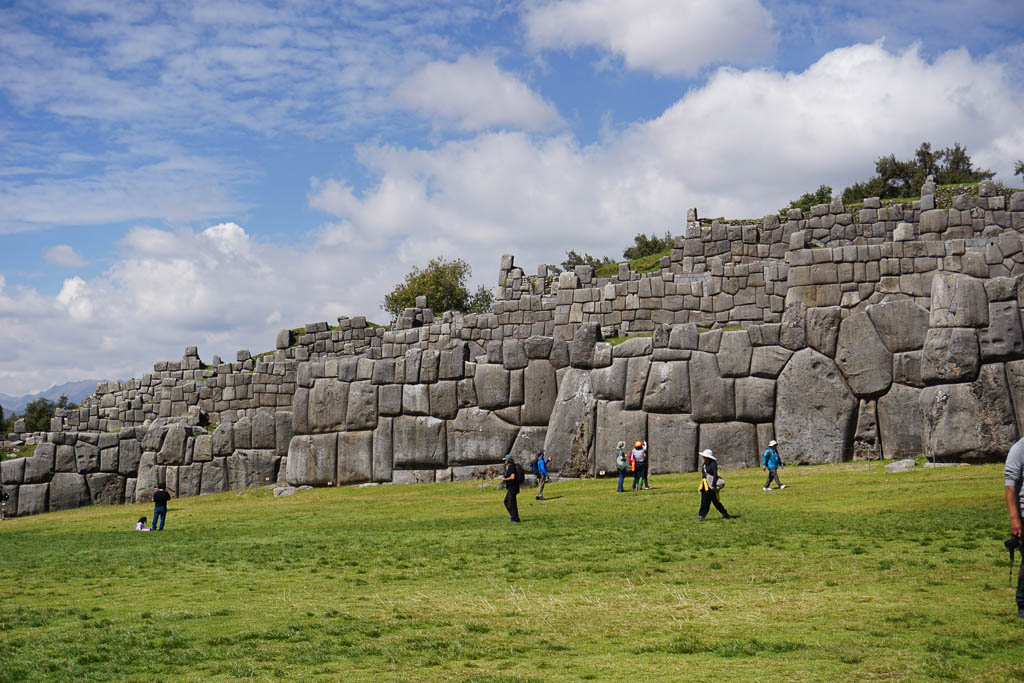
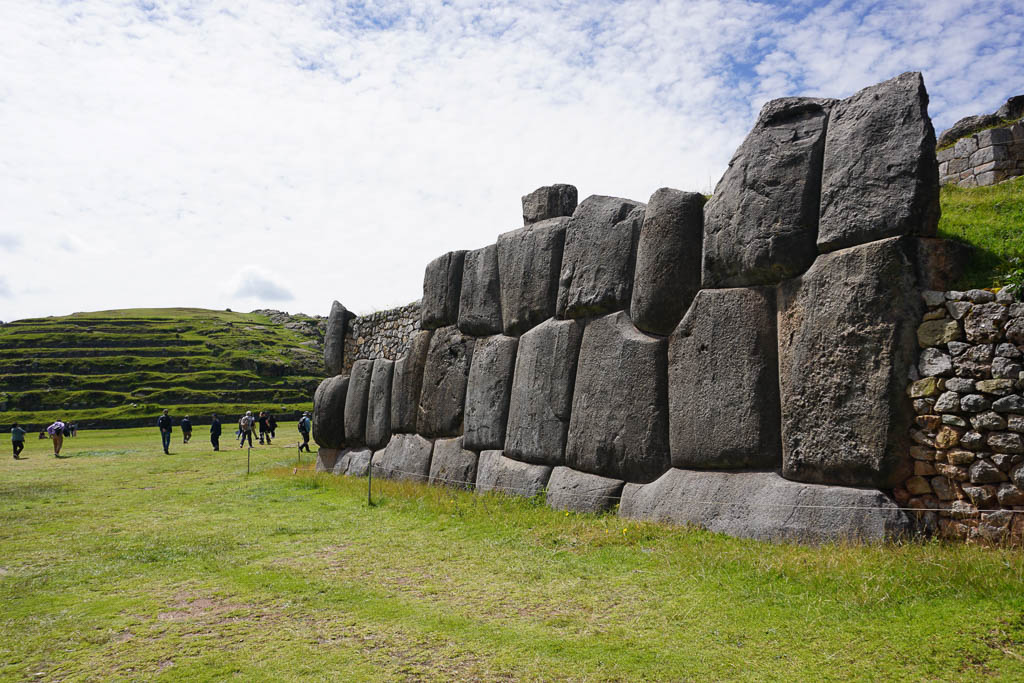
They are magnificent: gigantic, solid, polished, with a satisfying geometry – like puzzle pieces fitting seamlessly together without a drop of mortar. That engineering design is precisely what made the structure earthquake-resistant. You have to stand right beside them to grasp the colossal size of these blocks – the ones the Spanish couldn’t move because they were simply too heavy. How on earth did the Incas manage it?
I wrote a little about this in my Sacred Valley post: archaeological evidence shows they used a combination of stone and bronze tools, pounding, grinding, ropes, levers, earthen ramps, and a massive amount of organised labour. Perhaps if the Spanish hadn’t destroyed the Incas so indiscriminately, they might have learned a thing or two from them…
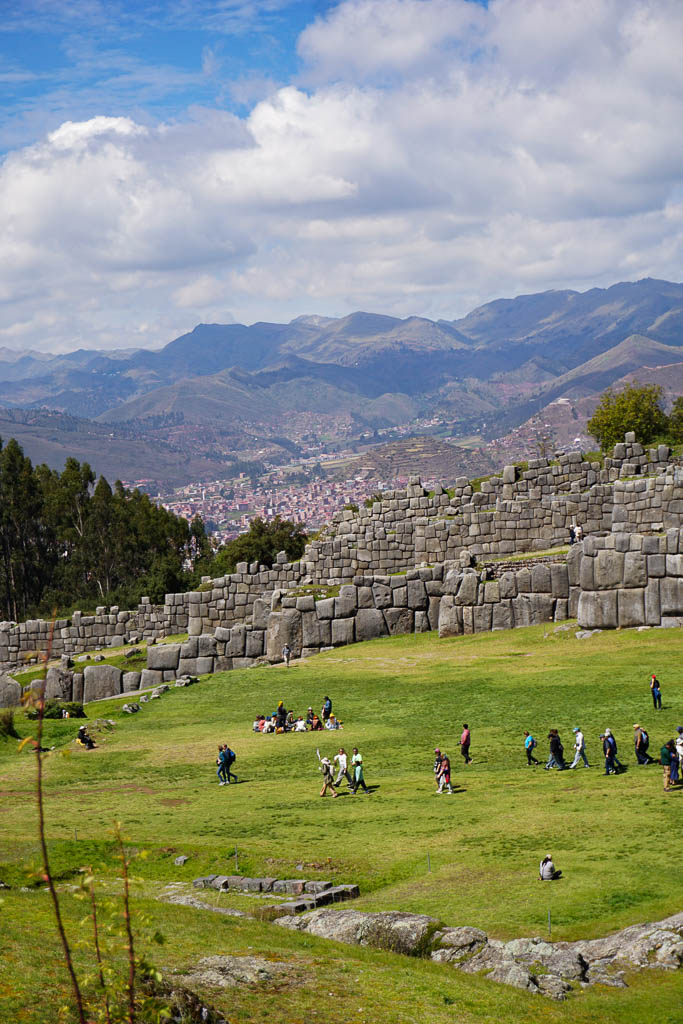
The largest surviving walls today stand around 8–9 metres high, which is already imposing. But historical accounts state that the upper sections dismantled by the Spanish would have brought parts of the complex to 15–18 metres in total.
In contrast to the precise grey blocks, there was a smooth section of exposed bedrock displaying its natural layers – a beautiful piece of stone that nowadays seems to serve as entertainment for local kids, who use it as a natural slide.
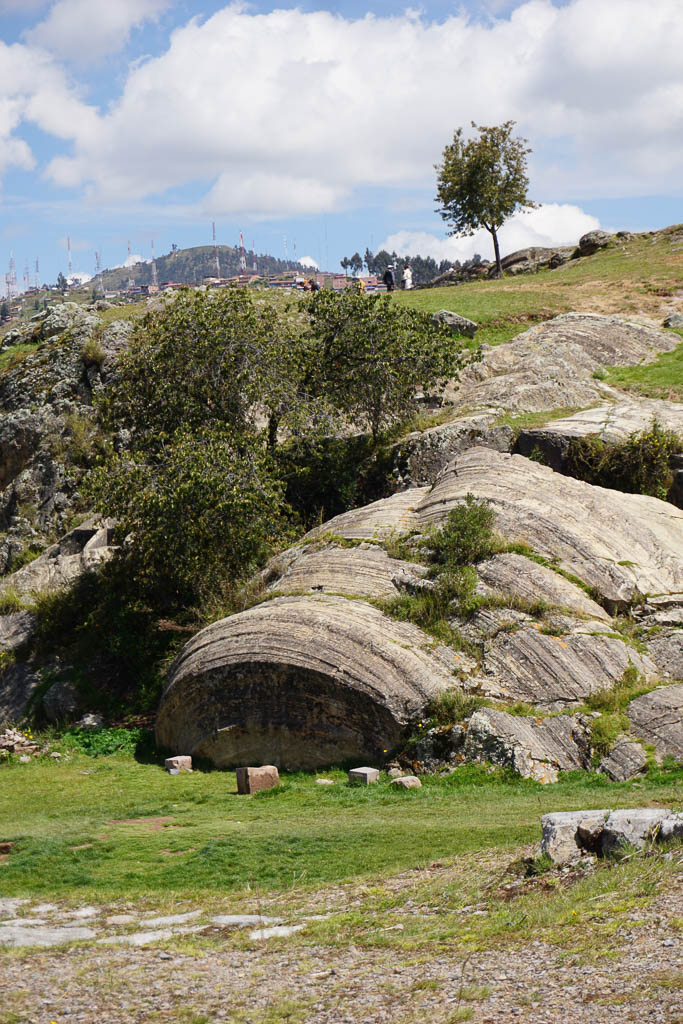
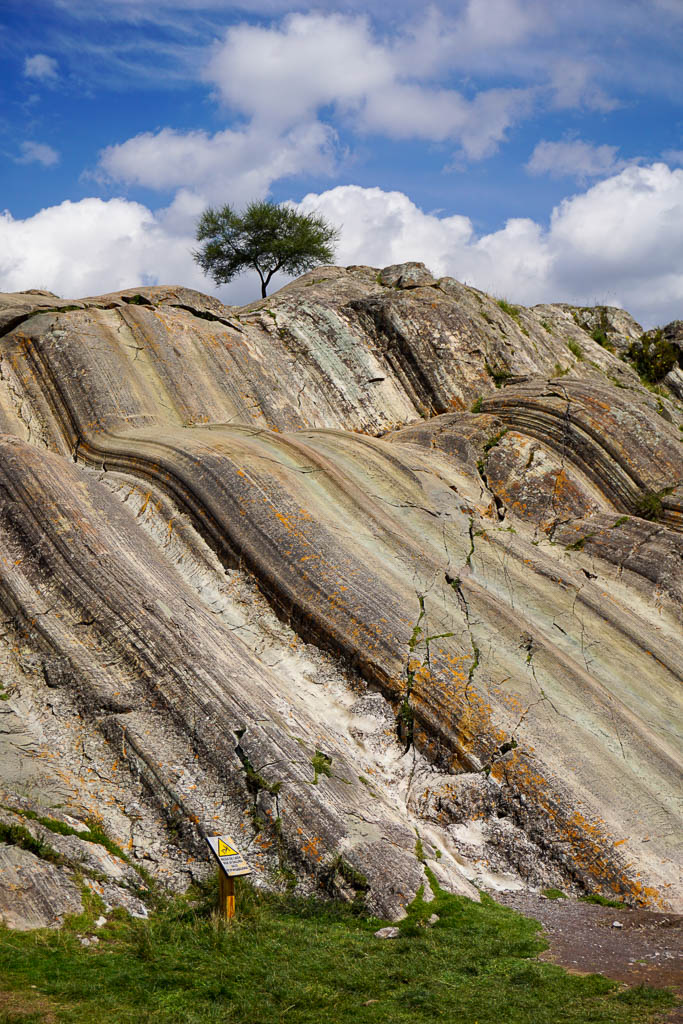
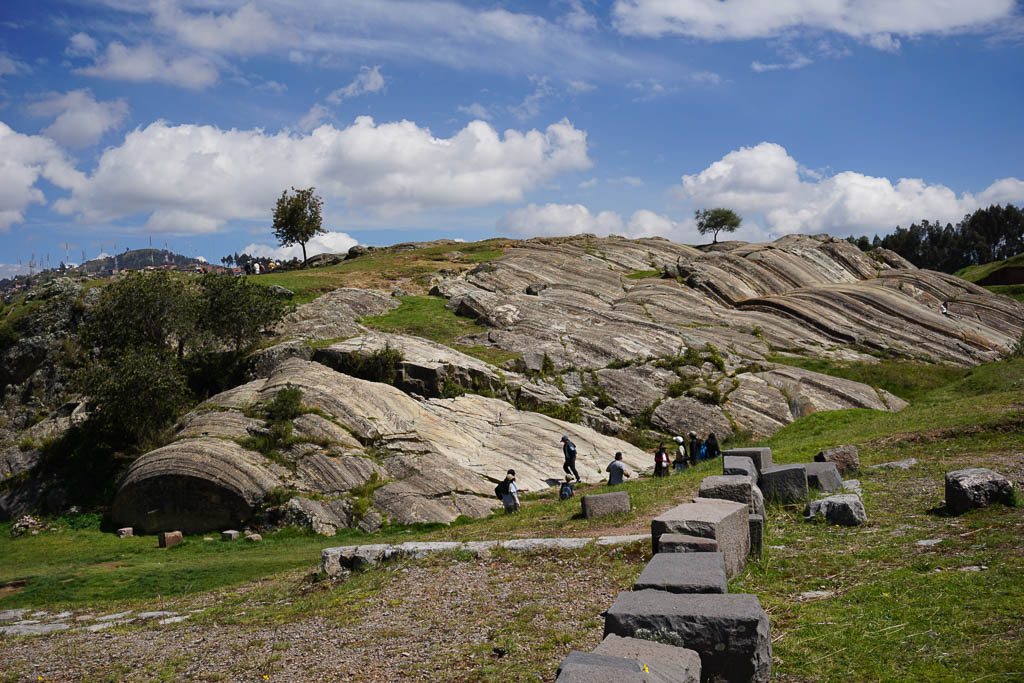
What I admire most was their constant pursuit of harmony with nature – how the Incas incorporated raw natural elements into their ambitious constructions. Their respect for Pachamama is deeply moving, but it was also incredibly practical. By working with nature, they saved energy and resources. After all, Nature already offers so much without asking for anything in return.
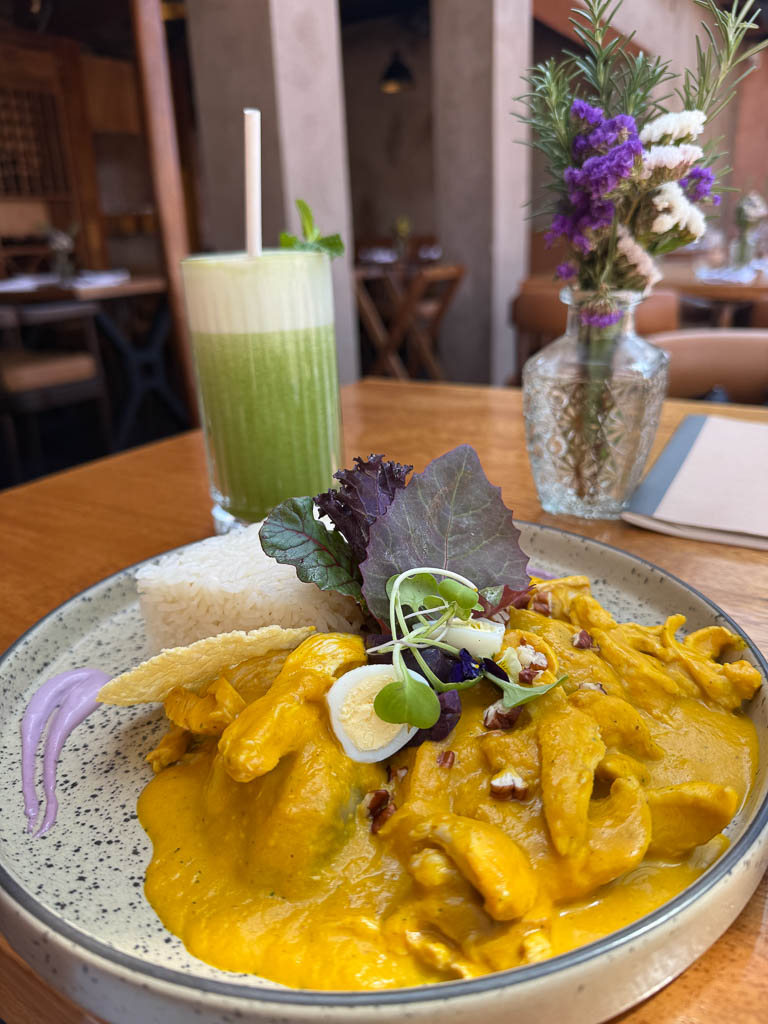
After visiting this impressive site, I began my descent back toward central Cusco. I was feeling quite weak by then, as the effects of the paracetamol were wearing off. To be fair, it was time for lunch, and I headed to the Catedral Reestaurante and had the Ají De Gallina, some nice and warm protein I felt I needed for recovery.
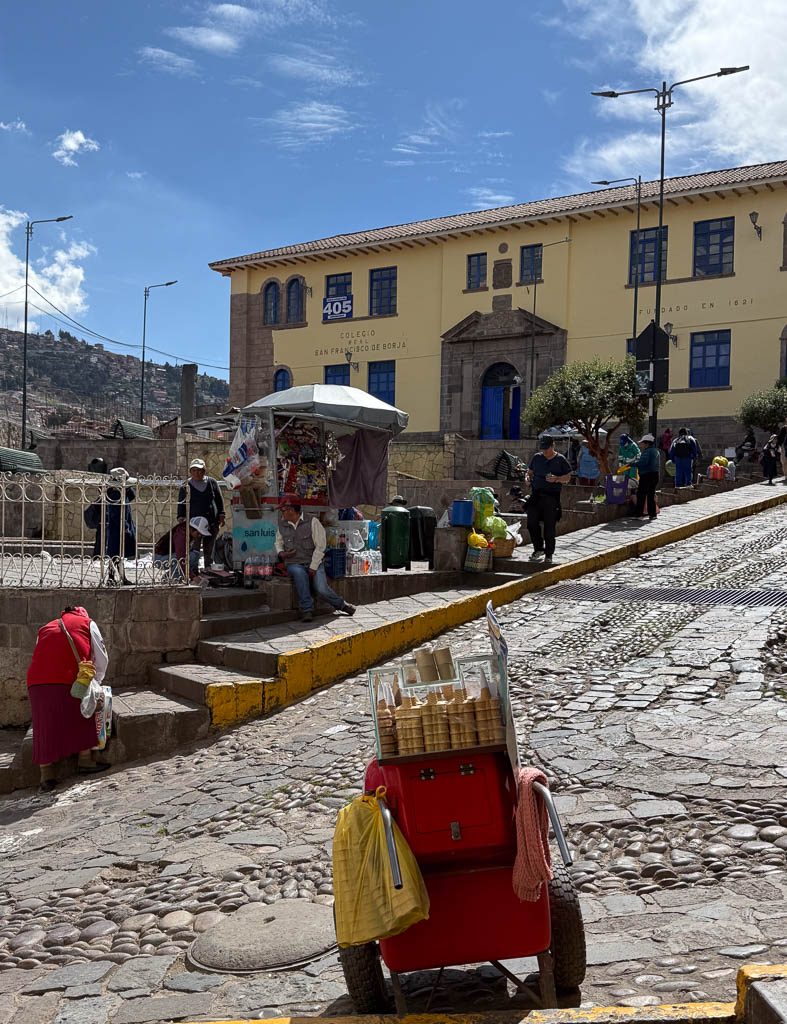
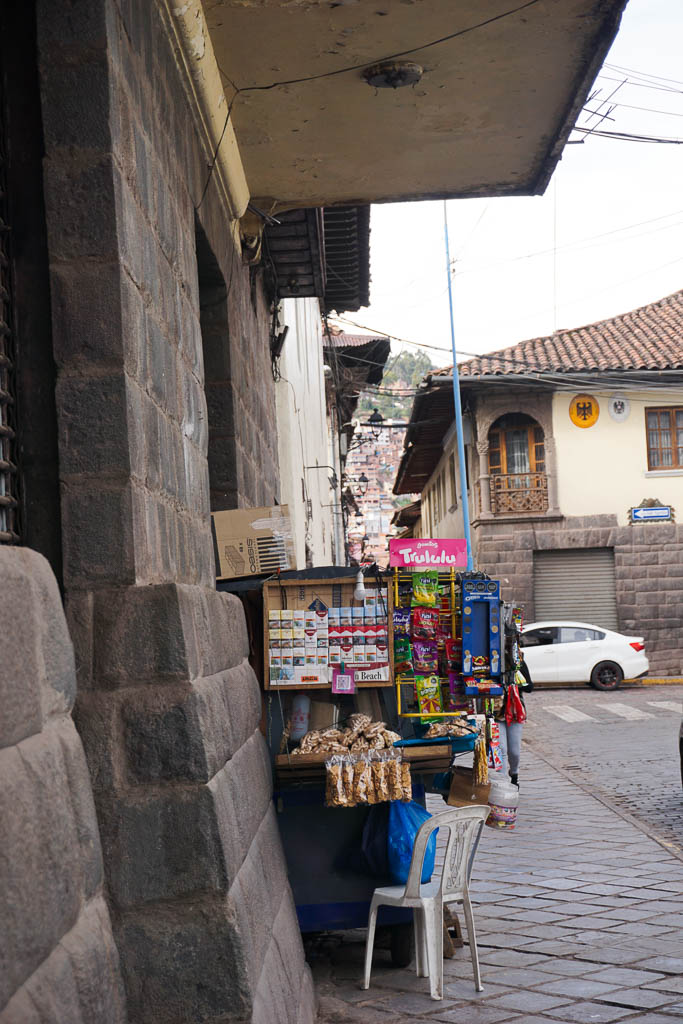
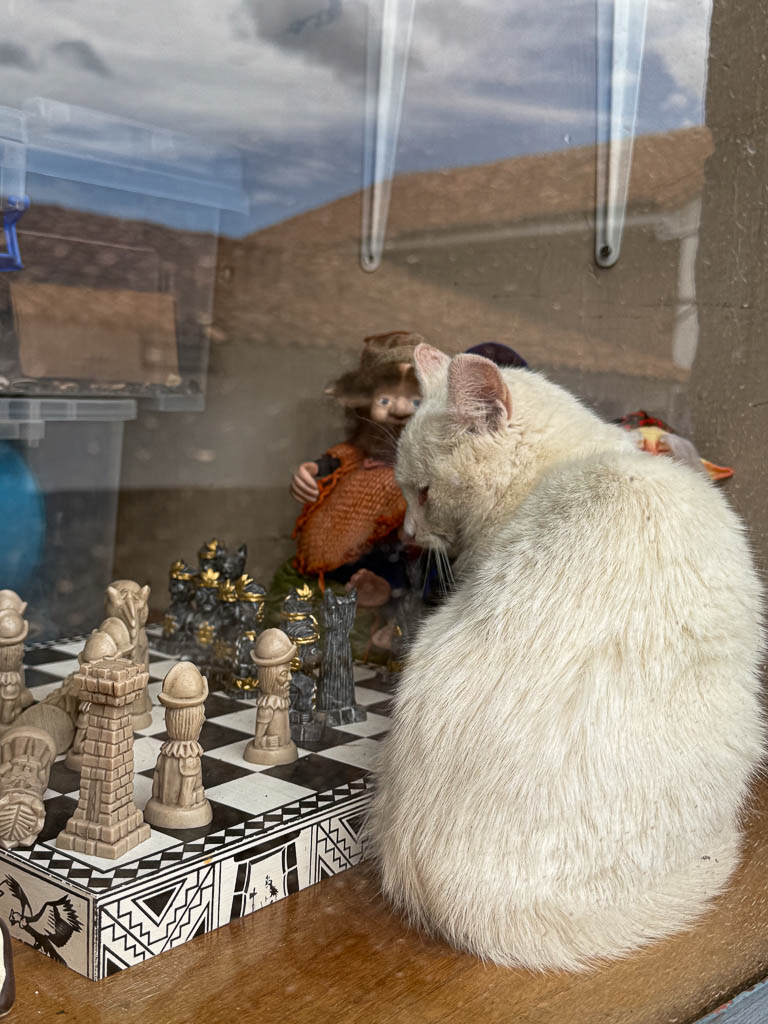
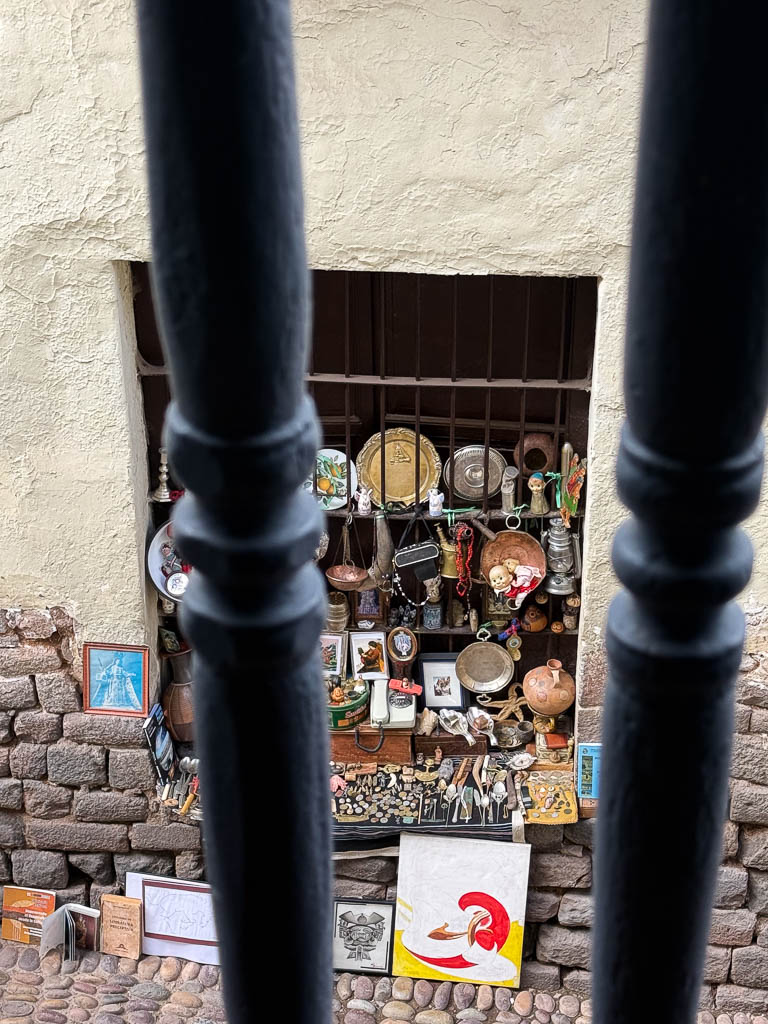
A walked for a bit longer, observing the life in Cusco and photographing details that I did not want to forget when back home.
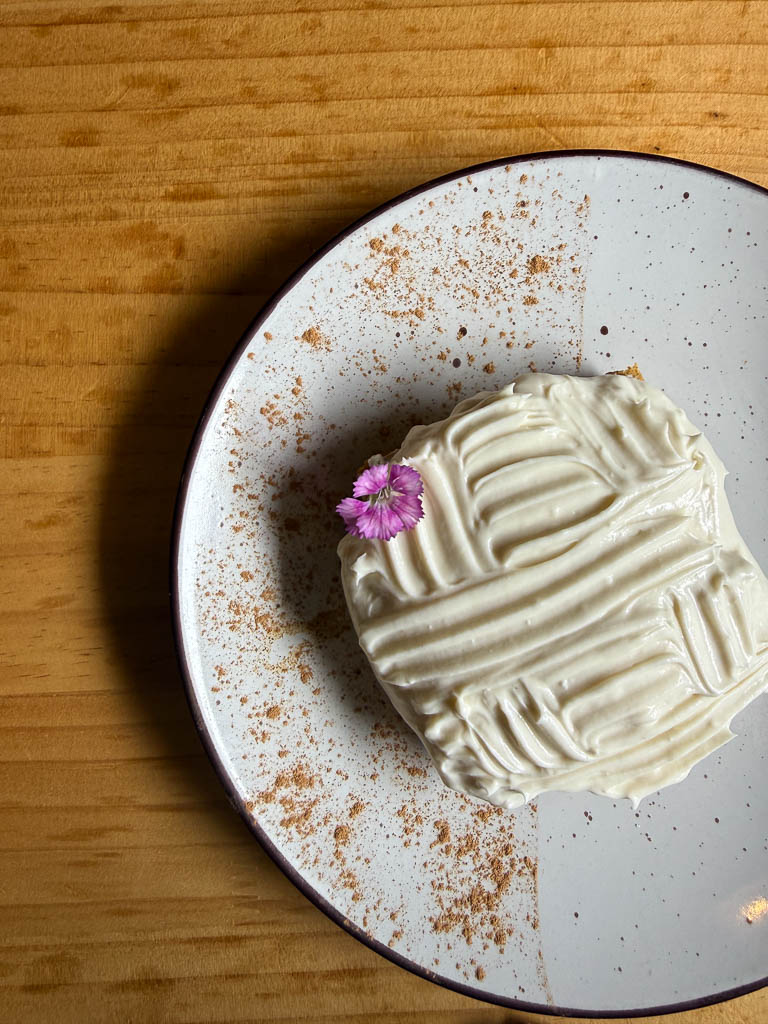
After a while, I stopped at a coffee shop and ordered carrot cake. Unfortunately, my lack of appetite returned; after three or four bites, my stomach felt so full that the thought of eating more made me queasy.
I knew I needed proper rest. But there was one final place I couldn’t miss in Cusco: Qorikancha, the ancient Temple of the Sun.
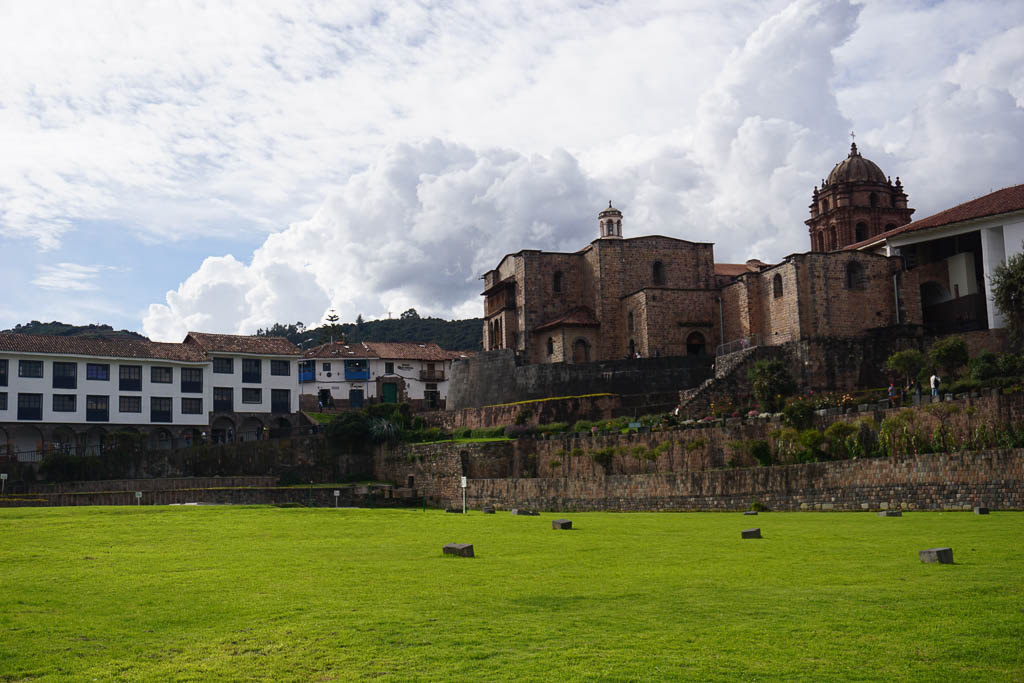
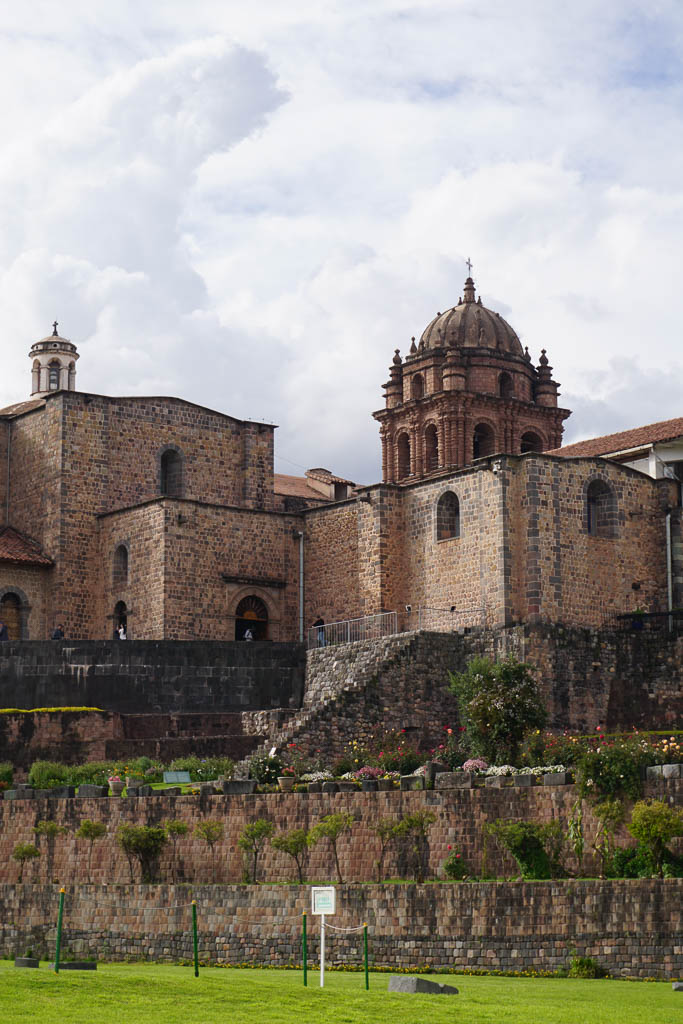
This was the most sacred and lavishly decorated temple in the entire Inca Empire. Qorikancha means “golden enclosure” in Quechua, and according to Spanish chronicles, whole walls were clad in sheets of solid gold. Of course, none of it survived the conquest. I can only imagine the conquistadores’ eyes turning into dollar signs the moment they saw it. They stripped the gold – which was reportedly shipped straight to the Spanish crown – and dismantled most of the complex. In 1534, the site was handed over to the Dominican Order, who constructed the Convent of Santo Domingo directly on top of the Inca foundations.
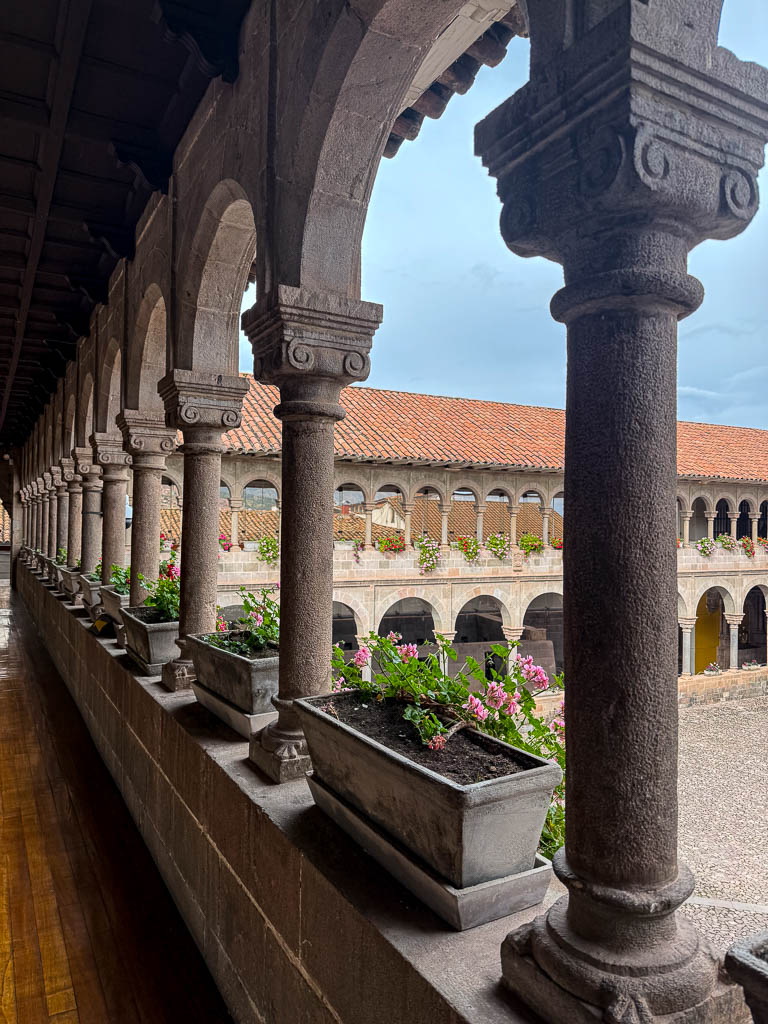
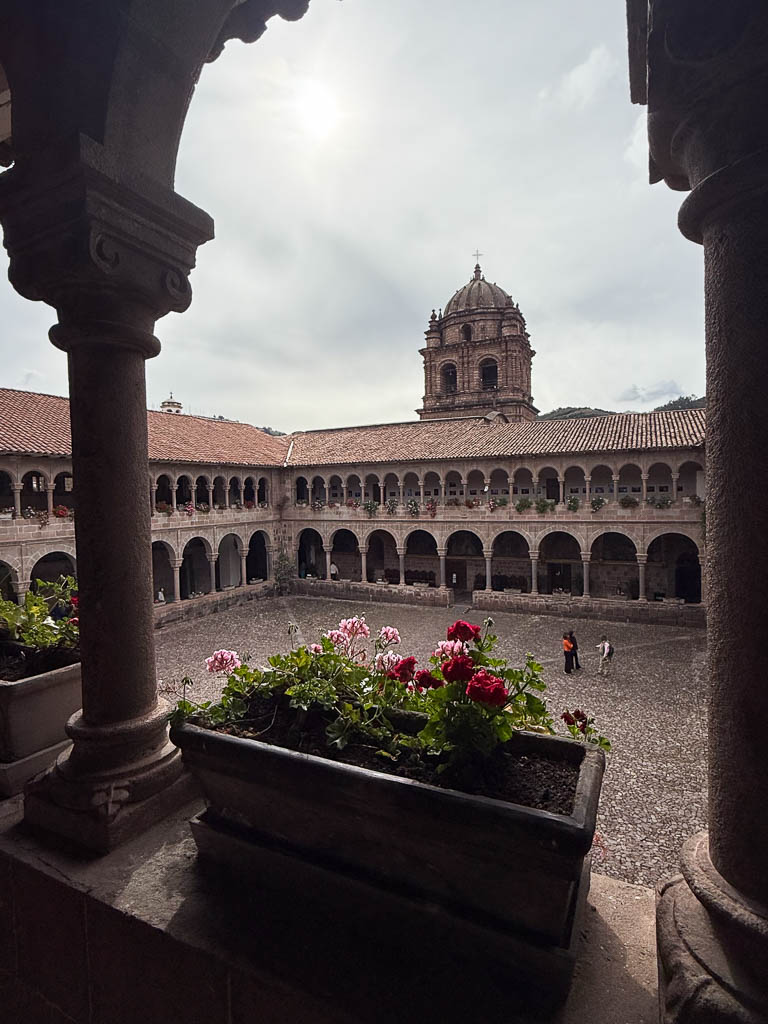
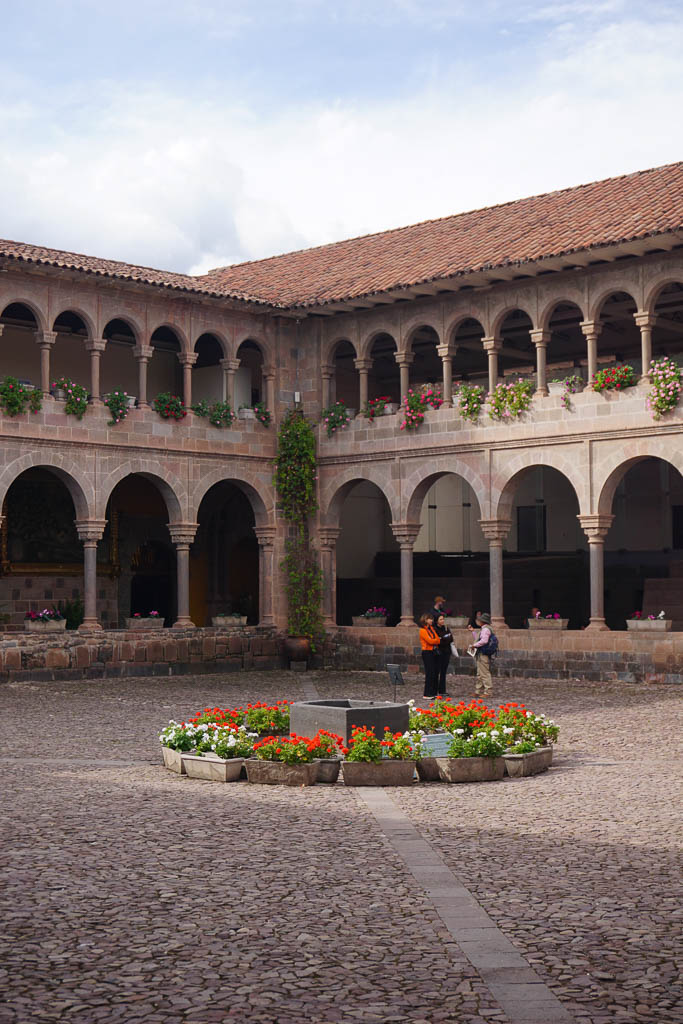
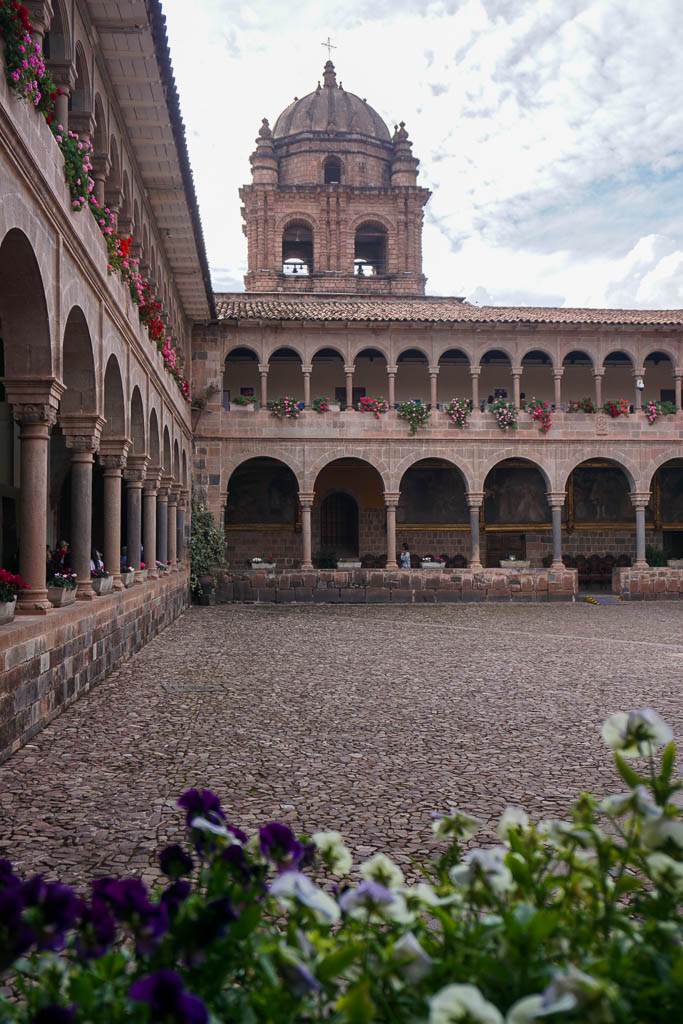
They either couldn’t destroy or were smart enough to keep the core Inca walls. Because of that, the most extraordinary sight when visiting today is seeing those two distinct styles sitting one on top of the other: ancient Inca stonework below, Spanish colonial architecture above. Once again, I was struck by the contrast – the Inca foundations look almost brand new, as though no time has passed, while successive earthquakes repeatedly destroyed or damaged the colonial upper layer over the centuries.
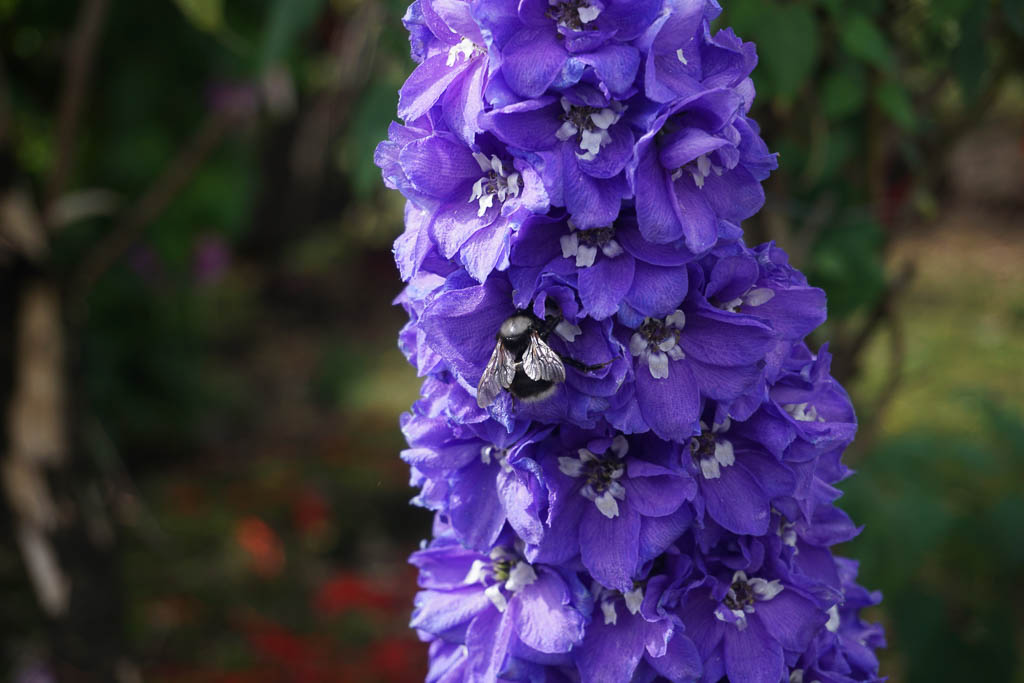
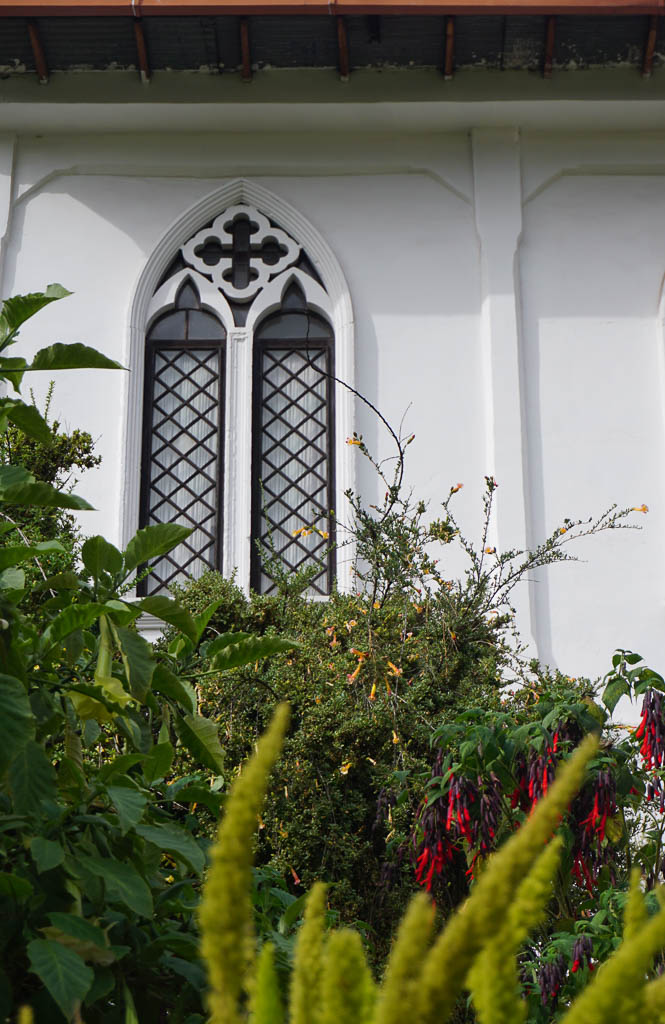
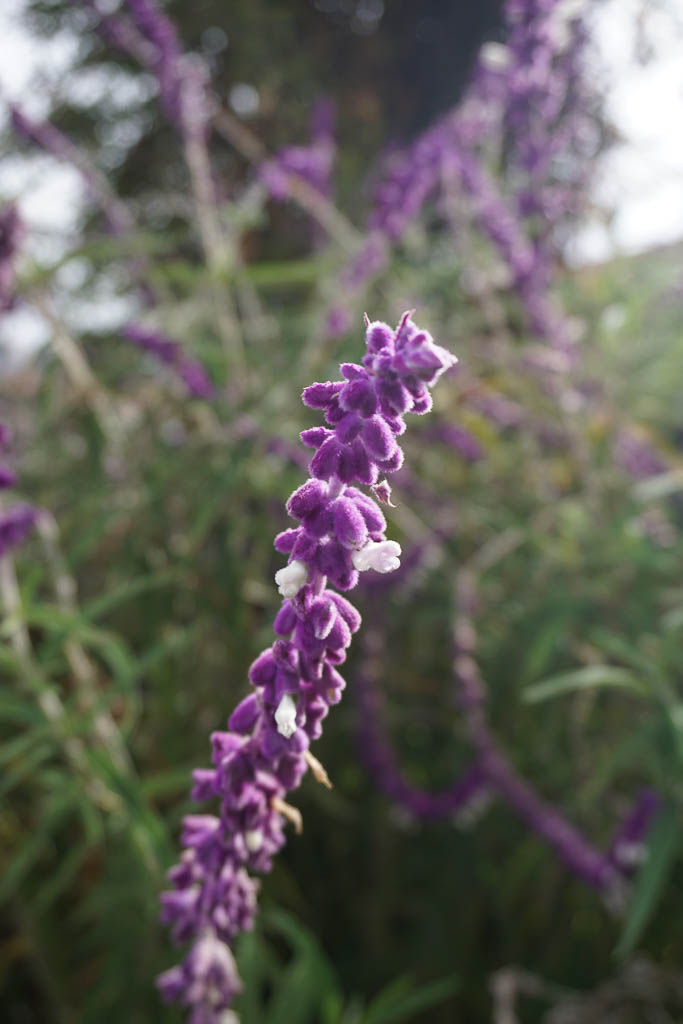
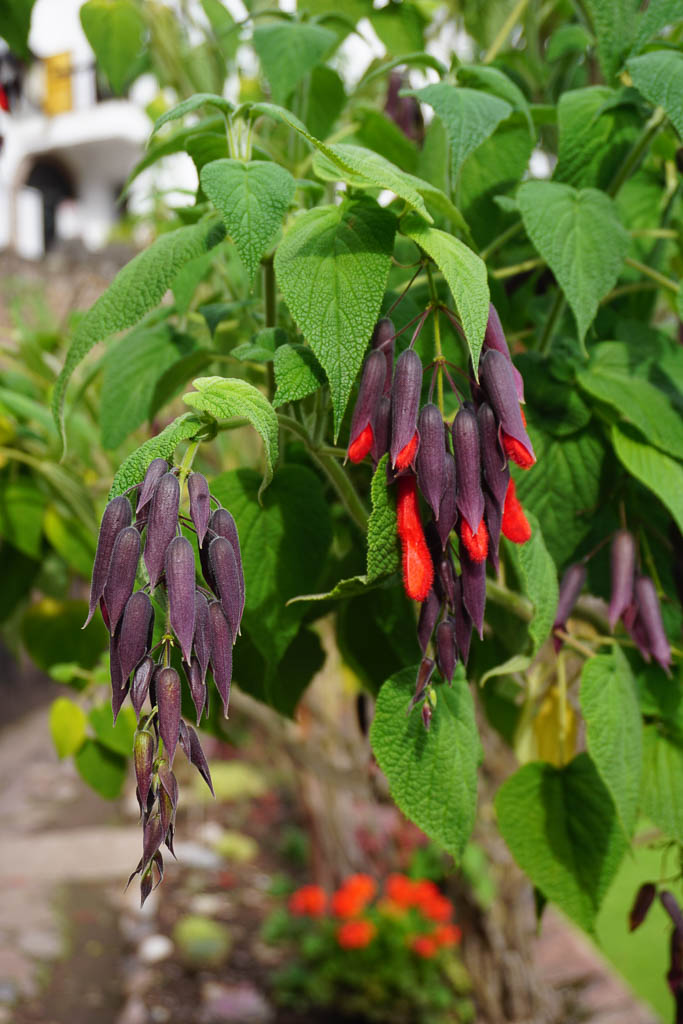
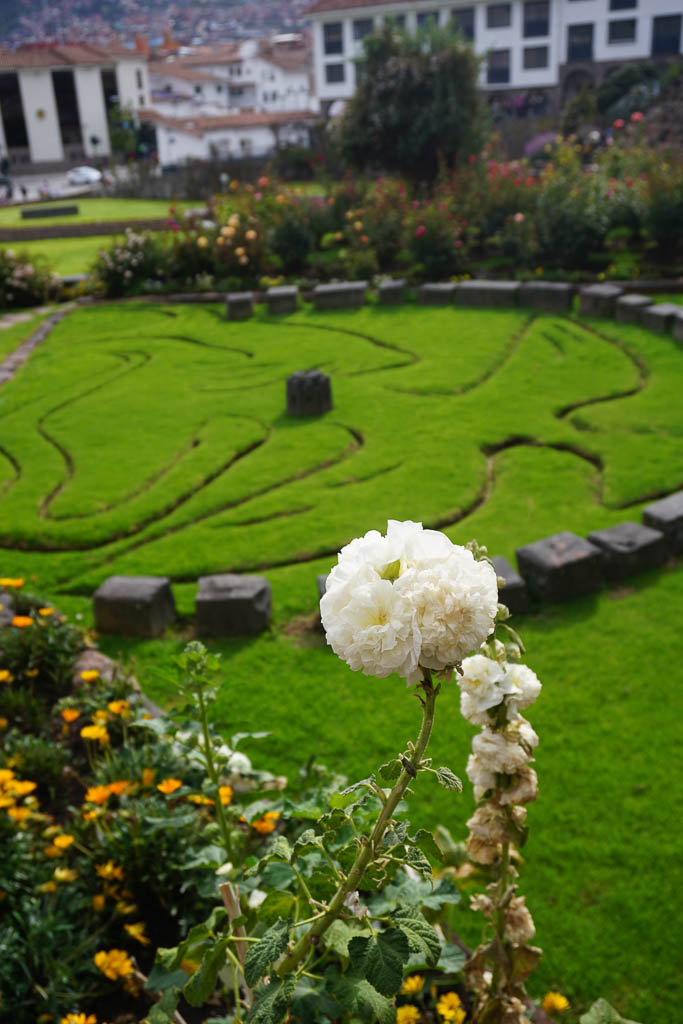
The gardens are also beautiful. I spent some time there admiring the flowers and reflecting on the overlapping layers of history that tell the story of human conflict and survival.
Finally, I admitted defeat and knew I had to rest. Realising I wouldn’t have the strength to leave my room that evening, I picked up a cup of noodles at a grocery store for dinner – the ultimate comfort food for a cold.
Teh day after would be another very early start with more hiking ahead, and I needed every bit of recovery I could get.
Love,
Nic
P.S. Some links are affiliate links, which means I may earn a small commission if you choose to book through them. This does not affect the price you pay and my suggestions are not sponsored. These were places where I stayed and genuiely recommend 🙂
Where I stayed in Cusco: Casa Montes San Blas. Book here

