
As I sat on the train at Milan Central Station, I felt a wave of fatigue taking over my body. I could detect a small headache and my throat was complaining a little. My nose had started to run water. I cursed to myself. Was I really getting ill? I even almost fell asleep once the train started going, but I managed to keep myself awake. One of my favourite things about train rides is the chance to see the scenery of the country, and I didn’t want to miss the white peaks of the Alps contrasting against the flatness of the fields I was passing through.
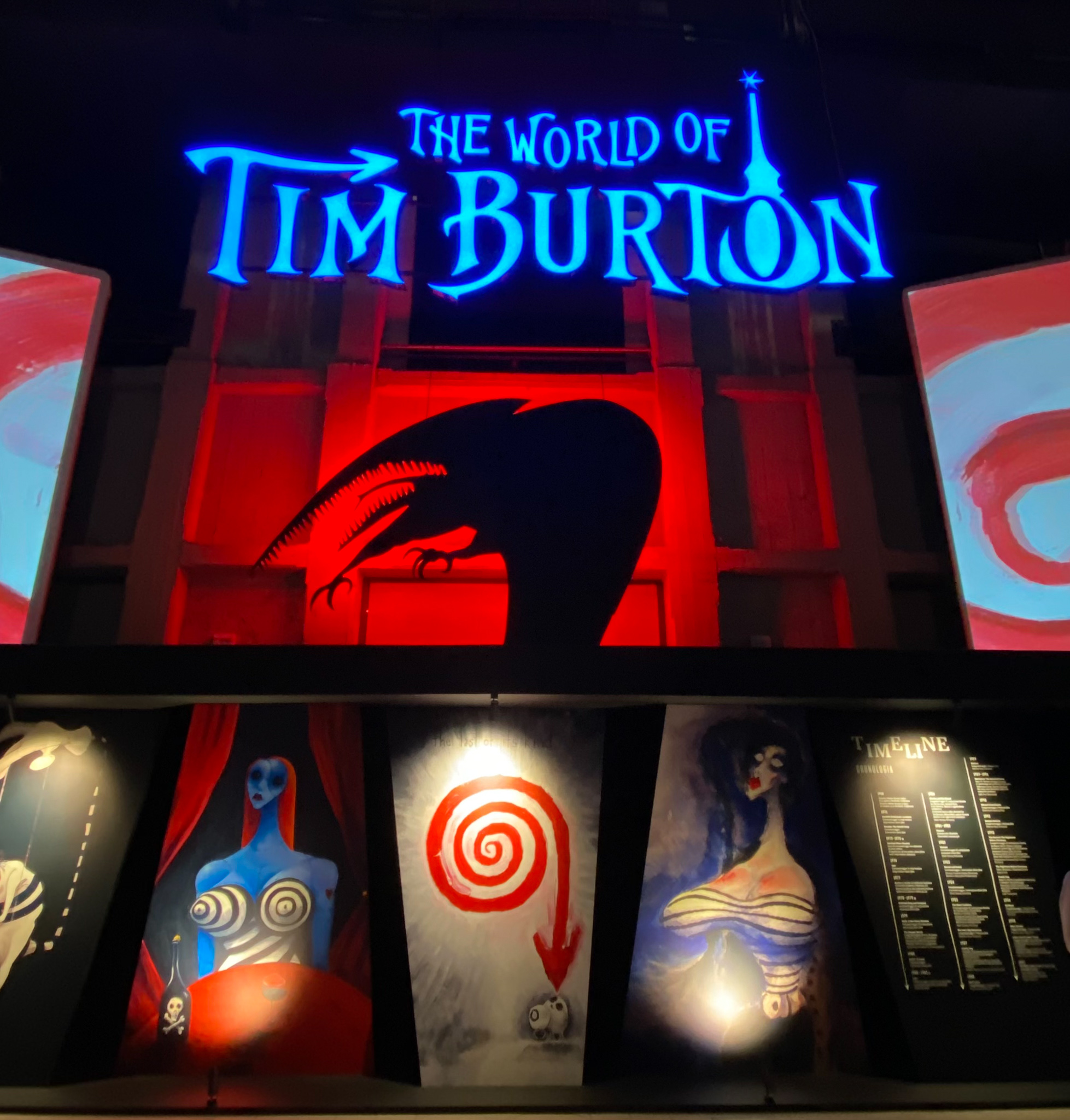
I did get a little sick, but popped some ibuprofen down my throat and got on with it. It does mean that my mood wasn’t the best, and my willingness to pick up the camera, and actually explore was much affected. Still, that same afternoon, I had booked to go to the famous National Museum of Cinema of Turin – mostly because there was a Tim Burton exhibition on, and I couldn’t believe my luck. I had missed previous exhibits in different cities, and as a fan of his work (I had to go watch for the hundredth time Edward Scissorhands that night) I was really excited to go.
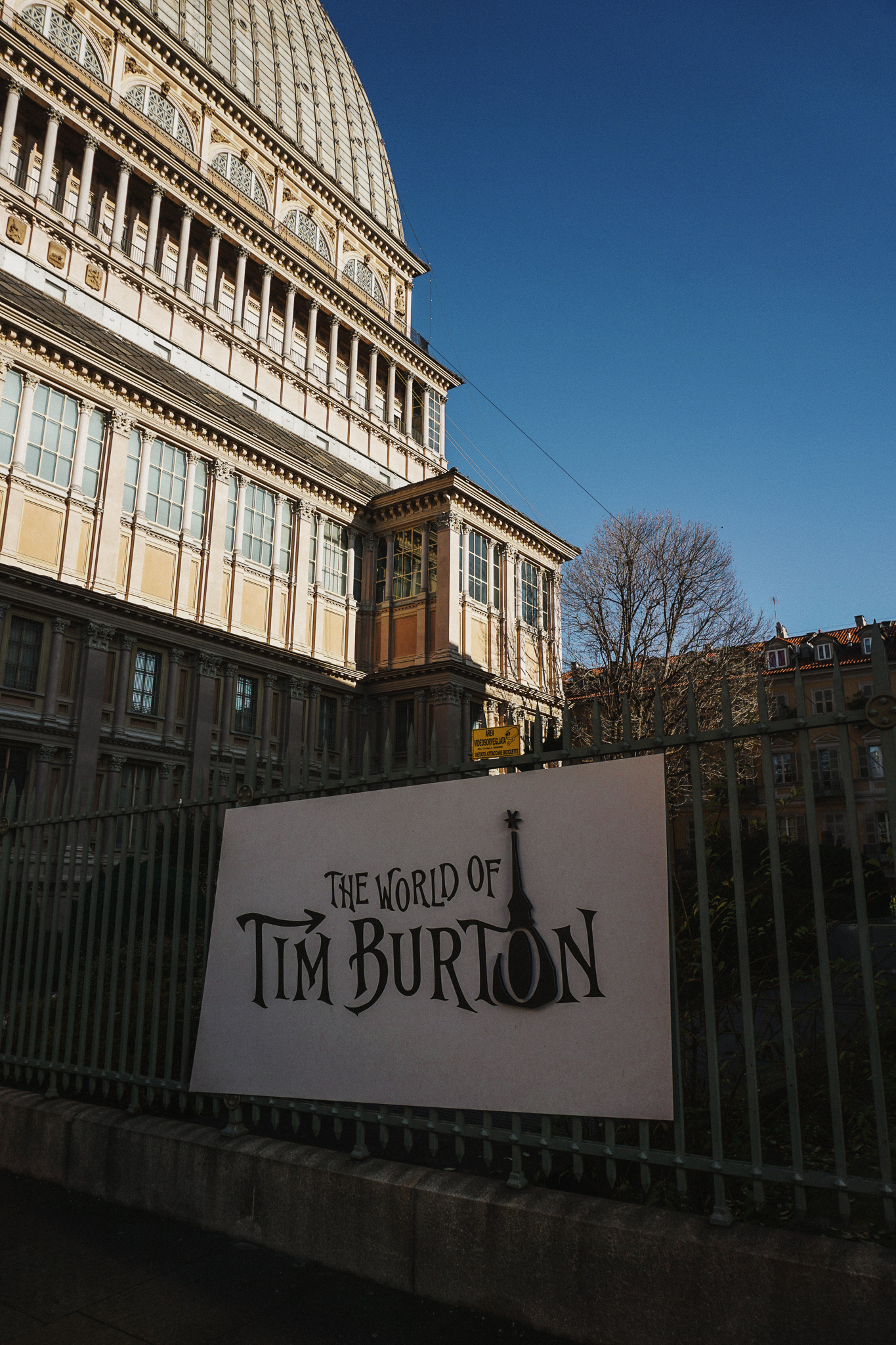
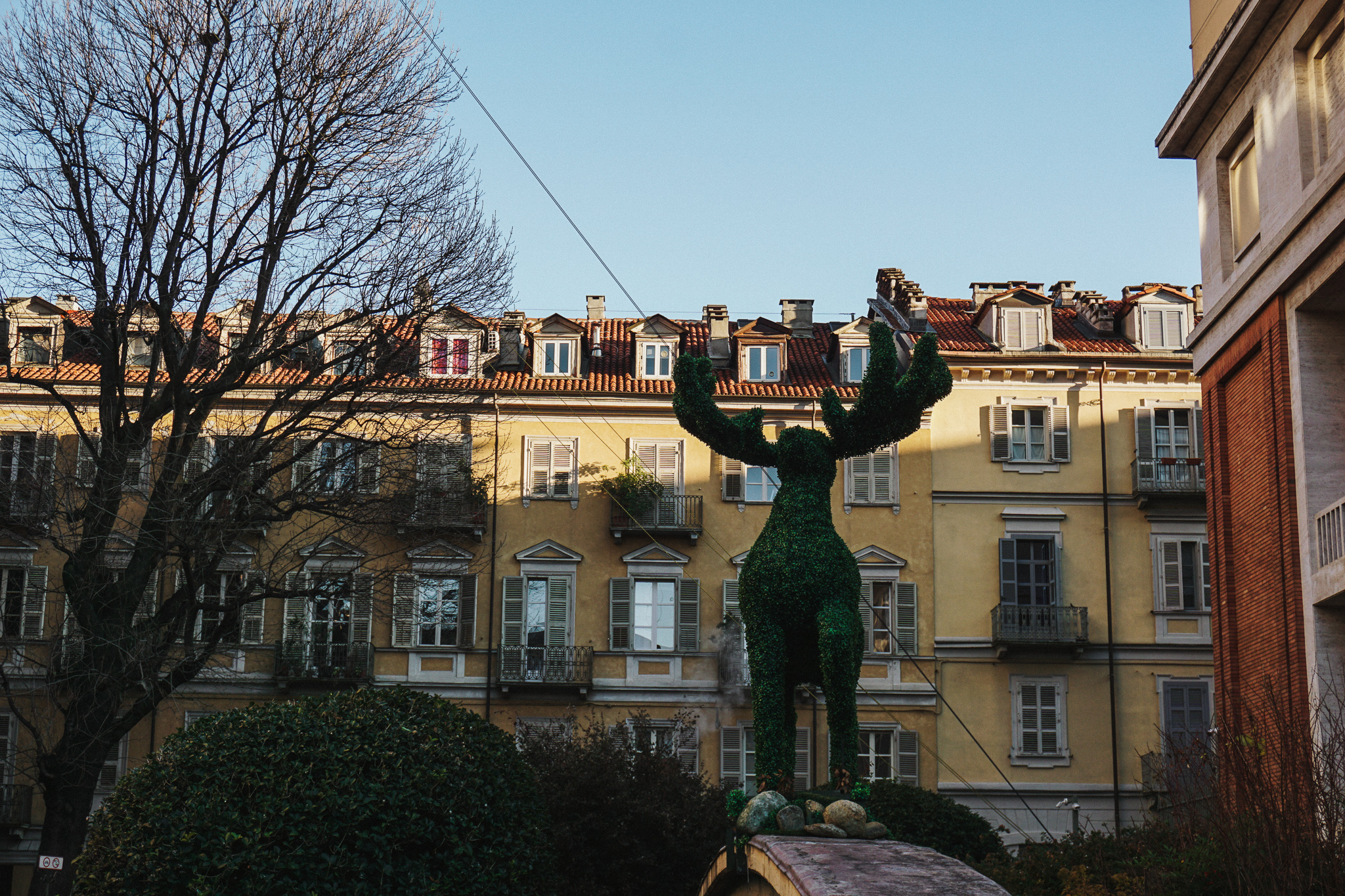
Now, the Museum itself is fantastic. Engaging, with multiple points for interaction. It goes over the all history of the moving image, with really good content to explore. They call that section the Archaeology of Cinema, which I thought was quite right. When you get to the main room is like you have entered a parallel world. If you look your eyes will catch the elevator to the panoramic view of the building. But adjacent to that there are so many little rooms, each one put together with a different scenario in mind inspired by movies from very different genres. It is quite fun especially if you are a cinema aficionado. Now, here’s what disappointed me in the Museum – it seems to be getting a little run down! Firstly, the cloakroom was closed. It said out of order and this made my visit a bit uncomfortable as it was quite hot inside and I had to carry around my backpack, scarf and mass winter coat. In the Archaeology part of it there were also quite a few things broken and out of order, and some of the rooms had a very bad stench, as if they hadn’t been cleaned for a while.
I also managed to get lost a few times – let me come out and say that my navigational skills are definitely not the best, but I would have appreciated better signage. The entrance to the museum isn’t cheap, so it shocked me a little how much maintenance it needs.
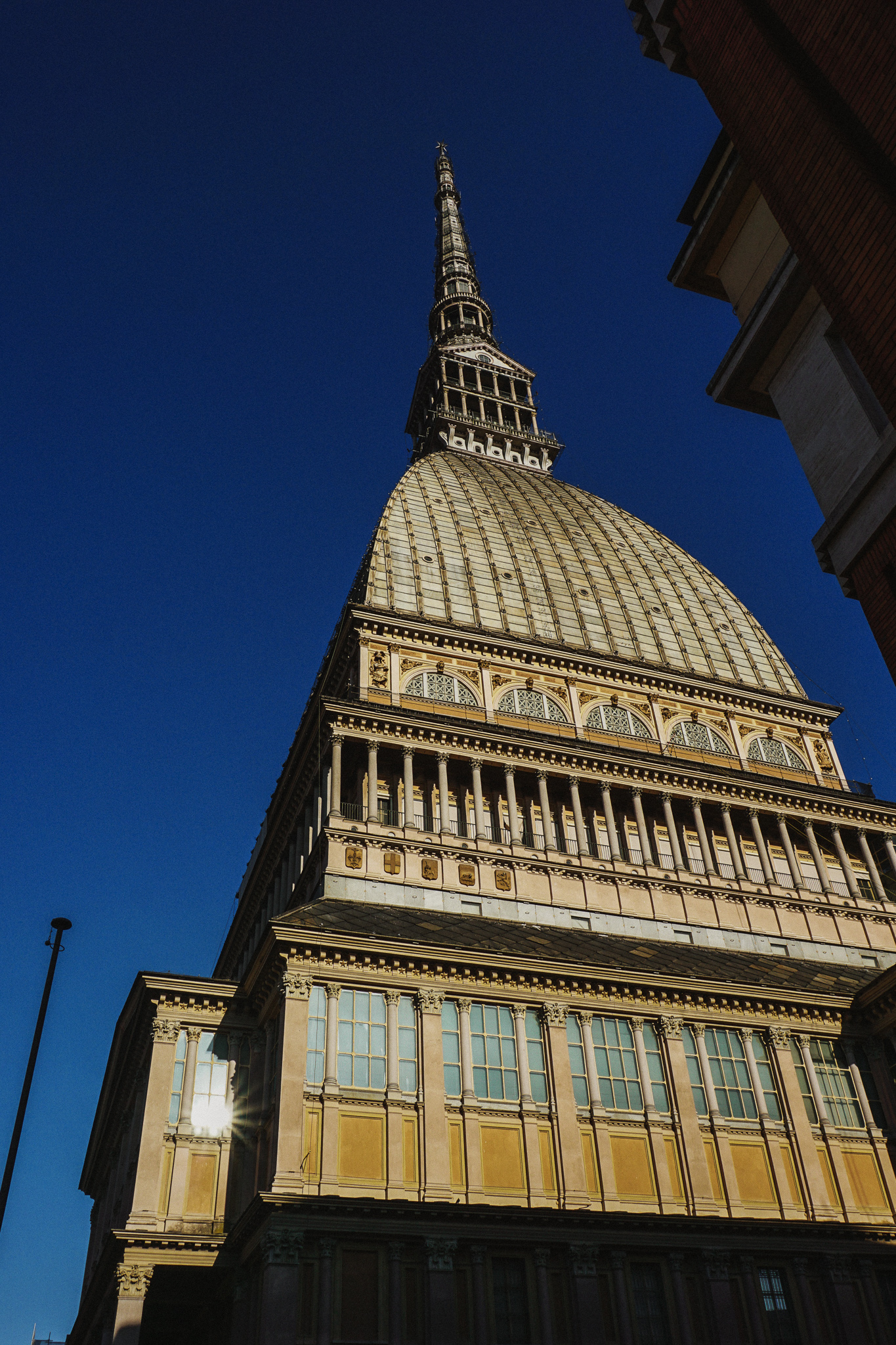
I suppose one of the biggest attractions of the museum – even if you are not a big cinema geek – is the building itself. It is located in the Mole Antonelliana, likely the biggest landmark of Turin, with it being engraved in the Italian 2 Euros coin – Mole signifies a building of great proportions in Italian and well… Antonelliana comes from the name of the architect who envisioned it, Alessandro Antonelli. Now, something interesting about the history of this building is that it was supposed to be a synagogue! The construction began in 1863, shortly after the Italian unification in 1861. It is important to note that Turin was then the capital of the new unified Italy (a brief position, only from 1860 to 1864, but enough to make it great), and it was also the place where the Jewish community had enjoyed full civil rights for some time, since 1848. However, after hiring Alessandro Antonelli, the relationship between the architect and the Jewish quickly soured, as Antonelli insisted on adding a lot of modifications to the plan for the synagogue. But those changes would also increase greatly the costs of the building, which wasn’t even looking like a synagogue anymore. In the end, the Jewish community withdrew from the project. Thankfully, the people of Turin who had seen that building rising high in their skyline demanded the local government to take control of the situation, which they did, allowing this landmark to be born.
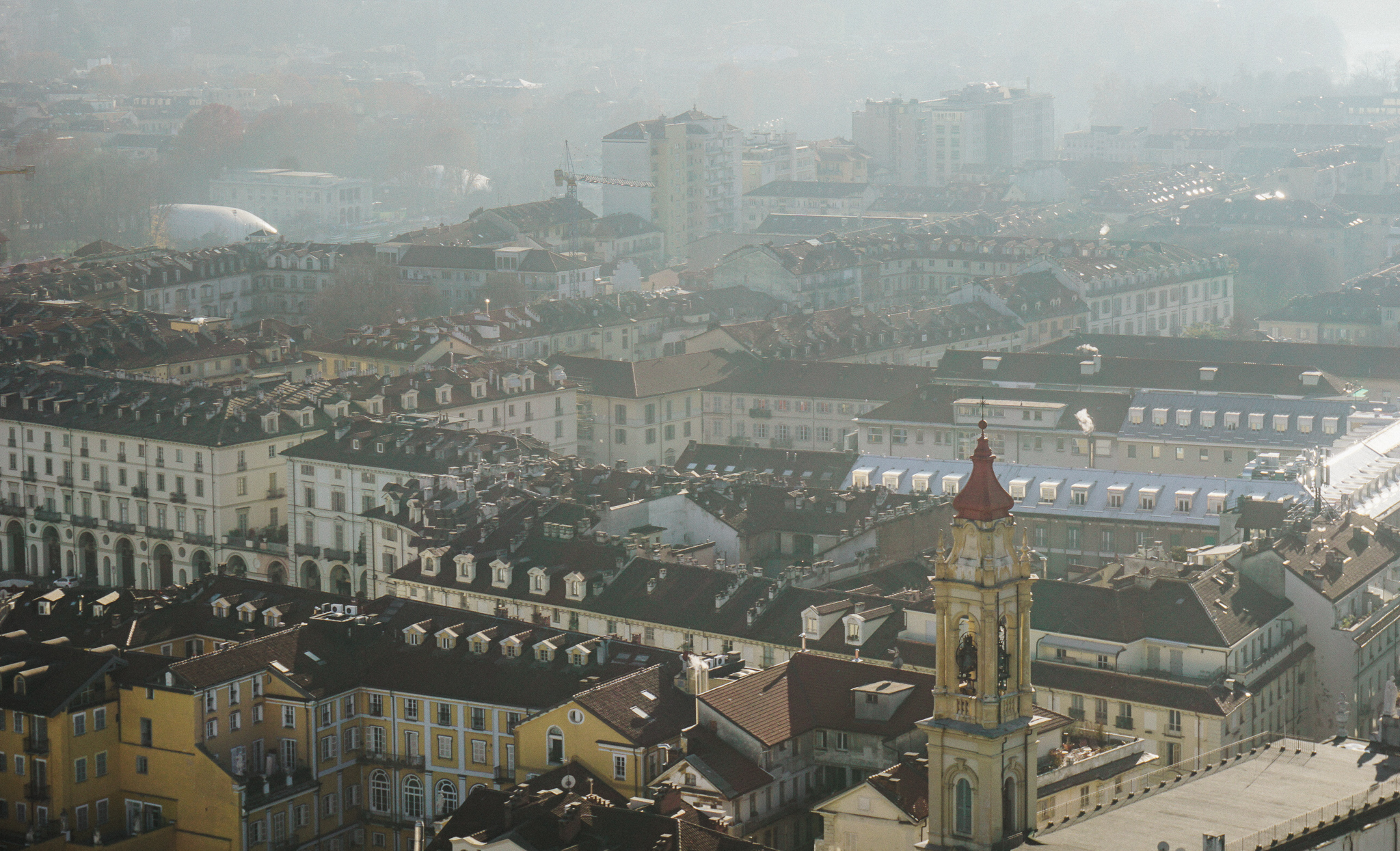
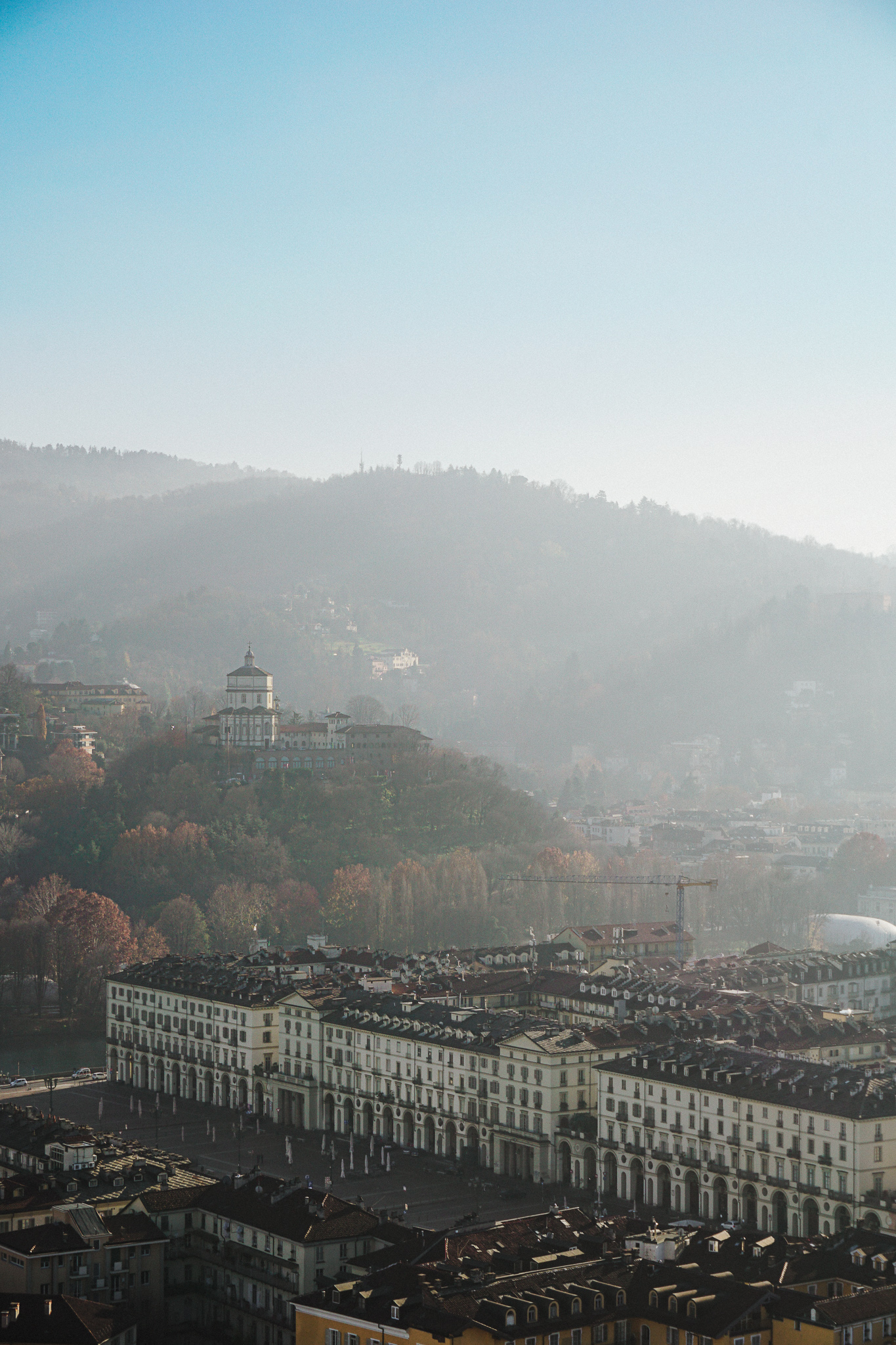
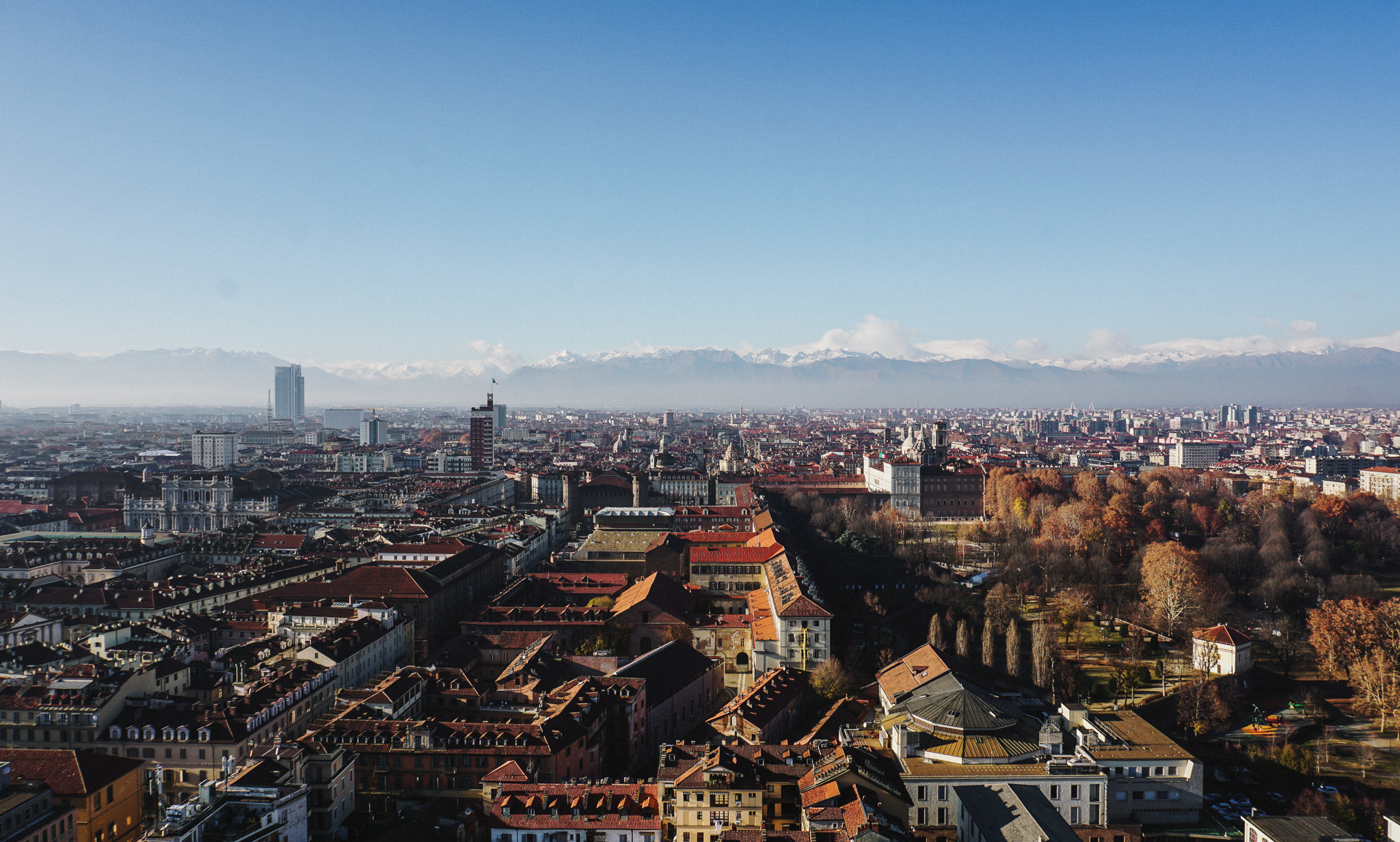
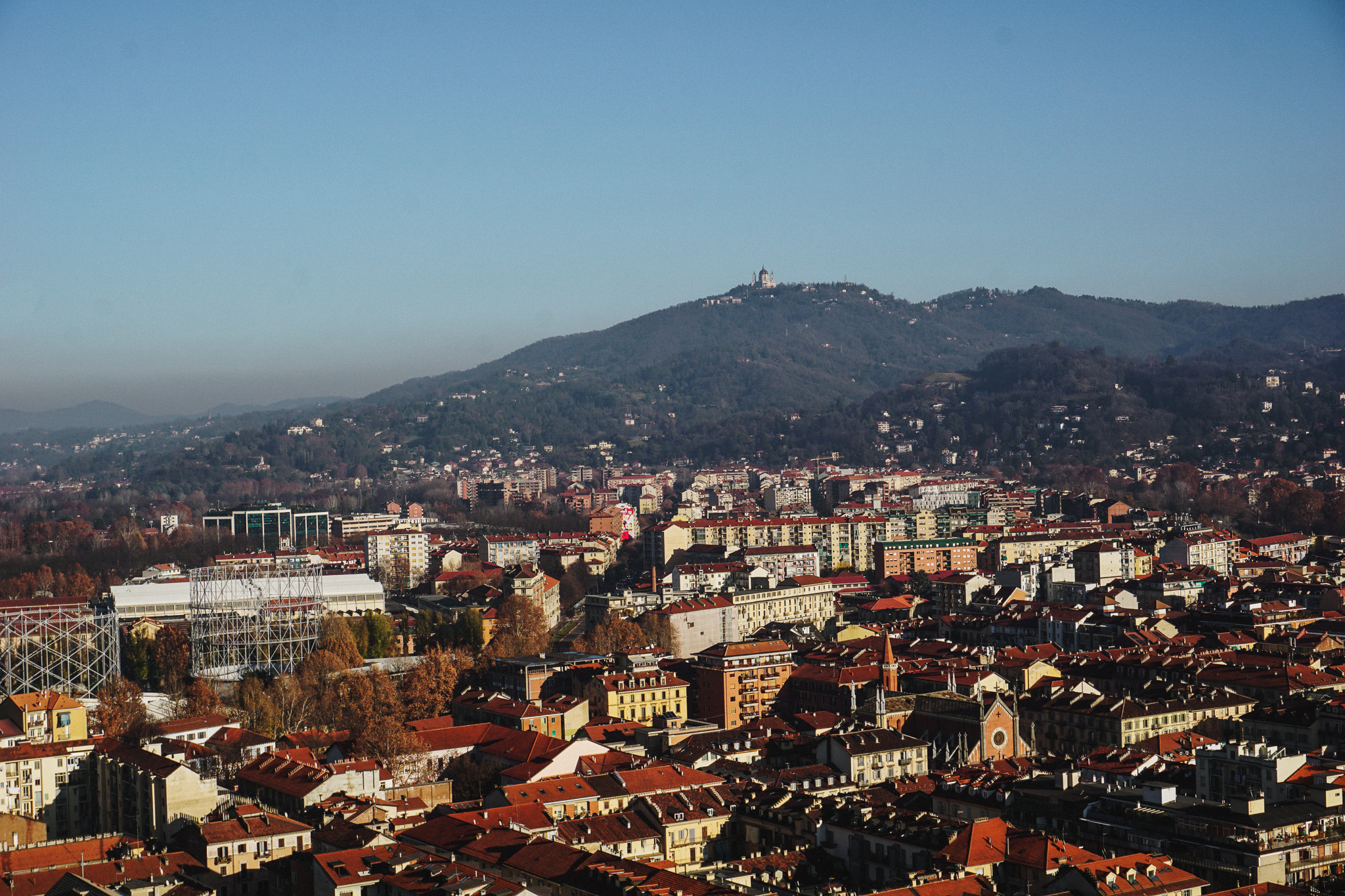
You have to pay for a separate ticket to be able to go up for the panoramic view, which can only be accessed by lift. The ride up and down in itself is pretty amazing, as the lift has see-through walls, and runs from the centre of the Museum. And then when you get up there you will be mesmerised by an amazing 360-degree view of the city of Turin.
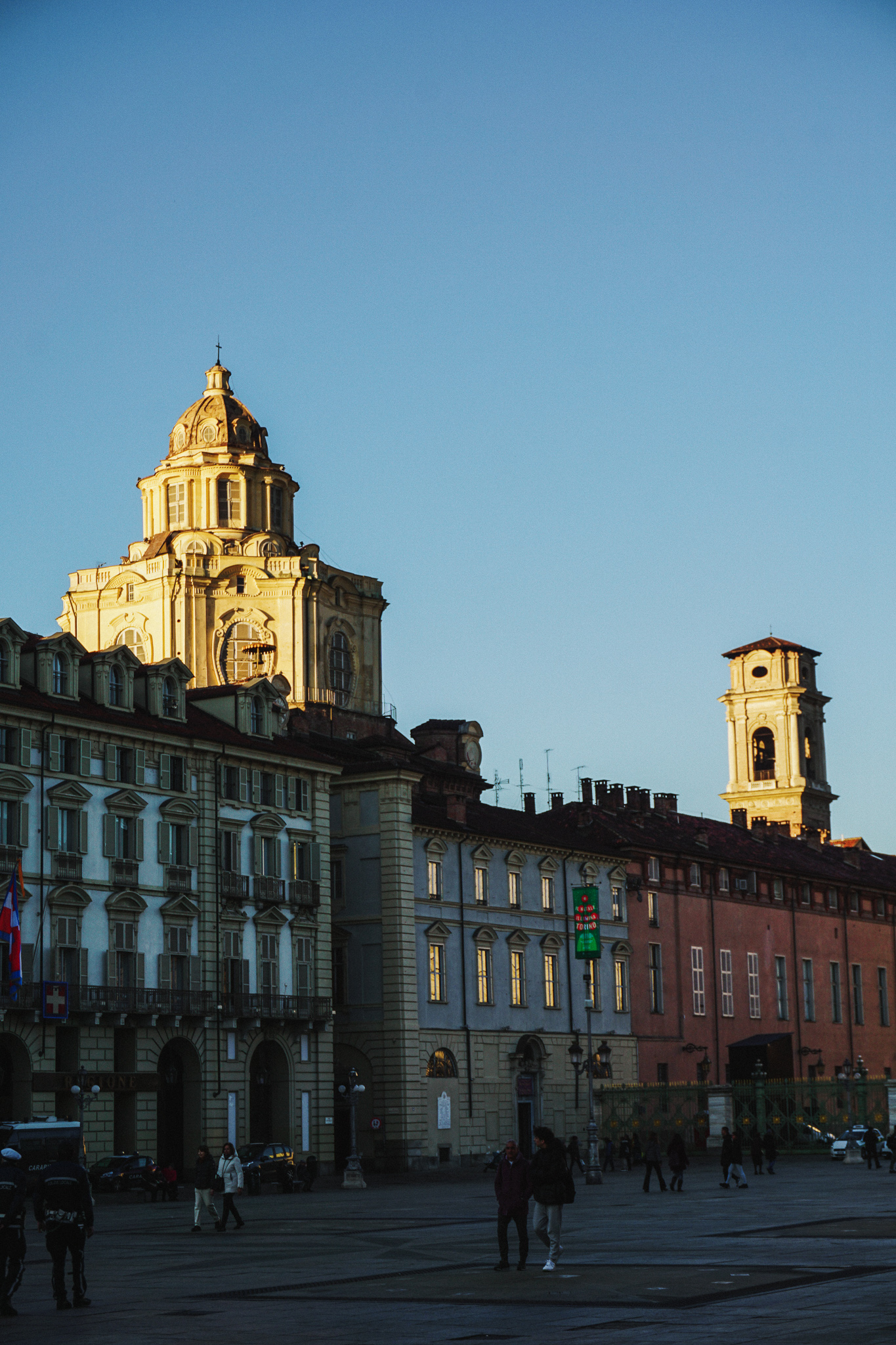
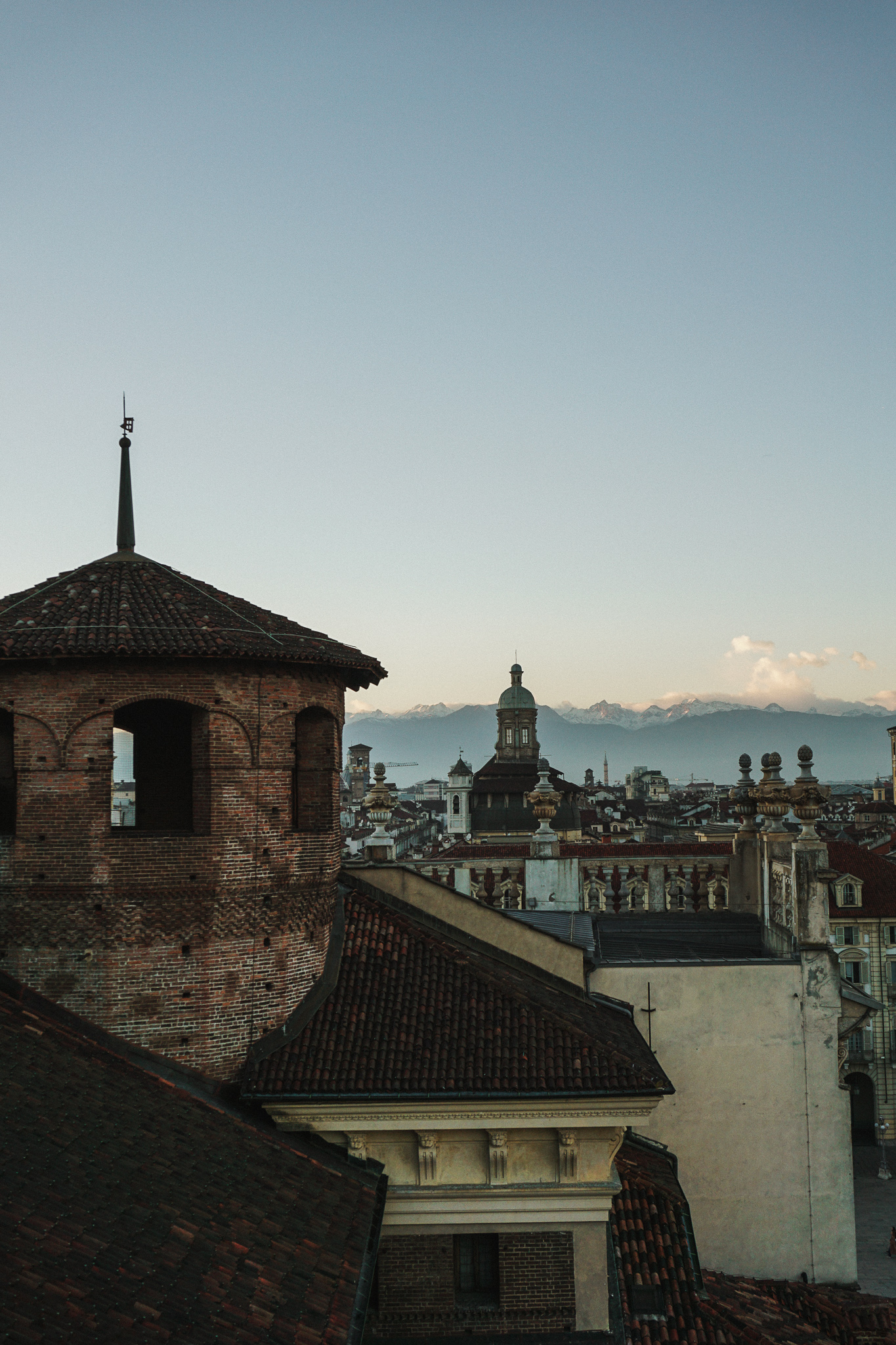
As I mentioned, Turin was briefly the capital of Italy, and that’s probably why there are so many different museums and palaces in the city – a richness that made me quite conflicted about what to visit and what to leave out. After analysing my options, I decided to acquire Turin’s Tourist Museum Card, for a duration of 48H, allowing me to visit a lot of different attractions at €38. I’m usually not a fan of these sorts of cards, but I found that in this case, it did pay off. Entry for each museum would never be less than €15, and I know I wanted to visit at least three (ended up visiting 4 in the end, including the National Museum of Cinema).
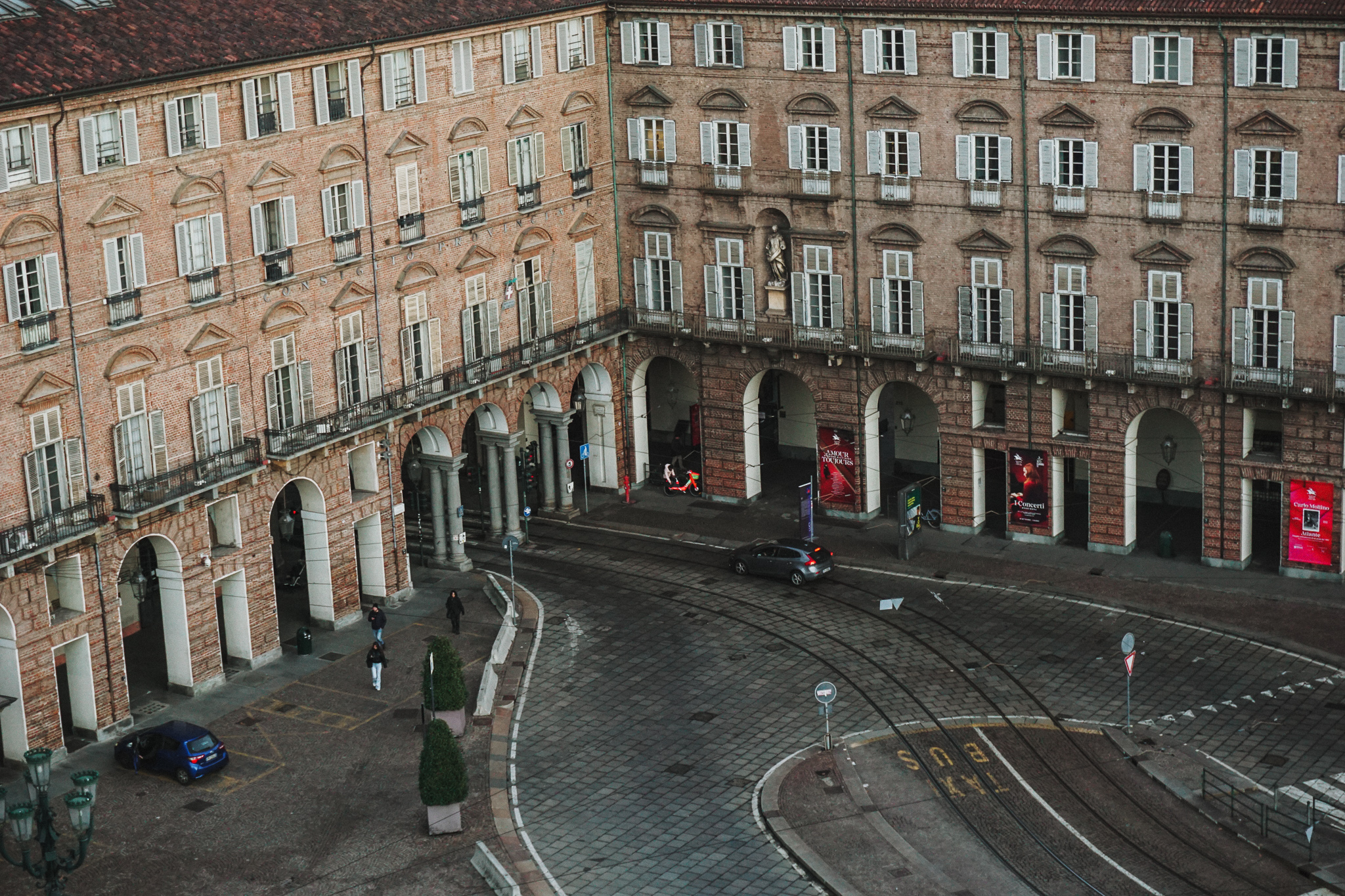
The second place I visited was the Palazzo Madama, located at the centre of Piazza Castelo, in front of the Royal Palace. The main reason I wanted to visit this place is that it reflects centuries of history that go back to ancient times, and you can see that from the outside – in fact, you may even get confused – is this a palace, is this a fortress? When I visited, it was undergoing renovation works, and covered in scaffolding, so I couldn’t take a proper picture of it. This is indeed the most ancient building in Turin, playing an important role since the times of the Roman Empire. Once a gate to the city, it much later became a royal residence, owned by the Savoy family, regents of unified Italy. When visiting, you can explore sections that talk to the ancient times of the building, and also the collections of the Museum of Ancient Art. And don’t forget to take the lift up to the top floor, where once you again are granted a magnificent panoramic view of the city.
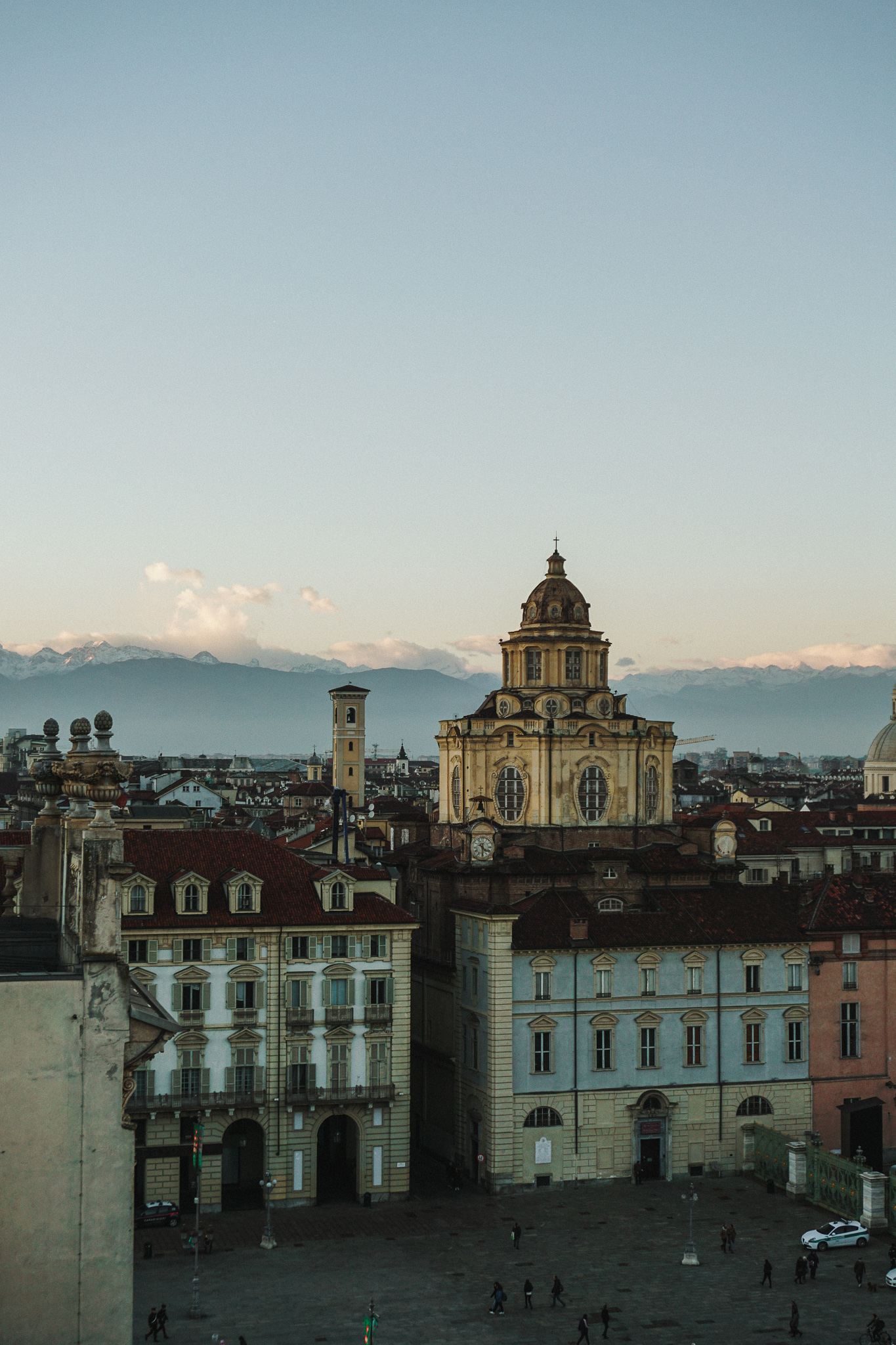
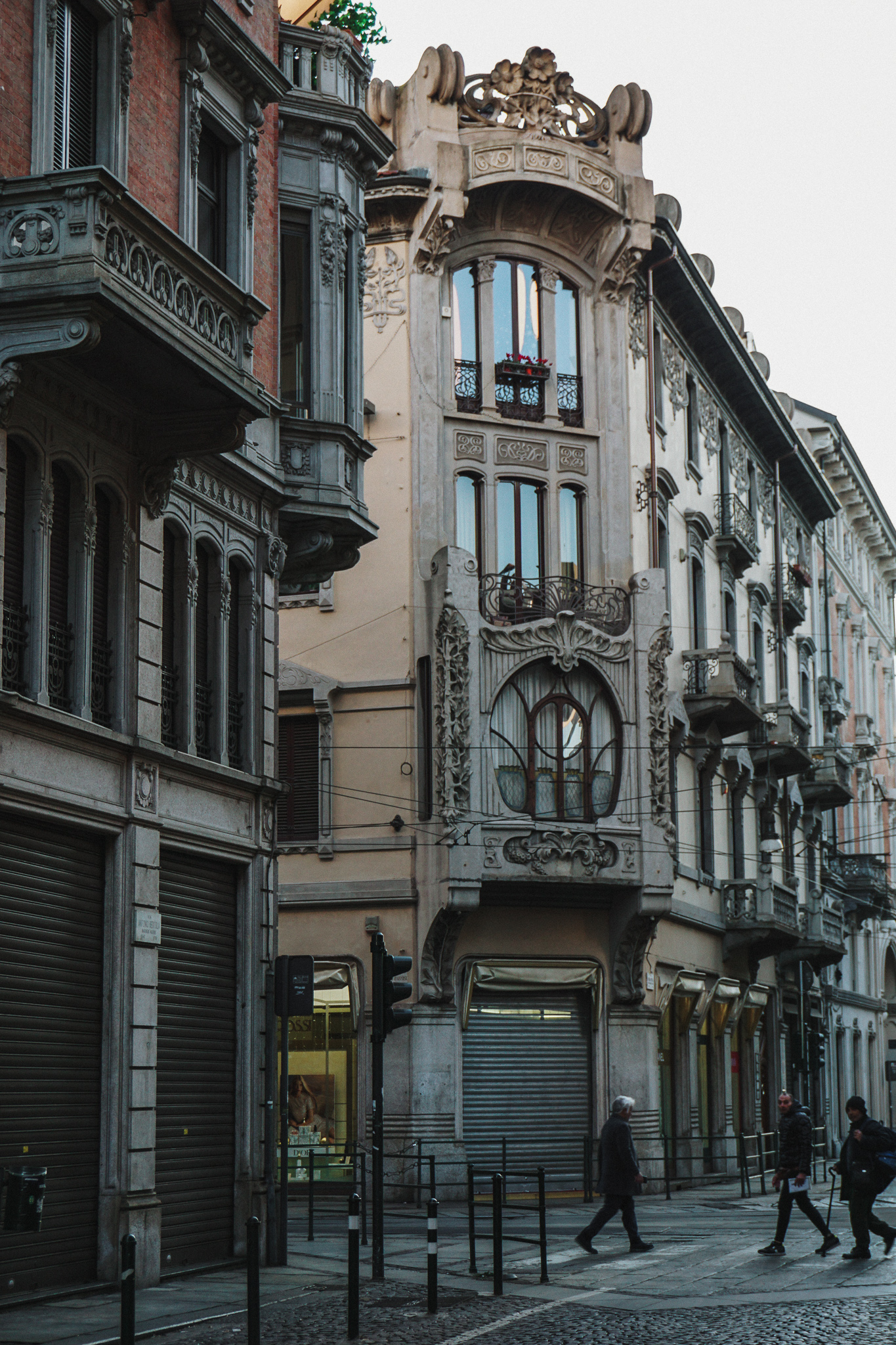
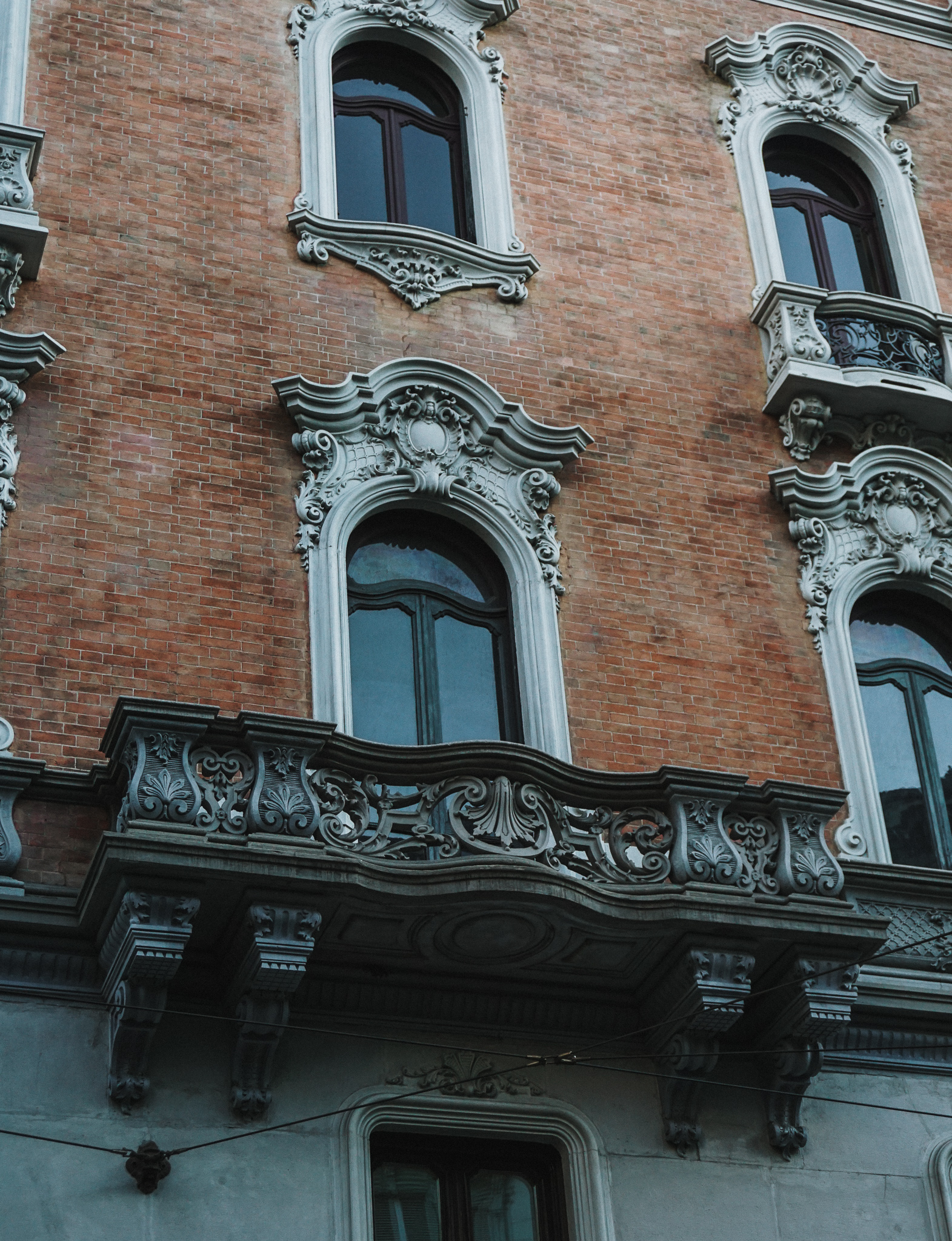
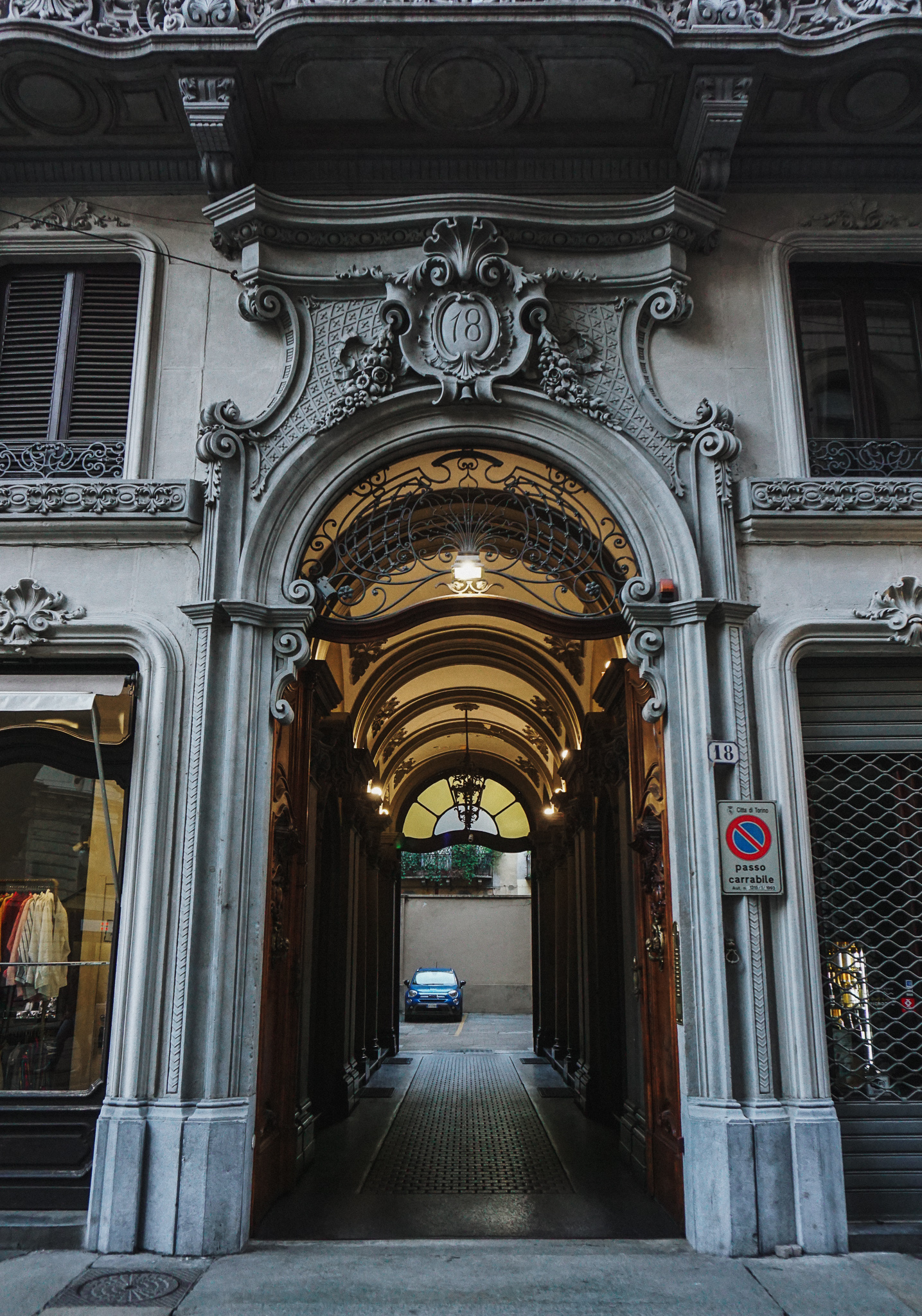
By then, I was feeling quite tired and decided to walk back to my hotel. I was staying in Hotel Dock Milano, just by the Porta Susa Train station. Whilst it was a 20 min walk from the centre of Turin, it was quite useful for the transportation links and the best value I could find. It was a great stay – the room was spacious and the breakfast amazing, so I definitely recommend it if you are looking for something budget-friendly, but still comfortable and you don’t mind giving a few extra steps a day. Especially when whilst walking allows you to immerse yourself in the city a little more, and notice details such as its architecture – in Turin, you have fantastic examples of Art Nouveau architecture that are simply stunning.
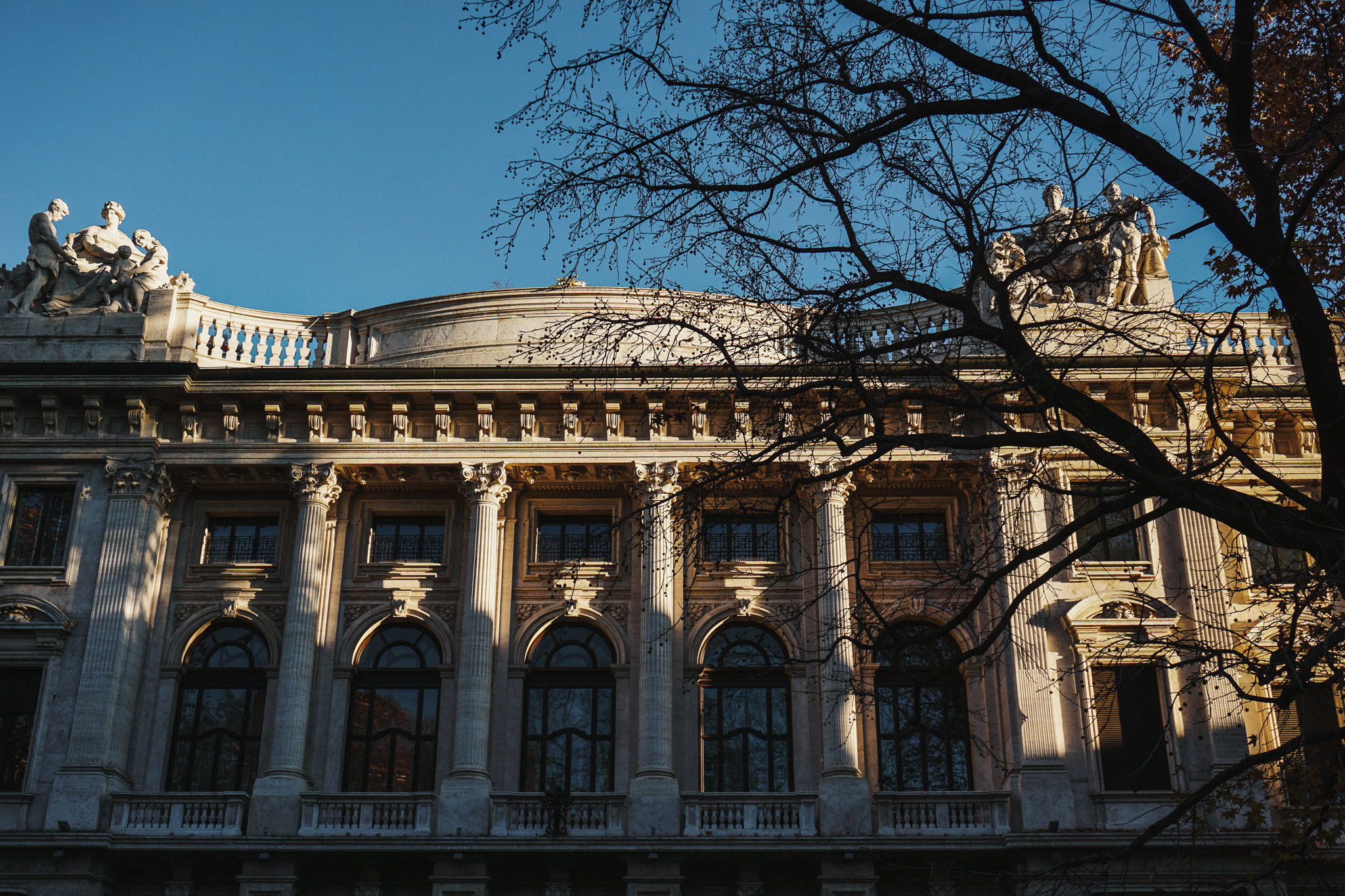
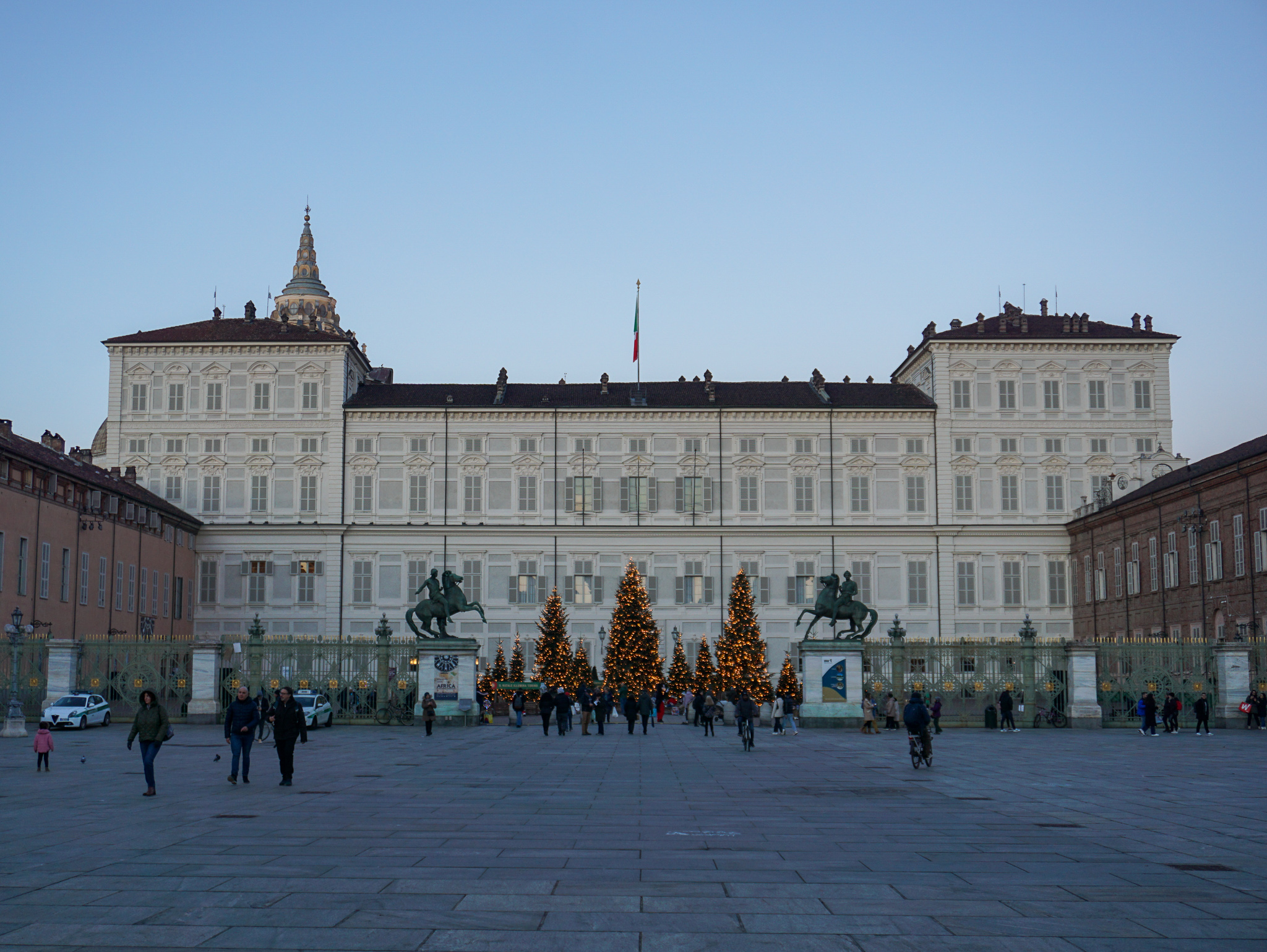
The next day I signed up for a Free Walking Tour, which only started at 10:30am. With the days shorting even further at the beginning of December, I was starting them earlier and didn’t want to waste daylight time. So I left the hotel quite early after a good breakfast and headed to the Royal Palace of Turin. Again this was included in the Tourist Pass I mentioned before, and I knew this was something worth visiting. First, because it houses 5 different museums. Of course, I didn’t have the time to peruse through all of it (and not all of it was of interest to me either) but let me tell you something – this Palace is definitely worth it and this comes from someone who has seen a LOT of them.
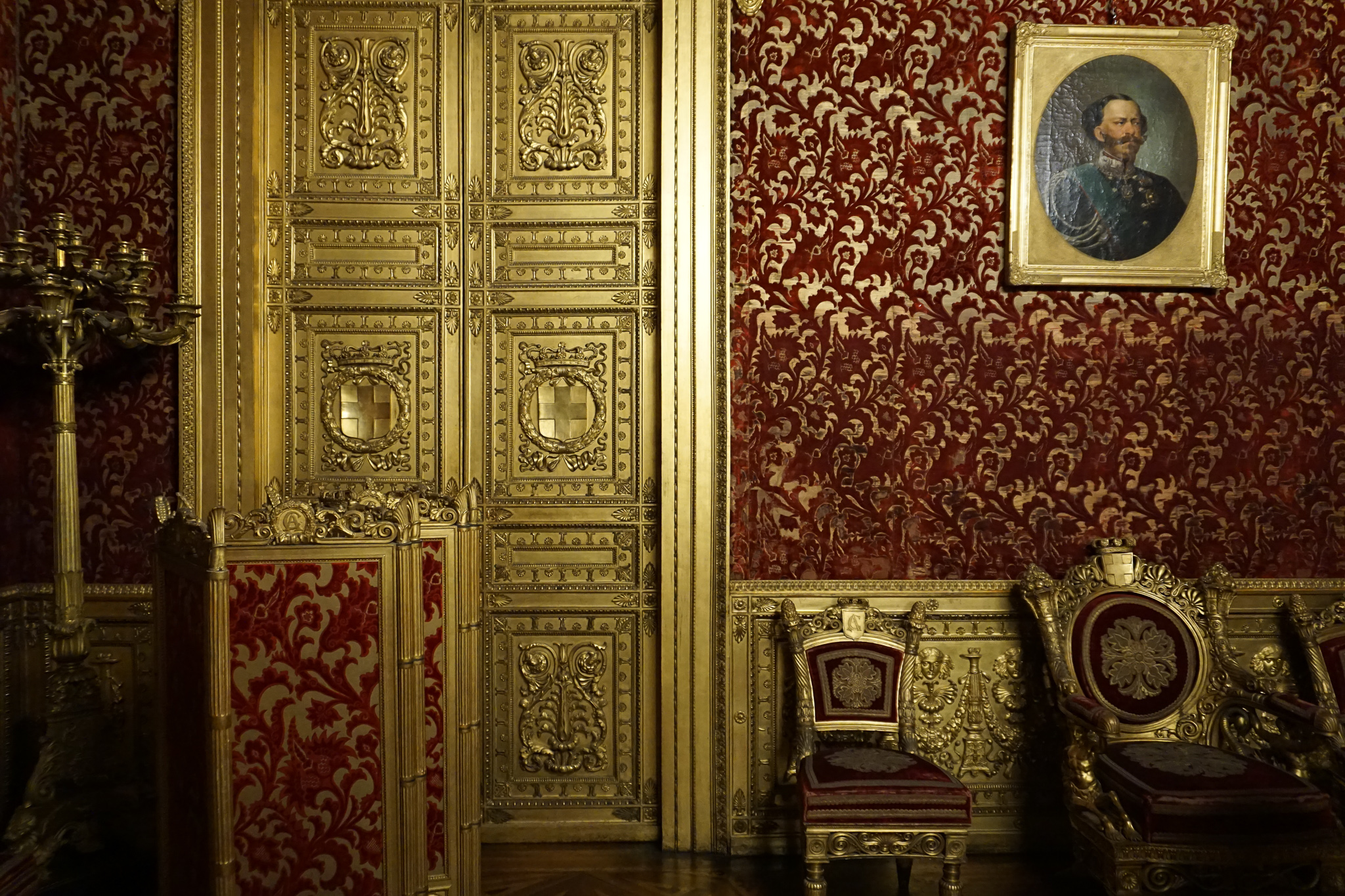
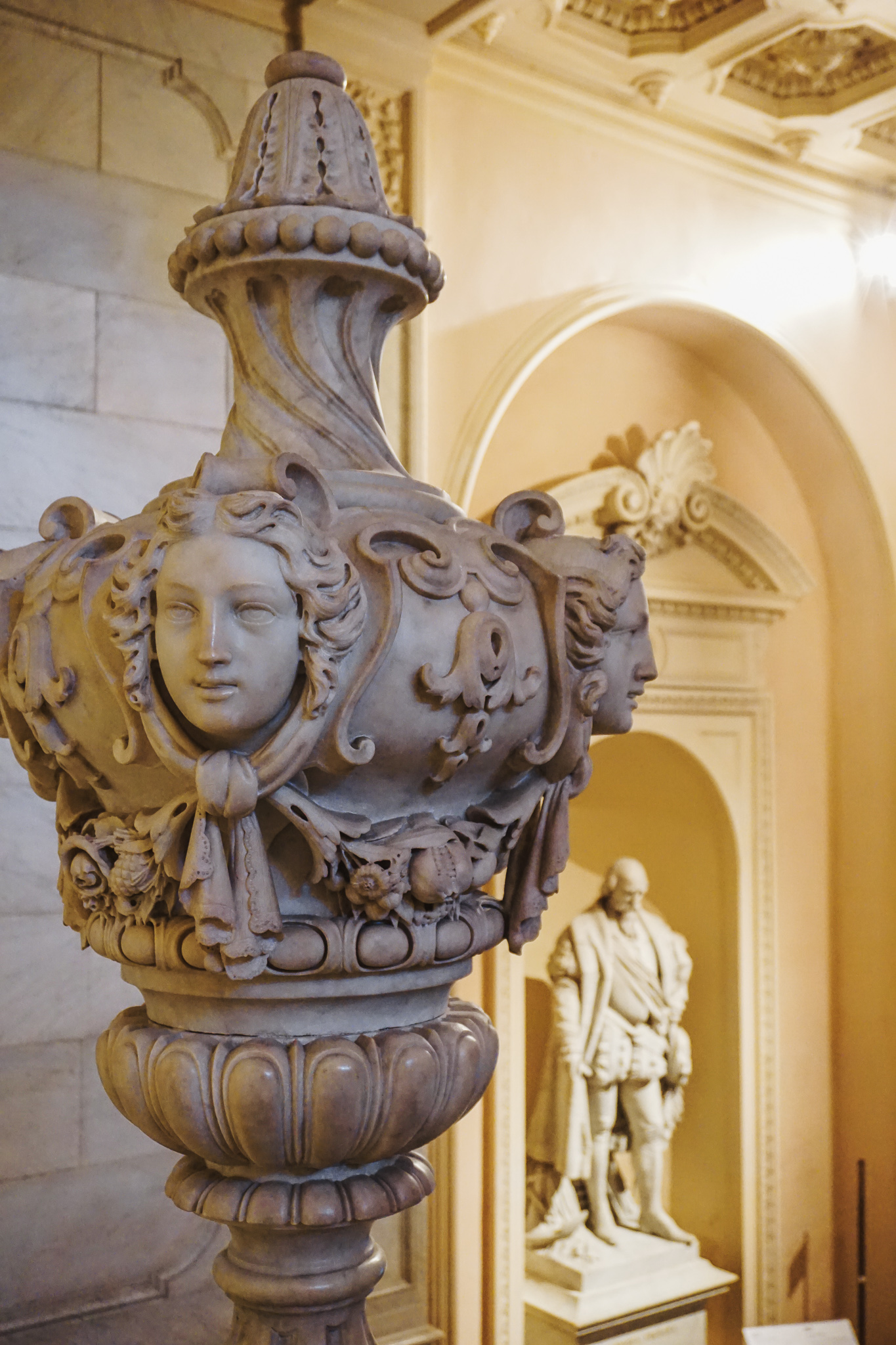
I was immediately impressed by the beautiful staircase leading me to the entrance of the Royal apartments. I actually could not stop looking around and photographing it, trying to sink in all of the intricate details carved on the white marble, in the Baroque style, as it was typical in the 16th century when the palace was built. The rooms follow the typical structure of most European Royal places of the time, but they still contain all of the original furniture, which made the visit way more interesting. I personally don’t like to waste time visiting empty rooms, as it often happens with the furniture and artwork being all auctioned off to private and museum sales. There is also a jaw-dropping hall dedicated to the armoury – whilst this is a topic of less interest to me, I must admit it is wonderful to walk through it and soak in the more medieval atmosphere you find there.
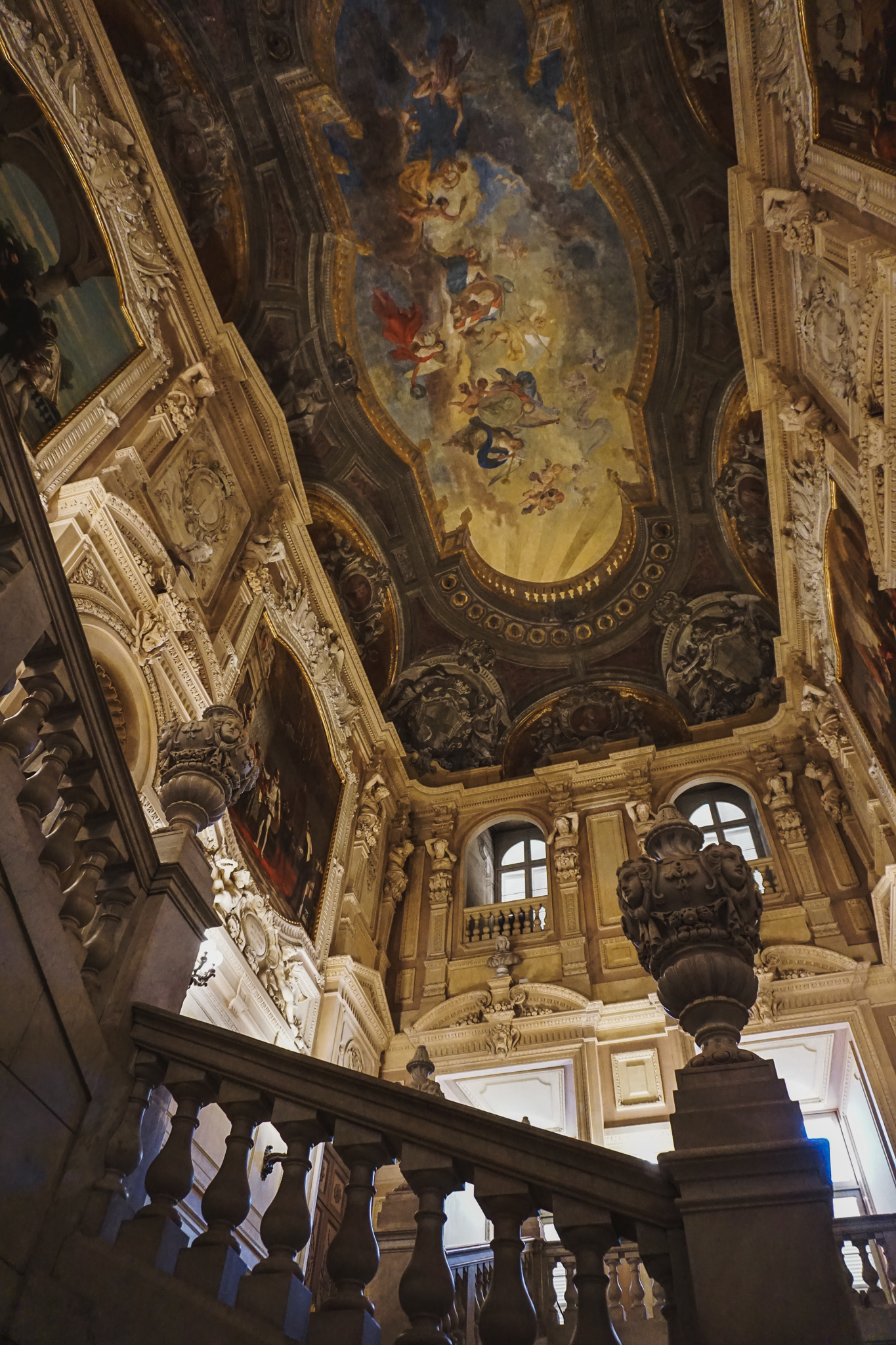
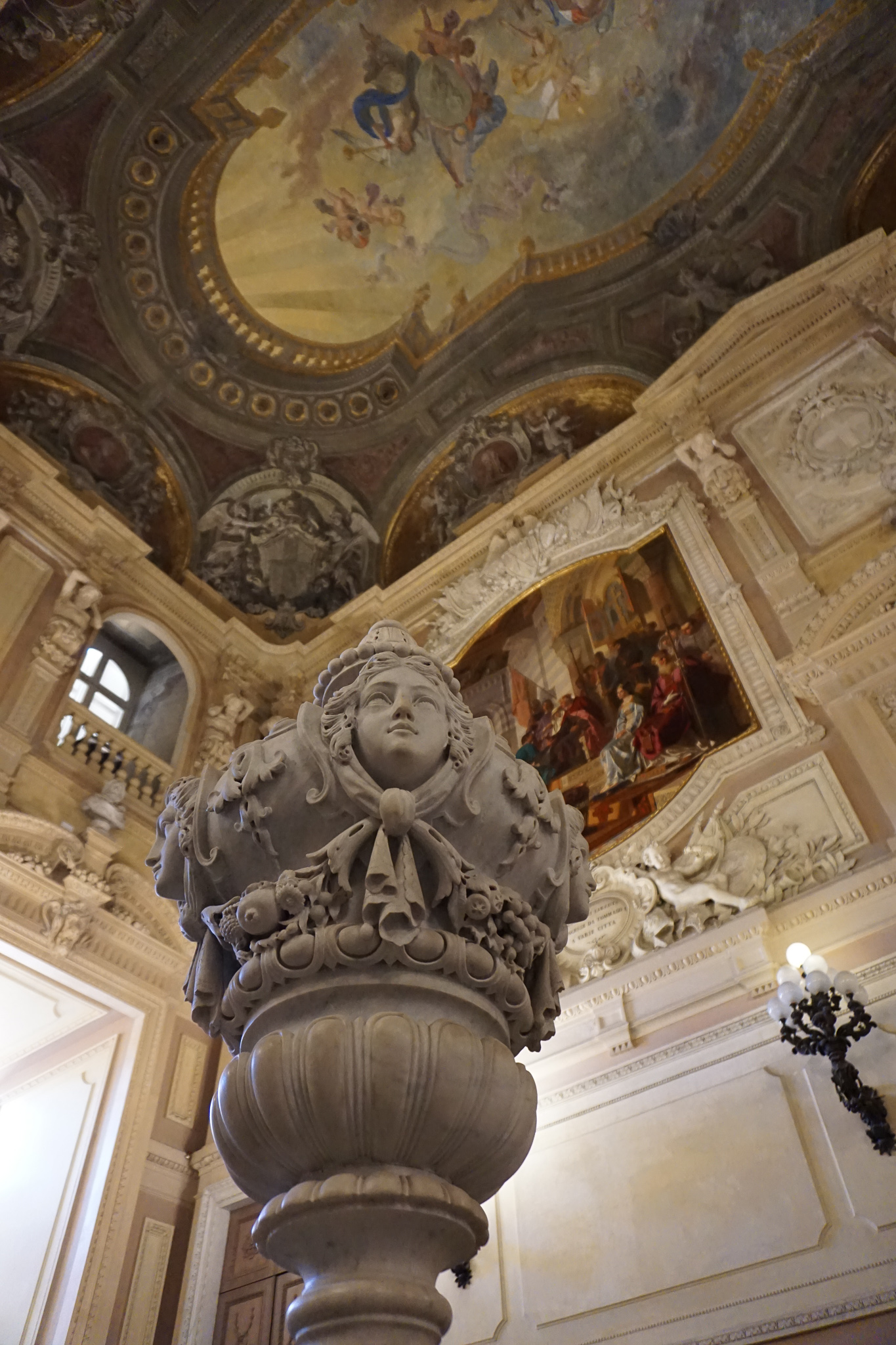
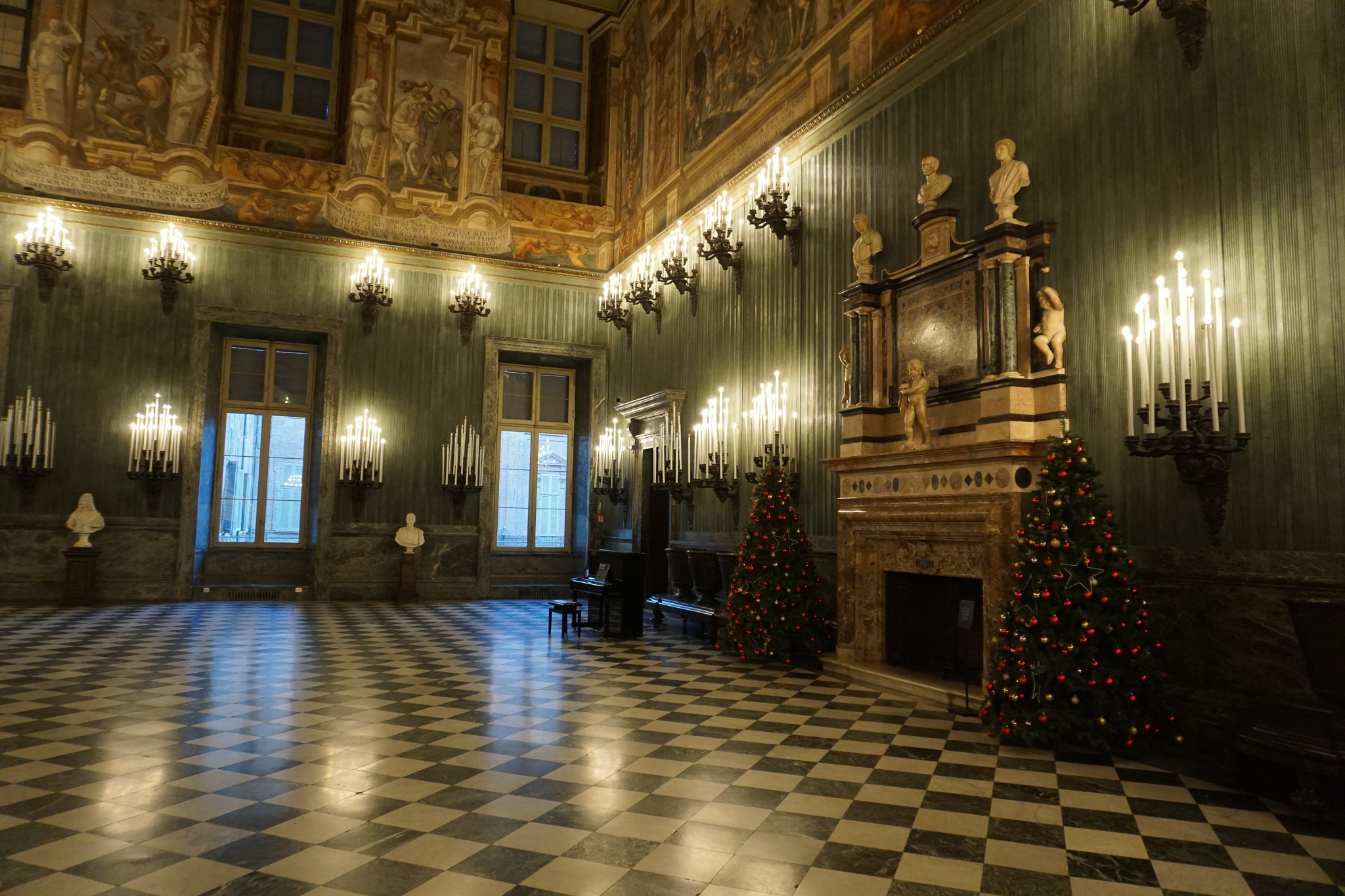
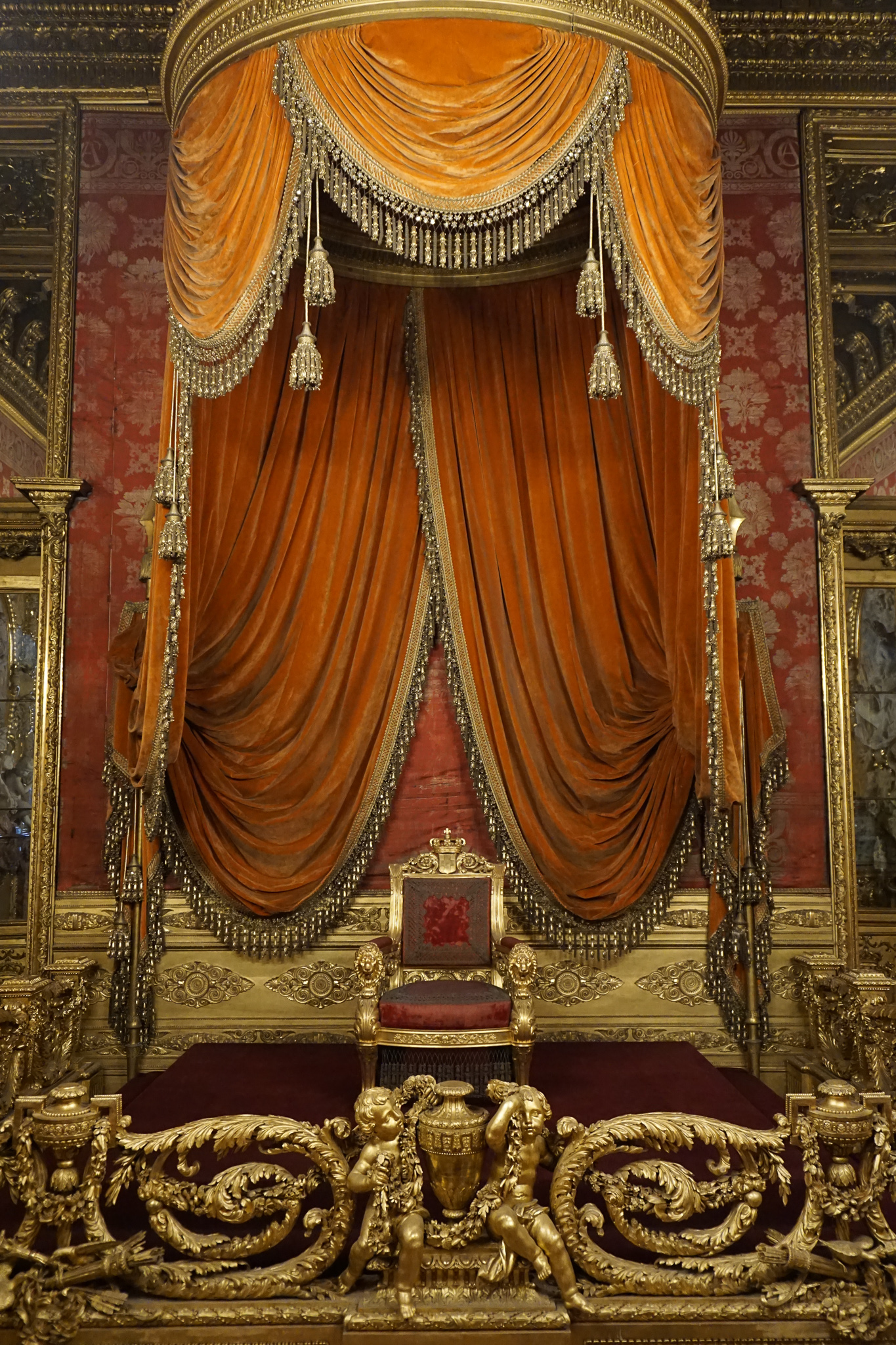
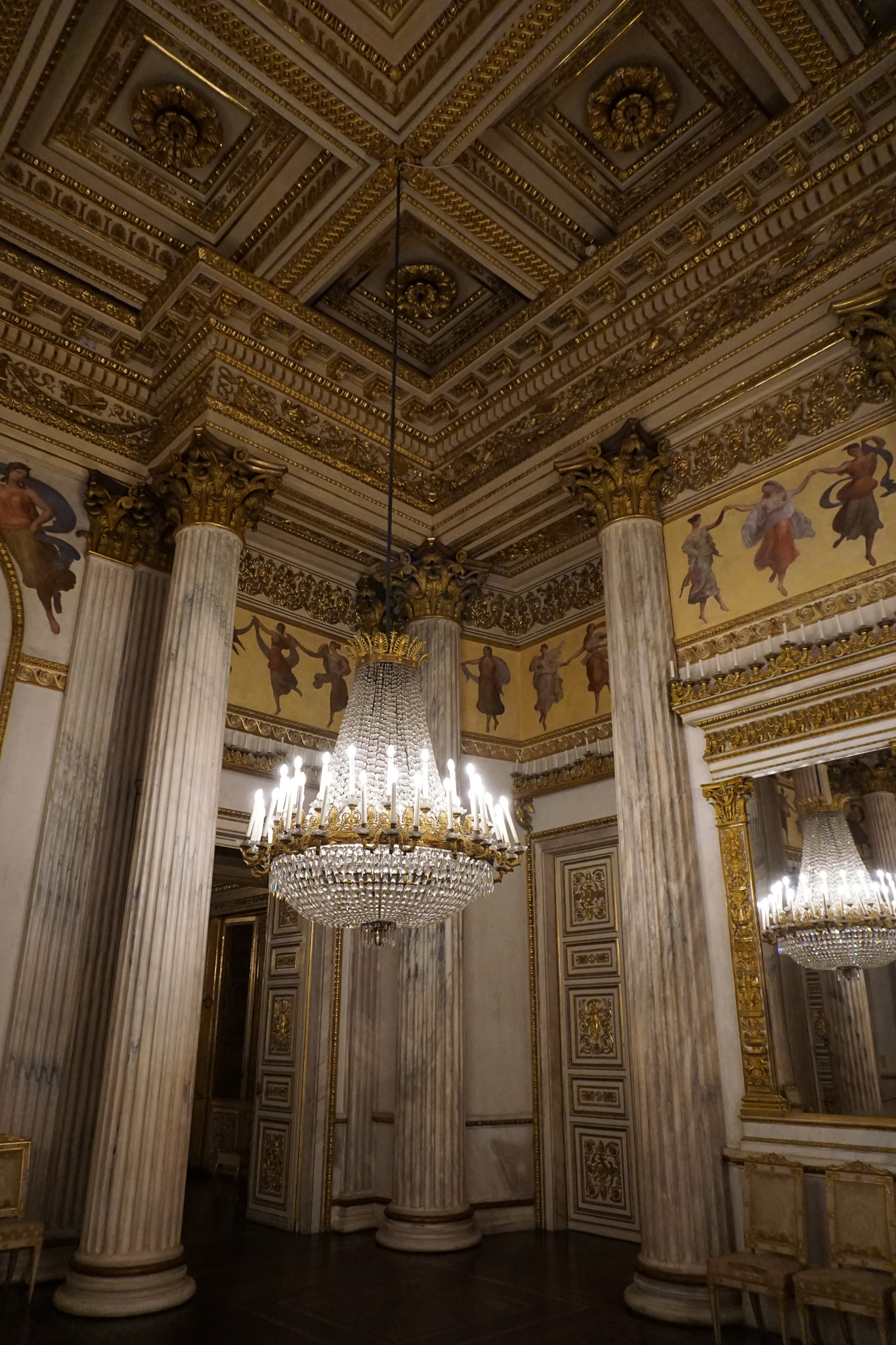
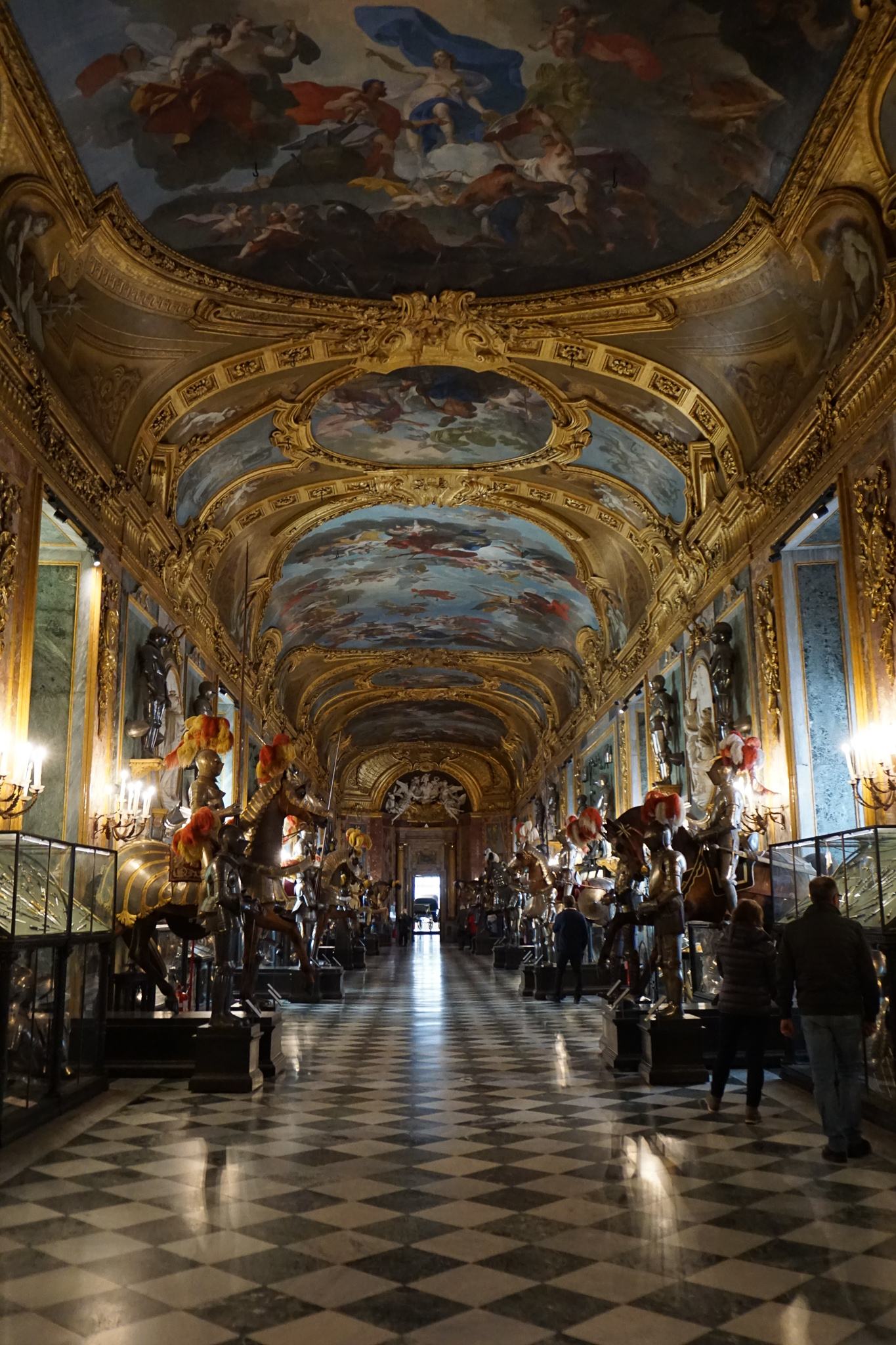
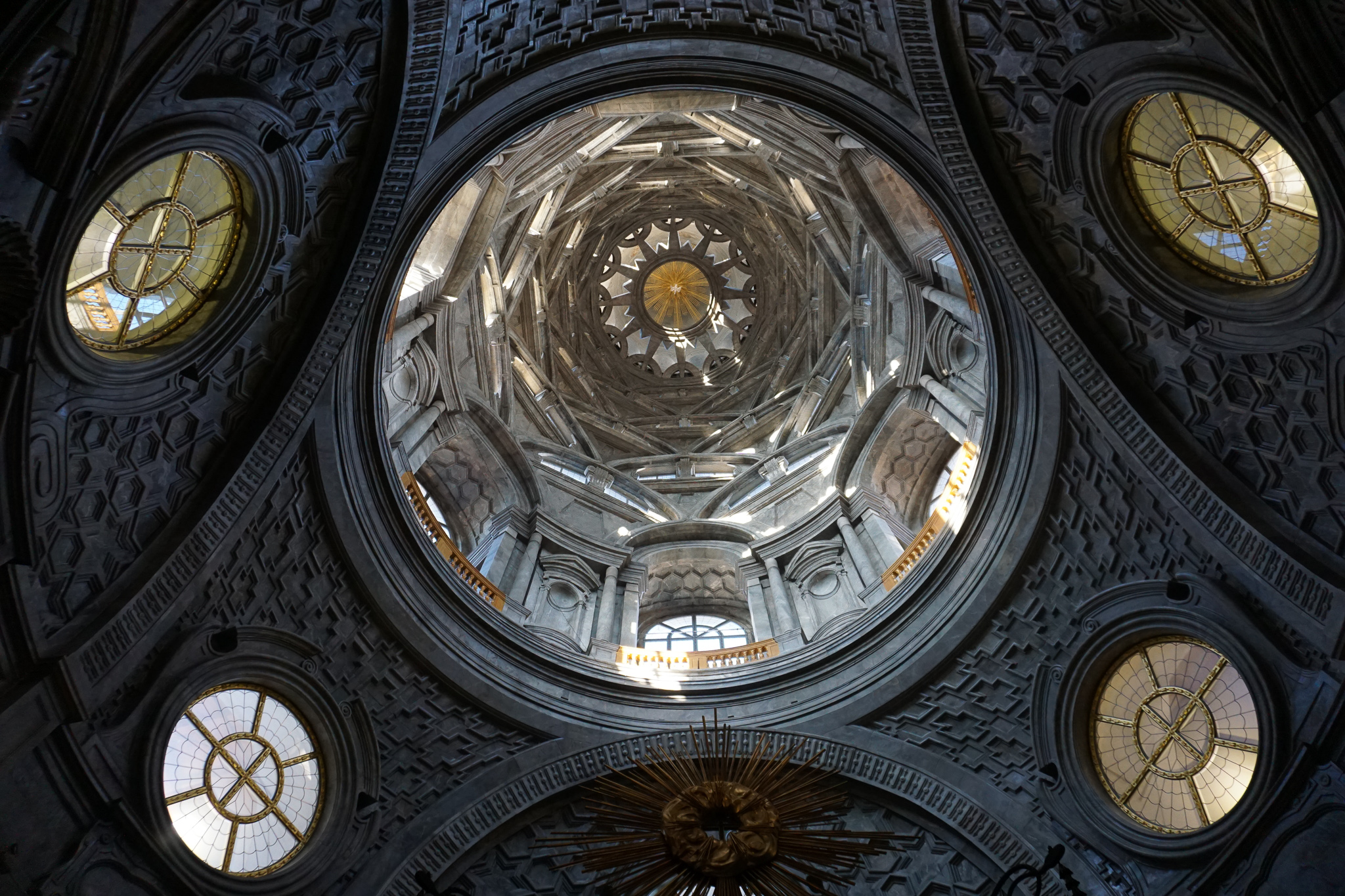
Apart from the Royal Apartments, and the Royal Armoury, there are three more sections to visit – the Royal Library (which I unfortunately missed, not sure how, but it’s also free to visit to everyone), the Galleria Sabauda, the Museum of Antiquities and, the most stunning chapel I have ever seen (and I have also seen quite a few, including in the Vatican City…), the Cappela della Sindone, or, in English, Chapel of the Holy Shroud. It was built precisely to house what is considered the most precious relic of the Roman Catholic Church, the burial shroud of Jesus. Religion does inspire the most incredible works of art, and this chapel is considered a masterpiece of the Baroque style. I was in awe looking around and up, as the dome was in my opinion the most impressive feature of the chapel. You do have to spend some time here to soak it all in, which happens in so many Baroque-style buildings.
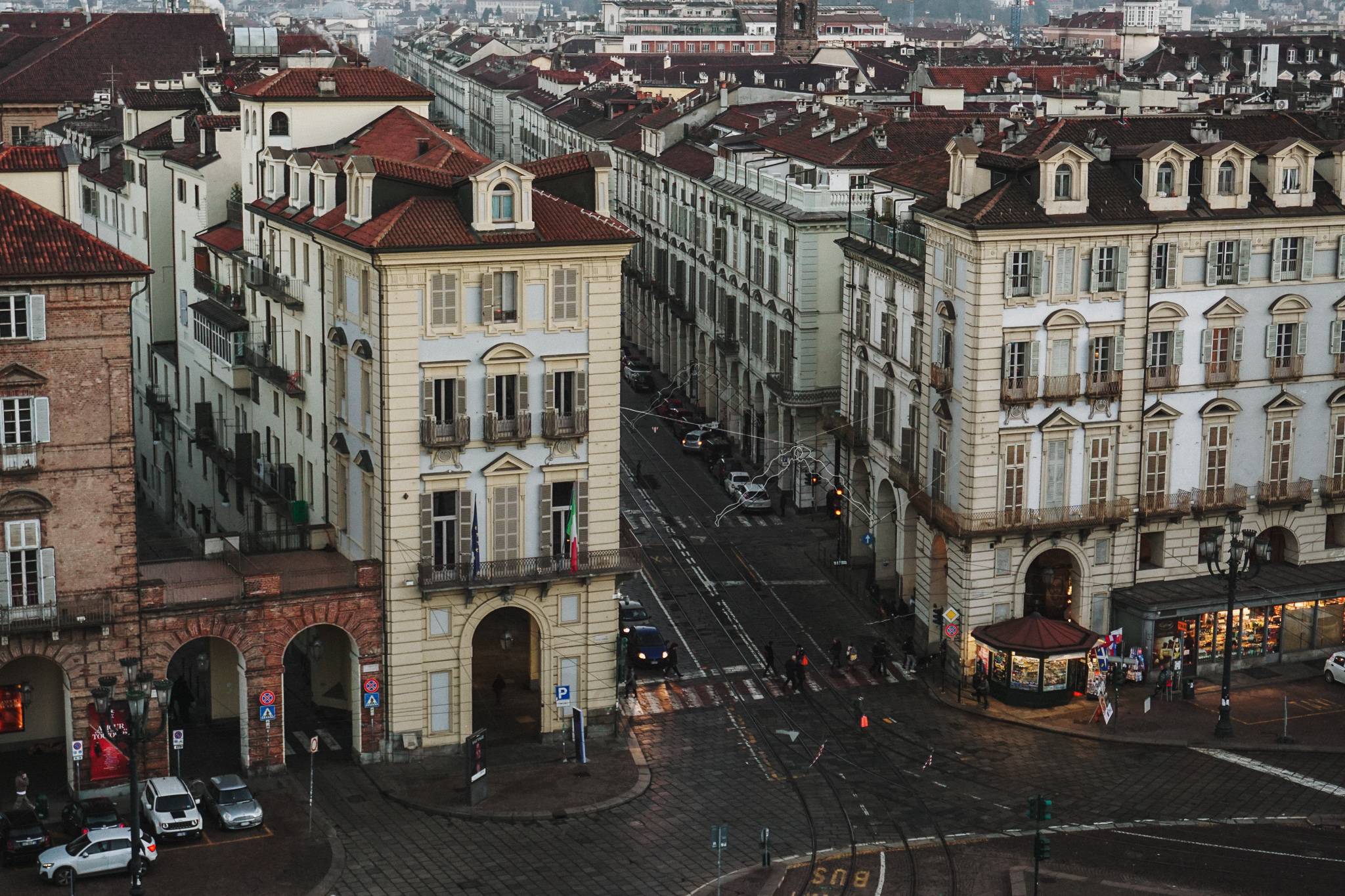
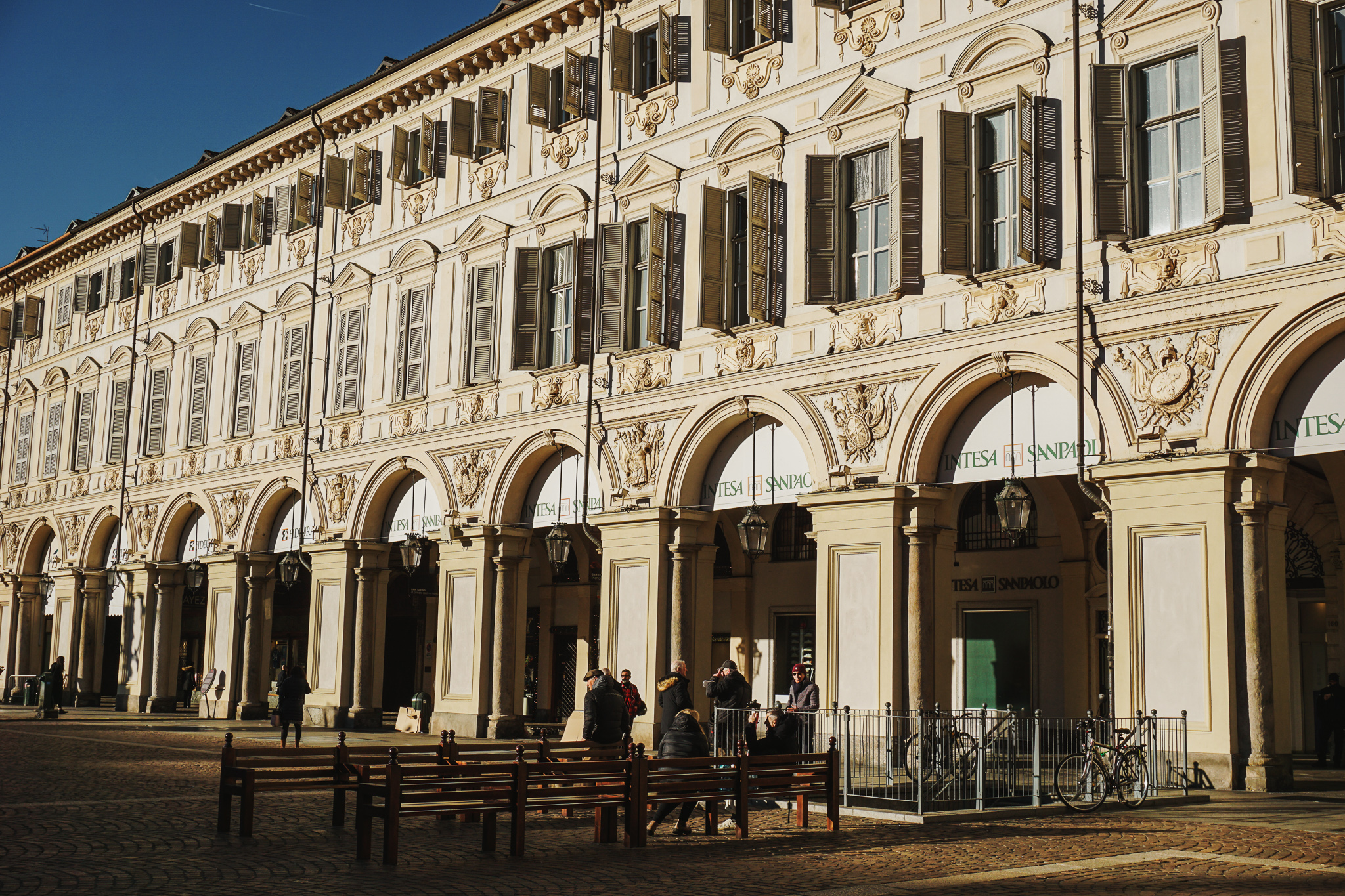
Time went by very quickly, and so I headed to the meeting point for the walking tour I had signed up for. It was the smallest group I had joined, with only 5 people joining the English-spoken tour! I always find these tours one of the best things you can do in any new place, as I always learn so much more about the city, its history, traditions, etc… and yes maybe I could read it online, but it’s not half as fun. When he said that 80% of Turin had been destroyed during the Second World War I was in disbelief. I was definitely having a hard time seeing it. As I turned around I saw beautiful buildings, and incredible architecture, from before the war. It only made me admire it more. In fact, Turin ended up being amongst the most bombed cities in Northern Italy, due to its industrial importance in the war production, home to Fiat and other central factories.
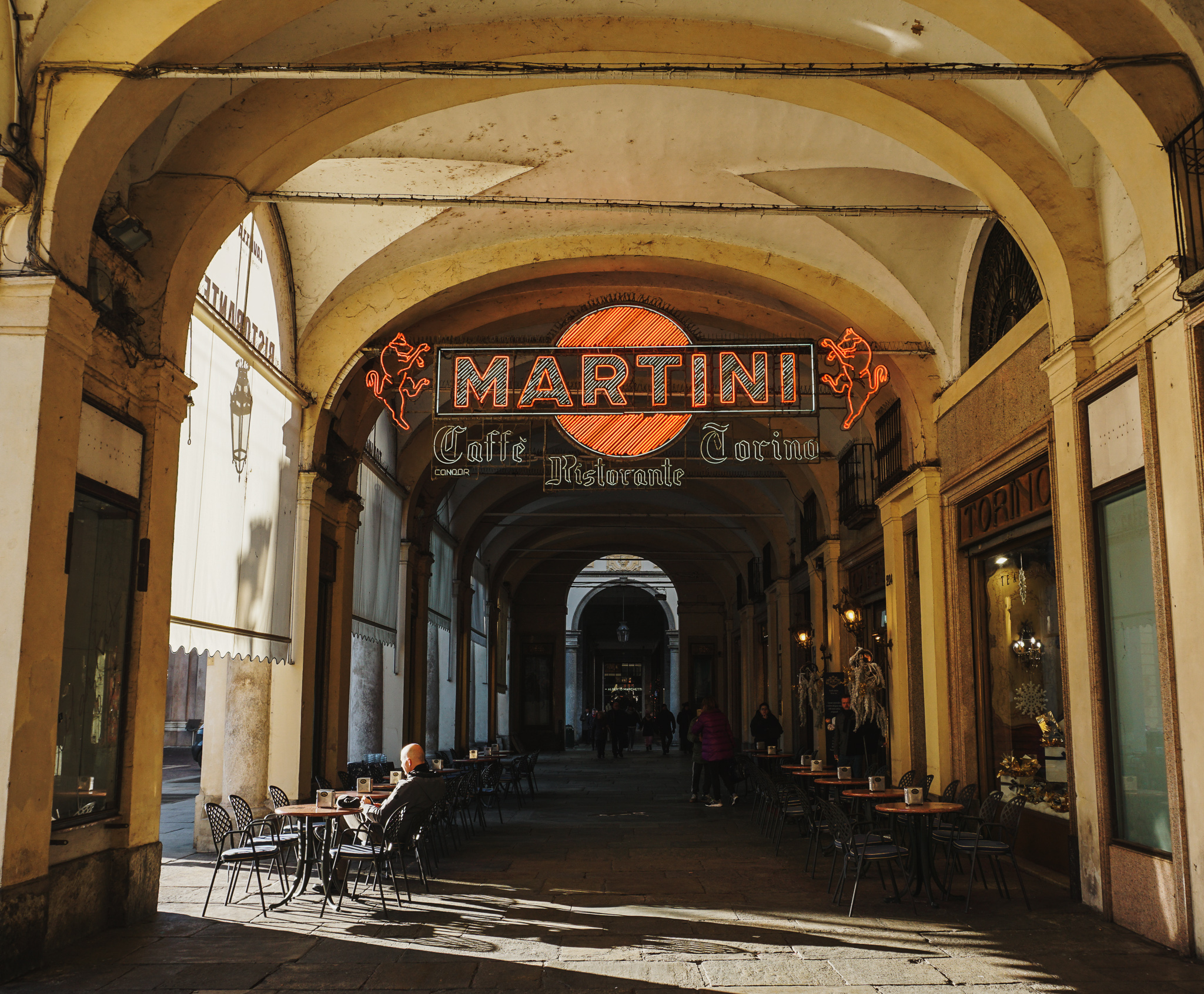
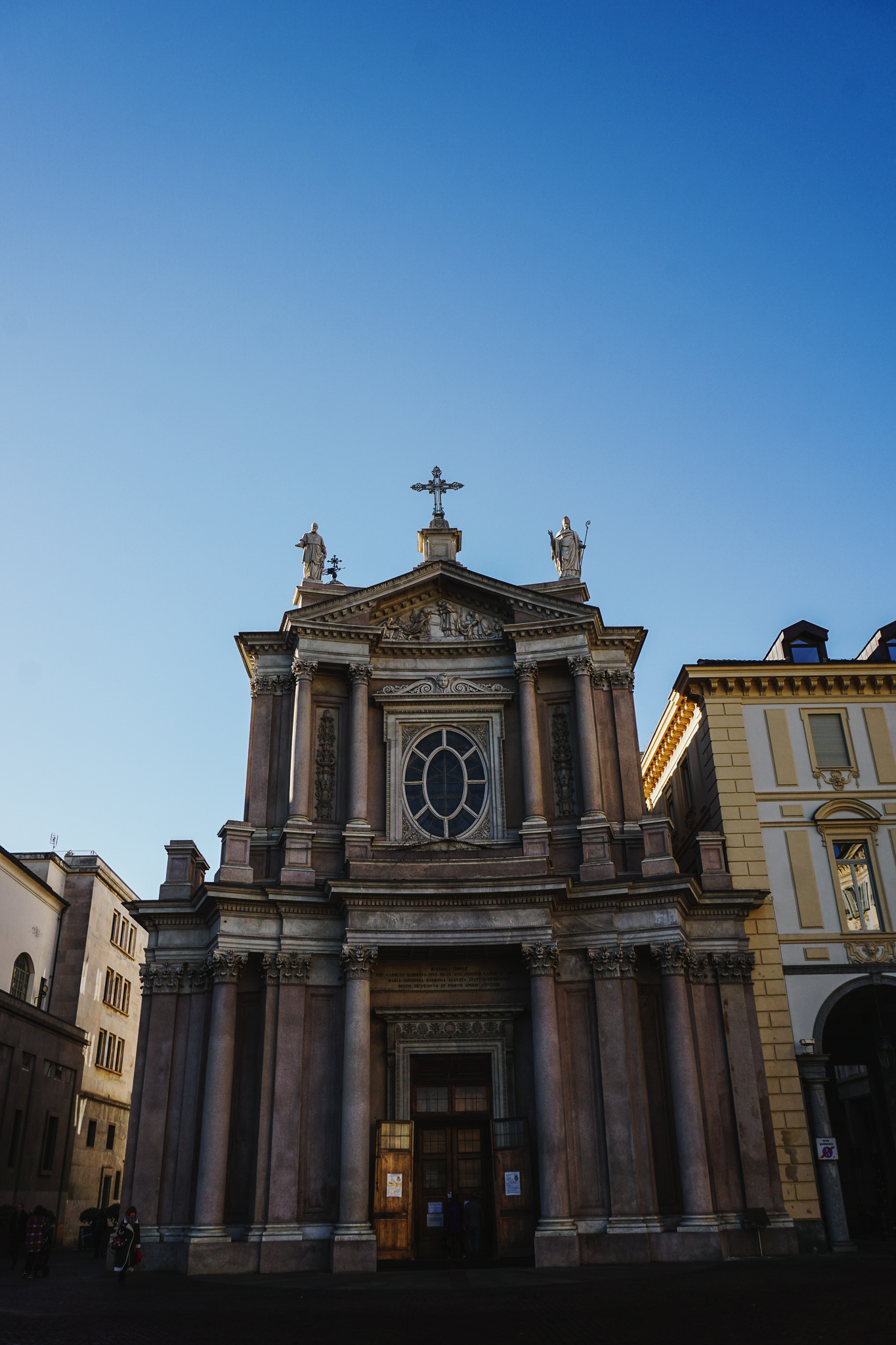
I also learned that Turin has something that I love in abundance – cafes, and old ones. I tried the Bicerin, a traditional hot drink native to Turin, made of espresso, chocolate and mill. It is a bomb of caffeine and calories, but it is definitely a great drink it’s bloody cold outside (which was) and feeling a little sick and in need of a good energy boost. I drank it in the historical Café Fiorio, which has been alive and well since 1780! For many decades, it was a meeting place for intellectuals, artists and politicians.
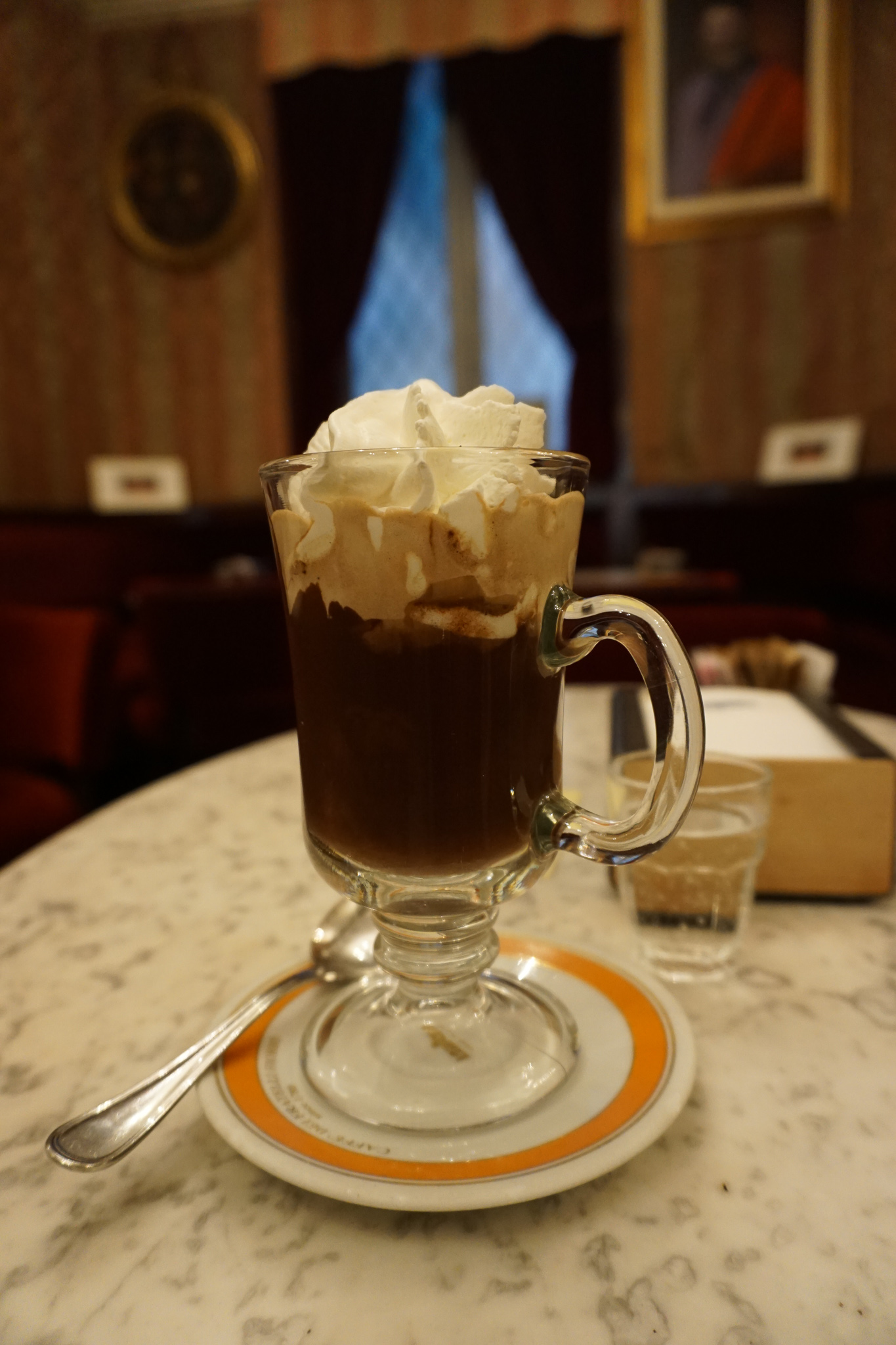
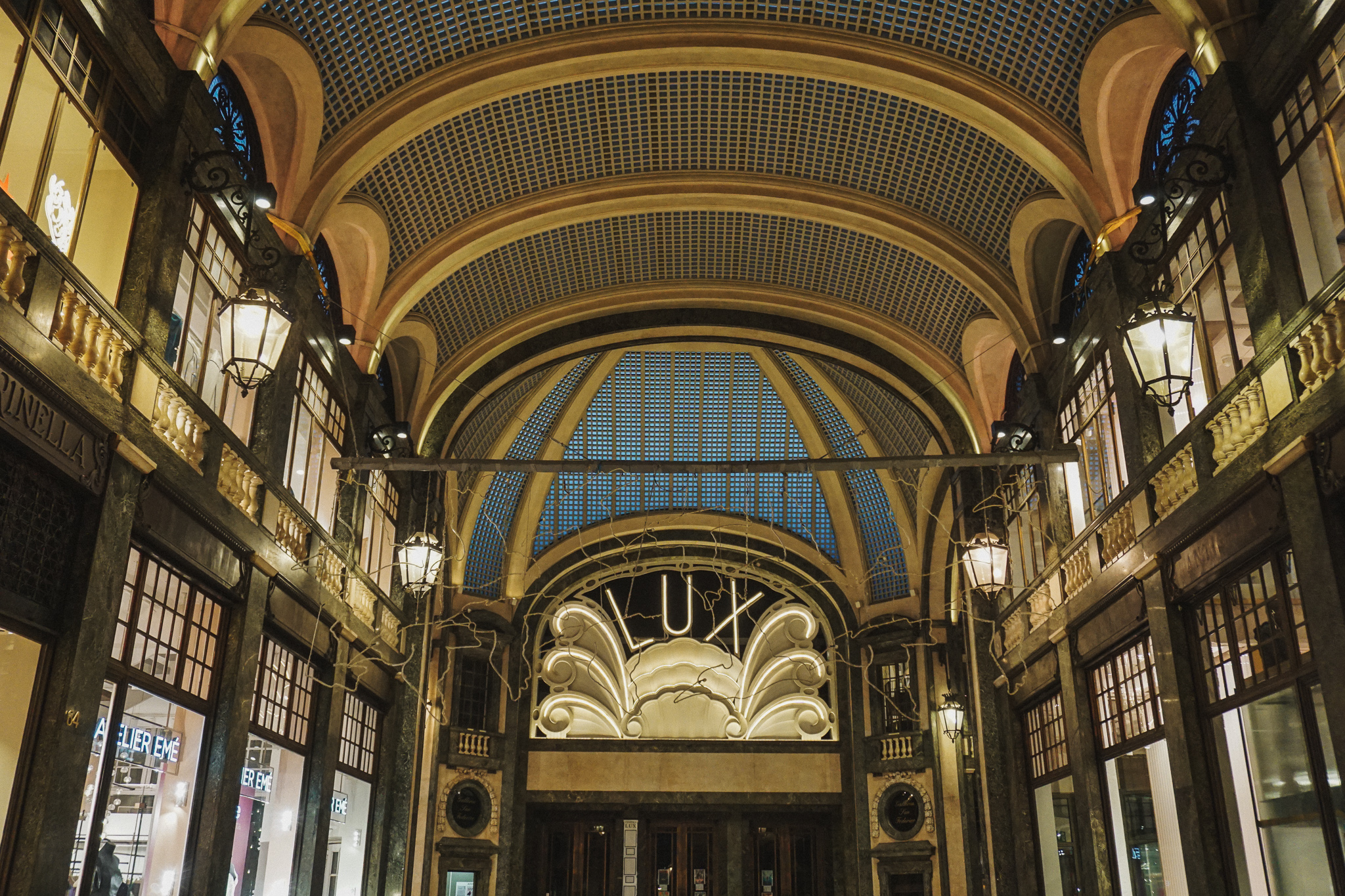
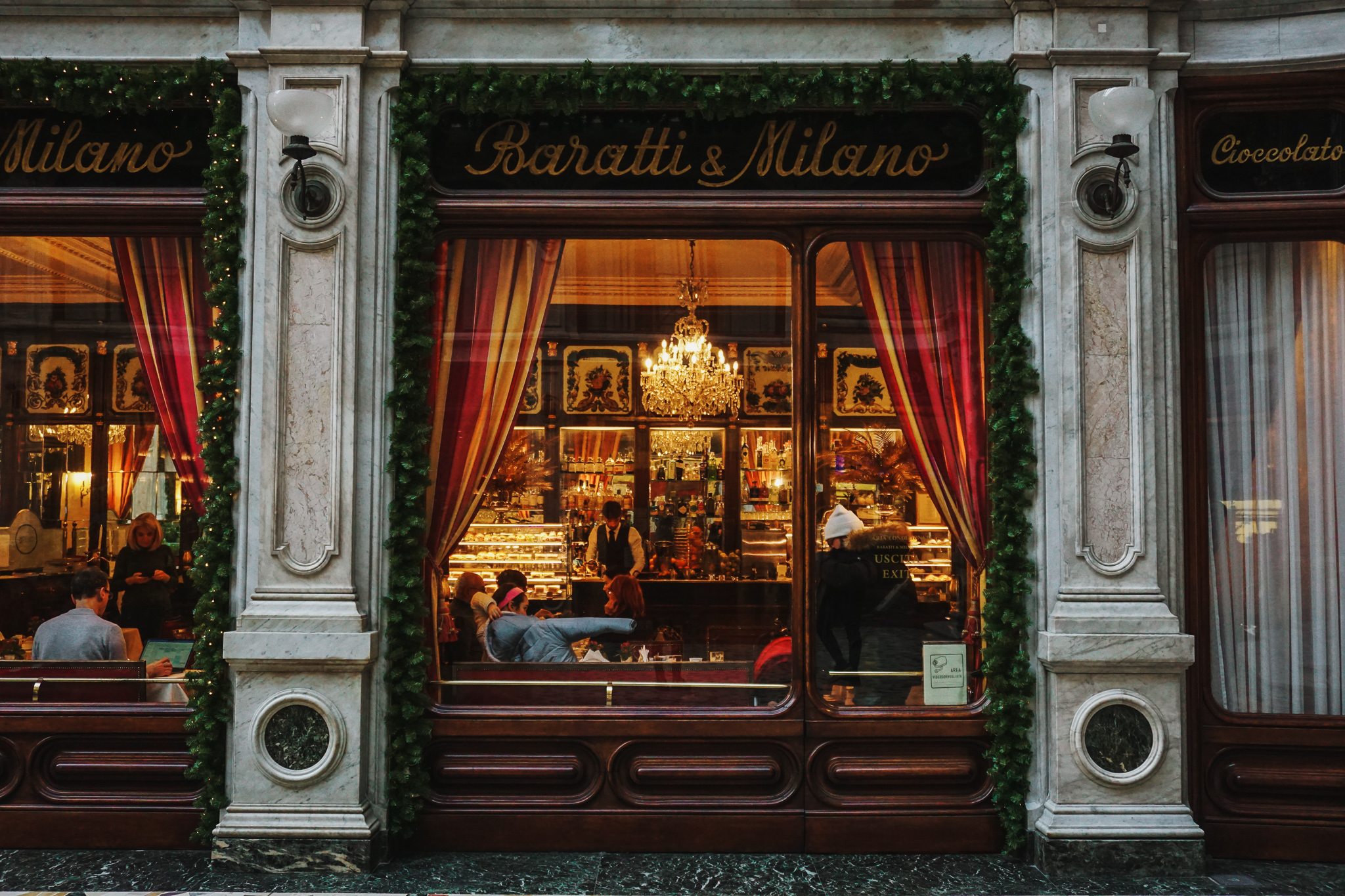
Another café you can visit and feel like you are living in the past is the Baratti & Milano. Located in one of the oldest shopping centres as well (now unfortunately a ghost one), it breathes elegance and charm. Founded in 1858, it continues to be one of the most elegant places to drink hot chocolate in Turin.
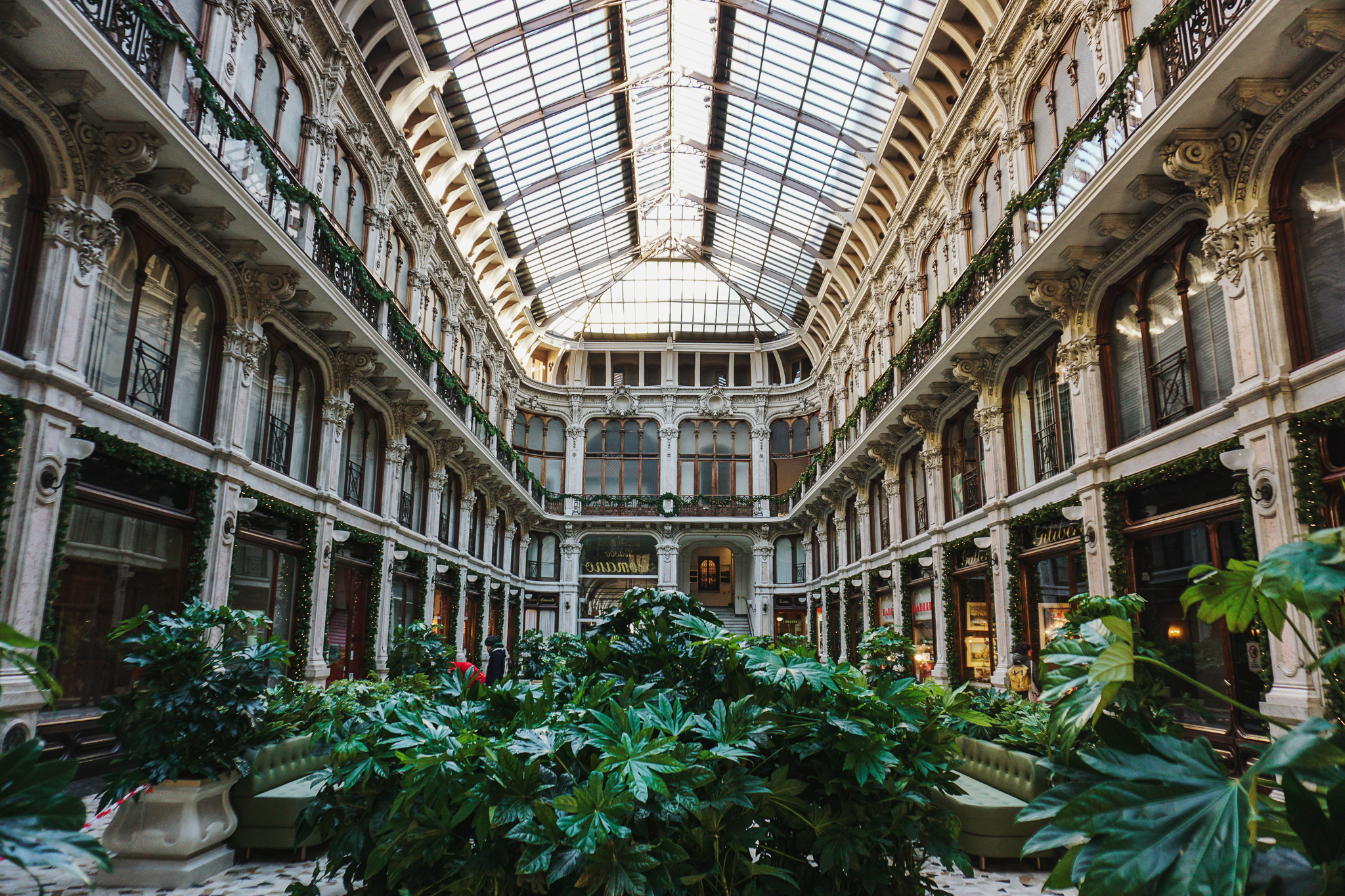
That shopping centre is the Galleria Subalpina. It follows the typical 19th-century model, a small-sized version of the Galleria Emanuele Vittorio in Milan. Besides the size, the main difference is that this one is practically empty, with most shops closed due to the incredibly high rents the owner (an investment fund society) is asking for. This is something that really saddens me, to see such beautiful buildings falling in disuse in a world only focused on profit, apathetic to the remnants of our history and culture, letting iconic landmarks such as these die. It if wasn’t for the walking tour, I would have completely missed this little gem, so make sure to put it on your list of things to see when you visit Turin.
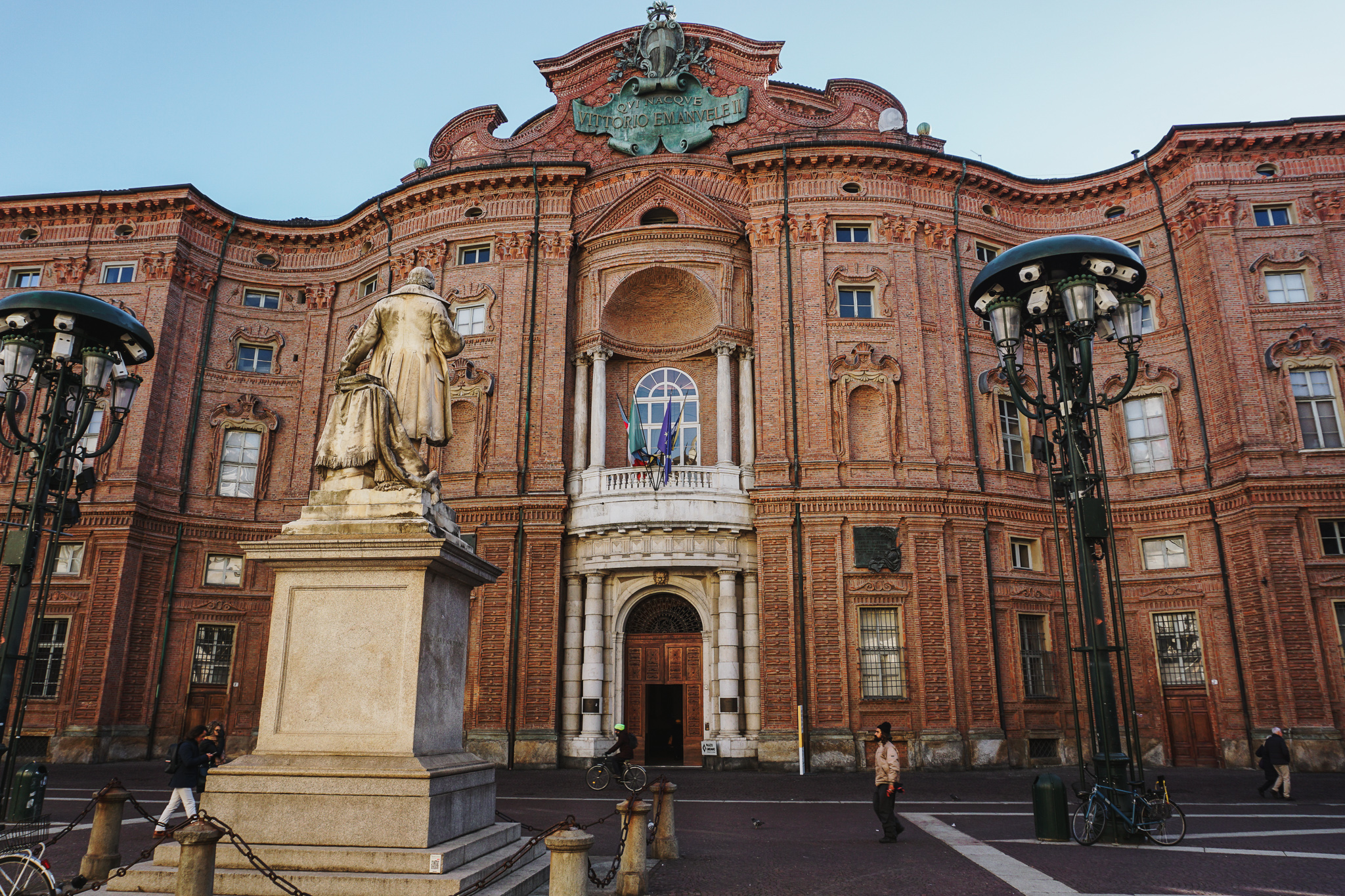
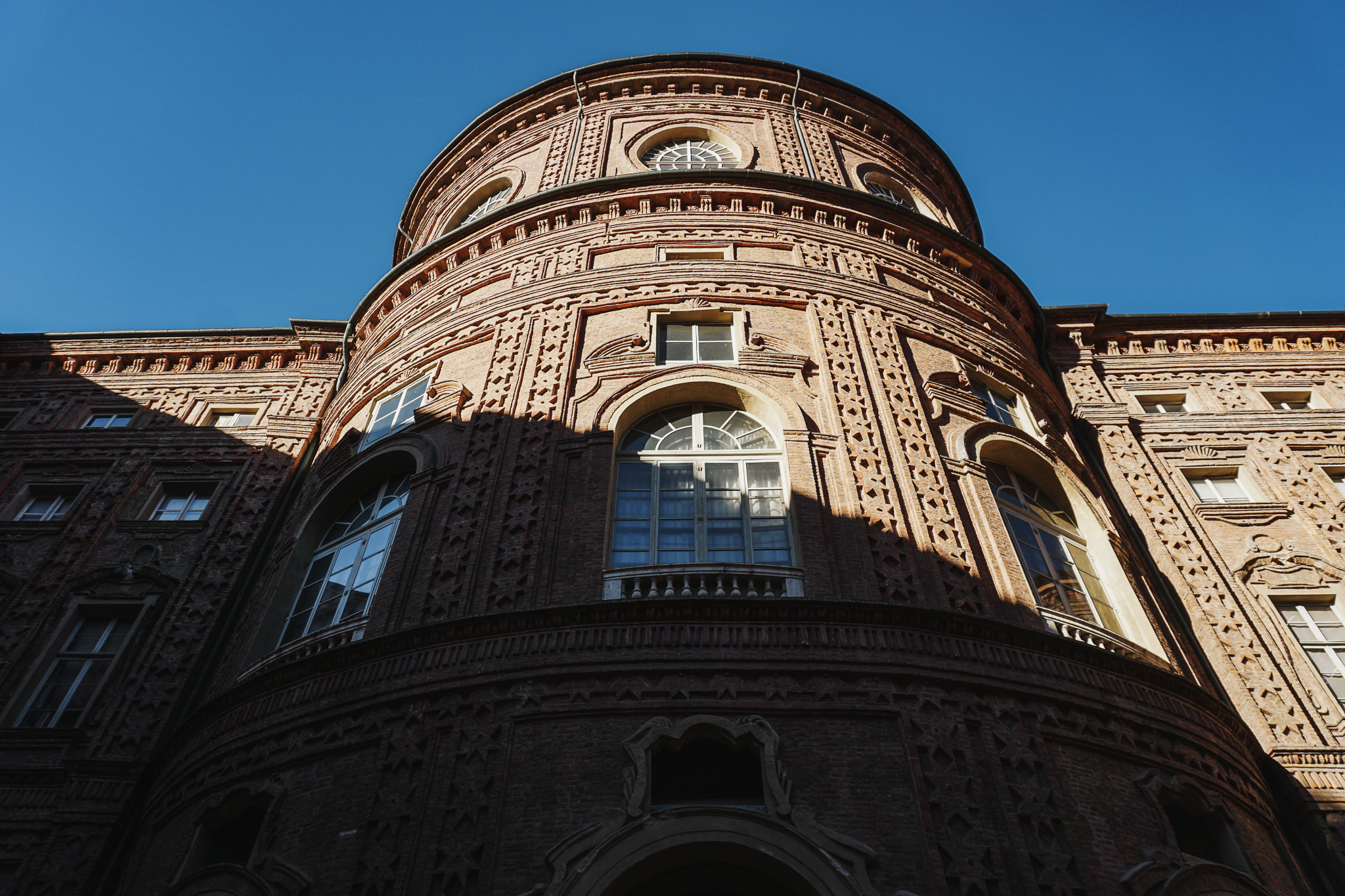
Another fantastic building in Turin is the Palazzo Carignano. In my hotel room, there was a big picture of it on the wall, and I was looking forward to taking a look. This magnificent edifice is of massive importance for Italy, as it houses the Museum of the Resorgimento, but I was particularly impressed by its very different Baroque architecture, with a curved terracotta façade.
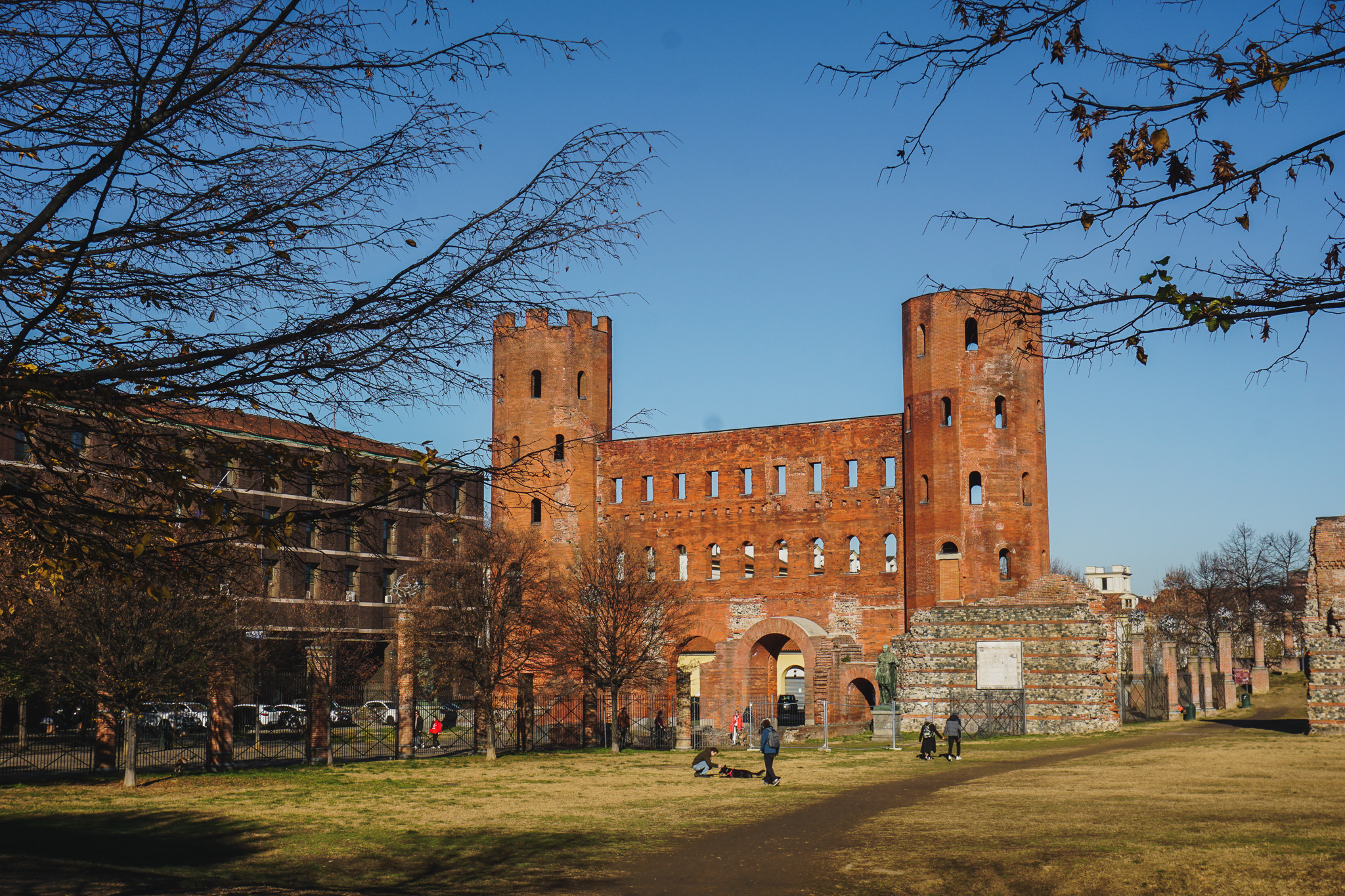
The walking tour ended near another ancient structure in Turin – Porta Palatina (Palatine Gate). It is considered the primary archaeological evidence of the city’s Roman Era, and it is one of the best-preserved gates of the 1st century. It used to be one of the entrances to Turin, which used to be called Julia Augusta Taurinorum at the time. Very well preserved for its age, don’t you think? Especially when you consider the bombardments Turin endured during World War II.
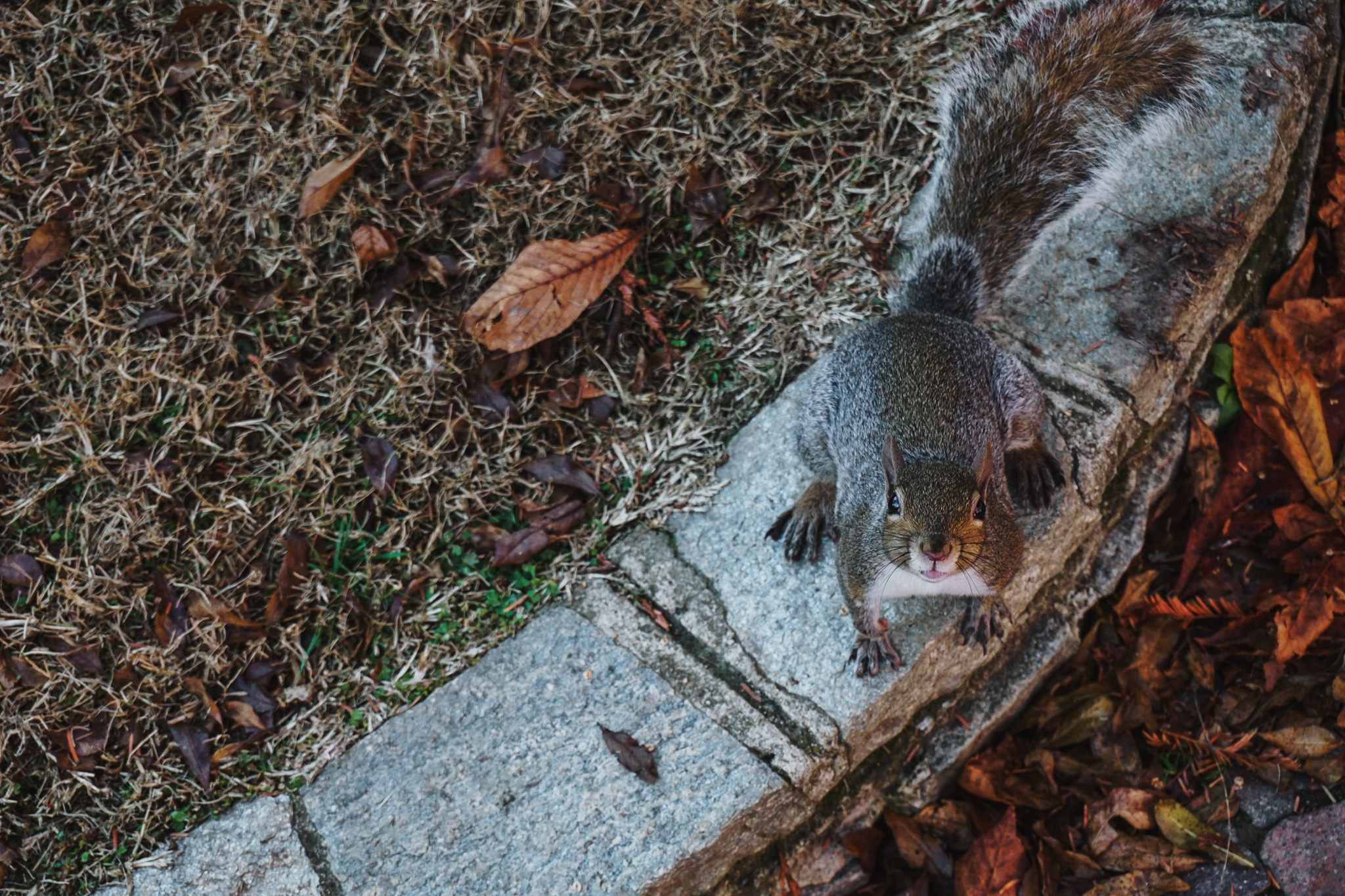
Now, there is a LOT to do in Turin. Really a lot. Despite the cold, I was lucky with the weather – mostly sunny, perfect for walking around. I had on my plans to visit the Medieval village in Turin, called Borgo Medieval. Located by the river Po, it is an open-air museum that counts thousands of positive reviews online. However, when I got there, after a long 40-minute walk, I found it closed, half abandoned, apparently in the middle of renovations. I must say the scaffolding looked quite old, so not sure what is really happening there. I was a bit frustrated, I’m not going to lie… the silver lining is that it was indeed a nice walk, I got to see the riverside and made friends with a little squirrel on the way back, in Parco del Valentino.
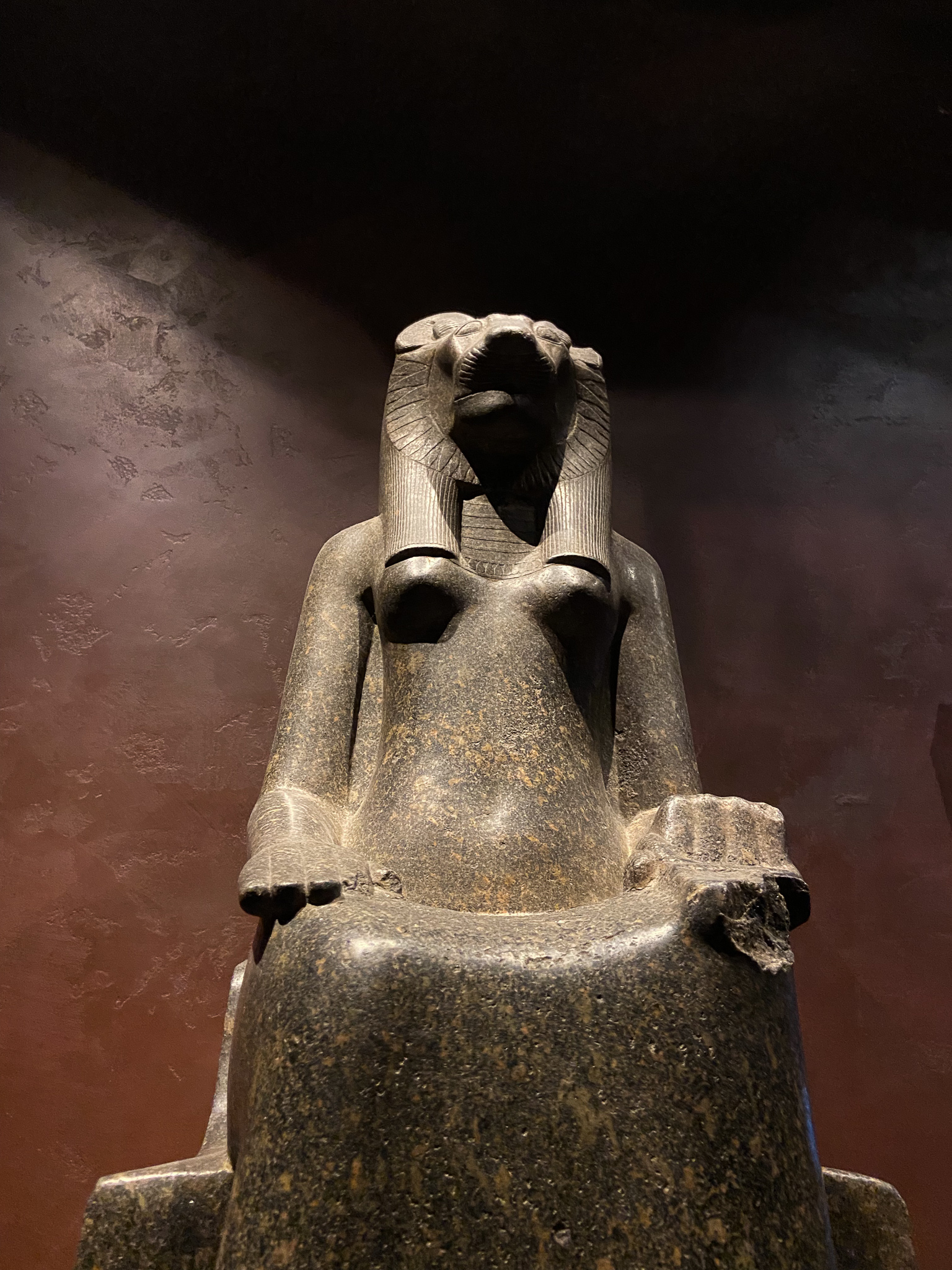
With some time left in the day, I ended up visiting a Museum that I wasn’t planning to visit at all, but it’s high on the list of top things to do in Turin – the Egyptian Museum. Why would there be such a world-famous Egyptian Museum in Turin? And, you may even be further impressed if I tell you this is the oldest museum of ancient Egypt in the world, including the actual Egyptian Museum in Cairo, Egypt. Of course, this rang bells – oh there, the colonialist the westerners, piling, excavating, Egypt, robbing them of their treasures, bringing them to Europe… Well, which is true, isn’t it? But why Turin? Why Italy? I had thought for many years that the British Museum in London was the one big culprit of it all… never thought I would encounter a Museum in Italy – which is already so rich in its own ancient history – dedicated to Ancient Egypt. Why, why why… this question was answered at the museum itself. I couldn’t believe just over a month ago I had been in Egypt myself, and there was I again. But I’m not going to lie… I quite enjoyed it. Especially the answer to the why.
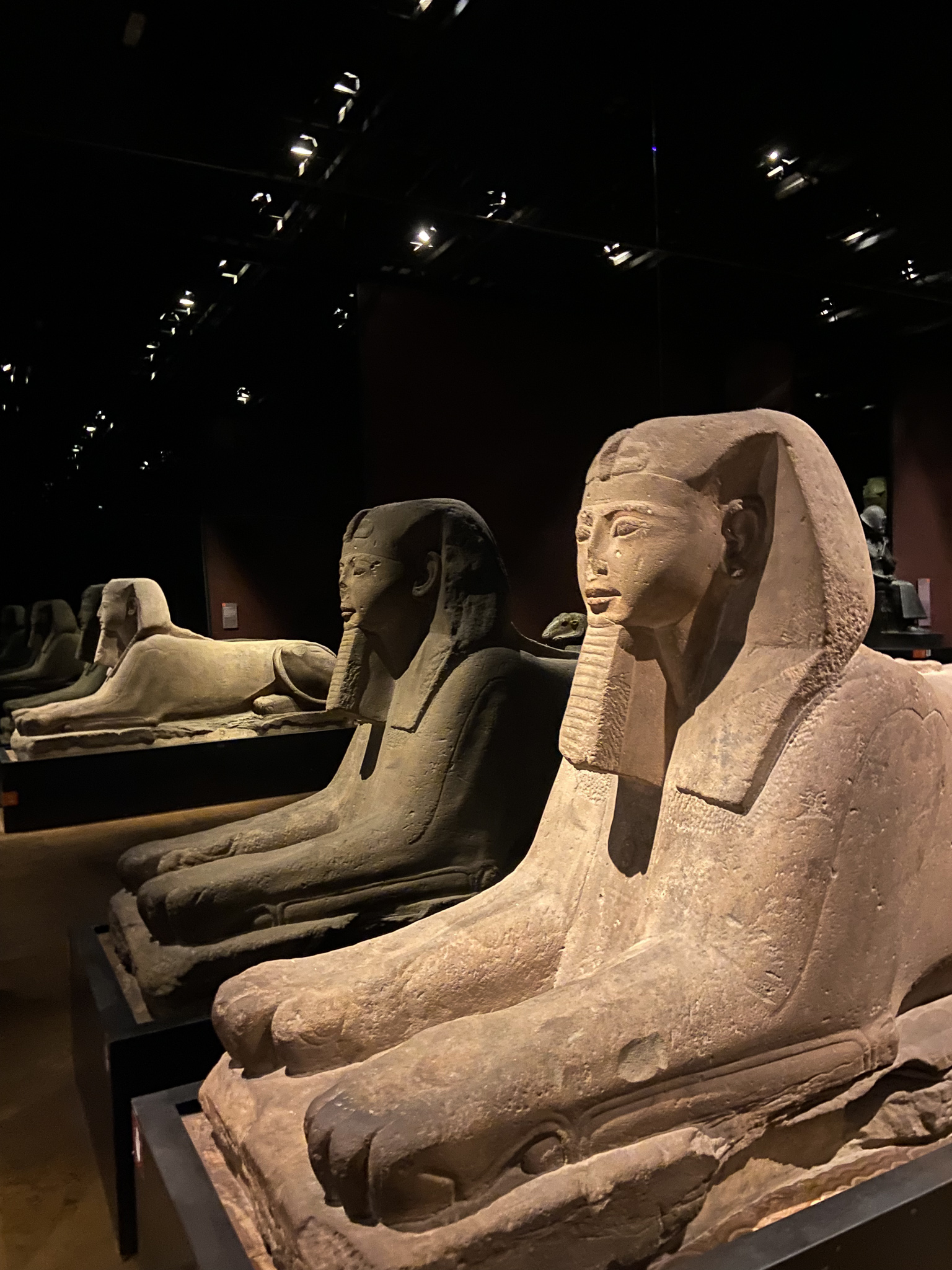
Let’s travel to the time when the fascination with Ancient Egypt began to grow amongst the European royal houses, in the 18th century. This was a time when archaeology was considered cool (I still do, and I wanted to be one when I was kid, a female version of Indiana Jones, without the womanizing of course). In the early 1800s, after the Napoleonic campaigns in Egypt (meaning all the piling) it was fashionable for the wealthy to collect Egyptian antiquities. There was (still is, let’s face it) a fascination with the symbolism used by the Great Pharaohs. I can only imagine the feeling of power that owning these relics could bring to an individual, but most importantly these artefacts became a symbol of wealth, status, and the divine in a sense in 18th-century Europe too. And well… the House of Savoy was very keen to find a link between Turin and Ancient Egypt. And, amongst one of the big collectors (robbers) of the time, there was Bernardino Drovetti, from Piedmont. He collected (stole) over 8,000 pieces! Of course, this only meant more and more excavation campaigns were commissioned by the royal house, and more and more objects collected came to Turin and stayed there until this day. The Egyptian Museum of Turin is one of the most visited in all of Italy, which is quite impressive if you think about the artistic, archaeological, religious and cultural heritage that Italy has from its own grounds and roots. It really shows that you can’t get enough, ever.
This is how I spent a couple of days in Turin. Not bad for someone who was feeling unwell, right?Next up – Bergamo!
Love, Nic
P.S. Don’t forget to check out what I was up to in Milan 😉
This article is also featured on GPSmyCity. To download this article for offline reading or create a self-guided walking tour to visit the attractions highlighted in this article, go to Walking Tours and Articles in Turin.


One thought on “Visiting Turin, Italy’s first capital – there is so much to see!”