
You are what we were, we are what you will be
In other words, memento mori. This quote is from one of my favourite places I visited in Palermo – Catacombes dei Cappucini. Remember, we’ll all die. Regardless of who we are amongst the living or how much you have. In the end at least we are equal, same as when we were at birth.
This is an eerie place – and I’ve visited my share. You’ll see the skeletons or mummified bodies of people who lived from the 16th to the early 20th century. It has been serving as a chronological record of Palermo’s society, with bodies organised in different sections by profession, social class and gender.
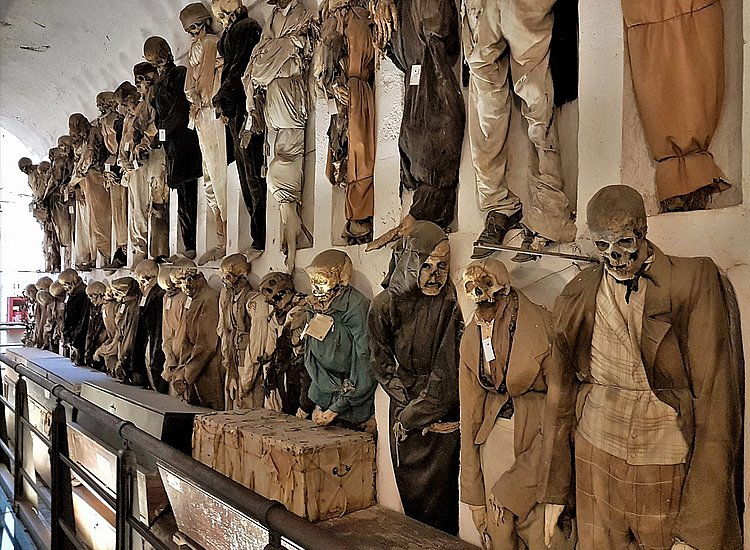
It’s prohibited to take photographs, which is something I respect. The whole experience felt unreal to me. I was trying to convince myself that they were not dolls, but real people. Real human bodies, deceased years ago, now lining the walls and the corridors I was walking through. But my brain refused to fully process it. Instead of seeing people like me, my mind kept treating them as objects of study.
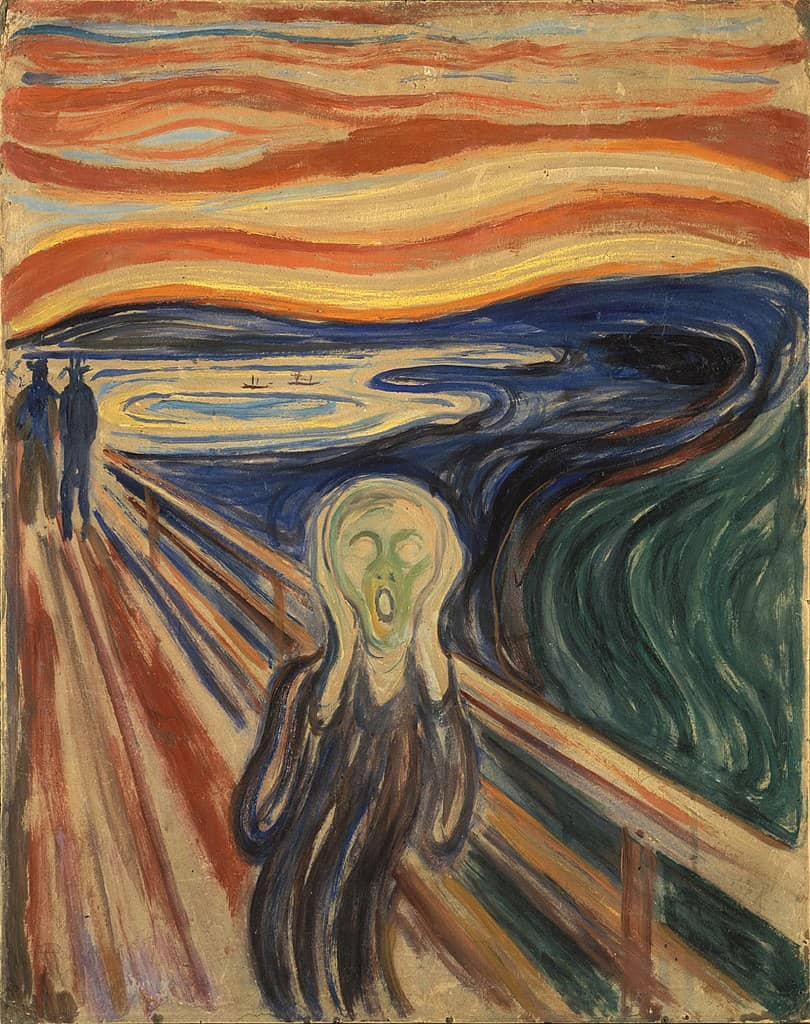
I kept wondering that perhaps I should be feeling moved somehow. But what unsettled me were the “facial” expressions, if we can even call it that. The mouths on most faces were frozen in a perpetual scream and I couldn’t help thinking about “The Scream” by Edvard Munch. Of course I’m aware these people didn’t die screaming – I know a thing or two about biology.
Apart from the screams, my fixation was on the clothes. These are dressed exactly as they were, which makes this such an incredible window into the past. Some garments still show signs of luxury – the delicate lace, the embroidery. Others are faded, stained, or eaten by time and moths.
I found myself wondering whether our clothes today would survive like this – most of us wearing fabrics that feel almost disposable. Or perhaps, with all the synthetic materials, they will outlast us in ways we don’t yet understand.
There was also a part of me wondering if these people knew they were not returning to the ground, as typical of a Catholic society. That instead they were to be exhibited as a curiosity, as an object of interest, that someone dressed in denim, unknown fabric to them, would be centuries later looking at their skeleton – something they themselves have never seen.
I had similar thoughts in Egypt, seeing the bodies of those who lived thousands of years ago, perfectly mummified, to the point it becomes difficult to process. I’m looking at real people. People who cried, who laughed, who were intelligent, had conversations, kissed, hugged, loved and hated. People who had hopes and dreams, fears and nightmares. A part of me kept questioning the ethics – is this right? And yet, I must remember – the person is gone, long gone. What we see is the shell. Not that I’m a believer in souls – but what is it that makes a person? It’s the beating of the heart, the functioning of the brain. If all of that is gone… and especially for that long, are we really just looking at an object?
The space itself felt neglected. Dust, cobwebs, darkness.It was so quiet, but so quiet. I was many times the only person in a section. It was a haunting experience… but don’t these bodies deserve at least to be kept in a place that is cleaned and perhaps more hospitable?
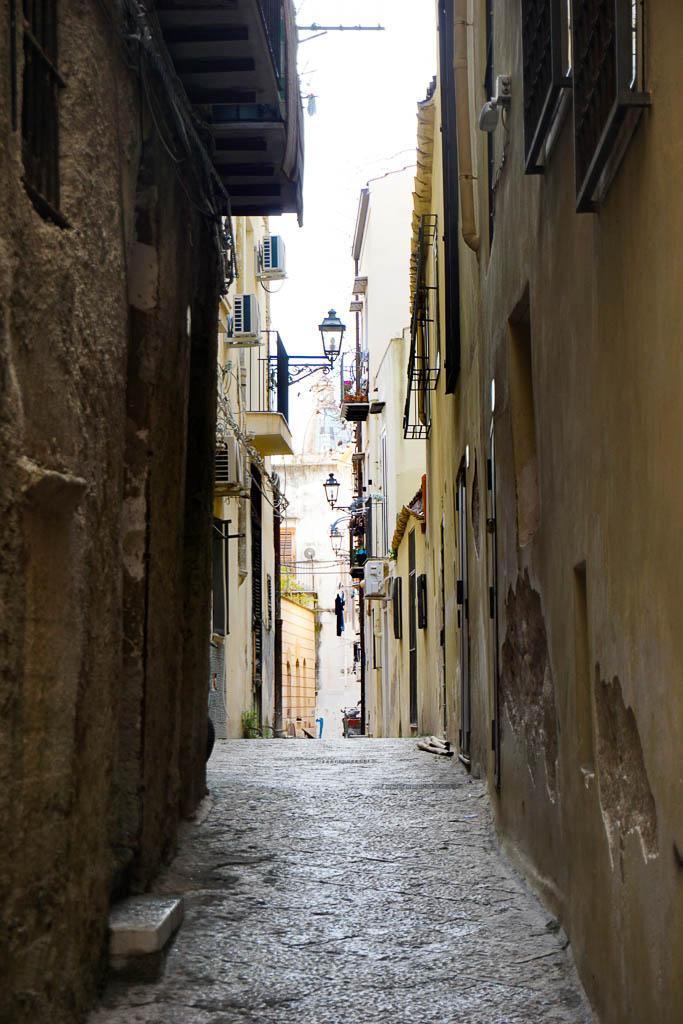
Yet, this is Palermo. A city whose decay calls to me, as moths are driven to the light. One must wonder, why such a strong call towards the decline, particularly of something that was once majestic, a remnant of a gilded age. There is sadness, and it draws me in, particularly when my spirits are full of entrancing melancholy. It feeds me, it gives reins to my imagination, I feel myself nostalgic for times I did not live, forlorn, lost… of a past.
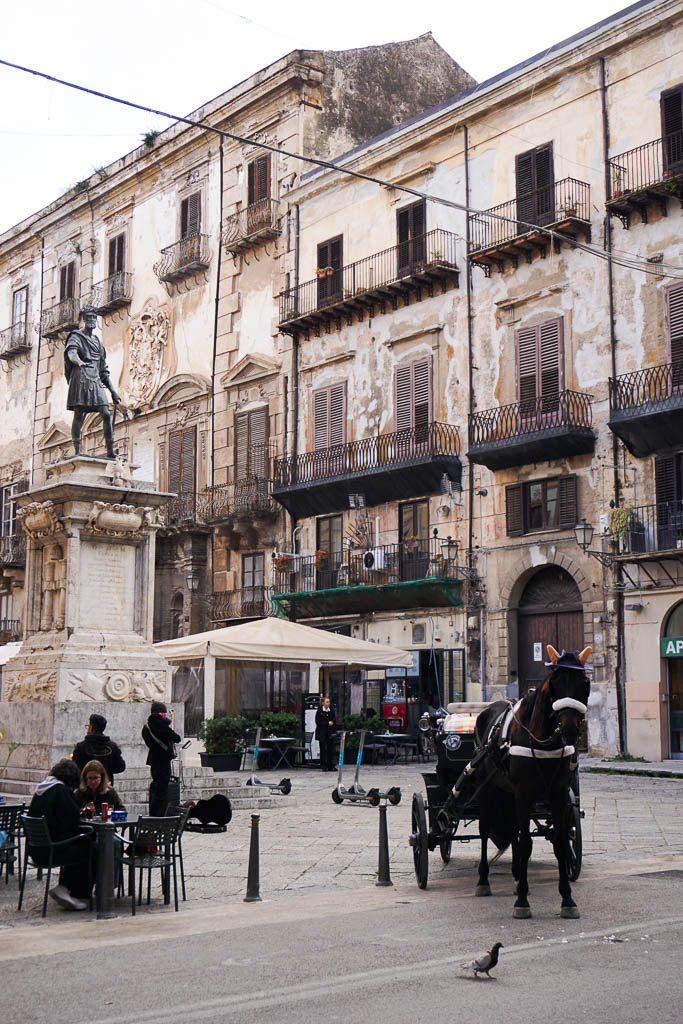
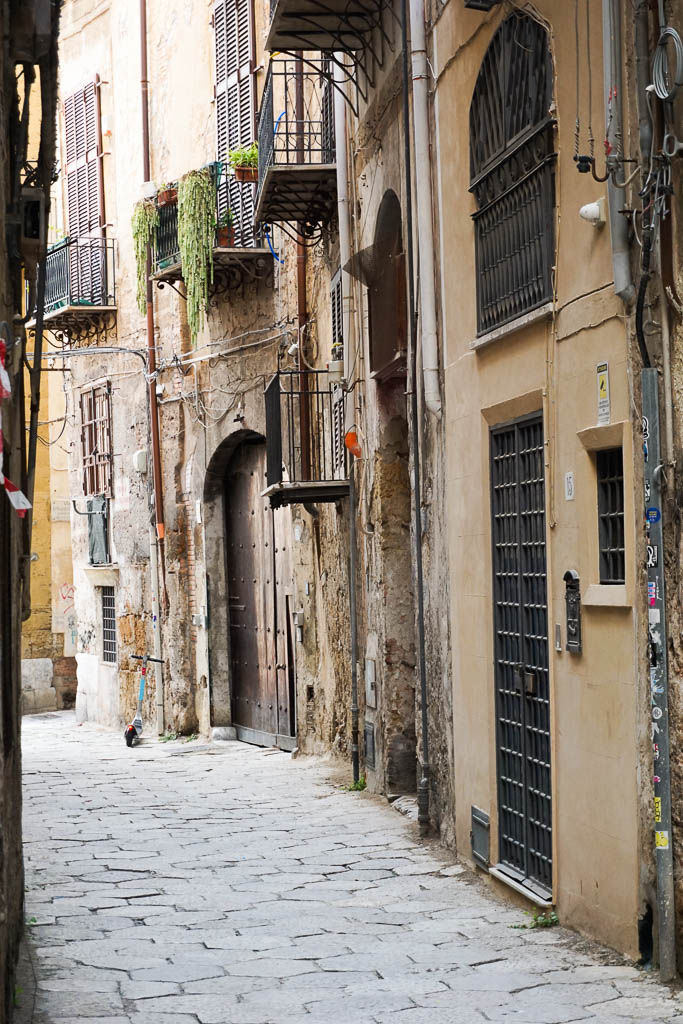
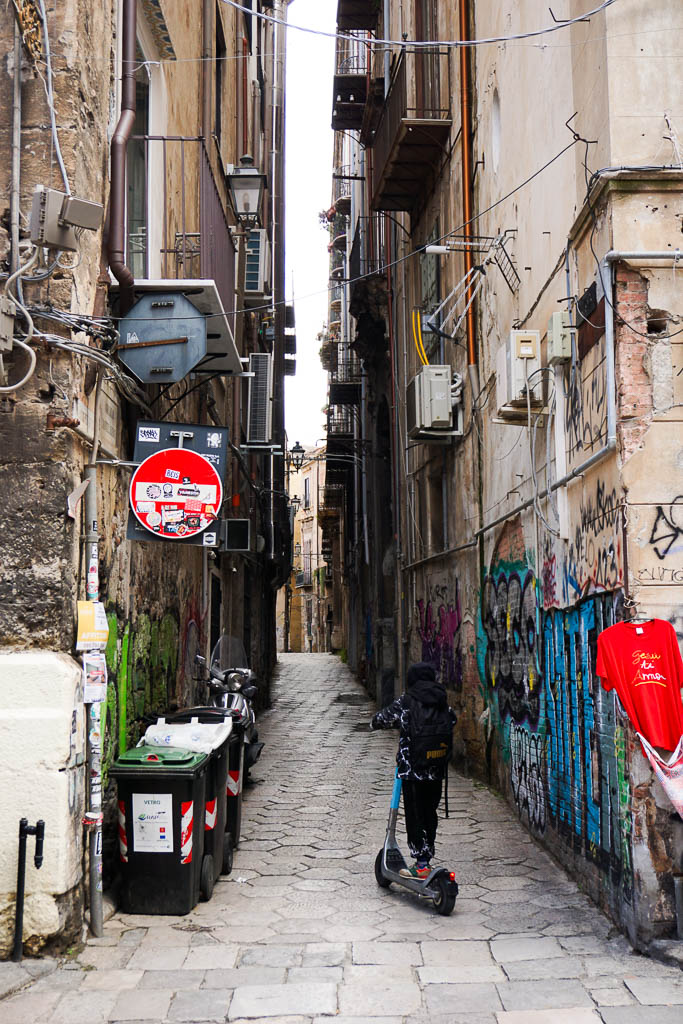
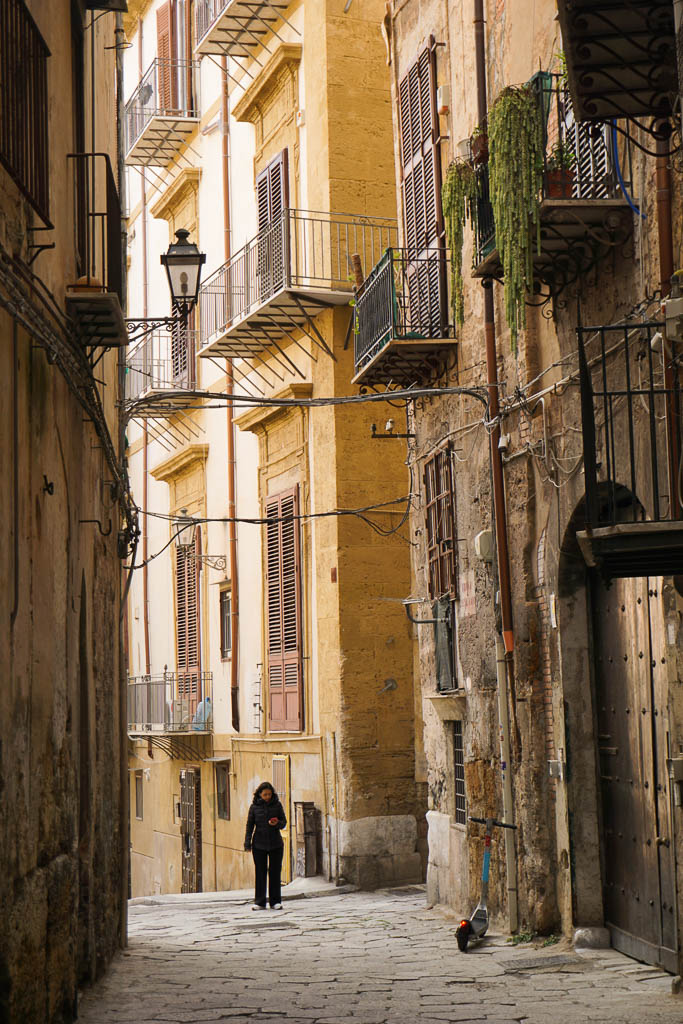
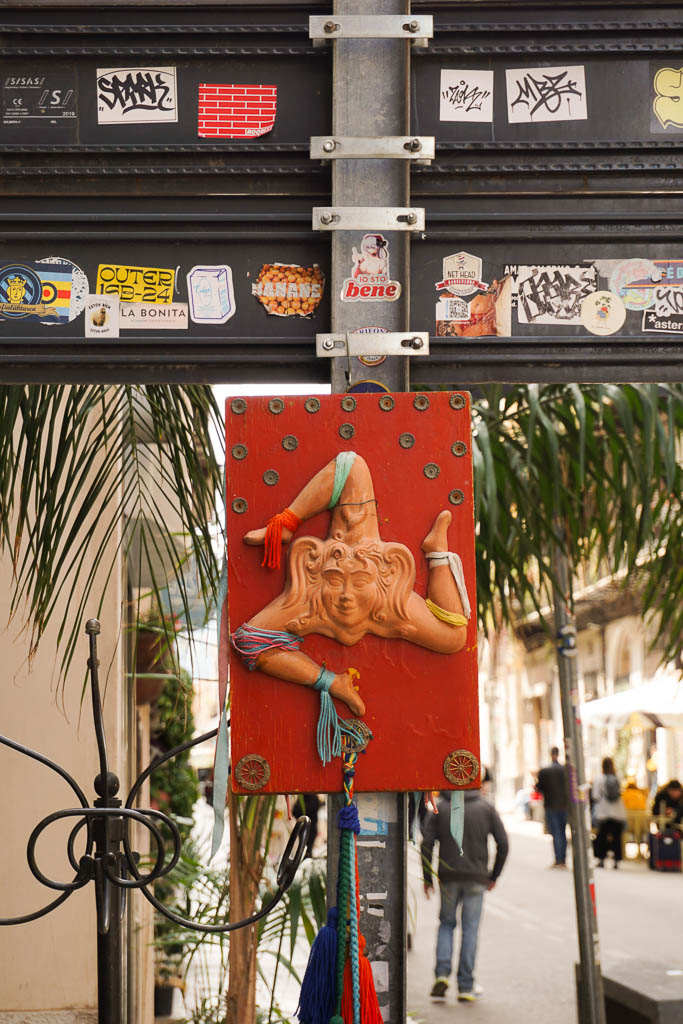
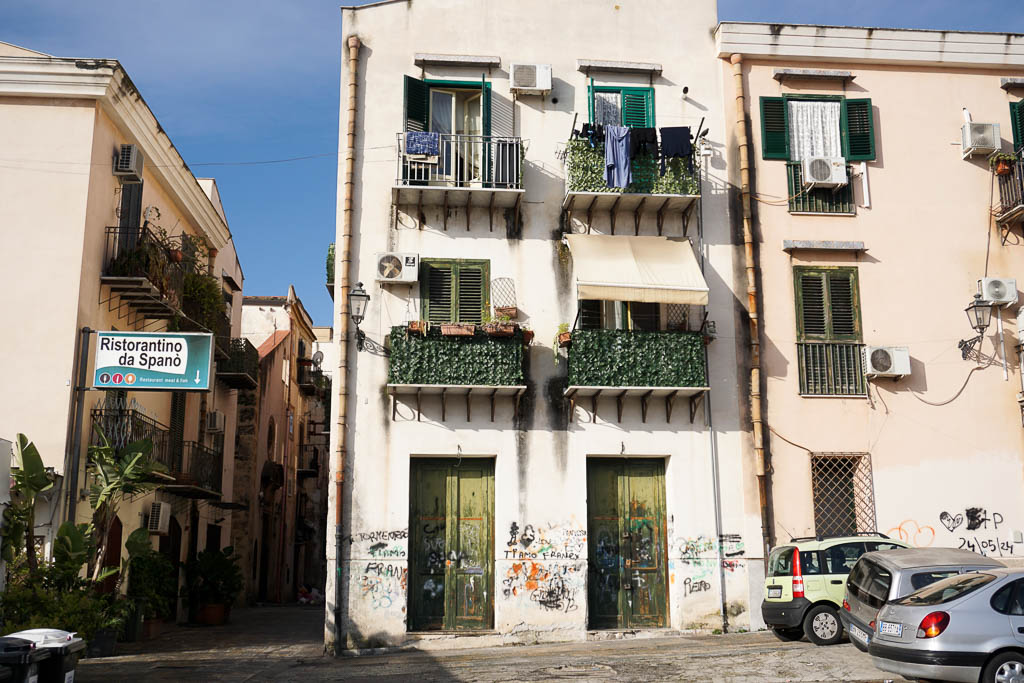
But which one? Palermo is a city of many, layered like an onion. Decay here speaks of rebellion, not of suffering, not of passive surrender. It shouts about its resistance. A resistance aimed to ensure this is a lived piece of land. That has belonged to many, but all were Sicilian. Shaped as a triangle this has seen it all – riches, madness, war, wealth, rise and decline. How many came there to reign, to be powerful, building their empire assuming this would be the one to last, just to be yet another passenger. Just to end up exactly like those in the Catacombes.
Everyone talks about the many who have inhabited these lands – the muslim, the normands, the greeks… and yet I don’t think I’ve ever felt such a strong sense of self, of identity as I felt in Palermo.
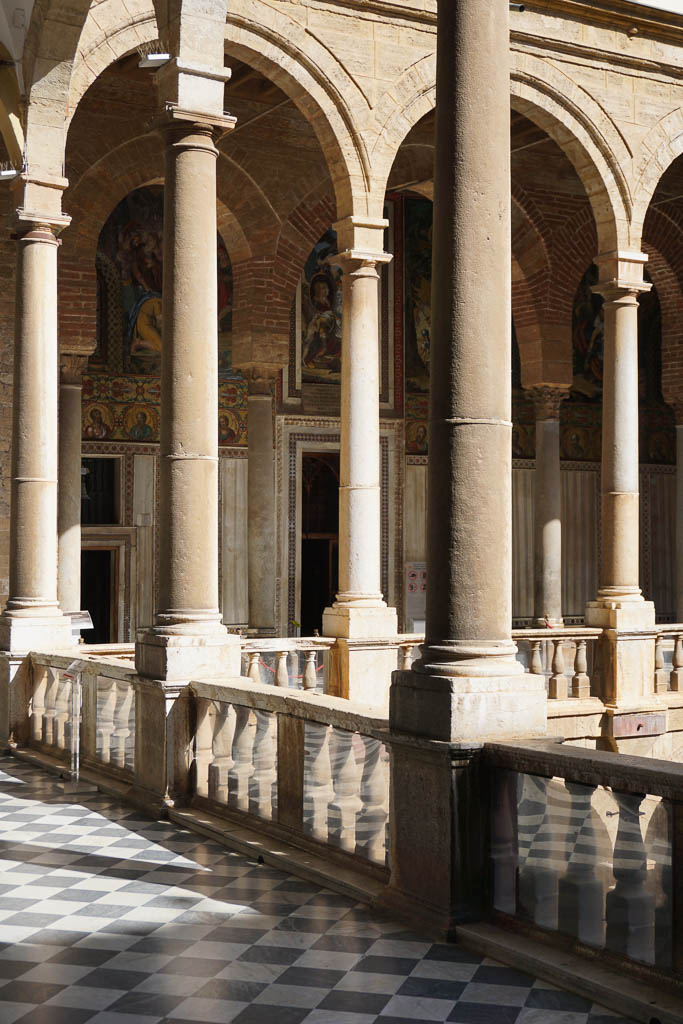
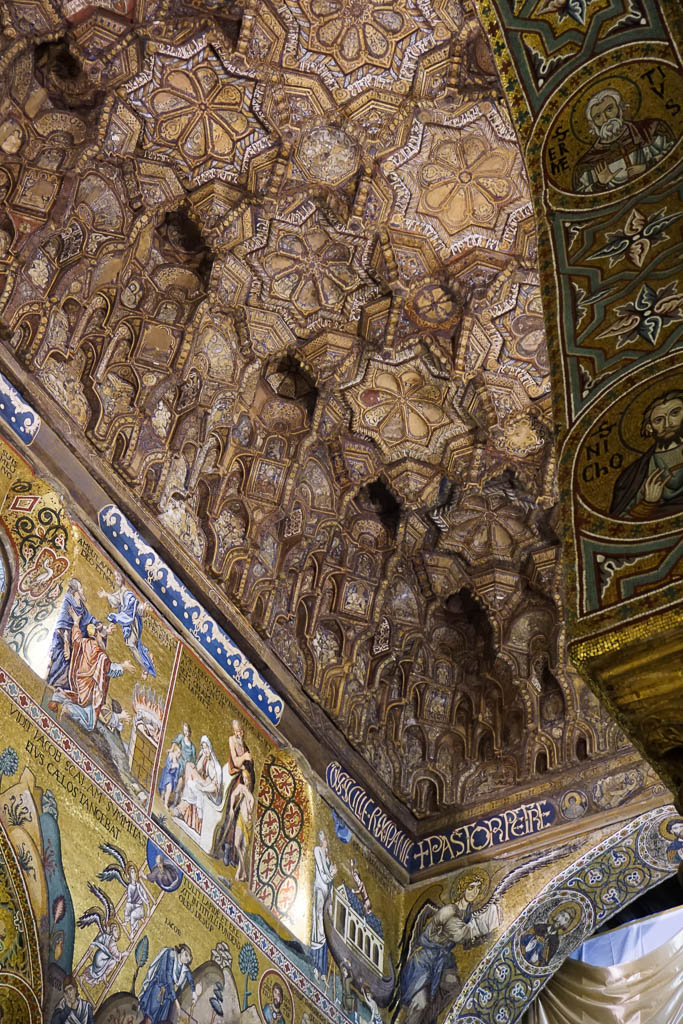
Exploring the luxurious rooms of the Palazzo di Normandi, and its Palatine Chapel filled me with awe. The mosaics covering the interiors, reflecting the light back at me, the beauty that tempts us all, that makes us high in hope and more. But it’s all smoke and mirrors, as these things usually are. We only get to hear the stories of the heroes, the kings and queens, their favours and disfavours, their conquests and their losses. Those are the monuments that survive, that we visit and adore.
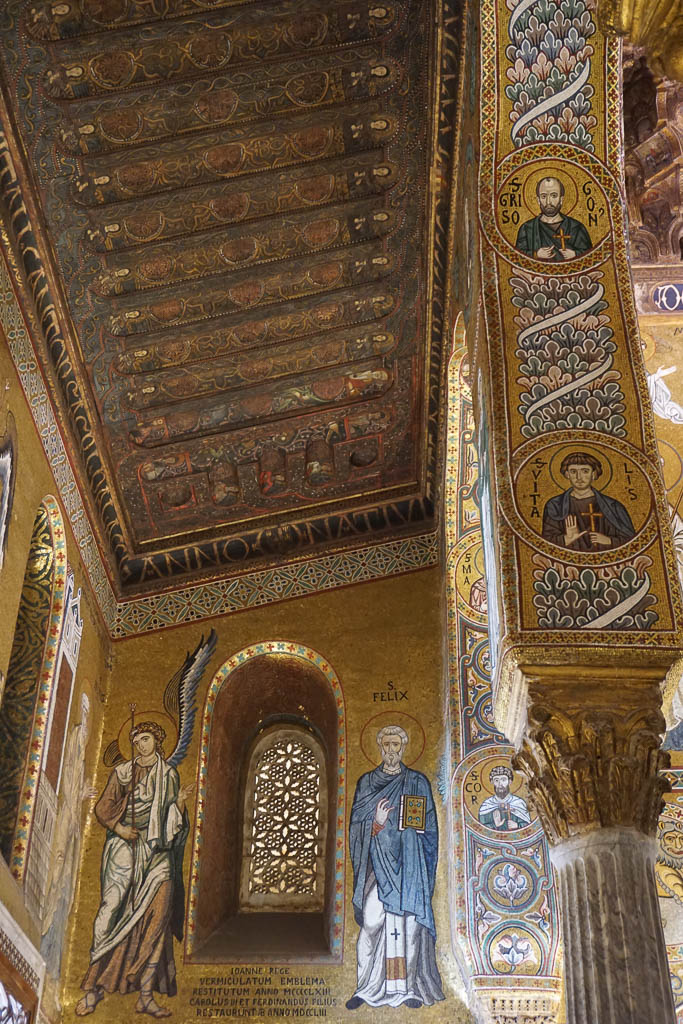
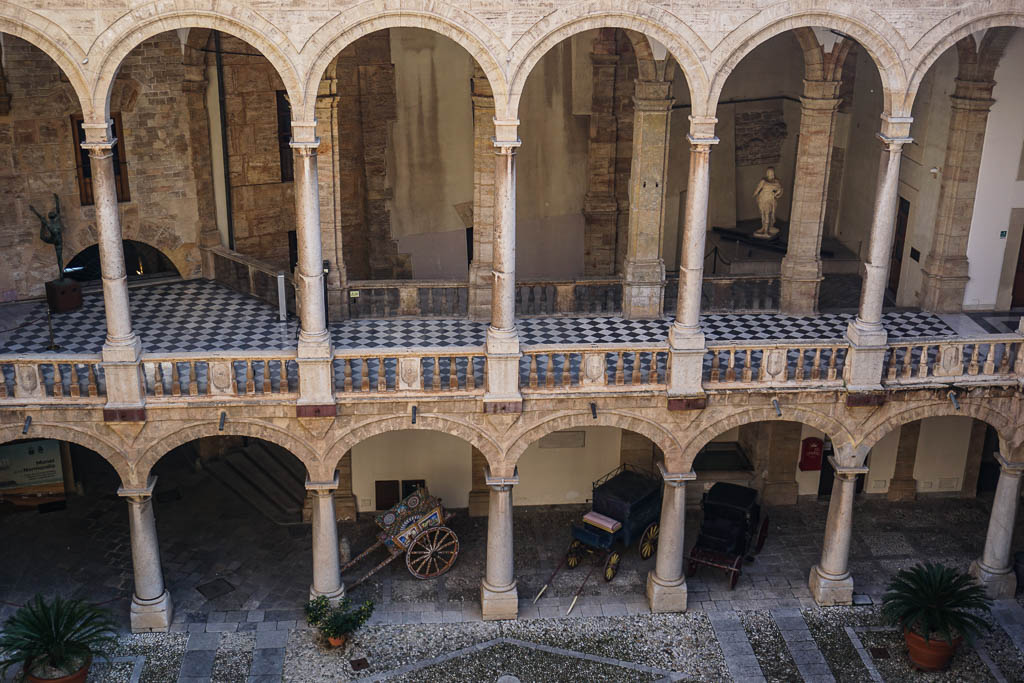
What about those untold stories of the common people? We don’t visit their houses, we don’t admire their ceramics. We forget to mention that a few could have them, so many would not. Of those I saw the skeletons, their ragged clothes, their perpetual scream.
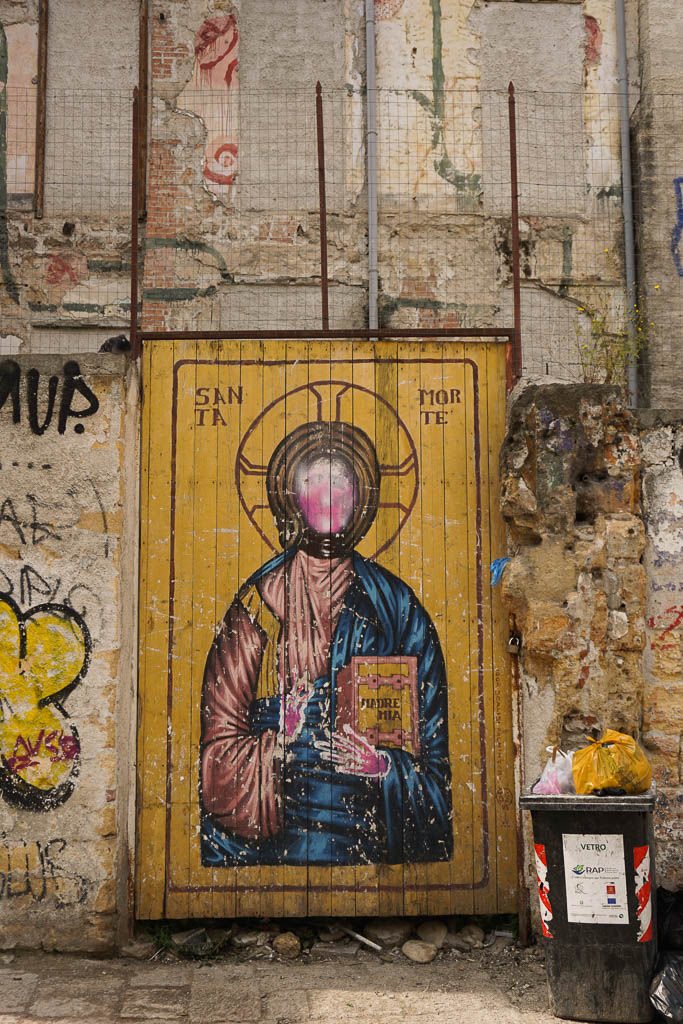
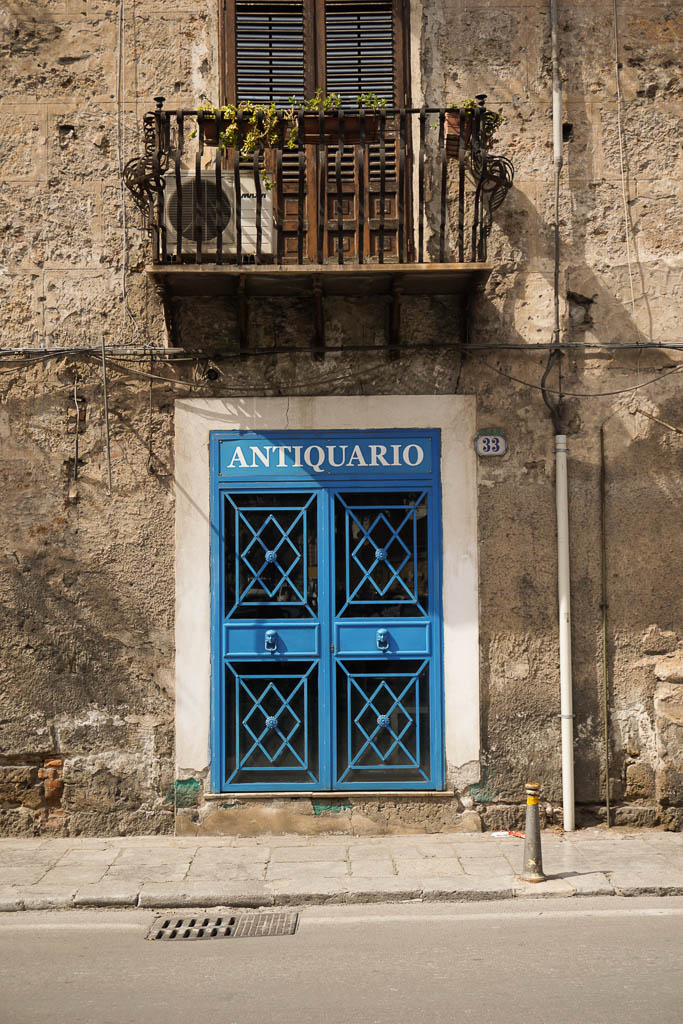
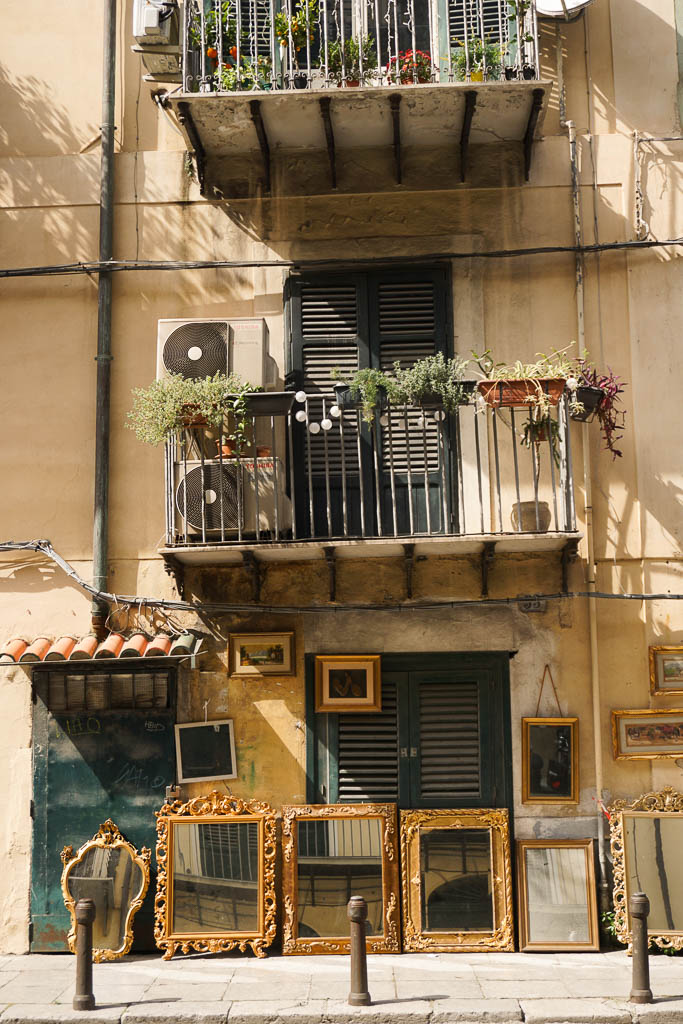
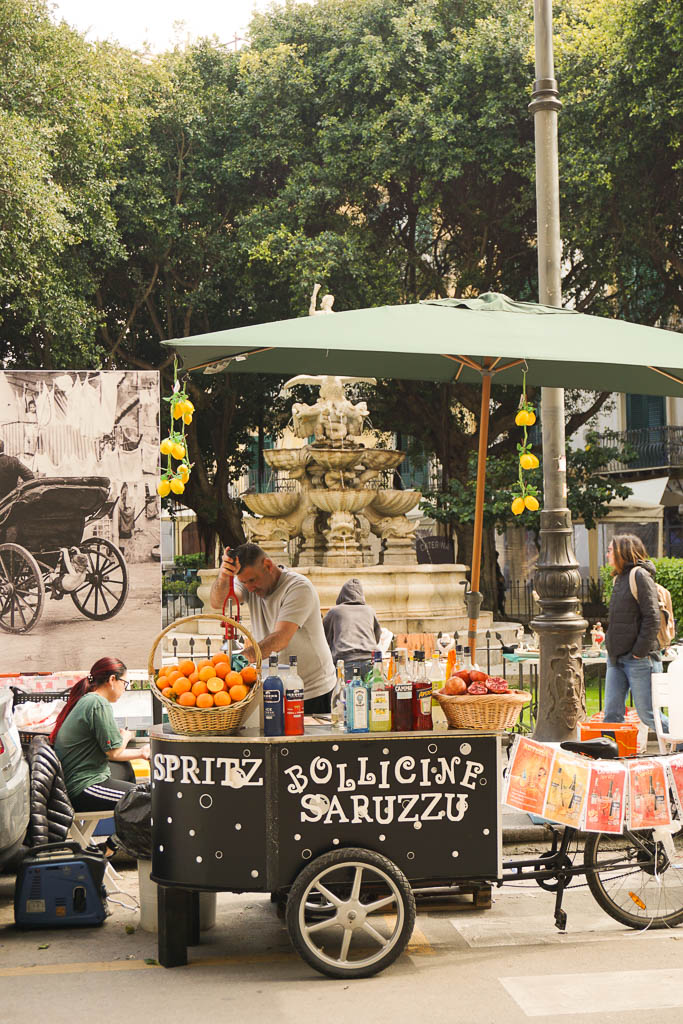
Palermo Forza, I kept seeing, graffitied in the walls. Strength is indeed all I see. Graffiti worn like an armour, the moat that keeps a threat behind. Palermo refuses to be pretty, to give a big smile to the foreigner and open arms. Yes, come. But see us as we are, and do not expect us to change. In many ways this reminded me of why I fell in love with Athens. The same spirit, the same strength. And whilst I had seen similar decay in places like Sofia or Bucharest, in there it wasn’t revolting.. It was painful. Suffering. Forced submission.
Now, let me be honest about something. I was out of sorts in Palermo.
I’m someone who pushes through. I recently learned that it does not mean being resilient. To be honest, it’s just being stupid. I’ve been pushing and pushing, I stopped to recognise limits. At work, I’m a pleaser, a performer. I push and push it all, except the word no from my mouth. Constantly thinking I must show I deserve to be here.
Coming to Palermo was the best decision. Precisely because Palermo – and Sicily in general – don’t perform. They are what they are. There is a refusal in making themselves feel appeasable and digestive for the tourist, for the visitor. It was that realness, the escape from a real world to another, that allowed me to process so much of what I had been going through in my head, body and soul in the past few months. Palermo was teaching me a lesson – stop appeasing, stop performing.
In the same day I had visited the Catacombes, I came across a street with hanging hearts. Sentences were written on them, and I translated back in my room. My heart skipped a beat. One of them said
In case you are without a dream, hurry up and get yourself one, because living without one is living in black and white
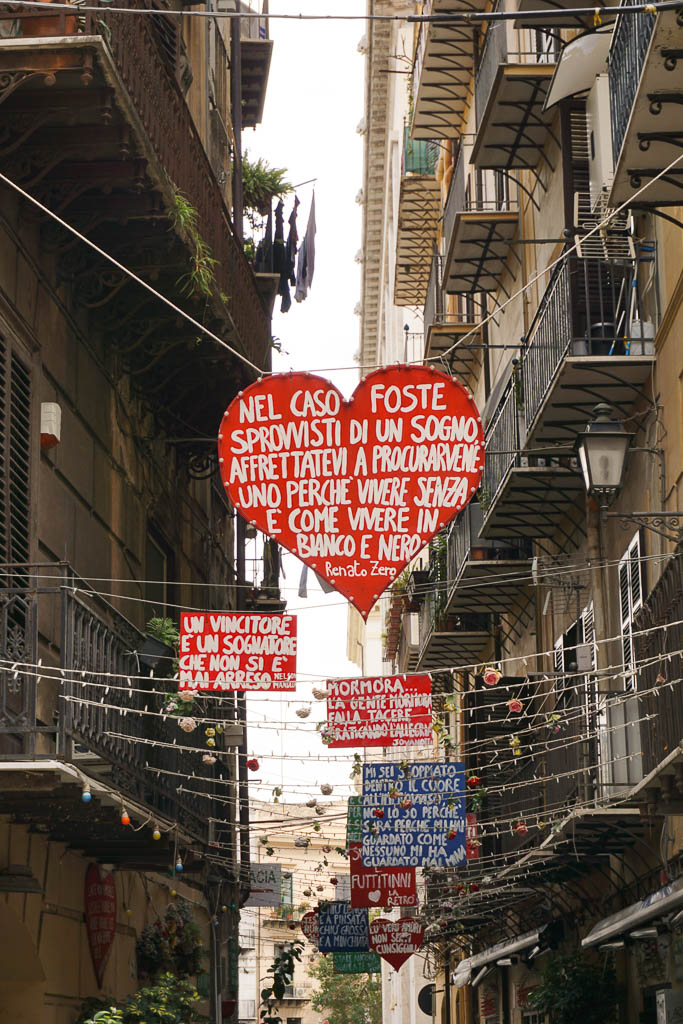
Oh shit… when did I forget to have a dream?
The most humane thing of all. To dream is to live. That was a day I had gone to see the dead just to be reminded I myself had stopped living.
Love, Nic
P.S: The links below are affiliate links. This means if you click through and decide to make a purchas eI may gaina. small commission. This is not sponsored and it’s based on my personal experience.
Where I stayed in Palermo: il Palchetto B&B di Charme e Design. Great location, stunning rooms. Book here.

