
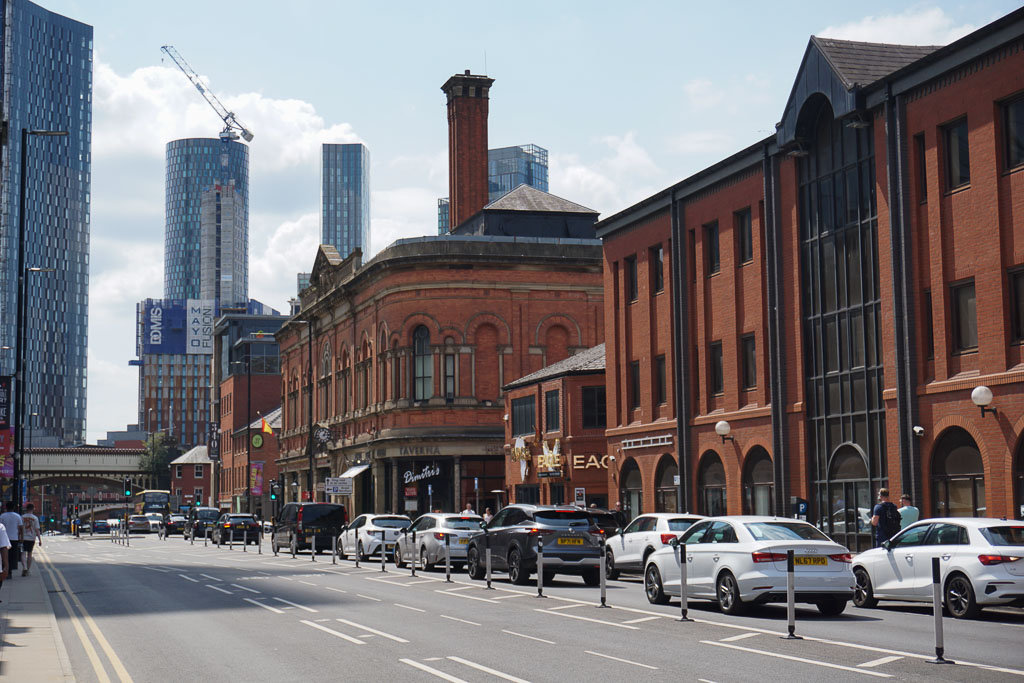
After almost a decade living in the UK, I had only been to Manchester for work, leaving no room for exploration. This time around, my work commitment was on a Monday – which meant I could take the train from London early on Sunday and take advantage of the unreasonably sunny British Summer we’re having this year to explore the first industrial city of the world.
The atmosphere was absolutely buzzing. Oasis had played just the night before. Everywhere I spotted adverts using famous lines from their songs. People were walking around carrying bags full of merch. Some would literally be singing, humming to themselves the lyrics. There’s something endearing about how music brings people together. It’s a shame it’s now a luxury — tickets vanishing in hours, hotel prices tripling. Otherwise… I would have attempted. Champagne Supernova will always be one of the hymns of my life.
I had basically an afternoon to explore the city. Bearing in mind on Sundays everything closes early, I knew I had to start from the get-go. Plus, to be honest, I needed a relaxing evening to go through the slides for next day meetings…but first, let’s explore.
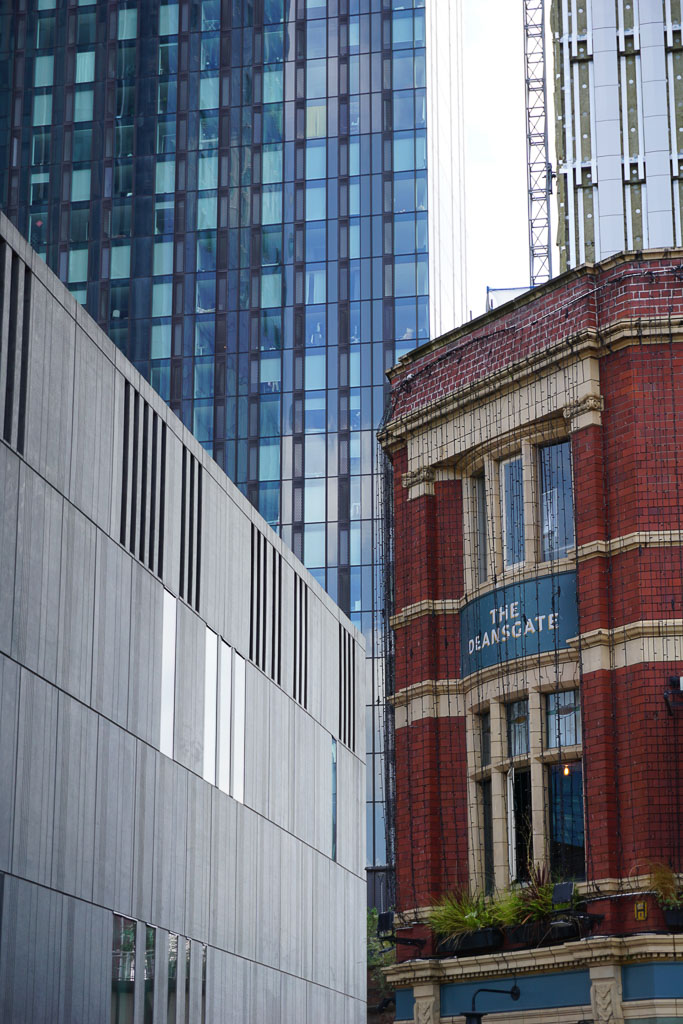
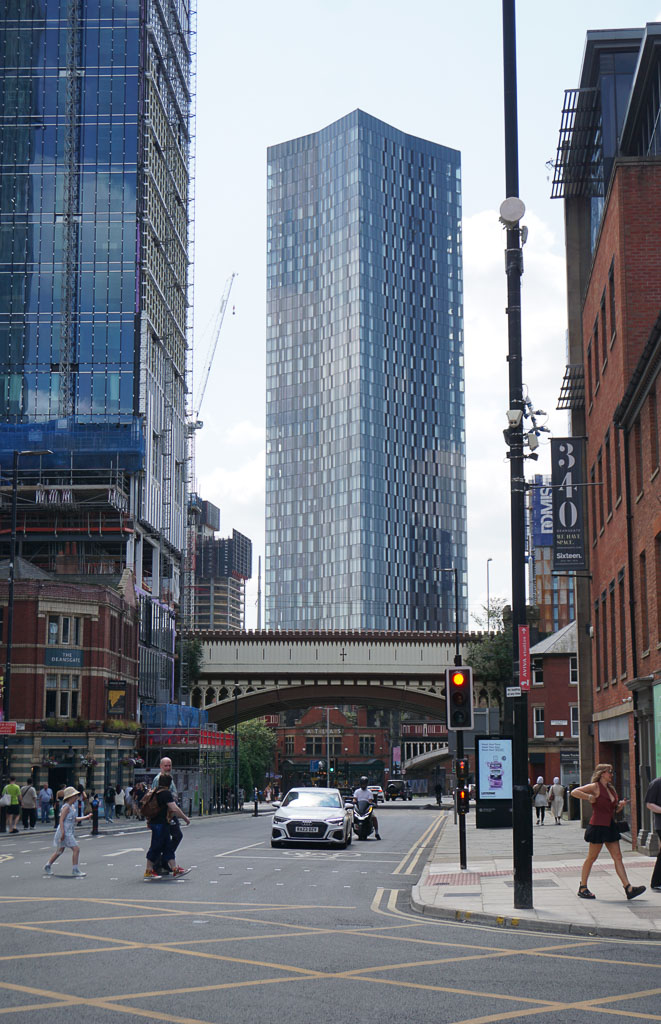
Manchester’s architecture doesn’t shy away from telling its story. It connects the present so deeply with its industrial past. New and modern shiny glazed skyscrapers co-living with Victorian bridges, red bricked warehouses, old railway lines. And the city also wants you to go further back in time – the Romans were also there… but I won’t meddle with that part of history in this post. The city is textured, gritty, in the best way. And whilst from an aesthetic perspective it’s indeed a photographers dream, one cannot simply admire superficial beauty, without judging what’s hiding behind it.
I remember learning in school about the Industrial Revolution of the 19th century, which brought innovation and an astronomical acceleration of productivity. The thing I recall the most was the consequence – the pollution. I learned about smog – smoke + fog. And yet if there is something I don’t remember is the connection of all of this to colonialism, and specifically to the exploitation of the people from such places, and how the benefits of the industrial revolution, whilst it was happening, were only ripped by a few. In Portugal, we don’t learn Charles Dickens in school. I suppose if I had, I would have had a better idea of everything that was hiding behind this chapter on my History book.


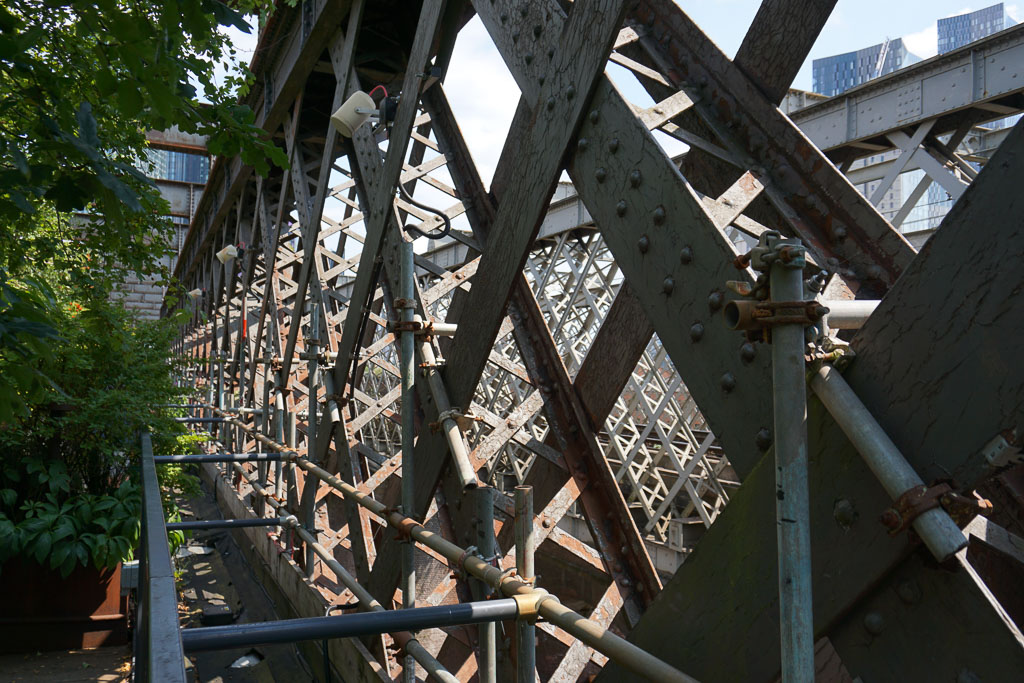
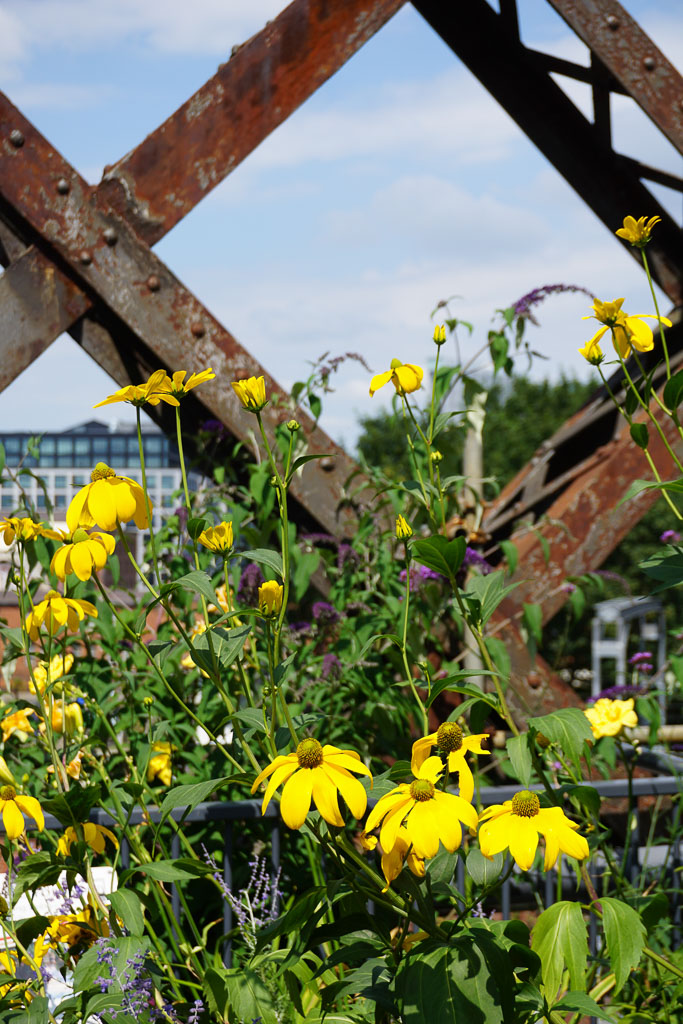


Now, of course, as an adult, with a formed brain and a plethora of resources available on which to seek information, I know better. Whilst walking those streets, I was imagining Manchester during those days – the smog making it hard to see any sunlight at all, the coal dust slowly, and deadly, depositing itself on my lungs. The streets stinking, dirty, with lack of sanitation. Clouds of smoke coming off high chimneys, which of course I can barely see in the distance. But you can feel it – polluted air is solid, heavy. And so was life for the common worker.

The rumbling of the mills, on and on. The machine that was fuelled by the coal in the region, to produce textiles from cotton. Cottonopolis has at its foundation in slavery and exploitation. Such exploitation wasn’t just from the colonies – but from the working class – adults and children working in the factories, completely exposed to the most atrocious conditions, barely getting enough to eat, after consecutive 16 hour shift. Disease was rampant, starvation common and living conditions nothing short of squalid. And as much as we can admire how much the industrial revolution changed Western societies, we should not forget the hundreds of thousands of lives that suffered so throughout it – whilst a minority collected the riches, built their castles in the countryside, away from the fumes. Here, their children received an education and were well fed, the ladies and the gentlemen wore the finest of the clothes from that same cotton hundreds of emaciated children and adults produced, whilst ill and underpaid.
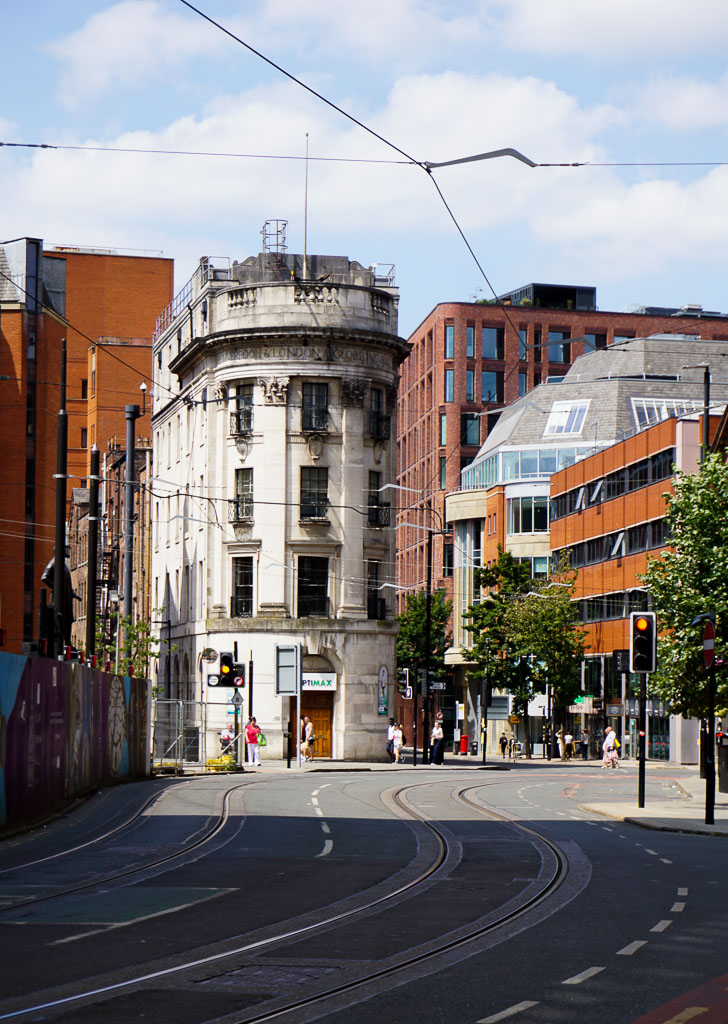
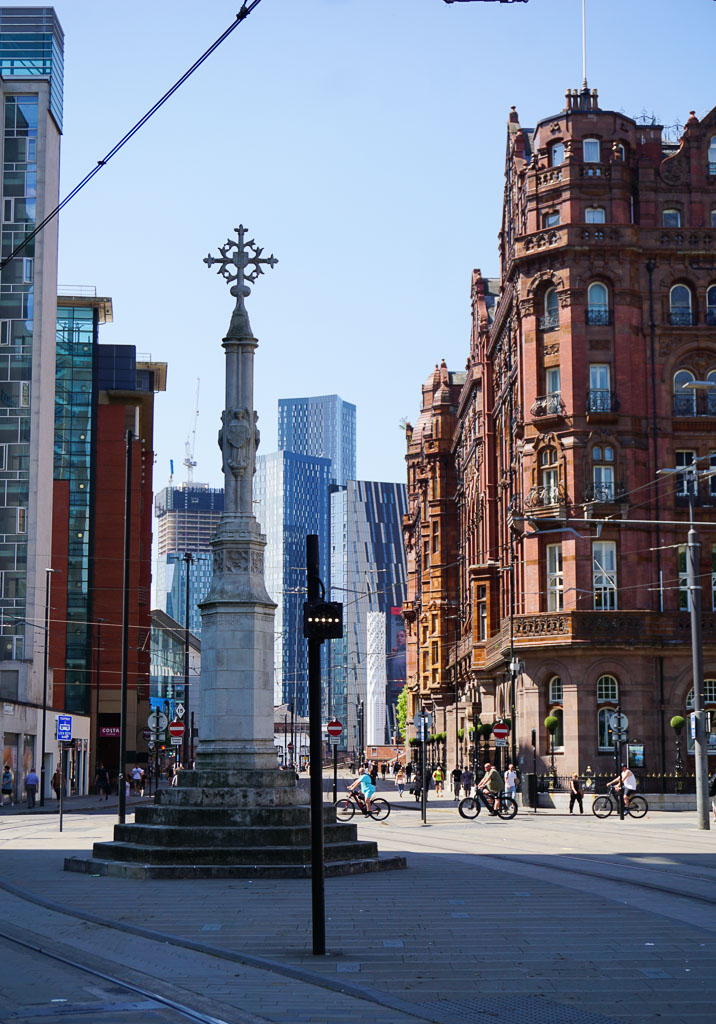

As you walk in Manchester these days, it’s hard to visualise what it was then. The air is cleaner than London’s (at least it felt like it), the streets are wide and modern for the most part. Everyone looks healthy and happy. There is music everywhere. And also bees. These are everywhere, and particularly in the cities crest. I was somewhat puzzled when I realised the bee had become the symbol of the city perhaps during the industrial revolution – the worker bee representing the city’s identity as a hive of activity -industrious and united, all about teamwork and resilience.
But weren’t these people just trying to survive? Did they have any other choice besides working themselves to death, and yet trying to survive? People who seemingly were born purely to be another piece in the machine… Earning pennies that barely put food on the table?
So many of these labourers never having had a chance to health care and education. Children working as early as 5 years old, often never surviving to adulthood. Bees work together and rip the benefits together. This is not what happened back then.
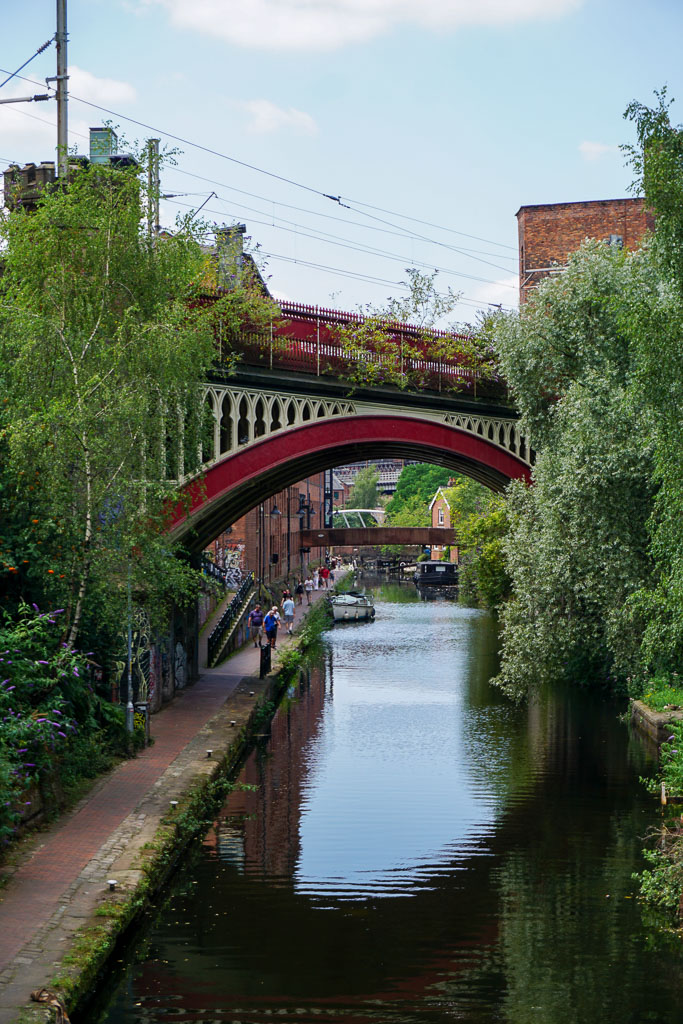

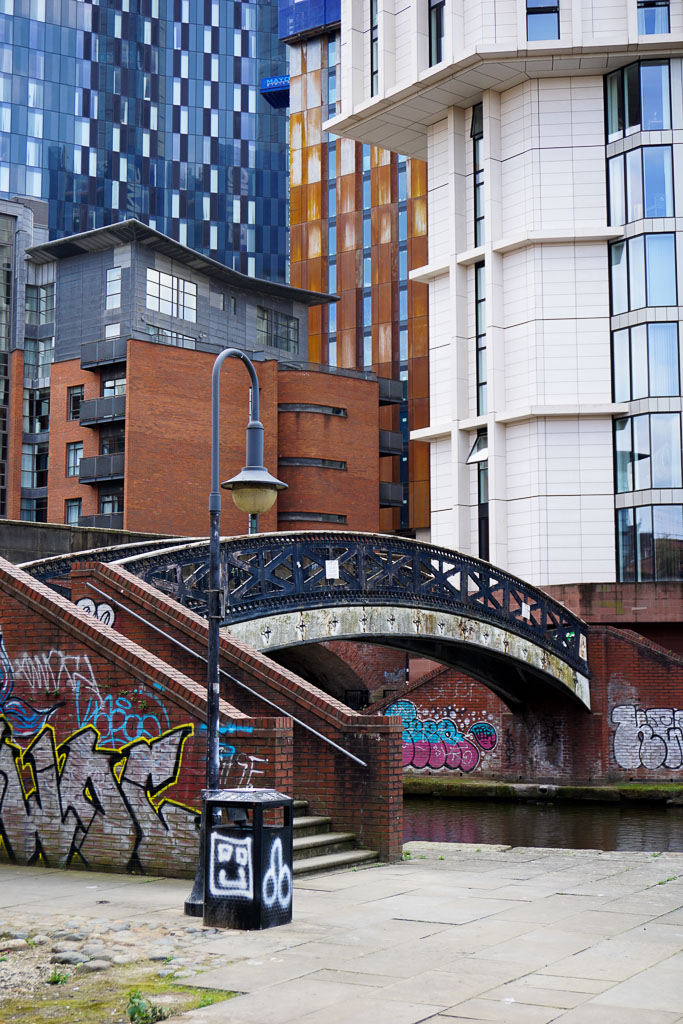
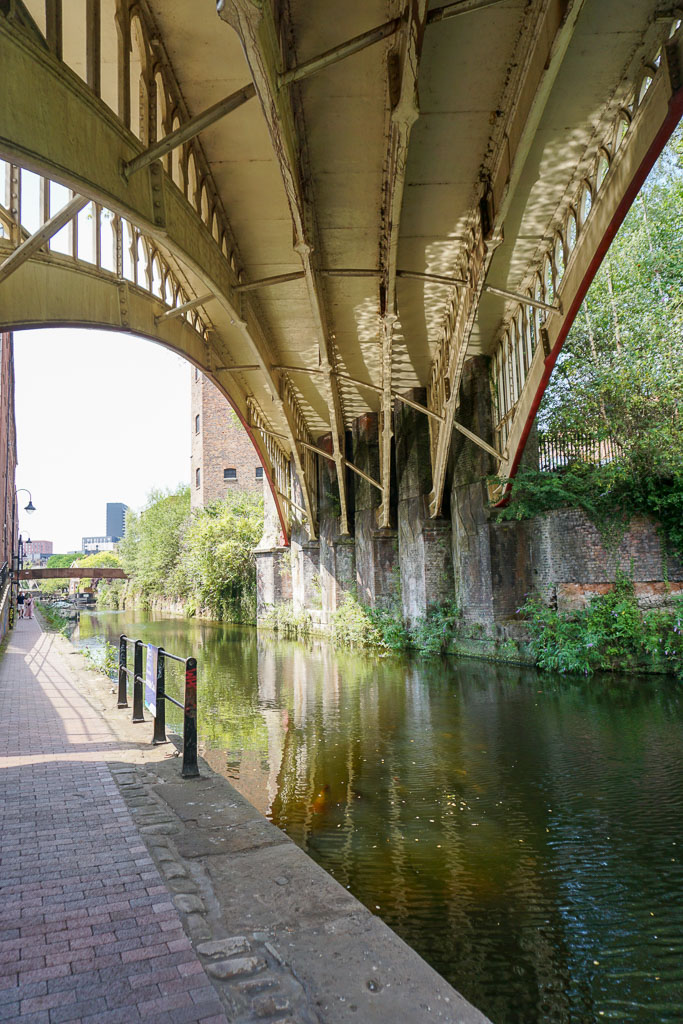
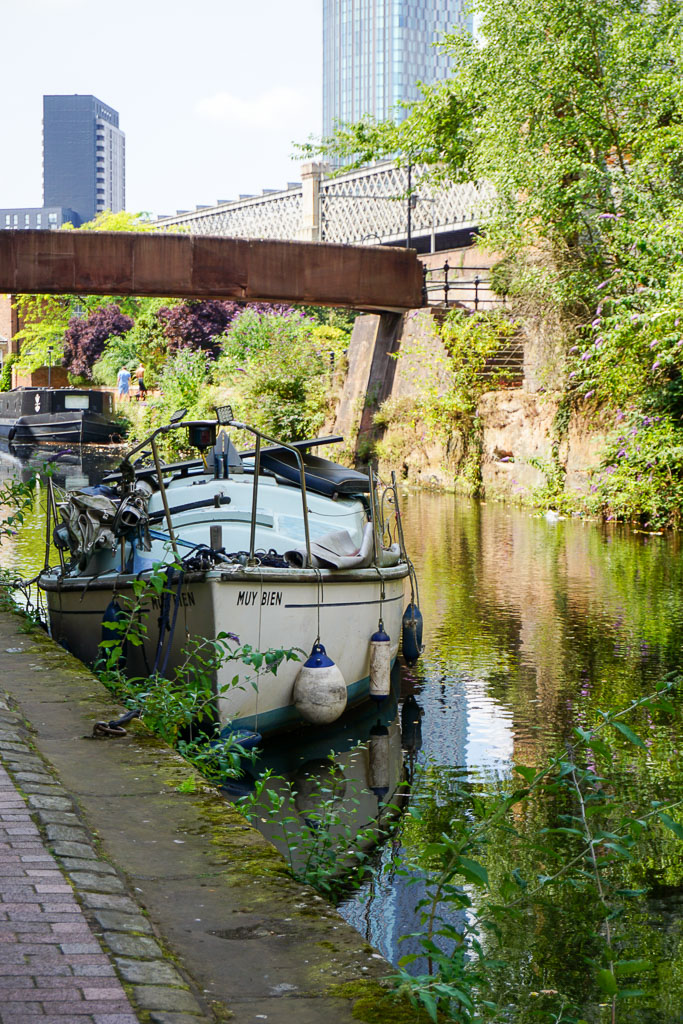
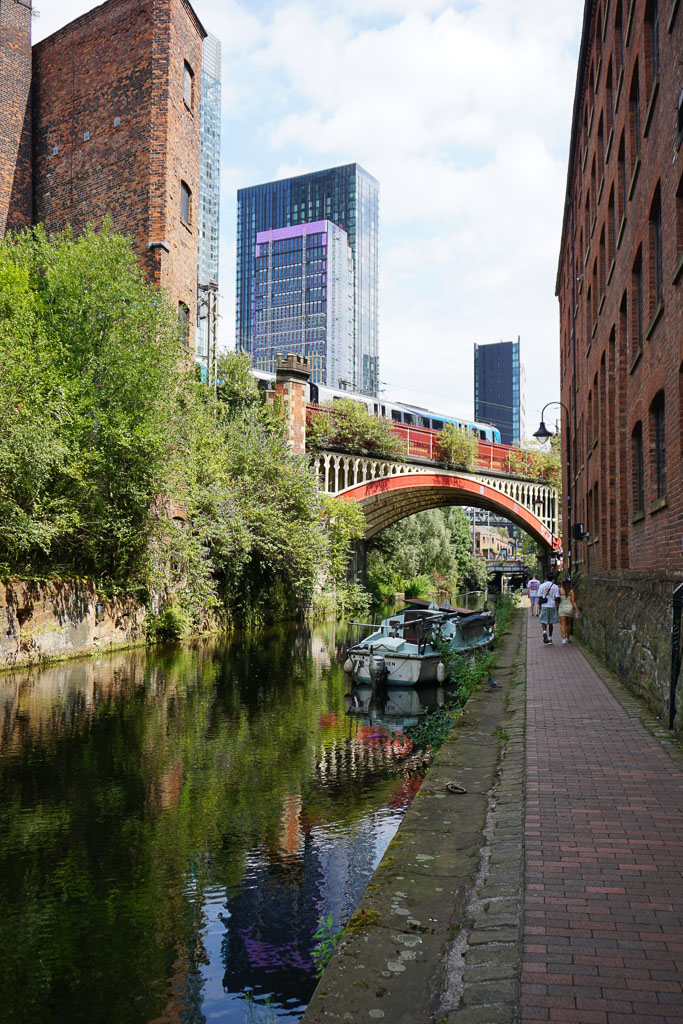
These thoughts were with me as I was visiting the Science and Industry Museum. And mostly I could not stop wondering if AI is the new “Industrial Revolution”. As it happened back then, it is changing the ways we work, the ways we live. It’s concerning… because I see the danger of the same things happening again: a select few rip the benefits; many lose their employment as AI quite literally replaces humans; who are those who now get exploited; it will therefore bring more inequality – those who can keep a job, and those who can innovate, investing in a very expensive technology…so many ethical questions that sadly, I don’t see many people asking.


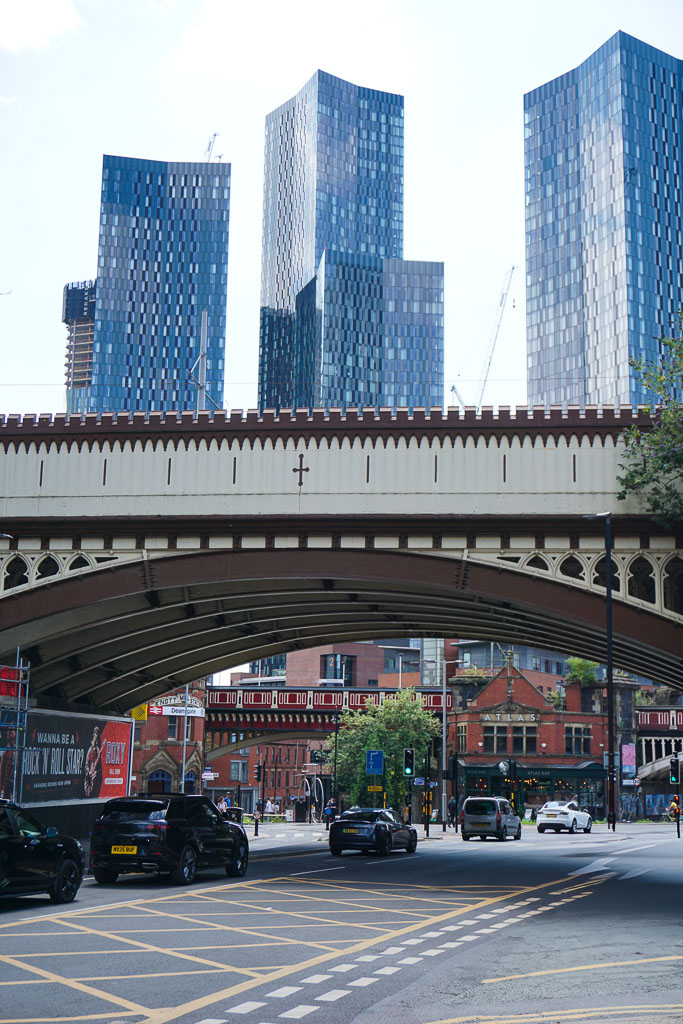
We may no longer have slaves in the traditional sense. But exploitation never really ended… because it is necessary to keep the wheels of capitalism working. There is no interest in social mobility in a system that thrives in the exploitation of the lower classes, keeping the poor, poor, and making the rich wealthier. Obsession with growth, efficiency and productivity is the biggest danger we all face – because since the days of industrial revolution we stopped caring about the planet, about nature and, most devastating of all, about each other.
Love, Nic
 The Winged Bone
I really appreciate how you connected its gritty industrial past with present-day inequalities and the rise of AI. It’s eye-opening and thought-provoking.
LikeLike