

I have lived my life with the certainty that we all have the capacity for immense good and unspeakable evil. That duality lives within us and we face it everyday. It’s not a question of black and white. We walk through life in a fog of greys — murky rivers, muddy roads, skies thick with ambiguity.
At the end of the day, no matter what, we all believe we are good people. Or at least we tell that to ourselves, even unconsciously.
Yet, look at the news. It’s grim. And look at our history – the grey tends to become harder to see. It’s suddenly night or day. The prosecutors, the murderers, the villains vs the innocents, the victims, the oppressed. From a distance — in time and place — it’s always easier to identify who’s who. We are simply disgusted about what happened. Angry. Sad. Secretly, mindlessly even, we feel good swimming in this sadness. If you are horrified, outraged at such cruelty…well, that must mean you are a good person right?
And then perhaps you wonder, how did the world allow this to happen?
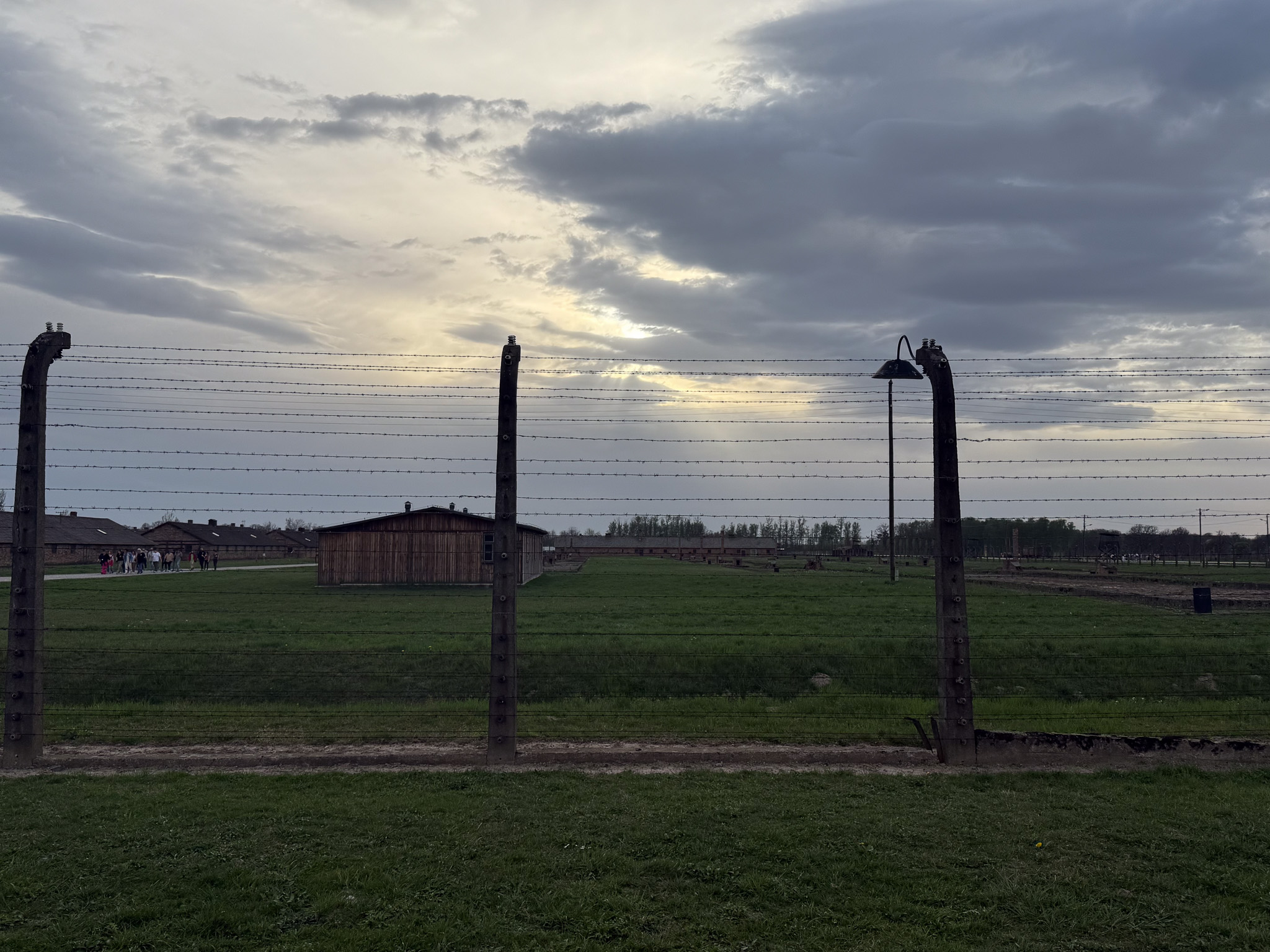
And I have to ask, don’t you see? It’s still happening? Isn’t the world continuously ignoring the mass murder of thousands of innocents in different parts of the world? Perhaps it feels different… because it’s happening now and it’s far away from you. But that… is exactly how the world felt back then. It wasn’t happening to them. Yes, awful — if it was true. But, “what could I do about it…?” It was complicated.
Please, don’t misunderstand me. I am not, in any way, excusing criminals.
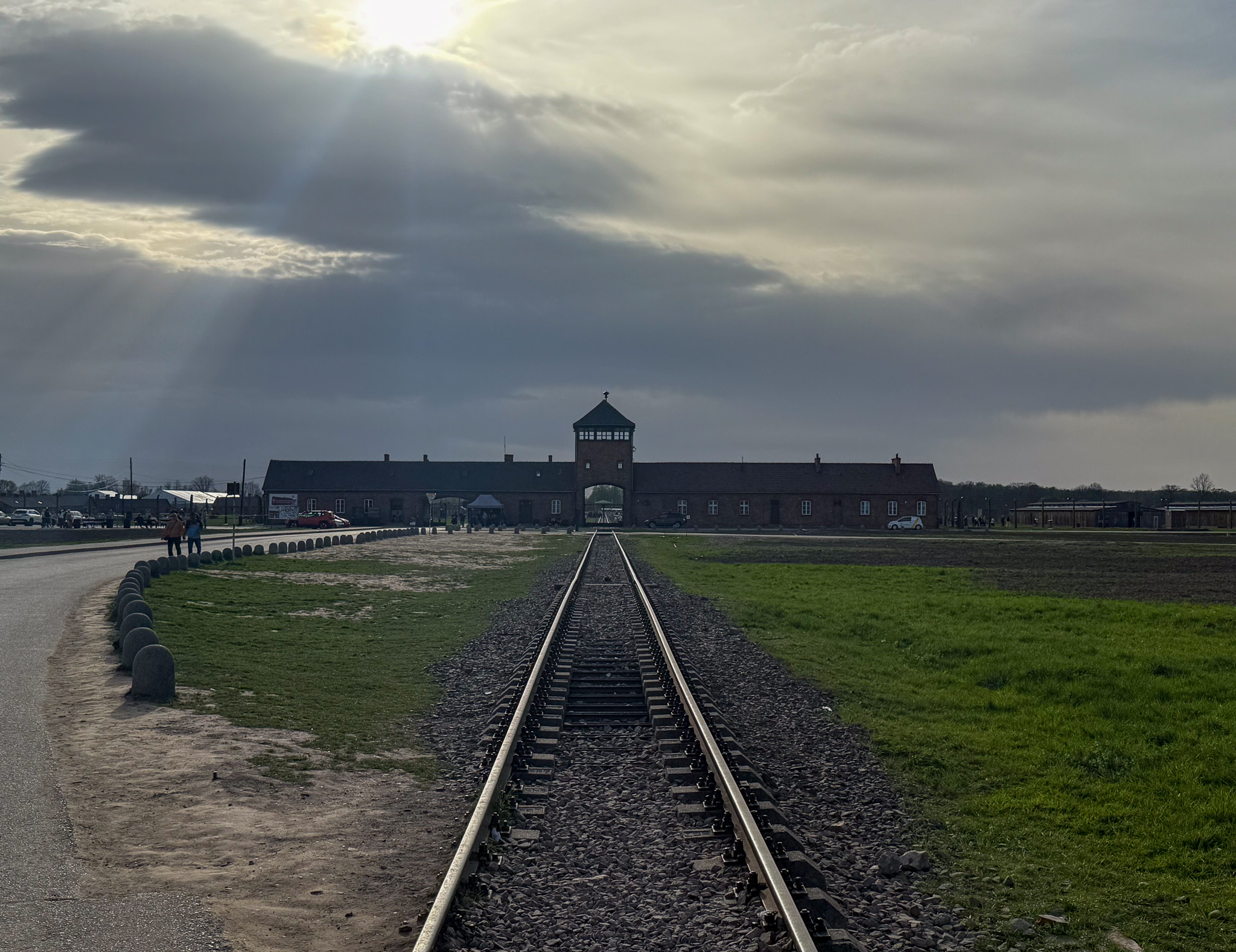
Nazis. Even typing the word makes me shiver. For them, it wasn’t just about winning a war. It was about the extermination of races and ethnicities. The belief in a superior Aryan race. The Jewish people were the major target. And the Nazis meticulously planned their mass killings the way a factory owner would plan their operations — to be more efficient, more profitable.
Visiting Auschwitz was a chilling experience on a hot day. And there were a few thoughts I couldn’t stop circling back to.
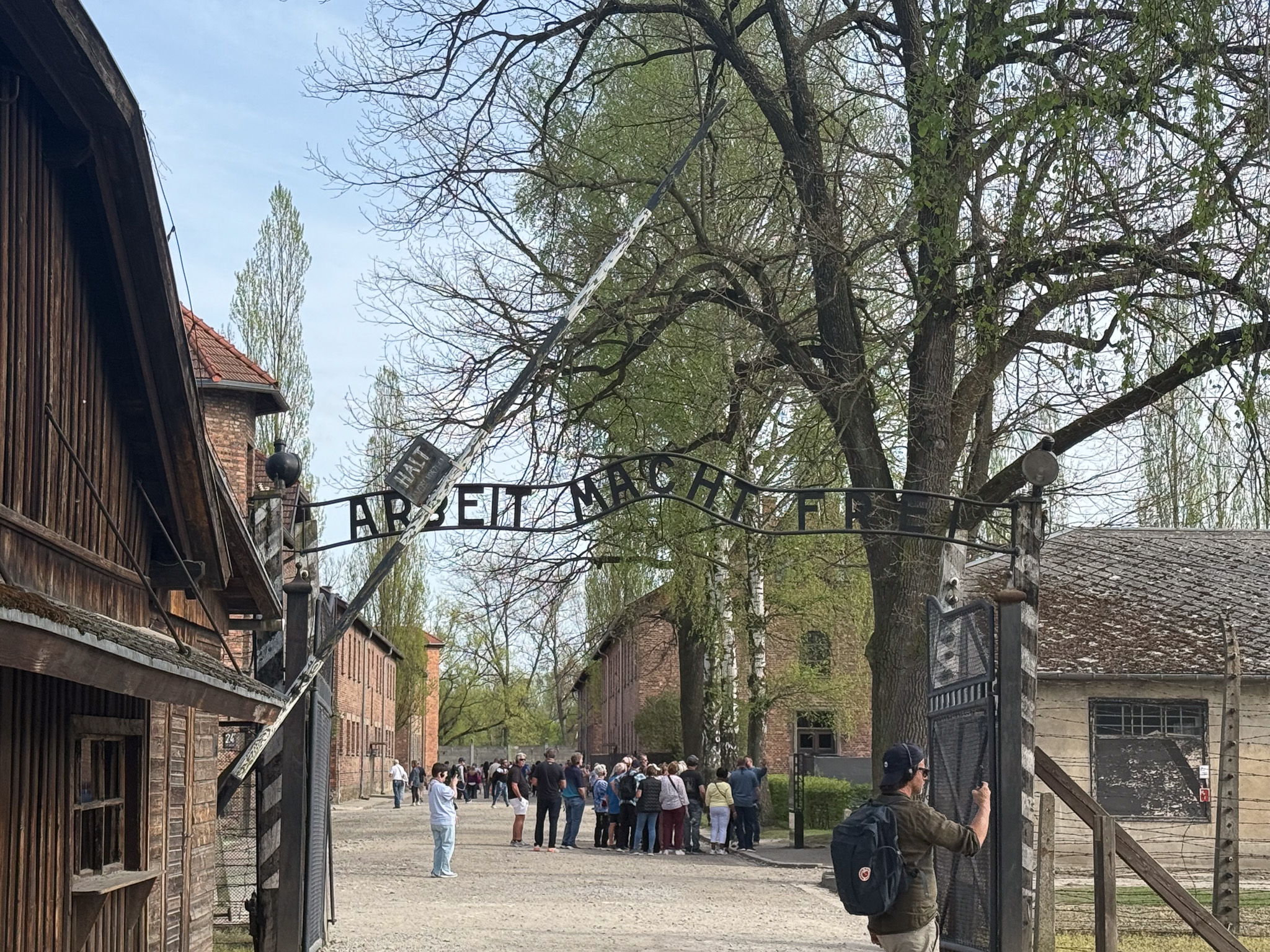
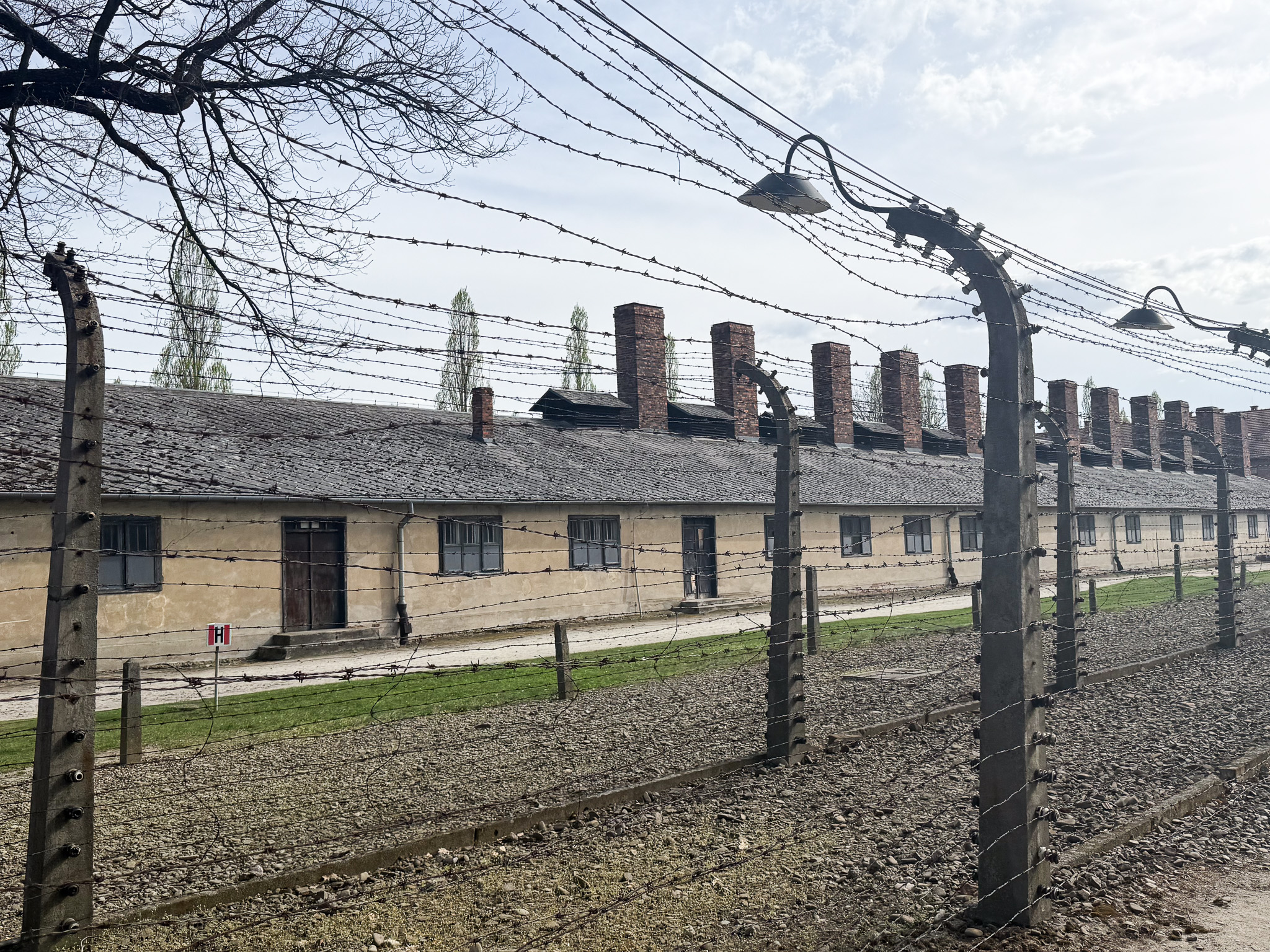
The first one, and perhaps “lighter one” – if such a word can even apply -, was the coldness behind the operations. That brutal efficiency. How the Jewish people were seen as an insect plague. Not as people.. Some were sent straight to the gas chambers. Others were tortured, forced into labor, living in appalling conditions. Their bodies reduced to bone and skin. Succumbing to disease, rampant due to the lack of hygiene conditions. Forbidden to practice their religion, to honour traditions. Reduced to nothing, really. It wasn’t just a physical extermination. It was the crashing, the erasure of a soul.
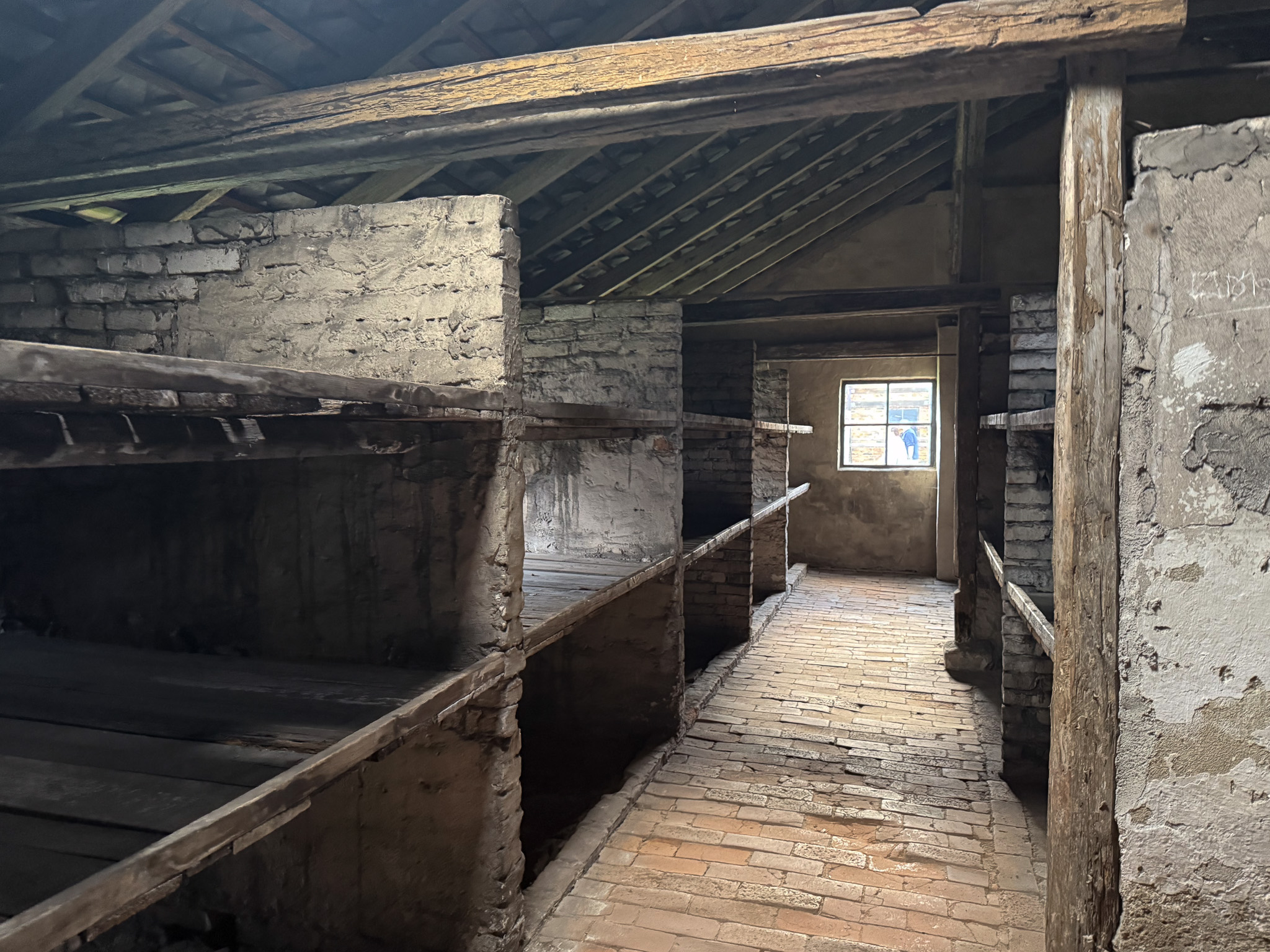
The second – how could this have gone on for so long. How come the perpetrators never had a moment of clarity, a flicker of empathy towards those humans they were torturing and killing? Did they never look into the eyes of the elderly, the children, the women — and see their own parents, their own children? Did they ever feel even a flicker of guilt? Or did Hitler create an army of psychopaths using nothing but words?
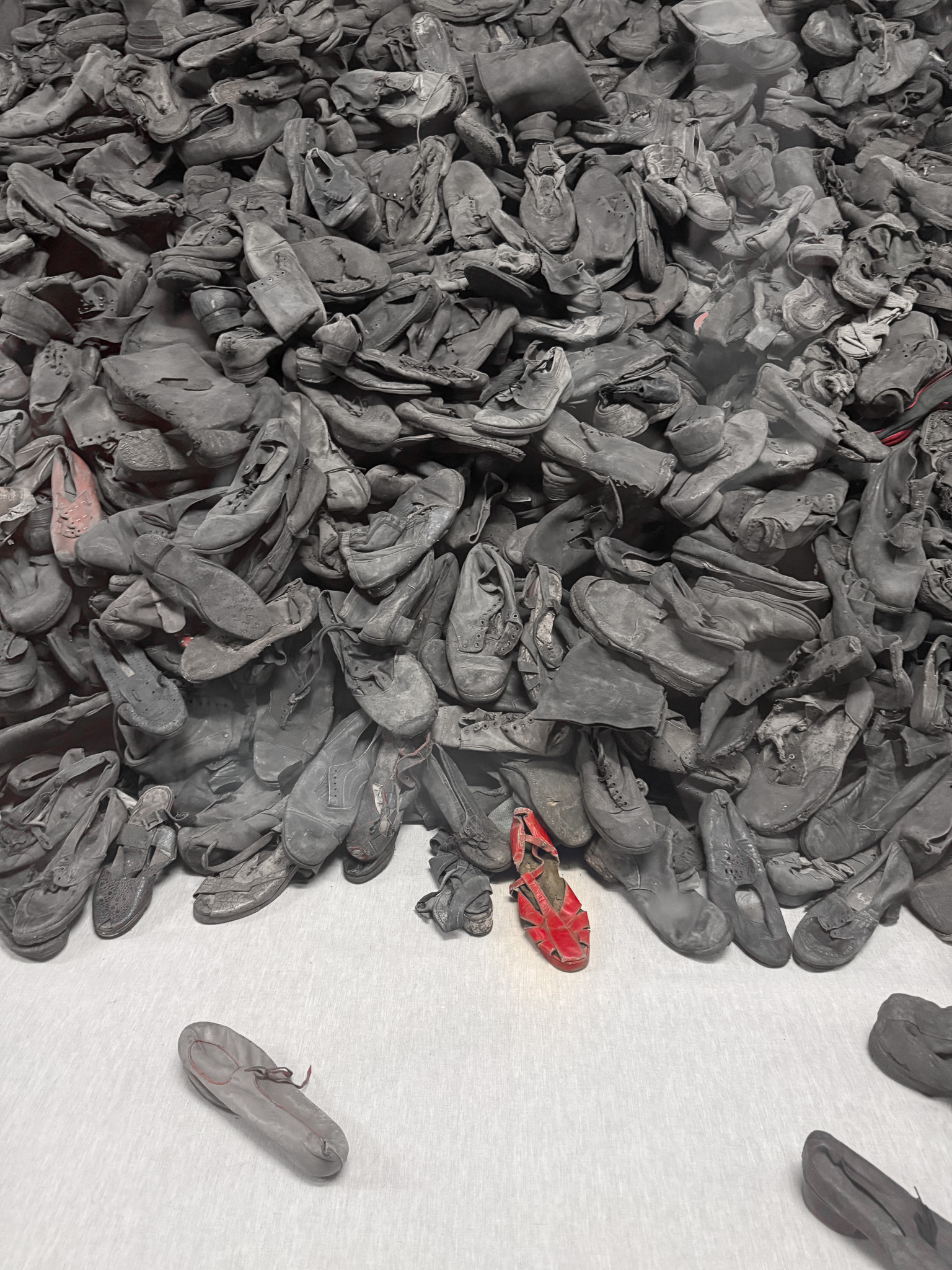
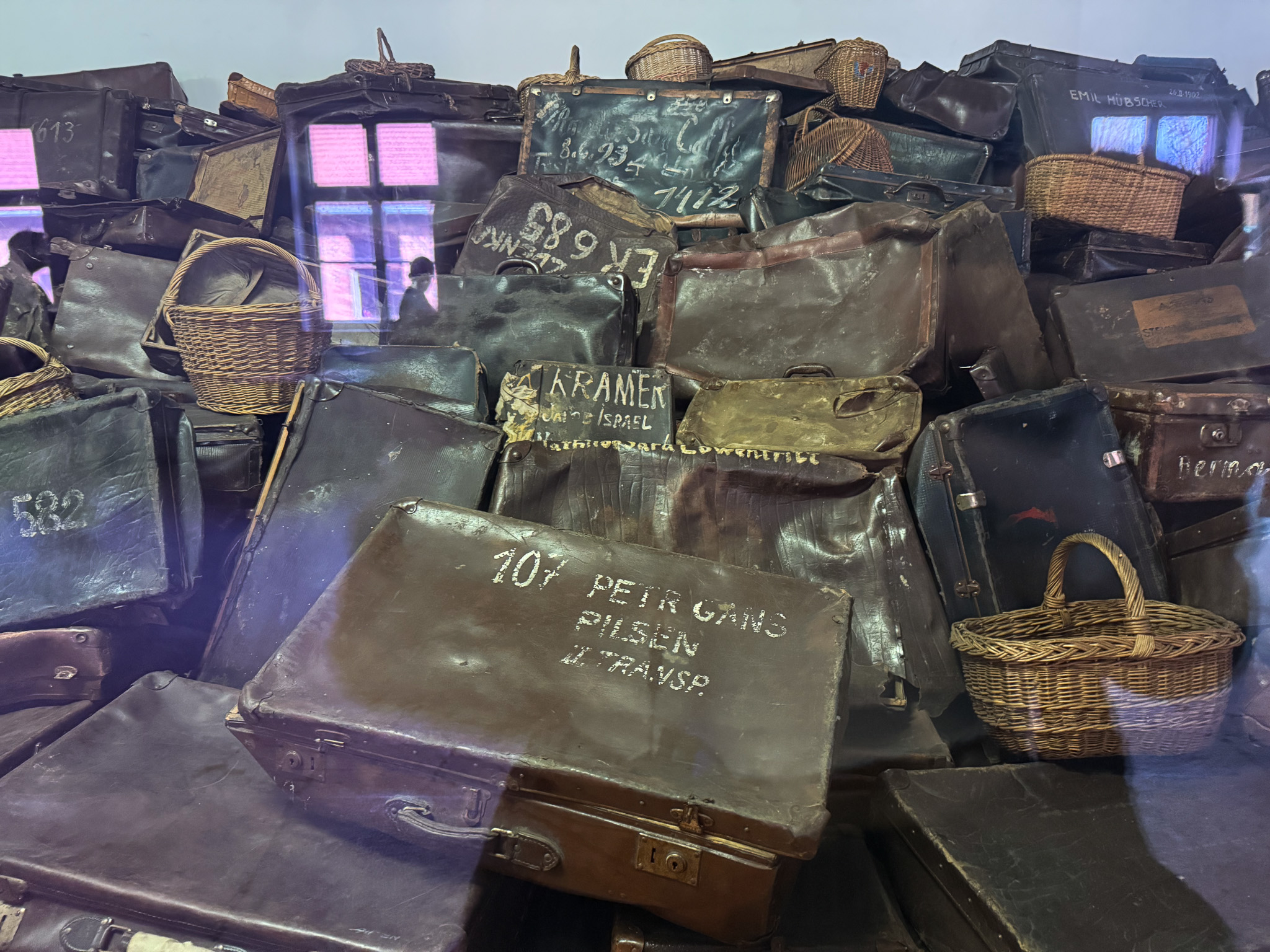
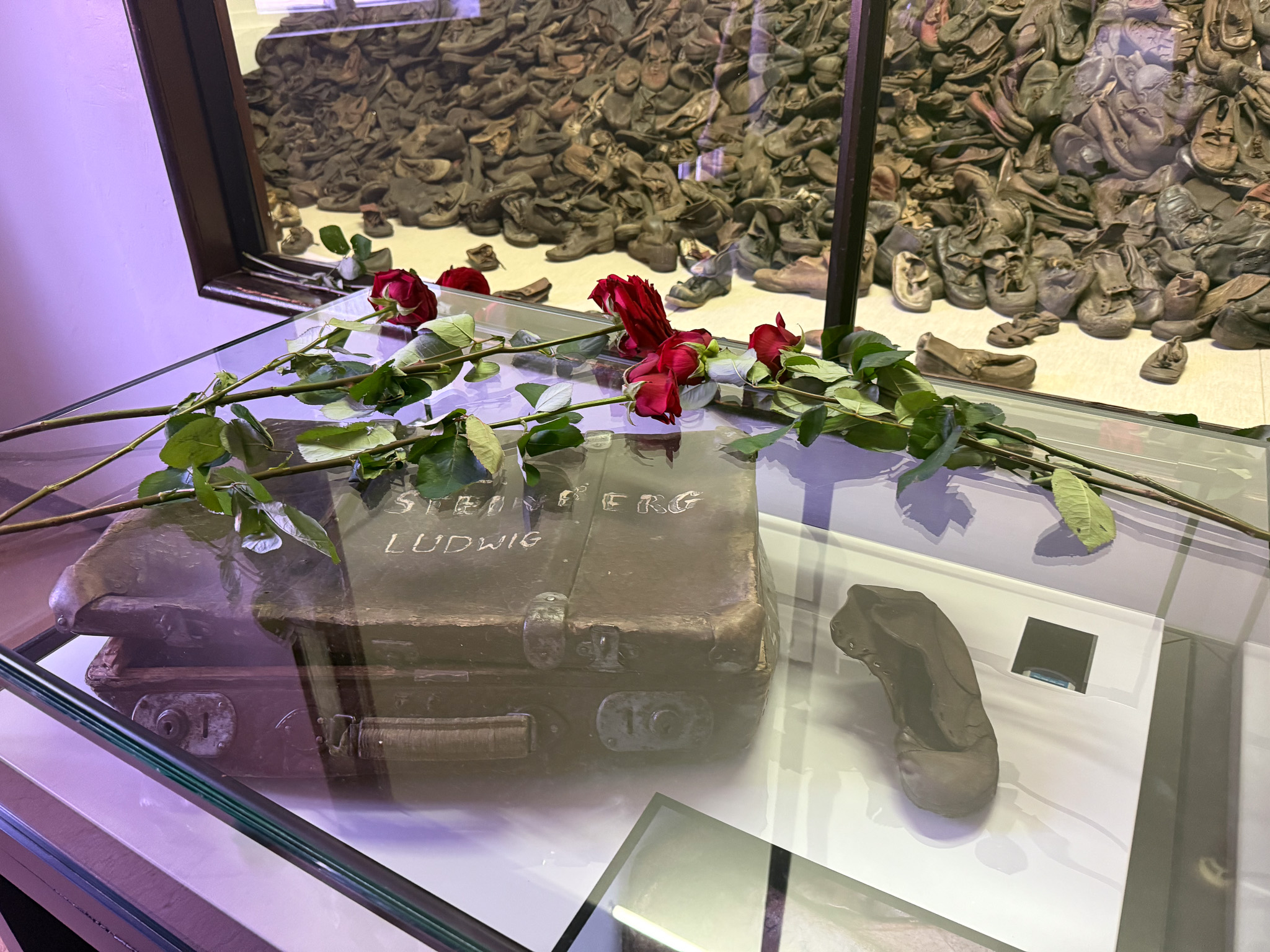
And this leads me to the third though – the one that haunts me the most:
Could I, submitted to the same conditions, have become one of them?
Could I have been a nazi? Could I have been a murderer, fuelled with hatred to the point of dehumanisation?
Or would I also have been under the spell, bewitched by propaganda, convinced “I was only following orders”?
It’s easy to say “I would never”. Too easy,
The truth is, our choices — even our sense of good and evil — are shaped by so many forces we often don’t see. One person’s villain is another’s hero. And sometimes, our heroes are villains in disguise. That’s why we have to stop and reflect — because the only way to avoid becoming someone’s worst enemy is to realise we could. None of us are immune.
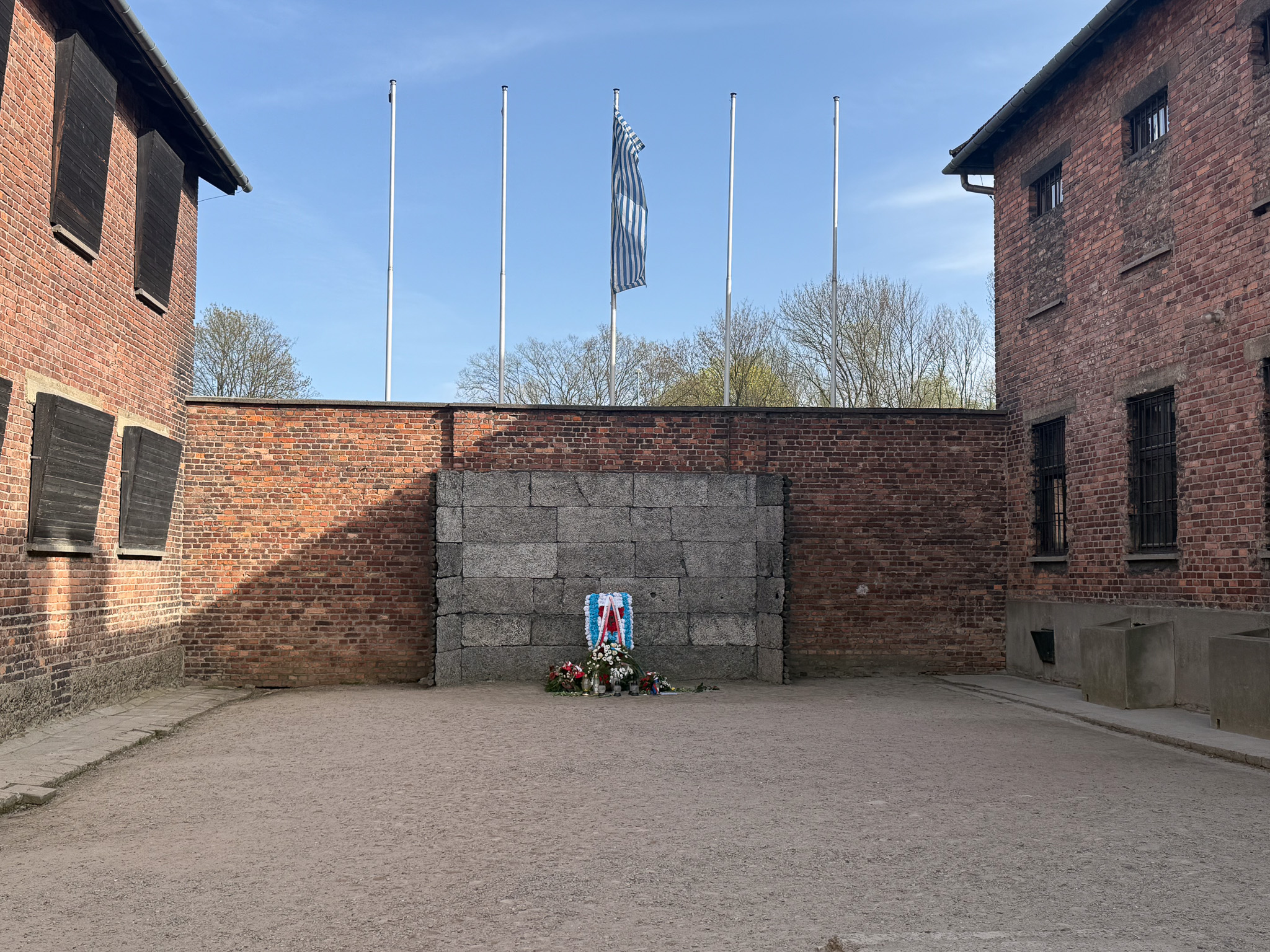
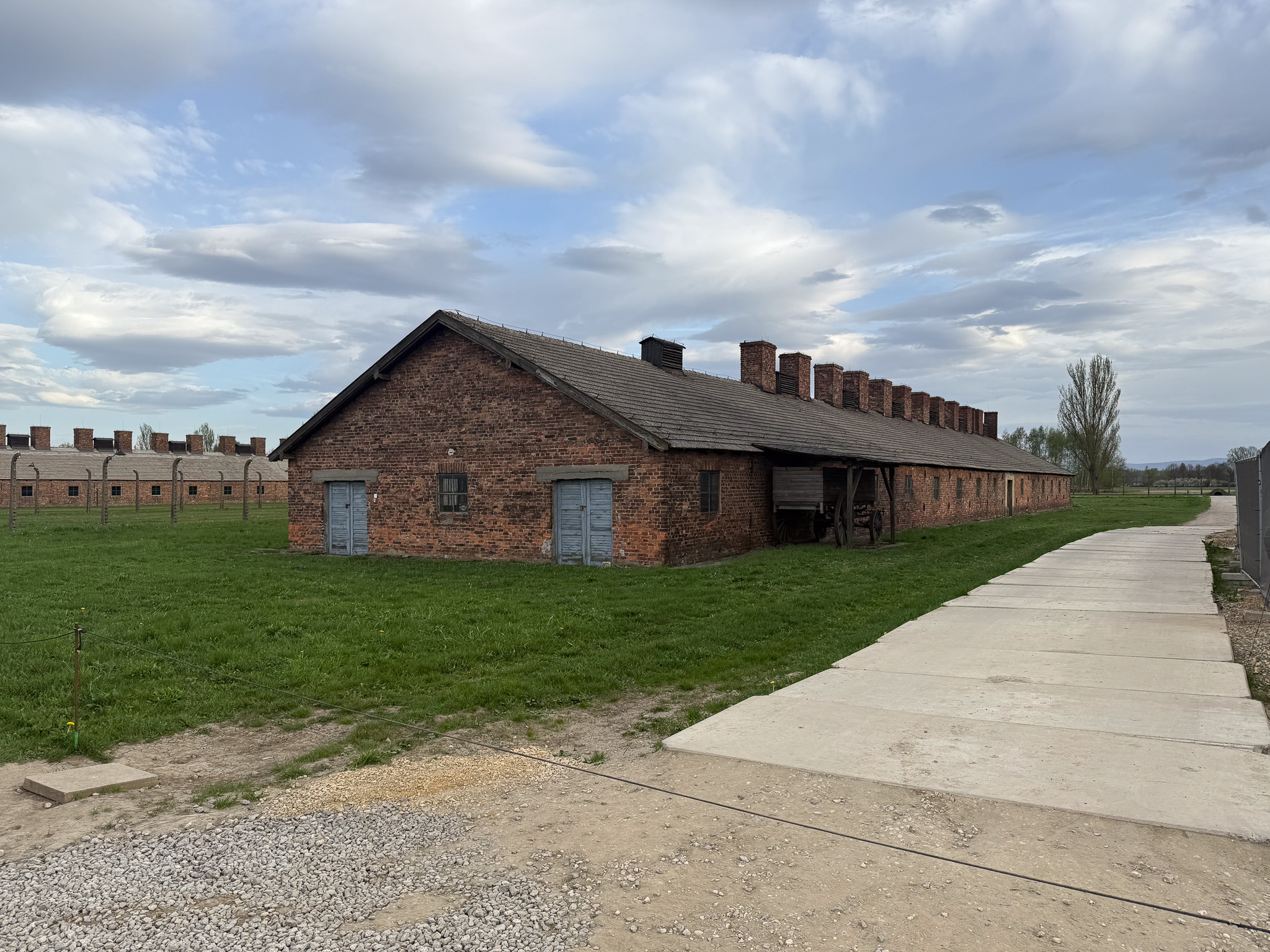
Grey, it’s all so grey.
And of course, Oskar Schindler is probably one of the “greyest” figures in our Western History. A nazi. A womaniser. A drinker. Someone who moved to Krakow and took advantage of the war to make himself wealthy, by hiring Jewish workers he did not have to pay – profiting from slavery. And who, in the end, ended up saving so many, over 1,000 lives. Jewish men, women and children who made the well known “Schindler’s list”.
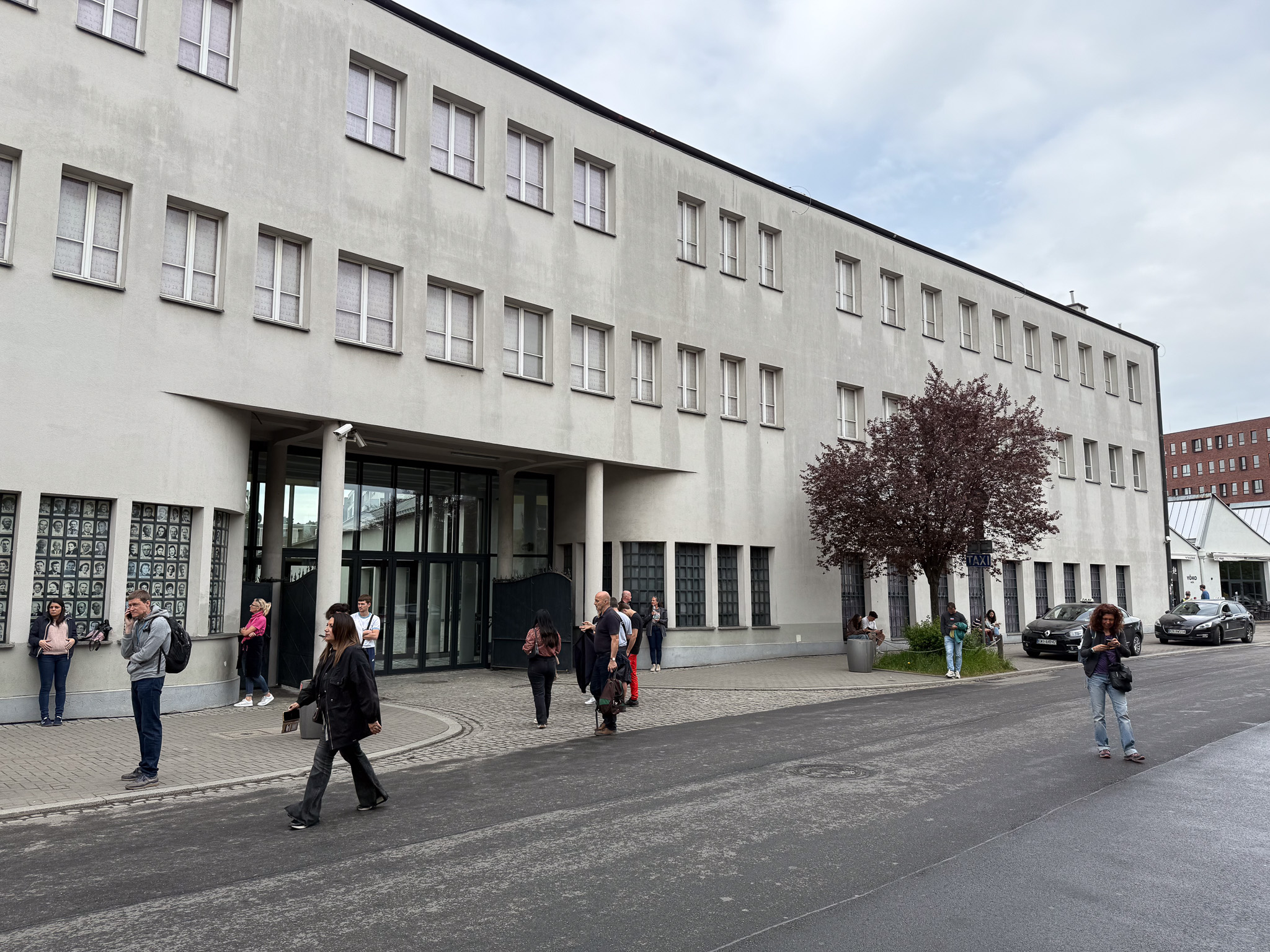
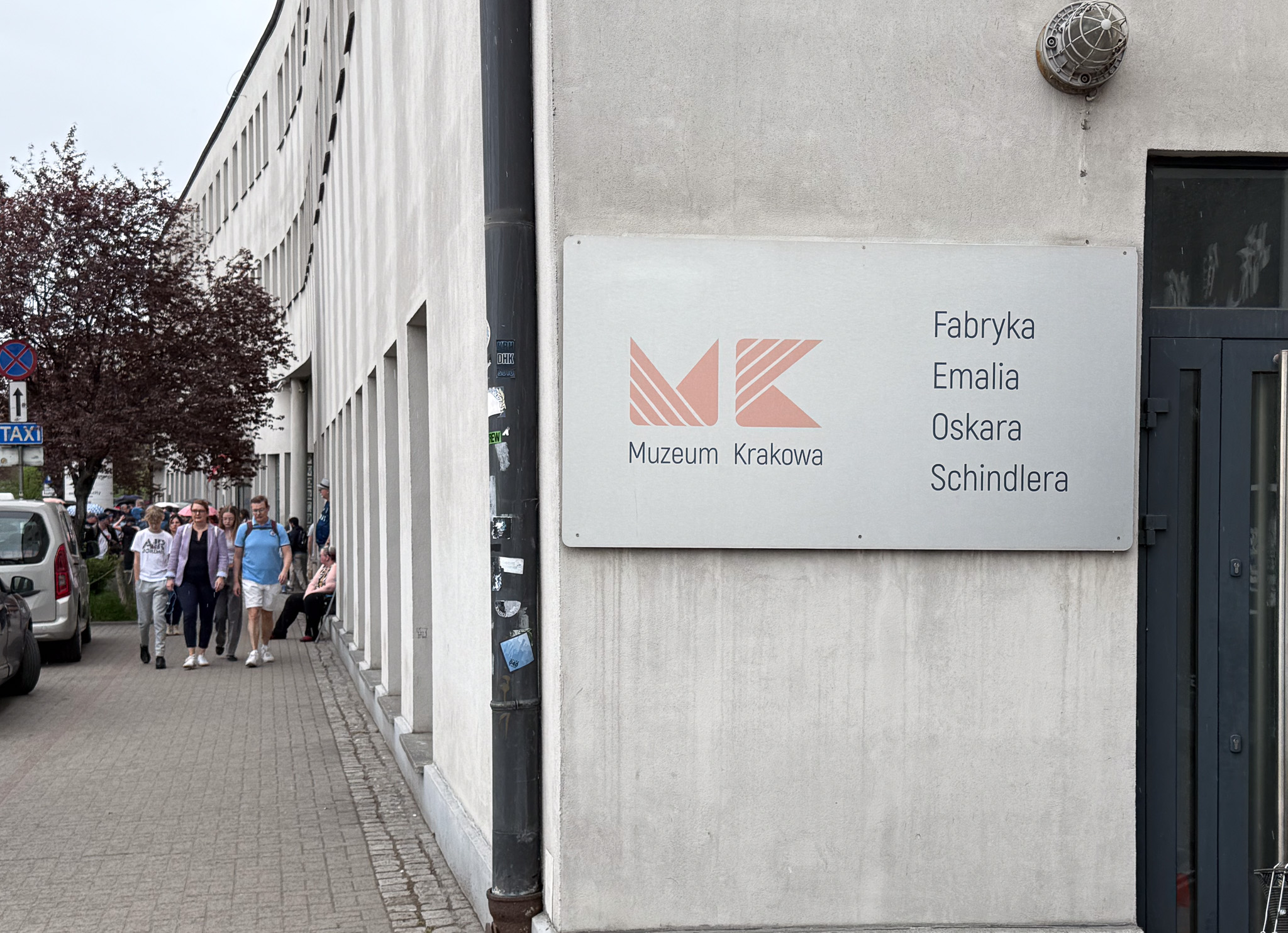
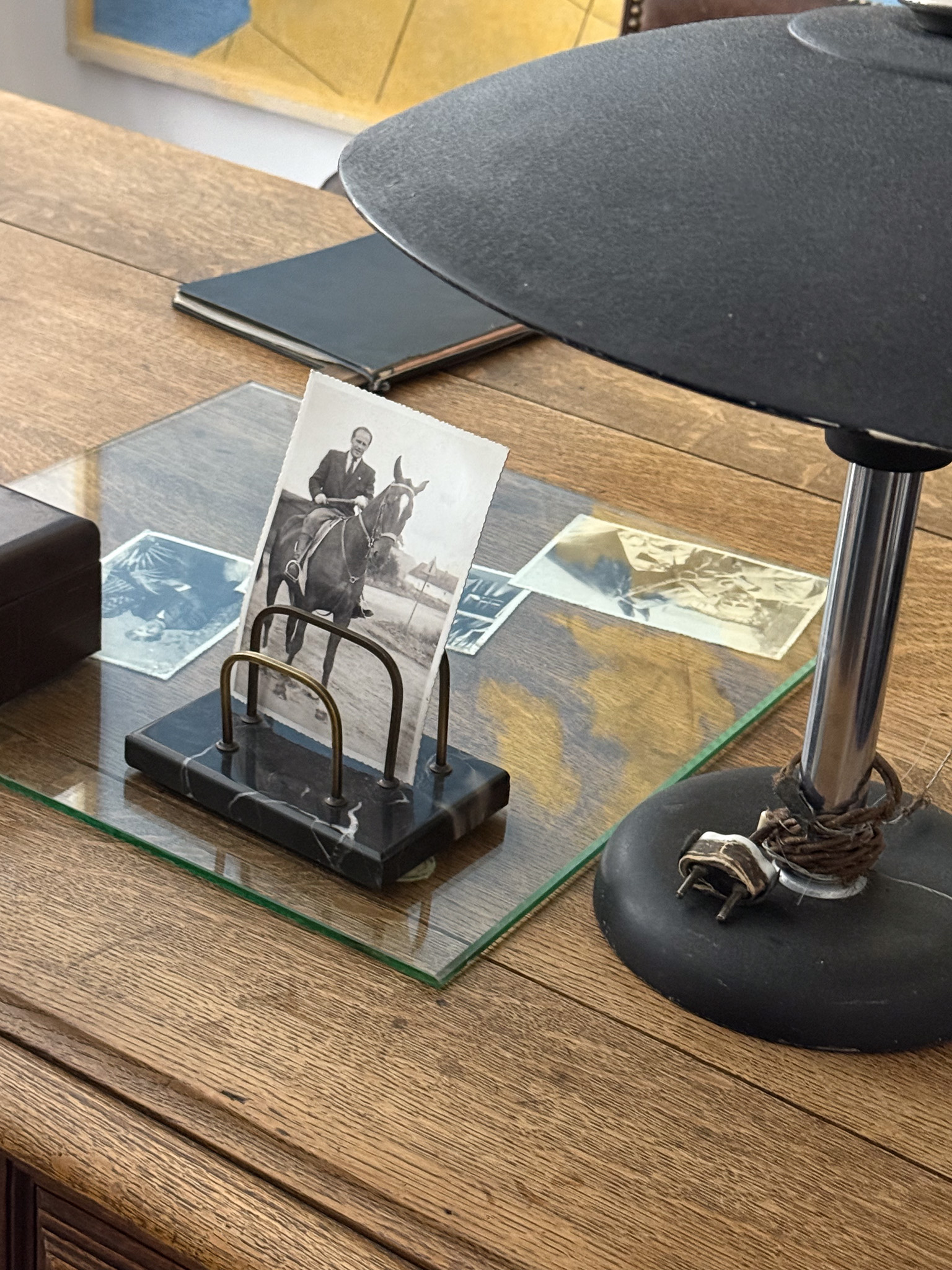
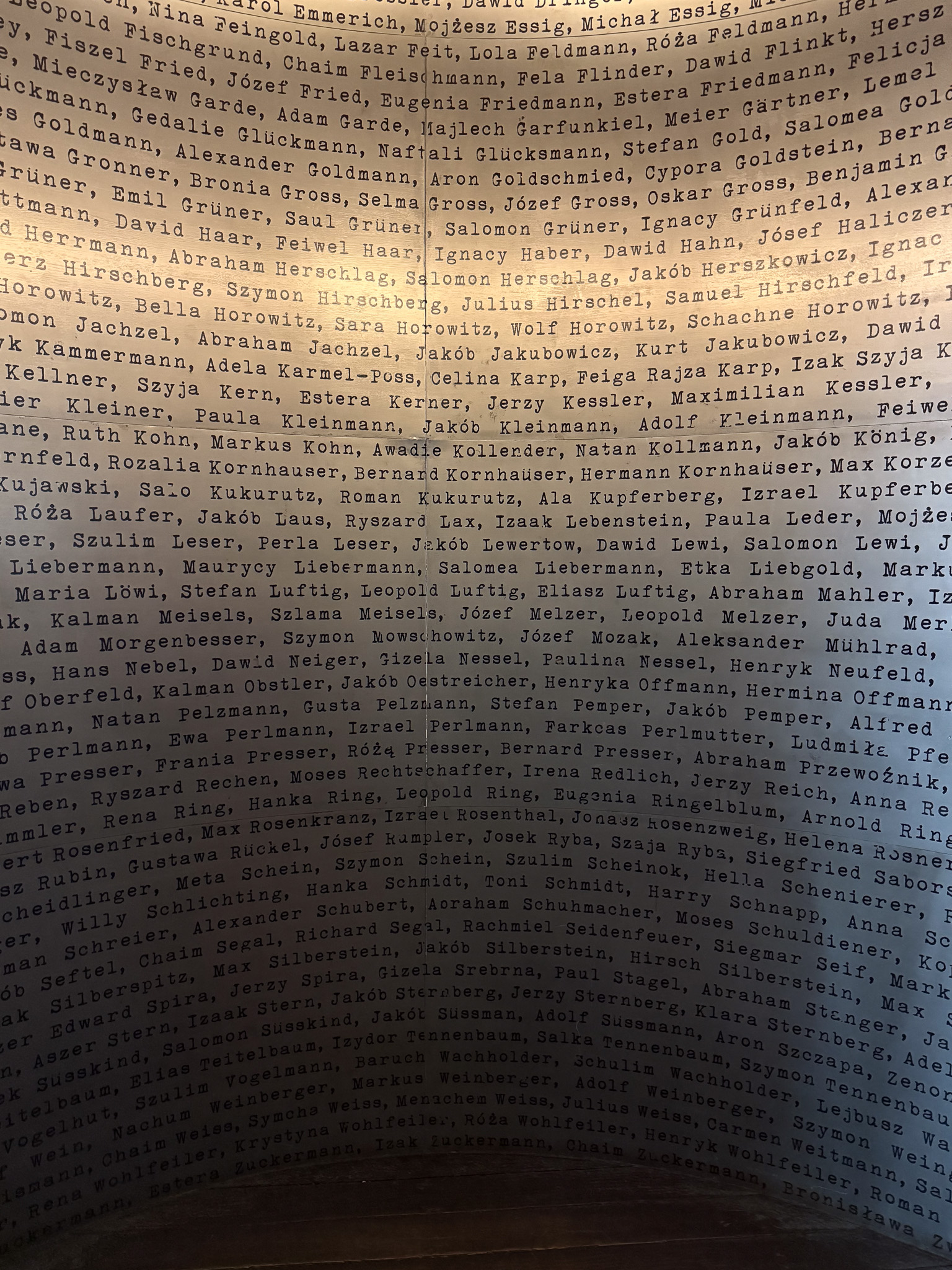
Schindler was no saint, yet his name lives on in the good books of Humanity. He is the perfect example that even a flawed man can make a righteous choice in the end.
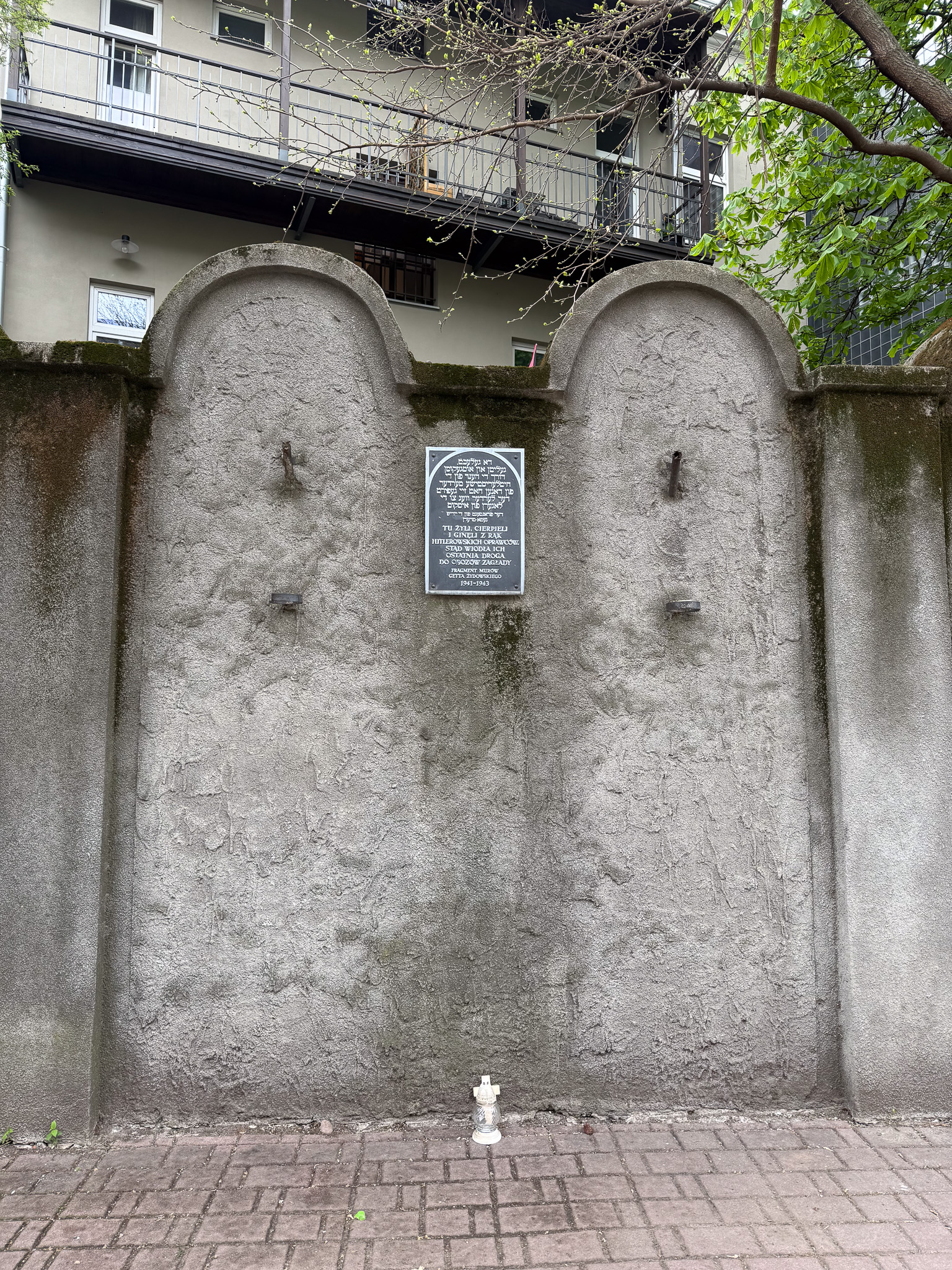
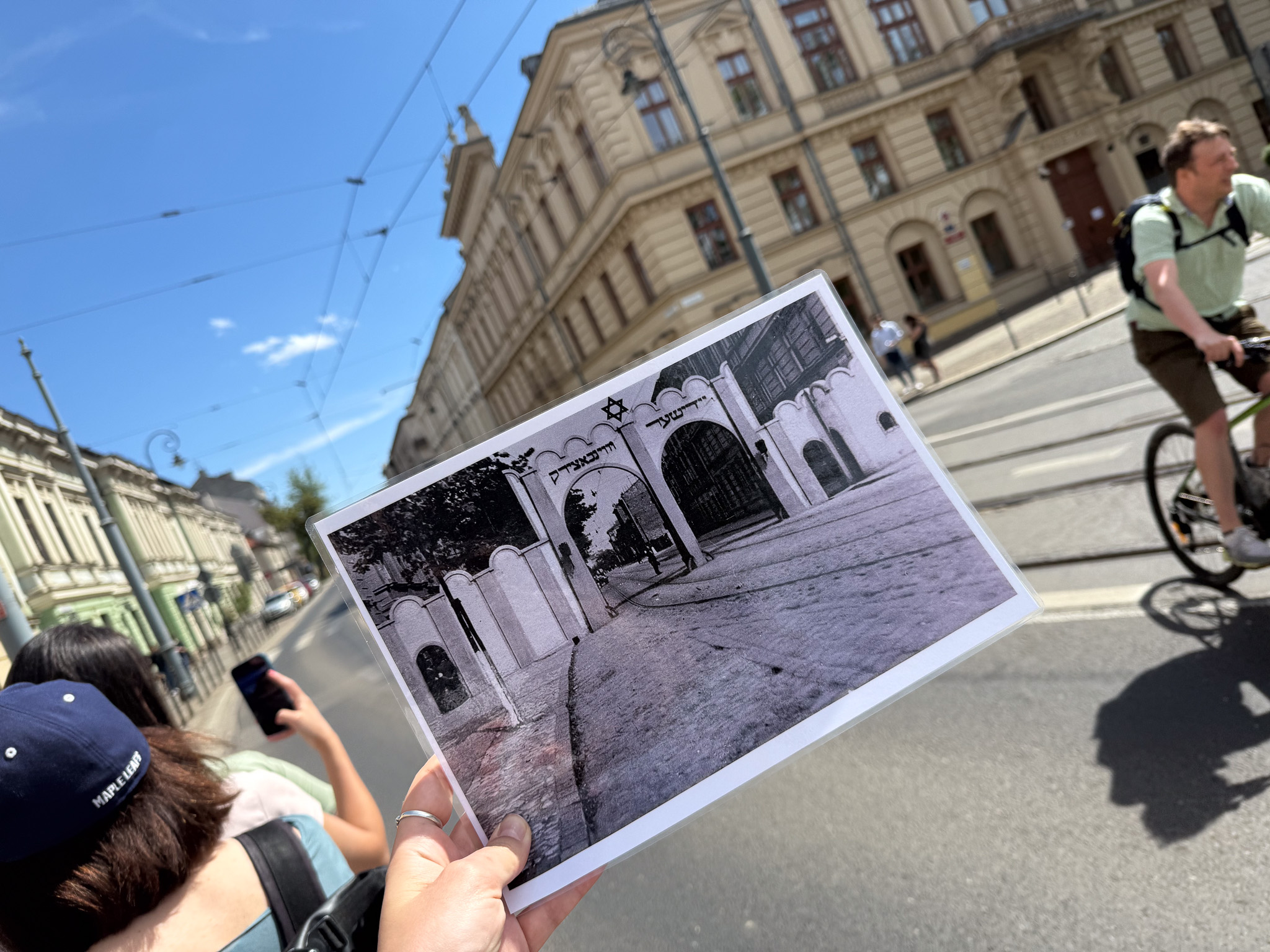
I won’t go here into more detail on the atrocities committed during this time. But I will leave you with some numbers.
- Before WWII, Poland had the largest Jewish population in Europe — about 3.3 million, roughly 10% of the total population.
During the Holocaust, 90% of this community was murdered — around 3 million people.
In Auschwitz alone, 1.1 million people were killed. 960,000 of them were Jewish. - Auschwitz was only one piece of a much larger network of death camps, all designed for the extermination of Jews and other “undesirable” groups — Romani people, people with disabilities, LGBTQ+ individuals, Poles, Soviet prisoners of war, political dissidents, Jehovah’s Witnesses.
- The Holocaust resulted in the systematic extermination of around 6 million Jews — and an additional 5 to 11 million others.
It was not that long ago. And it was repeated and it’s been repeated again and again. The Genocide in Cambodia. The Genocide in Kosovo. And now, what’s happening in Gaza. And perhaps many others I don’t even know about.
Can we not learn? Are we incapable of looking at the other and seeing someone also made with flesh, skin, bone and blood? Someone like ourselves? Are we that weak, that we won’t ever live in peace?
I think we’re all flawed, just as Schindler was. But we all have the power within us to make the right choices, by reflecting upon the past, questioning the actions of today and building a better future.
Welcome difference with curiosity, not suspicion.
Try to see in others a mirror of yourself.
Individuals – with fears, with hopes, with joys, with dreams.
Admit your ignorance and embrace moments of learning.
And resist hate. Fight it with kindness.
That is the only weapon I am in favour of.
I truly believe we all have the immense capacity for infinite good. Do you?
Love, Nic
P.S. When visiting these sites, please refrain this is not the place for grinning selfies or performative photos. It carries an immeasurable weight. It’s a place of remembrance, of grieving. Respect it.
 The Winged Bone
Nic, your reflection is incredibly powerful. The grey areas of human nature and history are difficult to confront, but necessary to understand and prevent repetition. The question of how we would have acted in similar circumstances reminds us that none of us are immune to the forces of fear and propaganda.
Your message about kindness and empathy is so important. While we can’t change the past, we can choose to reflect our shared humanity in the present. Thank you for this important reminder to fight hate with kindness.
LikeLike