

Finally, on my last full day in Athens, I was going to explore the ancient sites of the city, starting with the one and only Acropolis. There is a reason I left it to the last day – it is free to visit the Acropolis and quite a lot of the other archaeological sites in the first Sundays of the month during low season, and I believe this was the last weekend before high season starts. This was a happy coincidence – but it definitely saved me some money, which I reinvested in food, of course.
The Acropolis opens at 8am, and I wanted to be there just before the hour to avoid the crowds. Even though it was low season, the Acropolis is one of the most famous landmarks in the world, and it attracts about 3 million visitors. Usually, you have to book your ticket in advance and have allocated time slots – this is to ensure the crowds don’t get out of control, putting the conservation of the place in danger. But because it was a free day, I couldn’t book anything in advance… and when I got there, there was already a queue forming. Once it opened, since payment wasn’t needed, it moved very fast, and I was quickly inside the complex.
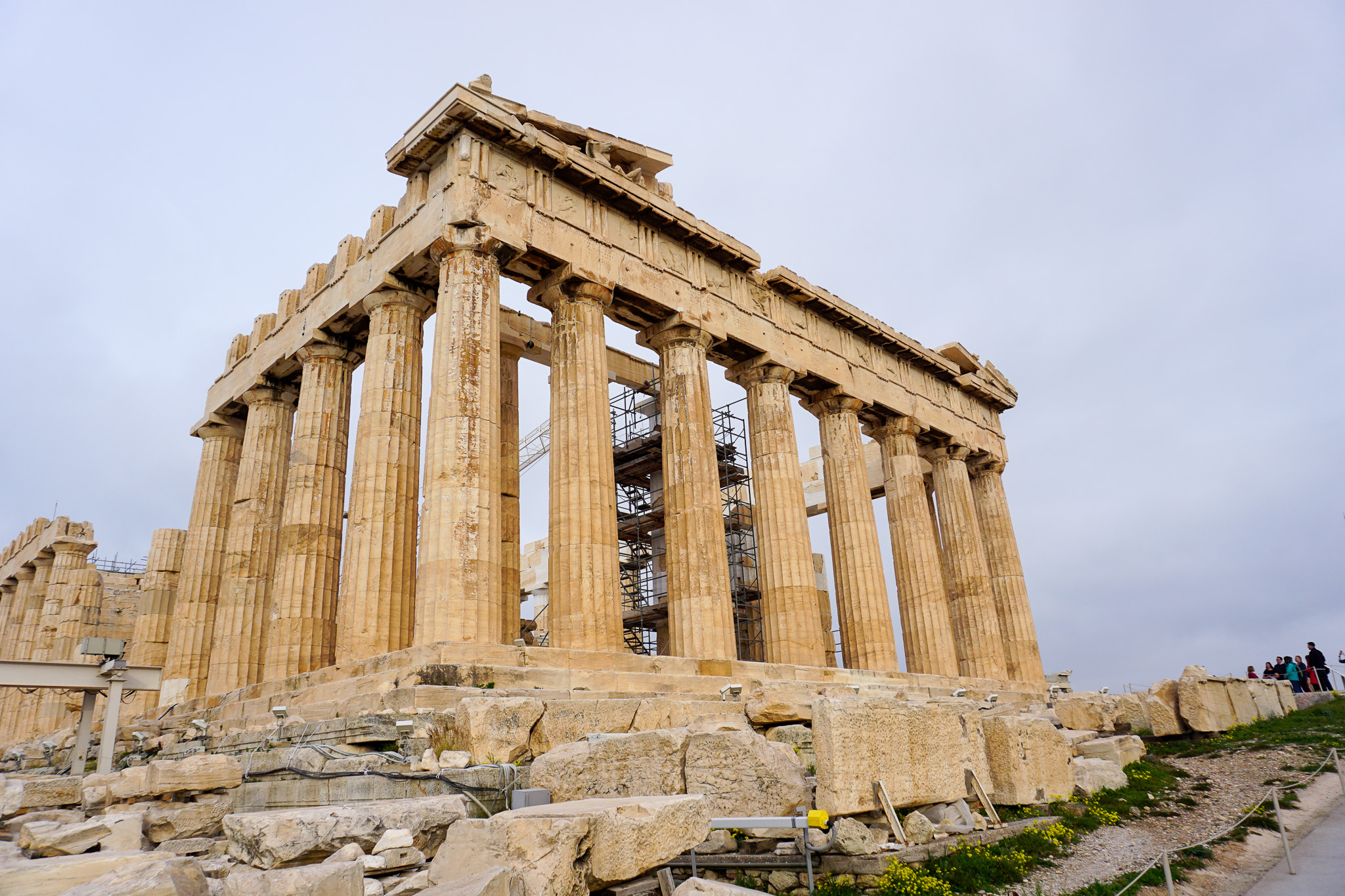
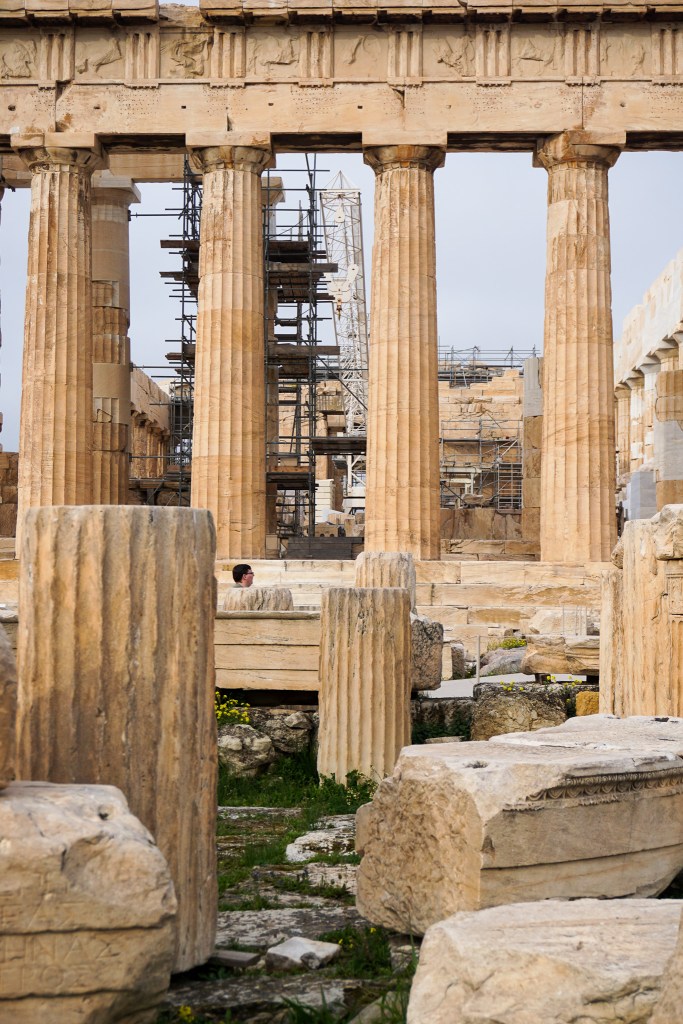
It is something you have to see, to believe it. How there is still so much of it standing – even being aware that a lot of reconstruction and conservation was done in the past decades – it’s impressive. It’s been standing there for 2,500 years, having been constructed in the 5th century BCE. The Parthenon is the most famous temple, dedicated to Athena, the protector of Athens.


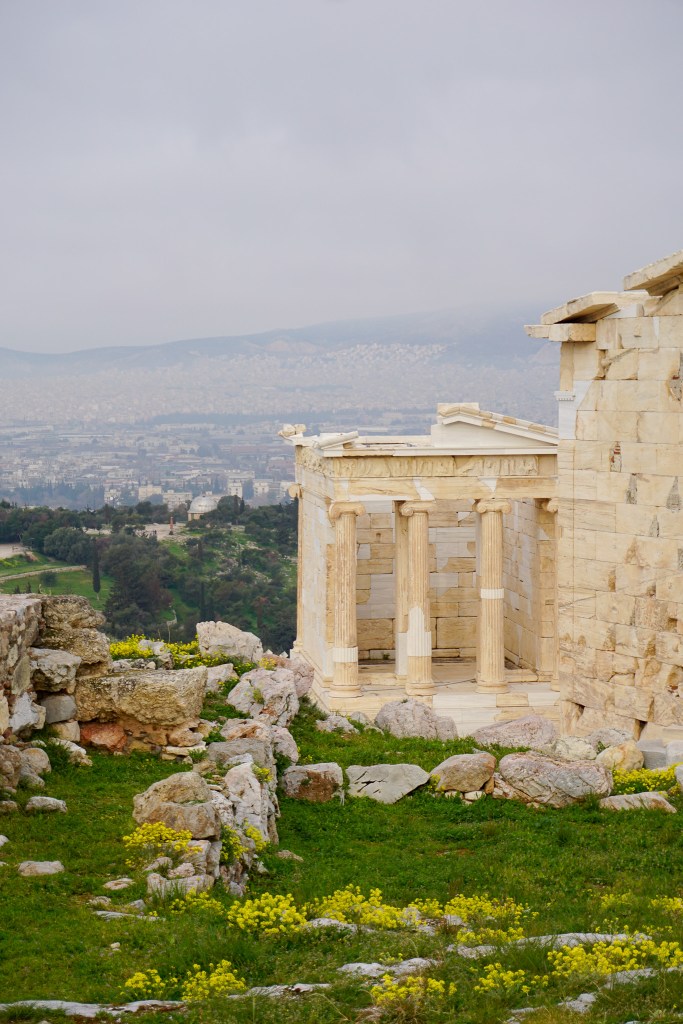
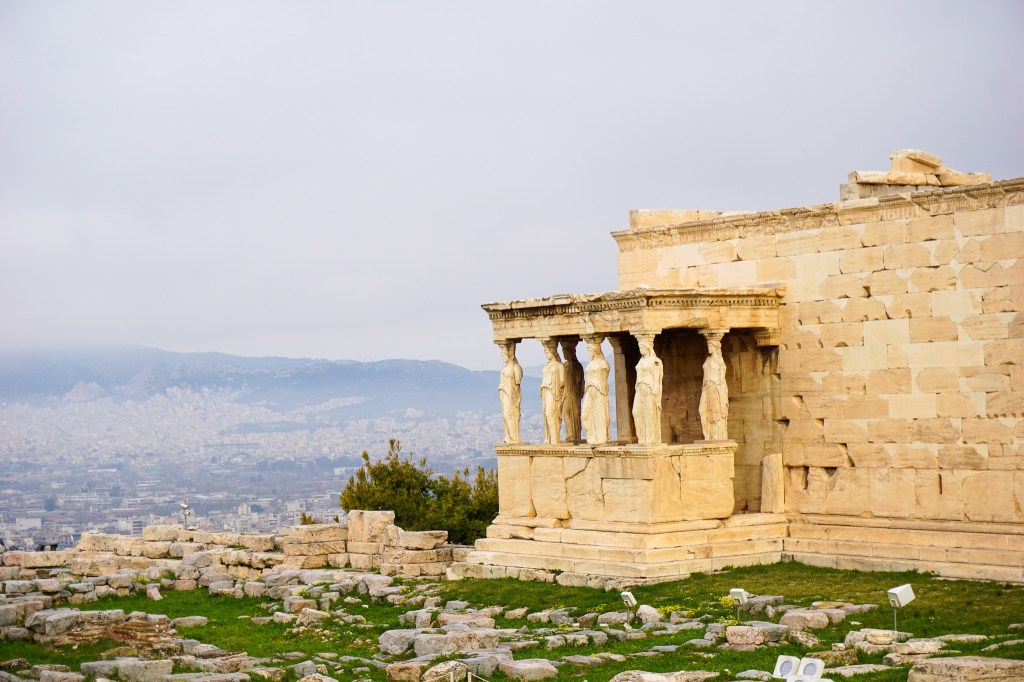
Erechtheion is another stunning temple, which housed sacred relics of the gods and the famous Caryatids – statues of women acting as columns. These are replicas – the original are in the Acropolis Museum, and one of them was stolen by a certain Scottish Lord and is housed in the British Museum…the Temple of Athena Nike, the goddess of Victory, is smaller and also less visible, but still worth mentioning.


There is barely any need to say that this was all built primarily for religious purposes, but it was also about political power. It demonstrated Athens’ political and military dominance, especially after the Persian Wars – the Persian army had destroyed the smaller temples that preceded the Parthenon and since Athens played an important role in defeating them, this was a demonstration of their success.
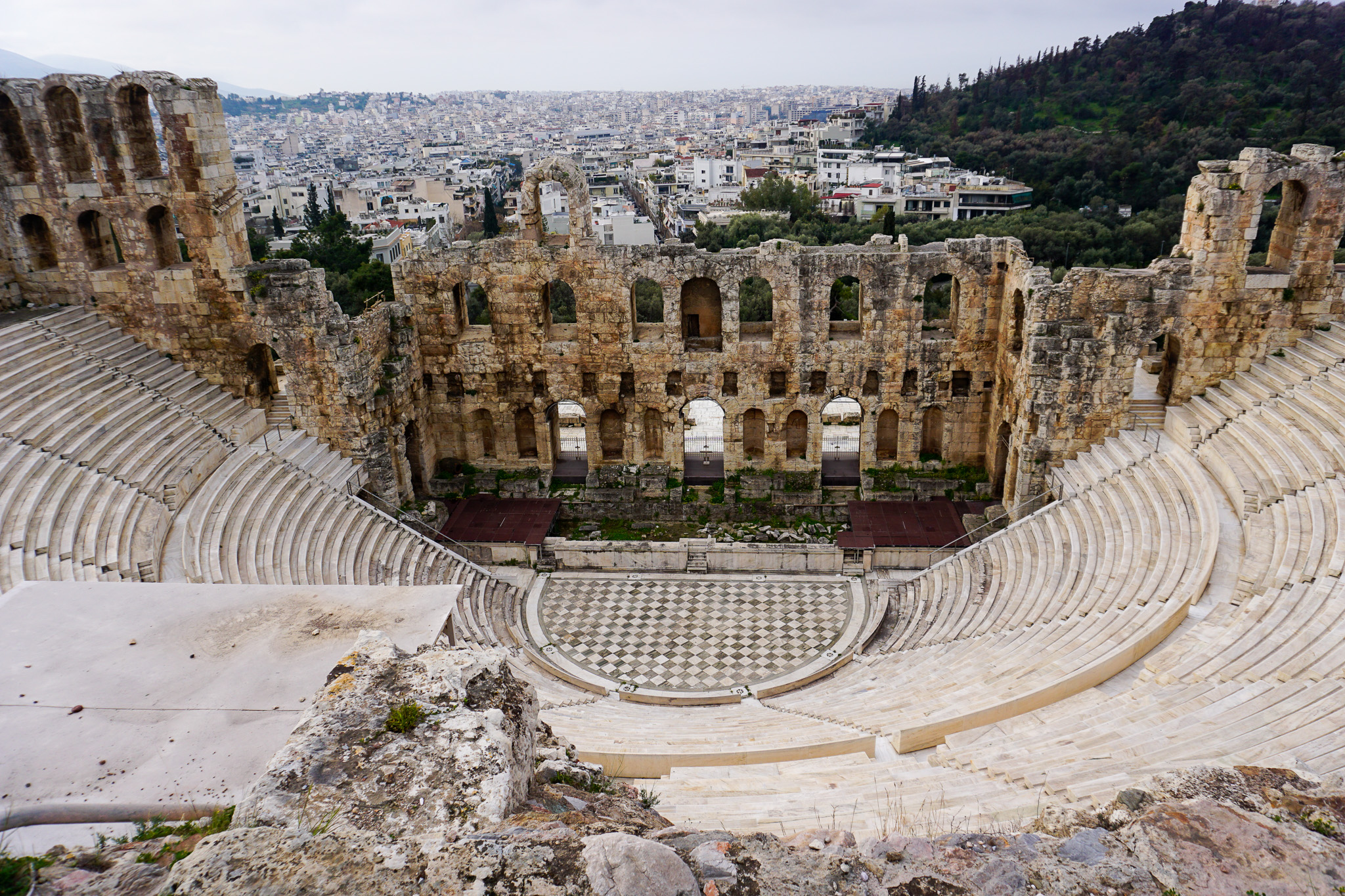
The real damage to the Parthenon actually happened many centuries later – in the 17th century, during the Great Turkish War. At the time, Greece was under Ottoman control, at war with the Venetians. The Parthenon has been converted to a mosque, and it was storing gunpowder and ammunition… a bad idea.A venetian cannonball struck the Parthenon, hitting the ammunition inside… and well a massive explosion occurred, destroying most of it, including its roof and parts of its columns. This is how the building has remained until today.
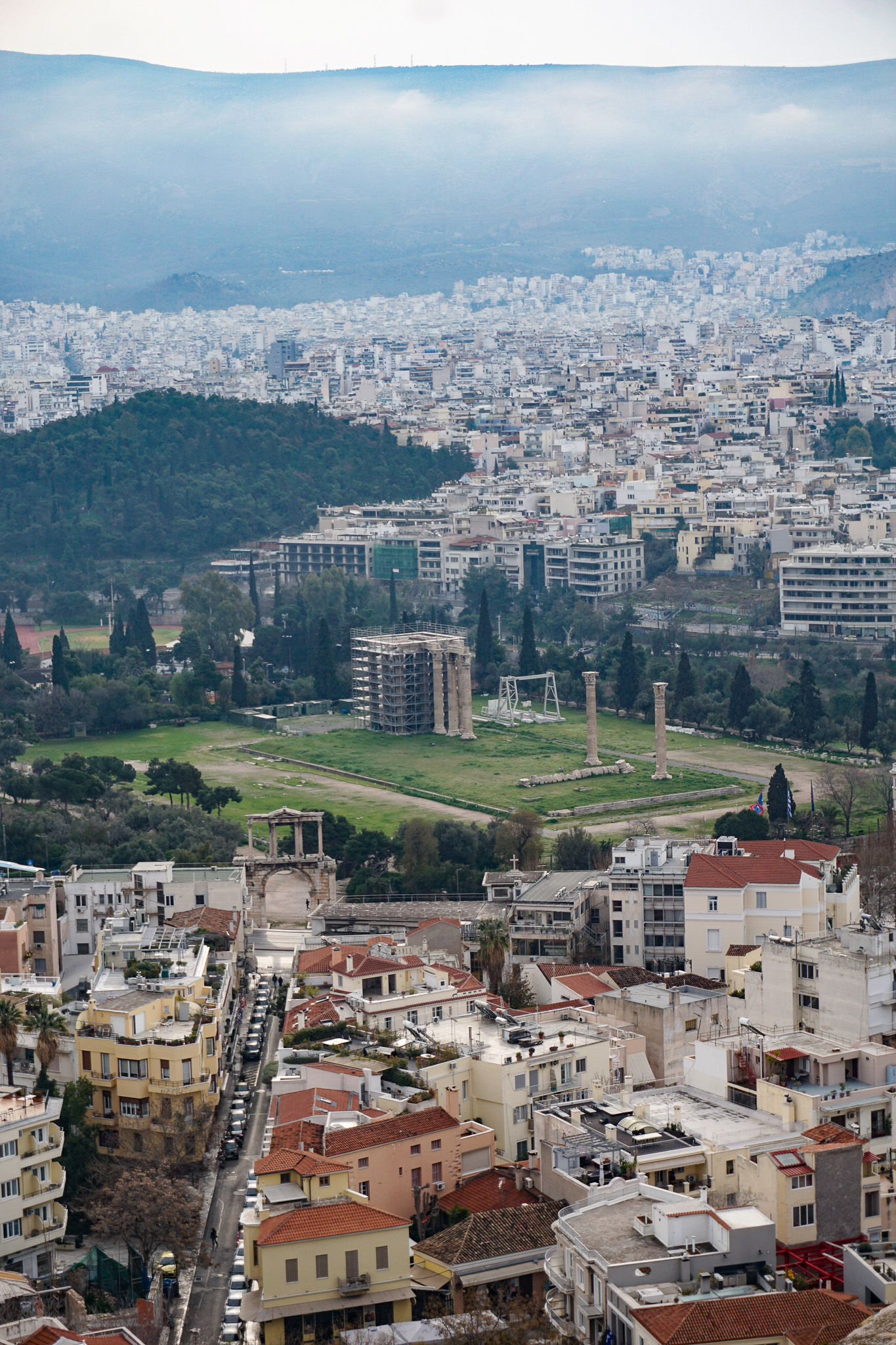
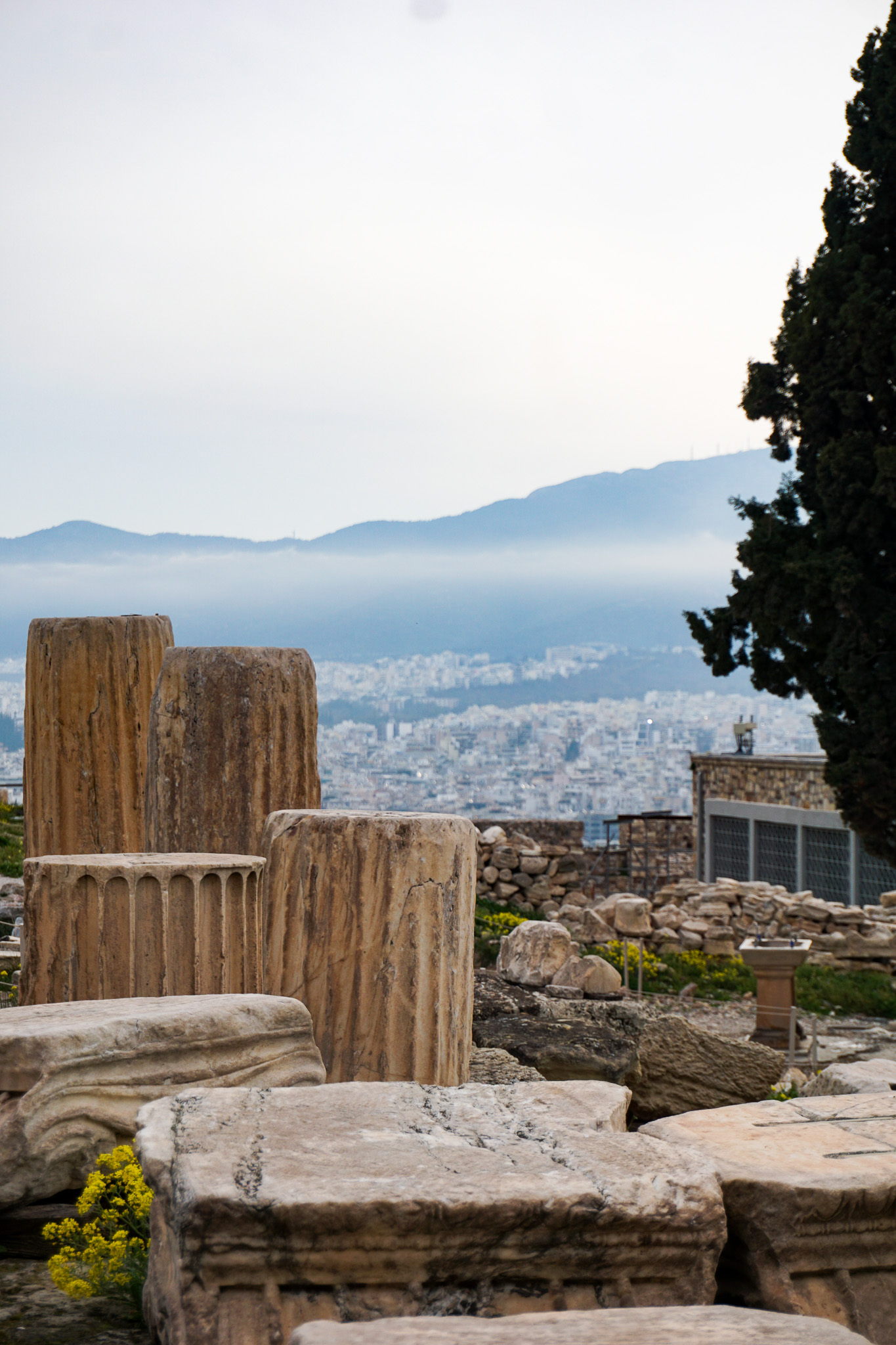
And then… the controversy happens. Lord Elgin, a British Diplomat and the ambassador to the Ottoman Empire from 1799 to 1803 is responsible for the removal of a large number of sculptures and artwork from the Parthenon. It is said it wasn’t stolen – that Lord Elgin got the permissions from the local and British authorities to do so. However, at the time, the permission came from the Ottomans, not from the Greeks, who had their territory occupied and lived under the rule of a foreign empire who couldn’t care less about the Greek heritage and cultural artefacts.

These treasures were sold by Lord Elgin to the British Museum where you can find these artefacts that once belonged to the Parthenon, but Greece has demanded these to be returned to Athens. The British Museum argues these were obtained legally – and it has offered to lend the works if the Greek authorities recognised these to be owned by the British Museum, which they refuse to do – rightfully so! The reality is that the legality of this acquisition is dubious, and ended up profiting an individual whose motives don’t seem that altruistic – some argued he was protecting these artefacts, but then why were these sold and not returned to its place when the conditions in the country allowed? The British Museum does not recognise this, and insists on the legality of this acquisition. This simply showcases an extension of colonial attitudes that are absolutely blind to the historical trauma caused by looting and cultural dislocation.


These pieces belong to the modern and state of art space that the Acropolis Museum is. Having the Acropolis itself as the background, this is an incredible place, well organised and with guided walks you can do with your phone – take earphones with you! It opened in 2009, and it is home to over 4,000 artefacts. A visit to this museum is compulsory to understand the ancient Athenian life, culture and religious practices. It is indeed a shame it’s missing so many important pieces.
After the Acropolis Museum, I was going to visit the Ancient Agora of Athens and the Temple of Hephaestus. These were also free to visit on Sunday, and likely busier than usual precisely because of that. But the space is vast, ample, and the crowds disperse, making it a pleasant visit.
The Stoa of Attalos stands out, a great colonnade building, housing the Museum of the Ancient Acropolis. It was originally built in the 2nd century BCE and it was a shopping arcade. With the funding of Rockefeller Jnr, the place was reconstructed between 1953-56, using historical sources and archaeological evidence to make it as close to the original as possible.
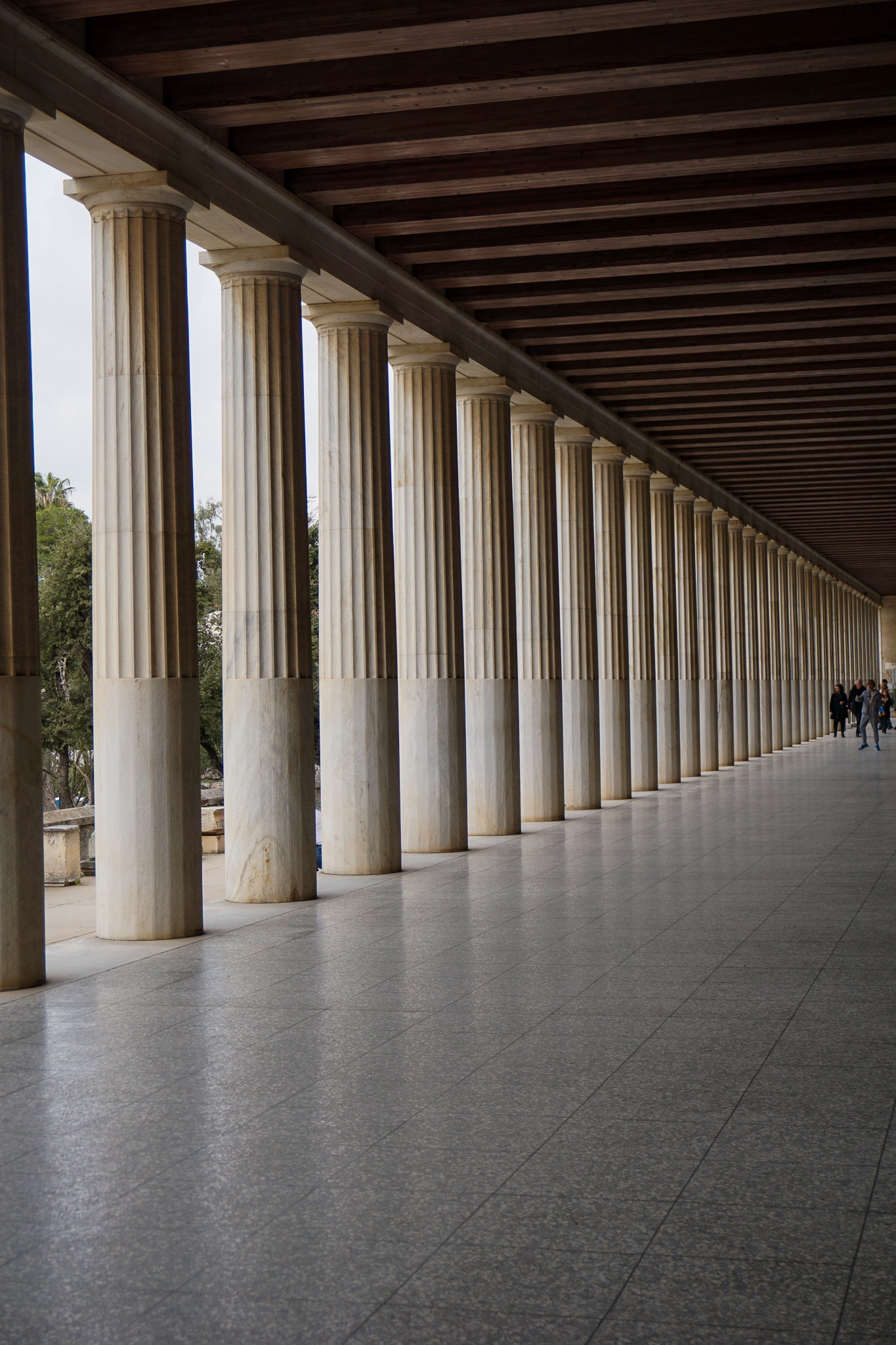
In centuries gone by, the Agora was the heart of public life. It was here that Socrates came to discuss his famous dialogues, where Plato intently listened to him, and sadly where the former was also under trial in 399 BCE, for questioning Athenian democracy, and ironically, empowering others to think by themselves. And speaking about democracy, whilst imperfect, this was also the place where citizens would gather to debate the policies of the day and cast their vote. Bear in mind, citizens had to be free men, born in Athens. Politics excluded women, slaves and foreigners.

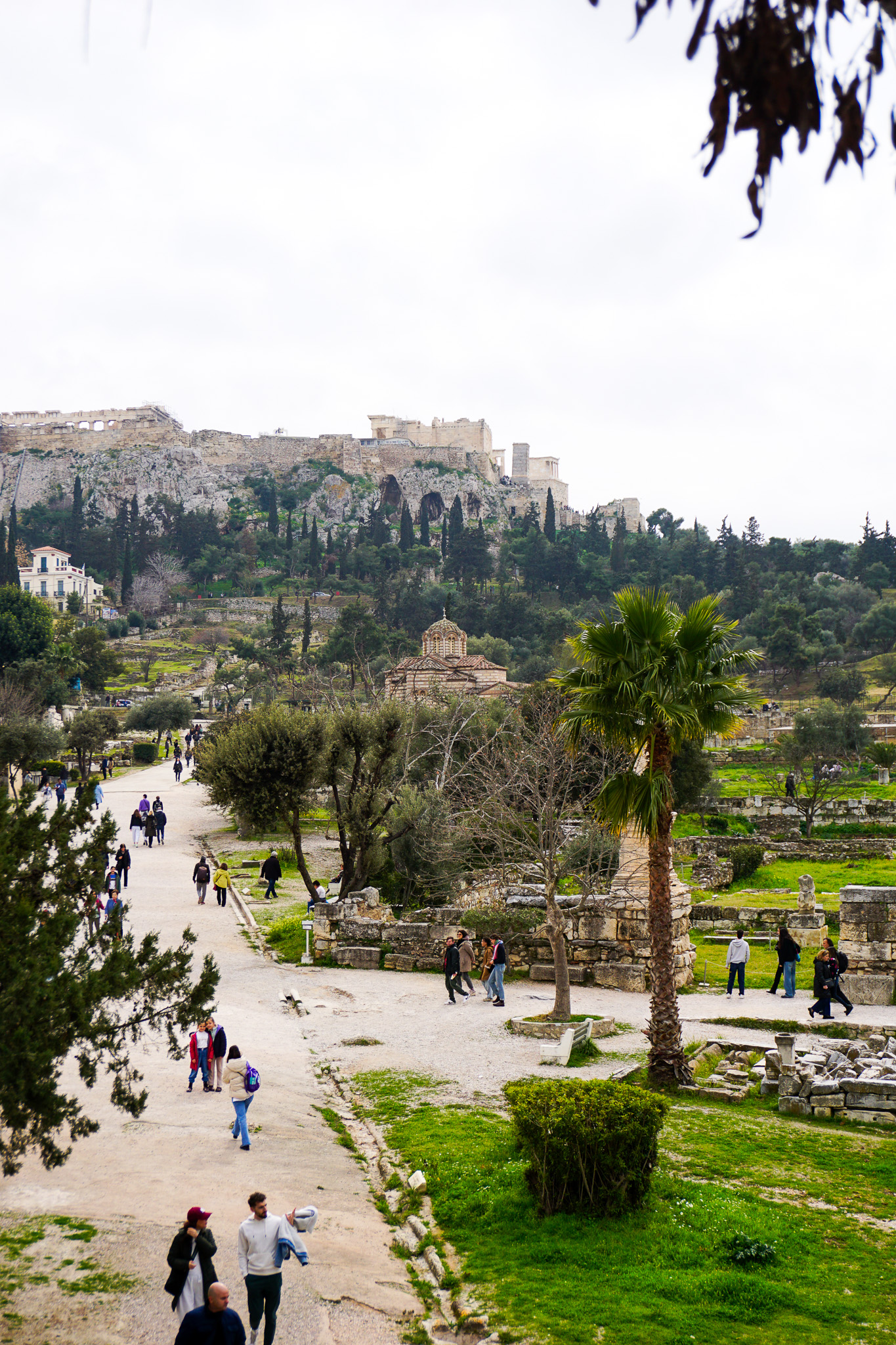
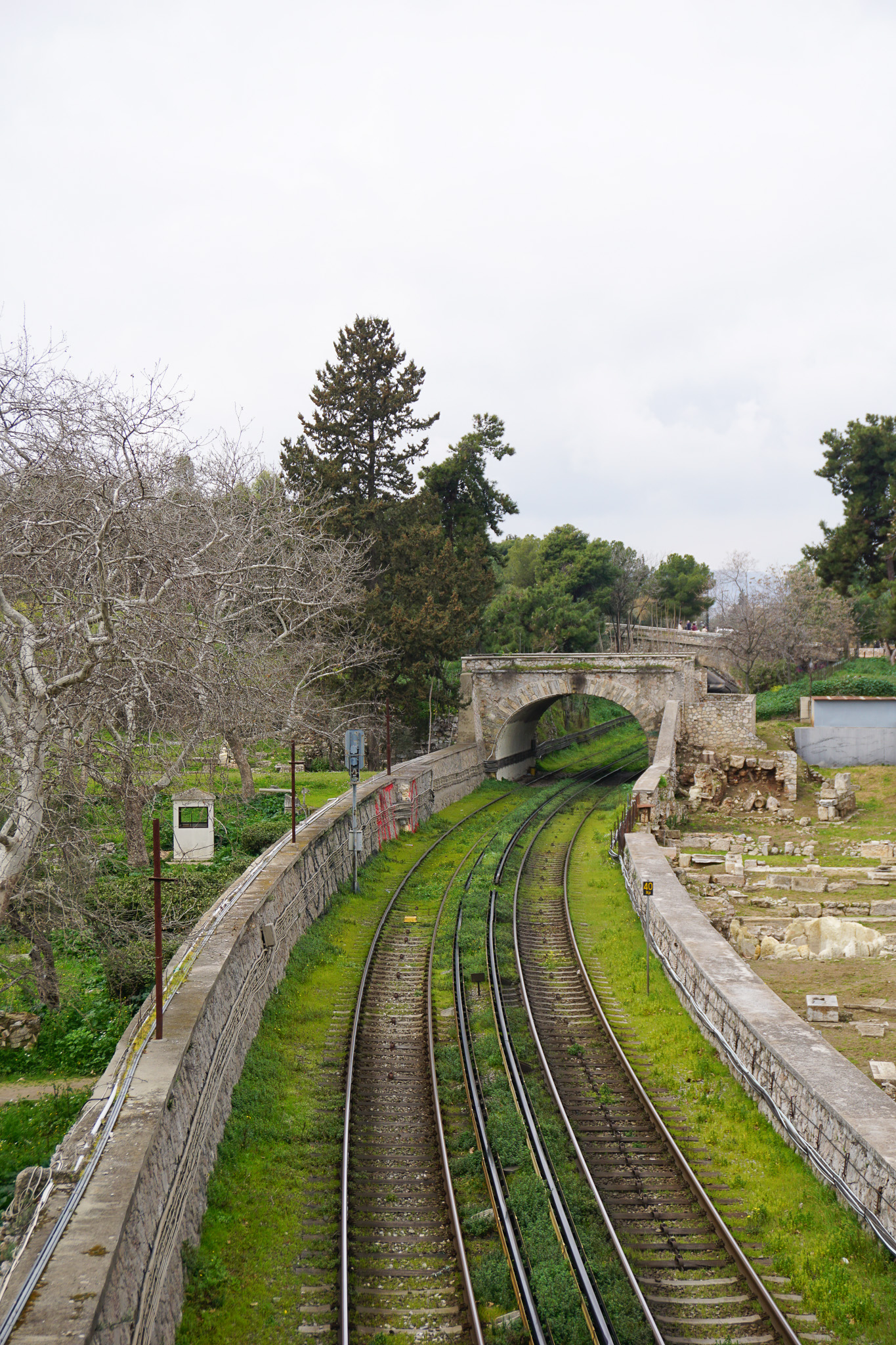


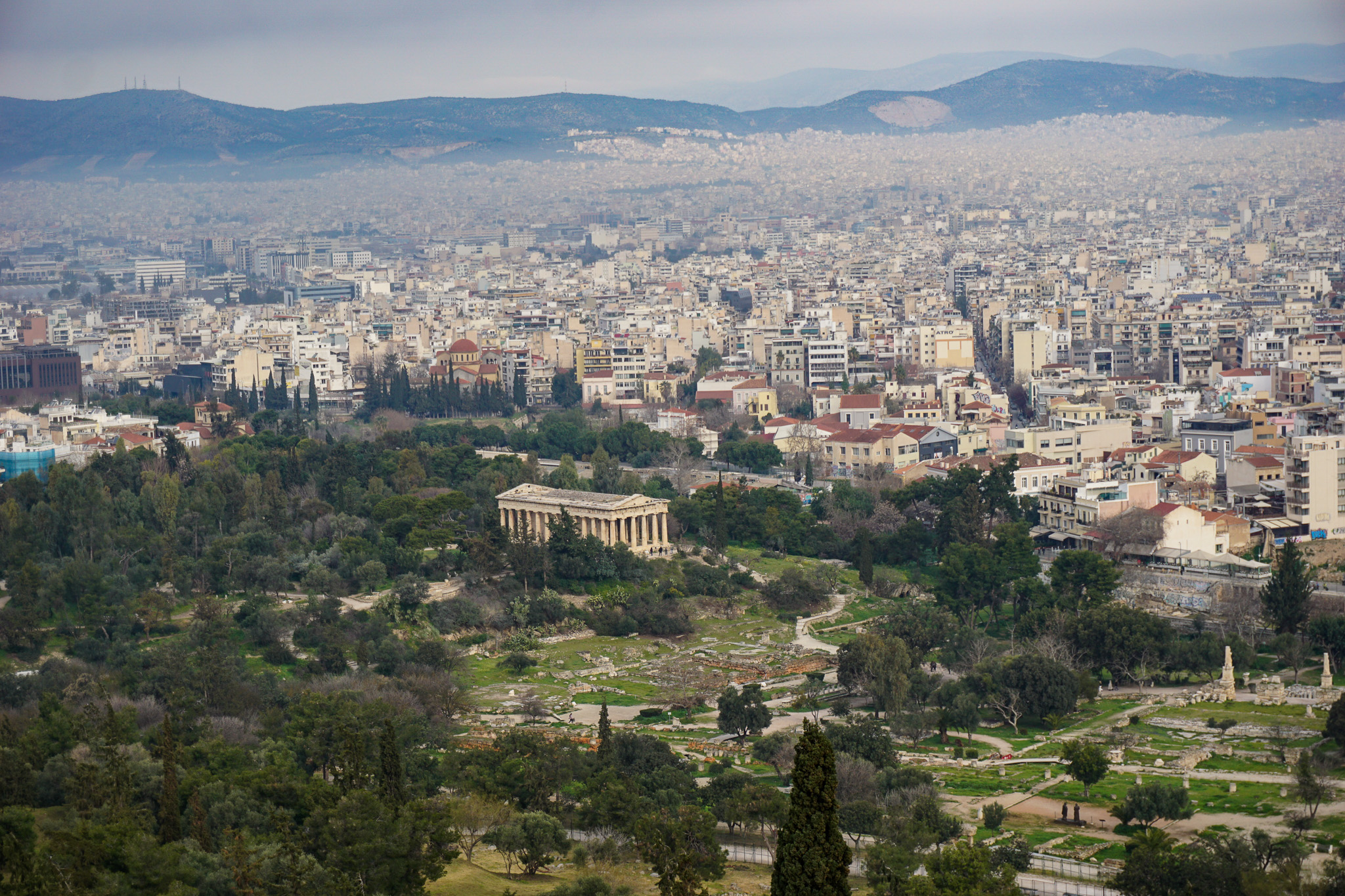
Perhaps the most outstanding is the Temple of Hephaestus. It is one of the best-preserved ancient Greek temples. It was built in the 5th century BCE and it’s dedicated to Hephaestus, the god of metalworking, fire and craftsmanship. The temple is completely standing, with its ceiling roof. It was once a church during Byzantine rule, and then a mosque under Ottoman invasion – which likely made sure the temple survived to these days mostly unscathed, since it was never abandoned and, luckily, never suffered the faith of a cannonball, unlike the Parthenon.
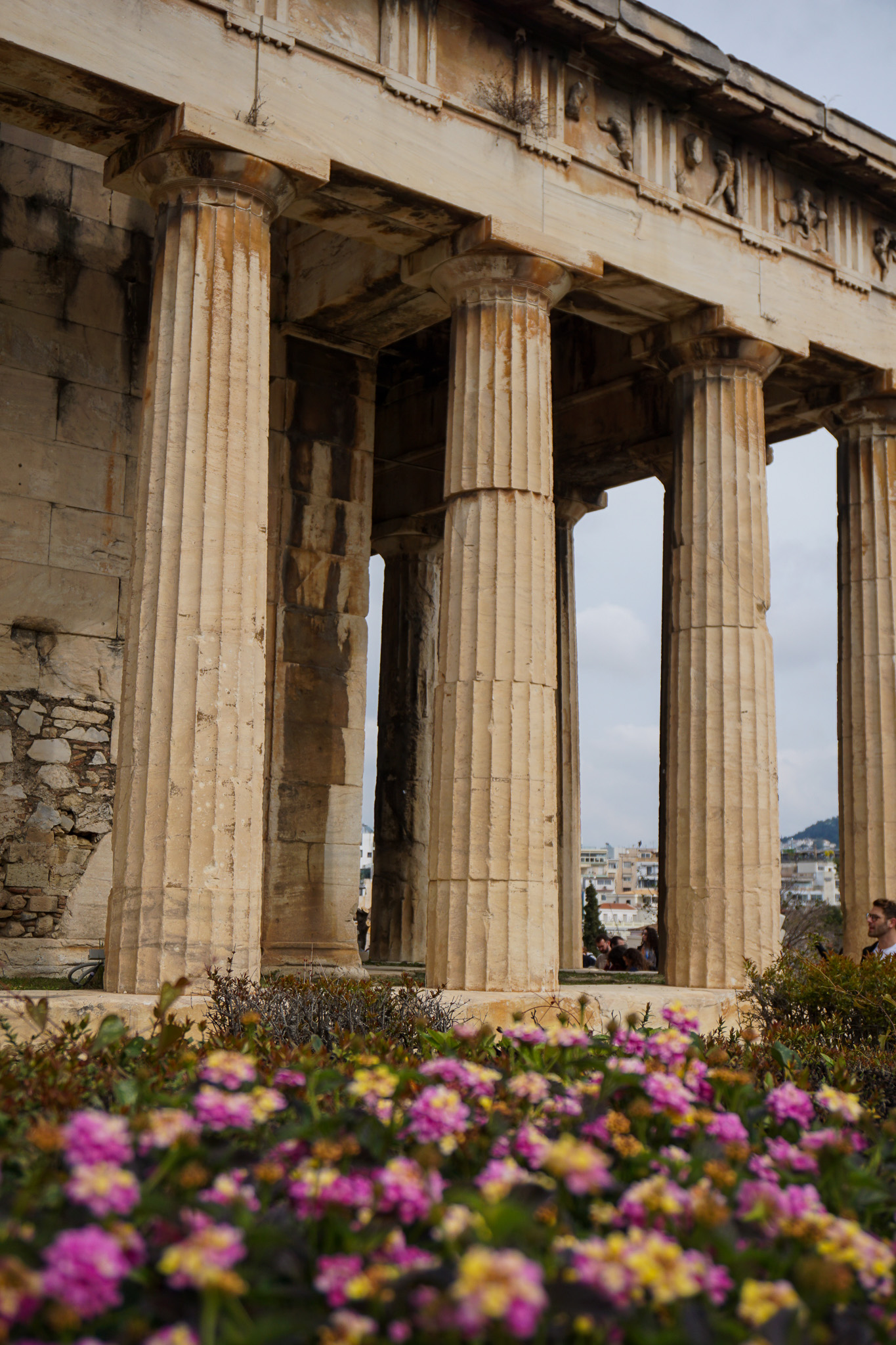
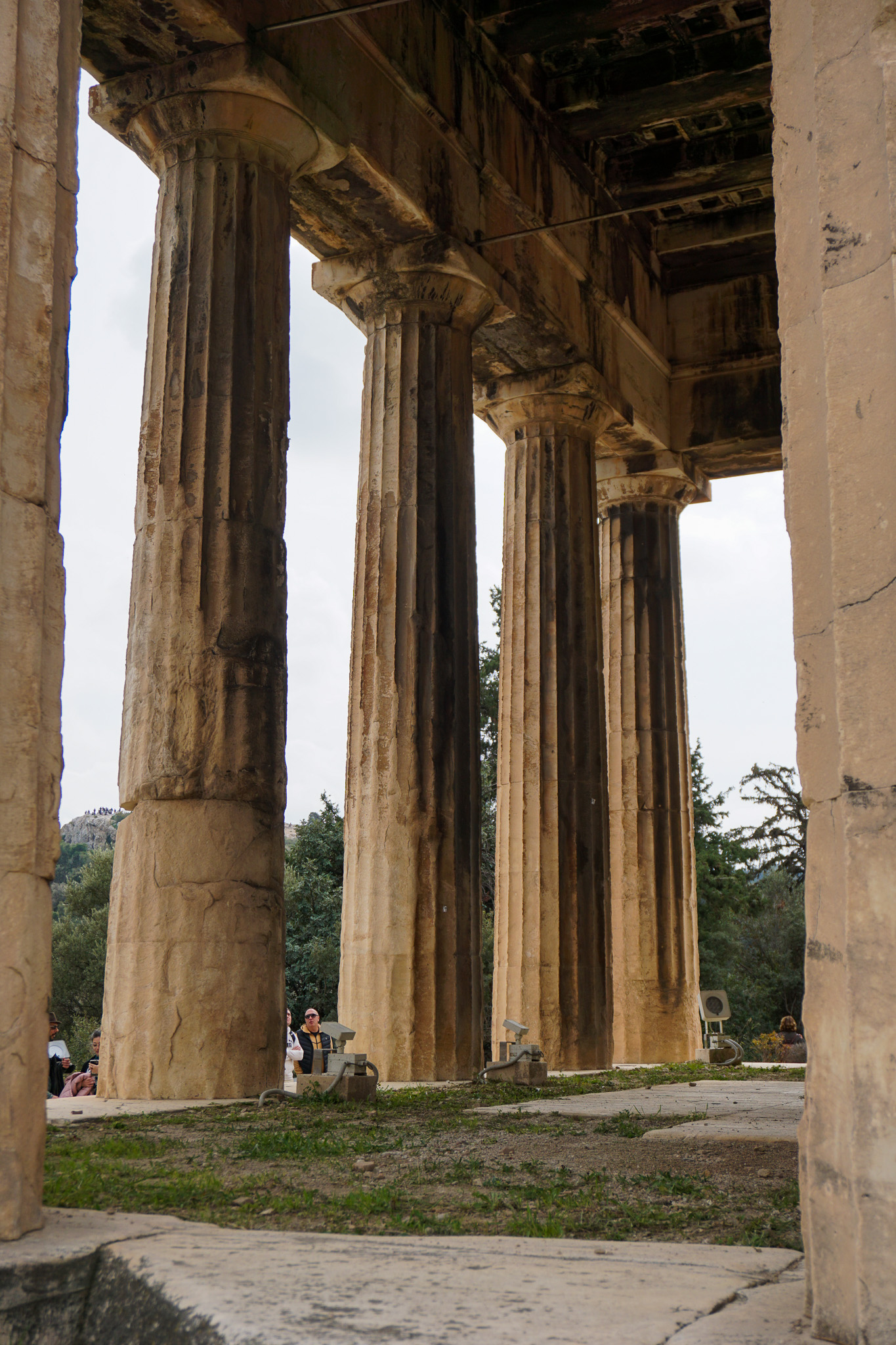

After the Acropolis, the Ancient Agora was definitely one of my favourite archaeological places to visit. Of course you still have to put your imagination to work, as so much of the ancient walls and columns are no longer there… but at the time, it must have been quite something. In my mind I see mostly men, the citizens of Athens, frequenting this space, to listen to philosophers reflections and roam to the Temple of Hephaestus, asking for protection in their own trade. Perhaps their wives would accompany them, mostly responsible to go to the Stoa for groceries. I also wondered if back then there were as many cats roaming its streets, as there are today. I imagined everything in technicolour, because it’s so easy for us to see it all in sepia, black and white, or just grayscale tones. So easy to see them rigid, lifeless, as the many statues we see, sometimes the only visual window to those, like us, who lived through these times.
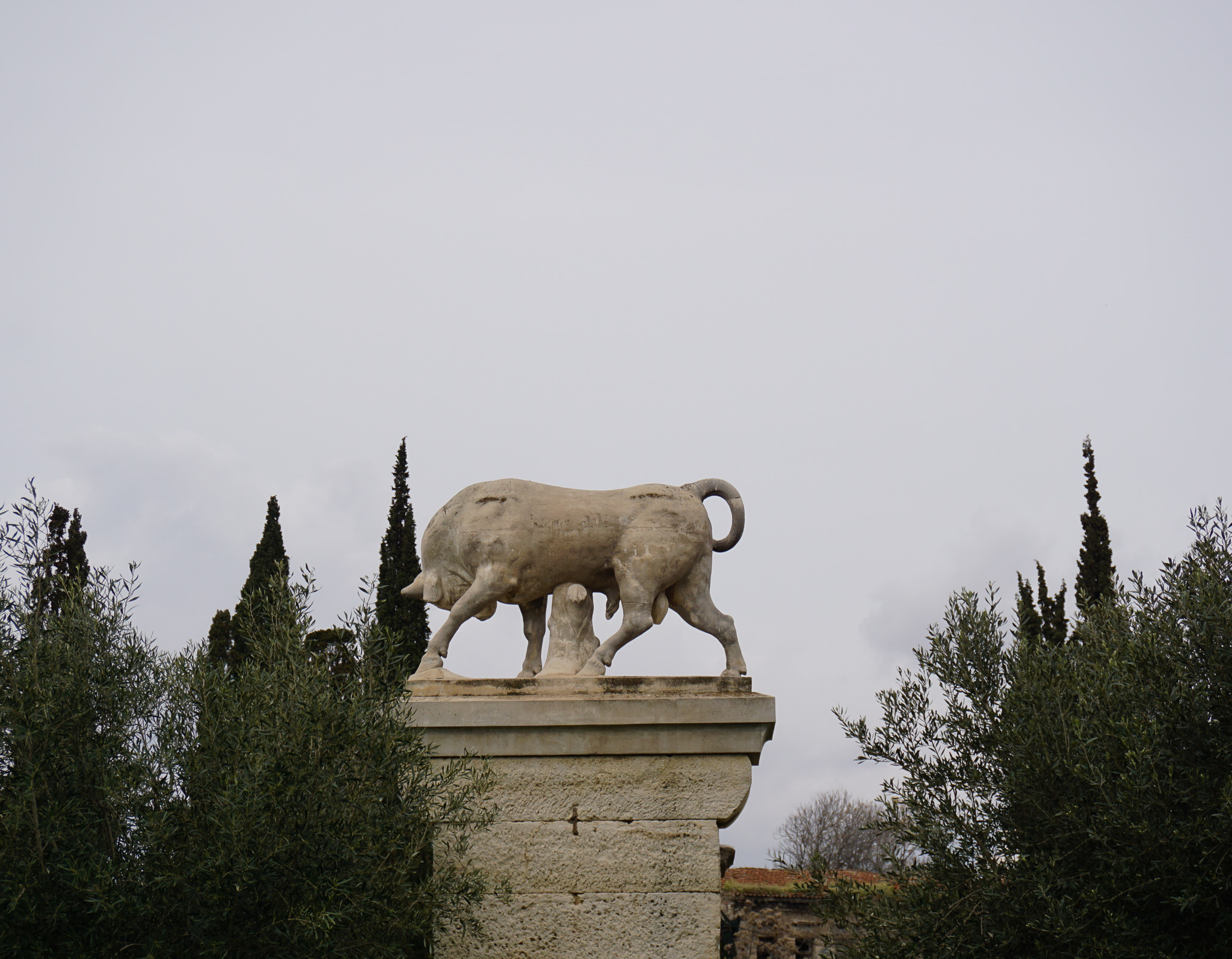
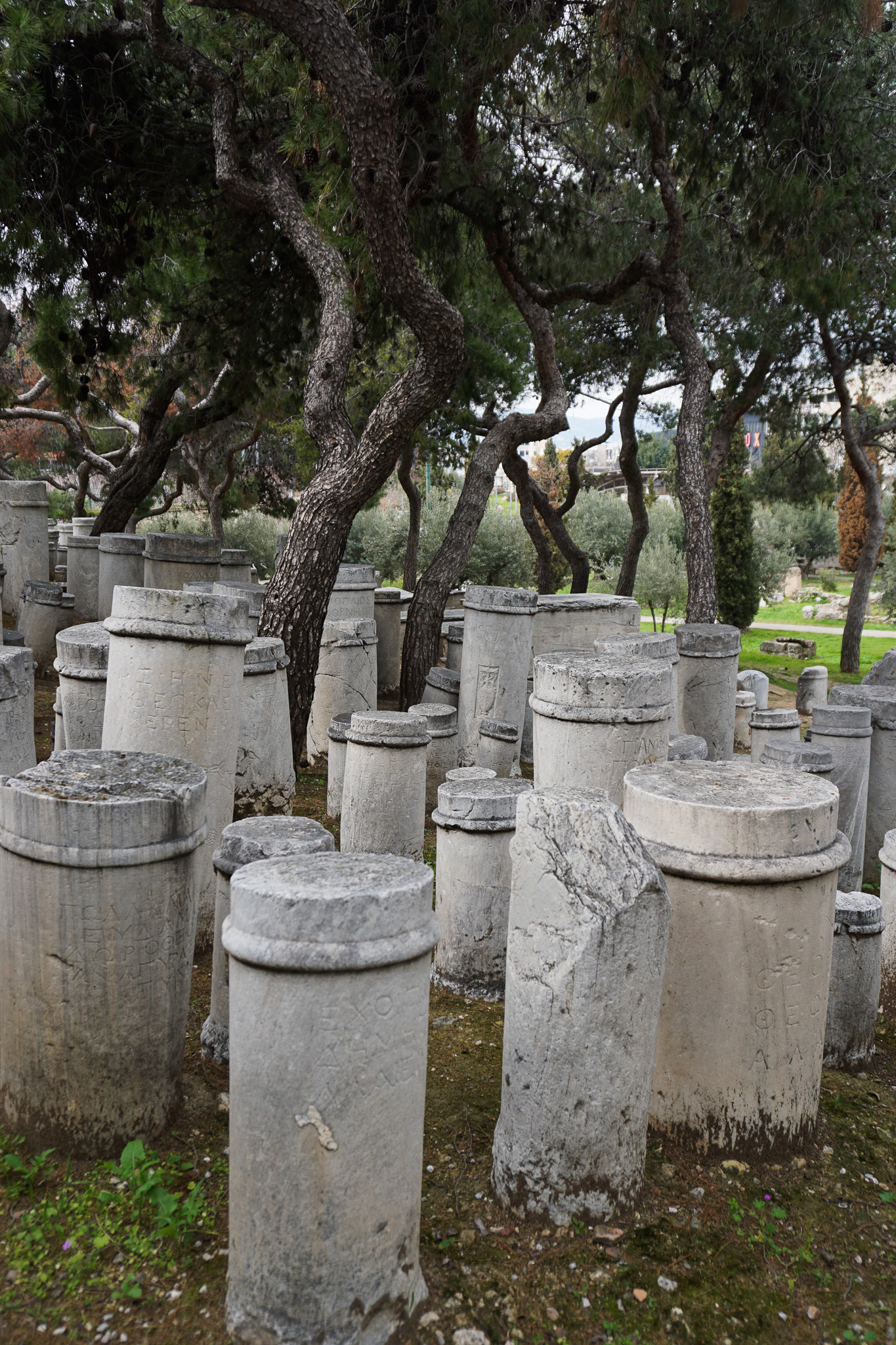
Seen as one of the most important, but less visited archaeological sites in Athens, Kerameikos is definitely the place to come for a quiet and reflective visit. It was primarily an ancient cemetery – but it was also a hub for pottery production, hence the name keramos – which means pottery in Greek. To be completely honest, I struggled to understand this place – it is hard to visualise how a burial ground can also be surrounded by pottery workshops, and in the middle of so many ruins, where does it start and where does it end? There are also no explanations in the site itself, which makes it ever harder. As someone who always enjoys visiting a burial site or a cemetery, as I’m particularly fascinated by how cultures at different times marked death, I was interested – and quite impressed the way graves were marked – with elaborate gravestones – is not that different from how it’s done today in the Western world.
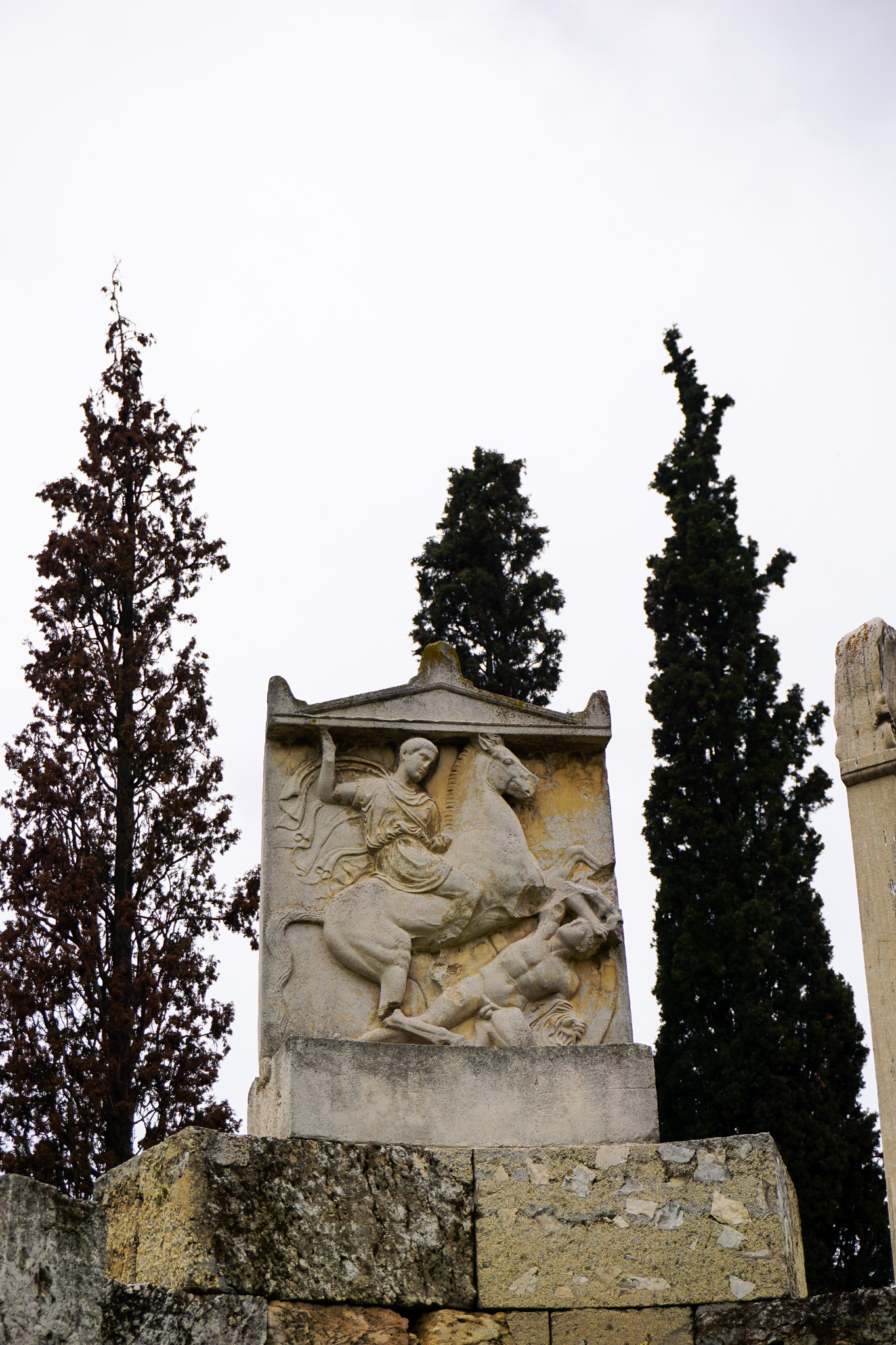

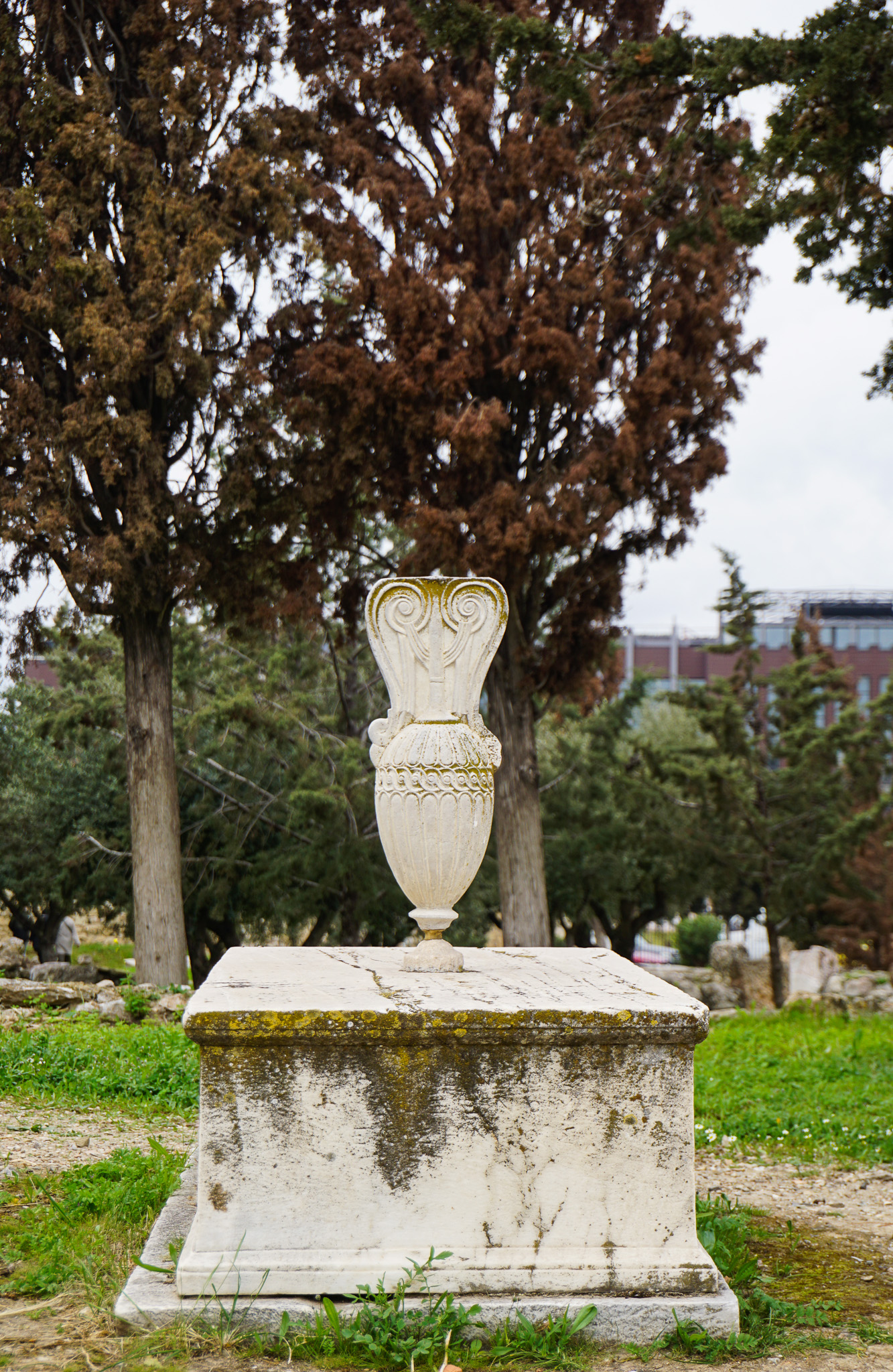
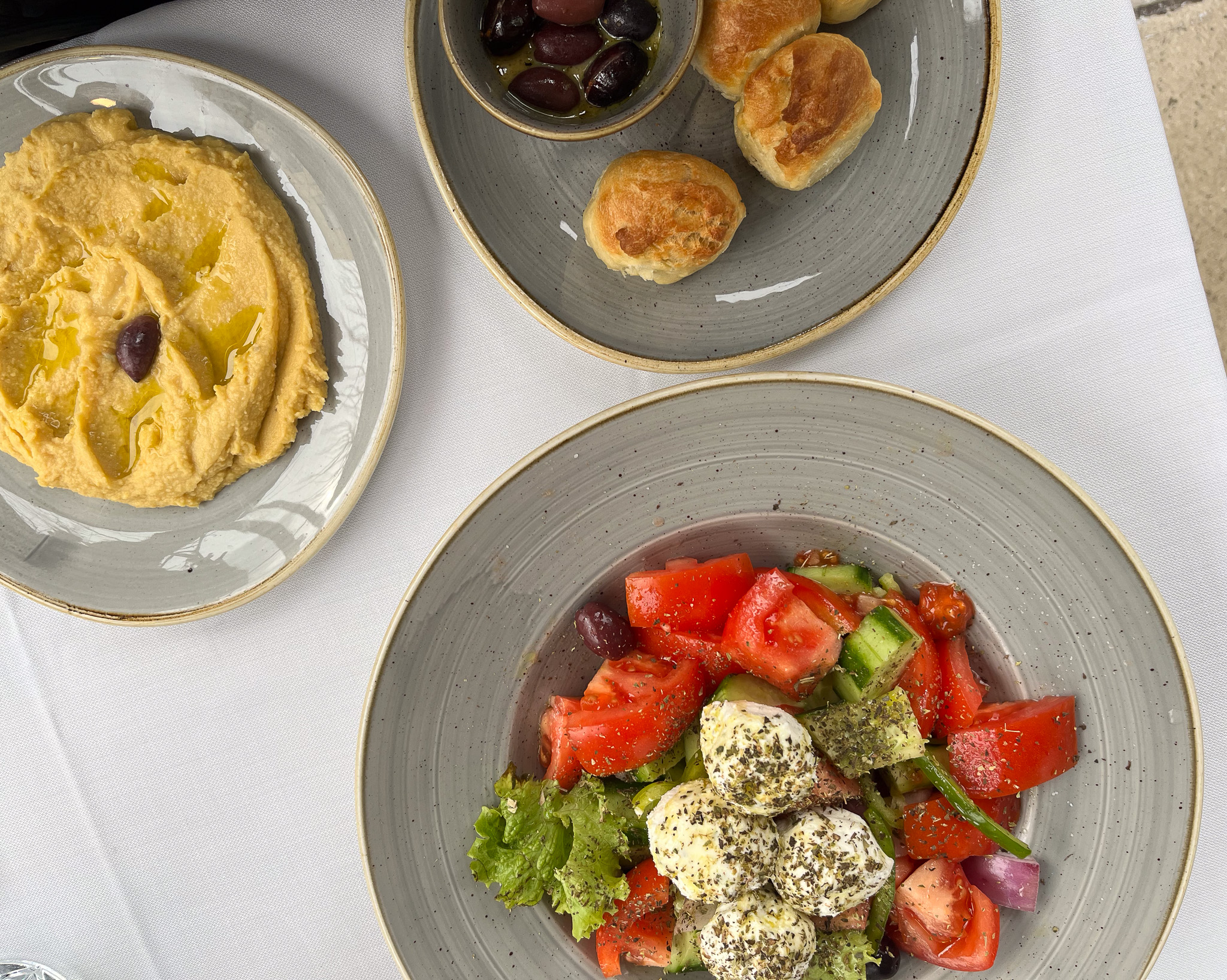
After so much walking and exploration, I finally sat down to have a very refreshing, and actual, Greek Salad.
This was my last full day in Athens, and I was sad to leave it. Reality was waiting back in London, but I’ve promised myself that I will certainly go back to Greece.
This article is also featured on GPSmyCity. To download this article for offline reading or create a self-guided walking tour to visit the attractions highlighted in this article, go to Walking Tours and Articles in Athens
Love, Nic


Your blog beautifully captures the essence of Athens’ ancient sites with vivid storytelling and historical insight. I especially enjoyed how you brought the ruins to life and highlighted the Parthenon marbles debate. Your reflections made the journey feel immersive—looking forward to more of your travels!
LikeLiked by 1 person
Thank you for your thoughtful comment!
LikeLiked by 1 person