
Life has been unforgivable lately. More than lately. It’s been a few months now. I’m pushing through, fighting what look like invisible enemies. My body has been in constant alert, the instincts warning about an invisible predator lurking in the shadows. That predator is the system. It’s everywhere and nowhere. And anxiety consumes you, making you your own enemy. It’s not been an easy time, and perhaps when this has passed, I’ll be able to share why. Or I’ll keep it to myself. Tell me about a human being who has not endured rough times in their life. I doubt you’ll find one. Perhaps the toughness of such times might be subjective, but attempting to minimise my struggles with the awareness there are so many others, has done very little to subside my pain.
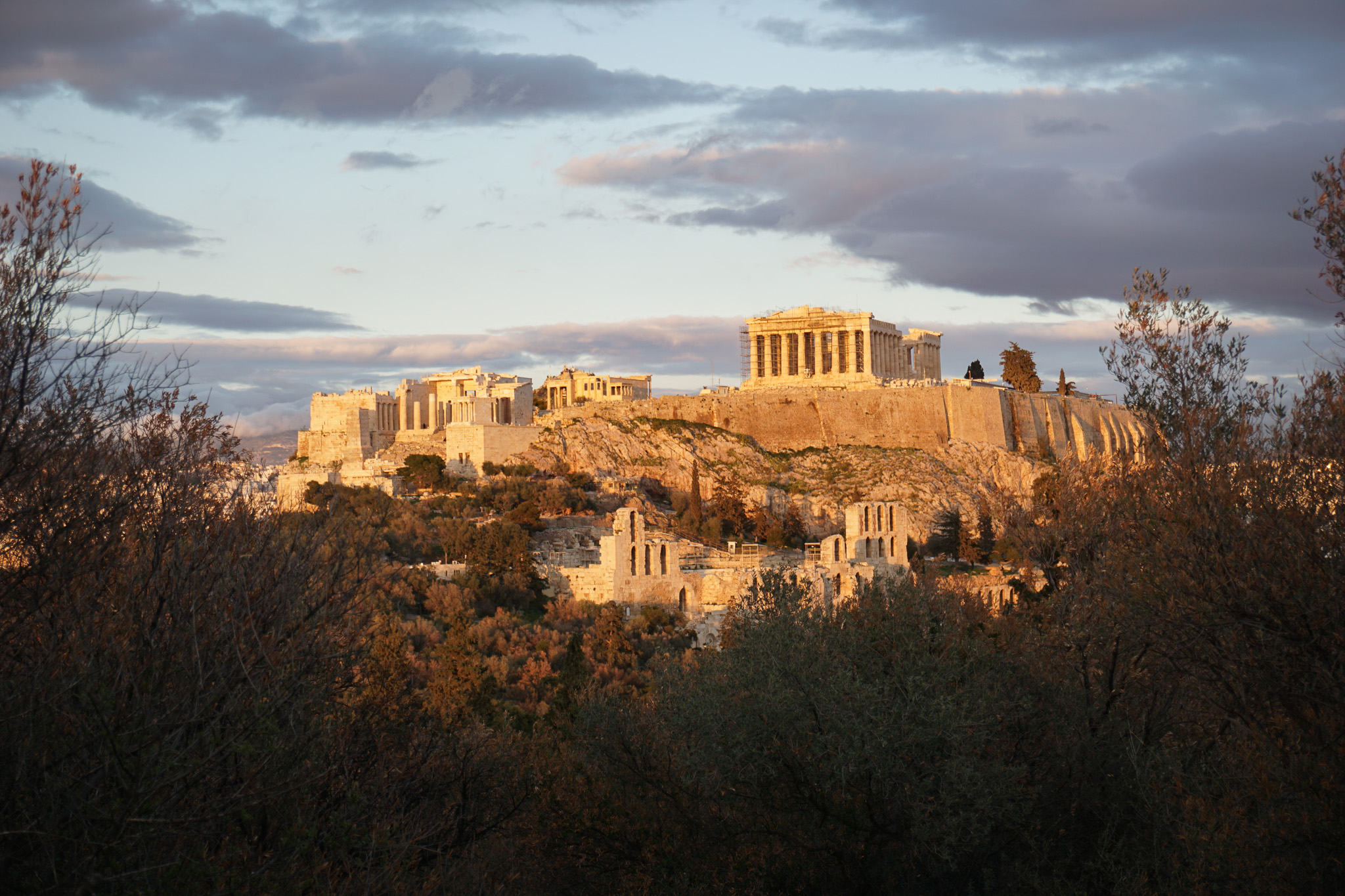
I was coming out of a particularly stressful week, but I had something to look forward to. At the start of this year I decided that no matter how shit life had been lately, I was tired of delaying indulgence. I wanted to feel again like myself – even though there were no wins in sight. I didn’t know things were about to get even worse… but when they did I had something on the horizon, something to look forward to. A reward for my battles. The spoils of the war I have been fighting for so long, with no end in sight. A trip, a little trip… to Athens, Greece. The first time I would set foot in the birthplace of democracy – a different democracy it was, but today can we say what democracy actually is? Democracy seems to take so many interpretations, and I’m falling apart reading the news, seeing those countries who always cradled the principles of a democratic system, so shamelessly tearing it all apart, to flimsy shreds.
My trip to Greece was delayed throughout the years, and I’m not sure why. As a child, I was obsessed with mythology, the Greek one being my favourite. Tales of immature, childish divine figures, toying with humans as if chess pieces on the board. But all of them are a representation of something – Zeus, the thunderous all powerful God. His wife, Hera, jealous and scheming, in her own right. Aphrodite, the goddess of love, beauty. Apollo, the god of the sun, of music… and his twin sister Artemis, goddess of the hunt, of the wild, fertility, the protector of women. Poseidon, the fearful god of the seas…Dionysus, god of the sweet nectars, of wine, of debauchery and pure hedonism. And my favourite, Athena, the warrior goddess of Wisdom.
Going to Athens, a city dedicated to Athena, was something I had always romanticised about. As someone who always thrived to know more, to be knowledgeable, who so clearly understood the importance of it. Despite her many flaws, Athena I could relate to. And perhaps this is why I was so much in love with Greek mythology. They weren’t perfect, sanctified divine beings. They were flawed, often cruel, but also benefactors when it appeased them. Ultimately, most of them were selfish. After all, were they not the mould from which humans were created?
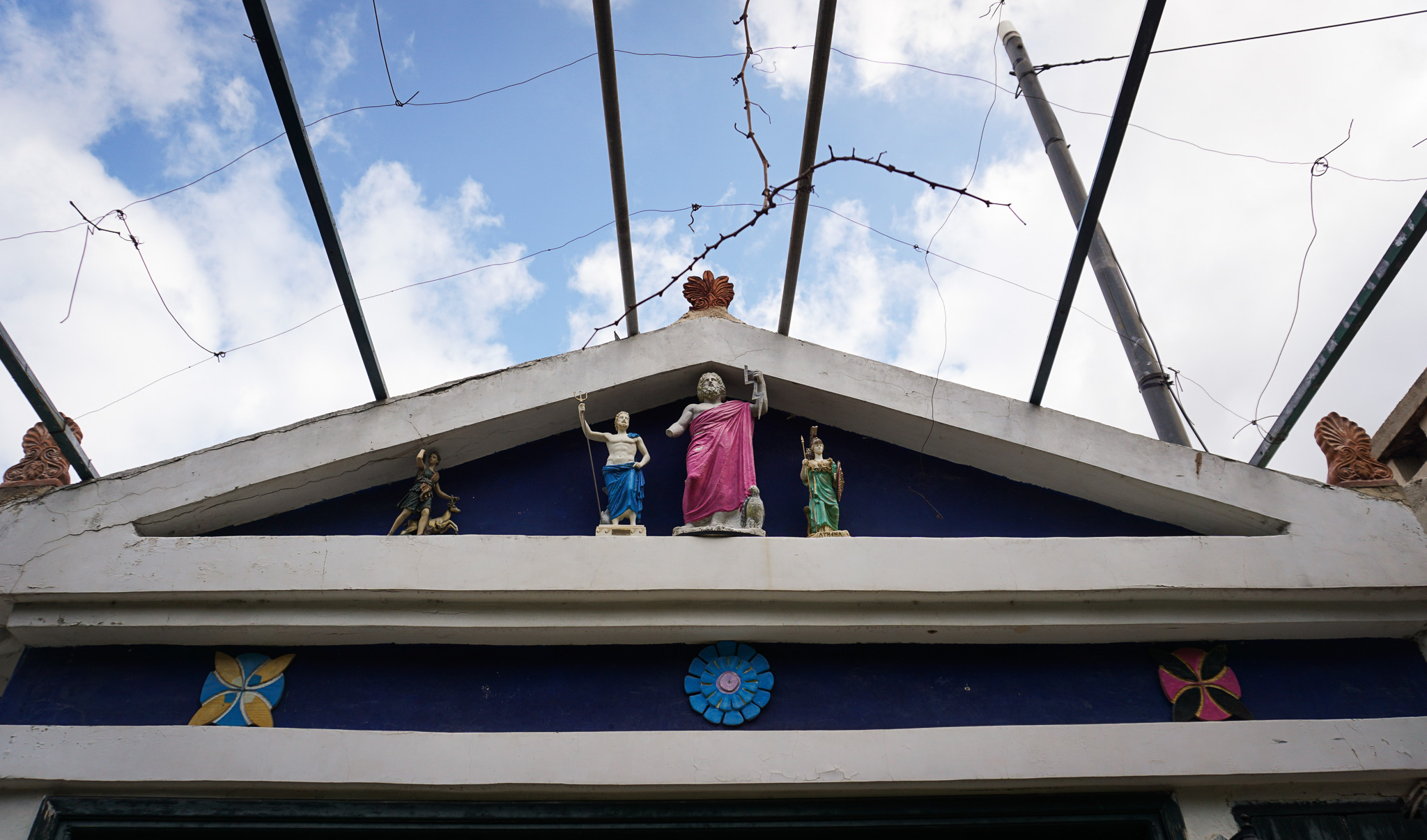
In ancient Greece, even the divine wasn’t an autocracy. Yes, Zeus was the chief. But there was “parliament”. One based on nepotism, but still… Zeus would take the final decision, but his fellow divine peers – some of them his sons and daughters, were advising, even manipulating him, trying to bend him one way or another. There wasn’t a one and only powerful God who seems to punish those mortals who seek earthly pleasures, who are flawed, who commit little indulgences. A God that can be merciful, but mostly austere, righteous.
I needed this trip badly. I knew it wouldn’t be restful, as my mind, my body, would still be on alert, seeing no end to the strenuous journey I am on. Just a few days before my short weekend trip though, my flight was cancelled.
The airline informed me of a strike, and I could reschedule my flight at no additional cost, or simply cancel my trip and get a refund for the flight – but losing the money for the already paid accommodation and return flight. Exhausted, I sighed loudly in the confines of my room. I don’t want to complain about strikes. These are a democratic right. And I also didn’t want to cancel my trip. I rescheduled to go one day earlier, and fortunately could extend my stay in the same accommodation. And then I realised this strike wasn’t a normal one.
We can try to be as informed as we can about the news of the world, but ultimately we are delivered what the media covers. The headlines, the language of such news… even when journalistic integrity is taken seriously, it is impossible to cover justly every single corner of the world. Still, Greece being part of Europe and, more so, of the European Union, I couldn’t shake this feeling that there is something wrong about this having been unreported in most media of prominence. When Greece had been bankrupt in 2010 it had made the news. After all, it makes good headlines for countries in the “developed world” to have gone down so harshly. In fact, Greece, alongside my own country Portugal, was part of the very derogatory acronym – the PIIGS. We were told we had been living above our means, when most of us were simply surviving under a corrupt, self-interested government. I can personally relate very well with the Greeks.
This was an historical general strike. No planes landed or took off on Friday the 28th of February. No trains, no ferries. No museums or archaeological sites were open. All public services closed, including schools. Most shops and restaurants closed. Massive demonstrations were going to take place in all major cities of Greece.
It was the 2nd anniversary of a horrific train crash in the town of Tempi, where 57 people were killed, most of them young university students. No explanations, no closure, no responsibilities. The people accuse the government of wrongdoing, of working with the authorities to hide evidence – likely evidence of neglect of maintaining the railway infrastructure intact.
When I woke up after a much needed 12h sleep (I was indeed exhausted), I knew I could stay in bed for a while longer. There was little I could do that day. My plan was simply to go for a walk around the Acropolis, keeping my distance from where everything was happening – I could hear the chants in words that were foreign to me, but with a tone and force that were needless of translation. People are angry. They demand justice. The protests were mostly peaceful, but a group of hooded youths hurled petrol bombs at police and attempted to storm the barricades of the parliament, with police responding with tear gas and water cannons. I heard the sounds of the bombs, my skin crawling, hoping no one got hurt or killed. After all, so many had already been.
Going to Athens, where democracy was created, to somehow be witness to the power of the People is something I can only find inspiring. Are the gods pleased? One can only wander.
Love, Nic
 The Winged Bone
I read about the strike a few weeks ago, but only because staying updated on global news is part of my job. It’s one thing to read about it in the news, and another to actually read about its effects from a blogger I follow. I’m sorry you had to go through that. It’s even sadder for the Greeks fighting for basic rights.
LikeLiked by 1 person
I’m so glad you heard about it, no one I know personally had. I just feel a lot of sympathy for the Greeks! Thank you for reading.
LikeLike
Nope, don’t think the Gods are pleased.. there are very hectic days/weeks around the world I would say..
Stay well!
LikeLiked by 1 person
Thanks for the comment Christie. Indeed the only certainty is chaos!
LikeLiked by 1 person
What a raw and beautifully written reflection, Nic. Your words capture the weight of personal struggles interwoven with the collective pain and resilience of a people demanding justice. The way you describe Athens—the birthplace of democracy—becoming a backdrop for such powerful protests is incredibly moving. It’s a poignant reminder that the fight for fairness is as timeless as the city itself. Thank you for sharing your experience with such honesty and depth.
LikeLiked by 2 people
Thank you for your very kind comment and reading about my experience 🙂
LikeLiked by 1 person