
From Ubud, I hired a driver and did to take me to some landmarks that are on any tourist hit list. In terms of providing me with useful information, both were useless… group tours aren’t really a thing in Bali, and bearing in mind I don’t drive a scooter (and wouldn’t dare to do so) this was my only option.
Tanah Lot, the temple at sea
This is one of the most famous sea temples in Bali, but when I got there, the weather was overcast, and the sea was projecting its steam in a way that made it hard to truly appreciate the view. Still, there was an eeriness to it that I found compelling. I imagine on a sunny day it would be stunning. We were supposed to actually have visited at sunset when the view is apparently mesmerising… that’s what was on the agenda. Still, our guide, clearly lacking any desire to make the day nice for us, decided to switch it to the morning, explaining traffic would be awful in the evening. He was probably right, but it wasn’t what was promised to us.


As a tourist, in Bali, you can’t really enter many spaces in the temples that are reserved for locals, and often you might be able to observe their practices from a distance. I think this is more than fair, and again this is what gave me the impression their culture is still very much alive despite the rumours, it’s just exclusive to the locals – they might as well keep that to themselves, or else tourists would likely ruin it…
Pura Tirta Empul: Bali’s Sacred Water Temple
And speaking of tourists ruining things…not wanting to offend anyone, I think the now commercialised ritual of bathing in the sacred waters of Tirta Empul temple is just not right. Tirta Empul translates to “Holy Spring” which describes the central feature of this temple, a natural spring that is believed to have been created by the God Vishnu.
Here, visitors and worshippers perform a ritual bathing in the pools, which consists of moving from one spout to the next while praying – each spout has a specific purpose, from cleansing the body, mind and spirit. The water is believed to purify individuals of sin, bad energy and misfortune.
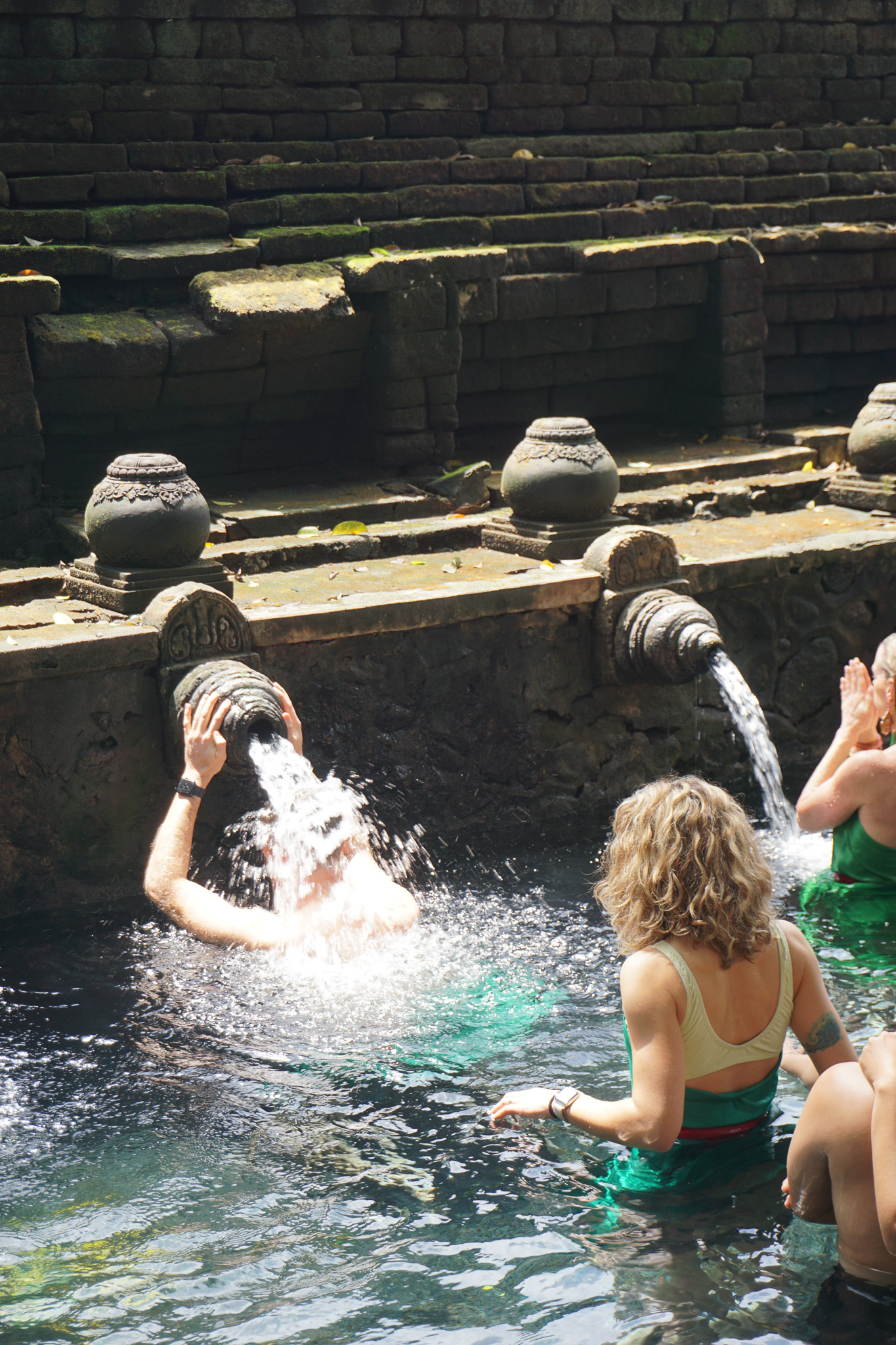
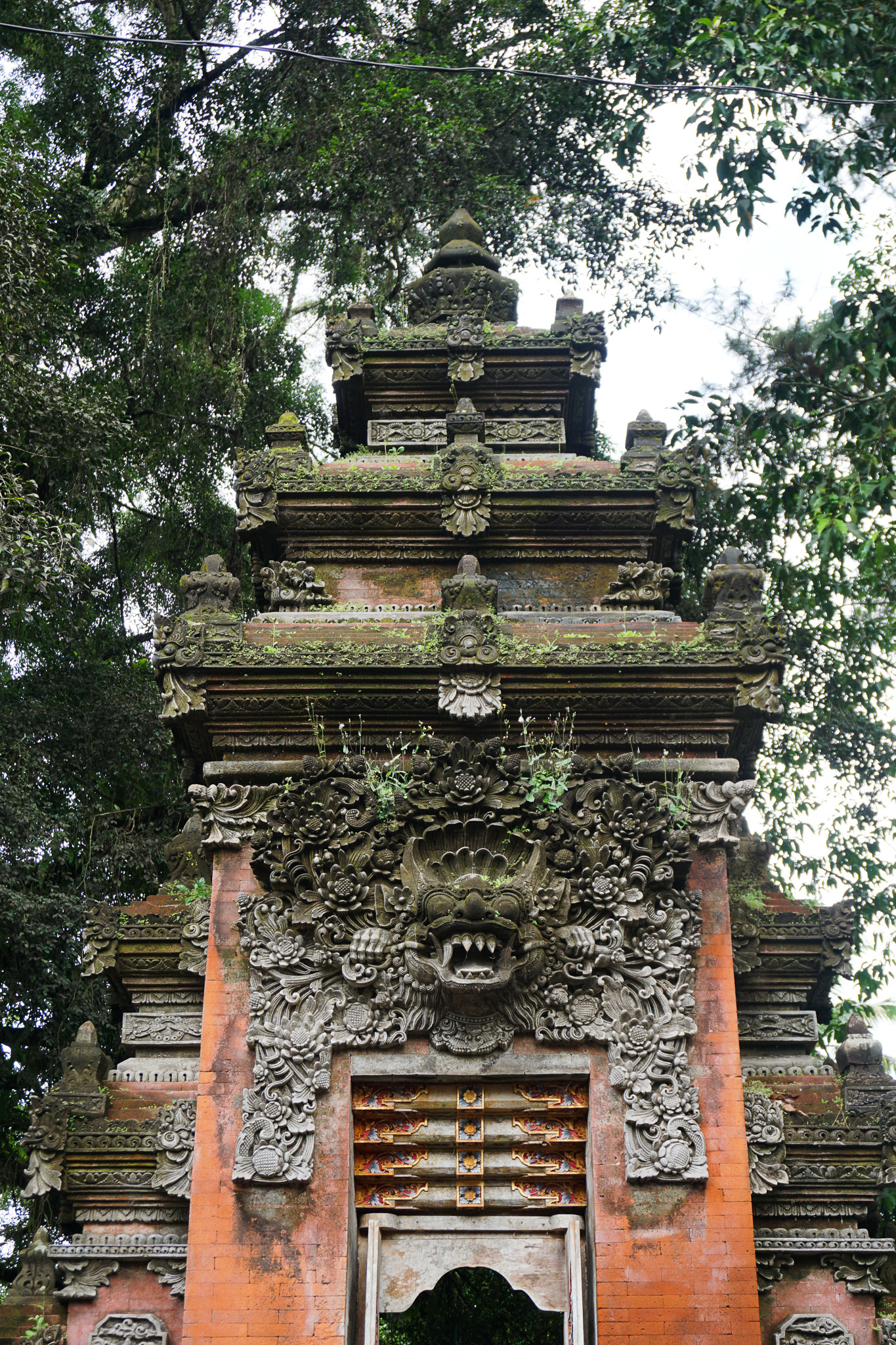

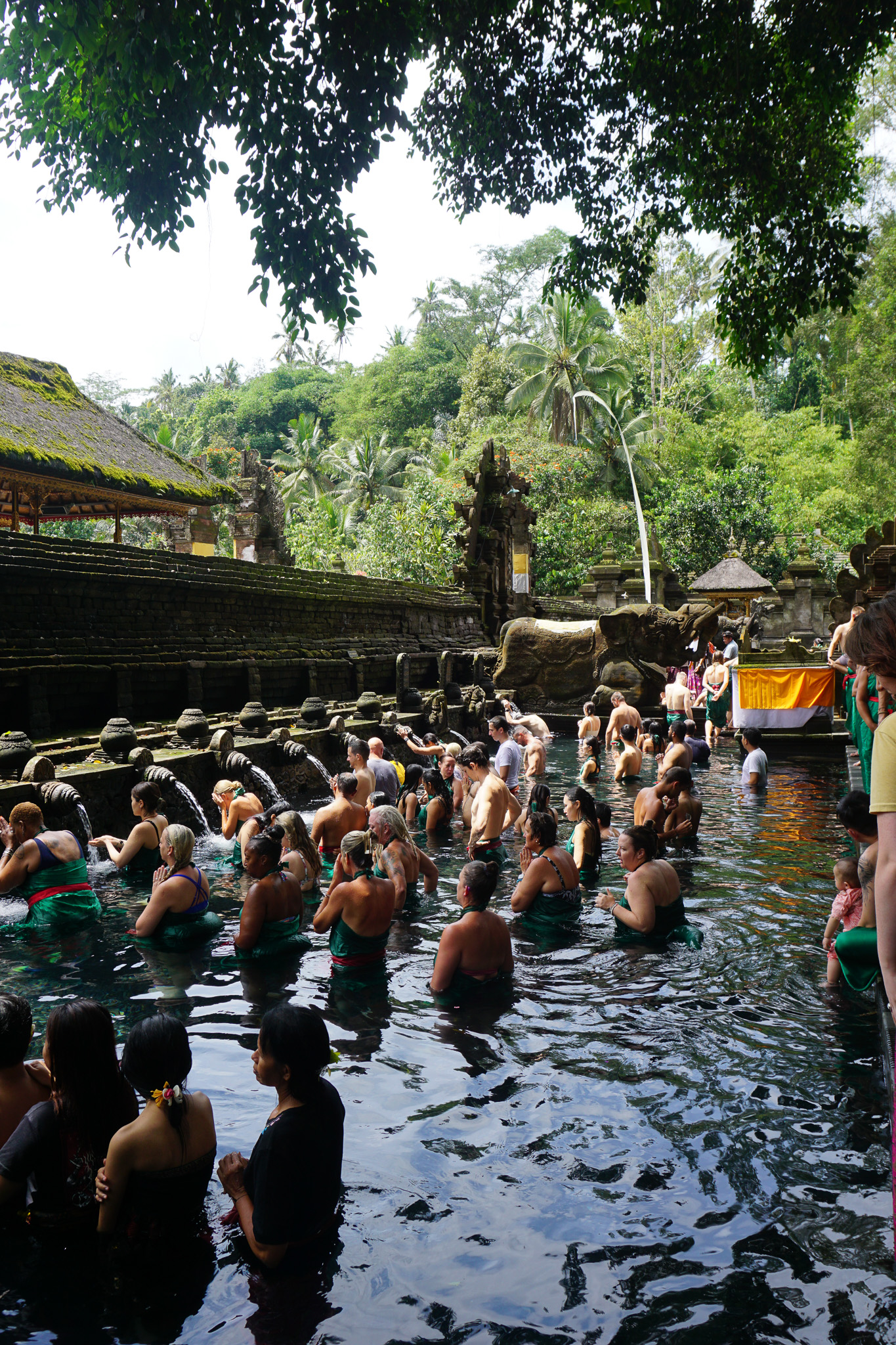
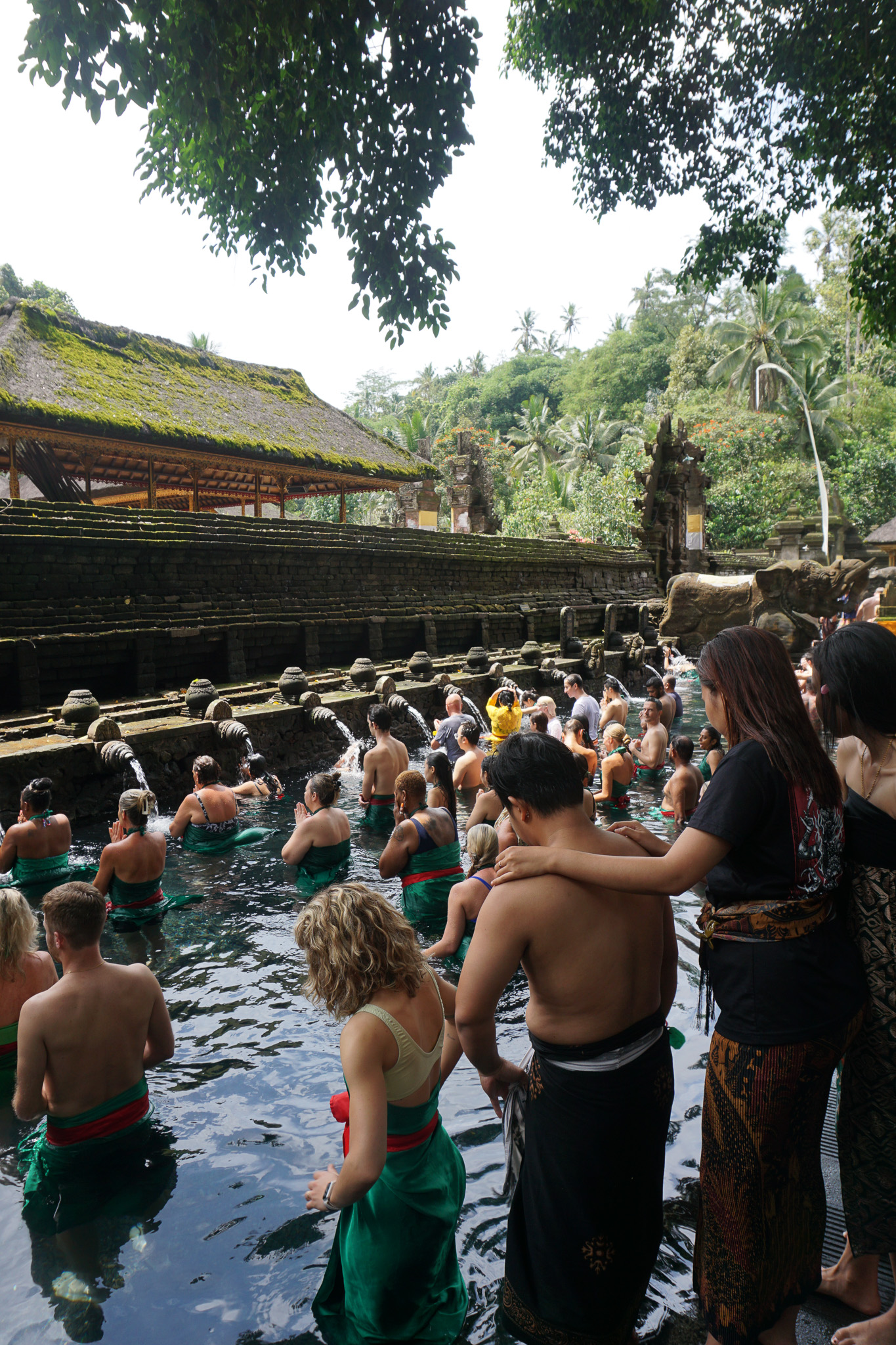
A place that has such cultural importance is now a tourist experience – white tourists in particular seem to suddenly become spiritual when visiting a place like Bali, and it all just seems way too fabricated for my own taste, which disrespects the Balinese culture and I would even call it appropriation. Perhaps I am being harsh, I know no one is doing this with the intent of disrespecting anything, but when reflecting a little deeper about it and after seeing the crowds, I was honestly quite put off by the whole thing.
So, I remained uncleaned. Let the misfortune and my sins follow me through life!
Taman Ayun Temple, the garden temple
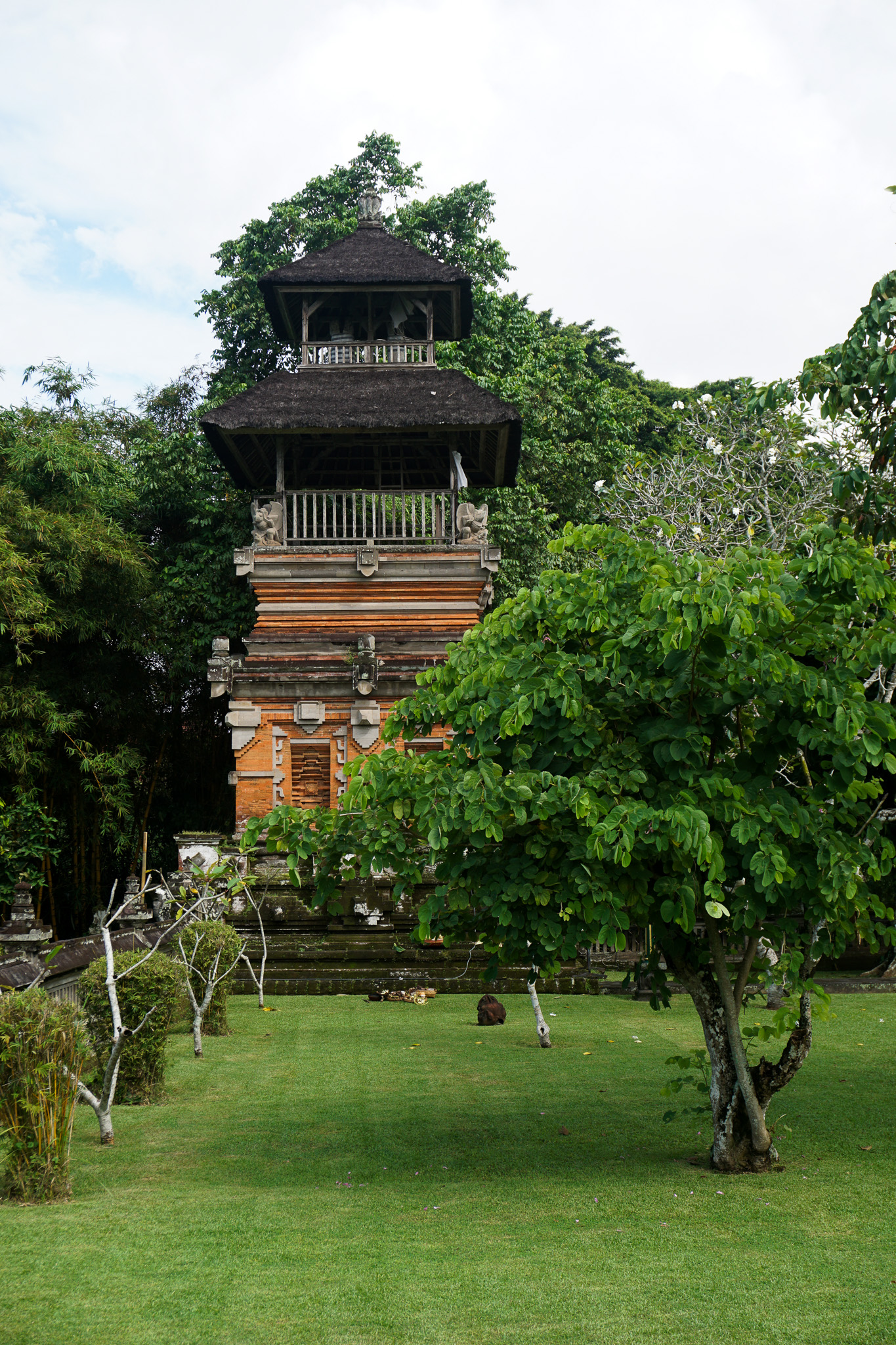
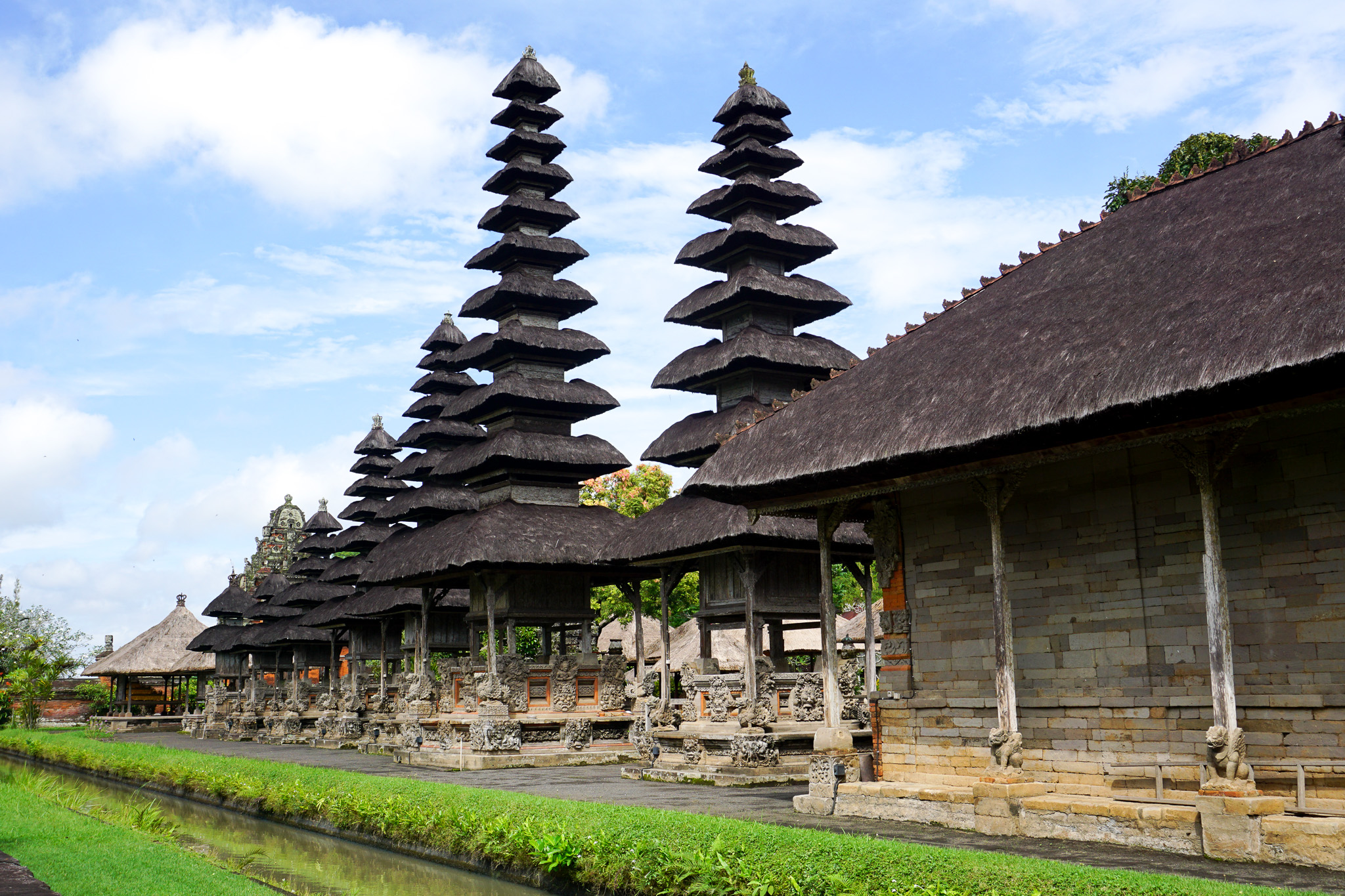
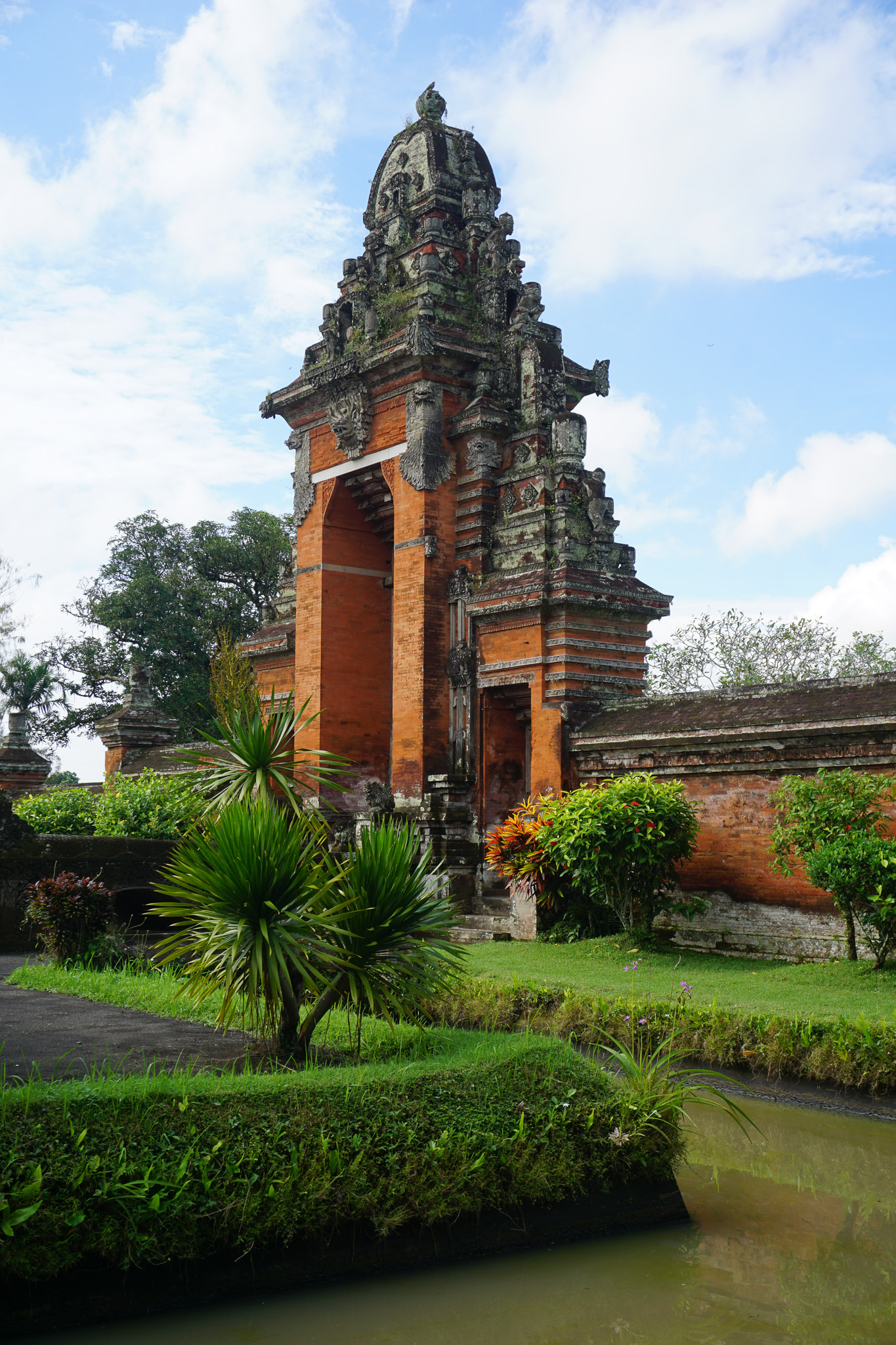
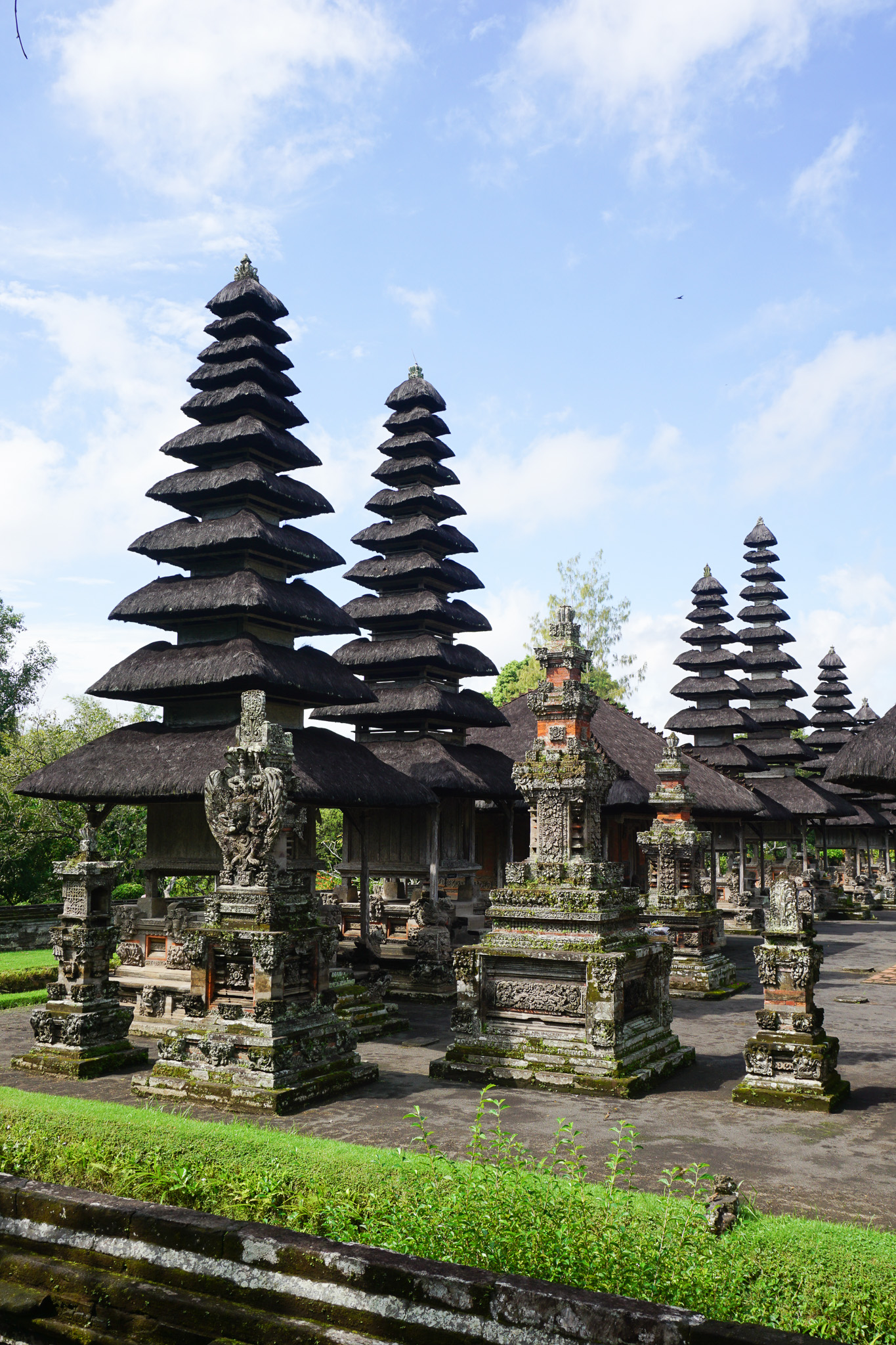
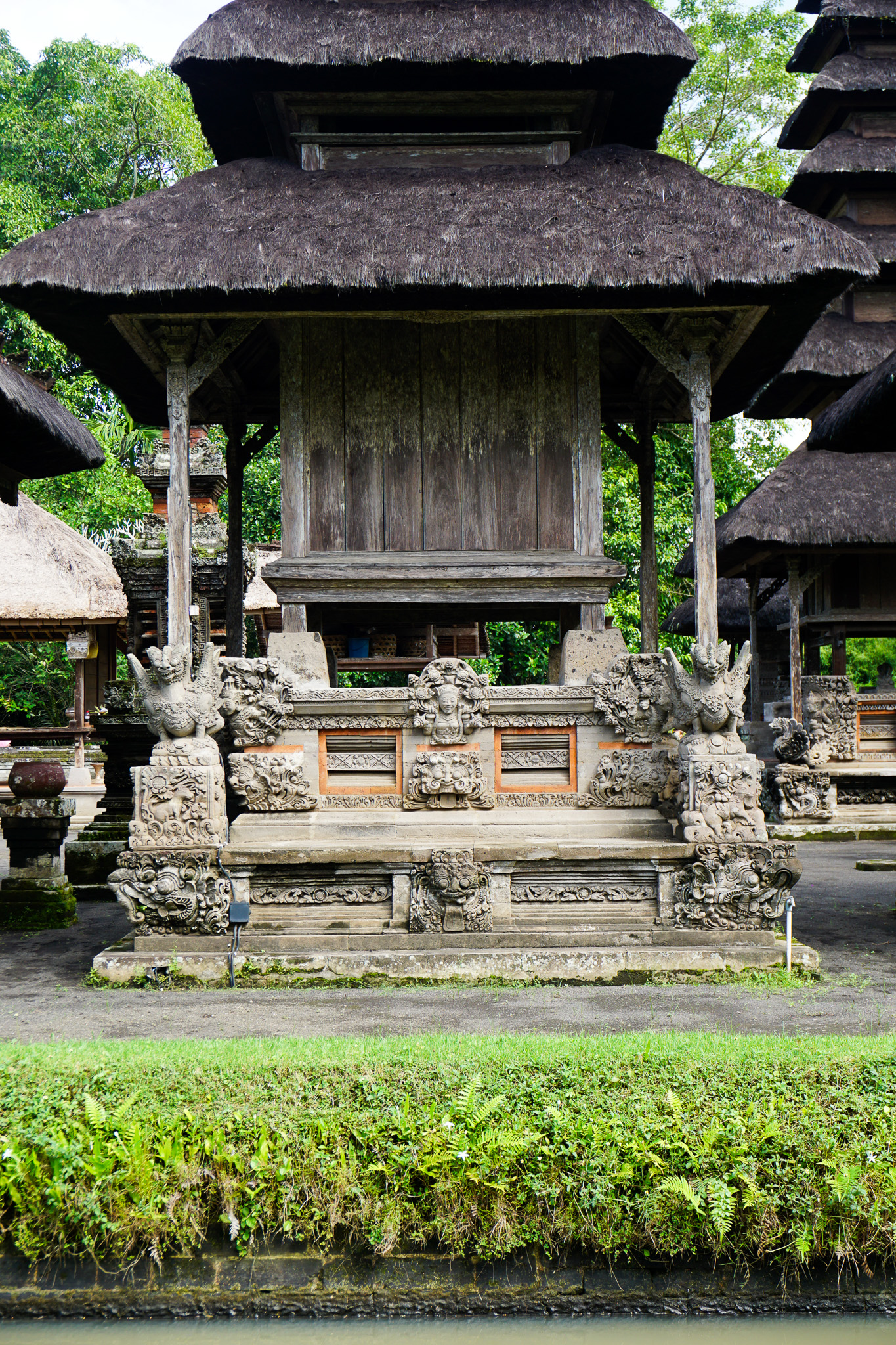
Not as well known and certainly not crowded, I quite enjoyed visiting this temple. Its name translates to “Beautiful Garden” and I really found it to be a very peaceful and tranquil place. It is a very historically significant temple. It is a bit different to the others – it has a moat, creating the illusion of a floating temple, and the gardens are also a unique characteristic.




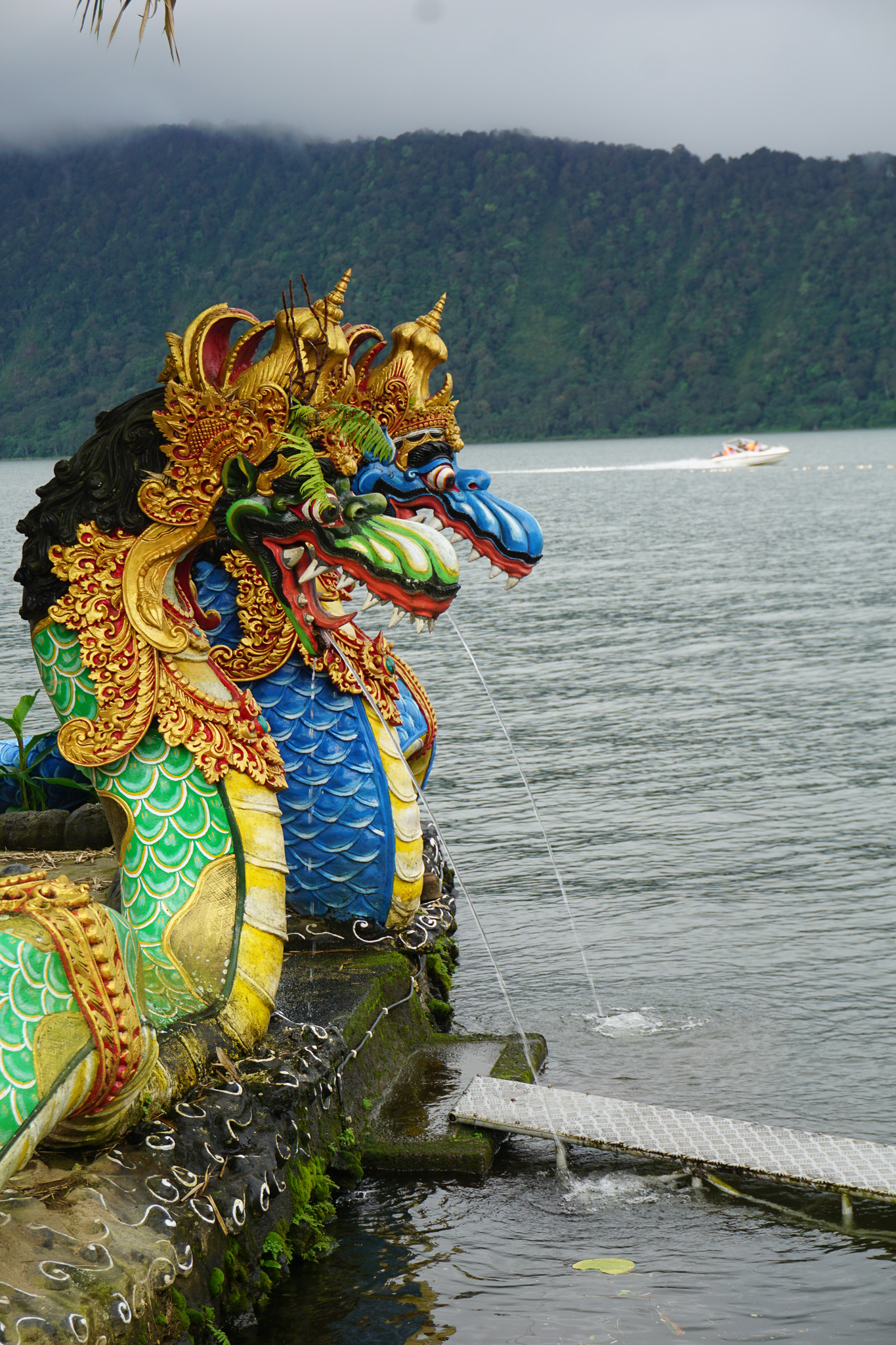
Ulun Danu Beratan Temple, the beautiful lake temple
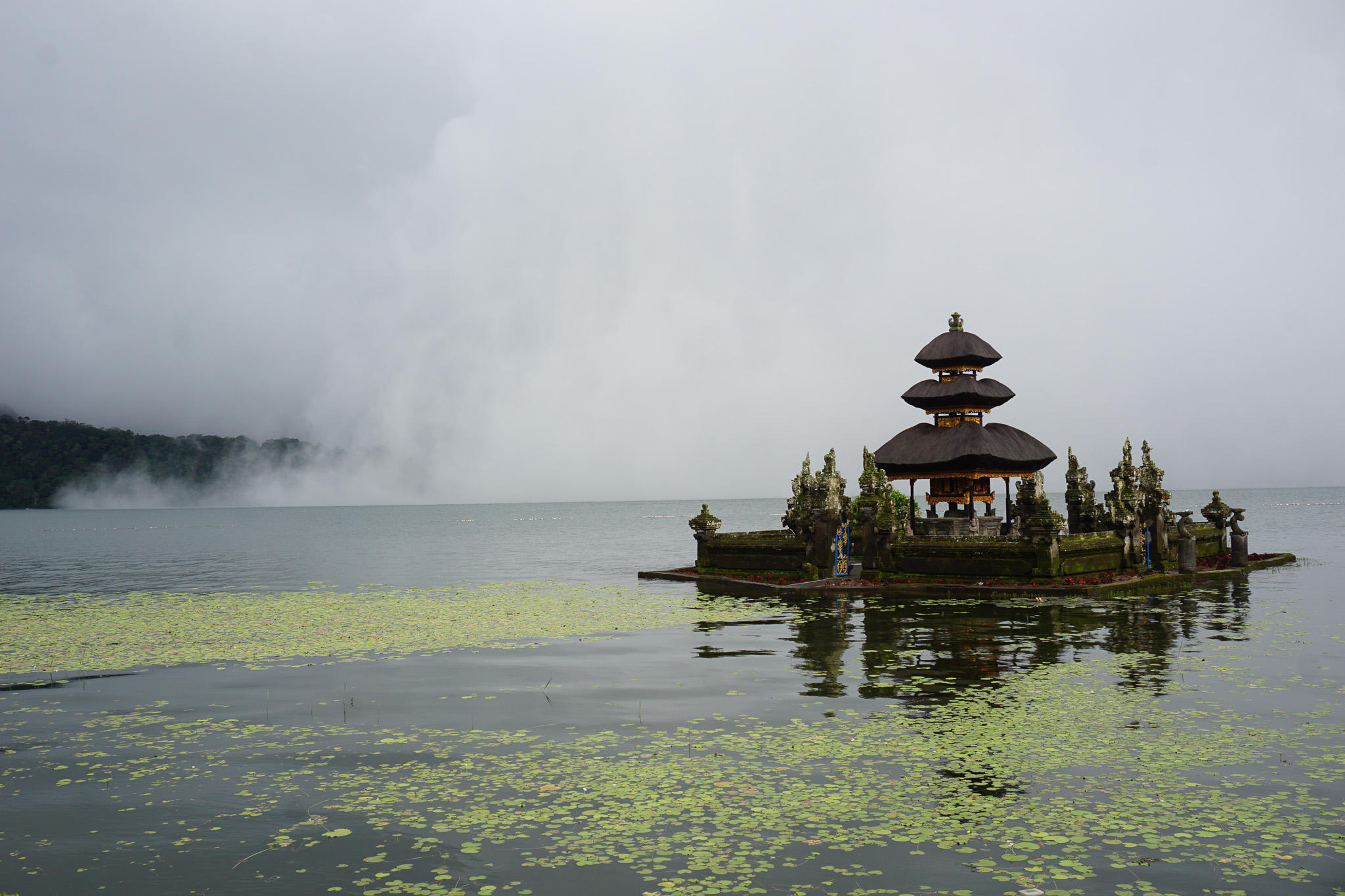
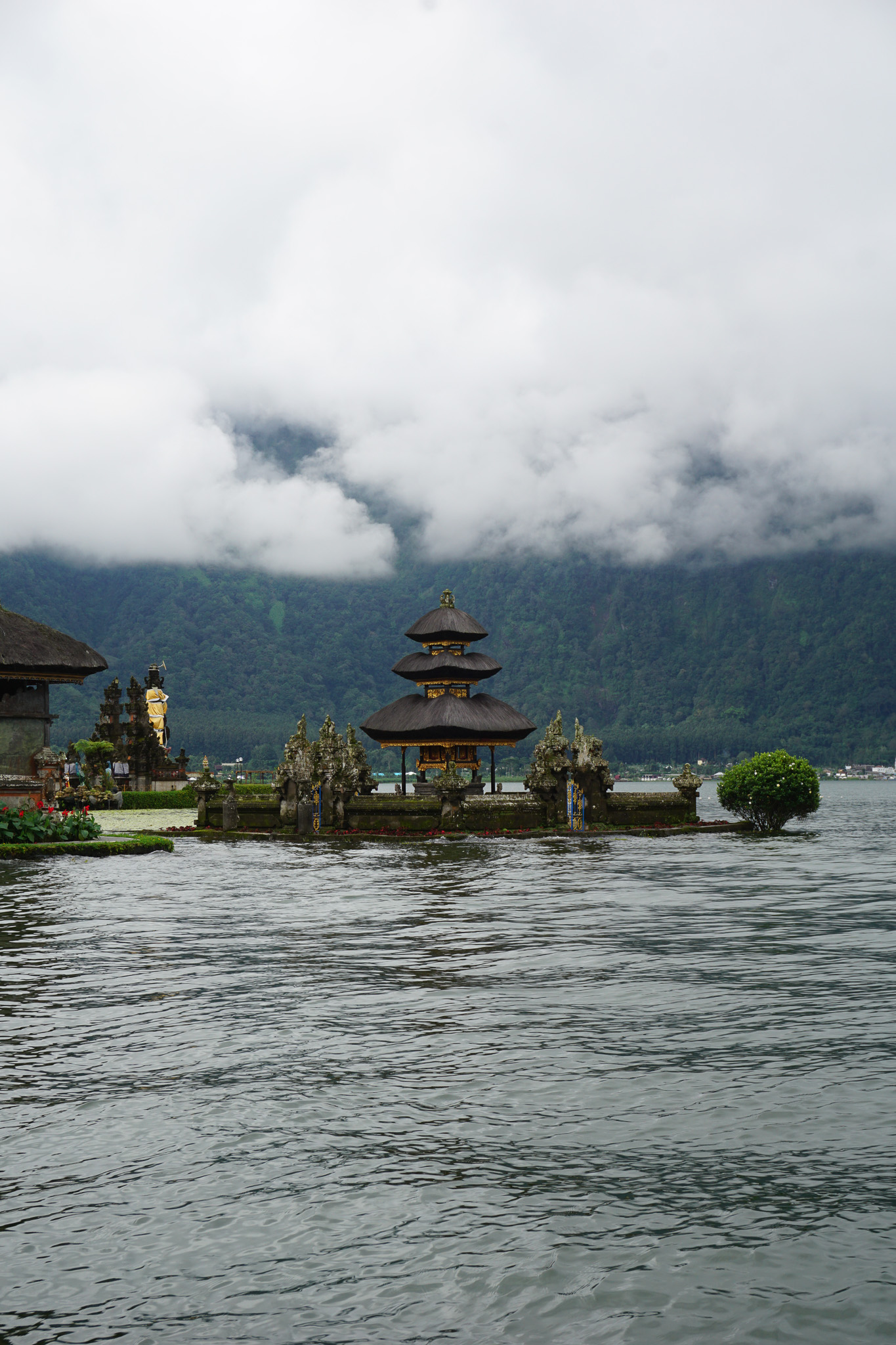
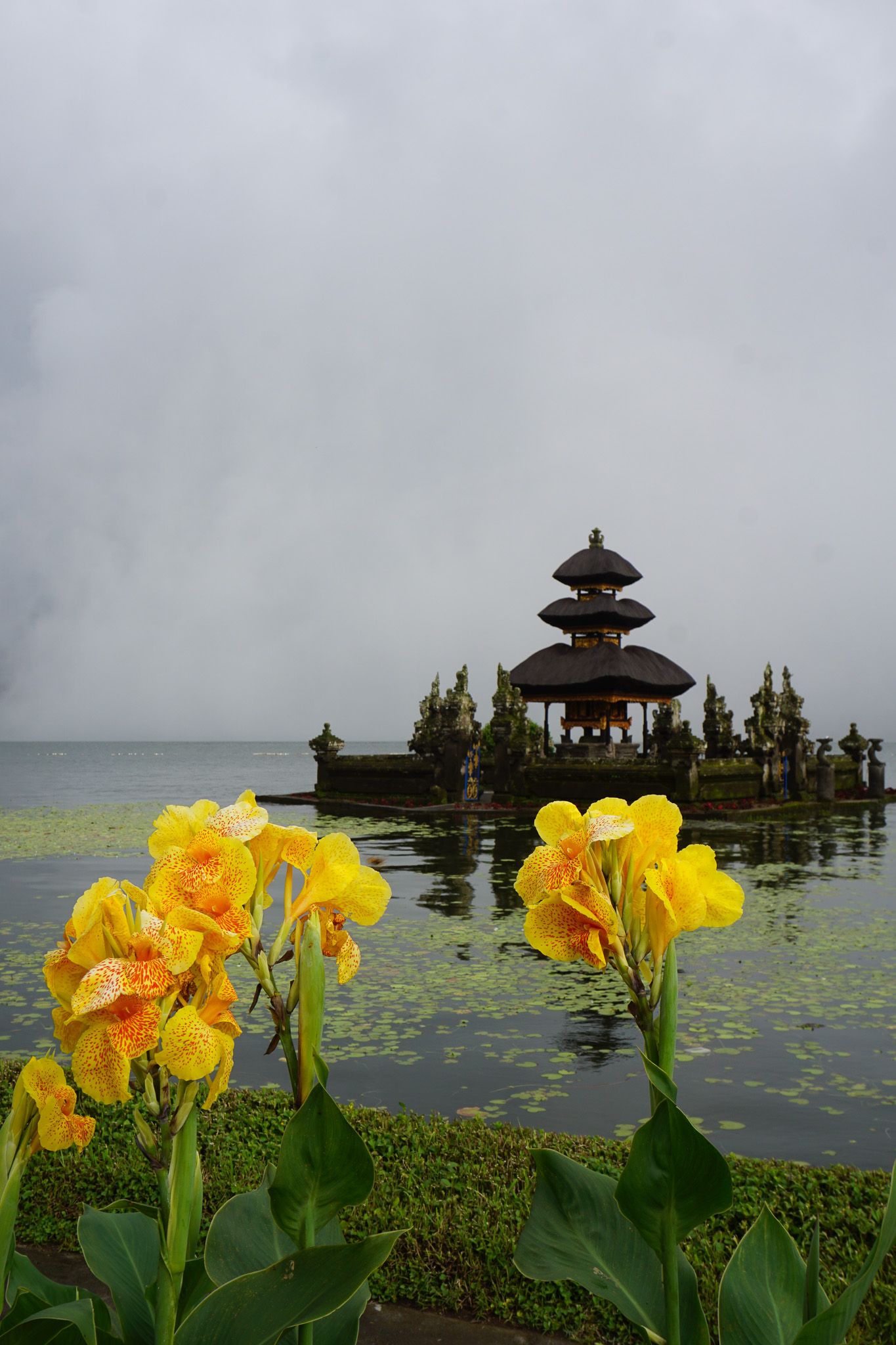
This place is absolutely stunning. Located on the shores of Lake Beratan, at 1200 meters above sea level, the temple sits in the water, often surrounded by a magical-looking mist, with a beautiful backdrop of the mountains. It’s hard not to feel this place is sacred if you aren’t a spiritual person. It is dedicated to Dewi Danu, the goddess of water, lakes and rivers. It is believed the goddess blesses the water used for irrigation, and so this is a major site of worship for the Balinese, so reliant on agriculture – irrigation is of course essential for rice plantations.


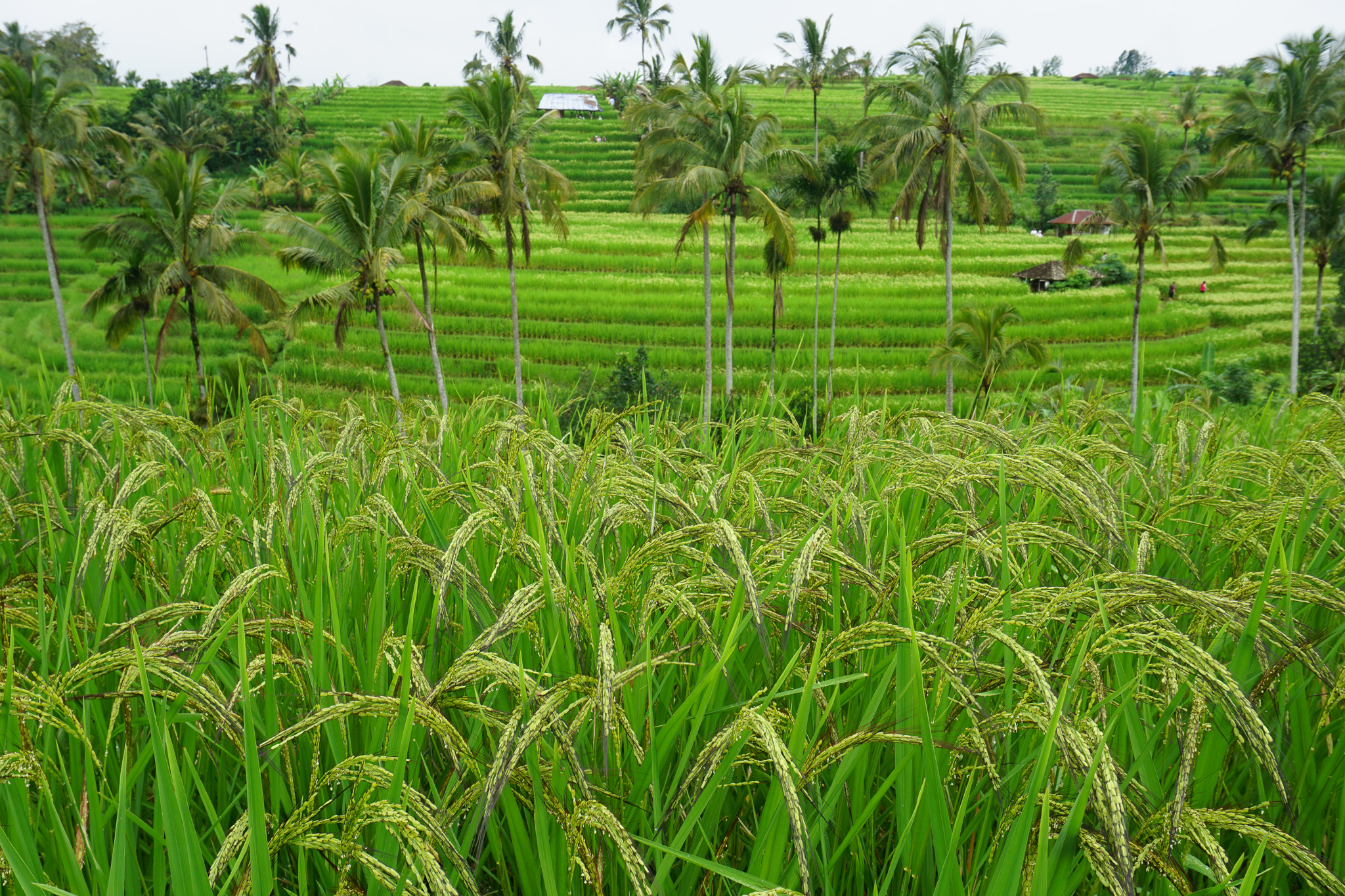
Jatiluwih Rice terraces
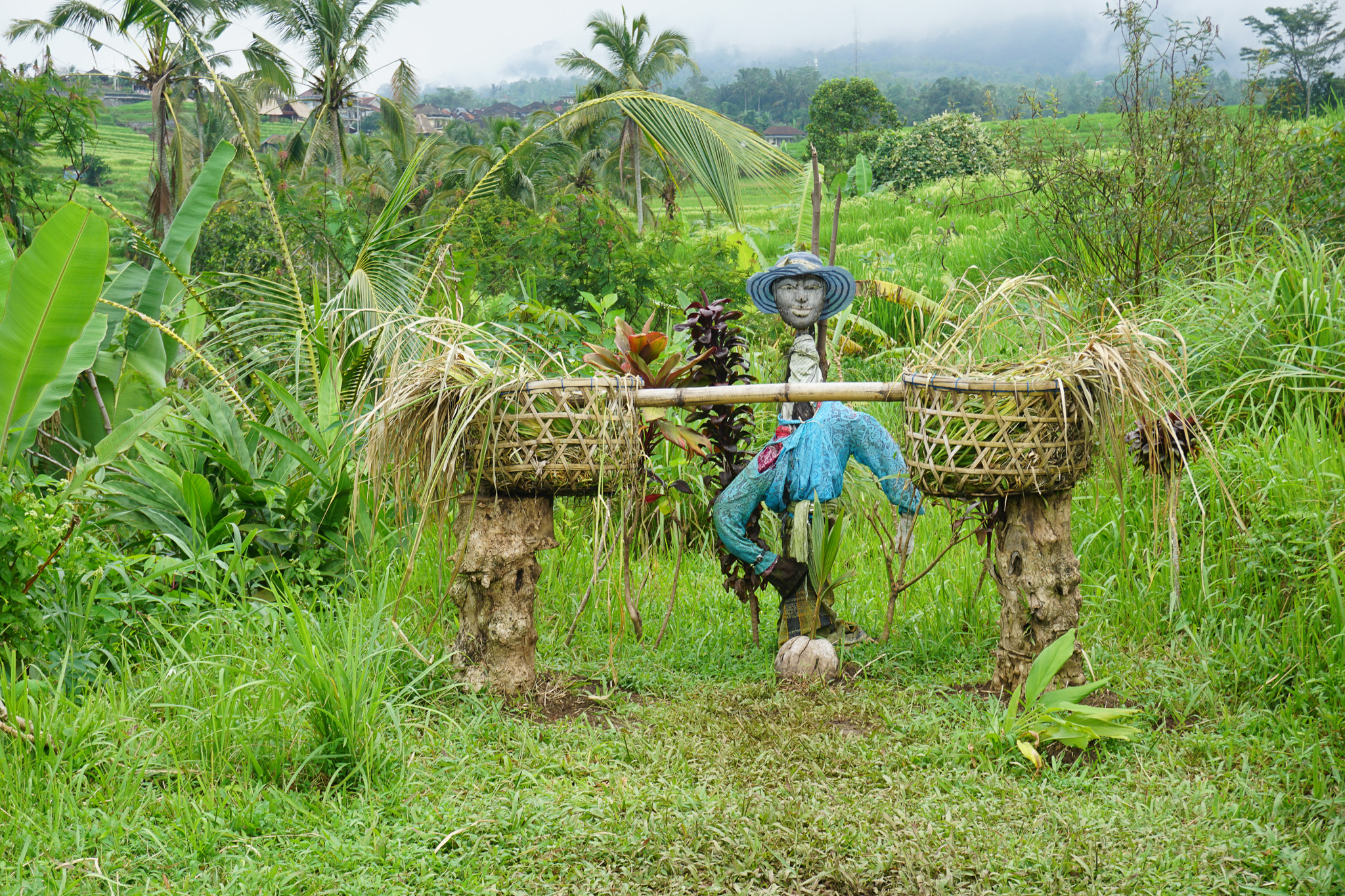
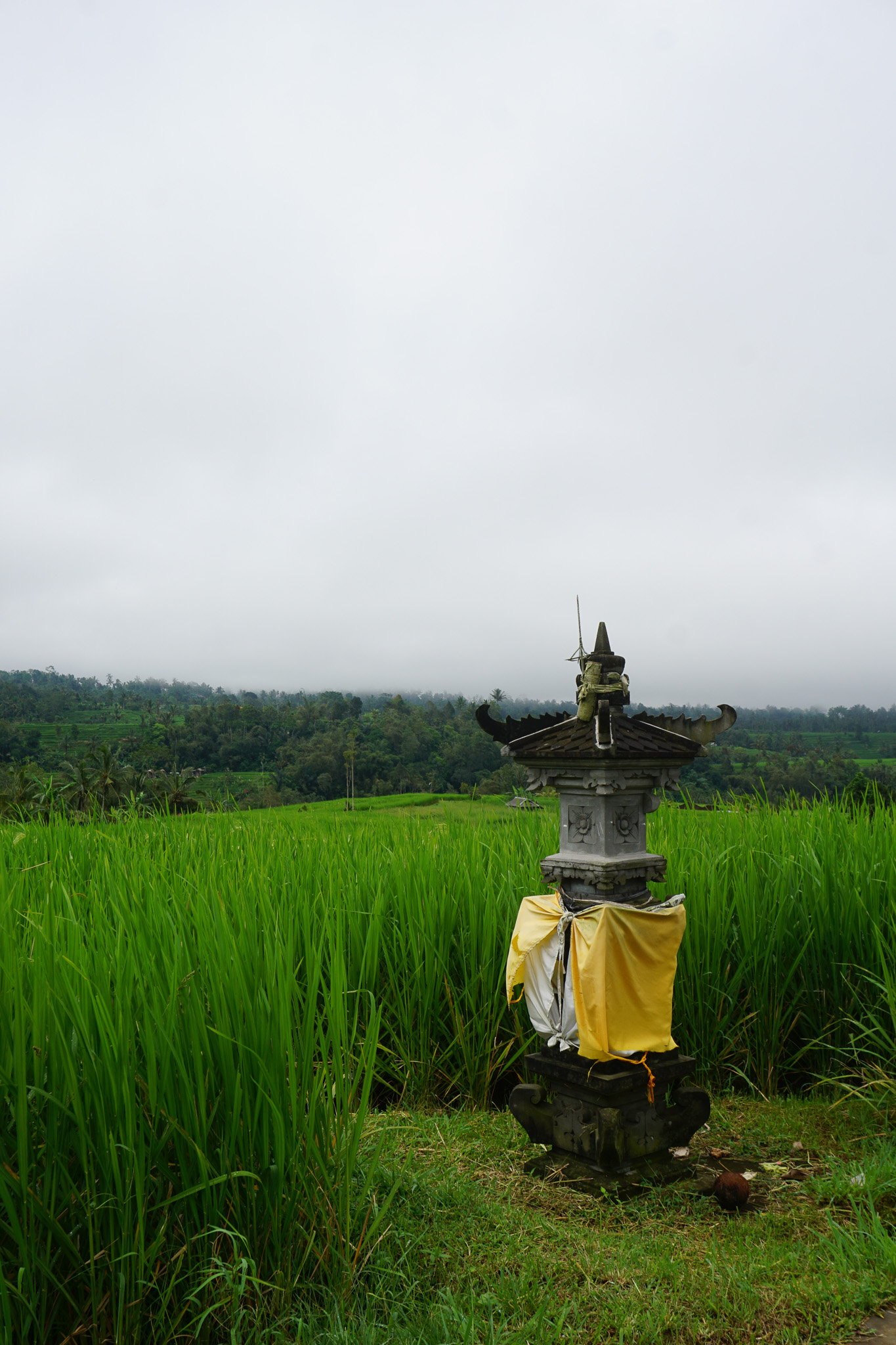
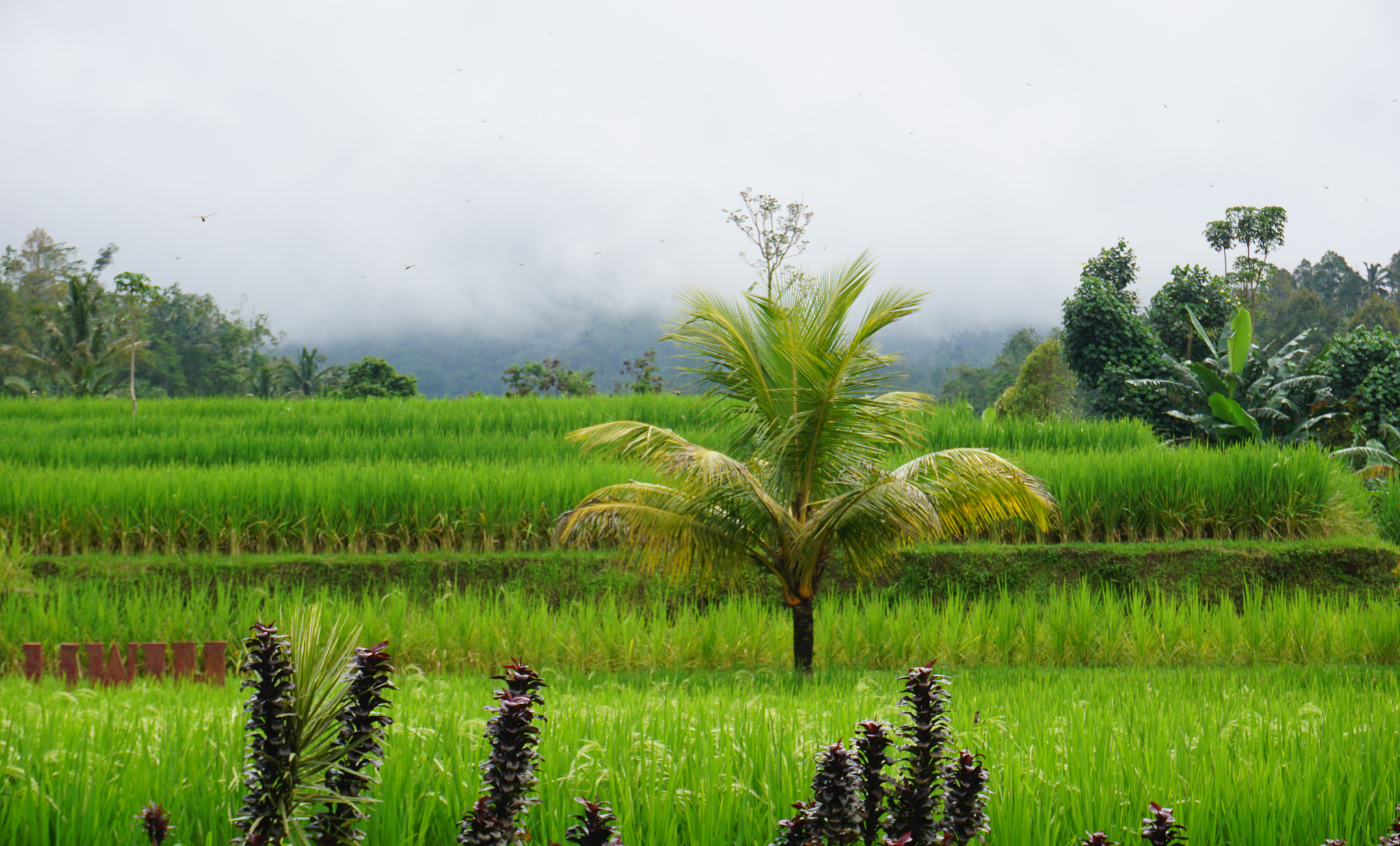
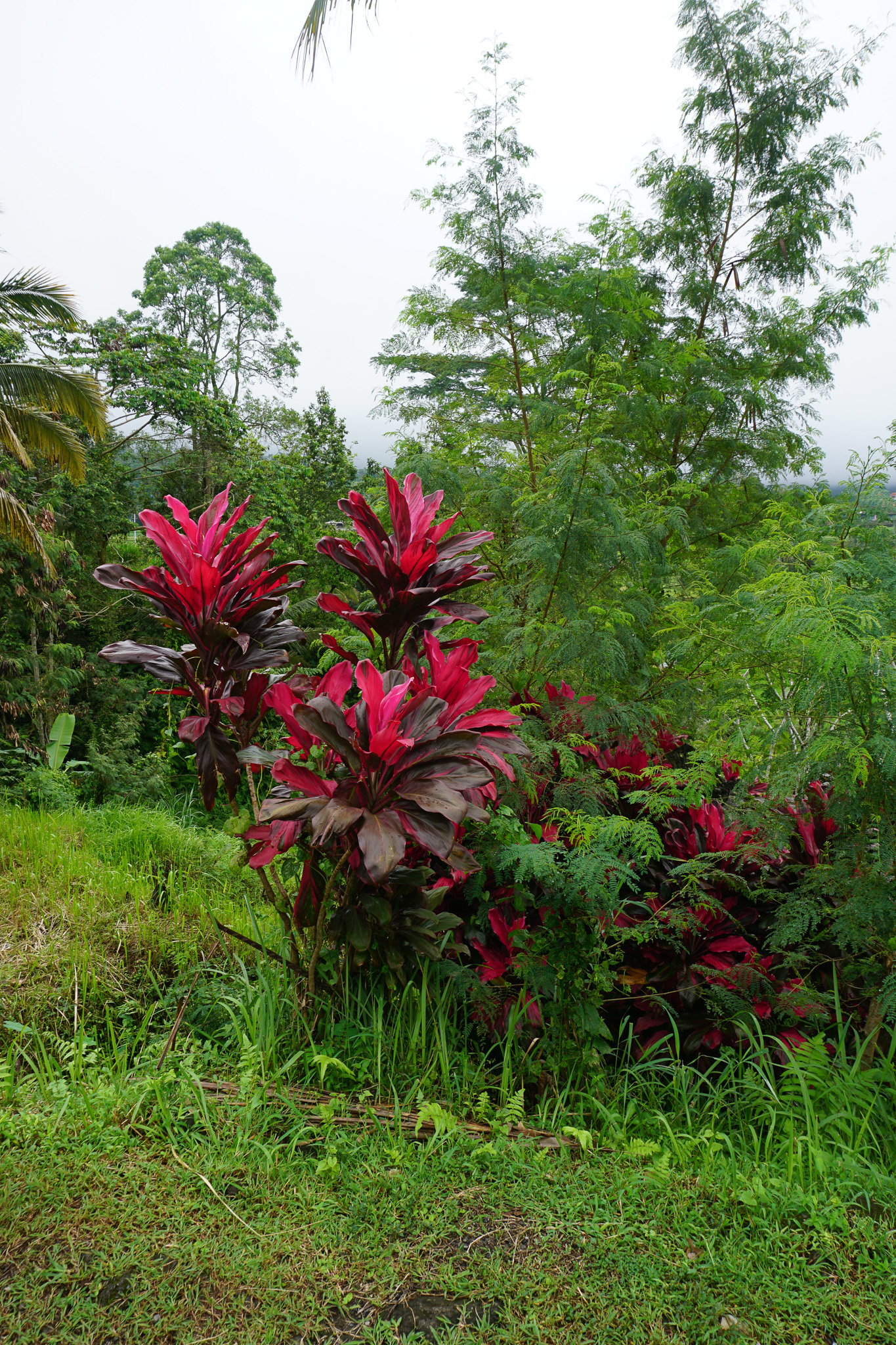
Probably the most famous attraction of Bali, the Jatiluwih Rice Terrace is considered one of the most stunning rice fields in Bali. The greenery is so intense and lush, cascading down the hillsides, that it’s impossible not to be mesmerised by it. It’s been recognised as a UNESCO World Heritage Site and it’s a great example of the traditional Balinese subak irrigation system, which dates back to the 9th century. It’s a communal irrigation network managed by water temples, reflecting the relevance of spirituality, so intrinsically connected to agriculture.


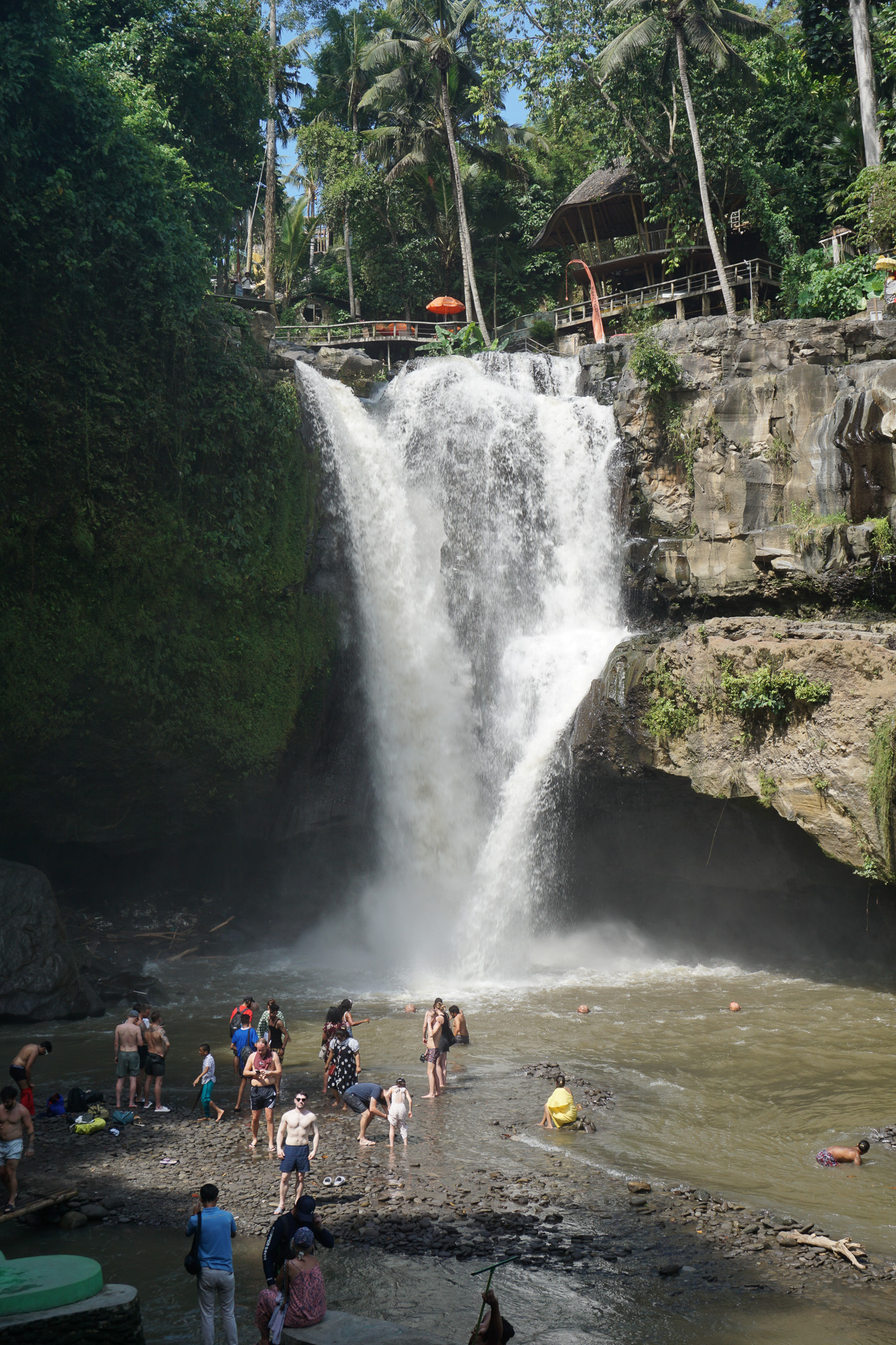
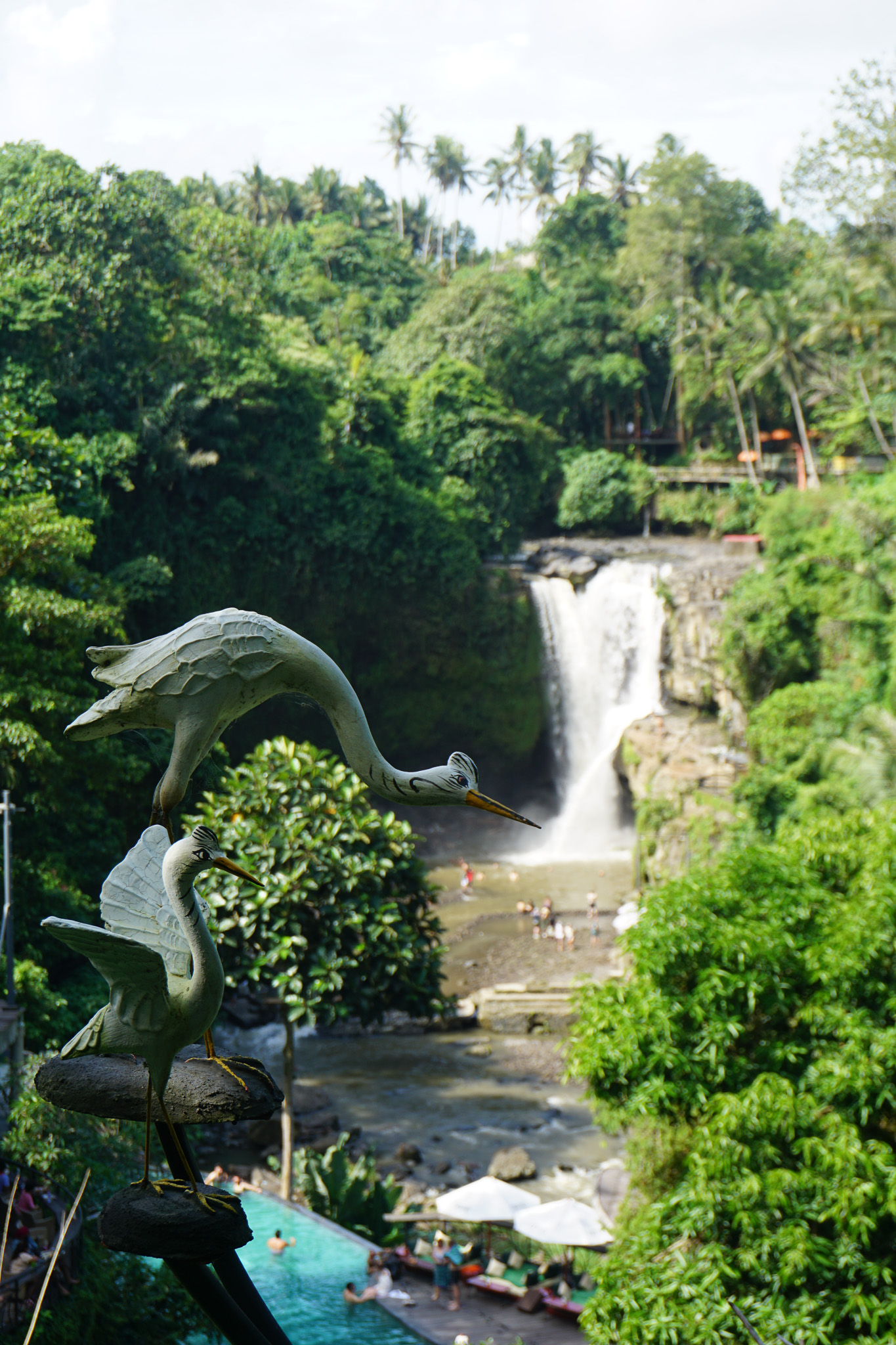
I also visited the Tegenungan Waterfall and attempted a view of Mount Batur in Kintamani, but the weather was way too cloudy, with dense fog making it almost impossible to see it. This one was particularly annoying as I didn’t know I had to pay a fee just to drive through it, for the view. In Bali you truly pay for everything, so be prepared for that. Even though the fees aren’t high, it adds up.
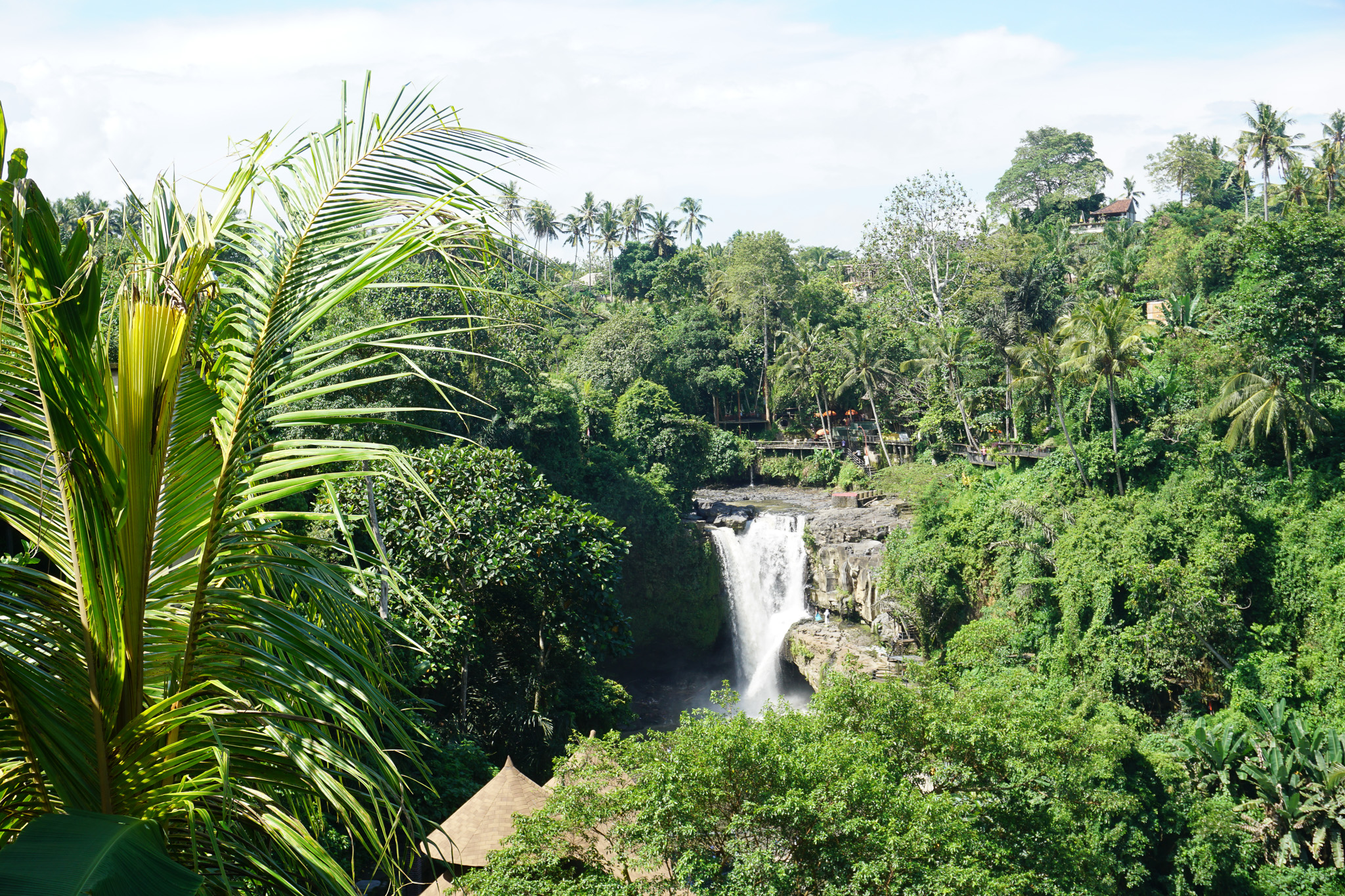
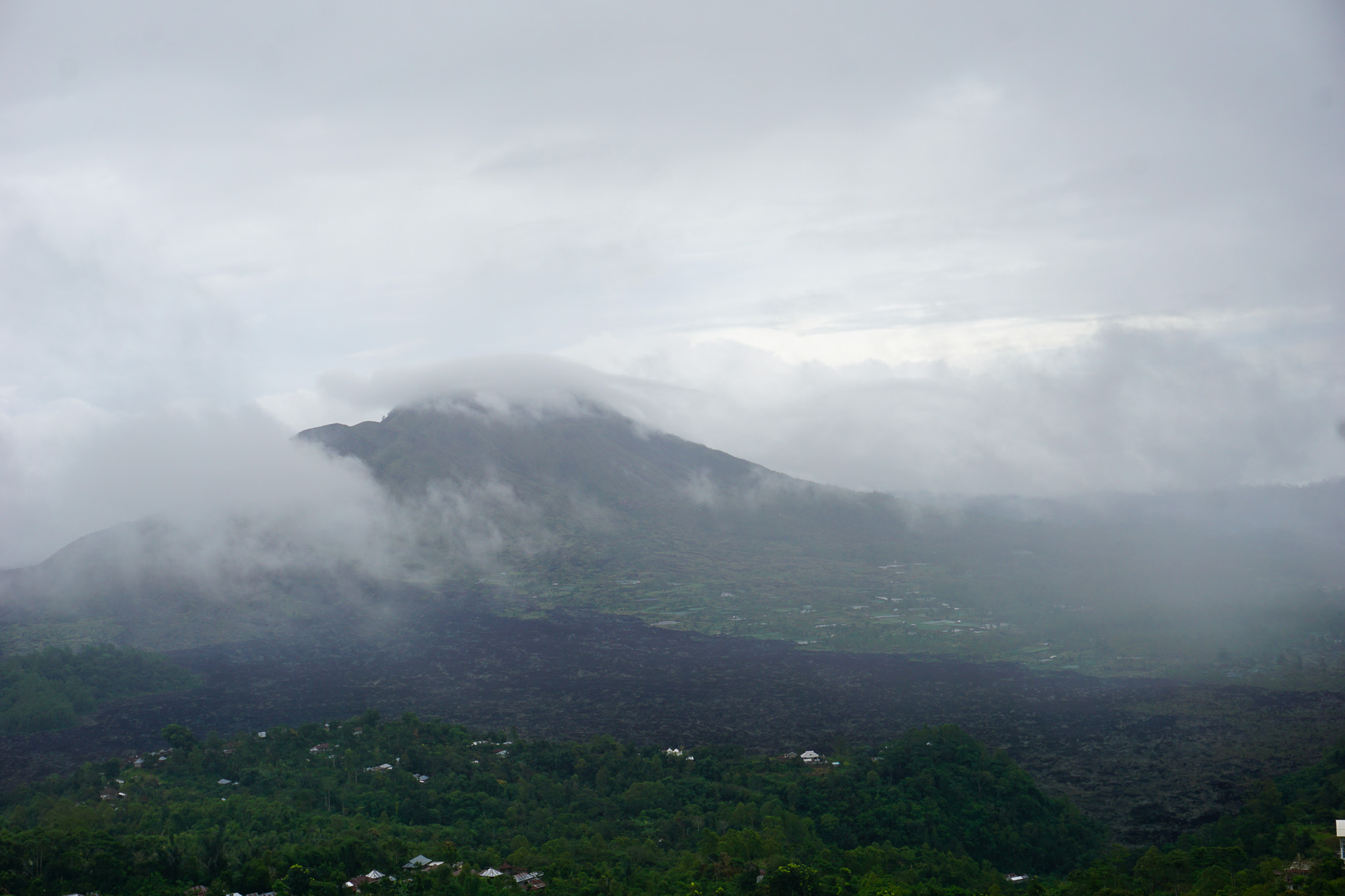
Most of these places were amazing to visit, specifically, the Jatiluwih Rice Terrace and Ulun Danu Beratan Temple were my favourites. I just wish there was more information at these places for tourists to be able to understand its significance, something that isn’t on-site and guides don’t necessarily volunteer – they were mostly drivers, rather than actual guides, and that was disappointing.
Love,
Nic
 The Winged Bone
Such a wonderful list of many incredible must-see sights. Looks like Bali has so much to offer you’re spoilt for choice. There are so many temples, beaches, waterfalls, wildlife, theme parks, markets, volcanic mountains, rice terraces and nearby islands to explore that one might need to plan accordingly to tick some of them off Bali Bucket List. Thanks for sharing, and have a wonderful Christmas Eve. Aiva xx
LikeLiked by 1 person
Thanks Aiva. Happy Holidays!
LikeLiked by 1 person
🥰🥰🥰
LikeLike
I always appreciate your honest blogs! Agree with the sacred water temple.
LikeLiked by 1 person
Thank you!
LikeLike