
I took the bus very early in Malacca without a chance to get coffee beforehand. I knew it was a bad idea, but I hoped we’d stop somewhere where I could nourish my body with the necessary amount of caffeine in time – with this I mean before I got a headache. Still, this wasn’t my main concern. I was way too anxious about the prospect of crossing the border from Malaysia to Singapore by land.
Getting to Singapore from Malaysia
It’s nothing too complicated – you have to go through passport control as you cross the border, so the bus will drop you off at a specific point, and then you have to go through immigration. If you get stuck in big lines by an unfortunate chance, there is the danger of having the bus leave without you. Such a thing thankfully did not happen to me – the process was incredibly smooth and quick, and I was the one waiting for the bus, the ideal outcome.
I arrived in Singapore safely, but that headache I knew would come was brutal. I took a bus from the station to my hotel, and my first impression was that I was back in Europe, back in London… except that everything was definitely a lot newer with a much cleaner appearance. And the other thing that made it look like I was back in London was the prices.
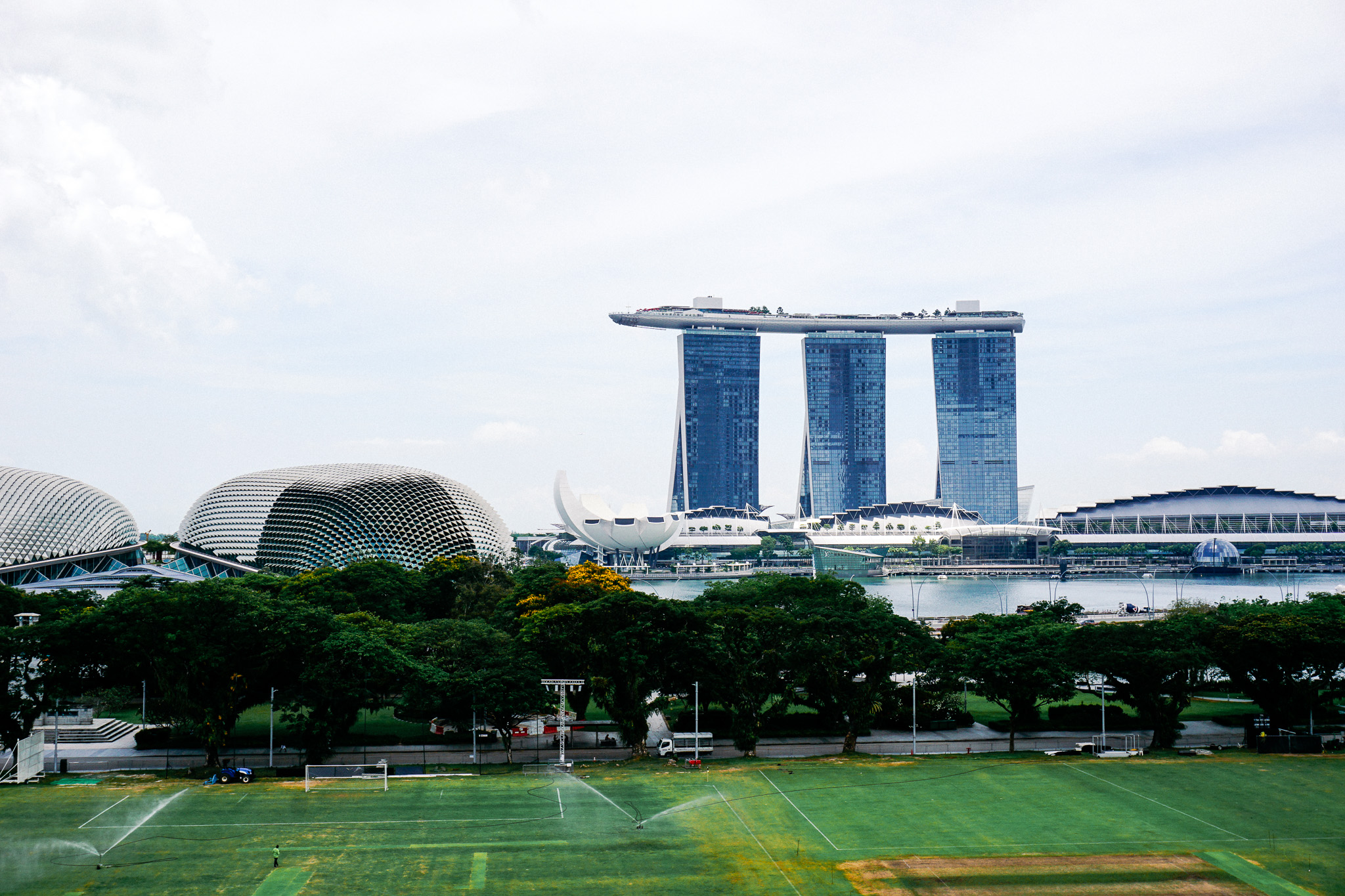
I knew Singapore was going to be by far the most expensive country in my trip to Southeast Asia, and I even considered skipping it. Let me explain – I had a very wrong idea of Singapore. I thought it was one of those artificial and overpriced destinations, made for the uber-wealthy, without any history or culture. Something like I imagine Dubai to be like. The reason I didn’t skip it was simply because it would have been silly to be so close to Singapore and not visit and see with my own eyes what it was all about. I booked three nights there before my flight to the Philippines. Future me really appreciates past me – I am so glad I made this decision, because I simply ended up falling head over heels for it. It ended up being so much different from what I had in my head – which was only the Marina Bay and the famous Supertrees. And even these more modern and somehow eccentric attractions won me over.
I considered staying in a hostel to be as economical as possible, but I just couldn’t. Especially after having heard so many horror stories about shared rooms throughout my travels so far. After some research, I came across a YouTube video from Monkey Travels which recommended a relatively new hotel just downtown, in Bugis Street. I decided to trust them and trust the relatively good reviews. Of course, it was more expensive than a hostel, but I ended up finding a deal through Booking.com for the dates I needed. So there I was – the room was absolutely tiny, but it was clean, it was private, and it had all I needed for a short stay in Singapore. At least, it had windows! The location was also absolutely fantastic – leaving the recommendation here in case you’re looking for somewhere to stay – ST Signature Bugis Middle.
Singapore at night
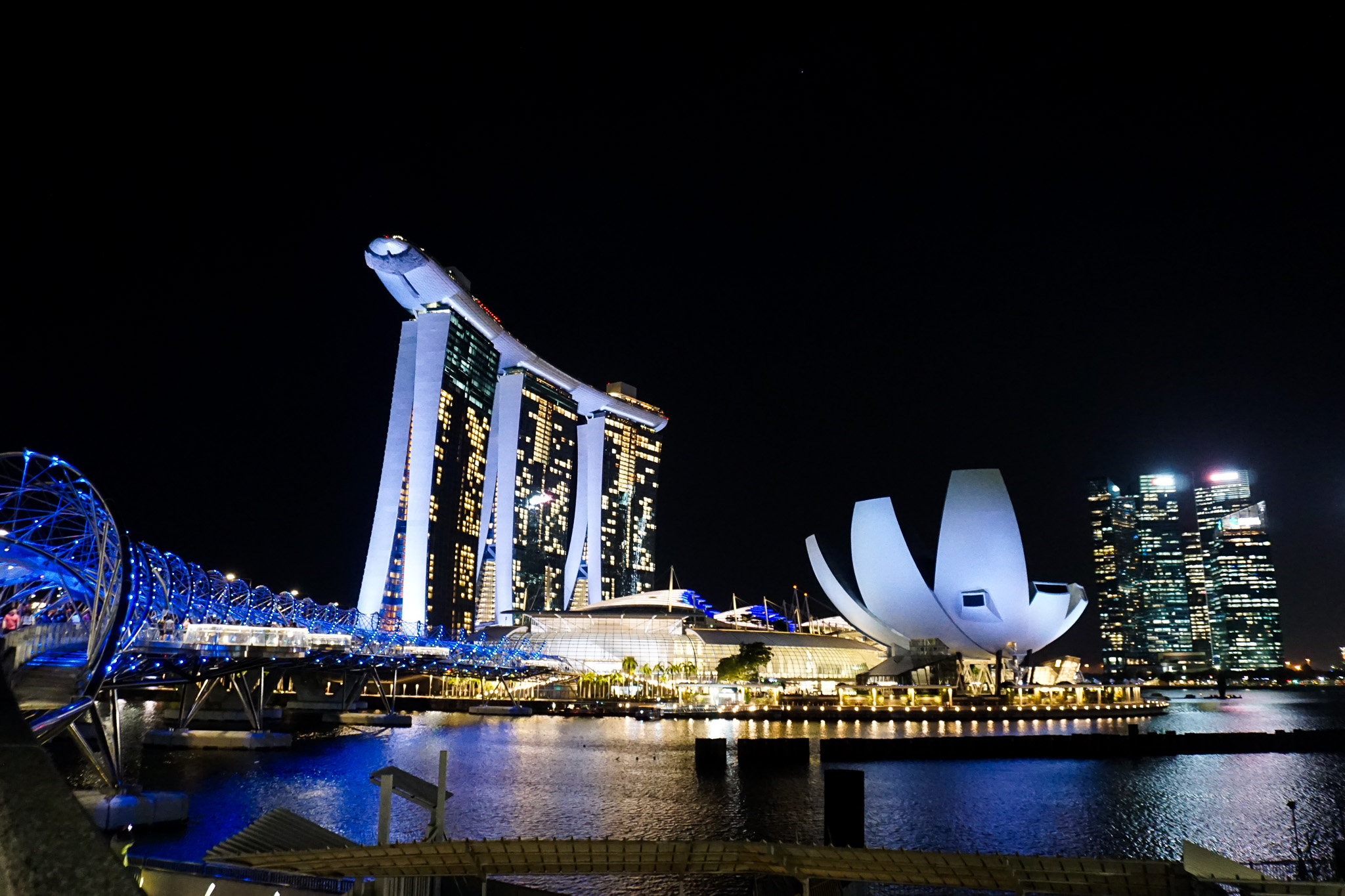
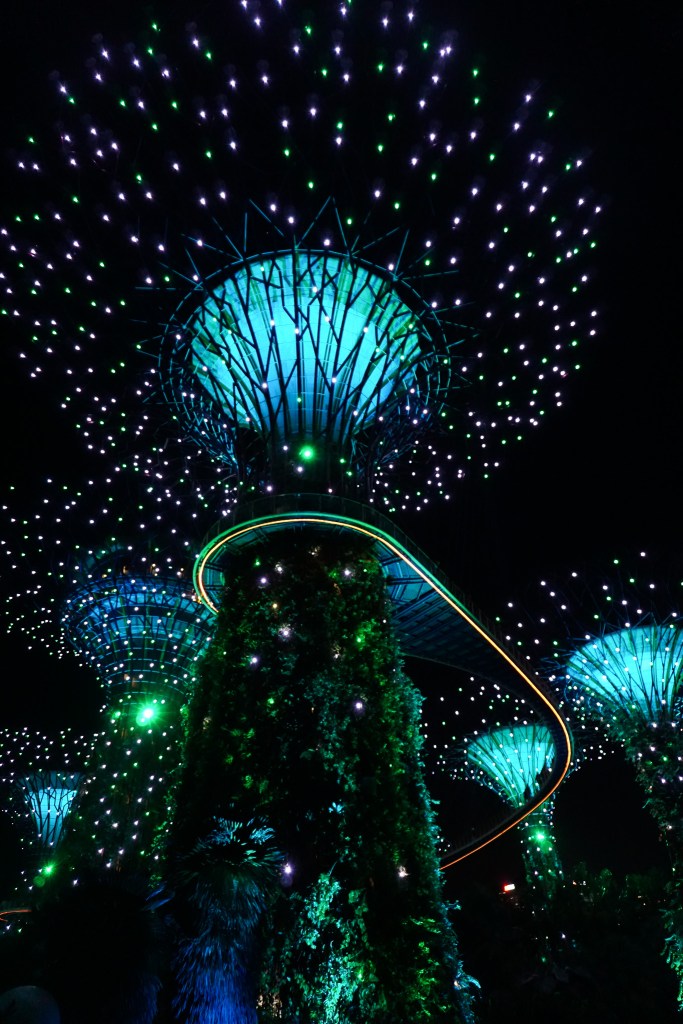
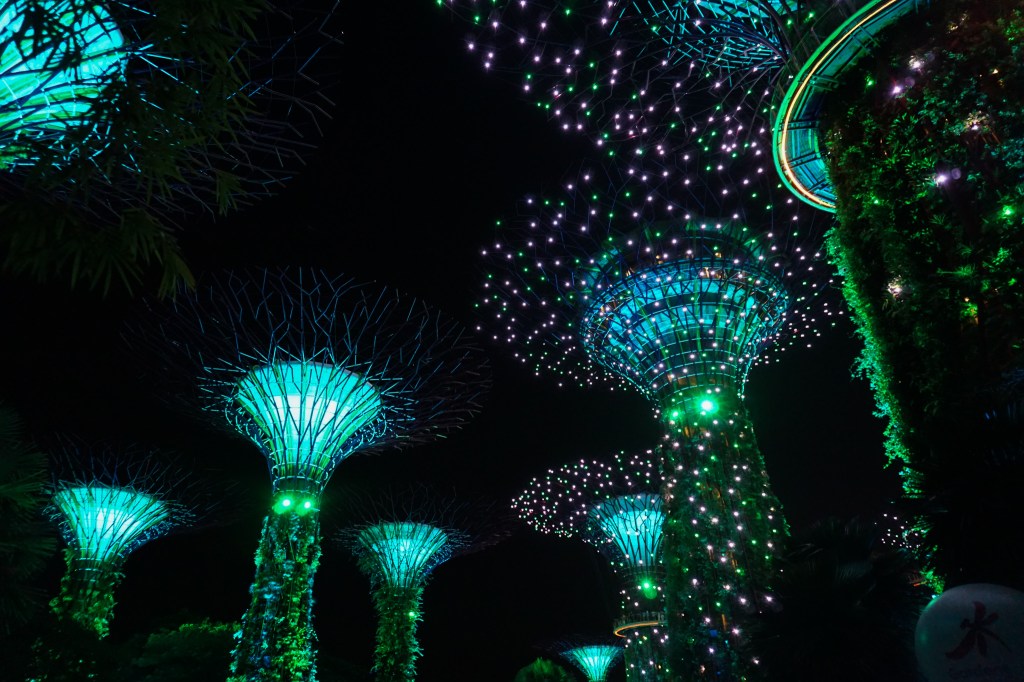
After resting for a little, trying to send the headache away, I decided to go for a walk in the evening. It was hot and humid of course, but the sun had set already and I decided to walk to the famous Supertrees Grove to watch the free light and music show they have on every night. In most countries I visited in Asia, I noticed they all seem to share a passion for synchronised light and music shows, but for the most part I tend to find these all look the same after a while, and sometimes not even that great. But Singapore managed to absolutely blow my mind with their shows – and I couldn’t quite believe this was free! The Supertrees are absolutely stunning and the pictures I had seen didn’t make it any justice… and at night, with the coloured lights and the music… they played beautiful opera, and I felt my throat choke with emotion. It was such a beautiful, almost ethereal experience.
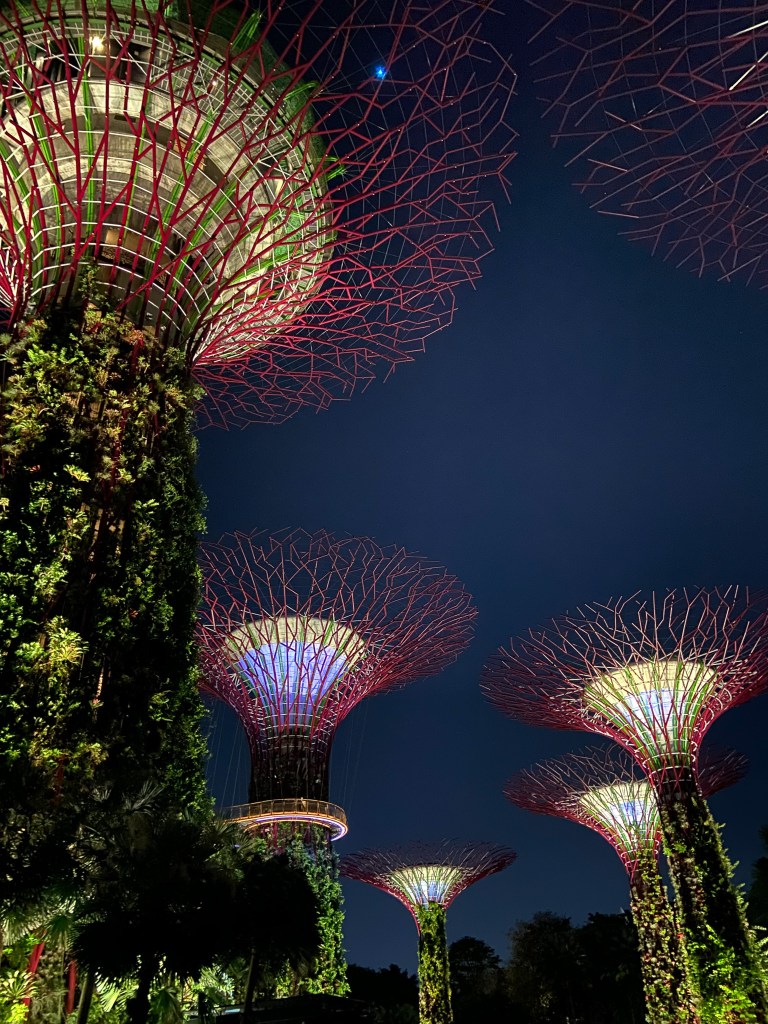
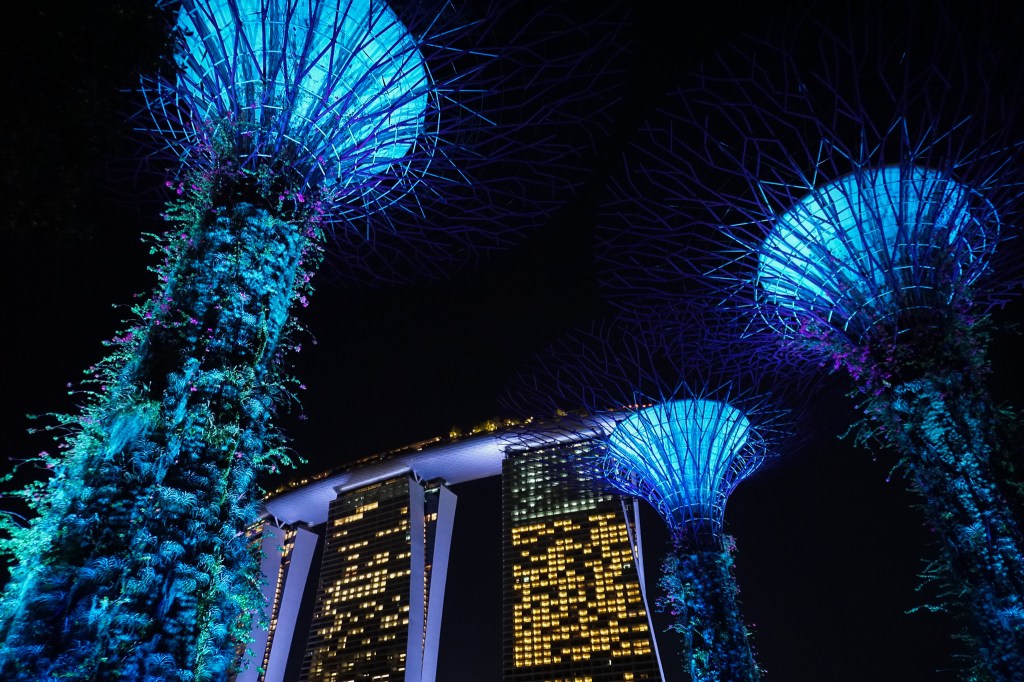
On my way there, I kept being reminded of London. I was feeling a bit nostalgic about it, and I had been wondering back then if my future was once again returning to it. The lights of the tall buildings, the Ferris wheel, the modernity of it all… it was almost as if I was hearing London calling me. And the fact that Singapore enchanted me so was precisely because I am someone who feel somehow craddled by the immensity and density of a big place.

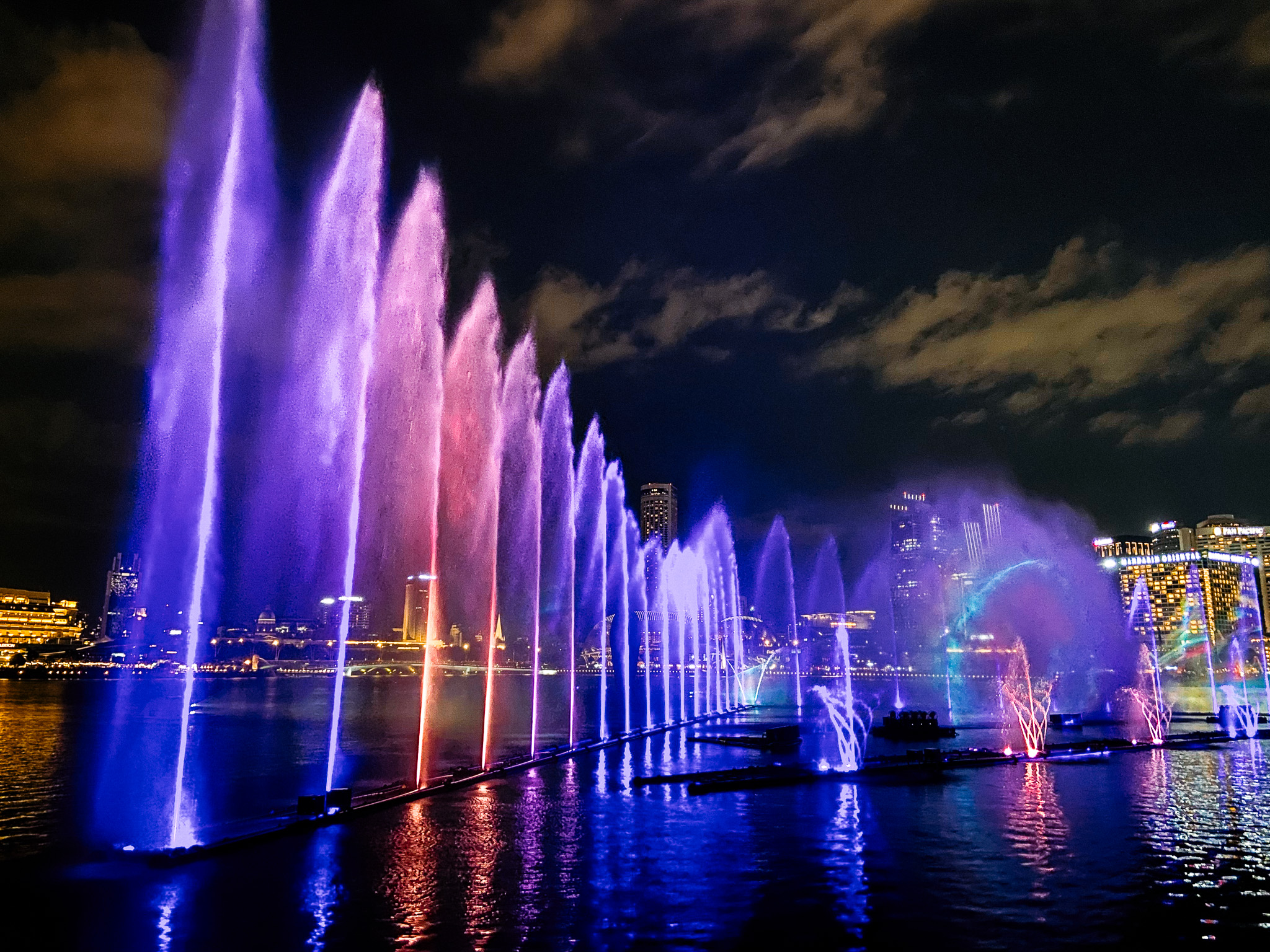
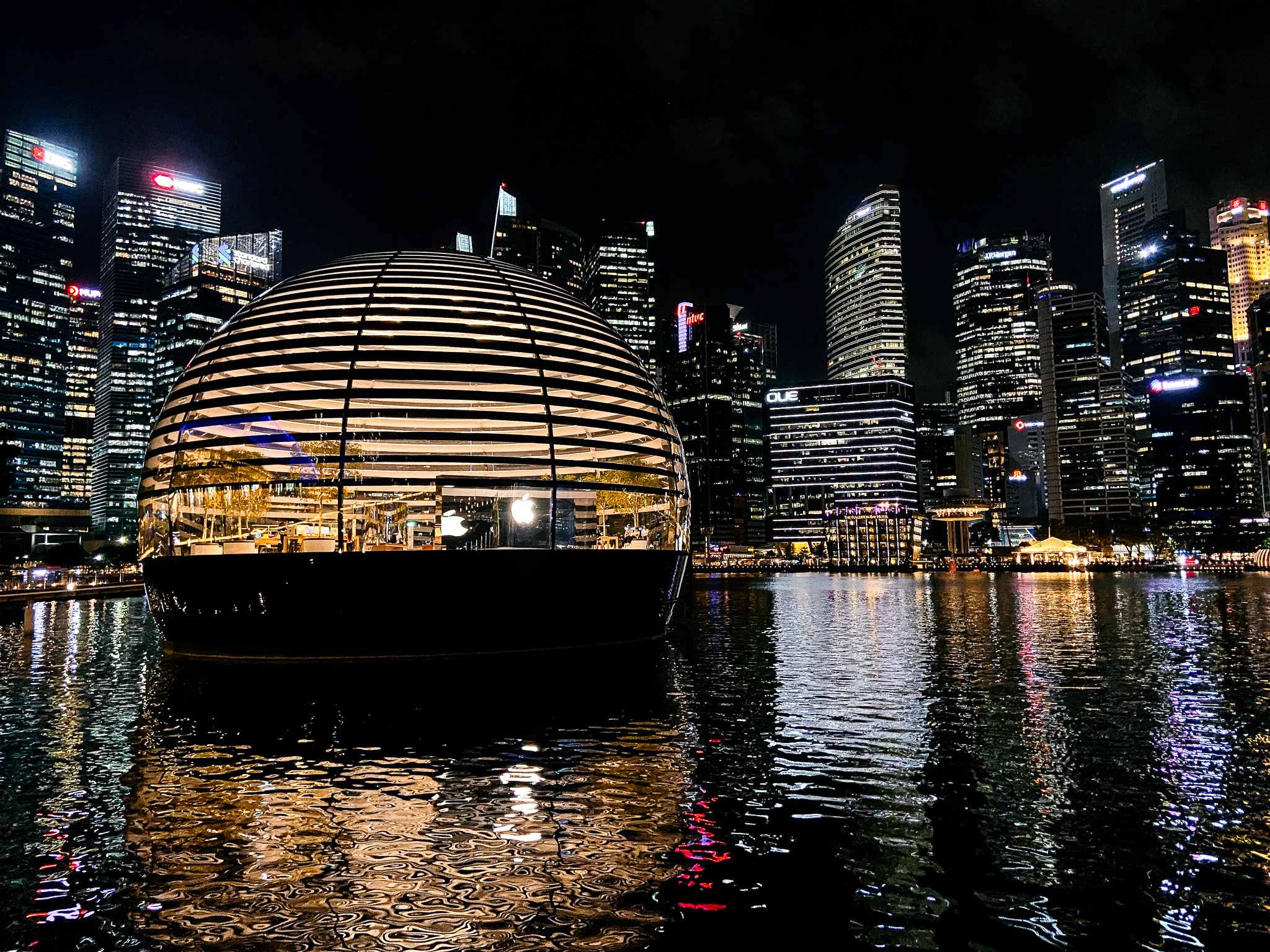
But in many, many ways Singapore is miles away from London – it is new, much modern, much cleaner… and well much safer too! I walked and walked at night, feeling 100% at ease. But that night, my first night in Singapore, when I was walking back to my hotel, the most incredible thing happened. I had my AirPods on, playing some music (this is how safe I felt, I usually never have music on when I am walking in strange places, to ensure I am alert), but as I was crossing the road it seemed I heard someone calling my name. It couldn’t be – I literally didn’t know anyone in Singapore. When I got to the other side of the road, I turned back, just in case – just to see my ex-boss from my first job in London with his wife. I couldn’t believe the coincidence! What were the chances we would see each other on the other side of the world, just like that! Such a funny moment… and a part of me wondered if this meant my destiny was indeed in London and whether life was giving me signs.
Walking tours and exploring the unique heritage of Singapore
Whilst Singapore is a more expensive destination, there is so much you can do for free. Two of them are the light shows at night – the one in Marina Bay and the one in the Supertrees Grove.
Walking around in the historic neighbourhoods of Singapore also comes at no cost. These are vibrant, colourful, full of open-air galleries. There are markets everywhere for cheap eats, and the architecture is so unique to each neighbourhood that you will not get easily bored. Plenty of photo opportunities as well, and I was particularly enraptured by the contrast of the quirky side of Singapore with the backdrop of the grey and sophisticated Financial District.
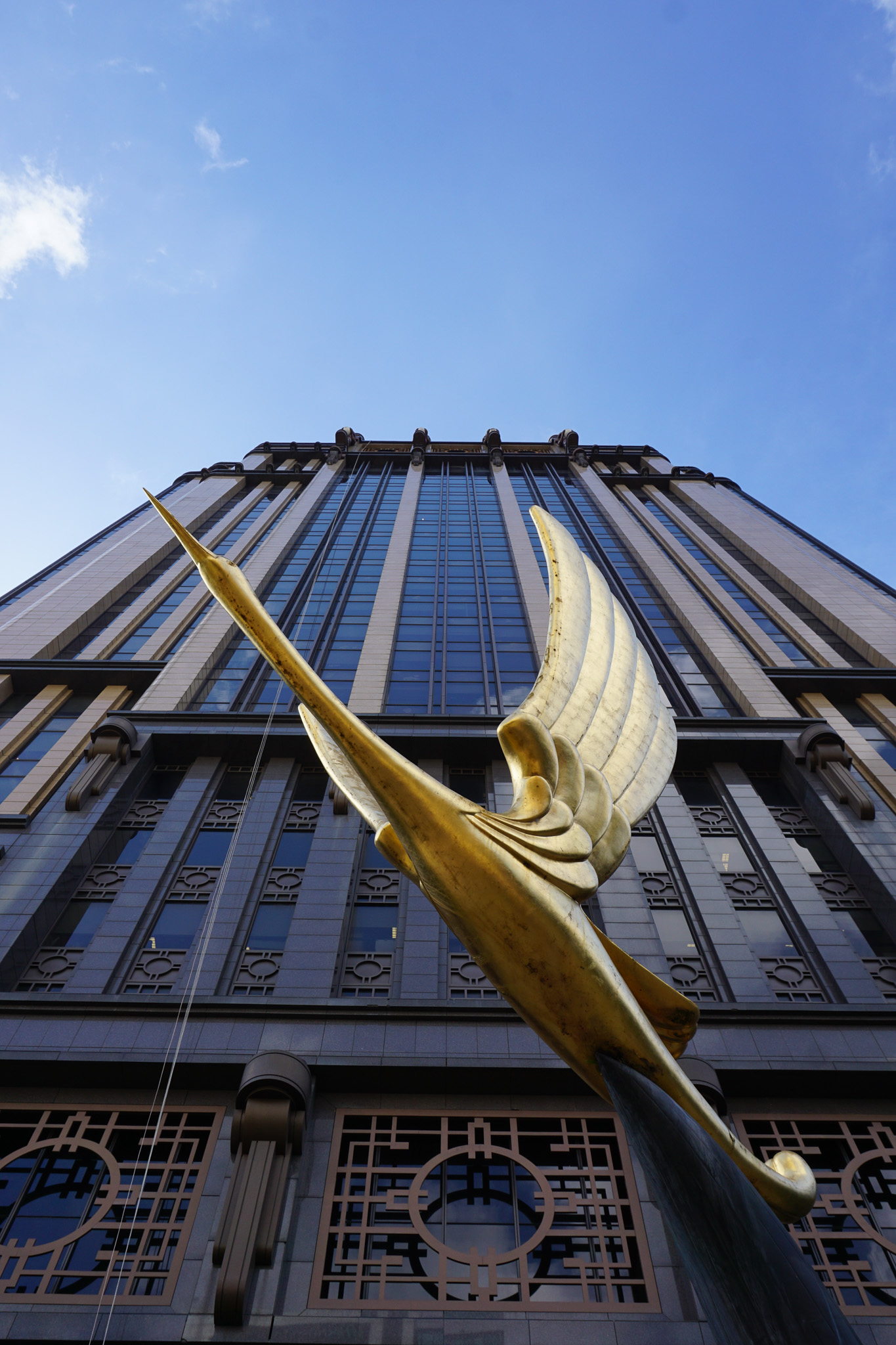
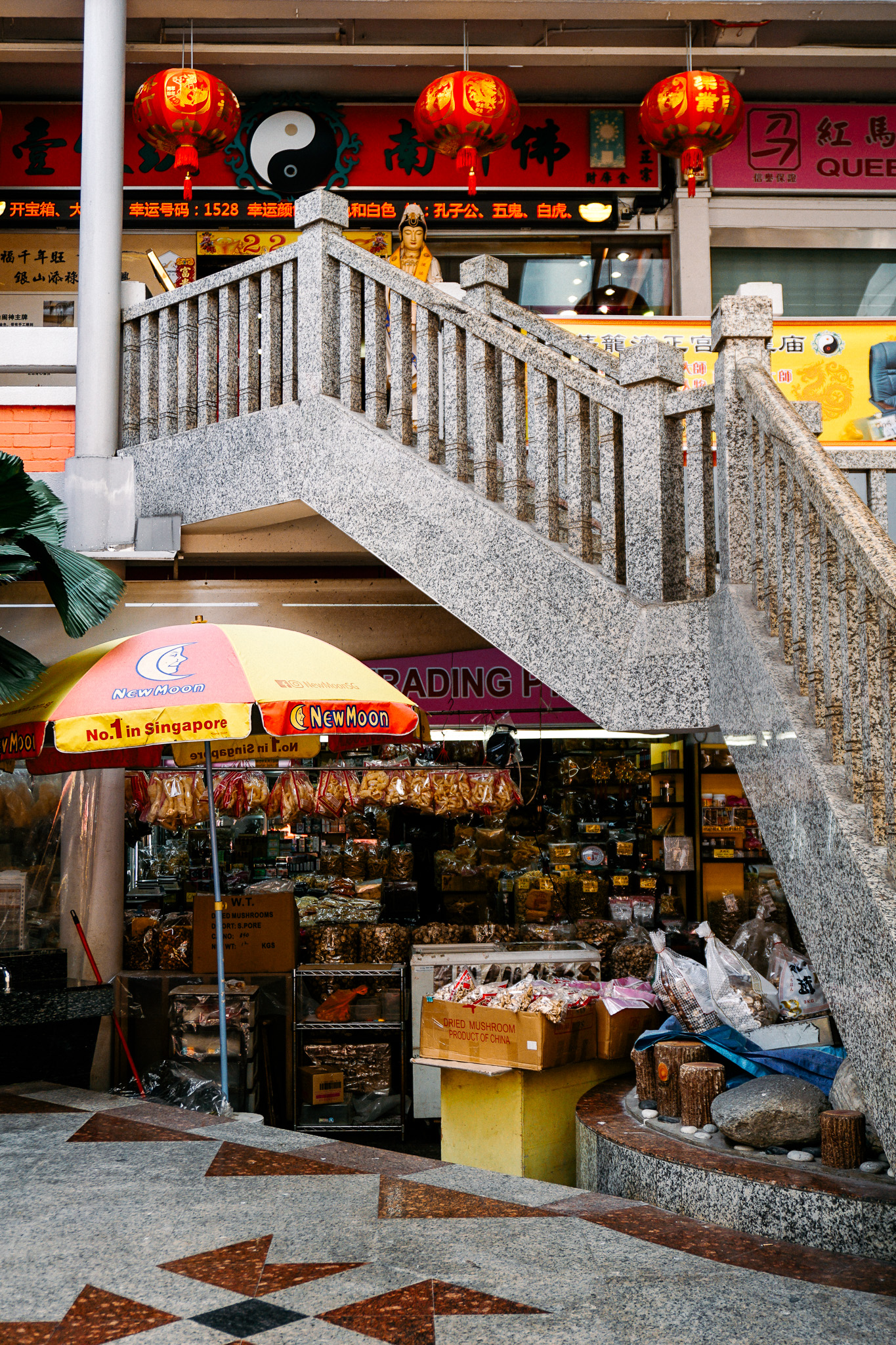

When I was in Georgetown, Malaysia, and did my Blue Mansion tour, the lady had been right about Malacca – it is becoming a very inauthentic town, potentially in serious danger of losing its UNESCO status. But she had also claimed Singapore only cared about the new, and not about the old. She was wrong on this matter. There is a lot of animosity between Malaysia and Singapore, so I think her thoughts are quite partial… contrary to places like Georgetown and Malacca, I found Singapore to have some of the most well-conserved historic buildings I have seen so far, with efforts to keep them in working order and repaired. There is a clear investment in conservation that seems to have stopped in Malaysia. Of course, Singapore is a much wealthier nation… but knowing this massive global Financial hub isn’t letting its culture die gave it a heart and a spirit I didn’t know it had.
Another way to learn more about Singapore and properly explore its neighbourhoods is with the different tip-based walking tours. There are plenty in Singapore, and I can recommend Monster Tours. They have a series of Heritage Tours dedicated to each historic district of Singapore.
I did two guided tours, one covering the neighbourhoods of Kampong Gelam and another covering Chinatown. I wish I had had the time to do Little India too, but sadly my time was a lot more limited than I would have liked.
Kampong Gelam, the Muslim quarter
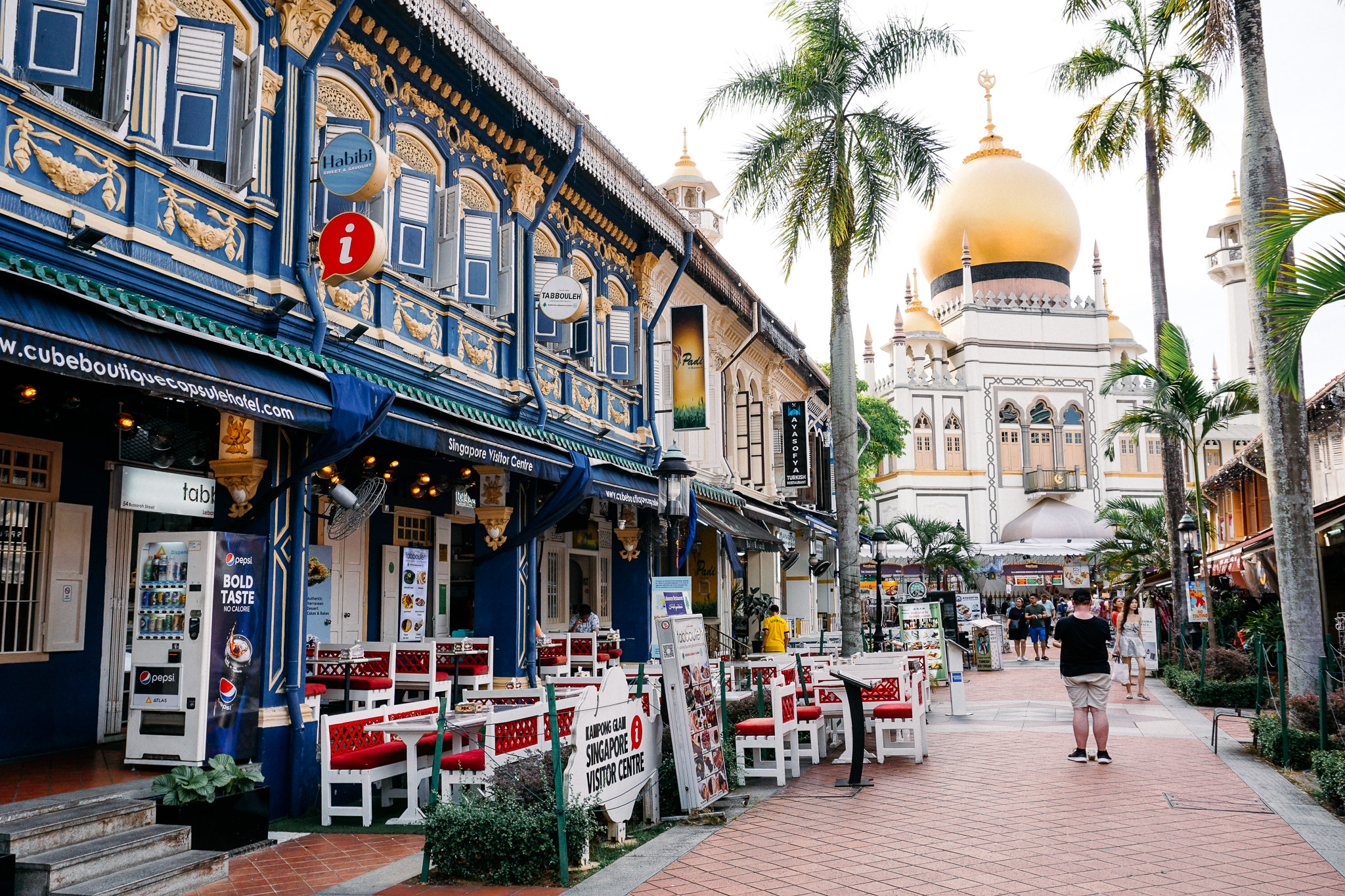
This colourful district is the Muslim quarter of Singapore, with the majestic Sultan’s Mosque at the centre of several converging narrow streets where up to the middle of the 20th century traders, artisans and merchants sold their goods, with a particular focus on textiles. It was named “Gelam” after the Gelam tree which was abundant in the area and valued for its timber and medicine oil. “Kampong” means village in Malay, taking us back to the times when this was a small community of locals cultivating their own businesses, culture and customs, a mixture of Malay, Arab and Islamic traditions.
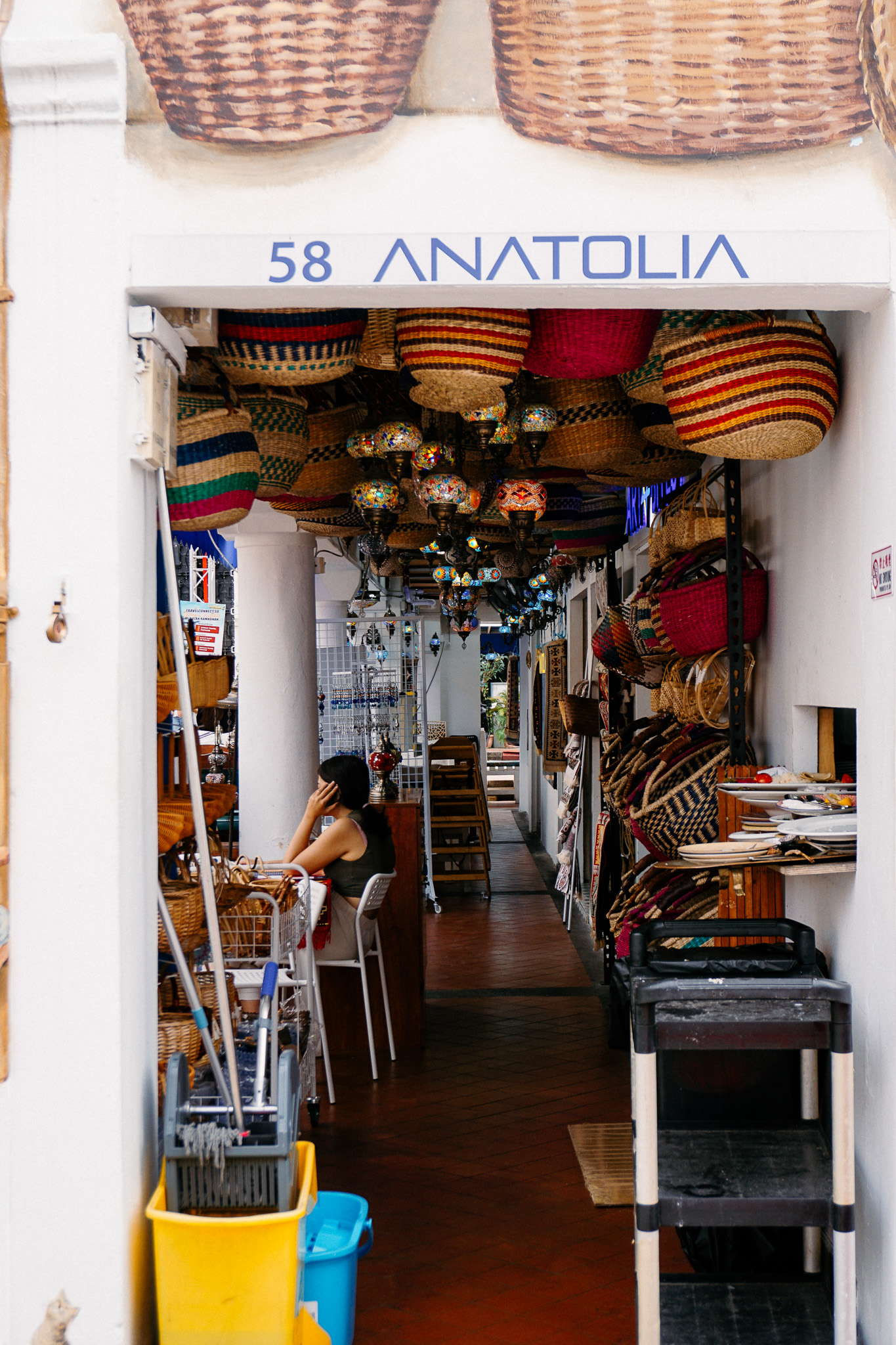
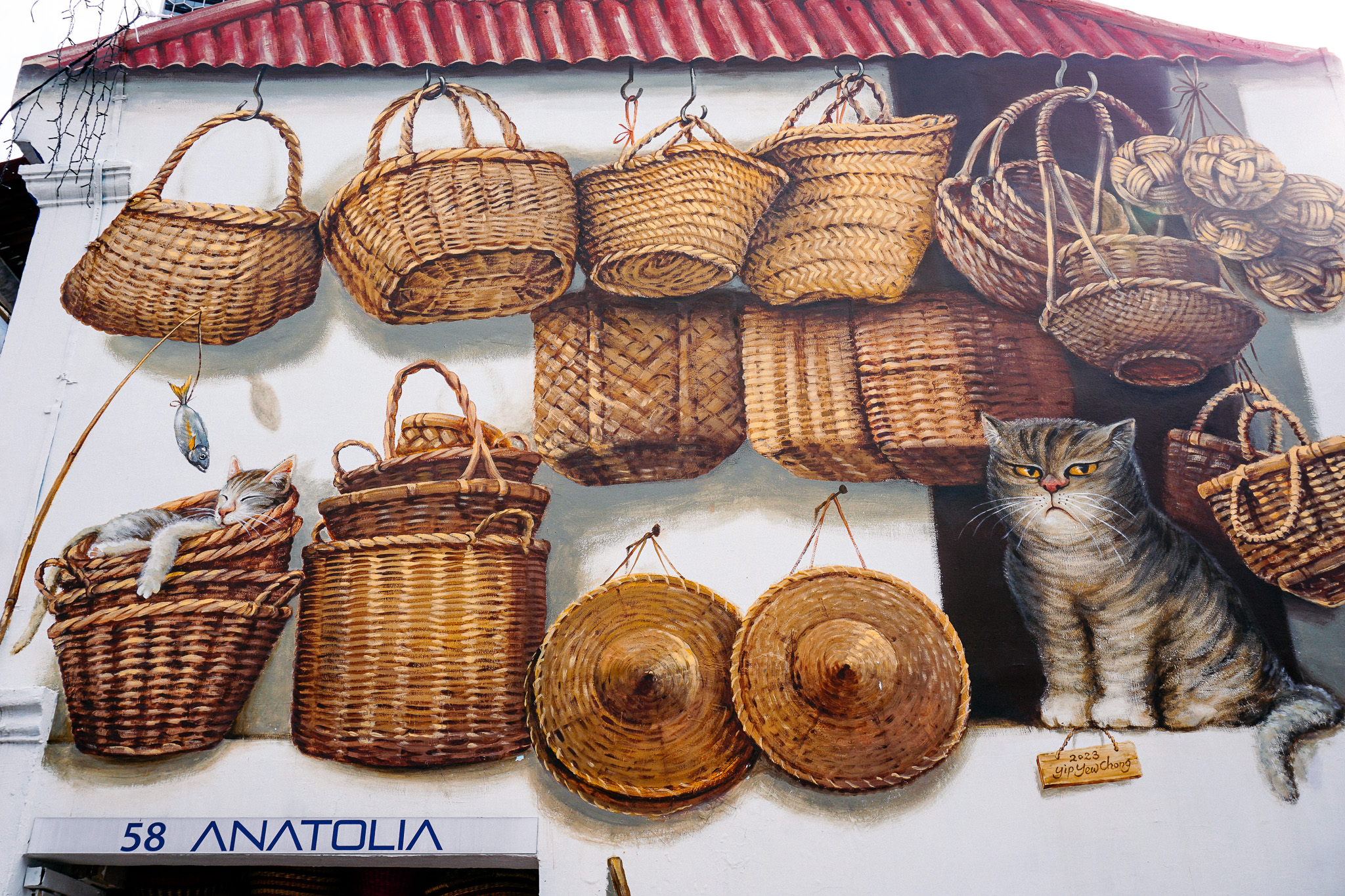
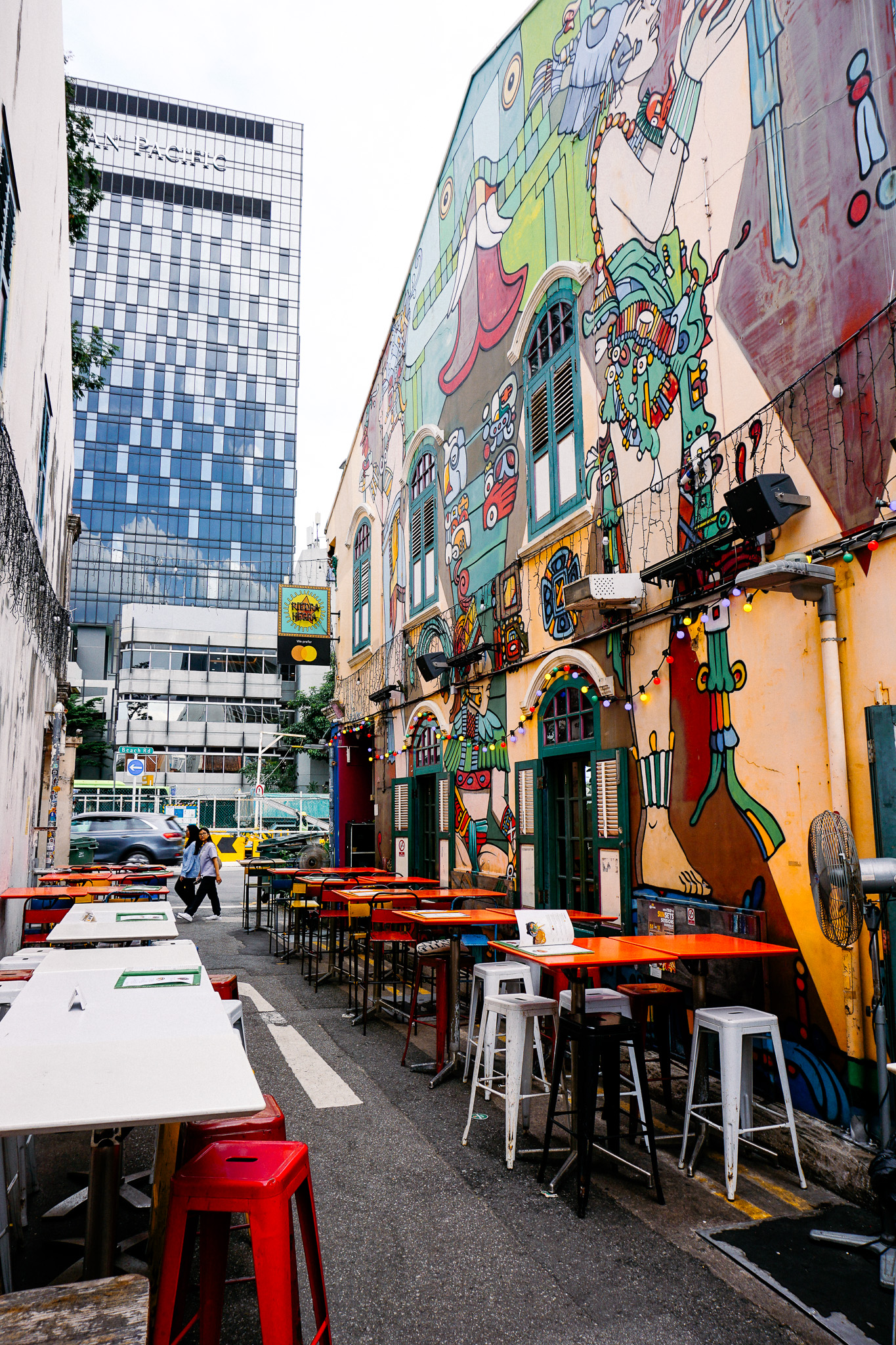
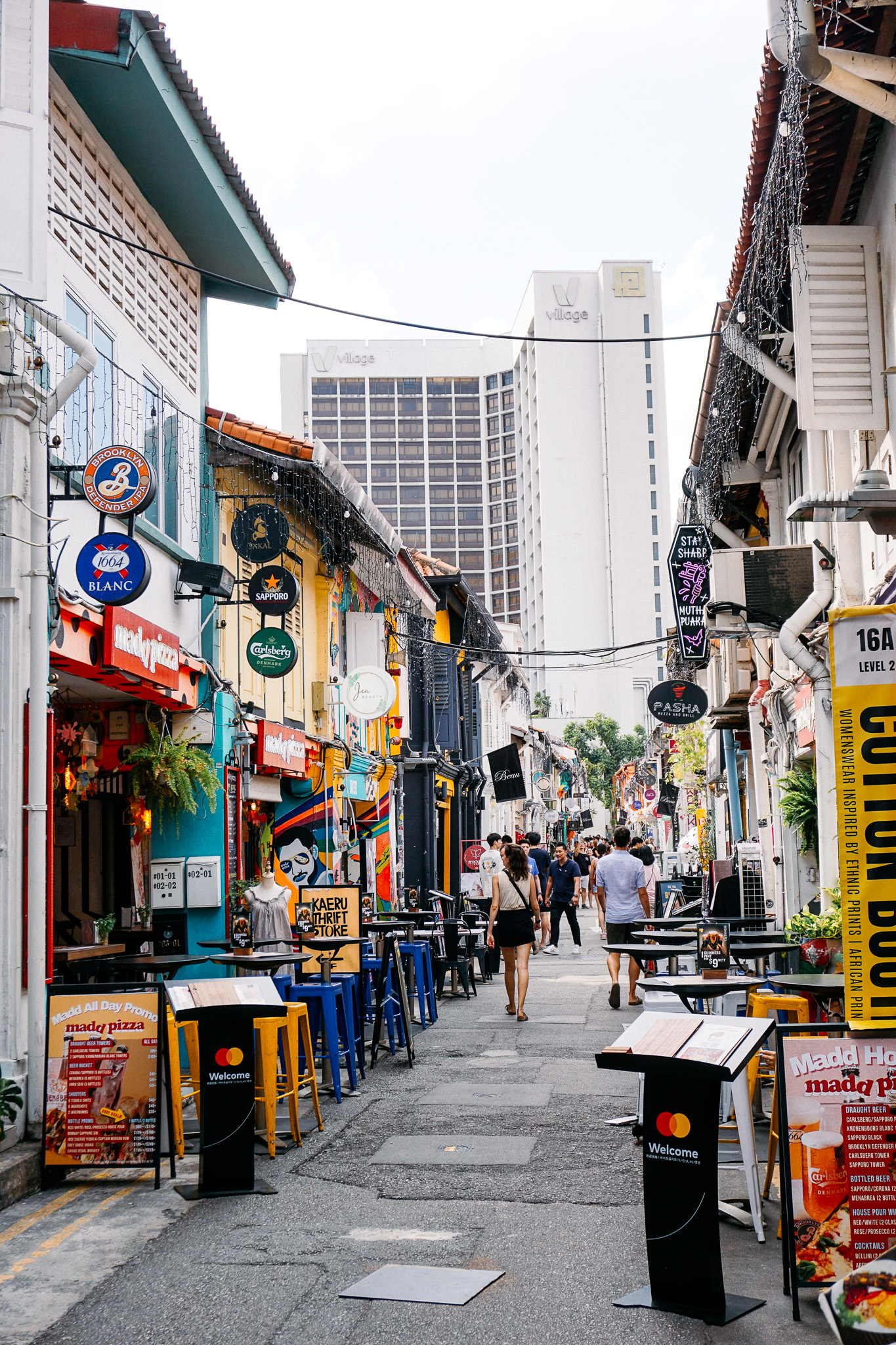

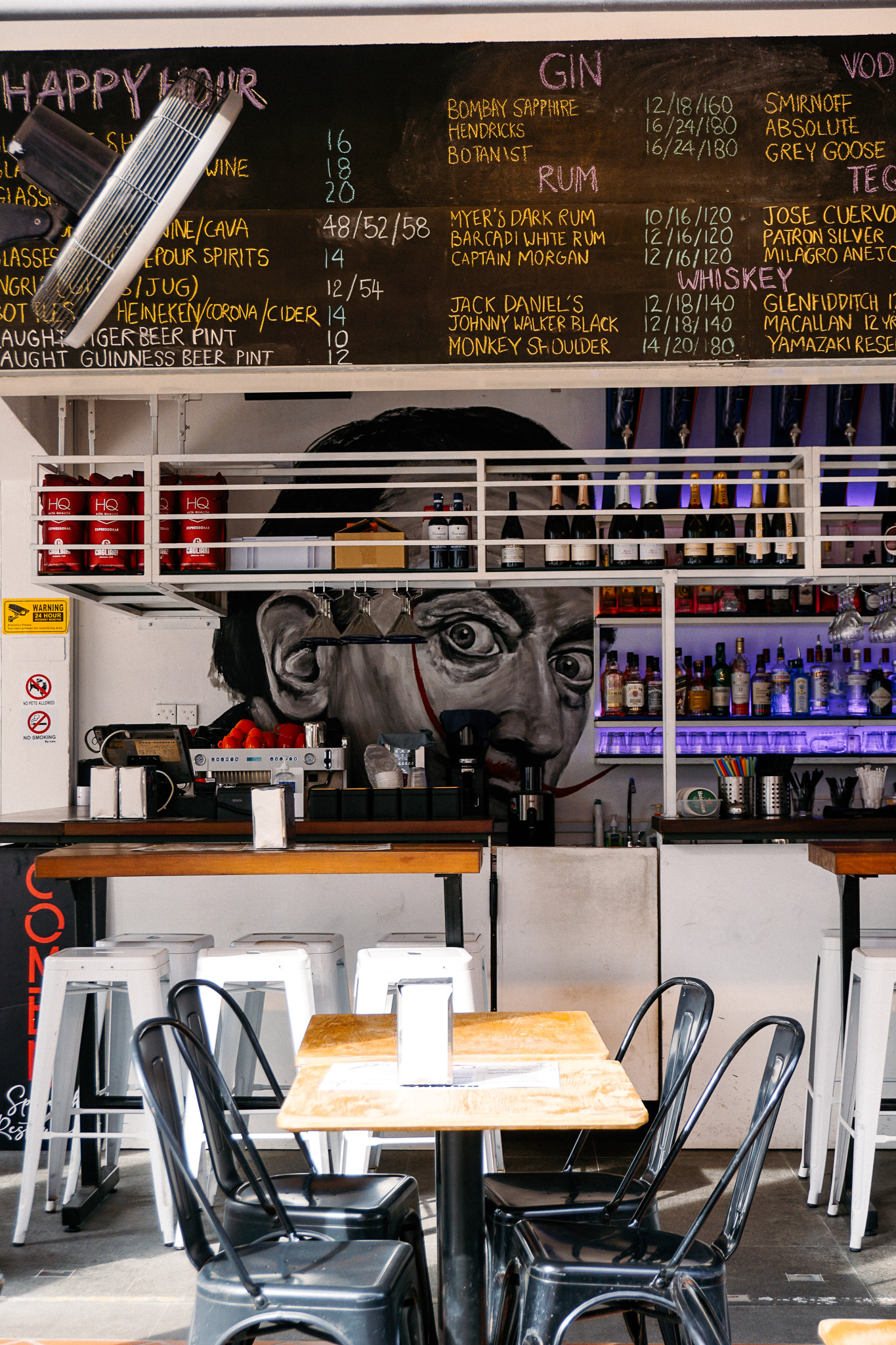
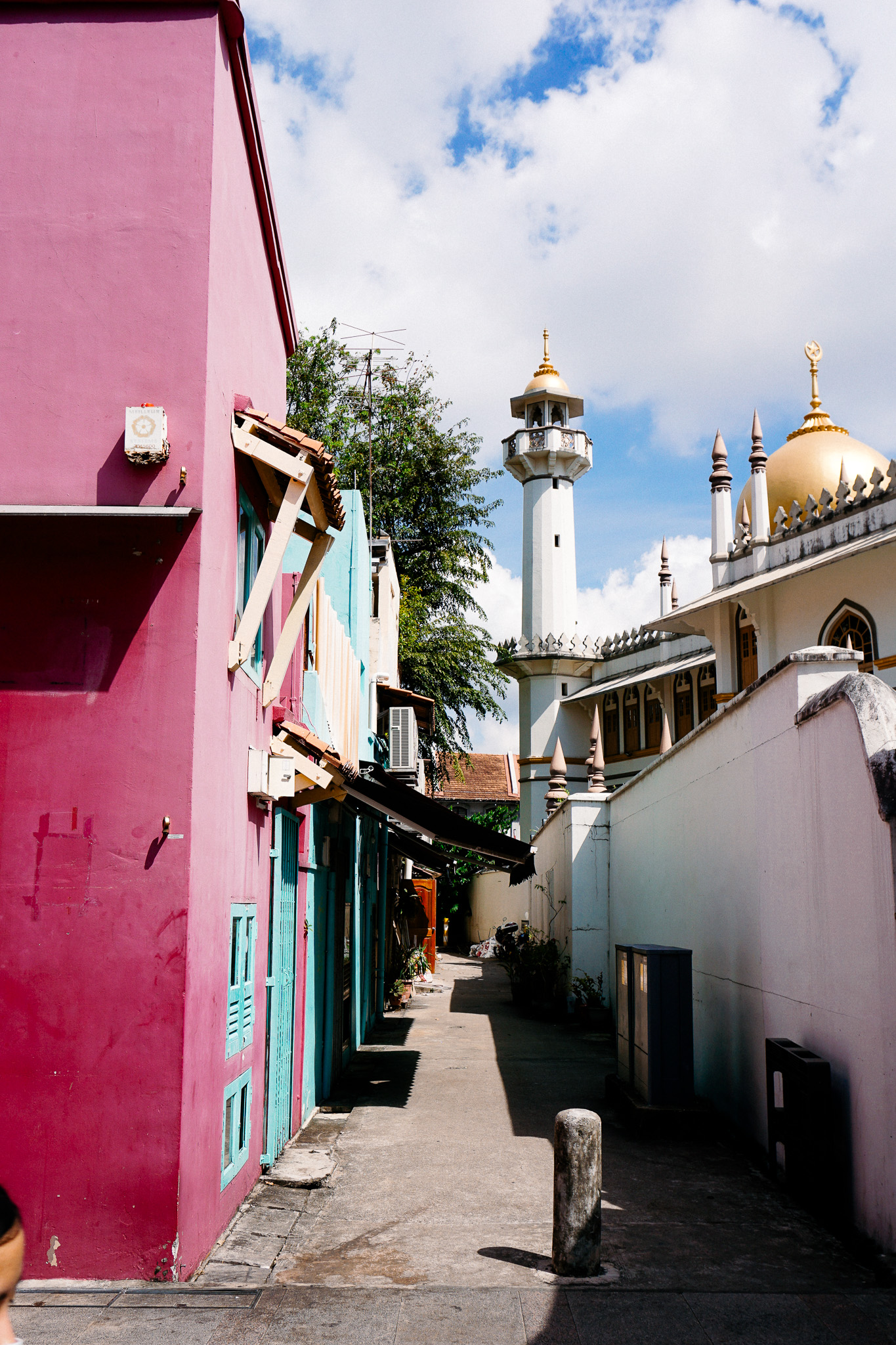
It was designated as the Malay-Muslim quarter in the early 19th century by Sir Stamford Raffles – the founder of modern Singapore. Which takes me to its royal ties – the Malay Sultanate lived here. The British had signed a treaty with the Sultan granting them control over Singapore whilst the Sultan and his family retained domain over Kampong Gelam.
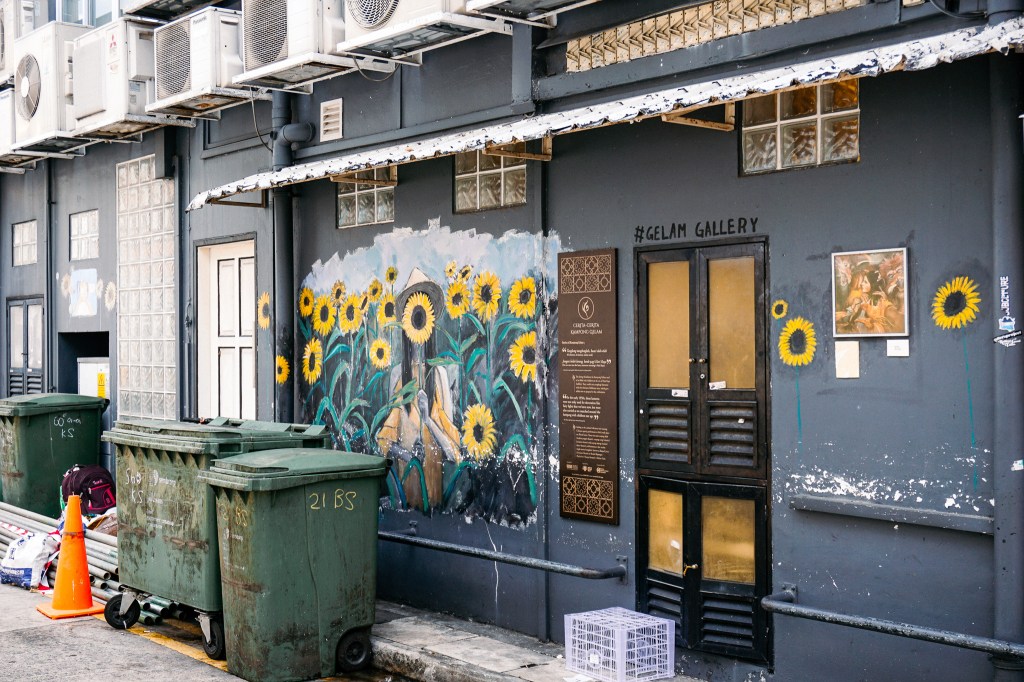
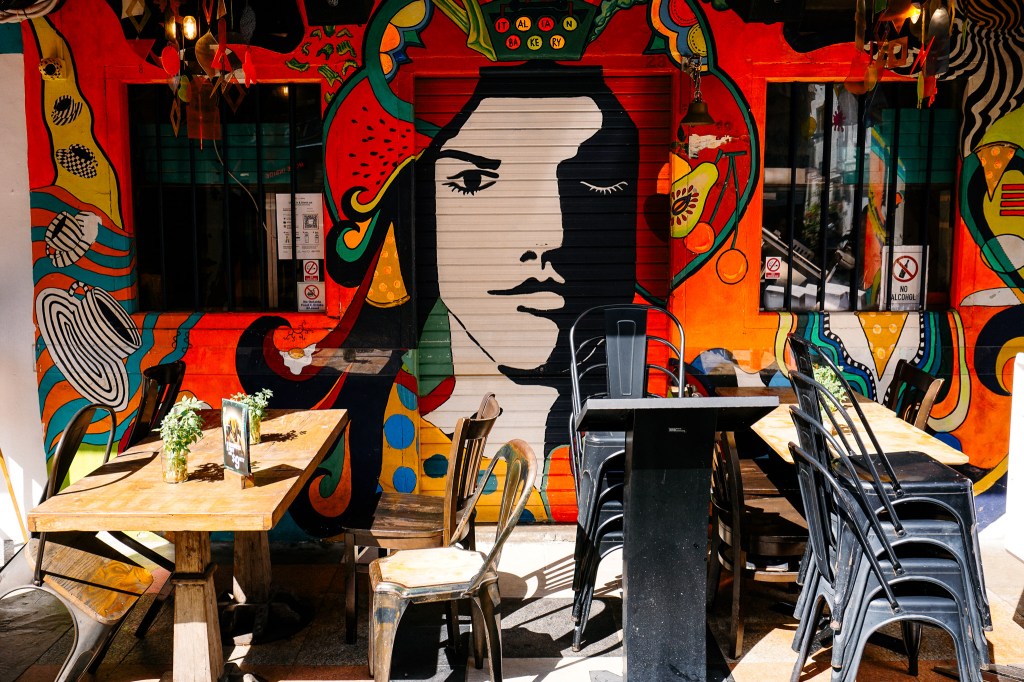


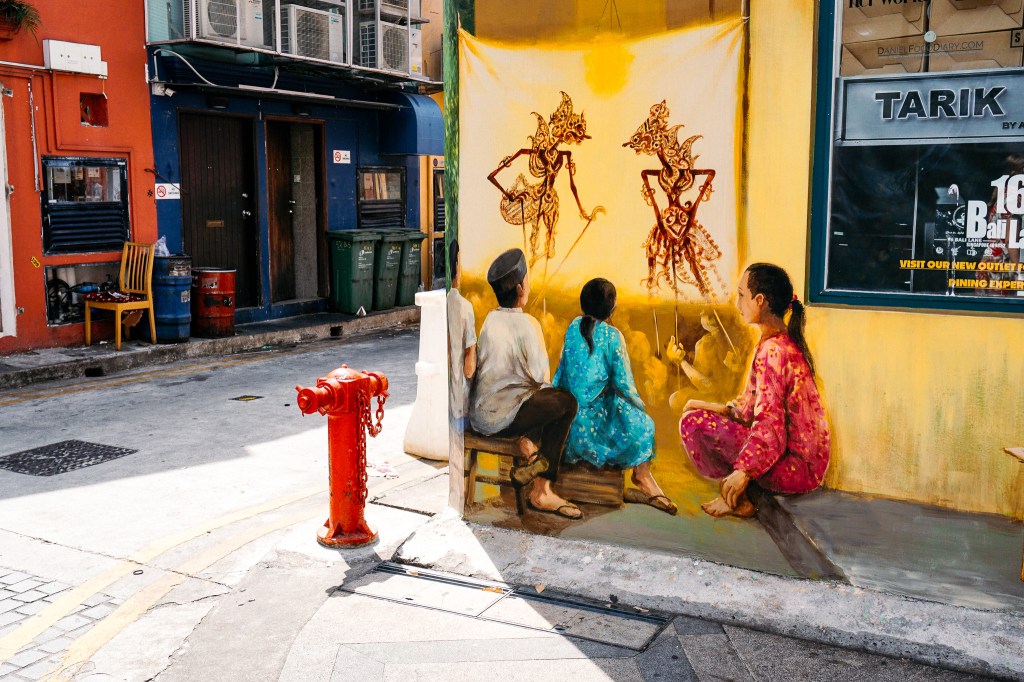
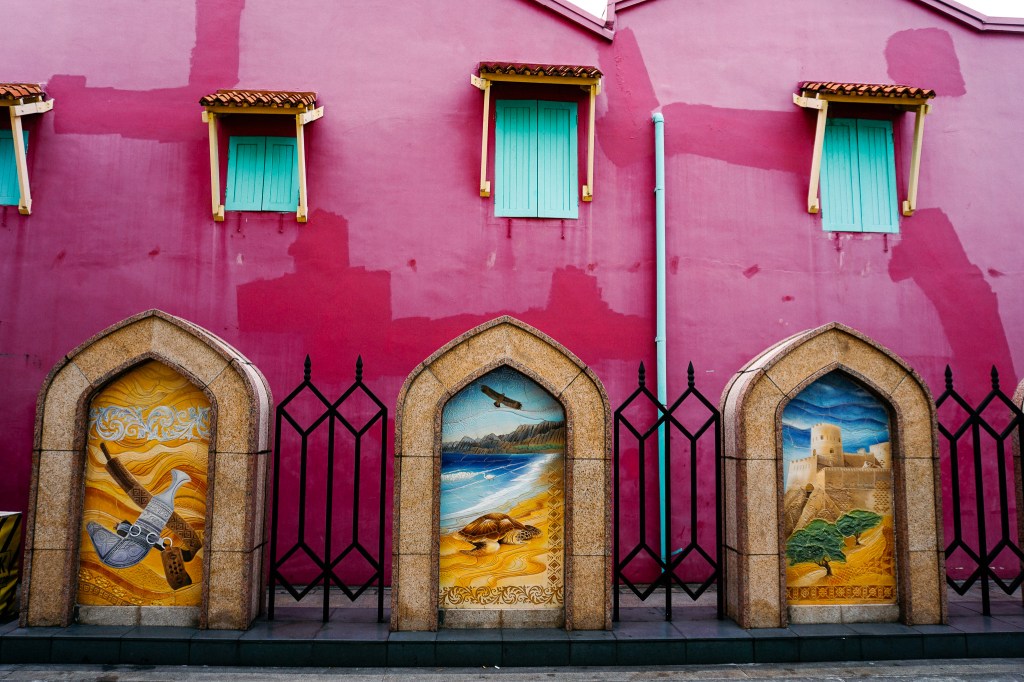
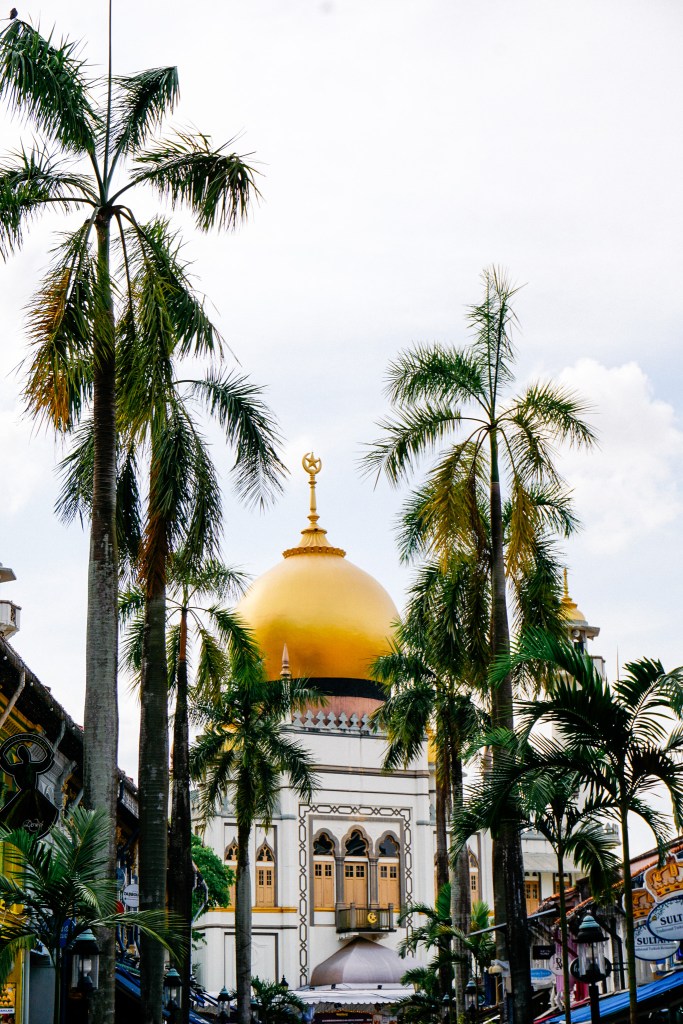

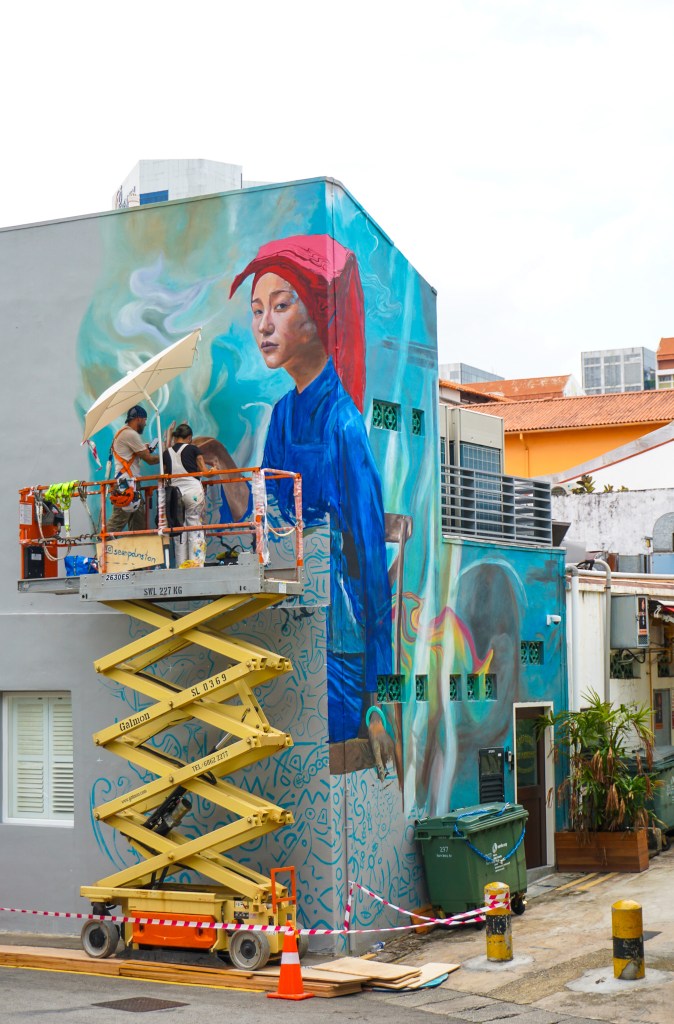
At the time, this was also a centre for Islamic education, with prominent madrasahs and shops selling religious books and artefacts. Sadly, in the mid-20th century, Kampong Gelam started to decline, as the focus of Singapore shifted to modernisation, causing residents to leave. Thankfully, in the 1980s, the government designated Kampong Gelam as a conservation area. Nowadays, this district is bustling with shops, restaurants, cafes, and open-air galleries, with stunning street art on every corner.
Chinatown, from an impoverished district to a striving one
Chinatown is another vibrant part of Singapore, with stunning restored shophouses, and lots of shops, restaurants and cafes. But today’s Chinatown is a stark contrast to what it was in its origins and my guide was a living witness of those times. He told us in great detail what it was like to grow up there, sharing a floor with multiple families, without privacy, nothing like bathrooms or any hygiene conditions. In its early days, impoverished Chinese immigrants arrived and established in this part of Singapore. They were of course looking for better conditions, but most of them were indentured laborers who had been brought from China to work in plantations and in mines.
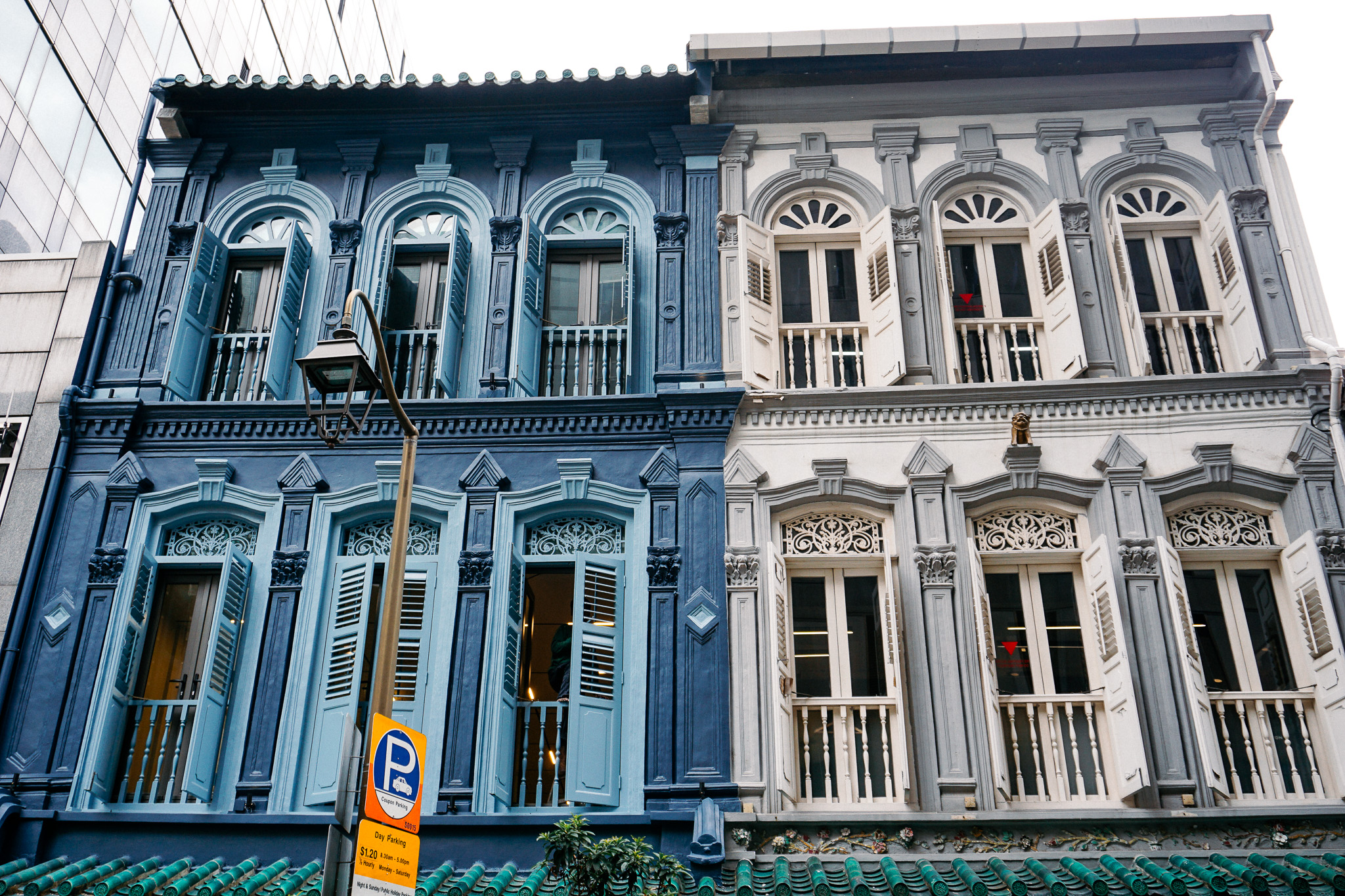
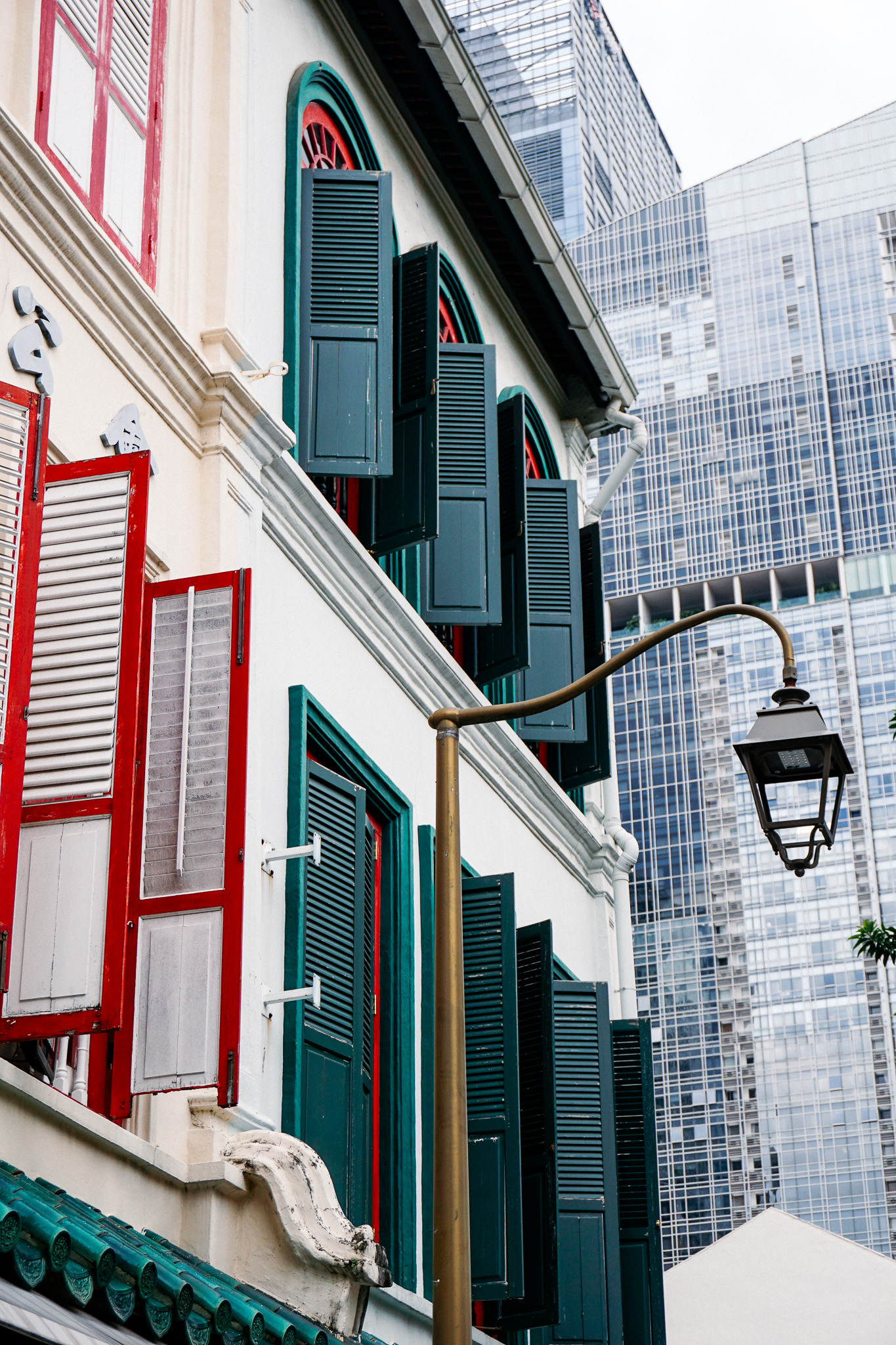
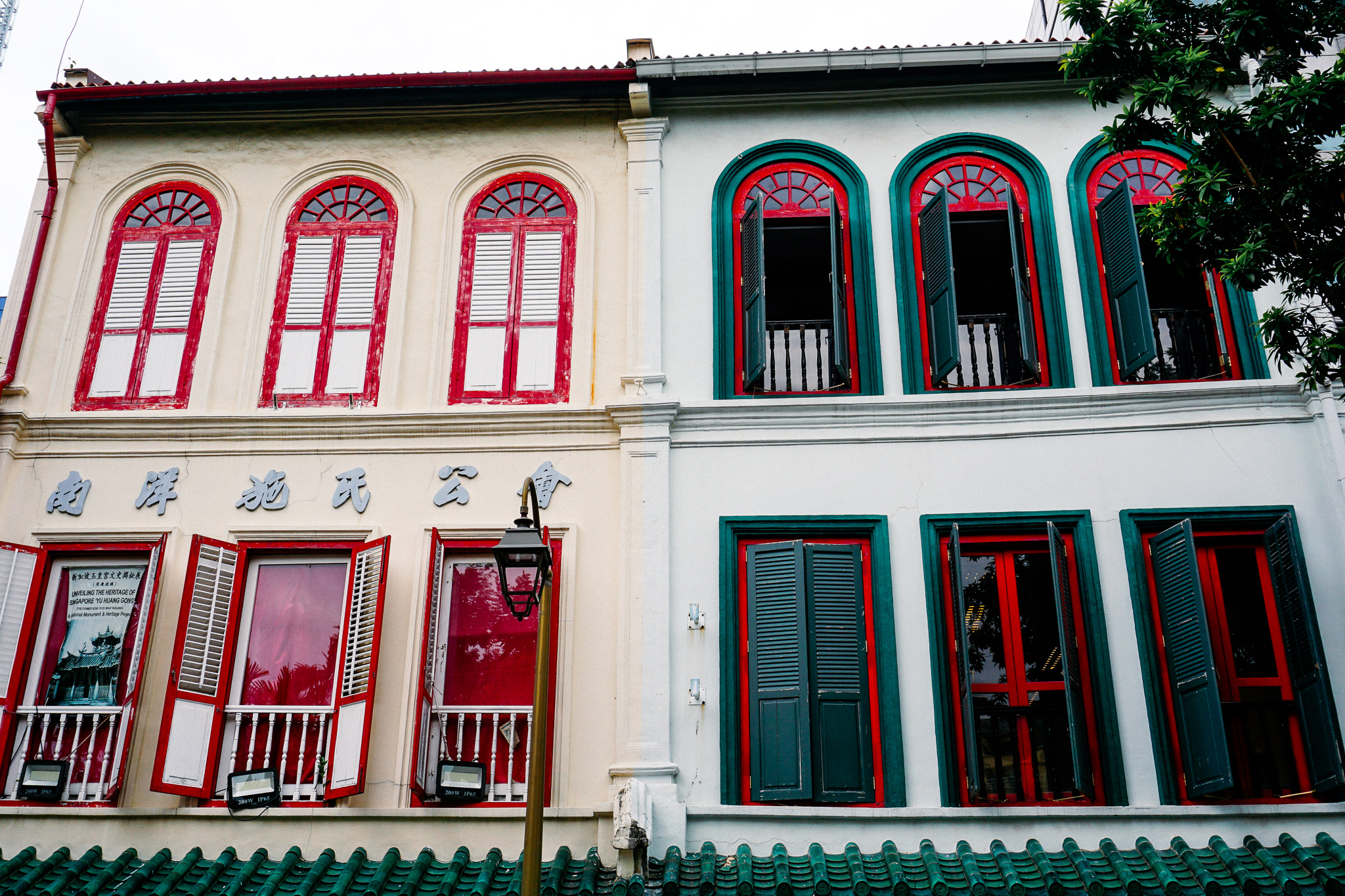
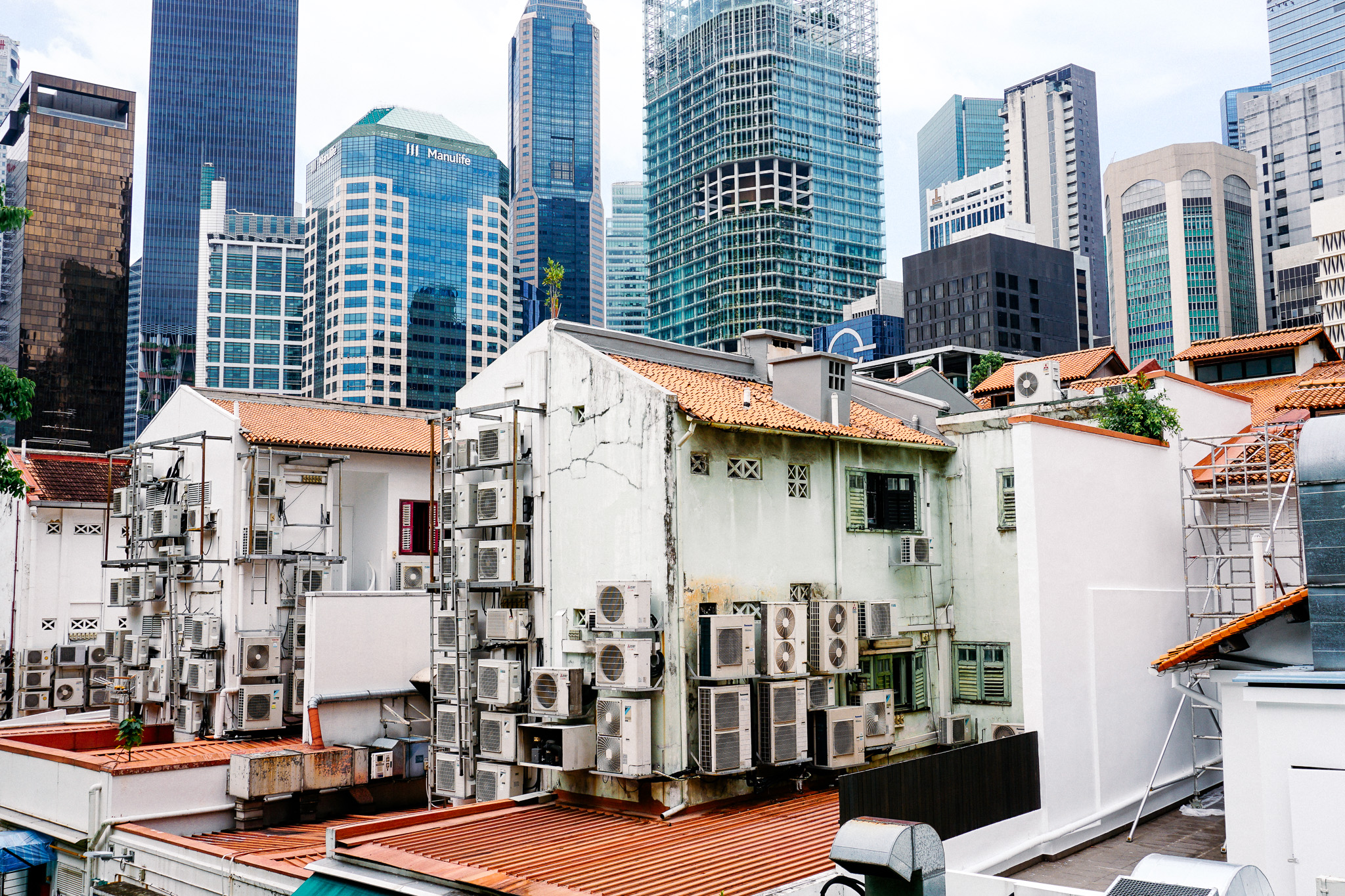
Still, the Chinese community is well known for being incredibly resilient. They established clan associations, schools and temples, and the area eventually began to prosper as business and trade flourished.

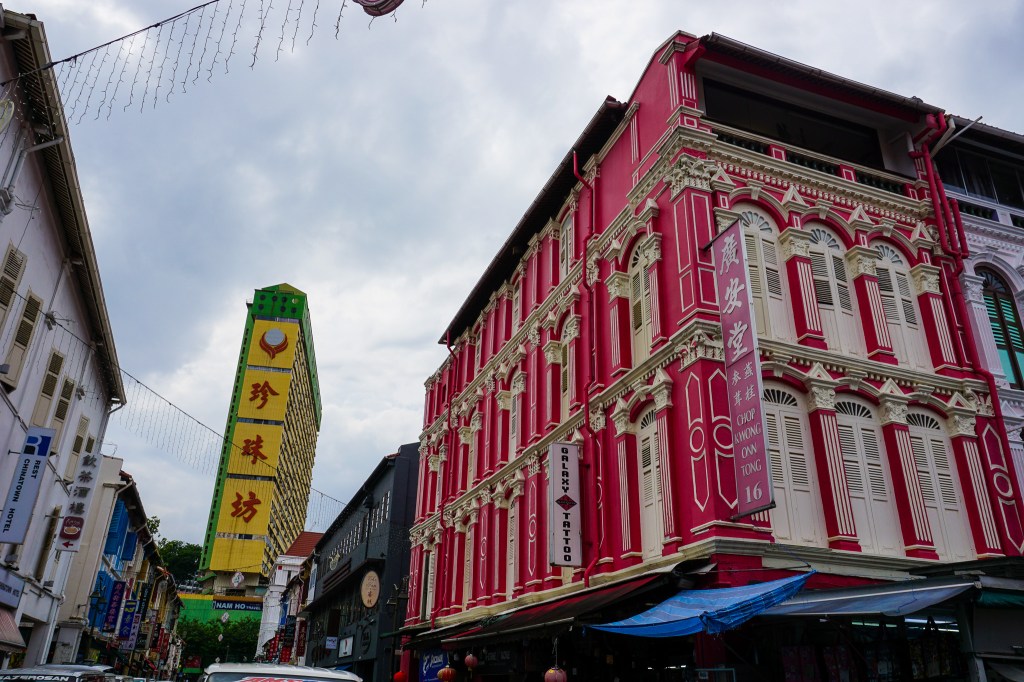

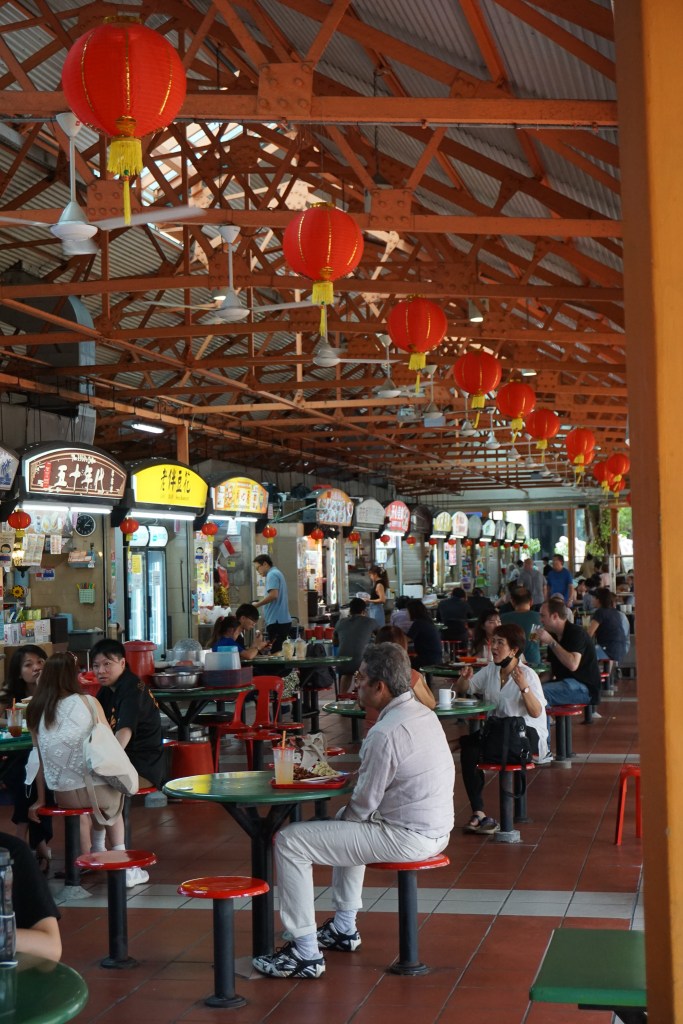
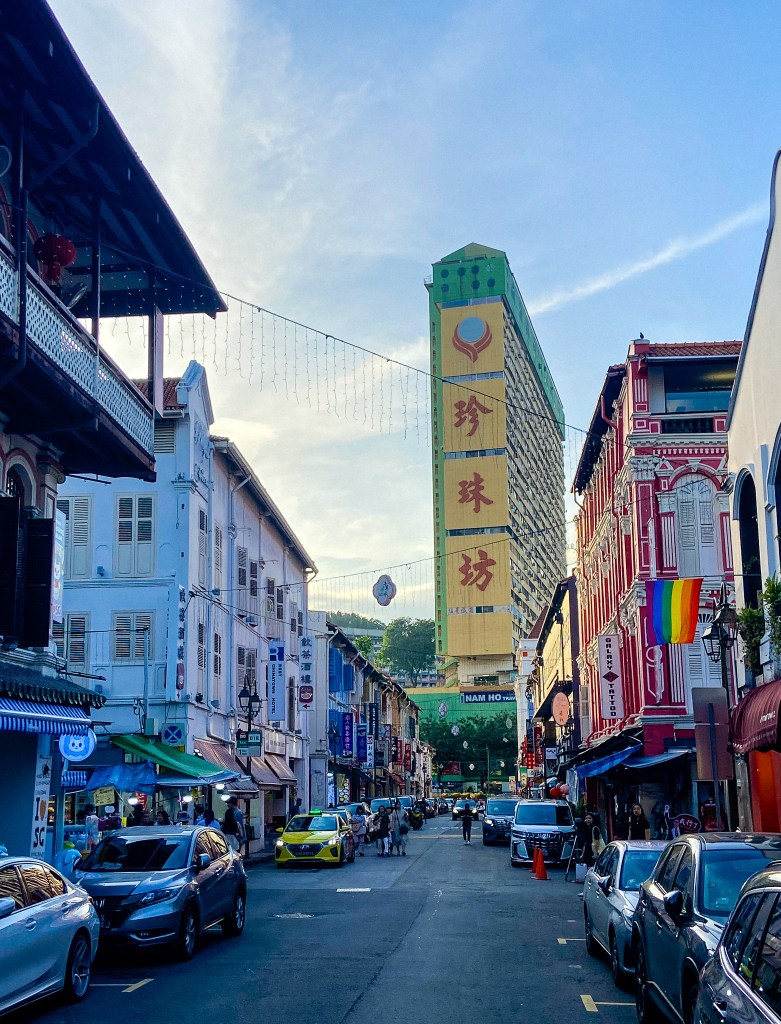
Nowadays, the squalid conditions of the past are a memory, that is likely passed from generation to generation, the same way the guide passed it on to us. By visiting today, you would never imagine how grim it all was just a few decades ago. This is one of the most charming districts of Singapore, and it really speaks to the resilience and hard work of the Chinese community, an essential part of the Singaporean identity.
In conclusion…
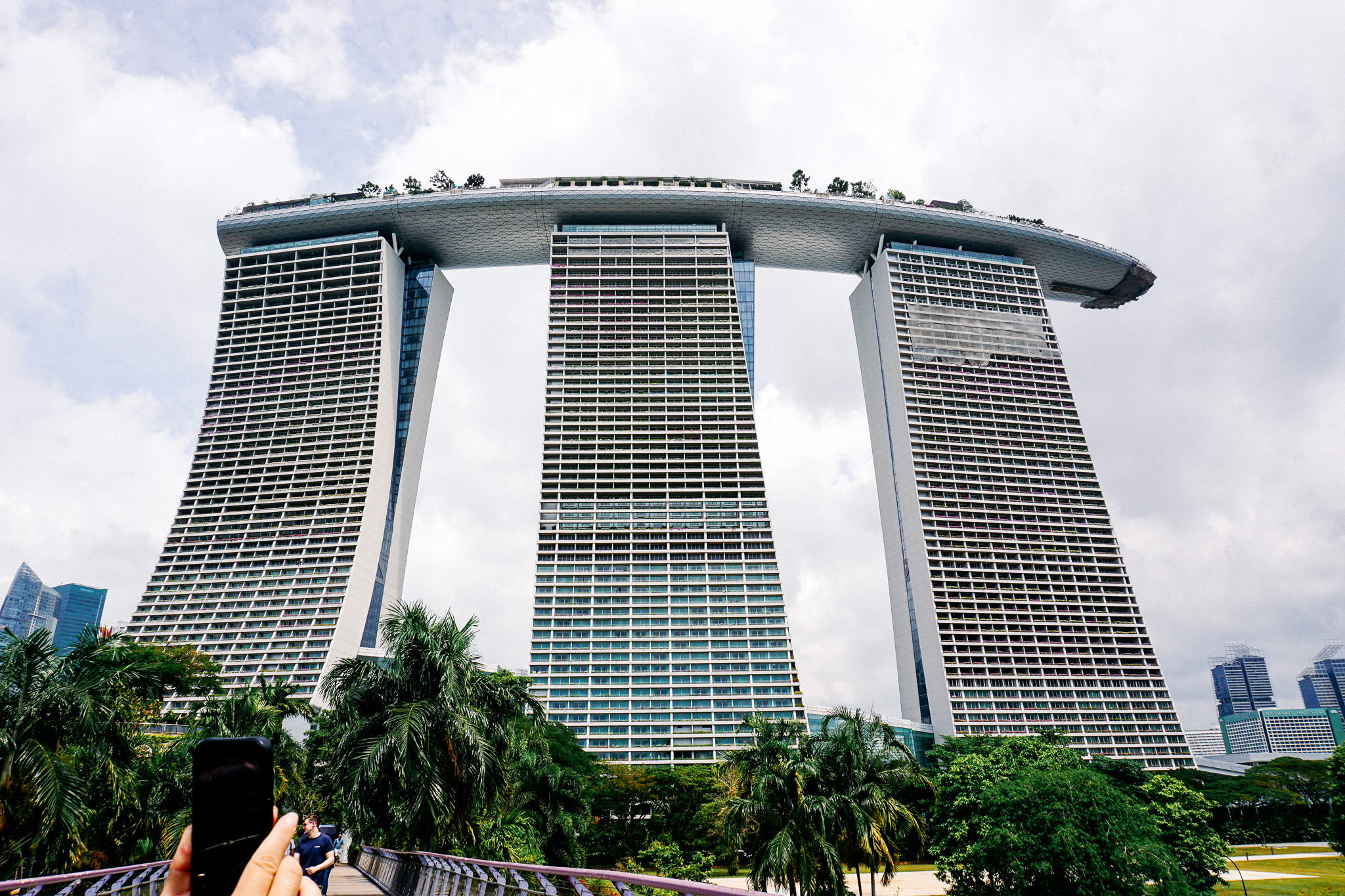
As someone who isn’t necessarily a fan of high risers, and modern architecture, I even found myself admiring it in Singapore. I loved walking in the city at night, which I did for every single day I was there. I loved the contrast of old with new, the care in ensuring everything is kept so clean and conserved. I never thought I’d be attracted to a financial hub such as Singapore is, but at the end of the day I realised I could live there. My problem would be of course the heat – which is quite intense – and I suppose the fact that I would have had to hold a high-paying job. Not to shop in the luxury shops that are everywhere, but to live comfortably – which to be fair is the same in London. Singapore really surprised me, and this would be the last I would see of cities for some time. My next destination was the Philippines and I was in to confront very uncomfortable realities.
Love,
Nic


Singapore seems to be such an interesting place to explore. Thank you for such a detailed description, it is now on my radar for a place to visit!
LikeLiked by 1 person
Thank you for your comment, glad my post was useful 🙂
LikeLike