
The First Hours
It was simply too loud. Why was it so loud? The screeching voices from the driver’s mobile phone were making me regret my choice of transportation from the airport to my hotel. Voices in expressive and quick Vietnamese, that I couldn’t understand, tiring my brain, which still unconsciously tries to decipher any heard sounds. I didn’t need the additional energy depletion. I was sitting on the minibus, sweaty and sleep-deprived, with no information on when it would depart. I had paid for the ticket with the leftover dongs from my first time in Asia – I had been to Vietnam just about a year before, a trip that made me seriously consider the adventure I had just embarked on. I wanted to use public transport as much as possible and thought using the minibus service was going to be a good idea. Why did I think this? Not sure. But after waiting for almost one hour, it looked pointless to go for a Grab ride. Or was it? I asked the lady selling the tickets how much longer. She typed in Google Translate. Just 15 minutes more. Okay.

Looking back, I should have just got a Grab car. If you’re not familiar, Grab is an Uber-like app, that allows you to hail a driver from your phone, and definitely makes travelling in most parts of South East Asia easier – a great way to avoid being scammed (or at least reduce such risk), avoid misunderstandings, and it’s all done through the app, you barely need to speak to the driver, and you can pay by card too. It was late at night, I had just landed from a very long journey. The mini-bus left me at the wrong stop, and I had to walk for longer than expected. At night. In a new, unknown city. With my backpack.
The air was so warm it felt like I was breathing someone’s breath. Welcome to South East Asia, I told myself, whilst trying to dodge the cars and mopeds. And when I got to my hotel room, I didn’t even notice it didn’t have a window. It was nighttime anyway. What I did notice was the lack of hand soap. Strange. I had a quick shower and changed, ready to bed. At this point, it was around 10:30pm local time, which meant my body was at 3:30pm. But I had to sleep right? I hadn’t in the previous night. Of course, I barely did. Probably only for a couple of hours. Jet lag is a bitch, and the bitchness is sharpened if you’re someone like me who’s constantly challenged by demoniac insomnia. So no, that first time in Ho Chi Minh City, I did not sleep.
The First Impressions
“Together, together, like sticky rice”, the guide kept saying every time we had to cross the road. To force myself to get out of bed, I signed up for a walking tour. I’ve written many times before how these are one of my favourite things to do, when available. I had learned in my first time in Vietnam how crossing the road can become a Russian Roulette. I didn’t think Ho Chi Minh City was worse than Hanoi. In reality, it seemed to me Hanoi was worse in terms of traffic heaviness, perhaps because the roads weren’t as wide. It almost looked like the traffic itself was also quieter, but I’m hesitant to use this adjective or any synonym to describe this city.

Once again I was questioning my own judgement – had it been a good idea to go on this walking tour? The tiredness was getting hold of me, and the guide wasn’t the most captivating. It had been two nights without any proper sleep, discounting what I could call minute-size naps. My thoughts were slow, my eyes were straining, and I kept misreading the number of zeros on the Vietnamese Dong bills.
It was a good idea. Once again, it forced me to be awake, to walk, and it was a great introduction to the big city of Ho Chi Minh City, including what would be one of my favourite things about the city – the apartment cafes. The overall coffee house culture thrives, bristling with the entrepreneurship of the Vietnamese youth.
I had skipped HCMC the first time I was in Vietnam, focusing on the North and Central regions, which everyone can agree are the most beautiful and unique of the country. HCMC is a much modern and westernised city, and it is still called by locals and visitors as Saigon, which can be confusing.
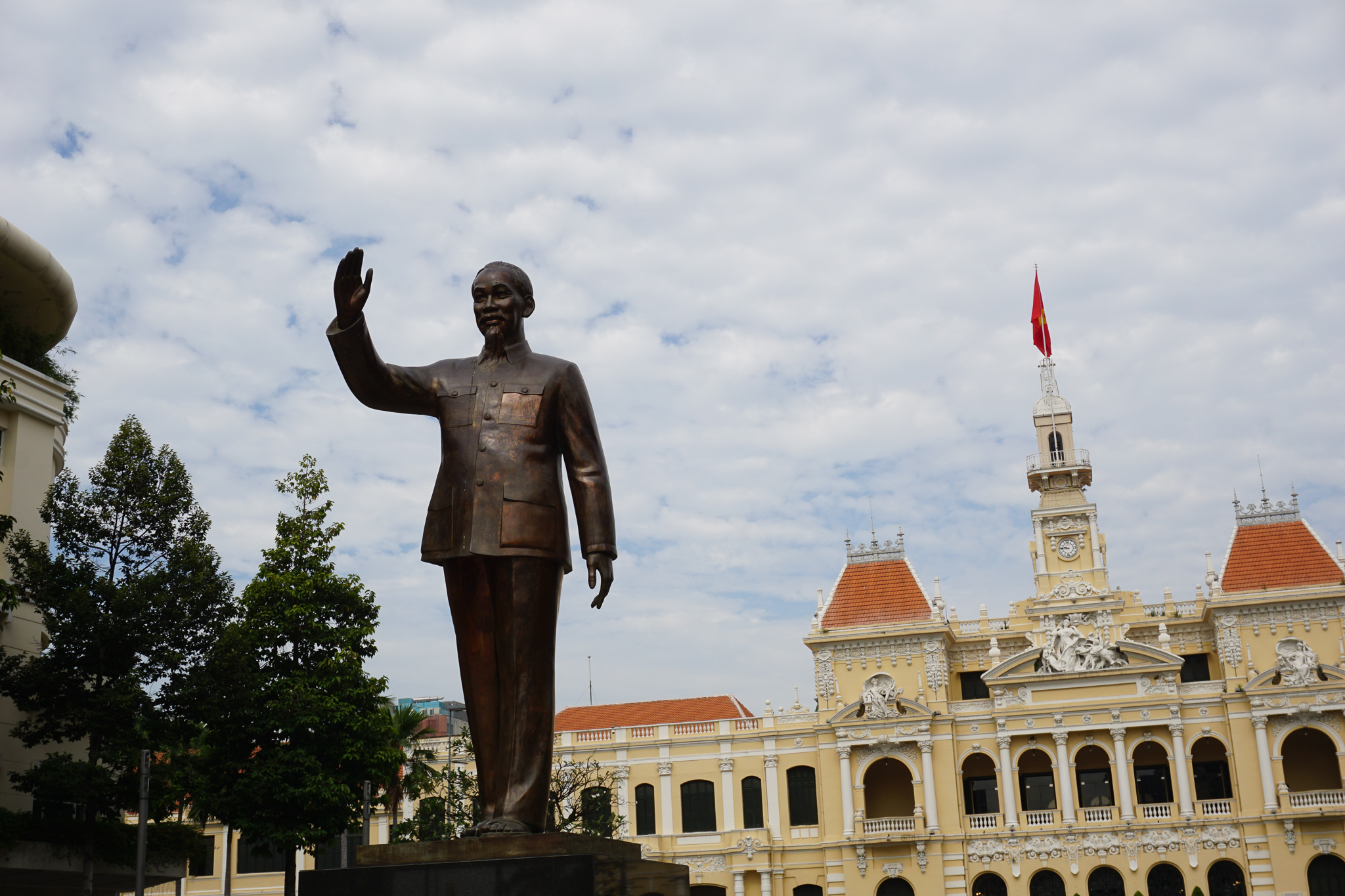
The official name is Ho Chi Minh City, a name that was given after the famous Vietnamese War (or American War depending on the perspective) in 1976. The city was named after the revolutionary leader of North Vietnam. He was the founder of the Indochina Communist Party and president of what was then the Democratic Republic of Vietnam (North Vietnam). He is considered to this day as one of the most influential communist leaders of the 20th century.
The guide stated that using one name or the other doesn’t entail any kind of political statement. The locals, especially those who have been around for longer, have an emotional, familiar attachment to the name Saigon, but some prefer to call it by its new and official name. At least this is what the guide told us.
As I walked in the city in mid-January, I spotted the same tradition that I had just the year before – locals dressed in traditional clothing, the Ao Dai, taking pictures in front of local landmarks, in preparation for the upcoming Lunar New Year, known as Tết, not to be called Chinese New Year as the Vietnamese may take offence on that. The country has a challenging relationship with the neighbouring giant, due to past and present struggles – even though both countries settled diplomatic ties in 1991, they are still in political and territorial disputes.
Landmarks and the French Footprint
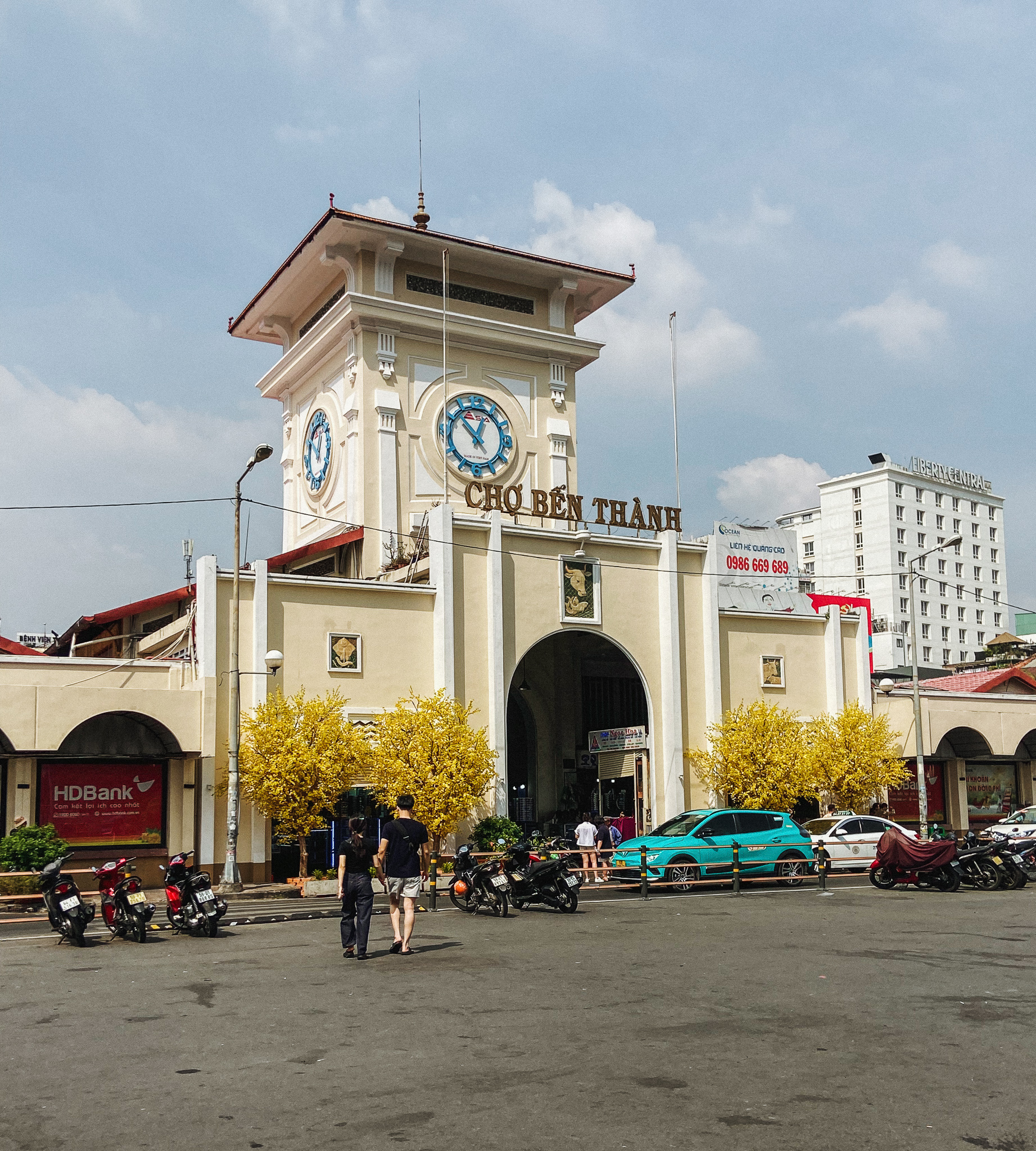
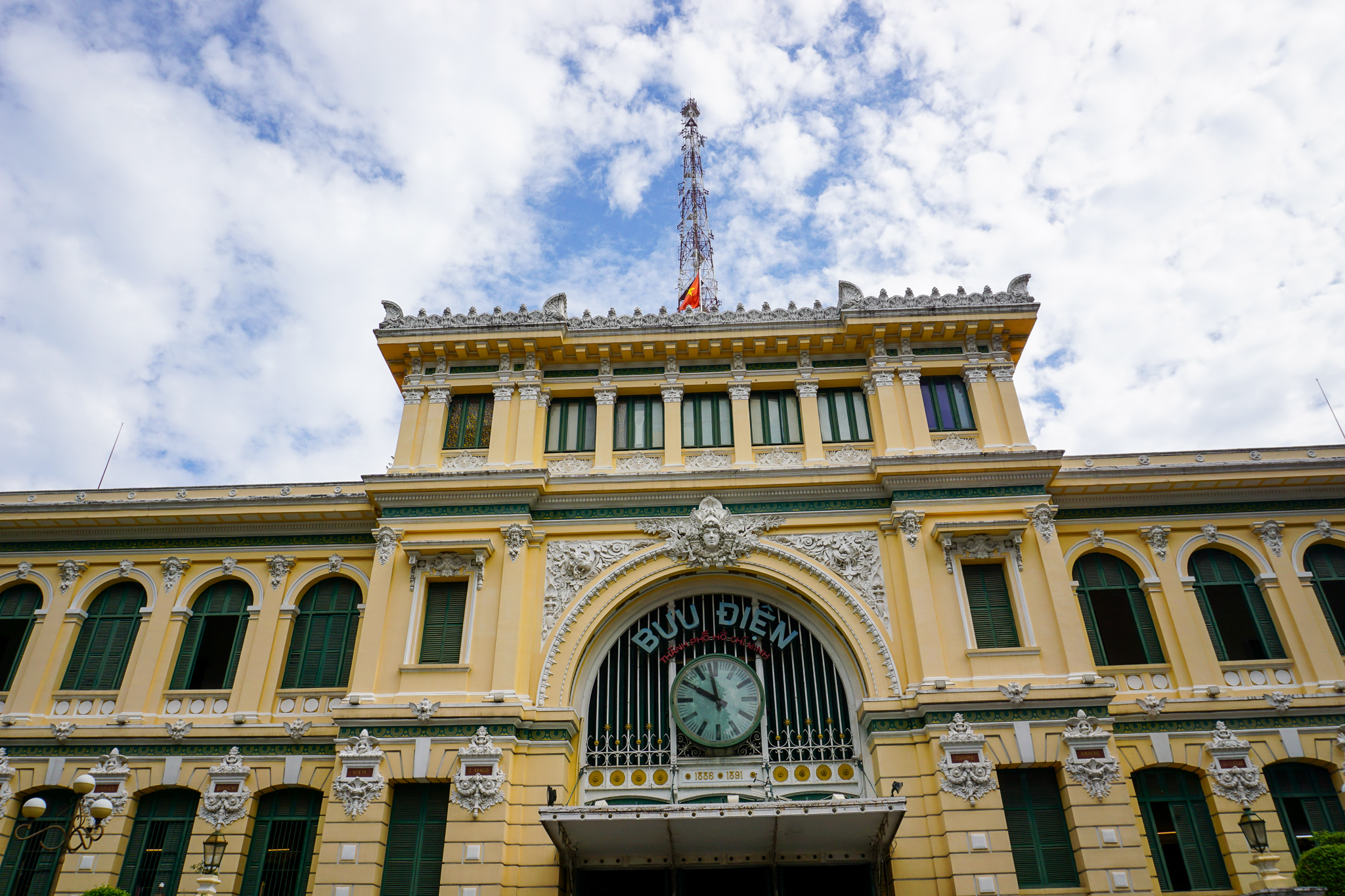
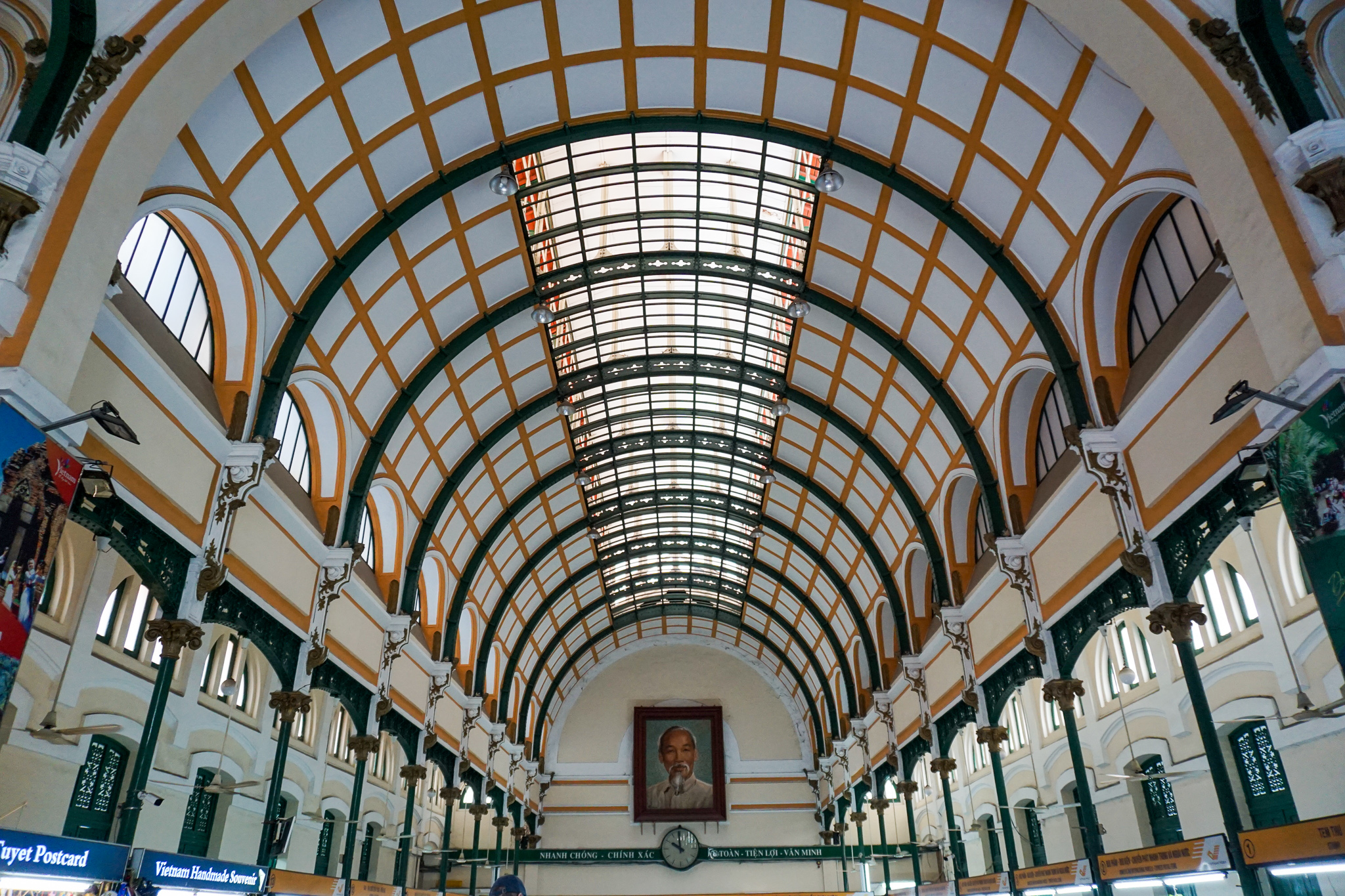
The influence of the French colonialists is also present everywhere. From the beautiful Opera House, to an actual Notre Dame Cathedral (under renovation at the time of my visit), the beautiful Central Post office building, the imponent City Hall and the Ben Thanh Market. These are incredibly well preserved and are clearly well kept.


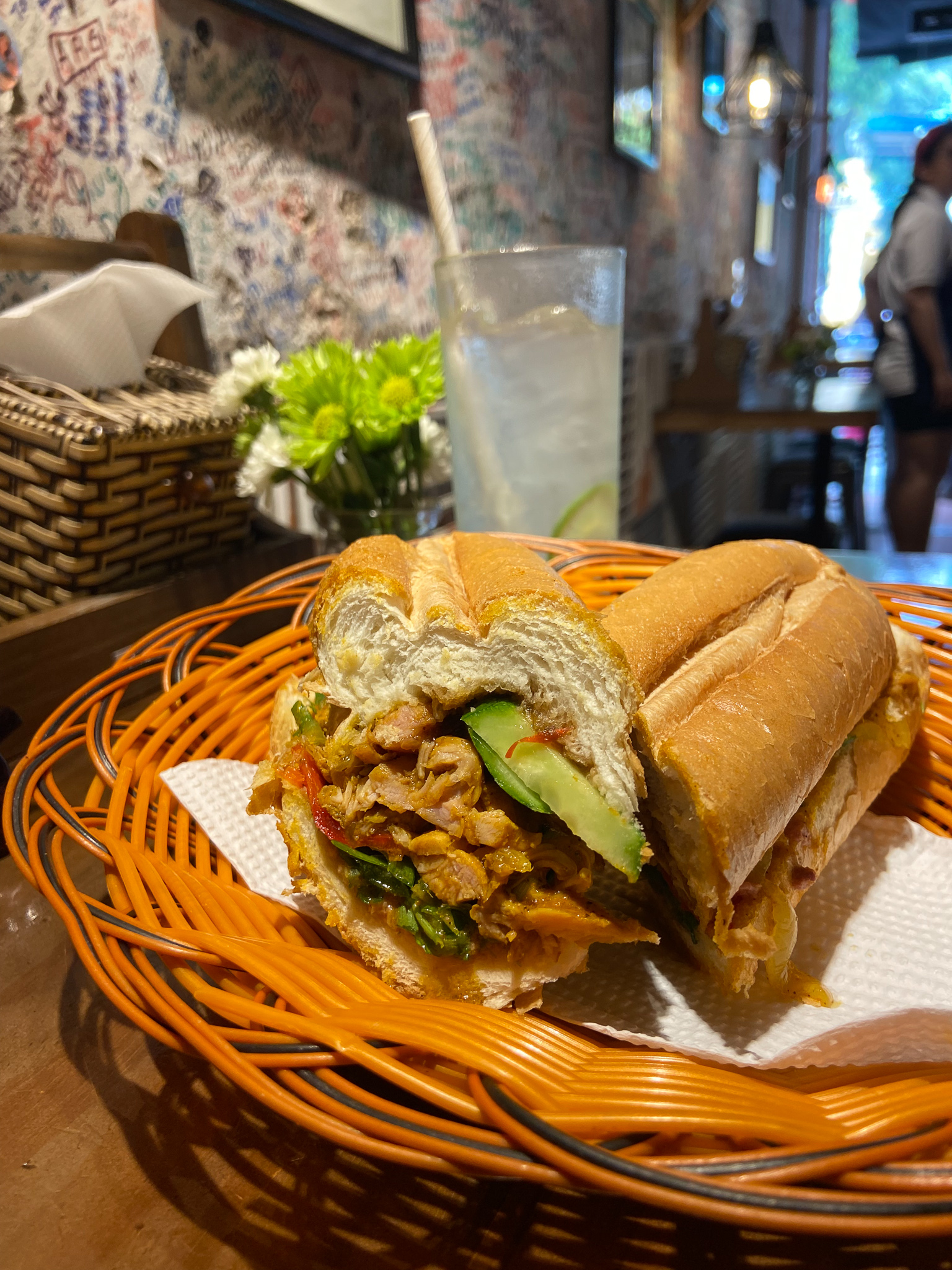
The Central Post Office is definitely a must-visit and a place where you can find very interesting souvenirs, particularly beautiful postcards at very affordable prices. And you can also send them to your loved ones (or even to yourself, so you have a little card from past you when you go back home). After my visit there, I got myself a delicious Banh Mí at a little restaurant called My Banh Mi. It’s a little more pricey than other places outside of the more touristy areas, but definitely worth it, if you are sightseeing and feeling those stomach cramps.
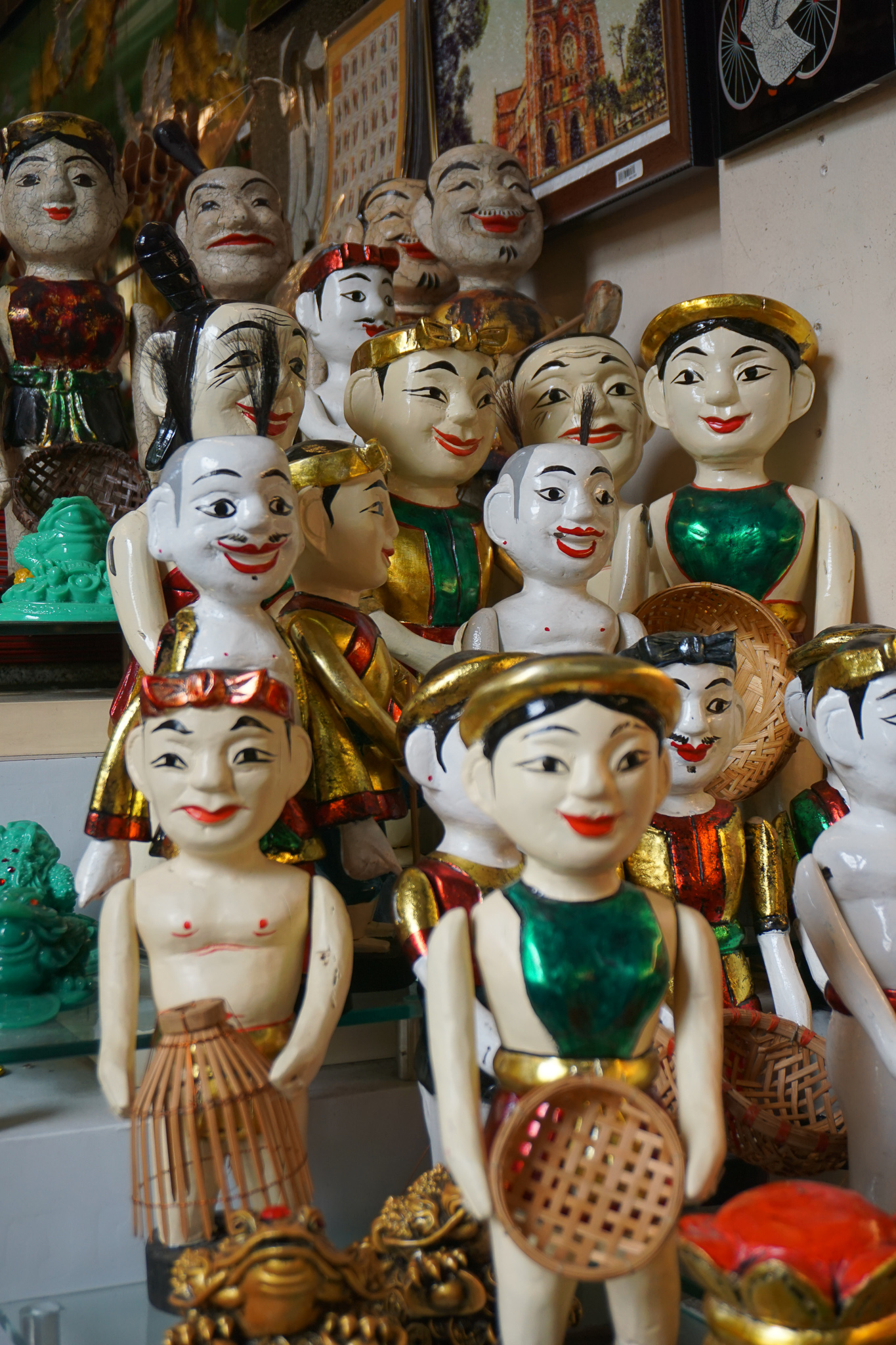
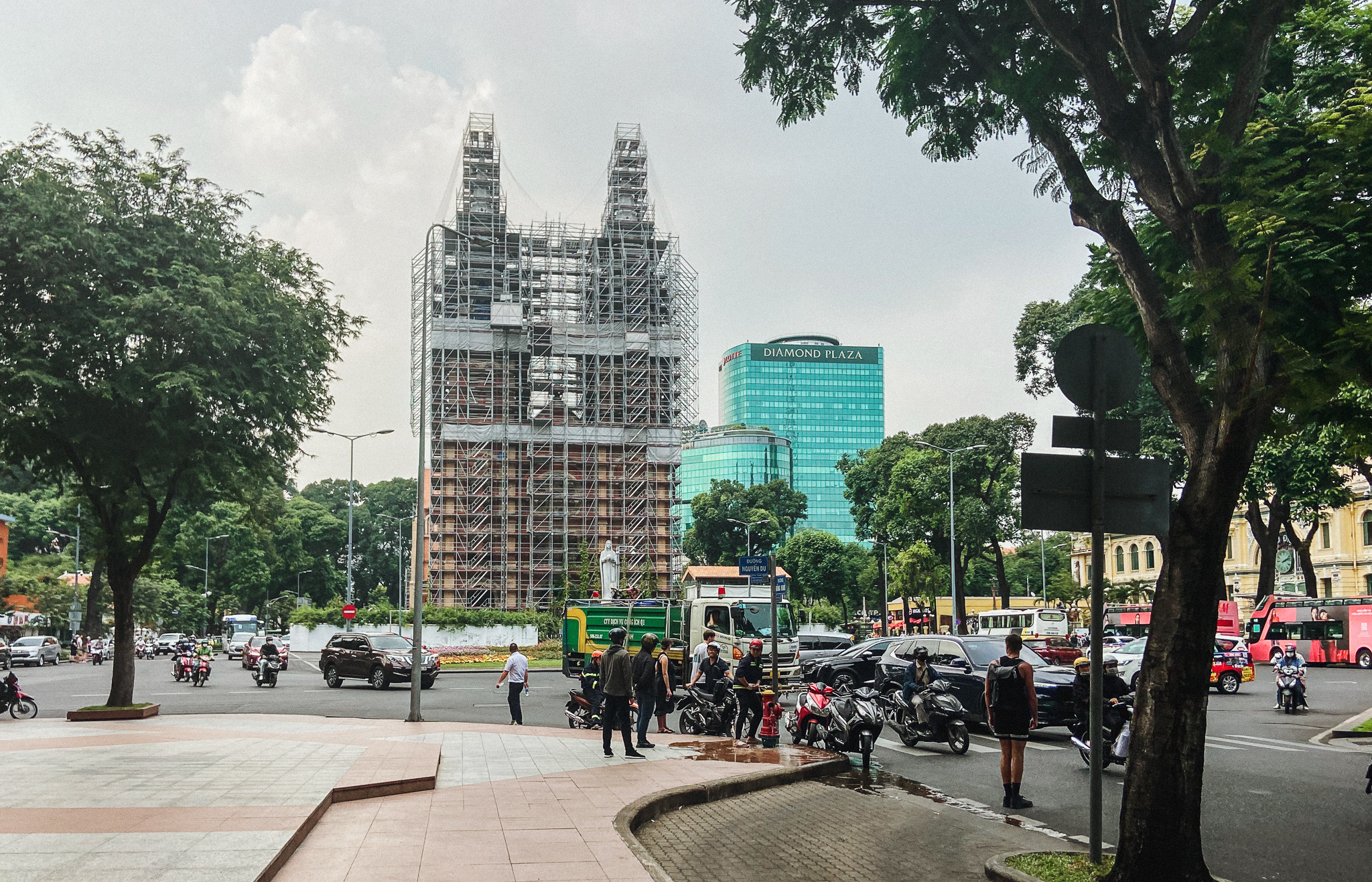
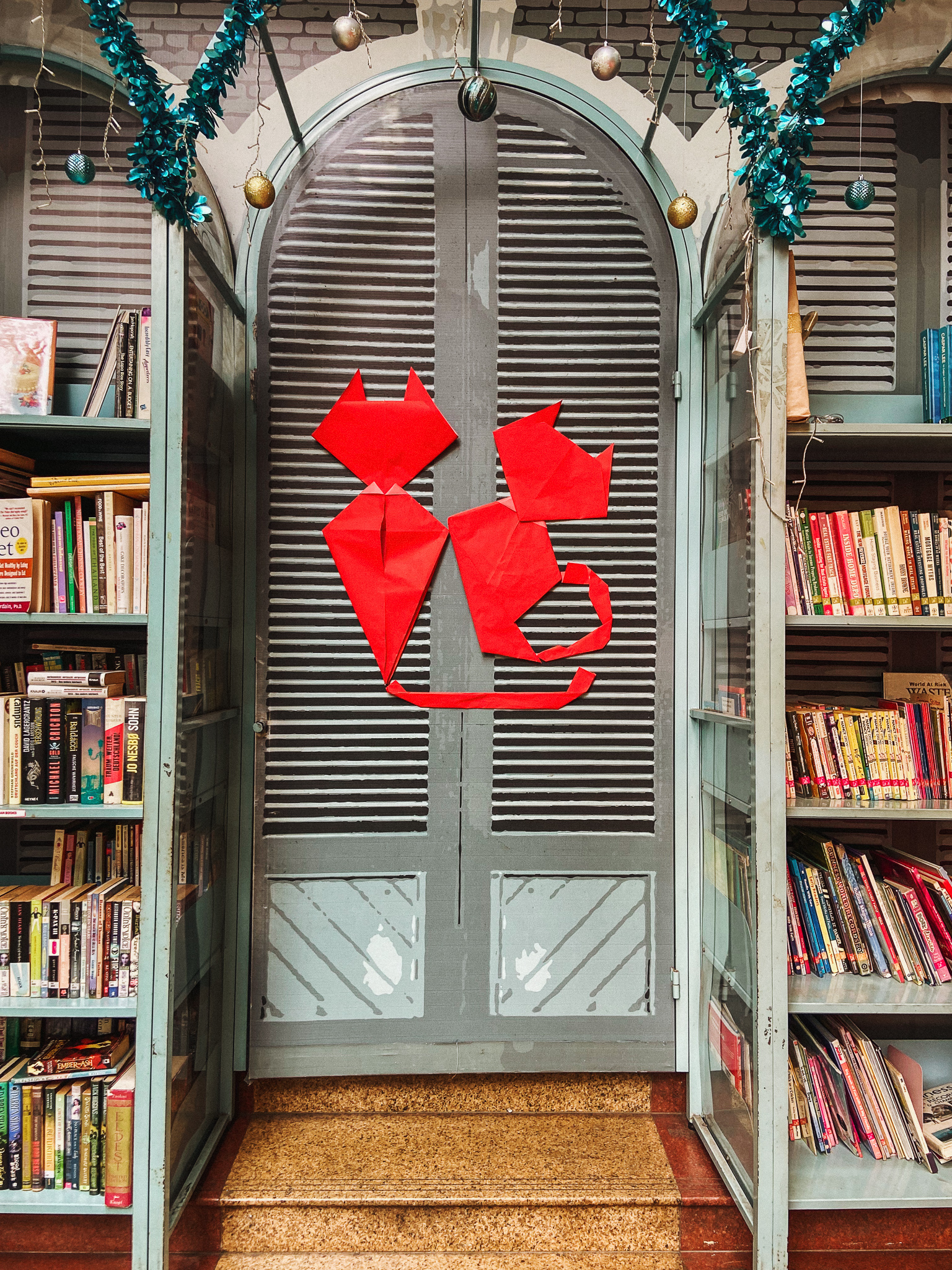
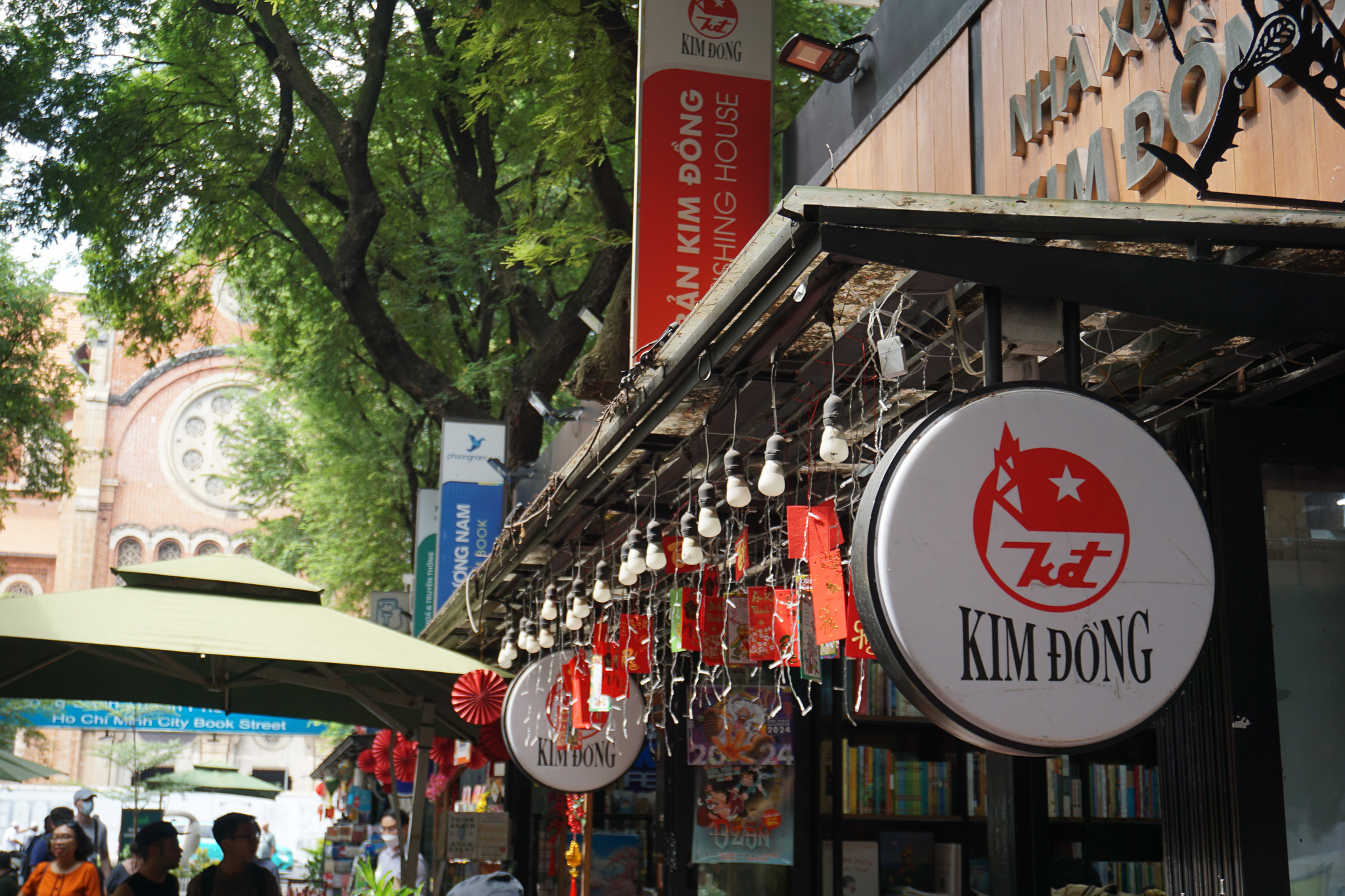
The Cathedral was sadly under renovations, and completely involved in scaffolding, so I couldn’t really appreciate its splendour. Yet, not too far from here you have to go to the Book Street, a heaven for book lovers, but also for those looking for a quieter place to sit outside at a café. It’s a walking street, so no noise from cars or mopeds, something that can really get to you after a while. It’s lined with multiple bookshops and also a good place to pick up some unique souvenirs. I ended up on this street quite a few times to relax and drink some iced coffee, as the temperatures were also quite high – reaching about 33-34 degrees Celsius most days.


The Café Apartments Phenomon
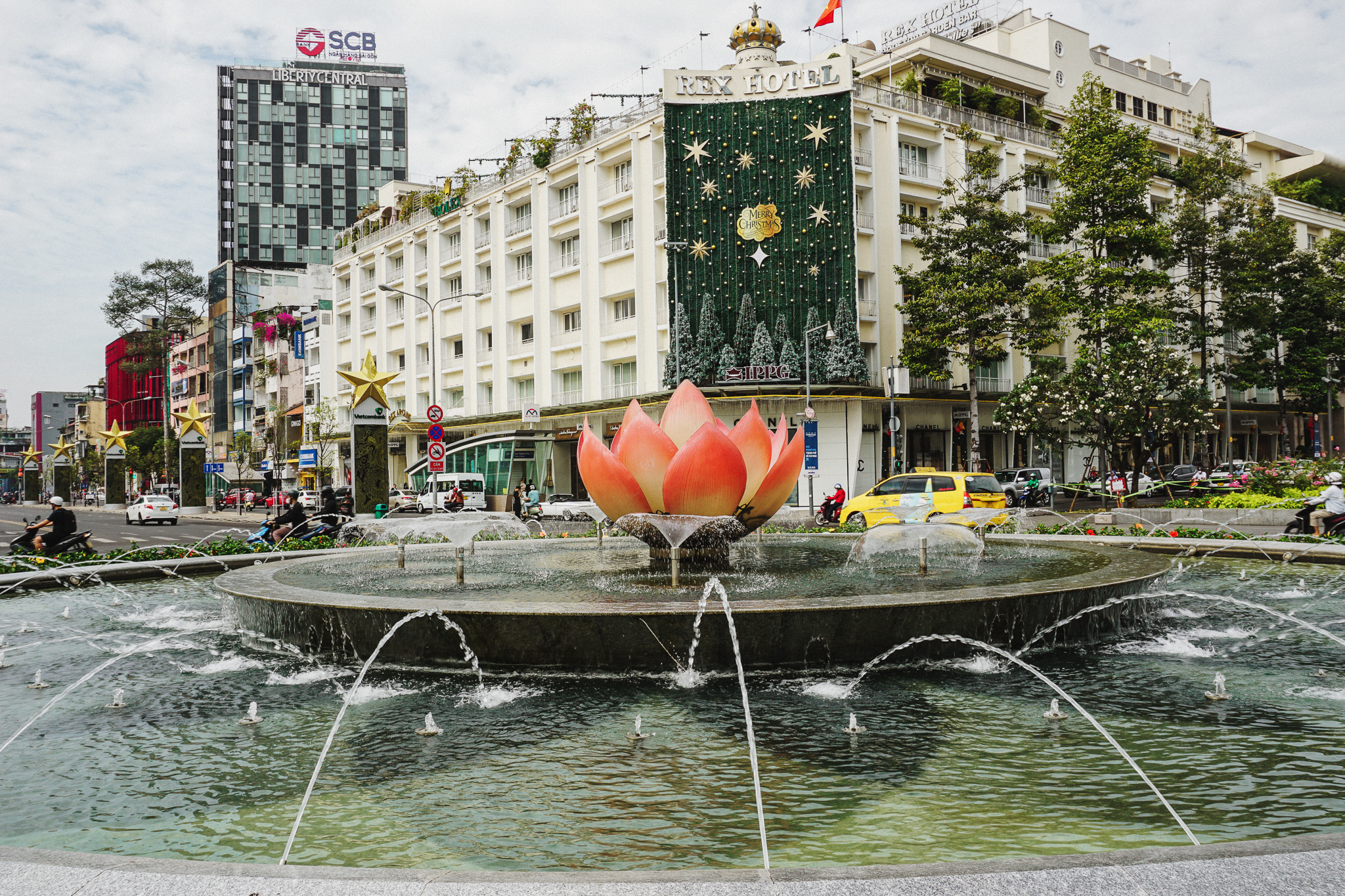
Apart from the book street, The Café Apartments was also a place for some respite, besides being an incredible creative enterprise as well. Located at Nguyen Hue Street, one of the main and most expensive arteries of the city, the building was constructed in 1960s and it originally served as dormitories for government and military personnel, including US advisers during the war, and naval offices in the post-war period. When Saigon fell, some of the apartments were allocated to shipyard workers. It was only recently, in the 2010s that the owners began embracing the concept of café apartments – now a major cultural phenomenon in Saigon.
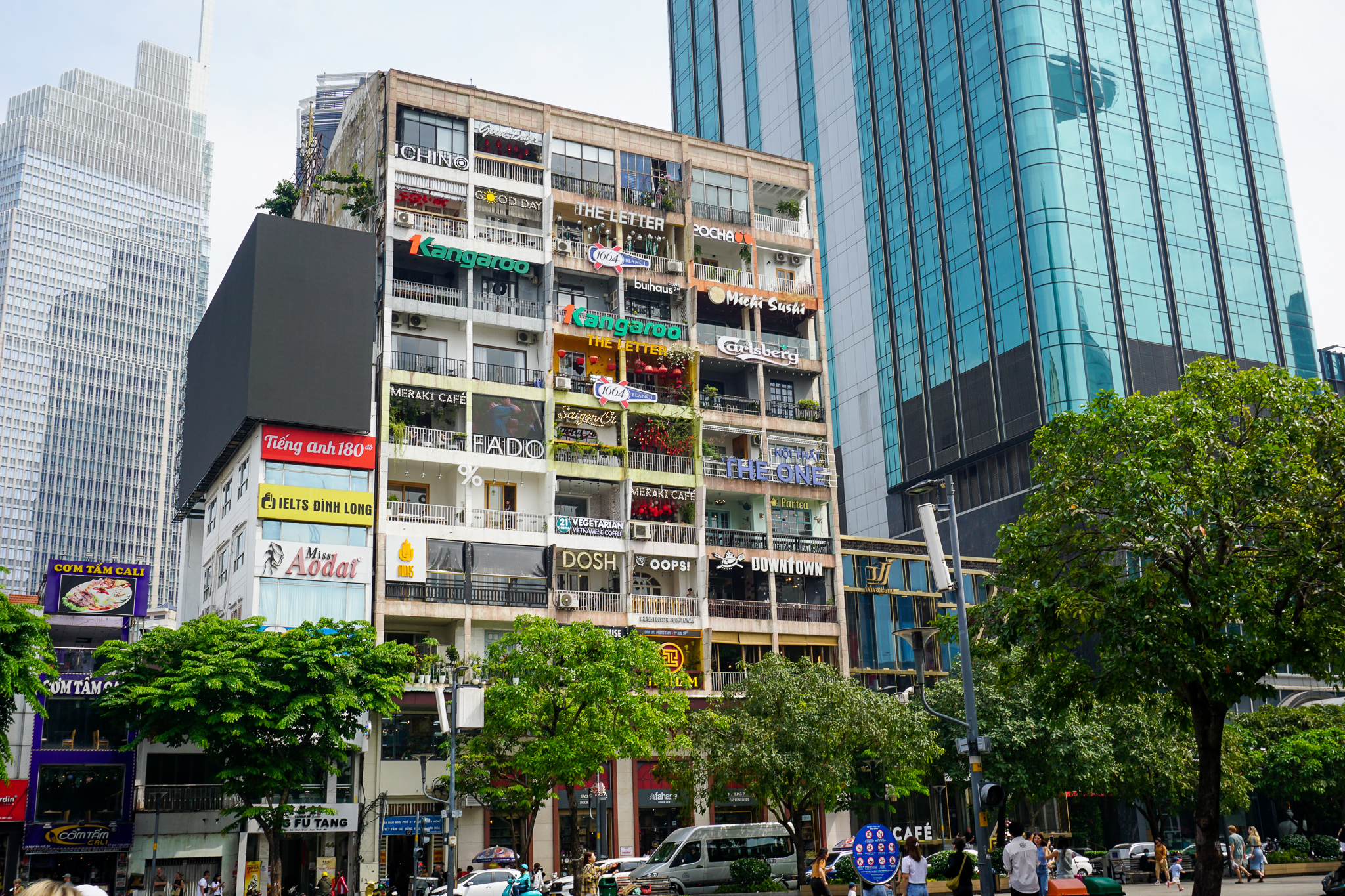
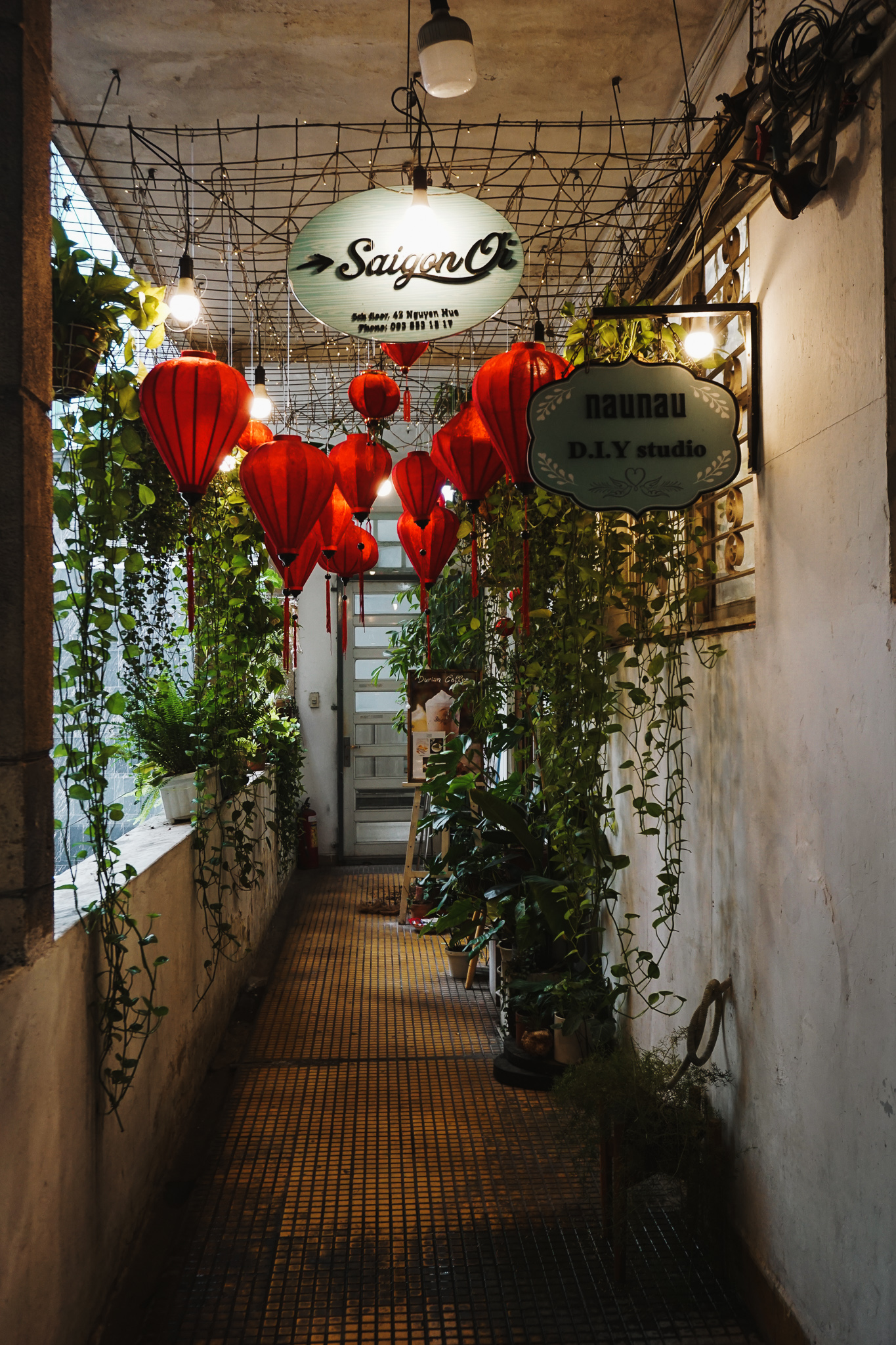
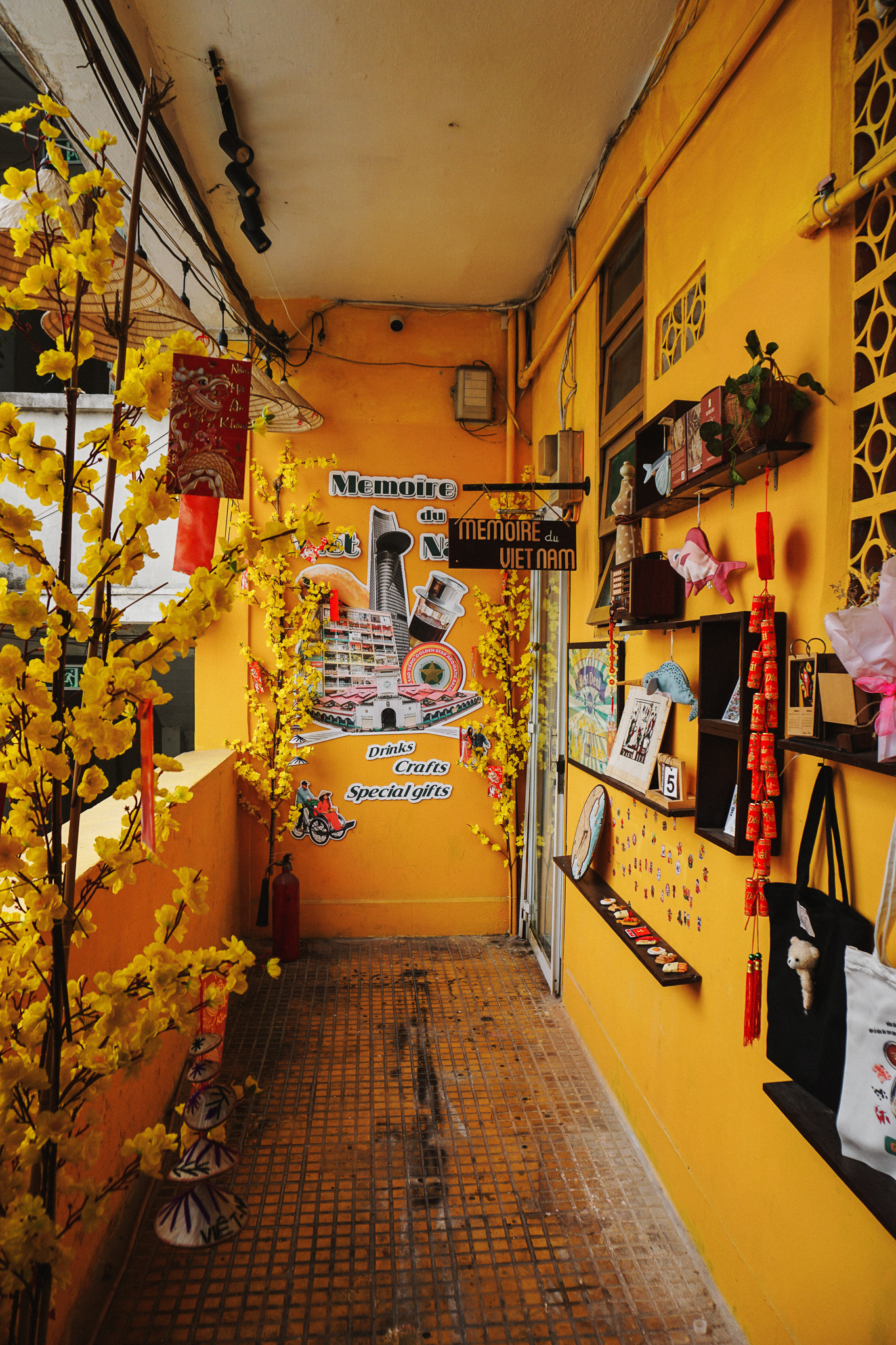
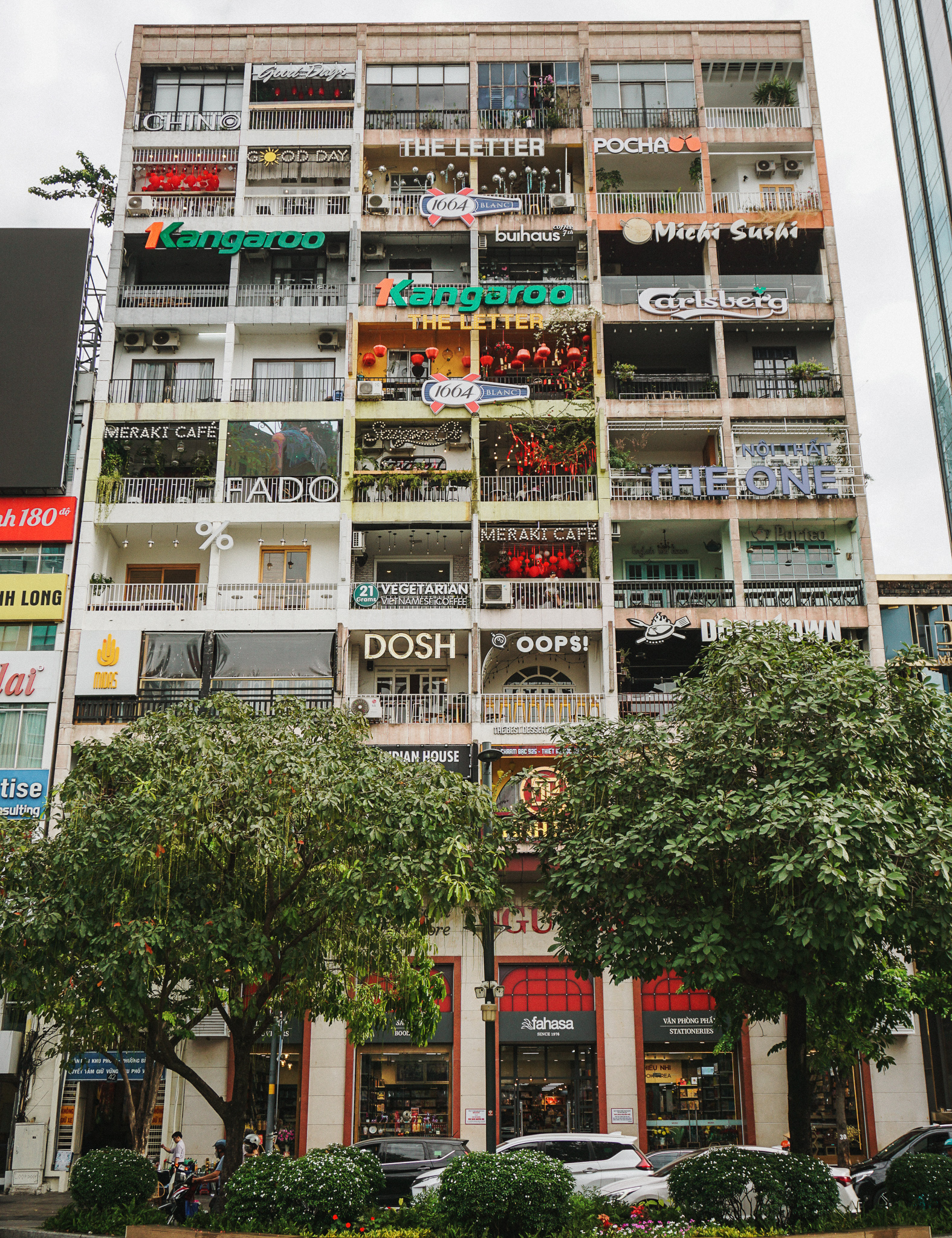
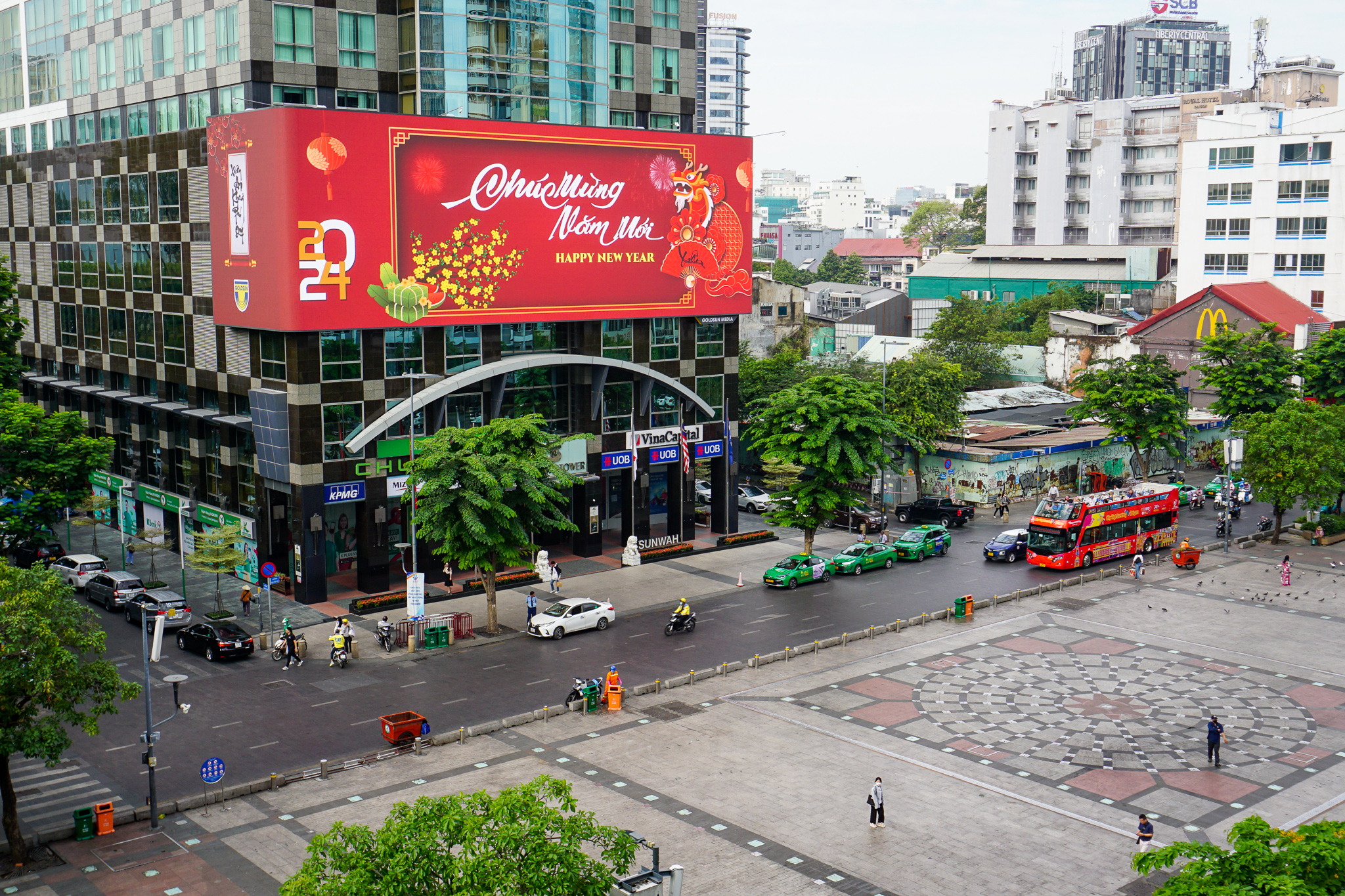
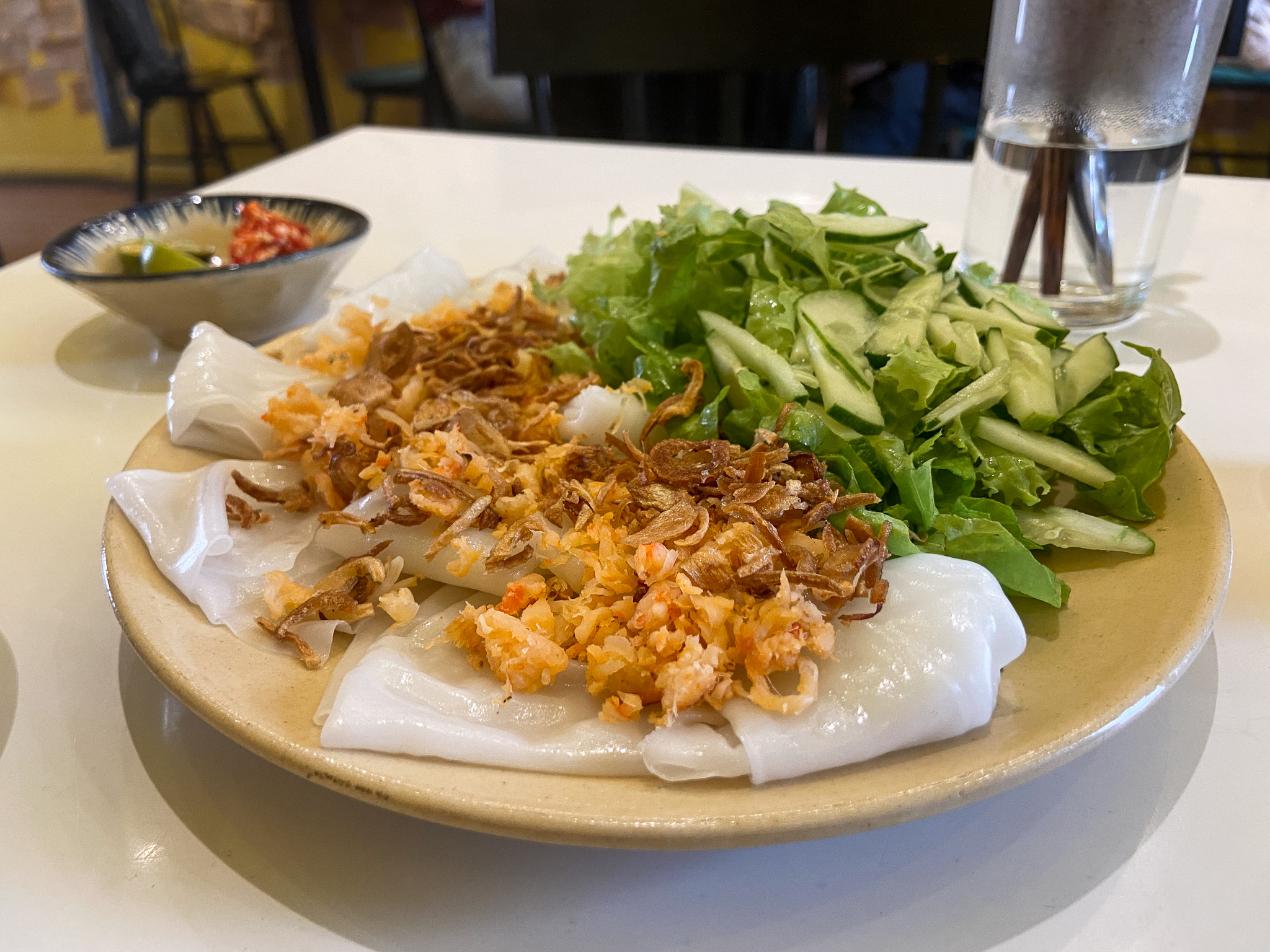
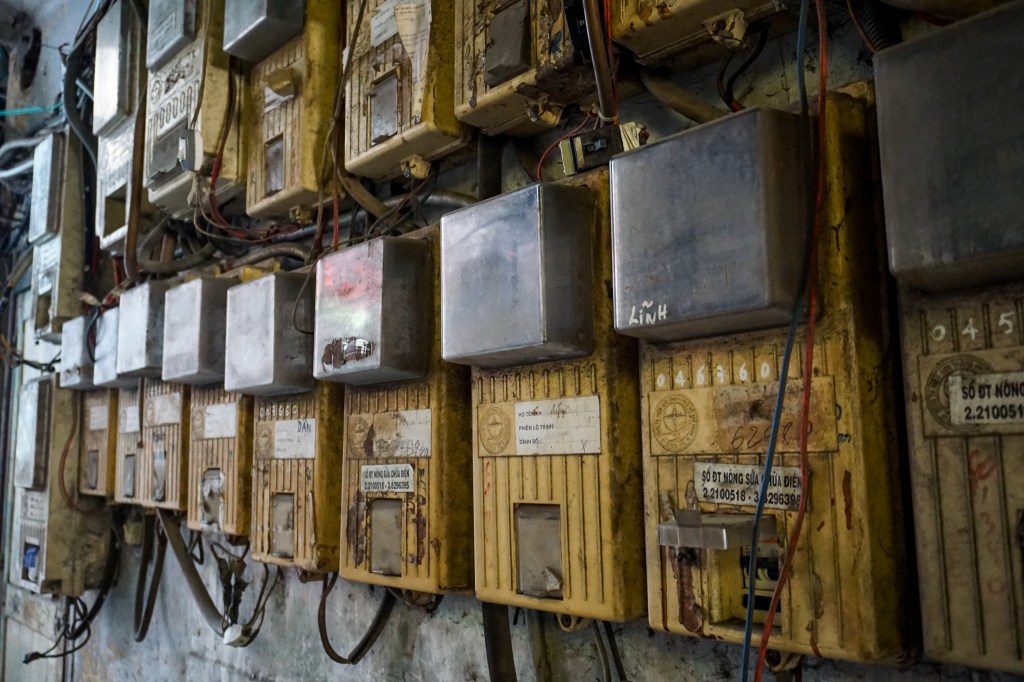
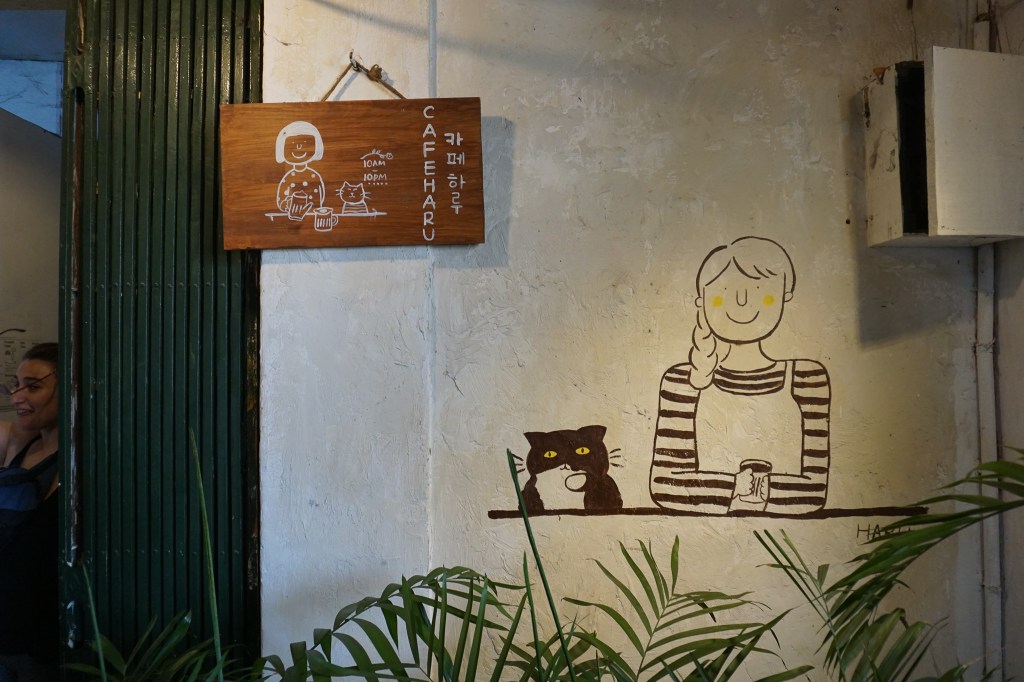
Thanks to my walking tour, I did get to know a different location that isn’t easily found online – type Chung Cư Tôn Thất Đạm on Google Maps. This place may look rough, but it is quite fascinating, with multiple interesting concept cafes and bars inside, where young people hang out, study and work. It is also a fantastic place to take some photos.
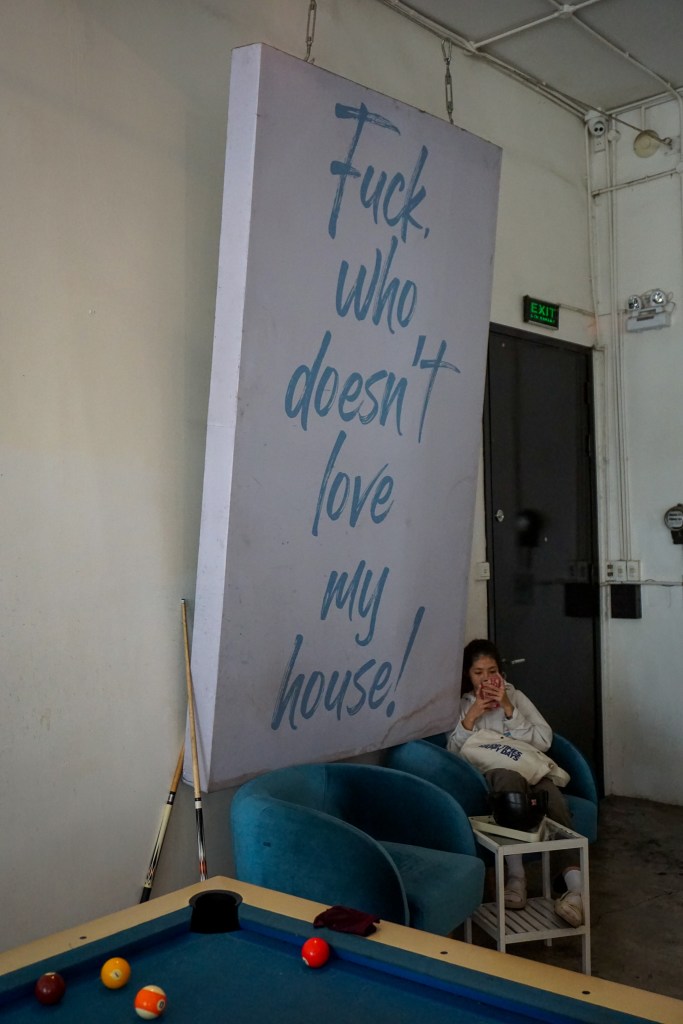
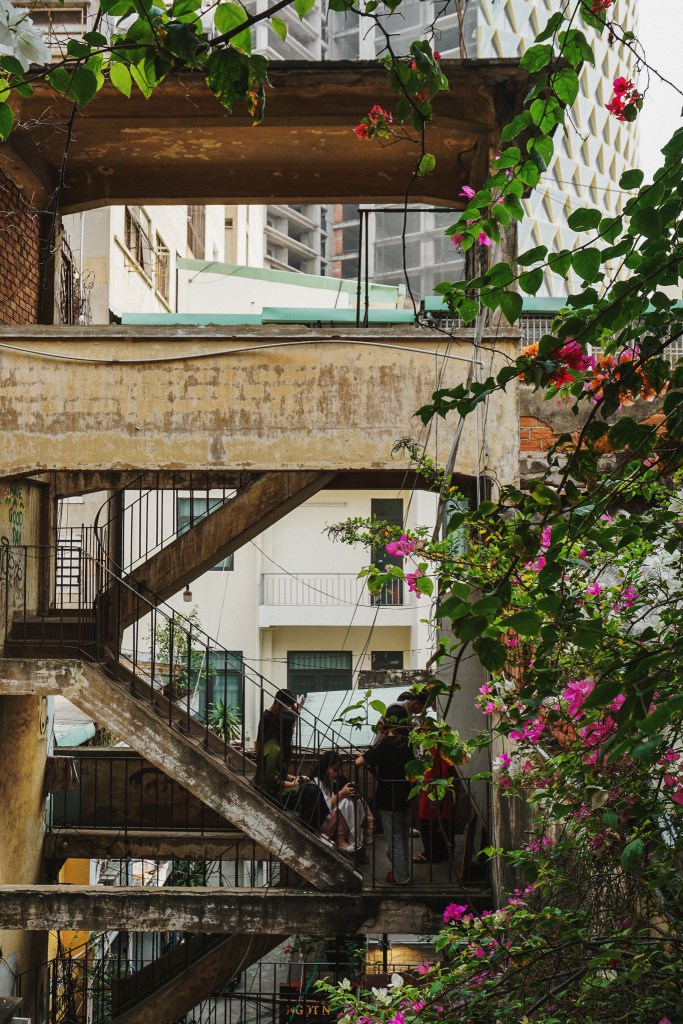
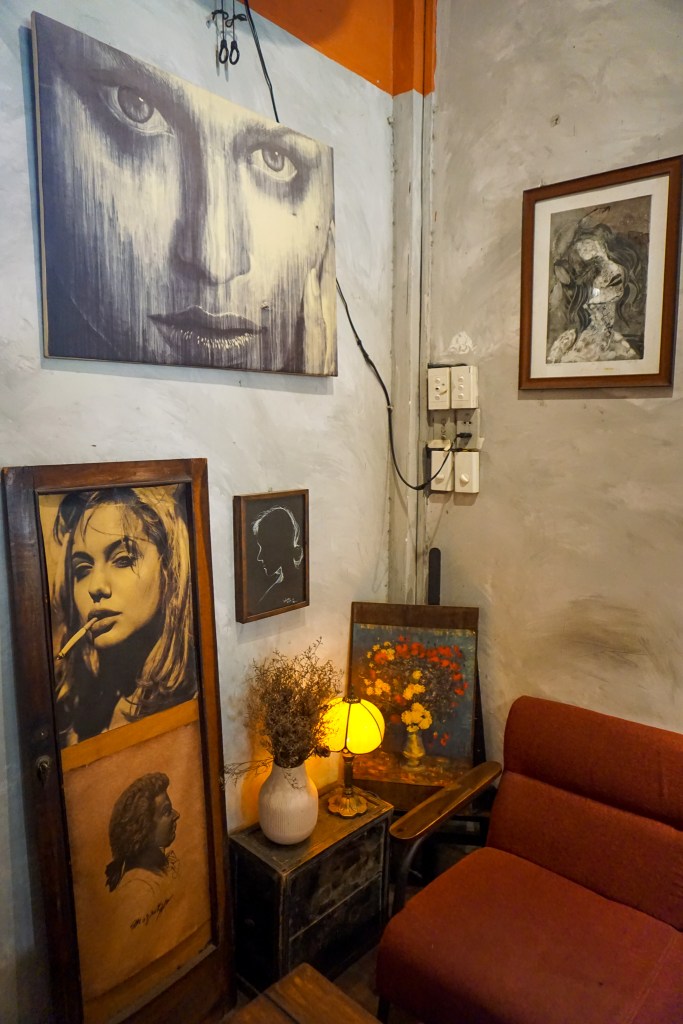
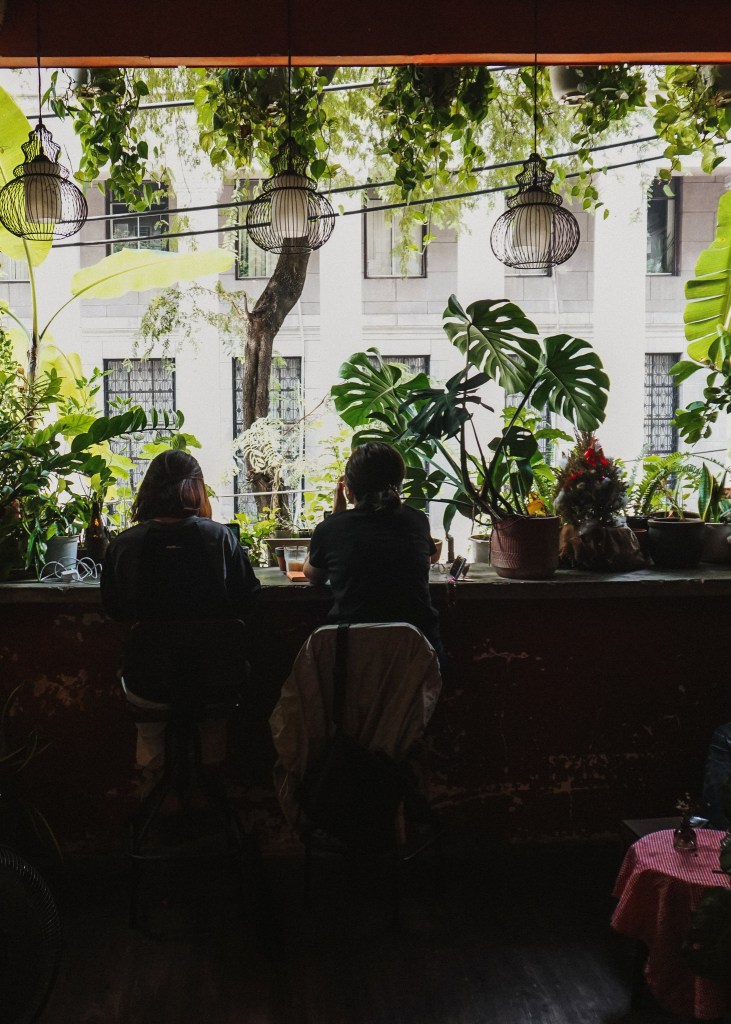
A church from Barbieland
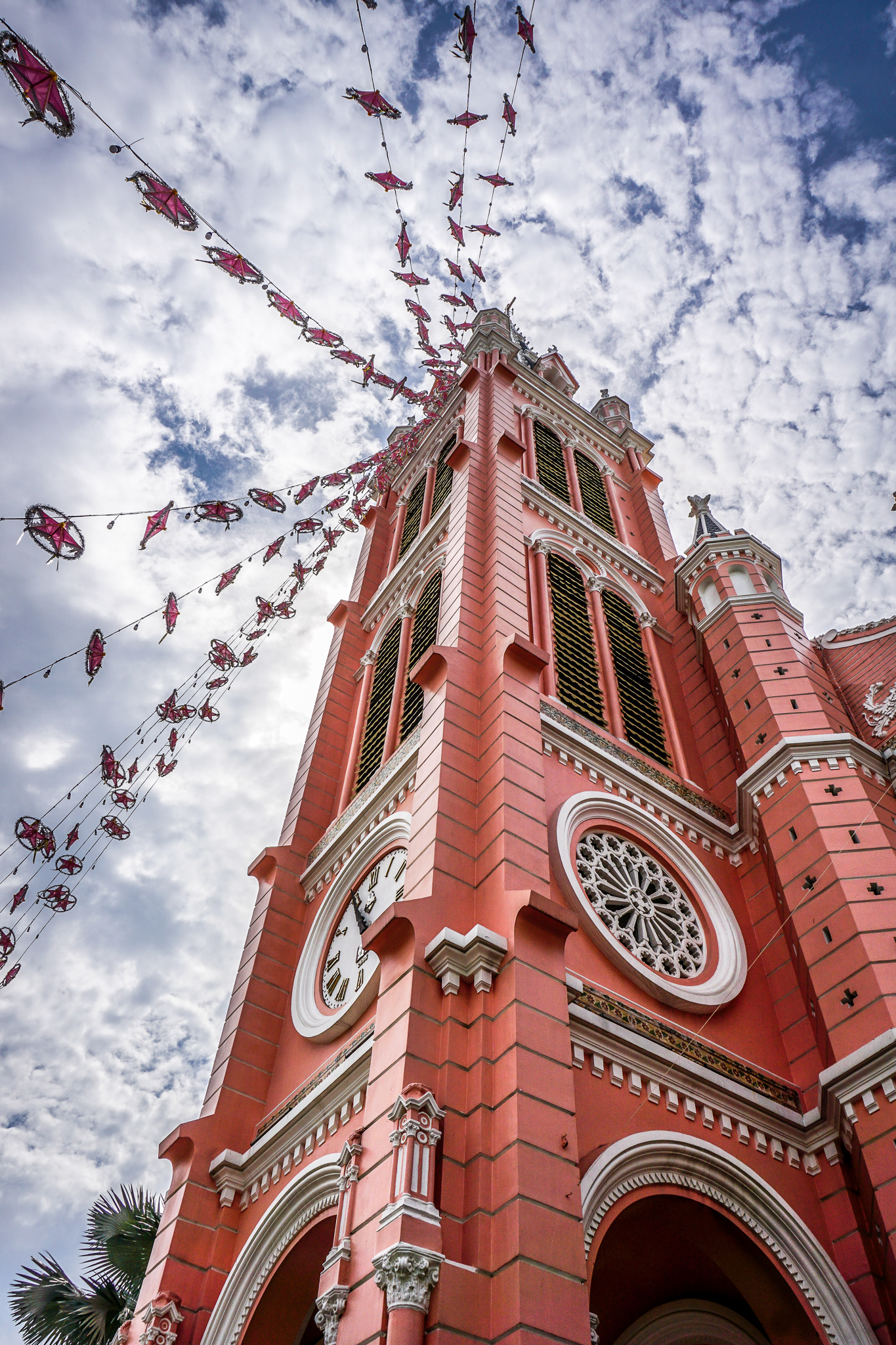
Another great spot for photography lovers is a very unique attraction in Ho Chi Minh City – a Pink Church! A place with Barbieland vibes. Its formal name is Church of the Sacred Heart of Jesus, in Vietnamese it goes by the name Tân Định. It’s located a bit farther out of the centre, in District 3, but worth the walk. It is the second biggest church in the city after Notre Dame, and it was built in the 1870s during French colonialism. Unfortunately, at the time of my visit, the doors were closed and I couldn’t visit the inside. It is simply a stunning, beautiful landmark of the city. I was lucky that it was sunny, and the blue sky was punctuated with some clouds, making it perfect for some nice shots.

A learning moment, to grieve and reflect
Contrasting with the cheery and innocent pink of the church, the War Remnants Museum in Ho Chi Minh City is a dark-coloured visit, but a must. It is not a fun thing to do, but it is certainly enlightening and I always embrace the discomfort that comes with learning about the darkest moments of a not-so-distant past, as it’s the case here. I don’t believe I can ever truly understand a country nor its culture, but it definitely helps to at least try to educate yourself about it. In the west we hear a version of the facts. So we should also be exposed to a different side of the story. It is a place that breaks your heart again and again. Particularly the Requiem Photo Exhibition.
Ten Thousand Buddhas in a hidden alleyway
On my last day in Ho Chi Minh City I decided to visit a place that is off the beaten path but had been recommended by the guide on the walking tour I had done on my first day there. The Ten Thousand Buddha Pagoda. It meant a 40-minute walk from my hotel, but I had nothing else to do that day, so I set off for the walk. What I had forgotten to remind myself of is that cities in Vietnam are just not walkable at all. Yes, there are sidewalks. But mostly these are occupied by parked motorcycles or even tables and chairs from cafes and restaurants. They are also not well kept, so if you’re not careful, you may fall into a random hole or trip on loose stones. Sidewalks can easily become roads as well. Mopeds would simply use them if there is too much traffic and not any space for them on the actual road. It’s truly a concrete jungle over there… !
Overall this was probably one of the most frustrating parts for me whilst travelling South East Asia. How so many places are simply not walkable – not because it’s hilly, or too hot, but simply because it lacks the infrastructure and overall rules that protect pedestrians. Locals simply don’t walk to places… and if you happen to tell them you walked even for just ten minutes, they will be shocked!
It is truly a shame. It is by walking that I notice the uniqueness of any place I visit. Observing the locals, spotting interesting places, whether that’s the architecture, a nice looking temple, or a shop, an eatery that looks yummy. It is how I stumbled upon the local markets, and got my senses overwhelmed with the often tangy smells of fish and meat, trying to ignore the clear lack of hygiene and the health hazards those markets represent. And deep down, appreciate what I have back in Europe!
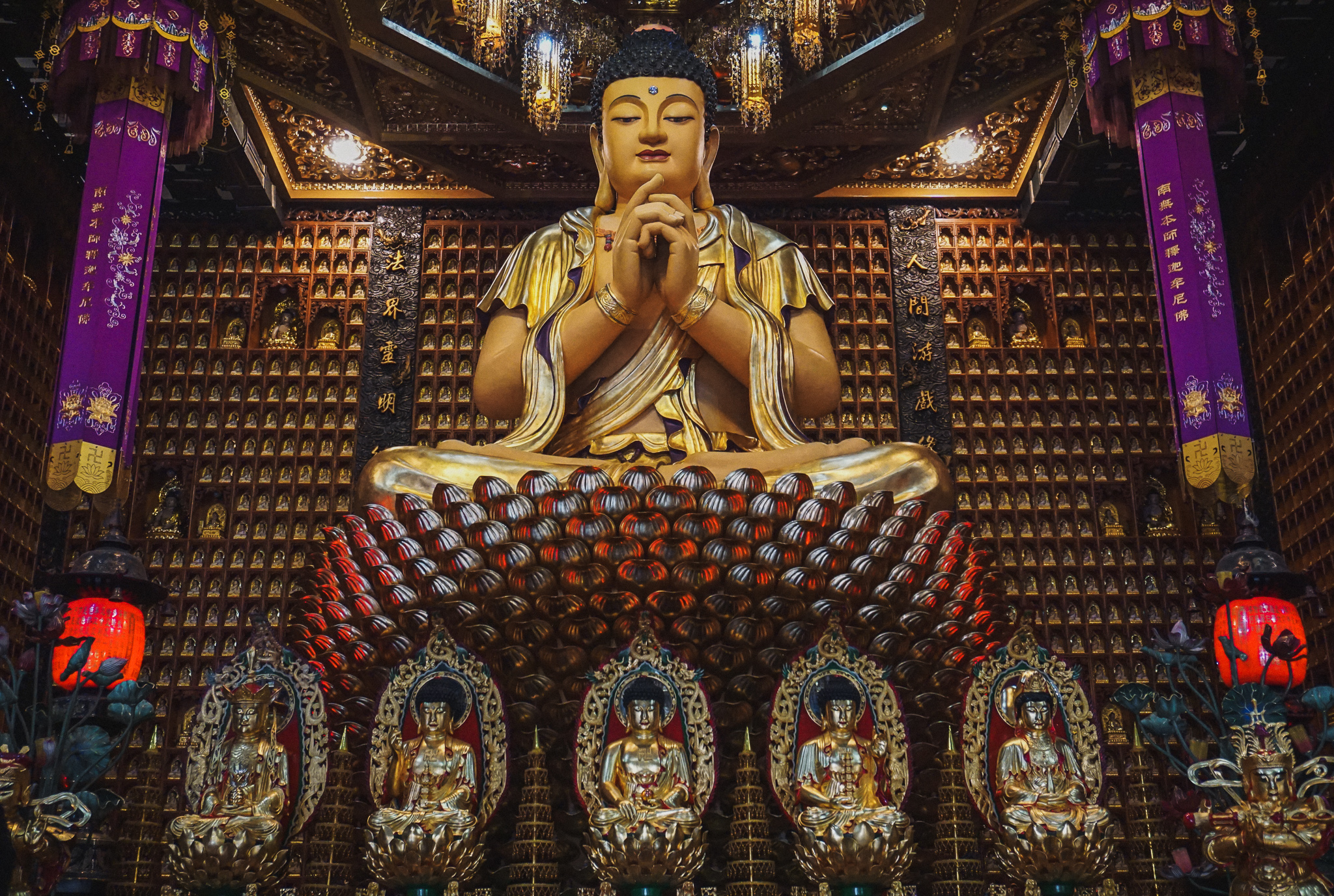
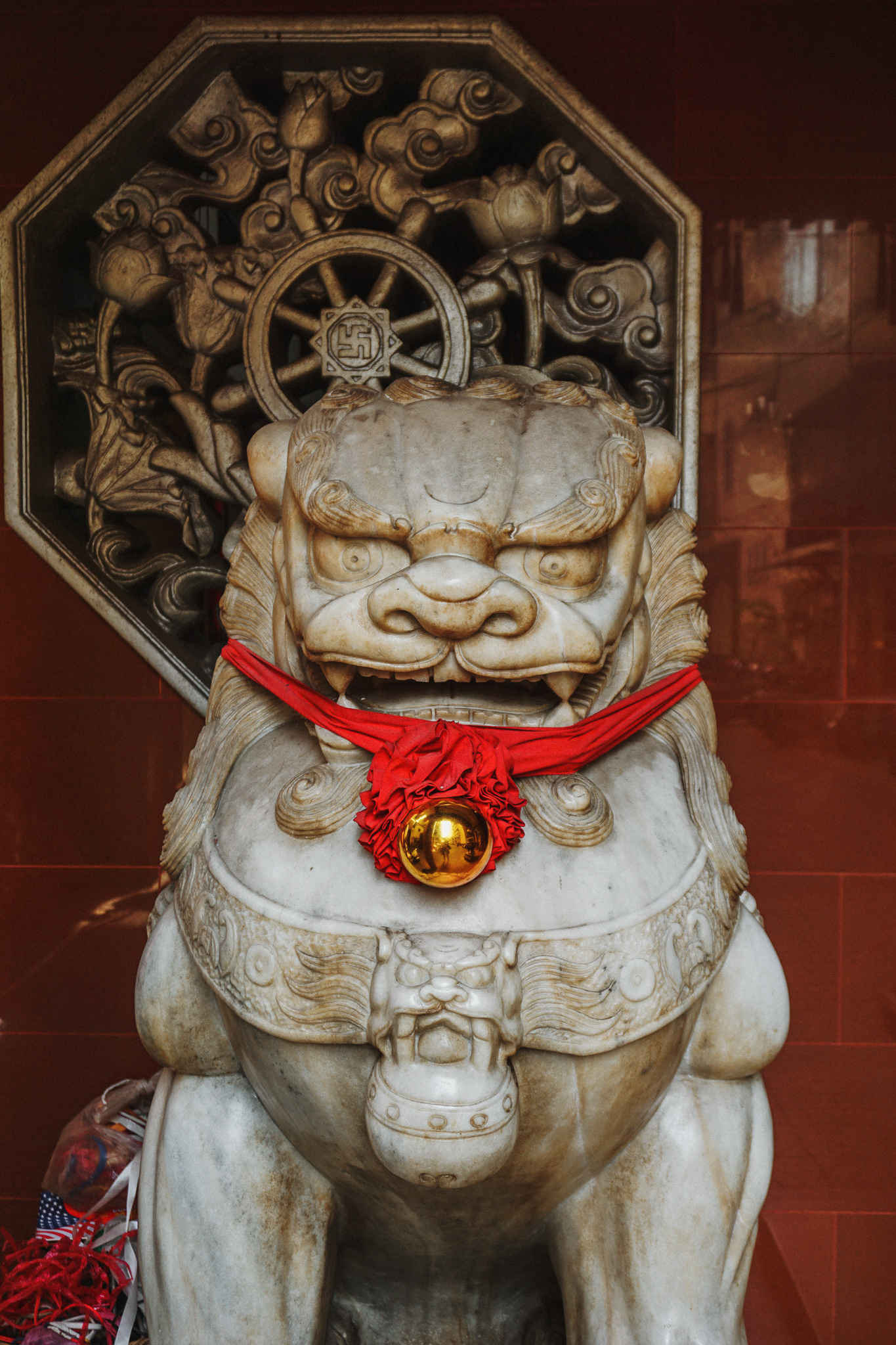
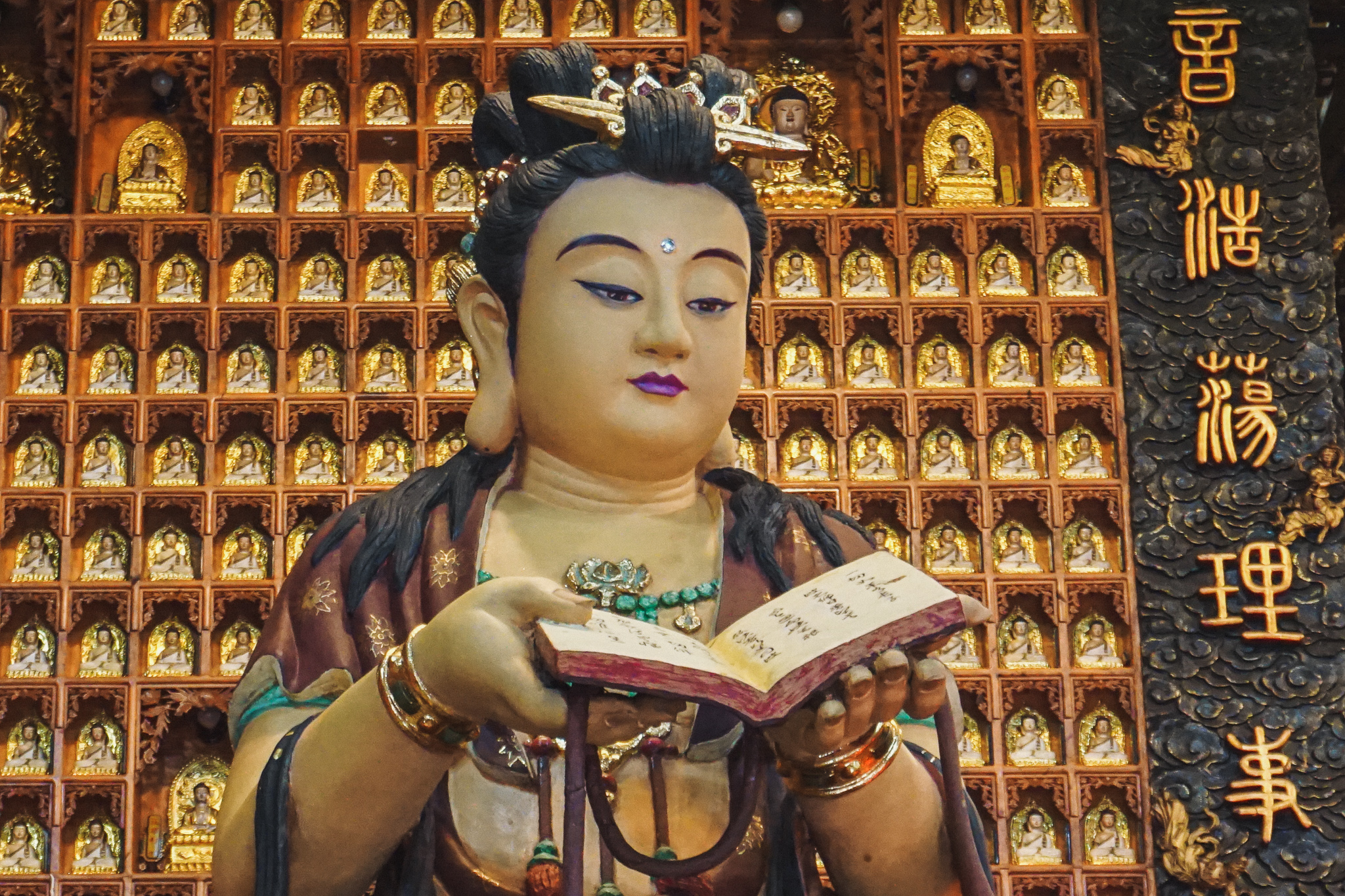
The walk toward the Ten Thousand Buddha Pagoda showed me a lot, but it was certainly a difficult one. Definitely worth it though. I finally found the place hidden away, and I was the only foreigner there. I climbed up the four floors to the top to be surrounded by walls covered in hundreds and hundreds of little Buddha sculptures – Perhaps really there were ten thousand, but I didn’t count. It was quiet and I appreciated it, after being surrounded by heavy traffic and noise the whole walk there.
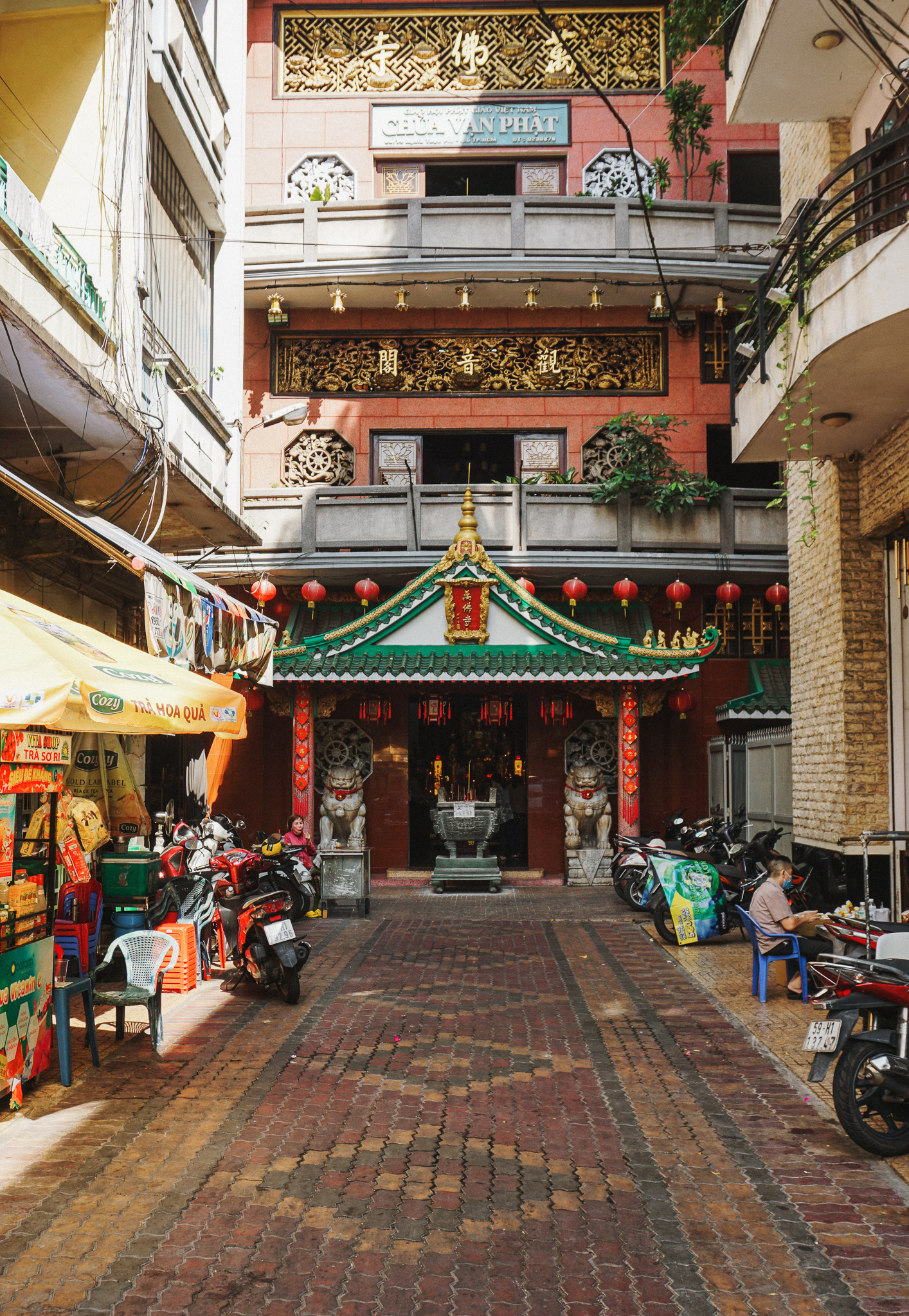
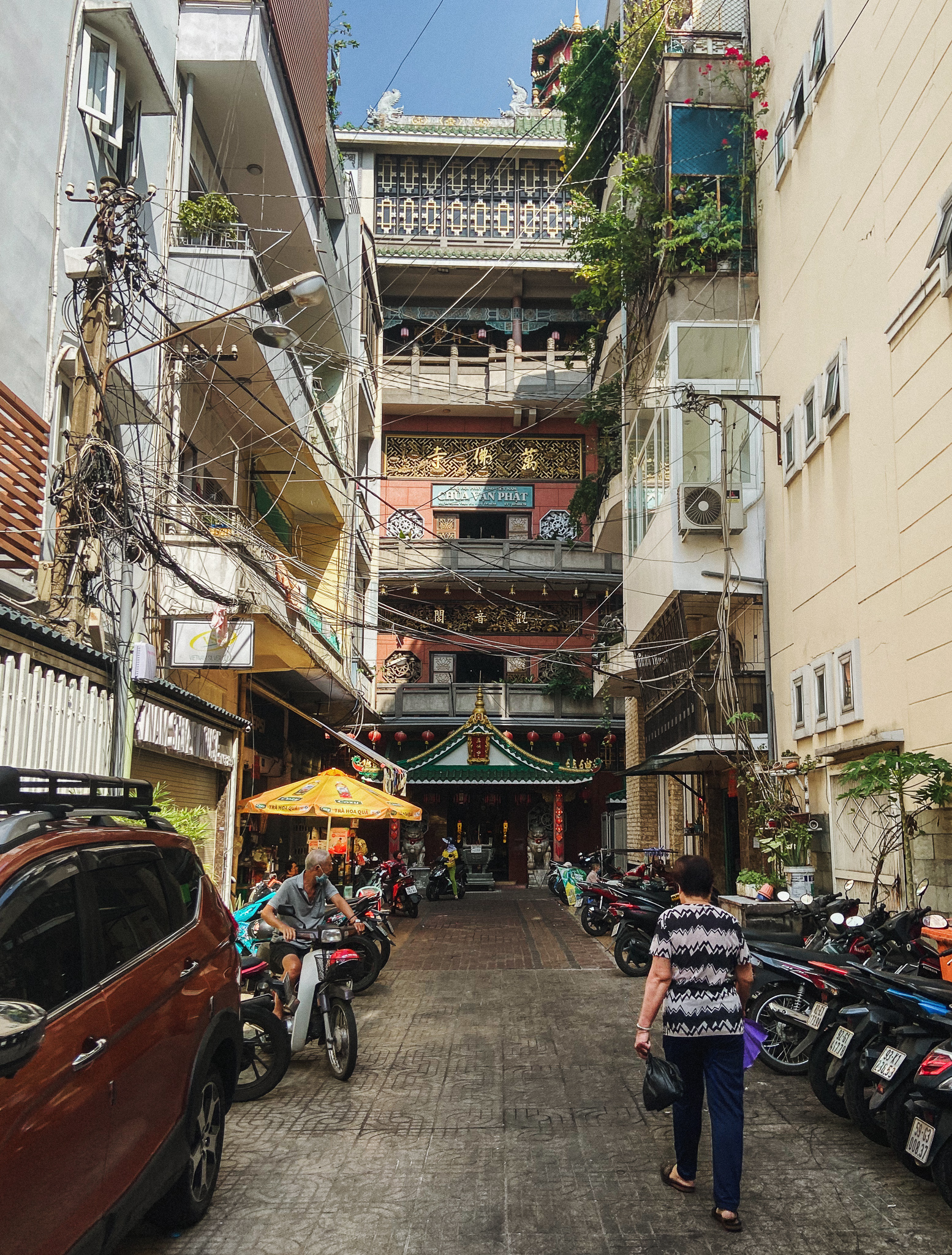
Located in an alley on Nghia Thuc Street in District 5, you can either be a little insane and walk from the centre of town, or you can grab a ride with Grab. This is where Ho Chi Minh City’s Chinatown is located. The Pagoda was built in 1959 aiming to provide a place for Chinese Buddhists residing in South Vietnam to come and pray. At the time, it was a very sparse and simple place, and it was only with restoration works done between 1998 and 2008 that it became the glorious Pagoda you can visit today.

In conclusion…
I’m glad I went back to Vietnam to visit the big capital of the South, and I’m also happy with my decision to start my itinerary here. I definitely think this city is worth a visit. It won’t be the most unique and “Vietnamese” place in Vietnam, due to the stronger Western influences, particularly when it comes to modern architecture, but there is plenty to do. After Ho Chi Minh City, I would only have another stop in Vietnam – the sought-after Phú Quốc Island for holidayers… particularly for Koreans and Russians. I will write about it in the next post!
Love, Nic
This article is also featured on GPSmyCity. To download this article for offline reading or create a self-guided walking tour to visit the attractions highlighted in this article, go to Walking Tours and Articles in Saigon/HoChiMinh City.


What a start to your trip. The cafe apartment is such a good idea to use the space- I love the photo of the 2 women with the plants at the window. With its French colonial past- it makes sense that there would be churches (and a Notre Dame) but some reason, it still caught me off guard. The Ten Thousand Buddha Pagoda located in what looks to be like a back street looks like a special find in the bustling city.
LikeLiked by 1 person
Thank you for reading! Always unexpected to find catholic churches in these parts of the world, even when we know about its history 🙂
LikeLiked by 1 person