
My third day in Kyoto started with a slow morning, had busy middle and a wonderful non-crowded ending. I was going back to Gion for something very special I had booked months before – a Tea Ceremony with a Kimono experience at MAIKOYA Gion.
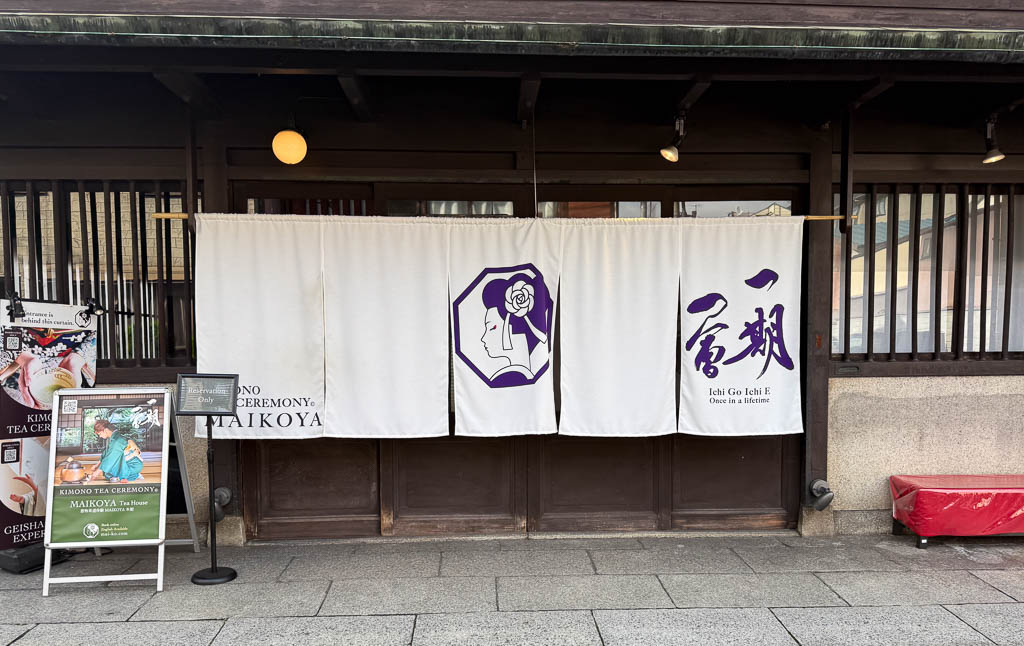
Wearing a Kimono and a Tea Ceremony
I have always found Kimonos absolutely stunning, and wondered about its comfort. On one hand, it seems to wrap itself around the body effortlessly, creating some sort of delicate armour. But of course the bottom seems to make it harder for you to give wider steps, which I assume its on purpose – so many different women dressing historically and across cultures seemed to have been created to imprison your limbts, limiting movement, and sometimes even taking your breath away – in more serious cases, breaking ribs and perforating lungs…women were expected to move gracefullly and slowly, so I assume the kimono was designed precisly for this effect.
I was given a choice of Kimonos, and my natural tendency is going for dark colours. My wardrobe is very black and grey, even when I wear colour , it’s always somehow muted – I love forest greens, and wine reds. But I was inspired by the autumnal atmosphere of Japan, and decided to follow the seasons picking up a golden coloured kimono – and completely forgetting that there is a reason I do not wear yellow, orange or golds… it does not go well with my skin tone at all.
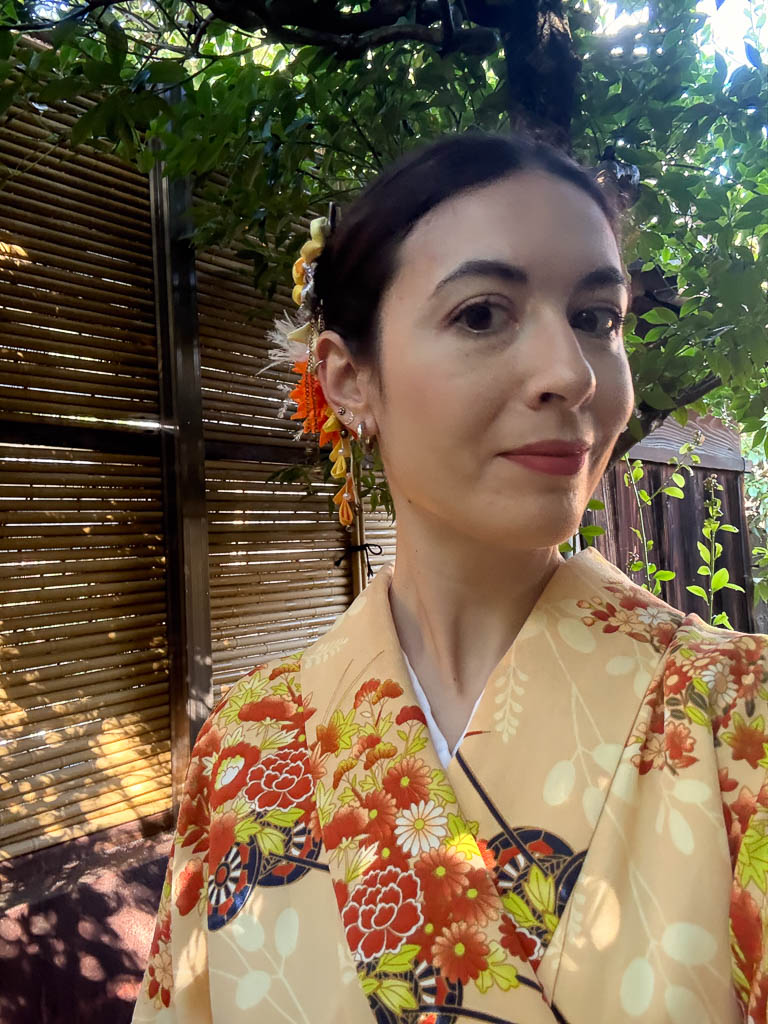
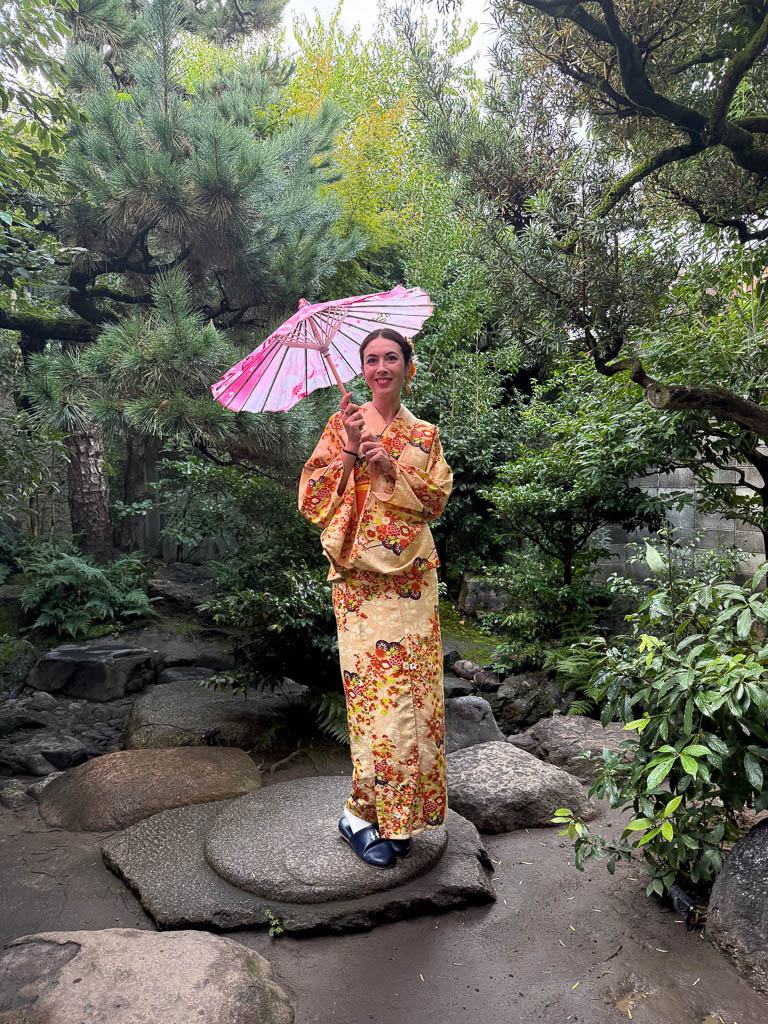
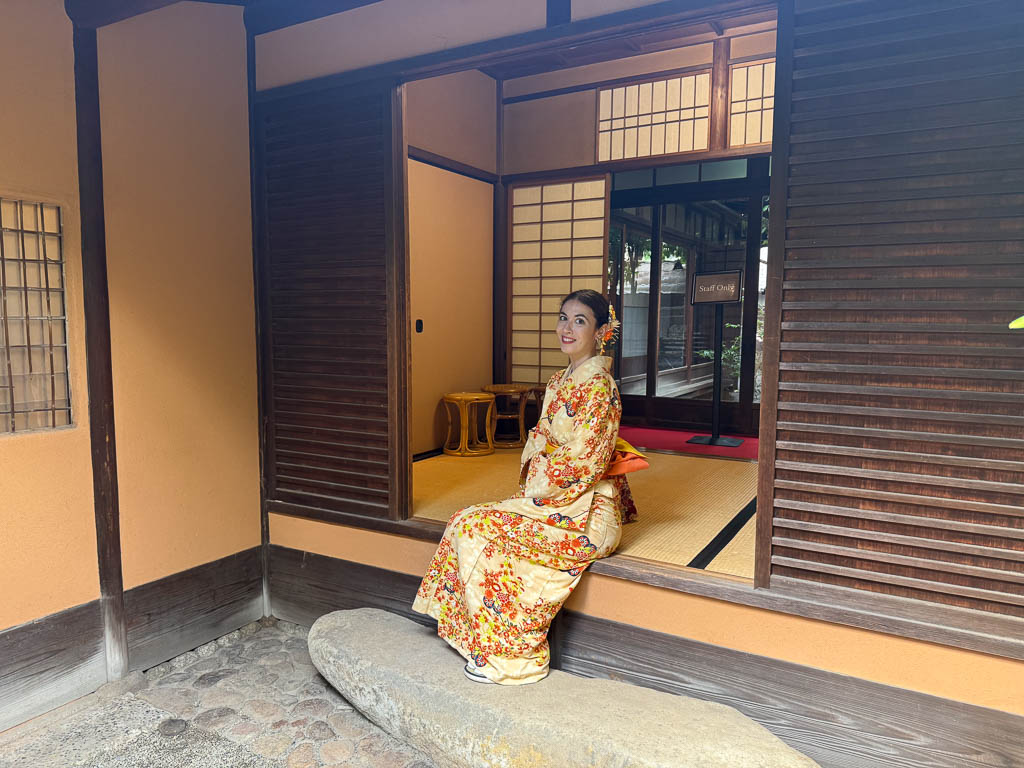
Now the feeling of the kimono in my body? I’m not going to lie, I wouldn’t want to be walking across town wearing such ceremonious clothing, but I loved how it made me feel so put together, not in a psychological intangible way – but I literally felt it was giving my body some sort of structure, physically speaking. The obi (the belt around the waist) forced me to be straight, improving my posture – not in a bad way at all, it was not painful.
What is painful is sitting on your knees the way you should at a tea ceremony! Thankfully, our tea master was kind to us silly tourists, and told us we could relax, which my knees certainly appreciated as it literally felt like the knee caps were crushing under me. She was absolutely lovely, explaining every single step of the ceremony, to the tiniest detail. I just love how every single gesture has a meaning, forcing you to be present, to slow down.
Tea was brought to Japan by Buddhist monks in the 9th century and it was used to keep monks awake during the long hours of medidation. The big shift happened between the 12th and the 13th century, with tea making its way into the warrior class, and by the 14th century, tea gathering had become a social events practiced by the elite. It was no longer just about the tea – the prestige was such that those part of the wealthy class wanted to show off the most beautiful lacquerware, tea bowls often imported from China.
In 16th century Kyoto, Sen no Rikyu – a renown Japanese tea master – who sort of became the Marie Kondo of tea. He stripped the cerimony down to its philosophical bones – not about imported objects but instead about humility, imperfection, and locally made items. The tea huts were small, with narrow entrances, which forced one to bow, and kneel before entering, so everyone, regardless of social status, was on the same level during the gathering.
It becomes a practice of awareness, of mindfullness. And I hope it never goes away.
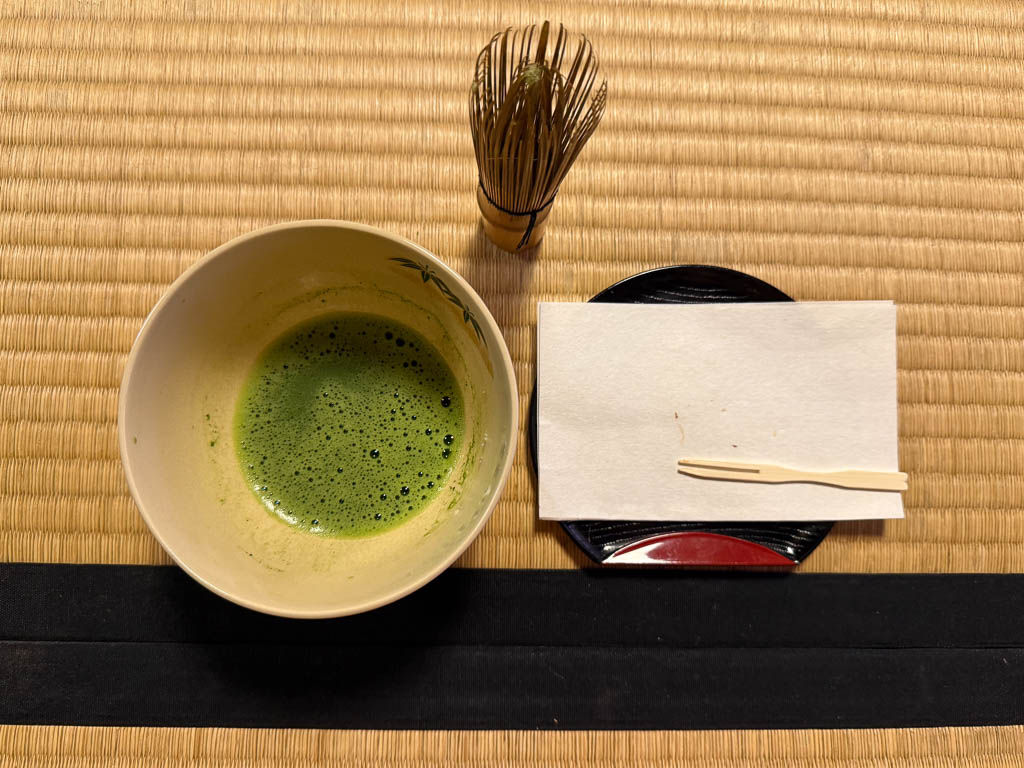
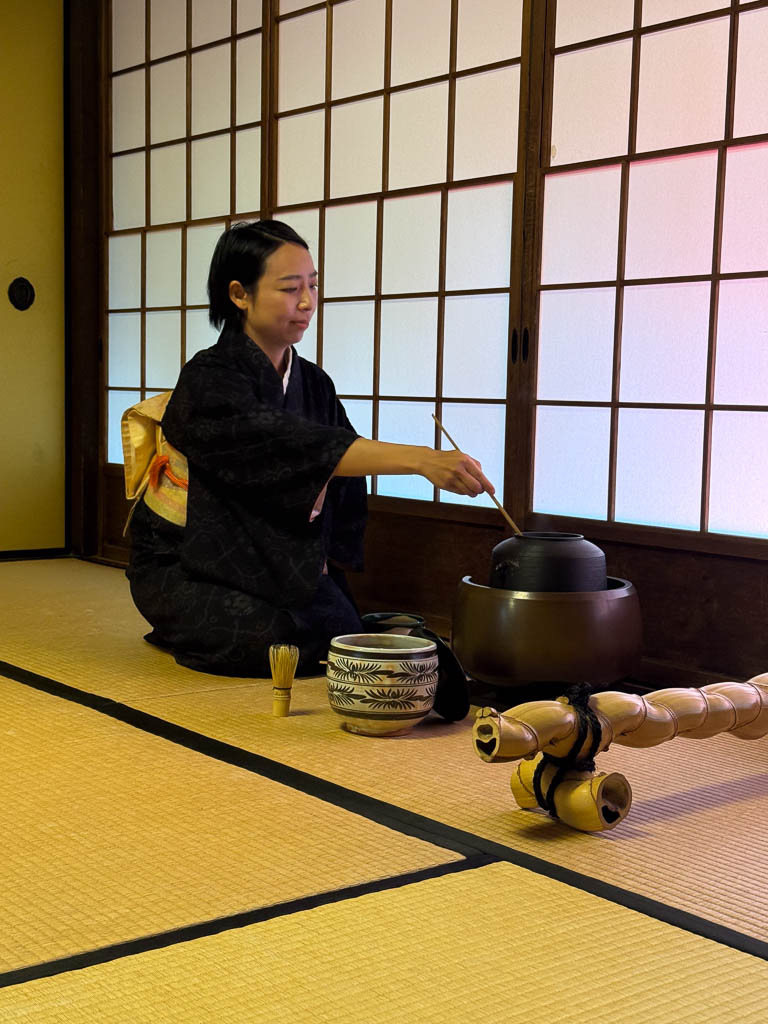
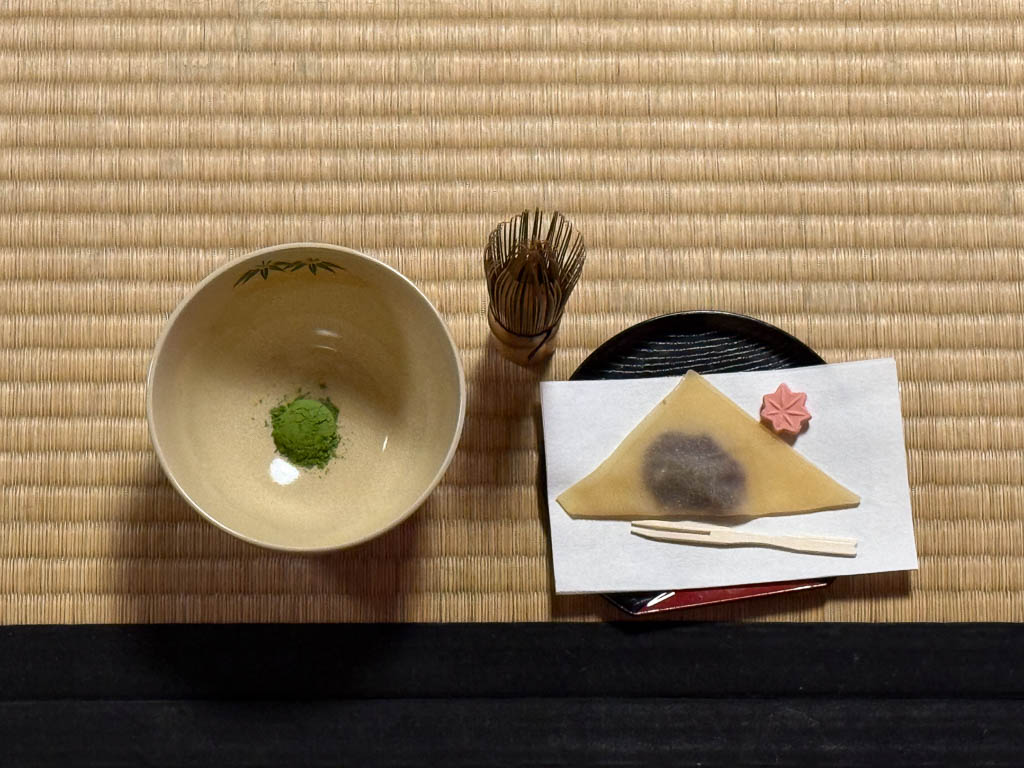
After the calm, it came a storm.
Kyomizu-dera and descending into darkness
I was about to visit one of the busiest parts of Kyoto a – the temple of Kiyomizu-dera and the streets surrounding it. I am now convinced that 99% of Kyoto’s tourists concentrate themselves here – for the rest of the day, I walked and walked through almost empty streets.
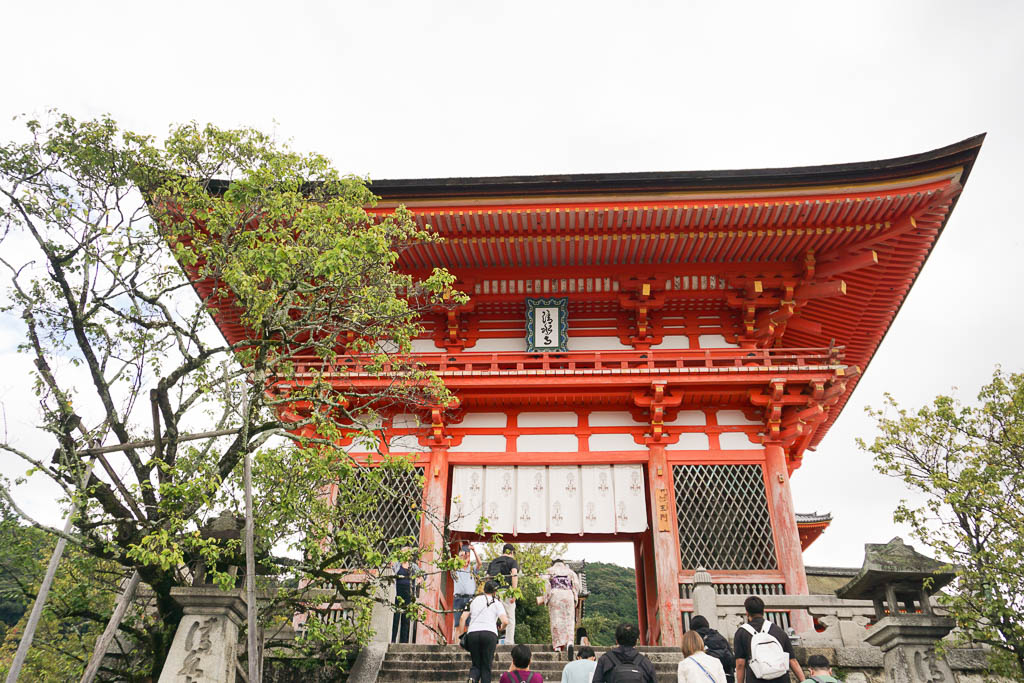
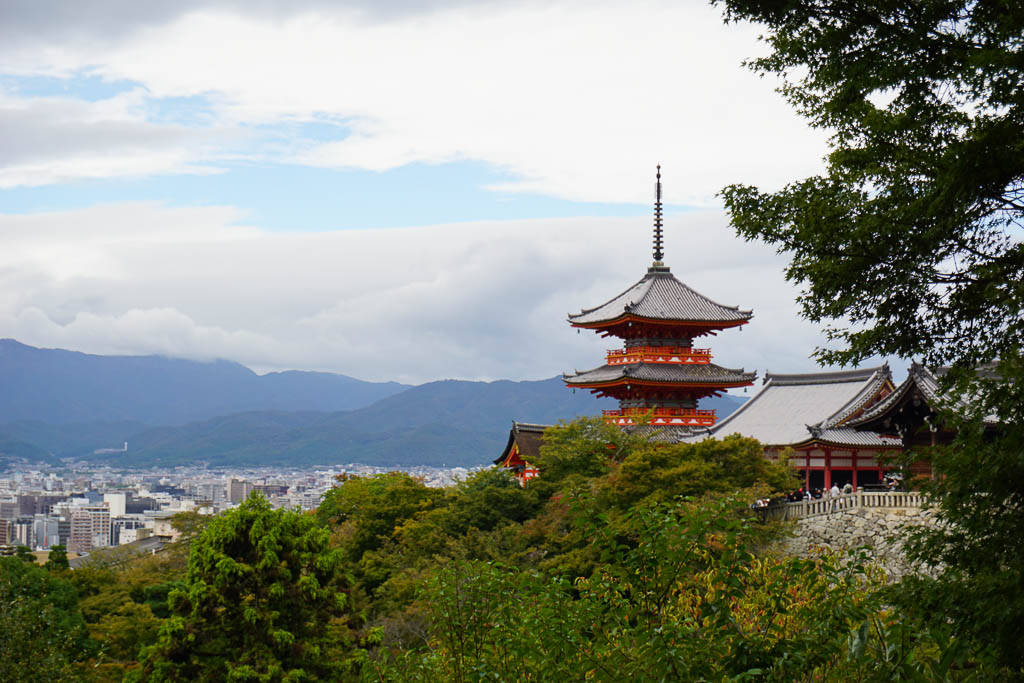
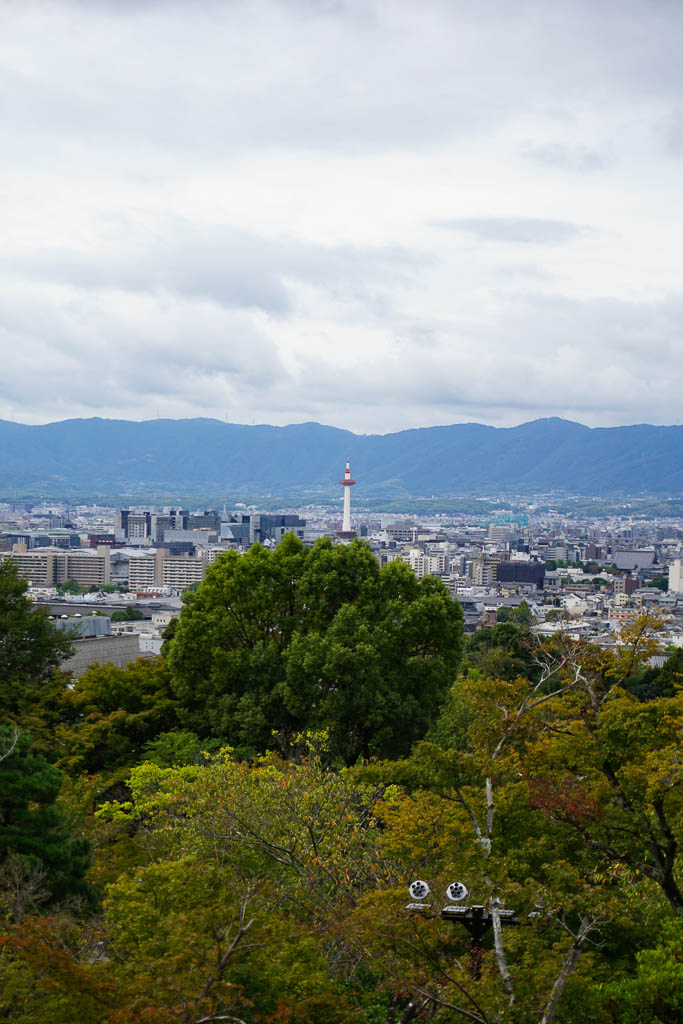
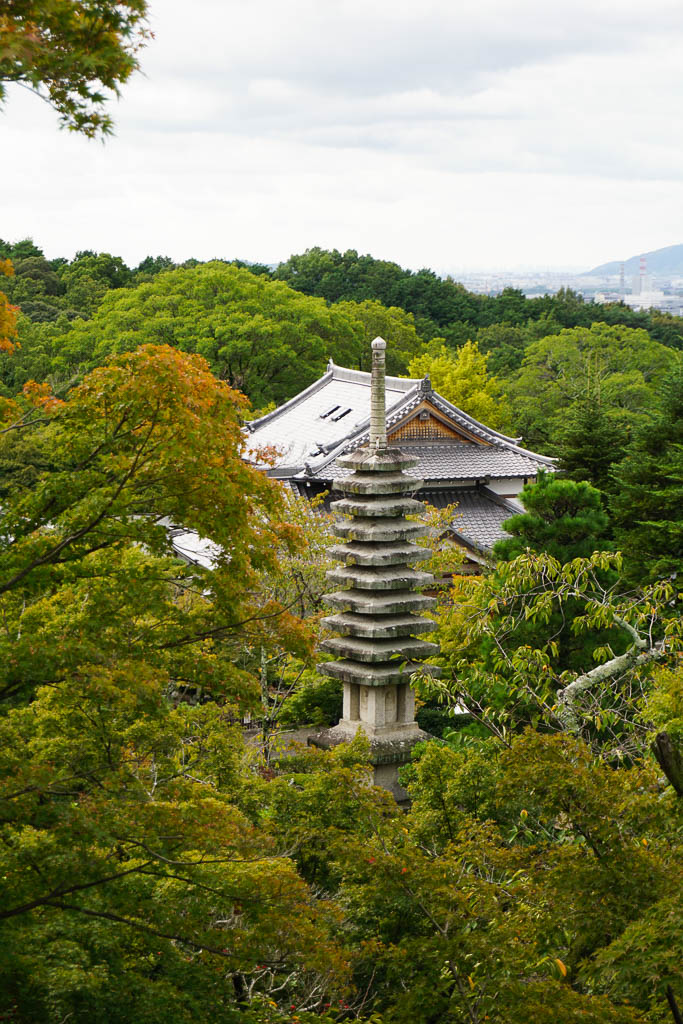
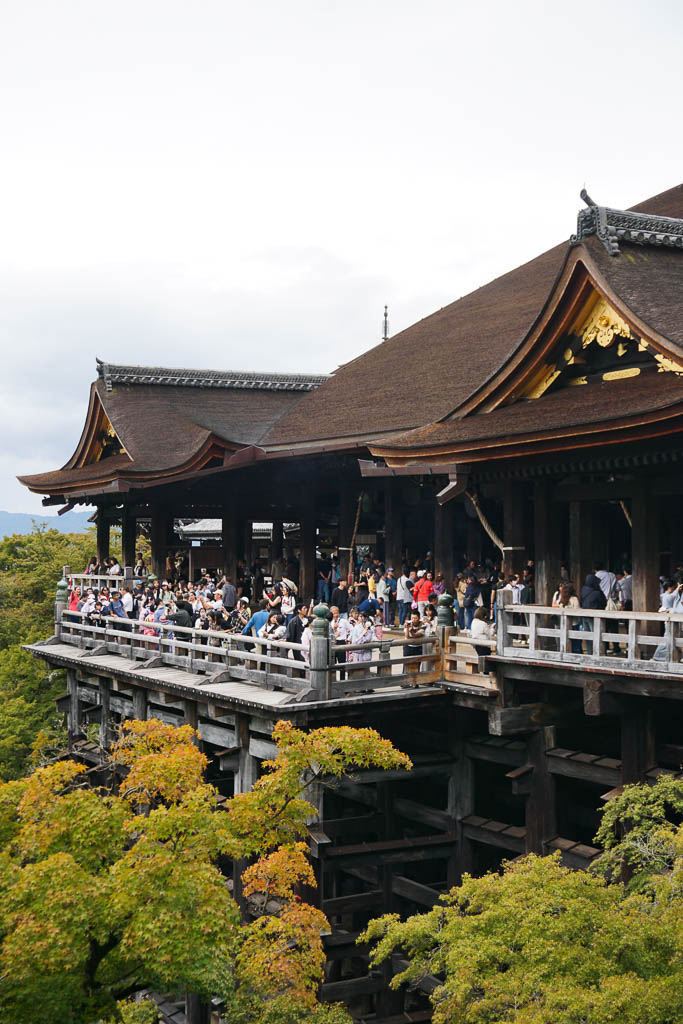
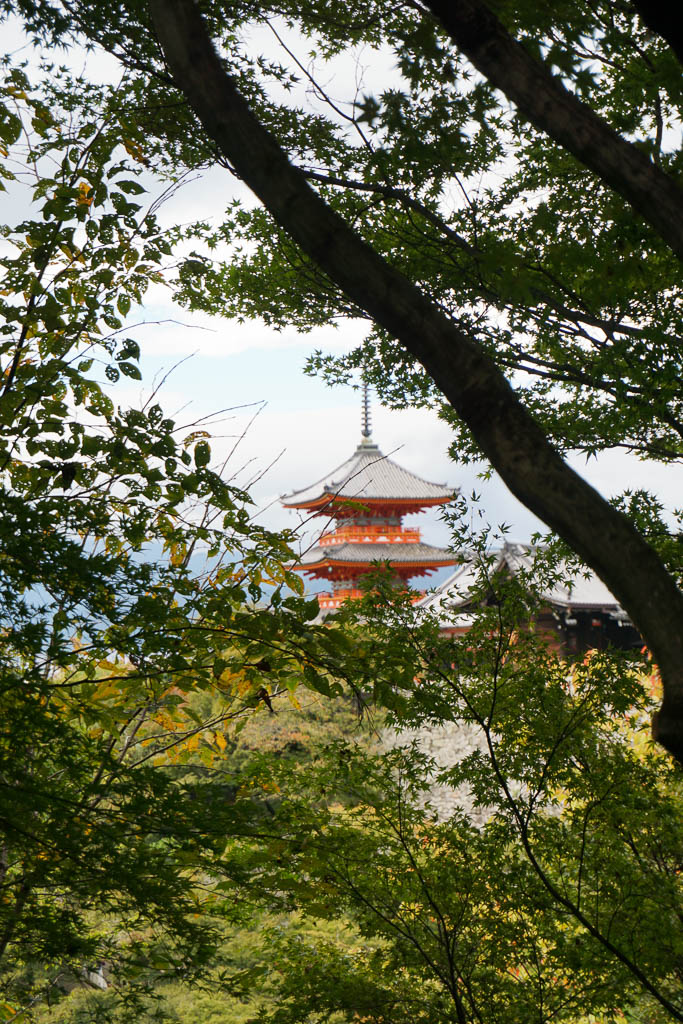
The location of Kiyomizu-dera it’s stunning. In the eastern mountains of Kyoto’s district, you get a wonderful view of the city, surrounded by lush nature that, at that point, was just starting to turn red and gold for Autumn.
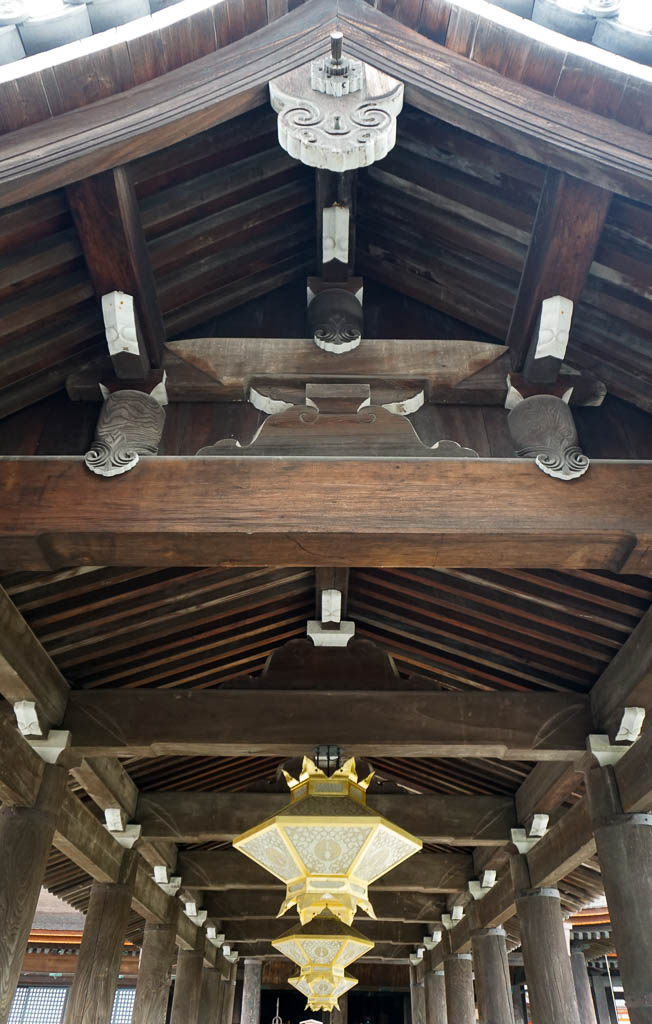
This temple is a UNESCO World Heritage site and one of Japan’s most iconic Buddhist temples. It was founded in 778 AD but most of the current structures date back to 1633 after a series of fires destroyed the original structures.
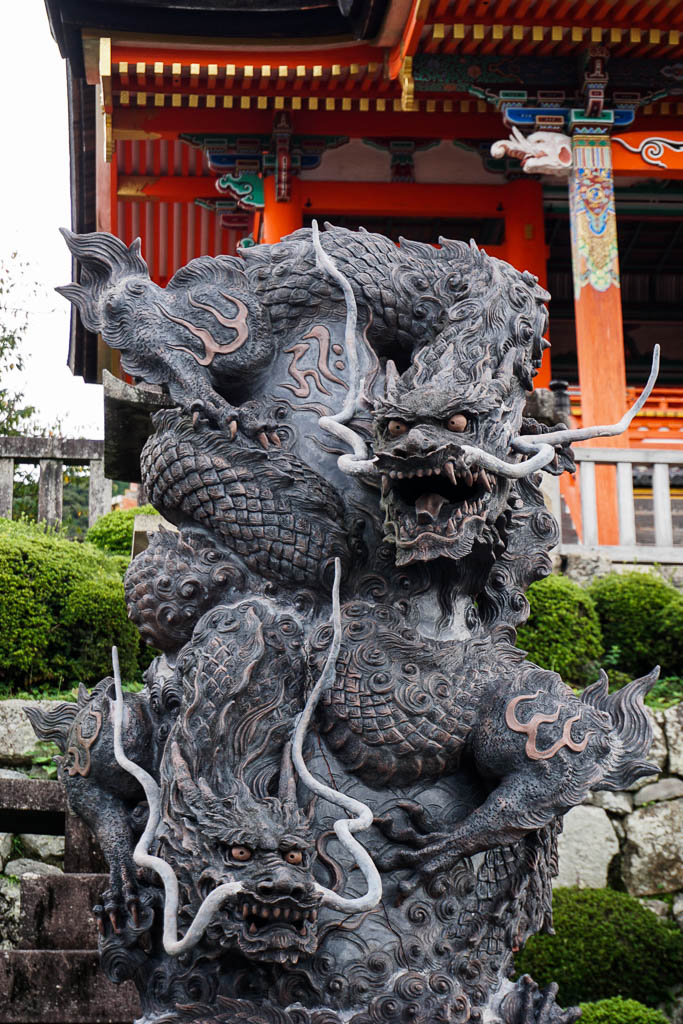
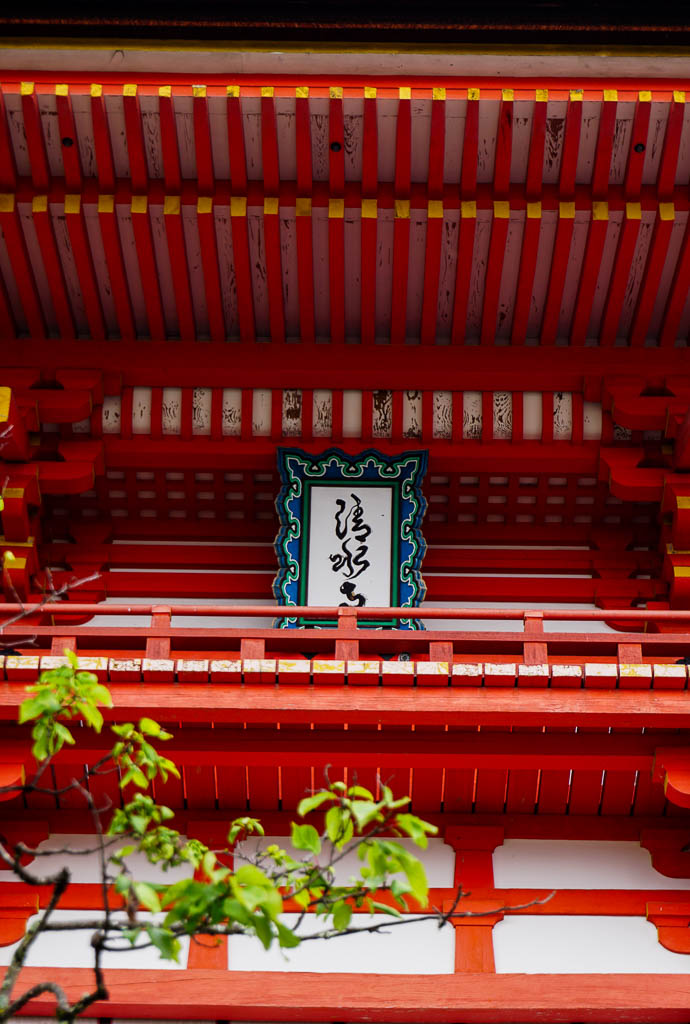
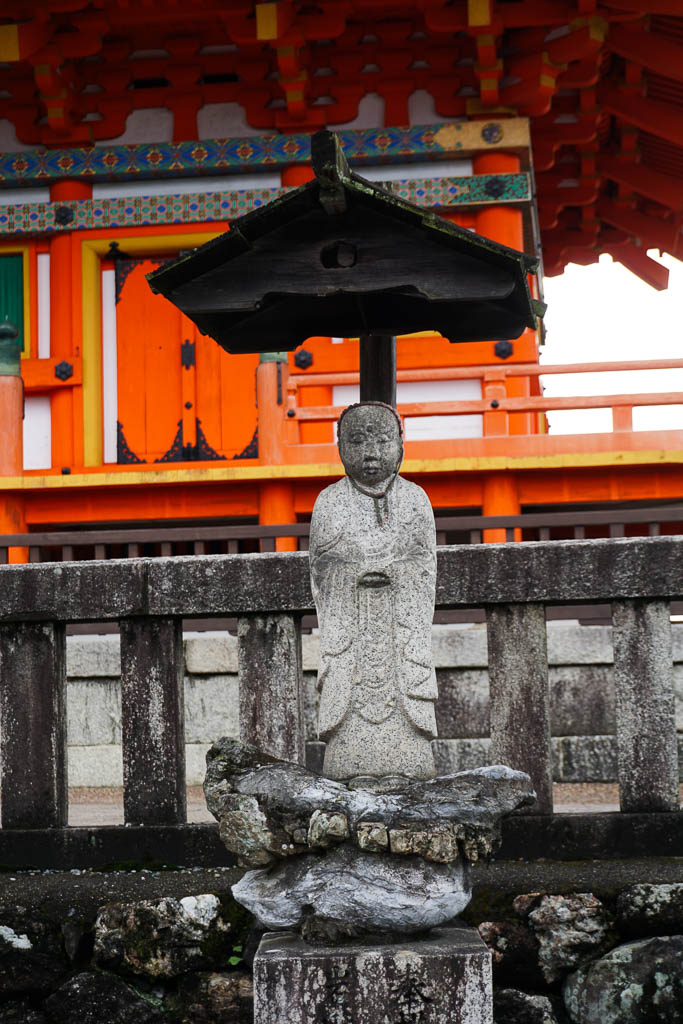
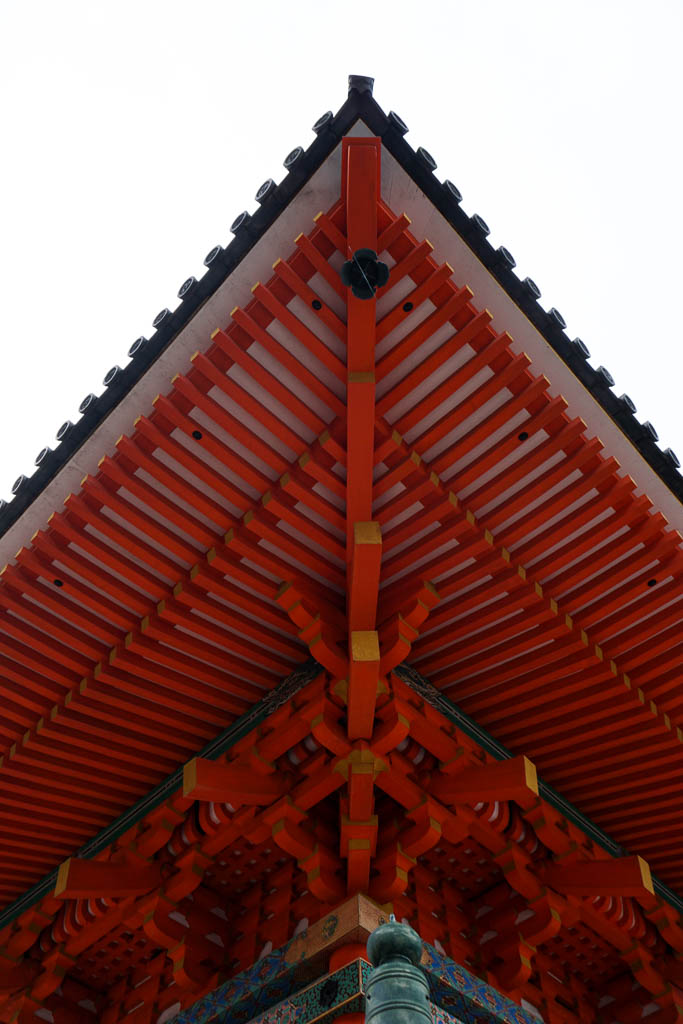
Whilst the temple is impressive, and the views to die for, the most memorable experience was going inside the Tainai Meguri, commonly called the “Womb experience”. I descended a small staircase towards a basement in total, complete, pitch black, darkness. I could not see anything, anything at all, and my heart was beating hard and fast. One of my biggest fears in life (to the point I have nightmares about it) is blindness – so this was really me coming to face the loss of my sight in a very unexpected way – I had never been in such darkness before in an unknown place. There was nothing I could see, not even my own hands and feet. In complete blindness, I guided myself by never stopping touching the wall, walking ahead in constant fear of stepping on someone, hitting a wall, or simply falling.
And then, I saw it. Glowing and floating, breaking through the darkness – the stone with Sanskrit character on it. This is the whole point of this experience. It represents the journey to the origins, leeting go of your own ego (cause you can’t see anything), trust (which I was definitely lacking) and being reborn into light (which I definitely felt).
The stone had felt like an illusion – not real. After being deprived of sight and inside in a panic, it was literally like finding the light at the end of a tunnel. I suppose that is the effect. It was truly equitable to a supernatural experience.
It’s meant to represent the womb of a Boshisattva, Daizuigu Bosatsu and after you make your wish and follow the path into the light – congratulations, you’ve been spiritually reborn.
I think for me what was most upsetting was that I had no one else I knew with me, so we could hold each other – most other travellers would be holding on to their friends and partners. But perhaps this made it even more special. I was in that path alone afterall – as I often am in life.
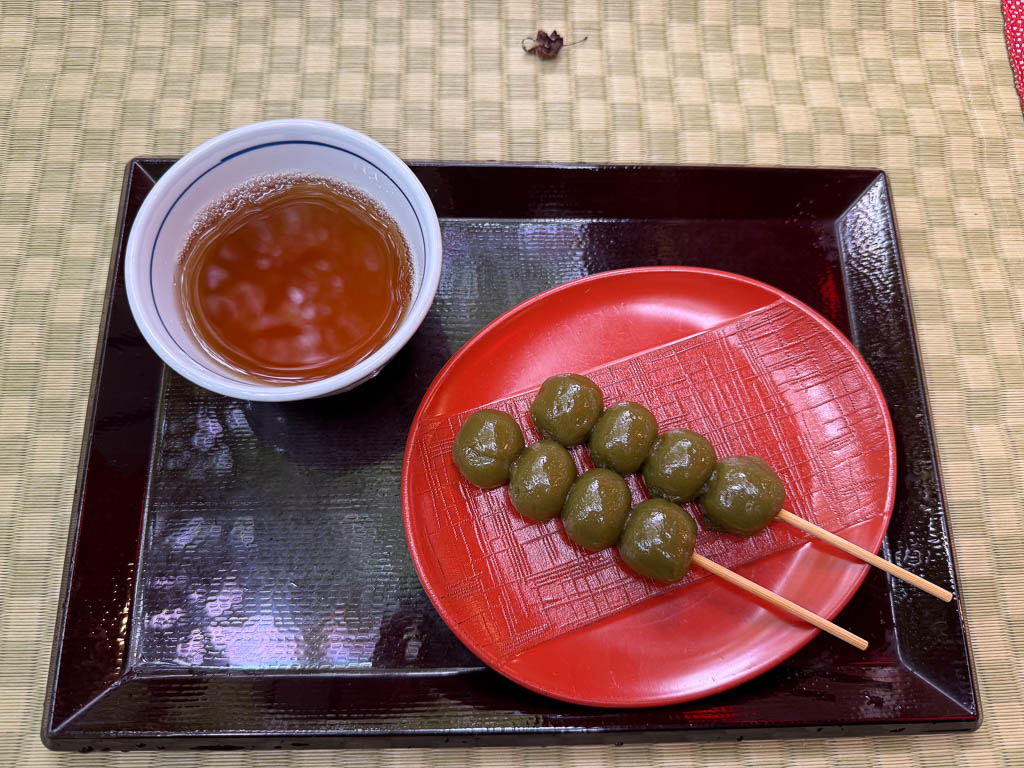
As I was descending and exiting the temple, I stopped to rest, drink some tea and try some dango – macha dango. These are chewy rice dumplings made from mochiko (rice flour).
Sannenzaka and Ninnezaka – RUN!
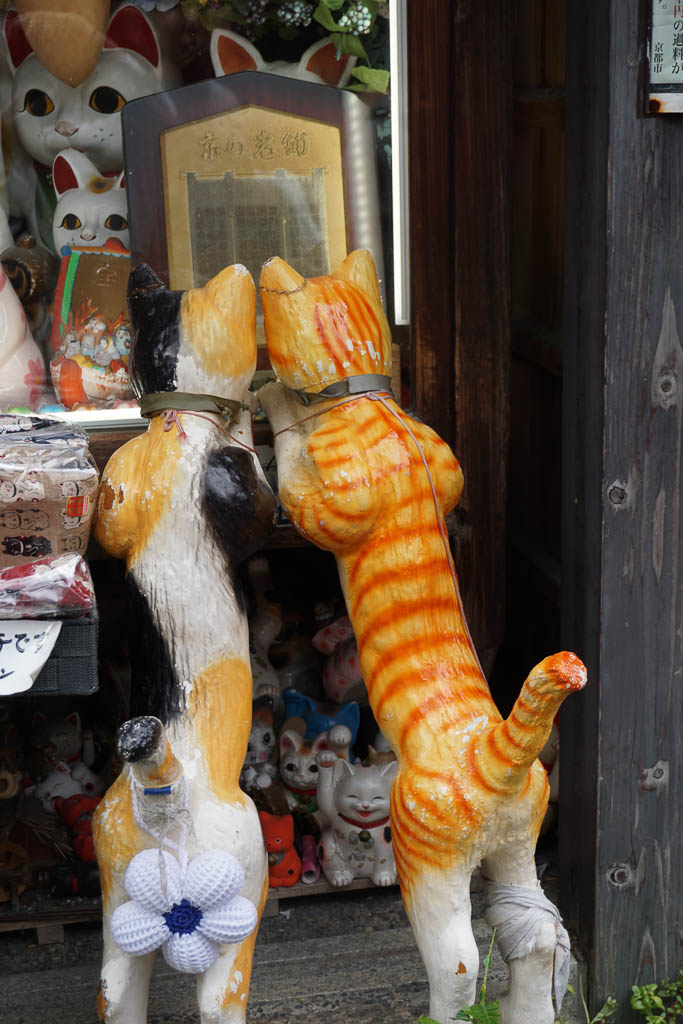
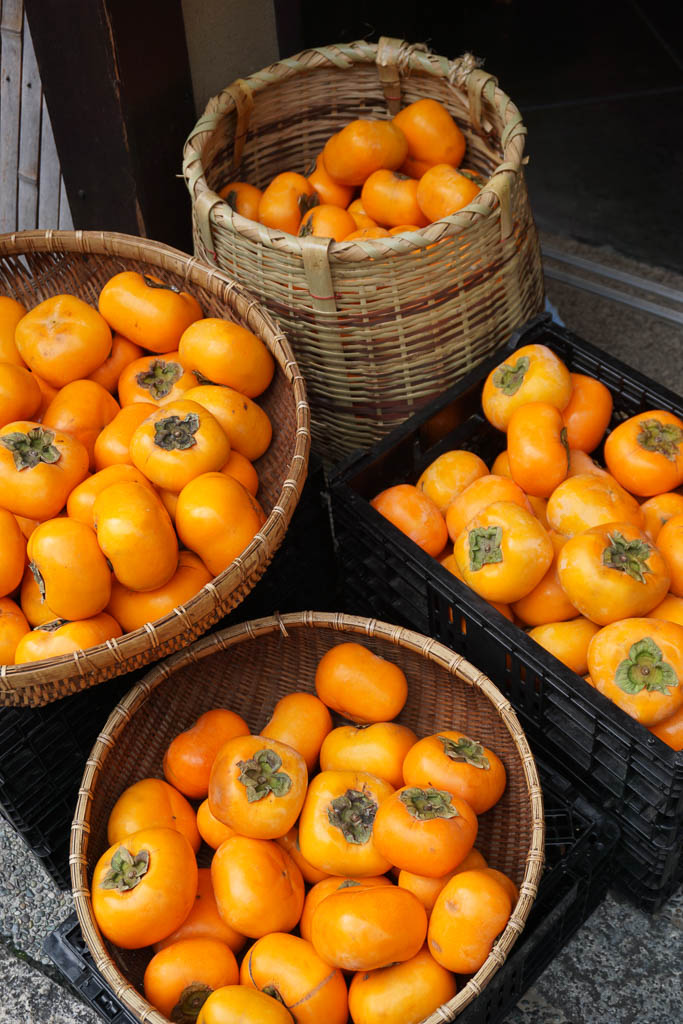
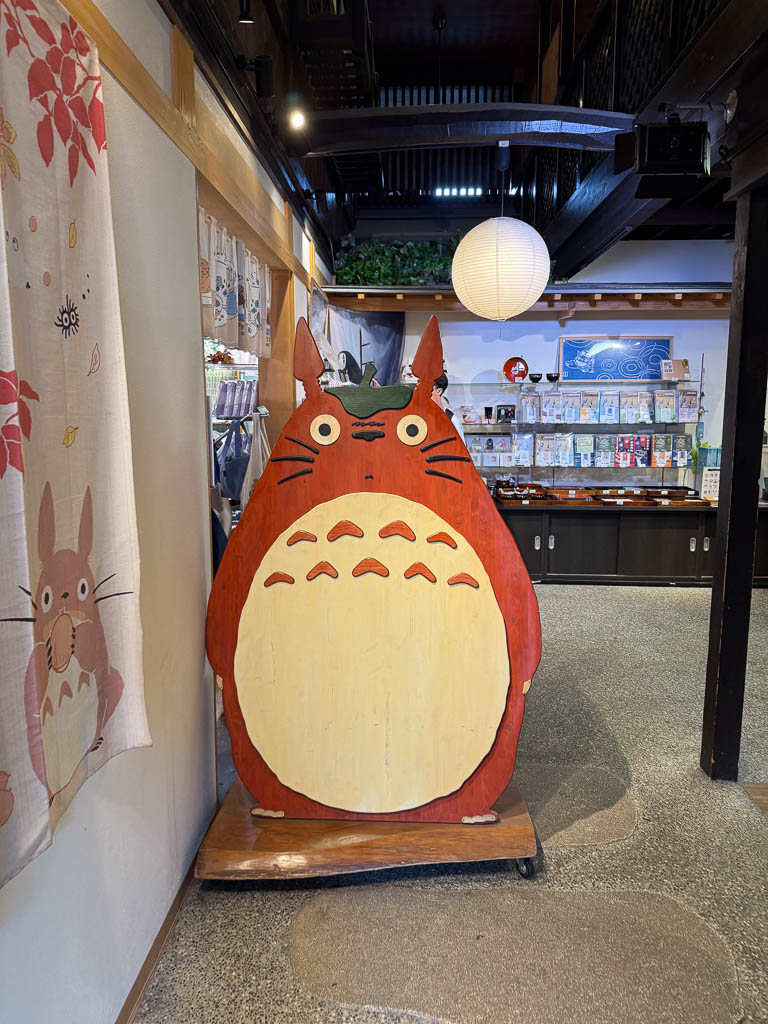
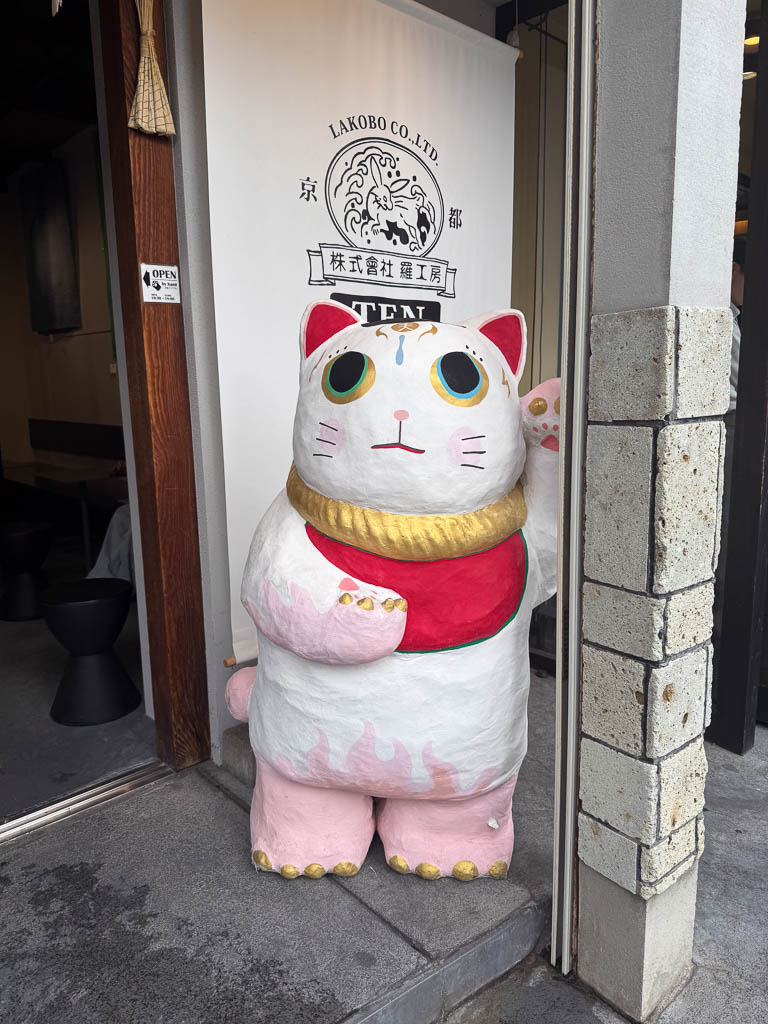
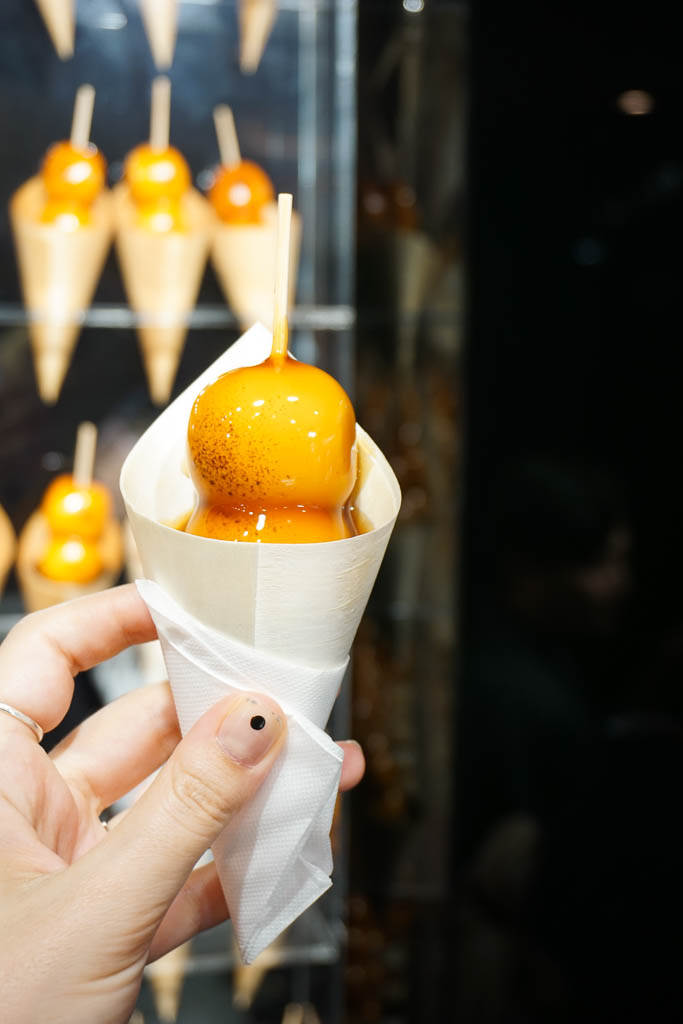
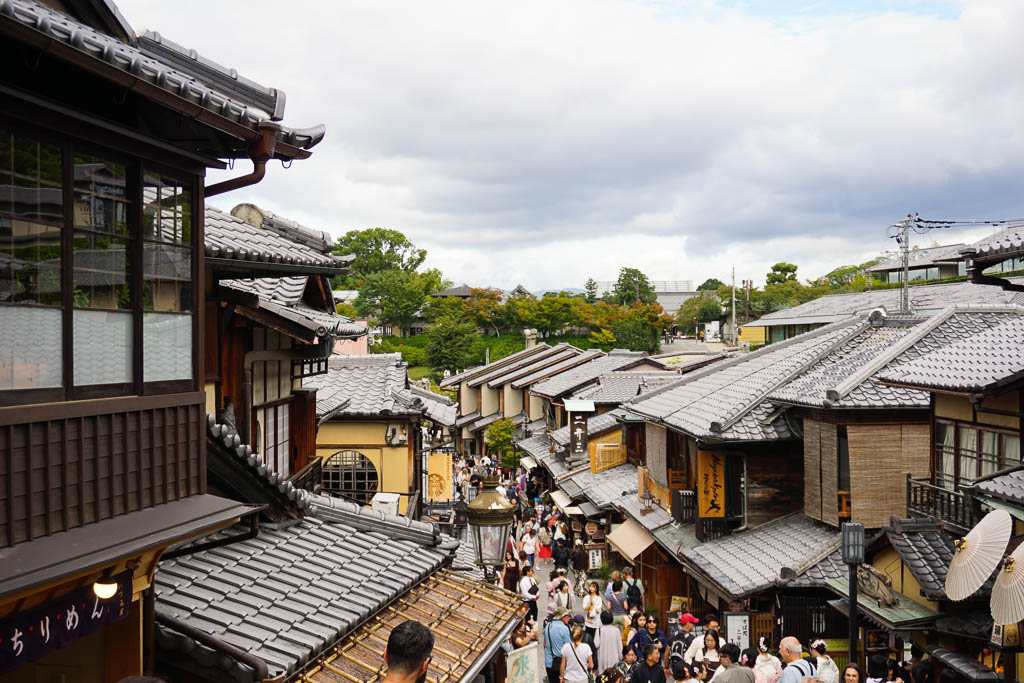
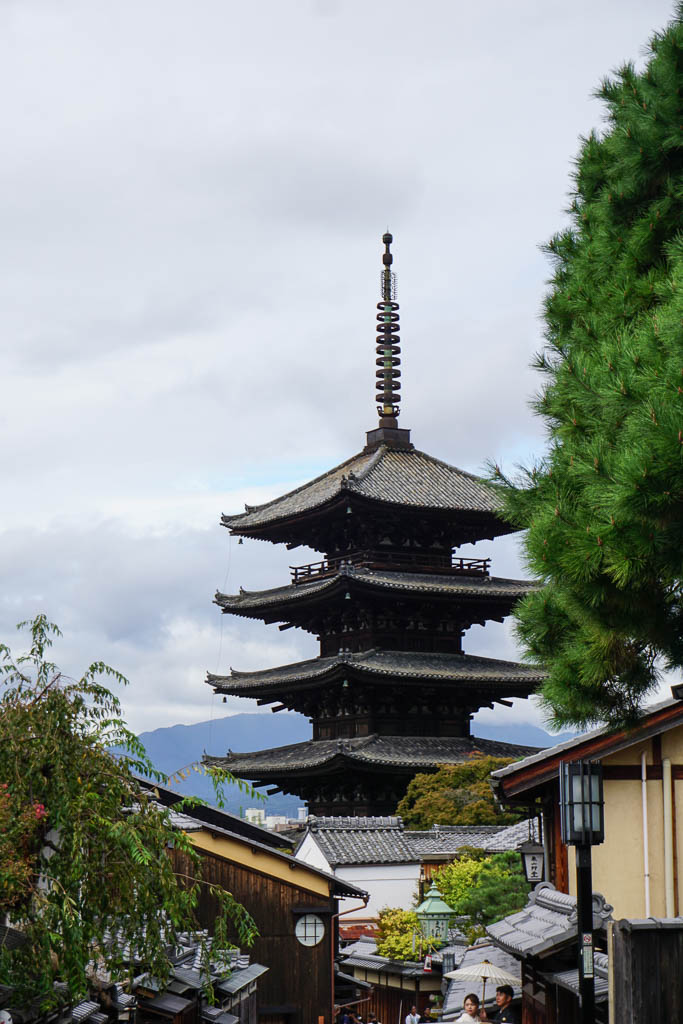
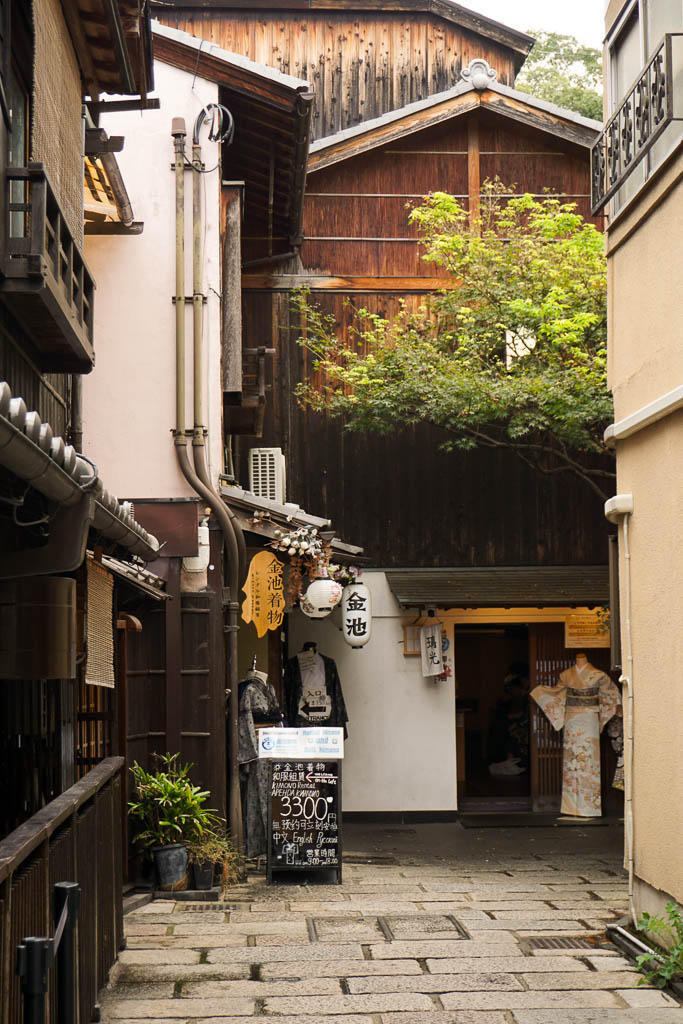
And then I headed to the nightmare of the streets around the temple. The crowds were probably at its highest as it was getting to rush hour – the street of Sannenzaka specifically was impossible to bear, since it’s the main artery linking to Kiyomizu-dera. Groups of students, tourists, guides… it was terrible. As I escaped as fast as I could, I got to Ninnenzaka – whilst this was busy, it was nothing in comparison to what I had just witnessed. I got some more dango, this time not matcha but glazes with sweet soy sauce. And then I came across some adorable Ghibli shops, and I could not resist the pull… nor the temptation to get a couple more goodies.

Back to Peace – more temple hopping
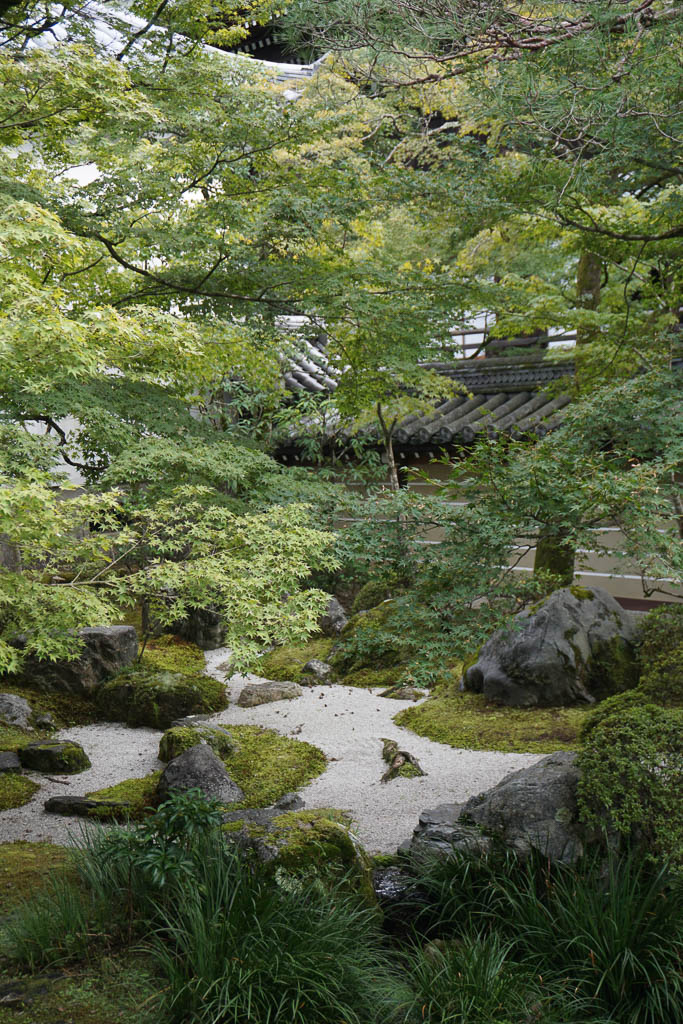
My goal was to complete the Philosopher’s Path, and I made my way there by walking and stopping by some smaller and yet stunning temples. An example of it is the Konchi-in Temple – I stumbled upon it a little by accident, but it seems it’s considered a hidden gem. I had it for myself for most of the time, joined later by just a few people. It’s a zen temple with a stunning garden and the classic zen dry landscape. This one is called the Crane and the Turtle garden, featuring two rock formations representing the crane and the turtle, traditional symbols for longevity and happiness.
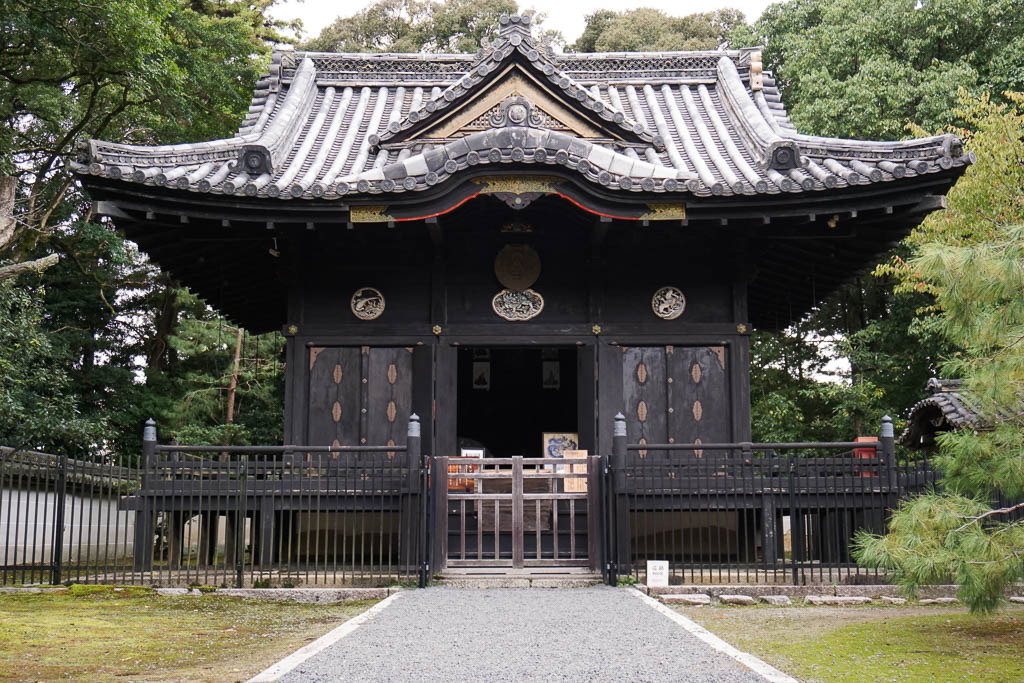
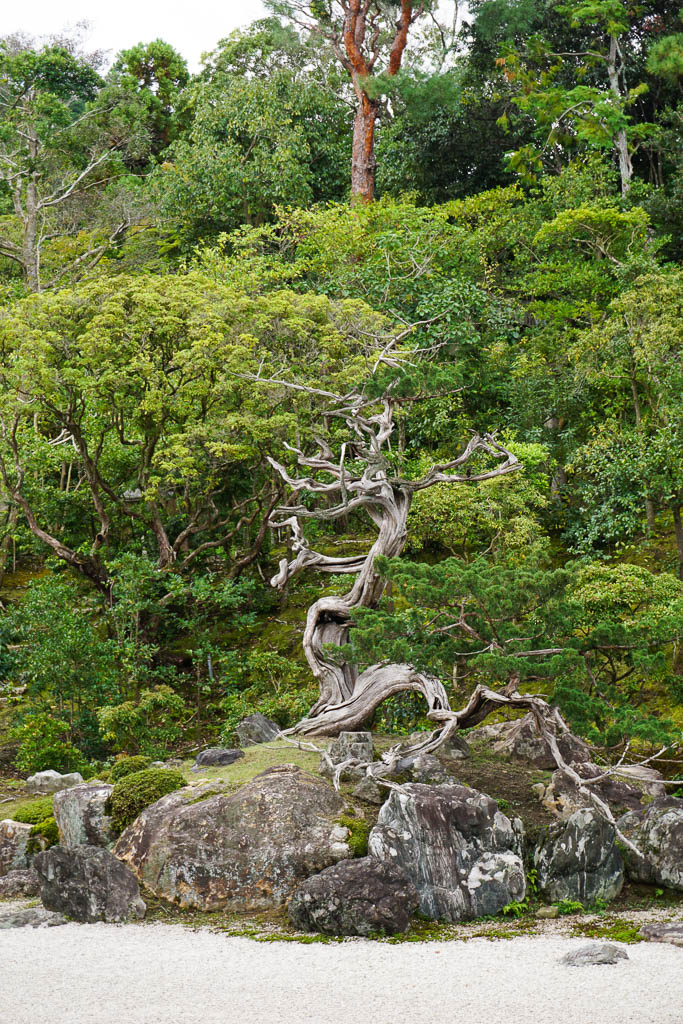
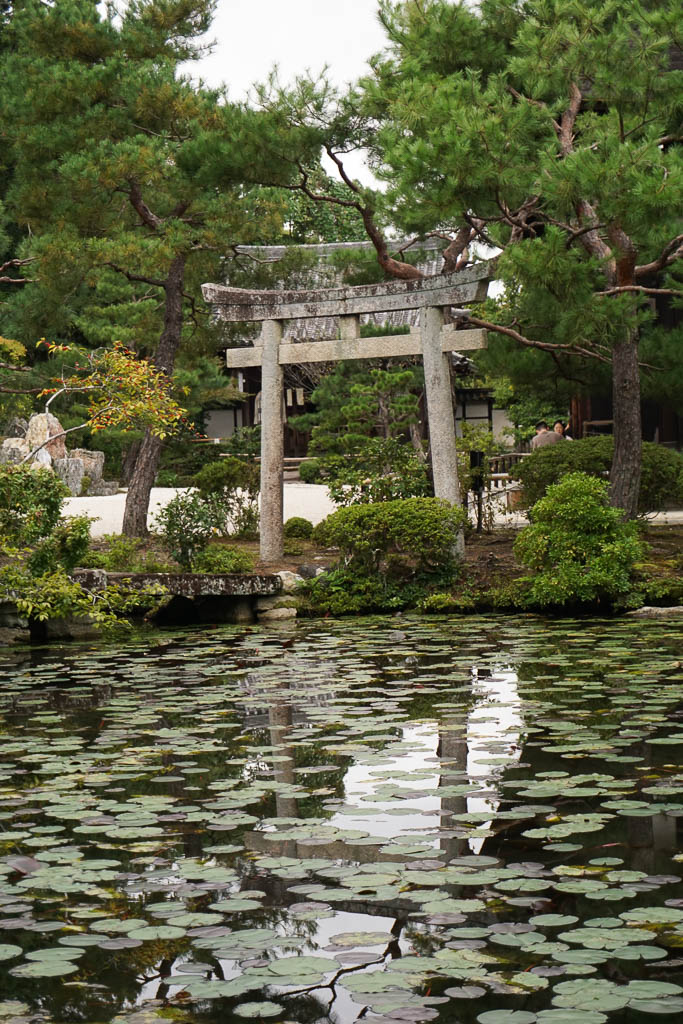
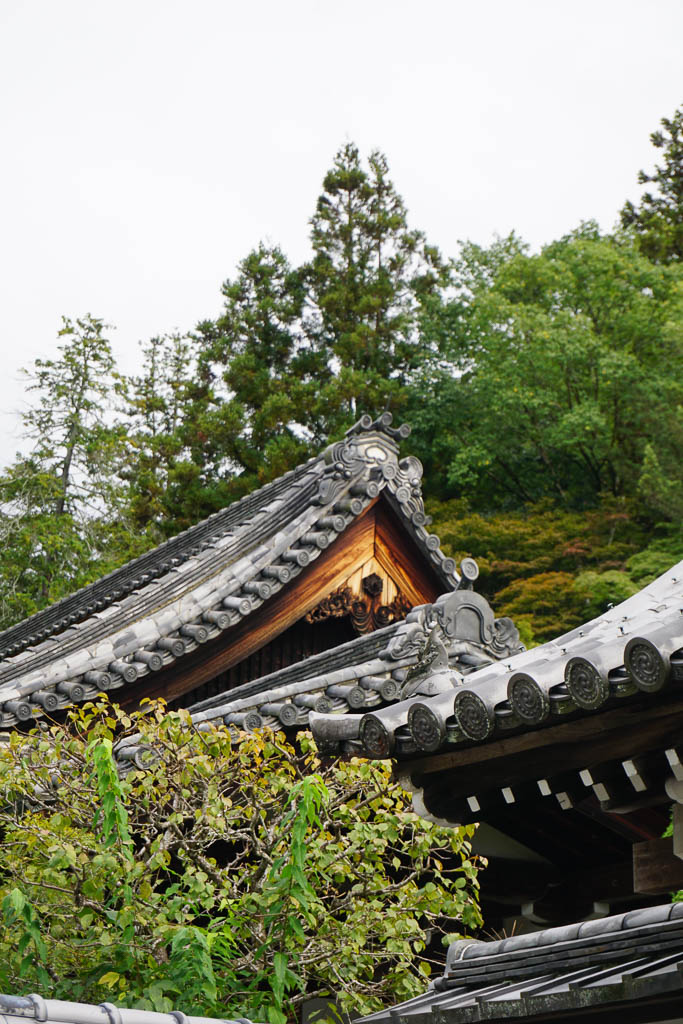
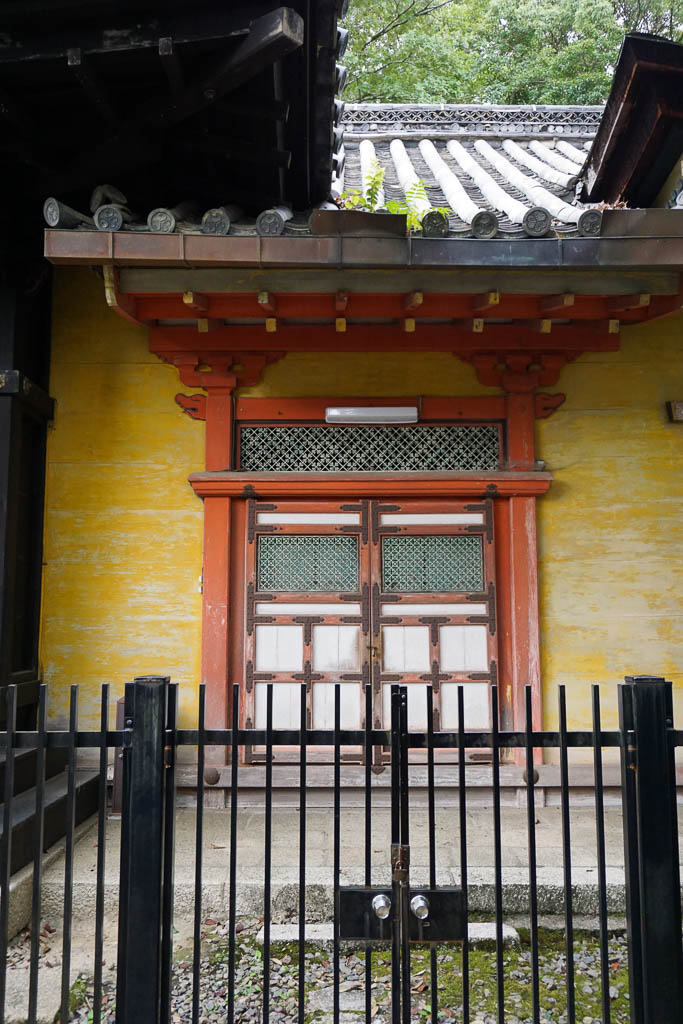
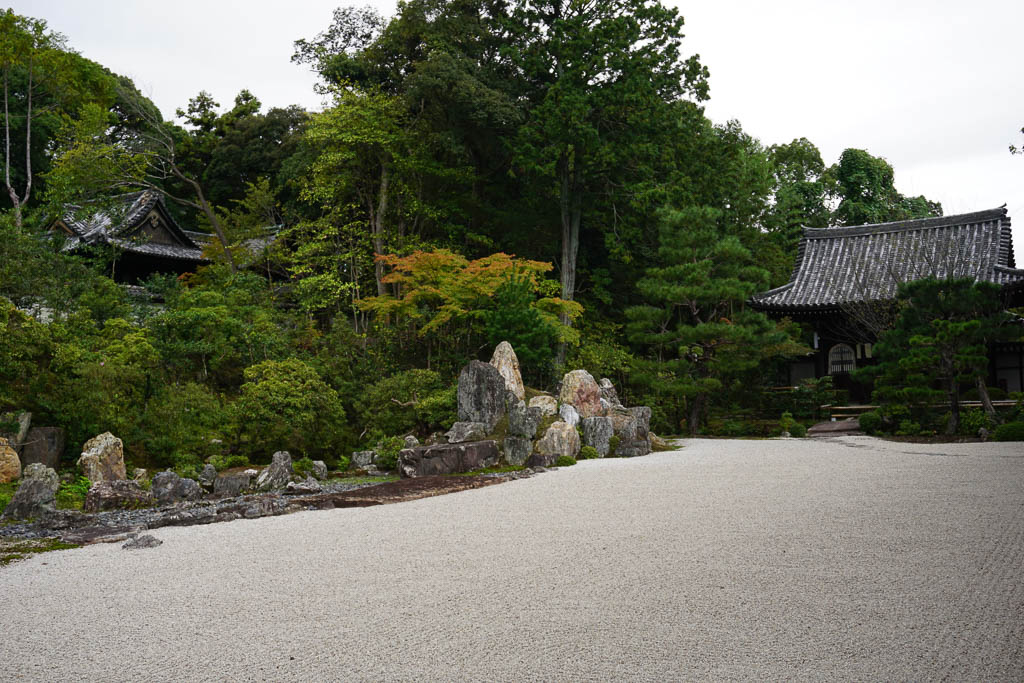
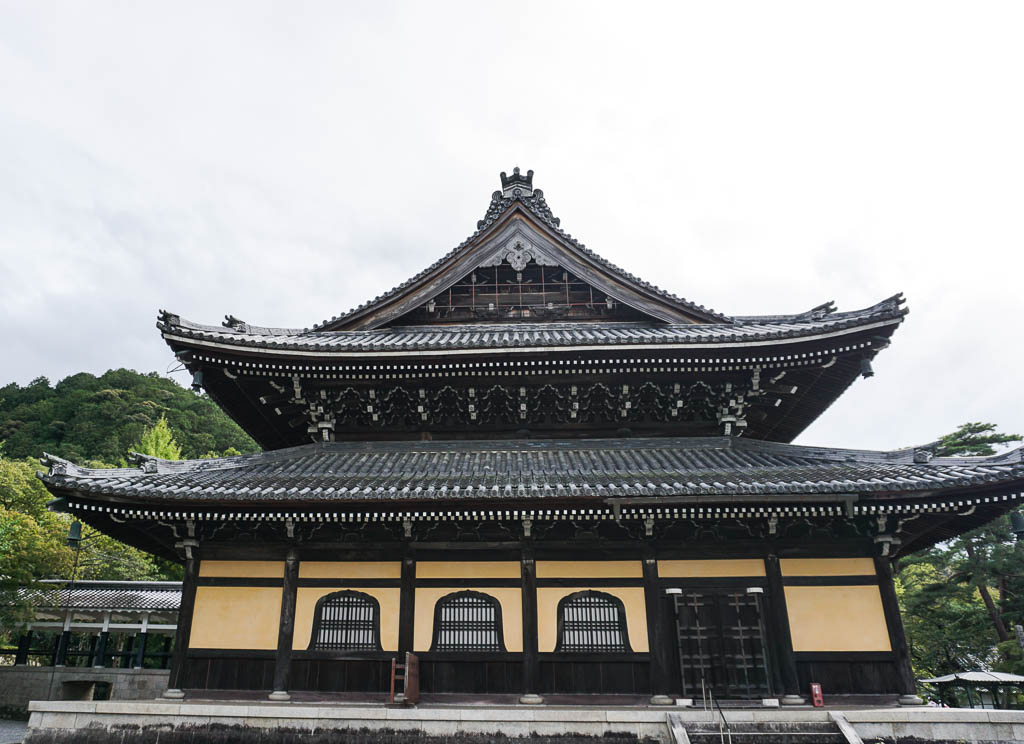
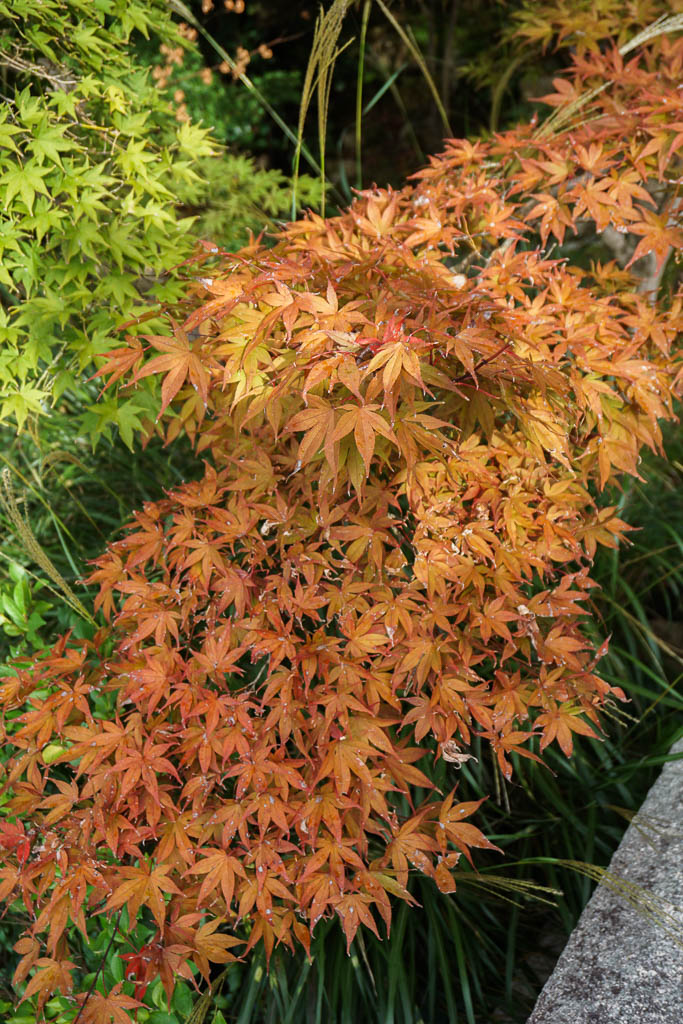
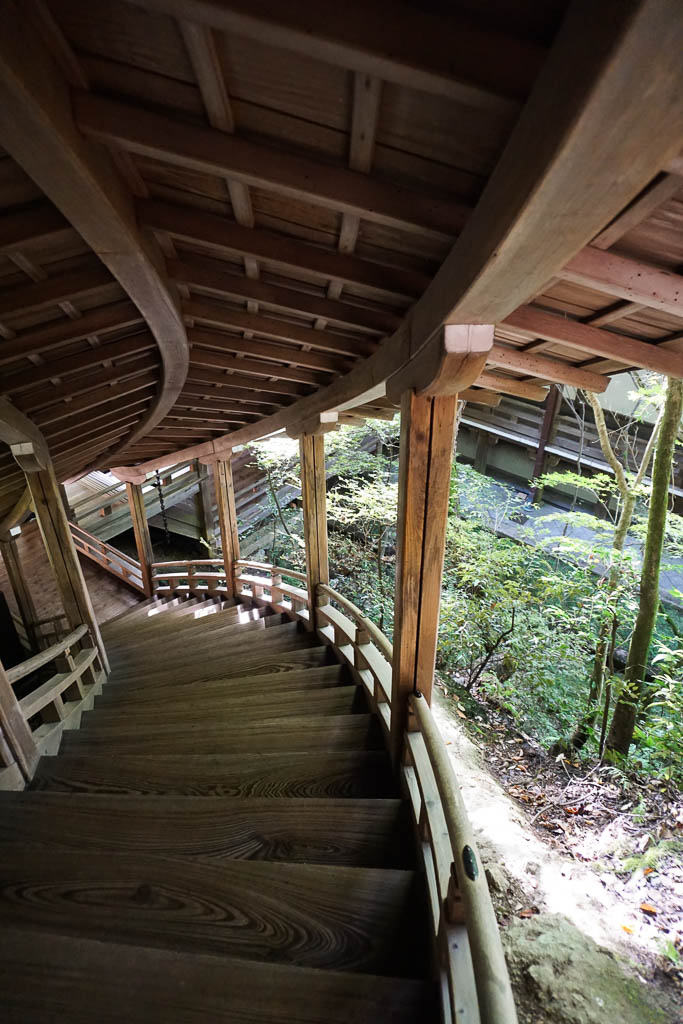
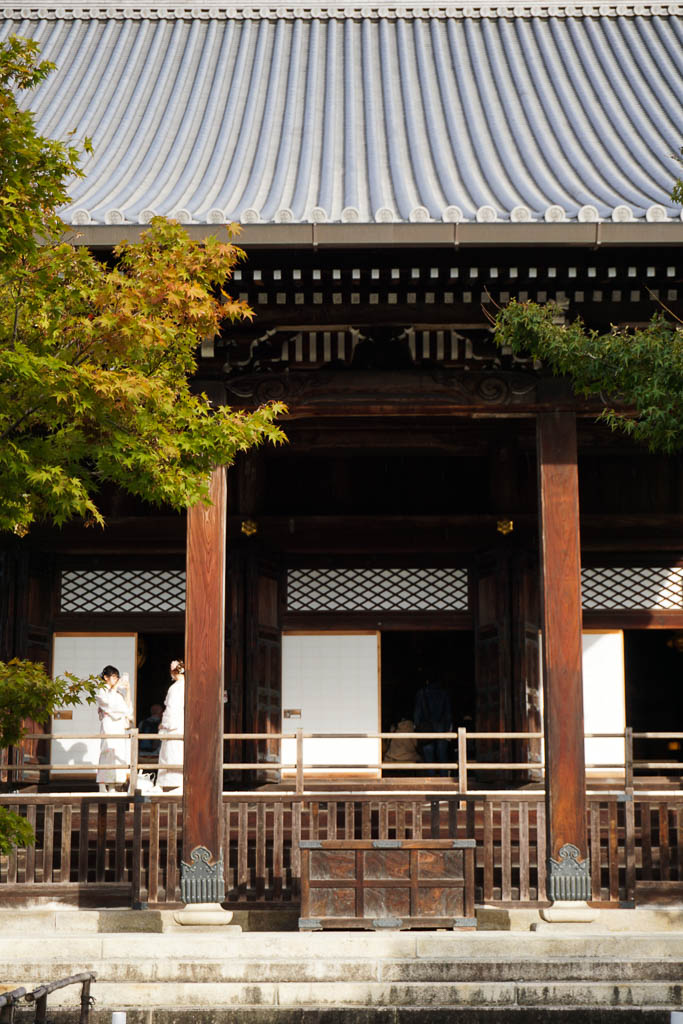
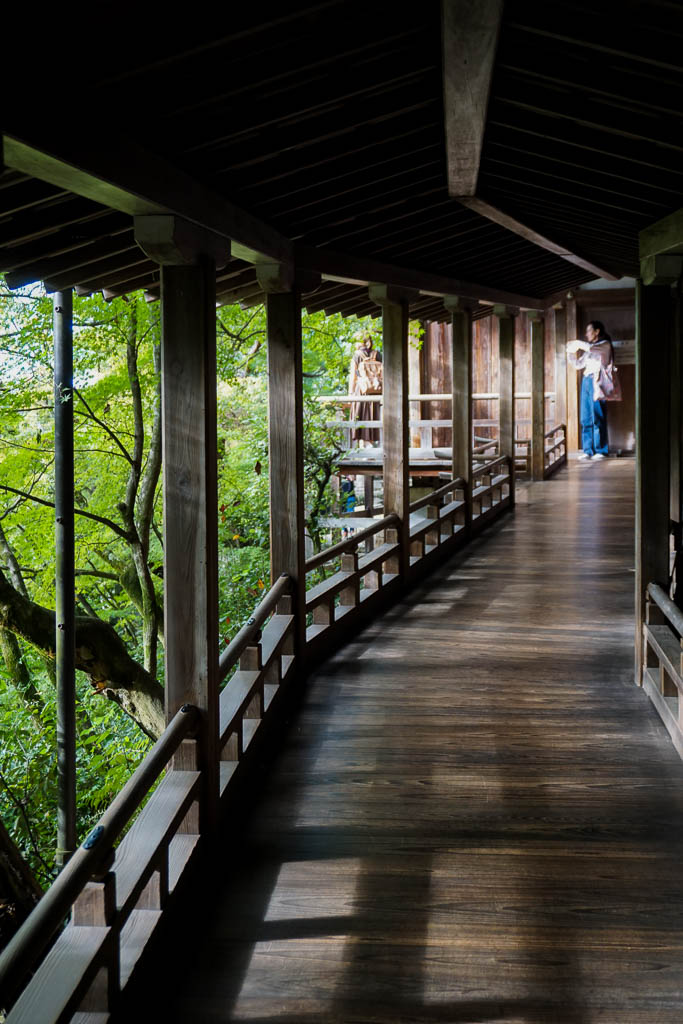
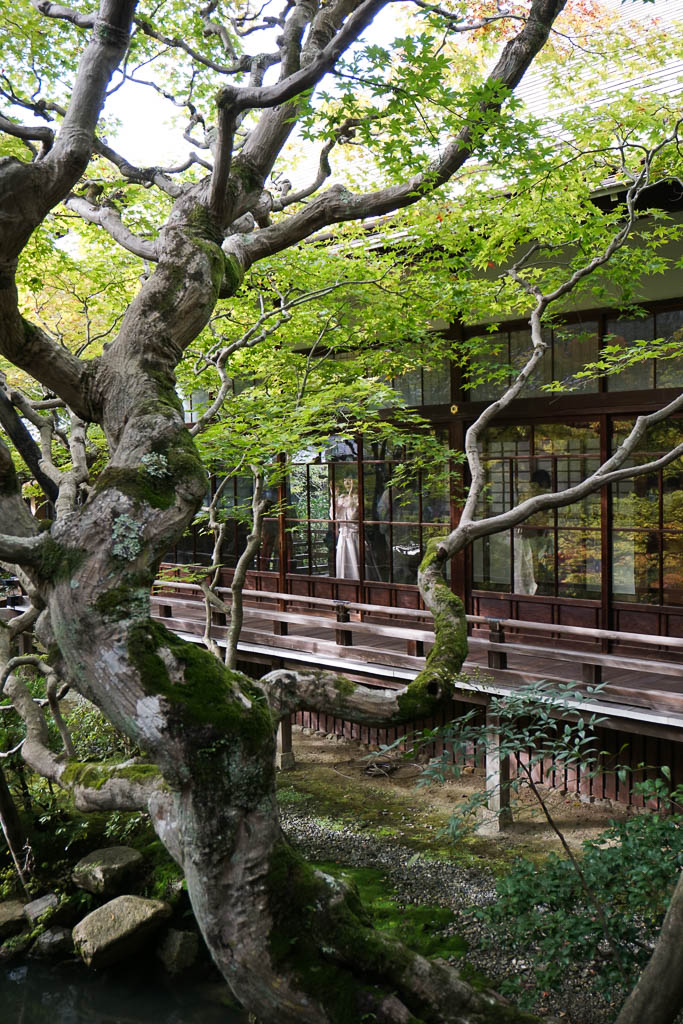
Most people miss Konchi-in because they have their sights on the much larger Nanzen-ji complex, which was my next stop. Whilst Konchi-in felt intimate, Nanzen-ji shook me by its beauty. I loved the inner zen rock gardens and the wooden varandas which allow visitors to experience the gardens from multiple perspectives. Autumn was still properly coming alive here…
Philosopher’s Path & Silver Pavillion (Ginkaku-ji)
With the day getting shorter, I finally went on my way to the Philosopher’s Path. This is a 2 kilometer long stone path that follows a cherry-tree lined canal – I did not see any blossoms bearing in mind I was visiting in October, but on the bright side it meant less crowds and still stunning nature.
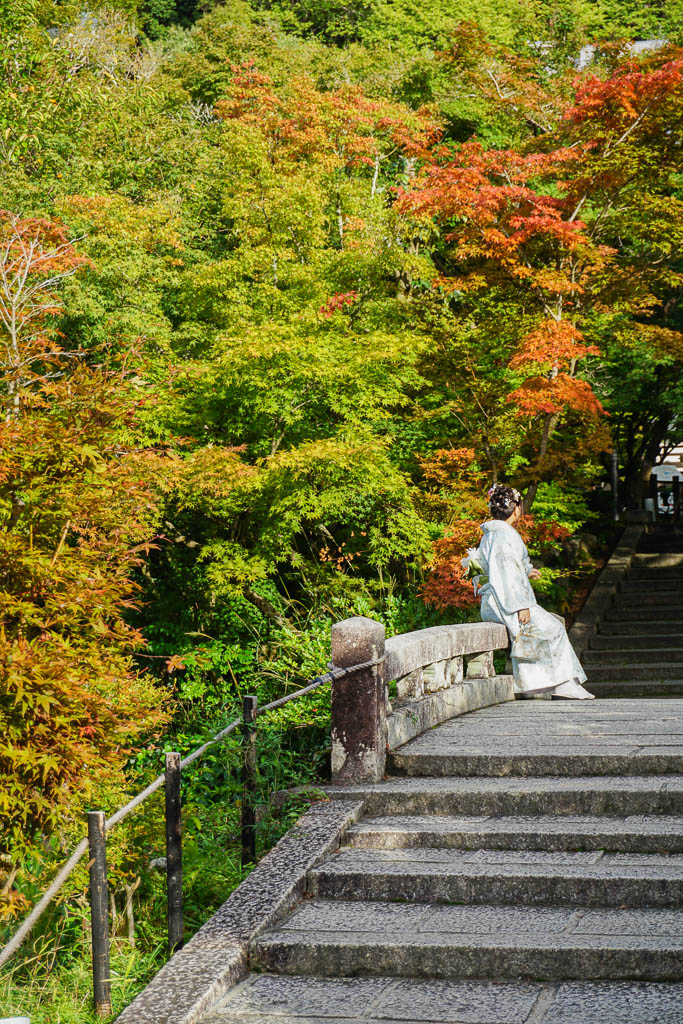
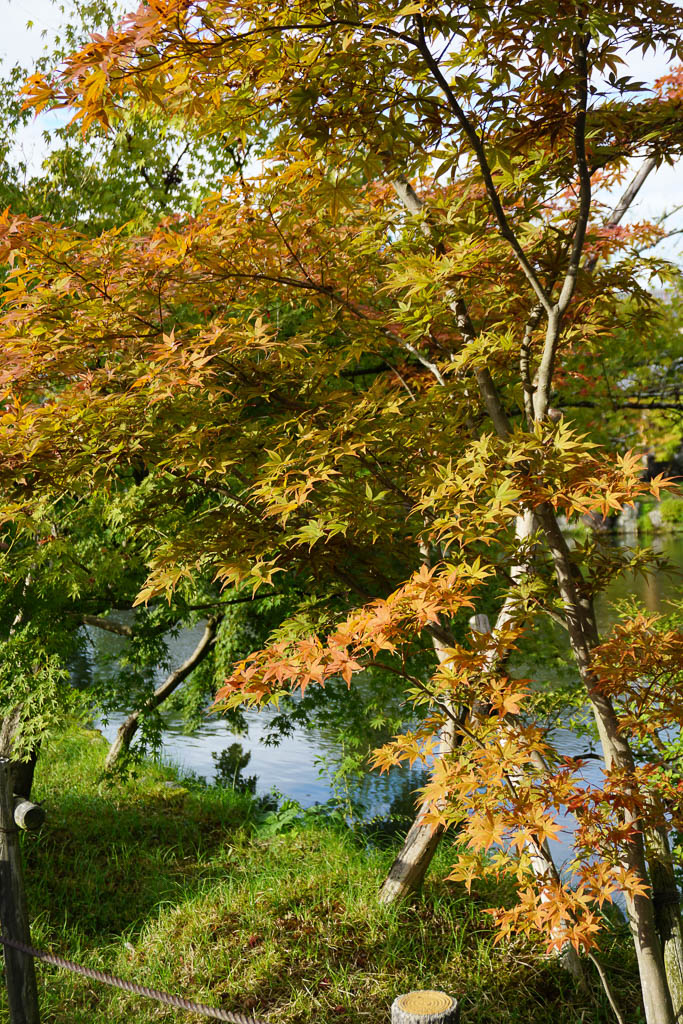
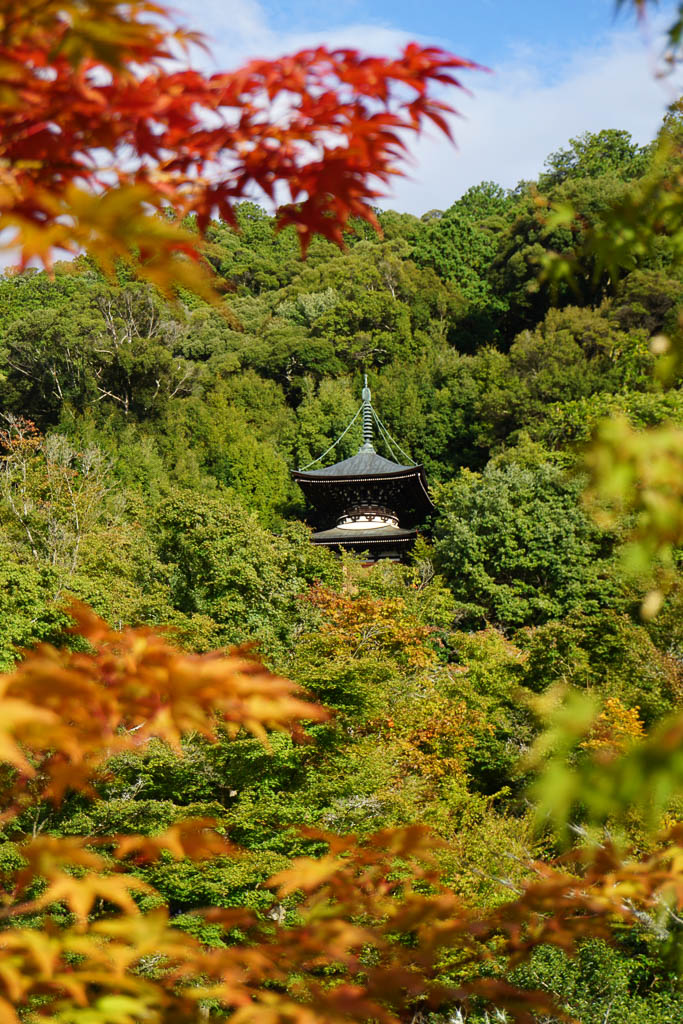
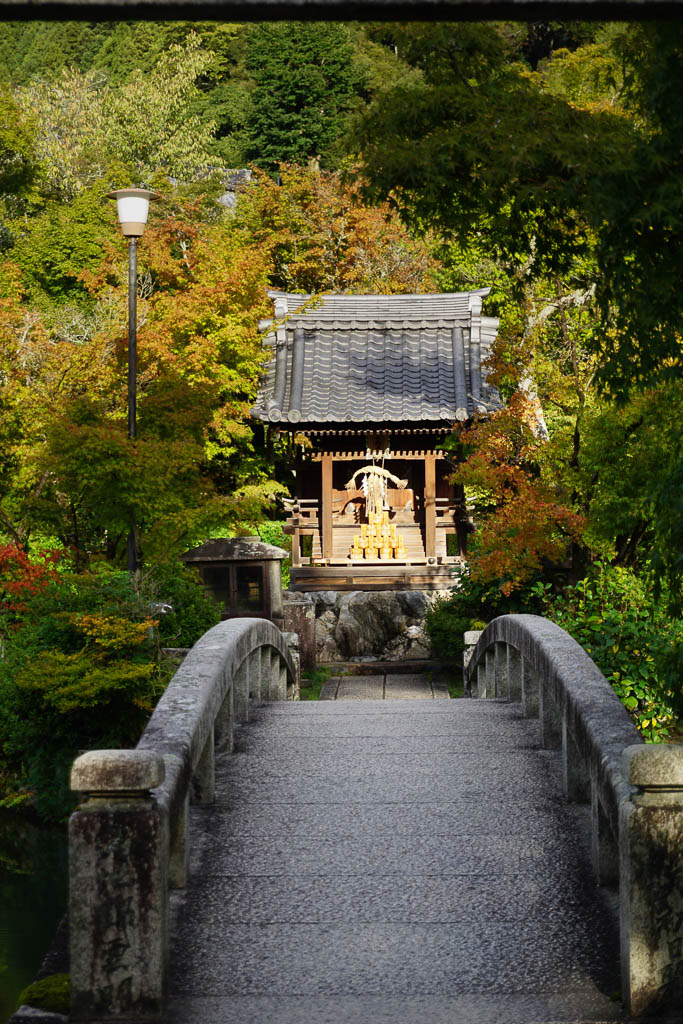
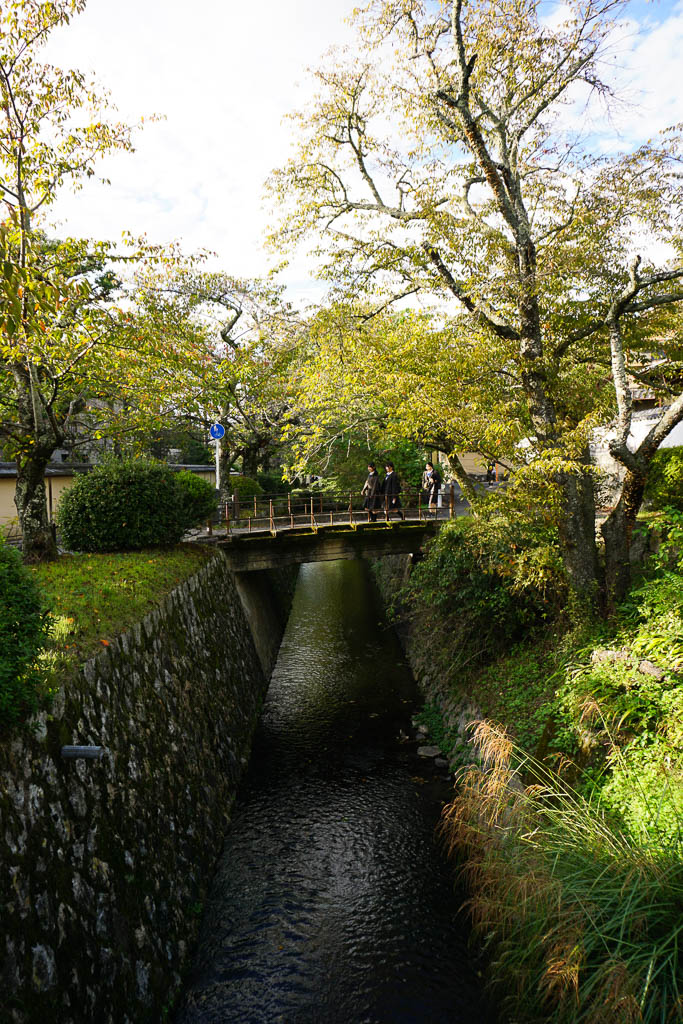
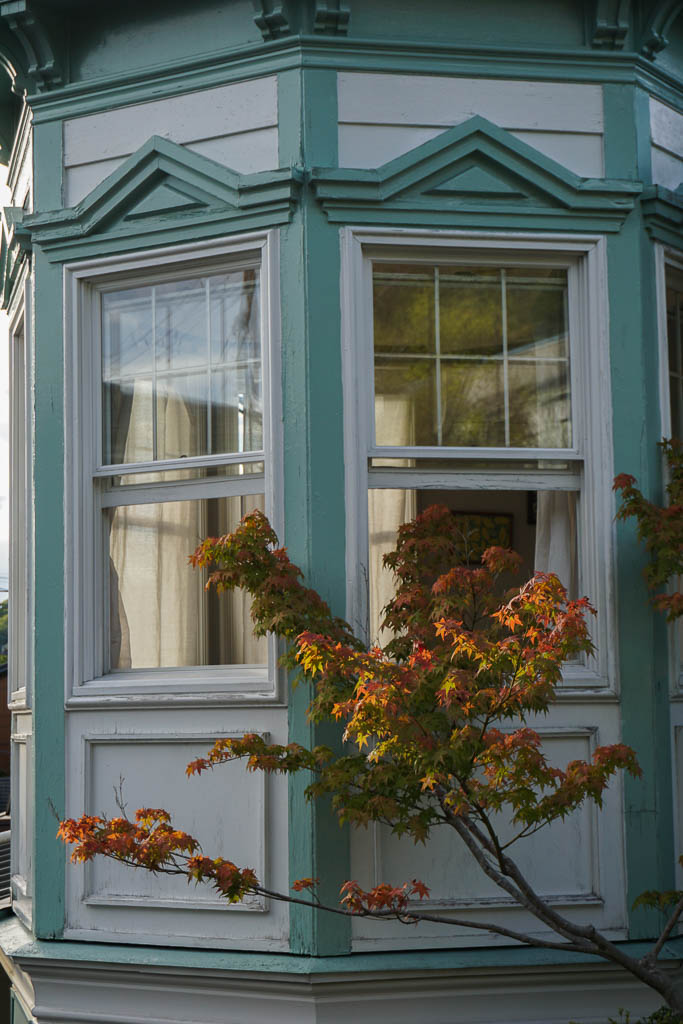
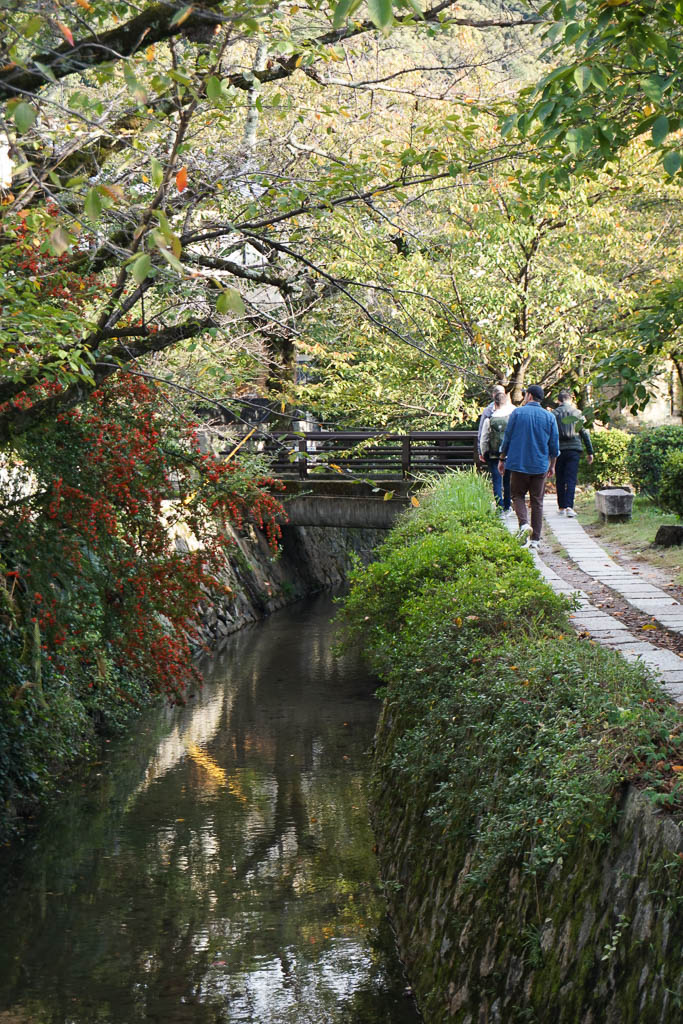
The path name comes from Nishida Kitaro, one of Japan’s most famous philosophers, a professor at Kyoto’s university, who used to walk this specific tour everyday as a form of meditation. It felt meditative, and I made myself slow down – at that point, the Silver Pavillion, at the end of the path, was my last visit of the day, and therefore there was no rush.
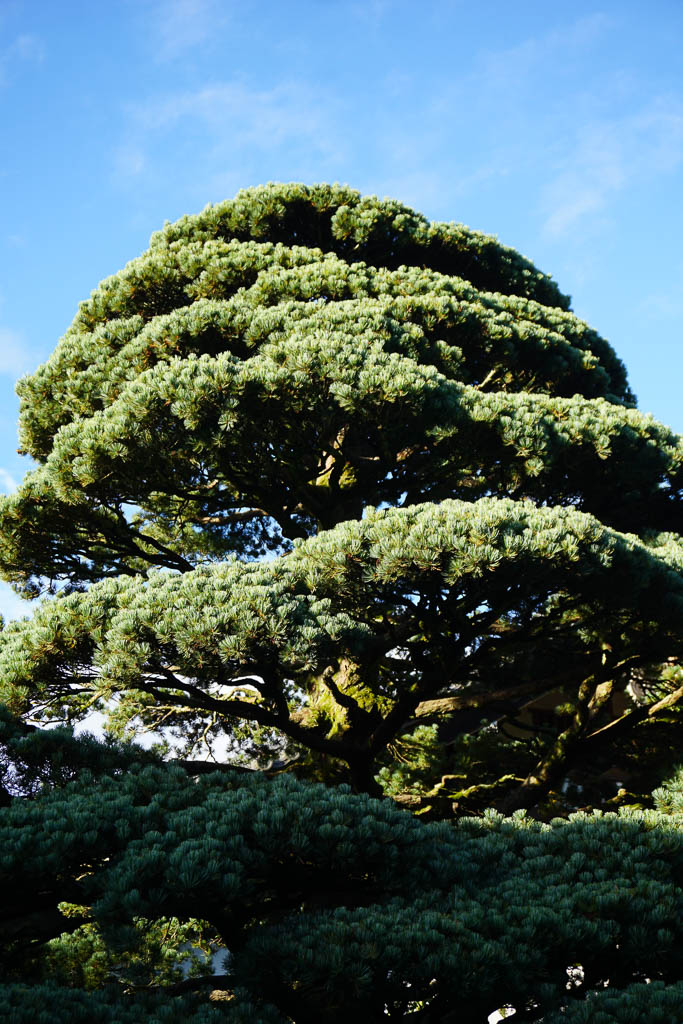
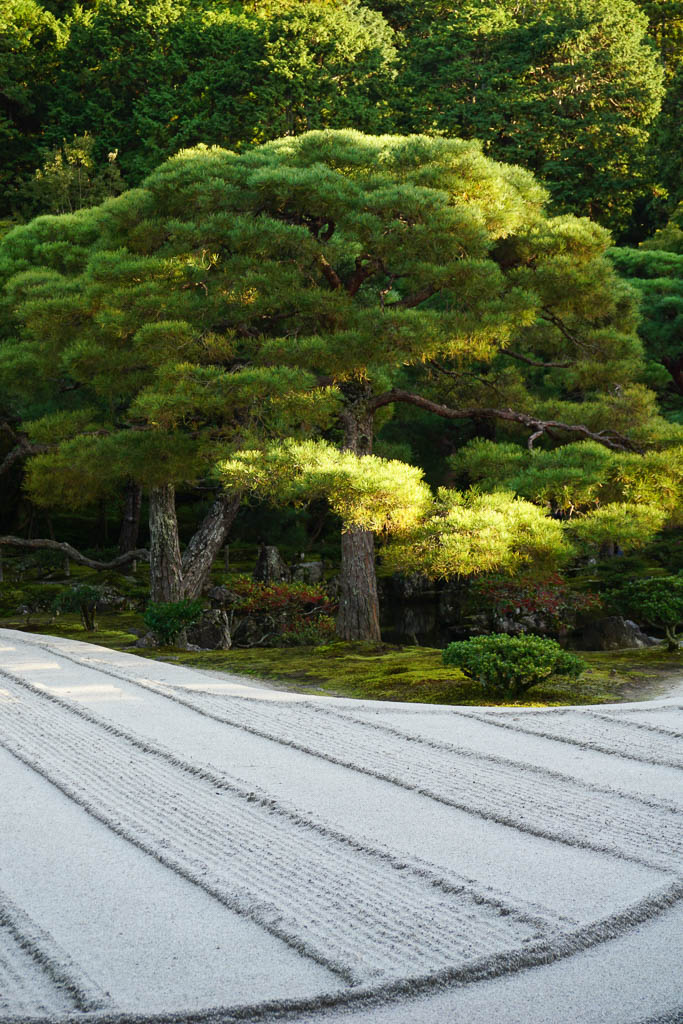
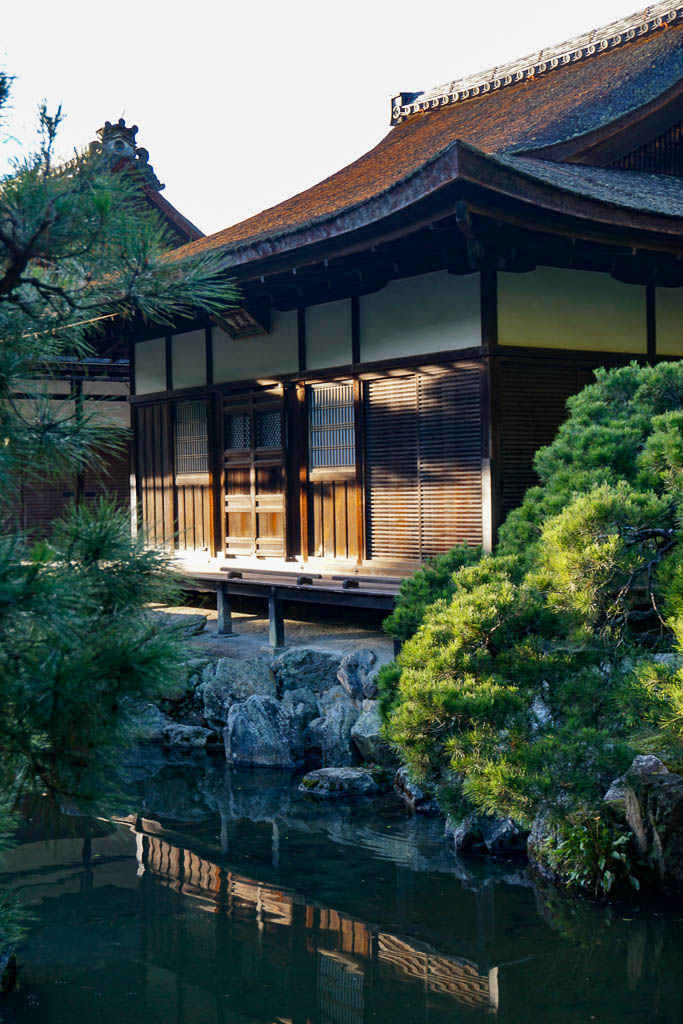
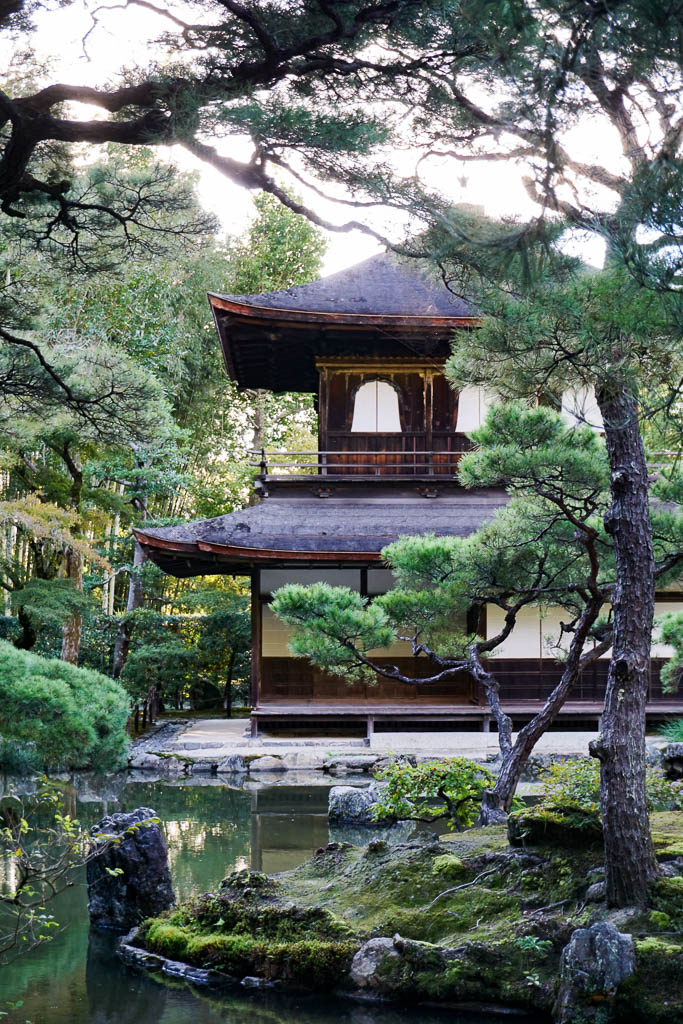
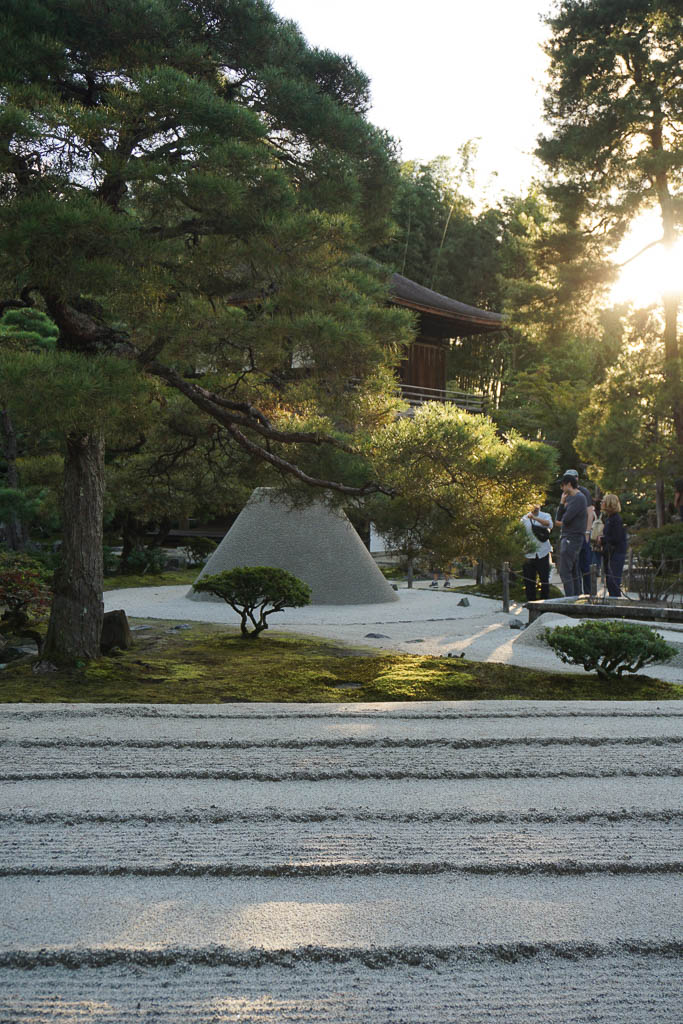
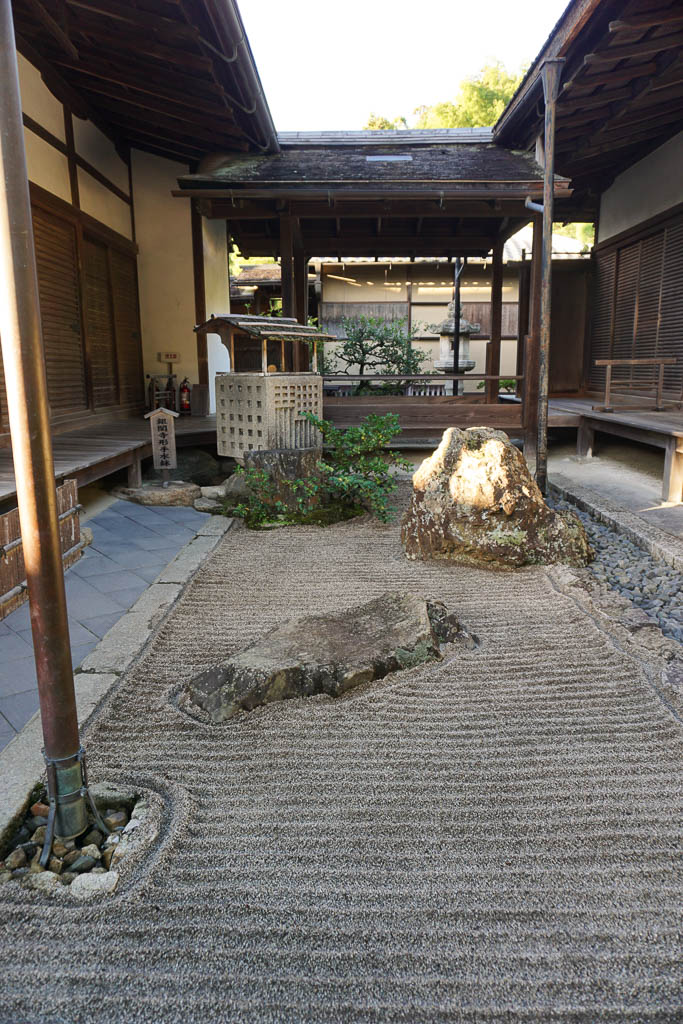
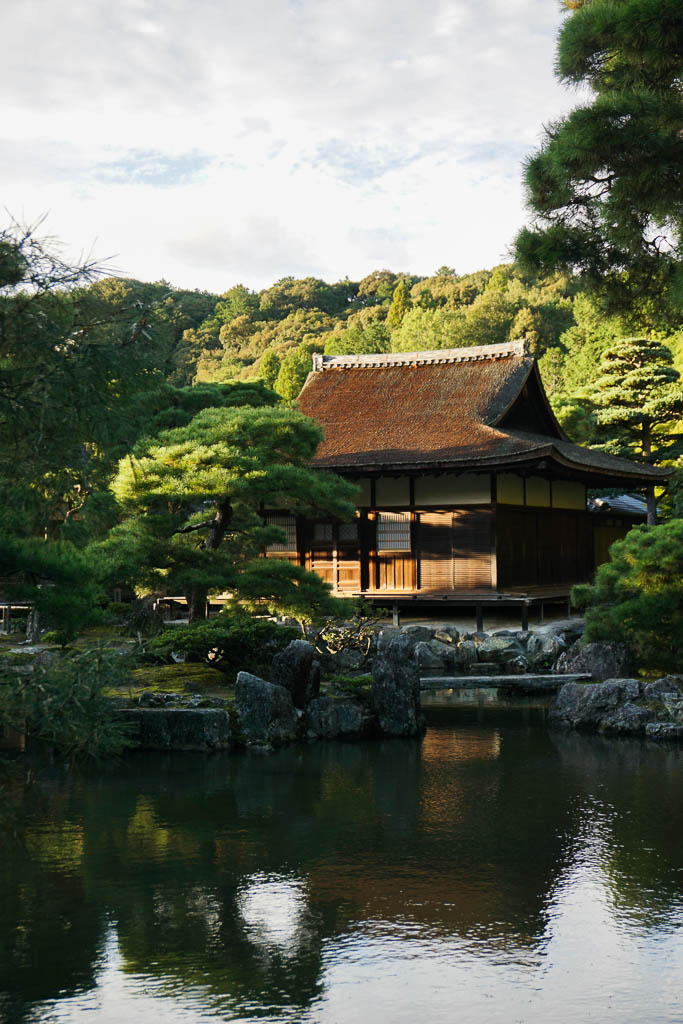
You may think that the Silver Pavillion would be the opposite of the Gold Pavillion, a temple covered in silver instead of gold. In fact, Ginkaku-ji (the actual name) isn’t covered in Silver – some people say the shogun ran out of money to complete this fantasy… others say he actually preferred the so called Wabi-sabi aesthetic – finding beauty in the plain, aged and imperfect. However, to me this temple was far from imperfect.
I visited it just before closing time, and the sun was already close to saying its goodbyes for the day, lending that unique warmth to the wooden structures, and a special shine to the foliage around. The gravel gardens are a sight to behold, and the unique sand mound (moon viewing platform) is meticulously groomed to reflect the light of the moon… something I wouldn’t be able to witness, as the temple closed at 5pm.
I made my way back to the hotel and grabbed food from the nearest convenience store to have at the hotel. I remember feeling so emotionally filled. Kyoto is indeed stunning – and believe me, surprisingly empty when you get off the main sights. And whilst those main sights are still worth a visit, everything else is no less beautiful.
Love, Nic
P.S. The below are affiliate links. This means I may earn a small commission if you decide to purchase or book anything through these links. None of it is sponsored. All my recommendations are based on my lived experience.
Where I stayed in Kyoto: Tune Stay https://booking.tpo.lv/6724knY6
Truely Sim Card: Get 10% Off with code wingedbone10
 The Winged Bone
From the elegance of the kimono and tea ceremony to the intensity of the Tainai Meguri at Kiyomizu-dera. I could almost feel that pitch-black darkness with you. And ending along the Philosopher’s Path at Ginkaku-ji sounds like the perfect emotional exhale. Kyoto really is magic beyond the crowds.
LikeLiked by 1 person