
Kyoto. The city that always came to mind first when I dreamed of Japan. And yet, I was quite terrified that my expectations would be shattered by the rumours and, frankly, many, many articles, videos and social media posts about how crowded it was. How overtourism is destroying it, and how unpleasant it has become.I will probably write later on an article about my views on visiting Japan after becoming even a bigger tourist trend post-Covid. But for now, what I can tell is that Kyoto was everything I could have expected, and more.
I arrived in Kyoto in the middle of the morning from Hiroshima, and called a cab through the app GoTaxi to take me to the Ryokan. It was raining, which was not ideal, but I’ve learned to just let it go when it comes to weather, one of many and yet most influential things we cannot control. I dropped my suitcase in there, and the first thing I did was to look for food.
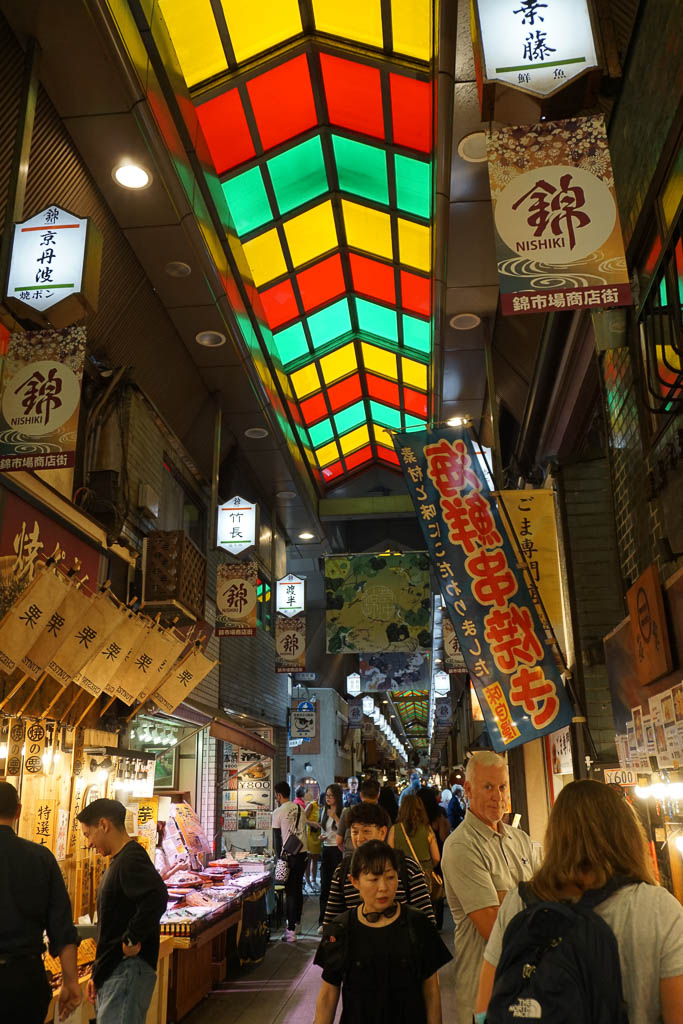
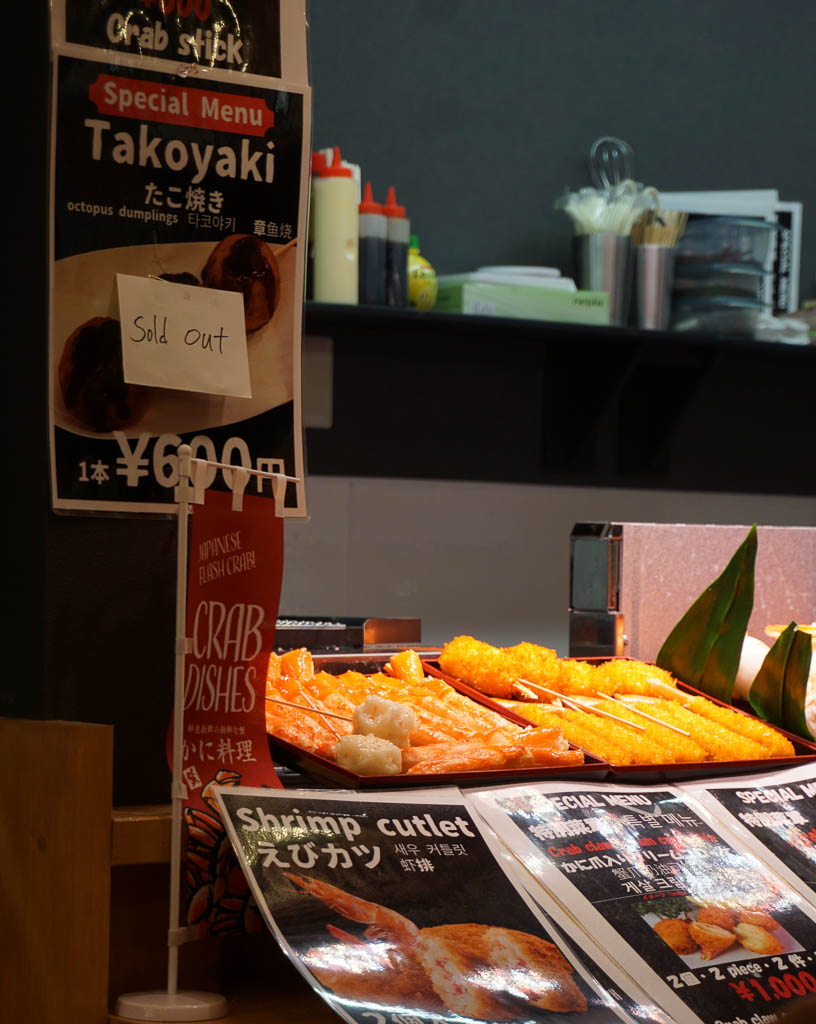
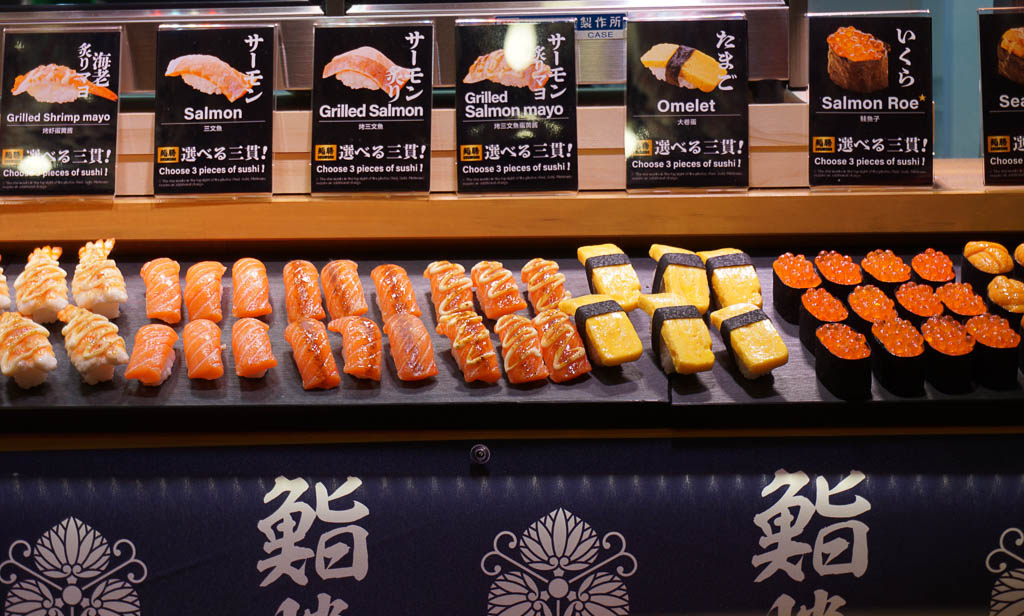
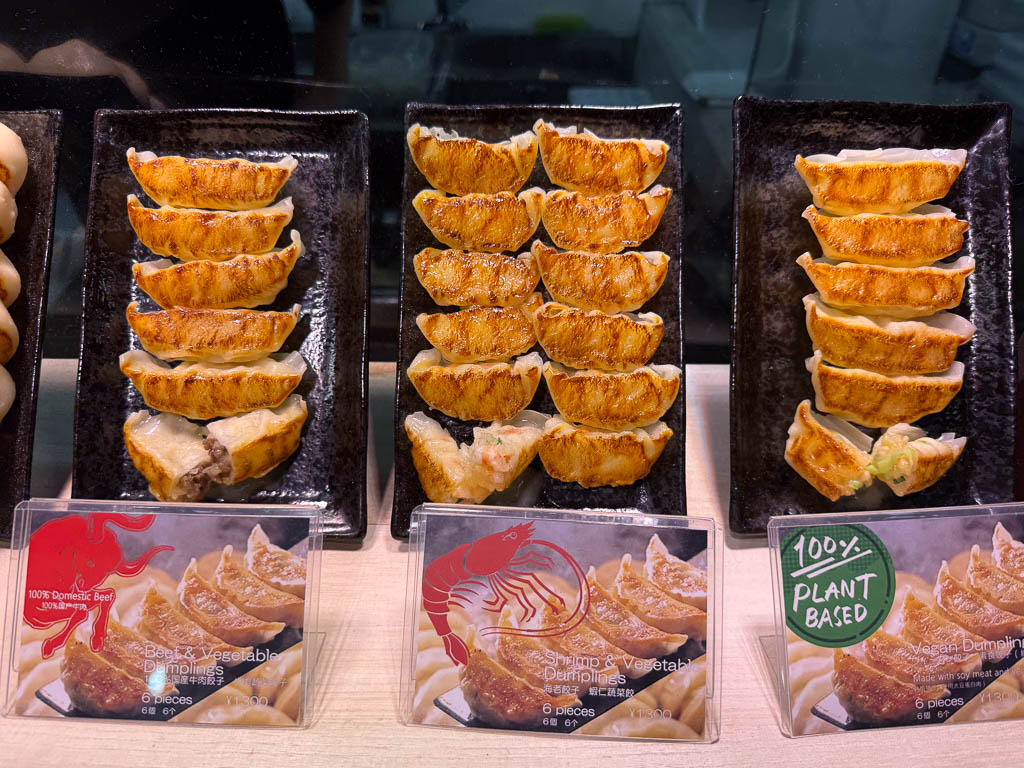
Nishiki Market is a covered food hall that originated in the 14th century. It’s 400 meters long, and features over 100 food stalls and shops. It’s only open during the day, closing at 5pm, so do not count on it for dinner.I had some sushi in the market and also some gyoza. I was a bit hesitant at first to have food in a place that has become so touristy – but it was actually on the way to my next stop, and since you can see the food and the prices, I was immediately surprised with how inexpensive it actually was. And the food… I have to say, it was good. But honestly, I never had bad food in my two weeks in Japan.
Kyoto was the old imperial capital of Japan from 794 to 1868 – over a thousand years of emperors and imperial dramas. What is perhaps most confounding is that during this time the political power didn’t live in Kyoto – the emperor stayed here, but the shoguns ruled from elsewhere – first Kamakura, and later Edo (modern Tokyo). This is pretty much what we see in western monarchies – the monarch, a symbol, the prime minister, the actual ruler. In 1868, during the Meiji restoration, the emperor moved to Edo, making it Tokyo and becoming the capital of the country.
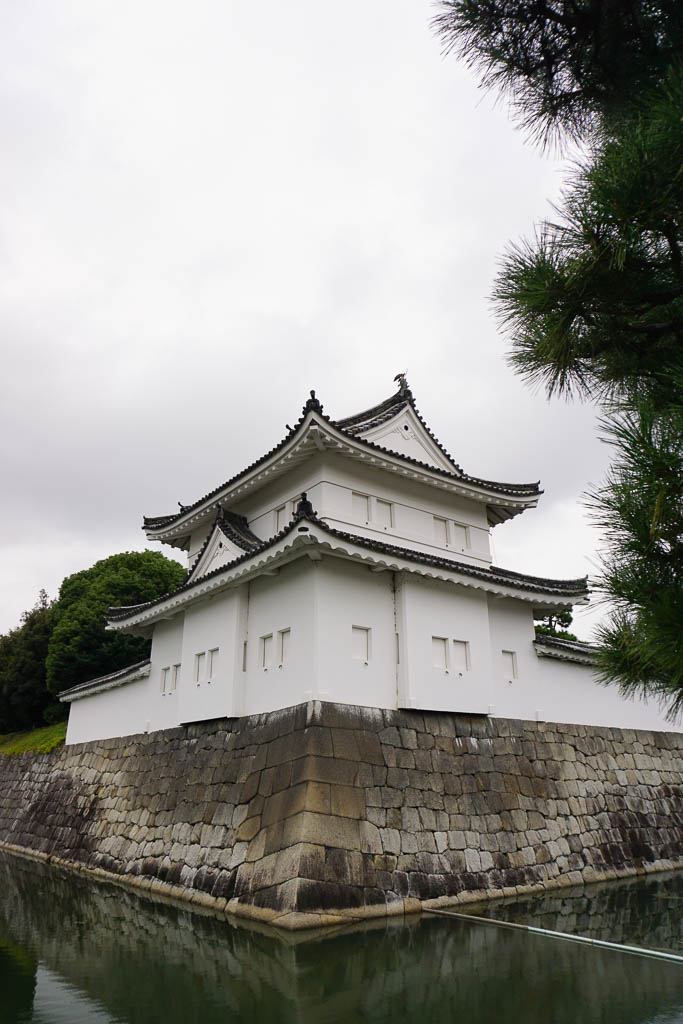
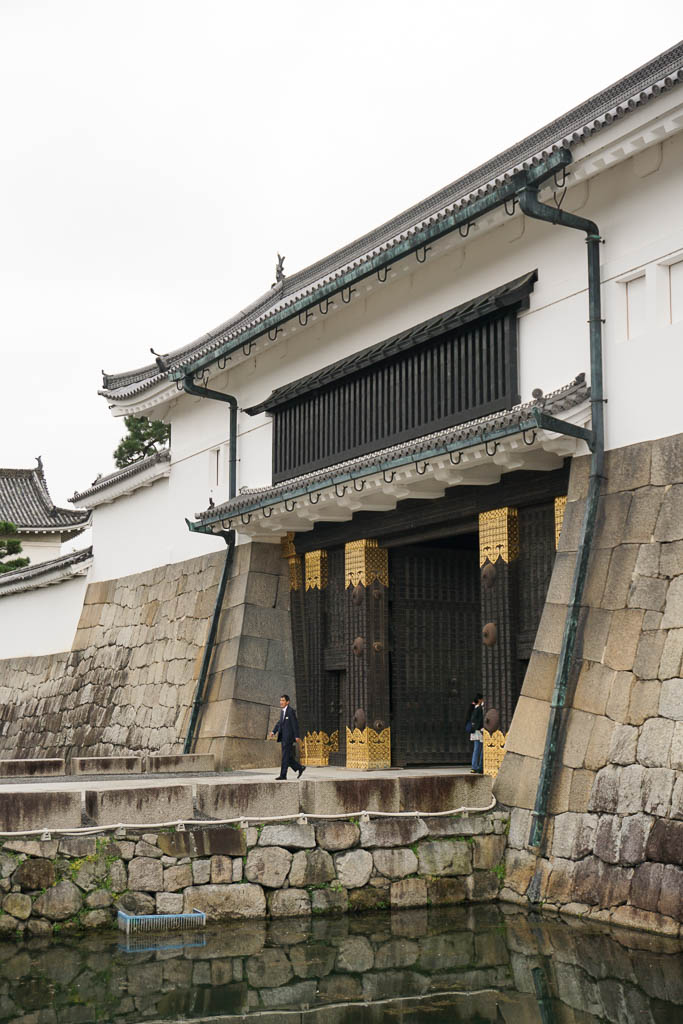
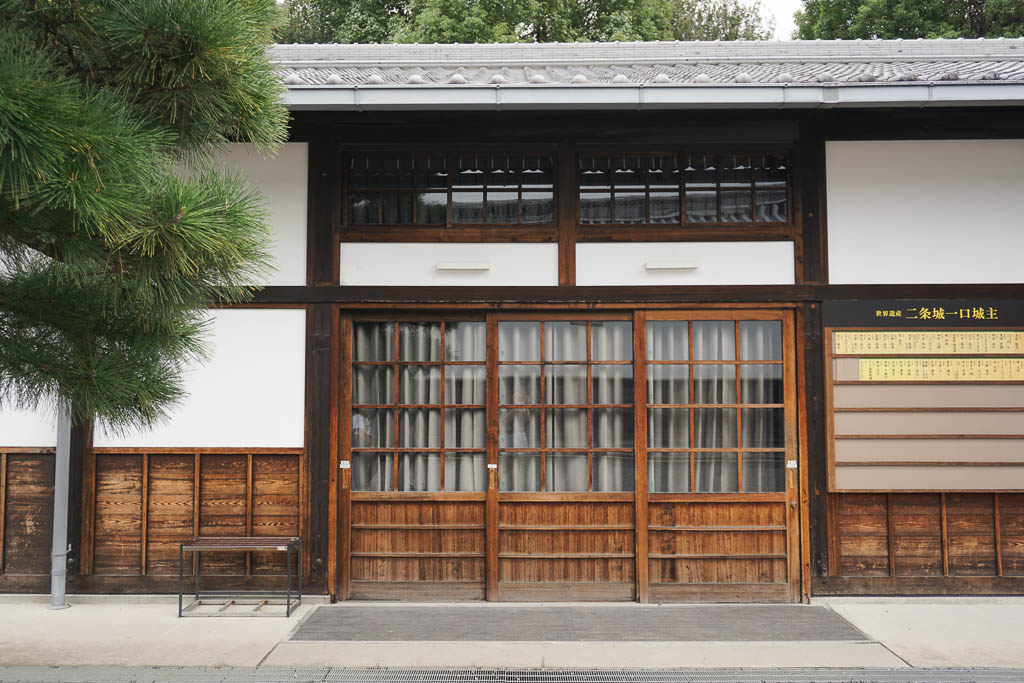
Nijo Castle is a huge part of this past of Kyoto, and I was very looking forward to visit it. It was the Kyoto residence of the Tokugawa shoguns, especially Tokugawa Ieyasu, the founder of the Tokugawa shogunate. It’s not meant to feel homey and cosy, instead a power statement: when the shogun came to see the emperor, this was where he stayed. It was also here that, in 1867, the last Tokugawa shogun formally returned power to the emperor there, quietly ending centuries of shogunal rule.
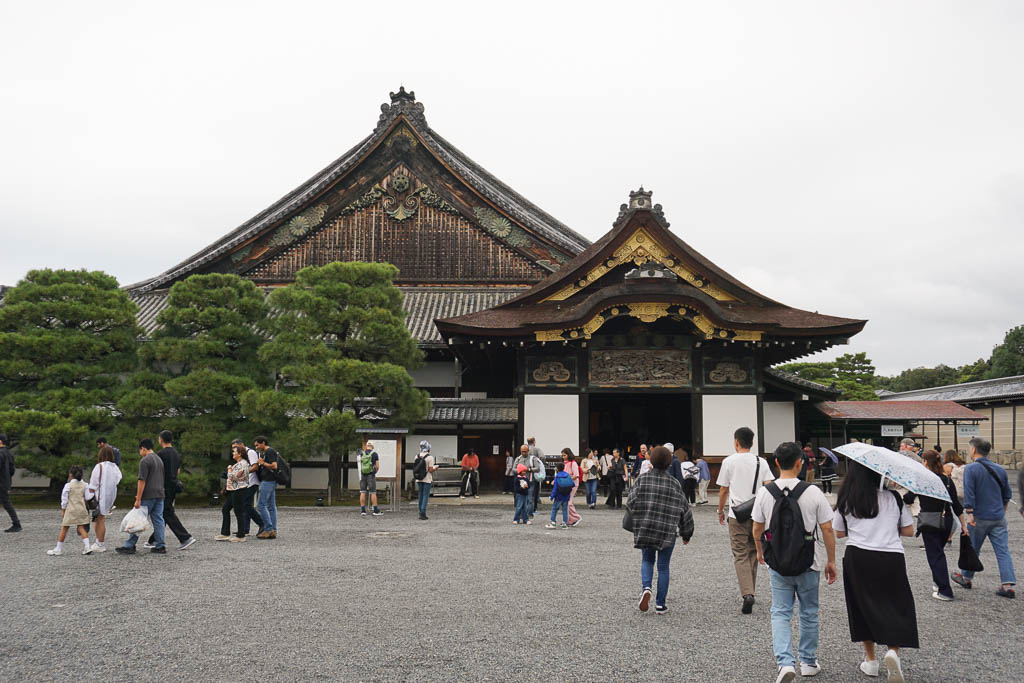
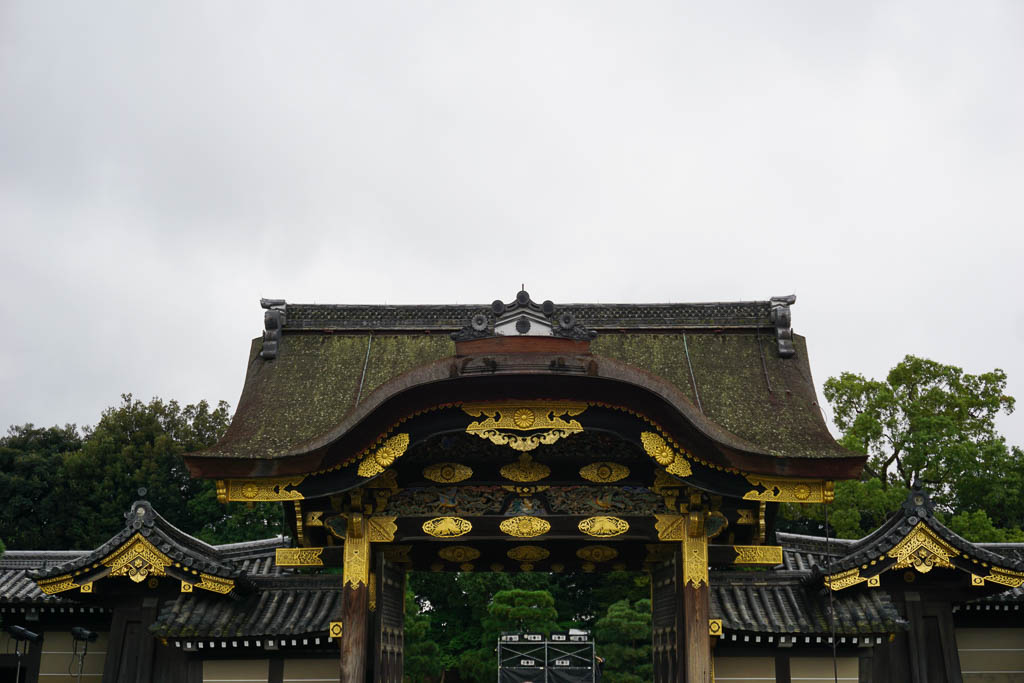
The building dates to 1603 when its construction was completed, and it was later expanded by different shoguns. Since it’s not allowed to take pictures inside, I have to stay. The interiors are stunning. Many gold leaf covered rooms, depicting natural scenes, often including tigers and dragons, symbols of power. It’s Japanese simplicity and yet imponent, intimidating. A far cry from the intricate baroque interiors we’re so accustomed to when visiting palaces in Europe, particularly from that same century… and yet, it’s eerily astounding how much power those rooms communicate.
When you walk inside, you’d hear something similar to chirping. These are the so-called nightingale floors, a early warning system against assassins. The sound comes from the construction technique: iron clamps and nails rub inside metal sleeves when the boards flex, a friction that created the chirp. Whilst these weren’t intentionally created as alarm systems, it was embraced – especially in an era when assassination attempts were common, and paranoia reigned.
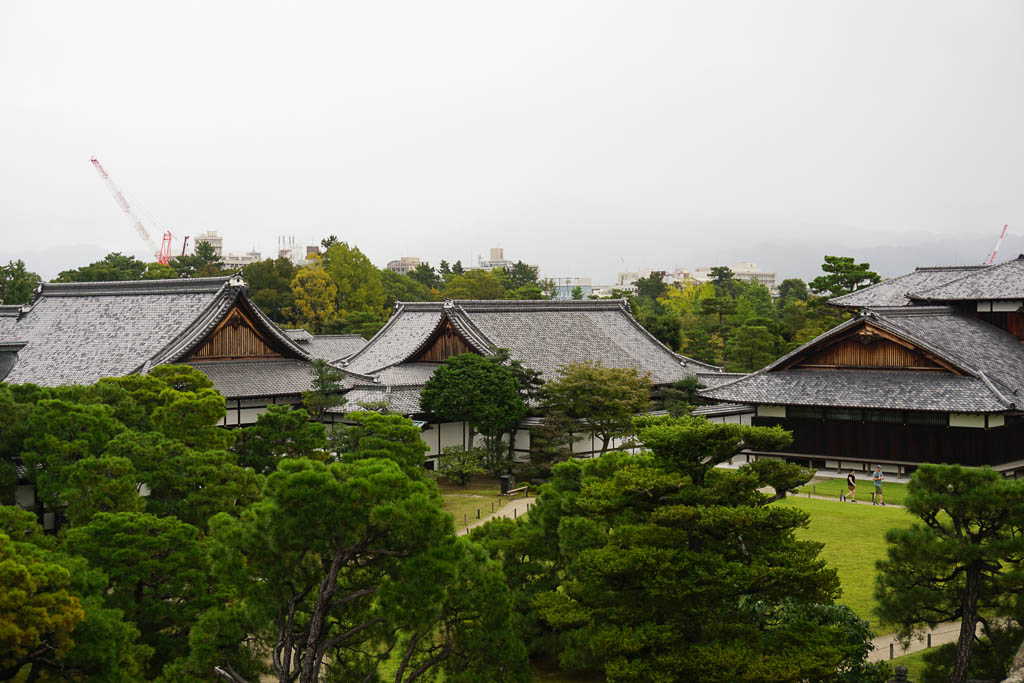
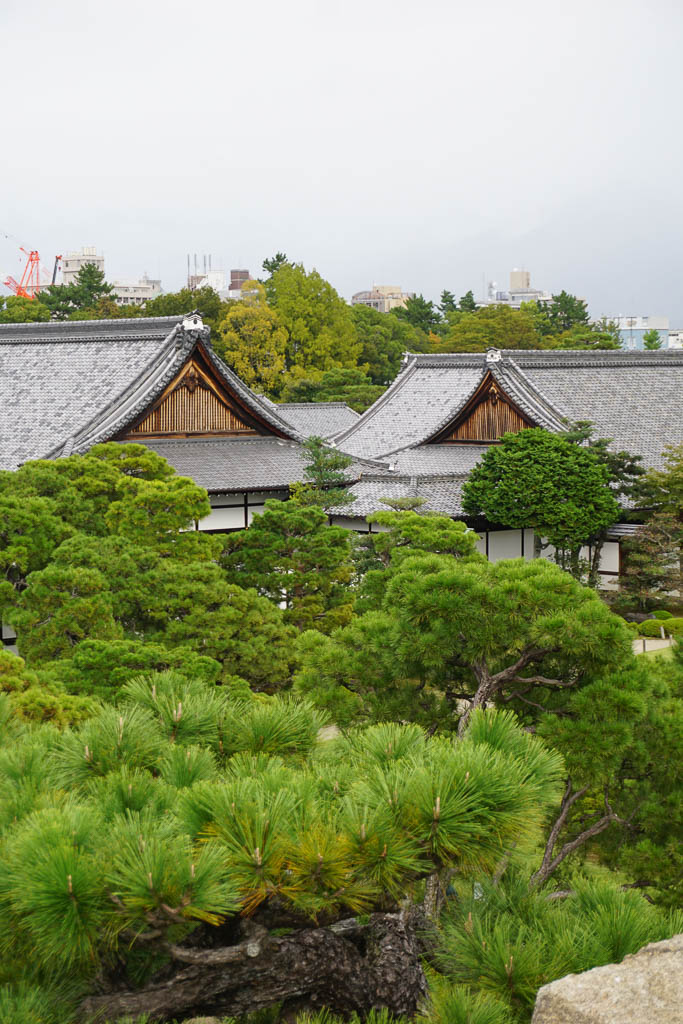
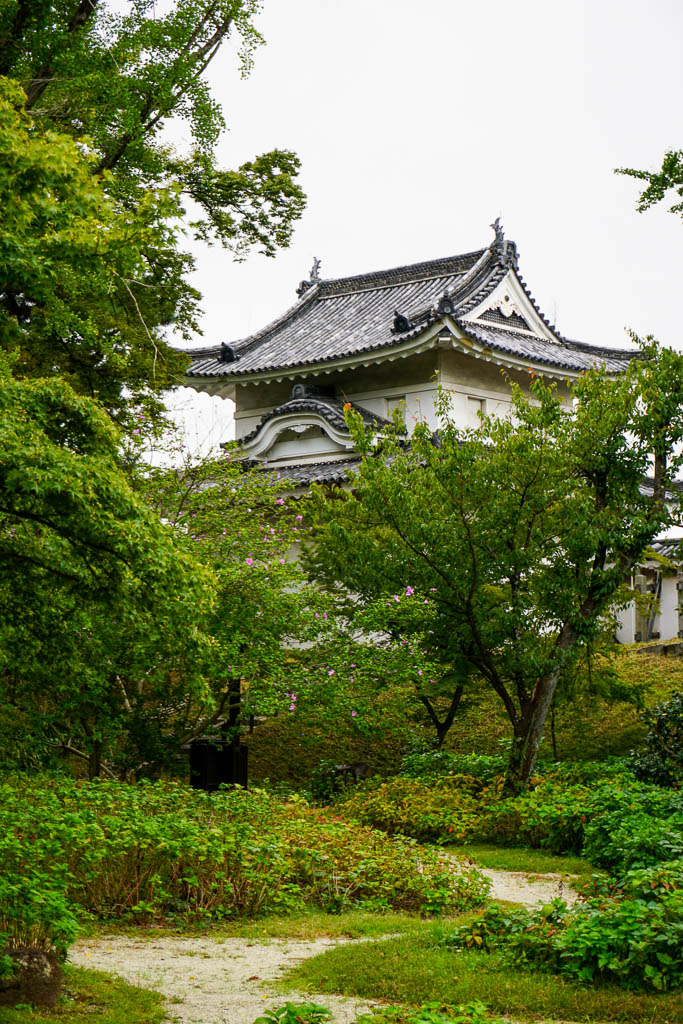
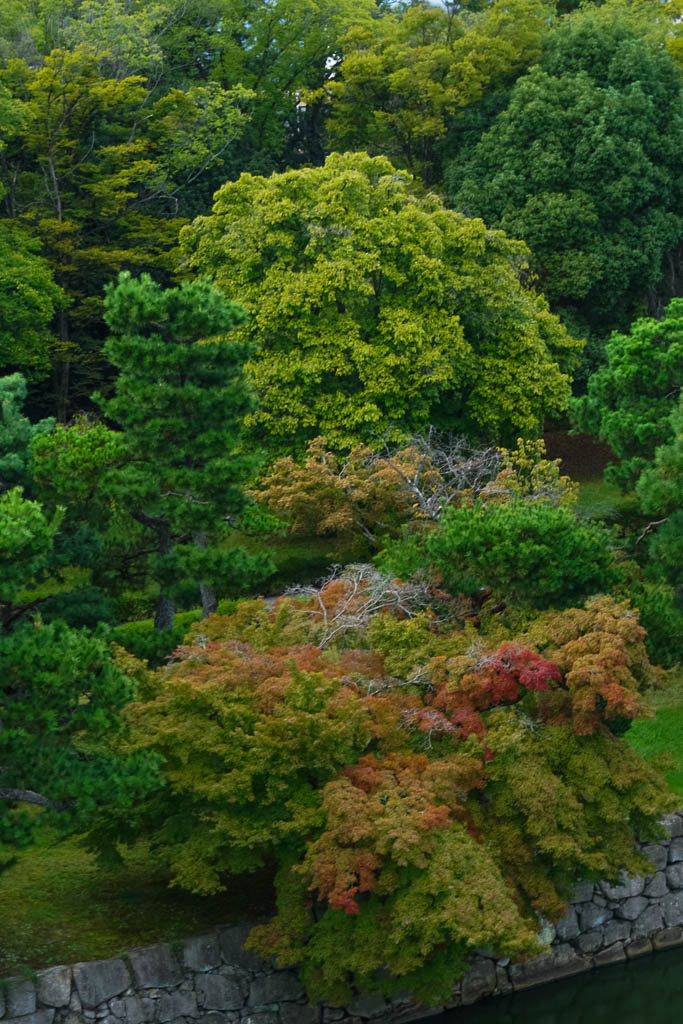
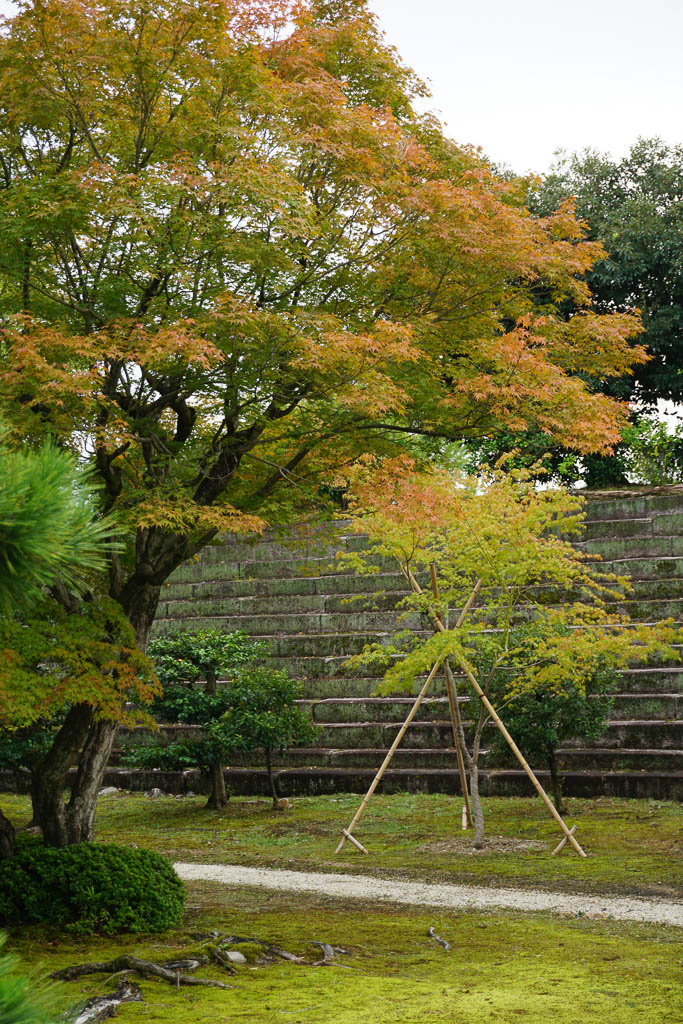
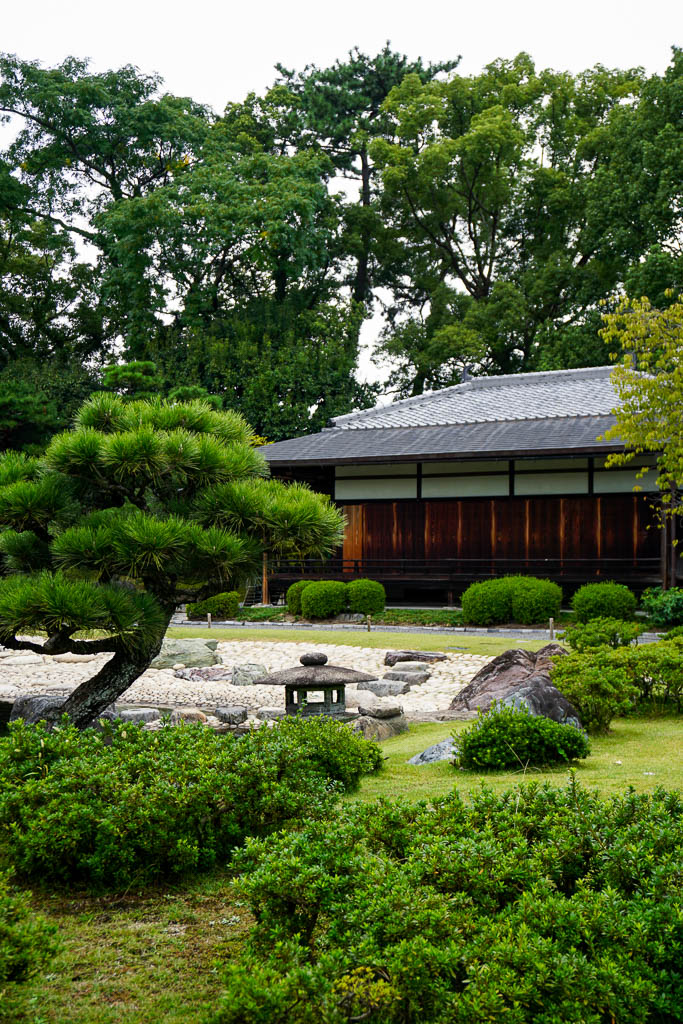
Nothing puts me at ease as Japanese style gardens, so after the almost suffocating – yet charming – power of the castle indoors, my spirit was mellowed by the gardens surrounding the castle.
The Yasaka shrine is probably the most famous in Kyoto, located between popular Gion and Higashiyama districts. It was founded over 1350 years ago – the shrine’s main hall combines an inner sanctuary (called honden) and offering hall (haiden) into a single building, and in front there is a dance stage with hundreds of lanterns, bearing the name of a local business in return for a donation.
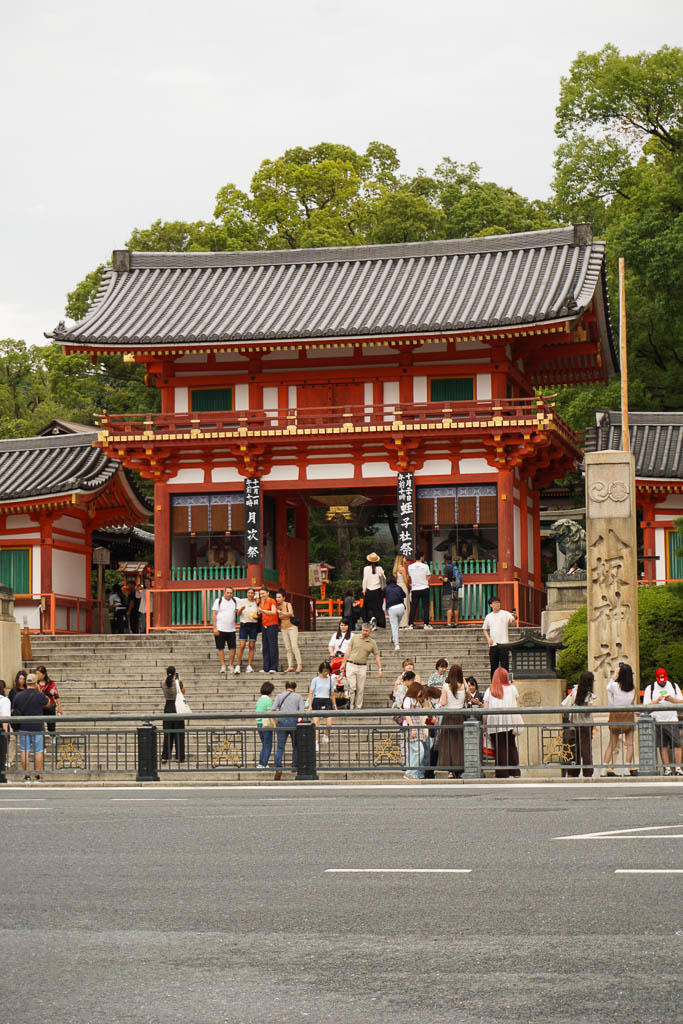
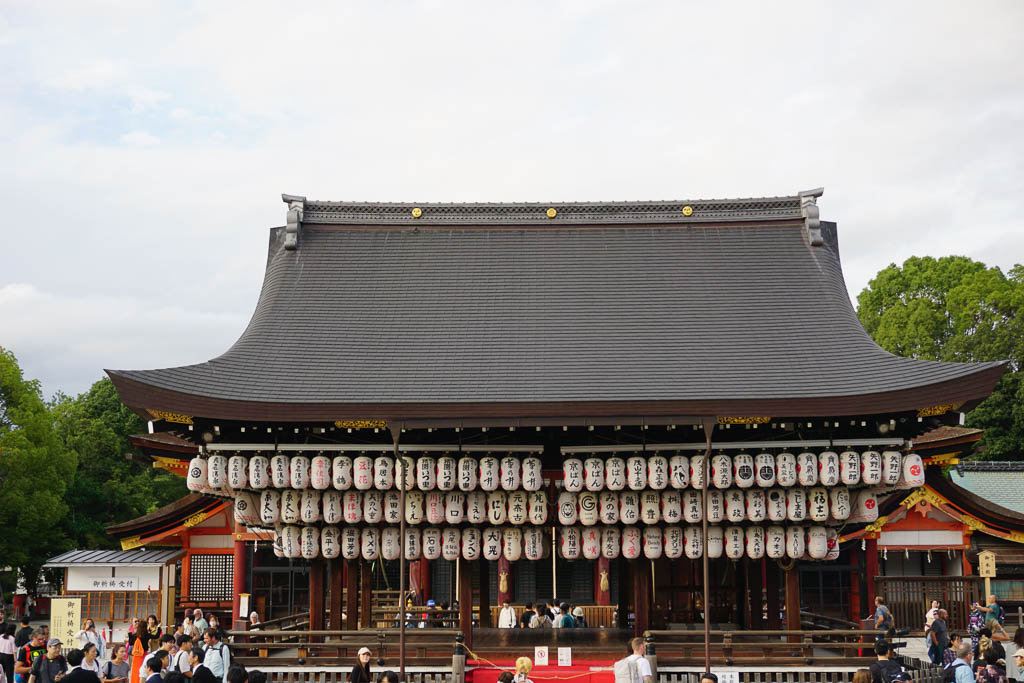
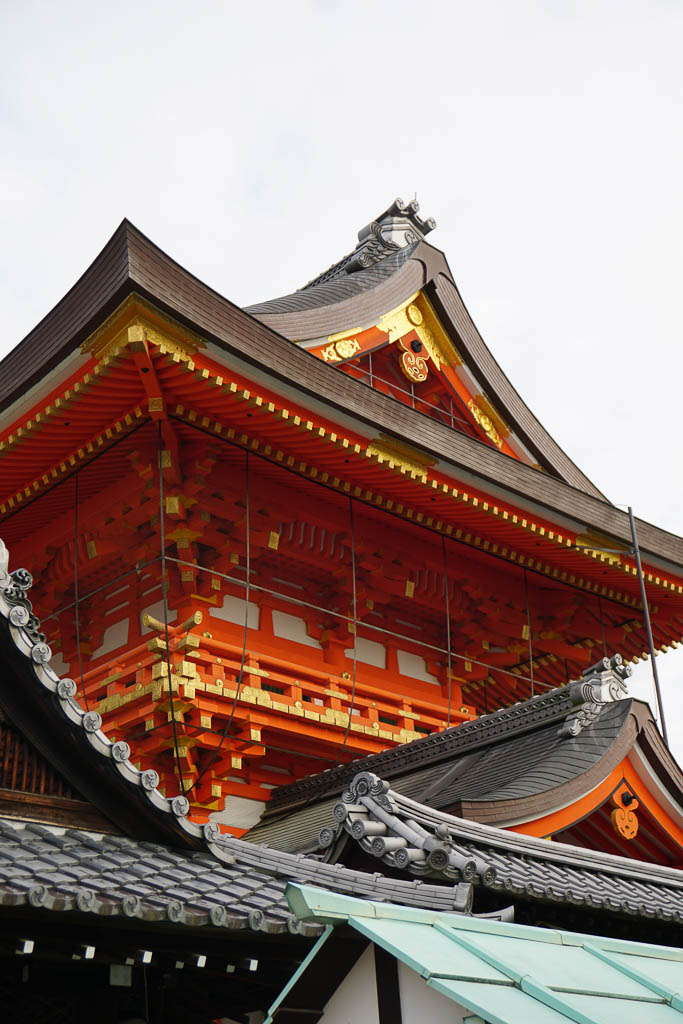
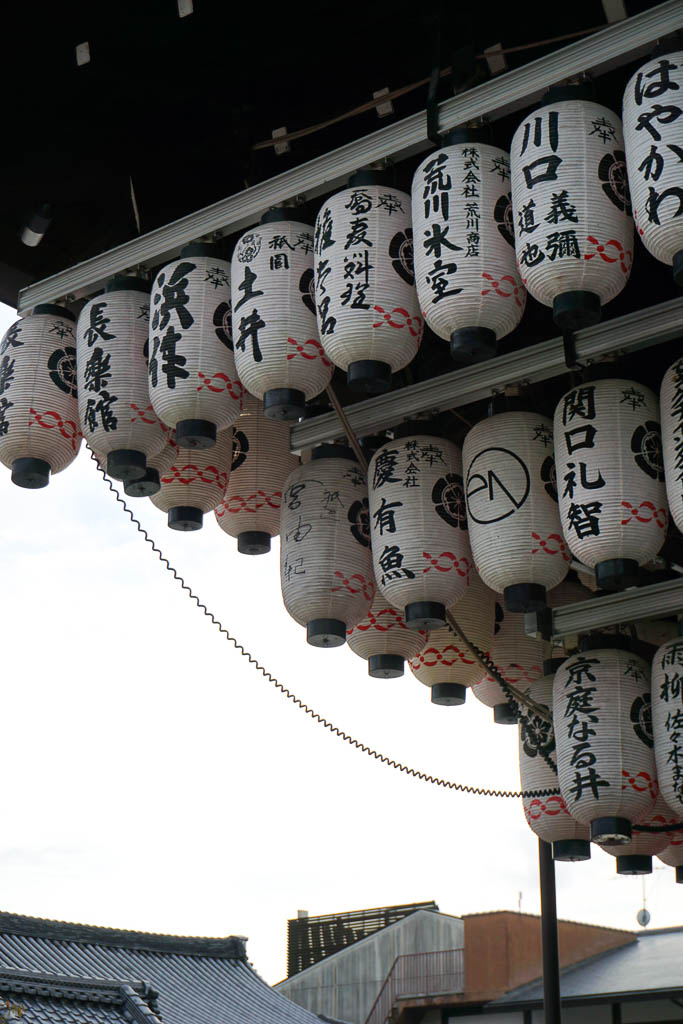
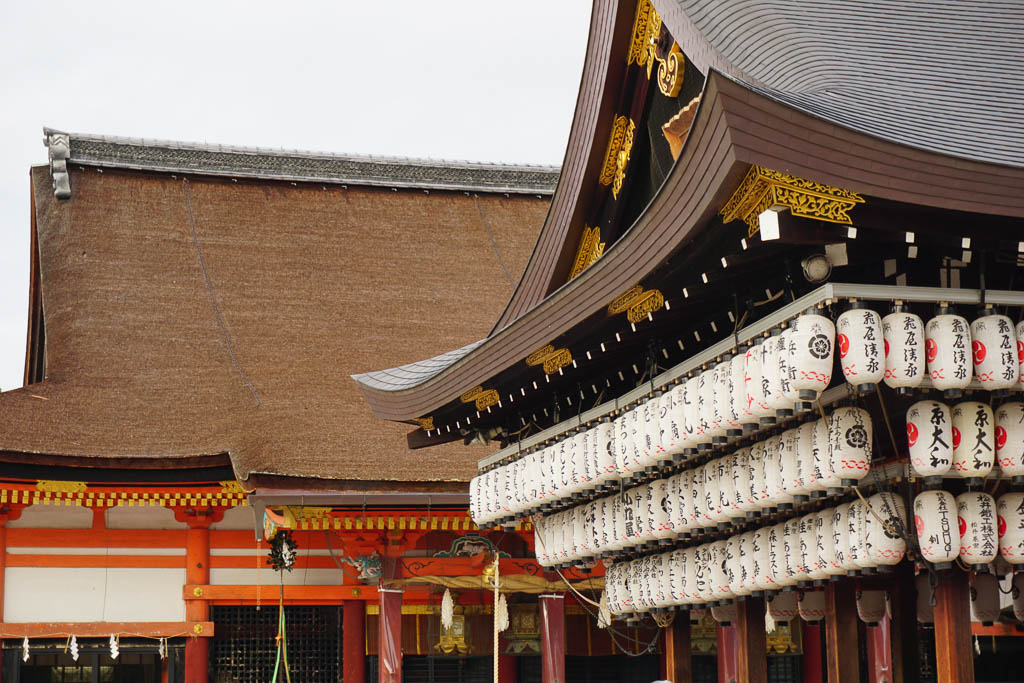
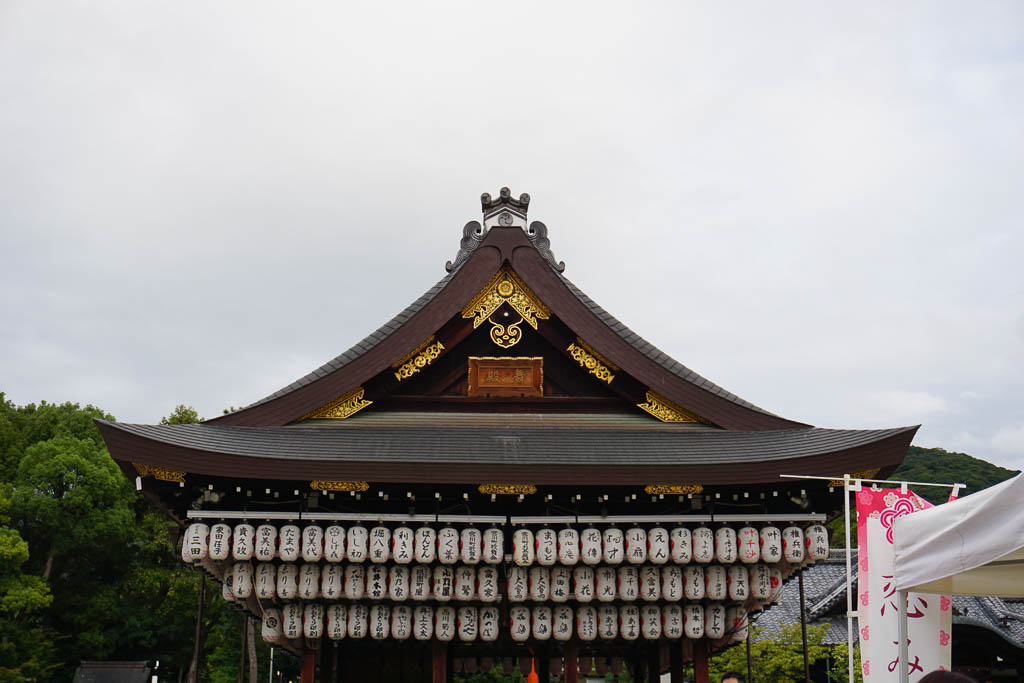
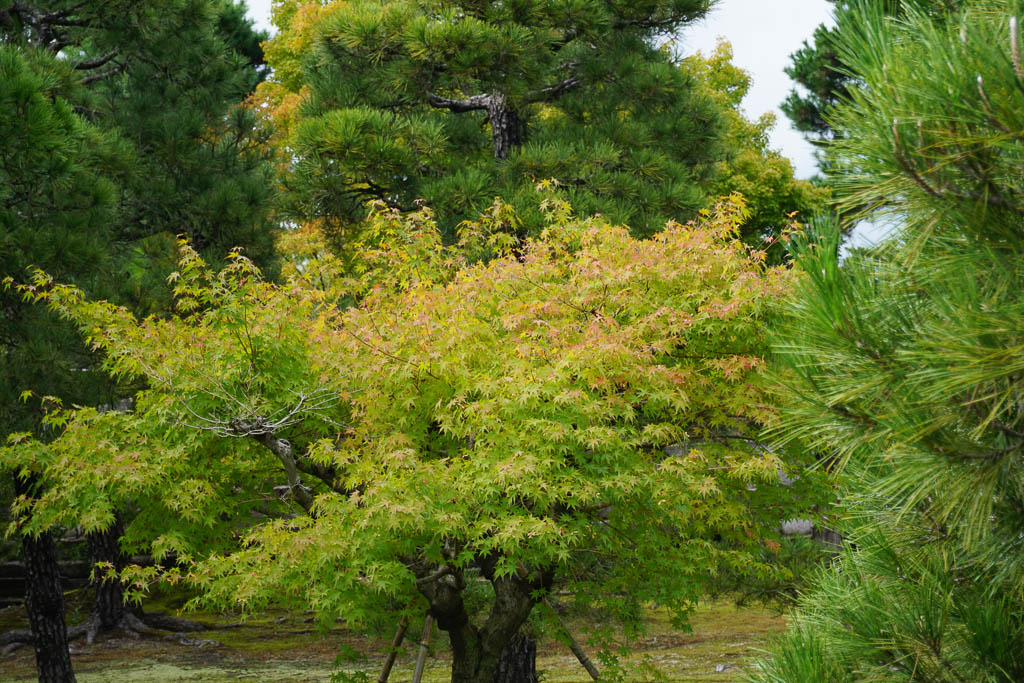
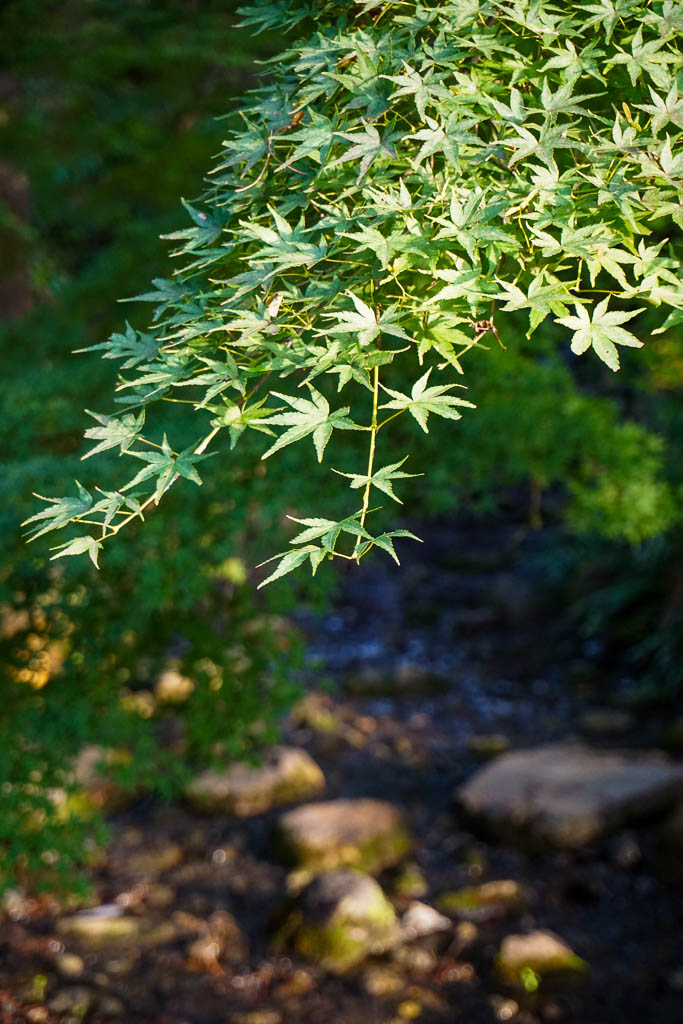
Just next to it, is the Maruyama Park – whilst it’s famous for its cherry blossoms, I was visiting in late October. Sadly this is too early to see the magical autumn colours Japan is known for, but it was equally lovely to see Autumn making its entrance, with the green turning gold at some patches. This will be a common theme in my posts in Kyoto.
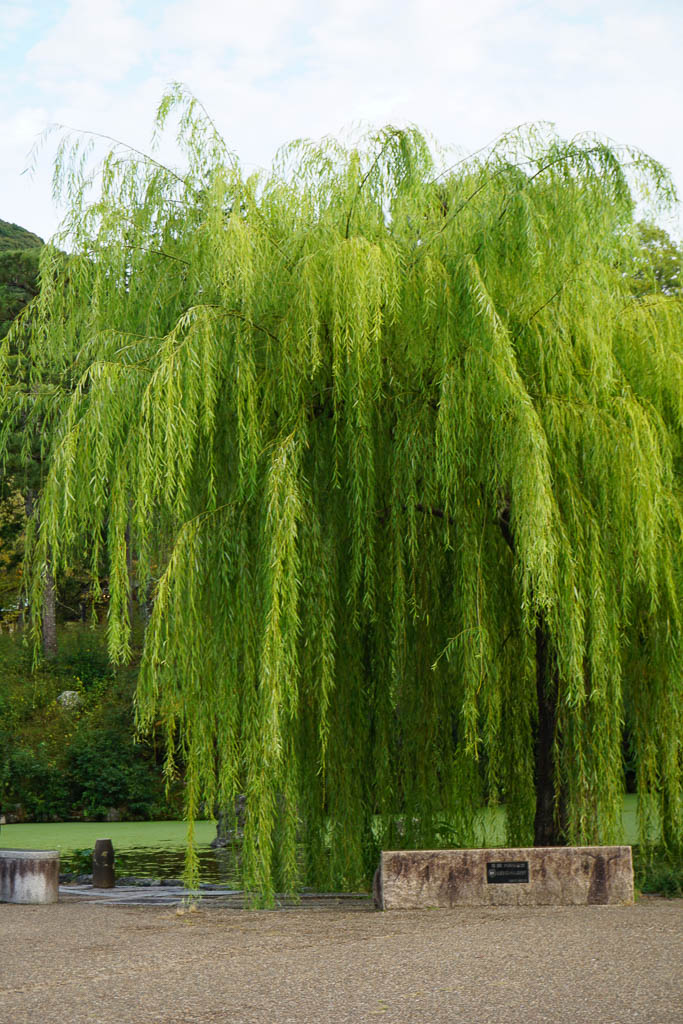
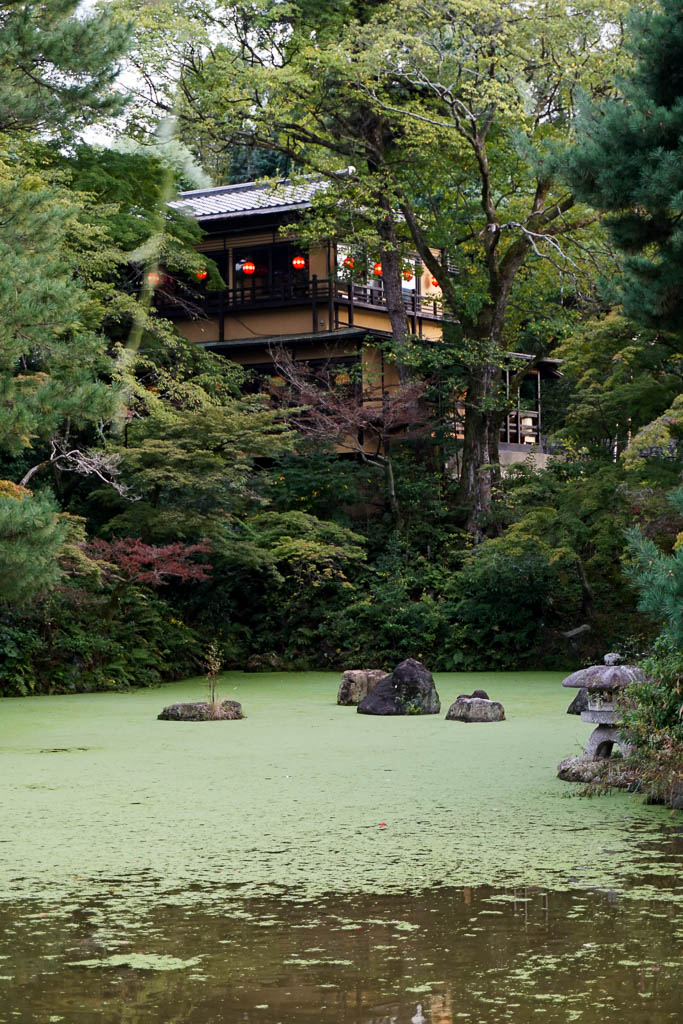
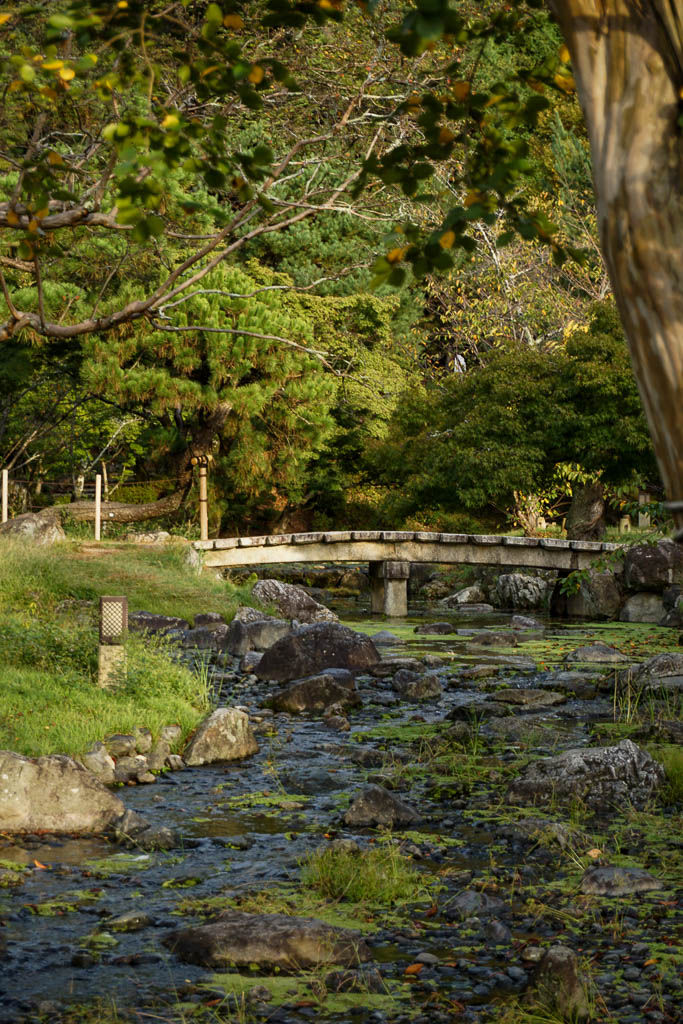
The margins of the river Kamogawa must be lovely in Spring and Summer. Even with the rain, locals were walking by it and finding dry patches to sit on for a while.
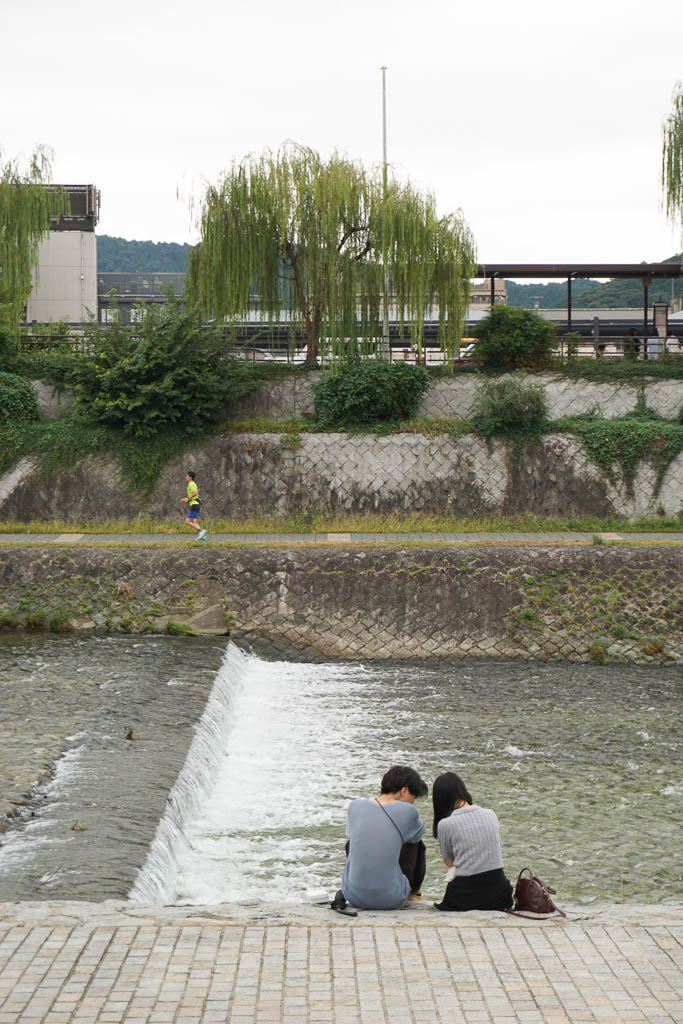
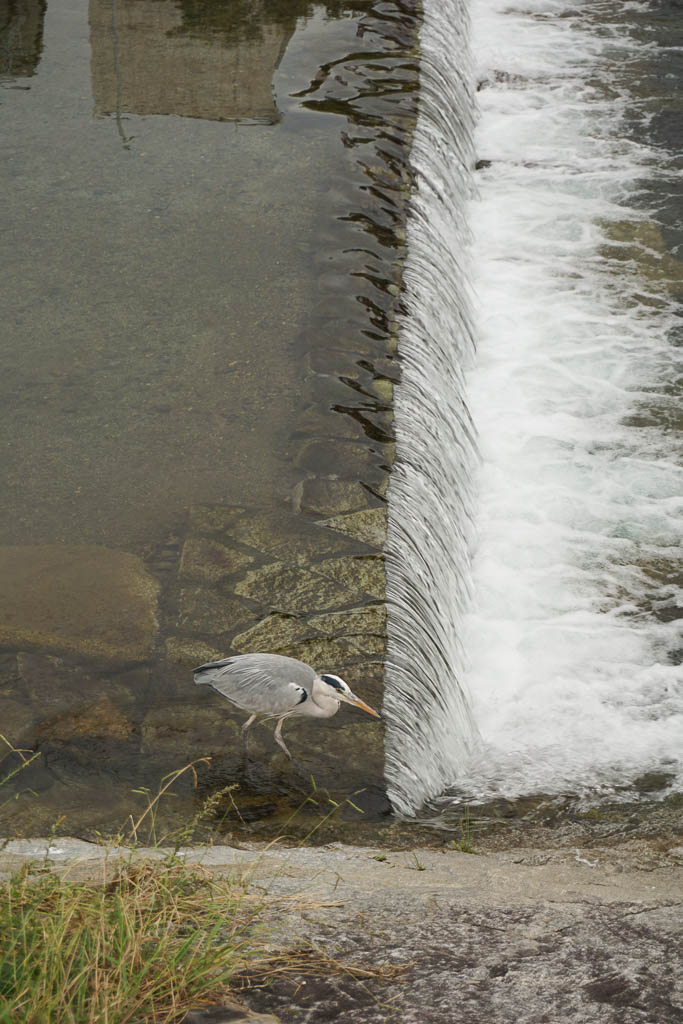
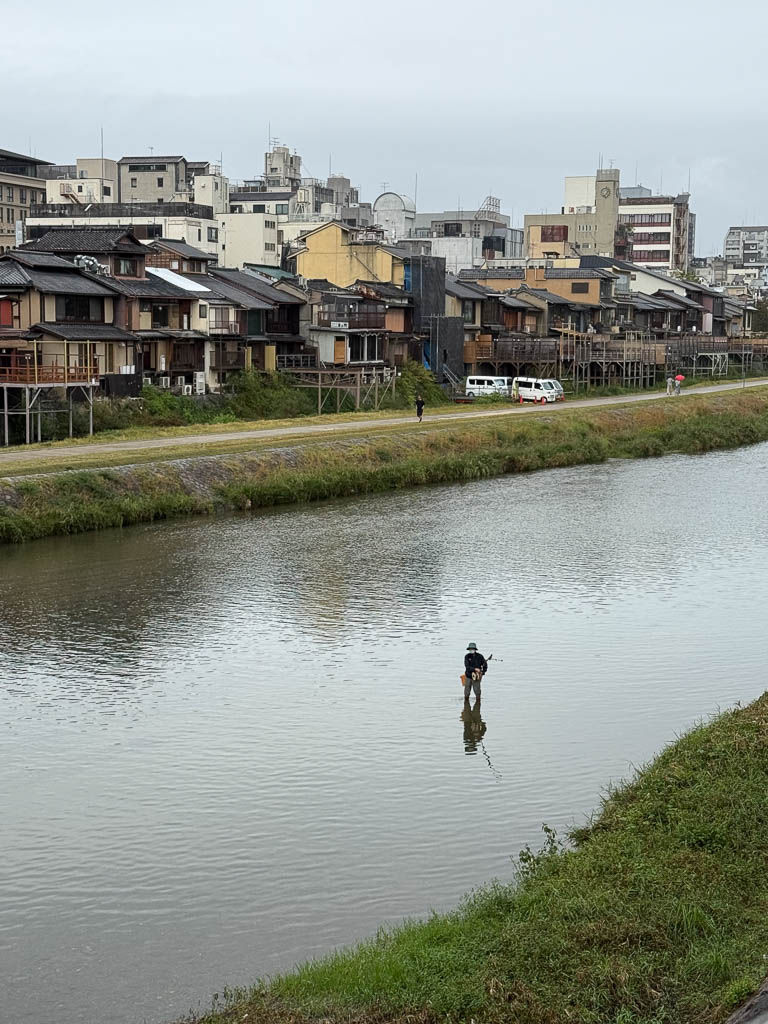
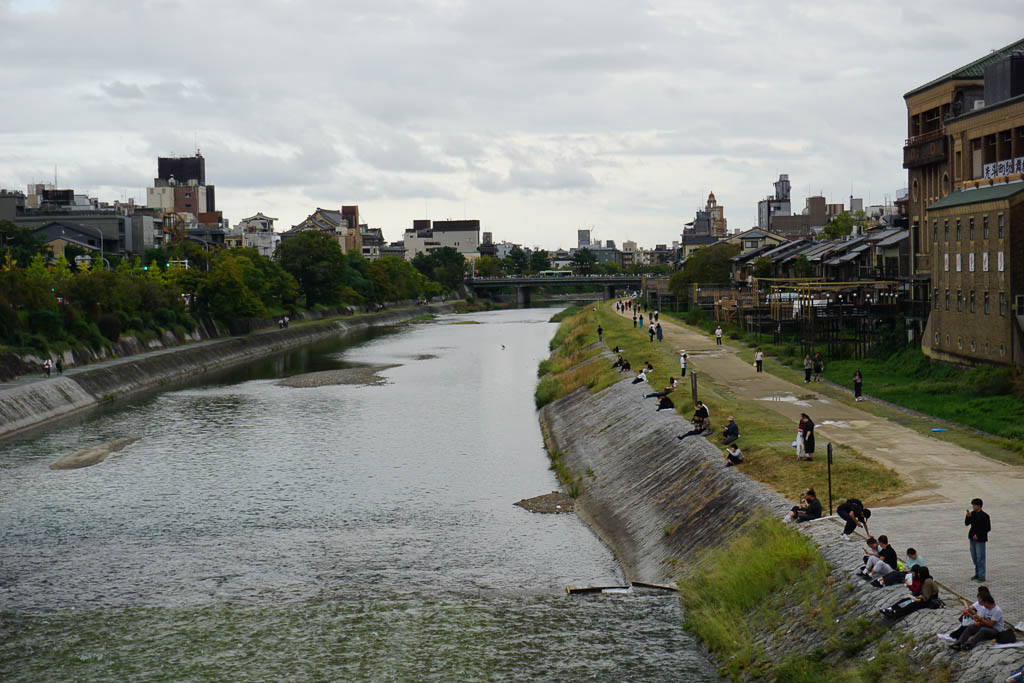
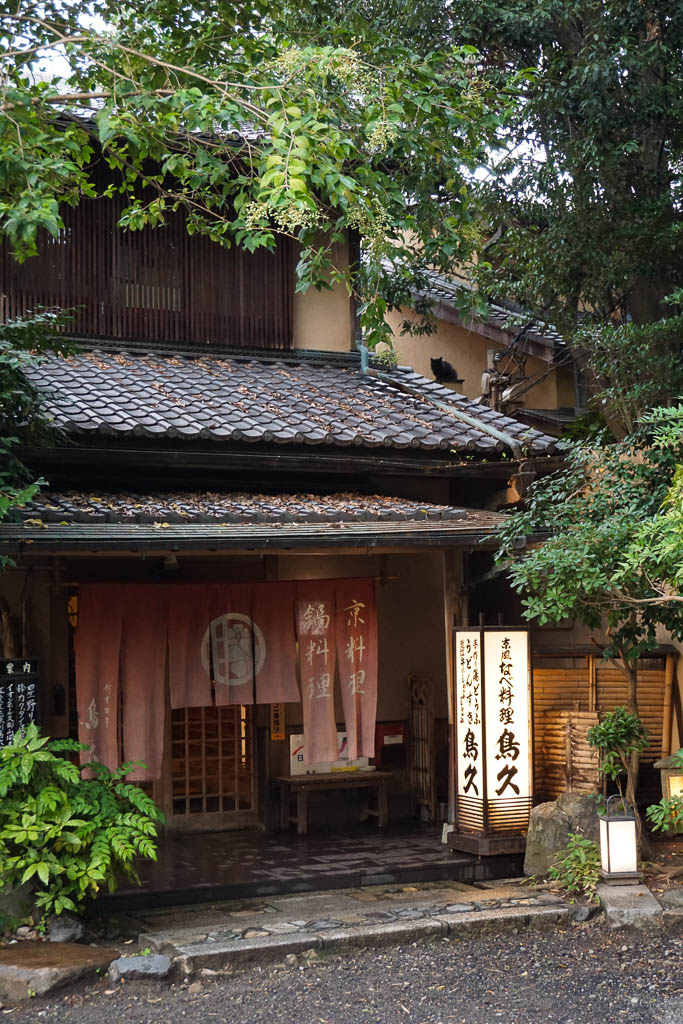
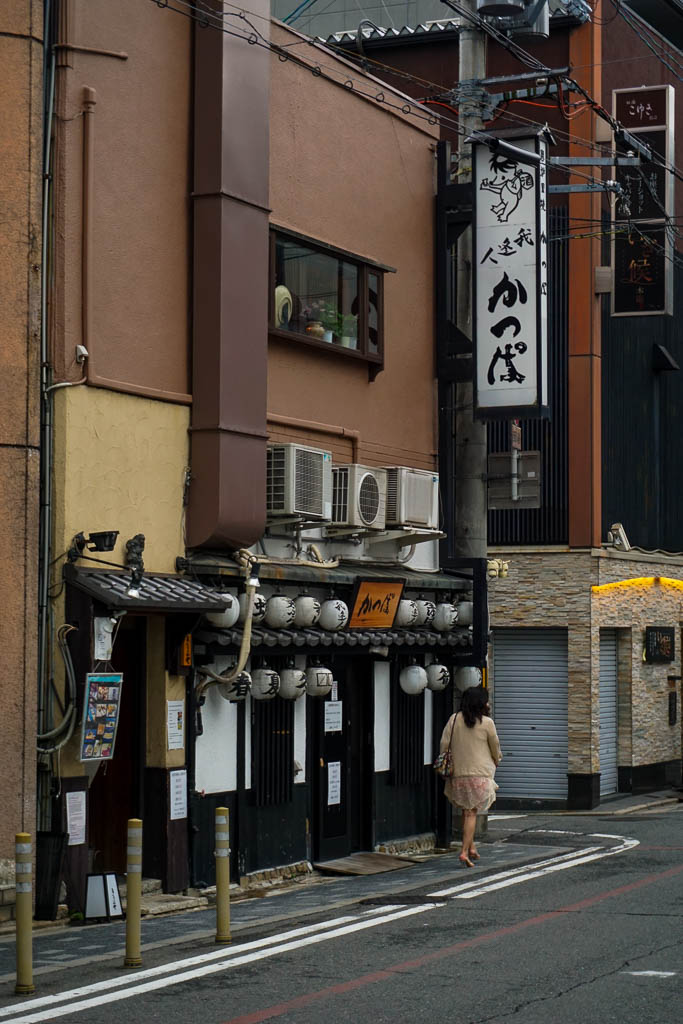
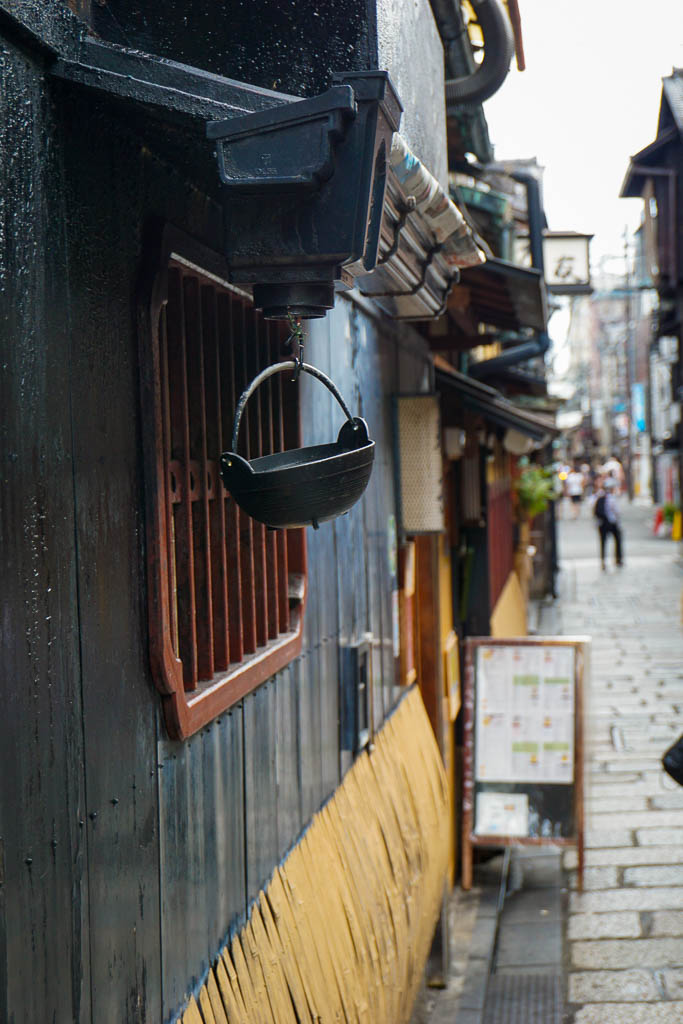
And Pontocho was fairly empty when I visited towards end afternoon – a historic, narrow, 500-meter long pedestrian alley that is parallel to Kamogawa River. I was enchanted by the traditional wooden buildings, the lanterns, the little sneak peeks I could get to the inside of some of these places.
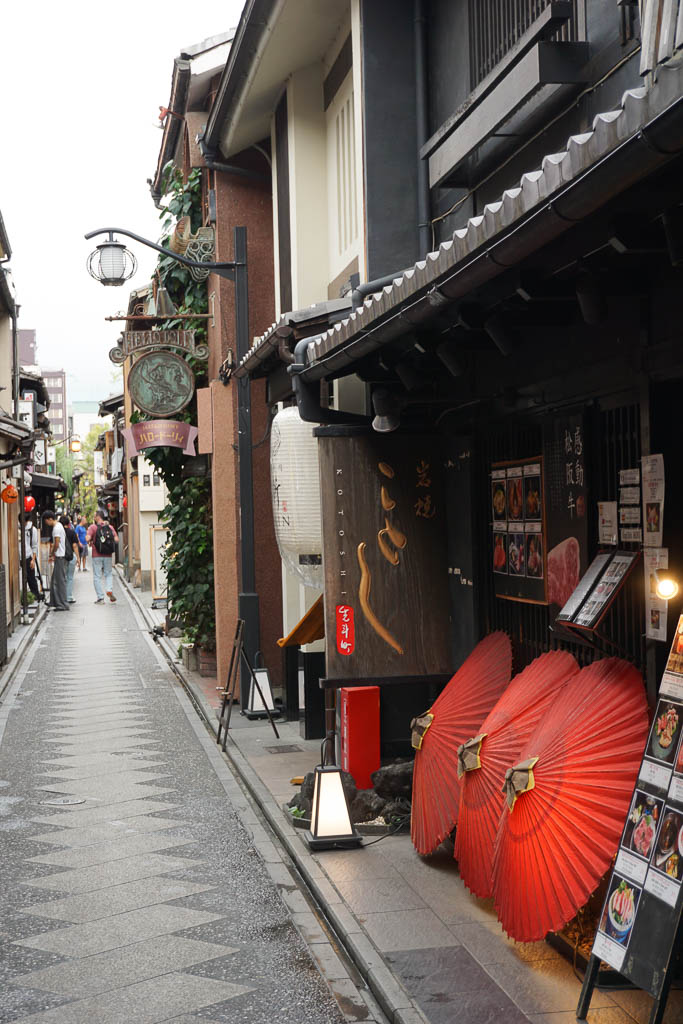
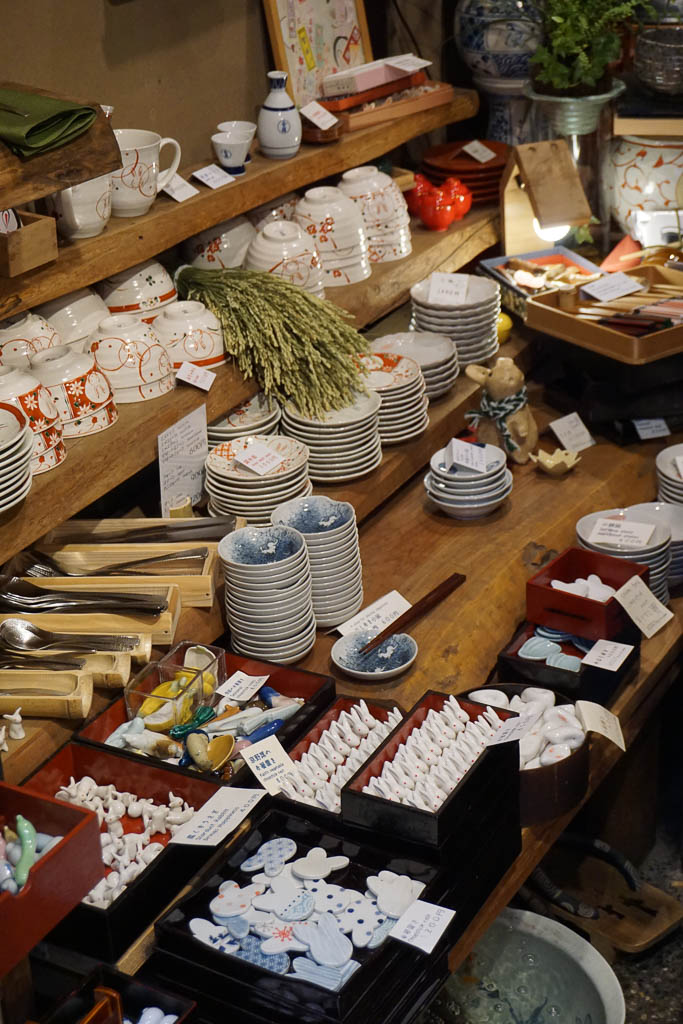
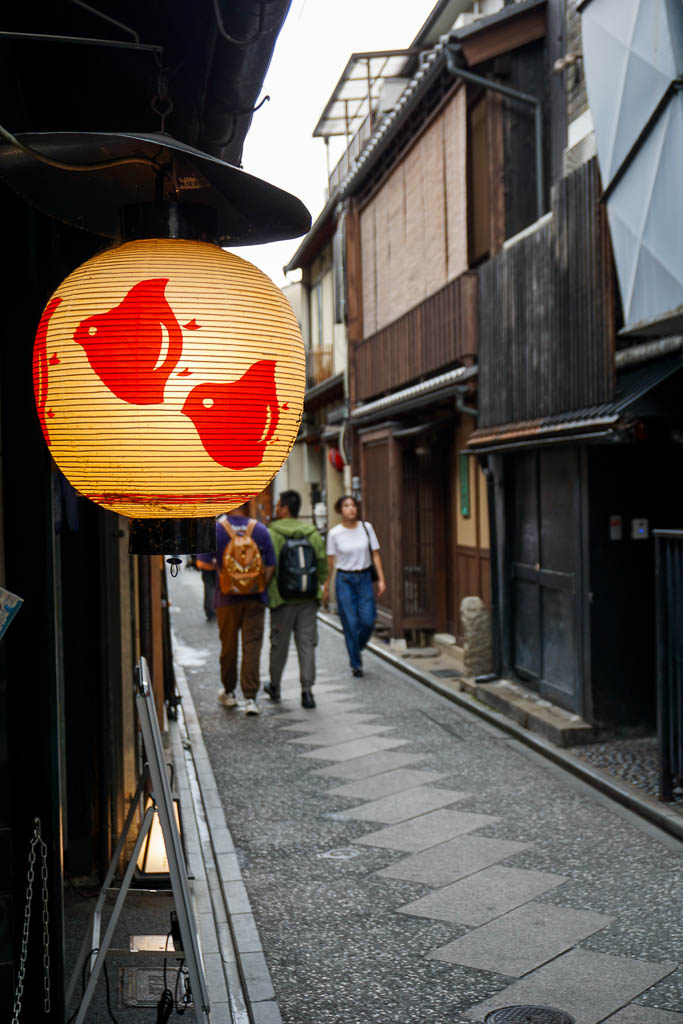
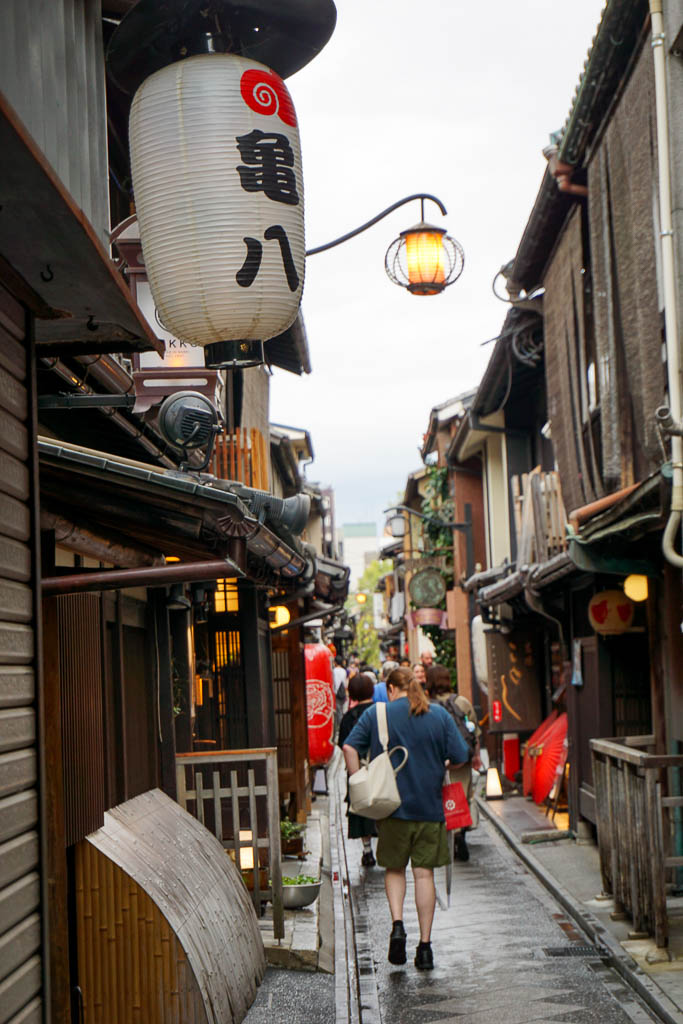
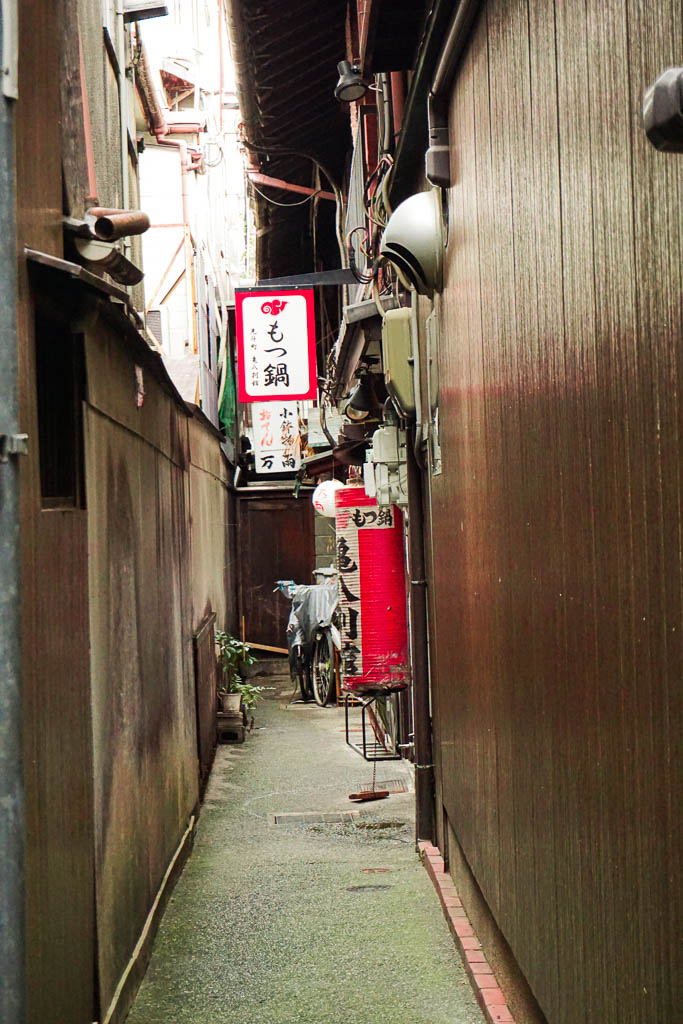
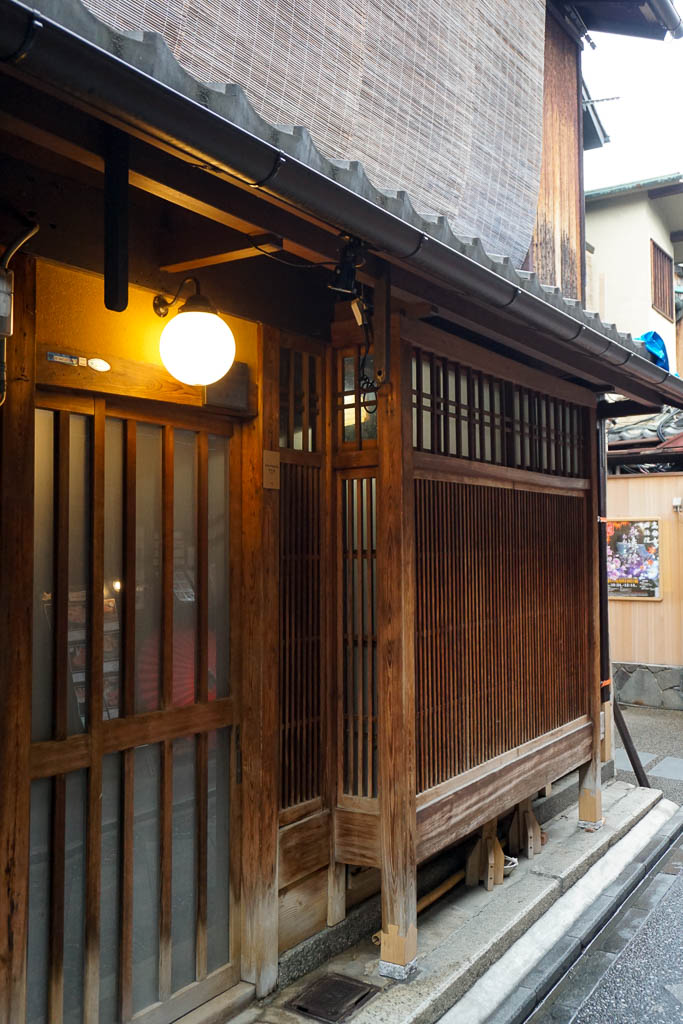
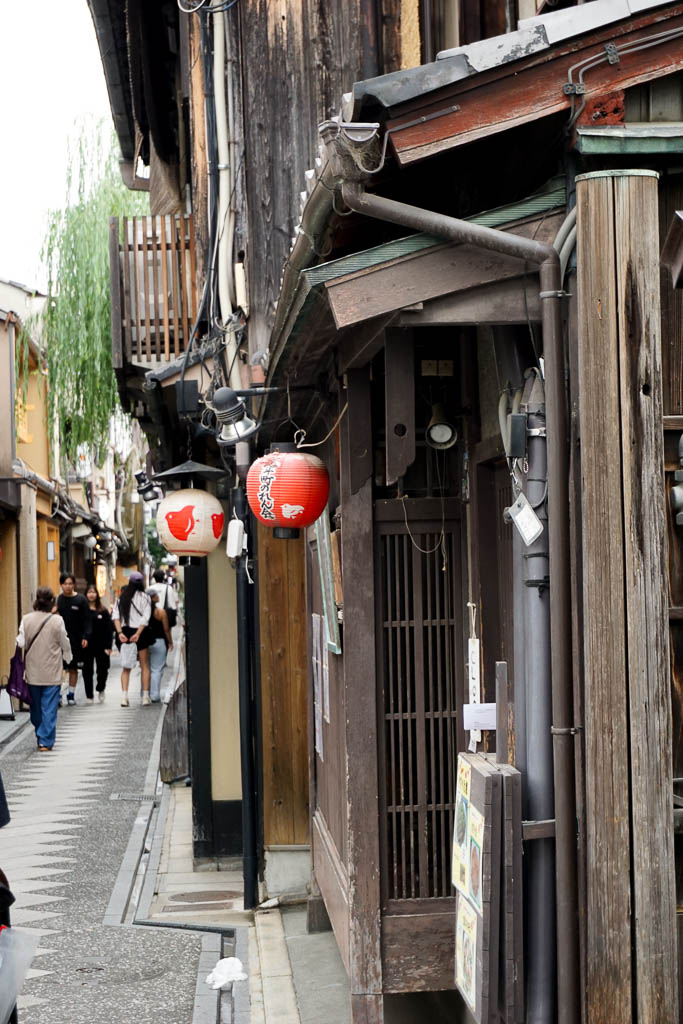
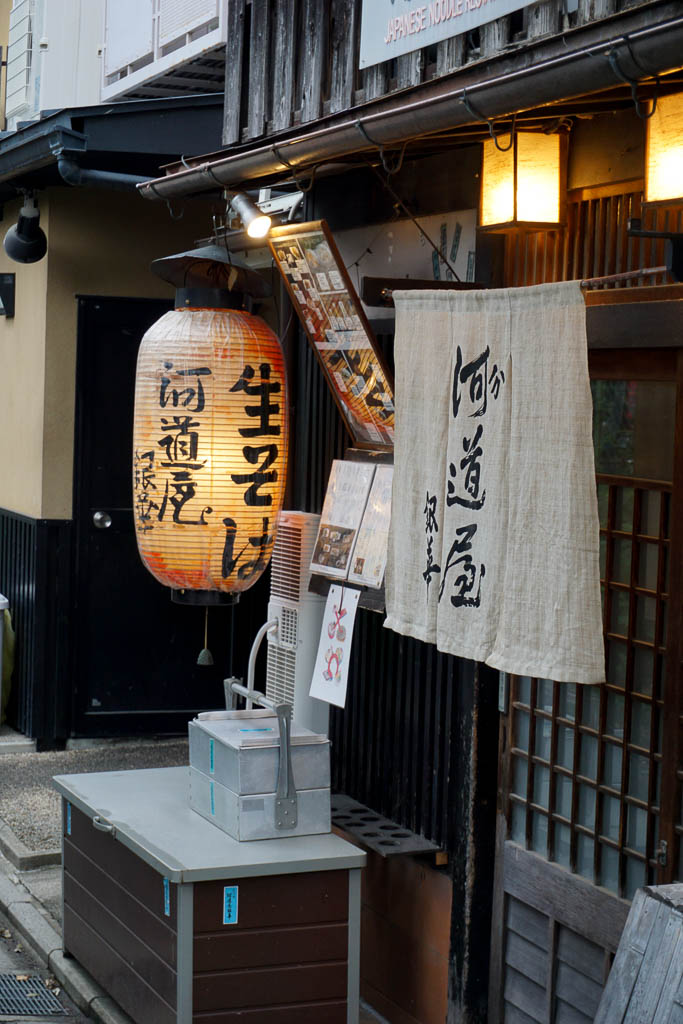
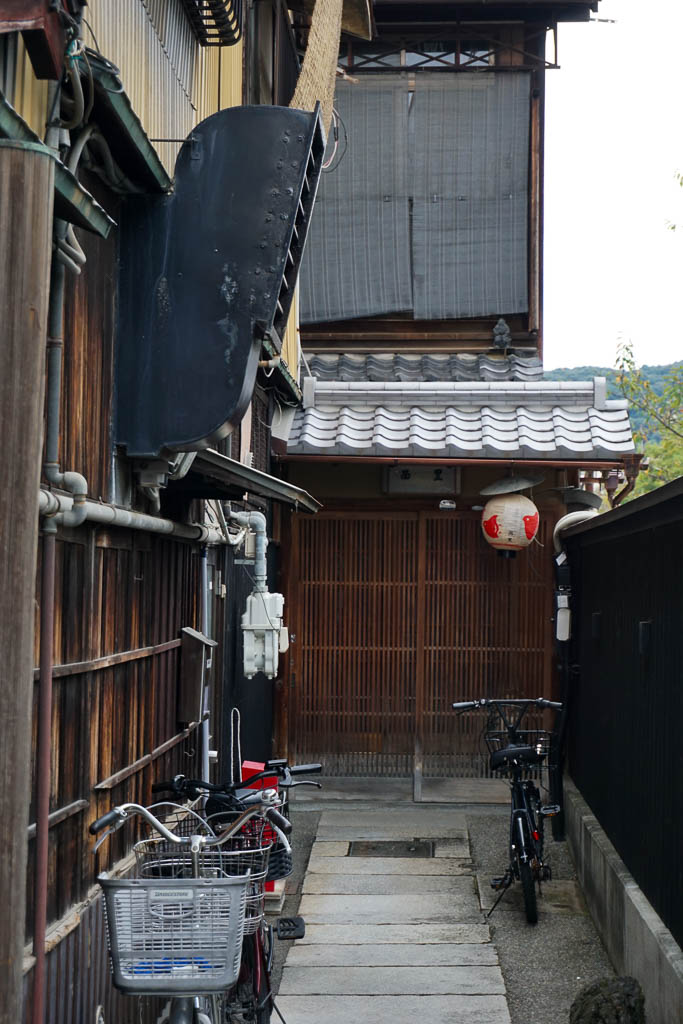
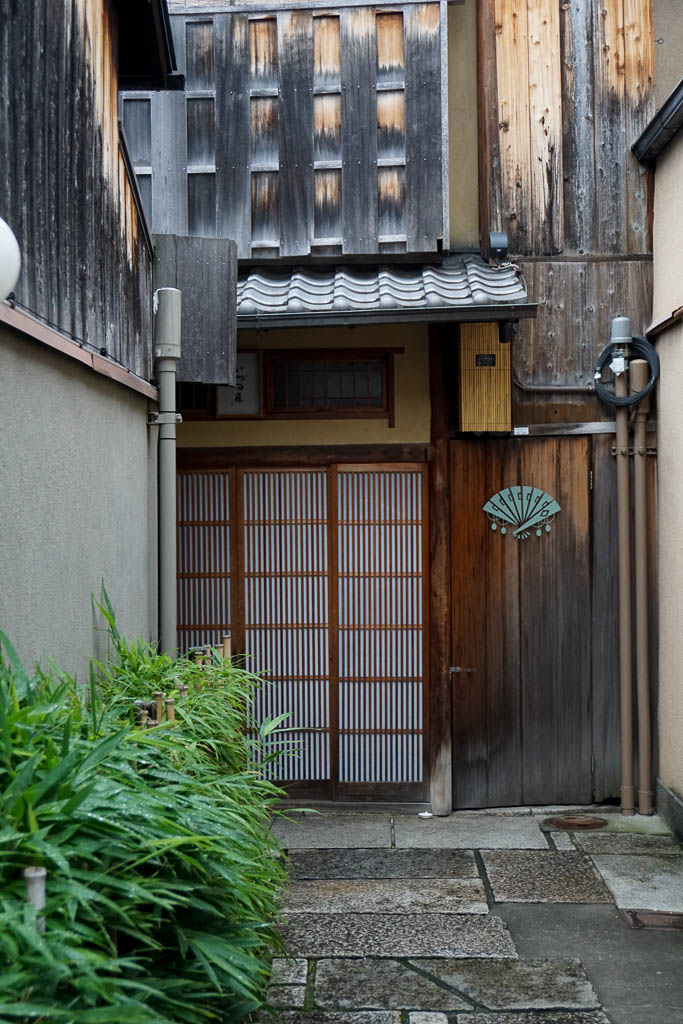
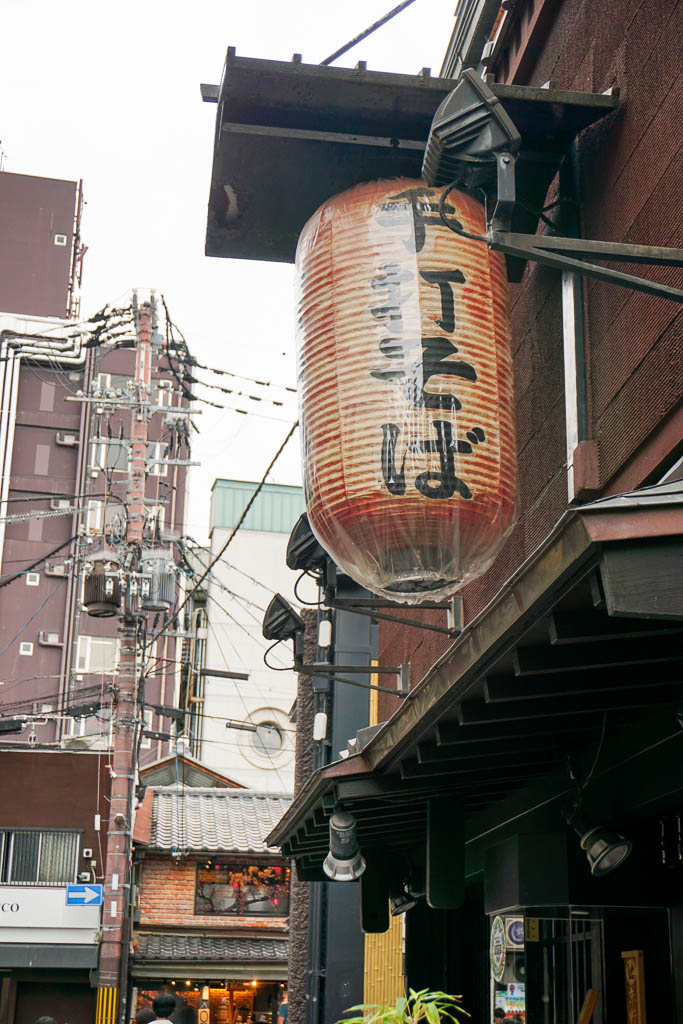
After, I walked by the Shirakawa Canal. Again surprisingly empty, and I kept wondering where were the crowds of tourists I had heard about, bearing in mind the beauty, the elegance of these streets. Particularly Shinbashi-dori is stunning, featuring preserved wooden machiya houses (tea houses). This is probably, from my opinion, one of the most atmospheric areas of Kyoto, which increases in charm in the evening, when the lanterns light up, quietly, simply existing, stoically.
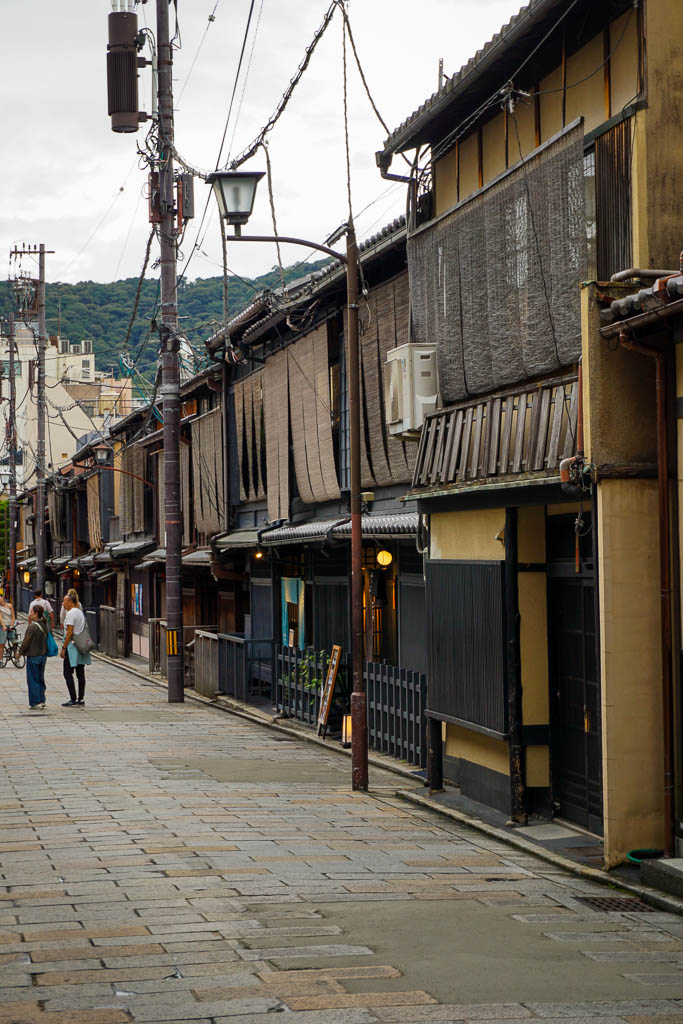
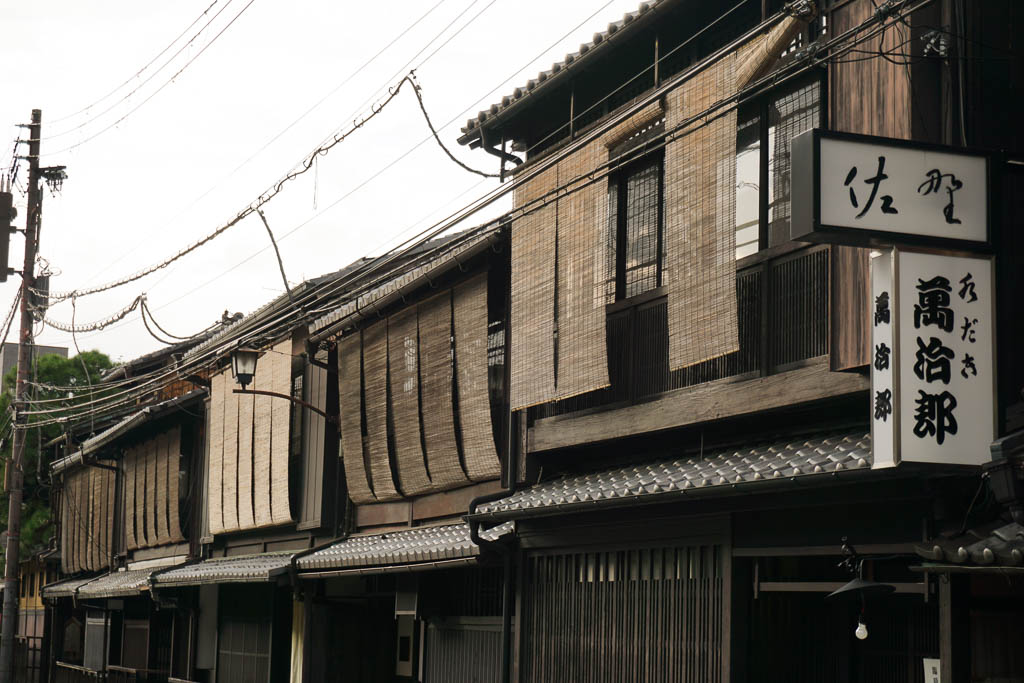
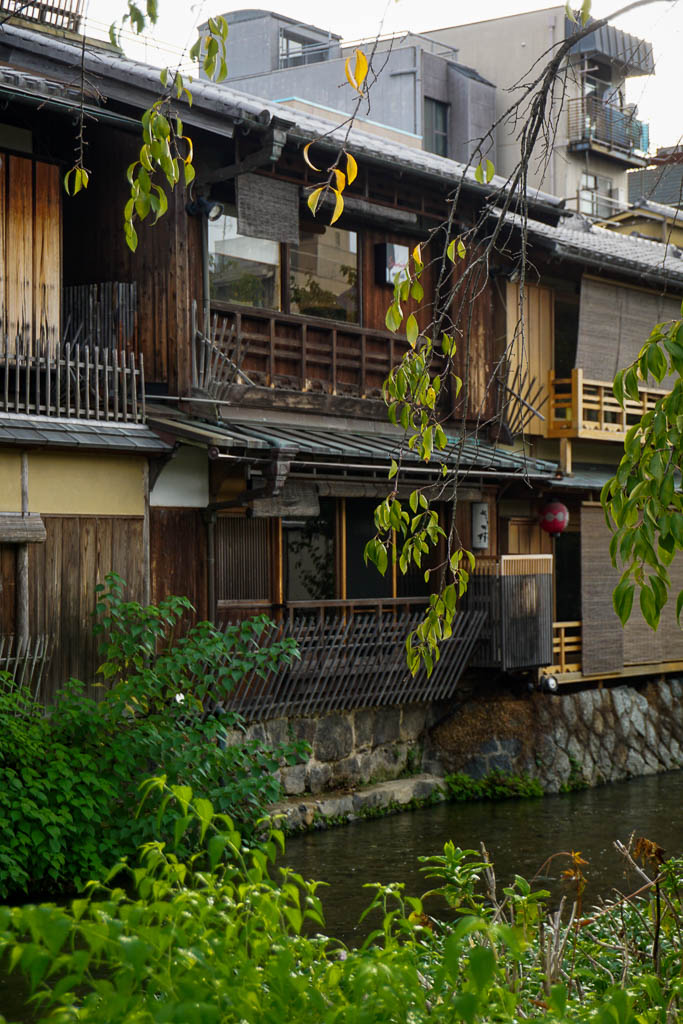
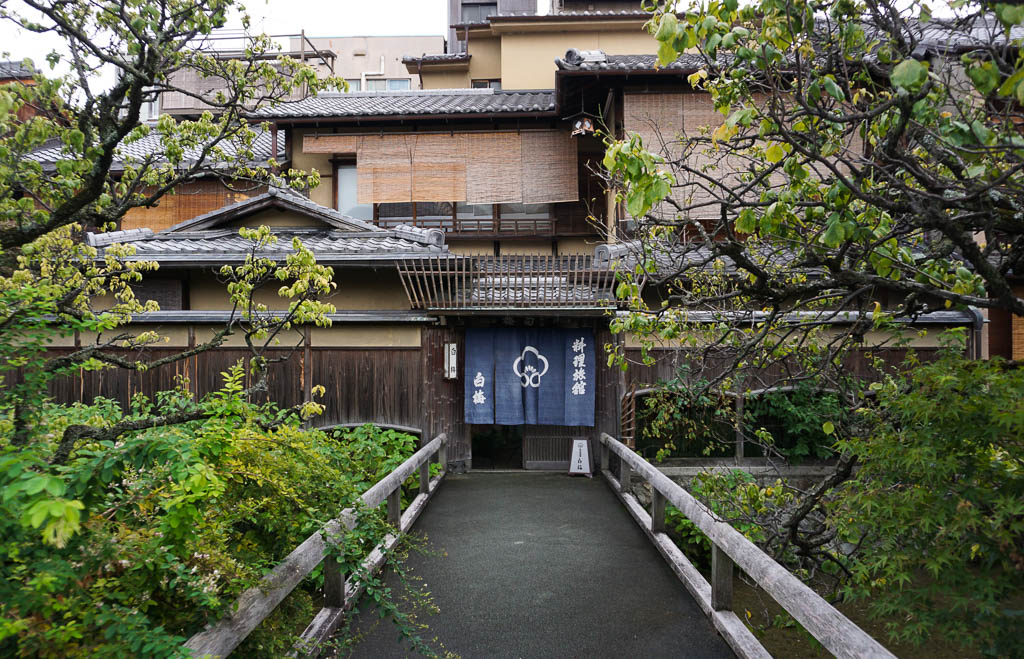
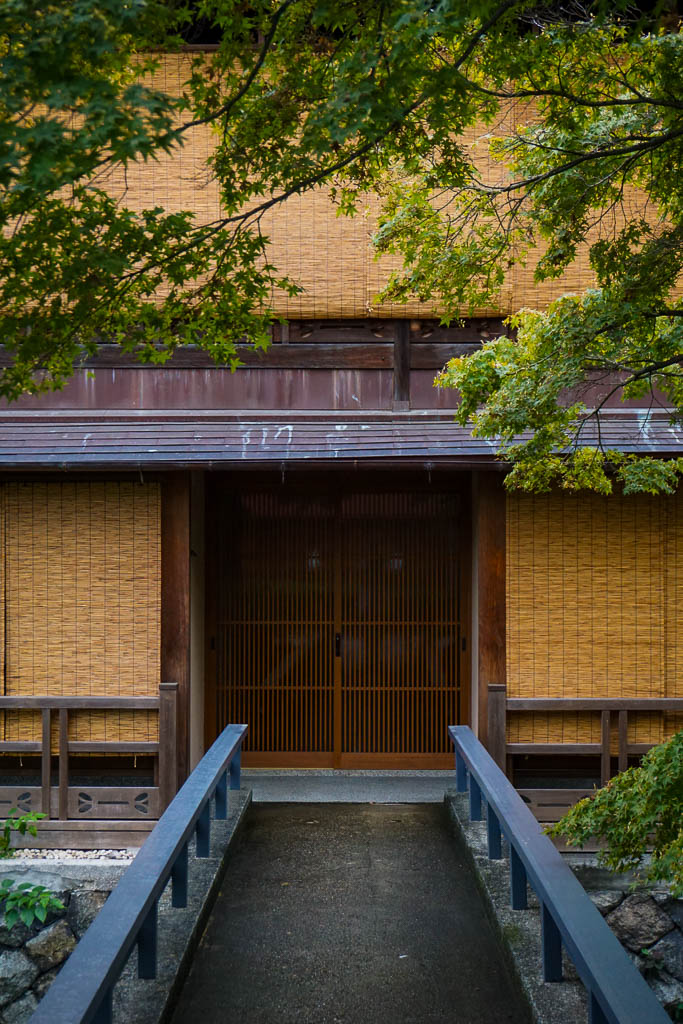
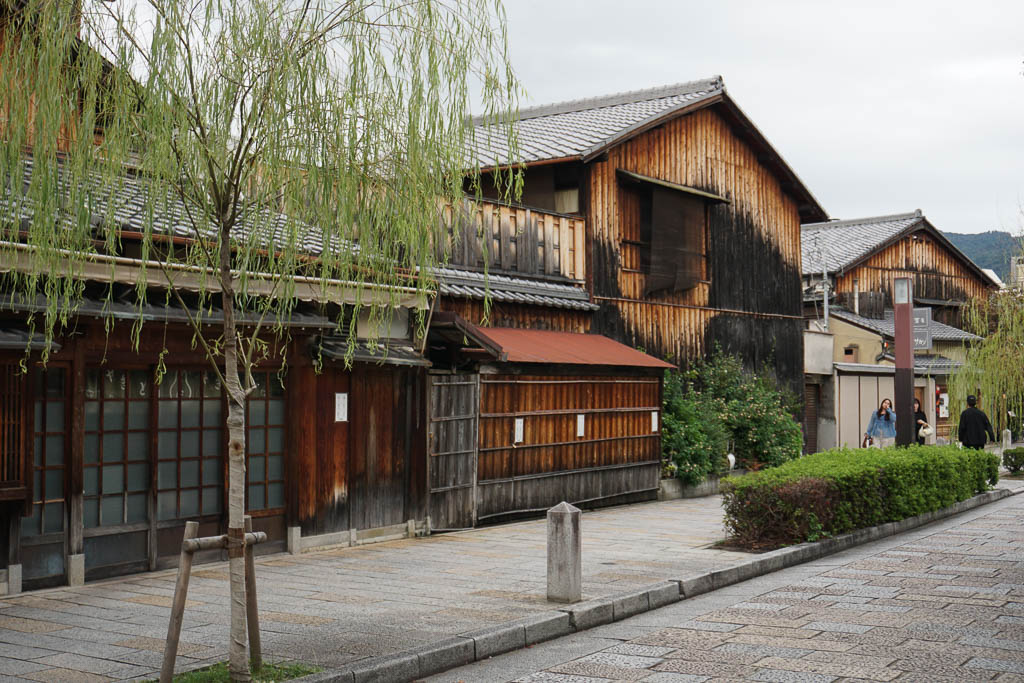
I was going to spend my first night in a traditional Ryokan – a Japanese inn. These stays are typically more expensive, and therefore I only spent one night there. It was located in the Gion neighborhood, just by Shinbashi-dori, called Ryokan Yoshima.
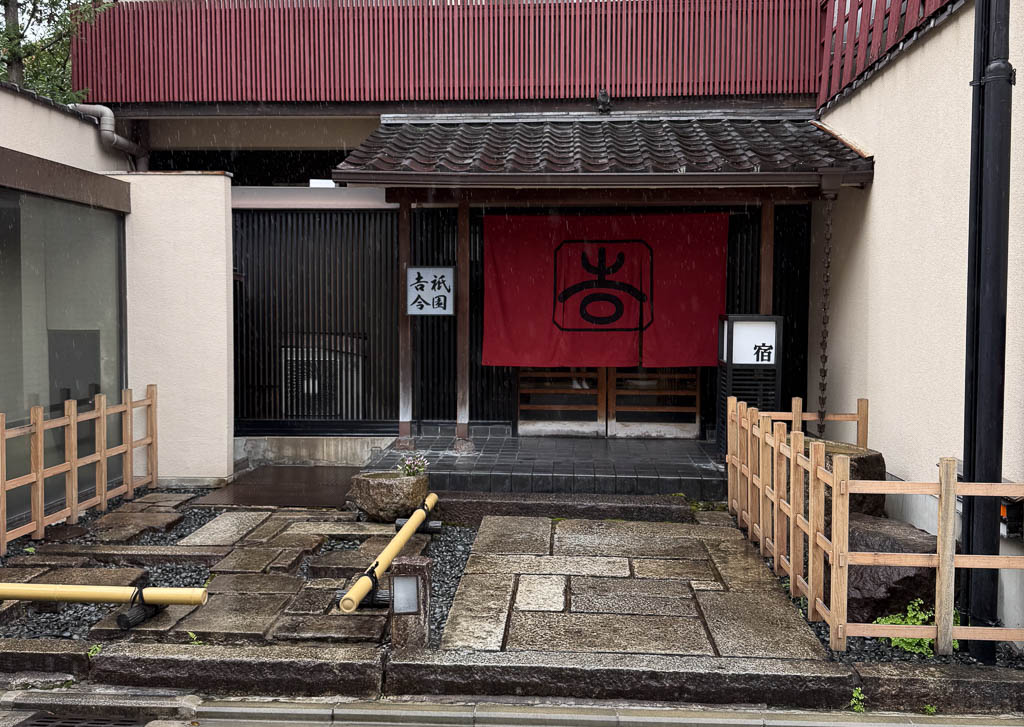
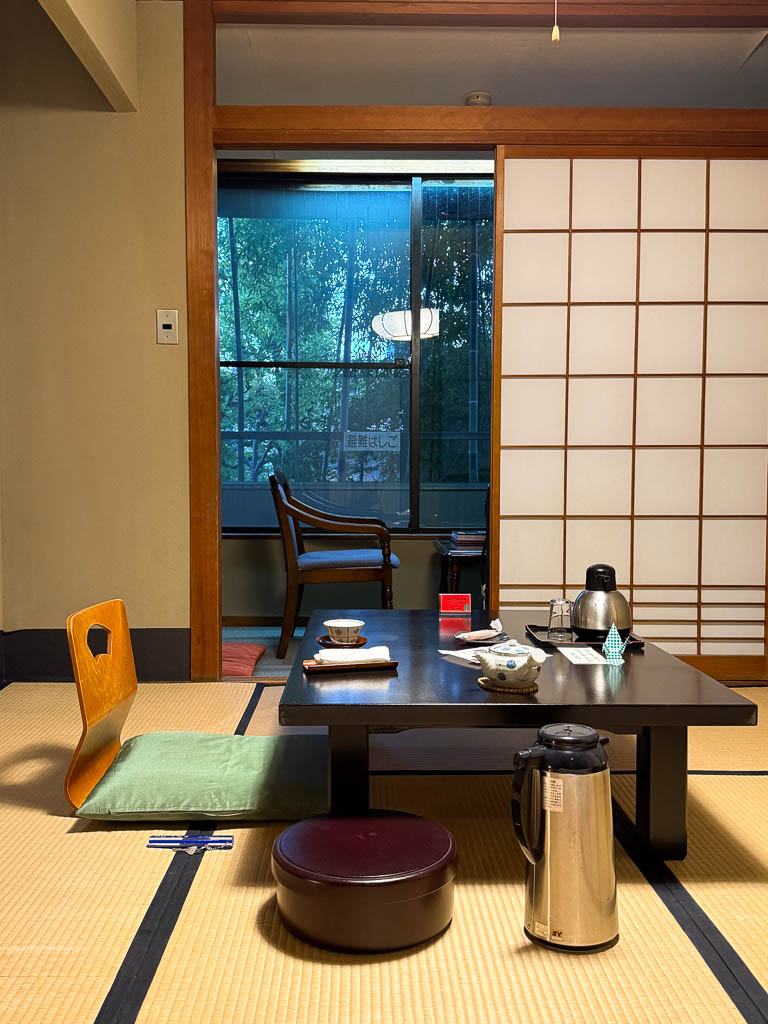
I loved my stay here. This is not a place where you simply spend the night – it’s a whole experience, sleeping in a futon on a tatami floor, being served tea in a Japanese tea set. My room was spacious and clean, and I had signed up for the tea cerimony, held in their historic tea room. I put on my yukata, and was collected from my room. From start to finish, they explained everything to us, from the history of the Ryokan and tea cerimonies, every step of the cerimony and a tour of the Ryokan.
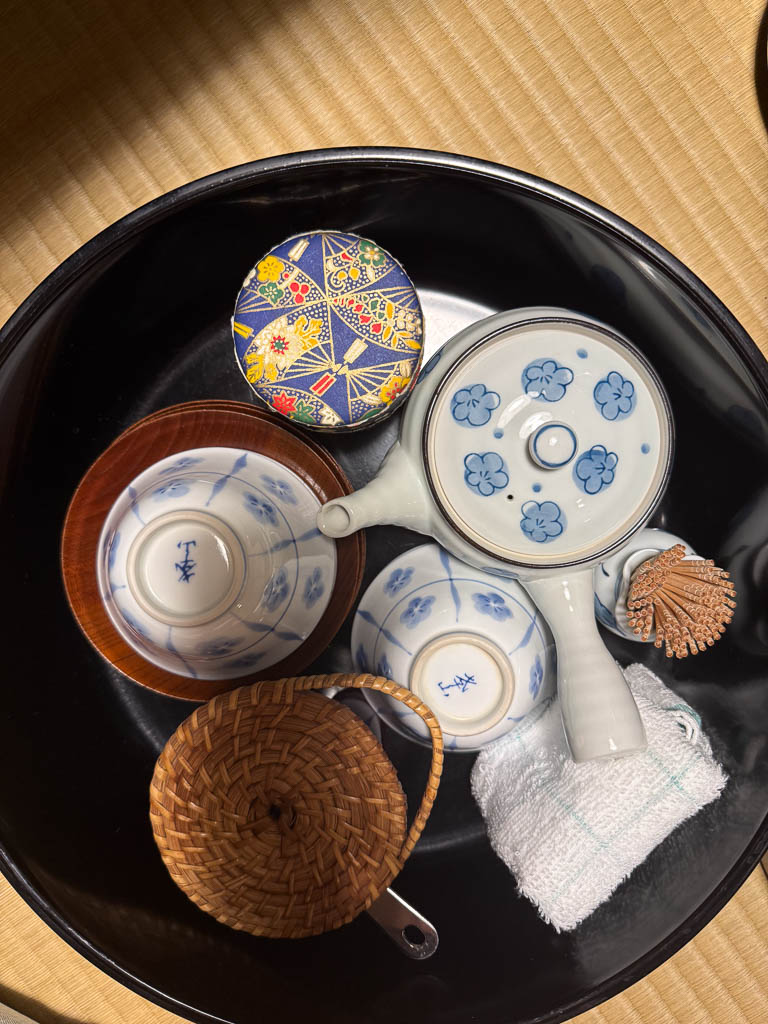
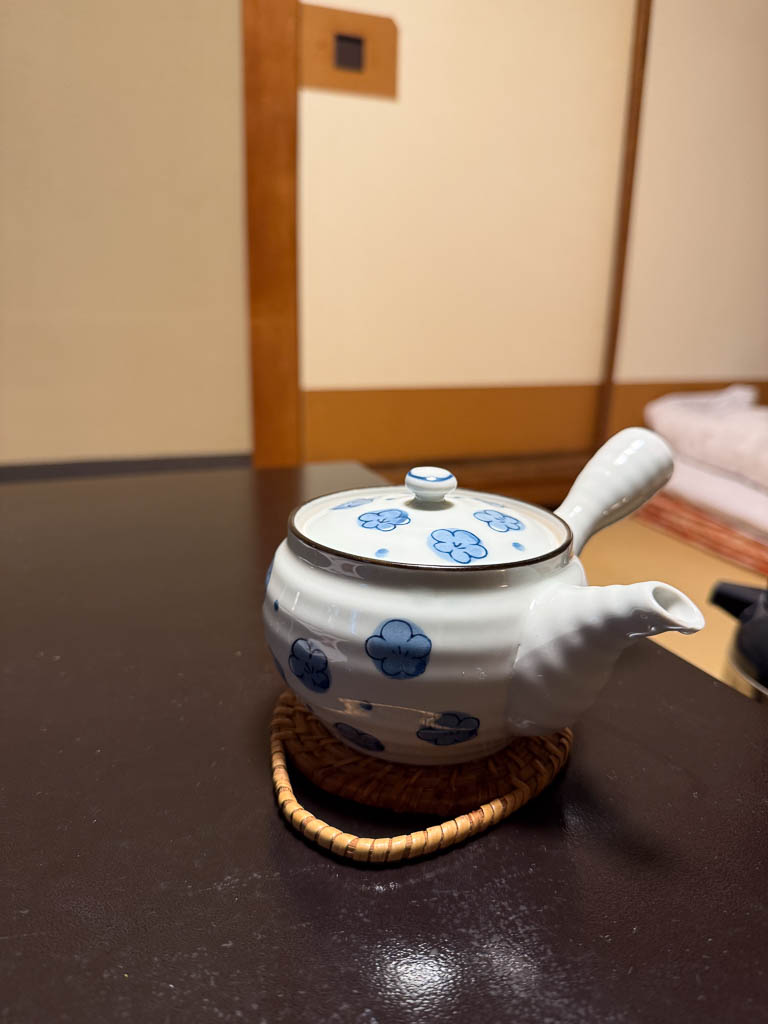
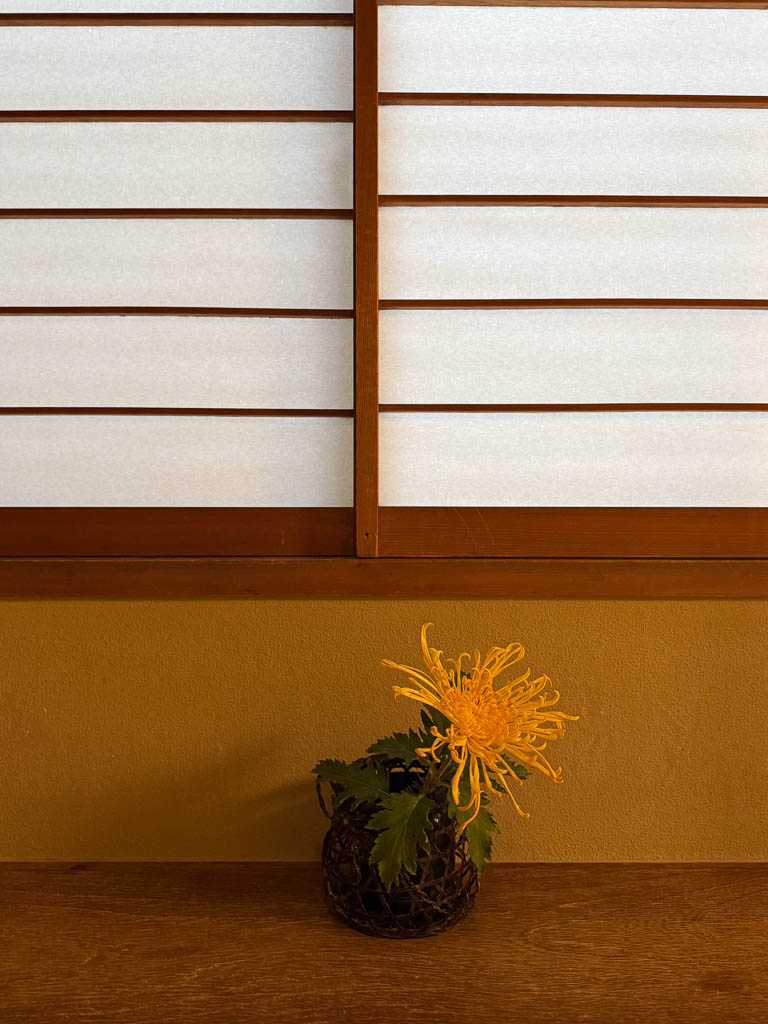
The team room was located in the middle of the garden, and you have to kneel down to enter it. This is on purpose. Team rooms are meant to flatten hieracrchy. Historically, samurai, merchants, monks.. they all sat on the same tatami. Equality was important, precisly because the tea cerimonies are not simply meant to serve tea – they are a break from the constant hustle and hurry of life. And the team room being in the middle of the garden – forcing you to leave your room, walk the garden and lower the body, is all part of its purpose.
I won’t forget to mention the seasonality element, which is so important in Japanese culture. Even Tokyo’s Nation Museum, which I visited in my first day, had its exhibition changed to be around automnal themes. The sweets that are served, the scroll in the alcove, and a single flower/plant symbolize the season you are in – as harmony with nature comes with everything.
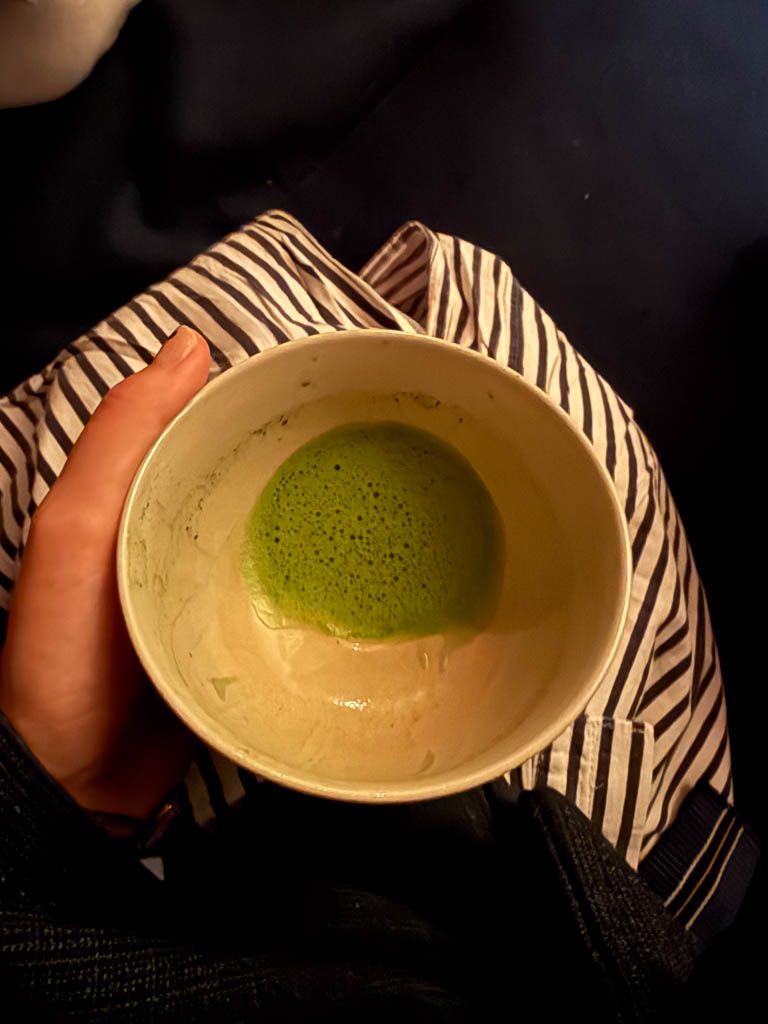
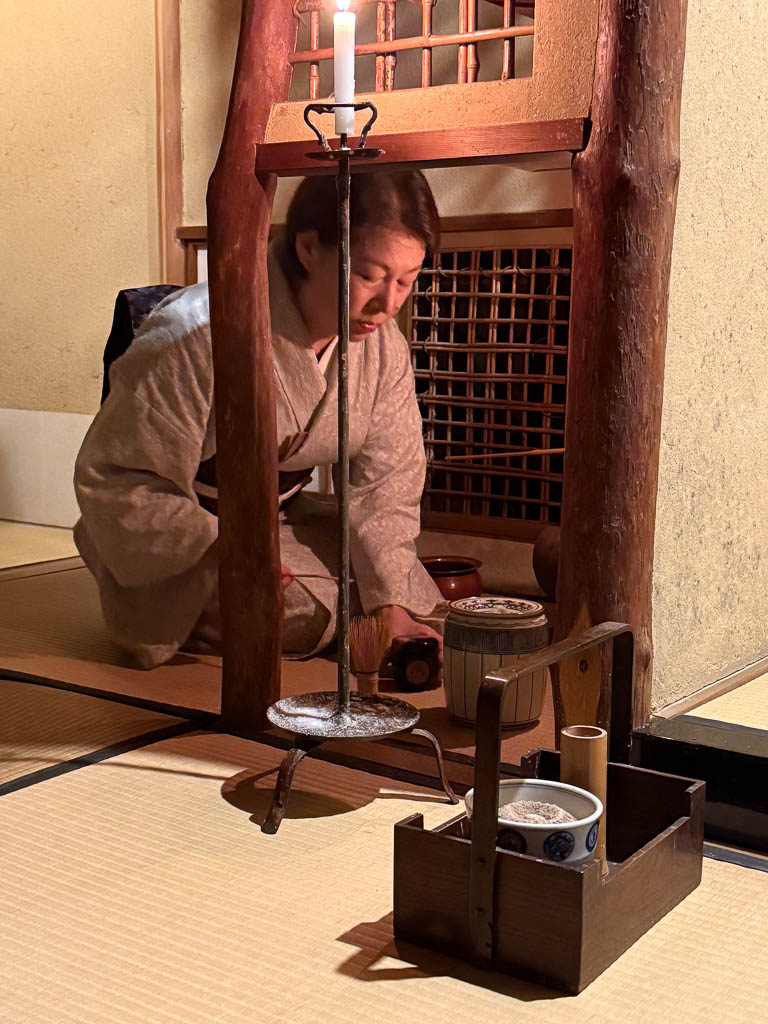
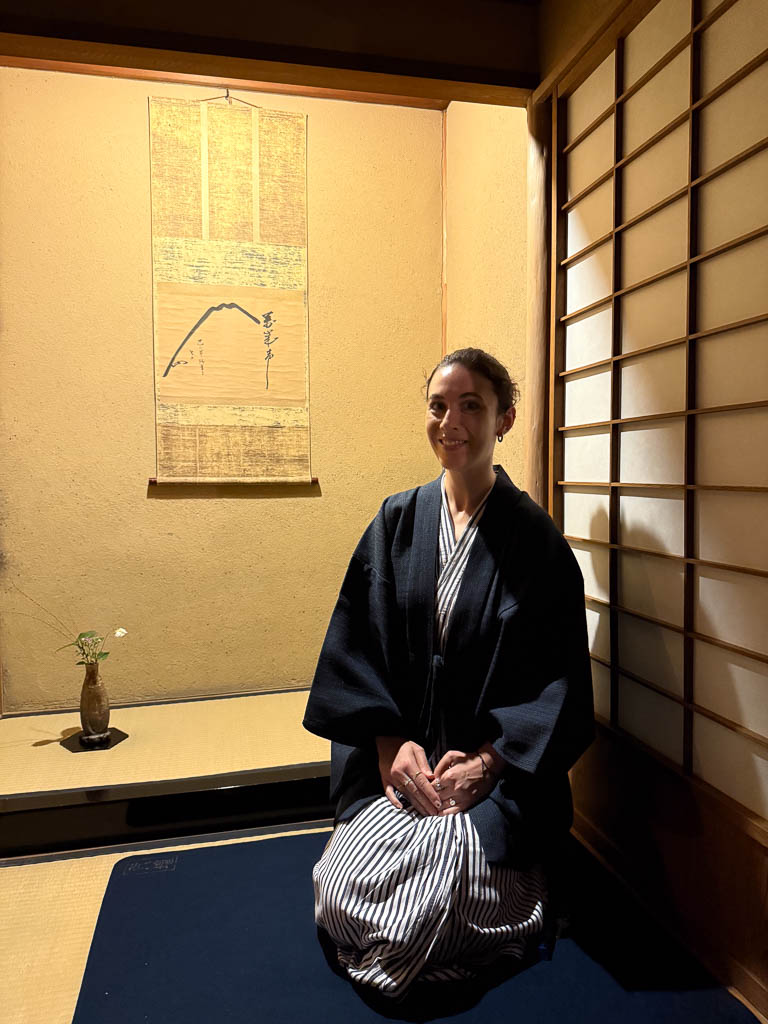
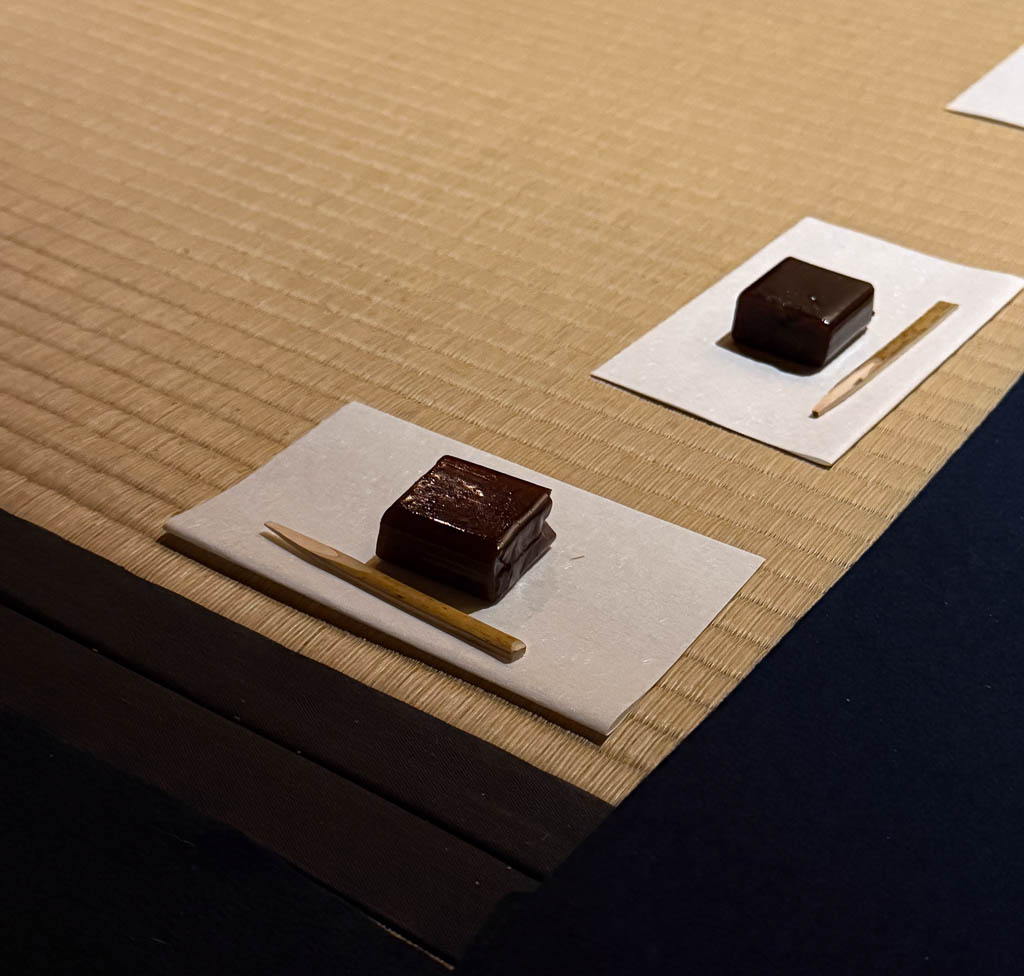
I was served matcha alongside a sweet, and loved every step of it. Even the turn of the tea bowl to ensure the prettiest part is facing the guest. The kneeling was painful for unpracticed knees, but we were allowed to change position, which I was greteful for. I had a feeling of witnessing something ancient, full of meaning, and grateful that Kyoto works hard in keeping such rituals alive, and, most importantly, allows tourists to participate.
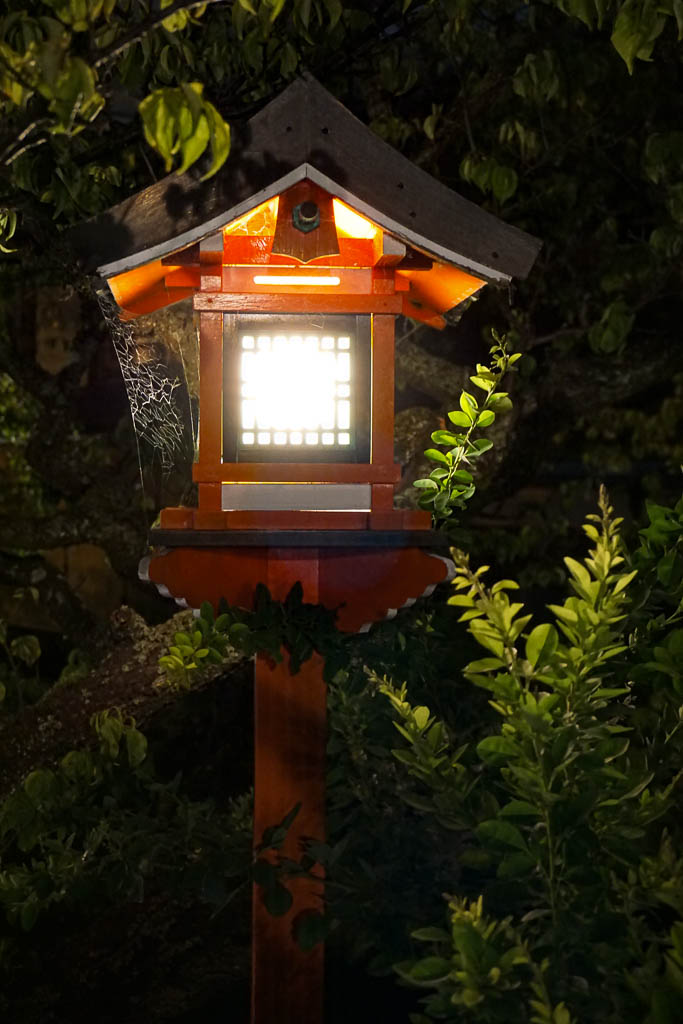
After the tea ceremony, I went back to real life. Changing my clothes going back out to get some dinner. It was rainy quite a bit, but I managed to see all of the streets becoming even more special, lantern lit, with the light reflecting on the rain water, creating a wonderful, quite otherworldly atmosphere.
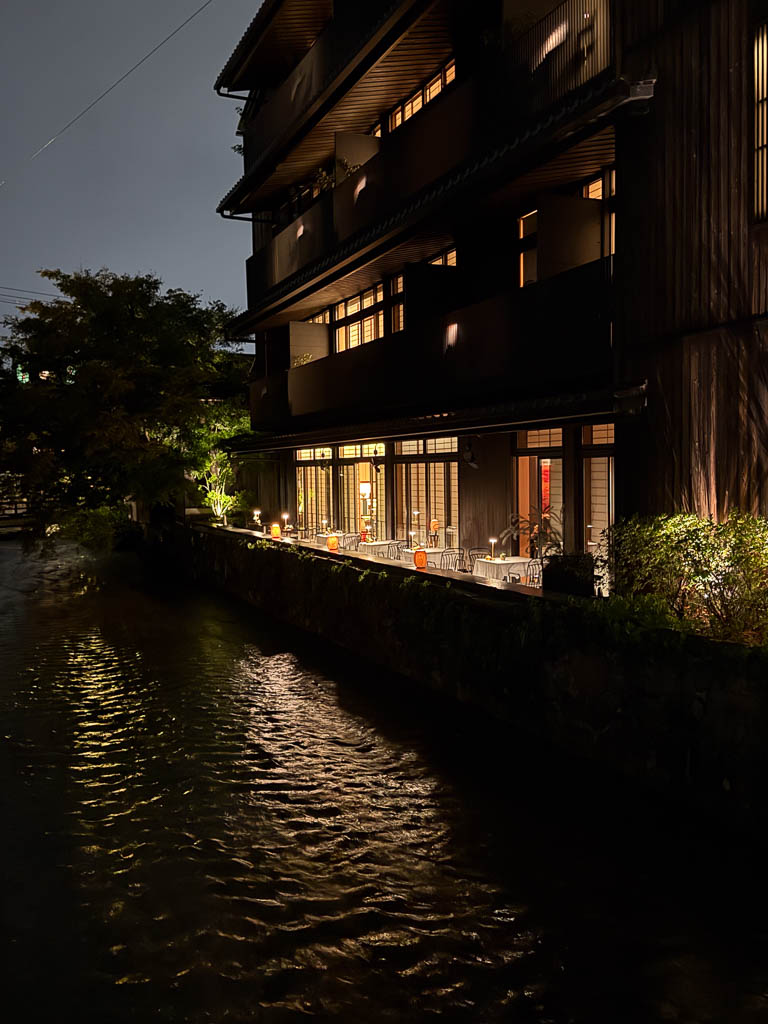
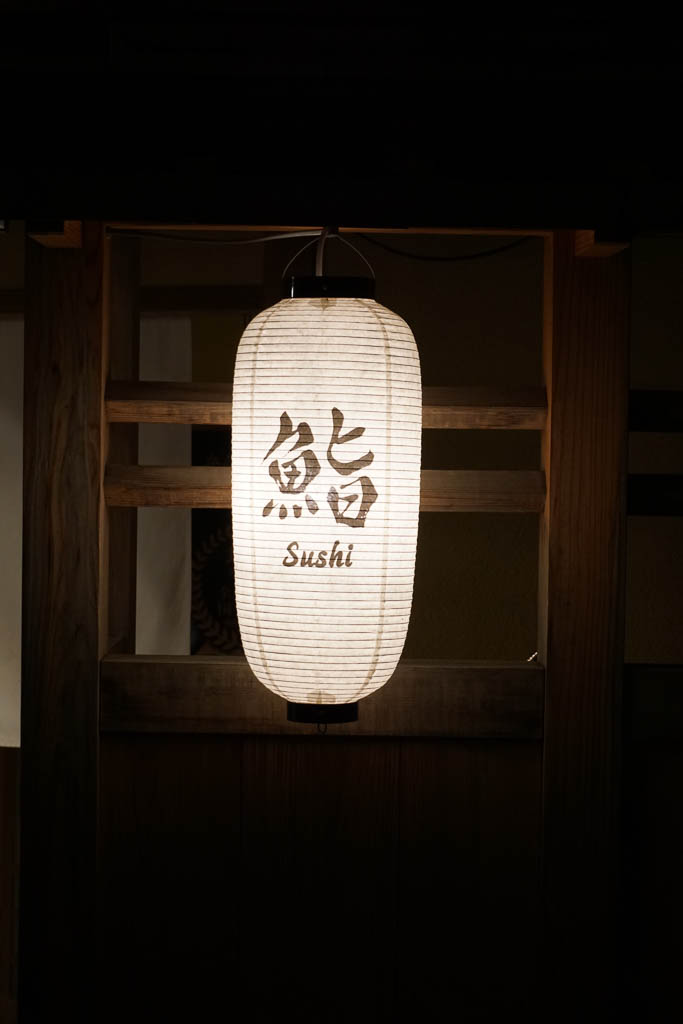
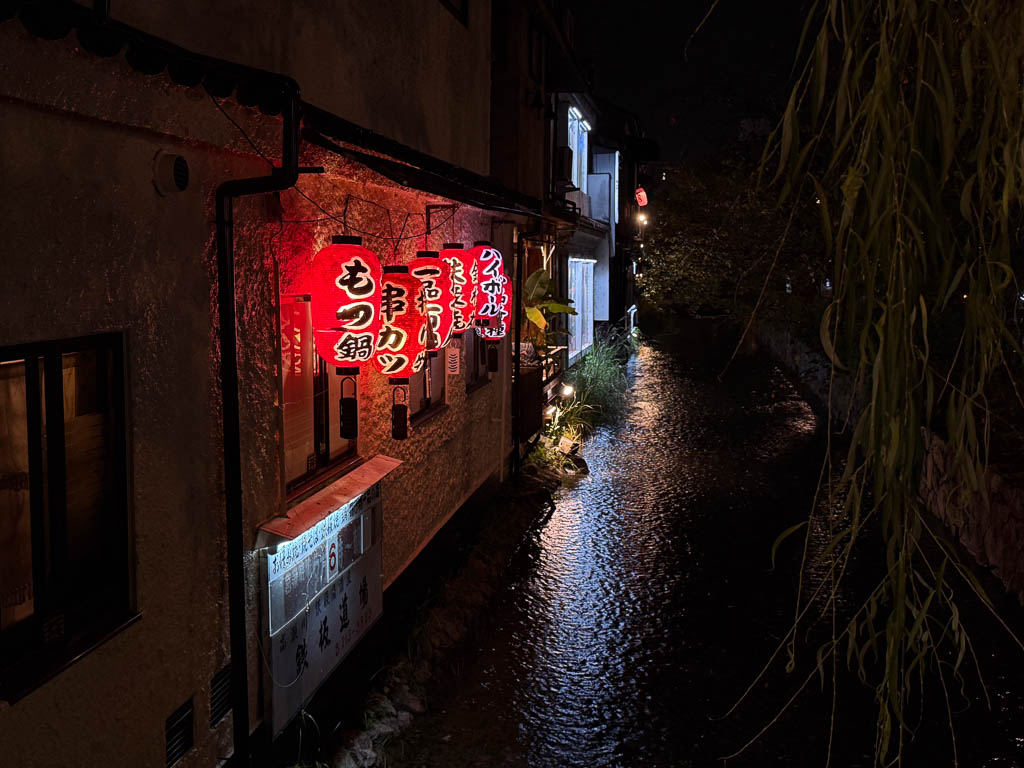
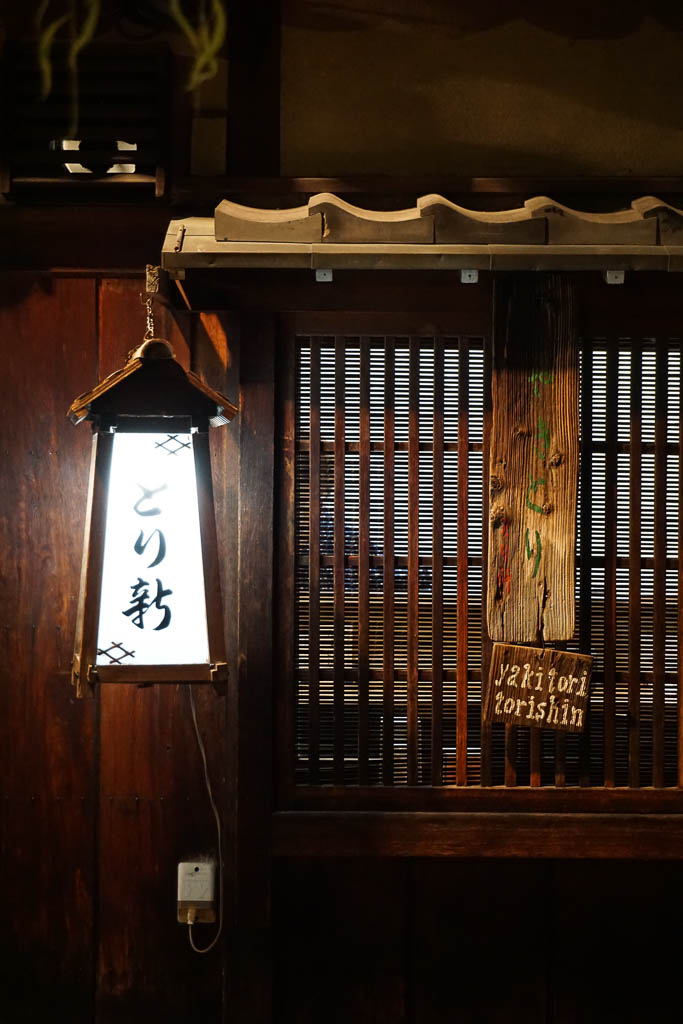
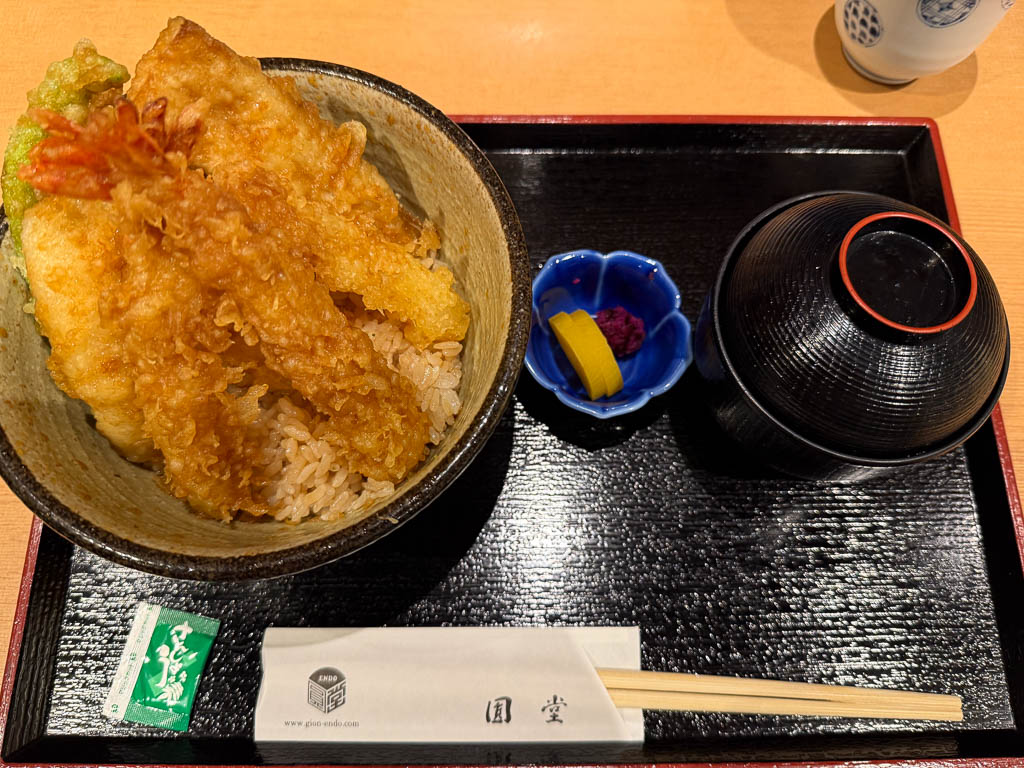
It was raining quite a bit by the time I was looking for somewhere to eat, and it was all so busy, with queues for many restaurants. I ended up getting tempura in a place that was quiet, and still had some tables available.
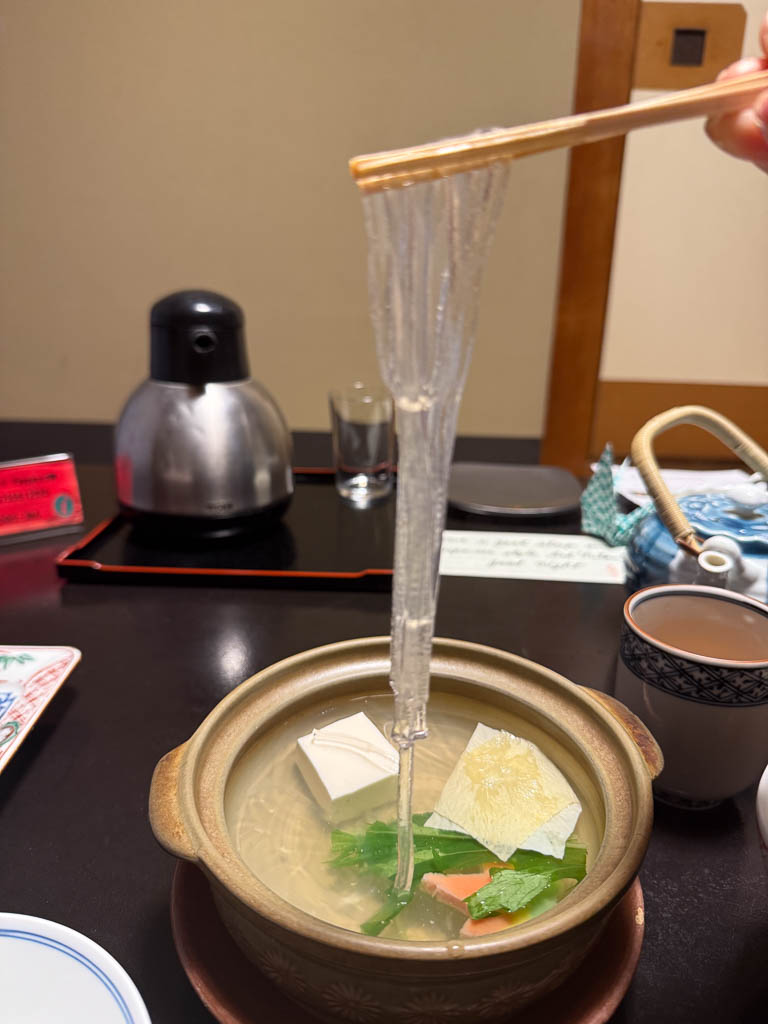
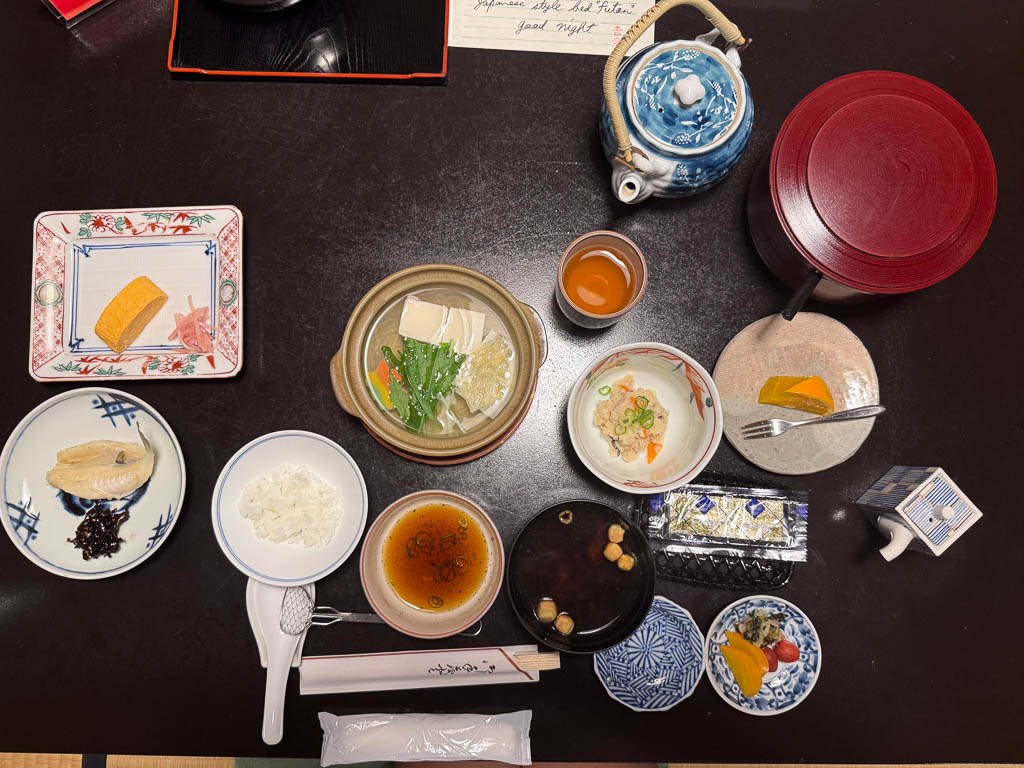
In the next morning, I was served a traditional Japanese breakfast in my room. I was given the choice between a Japanese or a Western breakfast, and I was commited to Japanese only – so I got served rice, noodles, fish… it was too much for me so early in the morning, and this is definitely not something I’d usually do. They also took time to explain to me how to eat everything,a dn what should be mixed with what… as it was very overwhelming to see all of those little plates, not even knowing at first glance what it was all about. Whilst the food was good, I cannot say if I’ll ever opt for a Japanese breakfast ever again… fish and noodles in the morning are really too much for me!
Love, Nic
P.S. Some links in this articles are affiliate links, which means if you click through them and book anything I’ll get a some commission.
Truely Sim Card: Get 10% Off with code wingedbone10
 The Winged Bone
I understand talks about over-tourism, although I think a lot of it depends on the time you visit and what you do when you are in the area. Kyoto sounds amazing, and the photos are all wonderful.
LikeLike
Kyoto through your eyes feels calm, thoughtful, and beautifully paced. Gion in the rain, quiet streets, and that ryokan, tea ceremony combo sound magical. Such a lovely start to Kyoto
LikeLiked by 1 person