
It was my last day in Tokyo when the weather decided to take a turn. And of course, I had chosen that day to forget my umbrella in the hotel room. The day started with some light showers, which ended up transforming into a deluge. But I’m getting ahead of myself.
The Imperial East Gardens
On my last post I wrote about visiting the famous bookworm neighborhood of Jimbocho. It had been my plan to merge it with the visit to the Imperial East Gardens, however I found them to be closed to the public on that day. This made me consider if I should visit. But somehow, with a fear of missing out, I still managed to fit it in first thing on my last day in Tokyo.
Quiet honestly – I wish I didn’t. Technically, there is nothing you miss by skipping the Imperial East Gardens. Why? Precisely because there is nothing there. Of course I knew this – sort of – the former Edo Castle was destroyed by. a fire over 350 years ago – but a part of me was expecting a little more in terms of ruins, historical plaques with explanations, perhaps even some sort of model helping me visualise what once stood there. Now you see some guardhouses, a wide expanse of lawn, some fruit trees around. Still a wonderful site – but not something I should have visited when my schedule was already tight and, to top it off, it was raining.
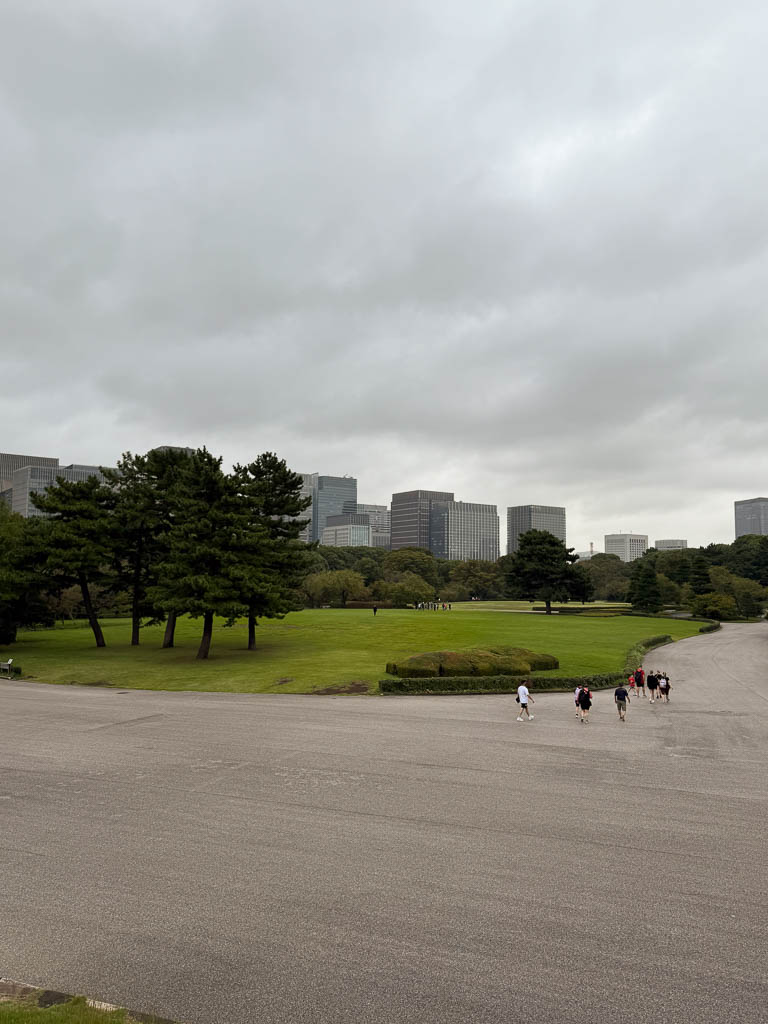
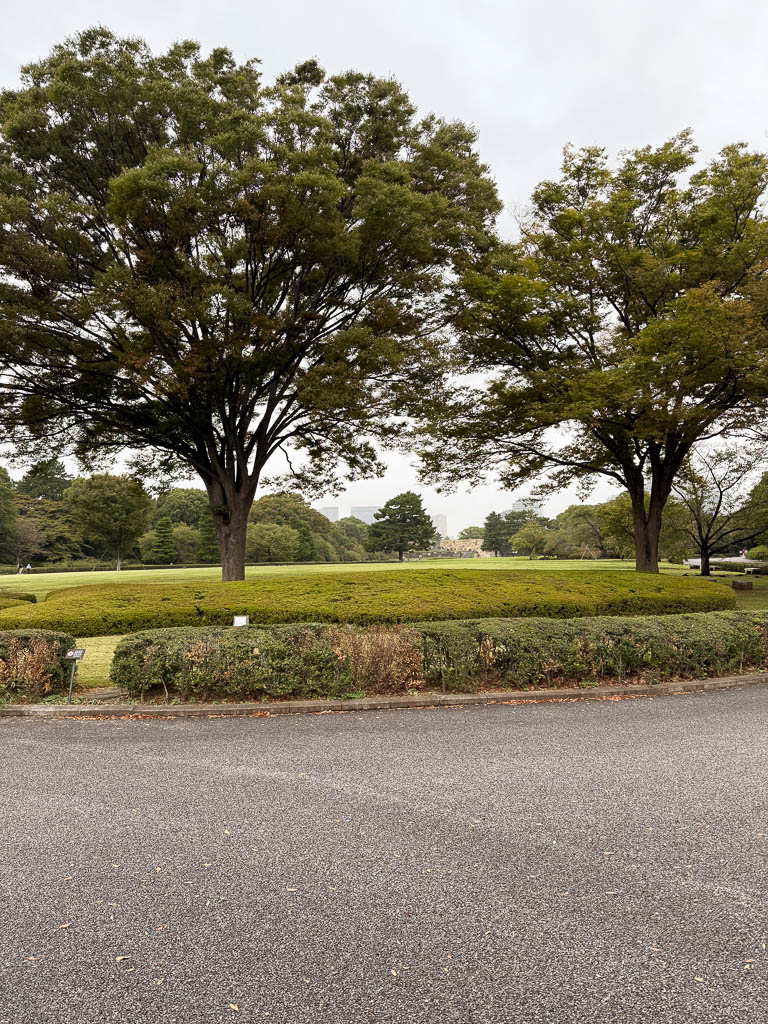
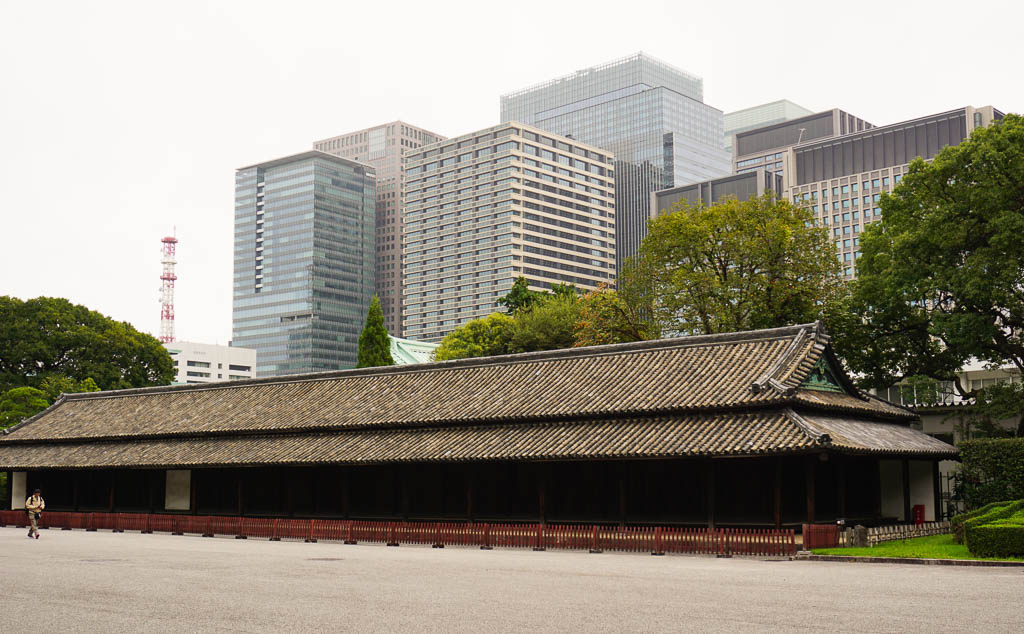
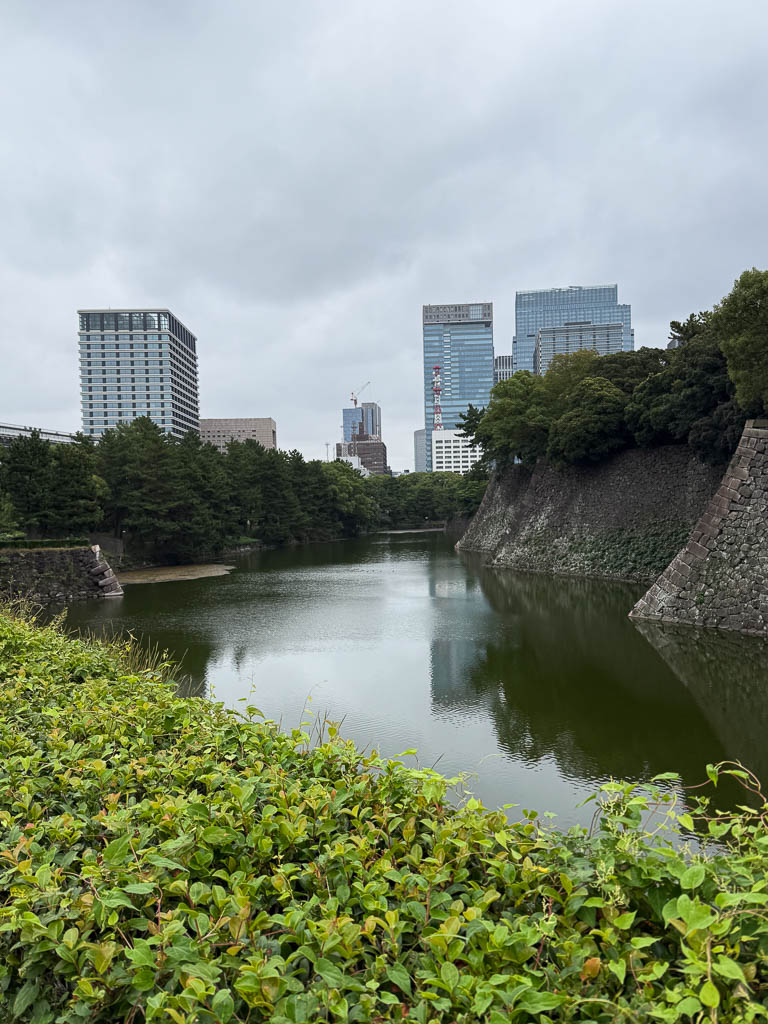
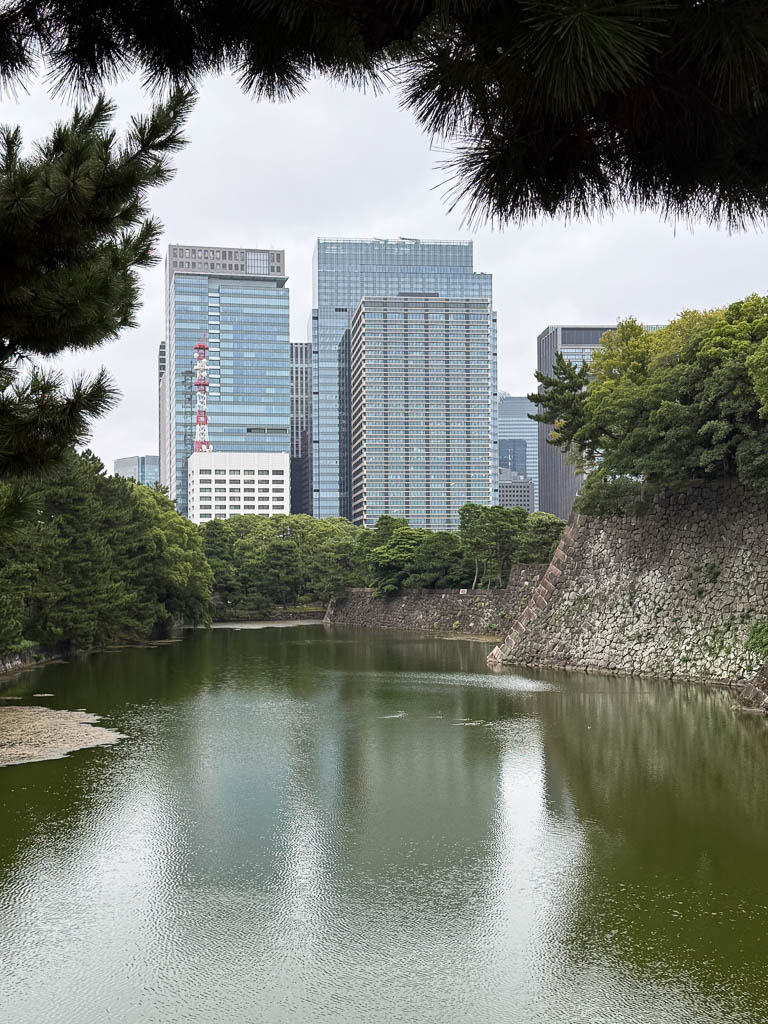
What was most impressive to me was the outside of the gardens – the wide moat, the majestic old walls, and the contrast with the modernity of glass buildings, likely holding offices in the vicinity. Two very different realities, a co-living of different Eras. Time in Japan isn’t linear – it seems to overlap wonderfully.
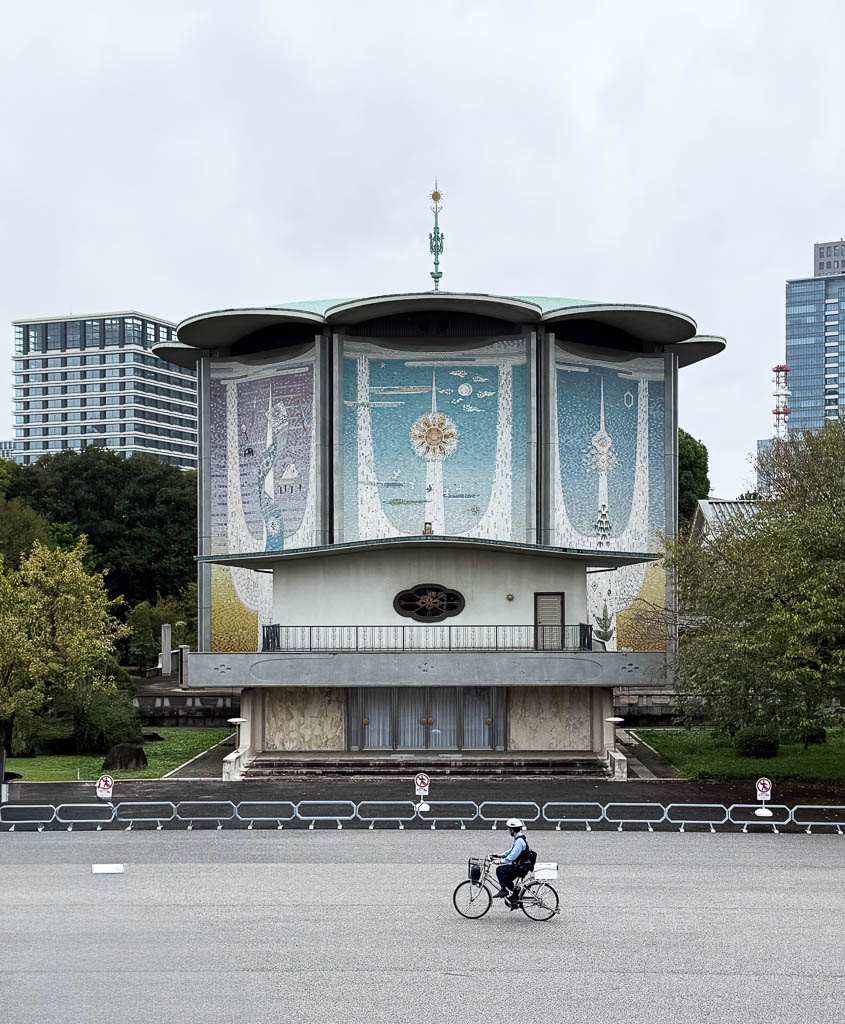
One the buildings that caught my eye ended up being the Tōgakudō Imperial Concert Hall (meaning literally “Peach Blossom Music Hall). Covered in brilliant colored mosaic, even in the rainy day it seem to emanate light. There was no way for me to get close to it, as this place is primarily used for concerts attended by the Imperial Family only,
Whilst I had been a little demotivated by the flatness of my visit to the Imperial East Gardens, what was to come next was going to lift my spirits – the Meiji Jingu Shinto Shrine.
The Sacred Forest & Meiji Jingu Shrine
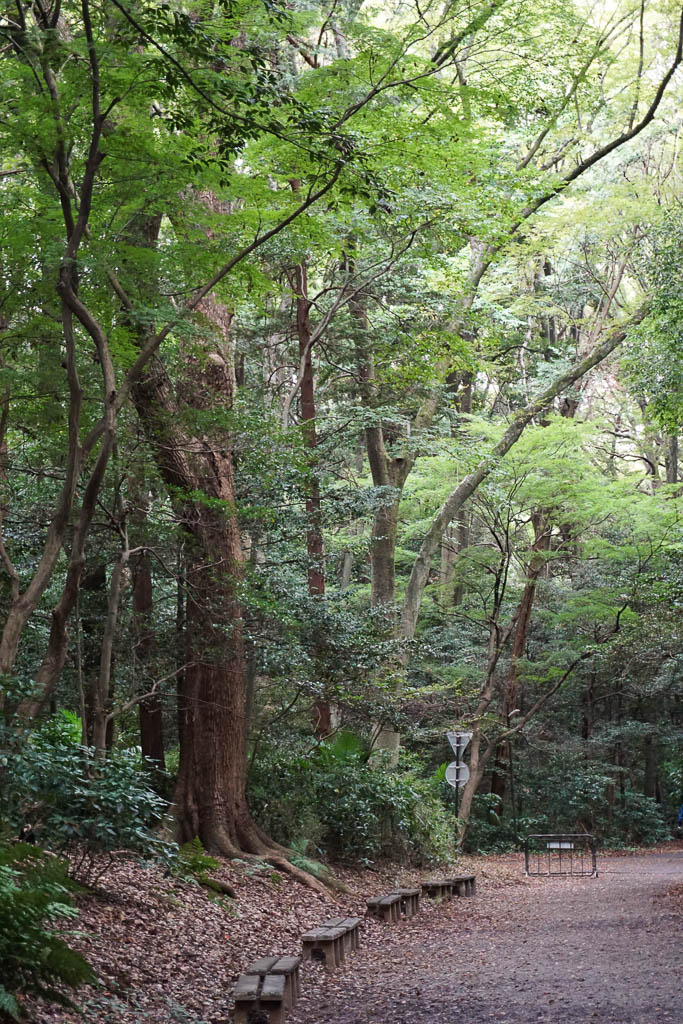
The moment I entered the forest surrounding it I felt lifted. That’s how I can best describe it. The tall, ancient looking trees, the dense vegetation, the greenery around me – it felt they had put a spell on me. Despite tired limbs, there was a lightness that made me feel somehow as if levitating. I swear I was not on drugs – perhaps a little sleep deprived – but nature truly can have a healing effect on you, and it definitely does with me. The forest truly feels ancient – so imagine my surprise when I learned that in fact this forest was man made and it’s not even that old!
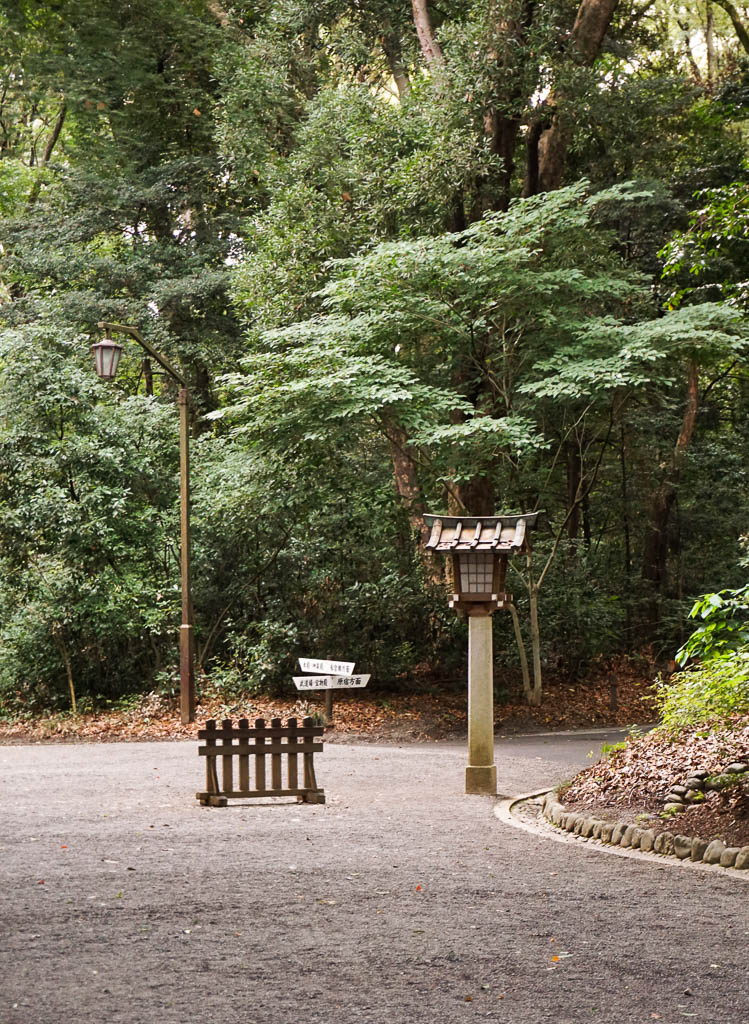
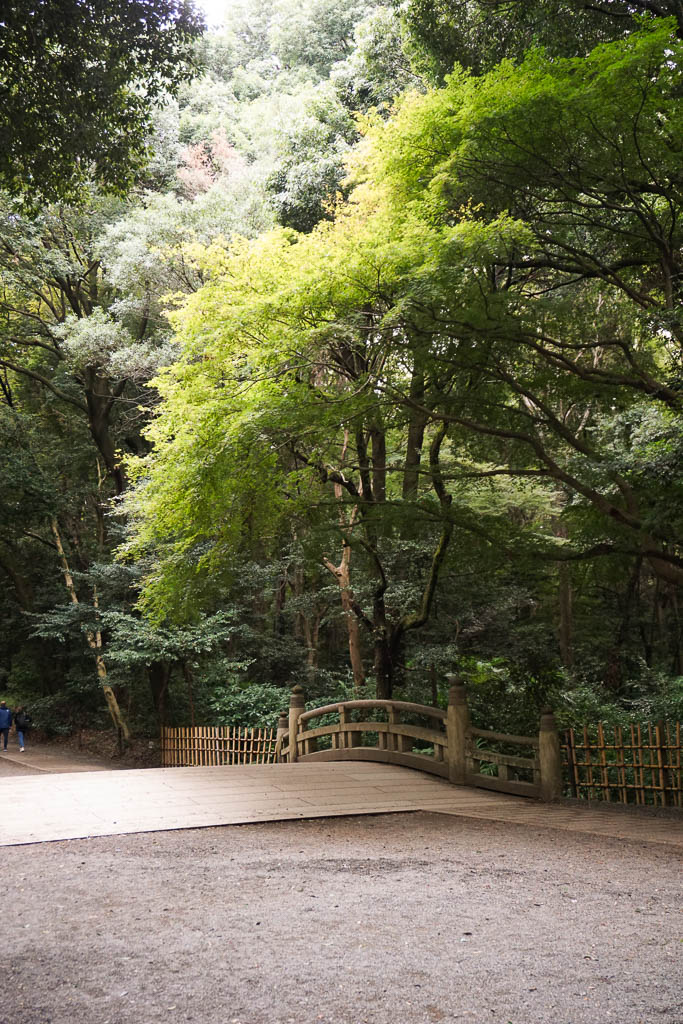
This apparent “natural wilderness” is what was known as “the grand experiment” and it was brilliantly designed about 100 years ago to become a self-sustaining ecossystem. Between 1915 and 1920, about 100,000 trees of 365 different species were donated from all over Japan and planted by roughly 110,000 volunteers – this is what I can determination. The forest was expertly designed of course – to transition in 50-year stages, moving from fast growing conifers to the permanent broad-leaf evergreens that you can see dominating the 70-hectare area today. And the reason why it feels so wild, and unmanned? Precisely because after plantation, the forest was simply left alone – not even fallen trees are removed, and the leaves are swiped back into the woods to enrich the soil naturally.
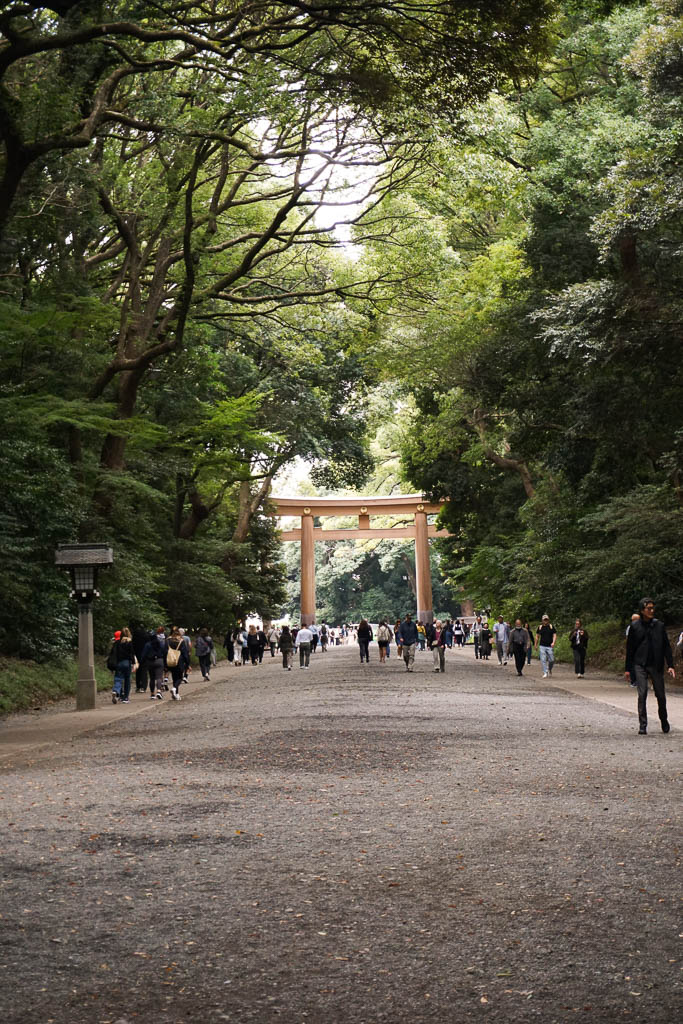
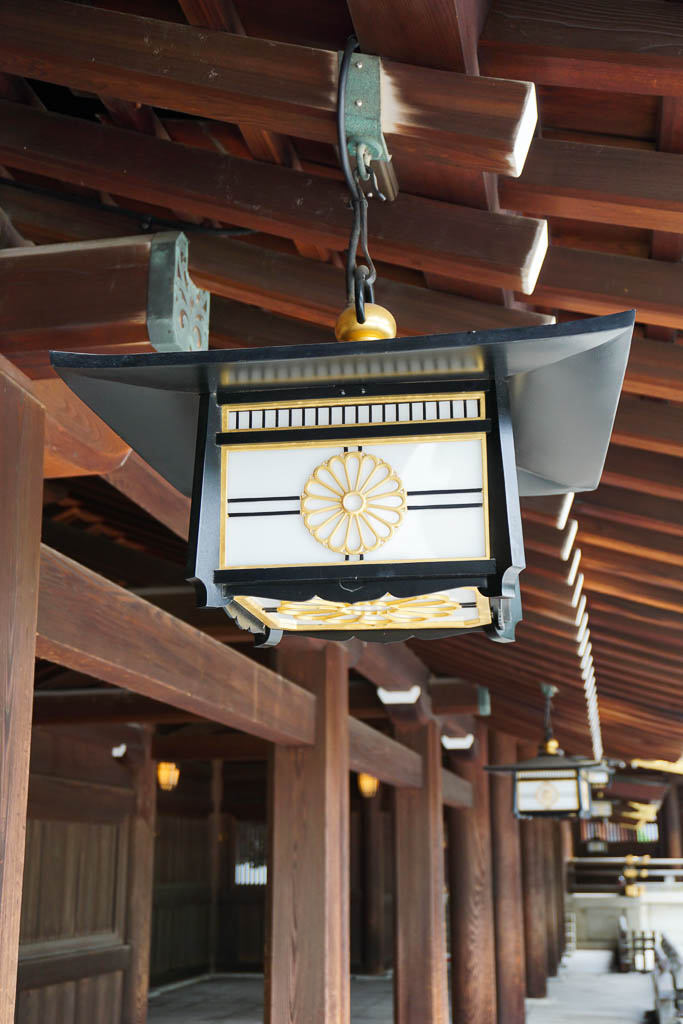
And at the heart of this Sacred forest is one of the most important Shinto Shrines in Japan. It is dedicated to the deified spirits of Emperor Meiji and his wife Empress Shoken, who led Japan through its rapid modernization in the late 19th and early 20th centuries. Sadly, the original buildings were destroyed during WWII, and what you can see now was rebuilt in 1958, only possible by public fundraising.
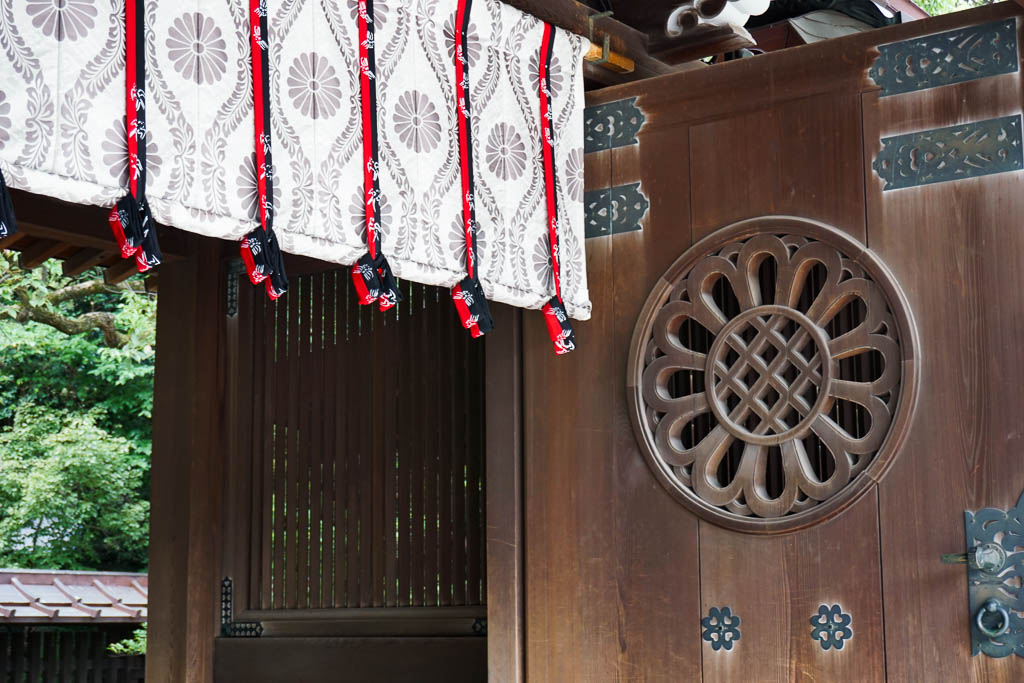
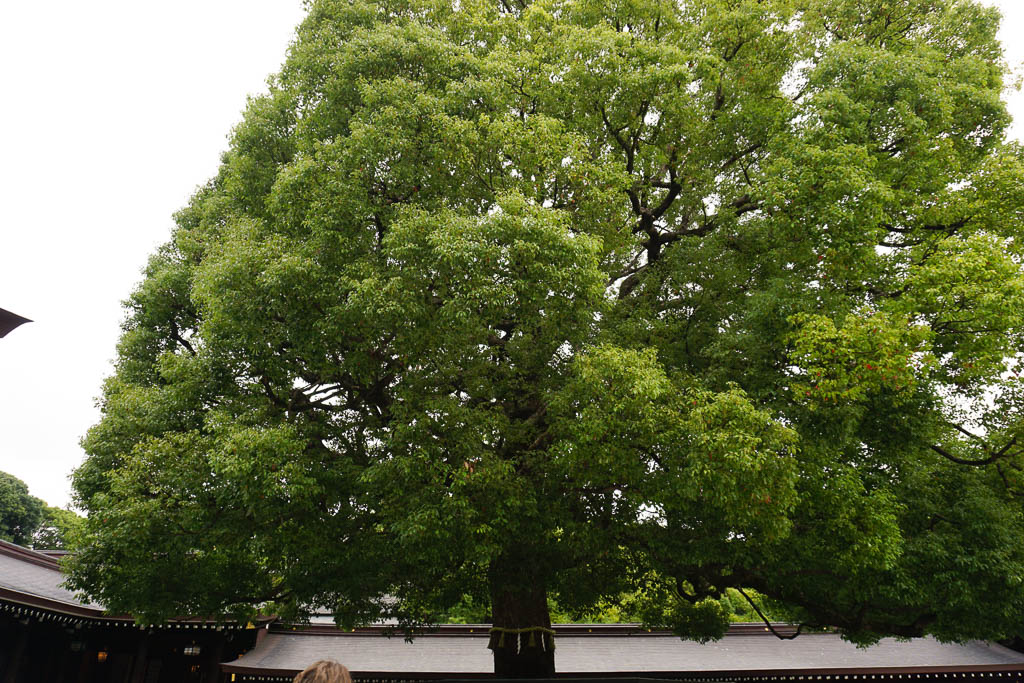
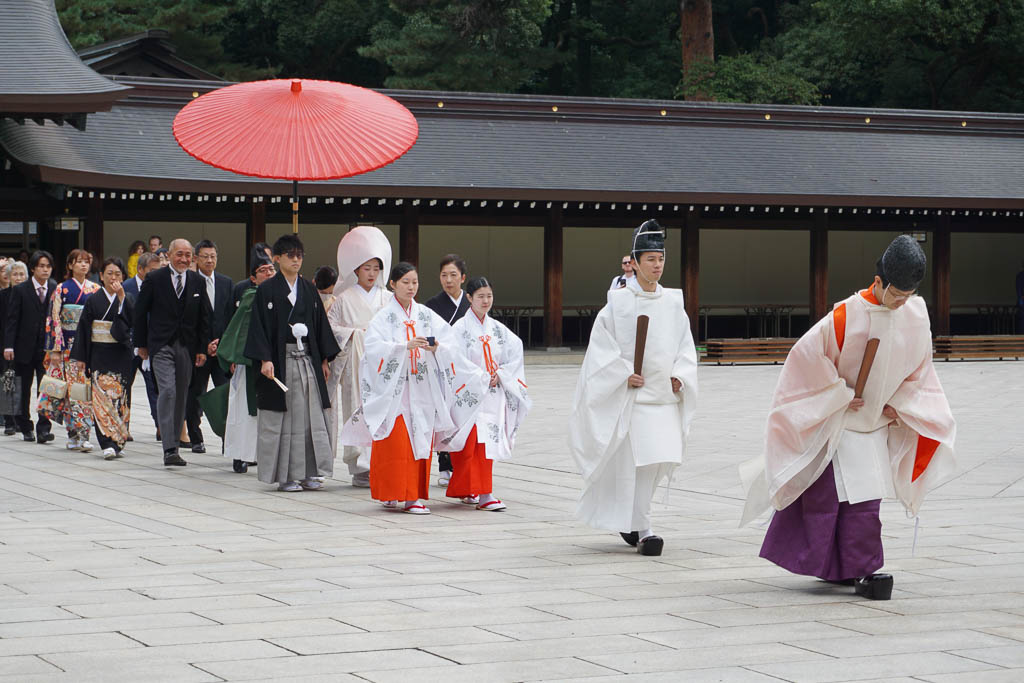
I recommend you visit early – which was my intention if I hadn’t gone to the Imperial East Gardens – because, oh dear, it was BUSY. Too busy for my taste for sure… but I still got to see a little procession part of a traditional shinto wedding. Seeing local traditions up close is always a moment that I treasure.
At almost every shrine I visited, I drew an omikuji – fortune slip. Here, these are a little different. Instead of a fortune, you get instead a waka – a traditional 31-syllable Japanese poem – written by Emperor Meiji and Empress Shoken. They were both prolific poets, and the shrine chose 30 of their poems – 15 from the Emperor, 15 from the Empress – to serve as ethical and spiritual guides fo visitors. And don’t worry – they come in English as well 🙂
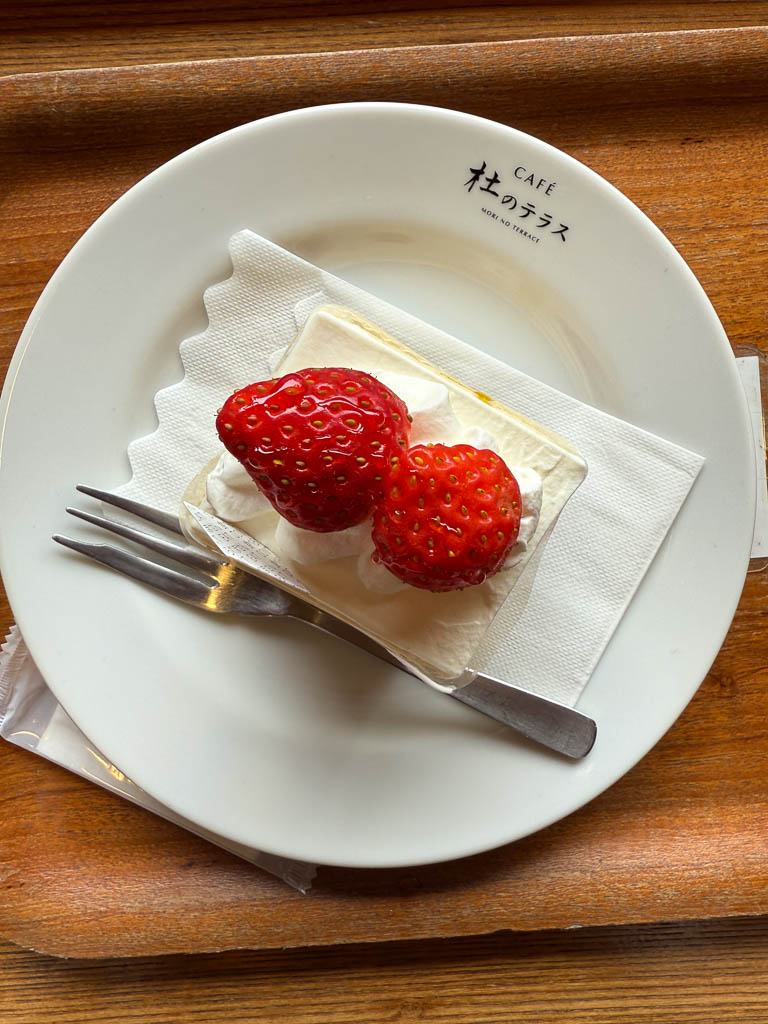
After this, I needed a rest and some sugar in my system. I stopped by a cafe just by the Meiji Jingu Ichino Tori and got myself a slice of the famous Japanese strawberry shortcakes – with a gorgeous strawberry on top. It was actually quite light, and it was the energy boost that I needed to face the afternoon – one of shop hopping and pouring rain, which is why I am very light on photos on this day!
Shop hopping – Harajuko & Shibuya
Harajuko is near Meiji Jinjo, so this was naturally on my itinerary for the day. I thought it was going to be super crowded, but perhaps because it was a weekday, and the weather wasn’t great, it was all right. In the photo below it does seem so… but I think that crowd is only there taking the photo of the entrance. As I walked down the street the crowds quickly dissolved.
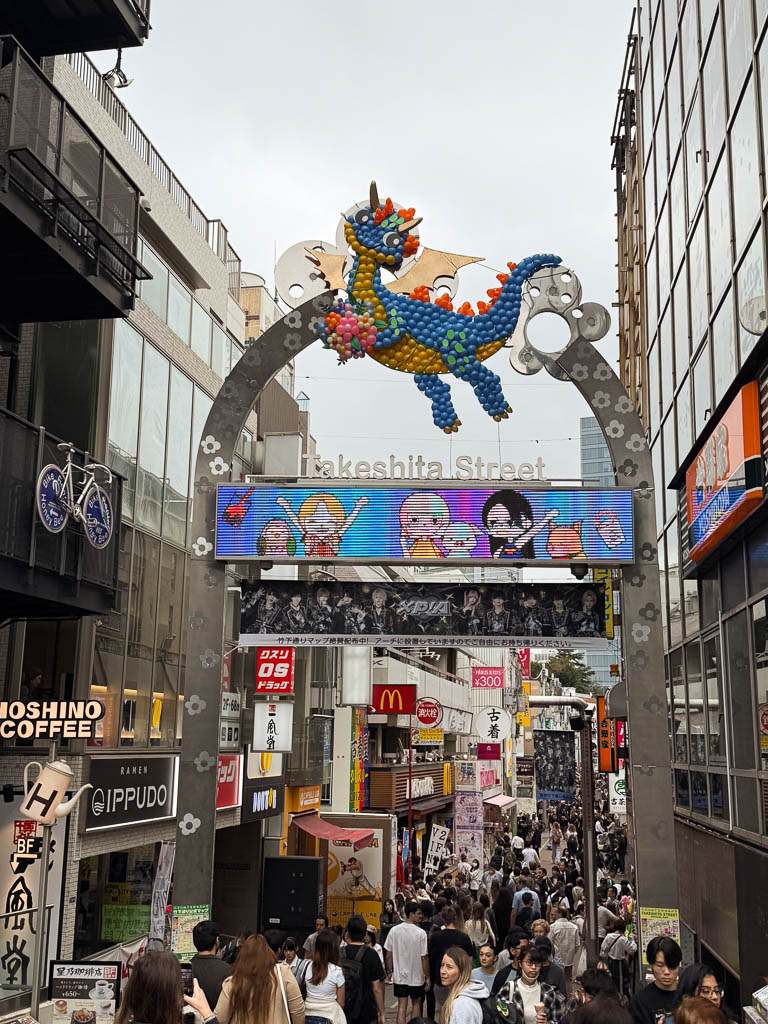
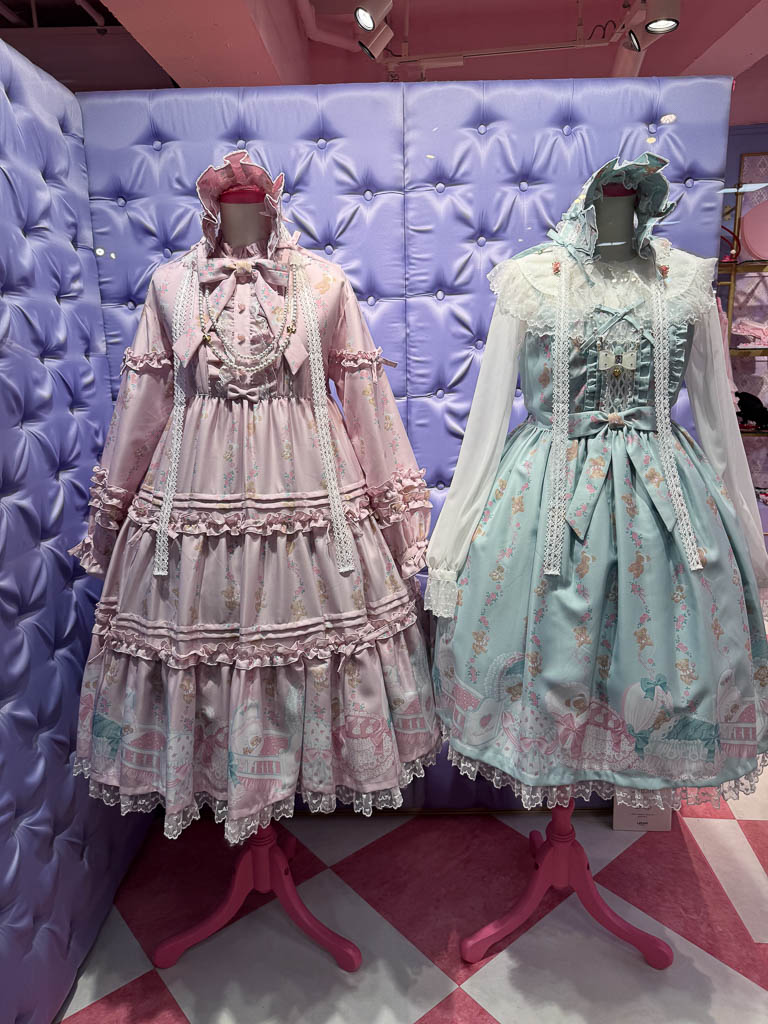
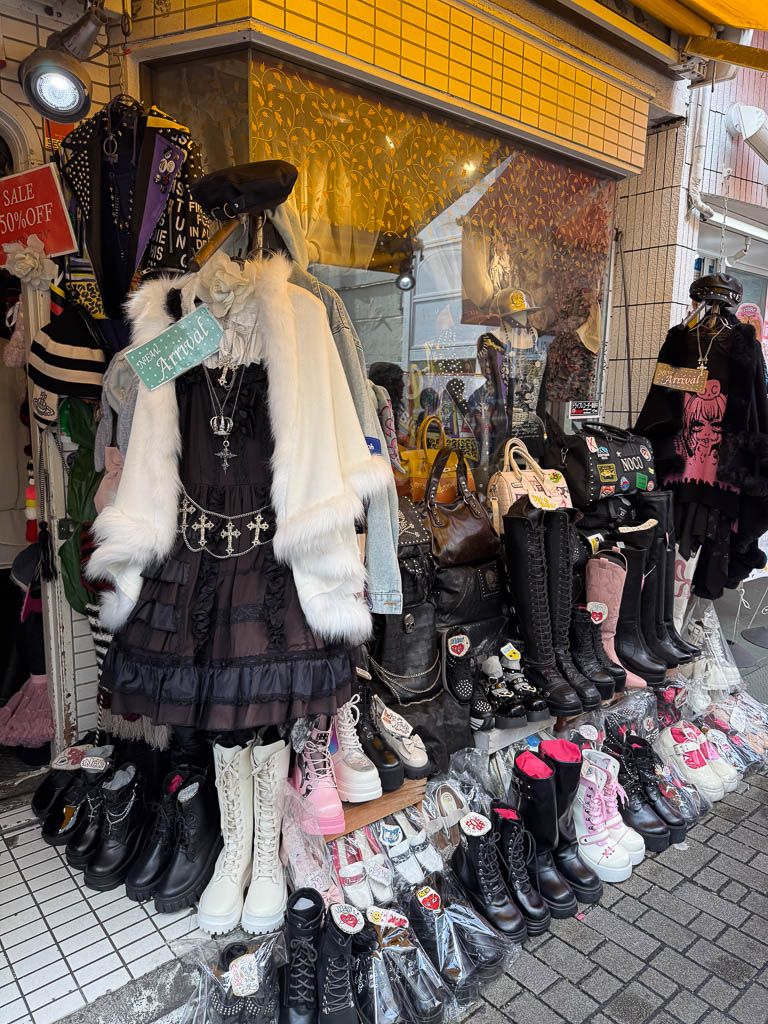
Harajuko is known as the capital of kawaii, with the famous Takeshita Street taking front stage. Even the food is cute here, and you’ll be tempted to visit cafes where you can pet baby pigs, puppies, guinea pigs… you name it. My interest was in fashion – I truly admire the doll-like aesthetics, whether these are more kawaii or take inspiration of goth/punk subcultures.
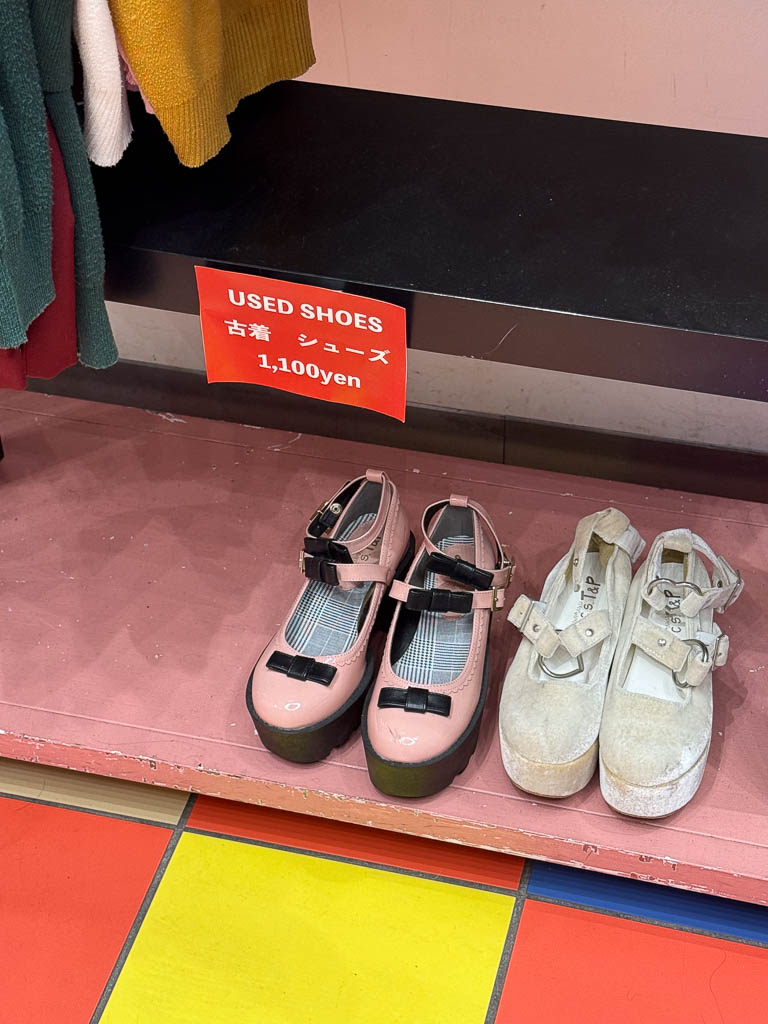
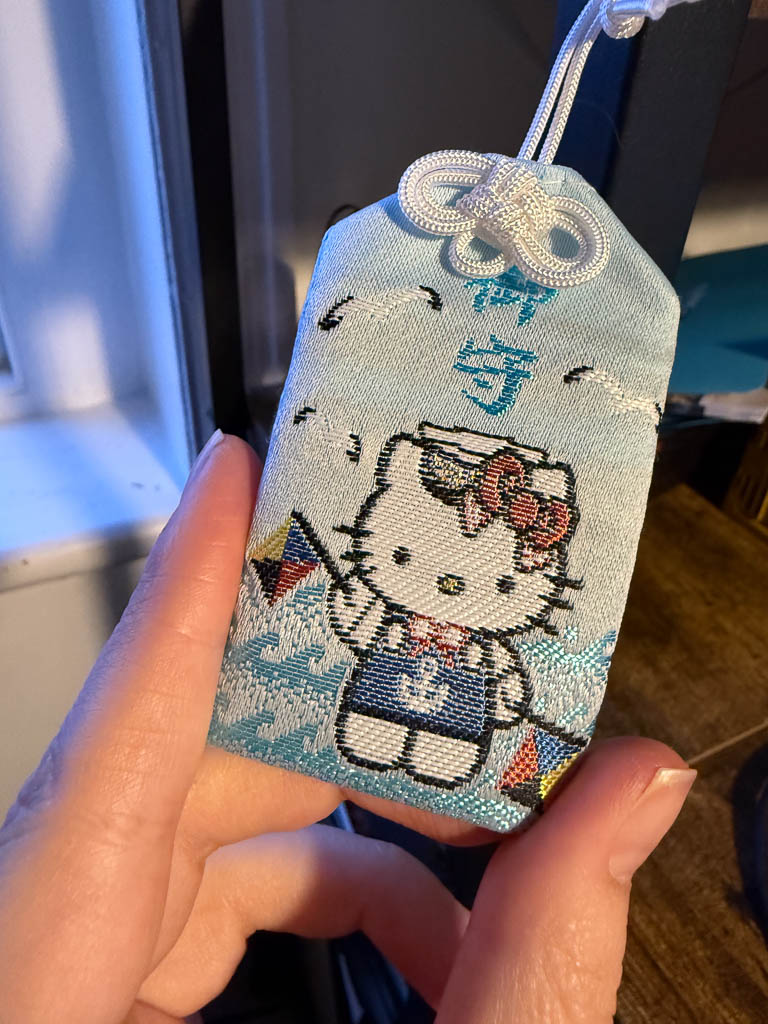
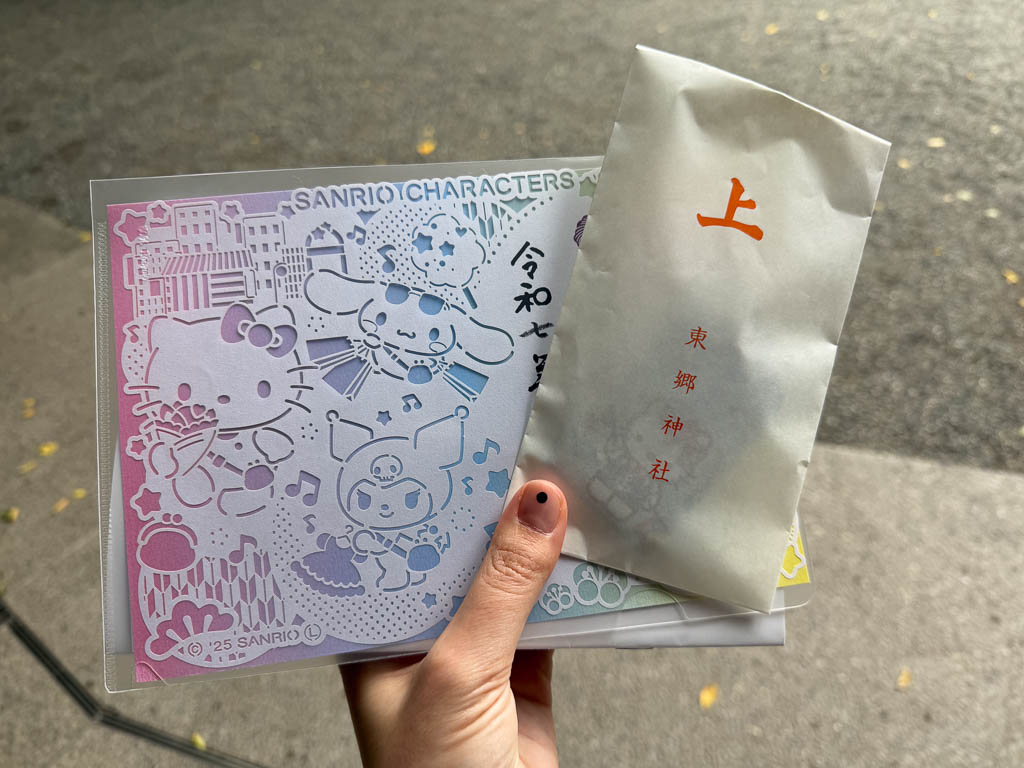
Near Takeshita street there is Togo Shrine, which I particularly wanted to visit because they do collaborations with Sanrio – yes you read that correctly. This is how much Sanrio has become part of Japanese culture – almost itself a religion. I wanted to get a Hello Kitty omamori and ended up also getting a Sanrio goshuin. The shrine was not busy at all when I visited, and it’s quite small and picturesque – but Sanrio collab typically sell out quickly. I was lucky there were still some left. My omamari features a Hello Kitty dressed as a sailor – and this is for a reason. Togo Shrine is honoring a famed 19th-20th century Navy admiral.
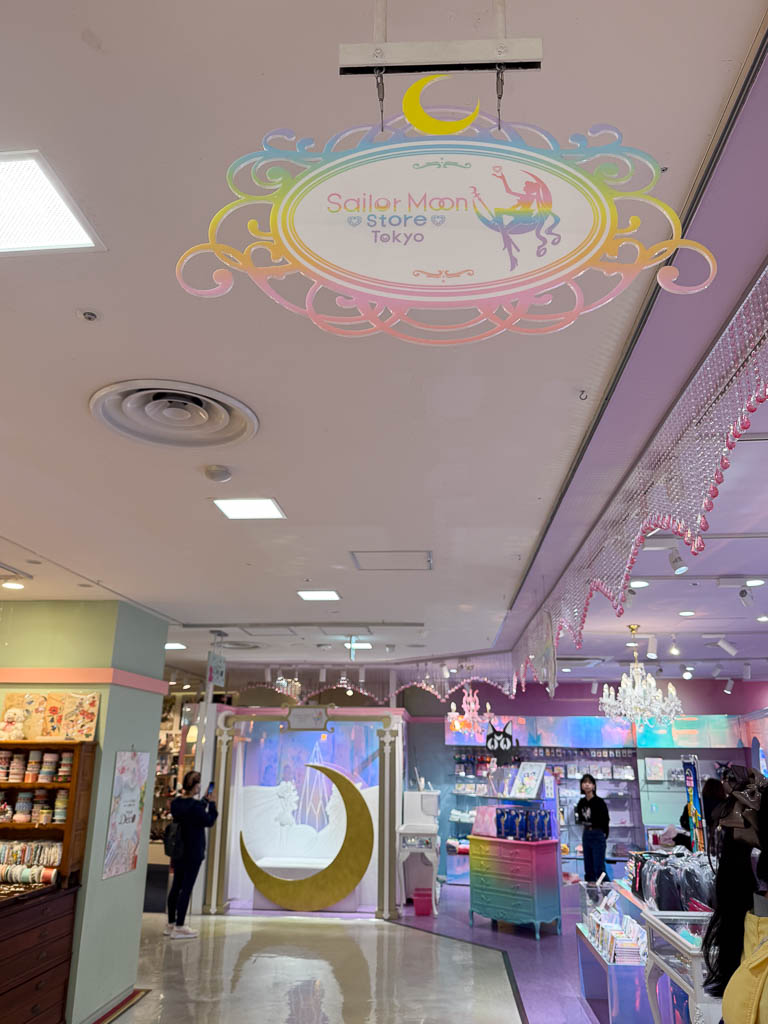
My next goal was to get to the shopping centre Laforet – to visit the Sailor Moon store, the only one!! Can you believe it? Oh well, it is quite small – and I’m glad, because I ended up splurging anyway. I got myself a Luna Pi plushy and a Japanese version of the first manga. Plus a little folder featuring Serenity…
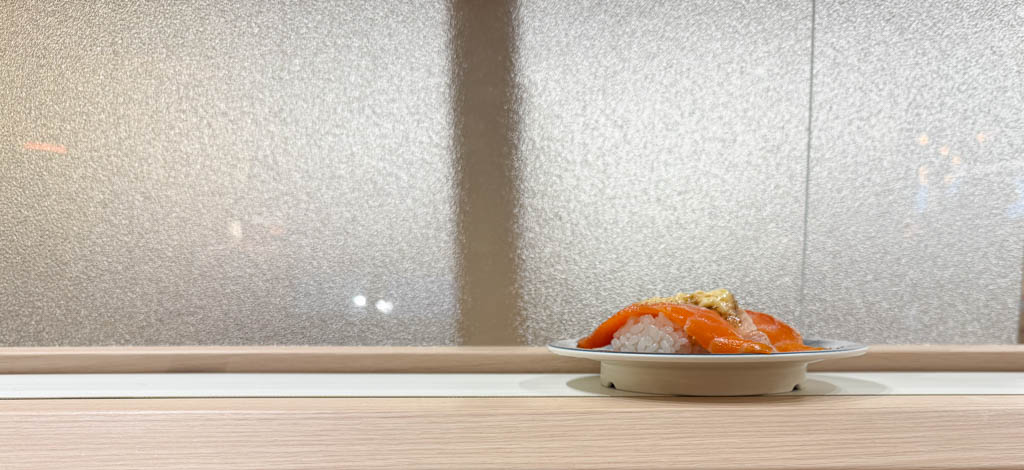
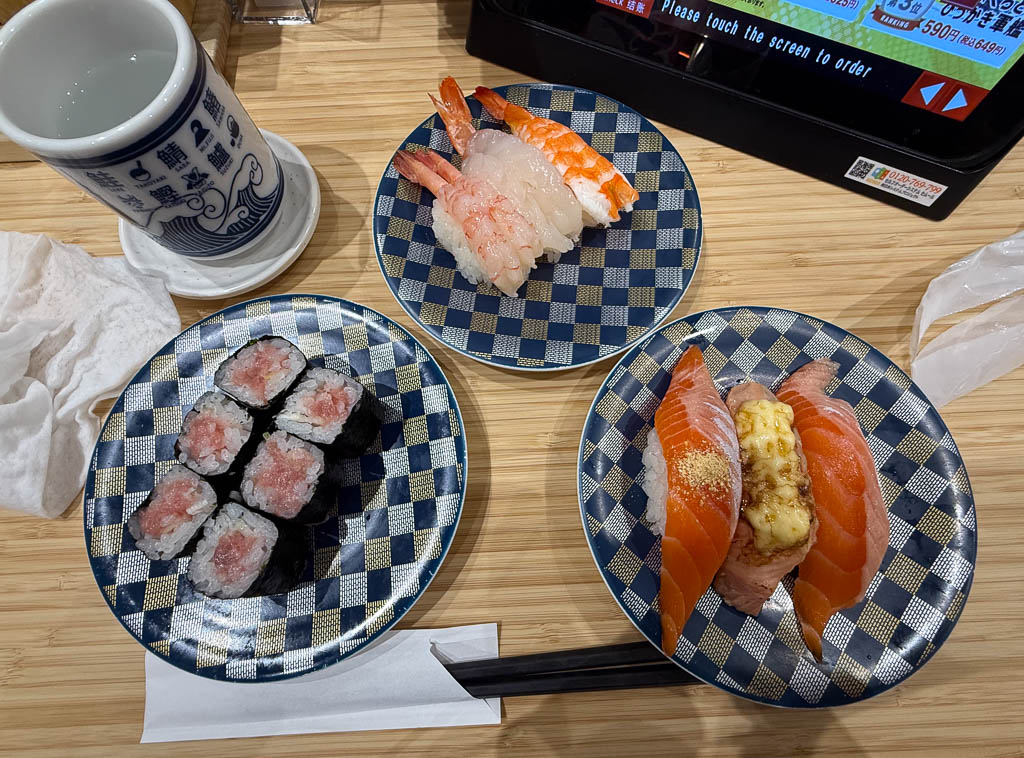
I got lunch at a conveyor belt sushi restaurant, which in itself is an experience. It was sooo damn good. But food was always good in Japan….
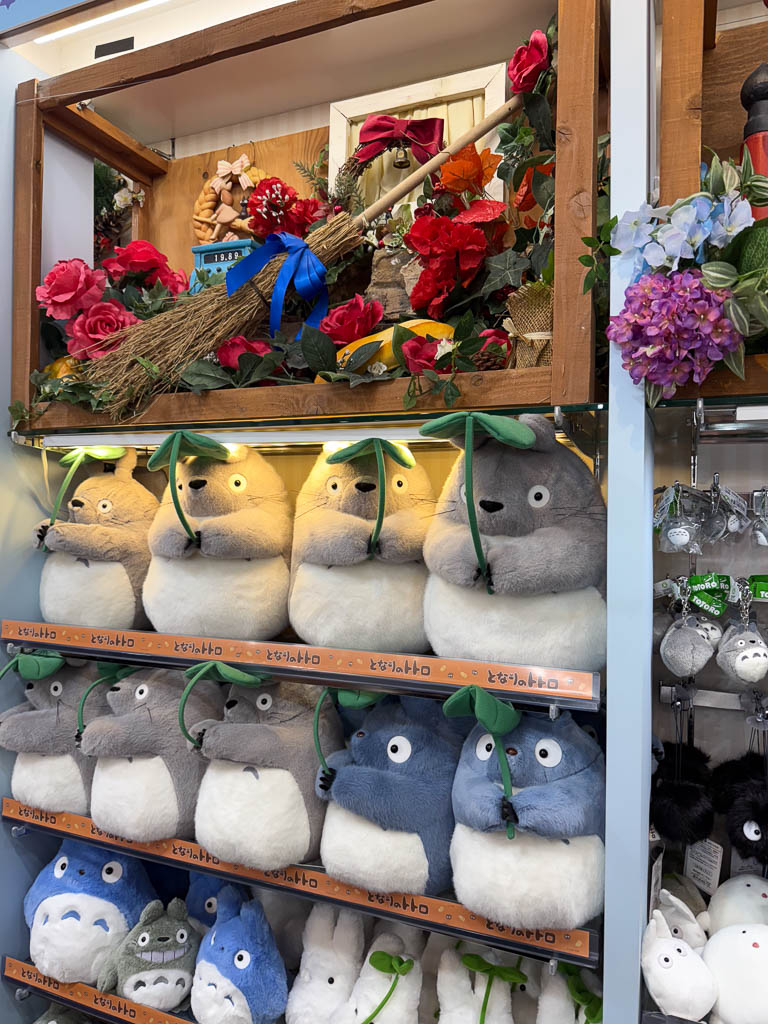
By now the rain was started to get more serious. Thankfully a lot of what I wanted to do was going to shops. Eventually I reached Shibuya. Kiddy Land, Loft, Muji (where I bought some socks as for some reason I had only packed a few…), the stunning Disney store… I bought everything I wanted – again, not that I needed, but wanted. Some Ghibli plushies, lots of stationary, including 3D cards of Japan to give as souvenirs to my friends.
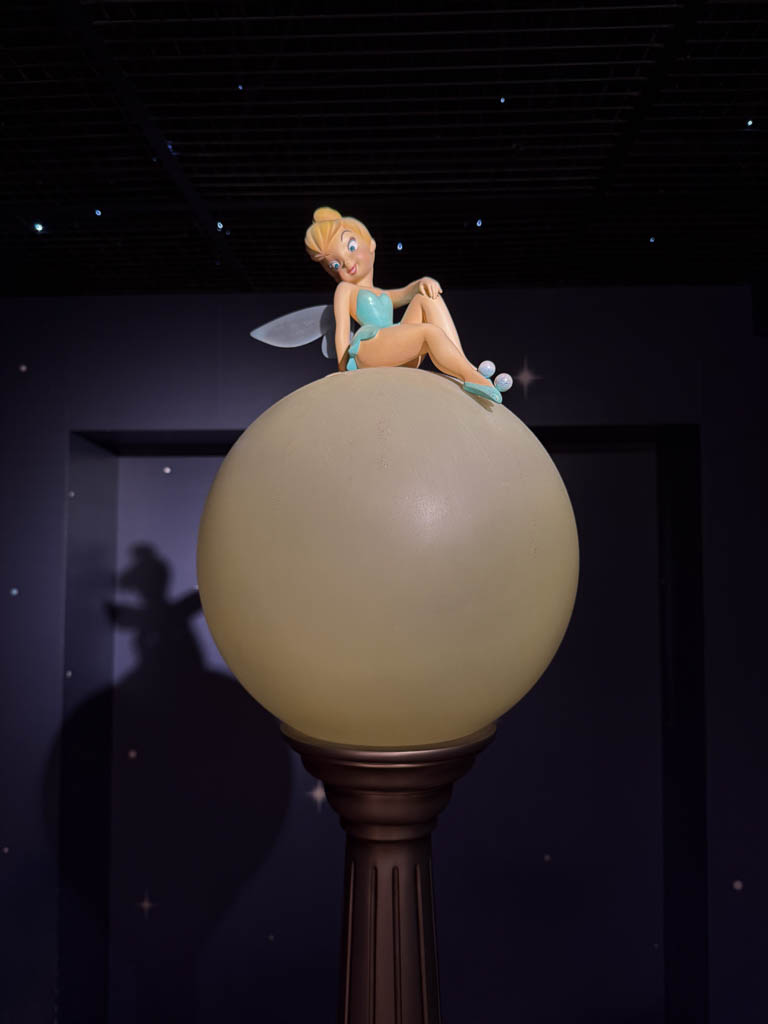
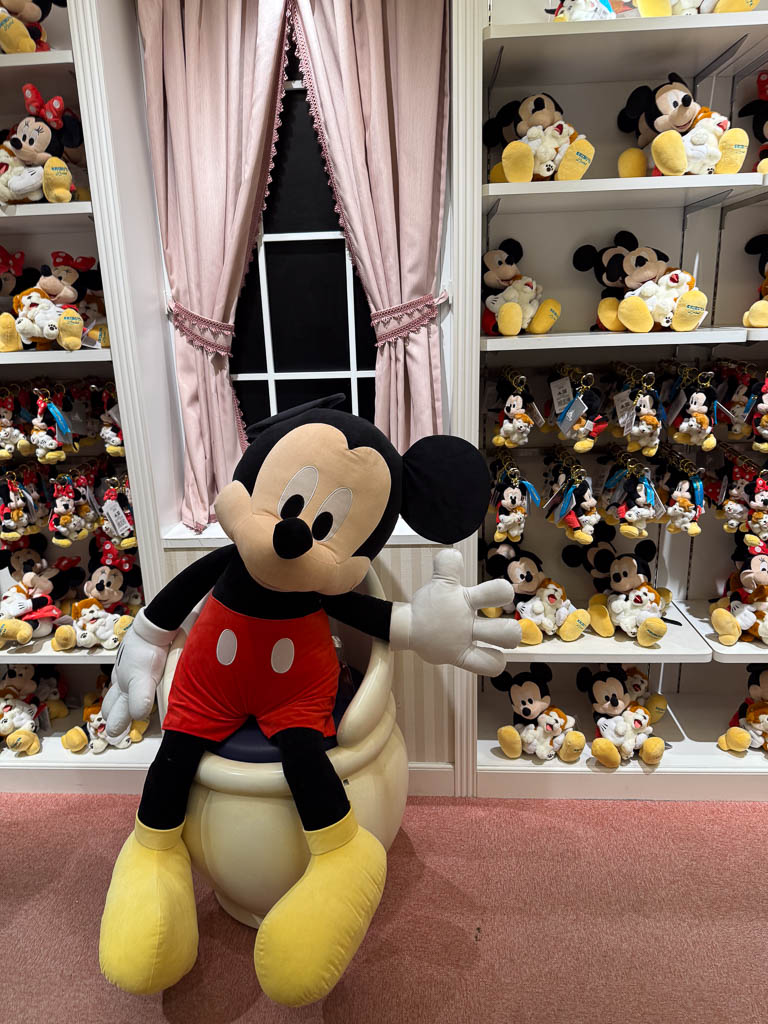
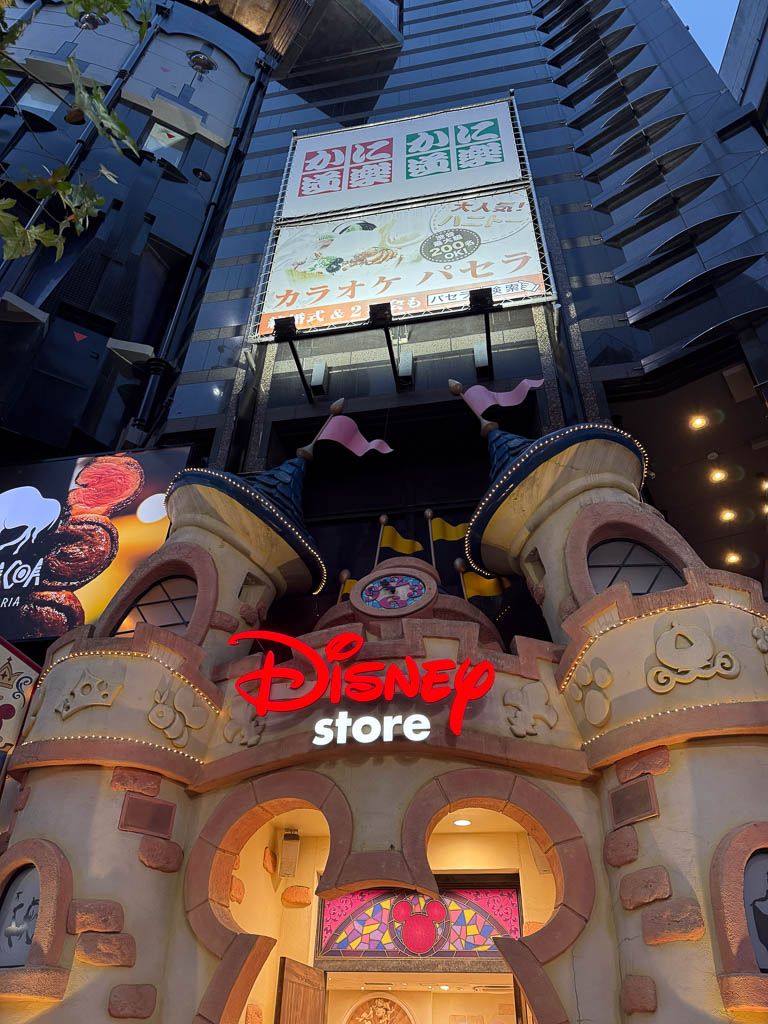
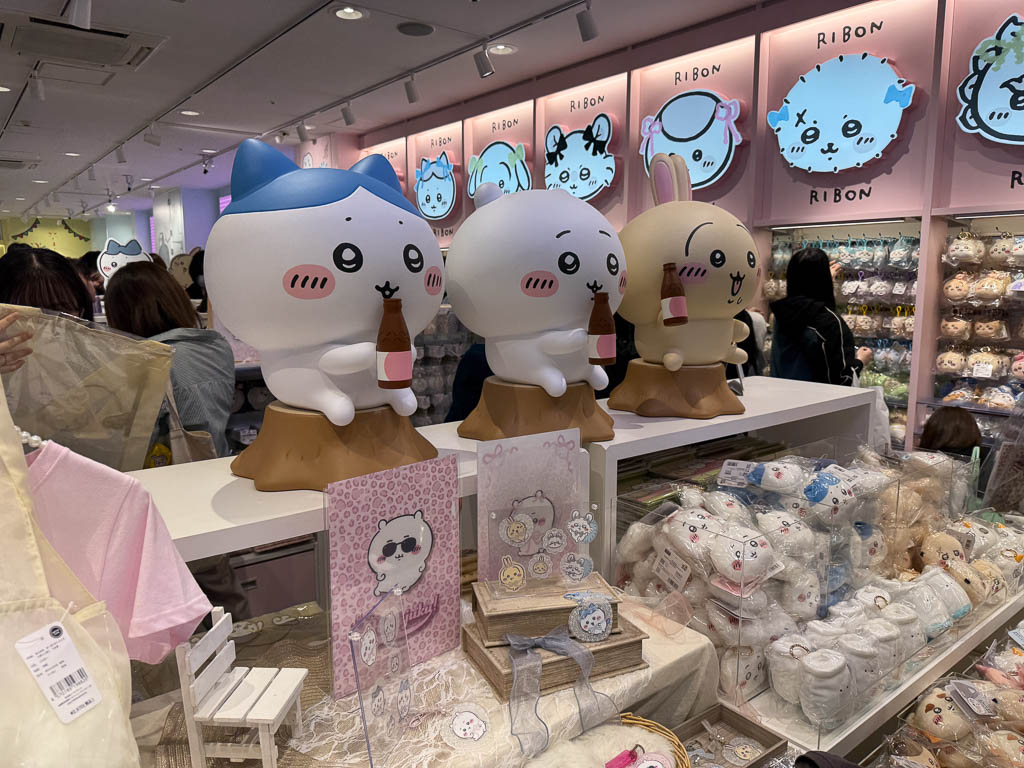
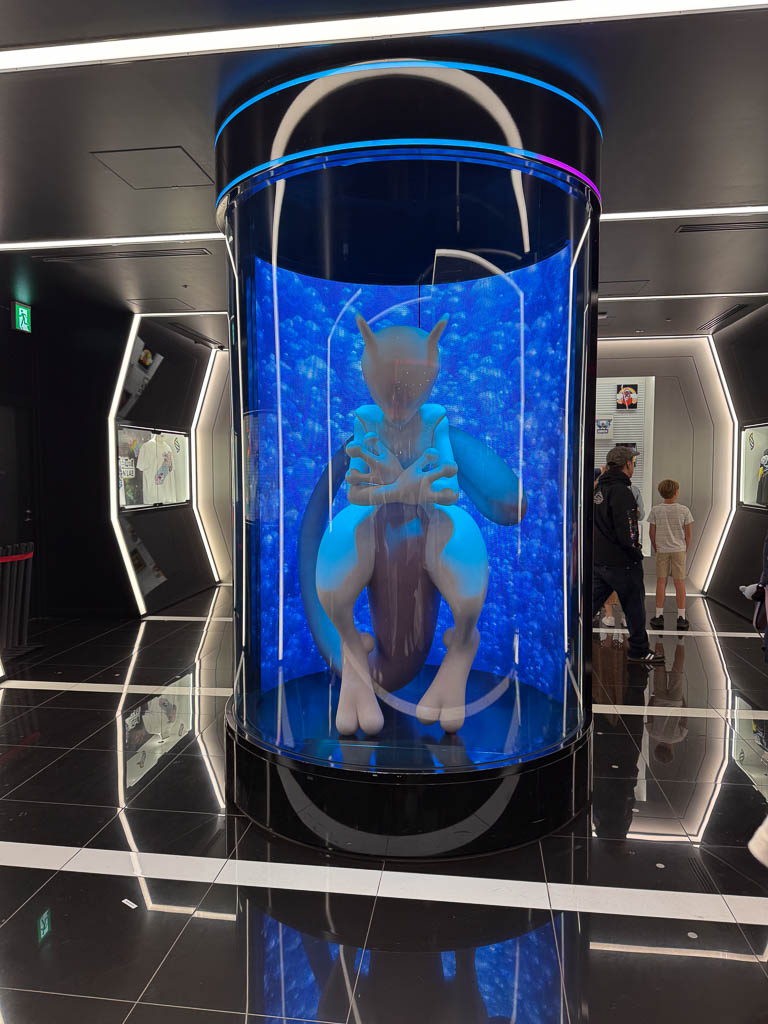
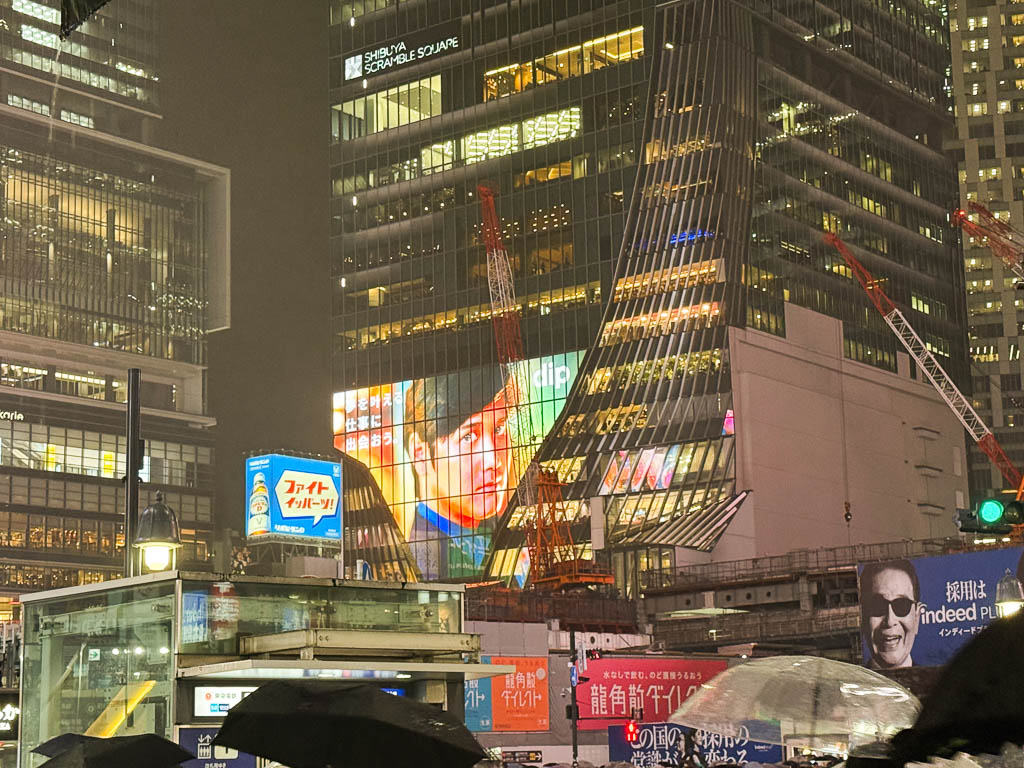
But it was impossible to walk on the streets. By now it was raining hard, it was dark, and I didn’t have an umbrella. I wanted to see the famous Shibuya crossing from above, and not even that was possible. A piercing headache had started as well, and I needed to get to my hotel to get my precious migraine meds before it was too late. It was fine though. I am sure I will go back to Tokyo, and ticking off the list something as cliche as the Shibuya crossing (it’s just a crossing after all… but it’s the SHIBUYA one!!) will be top priority!
My thoughts on Tokyo
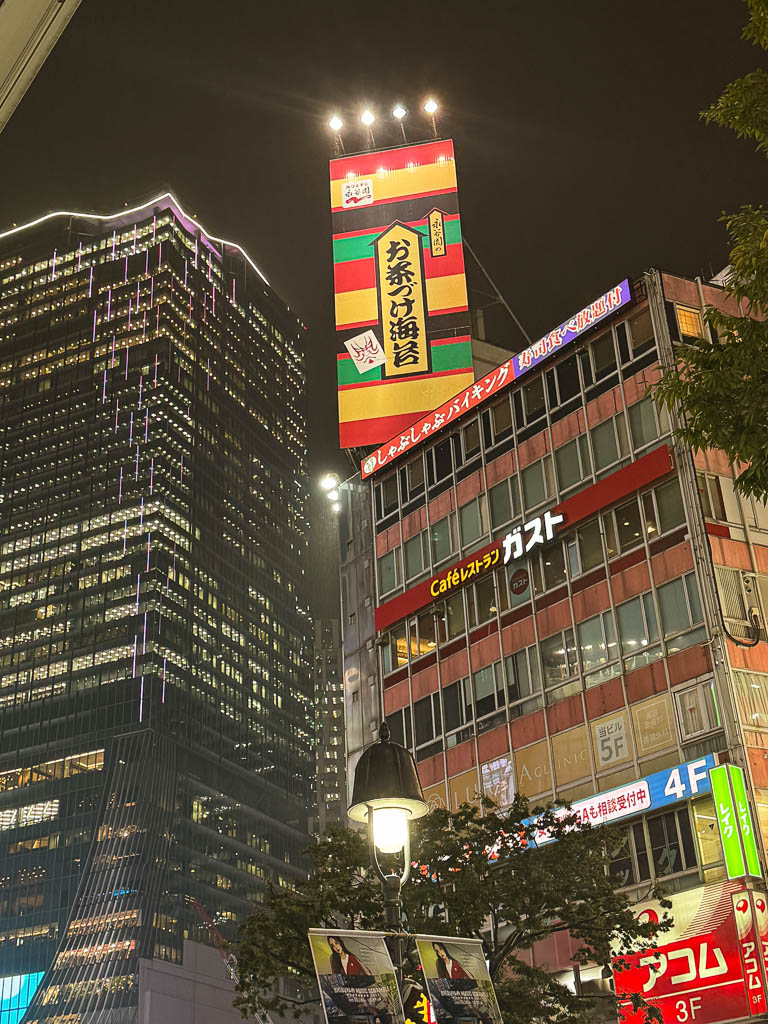
I fell utterly in love by it. I dare say it was love at first sight. I do like a big cities, but not all of them. Calling Tokyo a city is probably wrong – it’s a megacity, where roughly 14 million people live. There is an energy I had not felt before – a quick pulse, non-stop breathing, labyrinthic stations and underground shopping centres, megalithic skyscrappers, streets turned electric, reflecting back bright neon lights. An energy that pushes you forward, that projects what a future megacity could be like, whilst being it. It could seem chaotic – but, strangely, it’s not. The Japanese are masters of organization, we know that, an even this chaos seems to be compartamentalised, mitigated by their culture.
And in the midst of futuristic hallucinations, you find oasis of tranquility, peace, a door that leads to the past, cohabiting with this future. The shrines, the temples – not only the famous ones, but more special even are those I found tucked away in the alleyways of the city, the humble and yet imposing Tori gate inviting you to stop and remember – amongst the past and the future the most important is the present.
This is my post on Tokyo, and going through all of these memories is giving me strong cravings to go back. It is my plan to do so already next year, in 2027. There are so many places I want to go to, and so little time – very limited annual leave and well… money!
But my trip in Japan wasn’t over yet… Tokyo was just the first stop 😉 where do you think I went next? Keep an eye on my next post!
Love, Nic
The below are affiliate links. This means I may earn a small commission if you decide to purchase or book anything through these links. None of it is sponsored. All my recommendations are based on my lived experience.
Where I stayed in Tokyo: Hotel Almont Nippori: https://agoda.tpo.lv/maZXxi6c
Truely Sim Card: Get 10% Off with code wingedbone10
 The Winged Bone
I didn’t know about Togo Shrine! I also bought a Hello Kitty omamari but I found one at the Gold Temple in Tokyo. I hope you get to go back again next year!
LikeLiked by 1 person
Ahh you mean Gold Pavillion in Kyoto? I got one for my friend and sister from there feauting Hello Kitty in a kimono 🤩 thank you for reading!
LikeLiked by 1 person
What a beautiful way to wrap up Tokyo, rain and all. I loved how you captured the calm of Meiji Jingu alongside the energy of the city. Totally agree, Tokyo has that perfect balance of future and tradition. Can’t wait to read where you went next! 😊
LikeLiked by 1 person