
I was feeling light and relaxed after my visit to teamLab. As I mentioned on my previous post, I was there to visit at 8am, very early, and ended up spending about 2 hours in there. teamLab Borderless isn’t far from Tokyo Tower and Minato City, and it was my plan to explore this neighbourhood after.
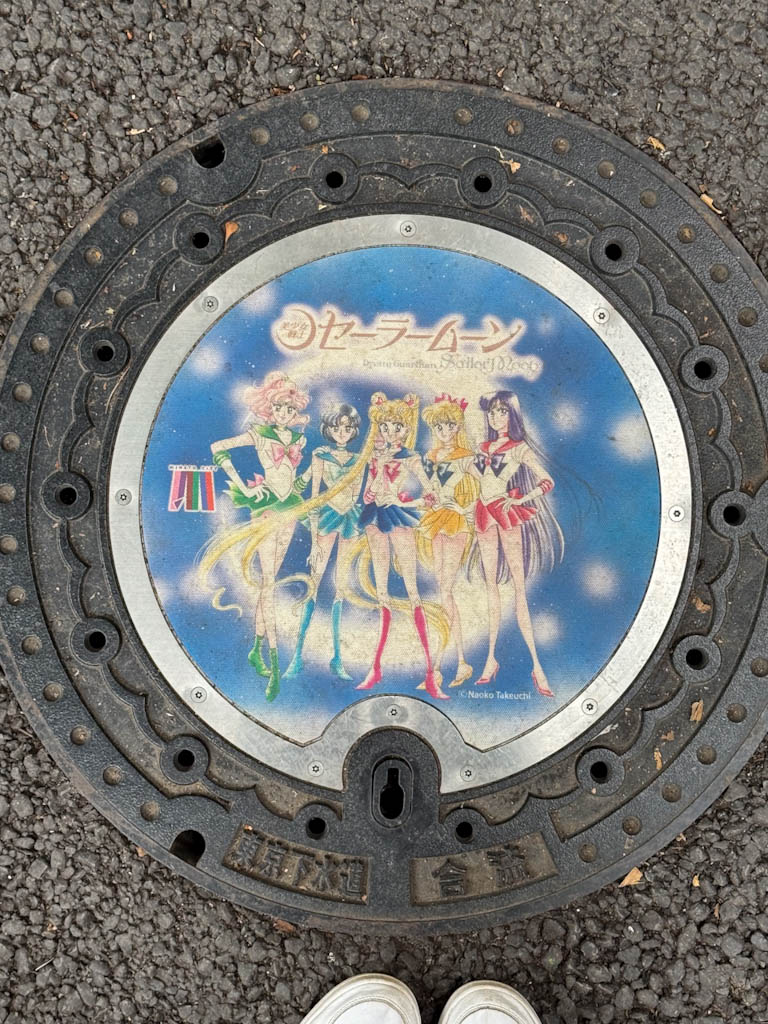
Minato holds a special place in my heart – it was due to Sailor Moon, an anime I was completely passionate about as a child, that my fascination with Japan started. And Sailor Moon happens to take place in Minato City. In fact, listening to the melody of the star locket Endymion gifts Serenity still gives me chills, and it provokes a wave of nostalgia that leaves me in a very weakened state emotionally speaking…if anything, one of my biggest disappointments is the fact that there isn’t that much Sailor Moon merch around Japan, and whilst there have been temporary exhibitions touring the country, there is nothing permanent to look at – except the five manholes in Minato neighbourhood and well the Sailor Moon shop in Harajuko but I’ll get there in one of my future posts.
Well, I definitely hunted for a couple of manholes… I love how Japan really embraces their manga and anime traditions, and uses something as banal and often overlooked as manholes to showcase that pride.

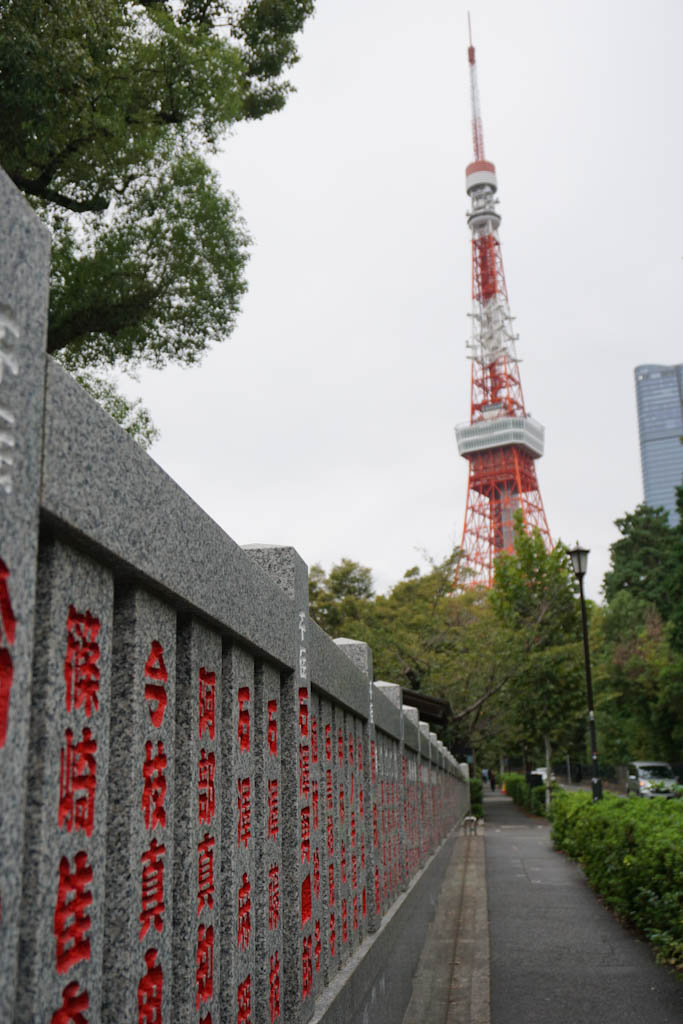
Tokyo Tower is something to see up close in person even if you don’t go up to the observation deck. I didn’t, but from the outside you get an idea of its dimension. It reminds one of the Eiffel Tower – and that’s no accident. It was indeed inspired in the French symbol – in 1950s, Japan wanted a tall broadcasting tower that could also stand as a symbol of post-war recovery and optimism.
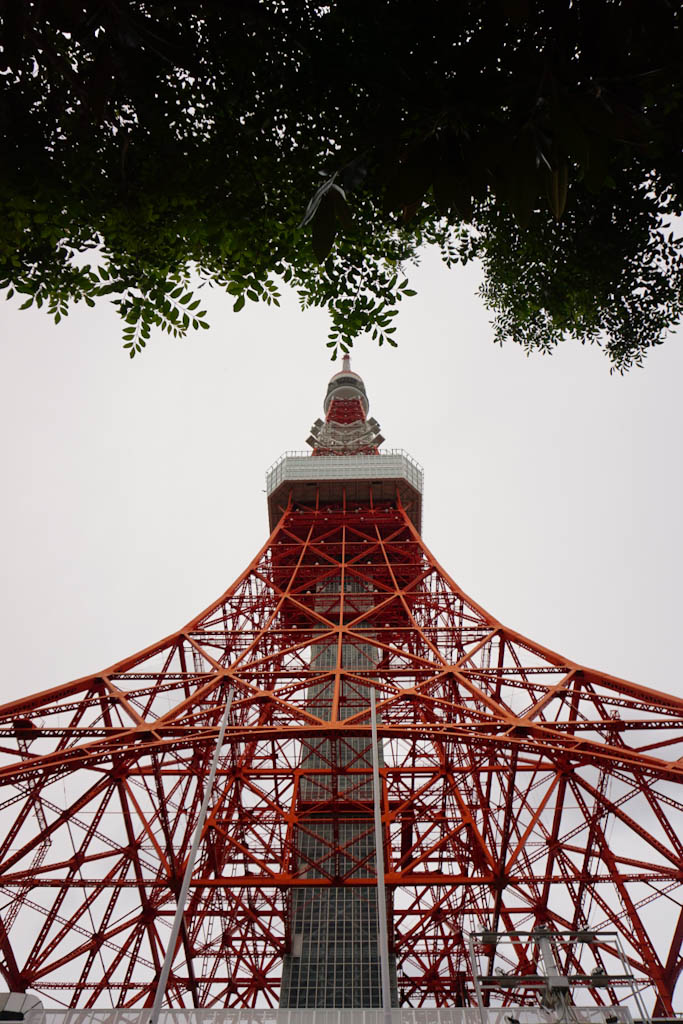

Tokyo Tower also hold the title for the tallest structure in all Japan at 333m high, and it stayed that way for about 50 years, eventually dethroned in 2012 but Tokyo Skytree, beating it with some incredible 634 meters high.
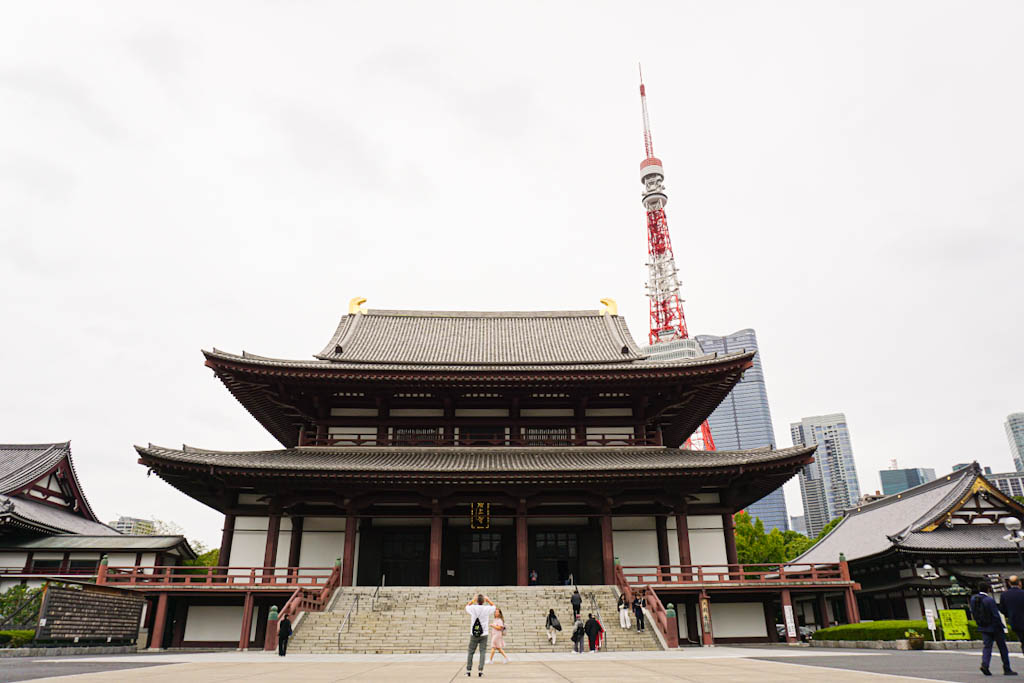
If your around this area, I also recommend visiting the Zojo-ji temple. This place is quite old, founded in 1393, and it later became the temple of the Tokugawa shoguns, the rulers who shaped Japan during the Edo period, bringing in a period of peace and unity – with lots of control, and limited freedoms thought. Which is why it might be impressive how this temple comes across with tenderness, from the Jizo statues decorating its lateral gardens, dressed up with red bids and knitted hats, also decorated with windmills – these have a strong symbolism, as if to say that despite their short lives, these children were briefly here, they matter, and are still loved.
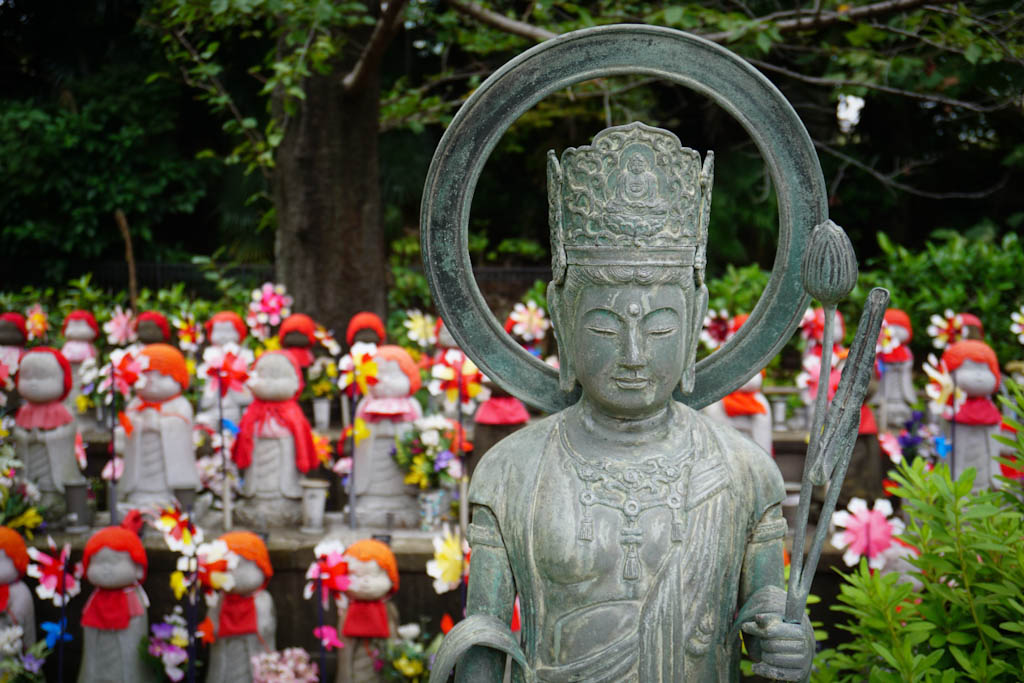
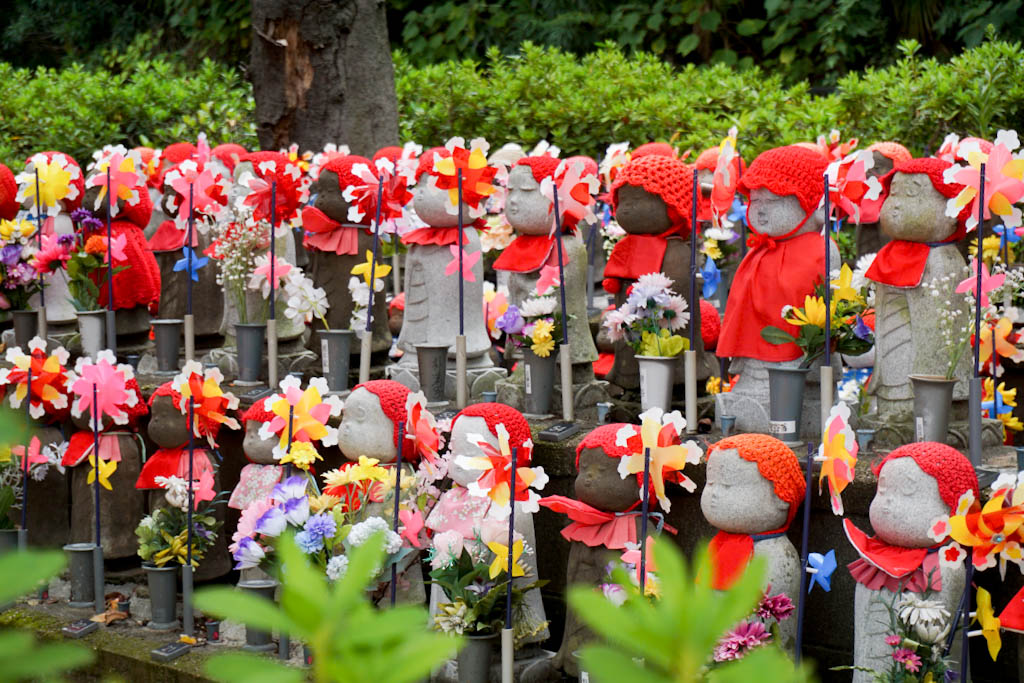

Jizo is believed to guide these children safely through afterlife, and the bright red clothing isn’t accidental – red is traditionally associated with protection.
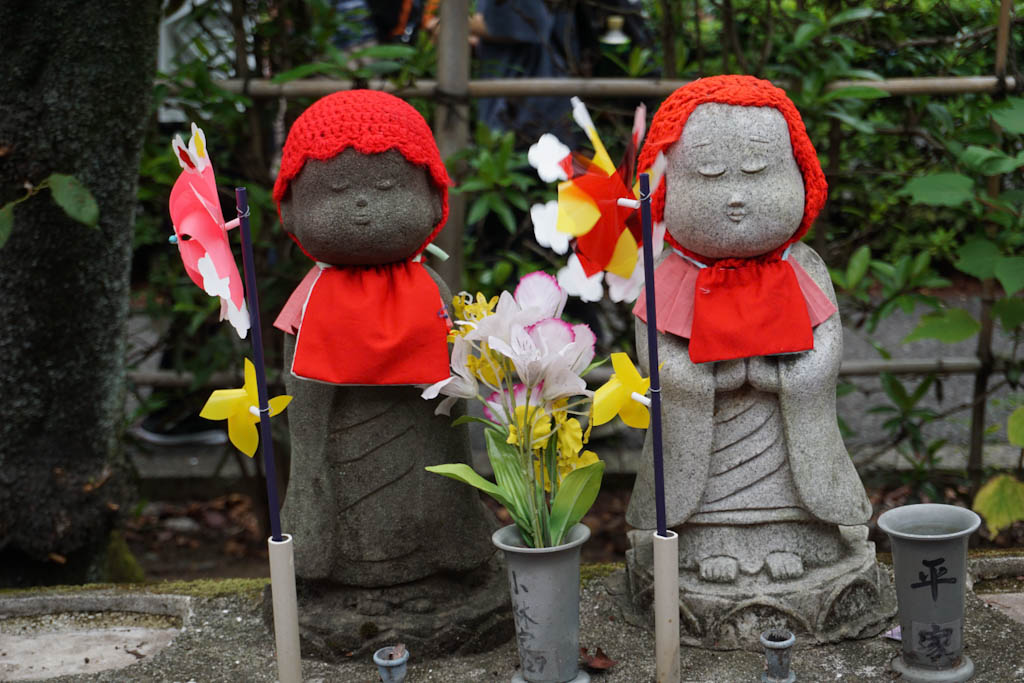
Zojo-ji is perhaps one of the most interesting temples I visited in Tokyo – it carries a symbol of political power and authority, softened by the a memorial to the loss of young children, that whilst sad it is still somehow full of warmth, and a playfulness in the windmills, almost if these represent their spirit still alive amongst the living. And then, in the background, one of the symbols of Japan modernity and post-war recovery – the might Tokyo Tower.
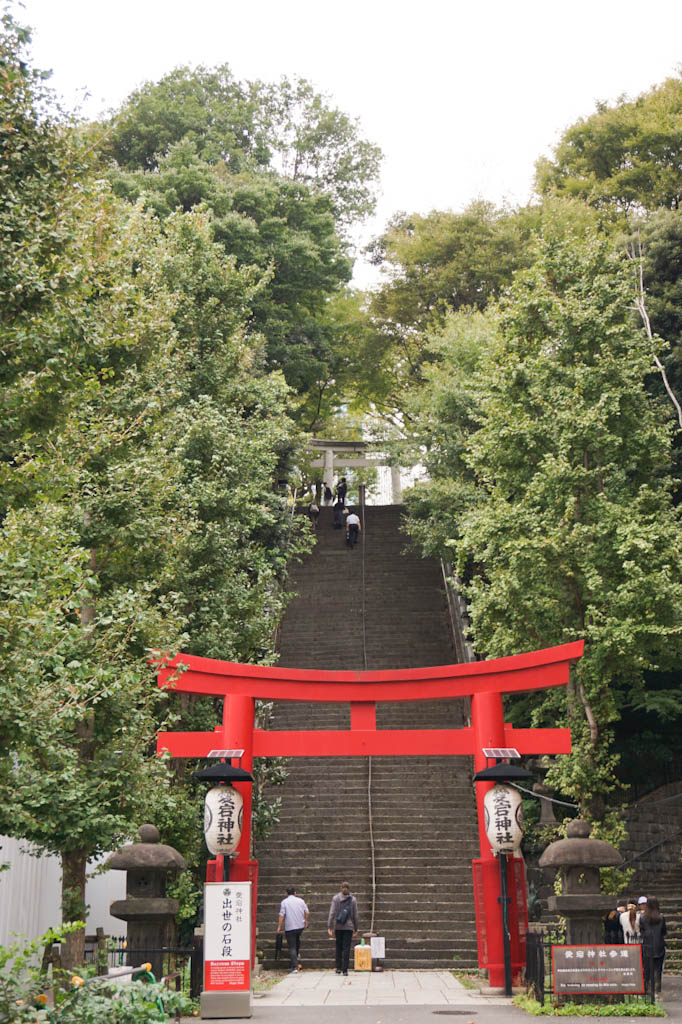
Finally, I also climbed up the mighty 87 stone steps, better known as Success steps, leading you to a shrine sitting on Atago-yama, the highest natural hill in the 23 wards of Tokyo. Legend says climbing these steps will bring you fortune and prosperity particularly in your professional endeavours – and it all started with a samurai climbing the hill to bring some plum blossoms to the shogun. Of course this made him deserving of praise, and of course, success. I climbed the whole way up, beckoning all the fortune I could – my boss isn’t the shogun, and I’m far from being a samurai, but I’m not going to mess up with legends, especially not in Japan. Any additional help I could get for my professional life is more than welcome 😉
Being satisfied with my exploration of Minato, there were three more places I wanted to hit that day – and honestly mostly was around doing some shopping. Not that far from Minato is Ginza, mostly known for luxury, upscale shopping. This in itself didn’t interest me (I did find a wonderful stationaty shop where I left some of my hard earned money, called Kyuyodo) but what I really wanted to see was Myazaki’s clock!
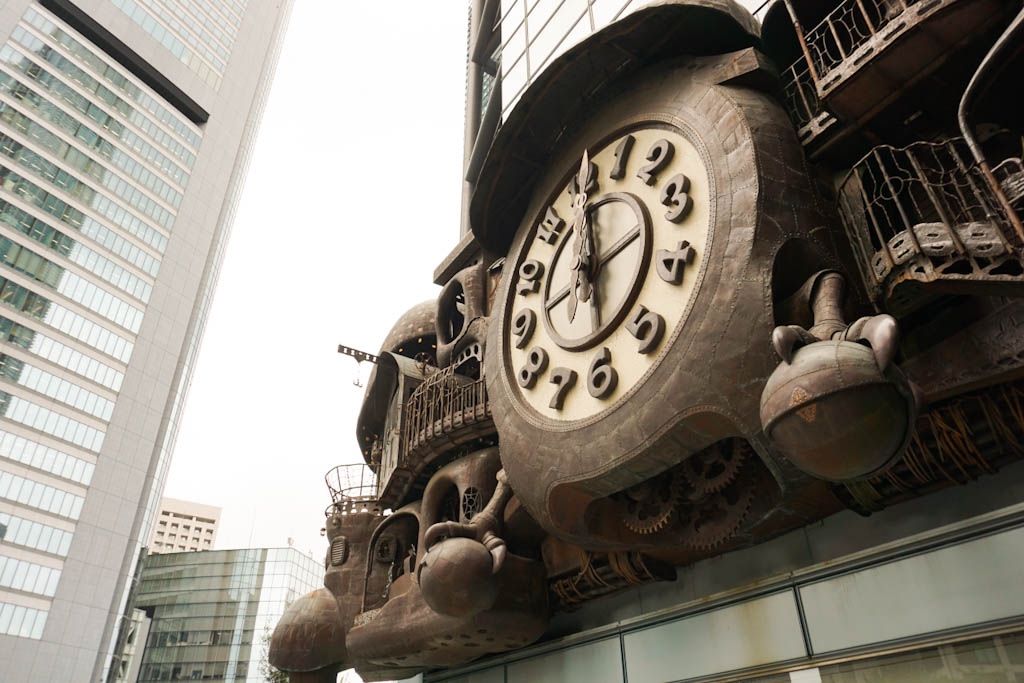
Even if you’re not a Ghibli Studio fan, I’d say this is pretty impressive and not to be missed if you are in area, especially with the almost funny contrast of being surrounded by modern, tall skyscrapers and finding this piece of fantasy. It is located at the Nittele Tower, the headquarters of Nippon Television, designed by the one and only Hayao Miyazaki. Its official name is the Ni-tele Really Big Clock and its about 12 meters tall, and 18 meters wide, made of copper and steel. But it’s not the dimensions that make it impressive, but the incredible level of details, and the feeling that one of those beautiful animations has come off the screen to incorporate real life. And to life it comes, four times a day during weekdays and five on weekends – I manage to catch it at 12pm, and was able o witness all the little mechanical parts of the clock coming alive – cannons, blacksmith, a wheel spinner, a boiling teapot… al moving in an very well engineered dance, taking the definition of a cuckoo clock to a whole new level.
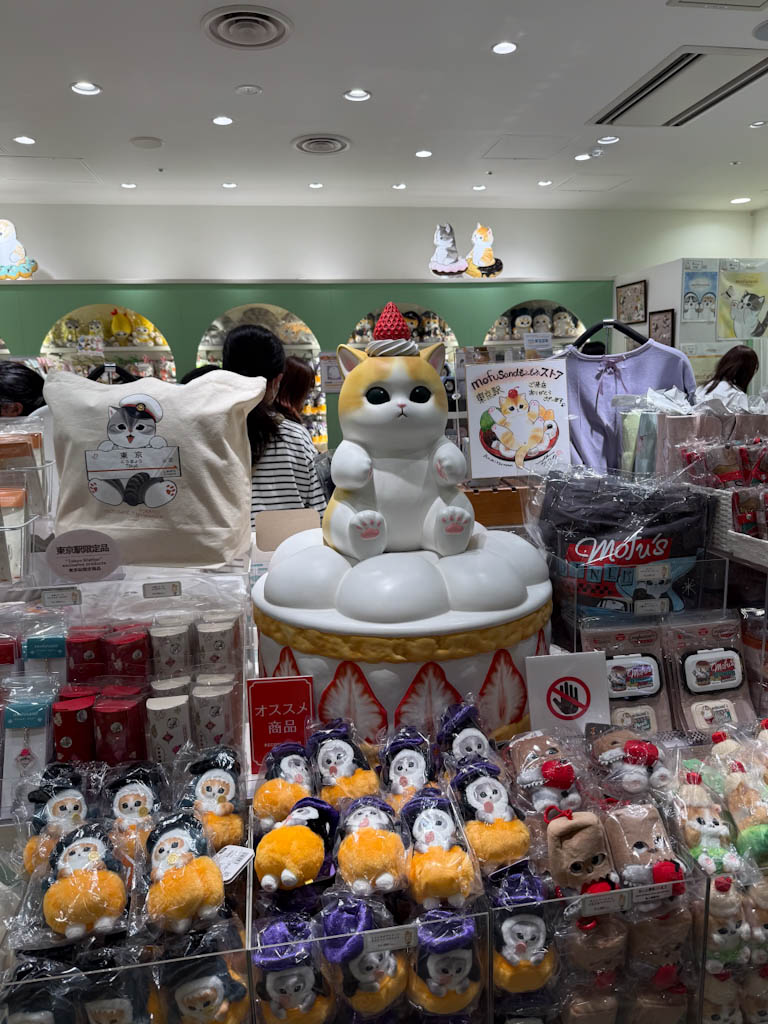
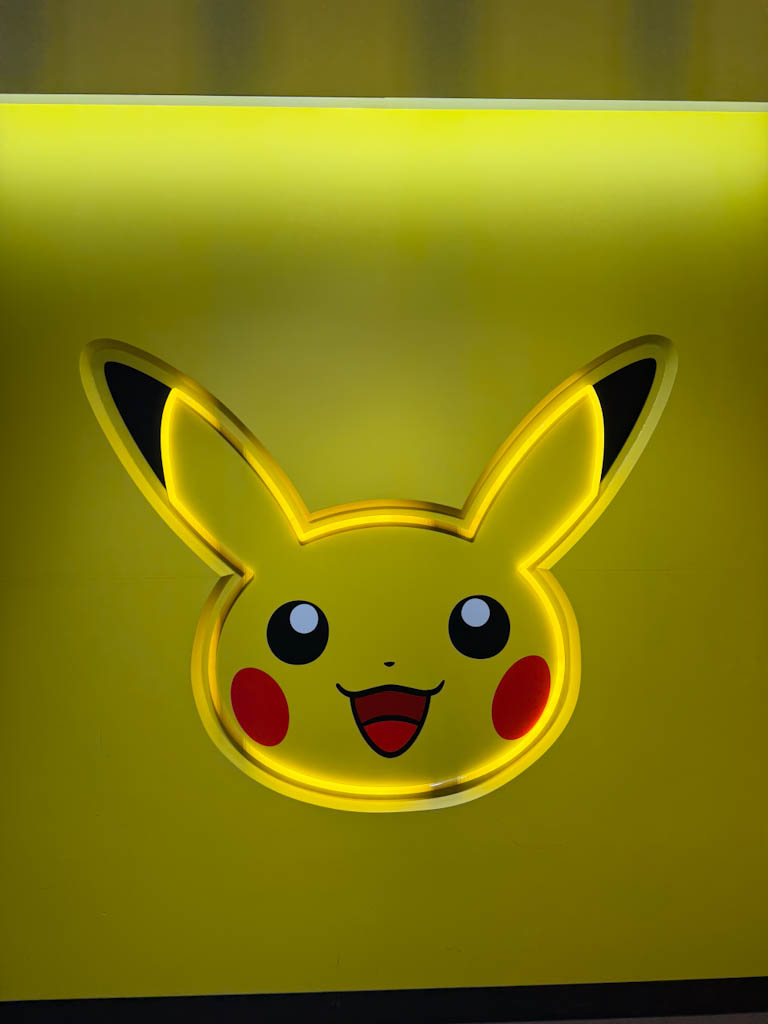
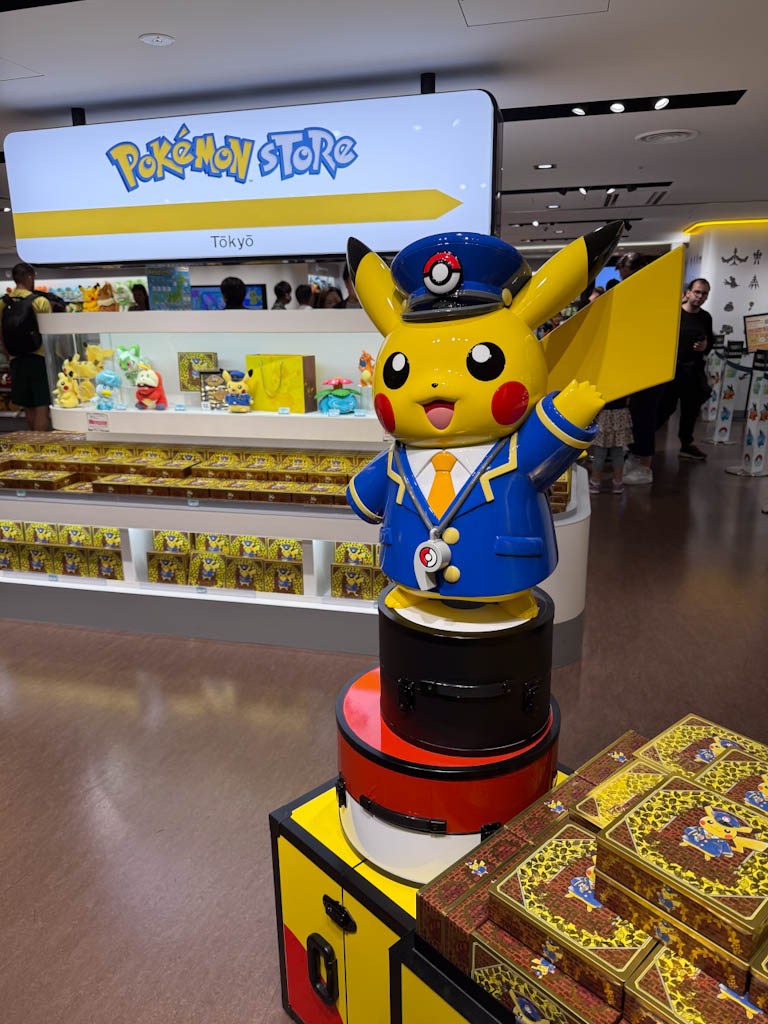
After this, I ended up going to Tokyo Station – not to take a train, I confess, but to shop in the famous character street, ending up with a Hello Kitty with a Kiono, a Pikachu dressed as a train conductor and quite a lot of merch from the Mofusand shop…
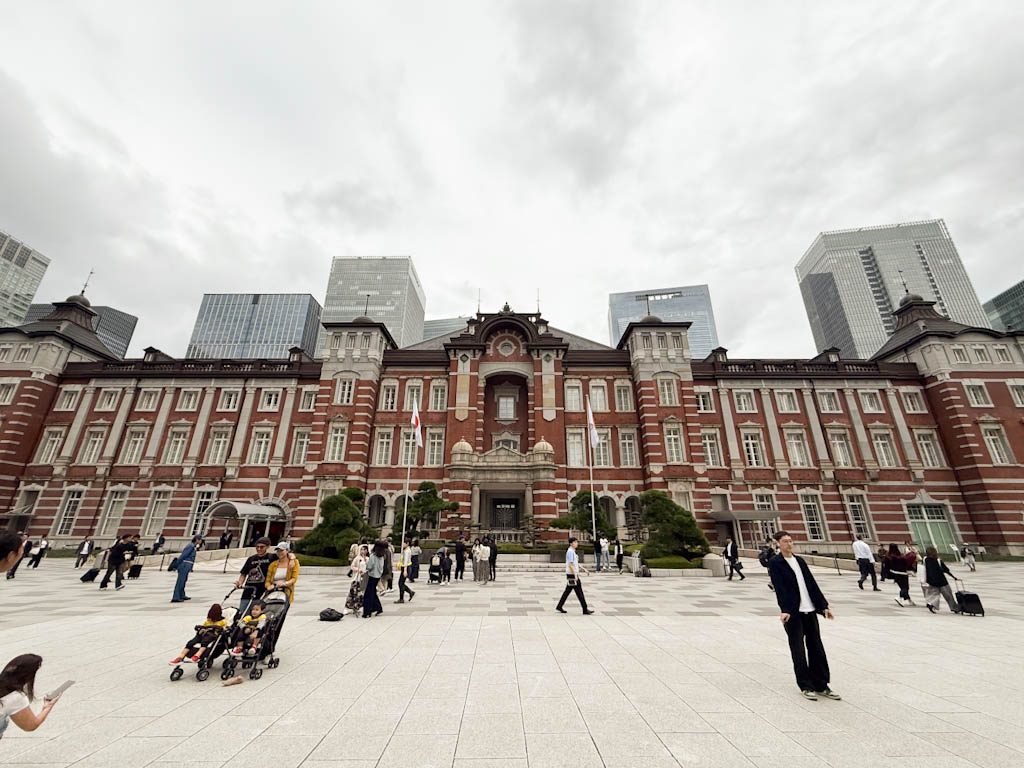
But the building itself seems to have been displaced from Europe. It opened in 1914, designed by Tatsuno Kingo but, of course, heavily inspired by European architecture, particurlarly Dutch. It was heavily damaged in WWII but it was in 2012 that good restoration works took place, restoring it to its former glory,

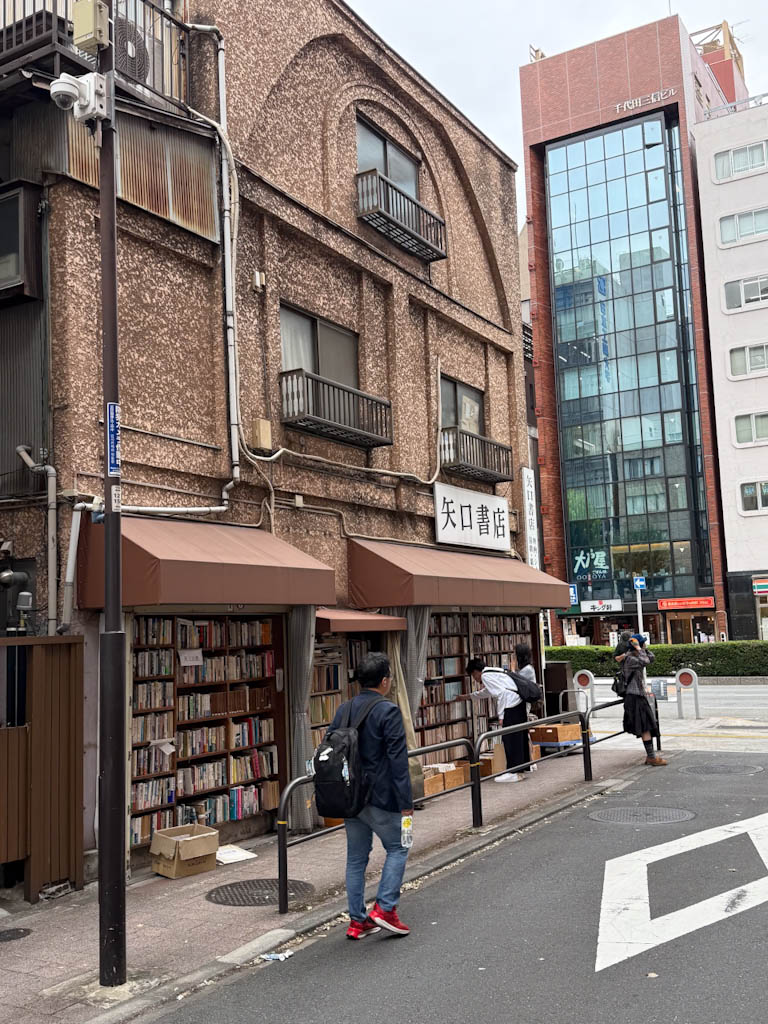
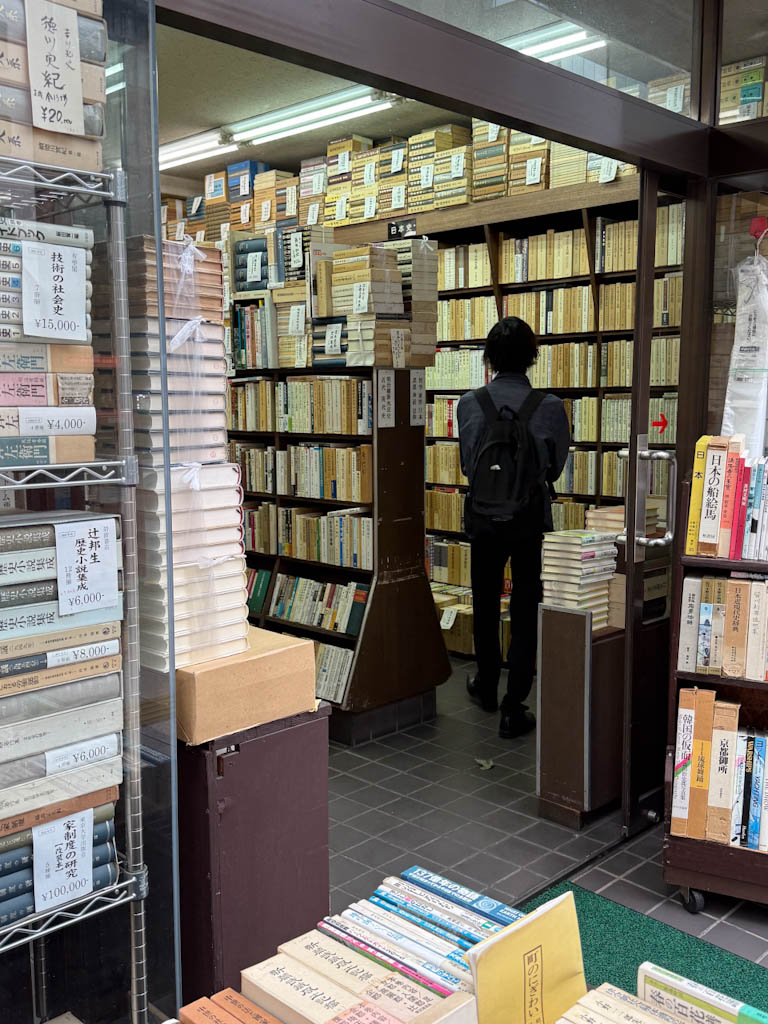
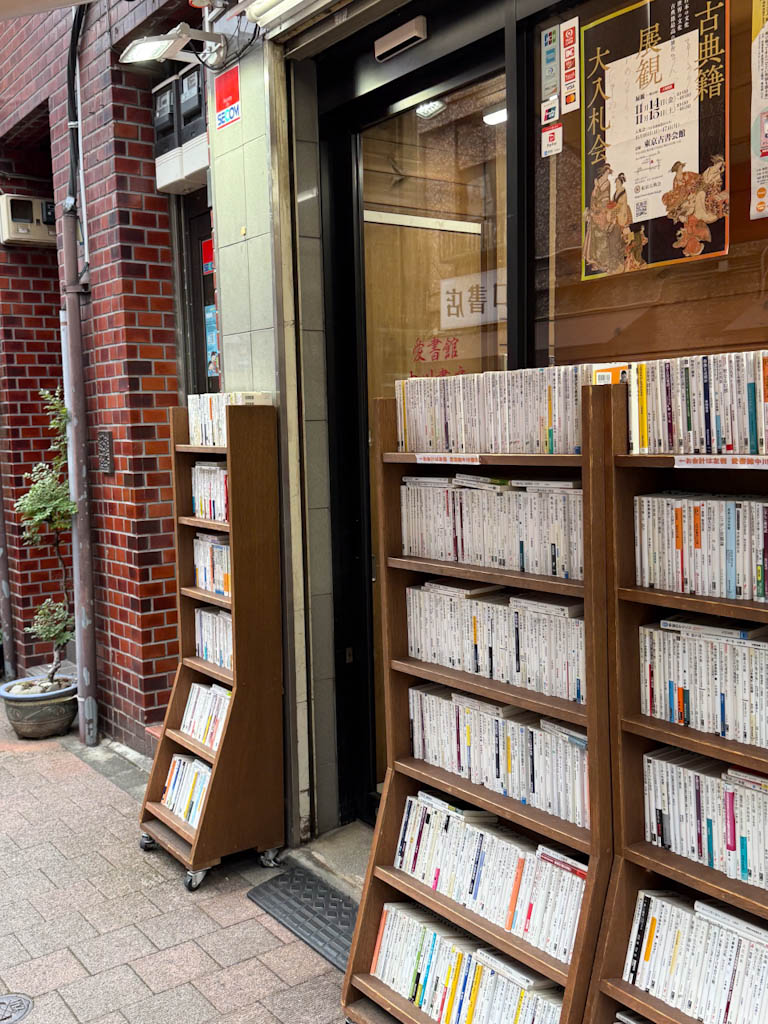
Jimbocho is Tokyo’s famous “Book Town”, a historic literary district central to Japan’s book culture, known for its vast collection of secondhand bookstores. As a book lover, this was a place I was hoping to visit – and it was not far from the Imperial Palace Gardens also on my list. It was interesting to see the many shops lined up with old books, but everything was mostly in Japanese – the atmosphere was great, but I could find anything in English I could read. My goal was to find a manga that I loved (sailor moon or death note) in Japanese, but of course these being some of the most popular mangas, I had no luck.
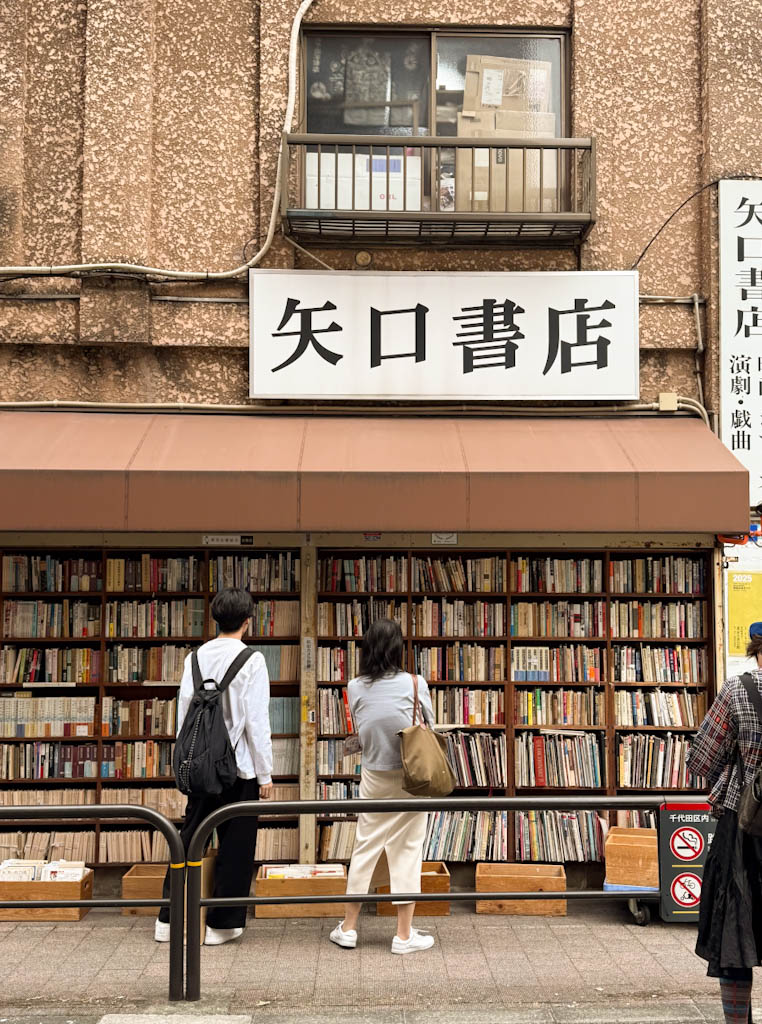
The Imperial Gardens turned out to be closed that day… so I ended up finishing off the day at Jimbocho and head back to my hotel, getting some food at 7-Eleven and rest.
Love, Nic
This article is also featured on GPSmyCity. To download this article for offline reading or create a self-guided walking tour to visit the attractions highlighted in this article, go to Walking Tours and Articles in Tokyo.
The below are affiliate links. This means I may earn a small commission if you decide to purchase or book anything through these links. None of it is sponsored. All my recommendations are based on my lived experience.
Where I stayed in Tokyo: Hotel Almont Nippori: https://agoda.tpo.lv/maZXxi6c
Truely Sim Card: Get 10% Off with code wingedbone10
 The Winged Bone
thanks for sharing, great insights! I’m going to Japan for the first time at the end of this year 🙂 can’t wait
LikeLiked by 1 person
ahhh I’m so jealous! you’ll have an amazing time!
LikeLike
Minato looks amazing, Sailor Moon manholes, Tokyo Tower, temples, AND Miyazaki’s clock?! Total dream day. Your photos and stories really bring it to life. Thanks for taking us along!
LikeLiked by 1 person
Thank you!!
LikeLiked by 1 person