
Cats, cats, cats. My love for any feline is something that came to define me, and I even tend to be a self-described “aspiring cat lady”. A part of me wants to fight the stigma of the spinster surrounded by cats, the sad and often bitter woman, another part of me truly loves cats and suffers with the reality of not being able to have one, as I wouldn’t be able to be the proper owner I’d want to be with my current lifestyle, living in a small flat in London, spending hours out, and travelling often. But my flat reflects my love for cats – artworks featuring felines, collectibles, etc. (also my phone’s gallery full with photos of my cats who reside in Portugal at my parents’) – and yes, Maneki-Nekos, the famous Lucky Cats.
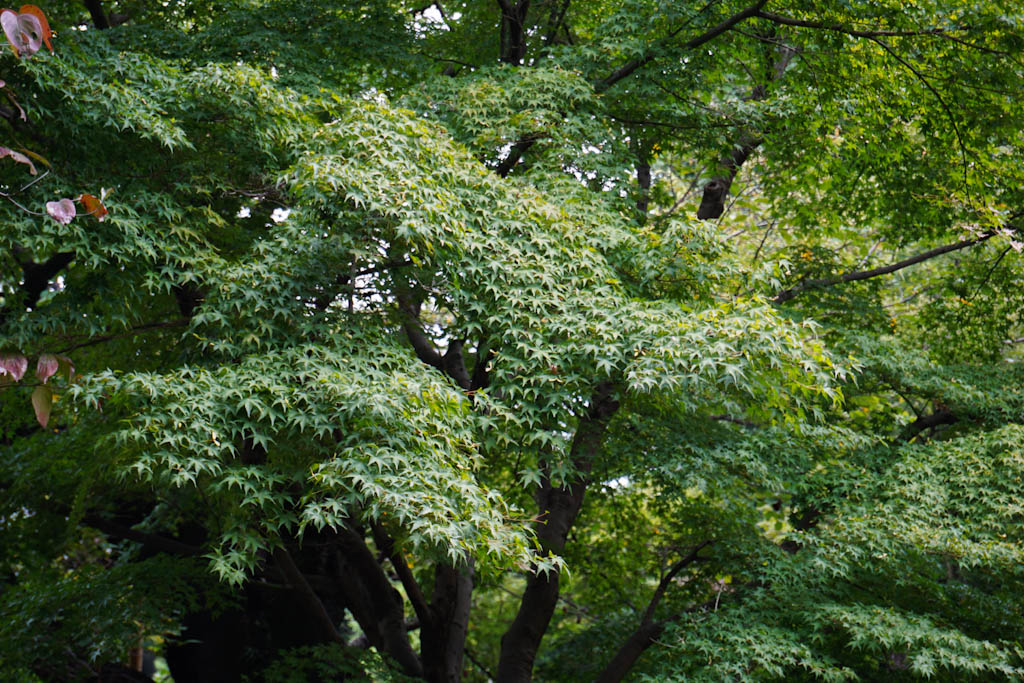
And so on my second day in Tokyo, I started off with a trip to Gotokuji Temple. This place is outside of central Tokyo, located in Setagaya, a more residencial, tranquil area so, in addition to visit this temple, you have a chance to experience a more grounded part of Tokyo. As I walked from the station to the temple, I observed the quiet wake up of a typical Japanese suburb. And when I finally got to temple, excited to see thousands of Maneki-Nekos figurines piled up, I was instead immediately drawn to the beauty of the surrounding gardens, with trees as old as time, whispering the arrival of autumn. These whispers invited me in, made me feel welcome. Part of me was looking for luck, and instead it seemed like I was experiencing what I always thought to be a lie – a sort of spiritual awakening. those leaves told me I was right to love nature, I was right to believe in the spirit of things… even though I wasn’t even in a Shinto temple. In fact, Gotokuji is Buddhist.
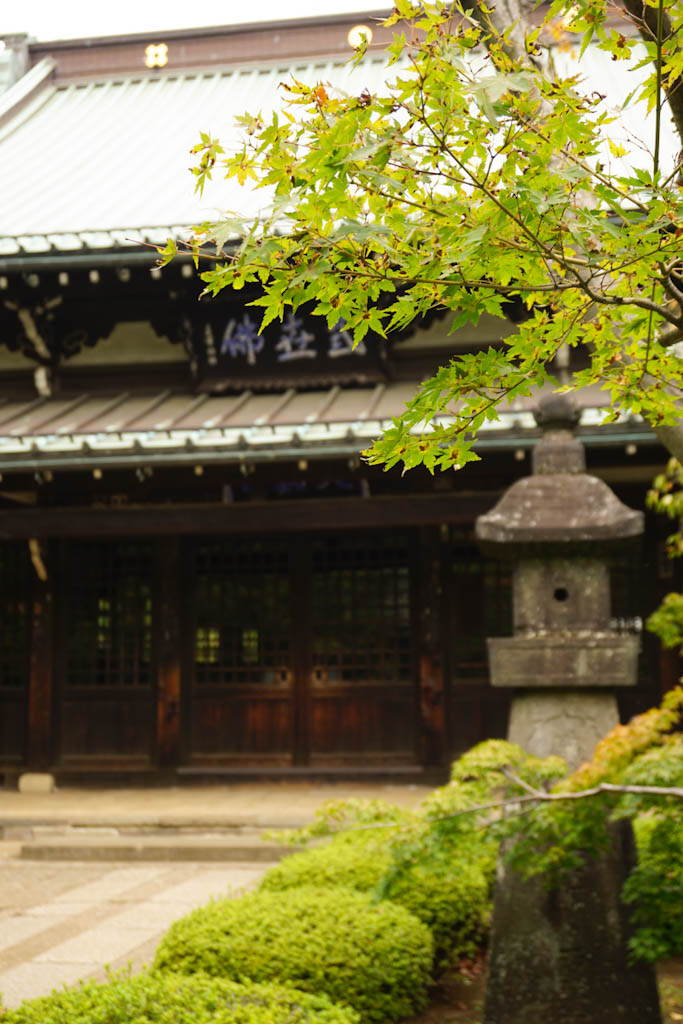
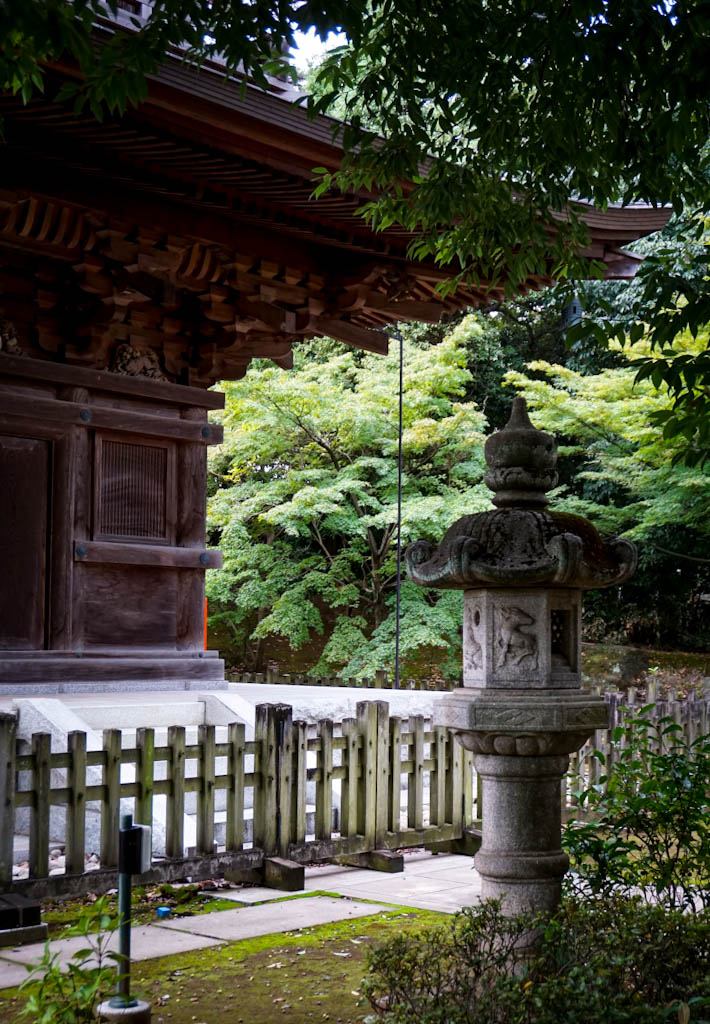

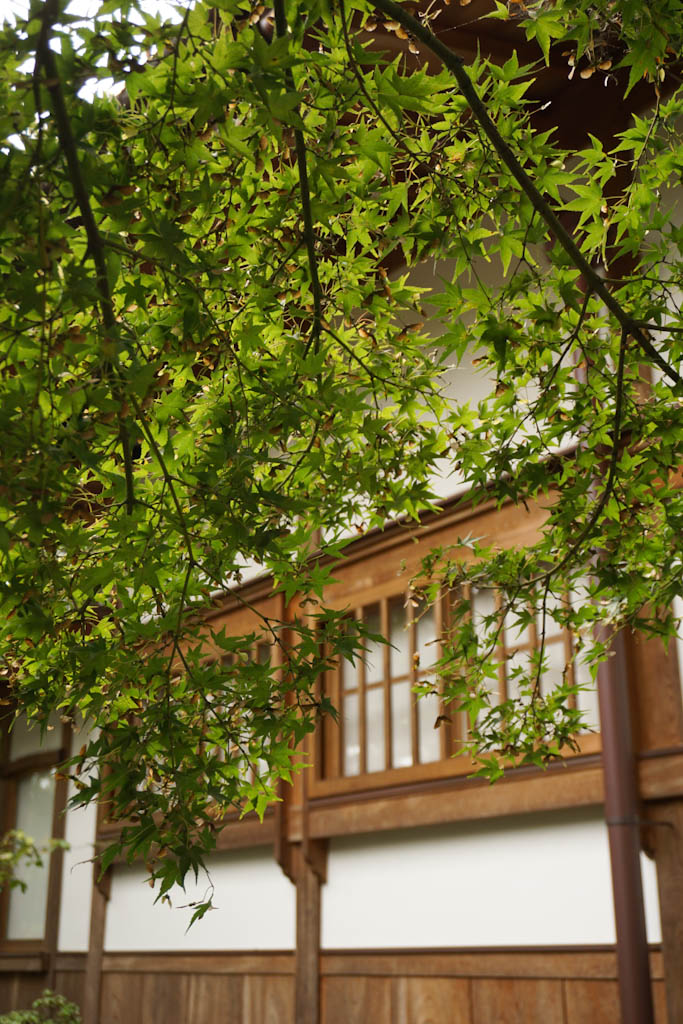

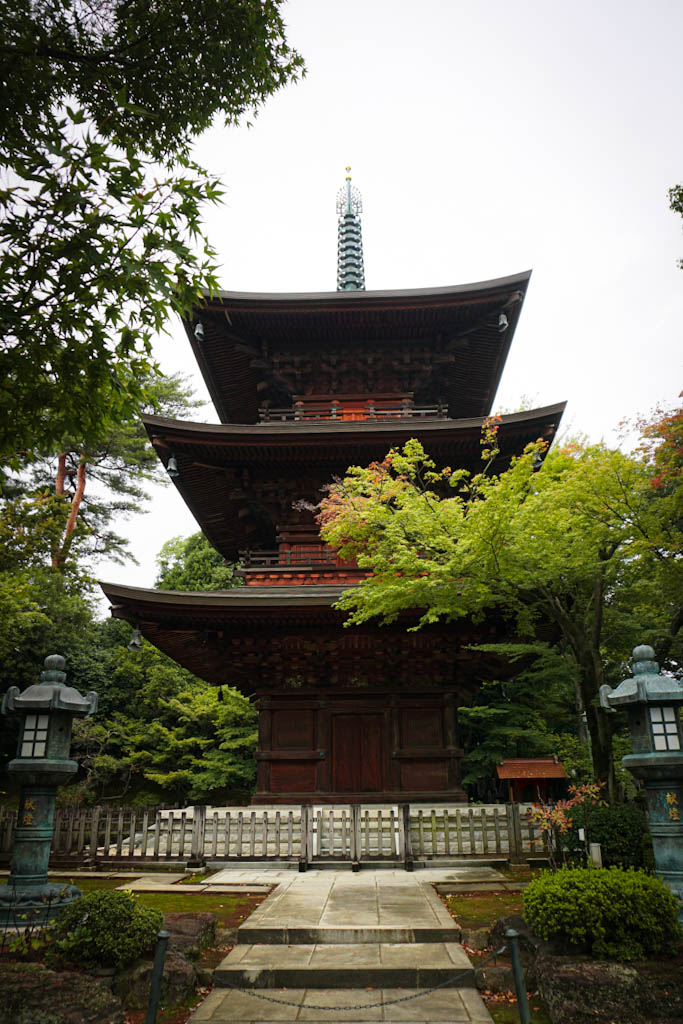
But how did this Buddhist temple become a refuge for the Maneki Nekos? Legend says that in the early 1600s during the Edo period a feudal lord named li Naotaka was passing by Gotokuji when a resident temple cat raised its paw as if beckoning him inside. Shortly after, a thunderstorm broke out and the tree under which the lord has just been standing was struck by lightening. The beckoning cat has saved his life and so the lord became a patron of the temple. When the cat passed away, locals began making little statuettes of cats with raised paws, believing they would beckon good fortune into the home or business of whoever owned them. And this how the lucky cat came to be – the raised hand not saying goodbye, but instead inviting you in. Over time, different paws are said to beckon different good things – a raised left paw for customers/people, right is for money and prosperity. Different cat colours also mean different things… and you’ll find that all over Japan.
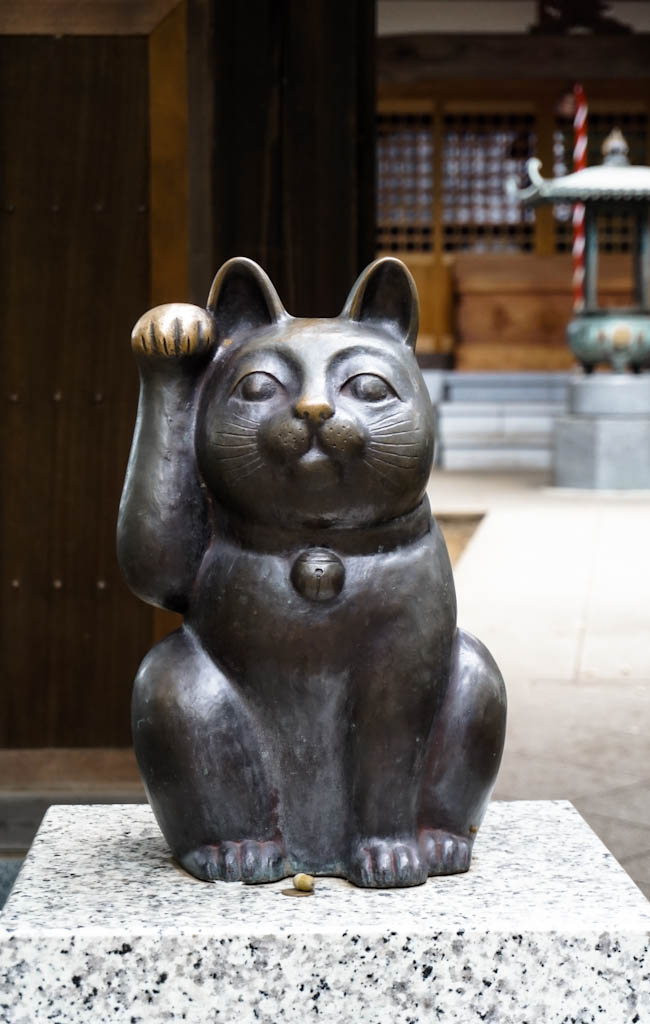
After I passed through the inviting nature, I was then faced with what makes Gotokuji famous amongst tourists – the thousands of maneki-neko figurines that are bought and then left by visitors. They do it as an offering, saying a little prayer and hoping for whatever luck the beckoning cat might invite into their lives. I bought a little maneki-neko cat at the temple, but I decided to bring it with me. Whether you leave it at the temple or not it’s your choice.
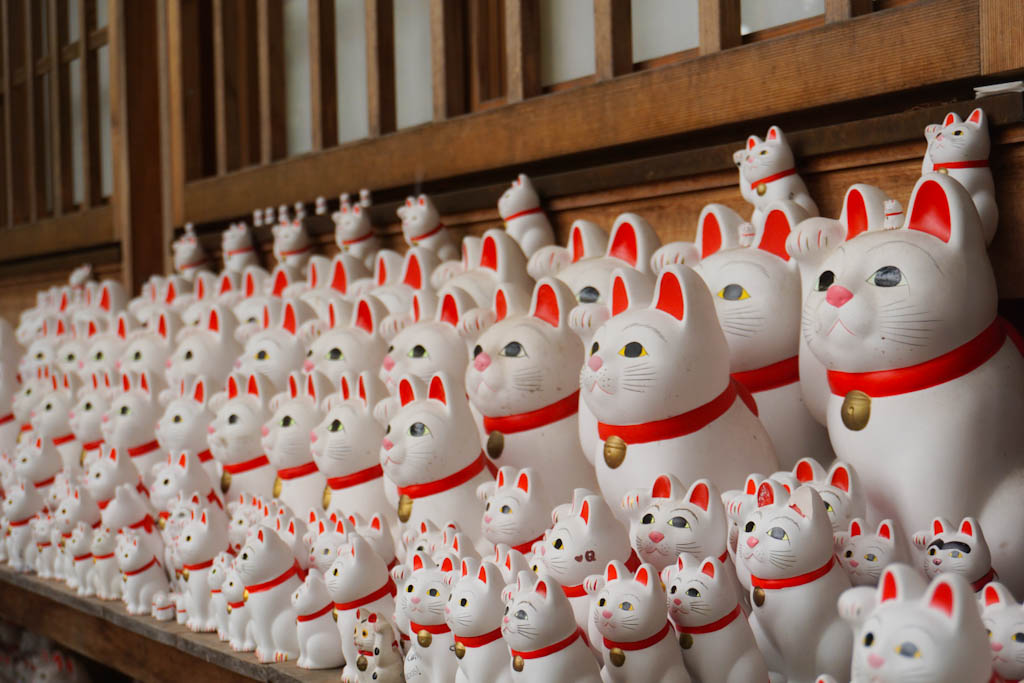
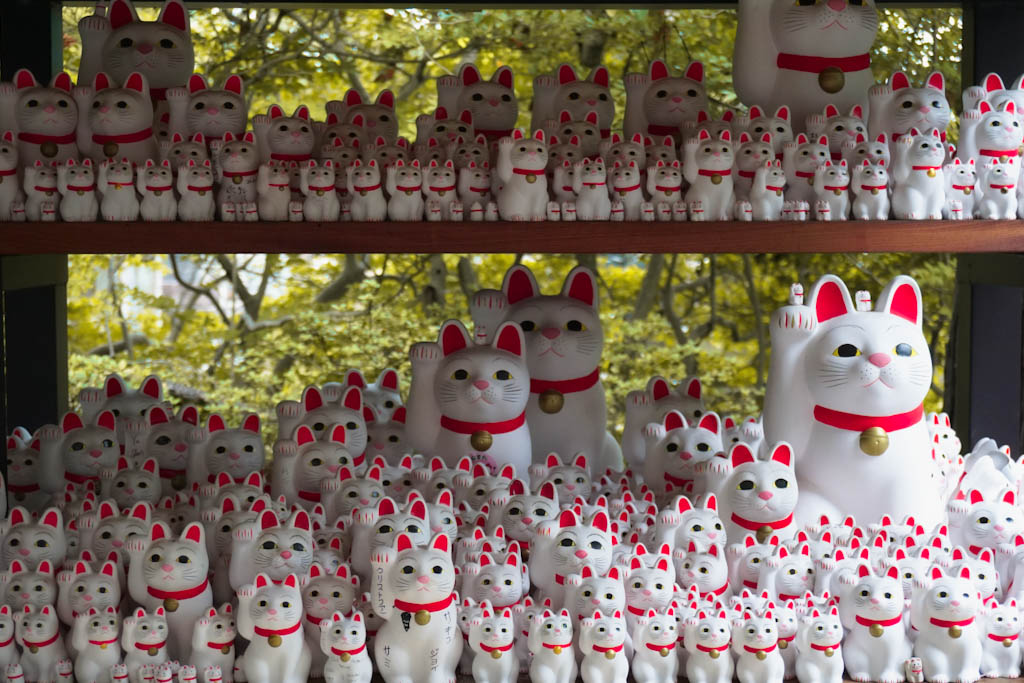
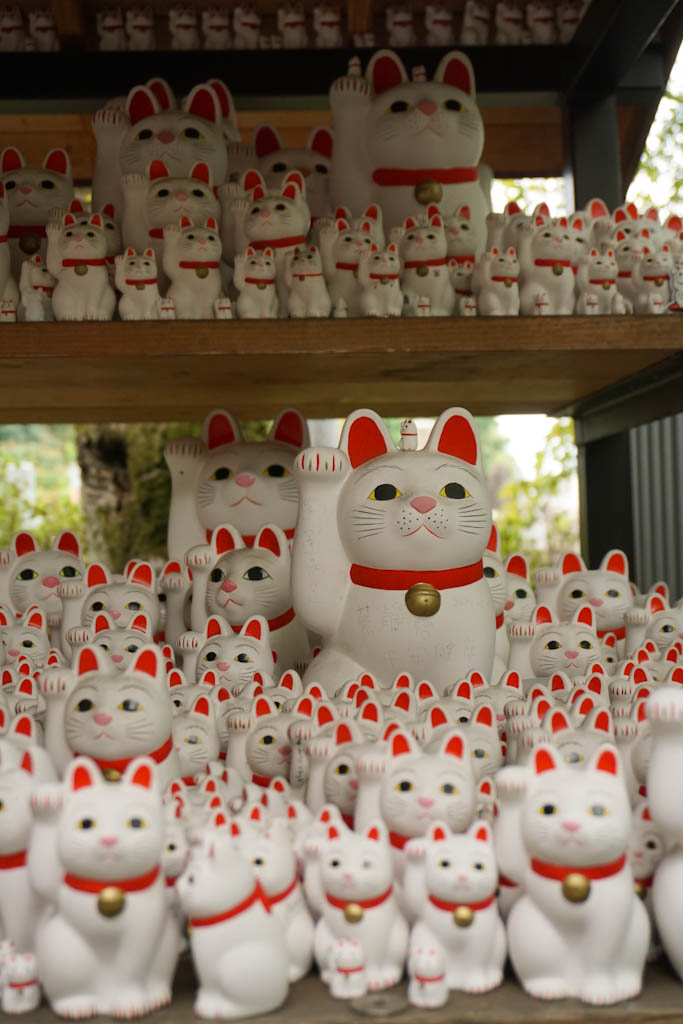
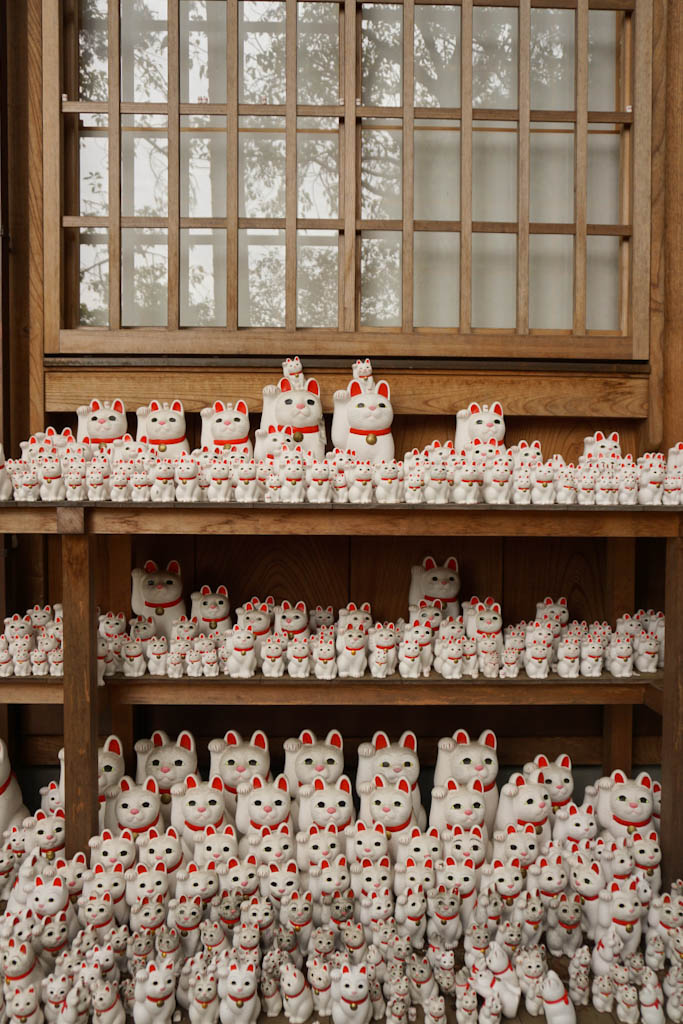
Of course it’s thanks to the visitors who decide to leave their lucky cats behind that you are able to experience the visual spectacle created by the many statues of identical cats, with different sizes. This is just another reason why I loved Japan so much – I found that when it comes to spirituality, it’s far cry from the rigidity of western religions. The almost natural blend with folklore, religion, spirituality. This was a pattern I was going to find throughout my days in Japan, visiting Buddhist Temples and Shinto shrines that often seemed to embrace the more folksy, almost childlike, nature of life. And I simple adored that.
For many years, I was skeptical of luck. I used to say, almost proudly, that luck is something you build. But as I grew into adulthood, I realised how untrue that was.
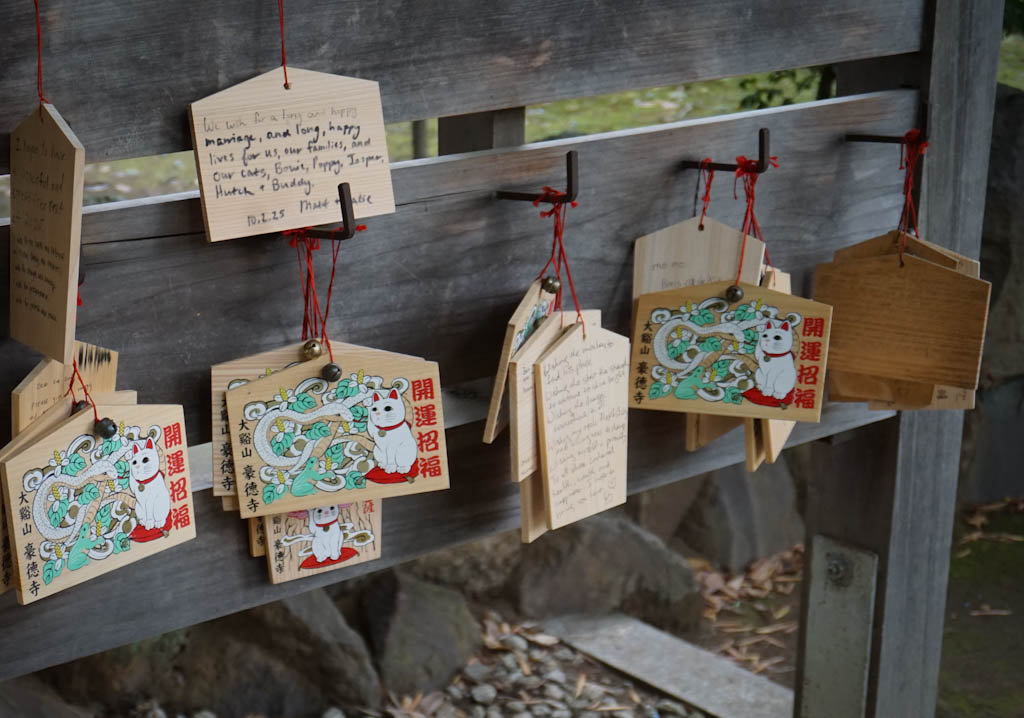
When we speak about luck, it isn’t something magical. It’s not destiny, nor the universe conspiring in your favour. It’s about circumstances: being in the right place at the right time, about when and where you were born. In reality, chaos decides how privileged or unprivileged you get to be.
And yet, there is something deeply precious in believing that we can still beckon a little luck. That we can invite it in through prayers, hope, small amulets and figurines.
It isn’t about sacrifice. And it’s not about waiting for things to fall into your lap. It’s work — and part of that work is hoping. Hoping, intentionally. Hoping that your hard work will pay off. Hoping you’ll pass the exam you studied so hard for. Hoping that the illness you’re actively fighting will be healed. Hoping that a pregnancy goes well, that the marriage you’re invested in will be long and happy.
Hope doesn’t replace action. The work still belongs to you.
During my time in Japan, I beckoned all the luck I could — not expecting it to change my life, but as a symbol of the hope I never want to stop having. I know how dangerous it is to stop hoping. To stop seeing meaning. To stop believing in symbolism.
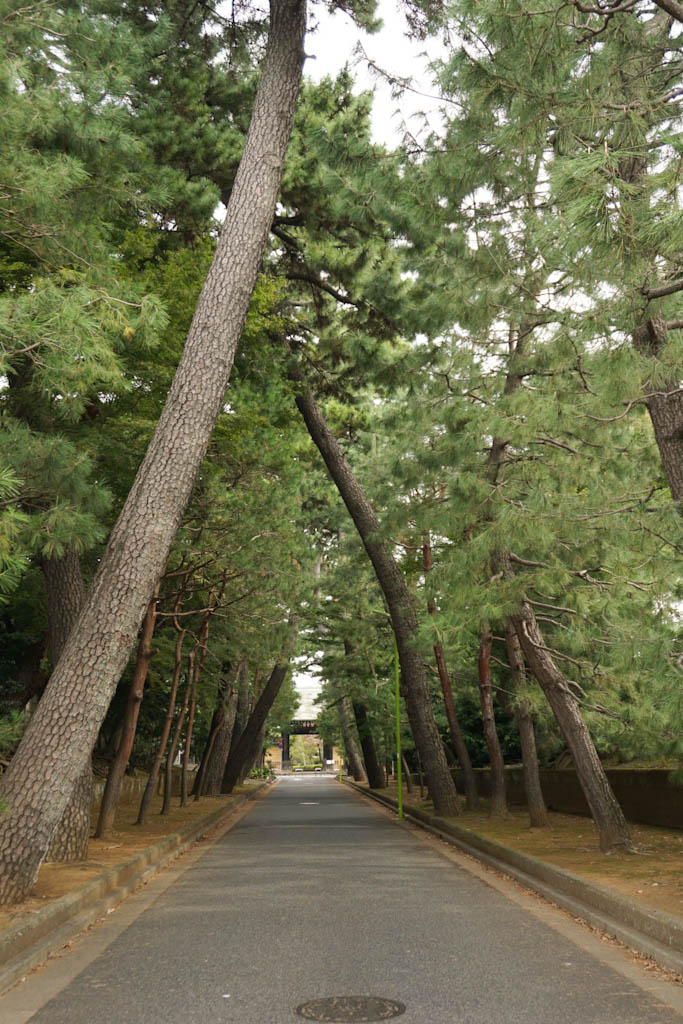
Let’s travel back to Gotokuji. I left the temple ready to walk back to the station, and as I did so, I decided to take a different street upon seeing the strangely leaned pine trees framing the road. It does looks almost as if the trees wanted to have a better look of the passerby, towering above us, a threat and an embrace.
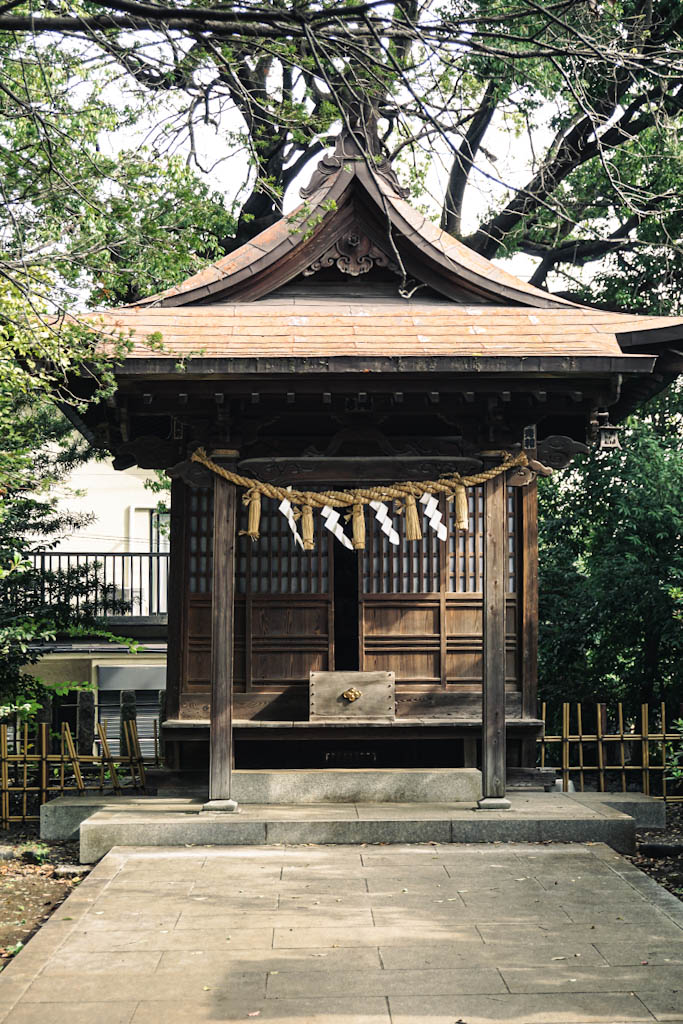
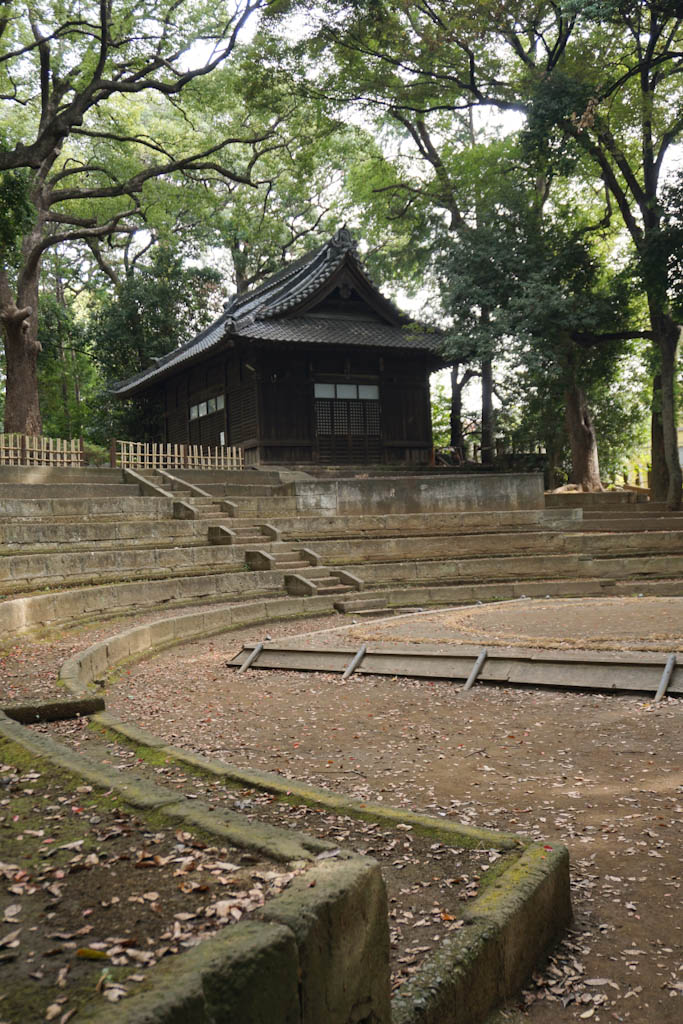
The beauty of walking is precisely to notice all of these things. As I was walking back, I stumbled upon a quiet shrine, Setagaya Hachimangu Shrine – it was a great contrast to Gotokuji, a little oasis of tranquility. No one else was around, apart from some locals coming and going paying their silent respects. I stumbled upon it by accident, as I’m sure many tourists do when going to Gotokuji, but I’m glad I took the time to stop, explore and breathe in. And then noticing something quite unique – a sumo ring? I was confused. I’m not a sports person, and honestly sumo wrestling was not something I was ever specially interested in – it wasn’t even part of my plan to go see a match. And then suddenly, in the middle of what felt like sacred land, there was ring, earth sculpted. So some research on my end was needed – I never expected to learn – and come to respect – sumo at a Shrine, but one is always ignorant until she isn’t.
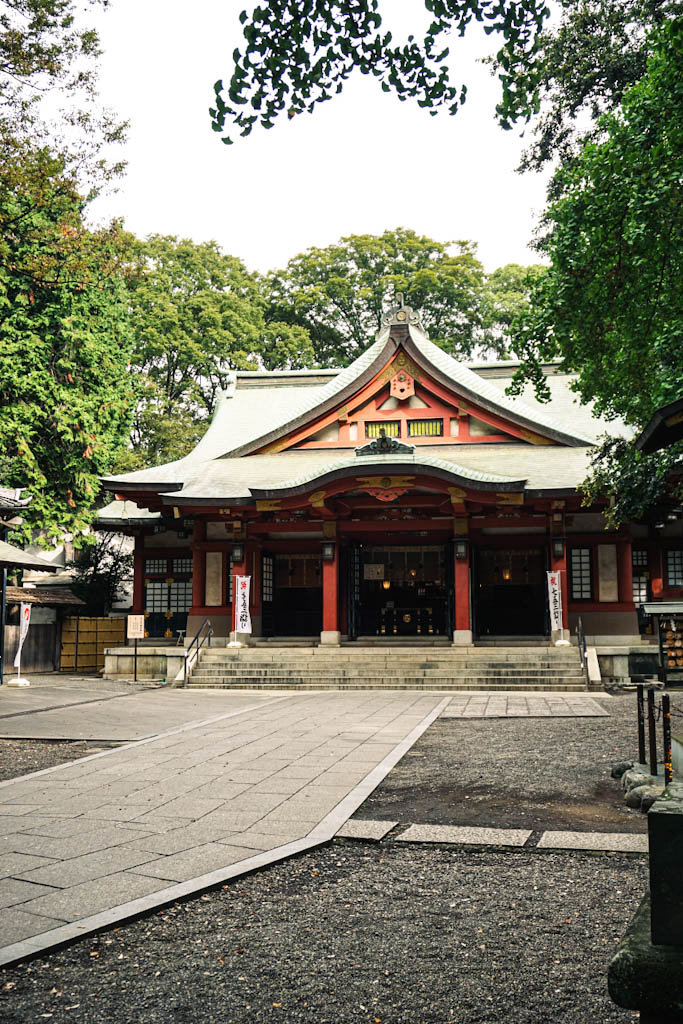
This shrine is dedicated to Hachiman, a kami associated with protection, strength and martial virtues. Hachiman has historically been the deity of warriors and clans, especially during Japan’s feudal periods. Over time protection in warfare was thankfully not a common need, and therefore its association changed to something broader – discipline, perseverance, physical integrity and moral strength. And then I learned something about sumo – I never expected this would be at a Shrine. Sumo didn’t begin as a sport, but as a ritual. In Shinto tradition, early Sami match’s were performed as offerings to the kami, to pray for good harvests, protection from disasters and communal well-being. The movements, the stomping, the salt throwing, the ring itself are all symbolic. Even to this day, professional sumo tournaments still open with Shinto purification cerimonies.
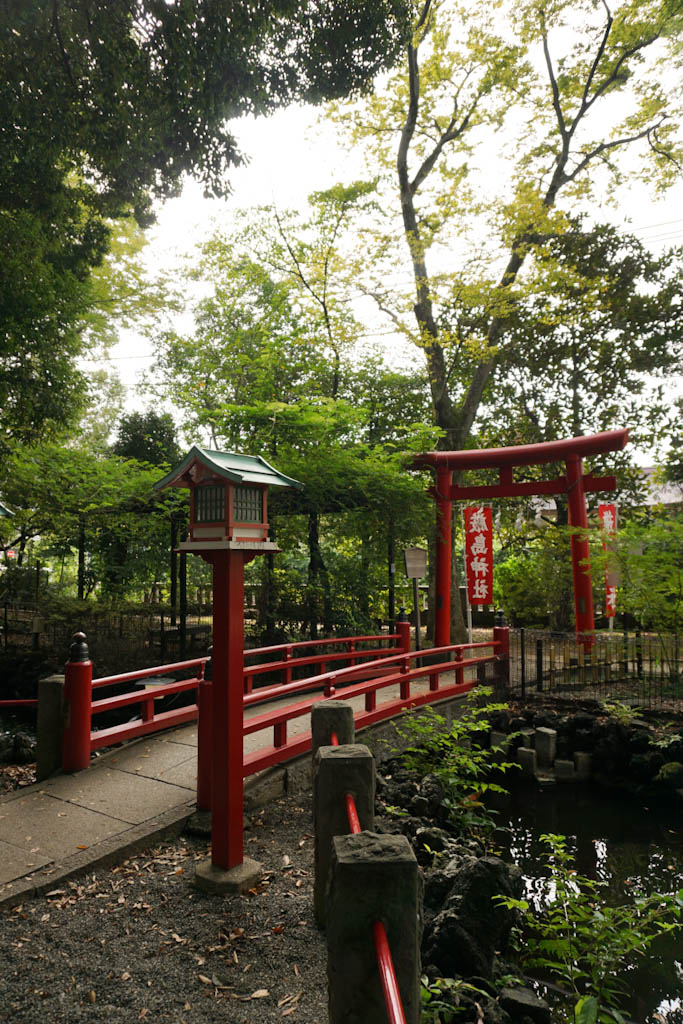
This sumo ring – called dohyō – is special because it’s outdoors and shrine-based, not a part of a stadium as it happens these days. It means here sumo is still a sacred-act, not entertainment. Nowadays, sume wrestling is practiced here for the Autumn festival, happening every year in September. These matches can be seen by the public… so if you are around, you might be able to see not just any sumo – the sacred kind, where it all started.
I’m ending this post here, as I’ve extended myself too much already on what were the first 3 hours of the day – but if you are ever wondering if it’s worth going to Setagaya… yes it is. Whilst away from central Tokyo, it is still in the way of many other things… more about that on my next post 🙂
Love,
Nic
P.S. Some links in this post are affiliate links. This means I may earn a small commission if you decide to urchase or book anything through these links. None of it is sponsored. All my recommendations are based on my lived experience.
Where I stayed in Tokyo: Hotel Almont Nippori: https://agoda.tpo.lv/maZXxi6c
Truely Sim Card: Get 10% Off with code wingedbone10
 The Winged Bone
Such a beautiful mix of cats, quiet Tokyo moments, and thoughtful reflections on luck and hope. Gotokuji sounds magical, and the surprise sumo history at the shrine was fascinating. Really enjoyed reading this and can’t wait for the next post!
LikeLiked by 2 people
Thank you so much 🙂
LikeLiked by 1 person