
I have a treasured childhood memory of licking the skin of my hands and arms on warm beach days. After having played in the salty waters of the Atlantic ocean, I was seasoned. That was the same salt that we the Portuguese (and so many others across the centuries) traditionally used to preserve food, and cod is still sold in today’s supermarkets like that – dried with salt, as salty as it can be.
Oh salt – the white gold. Enhances flavour and is one of nature’s most effective disinfectants. But for me – perhaps for us, the Portuguese – salt is in our soul. Many of us were raised by the glorious Atlantic. The waters where I loved to swim in, but also that I learned to respect. The waters that can be soft, submissive, gentle one day, and absolutely rebellious, furious, the day after, infusing the air with salt itself.
I grew up hearing about the “salinas” – where in Portugal we take from the ocean this wonderful condiment. In my mind, I never really thought there might be any other way to get salt… until I learned about the salt mines of Poland while planning my trip – specifically, the Wieliczka Salt Mine. This is indeed an extraordinary place, and to get to its origins one must travel not just centuries or millennia back, but nearly 200 million years.. Yes, I know. It’s a challenge to grasp this amount of time. Earth is ancient… and back then a lot of Europe’s land was covered in water. Salty water… seas.
So let’s travel to the past… I know it’s a long journey, but stay with me. Back then, Earth didn’t look like today. In fact all continents were united in a single, giant piece of land called Pangea. Countries, borders, nations didn’t exist back then… neither did we. The piece of land where Poland sits today, used to be much closer to the Ecuador line. The climate was warmer, arid, and throughout this region there were shallow “seas” – deposits of salt water. This was in the late Triassic period, when the evaporation of the shallow sea led to the formation of salt deposits – and hence here is the origin story of the Wieliczka Salt Mine, which began forming at approximately 13.5 millions ago.
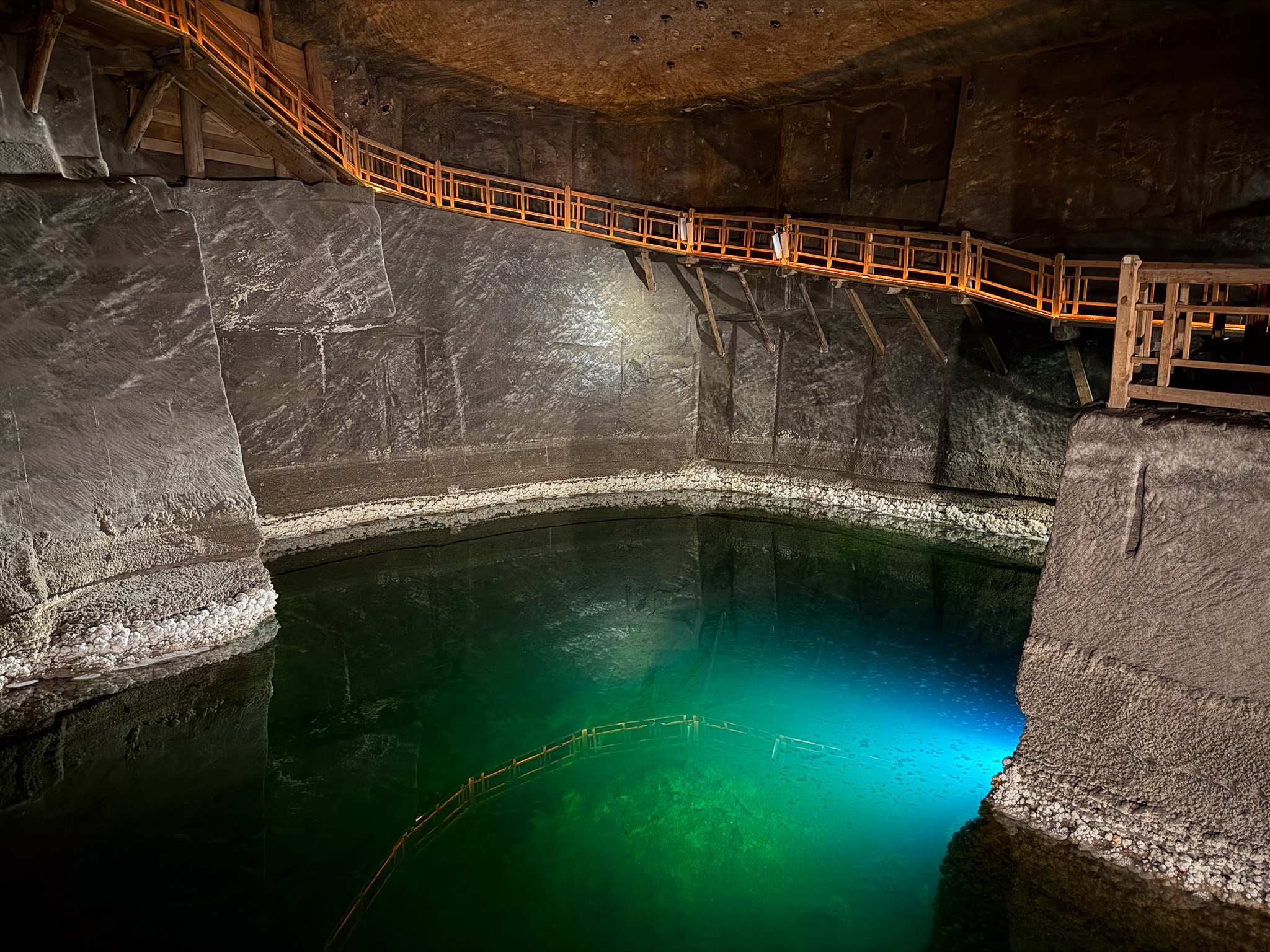
It was in the 13th century miners discovered these rich deposits of rock salt in Wieliczka, leading to the development of mining techniques and the establishment of the Wieliczka Salt Mine. By the late 13th century, this had become a significant economic asset for the Polish crown. King Casimir III, the Great, who reigned in the 14th century, decided to grant special privileges to the site – he initiated infrastructure projects, including the construction of a hospital for miners, and also implemented regulations to ensure the mine’s efficient operations.
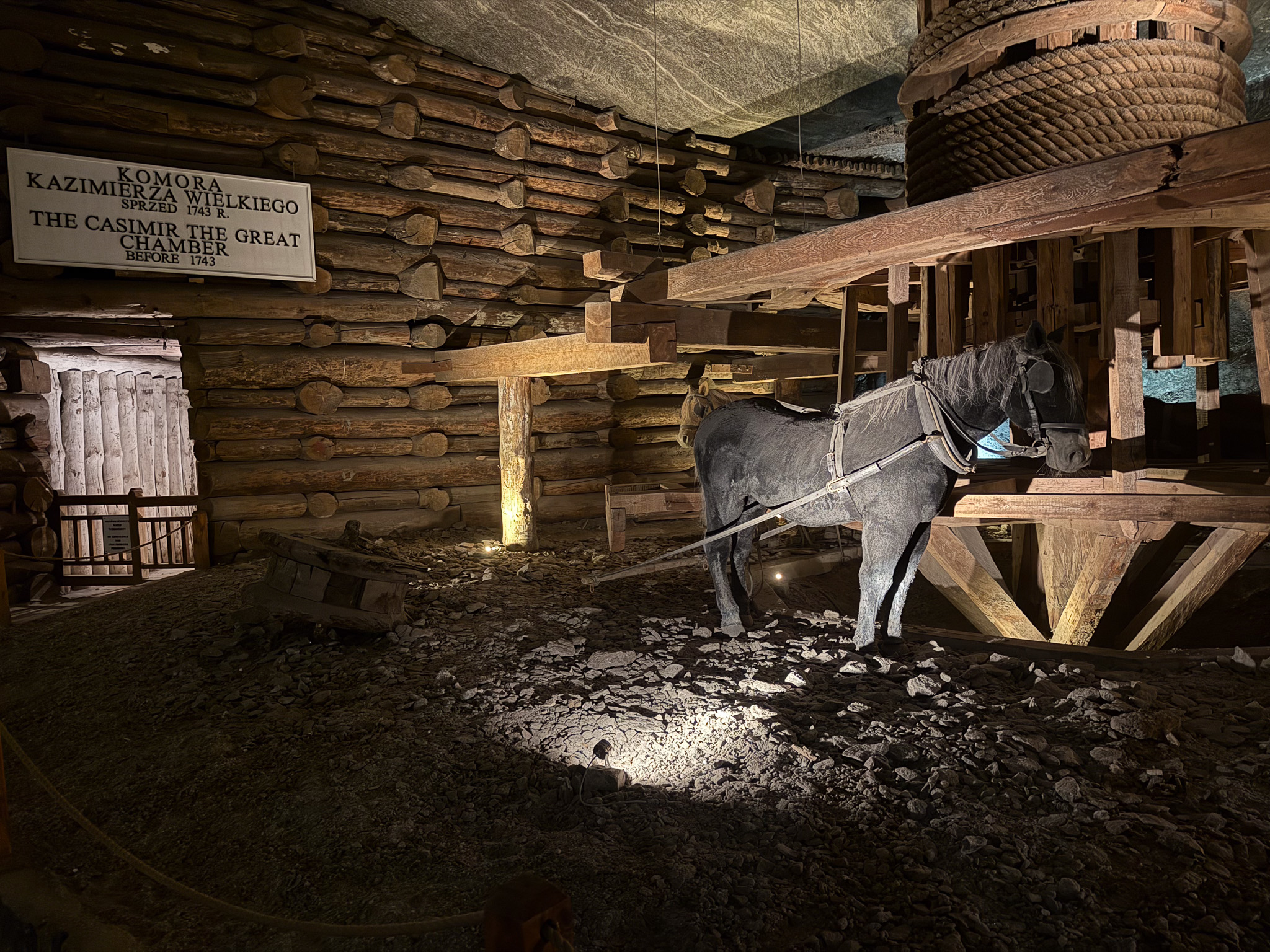
When you visit the mines, there is a guide always with you, explaining this history and pointing out the many technological advancements throughout the centuries. There are representations of these, some in its original form, and this is also possible because salt keeps the humidity away, kills any germs – which is why some visitors are brave enough to lick its walls. I was not… even if rationally I know the bacteria is killed in those conditions! I am no longer a child wanting to lick anything salty…
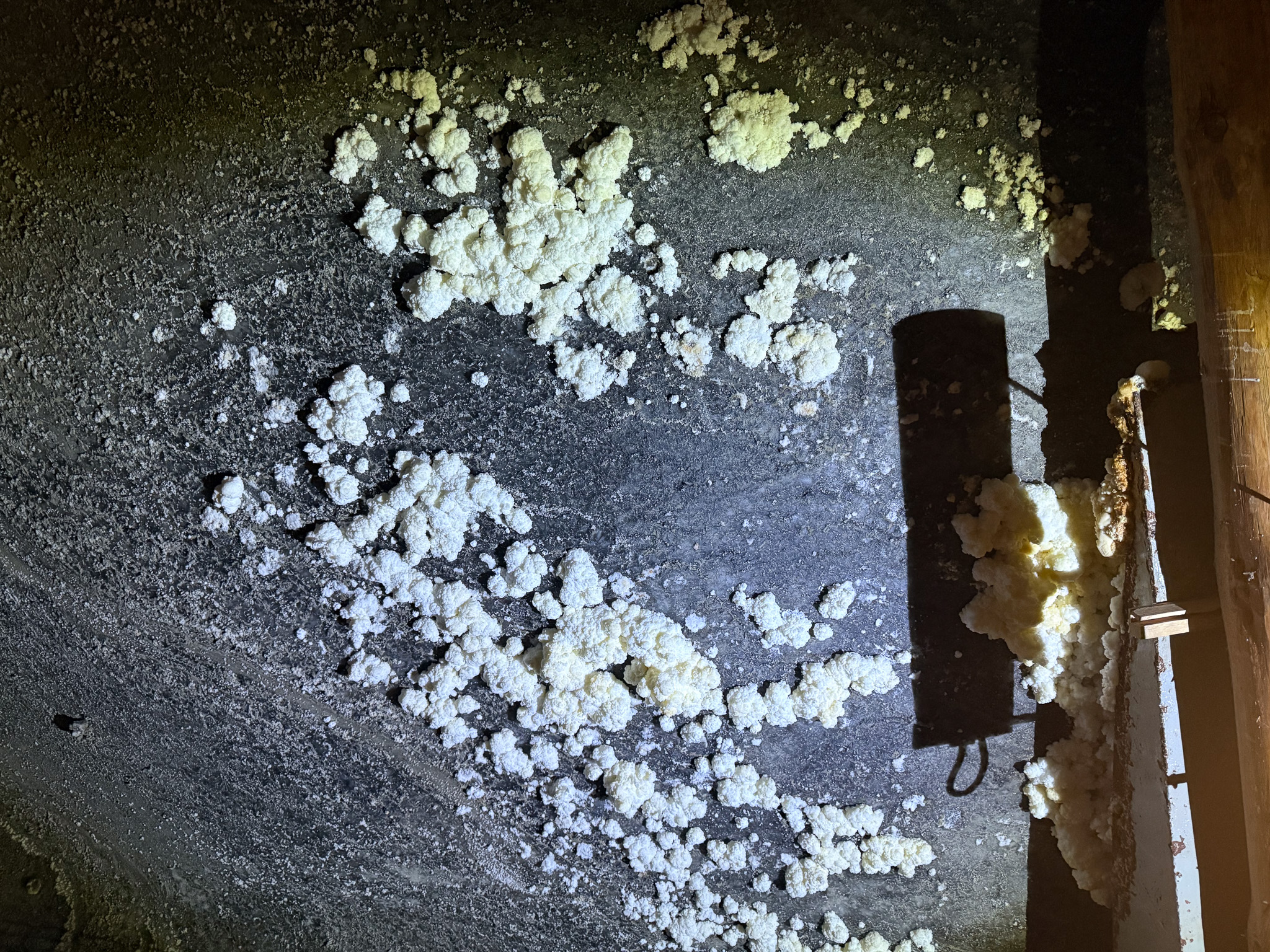
Unlike coal mining, working in the salt mines offered a relatively healthy environment for workers – the air is sterile, due to the antiseptic nature of salt – and it known today that exposure to salt particles in the air can help with respiratory conditions, such as asthma, bronchitis and sinusitis… and this also takes me back home, in Portugal. When you have a cold, going to the beach and breathing the fresh, salty breeze of the ocean, helps you to decongest your nasal canals. But, of course, this was still hard, physically demanding and dangerous work!
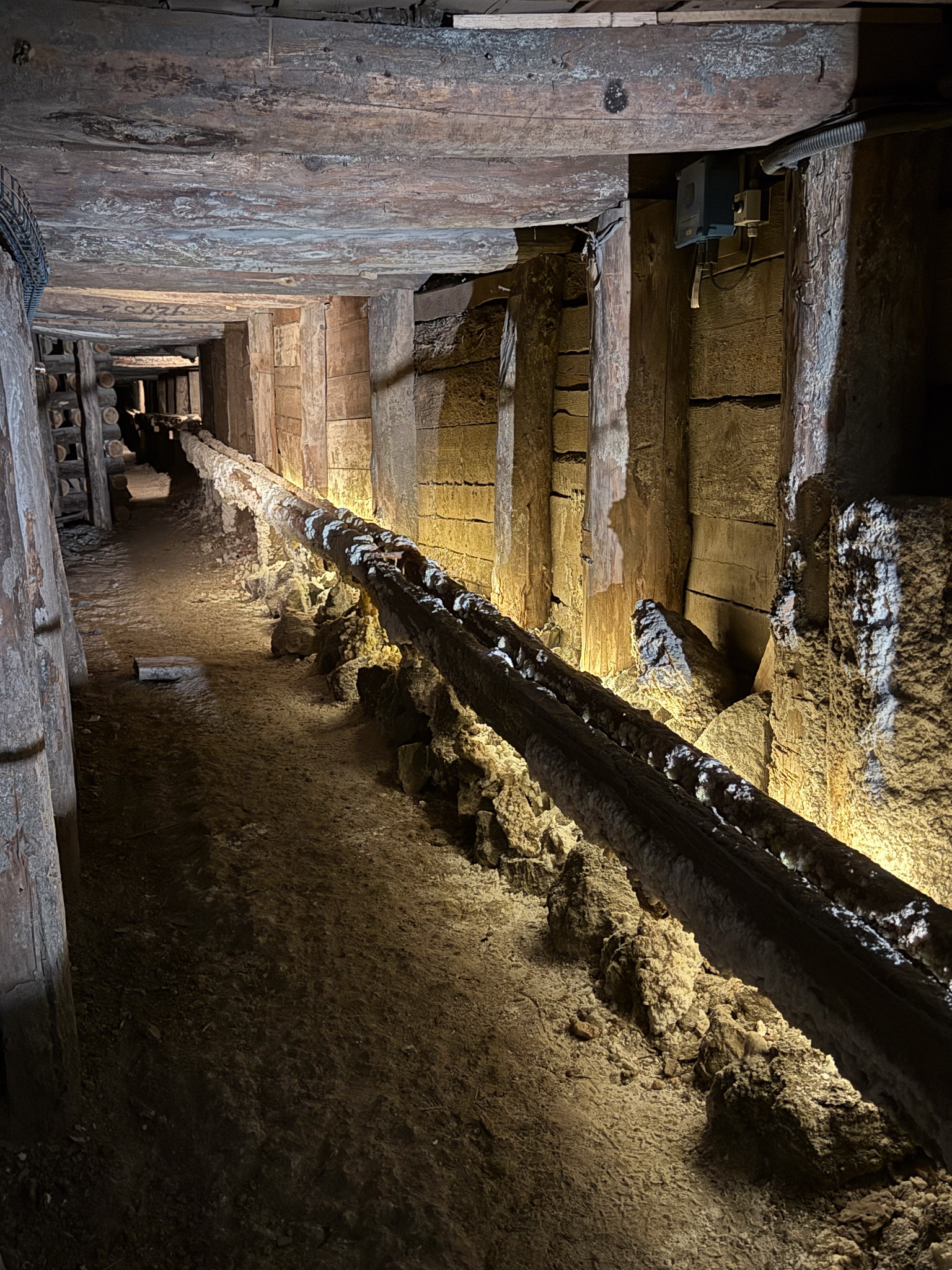
Working in the salt mines was also considered a relatively prestigious and respected position – compared with other labor intensive jobs.
For starters, they were under royal protection. In the Middle Ages and Renaissance, salt miners received salaries, medical care, and even pensions — privileges rare for the time. Its economic importance was another thing to consider – salt was known as “white gold” for centuries, essential for food preservation and trade, and therefore workers of the mines were seen as contributing to this precious national asset. And then there is the specialisation – salt mining requires skill and physical endurance. Positions were often passed from father to son – and then there were those craftsmen that were salt artists – carving chapels and sculptures in salt, which you can see today!
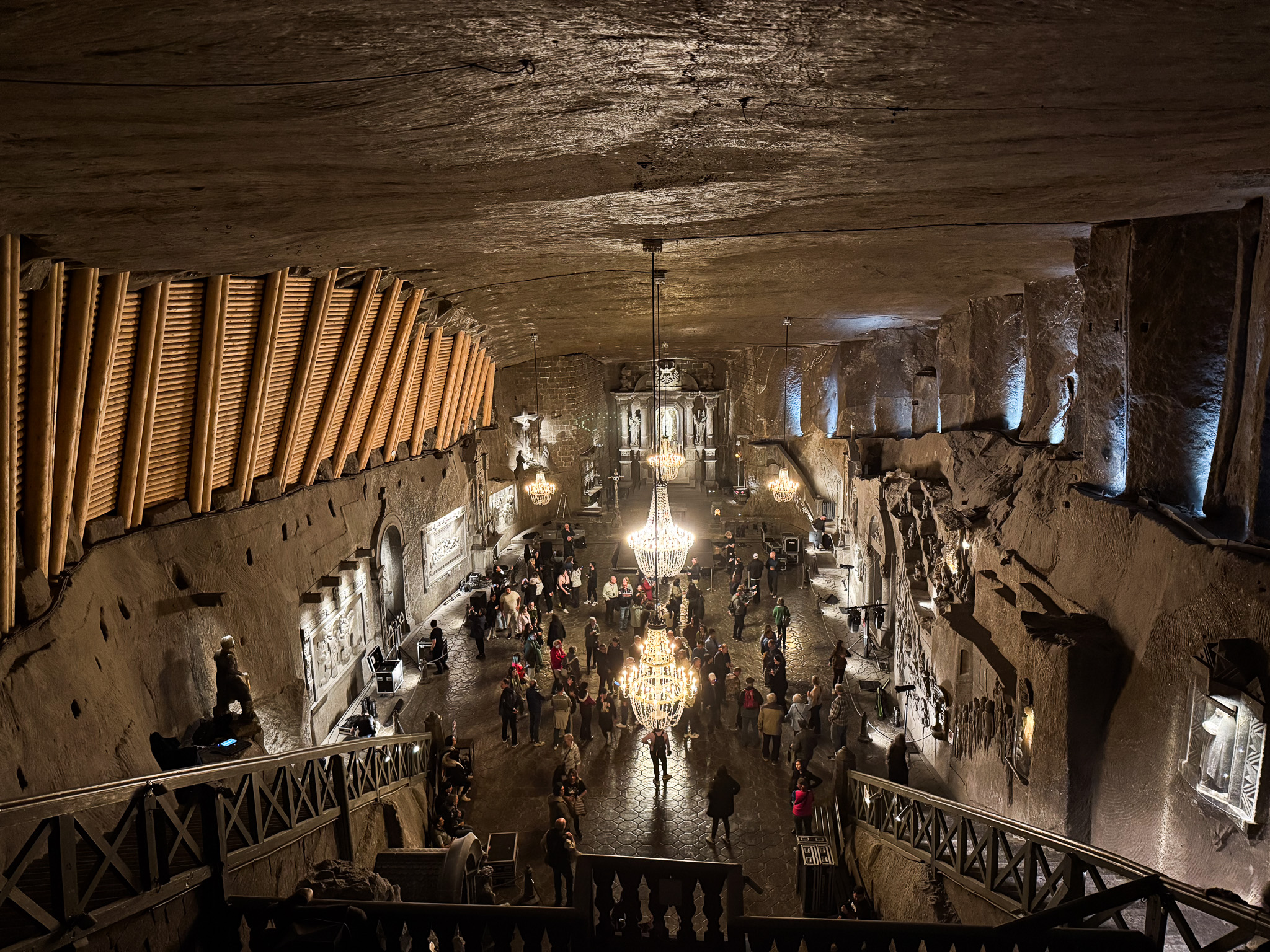
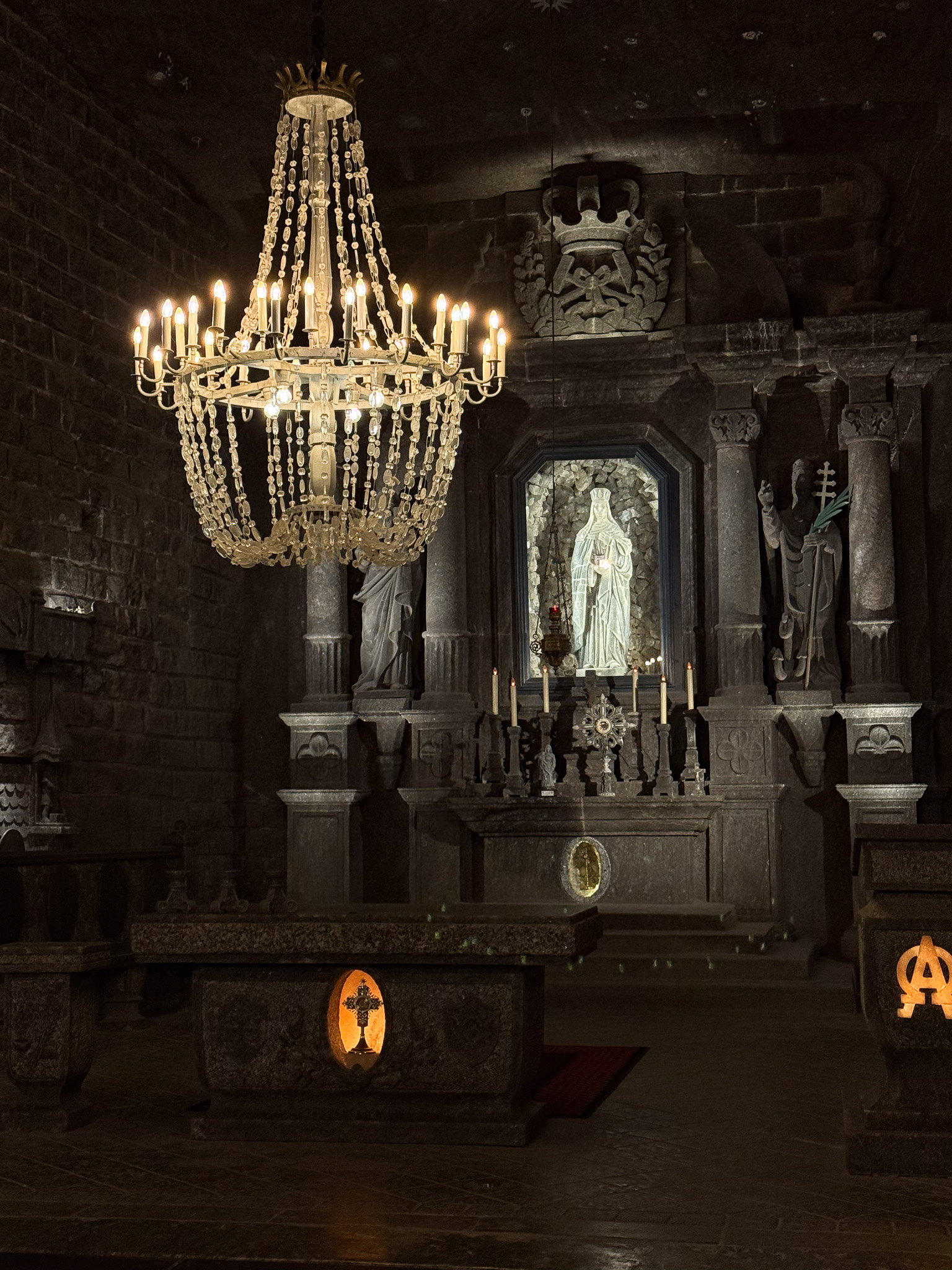
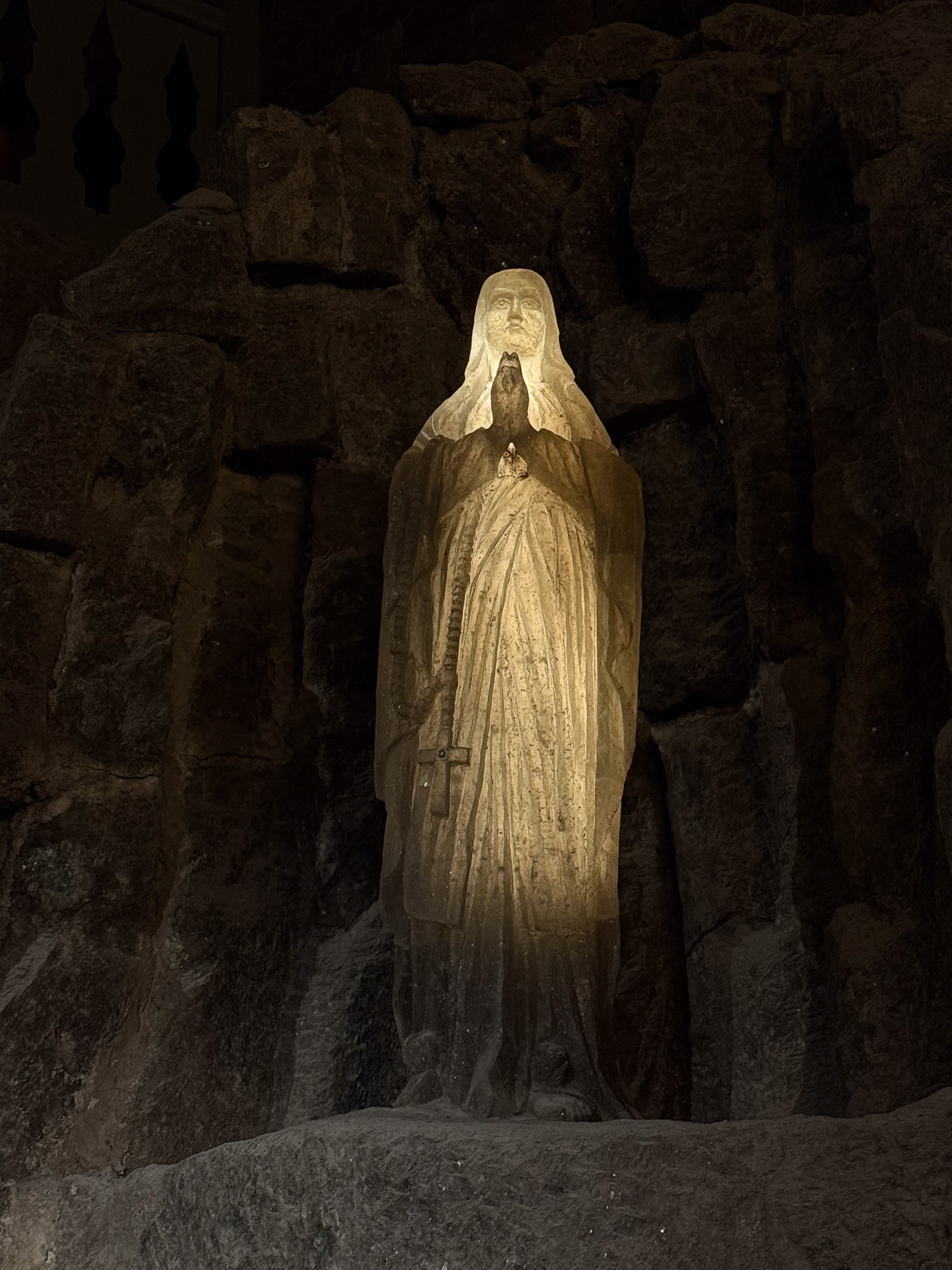
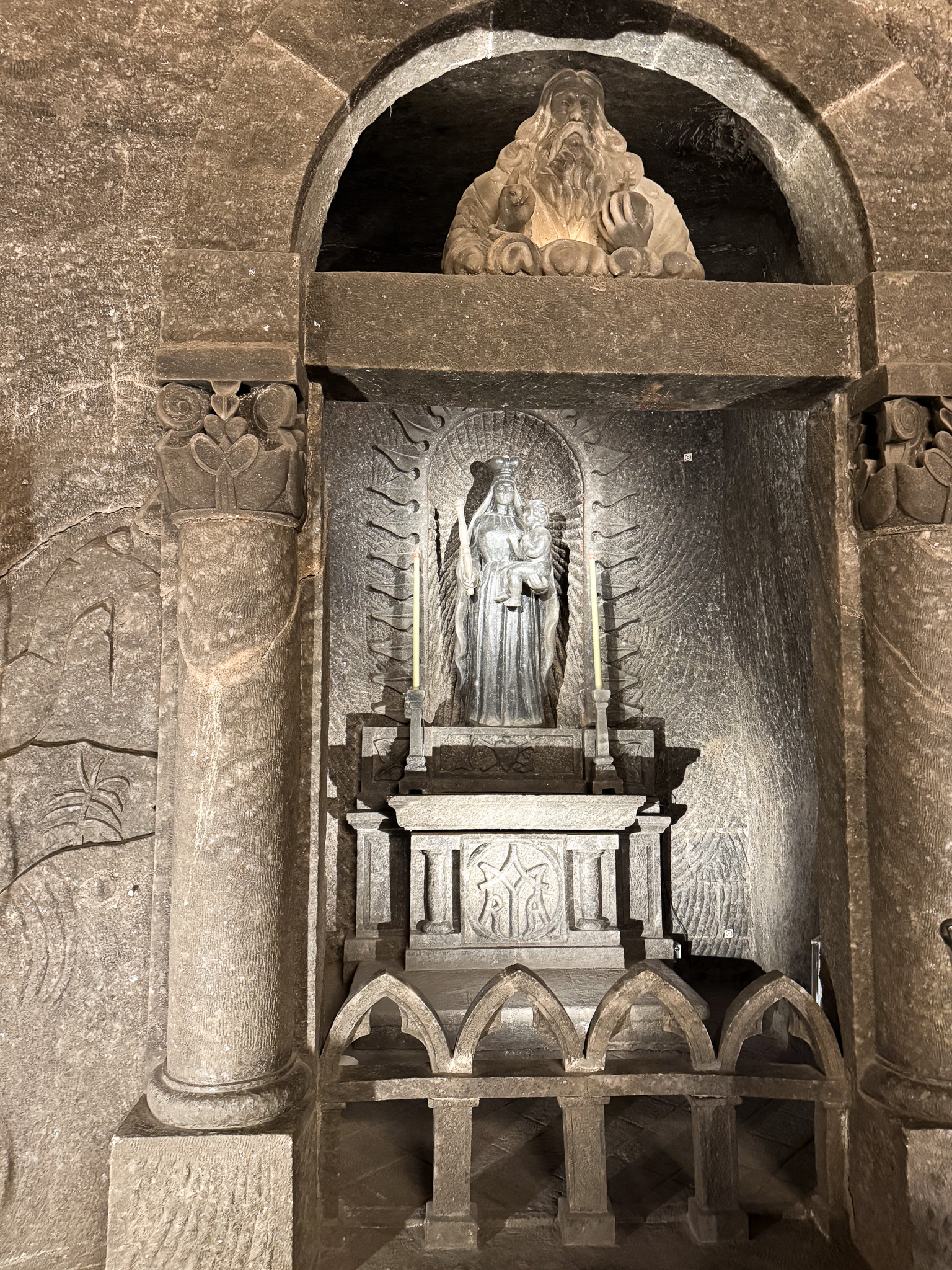
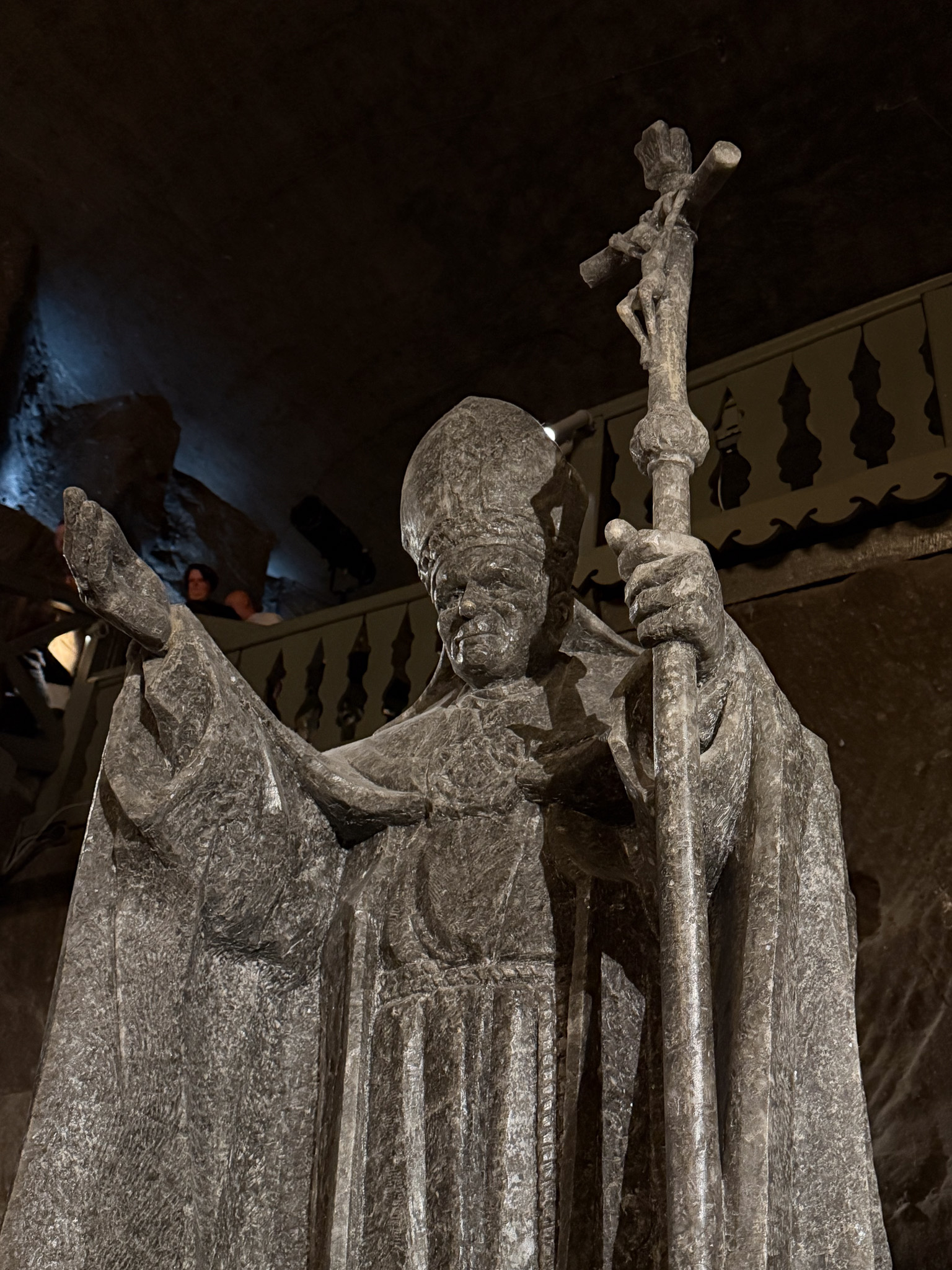
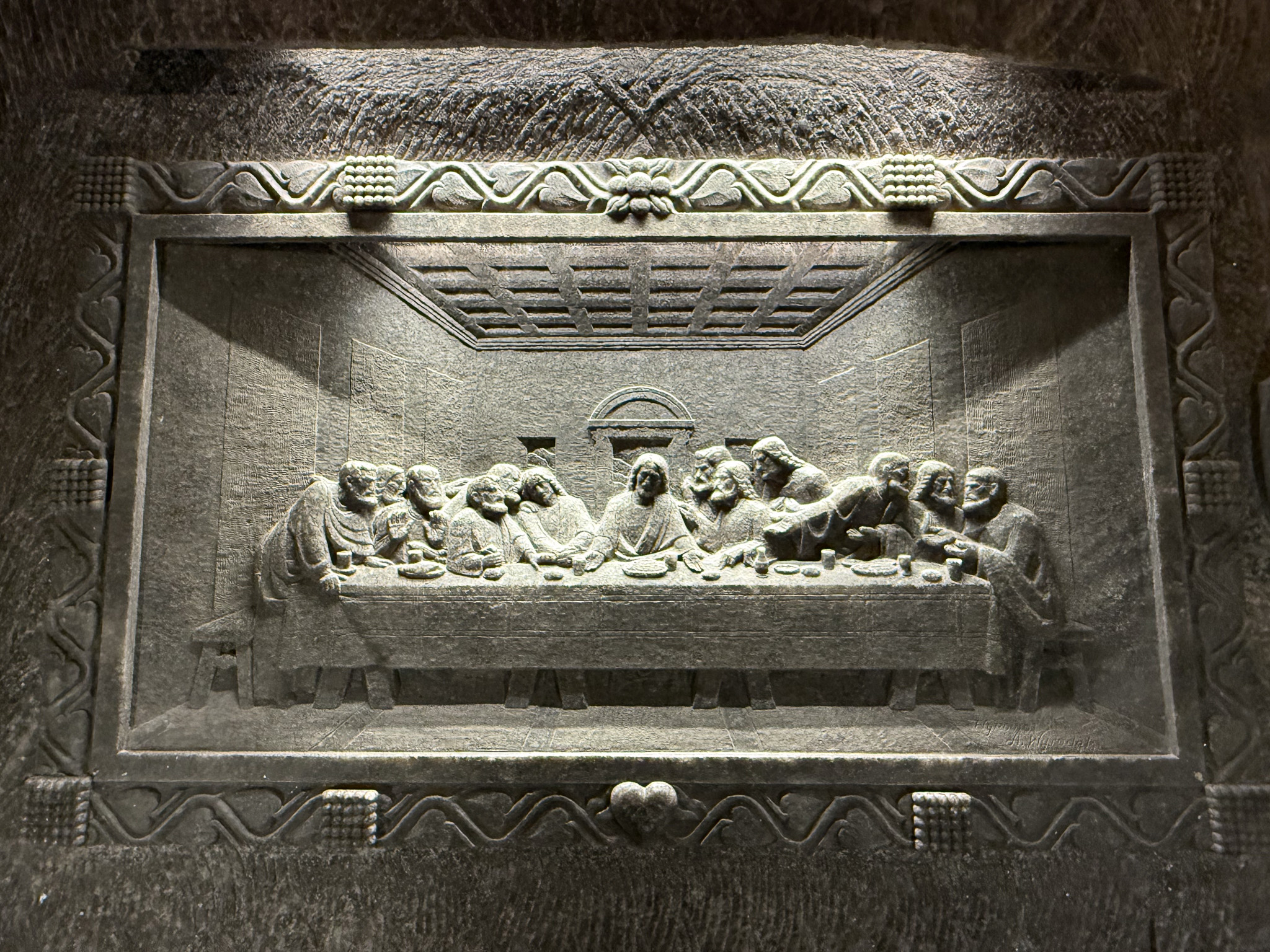
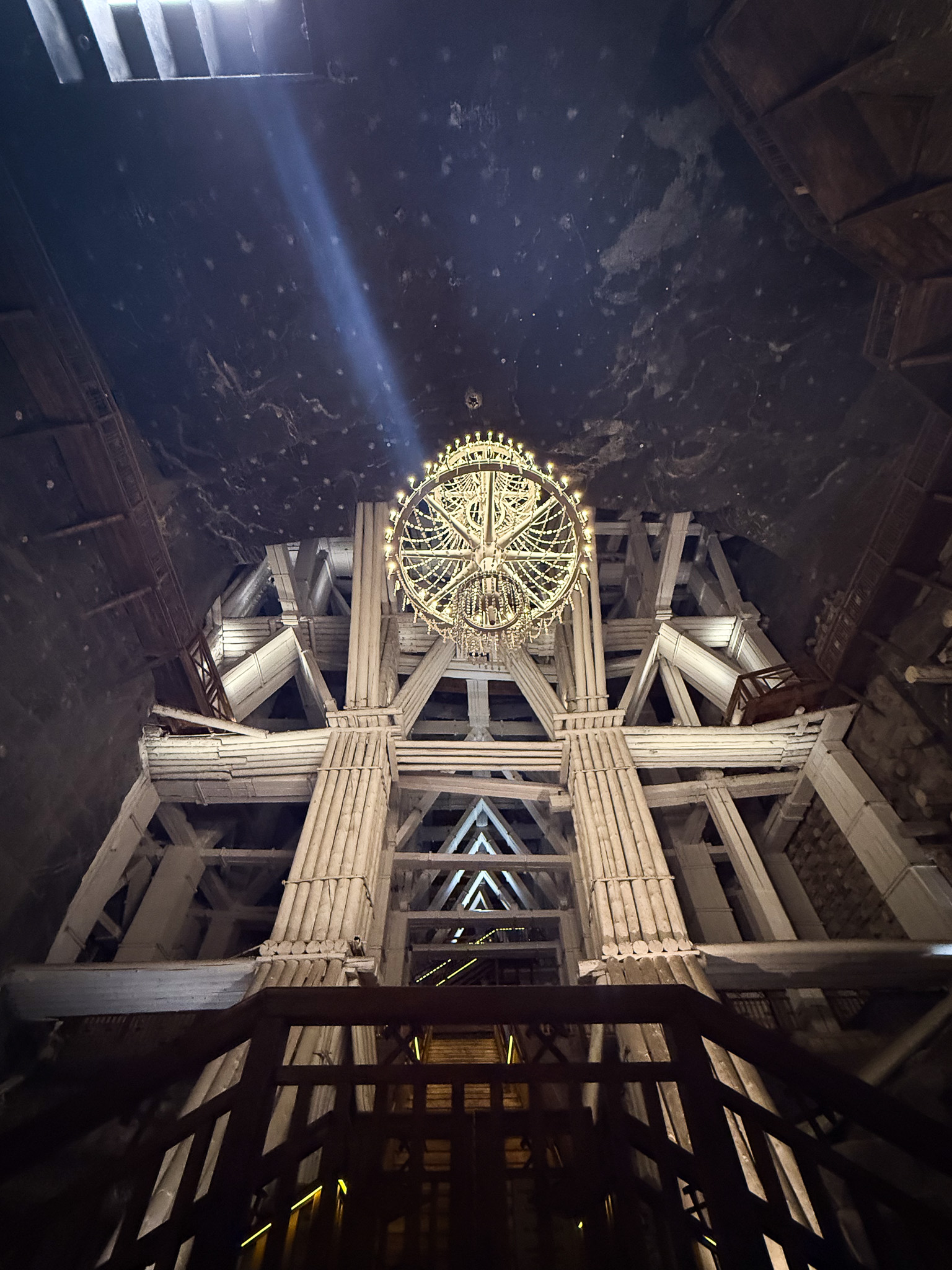
The Chapel of St. Kinga is one of the most stunning examples. Its constructions lasted 67 years, starting in 1896 – it was carved entirely out of salt, and it speaks to the deep faith and reverence of the workers. They sculpted the chandeliers, the altars and even a “Last Supper” in the walls. It’s about 100 meters underground, and it is still used today for Sunday mass and other special celebrations, such as baptisms and weddings.
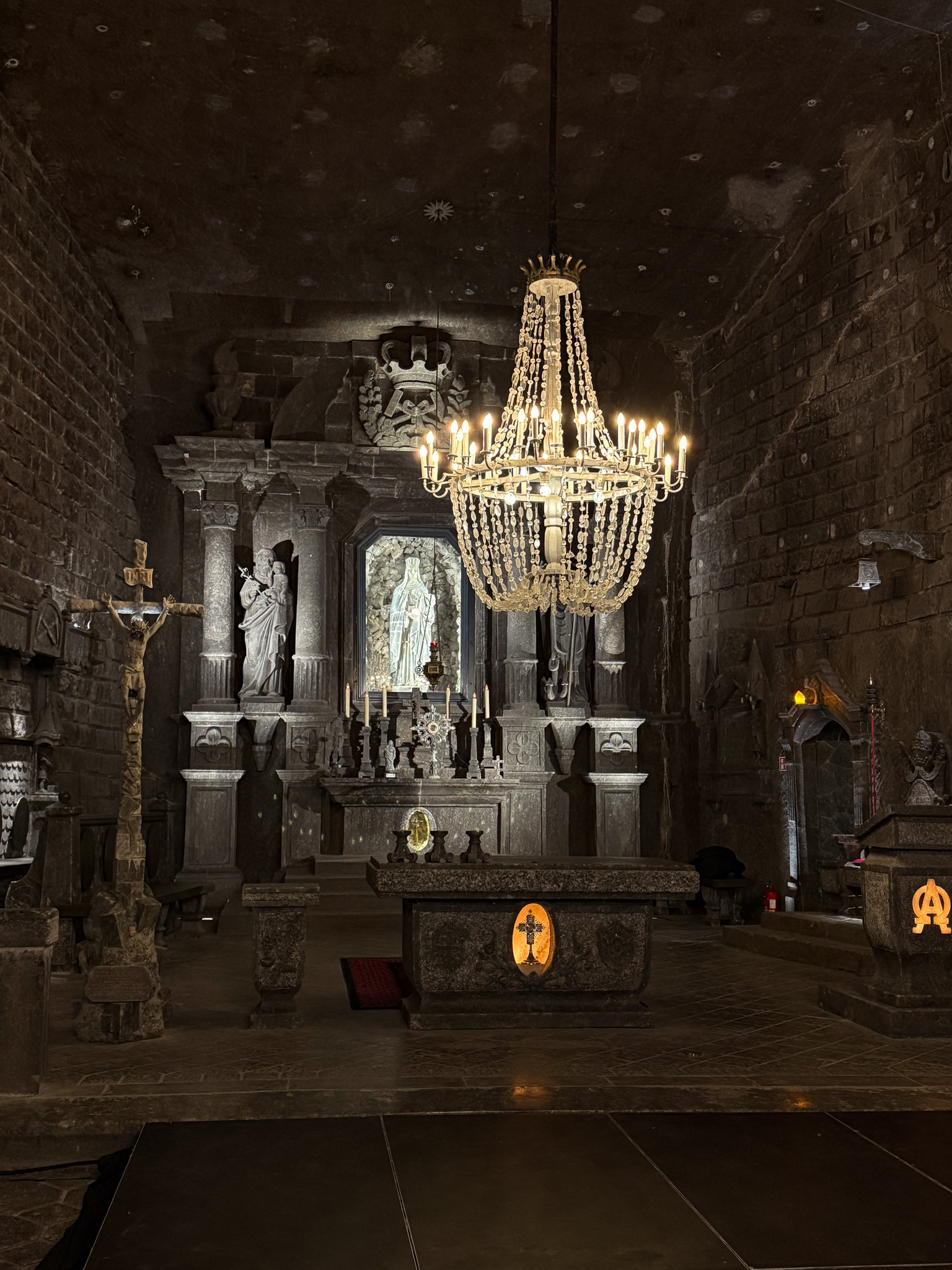
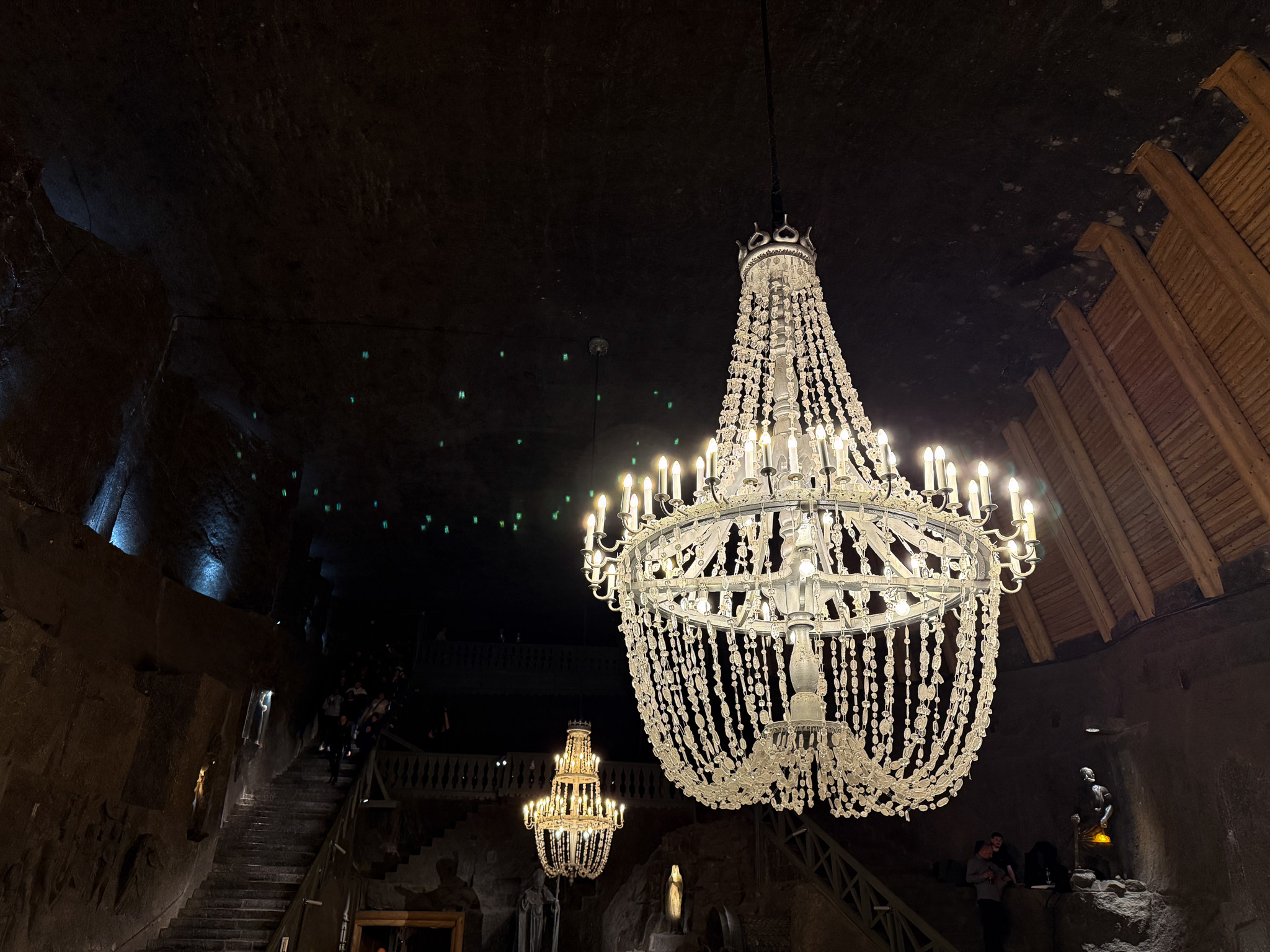
I can’t pass on the opportunity of sharing the story (or legend) of St. Kinga. She was a Hungarian princess of the 13th century who married the Polish Duke Boleslaw the Chaste. As part of the dowry, she asked her father for salt – instead of gold and jewellery, as it was common – but this was of course a rare and precious resource in Poland. Kinga went to a salt mine in Hungary, where she dropped her engagement ring into the shaft as a symbolic gesture. When she arrived in Poland, legend says she asked the miners to dig at Wieliczka – and in one of the first salt chunks, her ring was found.
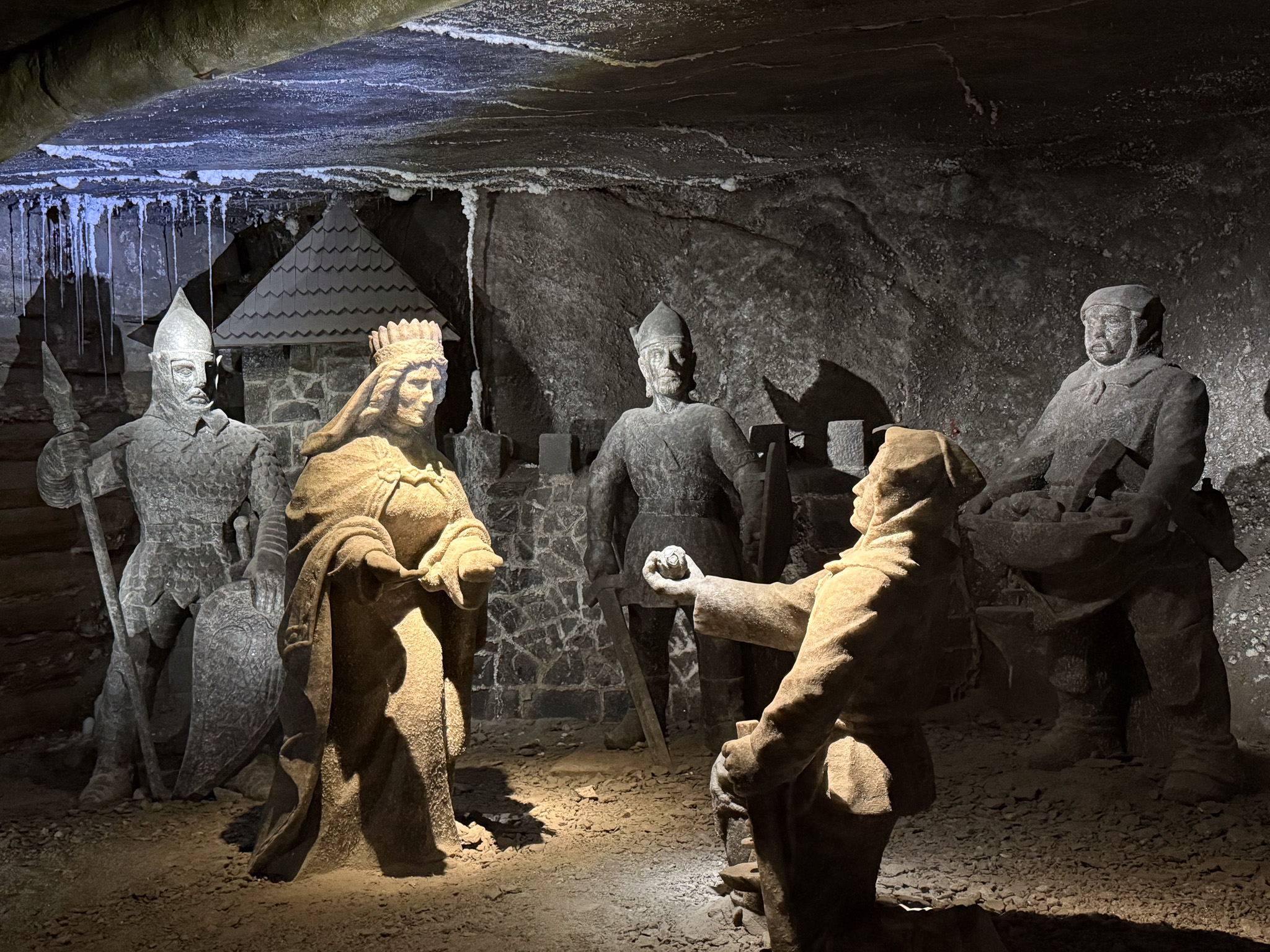
As I mentioned in my previous post, Poland is full of magical legends, a testimony to the spirituality of the Polish nation, something I find incredibly heartwarming – what are we humans without stories to tell, to take our mind away from the harshness and bluntness of real life, and allow us to travel to dreamlands, to take some rest and come back inspired to create more magic.
In 1978, the Wieliczka Salt Mine was inscribed on the UNESCO World Heritage Site List, recognising its historical and cultural significance. Commercial salt mining ceased in 1996, due to its declining profitability and safety concerns – it is now a major tourist attraction and a brilliant one. It is also used as a venue for concerts, exhibitions and even conferences – I certainly wouldn’t mind going to a concert underground on these mines. The venues are incredible, with a dreamlike atmosphere, somewhat that of a dazzling white gothicism.
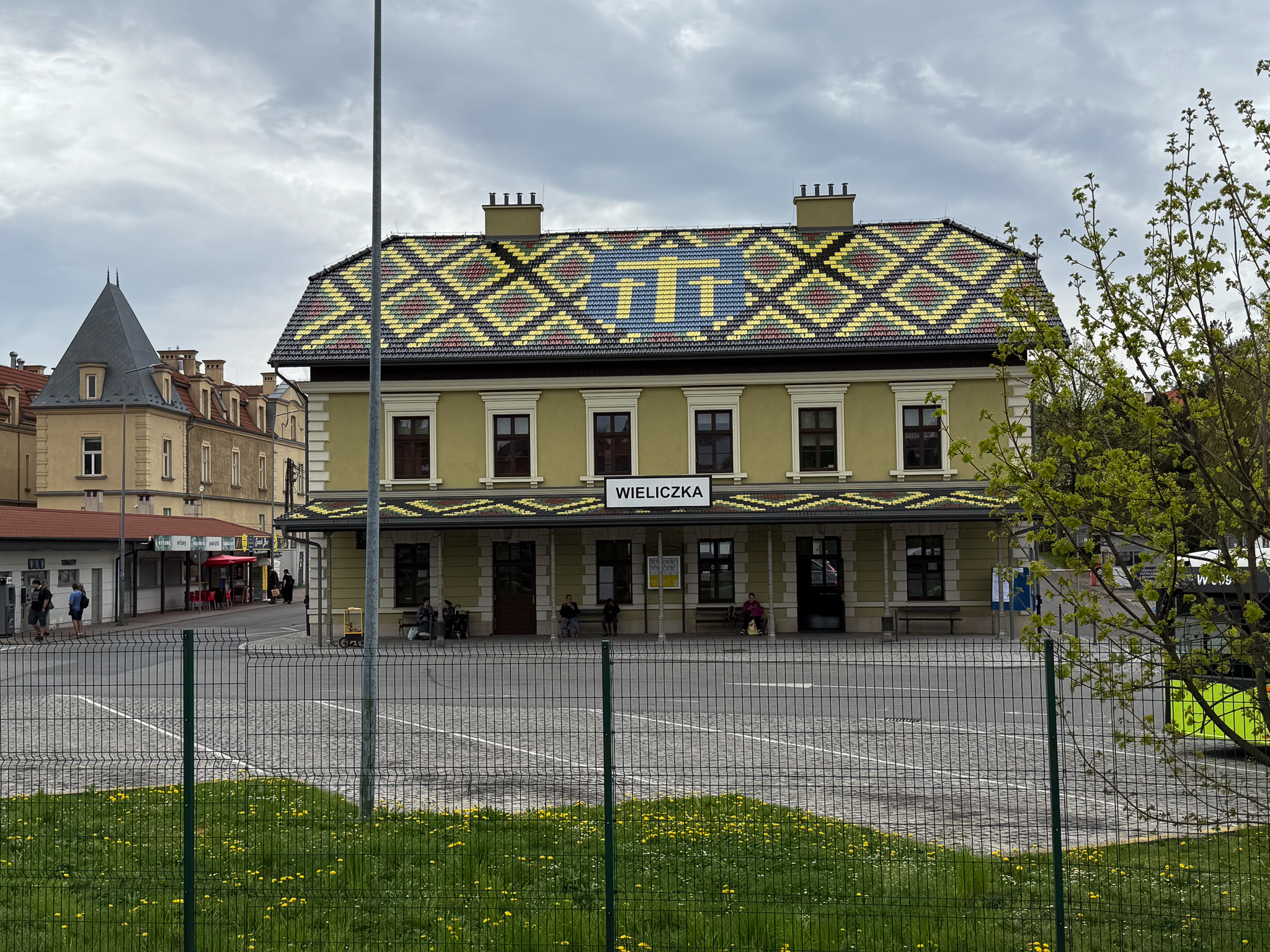
Let me gently pull us back to the surface for some practical tips. There are many tours offering the visit to Auschwitz and the Salt Mines combined – I certainly do not recommend this, unless you are really tight with time. If you are staying in Krakow, you can easily travel to Wielicza by train – you can buy the tickets at the station, on the train or even online, using this site – it’s very easy! The journey only takes about 20 minutes, and the mines are just a few minutes walk away from the station. I also recommend you book your tickets to the Wielicza salt mine in advance – it tends to sell out, especially in busy periods – make sure you book them through the official site, here.
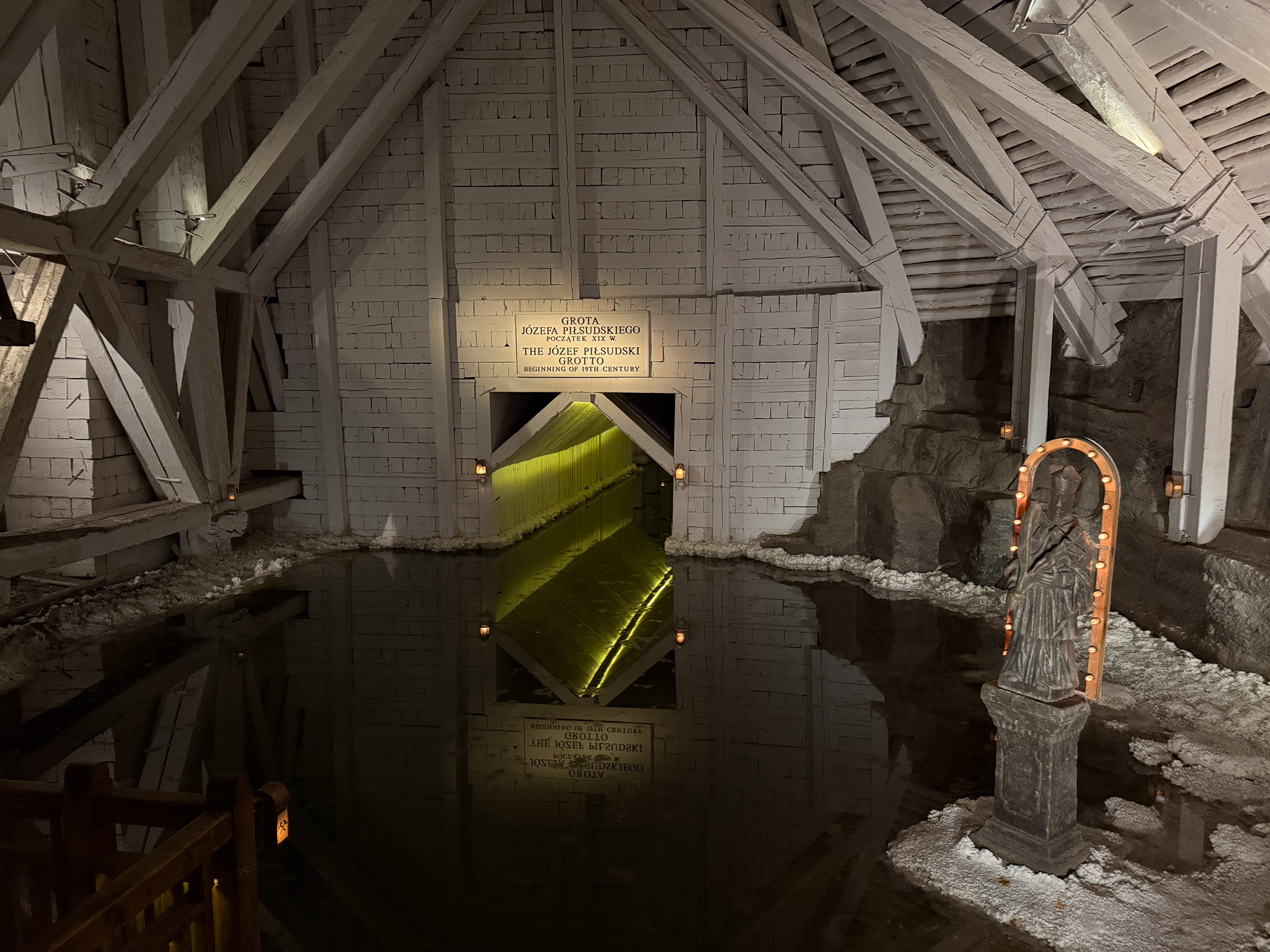
I absolutely loved my visit to the Wieliczka Salt Mines. It’s not just the site itself and its history that are fascinating… The guide was frankly splendid, keeping us engaged, seemingly passionate about the tales she told us. I noticed a certain camaraderie amongst the staff that can only be born out of pride from working in such a historically and culturally significant place. Salt does unite us all – preserving our food, seasoning it, nature’s antiseptic, air purifier. But there, in the mines, amongst the sculptures, the chapels, salt also preserved memory and stories, faith and devotion. What a wonderful place indeed.
And yes, I did lick my hand discreetly when coming out, savouring some of the salt of Wielicza, a relic of seas long gone, a remembrance of my dear Atlantic, and treat for my inner child.
Love, Nic
 The Winged Bone
What a beautifully written piece, Nic. I loved how you connected your personal memories with the fascinating history of the Wieliczka Salt Mine. The parallels between the Atlantic’s salt and the ancient seas of Poland were especially poetic. Your storytelling made the mine feel alive with legend, faith, and memory. And that final lick of salt? A perfect, tender ending. Thank you for the journey!
LikeLiked by 1 person
Thank you so much, I’m so glad you enjoyed my writing!
LikeLiked by 1 person