
Some say time travel isn’t possible. I disagree. Time travel is real — and accessible. In books, yes, but also in the very streets we walk every day. And then there are places like Kraków — where the past isn’t just remembered, it’s still breathing. All you need is imagination… and maybe a good pair of shoes. You’re about to walk the streets that have been laid in medieval times and whose layout remained exactly the same.
So that is where we are going. Medieval Krakow – let’s start there.
Krakow has been spared of destruction since the 13th century. Before that, the Old Town began to develop around the Wawel Hill, where the castle and the cathedral of Wawel exist up to today (even though after much reconstruction), and the Polish rulers had their seat. But in 1241, the Tatars (Mongols) invaded the city, causing intense devastation. Their stay was short though.
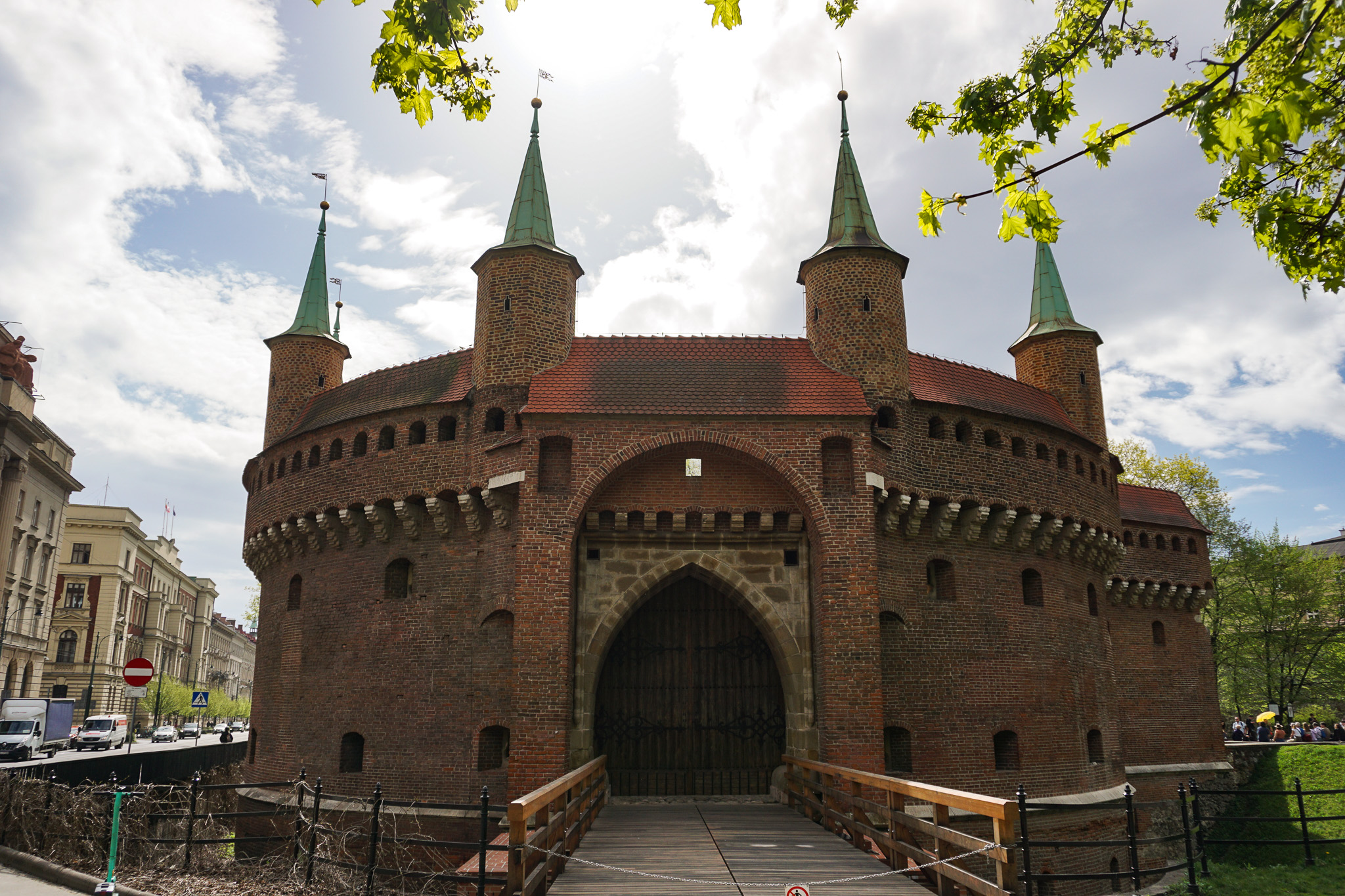
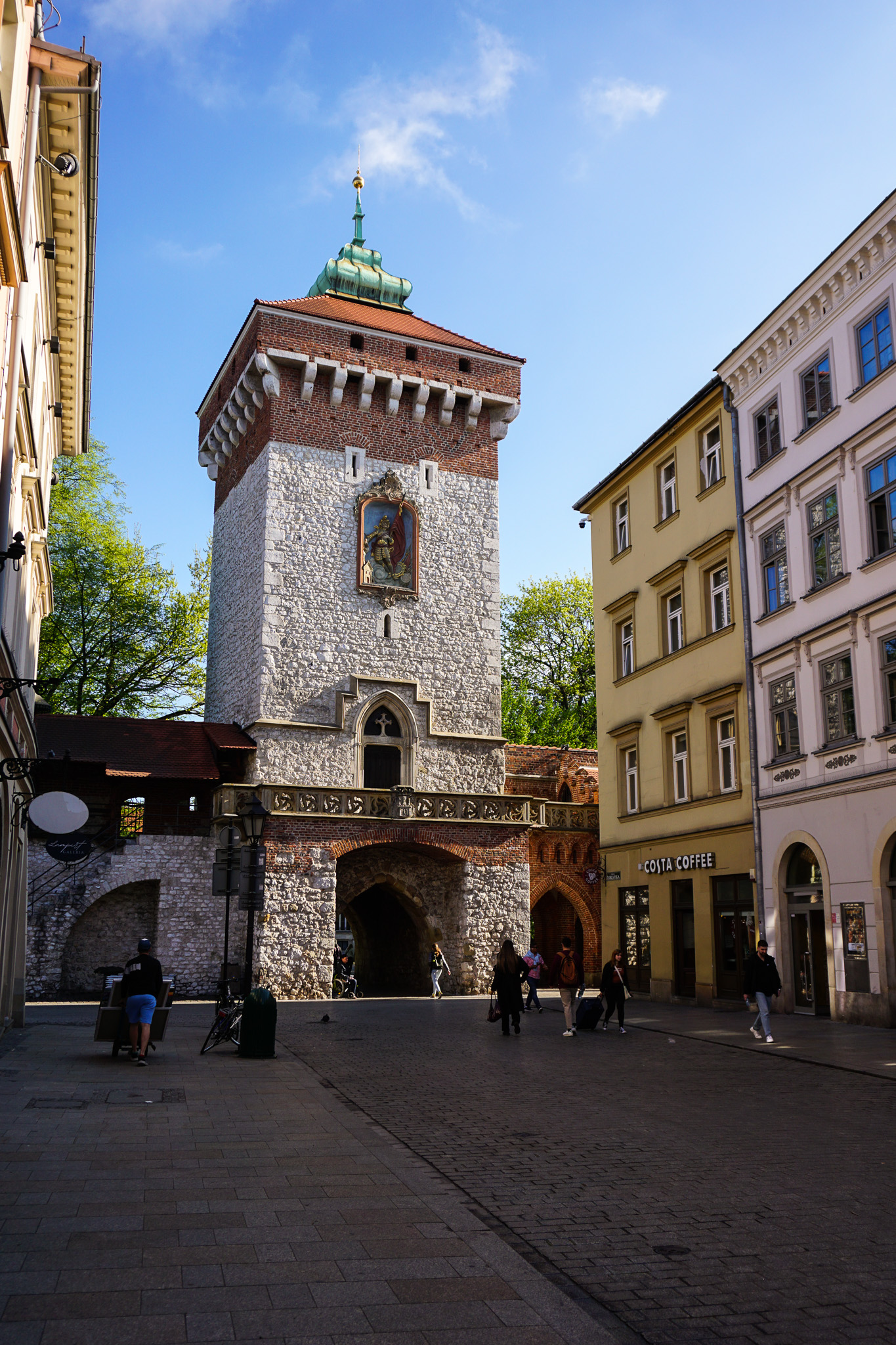
With Krakow destroyed, Prince Boleslaw, who was part of the Piast Dynasty, decided to rebuild the city from scratch. But back then, urban planning wasn’t exactly common knowledge — so he brought in experienced German architects, adopting the Magdeburg Law – a collection of town rights, which offered a model for urban self-government, and entitling cities with self-governance, meaning, legal autonomy. Cities designed under this model had a consistent grid layout. This is why Krakow, despite being in its core a medieval city, is quite frankly, very well organised, in comparison to other European old towns from the same time – it was a logical geometrical plan, with a central square, main roads, and plots assigned for homes and businesses.
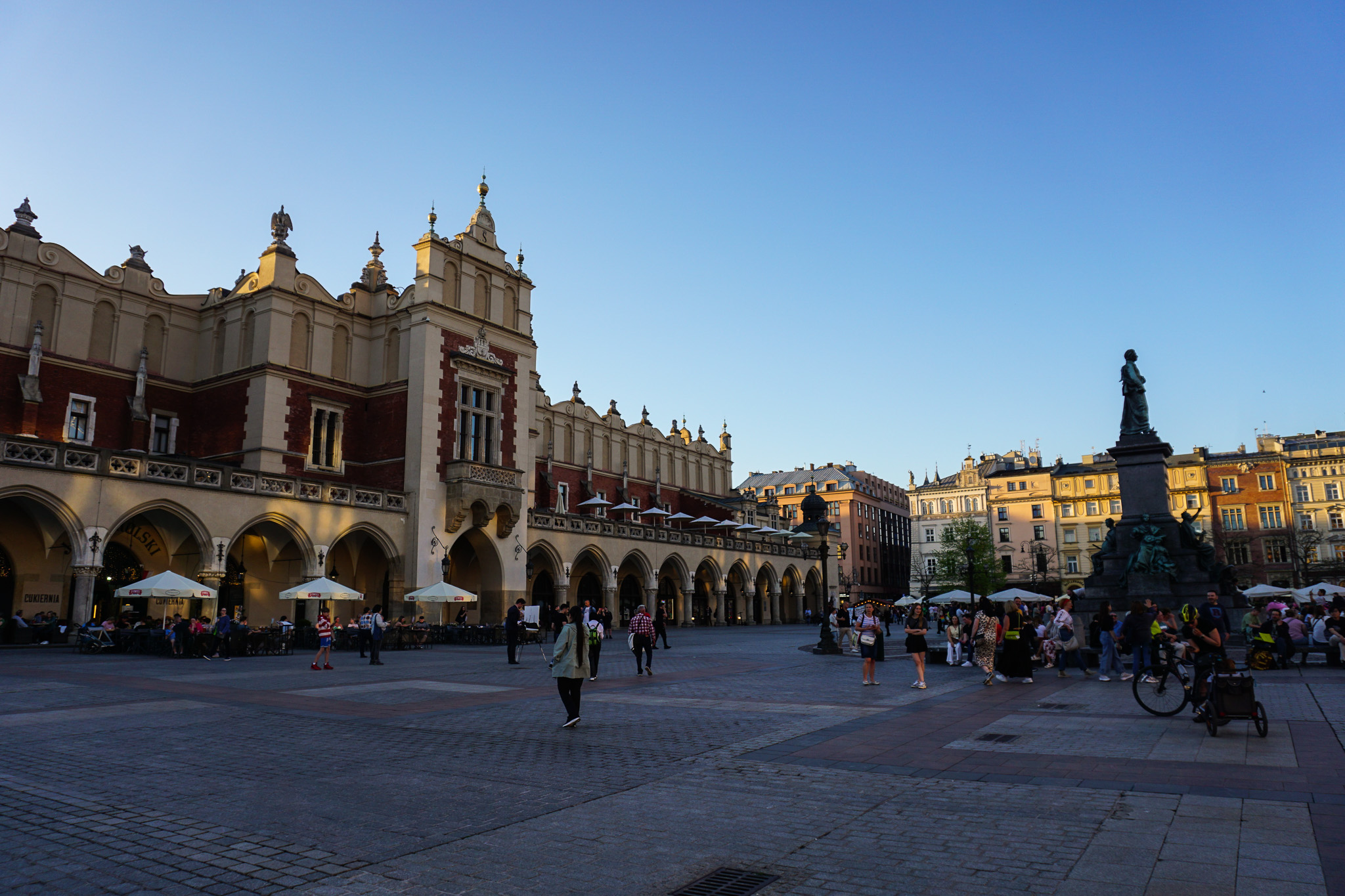
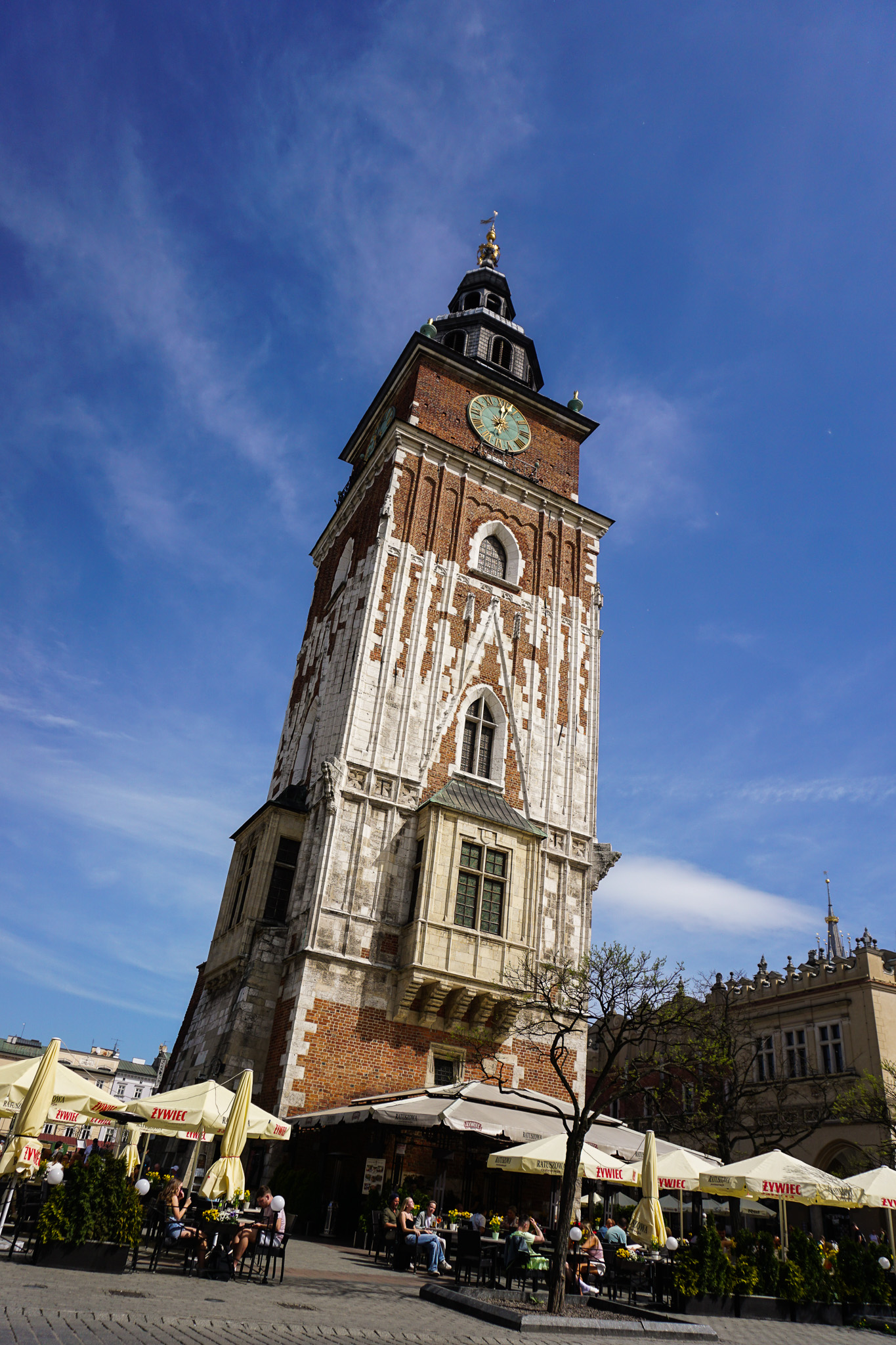
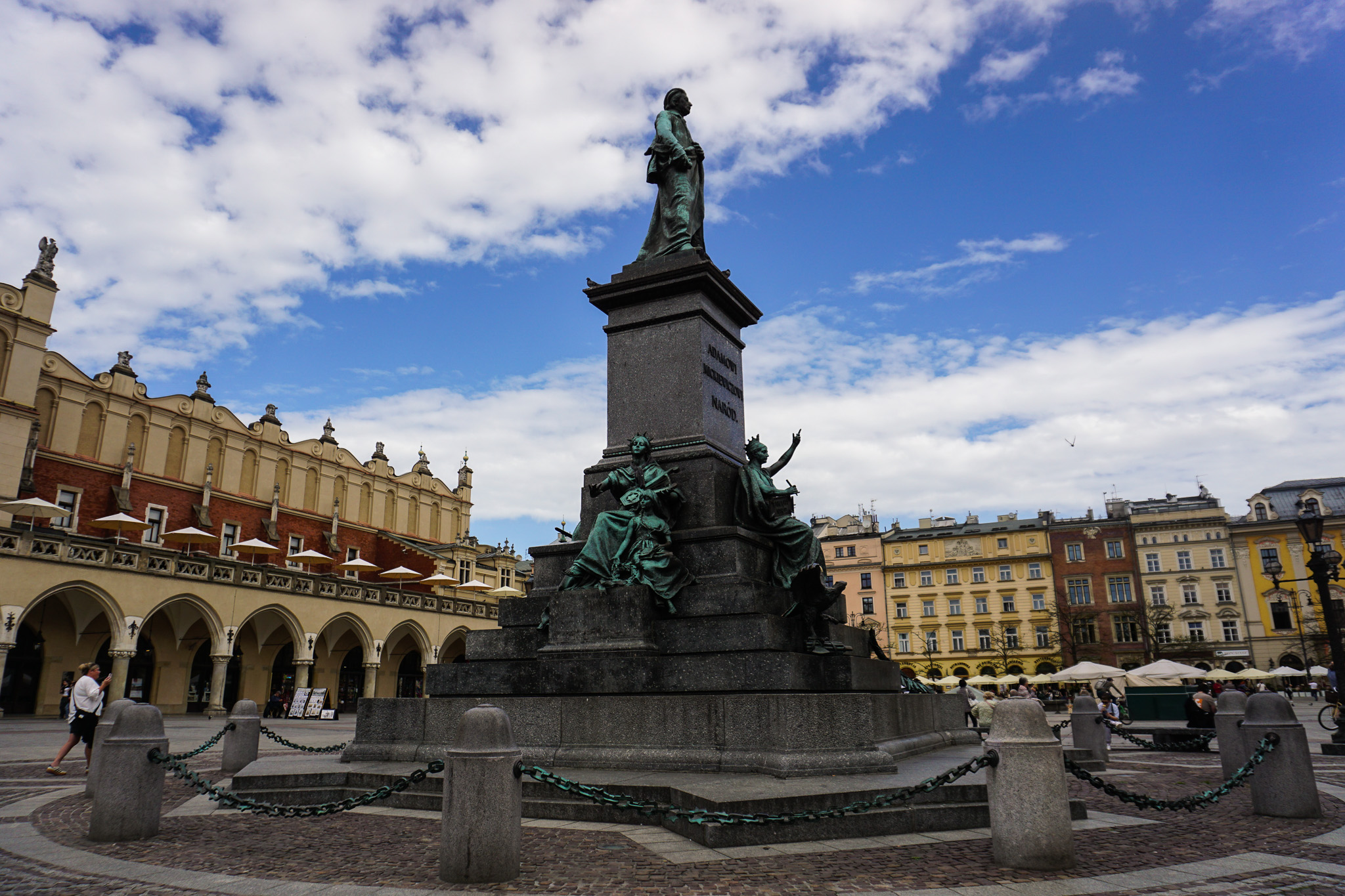

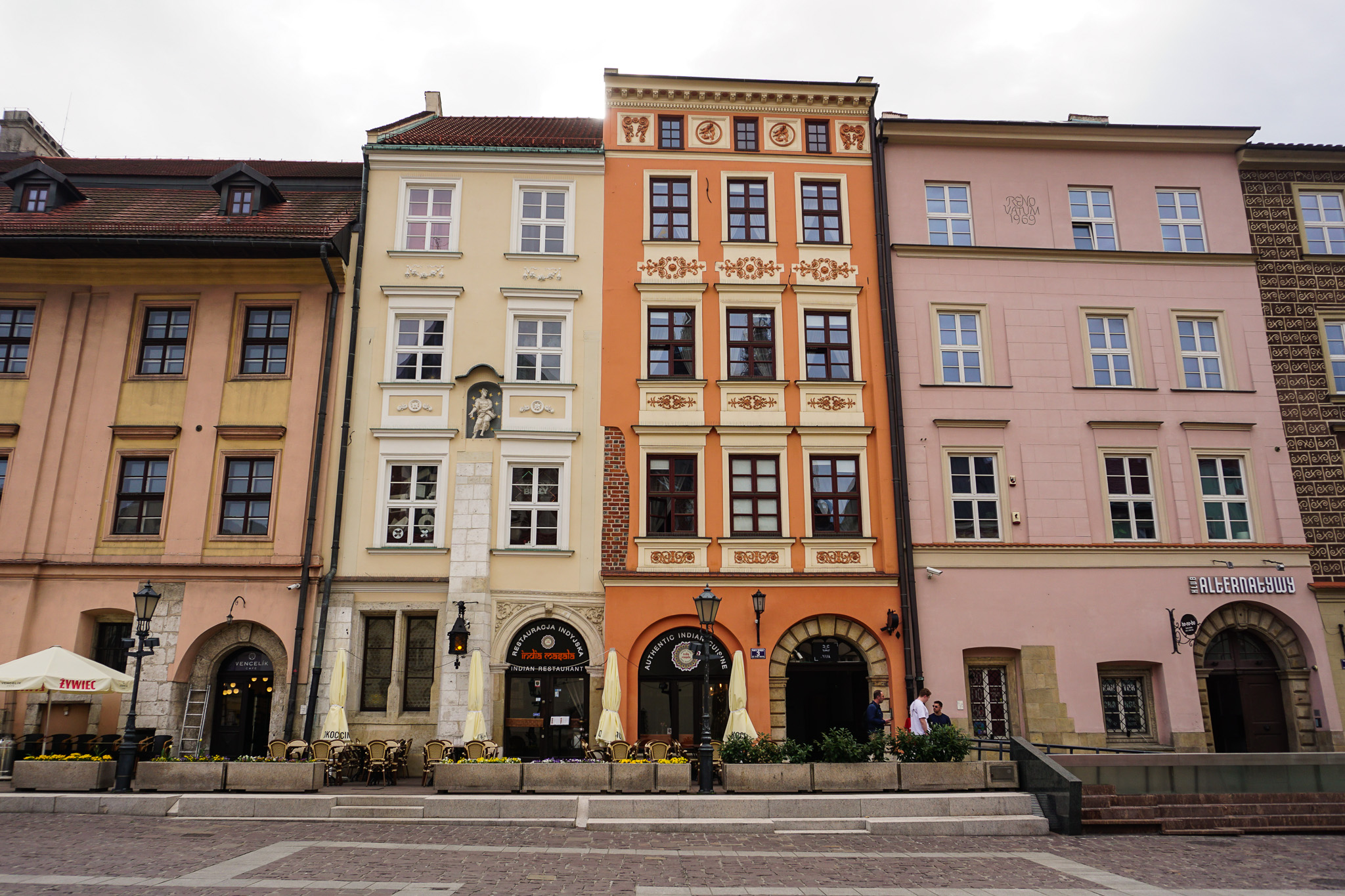
Perhaps one of the most important aspects of this model is that it invited economic growth – local merchants had defined rights and protections, which encouraged trade. This was actually way ahead of the times, when other European medieval cities were under feudalism, which was gatekeeping the wealth from the commoners.
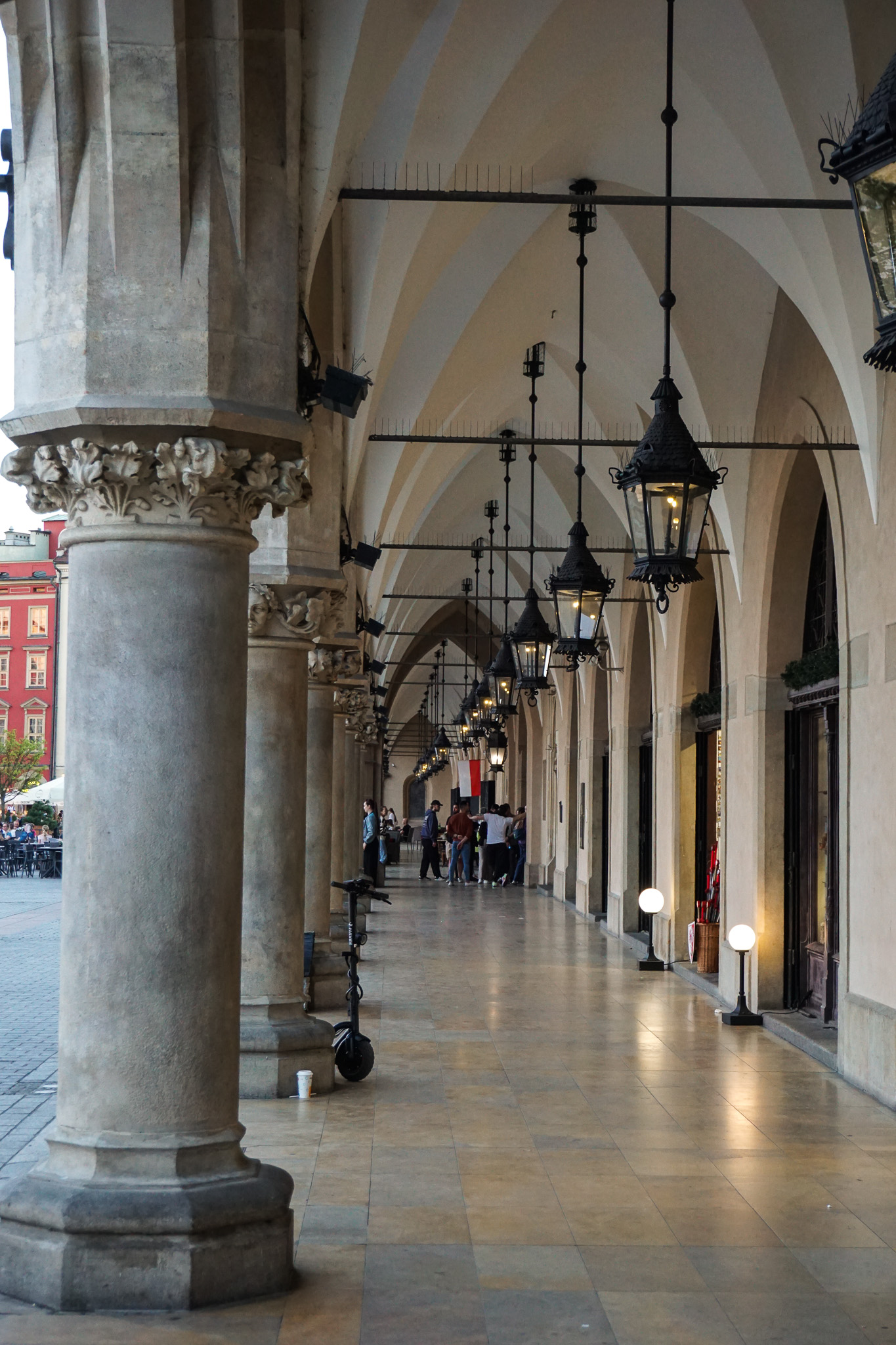
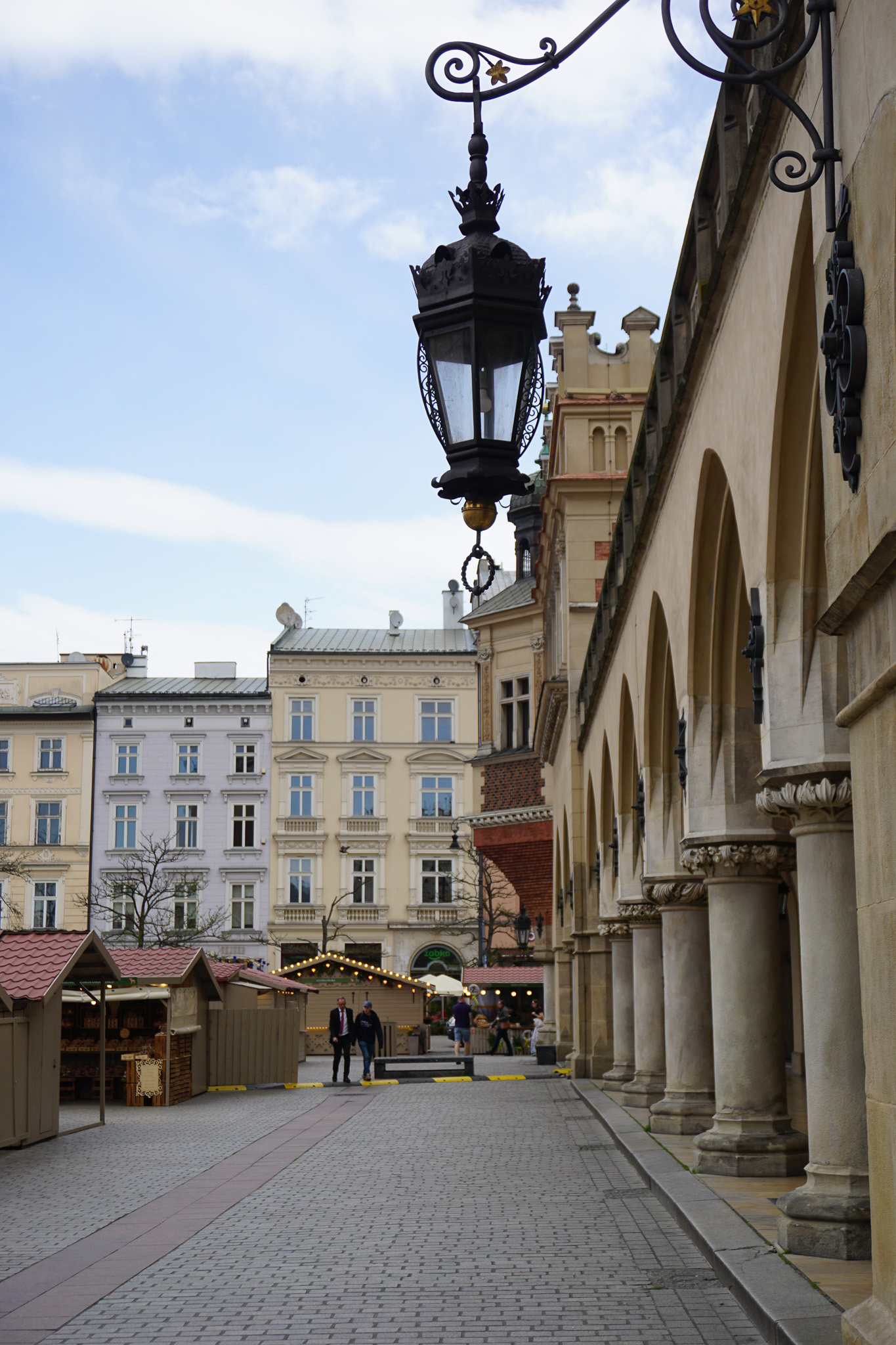
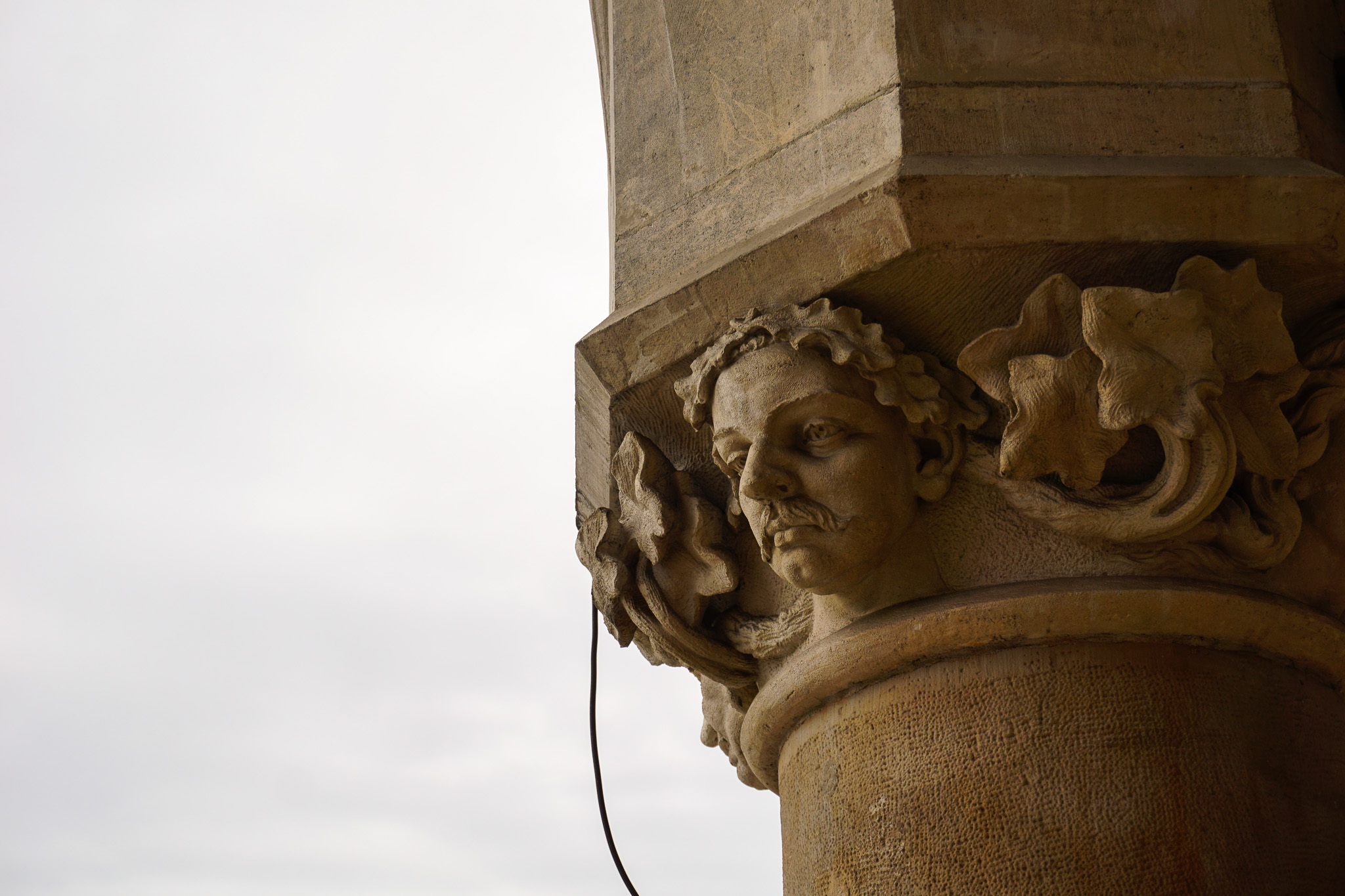
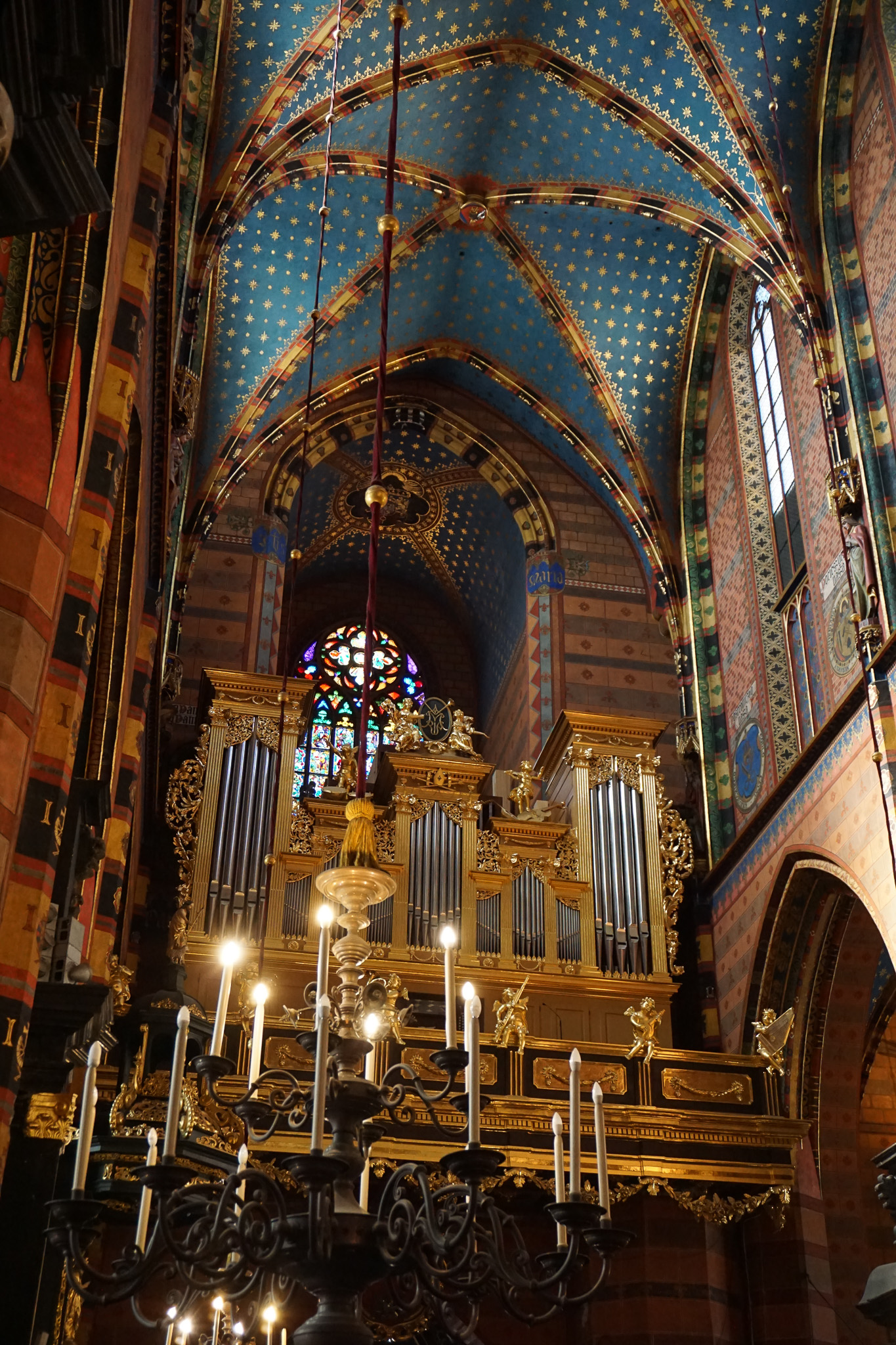
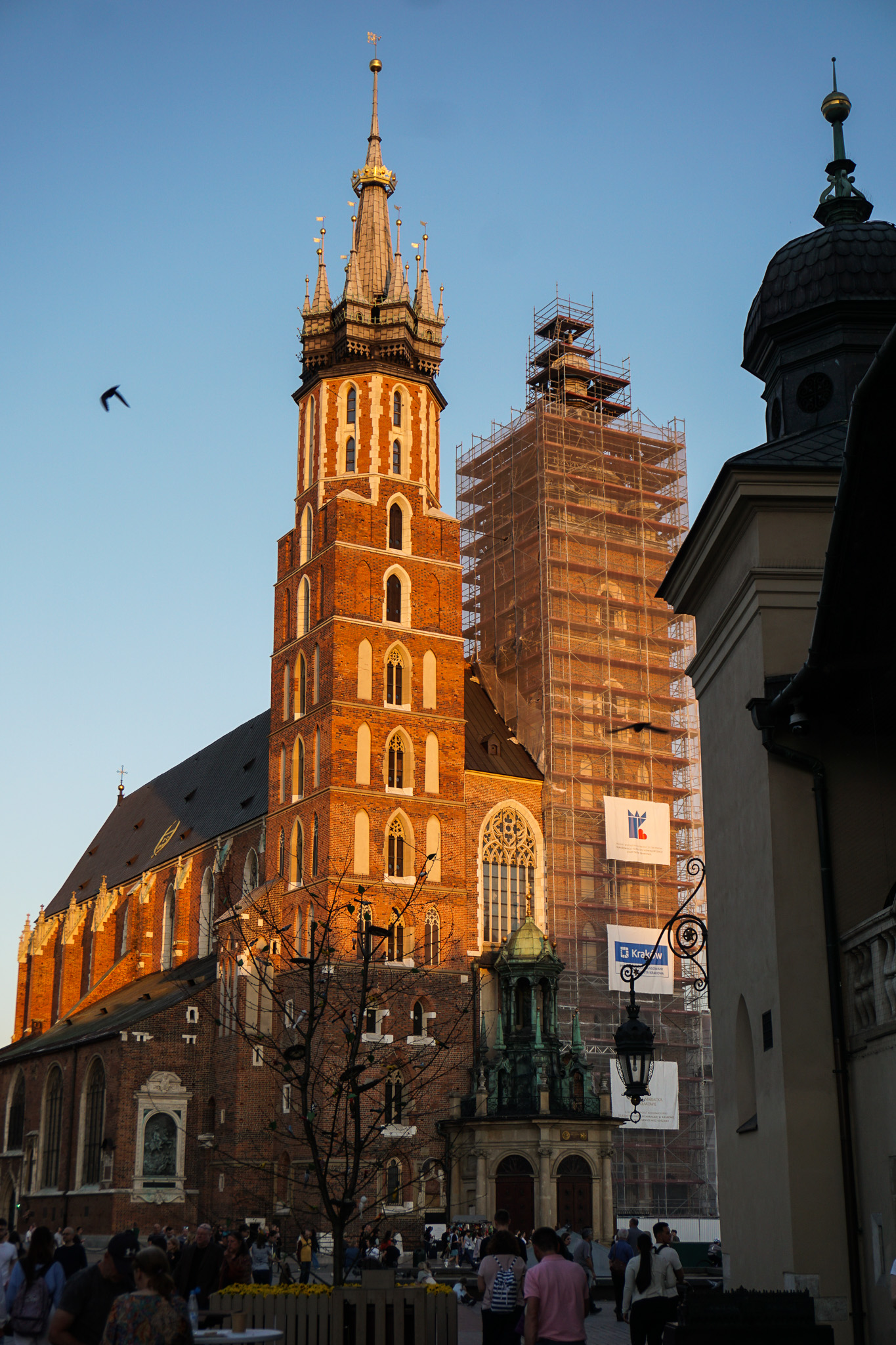
And speaking about ahead the times, St. Mary’s Basilica is one such example… It has a stunning gothic exterior, encasing an altar that is very Renaissance style. This altar was sculpted by Wit Stwosz, a German artist who lived in Krakow for over 20 years. It was created between 1477-1489. Instead of following the medieval tradition of stiff, unmoving, flat figures, he instead made it expressive, creating a sense of depth, a trend that would come much later. The Basilica is incredible – one of the most stunning I have ever seen. A visit is compulsory, in my personal opinion… but don’t go without familiarising yourself with the local legend surrounding the construction of the Basilica.




When I visited, one of the towers was covered in scaffolding, but it’s still quite obvious both towers are different, one shorter than the other. Legend says each tower was designed and built by two brothers. The older brother started to get jealous of the youngest… people were already drawing compliments to his younger sibling’s tower – how high and beautiful it was. Consumed by envy, he murdered him with a knife. But, later on, he was consumed by guilt, and ended up climbing to the top of his tower and jumping to his death.
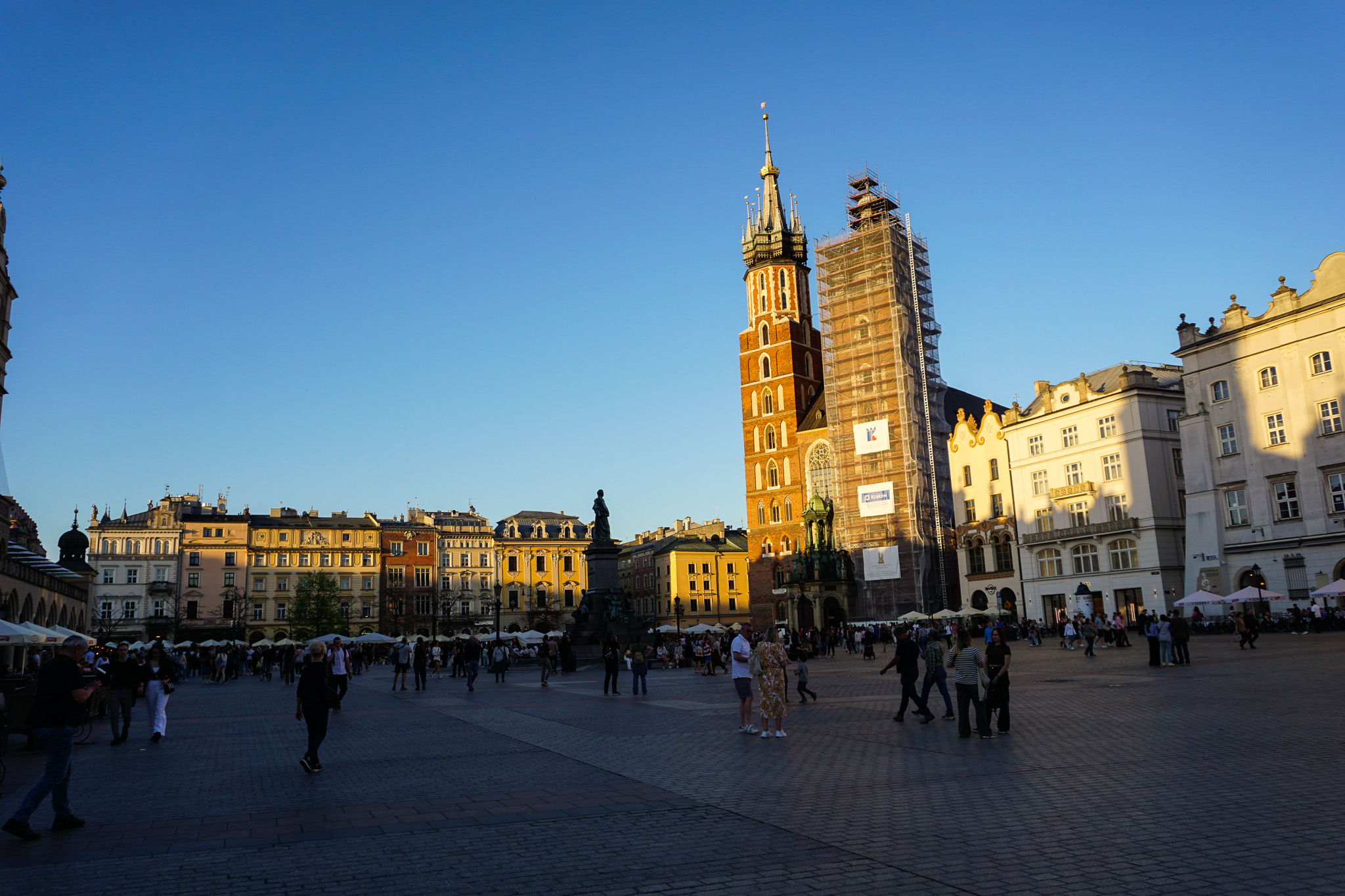
Another interesting curiosity – at every hour of the clock, a trumpeter plays a bugle call, in all four directions. This call ends abruptly… and this is due to another legend – to honour the death of the trumpeter who was shot by a Tatar arrow when warning the city of the attack.
Krakow is a place of many legends… but let’s not get lost in these winding, cobblestone streets. This was also a place of ideas.
Let’s get off the next stop, that of the Renaissance.
Besides creating wealth that went beyond the hands of the nobles and those wearing crowns and tiaras, the Magdeburg law also meant more regulation of trade, property rights and municipal governance – essential for stability. This is how Krakow became a magnet for intellectuals. When there is economic and political stability, when people’s stomachs are full and there is no fear of prosecution, there is room for the arts and the sciences to prosper.
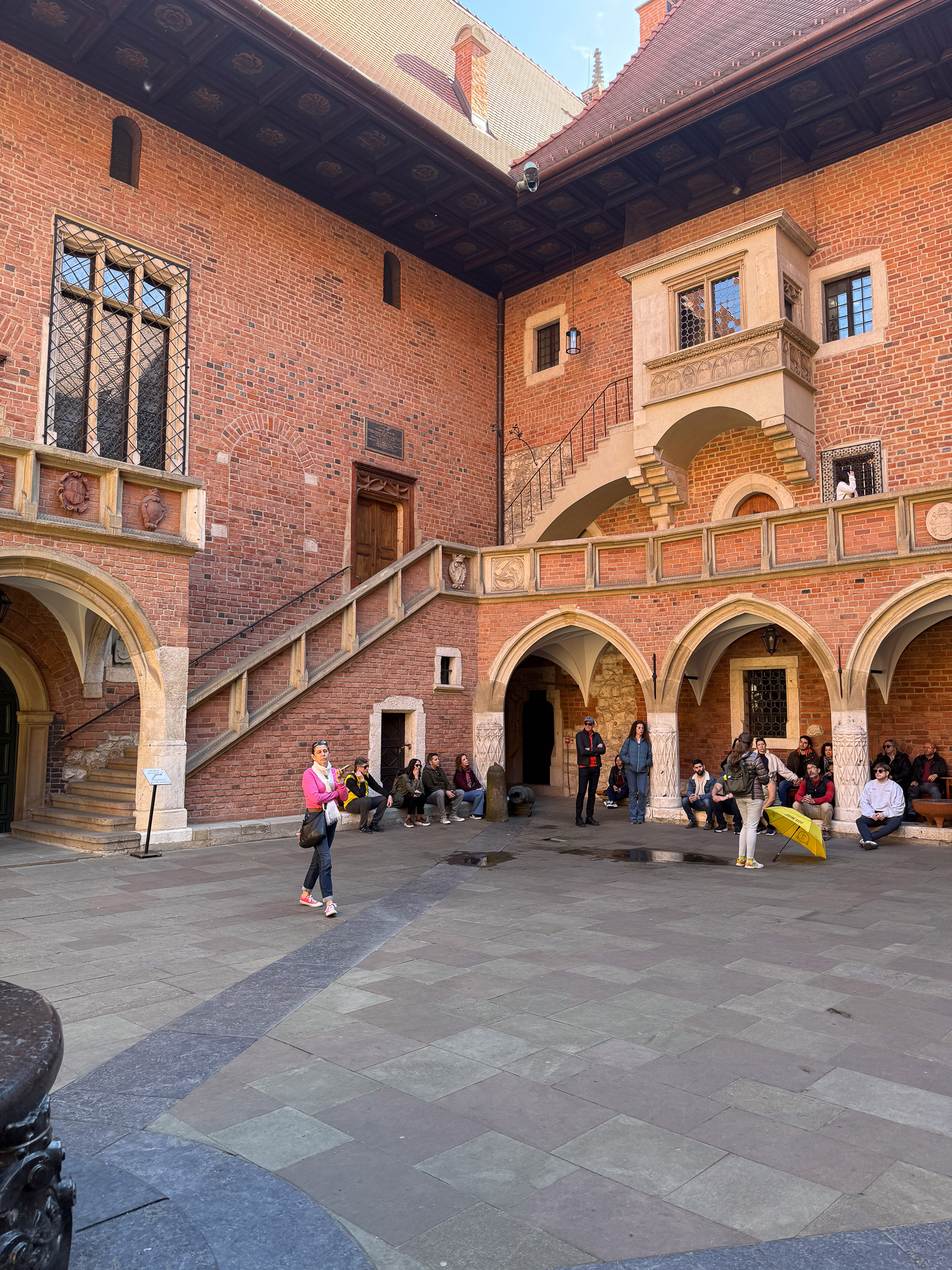
You just need a place – and that was created early on. The Jagiellonian University was founded in 1364 by Casimir (Kazimierz) III the Great – it is one of the oldest universities in Europe, and by the time of Renaissance it was very well established and known in the circles of scholars and intellectuals. They came from all over Europe fostering a fertile environment for innovation to thrive.
Polish Nicolaus Copernicus is one of such minds – known for his theory of heliocentrism – daring for the first time to suggest it was the Earth who circled around the Sun, and not the other way, which had been brought forward by the Church.
And speaking of the Church… Catholicism is a huge part of Poland’s identity, and that’s always been the case. You can barely walk 500 meters in Krakow without finding a church. This is also incredibly unique – how religion was never an impediment for the fostering of scientific curiosity.
The wealth of the city also allowed for the patronage of the arts – one of my personal favourite past times if I had the money to do so. And so you’ll find examples of Renaissance architecture in the city, with the Wawel castle being one of the best…
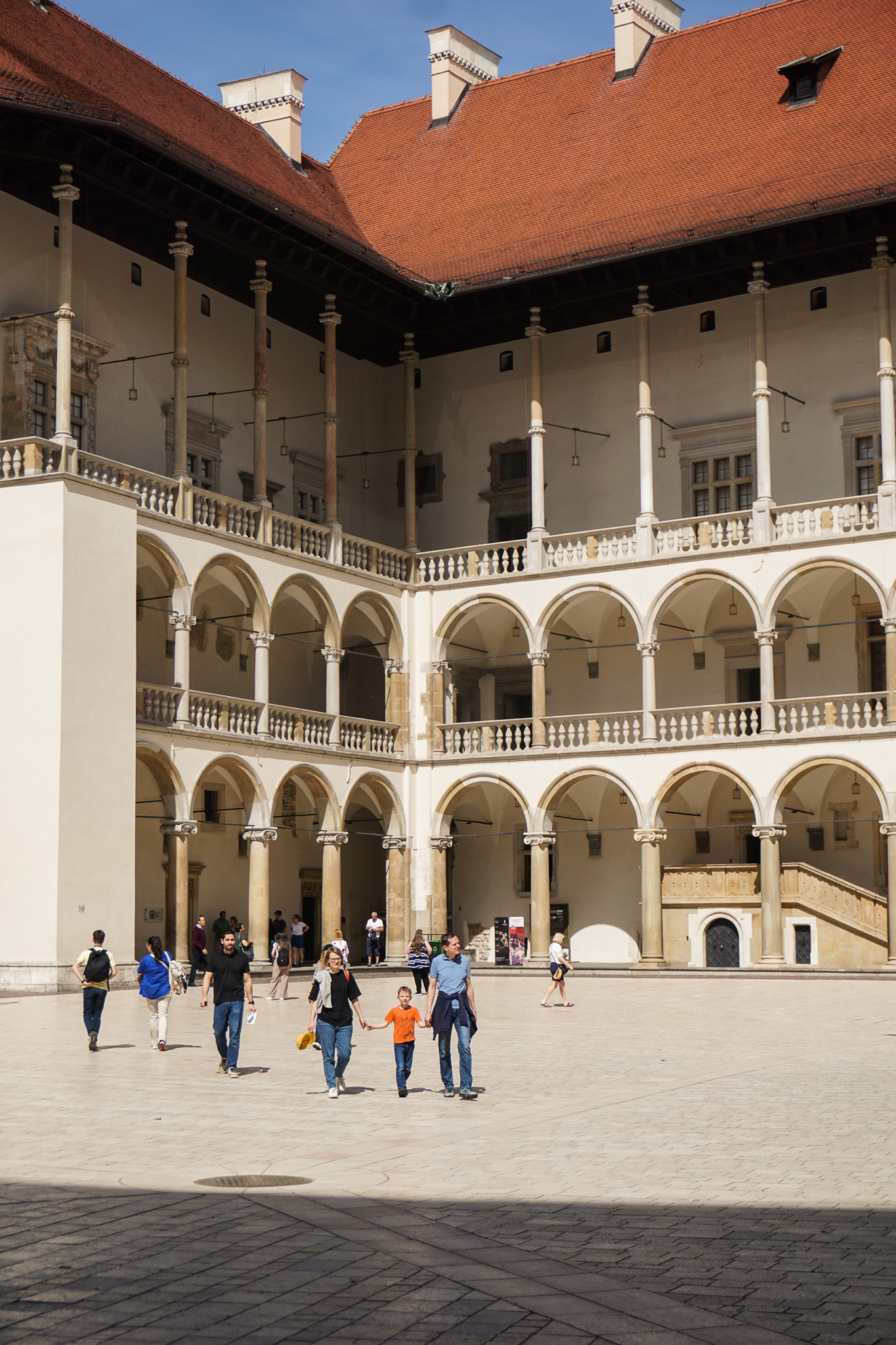
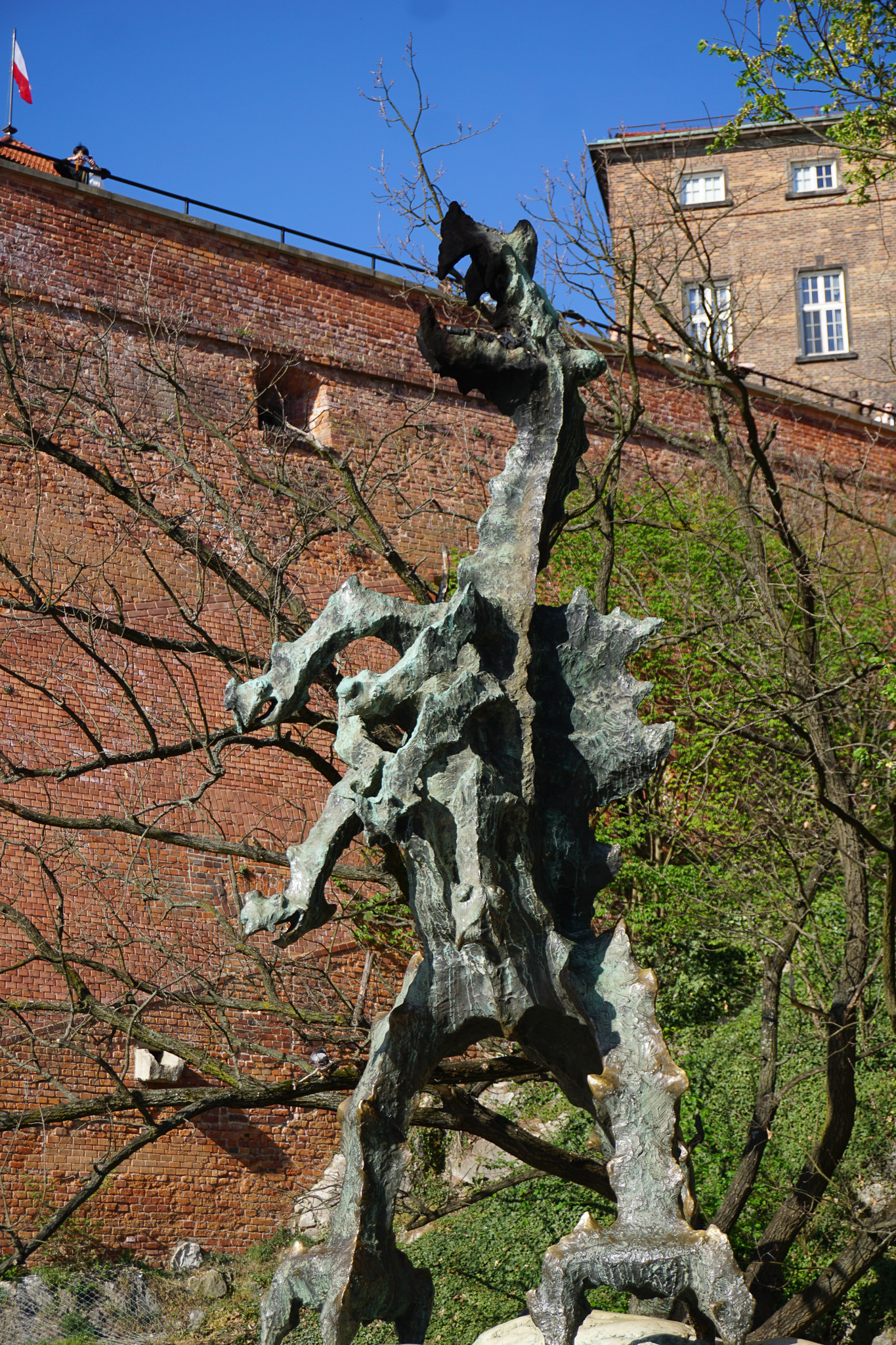
I can’t speak of the Castle without telling you about the legend of the Dragon. Legend says that long before Krakow was established, there was a dragon living in the cave beneath the Wawel hill. This dragon was of course a menace… It was destroying livestock, burning crops, and terrorising people. It was delaying the progress of the city… until a shoemaker had the idea of leaving a goat infused with sulfur at the entrance of the cave. When the dragon ate the goat, his insides caught fire. Desperate, it fell to the Vistula river, drinking and drinking, hoping to put out the fire… but it drank so much water that it exploded. This legend of the dragon was supported by the discovery of three different bones of animals in the banks of the river, which are now attributed potentially to a whale, a mammoth or even a rhinoceros… we don’t have time to go back to the times of the Ice Age or Jurassic age. But it’s true that millions of years ago there was an ocean where Poland exists today. How crazy is this!?
To commemorate the dragon, there is a statue at the base of the hill that is meant to breath out fire every few minutes. I waited a while, but the fire never came. I found some articles online stating this had been put on hold, due to sustainability concerns.
Renaissance. The Gold Age of Krakow… but things were about to change in the 17th century. Let’s travel there. Take shelter! It’s a Deluge!
It is known as the Swedish Deluge. It felt like a flood – quick, overwhelming, devastating. Poland was already vulnerable, fighting the Russians in the east… believing he had a claim to the Polish throne, King Charles X Gustav of Sweden took advantage and invaded. This happened in 1655. The Swedish troops met little resistance, and in fact some nobles even surrendered, believing they had no other option… resilience though was found in the countryside, in the rural areas and, mostly, amongst the clergy. It was them who inspired a nationwide rebellion, when monks of the Jasna Góra Monastery in Częstochowa and local soldiers repelled a Swedish siege.
The Swede occupation lasted for five years… and they left behind a ghost of a country. The threats were not just external. Internally, it was chaos. Rebellions, political instability… At this time there was also a unique system in place called the Golden Liberty. This meant that nobles had a significant influence over the government’s decisions, and could veto on anything that would not protect their own interests. Reforms that could have helped the country were blocked by the privileged nobles, who feared losing their power. And division only intensified.
With their European neighbours only growing stronger, it was difficult to deal with the pressure. Austria, Prussia and Russia were growing in strength, and looking to expand their own territories. A weakened Poland was an appetising target. And so the partition process started to happen – Poland ceased to exist as a country. It was sliced up in three parts, distributed between the three powers in 1795. During the 19th century, there were many attempts to rebel against occupation, especially for those under Russian control… and the Polish identity was very much kept alive in literature, education… and most interesting of all, secret societies.
For 123 years, Poland did not exist. Only regaining its independence on 11th November of 1918, at the end of World War I, when the Russian Empire was dismantled.
Peace though wouldn’t last for long. The second World War was coming and Poland suffered tremendously. Krakow was not destroyed by the Nazis. They were appreciative of the beauty of the city, deciding to make it their headquarters in Poland. But the cruelty the city witnessed is undeniable. I will speak more about it in my next posts.
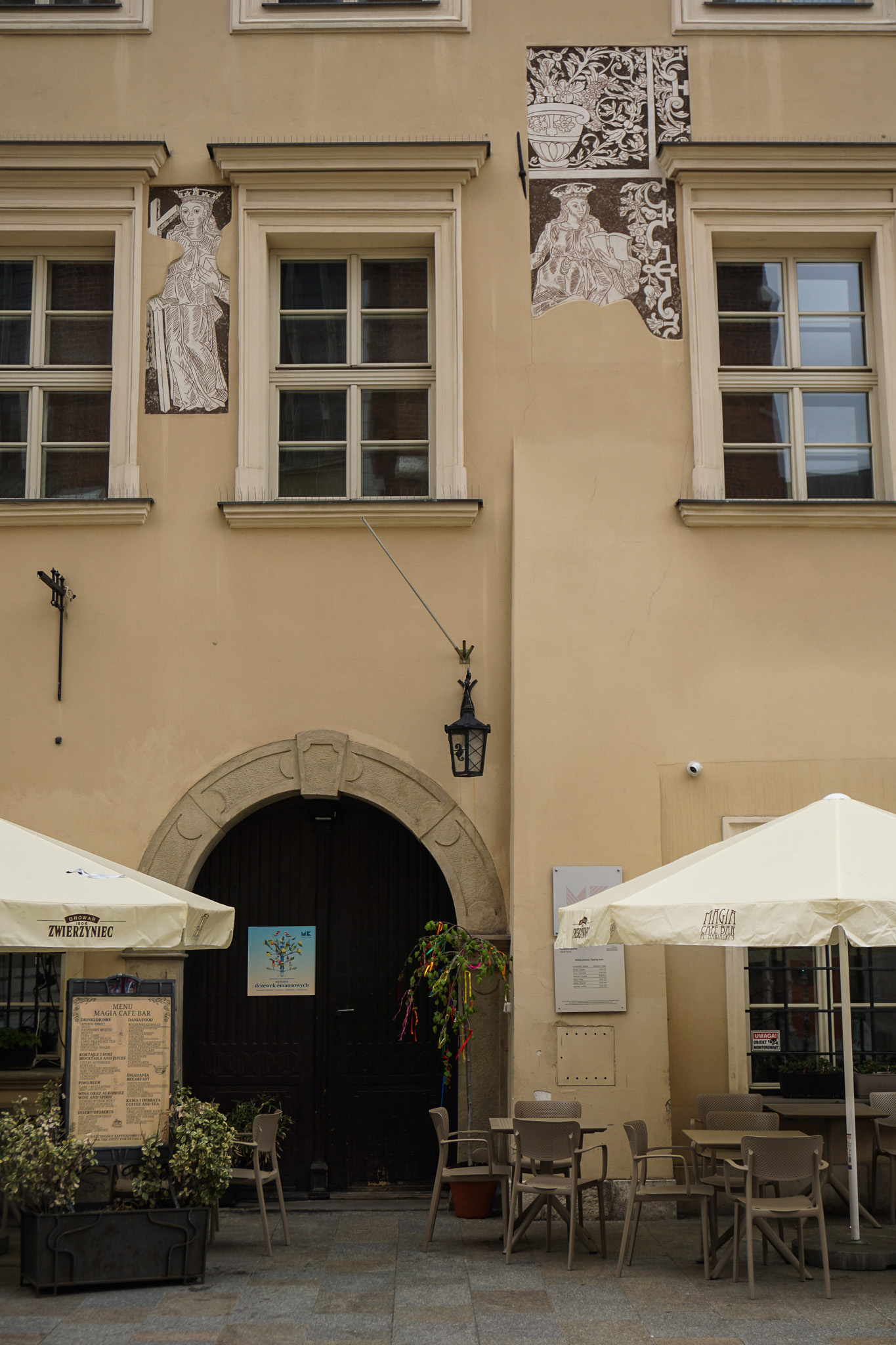
But what a fascinating, and yet bittersweet history Krakow and Poland have, don’t you think?
Also read about Easter in Krakow here.
I stayed in the Hotel Wit Stwosz which I highly recommend. Book your stay here on Booking!
This article is also featured on GPSmyCity. To download this article for offline reading or create a self-guided walking tour to visit the attractions highlighted in this article, go to Walking Tours and Articles in Krakow.
Love, Nic
P.S. Some links may be affiliate links. This means I might get a small commission if you book/buy something from there. I never recommend anything I have not tried and approved myself.
 The Winged Bone
Wow. The interior of that basilica is so incredibly beautiful!!
LikeLiked by 1 person
Yes, indeed!!
LikeLiked by 1 person
What an amazing journey through Kraków’s history! I love how you blend the city’s medieval roots with Renaissance influence and legends like the Dragon of Wawel. The way you capture Kraków’s rich cultural and intellectual past makes it come alive. Looking forward to hearing more about its history in your next post!
LikeLiked by 1 person
Thank you!!
LikeLiked by 1 person