
On my second full day in Athens, I woke up naturally early. I laid in bed for a little while, reading and trying my best to ignore the news, which had kept me awake the night before. My room at Acron Athens had a Nespresso coffee machine – I always love when caffeine is made available – so I made a coffee and had some biscuits I had bought on my arrival day at the supermarket.
I was going to start the day with a Free Walking Tour – I always look out for one – so I made my way to the meeting point. I booked with Athens Free Tour, which I can recommend – my guide was a French man who had been living in Athens for over a decade. His love for the city, its people and its way of living transpired with every gesture, step and word he said. This was the perfect introduction to the city – as it so often is – but bear in mind it is not easy to speak of a place like Athens – if it was me, I wouldn’t know where to start. After all, this is one of the most ancient cities in the western world. The Acropolis is 2,500 years old… where do you start?
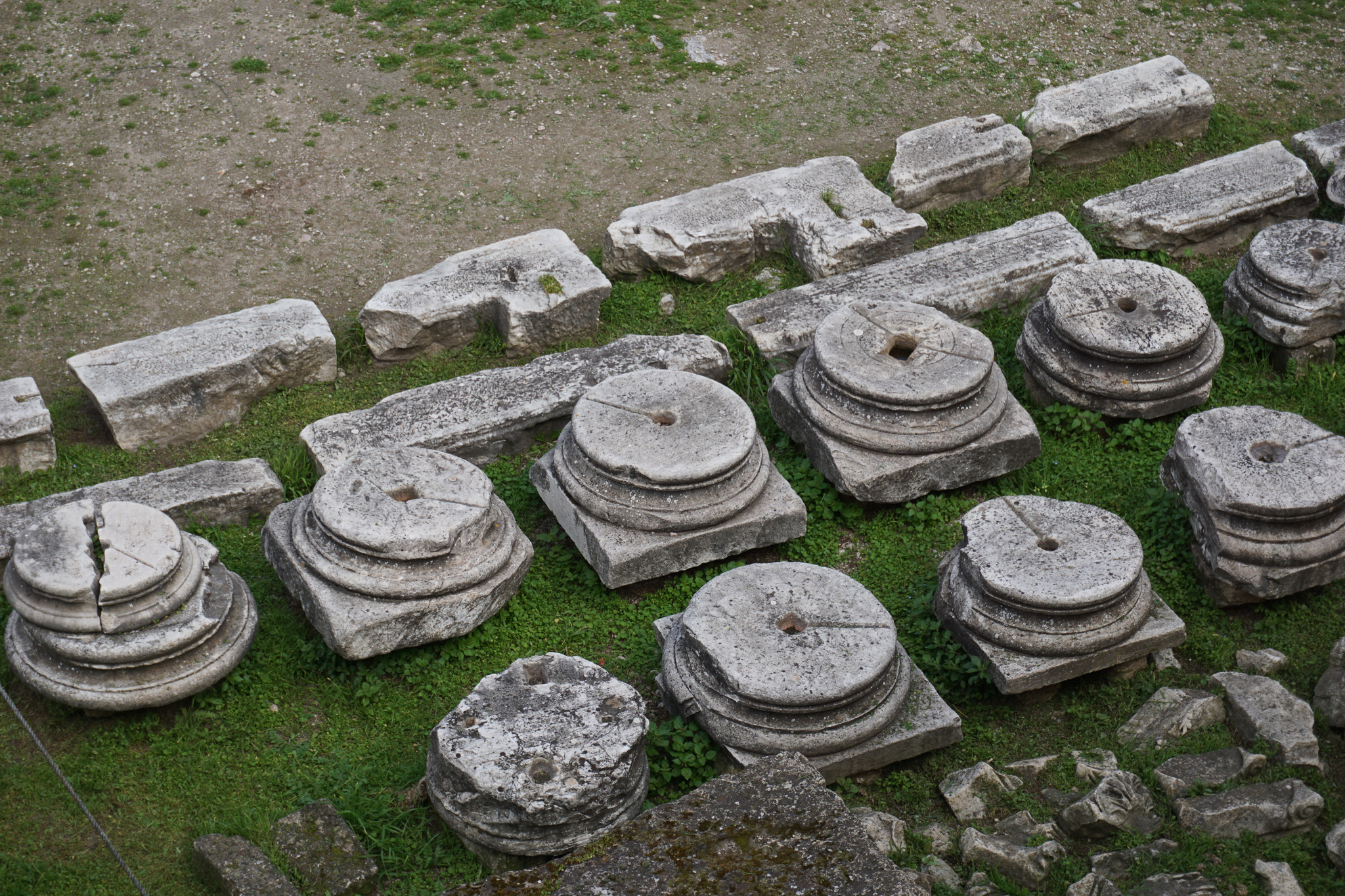
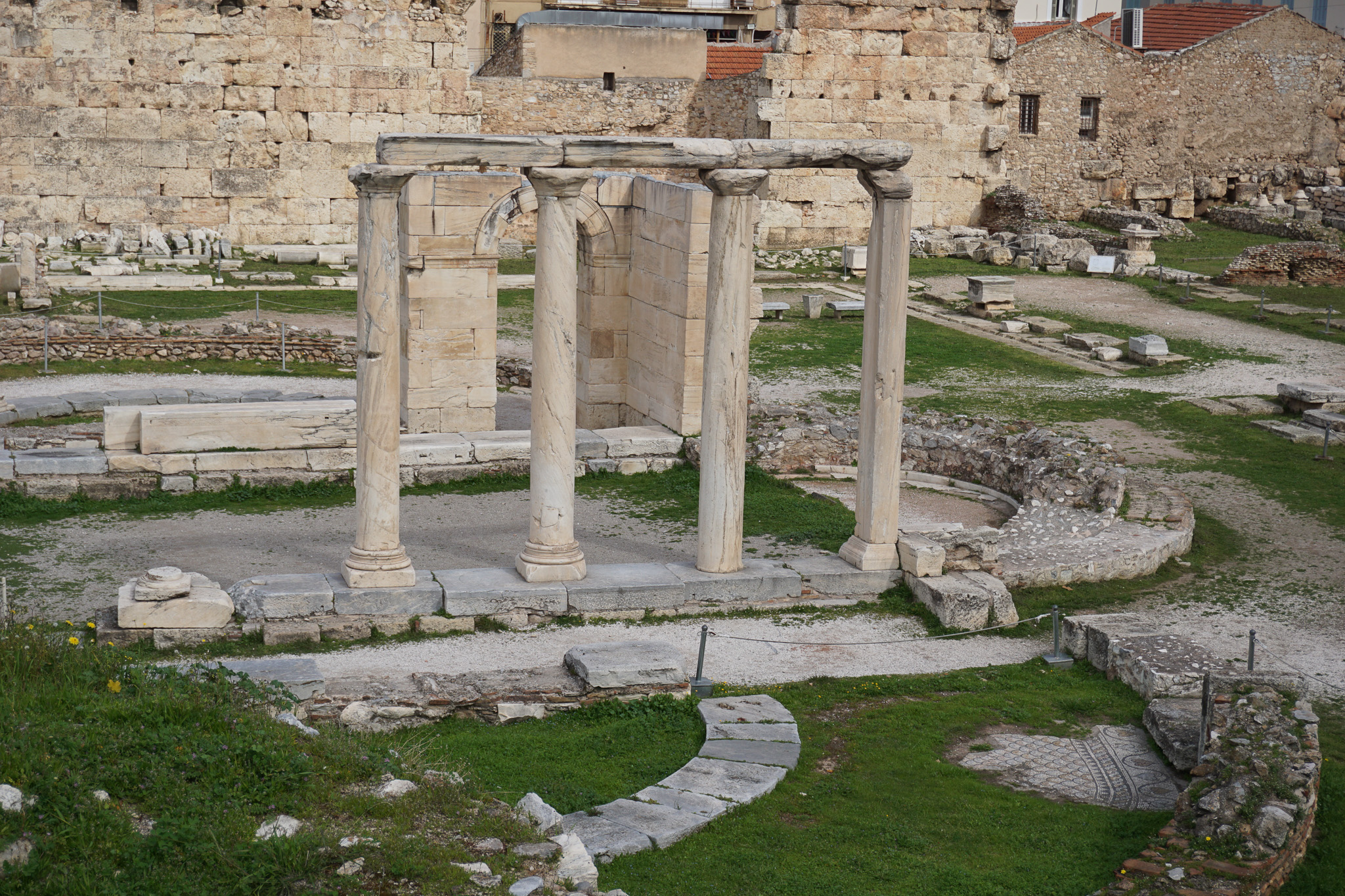
Perhaps with the very interesting fact that despite all of its ancient history, with roots going back thousands of years ago, Greece is a very young independent nation, just under 200 years old, something that I don’t think it’s widely known. After the fall of Constantinople, in 1453, the Ottomans gradually took control over the Greek territories – this dominium lasted for 400 years. Throughout this time, Greek culture remained strong; the Orthodox Church was allowed to function, becoming the guardian of the Greek identity in many ways. In fact, everywhere in Athens you step upon a Byzantine church – some of them have survived for centuries since the times of Constantinople!
The Enlightenment inspired the first rebels, which started an uprising against the Ottoman rule on March 25th, 1821, a date celebrated every year as Greece’s Independence day. Other European nations were initially hesitant about supporting the Greek independence – most of them had monarchies, and were scared the rebellion would spread to their own territories. The Ottoman Empire was also seen at the time as essential to maintain the power balance in the region… and there was also a lack of strong leadership in Greece, which back then was very fragmented. In the end, Britain, France and Russia came together to support them – a very unlikely alliance I know, especially Russia. England and France were scared of Russia having too much influence in the region with the imminent collapse of the Ottoman Empire – after all, both Russians and Greeks had strong links with the Orthodox Church – and the latter ended up being Russia’s motive to support Greece.
In 1830, the London Protocol recognised Greece as an independent nation and the lack of leadership in the country was sorted by importing a Bavarian King – Otto of Bavaria (am I the only one thinking funny how Otto’s name seems to come from “Ottoman”?). His reign lasted thirty years… he was overthrown. In fact, no one seemed to like him. He was foreign, lacked leadership skills and didn’t seem to be able to deal with the country’s internal issues. It was another revolution forcing him to abdicate. A National Assembly was convened, and it was decided that another foreigner would become the new king of the young nation – Prince George of Denmark. Since he wasn’t tied to a specific European power, coming from the House of Glücksburg, it was a lot less controversial. His reign was a lot more successful marking a new chapter in Greece – he sought to modernise the country, improving its economy and fought to expand the country’s territory with wars with the Ottoman Empire. Still, he ended up assassinated in 1913 by an anarchist. His son, Constantin I took over, but the monarchy wouldn’t last much longer, being abolished in 1973.
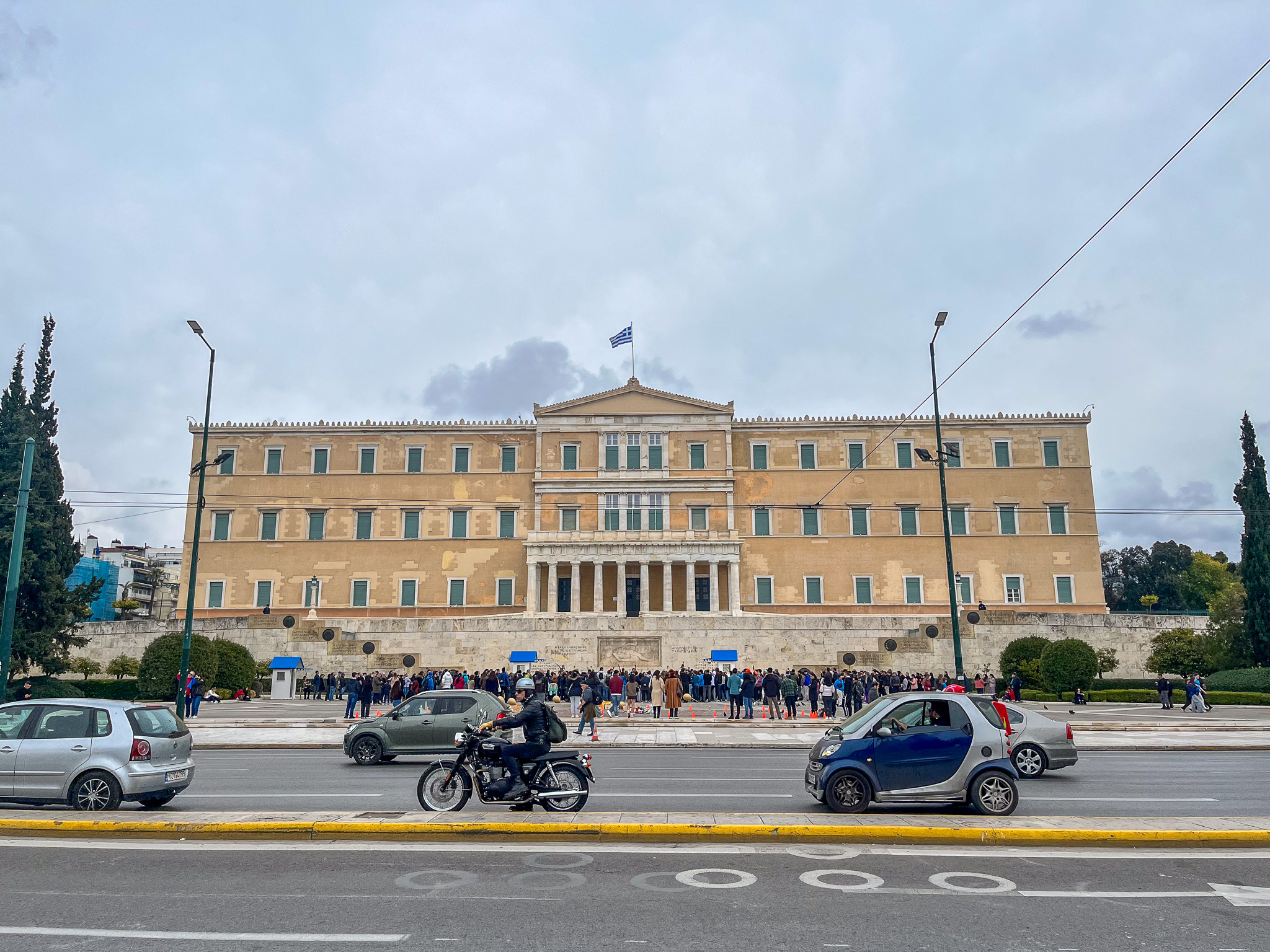
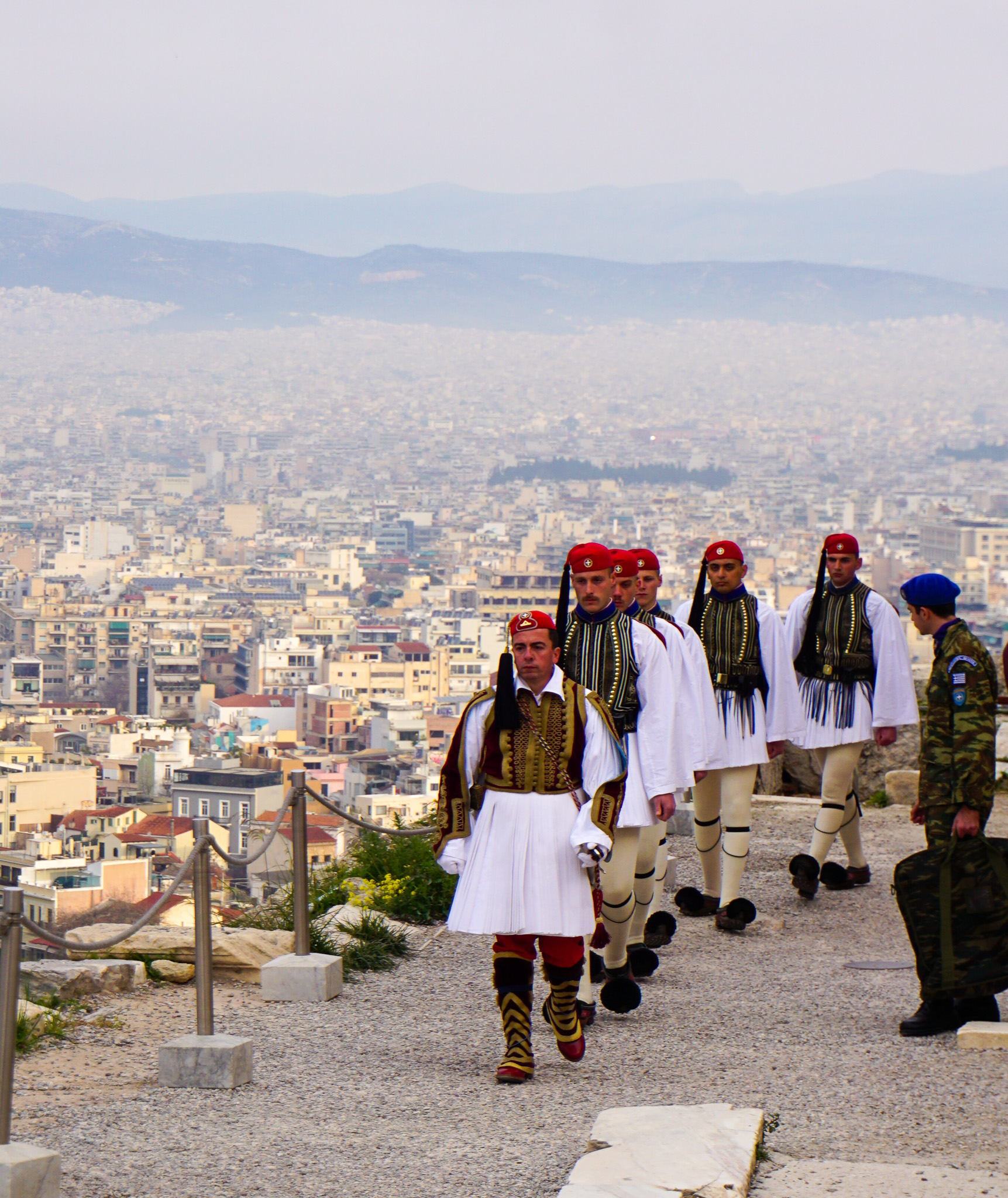
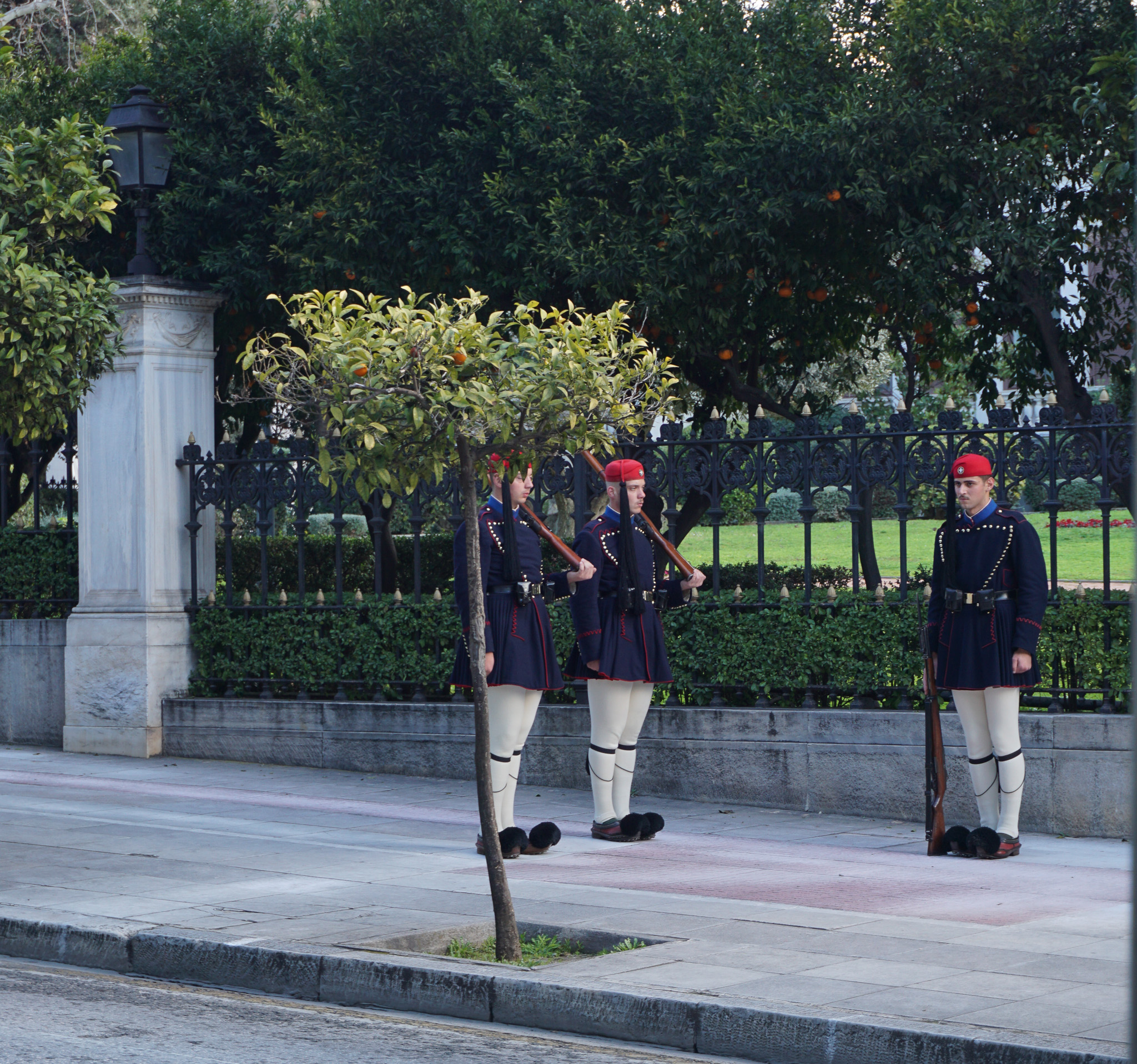
Something that you can hardly miss when visiting Athens is the presence of the Greek Presidential Guard, known as the Evzones – their distinctive uniform makes them stand out. They guard the Tomb of the Unknown Soldiers in Syntagma Square and the Presidential Palace. The Evzones have origins in the early 19th century, precisely during the Greek War of Independence – Evzone refers to the “brave ones” and was used to describe elite fighters. They are highly trained soldiers and their responsibilities are taken very seriously – not only by themselves but by the Greek citizens, who see represented in them the fight and struggle for freedom and independence.
Apart from the Acropolis, and yet much less talked about, the Panathenaic Stadium is one of the most magnificent landmarks of Athens. I would argue that despite its size, it remains a hidden gem. Its origins date back to Ancient Greece, where it was built in 330 BCE by the Athenian statesman Lykourgos to host the Panathenaic Games, the most important and cultural festival in honor of Athena. Whilst it was initially built with wood and earth, in 140 CE the Roman emperor Hadrian restored the stadium in marble – it became known as the Kallimarmaro, which means “beautiful marble”. It was originally capable of seating 50,000 people, and it can still seat 45,000. I only saw the stadium from the outside, and barely – the sun was shining just behind it, blinding me. It was my goal to go back there, but I ended up running out of time. Perhaps on a next visit to Athens, a place I will have to go back to.

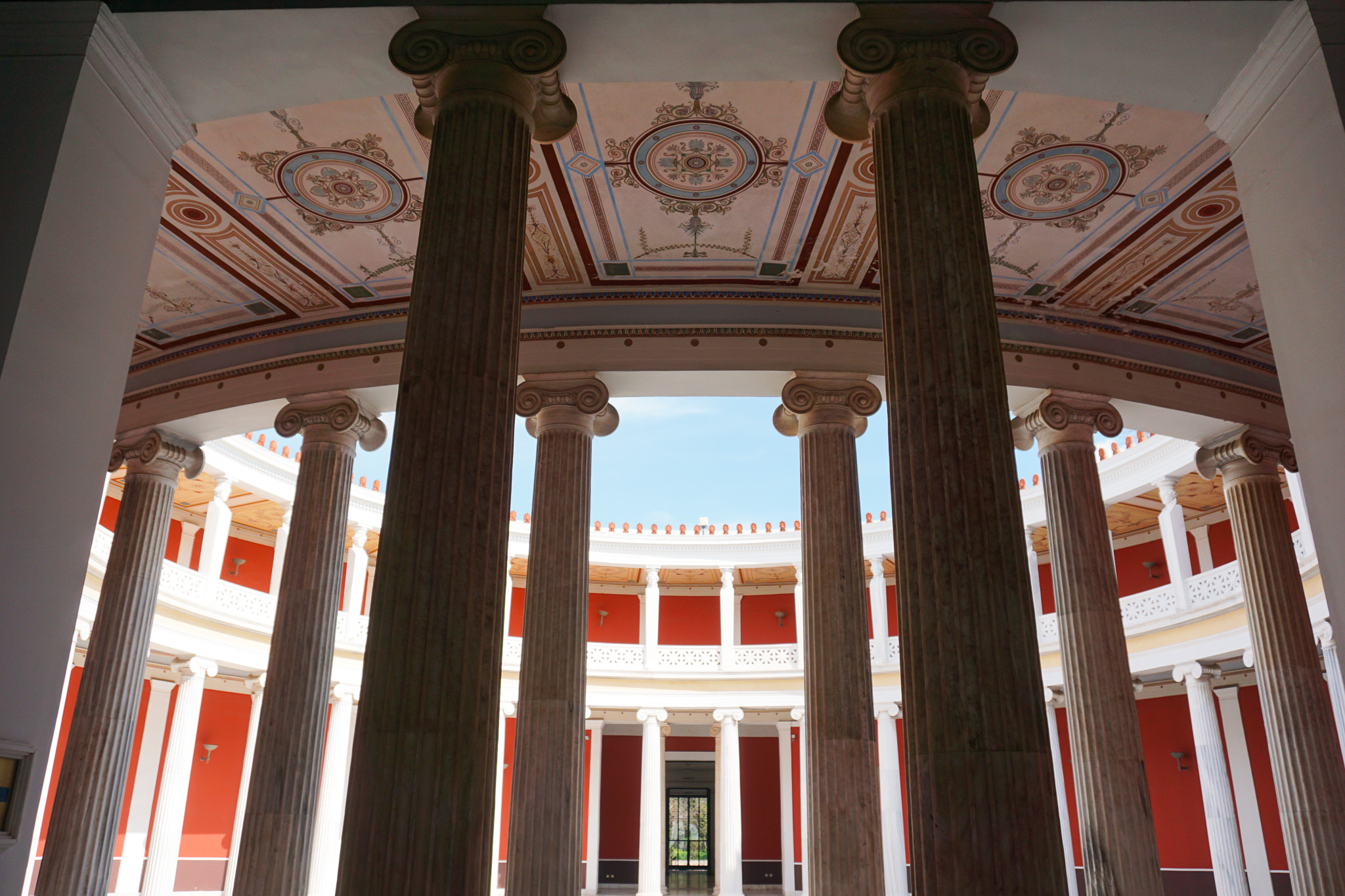
After this, our guide took us to a lesser visiting landmark, the Zappeion Hall. IT was built between 1974, commissioned by the Greek benefactor Evangelos Zappas, who envisioned a grand building for the revival of the Olympic Games, which were reinstitute in 1896. It was originally meant to be a venue for the first modern Olympic Games, a space for administrative and ceremonial purposes – it was the Olympic village in Athens. The architecture is stunning, a neoclassical building with Corinthian columns.

Before heading to Plaka with the group, where the tour would end, we also stopped by the Temple of Zeus. Sadly, little remains of it, but those remains are enough for us to imagine the grandeur back in the day. We can only see 15 columns today… but originally there were 104 Corinthian columns, the most intricate and ornate style, 17 meters high. As it was meant to honour Zeus, the king of the Gods, it had of course to aim to be the largest temple in Greece. Records from the time describe a colossal statue of Zeus made by the famous sculptor of the time Phidias. This statues was made of ivory and gold. It no longer exists, likely destroyed and looted, but it is said it was about 12 meters tall. Sadly, this temple seems to have never been destined to last for long… or even to exist all together. ITs construction began in the 6th century BCE, but it wasn’t completed until around 132 CE, under the reign of the marble friend Roman Emperor Hadrian, a huge Greek mythology admirer, making it a project spanning for over 600 years. The temple served as a religious center for many years, but it began to decline as the Roman Empire weakened and pagan worship was replaced (and even condemned) by Christianity. By the Middle Ages, the temple was in ruins.


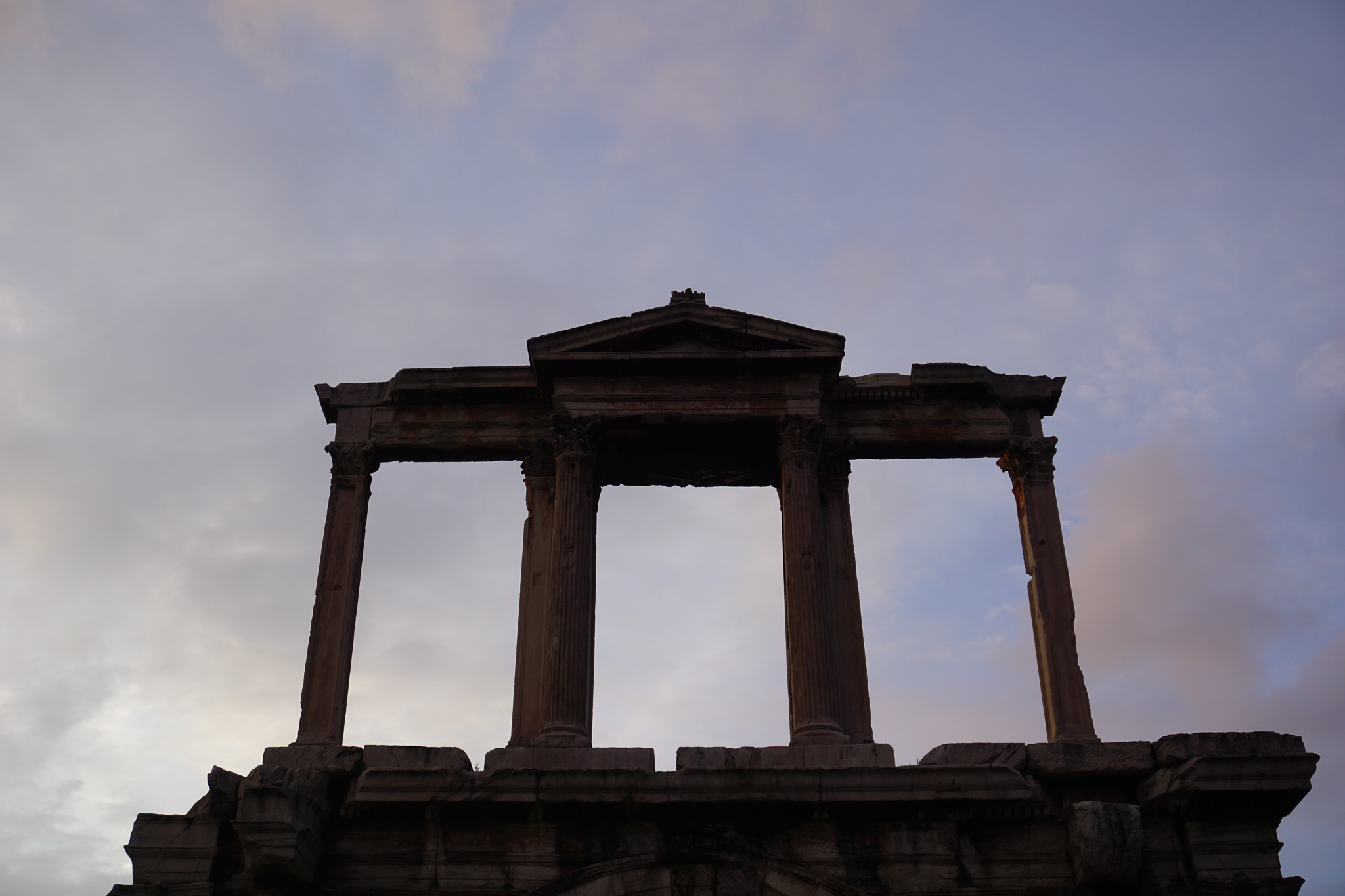
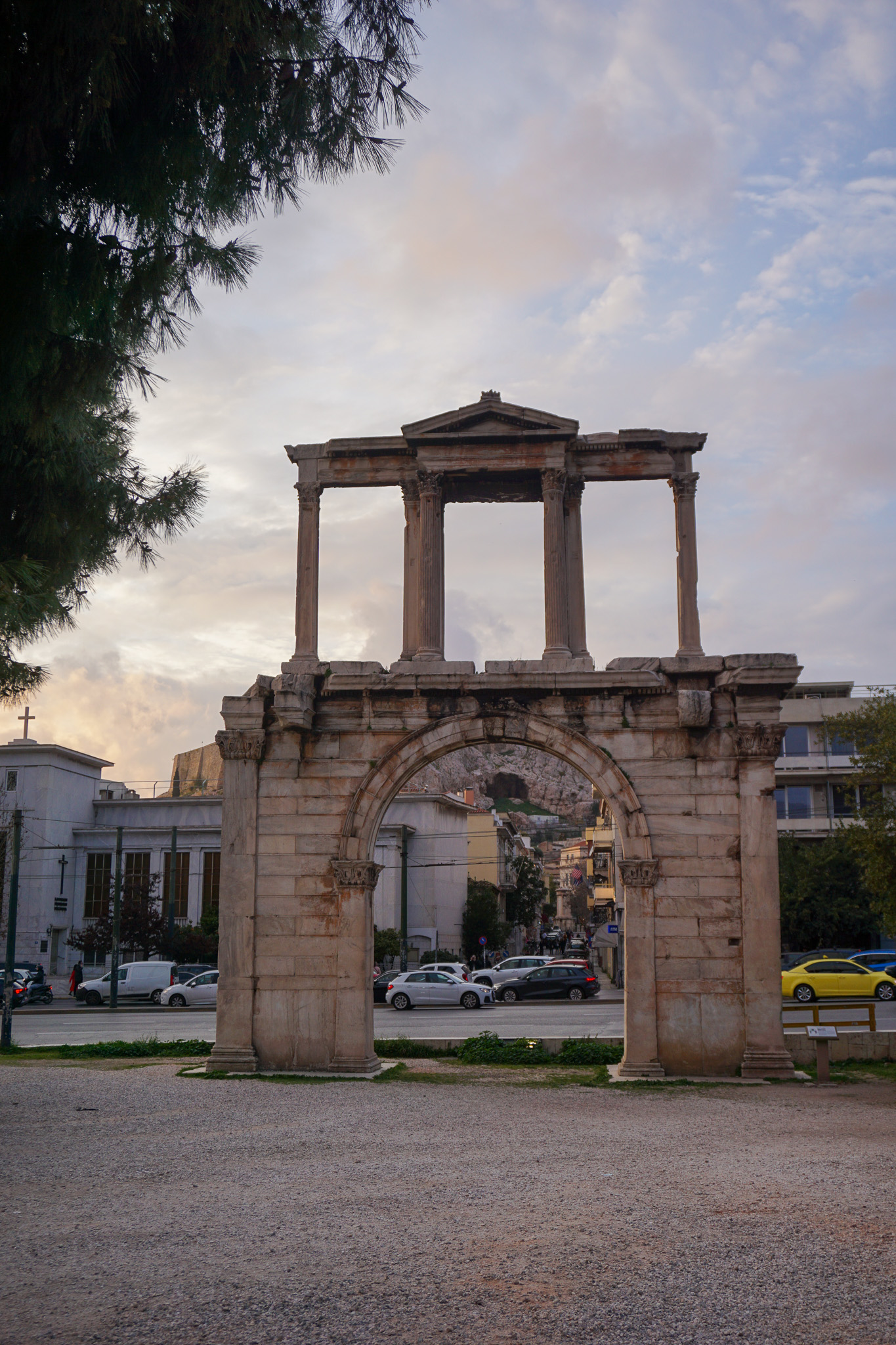
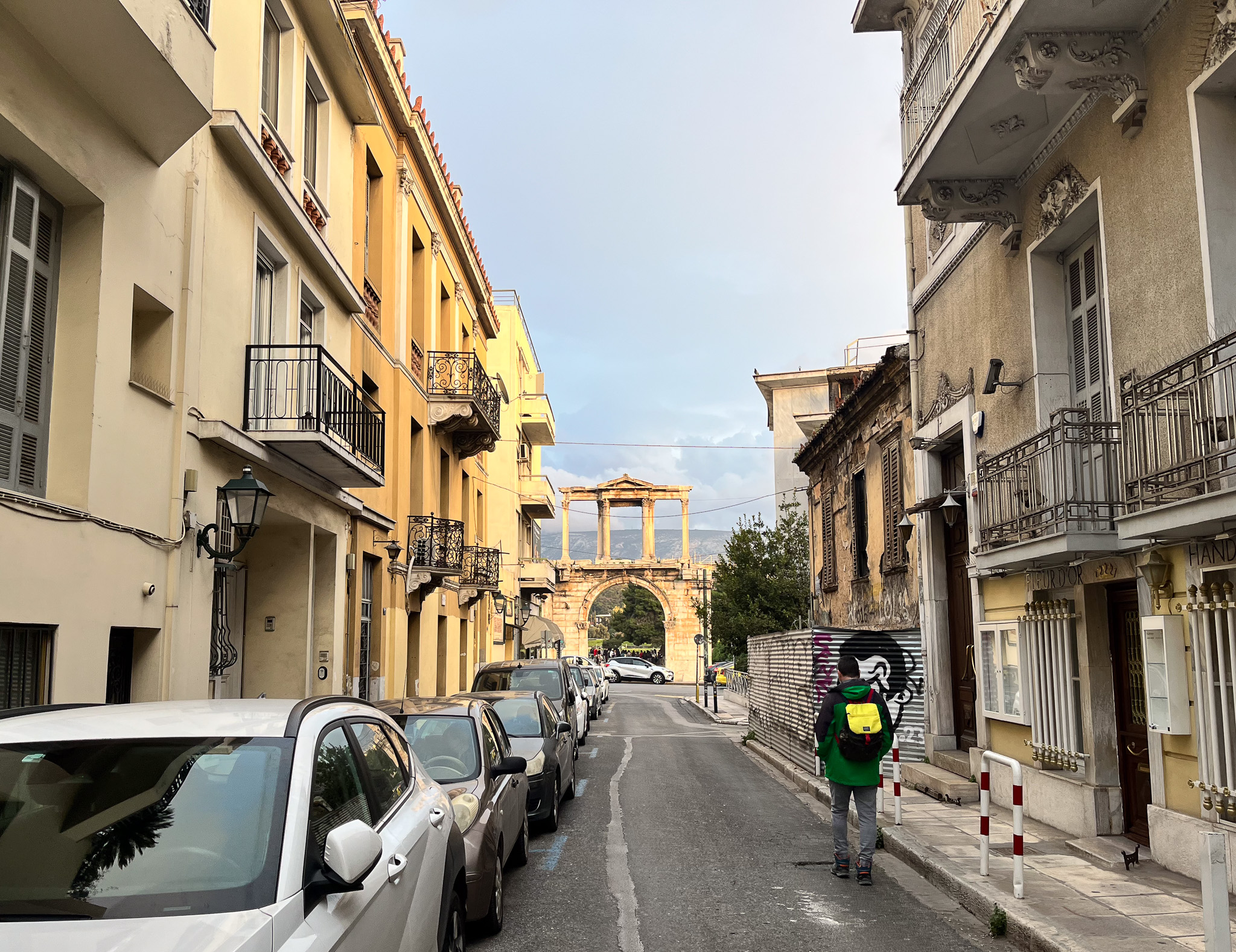
Hadrian was a Roman Emperor, but he wanted to connect the classical Greek world with the Roman empire, showcasing his admiration for both. And so the Arch of Hadrian was completed, merging Roman and Greek elements, and marking the boundary between the old city of Athens and the new Roman city, which Hadrian had helped establish.

Love,
Nic
 The Winged Bone