
Solo travel is often portrayed as a carefree, spontaneous adventure. This might make someone with anxiety hesitate on jumping on such an experience, perhaps even to think it’s not for someone like them. Well, let me tell you… I’m someone with quite a bit of anxiety, and I have been travelling solo for years. And I’m not going to lie – solo travel is something that comes naturally to me, but sadly my anxiety only seems to have worsen as I get older… the notion of being in an unknown place, by myself, the unpredictability of it, can quickly spiral into overthinking and stress, often leading to physical symptoms – a racing heart, loss of appetite, shaking, trembling. But my passion for travelling did not subside at all, so I had to find ways to manage all of this, especially when planning my 4 month long trip to Southeast Asia!
First thing I did ? Leaving the stereotypical view of the adventurer, worry free, adrenaline junky backpacker behind, and accepting who I am, looking at my limitations as boundaries that are there for a reason, to protect me and make me understand what is and what isn’t okey for me. Mostly that it was so brave what I was doing this. Because it’s when you expose yourself to what really scares you that you grow as a person.
And that’s what I did when planning for my 4 month trip to Southeast Asia. Solo travelling wasn’t new to me, but I had mostly travelled solo in Europe, a familiar environment for an European like myself. The longest time I had been on a trip by myself had been two weeks – and sure that was in Mexico and Vietnam, but a short time. And this was going to be 4 months. In countries very different from those I knew.
If you are planning something similar and are someone who, like me, is a bit on the anxious side, hopefully some of the advice I’m giving here will help.
1. It’s Okay to plan your itinerary. It’s Okay to control what you can control. But do it with flexibility, if possible.
There is a narrative and lots of discourse about embracing the unknown and planning as you go along. For someone who is anxious like me, this simply won’t work and I learned to accept that, despite the “pressure” other travellers and even social media might put on you. And if you ask me if I regret the planning… no, I do not! There wasn’t any point on this trip when I truly regretted a decision. When I thought “I shouldn’t have booked that flight”. There were definitely destinations where I could have stayed an extra day, and others where I wished I had a day less. Sometimes I even changed it slightly – if you have accommodation booked with free cancellations, this is something easy to change with a few days in advance – which I did a few times, when deciding to stay in a place for a shorter period of time, or noticing a better deal on a better hotel. Platforms like Booking.com and Agoda allow you to do this often.
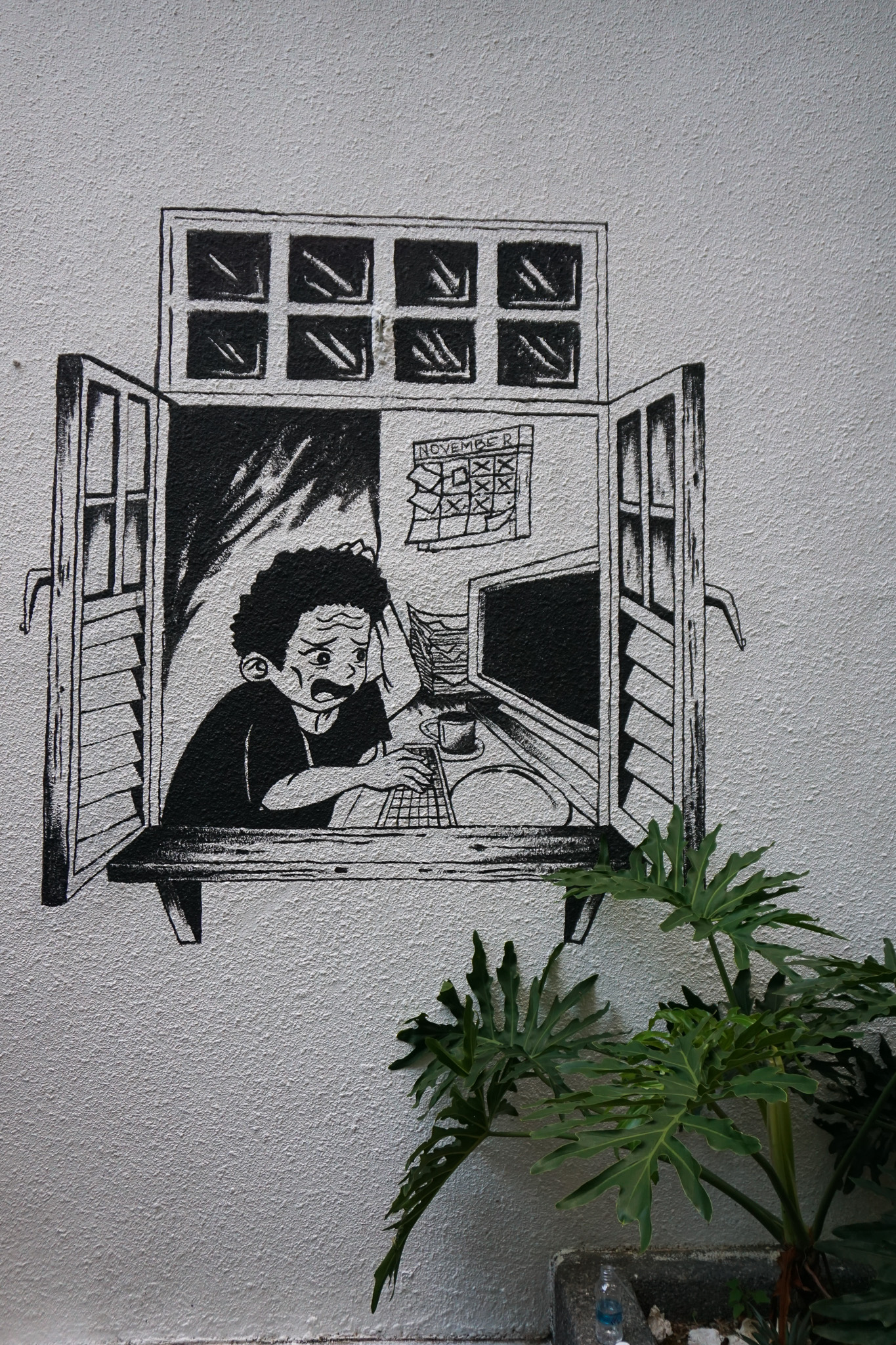
I also booked all flights in advance, but any other transportations (trains/ferry) where prices don’t fluctuate as much, I booked only a few days before, or even on the same day. Just research online to see what are the options, as sometimes even some trains might sell out (Bangkok to Chiang Mai is a very busy journey)
2. For accommodation, read reviews. Across different platforms.
This indicates how anxious I am, but if you are anxious, this might also apply to you. Where I sleep became easily during my time in Southeast Asia an anxiety triggers. I started to be suspicious of reviews on platforms like Booking and Agoda. I had never seen this happening before, but suddenly I was staying in places with over 8/9 rating scores (and at least a few hundred reviews) and then realising how much of a s*it hole these were. I learned to spot fake reviews, paying more attention to reviews from guests from western countries (as we share more similarities in terms of expectations) and checking reviews on Booking, Agoda and then Google Reviews. If you see a lot of similar short sentence reviews, that is probably fake. Only when I started to do this, did I get to stay in places that were actually clean and as portrayed in the photos.
3. Take something familiar with you and keep some routines
I had a couple of anxiety crises during these 4 months. I would have preferred not have a single one, but we all have bad days and these don’t go away when you travel. Believe me. They don’t! What helped me was to watch a show that was familiar to me. Something I found comforting, like Modern Family or Friends. I also rewatched The Office. It was a great way to ground myself. Especially when you are in different time zones and your friends and family might not be available for some nonsensical chats (which always disperse my anxiety). I also learned to rely a lot more on writing about my experiences. Seeing my thoughts, my experiences and reflections in front of me, was a way to exorcise the anxiety demons. It is something that I still do on a daily basis, and I think it’s important when you go off to travel for such a long time, you bring some of your hobbies with you, and try to create some sort of routine.
One thing that helped me with my anxiety as well, from time to time, was to go eat to a western place. My body would often be tired of rice, curries… I know, these are delicious. But sometimes I just wanted some McDonald’s fries. And that’s all right to crave and have from time to time when you are travelling long term. Don’t feel guilty. Seek out the comfort if you need to.

4. Be respectful of your boundaries and social battery
I am anxious and also an introvert. This means that whilst in my early 20s, because I was travelling on very little money, I was staying in hostels, but this is something I simply cannot deal with anymore and I am not ashamed to admit it. Fair, it makes my trip more expensive, but I will pay anything to have the moment at the end of the day I can relax in my own room, without having to speak with anyone or deal with potential drunk people bothering me in my sleep. This is an example of a boundary that I personally have and decided to respect.
5. Have a comfortable financial cushion to deal with the unexpected…
There is a reason I waited to be in the right financial position to take this trip. Whilst many travel Southeast Asia straight off University or on their early twenties, I had to wait. Whilst the region is quite affordable – probably the most affordable for tourists – I knew my anxious self wouldn’t be okay with it. So I did this at 31, in a much more comfortable position.
This might sound crude to say, but most issues in life can be easily resolved with money thrown at it. I’m talking about cancelled flights, getting sick and needing to cancel a hotel, not liking your hotel, moving last minute and be okay with not having a refund and pay twice…. When I thought about what could happen to me, most times my anxiety would calm down the moment I realised “it’s okay, if this happens, I’ll just pay/lose the money”. It is annoying… no one likes to waste money like that, and I’m pretty frugal. But it’s great to have this emergency fund available, as it does wonders for my anxiety. Going back to my previous point on social boundaries, having a good financial position will also allow you to stay in private rooms, if this is also important to you.
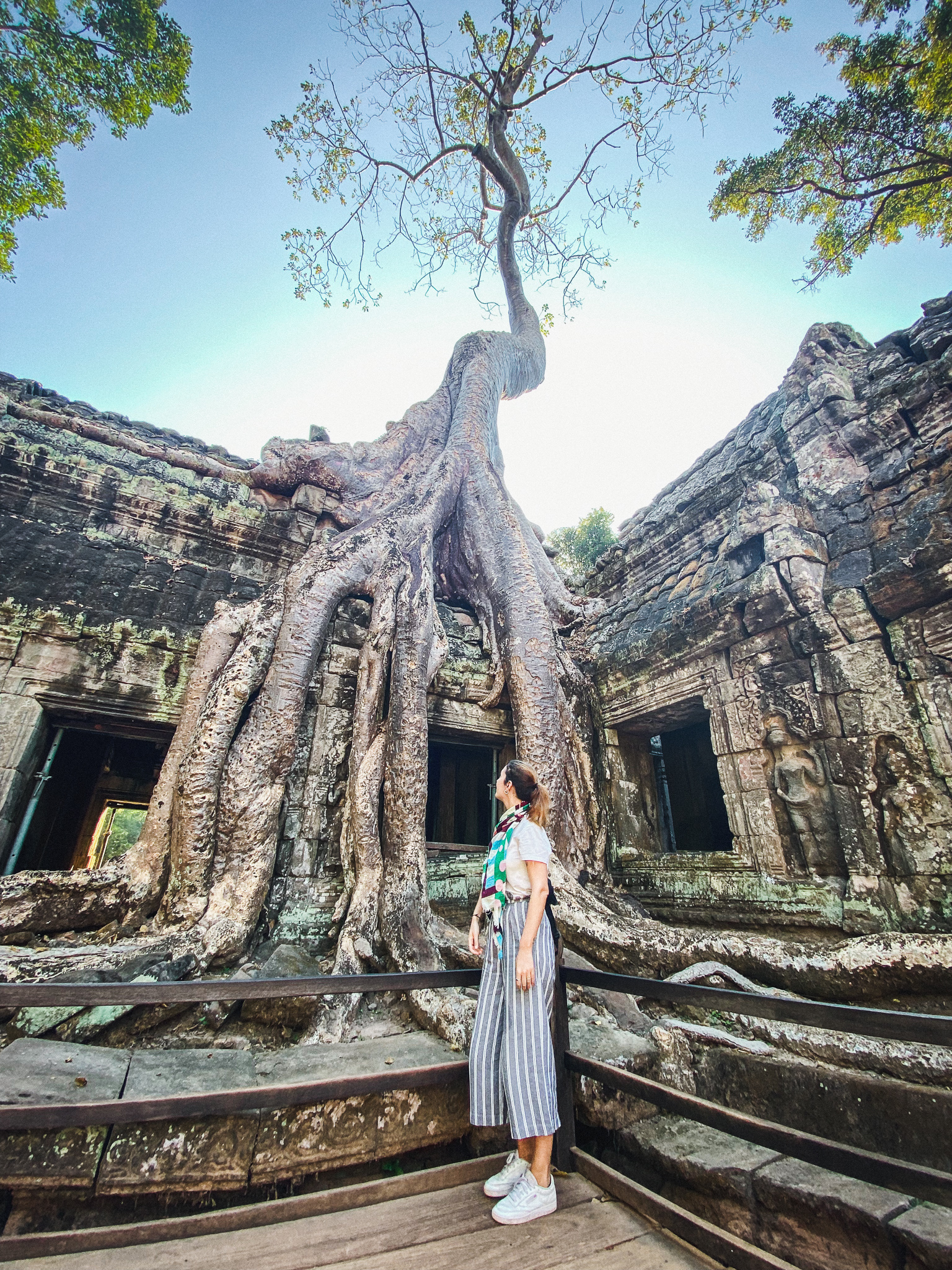
6. When loneliness creeps in…creep out!
I did quite well travelling on my own. As an introvert, being alone for extended periods of time isn’t a problem. But, if you are anxious, you know that overthinking and the downward spirals tend to happen when you are precisely isolated, there is no one distracting you or calling you to reason. But solo travelling doesn’t mean being alone all the time. This is why I often joined tours. It was at least a couple hours with like minded travellers, sometimes we would go out for a meal, and would even meet for other activities if we were staying in the same place for long. Of course this will only happen typically if there are other solo travellers open for communication and break the “solitude”. You can also schedule check in moments with your friends and family members for instance. Knowing that on Sunday at 4pm you’ll call your friend or your parents can establish a good routine to break those moments.
If you simply don’t feel like joining a tour or activity, going to a park or for a walk, browsing some shops, or simply finding a nice cafe to do some people watching, can be also a very nice distraction.
7. Anxious about health issues, or getting sick? There’s a solution for this too.
If you are on medication, please ensure you take this with you and that you won’t have problems entering any of the countries with it. This includes anti-depressants, anxiety medication… and if you have been doing therapy, try to find ways to continue with it. Additionally, also take with you painkillers that you’re used to. But, most importantly, take yourself to a Travel Clinic. I did this to ensure I had all the recommended vaccinations, and the doctor also prescribed some medications, including antibiotics, in case I got some other bacterial infections that might cause fever, diarrhoea, vomiting and even UTIs. I was very lucky and never needed to take any of these, but knowing I had them with me made me feel more comfortable when I was in locations where there wasn’t a nearest pharmacy or hospital.
I don’t think I need to say this to an anxious person, but definitely research a little about the country, specifically if the tap water is drinkable (spoiler alert it’s not in most of Southeast Asia!), avoid eating uncooked, raw food in such places, such as fruits and salads that might have been washed with contaminated tap water, etc. I even used bottled water to brush my teeth in some countries!
8. Disengage from social media. Stop comparing
Whilst travelling, I used my IG to share stories of the places I was visiting because I felt good sharing it with my friends and family, who were actively engaging with it. That made it feel I wasn’t totally alone. Simultaneously though, I stopped following any travel accounts all together. I realised earlier on that I kept comparing my experiences to those, and feeling usually quite crap about myself. And this would make me anxious. So I stopped doing this. Mot of what you see on social media, is a highlight of good moments, and often these are straight out lies. Don’t let these accounts from people you don’t know make you feel like you are not doing it right. You are doing what is right for you, and that’s what matters. I felt so much better after unfollowing all of these accounts, and I never went back to following them.
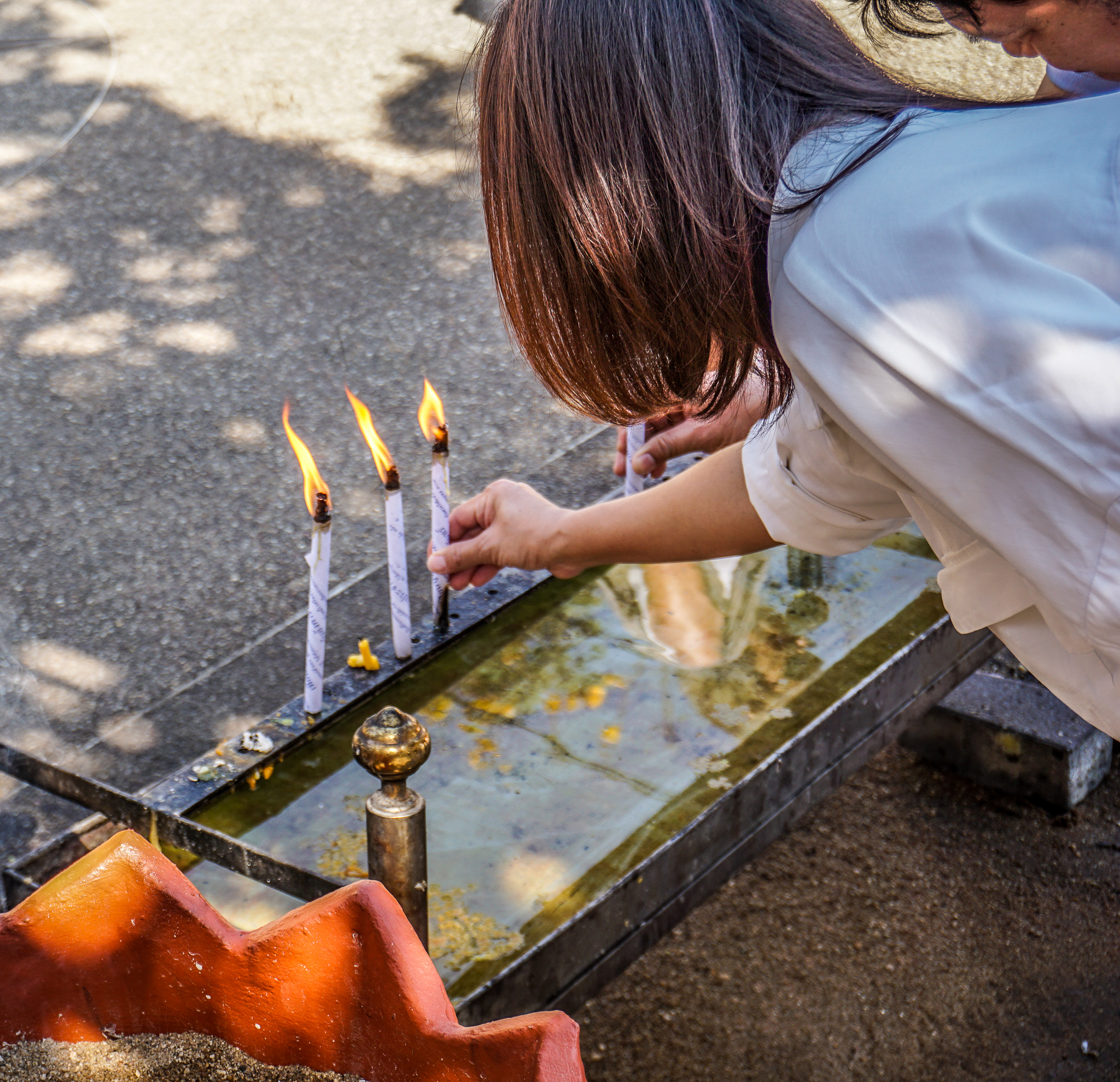
9. Avoid online rabbit holes
This was a nightmare for me when researching for my trips. I often use platforms like Reddit and Facebook Groups to get information about the destinations, but the moment I saw something negative, even amongst a tone of positive things, I would suddenly become obsessed with what some random person online flagged. It could be they got robbed at a hotel, or that they found a certain beach to be full of trash, or locals very unfriendly. Or even a female sharing her experience about being sexually harassed on the streets. These accounts, which honestly can happen anywhere in the world, were waking up my demons and I was diving in obsessive research sprints to ensure I was staying in a safe place, and I wouldn’t be disappointed with a certain place. Redditors particularly can be very negative, and bear in mind you really don’t know that individual. They might be lying, they might have different expectations from a trip, they might just have been unlucky. It does not represent the majority nor your experience.
10. And yes, sometimes a destination will disappoint you.
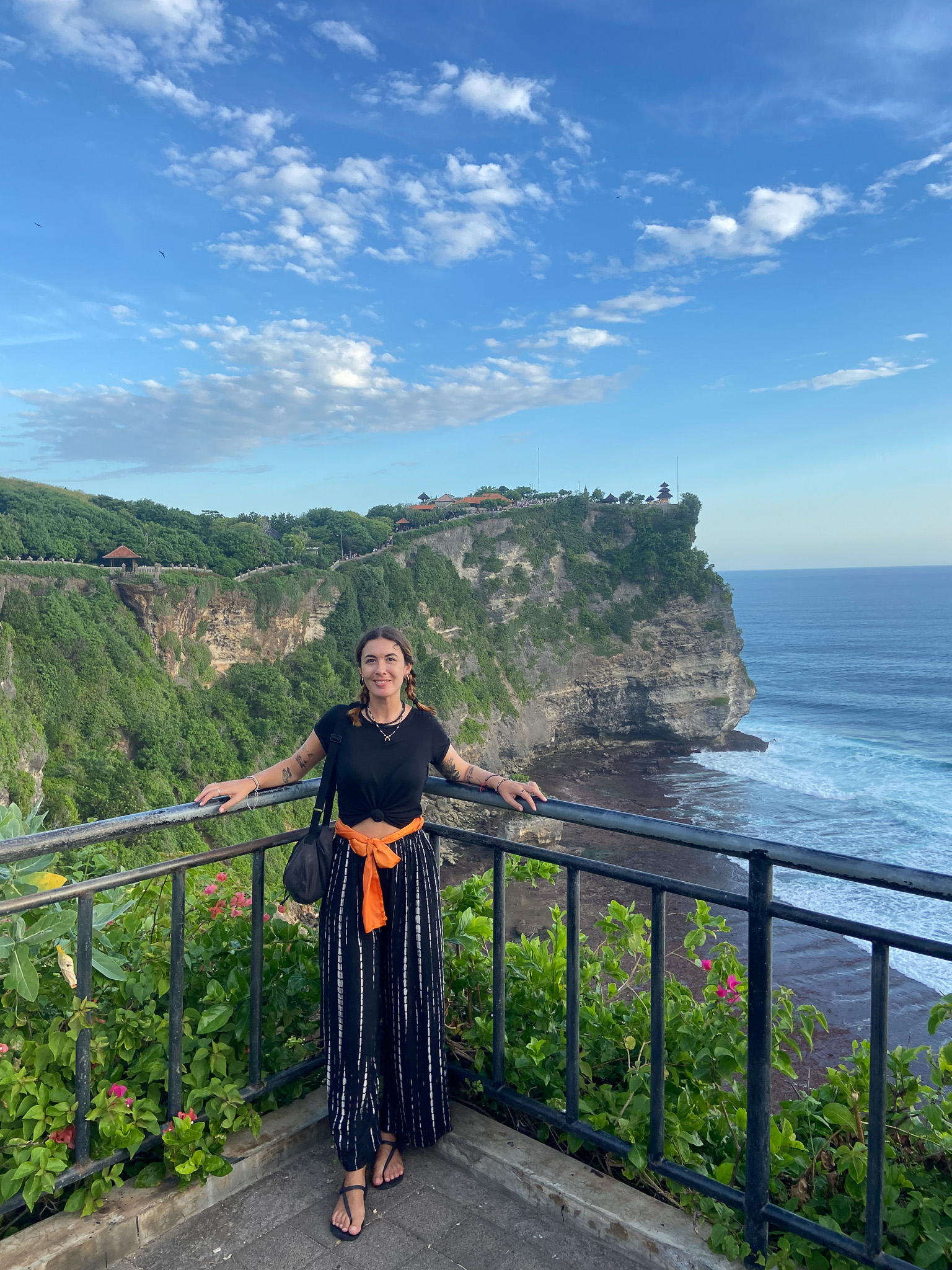
And this is perfectly all right. I was definitely disappointed with places like Bali, Koh Lipe, Langkawi. I definitely did not like Phnom Penh. On the other hand, I loved Bangkok, Singapore, Ao Nang, Angkor Wat was magical. But this is all right and it doesn’t mean you did anything wrong. You have to experience it in order to be able to say if it’s to your liking or not, and being disappointed is part of living, and so part of travelling too 🙂
In conclusion, stop being too hard on yourself!
I hope you found this list useful and relatable! I am so done of hearing only about those “carefree, extroverted, always energetic and socially able” solo travellers. The anxious traveller exists and deserves to be listened to!
Love, Nic
 The Winged Bone