
On my second day, we visited two absolutely stunning destinations – Rabida Island and Bartholomew. The day started early, as all days did – we had breakfast and were ready to start the day. I felt as excited as a child on Christmas Eve.
Rabida Island and its striking red shores
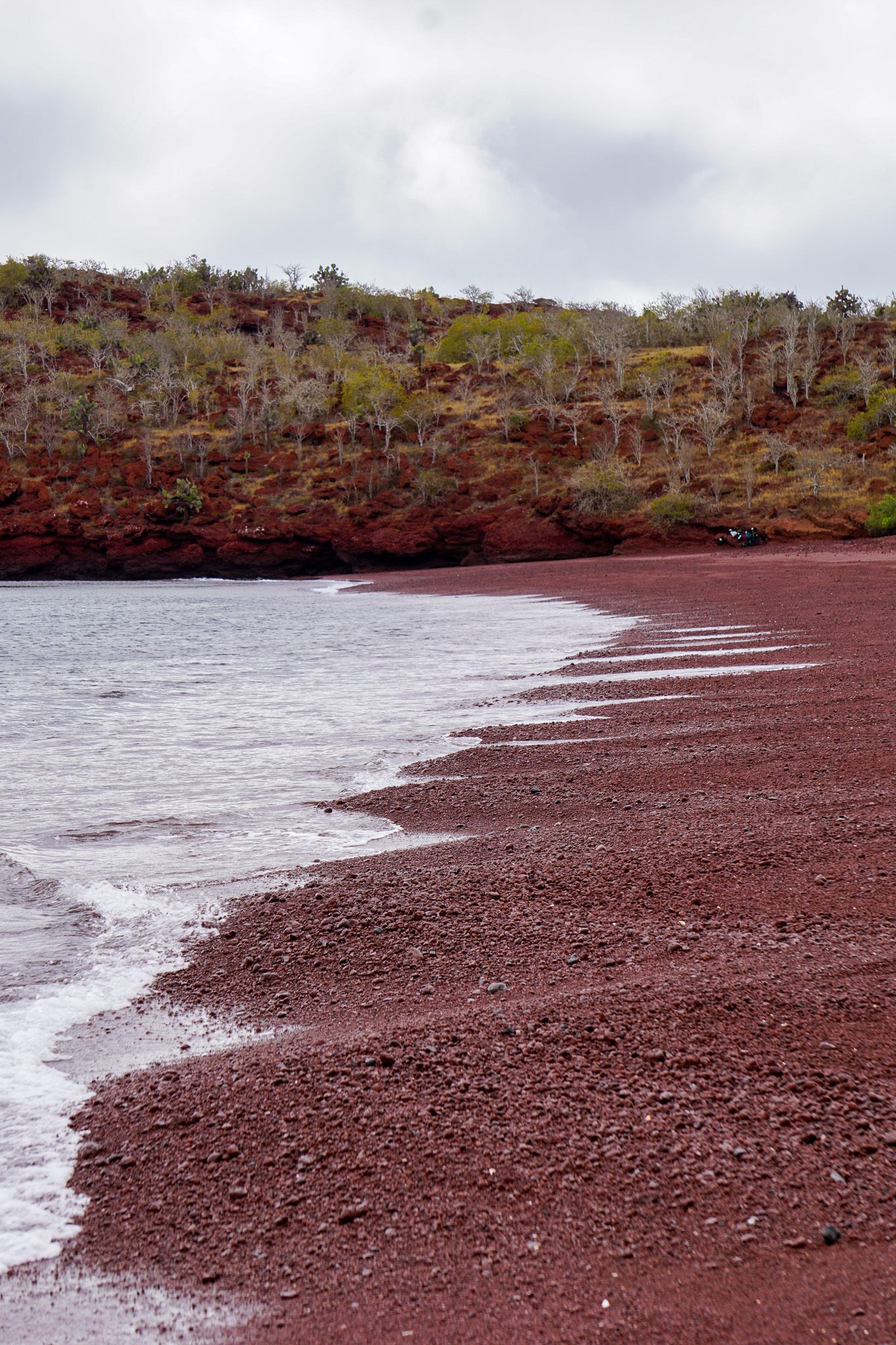
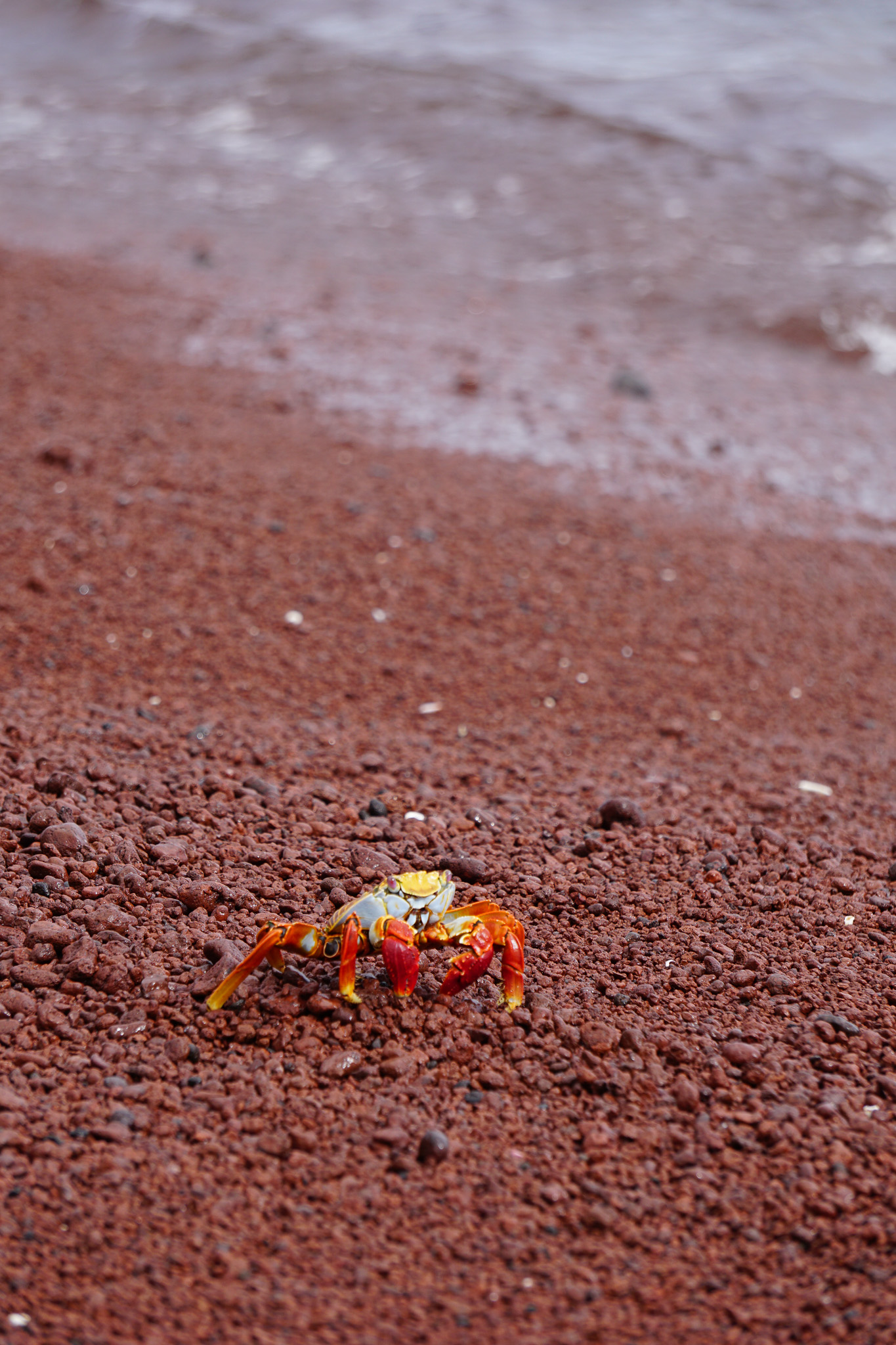
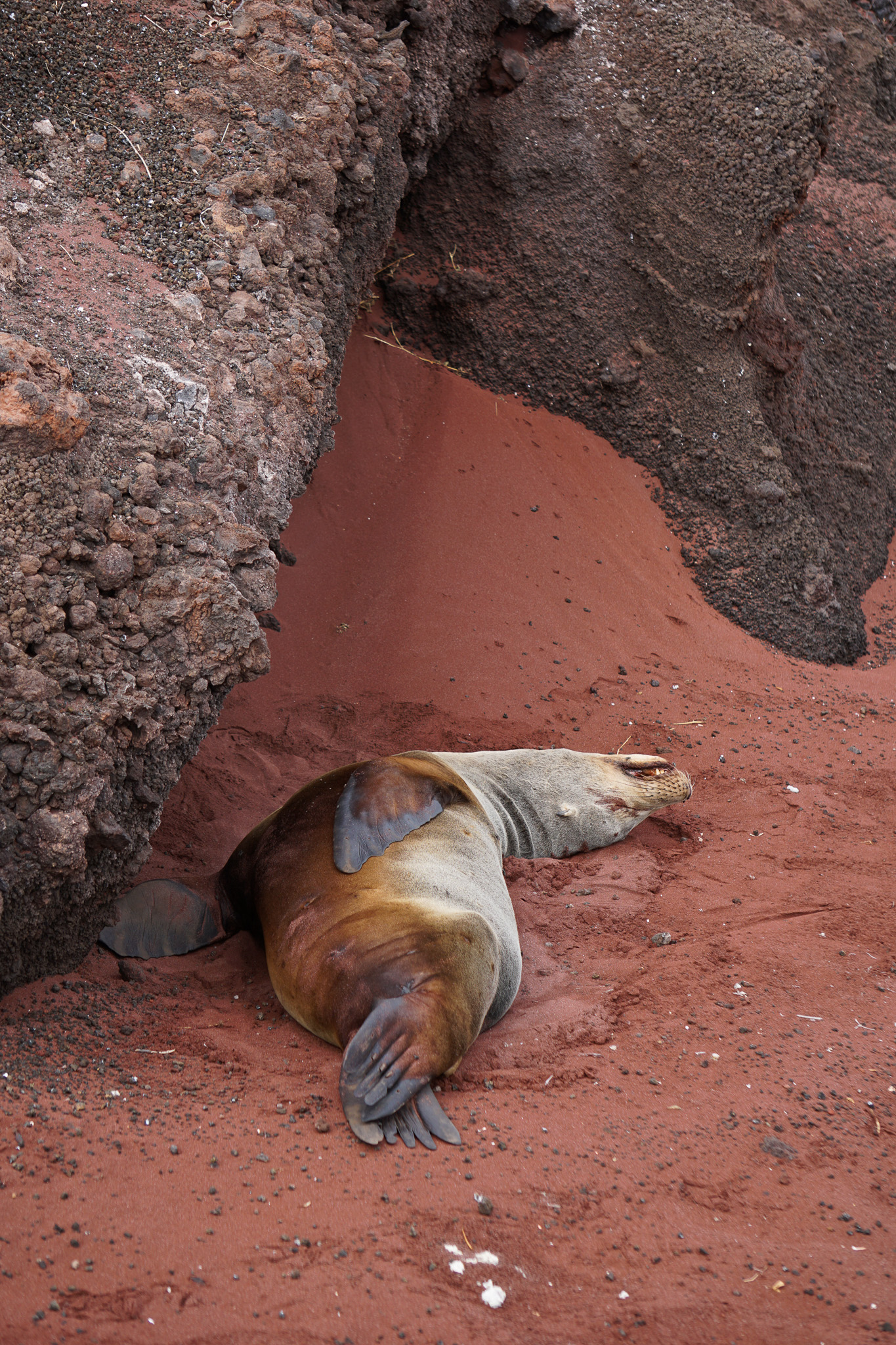
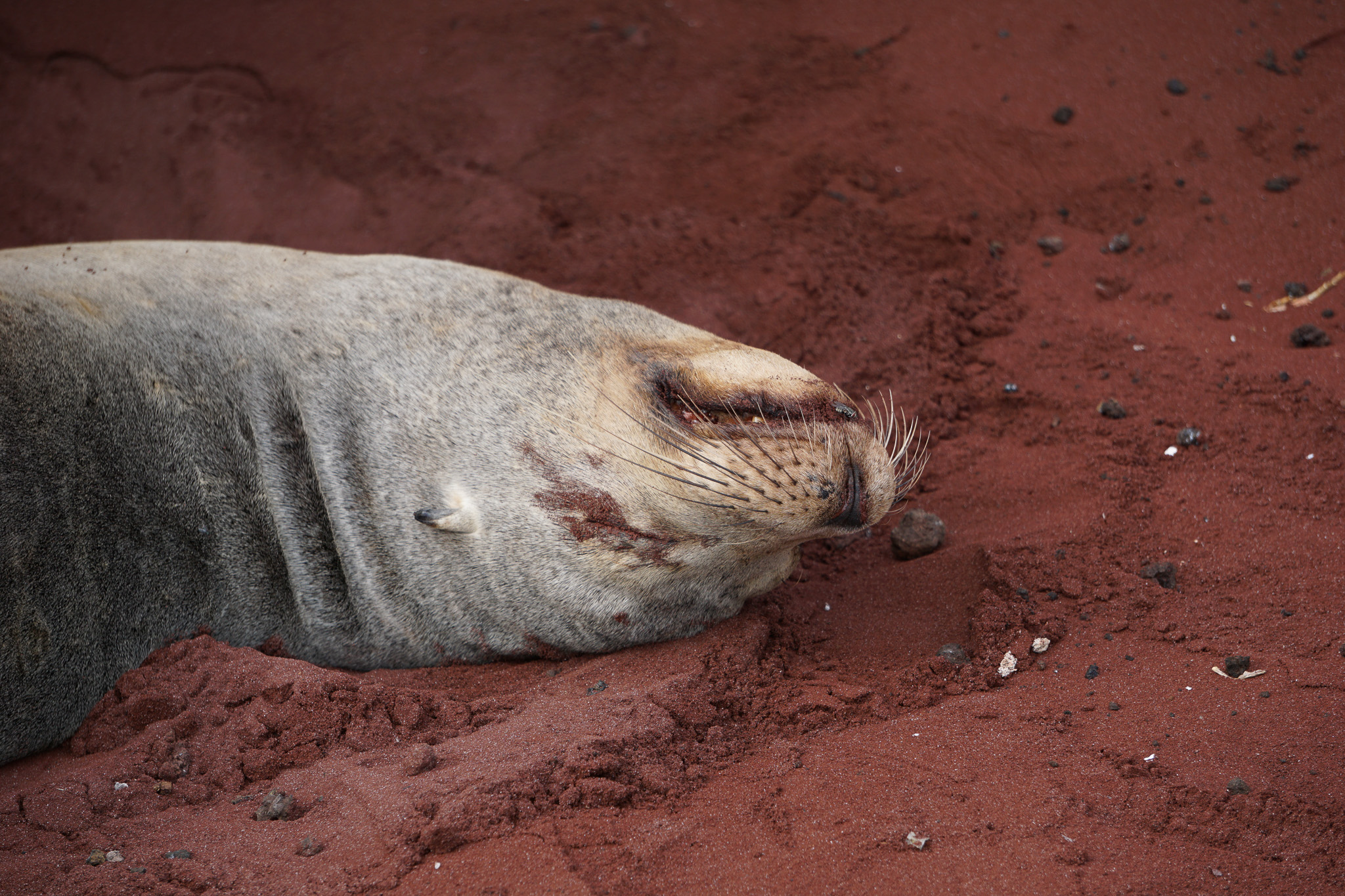
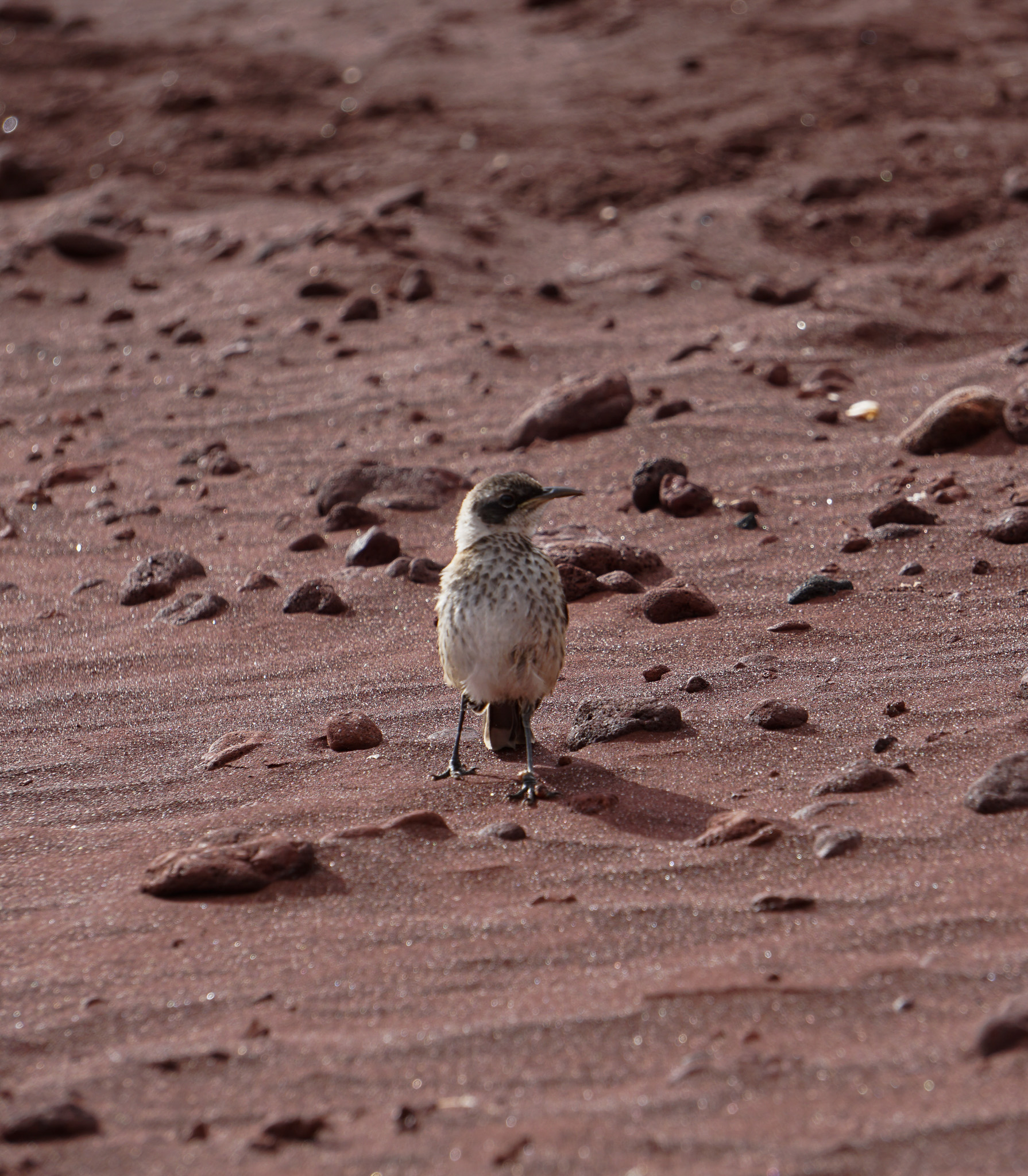
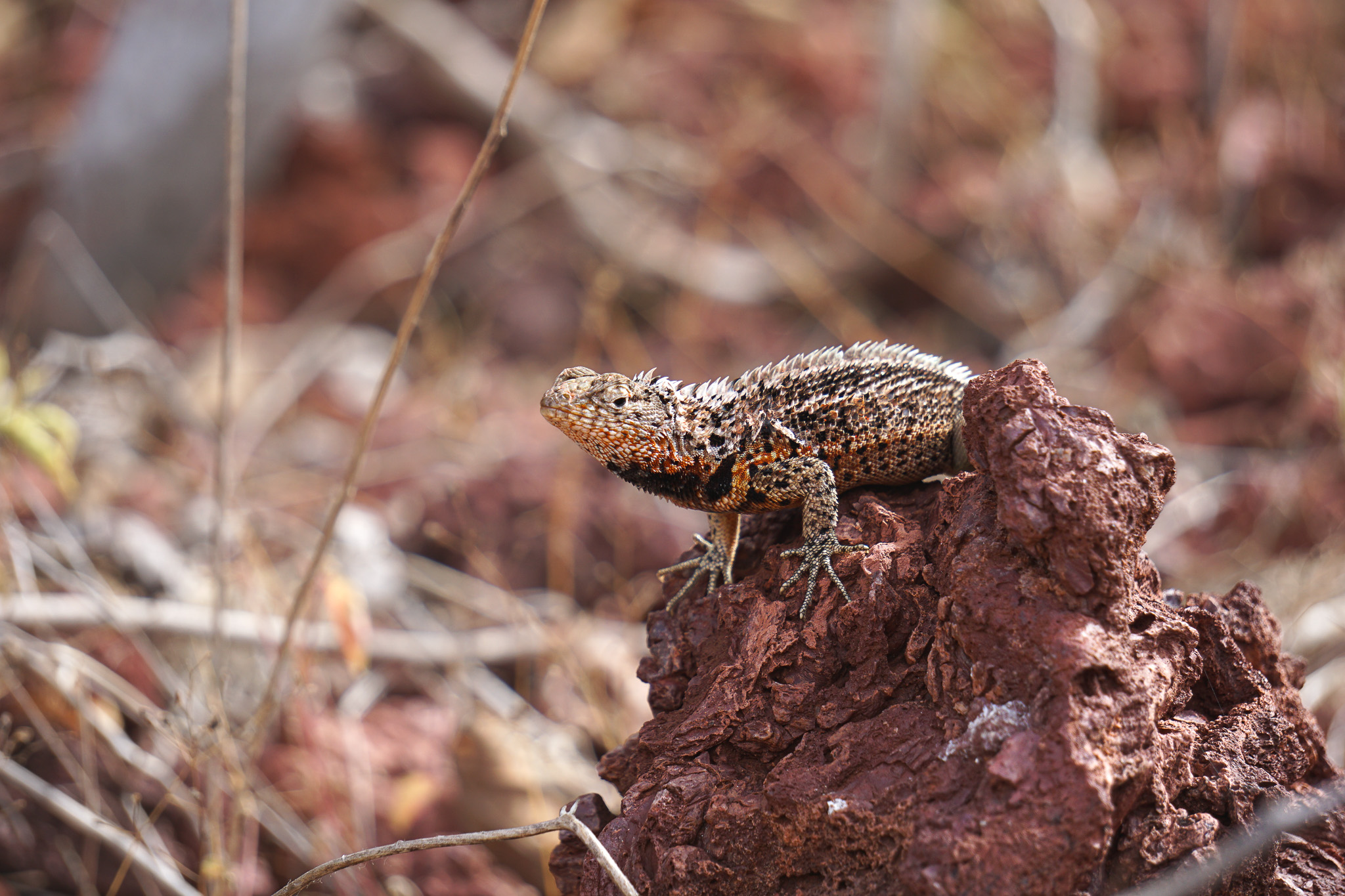
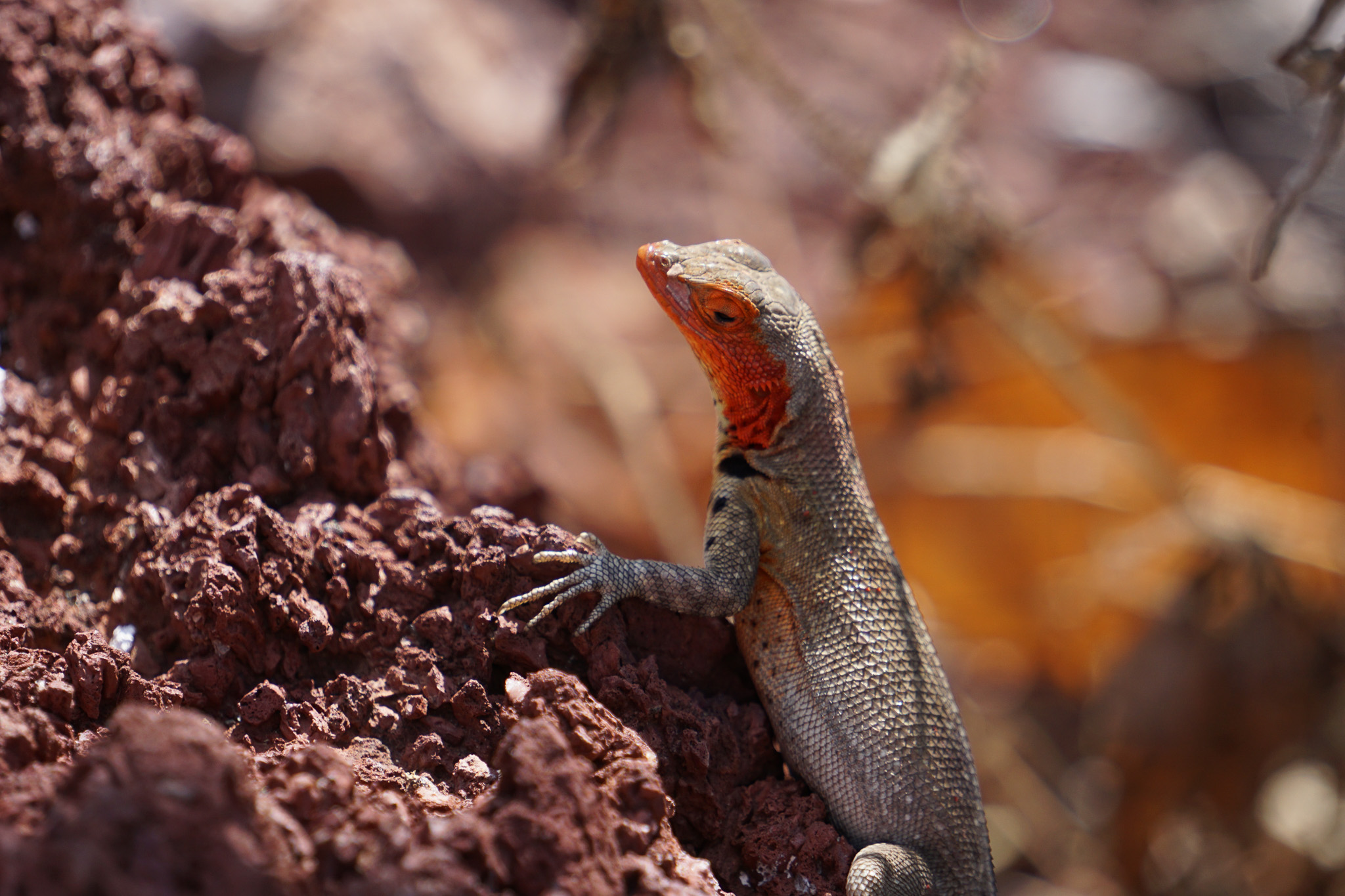
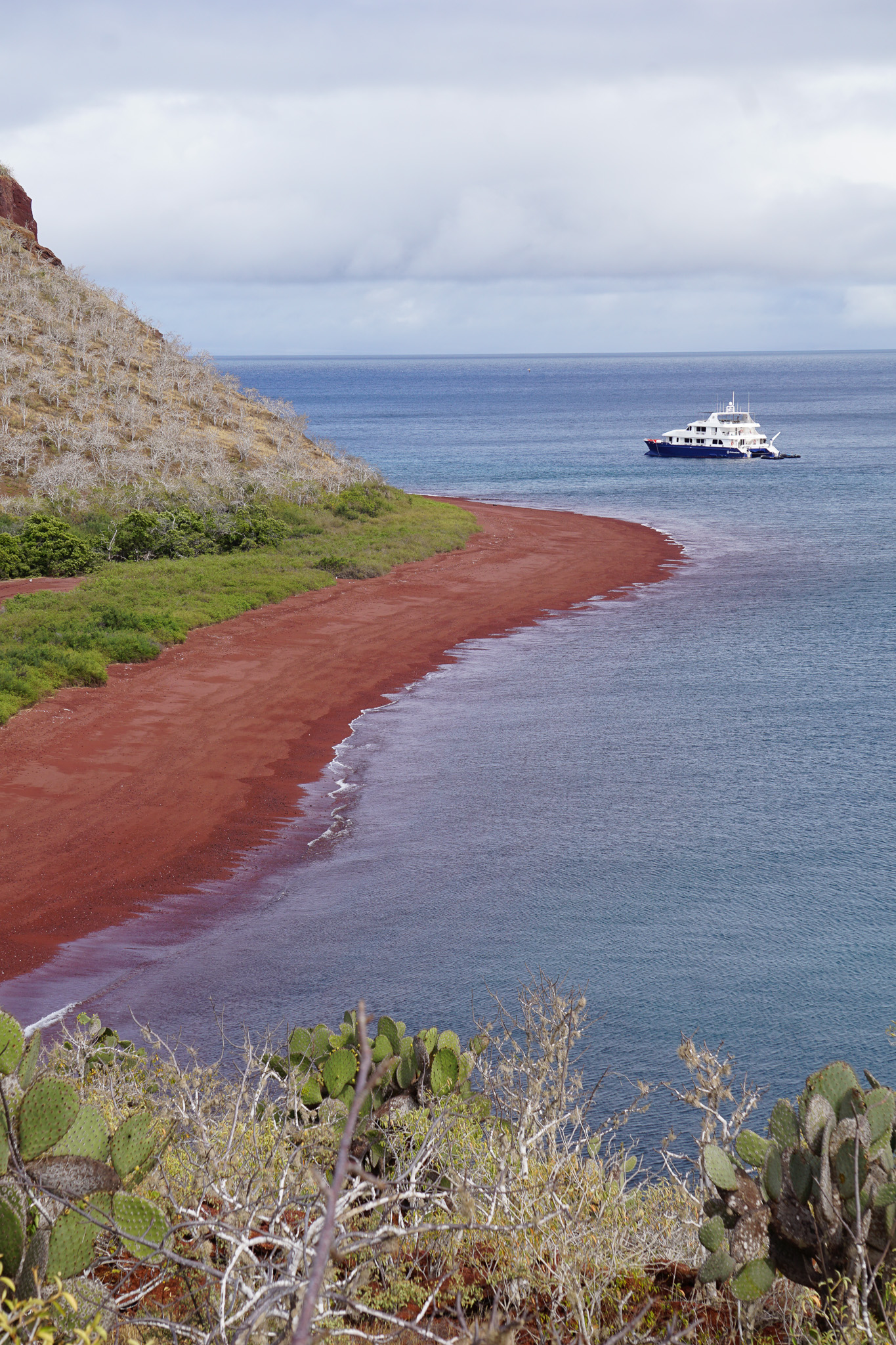
The red sand shores of Rabida make the small island unique not only geologically speaking but also in its beauty. The iron-rich lava deposits give the red colour of the sands. Once we landed, I saw some sea lions sleeping on the shores. I also spotted the Galapagos Mockingbird and lava lizards.
The Galapagos Mockingbirds were just there, coming to check us out, unafraid. This species, while they build nests on top of trees and cacti, prefers to run on land, rather than fly. It seems they also enjoy taking rides on the backs of iguanas, something I didn’t see but would have loved to. The Lava Lizards were a common sight throughout my time in the Galapagos – I found them to be stunning, and are commonly referred to as the little iguanas of Galapagos.
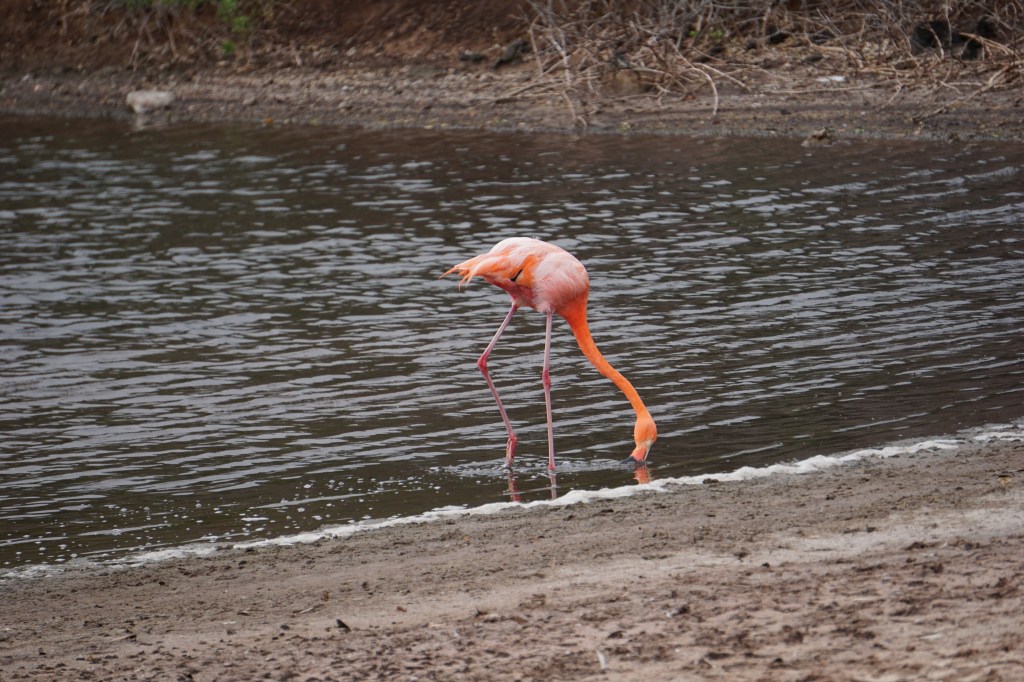
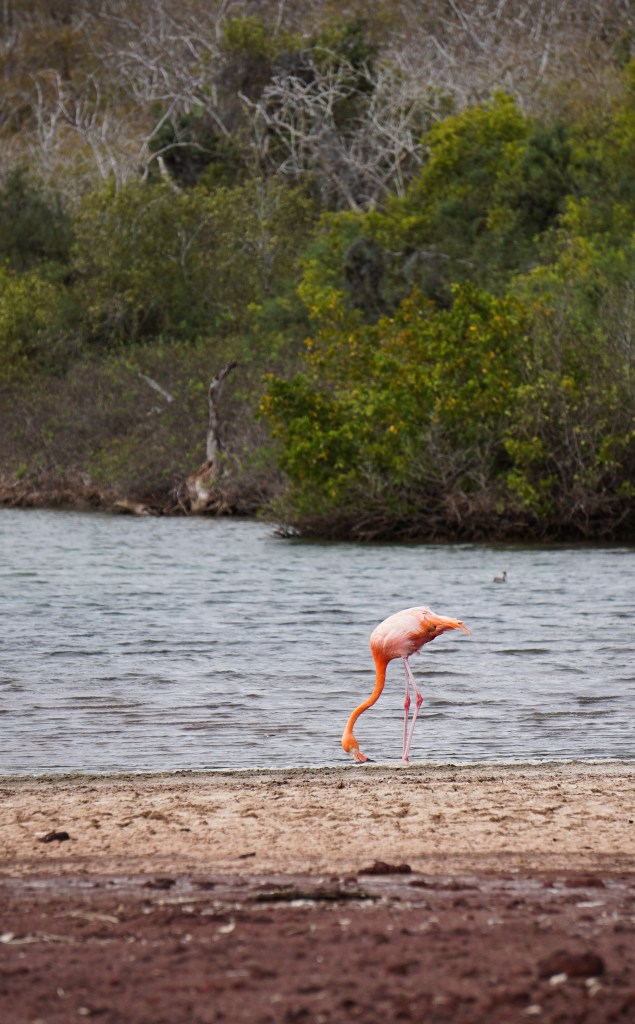
Whilst these two species are thriving, sadly not the same can be said about the Greater Flamingo, the only flamingo species inhabiting the Galapagos. The current population is something between 300-500, and it’s closely monitored. The main problem for the flamingos is the weather. Serious events such as El Niño, cause damage to their salt-lagoon habitats, forcing them to leave and find better living conditions elsewhere. I felt lucky to have been able to spot a few.

This walk on Rabida was a highlight of my trip. The sun came out at the right time. The contrast of the red sands with the blue ocean was particularly striking, and as we walked, we continued to spot different species of animals and vegetation.
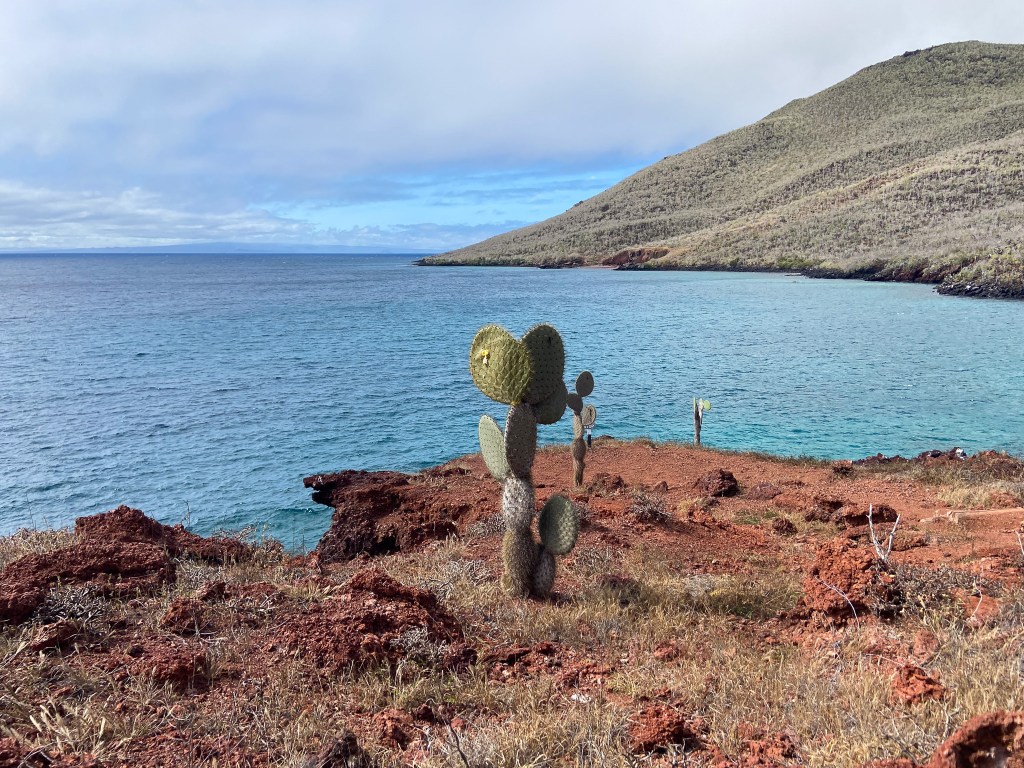

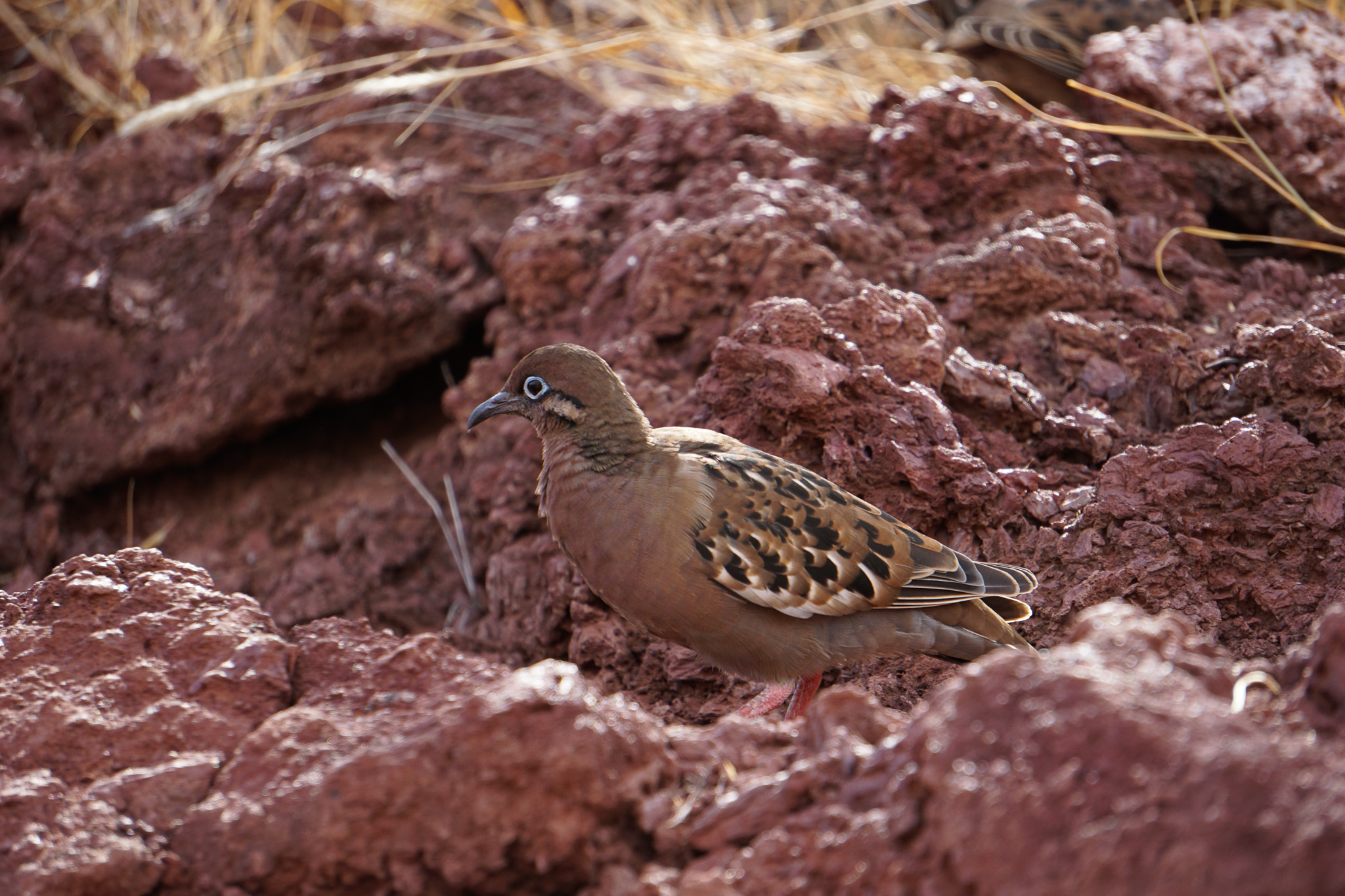
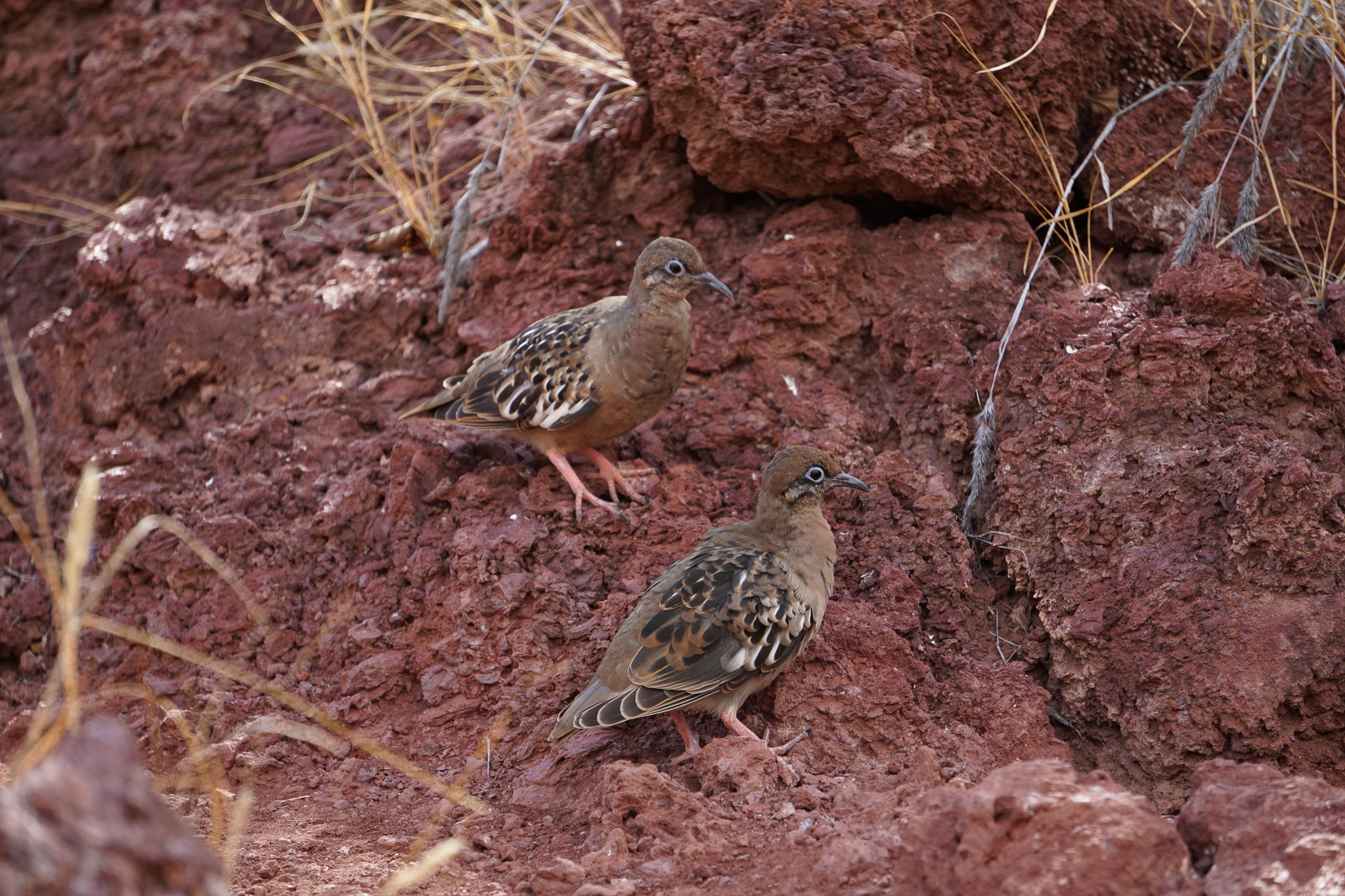
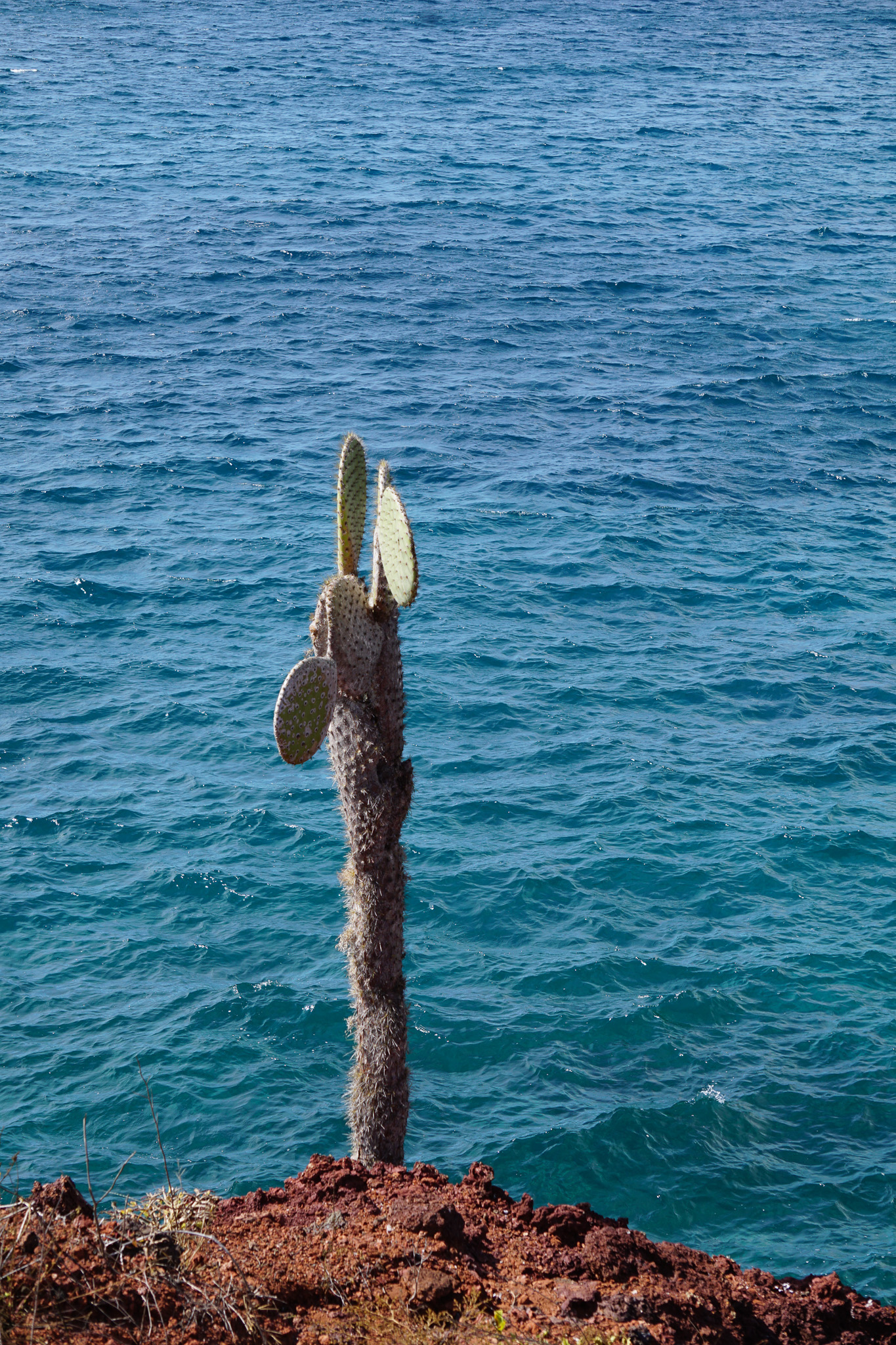
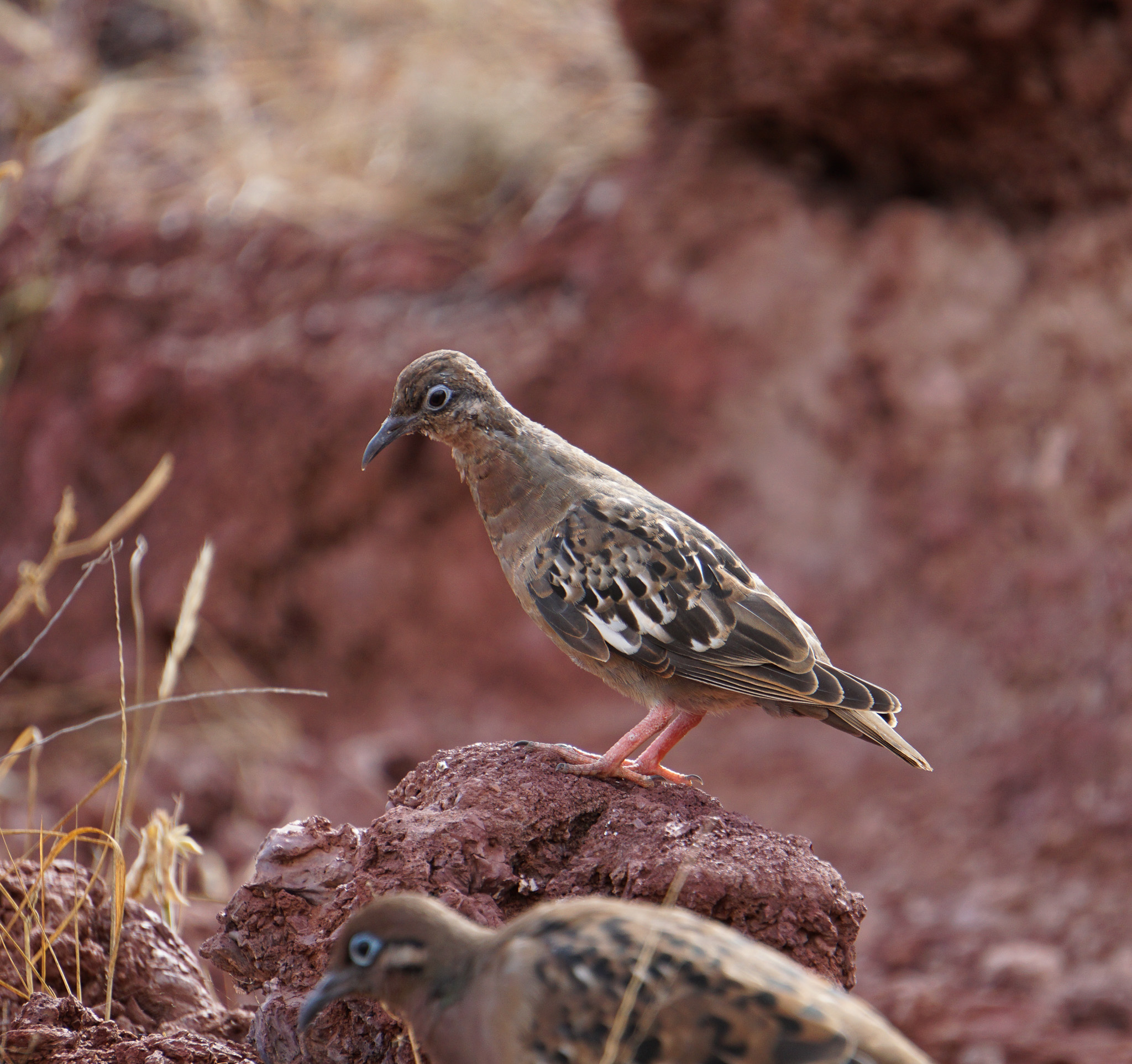
The Galapagos Dove was one of them – again, they didn’t seem scared to see us, giving me a chance to take some pretty nice photos of them. Similar to the mockingbirds, they have wings but still prefer to use their little legs to stay grounded. Sadly, the introduction of cats in the islands is a threat to these birds – especially as they prefer to stay on the ground, being easy prey! This can be concerning, as the Galapagos dove also plays an important role as a pollinator. They prefer to live in the more arid parts of the island, where the Opuntia cactus grows. Since there aren’t bees on the island, the spines of the cacti have softened so the dove can then pollinate the plants, eat its fruit and spread their seeds. Fascinating, isn’t it?
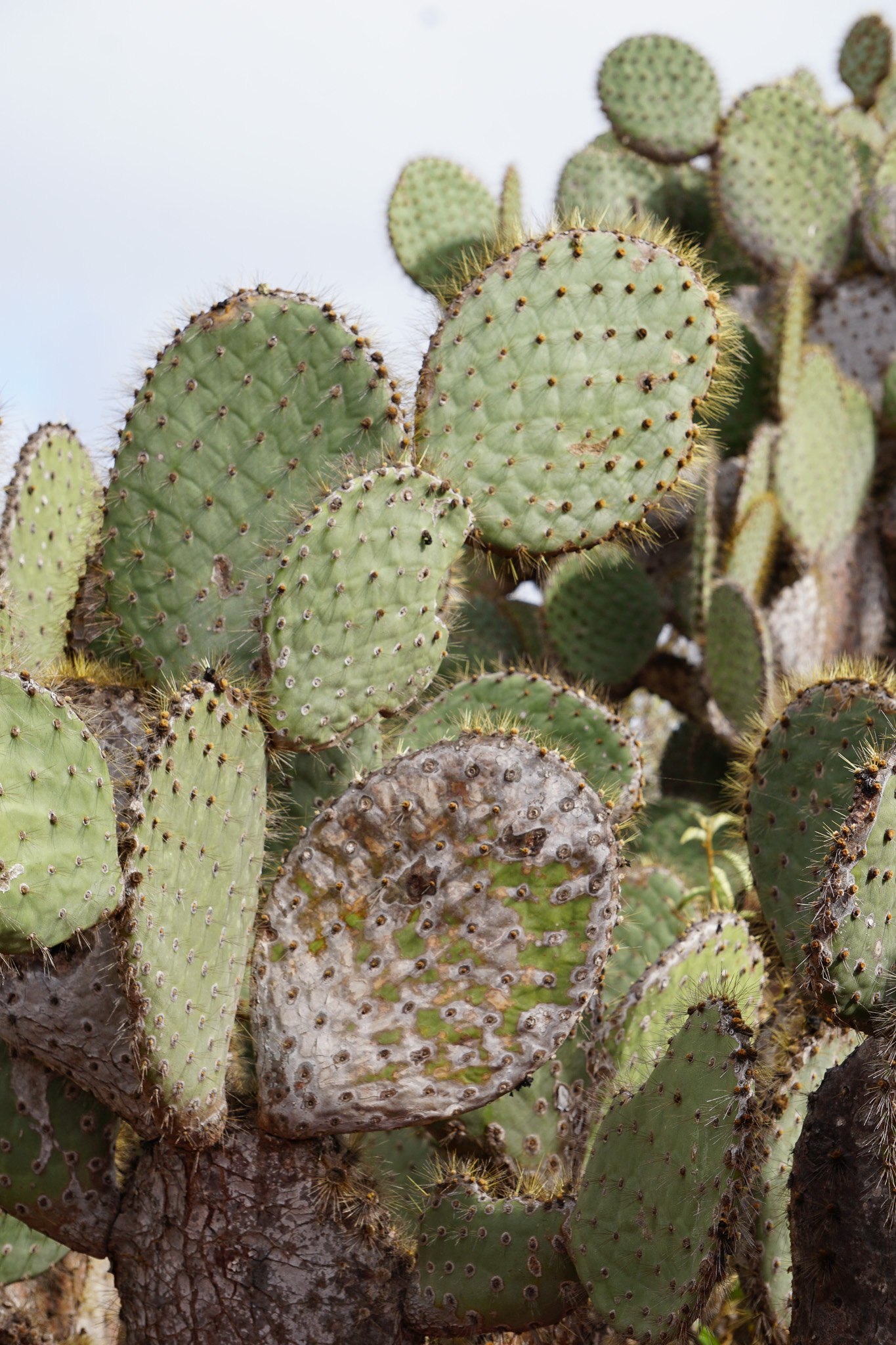
I was also able to photograph the famous Darwin’s Finch – whilst these birds are nothing special physically, no striking colours or interesting features, they were key to inspiring Darwin to formulate his theory of evolution by natural selection. There are 17 different species on the islands, and its beaks differentiate them. It takes various shapes and sizes, specialising in foods found on other islands – from nuts and seeds to insects and cactus pulp. Sadly, these are endangered because of a parasitic fly that was introduced…

Bartholomew, a volcanic desert
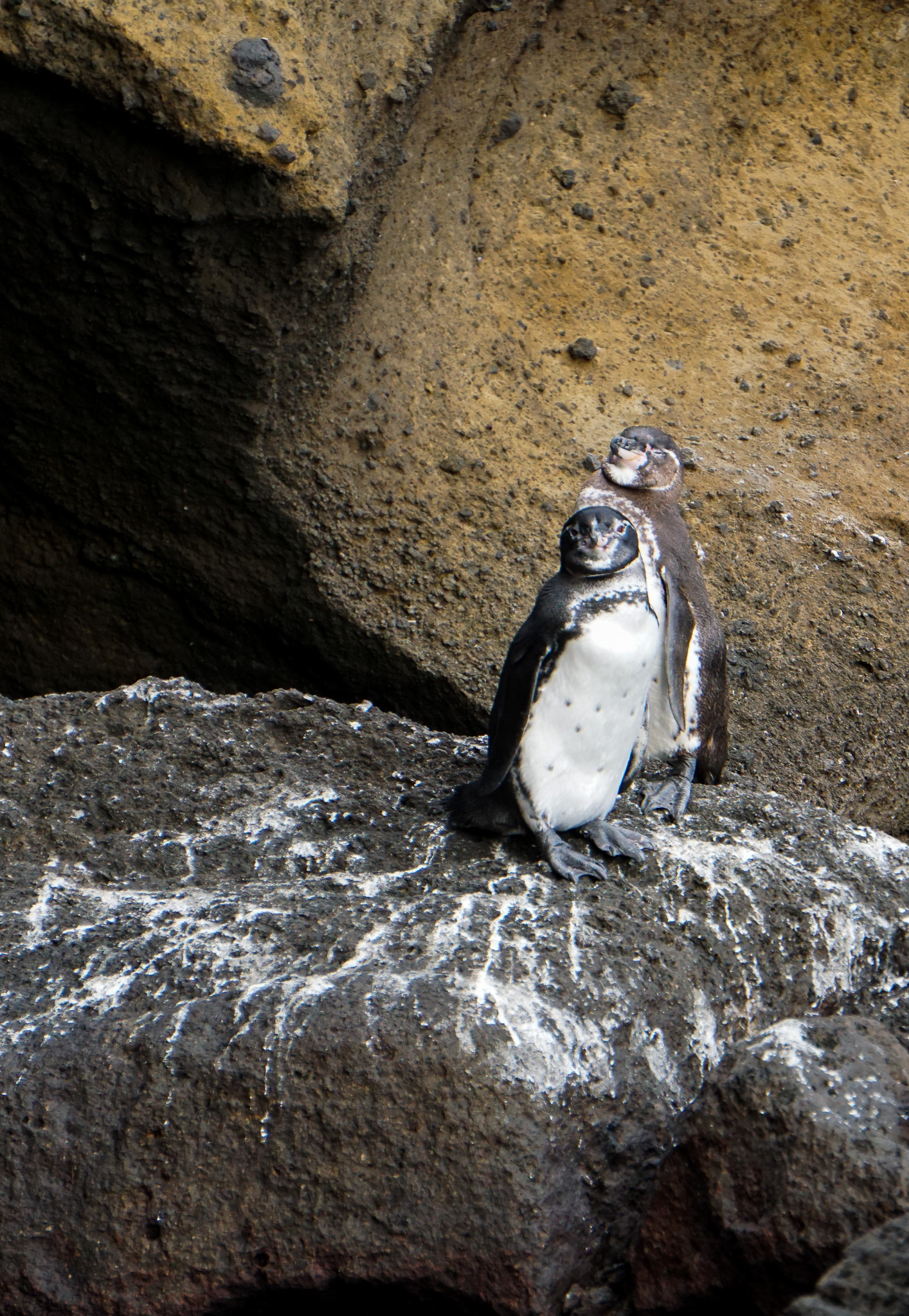
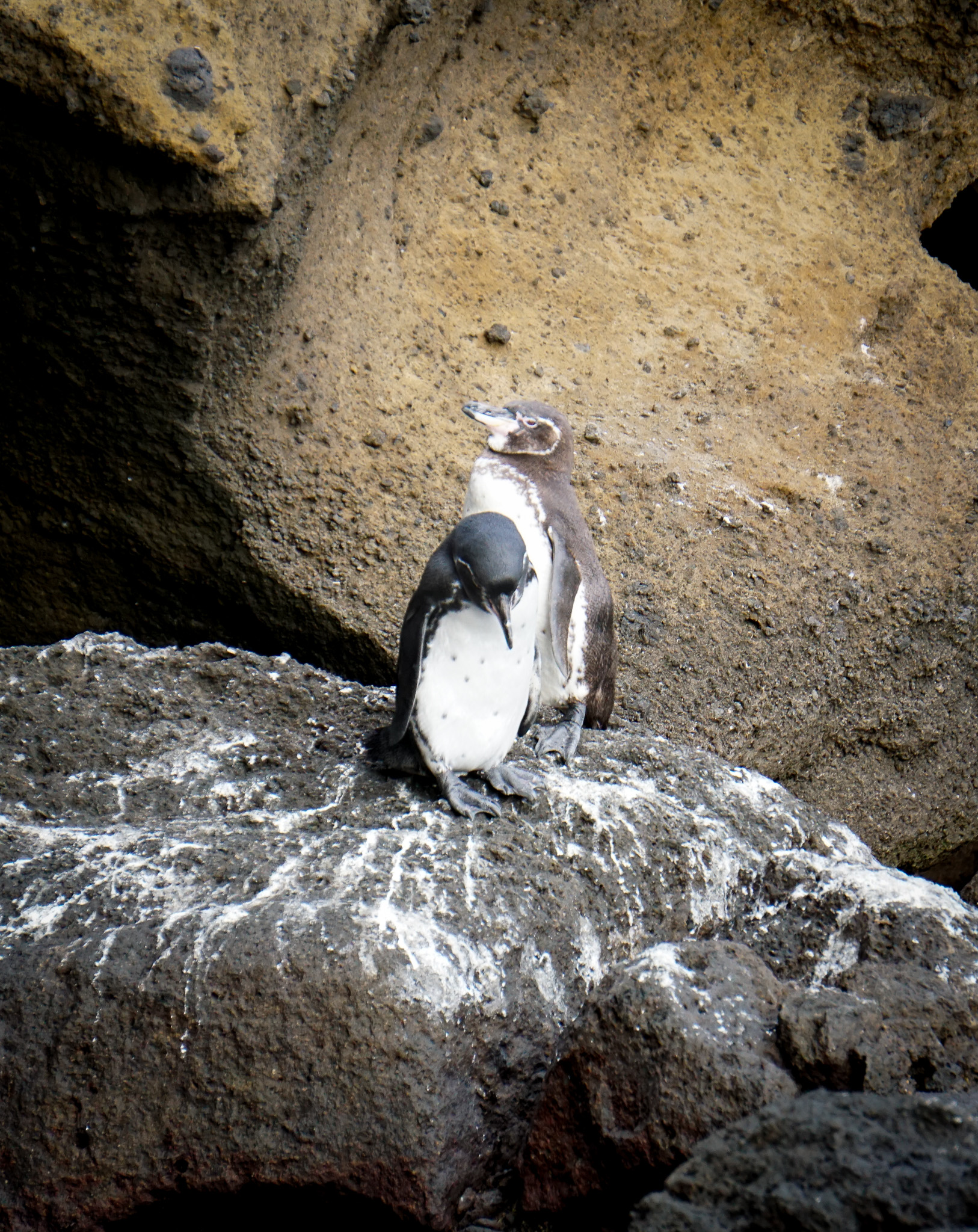
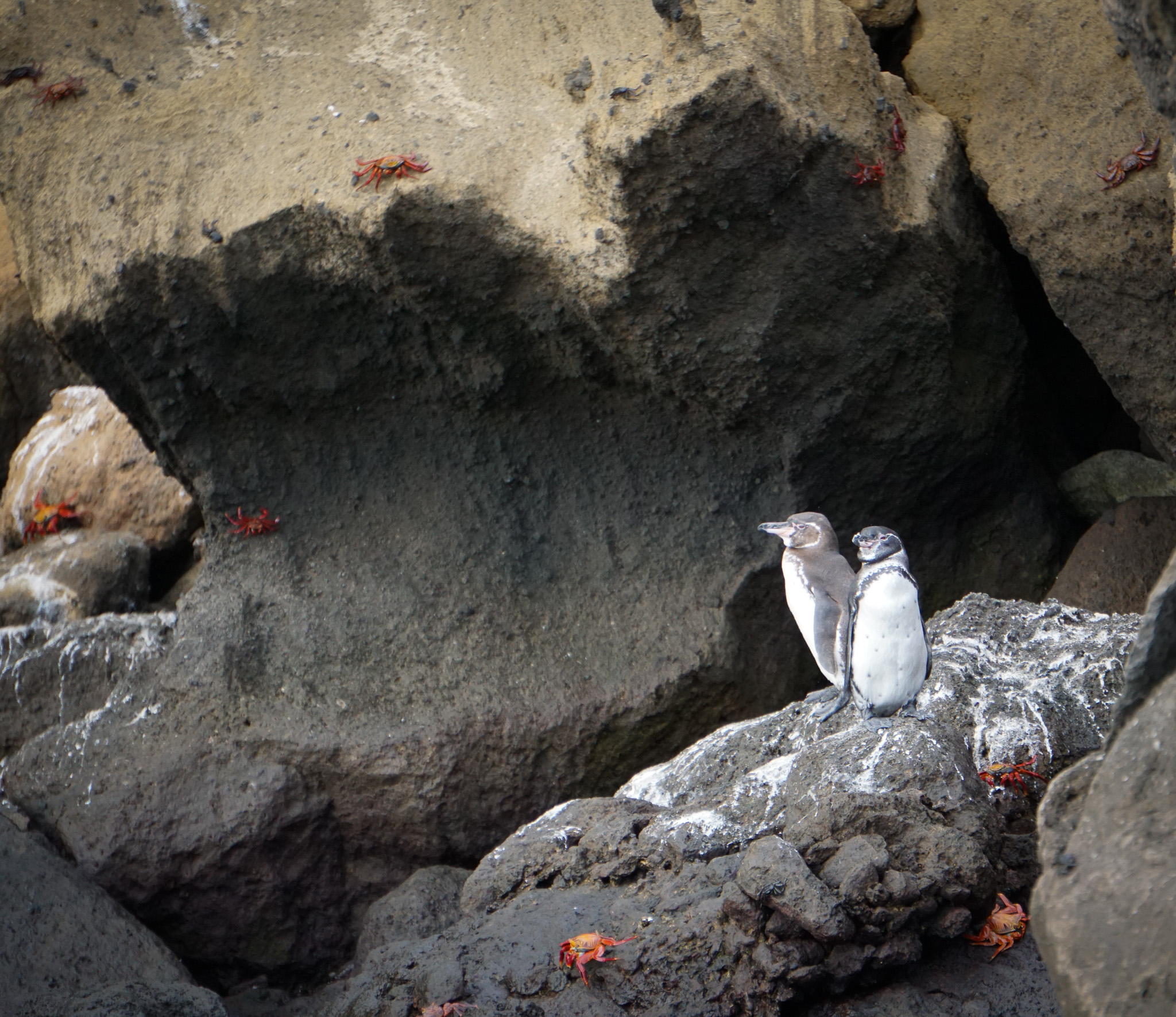
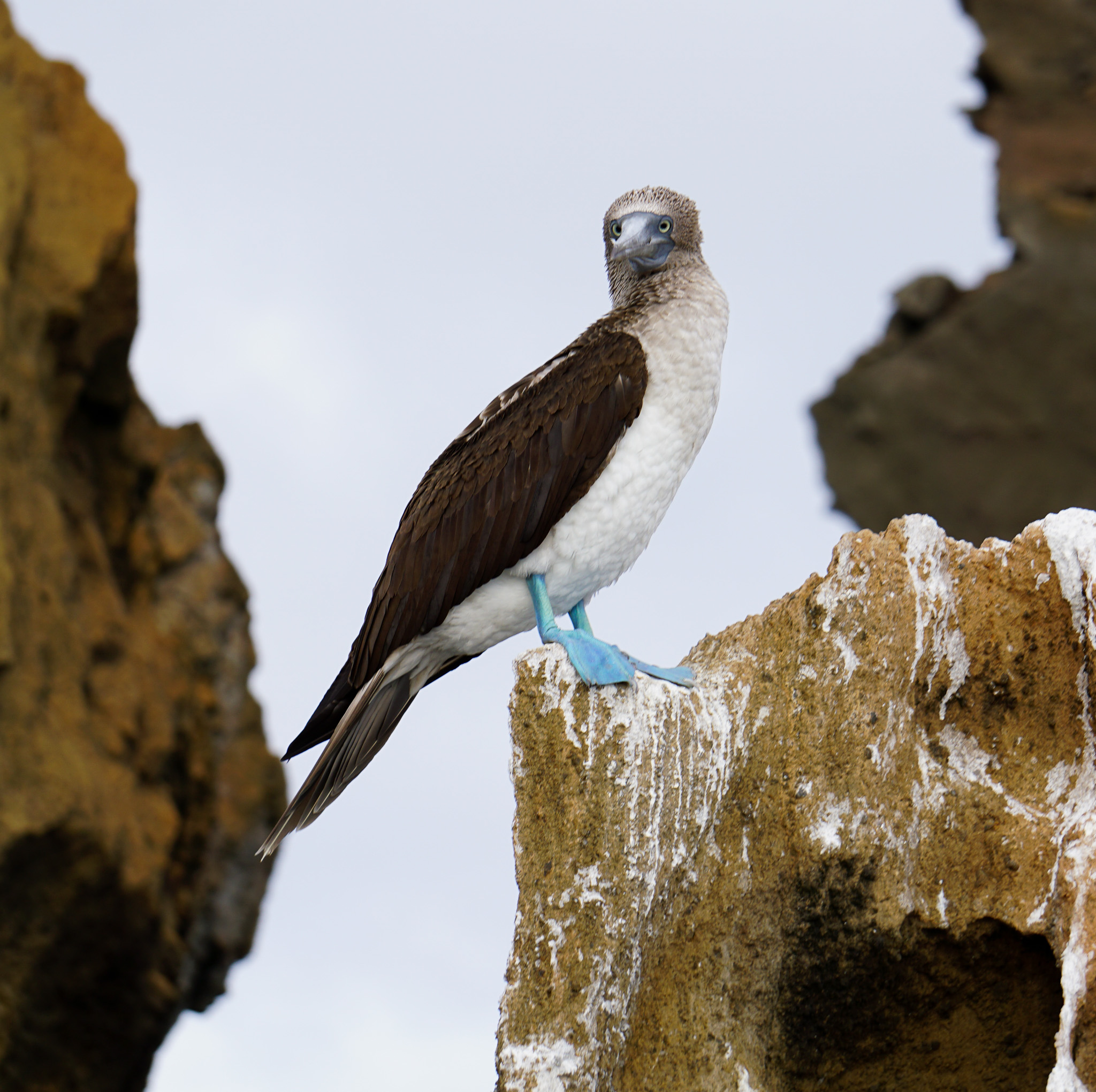
The day wasn’t over. Next, we were sailing to Bartholomew… and on our way day, we spotted the Blue Footed Booby and the penguins! I didn’t think I’d see the penguins – similar to the penguins, they are slowly disappearing from the islands. This is a shame. The Galapagos Penguins are record-holders. They are the world’s smallest penguin species and the most northerly. Whilst snorkeling I was able to see them diving and be a witness of their outstanding swimming skills… a stark contrast with their wabbling walk on the land.
The Blue Footed Booby ended up becoming one of my favourite animals in the islands. I had thought the blue colour of their feet was somehow exaggerated by editing software – but it’s not. Yes, that is pure blue! They are also famous dancers… the males do a little silly dance when trying to convince a female to mate. This unique and foolish-looking courtship dance focuses precisely on their feet – the females like those with the bluest colour. The Blue-Footed Boobies don’t live exclusively in the Galapagos… but it’s estimated that about 50% of them do.

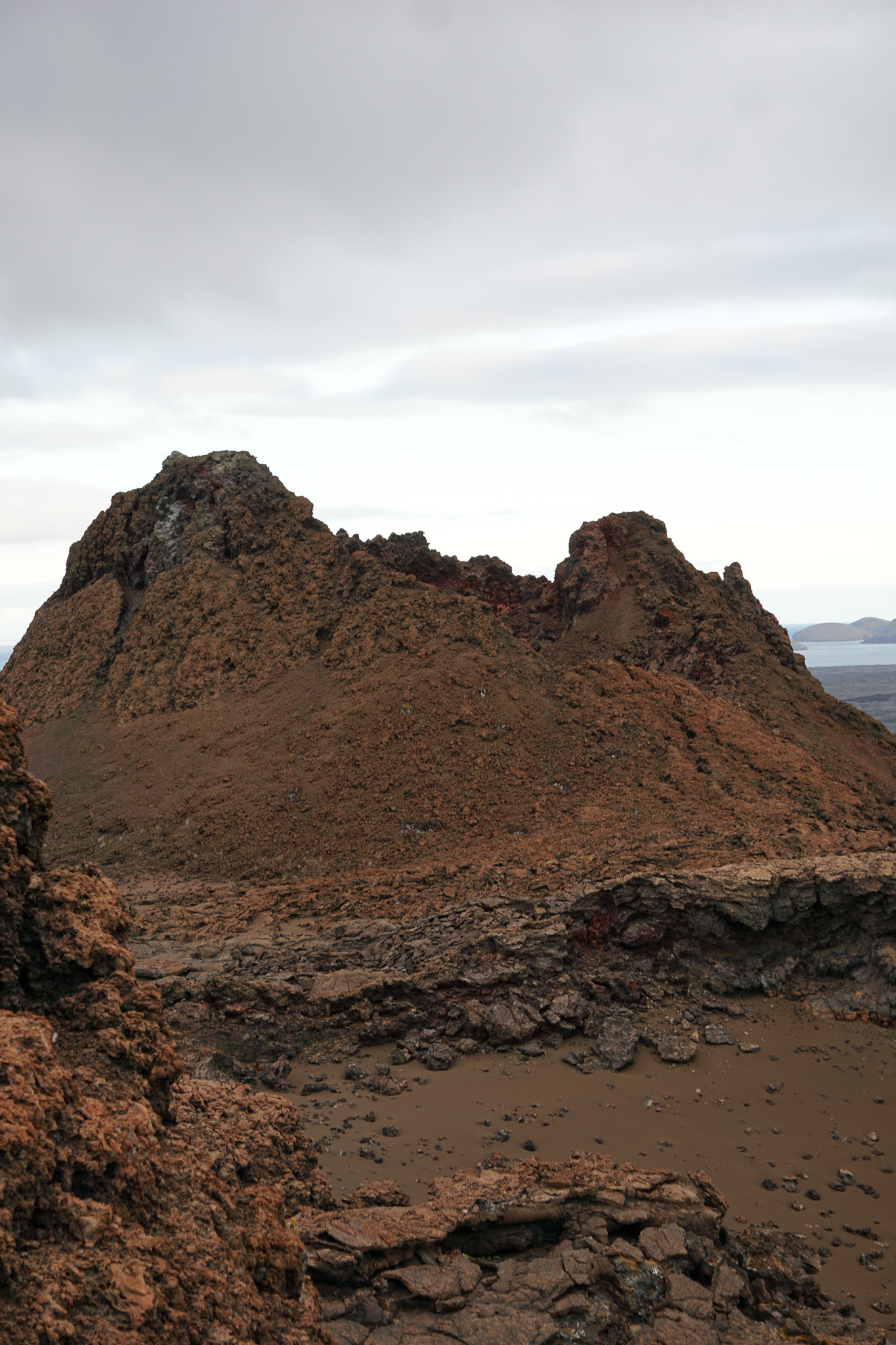
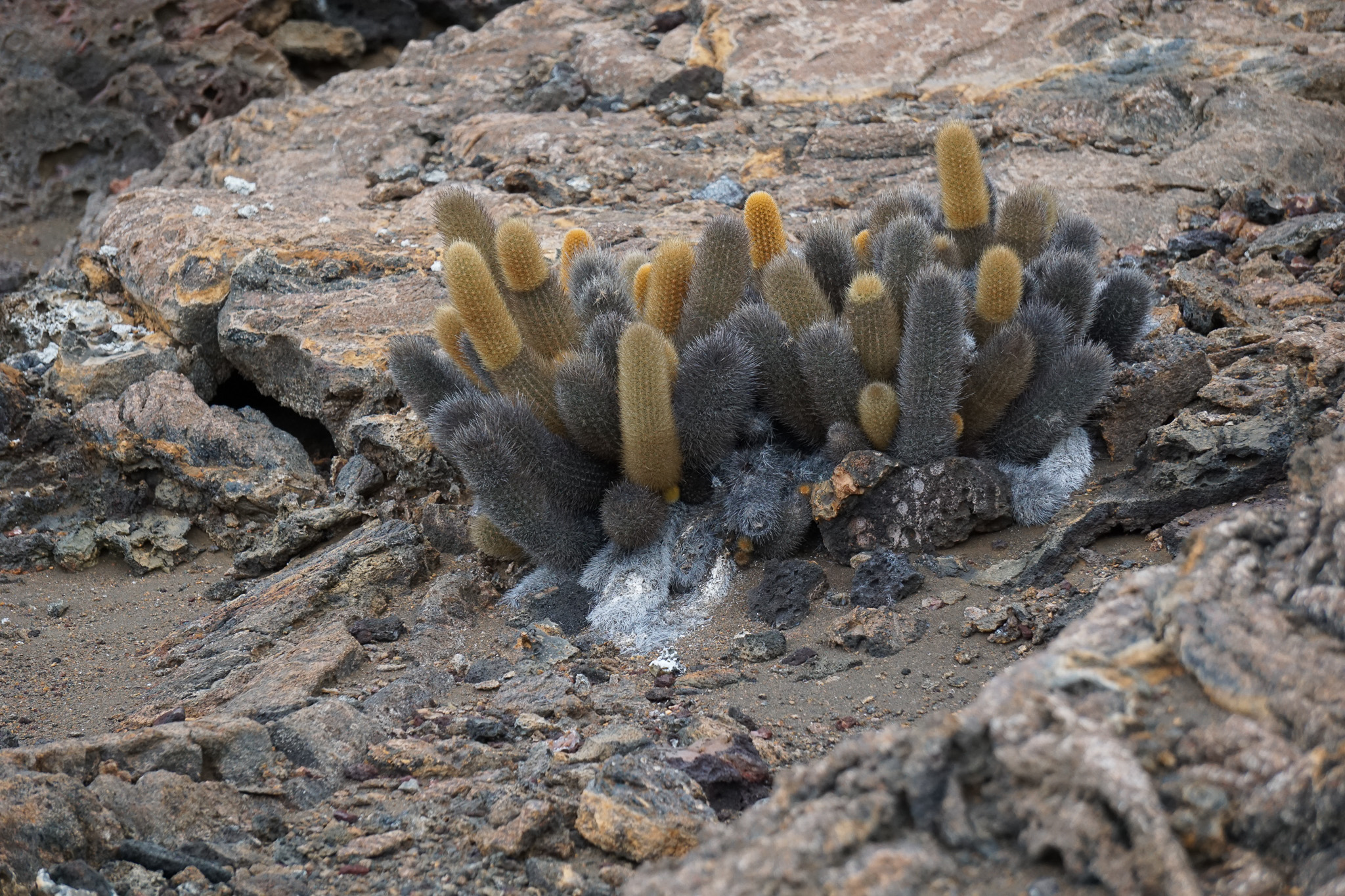
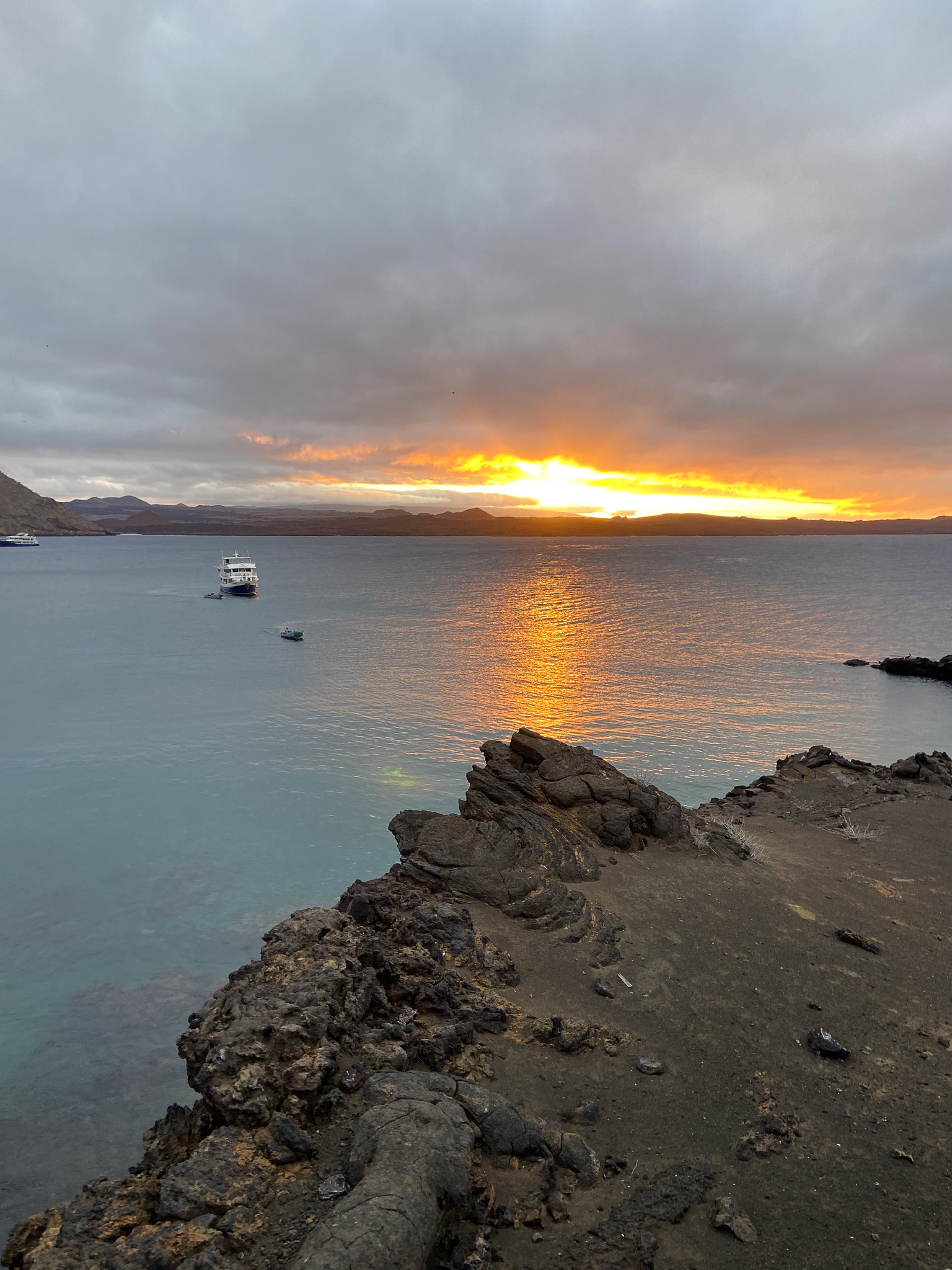
We finally go to Bartholomew, the most popular place that provides the most photographed views of the archipelago. The end of the day was fast approaching, so we had to rush a little to the top. The island is eerie but beautiful in its own right – you can see the lava formations, the empty craters, and some interesting, dead-looking vegetation. The special grey hairs on these succulents serve to reflect the harsh sun and reduce moisture loss – another fantastic adaption.
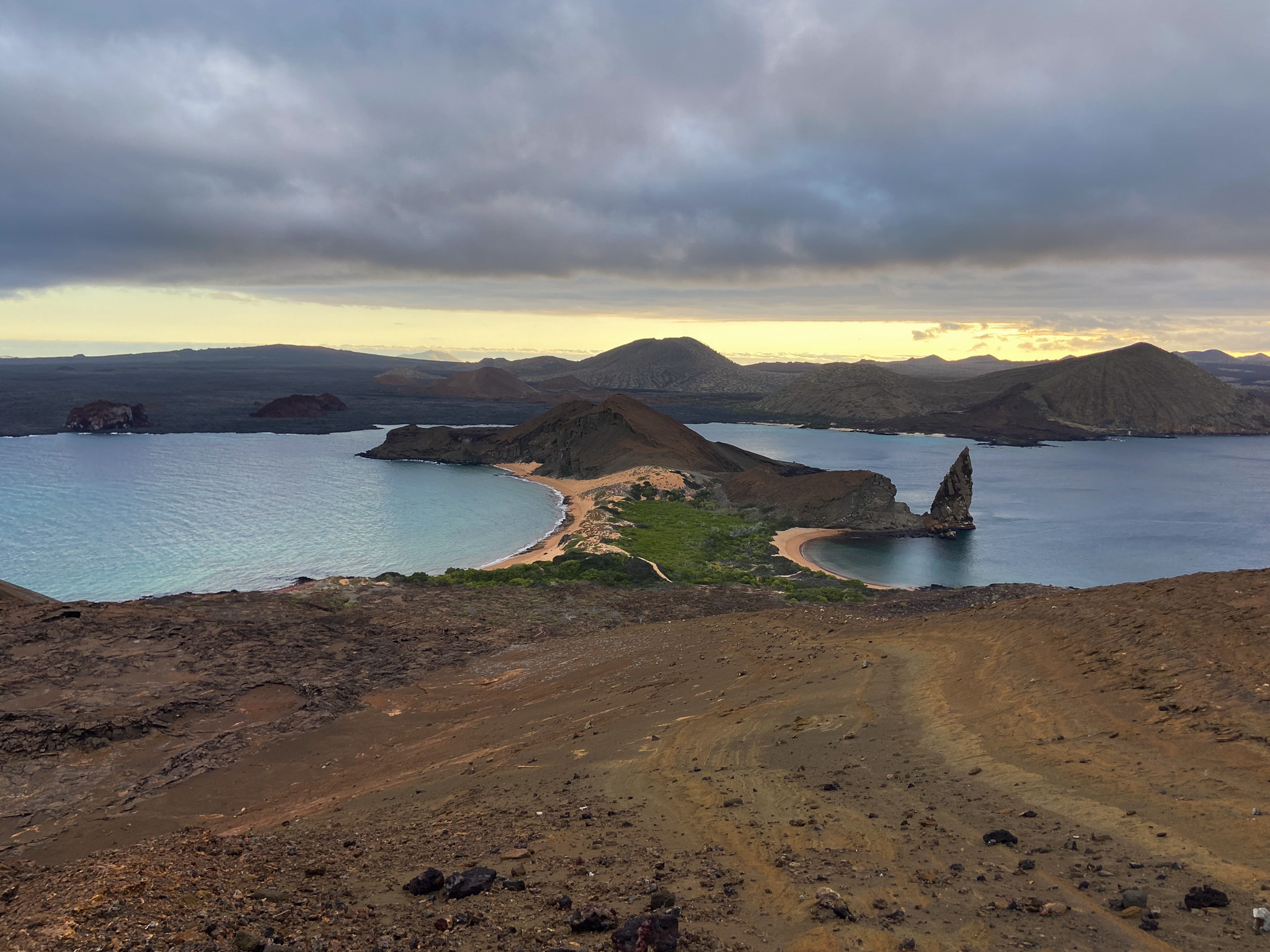
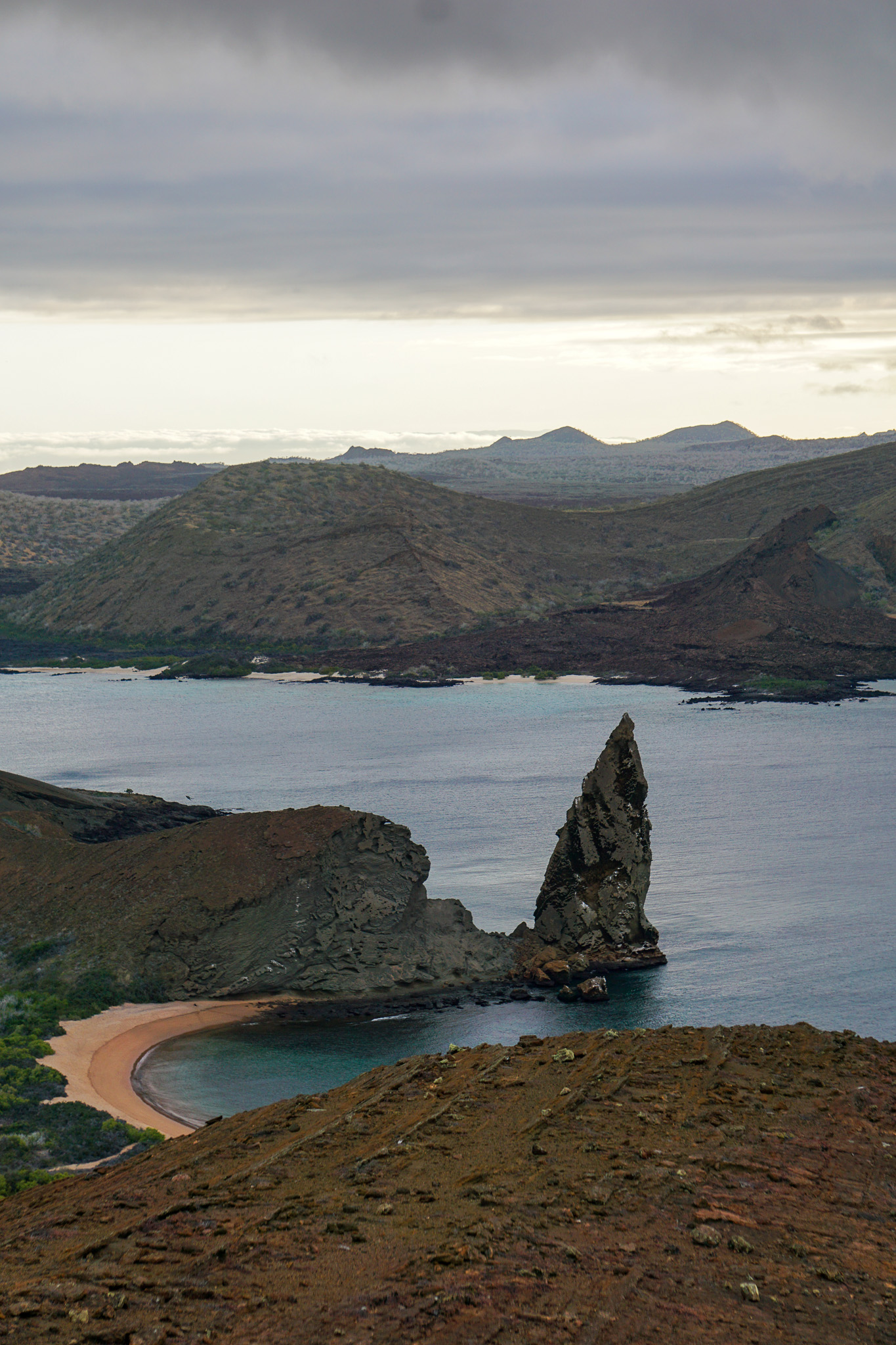



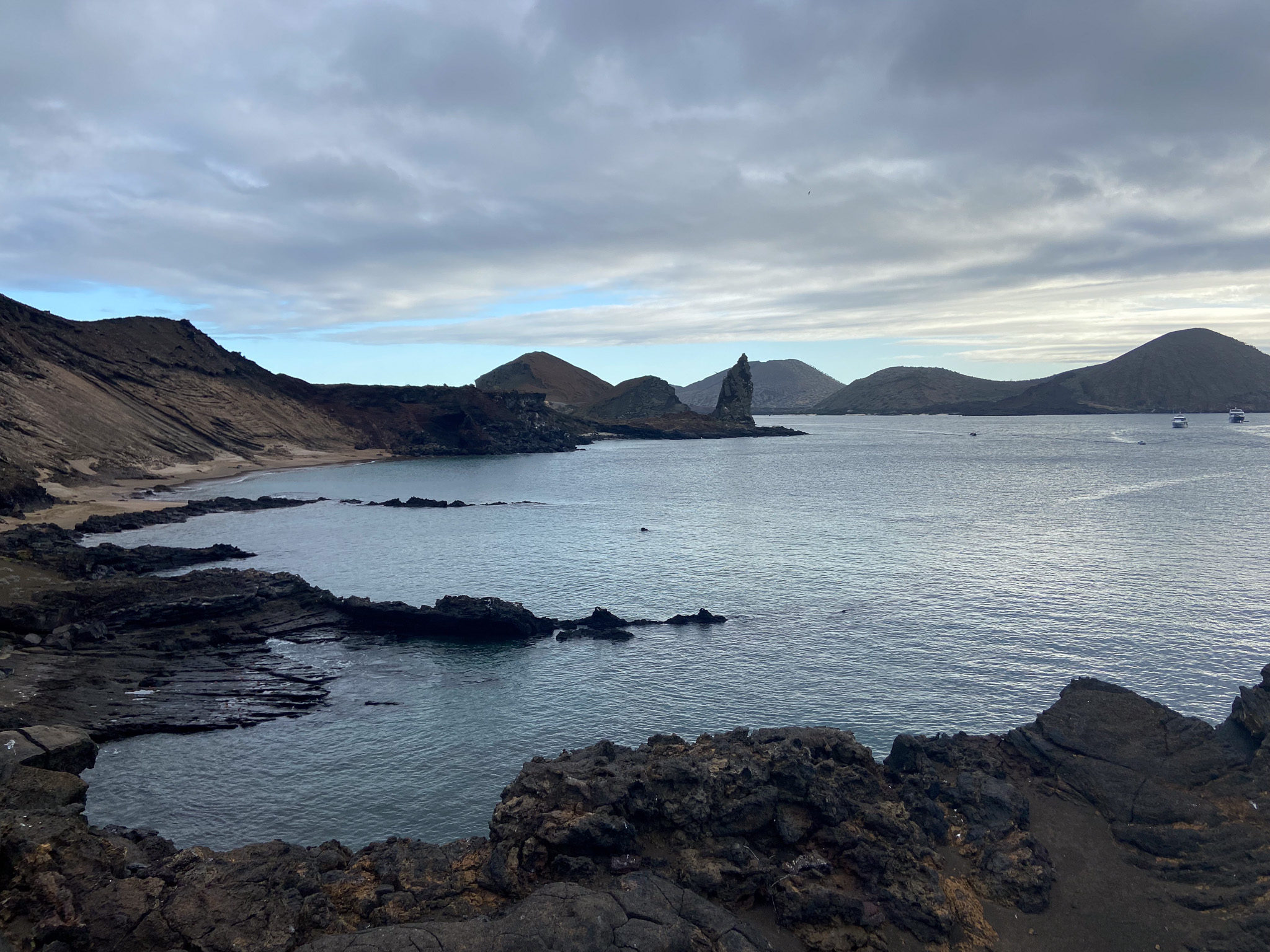
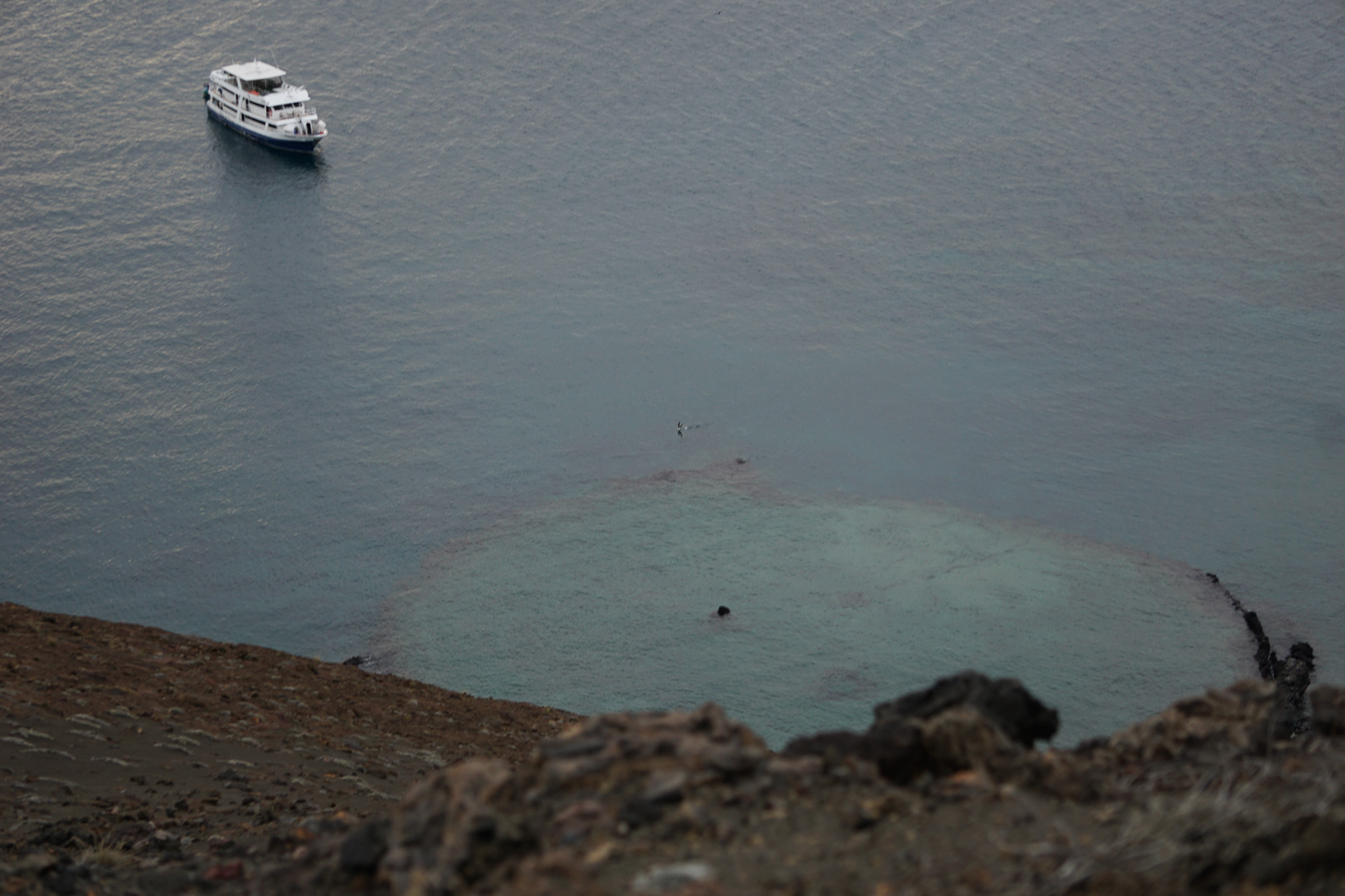
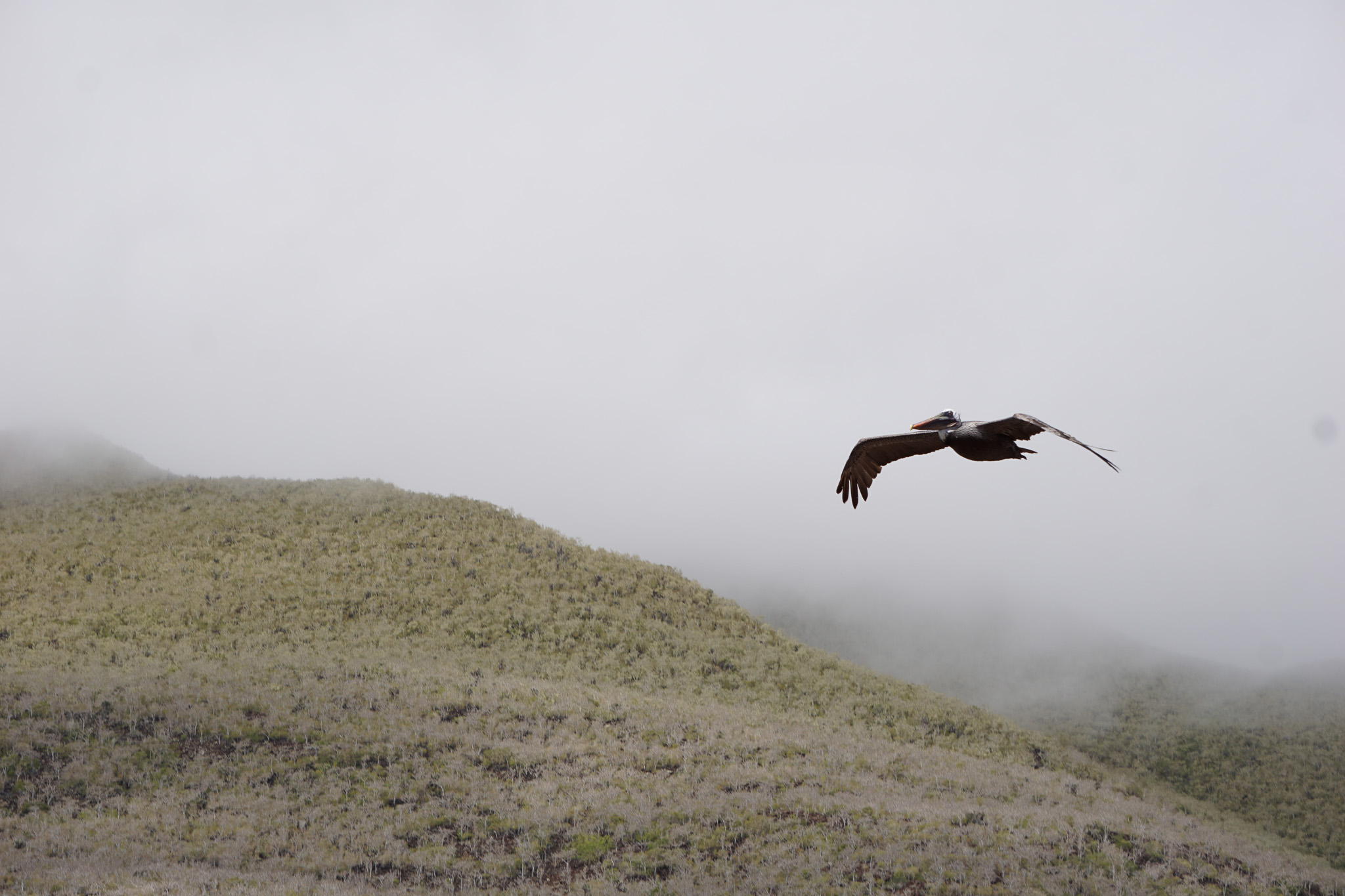
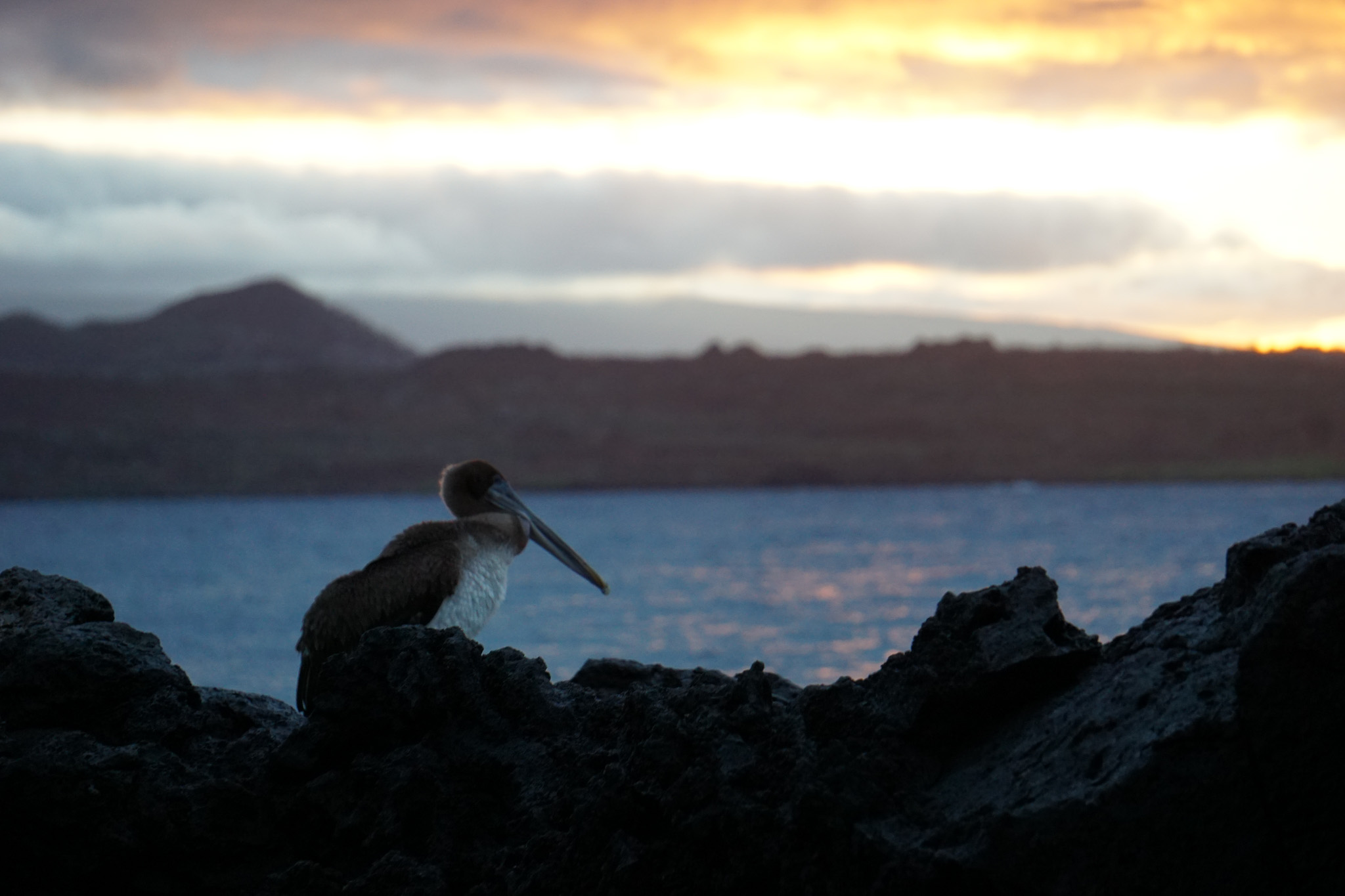
Going back, the sun was setting. I saw some pelicans flying around. I was in the middle of nowhere, and yet in the middle of everything.
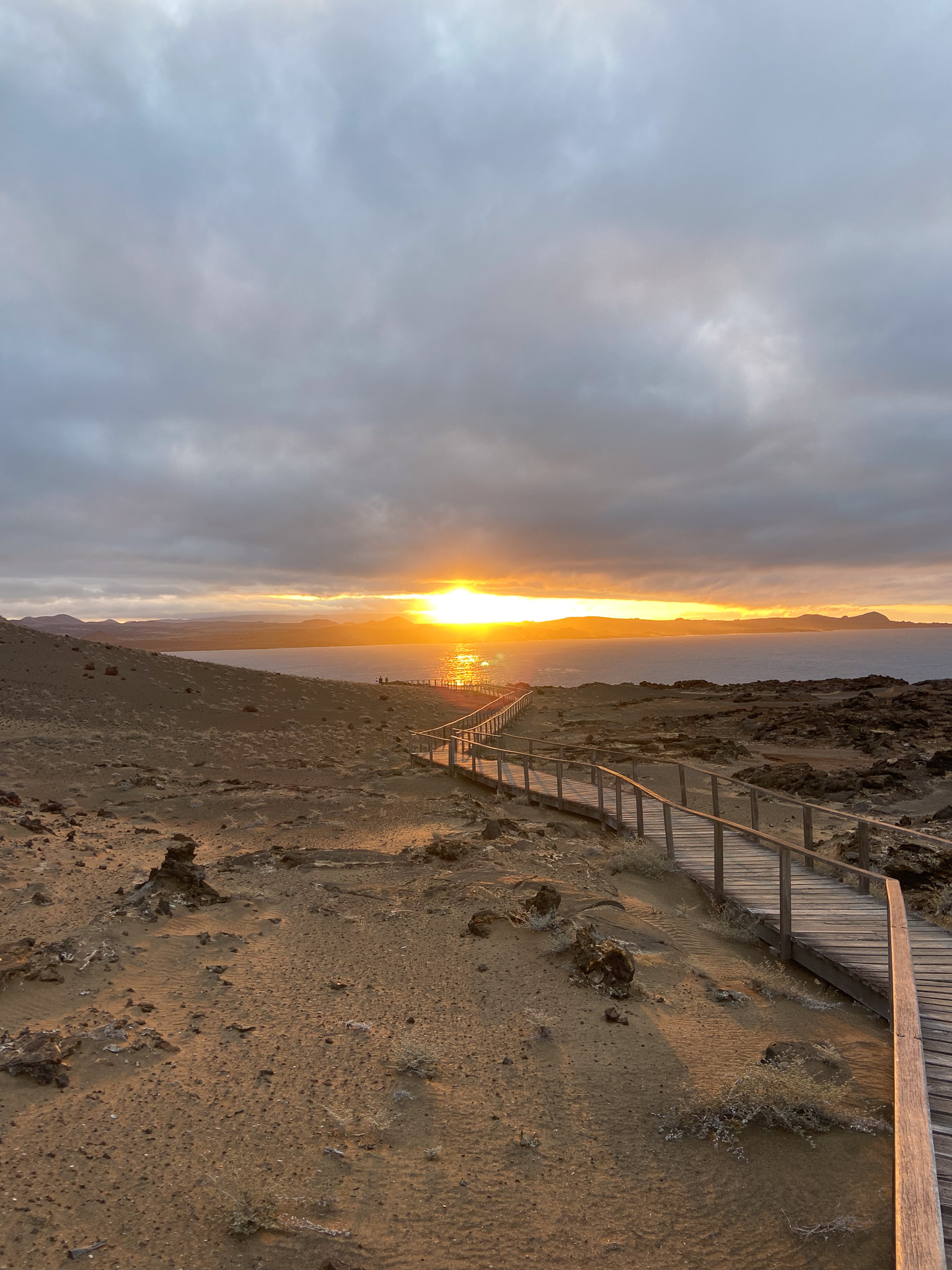
What a marvellous, untouched place.
Love, Nic
 The Winged Bone