
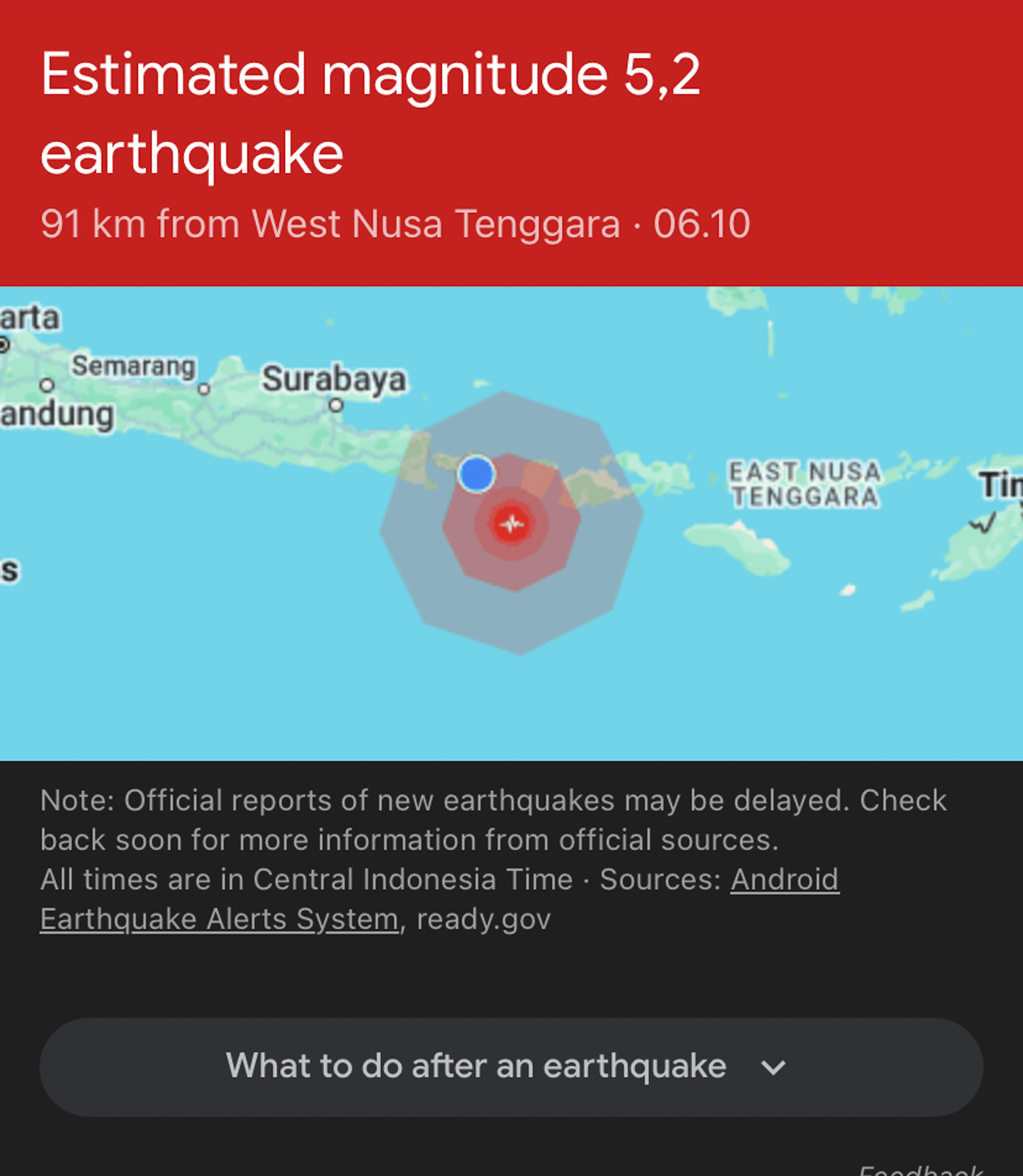
I was awakened by the sound of the glass doors shaking. What was going on? Was someone trying to get into my bedroom? But then realised I was shaking too. My bed was shaking. Oh, it’s an earthquake – and then it was gone. But it had awakened me, and it was just past 5am. I felt silly immediately Googling it – I’m not used to earthquakes (thankfully) even though in certain parts of the world, the land shakes so often it’s like having a rainy day. I was in Ubud and had another week or so in Bali. But Ubud had also been my first stop on the island.
The weather was exactly like my Balinese friend described – stuffy and sticky. I thought I had already gotten used to this sort of weather – after all, I was at the very last stretch of my four-month-long Southeast Asian journey, but nothing could have prepared me for these levels of humidity. It was definitely something else. It was enough to walk for two minutes, and there were droppings of water on my skin.
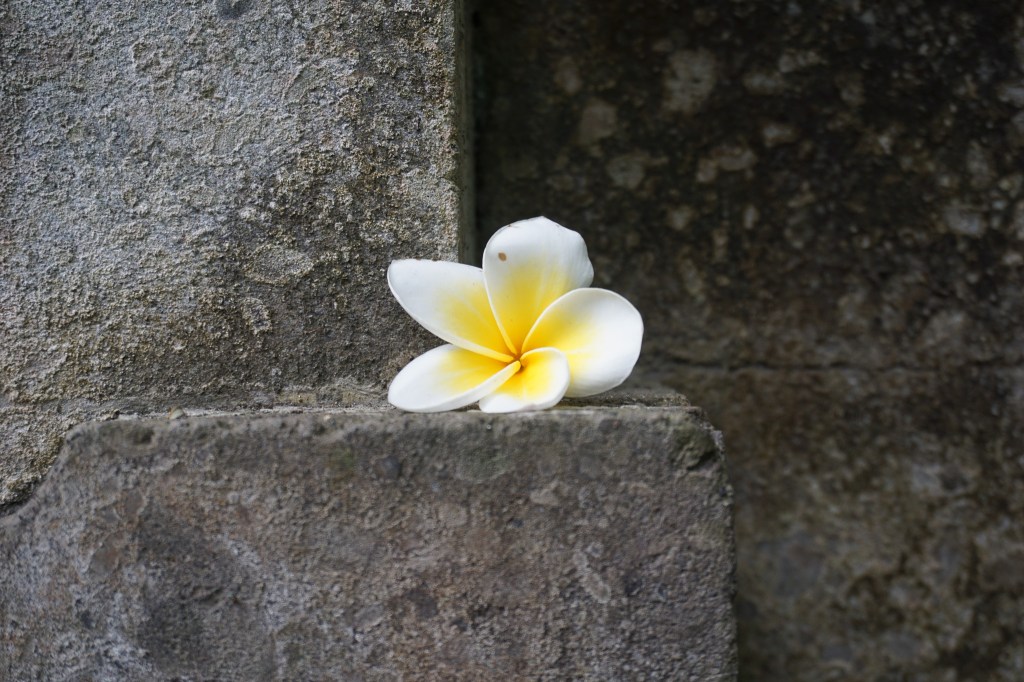
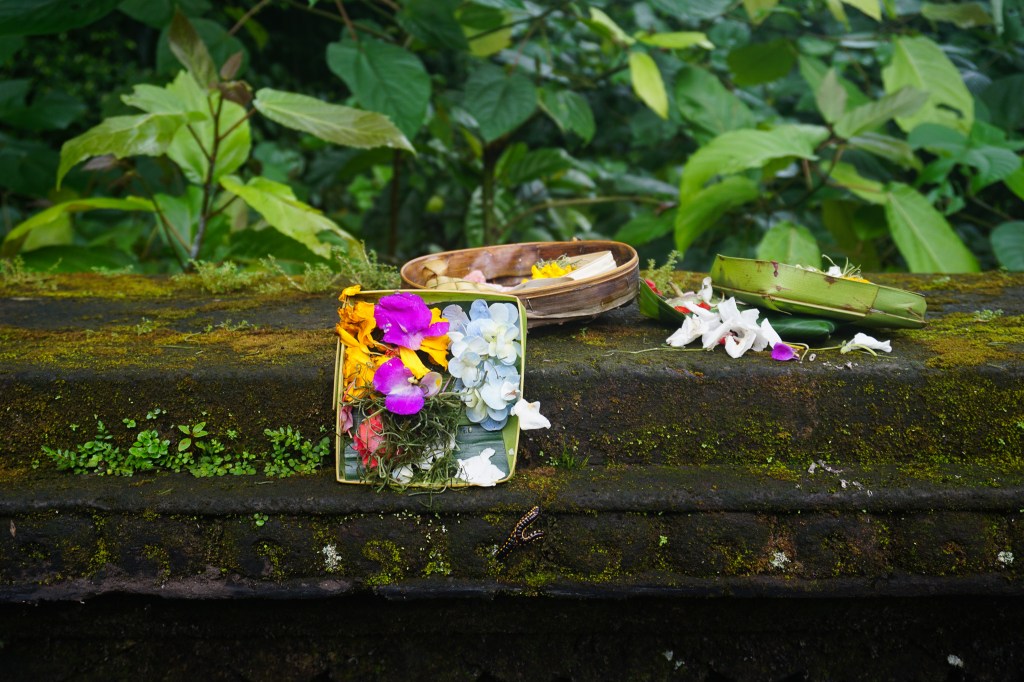
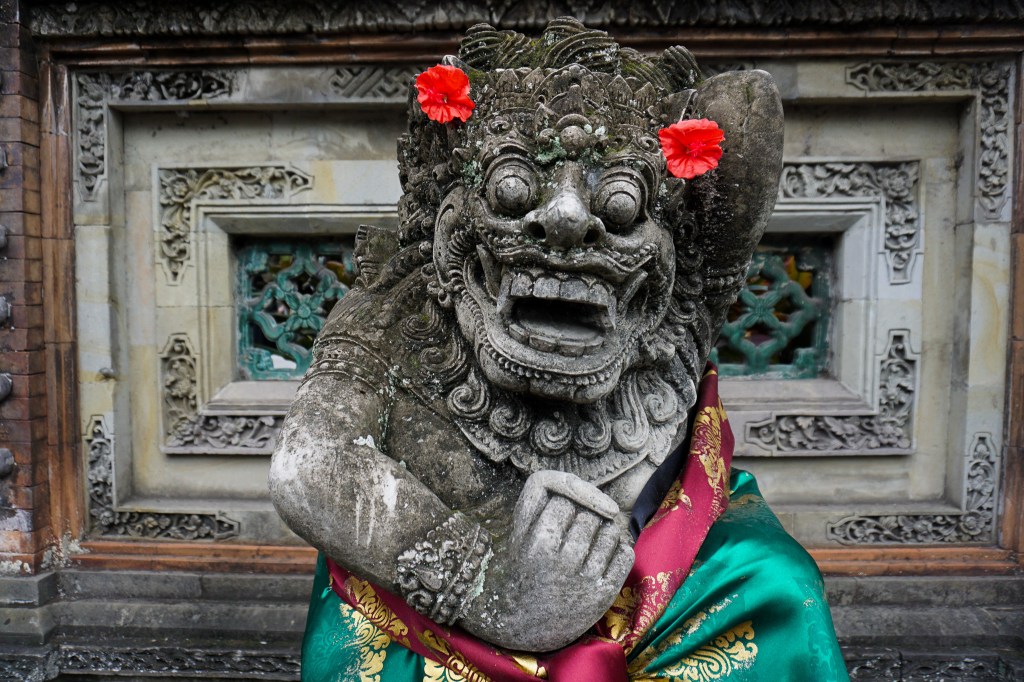
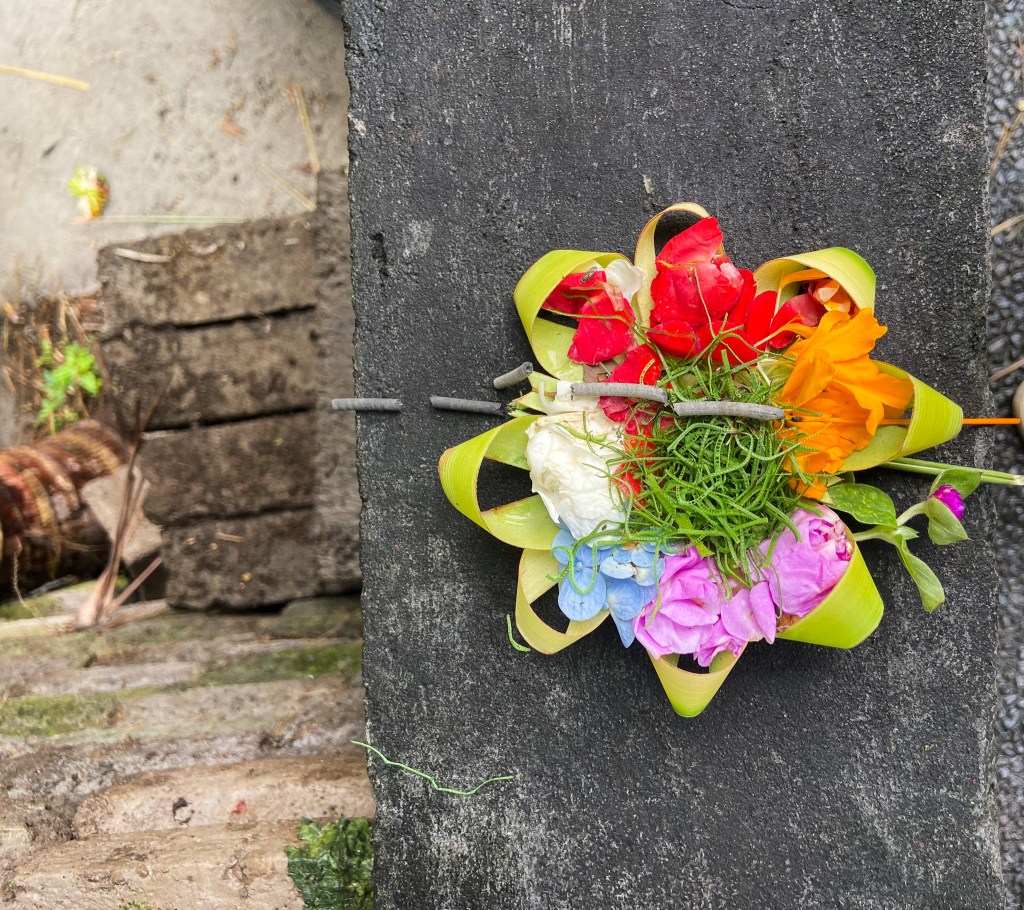
But what would stick with me leaving Bali (pun intended) were the colours. Never have I been in a place where nature was so loud. The green was deep, lush, and intense. The flowers blossomed in shades I didn’t even know could be real. These are used daily to decorate temples and in the offerings that immediately caught my eye – called Canang Sari, you can’t miss them – in the front of any shop, restaurant, hotel, any business really, but also in their homes and of course temples. Carefully arranged in small, hand-woven palm leaf baskets, they are filled with little flowers, a snack or rice (mentos and crackers were a common sight) and of course incense. They are made to show gratitude to the gods, nature and ancestral protection – and an example of how the Balinese traditions are still very much alive, despite the overdevelopment of the island in recent decades.


In my first few nights in Bali, I stayed in a typical homestay in Ubud, a place I found to be clean, with dedicated and lovely hosts, at fantastic prices. But this was likely the only thing that was affordable about Ubud. I was about to be a living witness of the things I had read so much of online – the horrid traffic, the expensive and upscale boutiques that no locals could ever afford to buy from, and a culture of digital nomads that, now that I’ve experienced Bali, I cannot understand what is the appeal of living and working there.

I was planning to use Ubud as a base for my first few days and had planned my itinerary to try to stay away from the hot destinations for true holidayers. I was going to stay in Ubud, then venture to Lovina, then Munduk, Amed, going back to Ubud for a couple other days and then finally, the last few days of my 4 month-long trip, I was going to spend them as a holidayer in a more upscale hotel in Seminyak. This was the plan – an itinerary that I redid again and again, confused by the different information I found online. I had a total of three weeks in Bali, planning to explore the island and its culture, naively not having realised Bali isn’t a destination for cultural buffs – not because the culture doesn’t exist, it simply stays behind closed doors, reserved to the locals. It was with some heaviness that I quickly realised Bali wasn’t only a destination that figured a lot on social media feeds, but also a destination where tourist experiences had been tailored precisely for that purpose – meaning it was incredibly superficial, with guides with a high expertise in capturing photos having the tourist as the main character, rather than in explaining the culture, the history and customs of the island.

This shouldn’t have been a surprise to me. I suppose the only reason it was is that even though I had been to many places that had become famous because of social media, I don’t think I’ve ever seen a place that had been completely transformed to only provide experiences that look good on a feed.
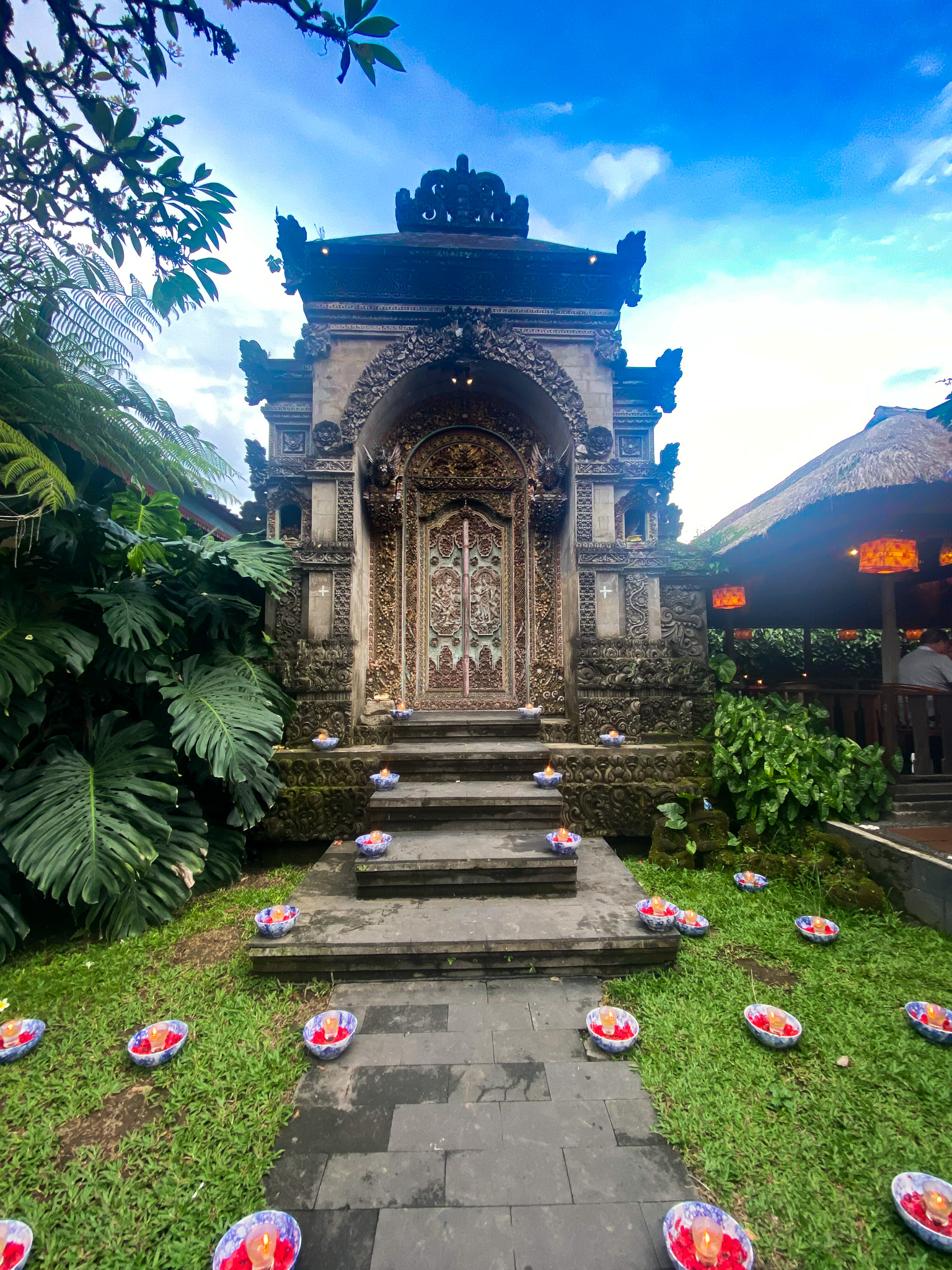
Ubud, with its polluted, dense, sticky air, was far from the spiritual town I was led to believe it was. It felt more suffocating than any other big city I had been to if I’m going to be honest, and there wasn’t much to do besides yoga classes, massages, and going to spend money on very expensive boutiques. I had to scrap around for activities to do on my own – involving exploring a nearby rice field, a good walk thankfully quite empty of tourists and going into some temples. I wasn’t tempted by the famous Monkey Forest, especially bearing in mind I had seen more than enough monkeys during my travels, and I know how these monkeys can be tricky. Of course, there was already some travel fatigue in me as well, so I could sense I was becoming pickier with the sort of things I wanted to spend my money and time on.

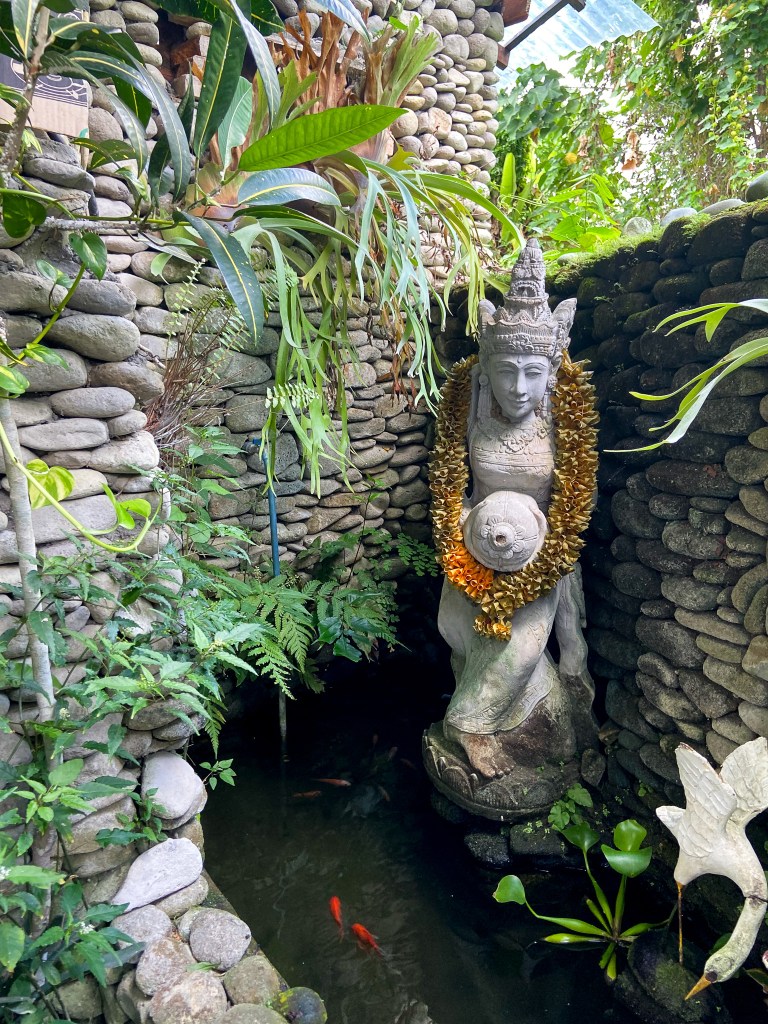

I will link here both places where I stayed in Ubud, because really they both were amazing, and you should choose these places rather than go for hotels, villas or retreats that are actually owned by foreigners. Both are family-owned, so you also get to witness a traditional Balinese home and honest hospitality. Jepun Bali Ubud Homestay and Ayu Homestay.
During my time in Ubud, I took two different day trips and also hired a driver for a day to take me to some other places. None of these were great, not going to lie. I quickly realised the concept of group day tours isn’t really a thing in Bali – they want to ensure tourists spend their money on taxi drivers (Grab is definitely tightly controlled by the so-called taxi mafia). For a solo traveller, this makes things quite uncomfortable – spending a day with a driver who is taking me to places by myself, with weak English and no expertise to actually explain what I’m seeing… not great. The “group tour” I took, was also just a driver, and another solo traveller, who was also quite surprised that it was just the two of us. The driver/guide was also a bit cold, not very friendly, seemed impatient and not willing to be there with us at all. And finally, I also took a day tour to Nusa Penida – but will talk about that experience on another post.
Walking in Ubud isn’t an easy thing either. The sidewalks are tiny when they exist, and mopeds can easily use them as a road. In fact, I accidentally got a kid to fall off his bike as he got stuck in my backpack, which could have been dangerous for me too. He immediately got up, and a man who I assumed was his father ran to him, scolding him – or at least that’s what I thought he was doing, with the shouting. I was mortified. The child could have been seriously injured, but it wasn’t my fault he had decided to use a tiny sidewalk as his playground…
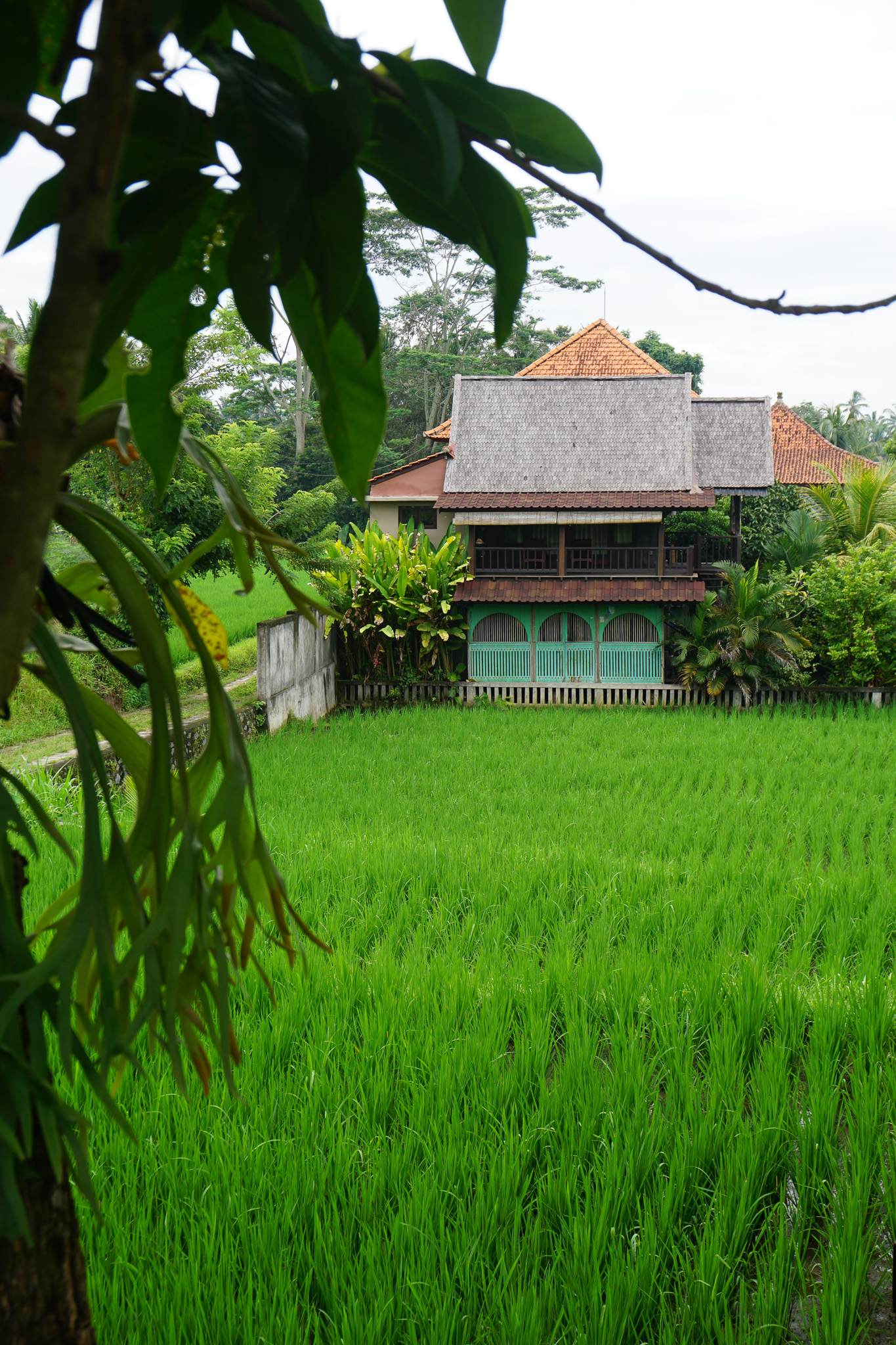
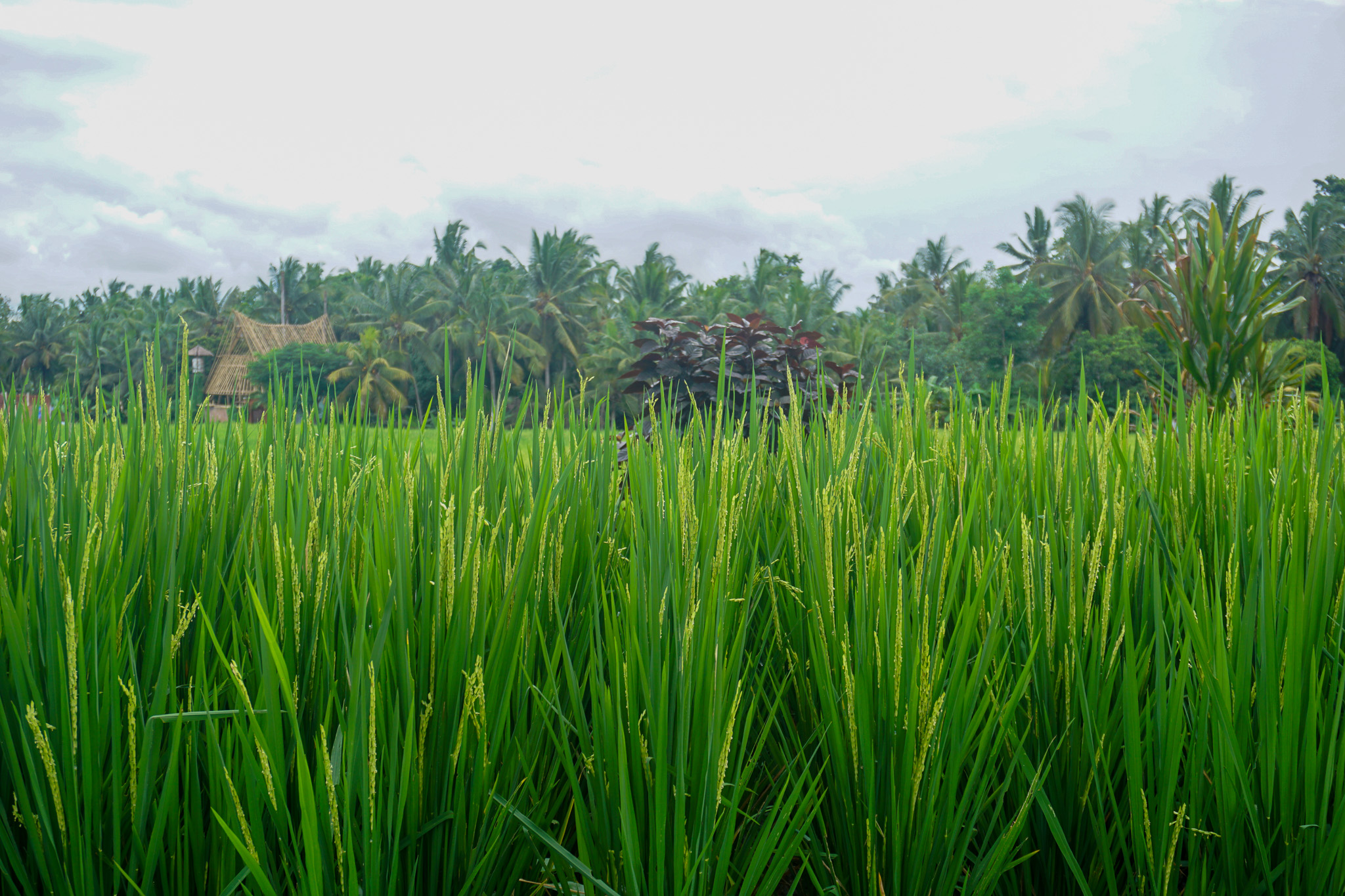
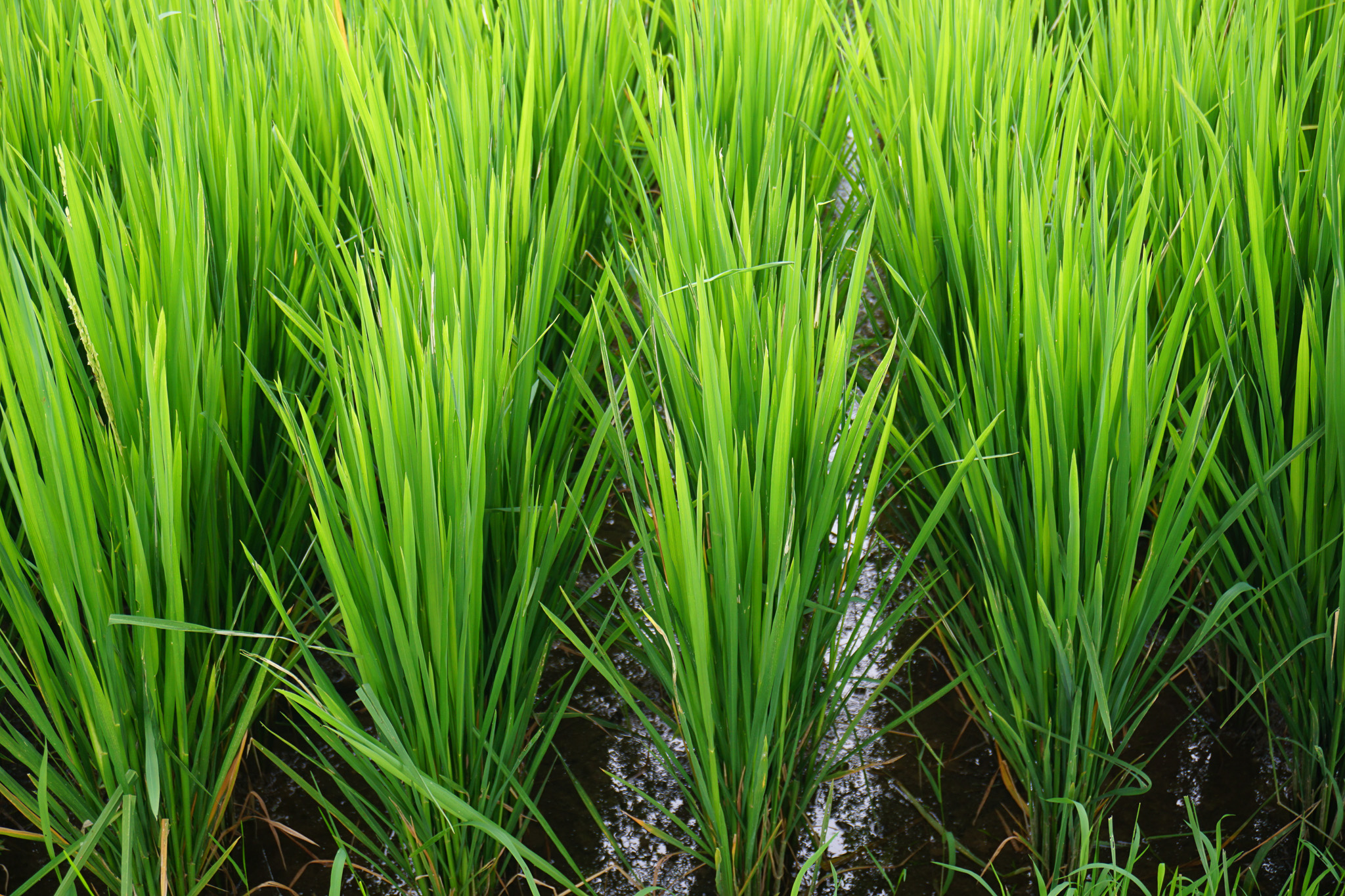
I found some solace from the busy town centre by walking what on Google Maps is identified as the Campunhan Ridge Walk, which offers some views of the lush greenery of some rice fields. Be prepared to see some snakes, which are common in rice fields and often used to hunt for rats. I saw a couple small ones but at a nice distance from me. Taking photos was hard – the humidity was such that my lens would get fogged, so I decided to only use my phone to protect my more expensive camera lens.
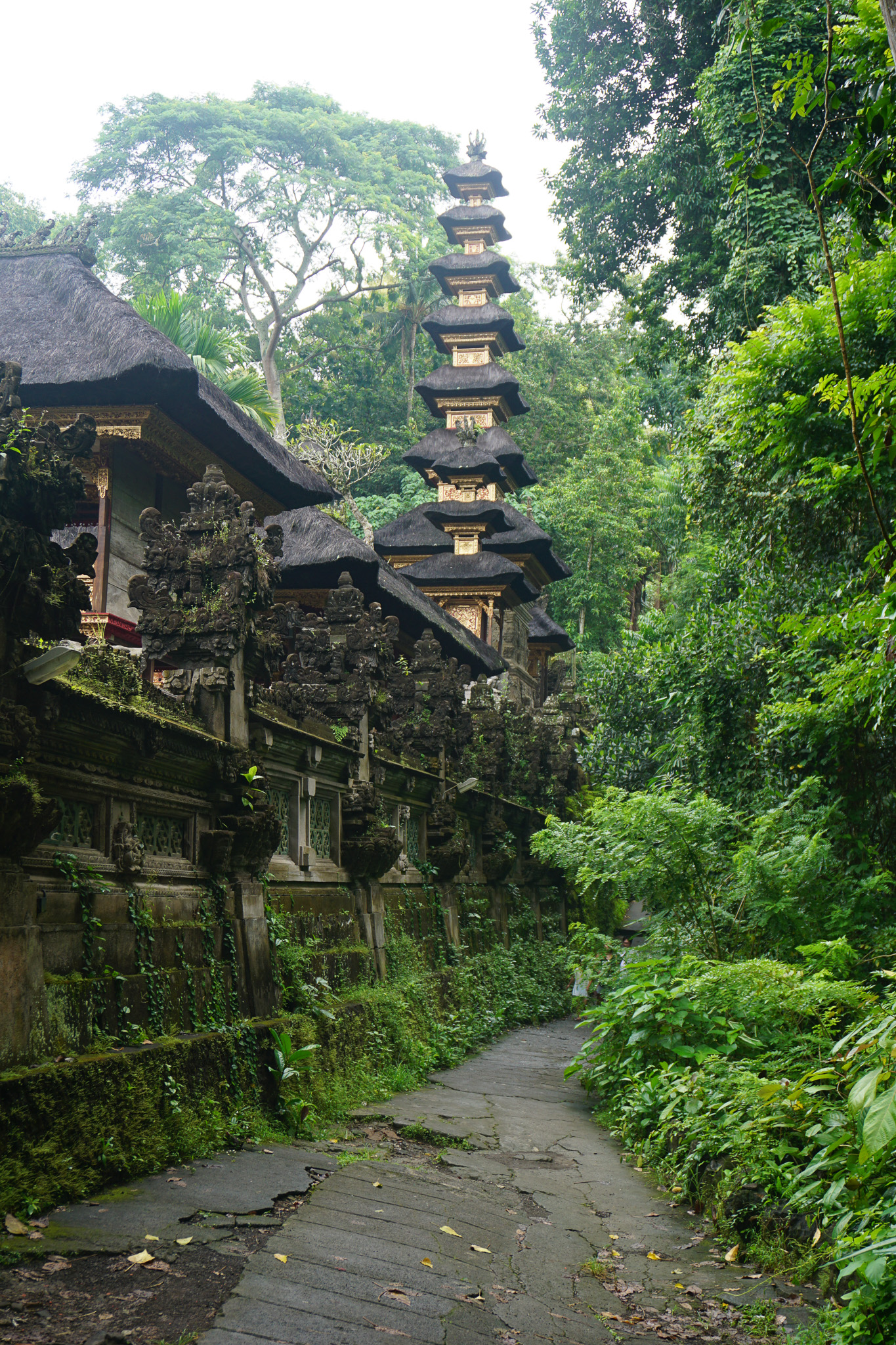
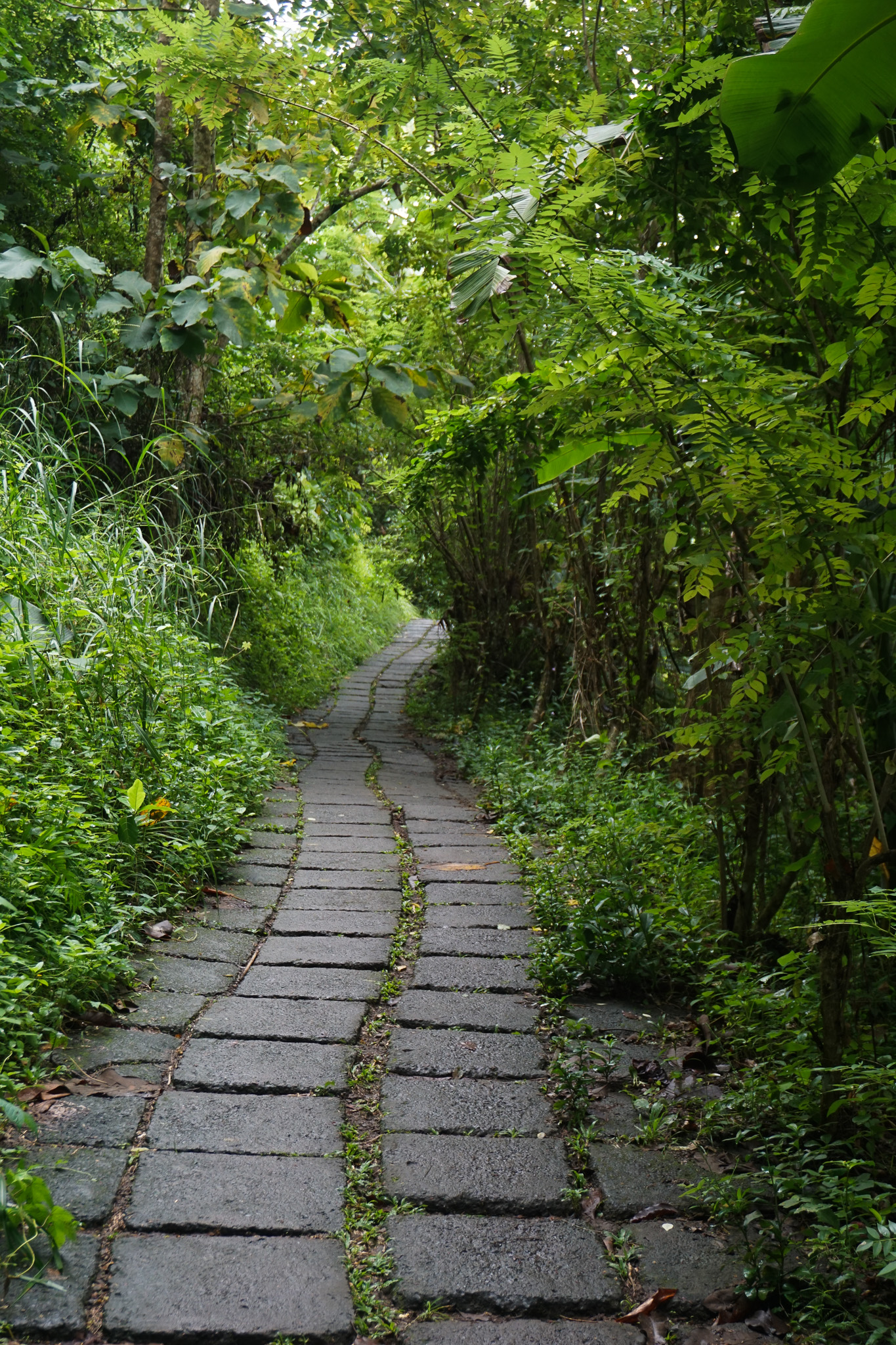
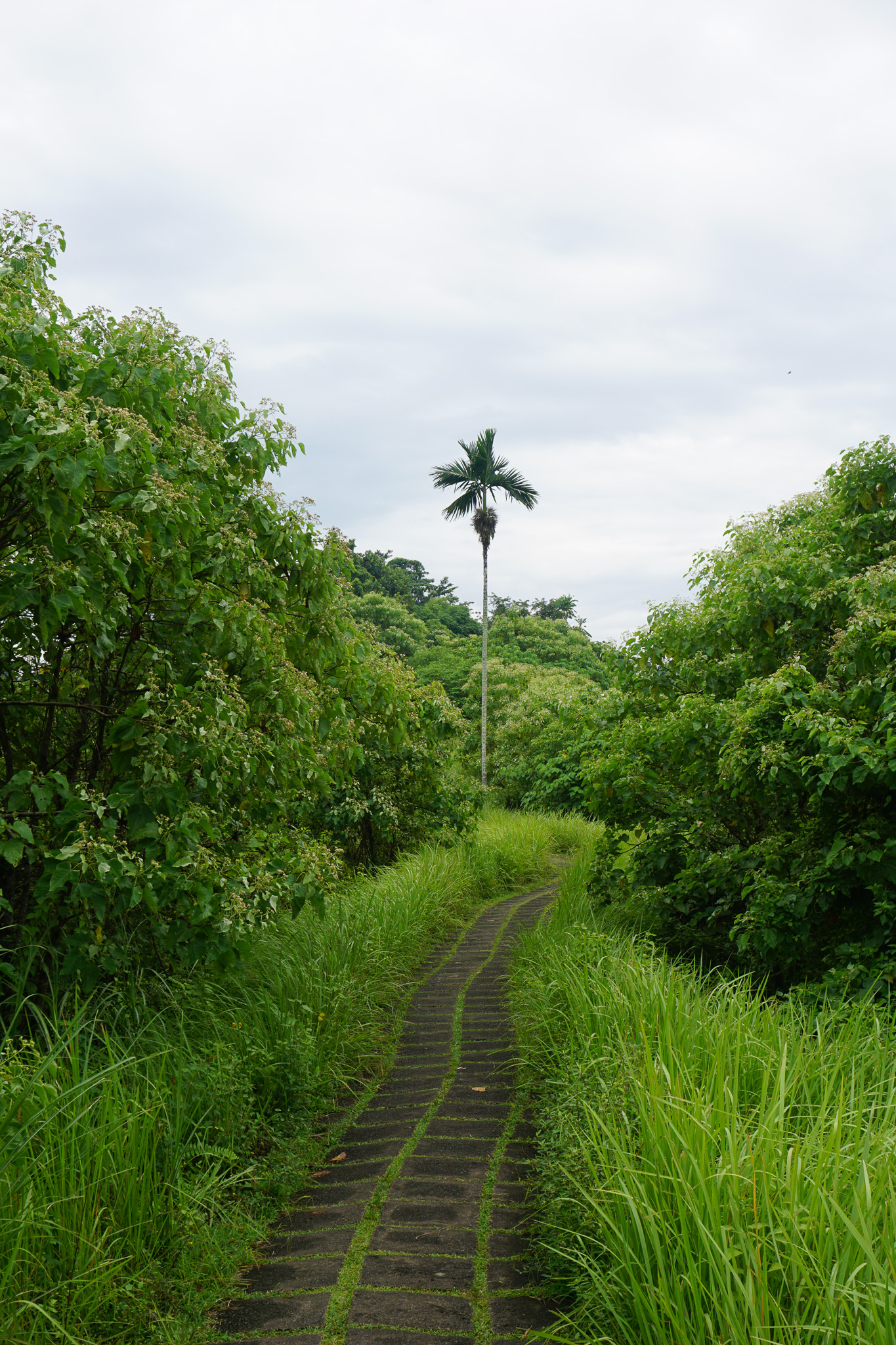
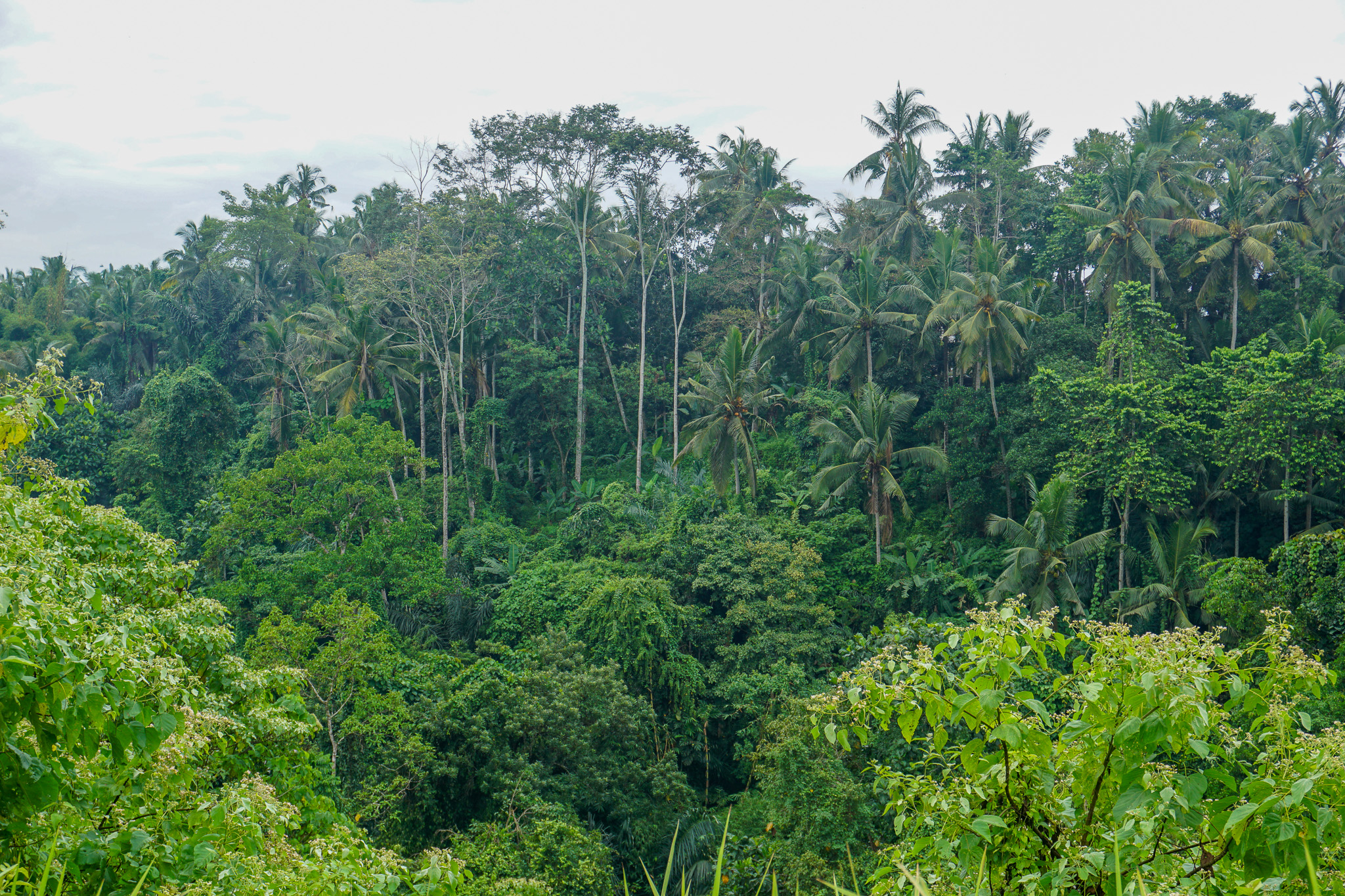
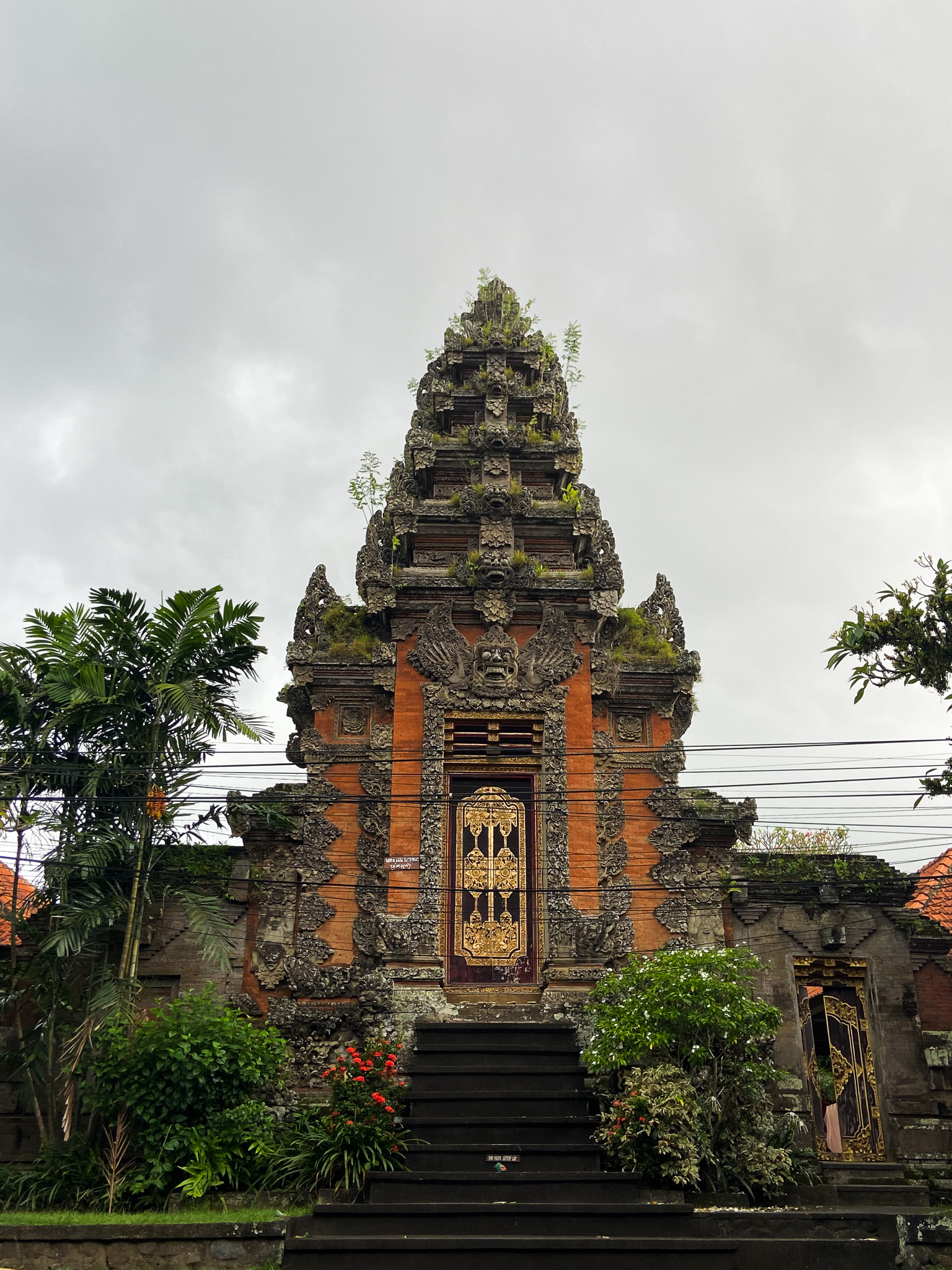
After that, I visited the Ubud Palace, marvelling at the details of the Balinese-decorated gates. That’s when it started to rain, seriously rain. I tried to find shelter but soon realised the rain was nowhere close to stop… so eventually, I marched back to my accommodation, arriving drenched. And even after showering I didn’t feel much better… the humidity was such that on the last night, I noticed mushrooms were growing from the bathroom ceiling. Yes, it is humid!


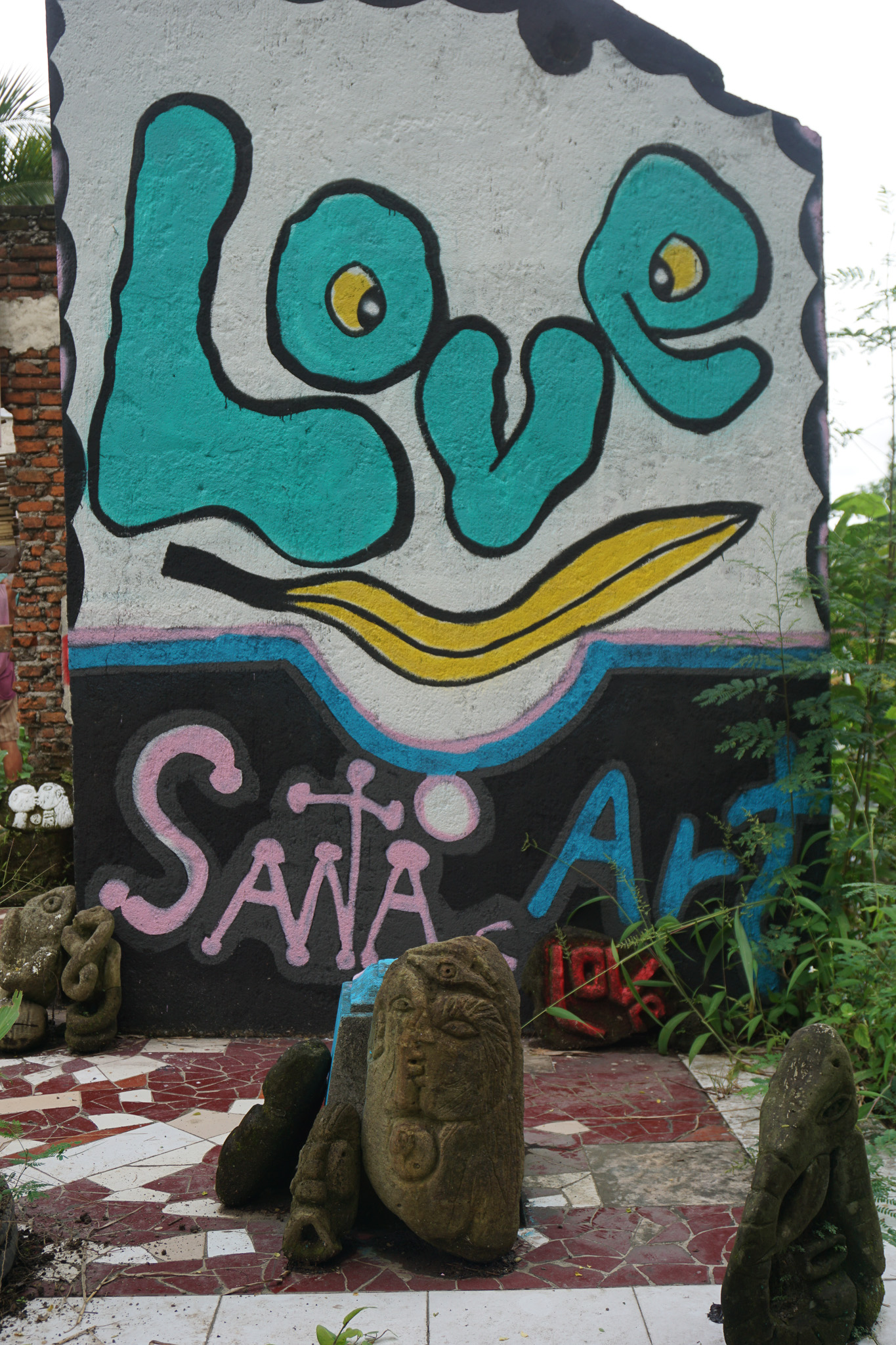
I was looking forward to visiting the Art Market, having been told there was a real artistic scene in Ubud. Don’t expect to find it in these markets that are actually just selling mass-manufactured products, tacky souvenirs, that you can buy anywhere in Bali. Most of them, are incredibly overpriced, and they will totally try to rip you off. I was taken aback by how forward the sellers were, the opposite of what I had heard the Balinese people were. They were pushy, I couldn’t look for more than a second to a product and they were already trying to shove it into my bag. And then when I refused, they simply became rude. I simply hate this sort of behaviour and it really puts me off buying anything at all – Thailand was definitely my shopping paradise in all of Southeast Asia, where I could peruse the markets without being bothered, without this rudeness, and constant attempts of using me as an ATM. I did end up buying a couple pairs of flowy pants, and another pair of shorts, as my clothes were definitely falling apart at that point. I probably still paid more than I should have, but the lady was nice and I was happy to give her my business.


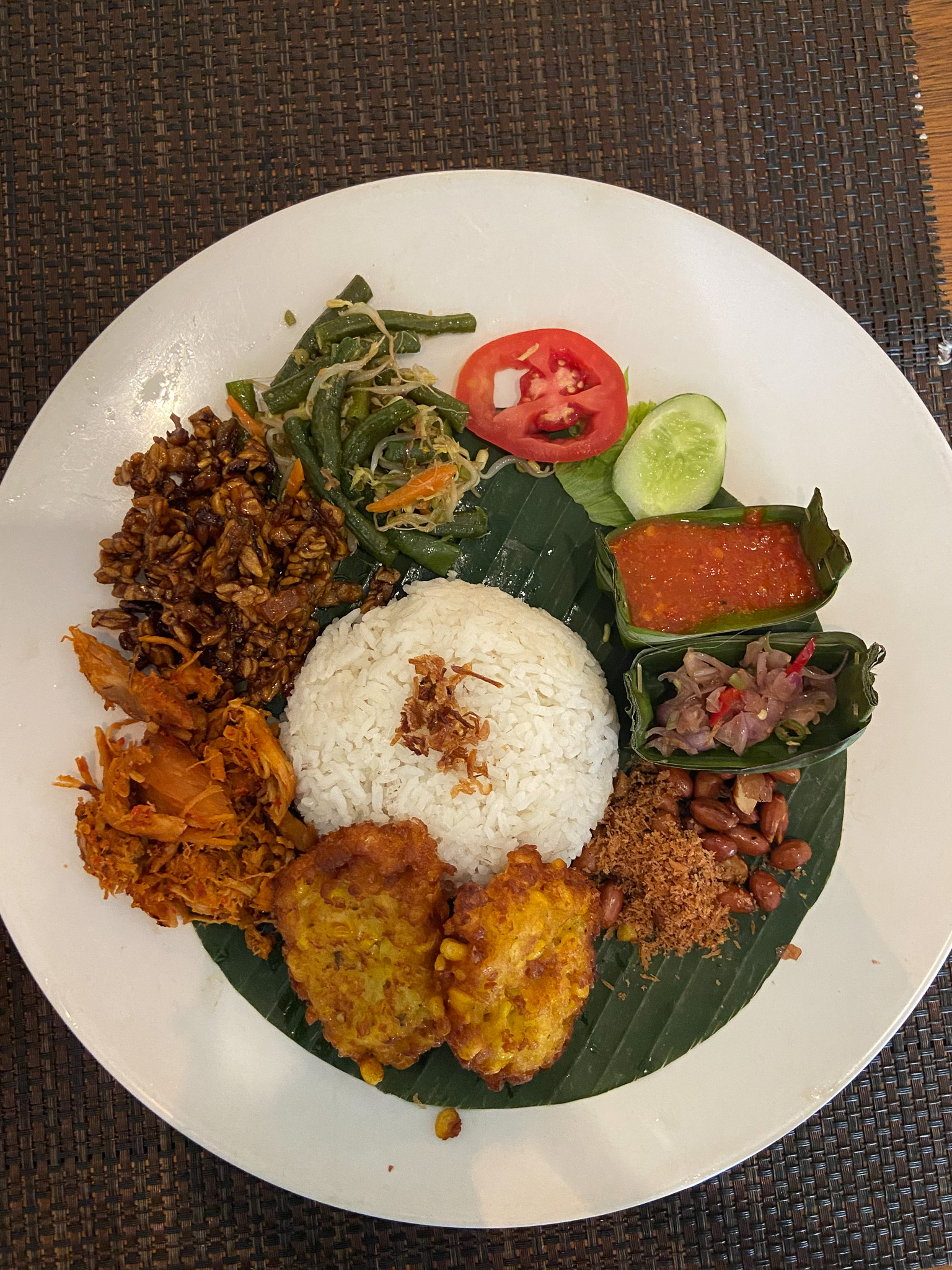
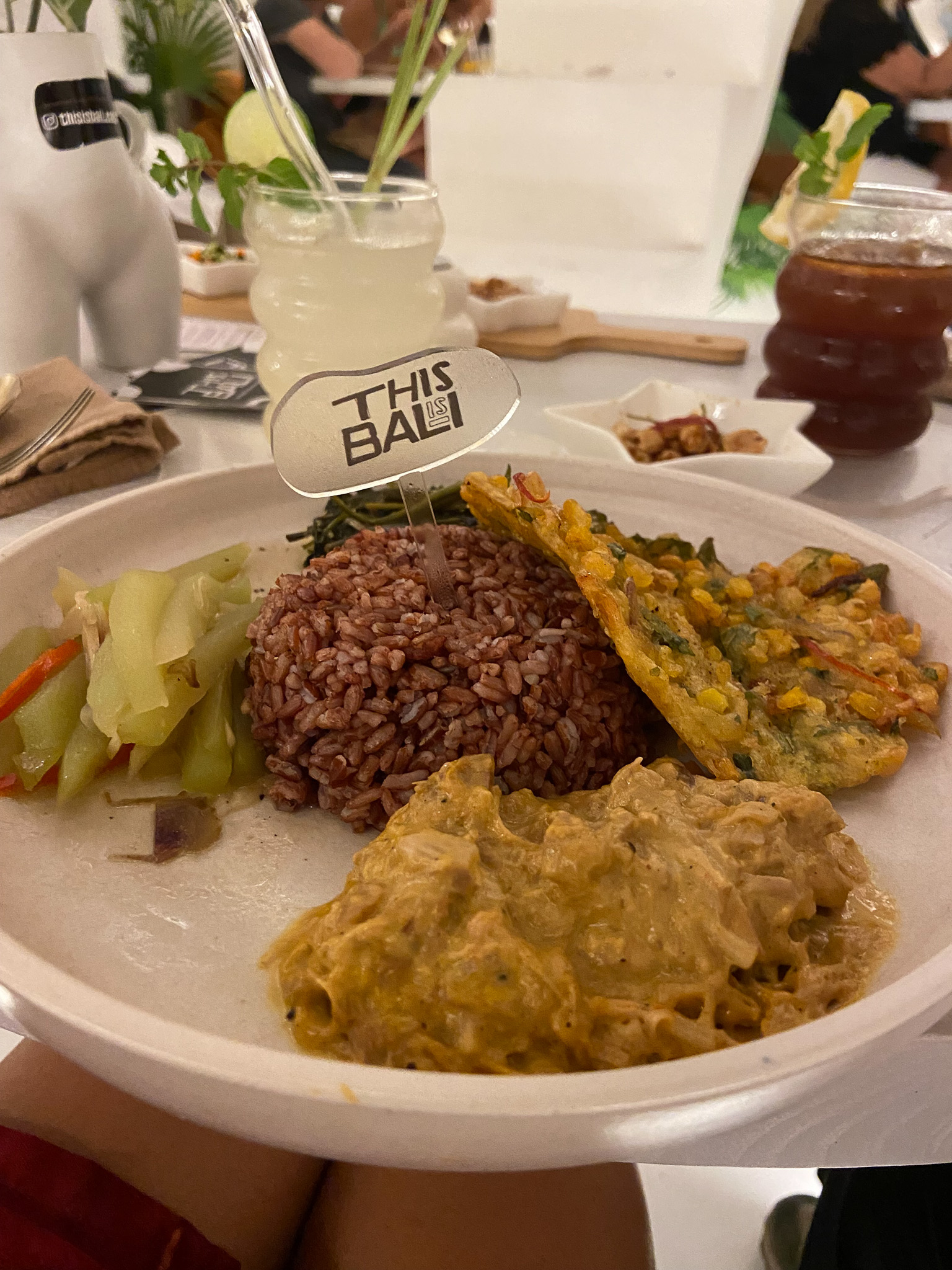
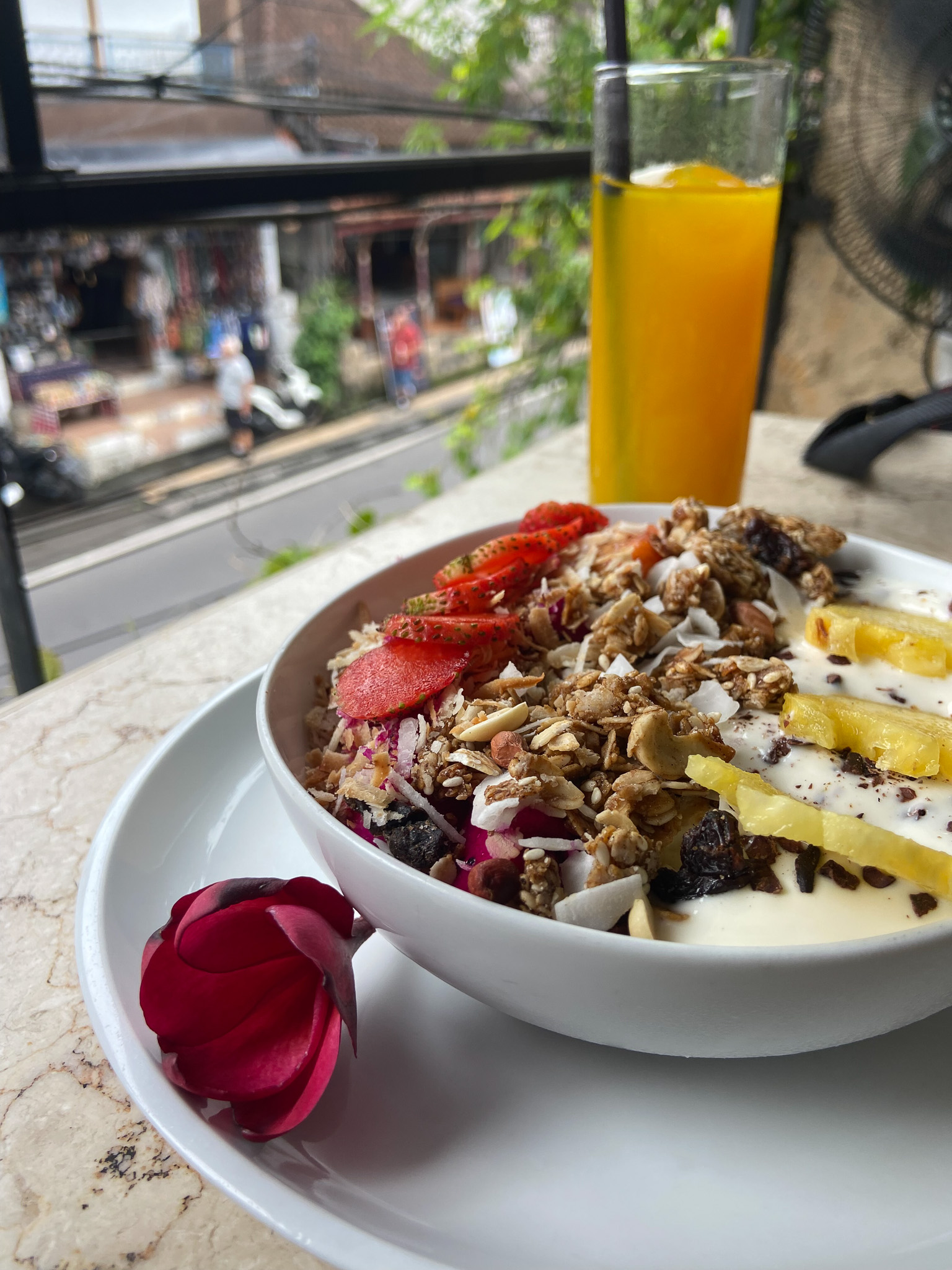
One of my favourite things to do in Ubud was simply eating – the Balinese food is delicious, and I could not have enough of peanut sauce and tempeh. Some places I quite enjoyed were This is Bali (more on the pricier side), Tinos Warung, Ranu Kitchen Grill and Run’s Warung. Can recommend all of these – nice food, not too expensive – and I never caught Bali Belly! Lazy Cats cafe is a bit more upscale, but I had an amazing granola bar in there.

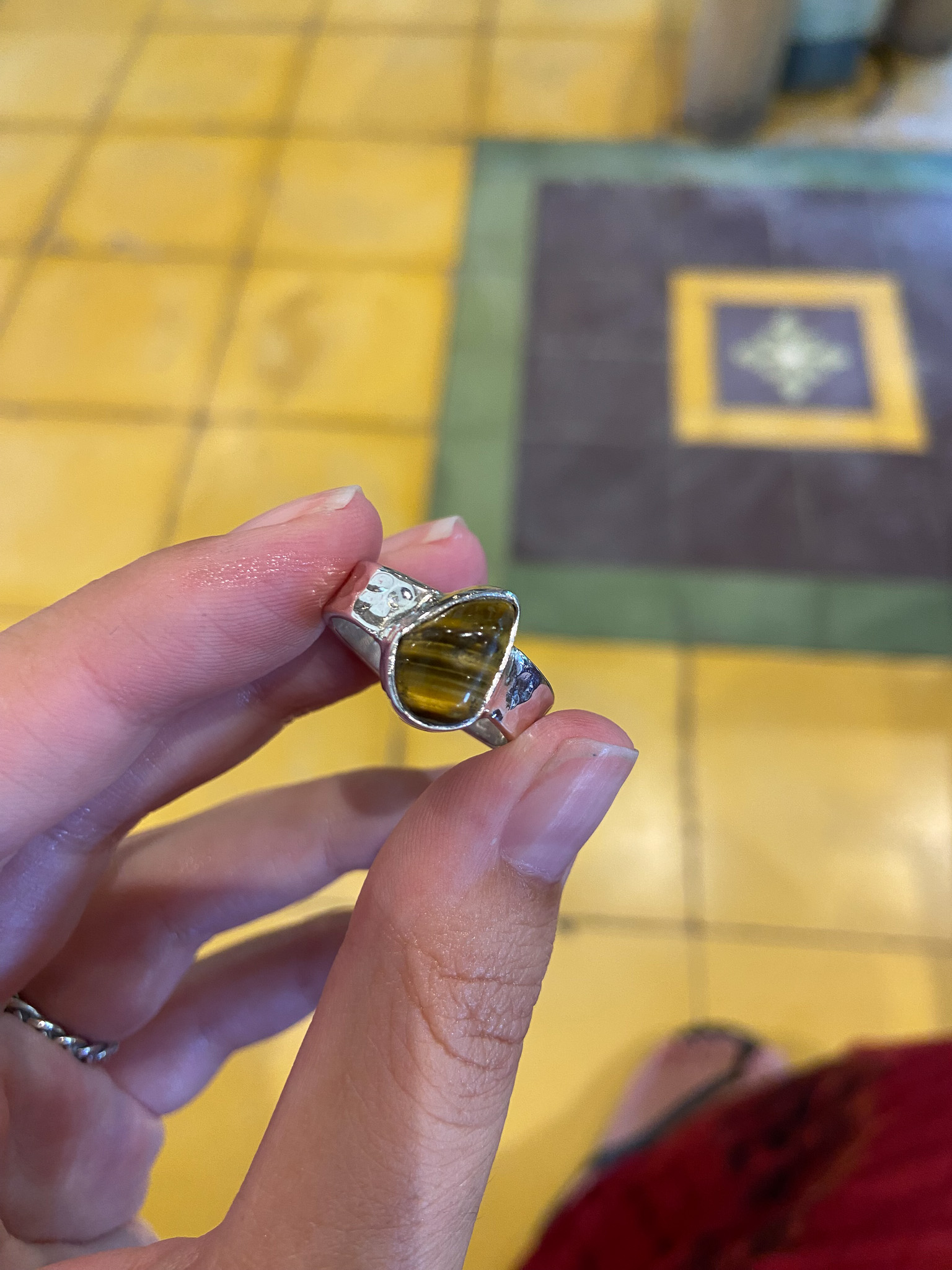
But the activity that I liked the most in Ubud was a workshop on silver jewellery making. It was fun and I made myself a nice little ring – something that you can look into if you have some extra time on your hands. I went to Parallel Universe and recommend it.
This was pretty much what I got up to in Ubud. Definitely a bit far from my expectations, but still a good base to explore Bali from.
Love, Nic
P.S. This post includes affiliate links. This simply means if you click through and make a purchase, I’ll get a small commission.
 The Winged Bone
One thought on “Sticky Bali – my experience in Ubud”