
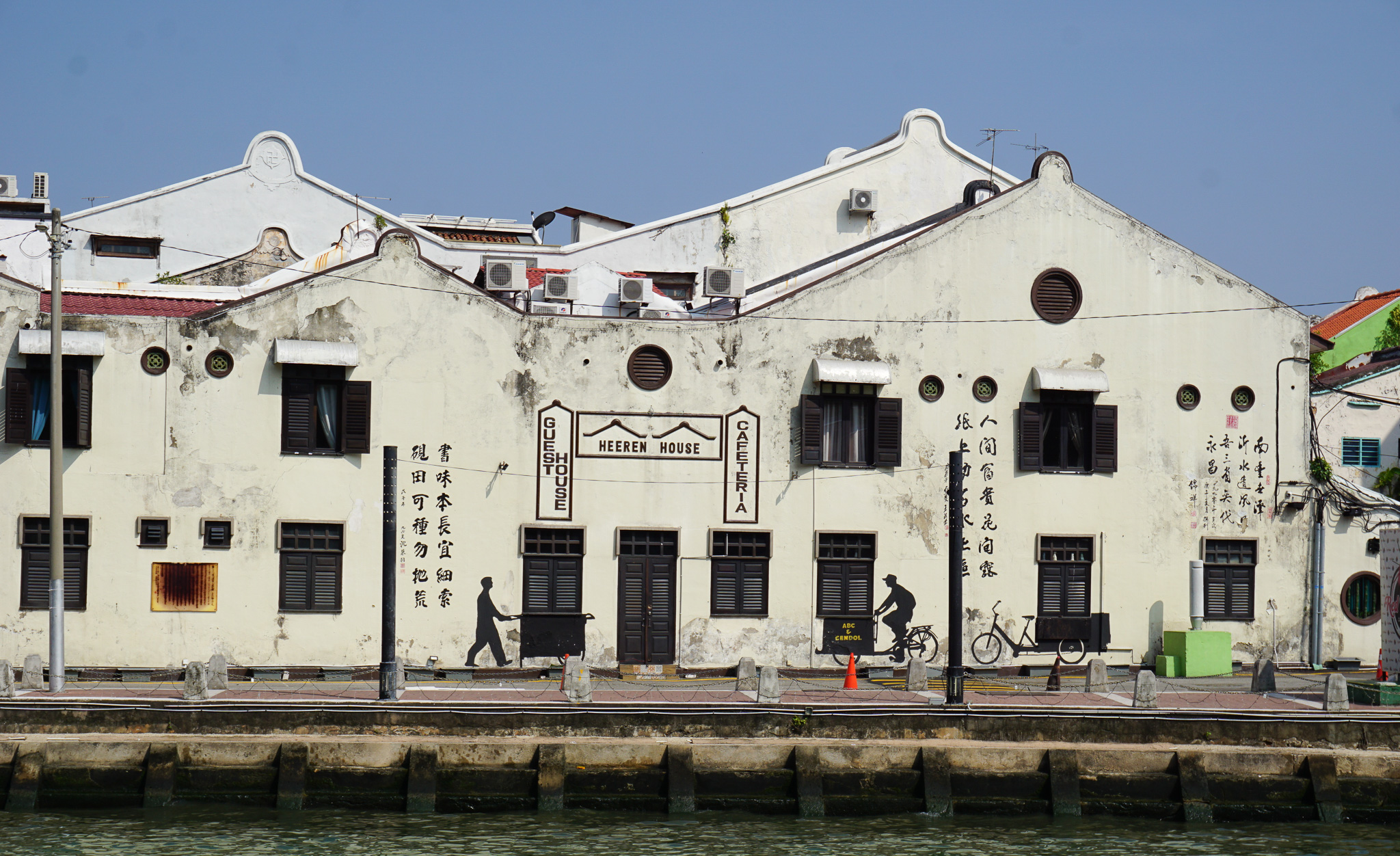
After Langkawi, Malacca was definitely my least favourite place in Malaysia. I was done with it in my first afternoon there. I couldn’t believe I was staying for three nights. But it was too late to change my plans – I had a bus booked to go to Singapore and I was trying hard not to worry about a few extra nights in Malacca.
The town had been part of my itinerary from the early stages of planning, as it was a tourist spot mentioned in almost every article I read about Malaysia. There was also something to be said about the historical relevance of it. In truth, doubts had been planted in me about Malacca when I was in Georgetown, visiting the Blue Mansion. The guide – one of the owners of the place – had let it slip that she thought Malacca was about to lose its UNESCO heritage status, comparing it to an entertainment park. Later, in Kuala Lumpur, some travellers who had done the same tour with the same lady in Georgetown and had been to Malacca already, put my concerns at ease, telling me she was exaggerating.
Well, she was not.

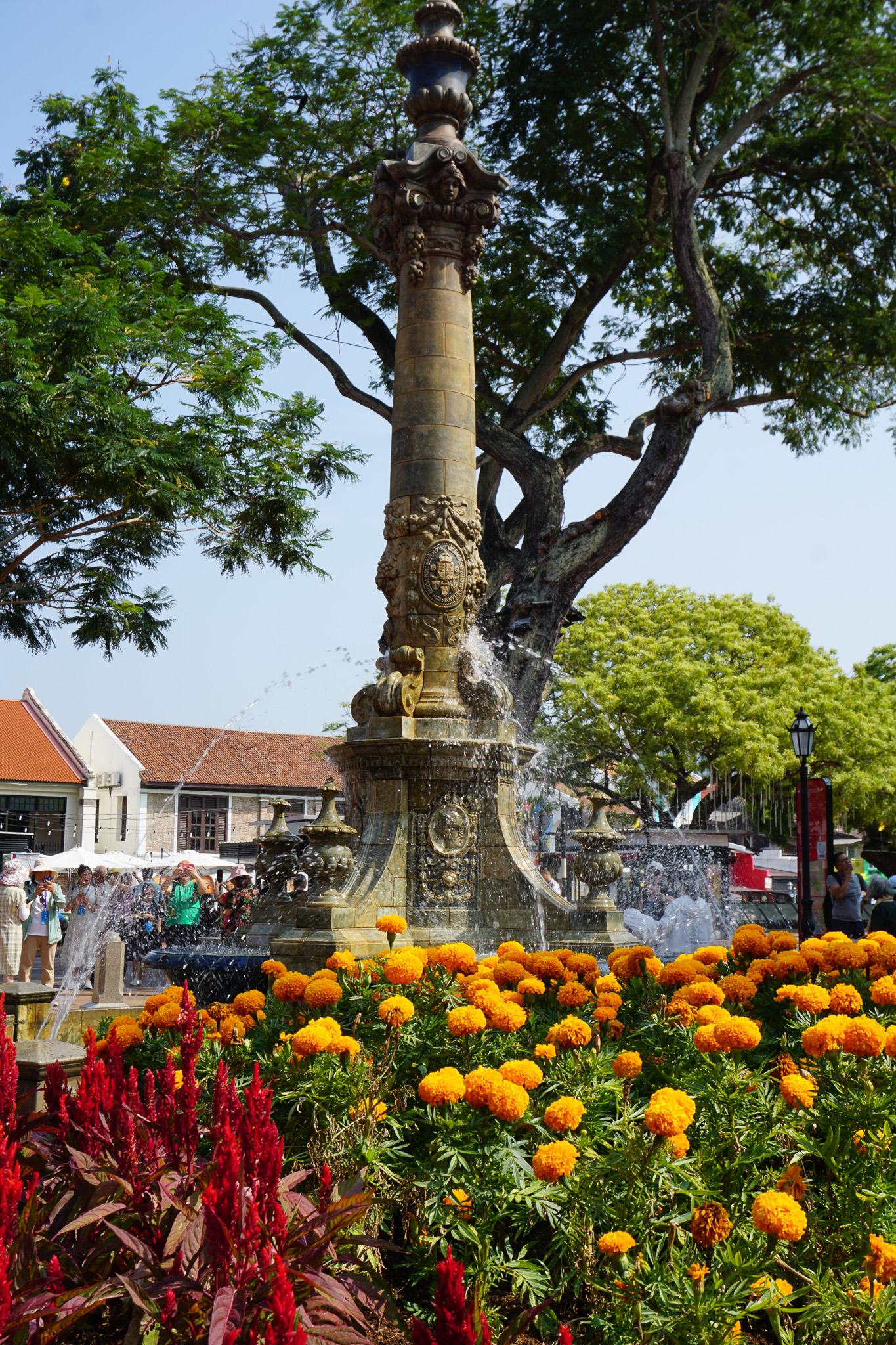
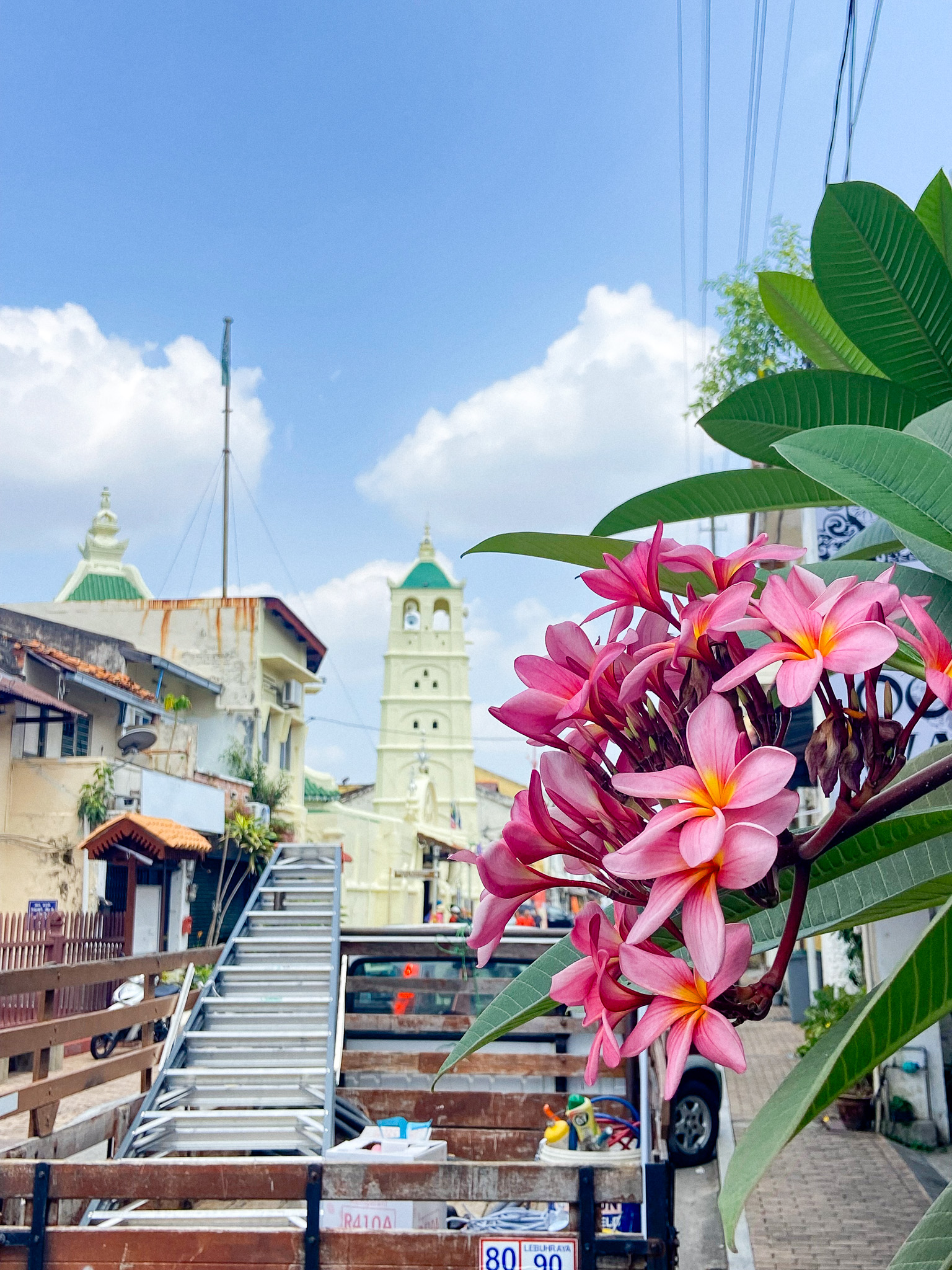
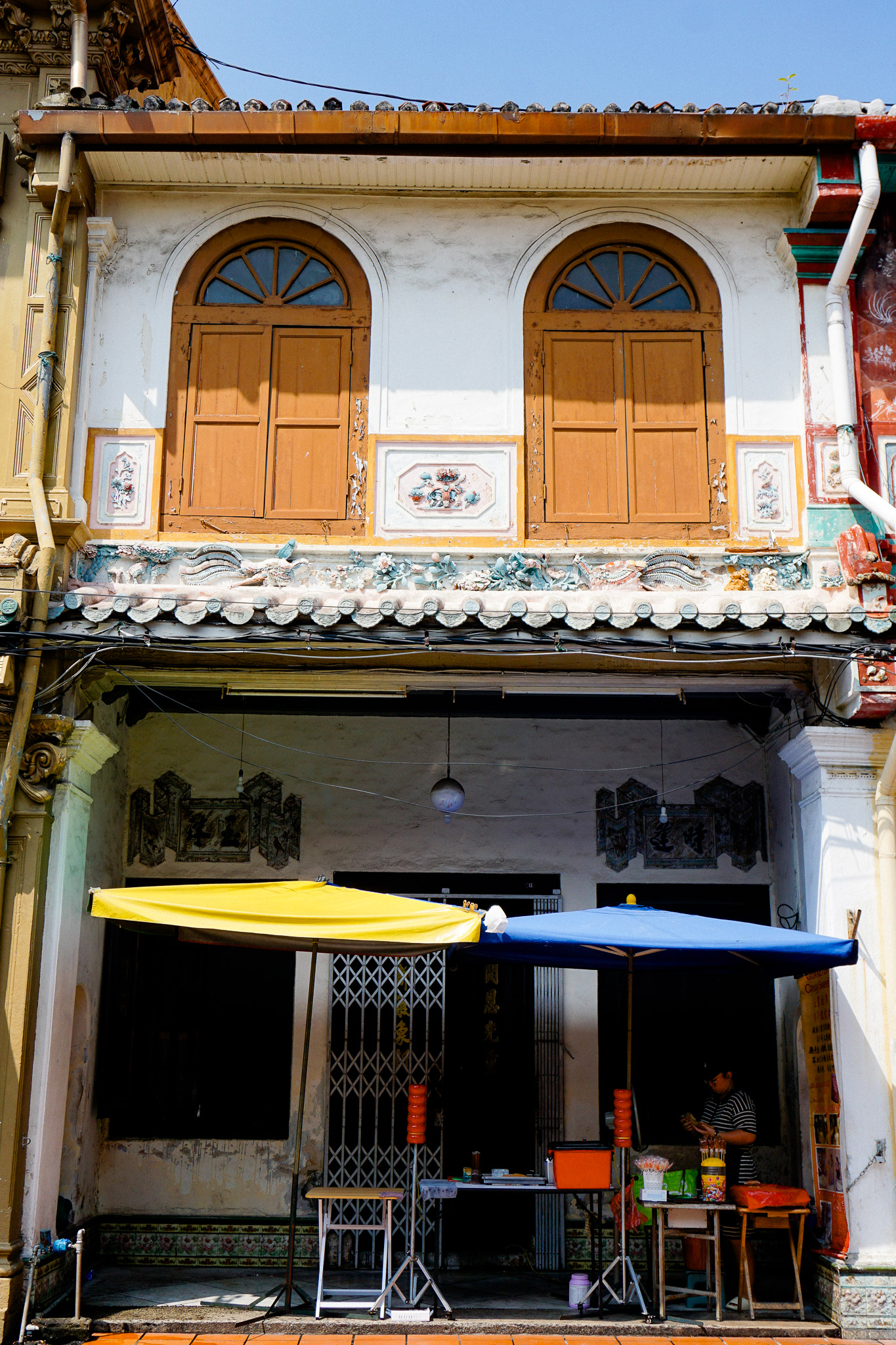

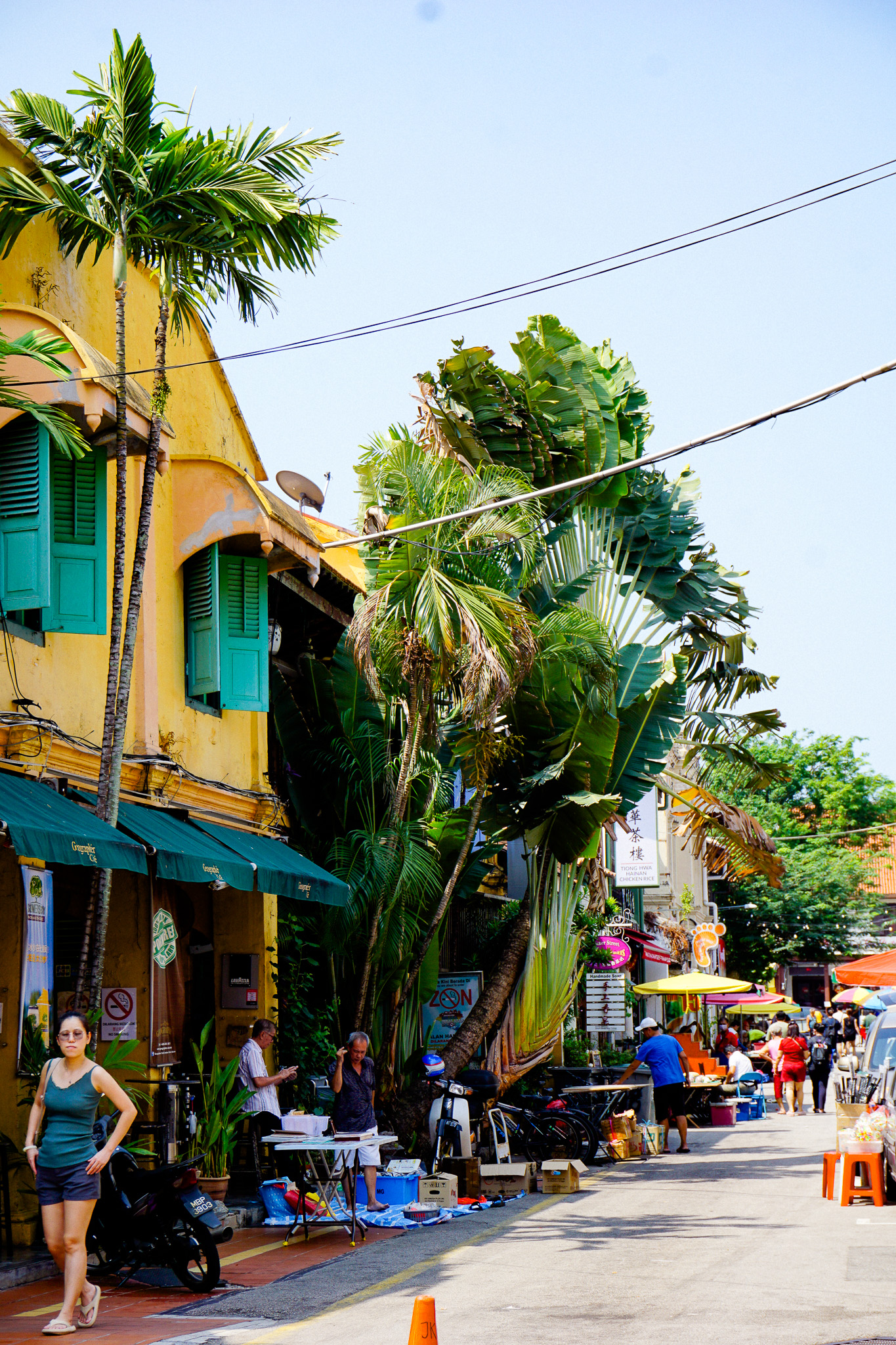
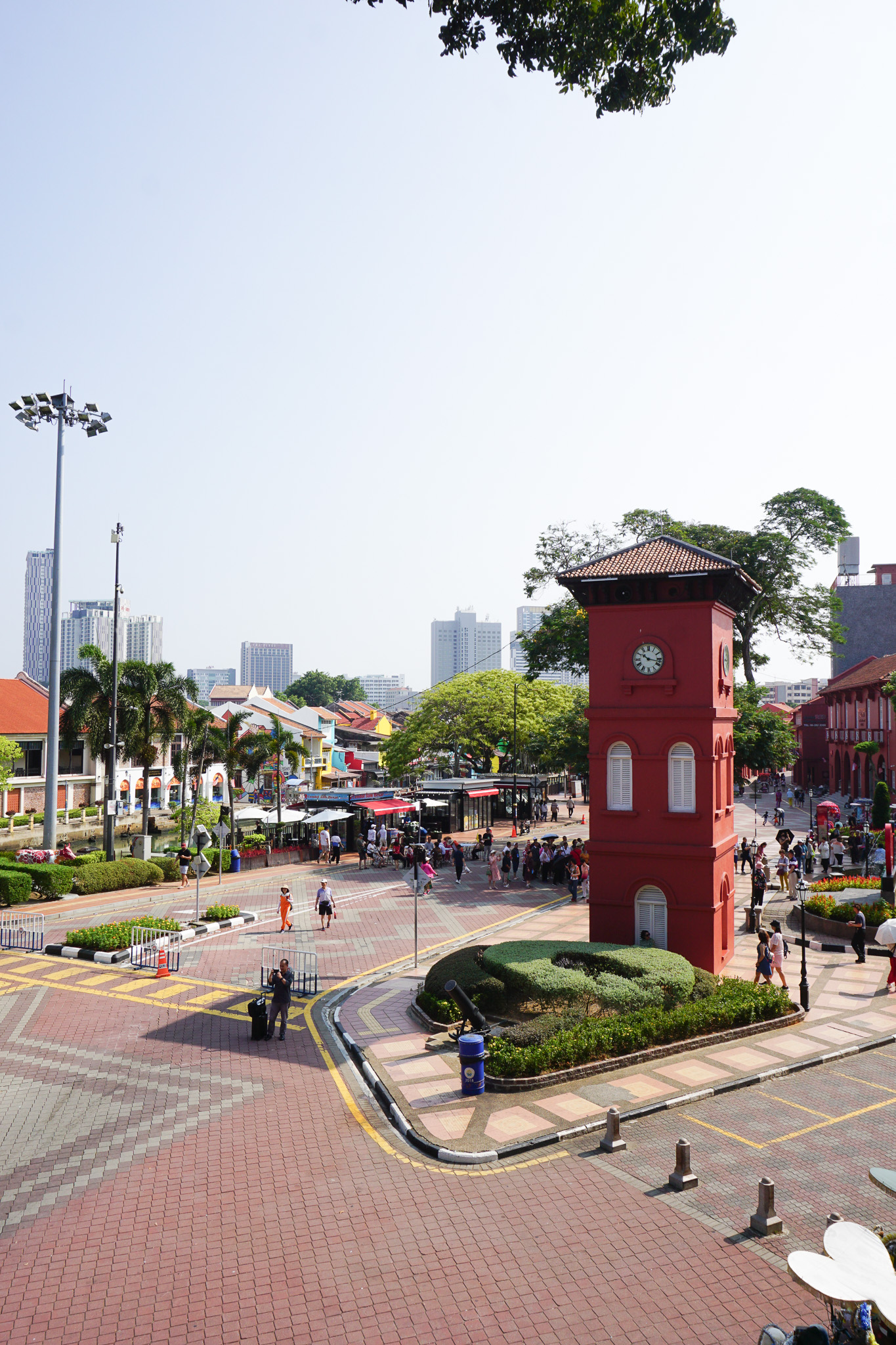
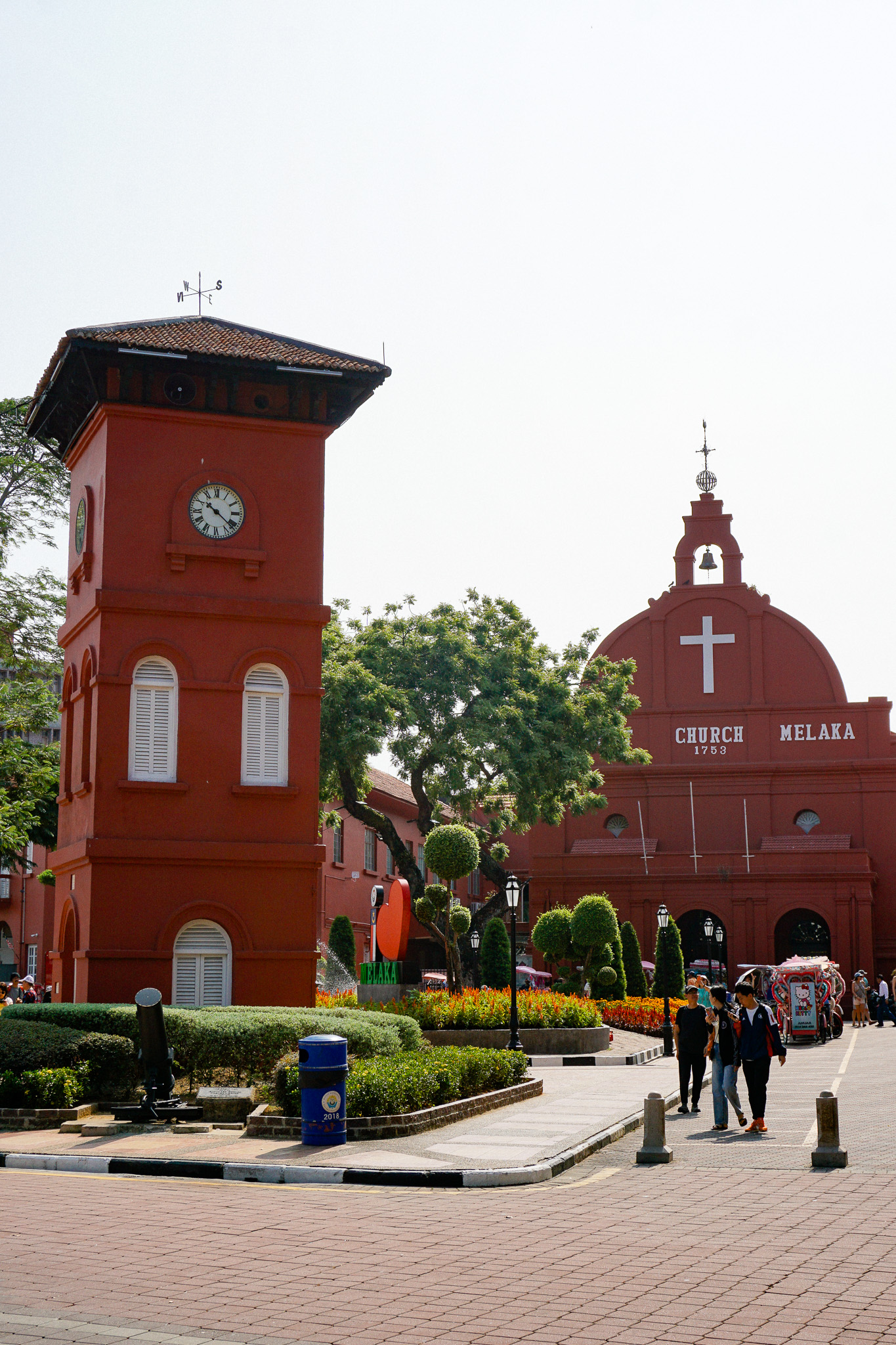
Malacca felt exactly like that. A theme park, constructed to serve the interest of tourists – Asian tourists specifically – with a particular kind of artificiality that Koreans and Chinese seem to appreciate. Desperate to take photos in the Dutch Square before the fake windmill and decorative cows. It seems that anything that resembles Europe becomes such a source of joy for them. I don’t want to be judgemental – I understand that for them Europe is too far, it’s exotic, and they appreciate it when they can get something closer to it.
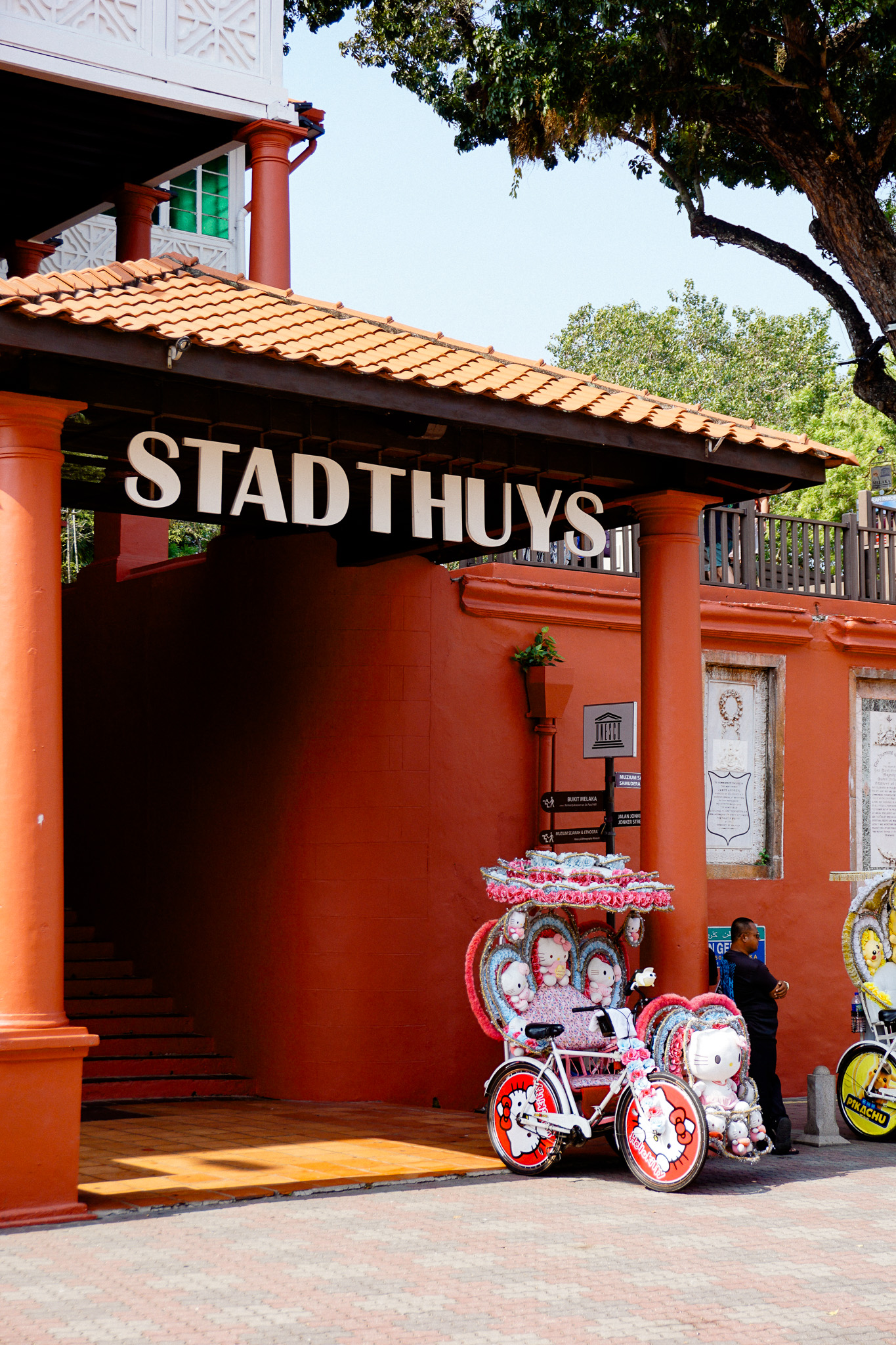

The streets are packed with restaurants and souvenir shops that do not reflect the local culture at all, and even the night market in Jonker Street was a huge disappointment. It really did smell like plastic due to the sheer number of crappy and cheap souvenirs being sold there. And then there are the trishaws – so many of them, decorated with loud and famous cartoons, such as Hello Kitty, Doraemon, and some Marvel characters. What was going on?
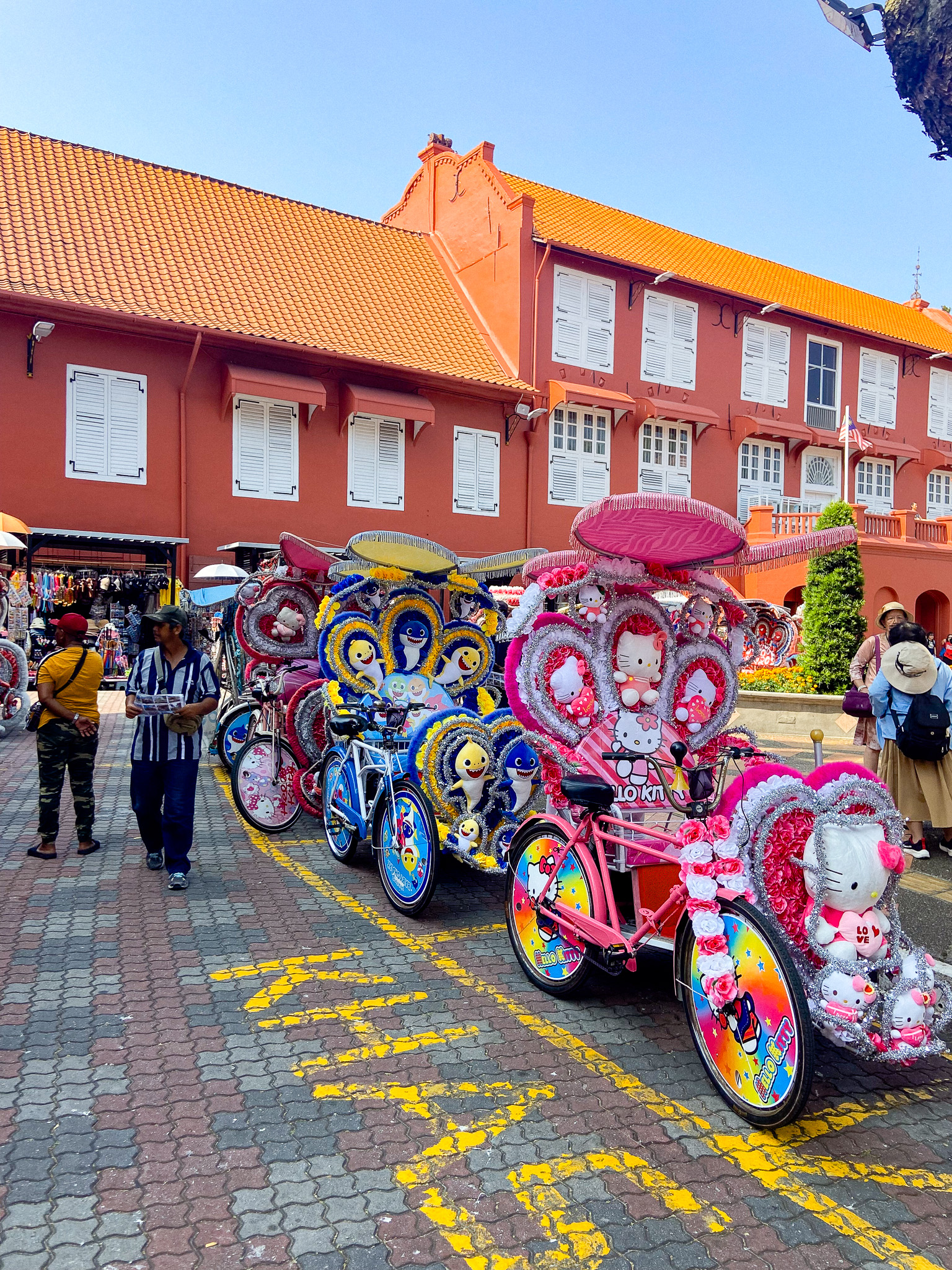
Malacca used to be one of the oldest trading ports in Southeast Asia, for the same reasons as Georgetown was once one. Strategic location along the Strait of Malacca, with merchants from China, India and the Middle East meeting at this point, creating yet another melting pot of cultures.
And then my colonial ancestors, the Portuguese, arrived in Malacca – or shall I say “invaded it”. The goal was to expand their control of the spice trade. Bear in mind this was way before the British arrived. In reality, Malacca went through three waves of European invasion – first, the Portuguese. Then in 1641 the Dutch – and finally, in the 19th century, the British. They all left a mark. A Famosa fortress is a clear Portuguese construction, then the Dutch left the Stadhuys, and the influence of the British can be seen in the town’s architecture, with plenty of colonial buildings in the city.
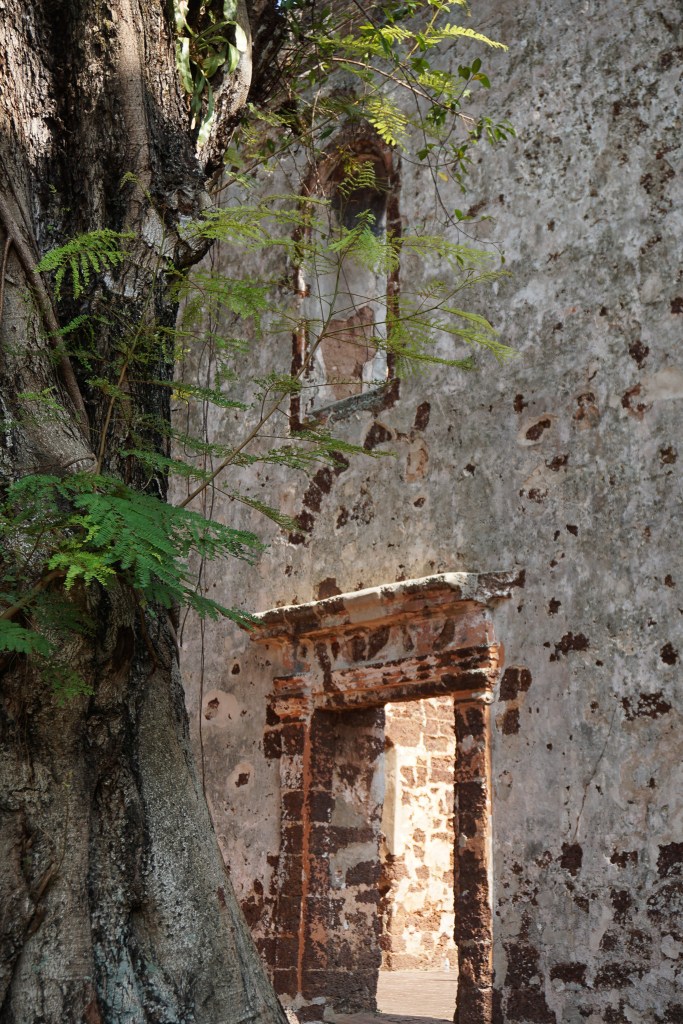


But unfortunately, the intense commercialisation of Malacca is erasing its heritage almost completely. I couldn’t even find a walking tour to take me through the history of the place. And even though the Old Town is a small, the streets are not walkable, with tiny sidewalks and cars parked over them. I was there over a weekend as well, and it was extremely crowded – again, mostly with Asian tourists, who seemed to be mad about the place. There is just too much artificiality to it, and sadly some of what makes the town unique seems to require urgent restoration. Instead, they seem to be replacing such elements with tacky decorative elements.

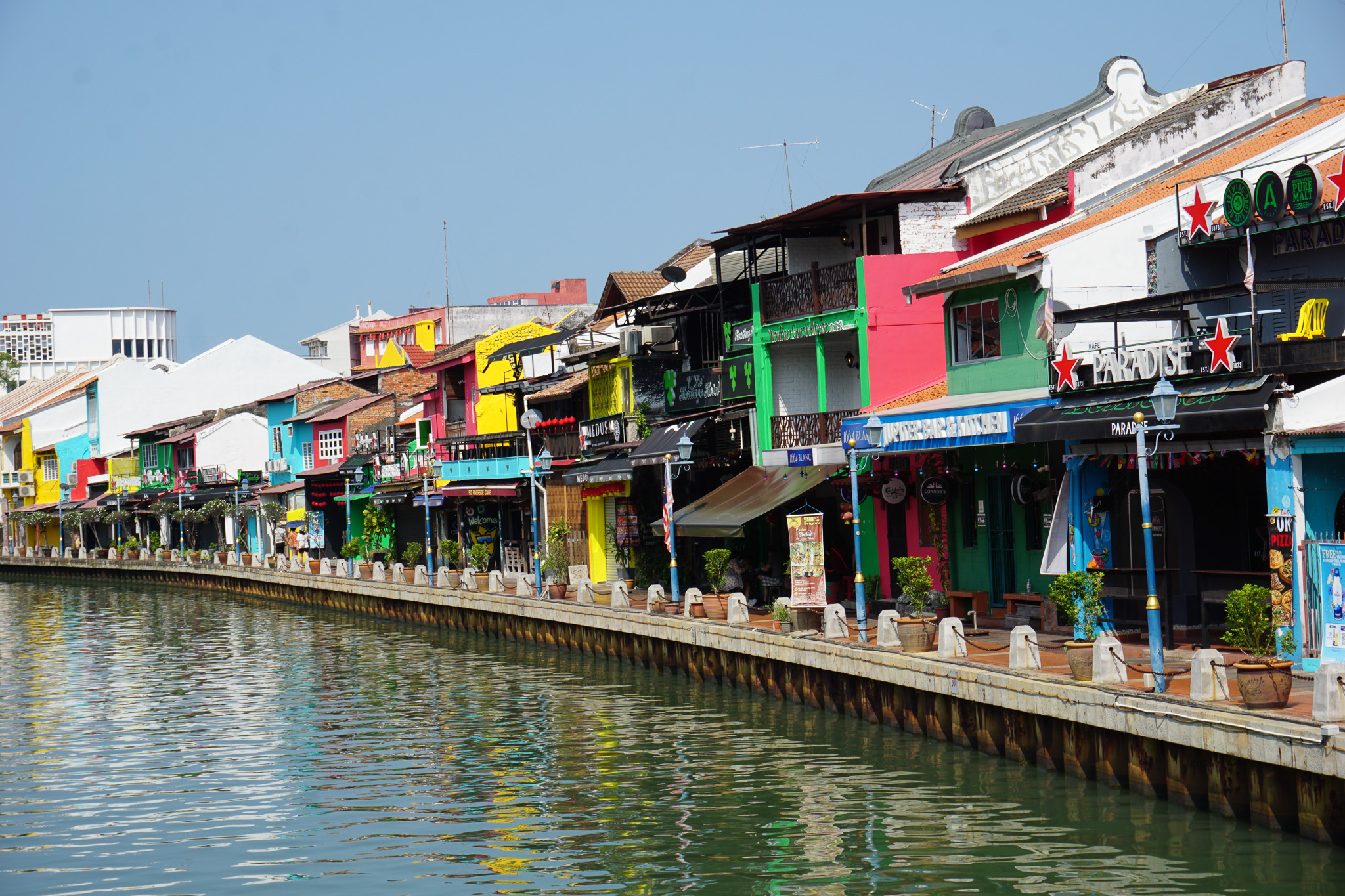

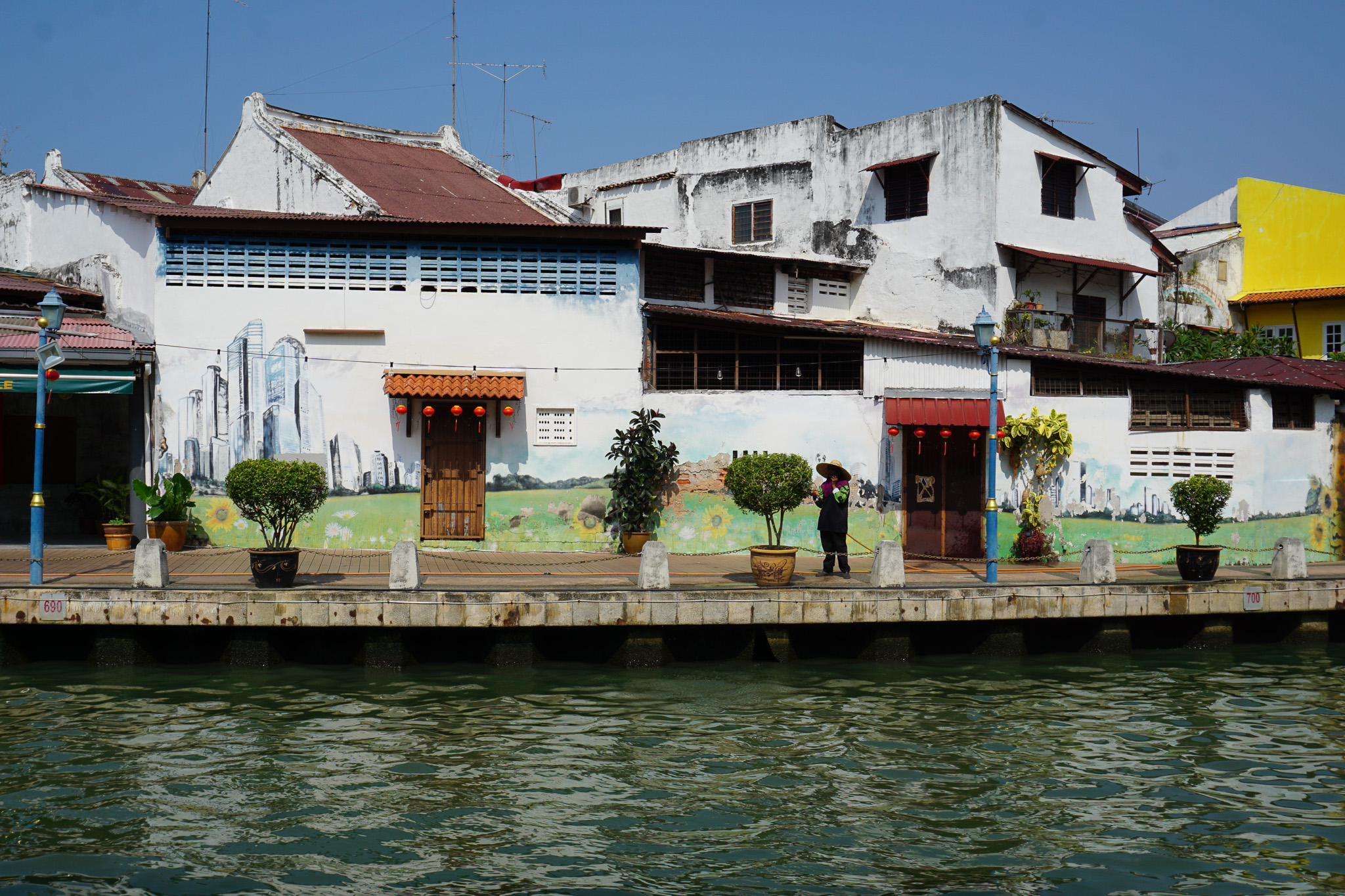
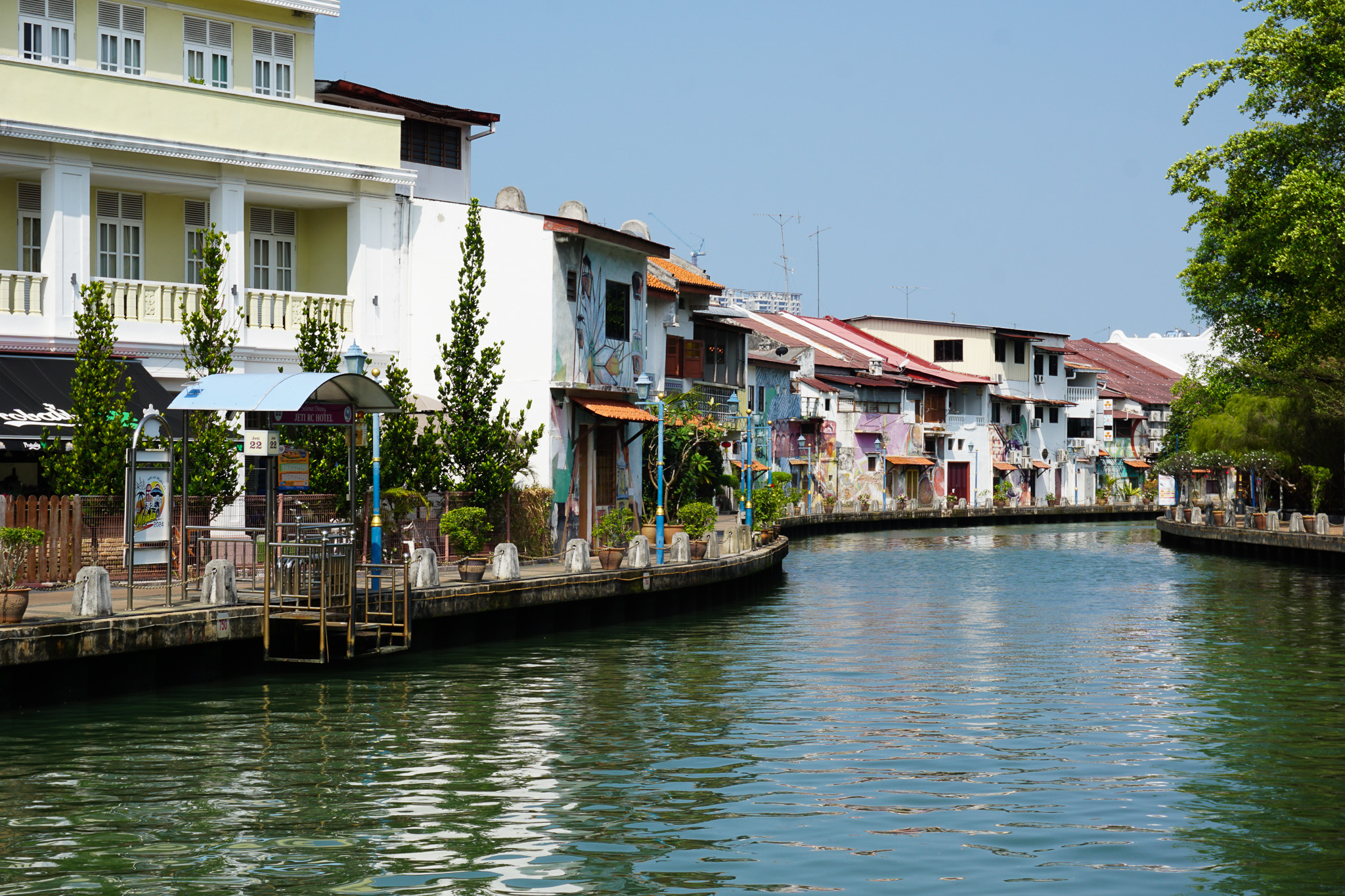
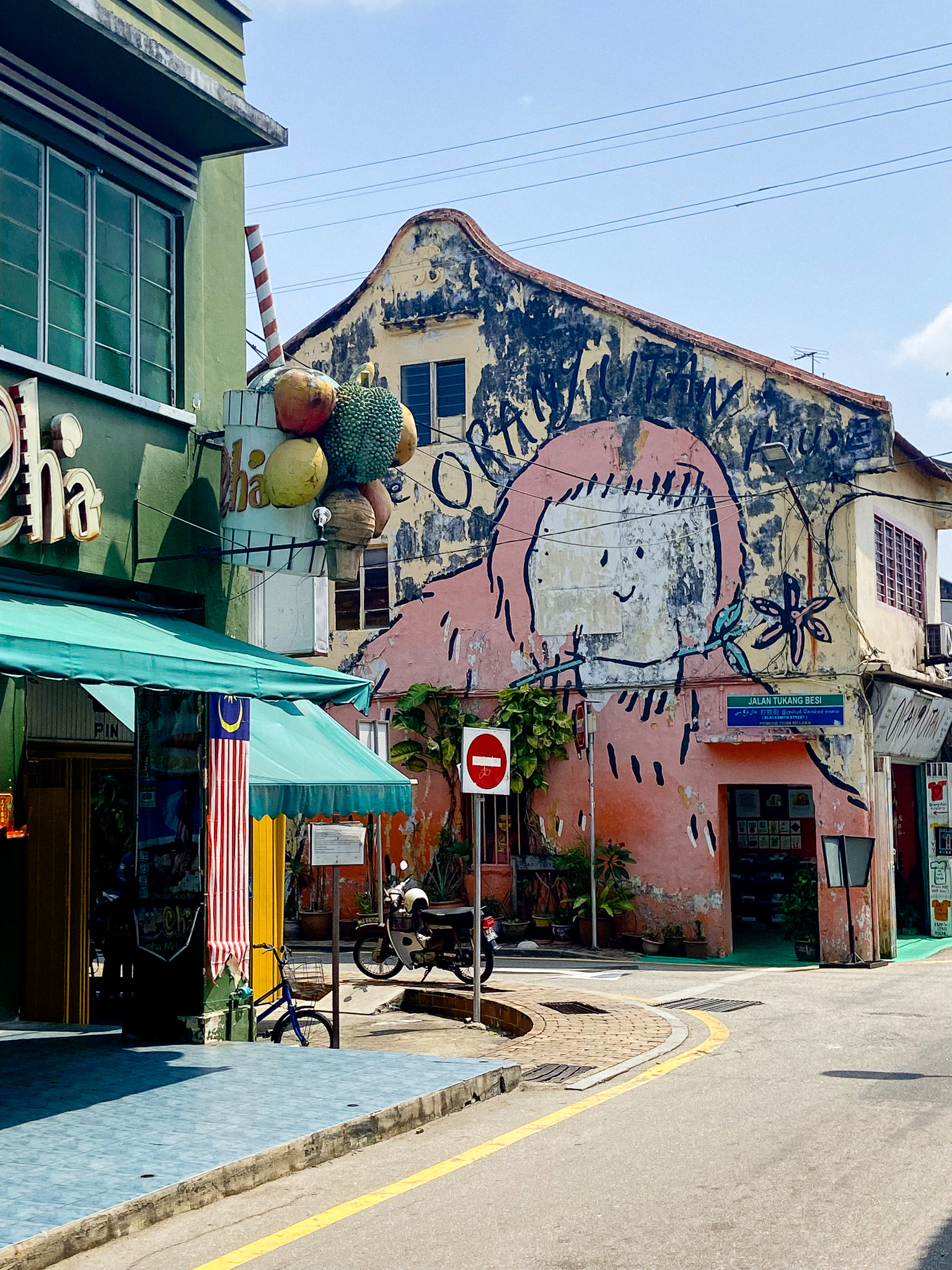
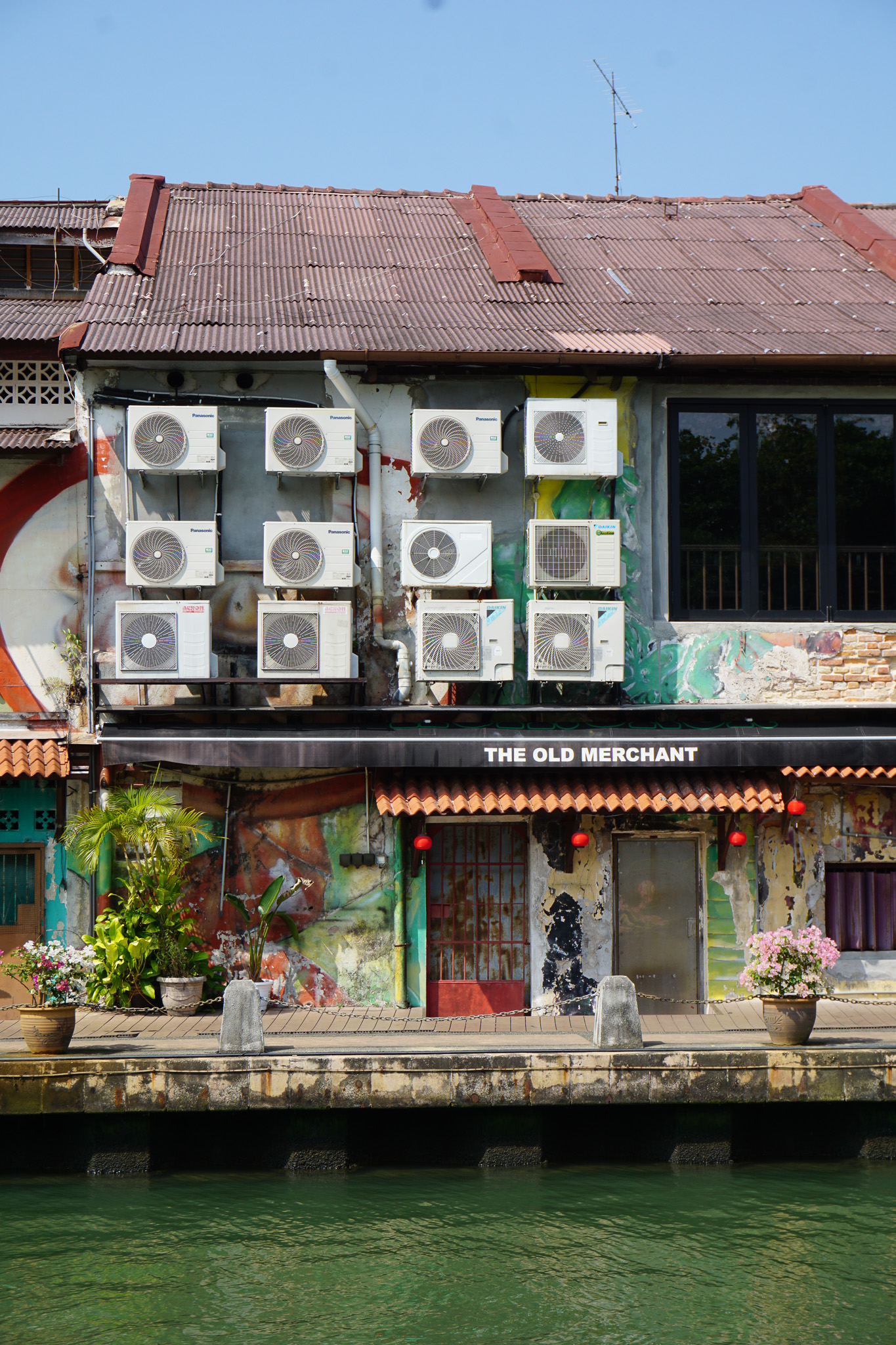
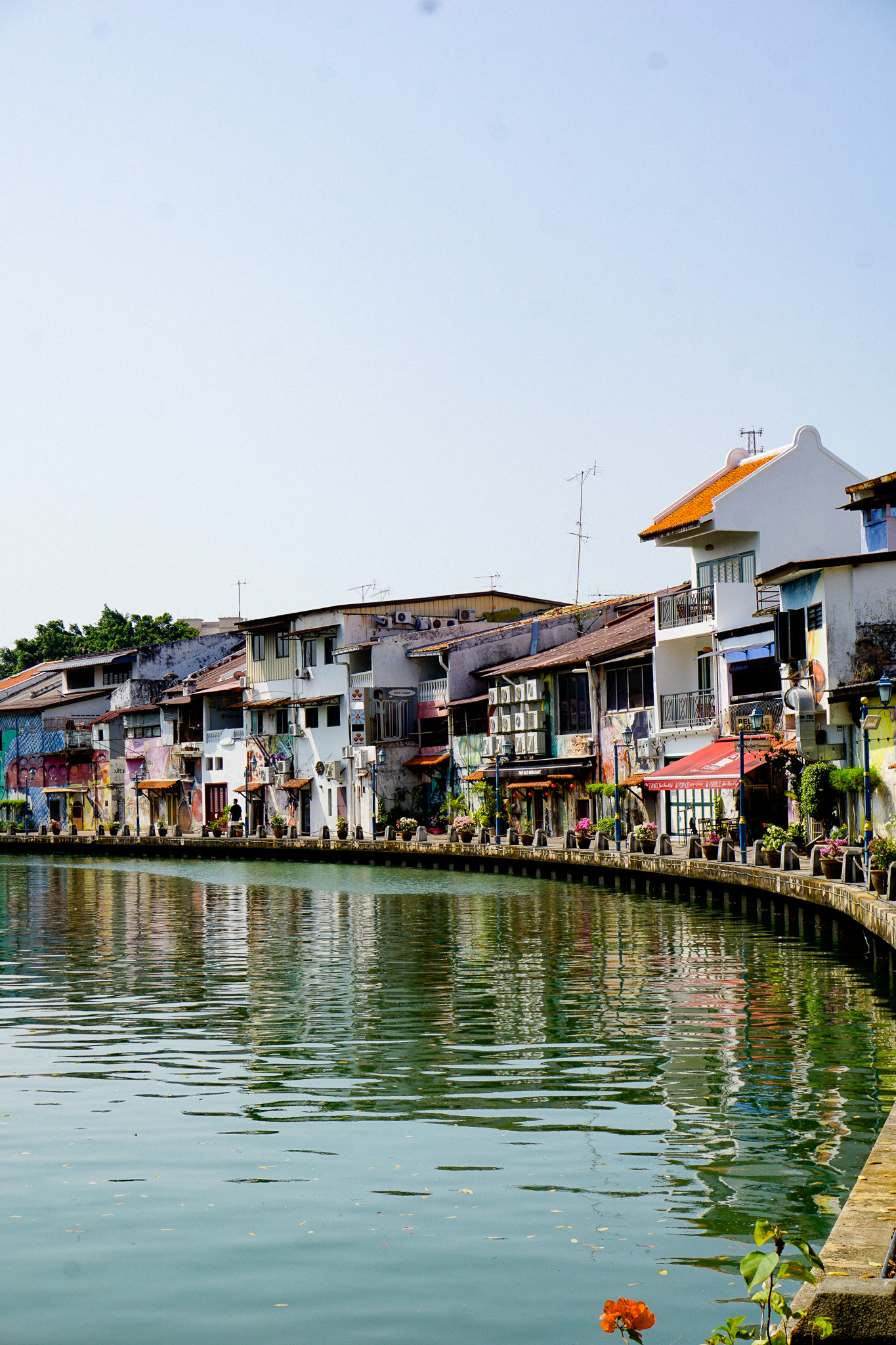
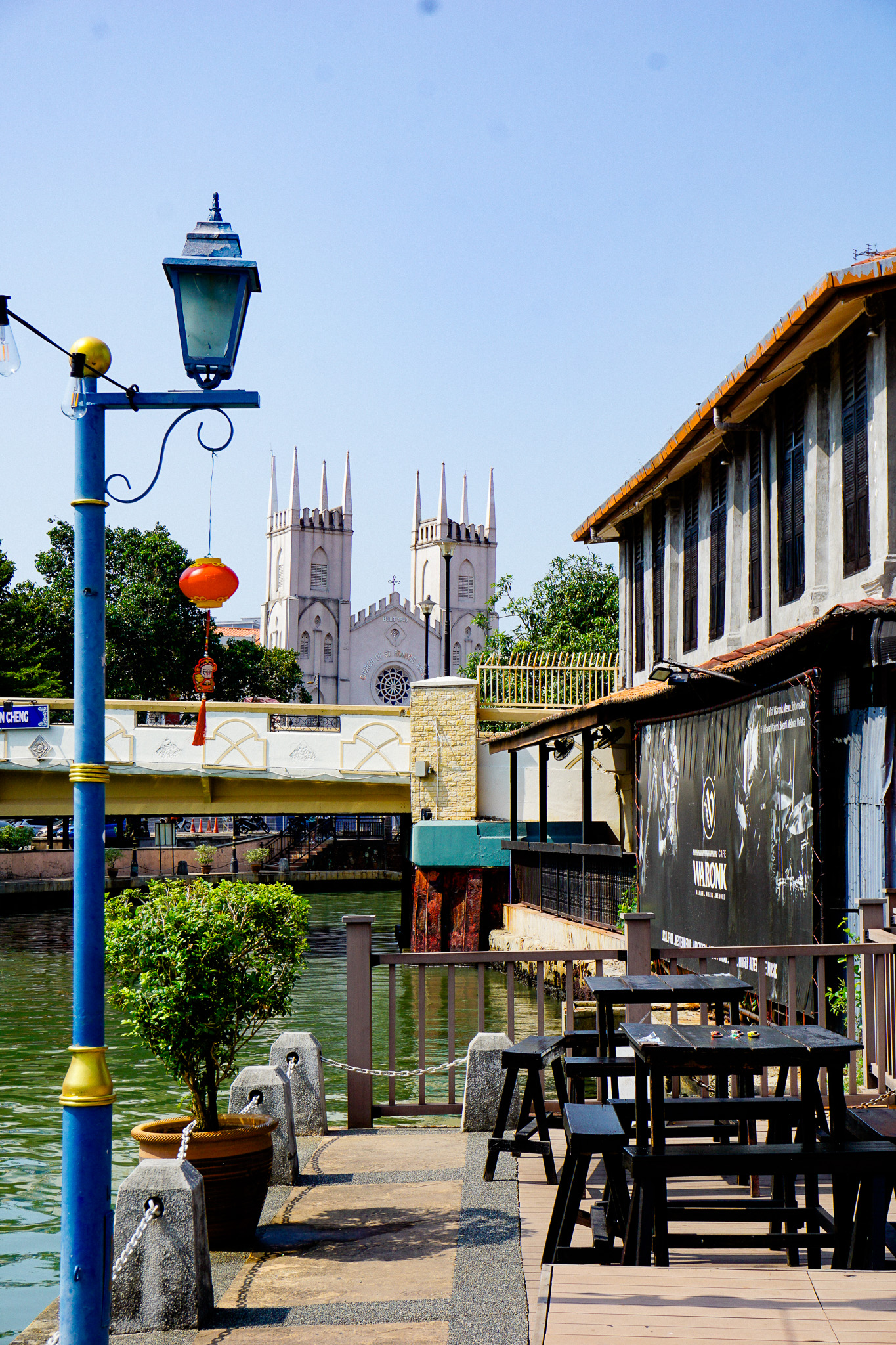
I am sounding a little too harsh. The town is also filled with beautiful street art, and I have to say the walk by the river is definitely one of the best things to do. I did it early on the Sunday morning, so the town was basically empty but the sun was a little more bearable. Similar to Georgetown though, Malacca’s street art is quickly deteriorating, with colours fading quickly due to the harsh climate elements.

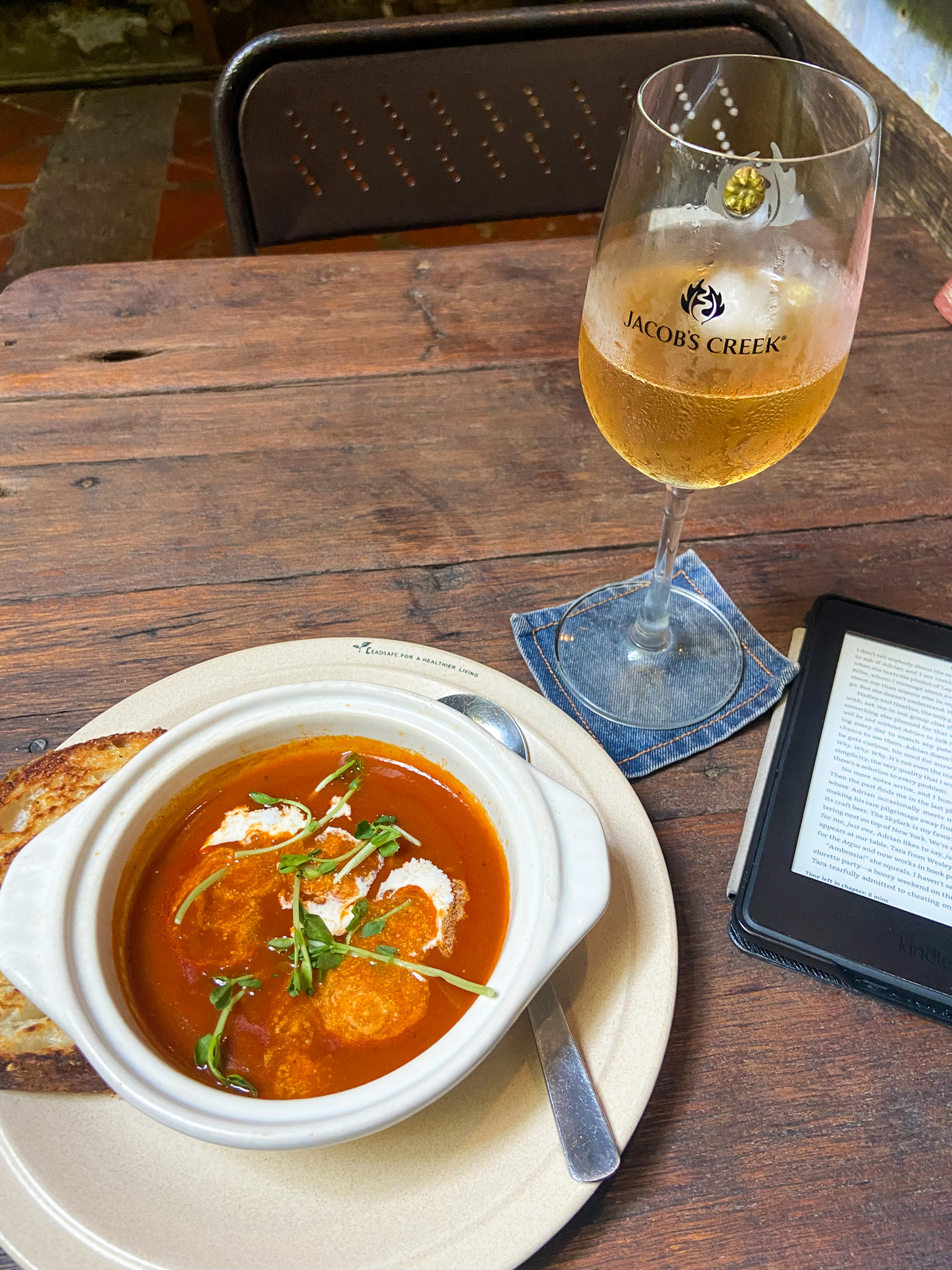
I also found a little restaurant that was a piece of heaven for me in Malacca – The Baboon House. The food was simply delicious, they had anything from soups to salads, fusion of Western, Chinese and Malay cuisines. I definitely recommend it. the salad I had there was exactly what I needed to feel instantly better. They also have some special wines and beers they brew themselves.



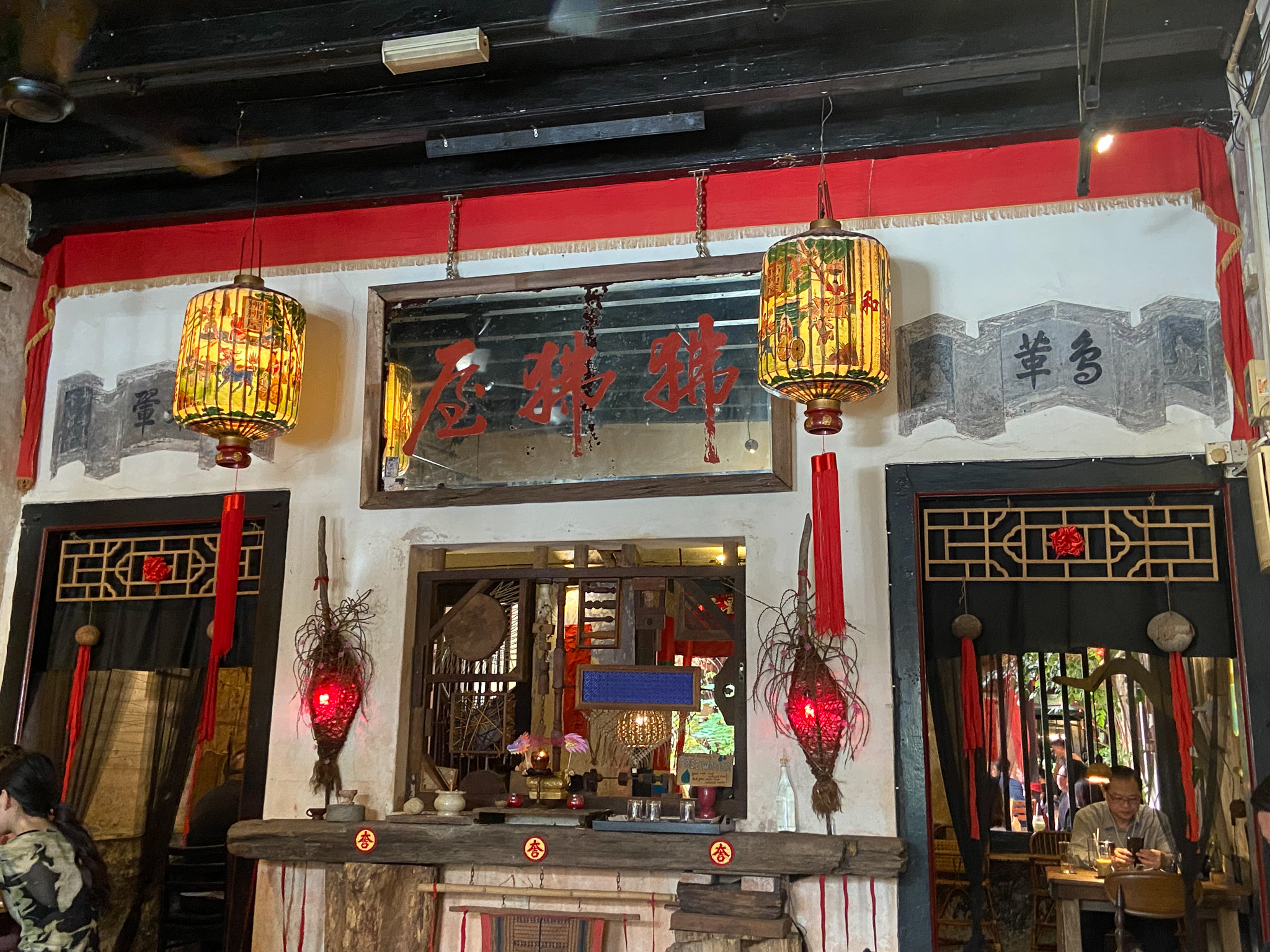
In terms of shopping, most shops are selling the same souvenirs. There are a few little galleries here and there and some antique shops that seem to be barely surviving. The interiors are empty and intimidating, especially when you feel the shop clerk won’t take your eyes of you and you know you are not there to buy anything – just to admire the antiques you know you can’t afford – plus not enough space on your already too heavy backpack.


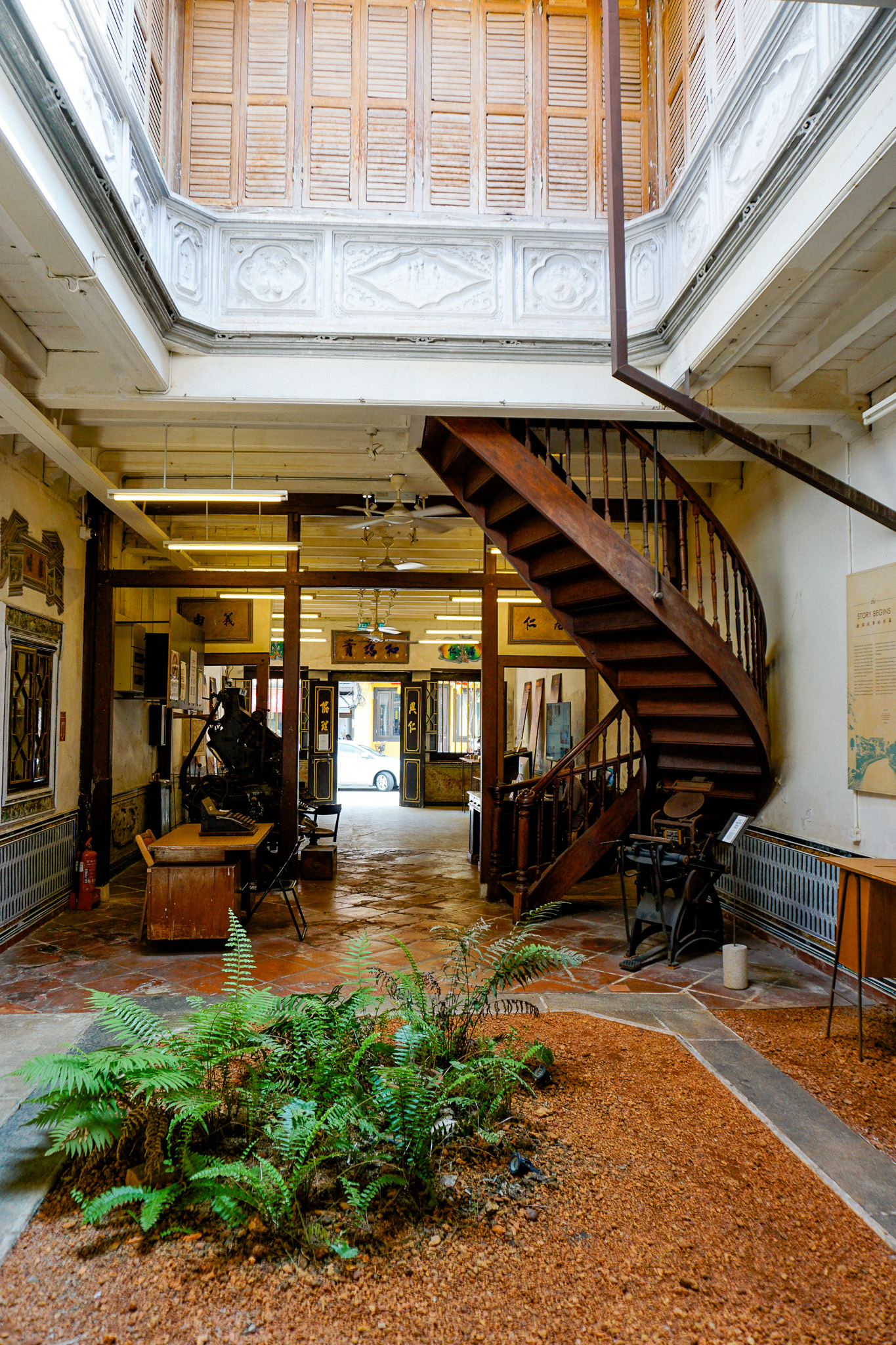


Looking at my photos now, I am surprised not only by the number (a lot more than expected) but by the beautiful street they portray. It’s making me question my negative memories and wonder if I was just having some bad days impacting my experience. I regretted having booked a hotel so far from the old town and with a windowless room, which obviously didn’t help. I truly think that Malacca is very artificial, and I almost felt part of a party I had ended up in by accident, and simply wanted to leave. Either way, my disappointment was mostly rooted in my expectation of finding a little bit more of authenticity, a little bit more of history and culture – and, as the guide from the Blue Mansion had said, I had ended up in a bloody theme park.


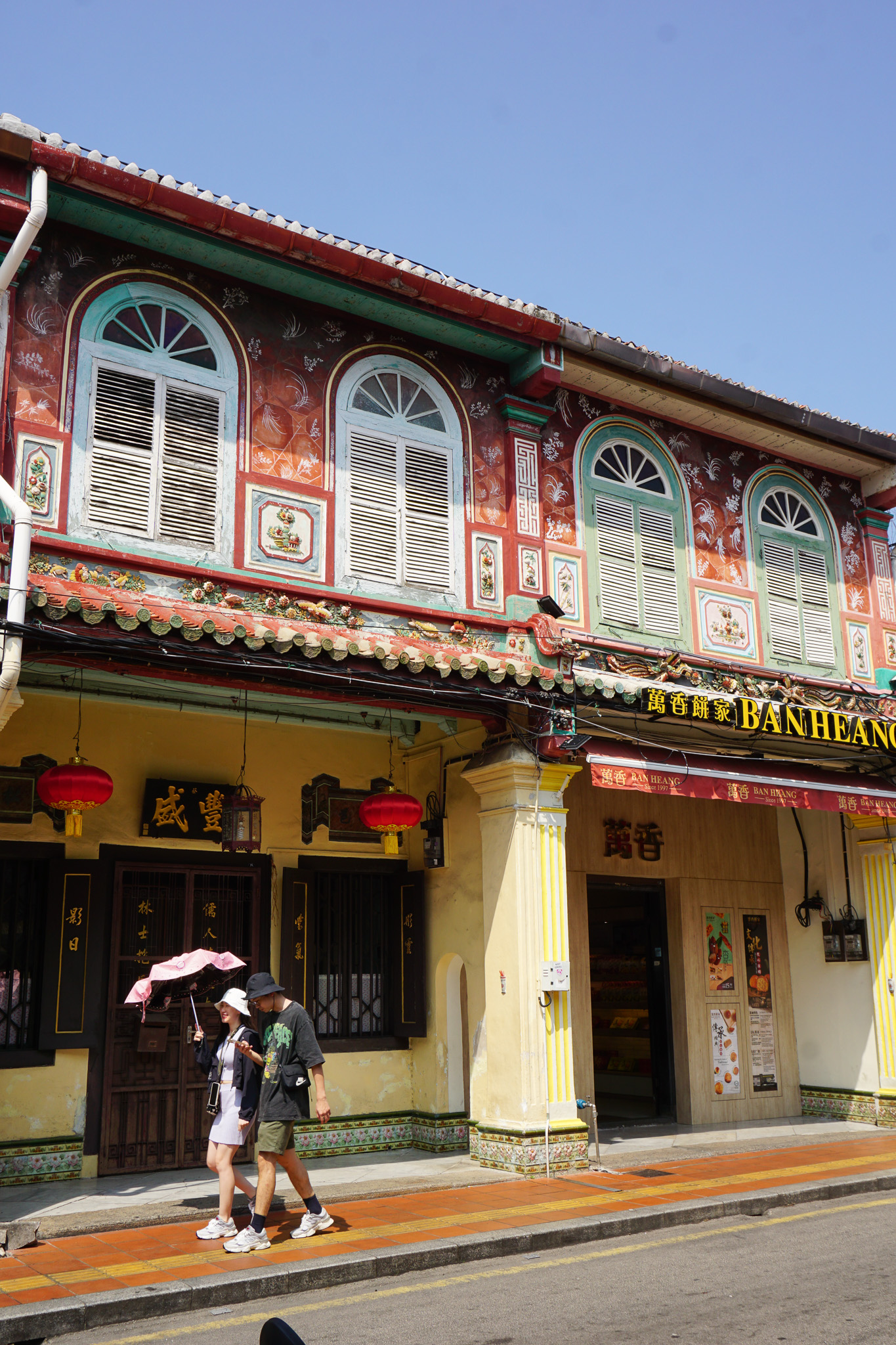
I would say if you are touring Malaysia, do stop in Malacca. But don’t stay too long. A maximum of two nights is more than enough.
This would be my last stop in Malaysia. Next – Singapore!
Love,
Nic
 The Winged Bone
2 thoughts on “Why Malacca Fell Short of Expectations”