
I left the cool temperature of the Cameron Highlands and soon enough I was back to the staggering over 35 degrees Celsius my body had been getting used to since I had come to Malaysia. I was excited – after Bangkok, which I loved, I was finally returning to a big city, where many of the comforts and amenities I’m used to are usually widely available. And I wasn’t wrong to hope for that in Kuala Lumpur.
Figuring out where to stay
My first challenge was to find the right accommodation. The first thing was location and the second thing was related to the listings itself. I realised after some research that quite a few listings advertising nice-looking, modern, rooms/studios and entire flats, especially around the KLCC (Kuala Lumpur City Centre) area are scams, not easy to spot. As a rule, before booking anything, I check not only the overall rating but also the number of reviews. When travelling in Southeast Asia, I started to look at reviews from Europe/US travellers as culturally speaking, standards of hygiene and safety are more aligned with my own. For Kuala Lumpur, I was finding beautiful, modern places, some with a rooftop pool, at very low rates per night, and with a good enough number of reviews with high scores… but give it a closer look. In the middle of stellar reviews (usually just single sentences, all very much alike) there would be a few from travellers from Germany, UK, and the Nordics, North America, stating it was a scam… how they got there just to be told it was no longer available and led to a different place that was decrepit and unsafe.

Soon enough I realised fake reviews were abundant and highly sophisticated. I decided to play safe and book a place at a chain hotel. So I stayed at the Lyf Hotel in Chinatown, and recommend it. Loved the location, it had a kitchen, laundry facilities and even a gym, and the breakfast included was fantastic. The staff was also lovely, always very welcome and kind.
My advice to you – be careful when looking for a place to stay in Kuala Lumpur – especially if you are a solo traveller. In one of my tours, a Canadian lady told me she had just been scammed precisely like that – she booked a really nice place to stay and was then led somewhere else entirely. Not the kind of experience you want to be dealing with, especially on your own.
It is so much more than the Petronas…
Accommodation challenges aside, once I arrived safely at the hotel, I was so ready to explore. I was keen to visit the art museums and exhibitions, wander through Hawker centres and see the famous Petronas Towers. Mostly due to the latter, which has certainly become a symbol of Kuala Lumpur, I was expecting to find a city completely built from the ground up in enviably high skyscrapers, futuristic looking structures that whilst impressive, hold little meaning to me personally. I was then positively surprised when I could see there was so much more to Kuala Lumpur than the Petronas and its surrounding area known as the KLCC – Little India and especially Chinatown having so much character, where the contrast between old colonial architecture and the modern skyscrapers in the background is a living testament of a rich past and an even richer present.
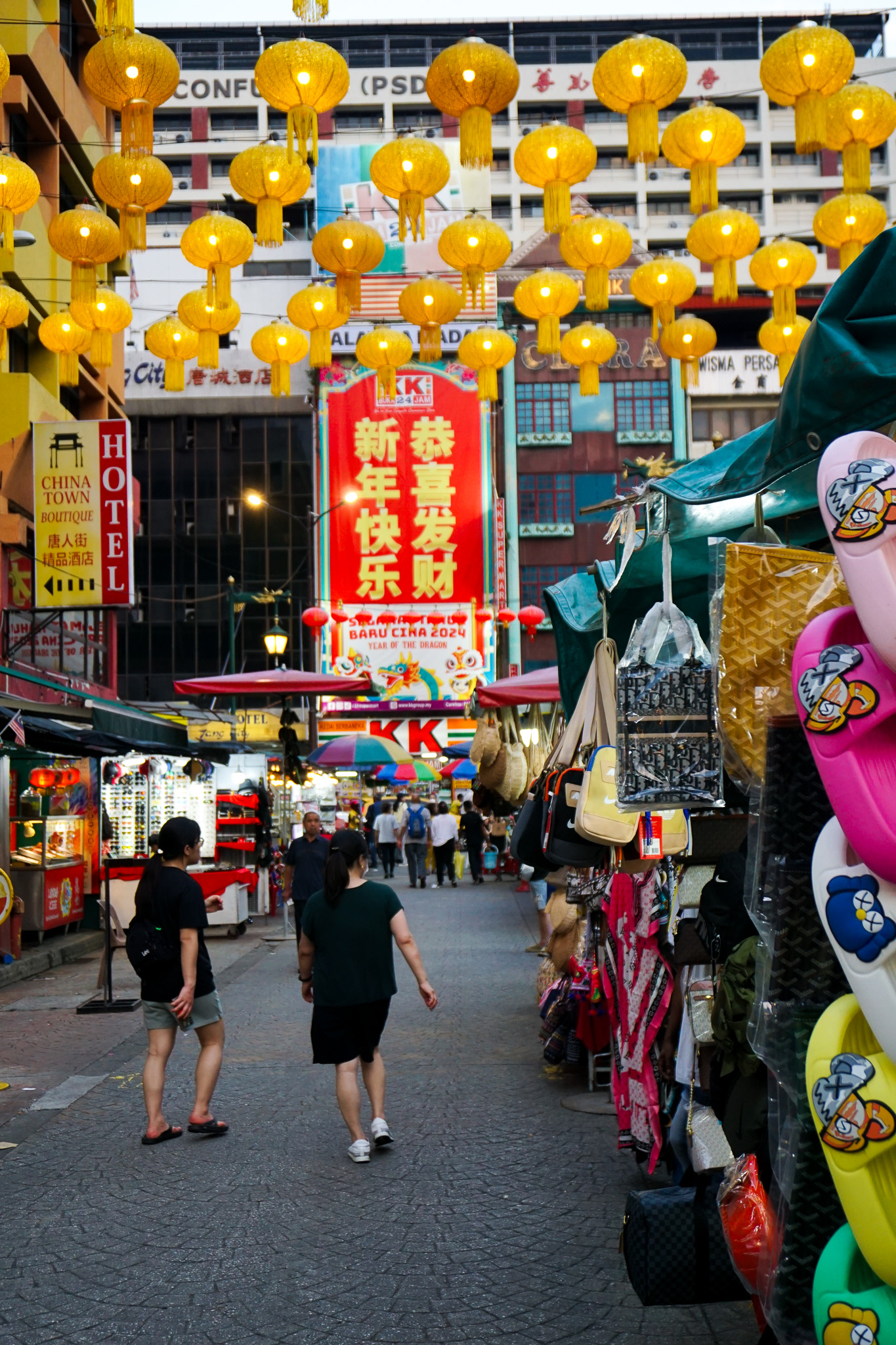
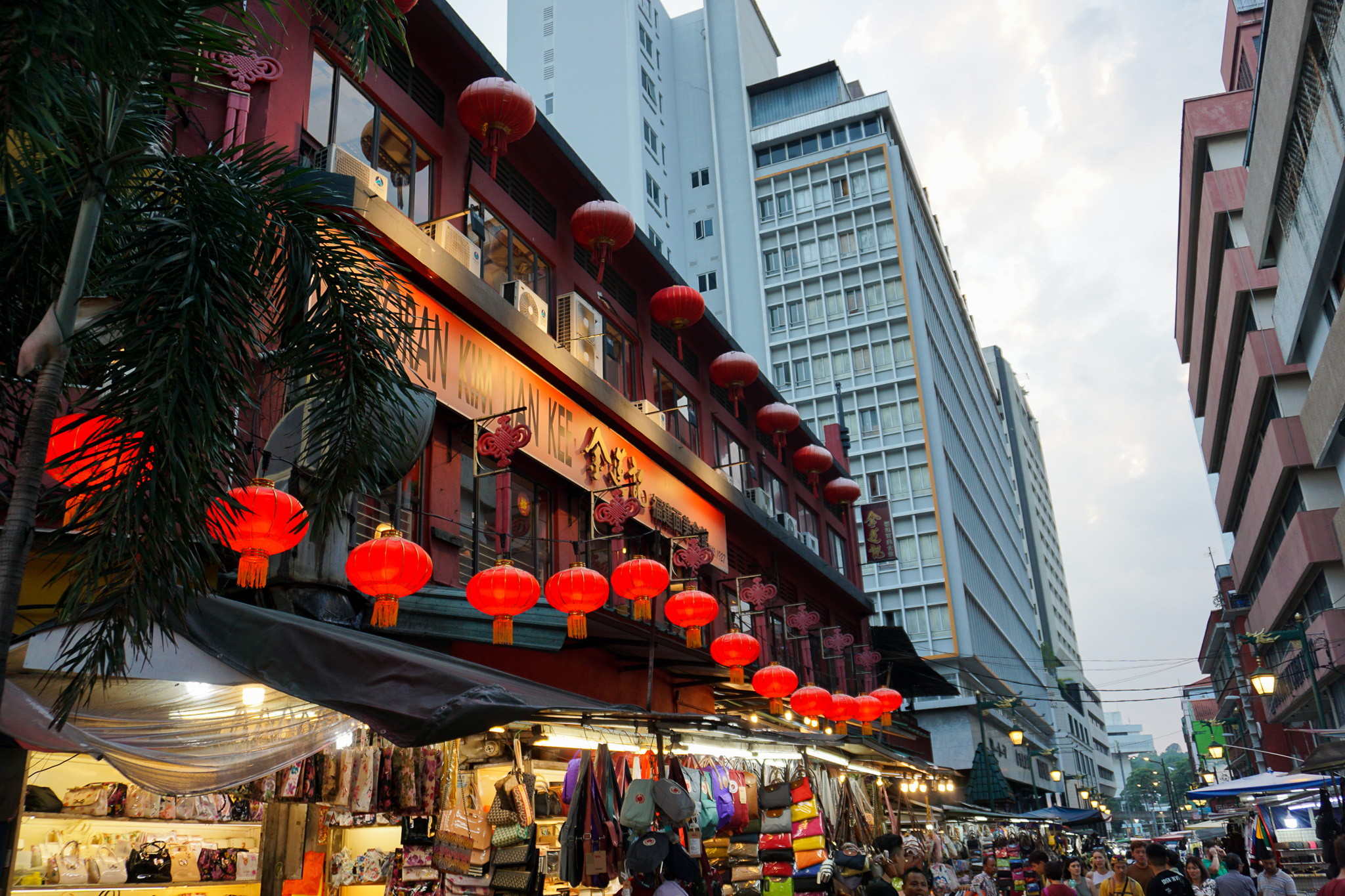
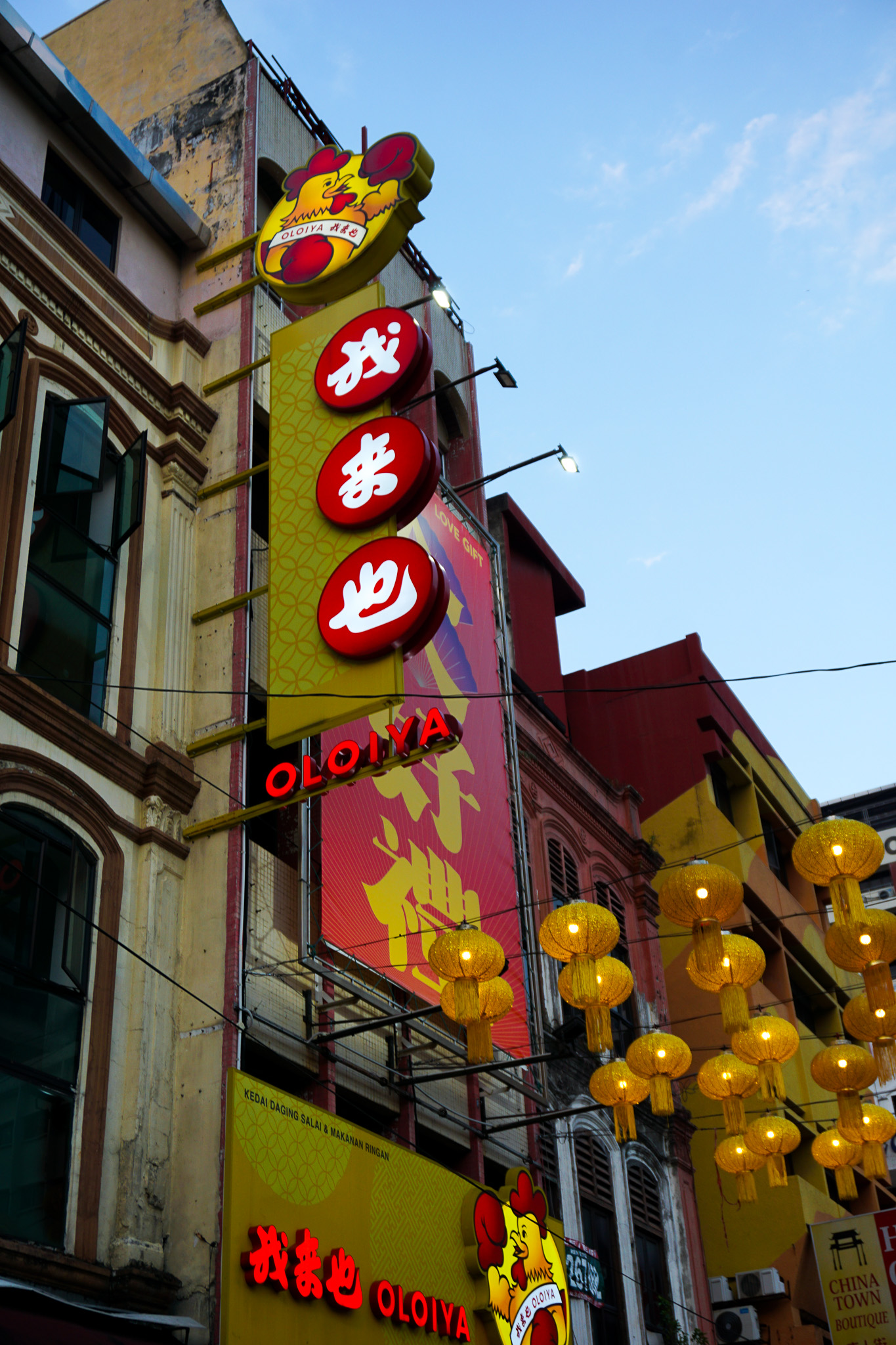
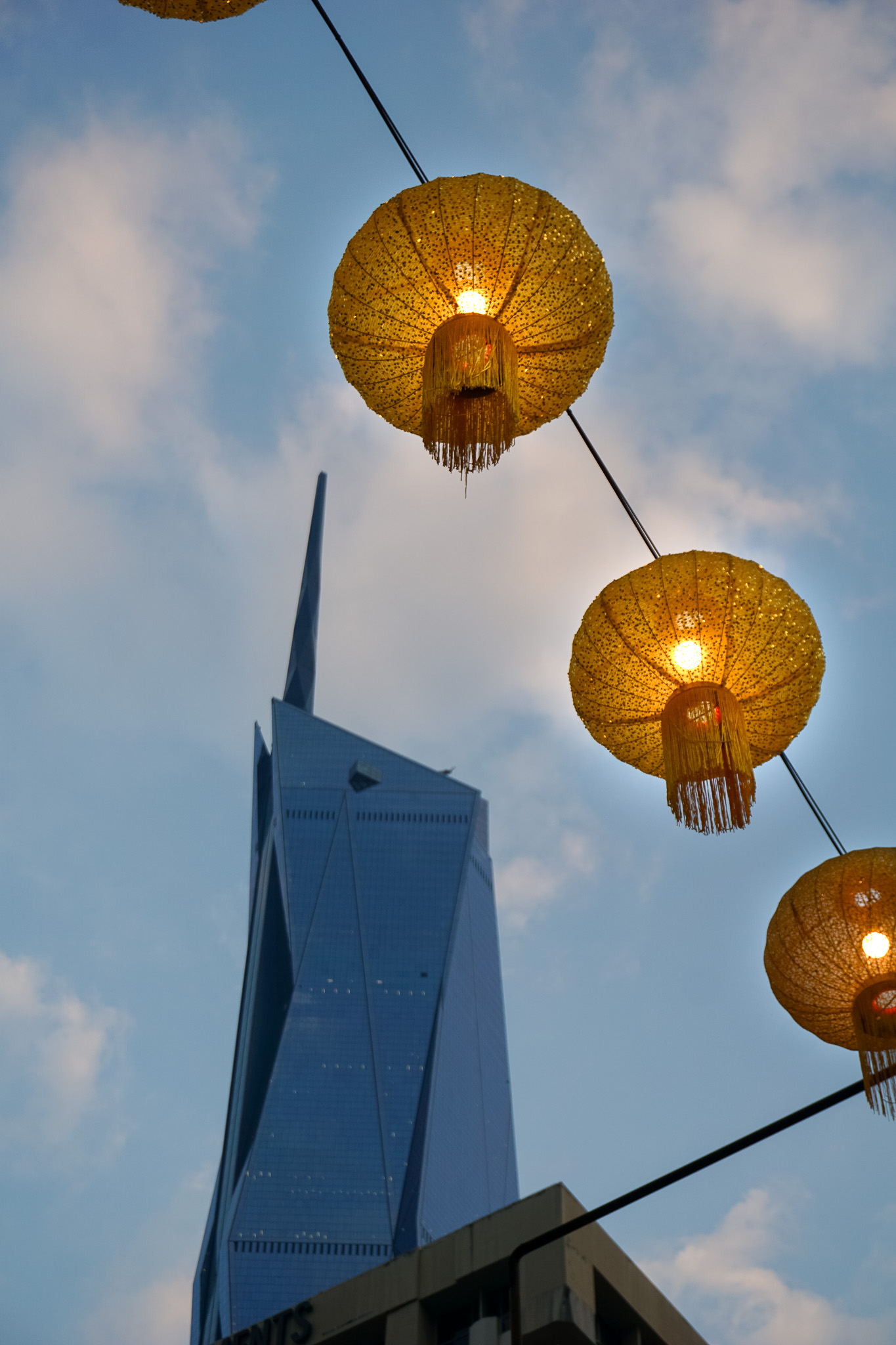
So if you are planning on visiting Kuala Lumpur, please do not miss out on these surrounding areas, and let your legs guide you to the older parts of town, where you’ll be greeted with the most interesting streets and views, showcasing what in my point of view is the real charm of Kuala Lumpur.
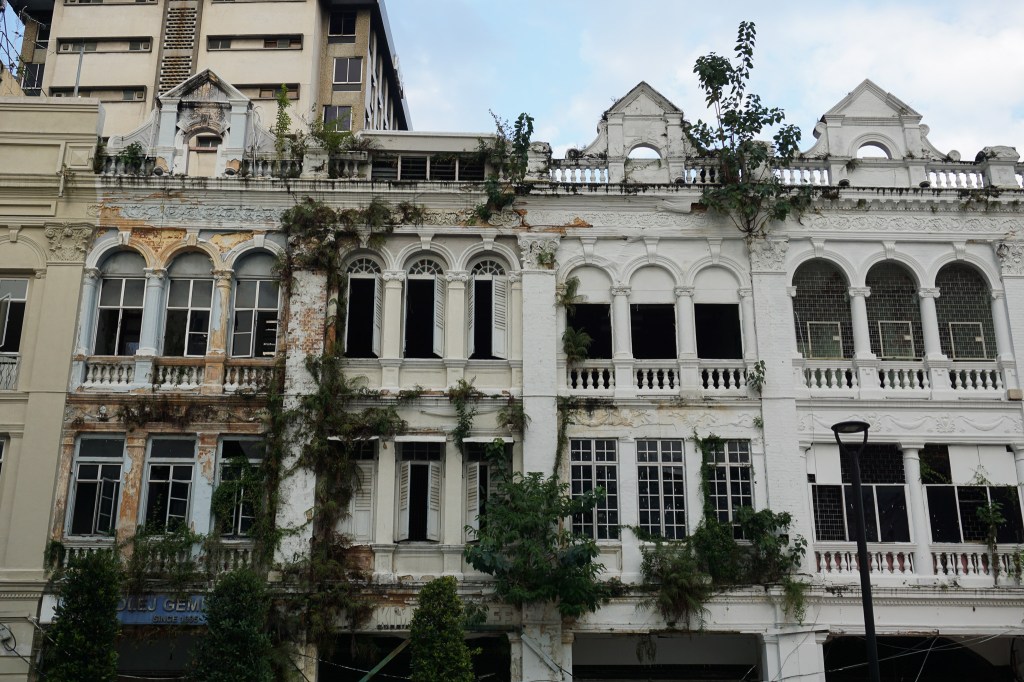
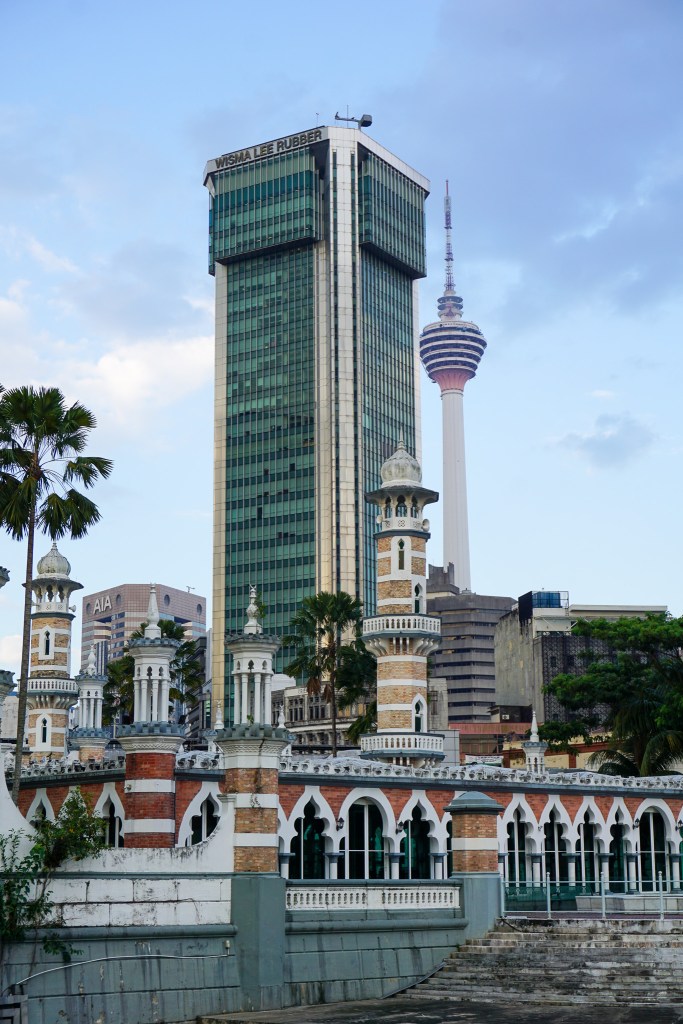

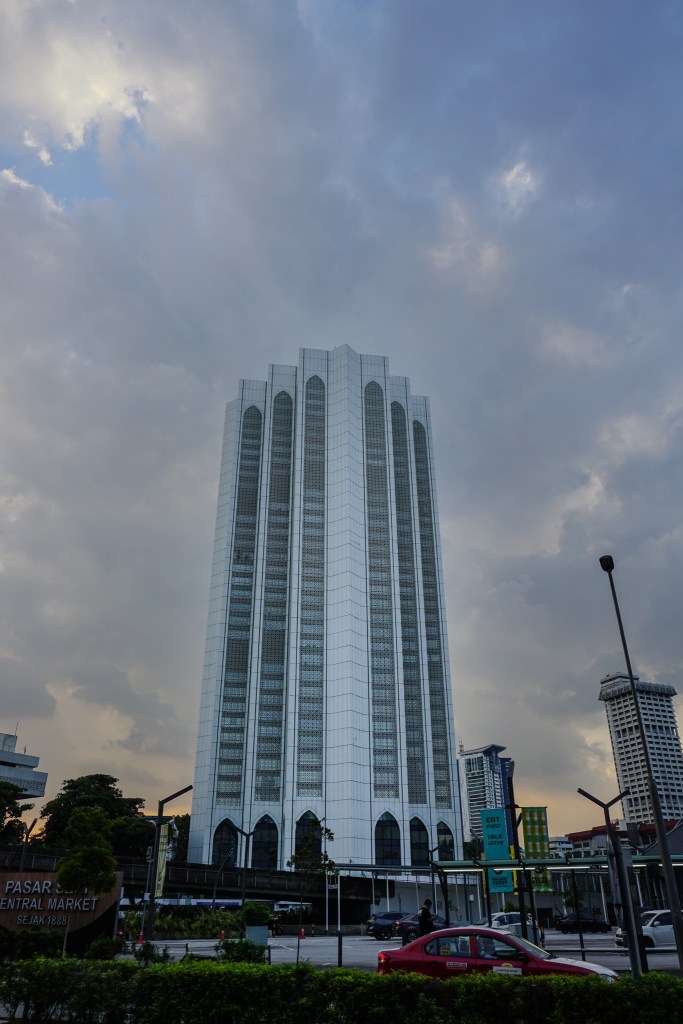
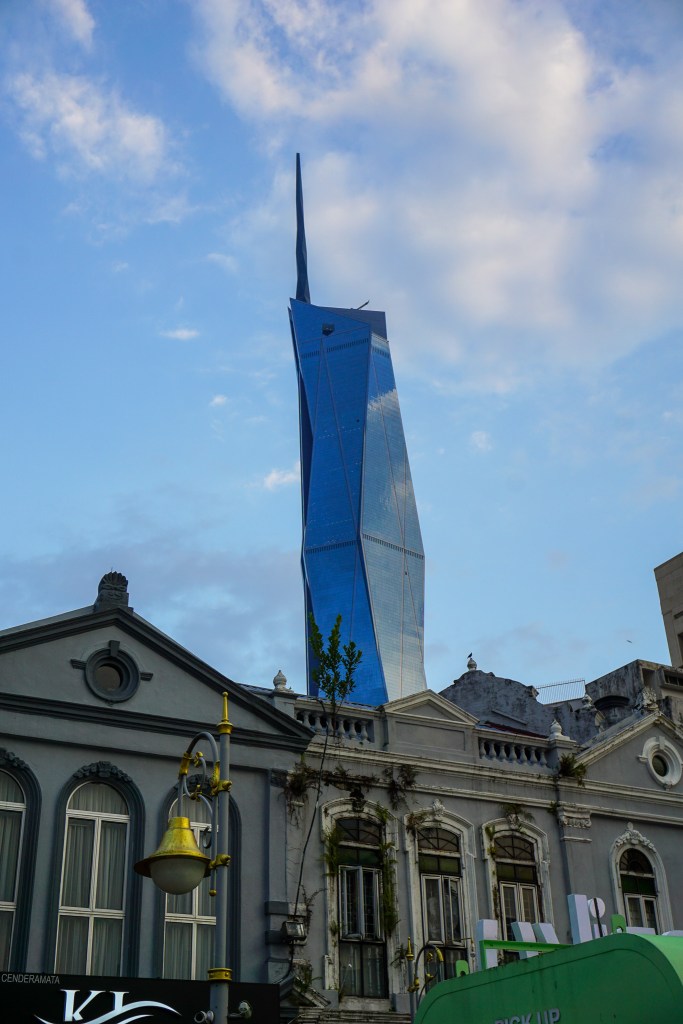
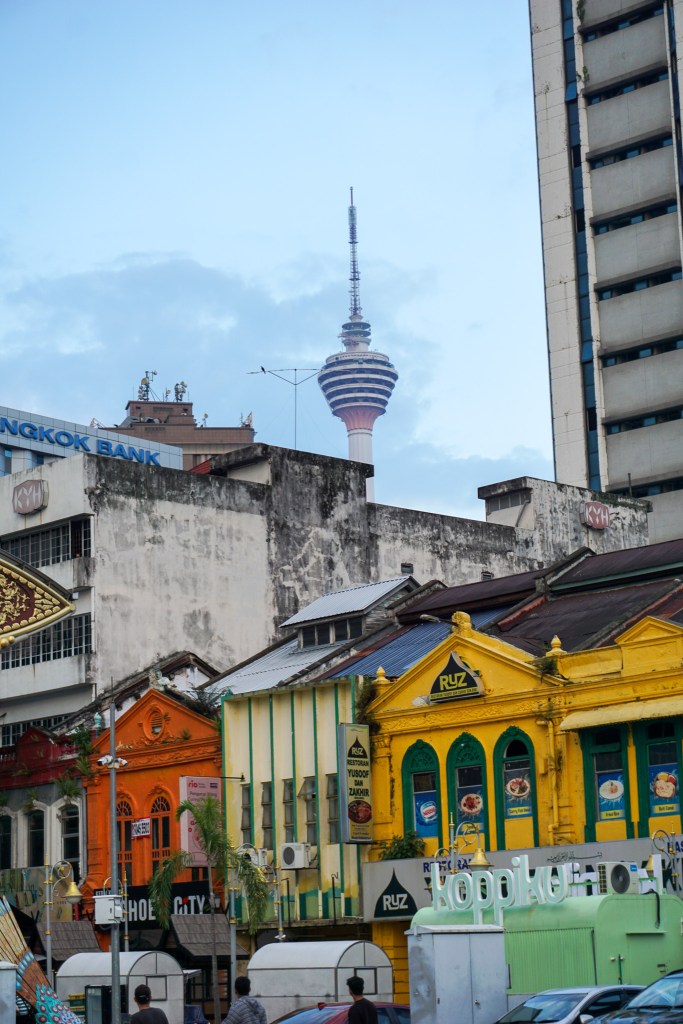
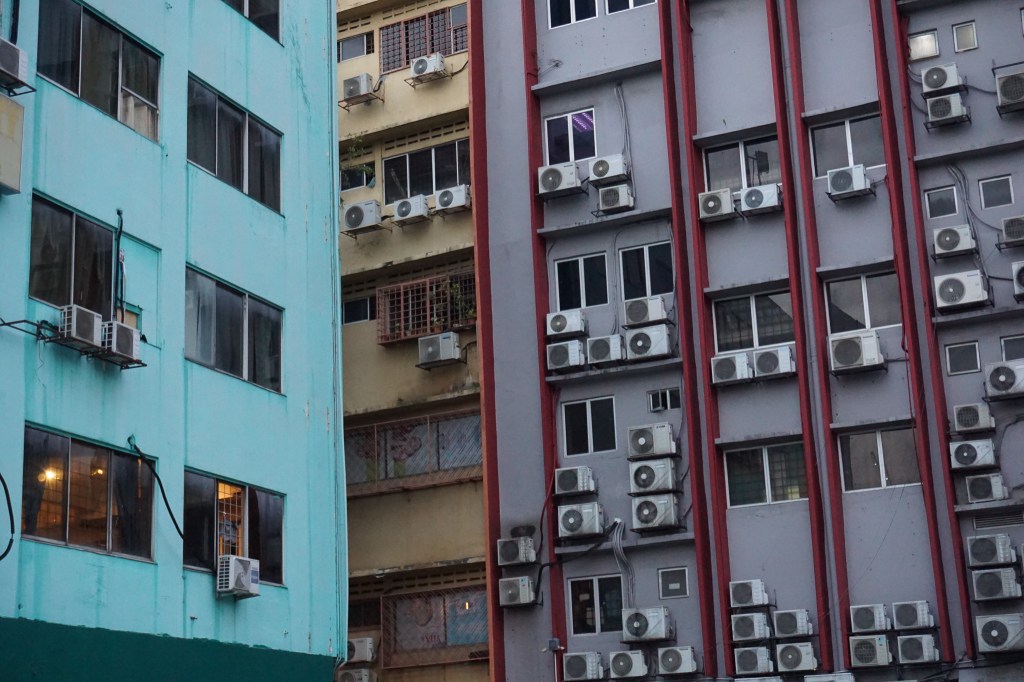
And even more fantastic is imagining that this used to be a jungle! Don’t be surprised if you do see snakes casually crossing the road. In fact, signs warning of the danger of stepping into one of these reptiles can be found everywhere, so bear that in mind, especially if you have a reptile phobia.
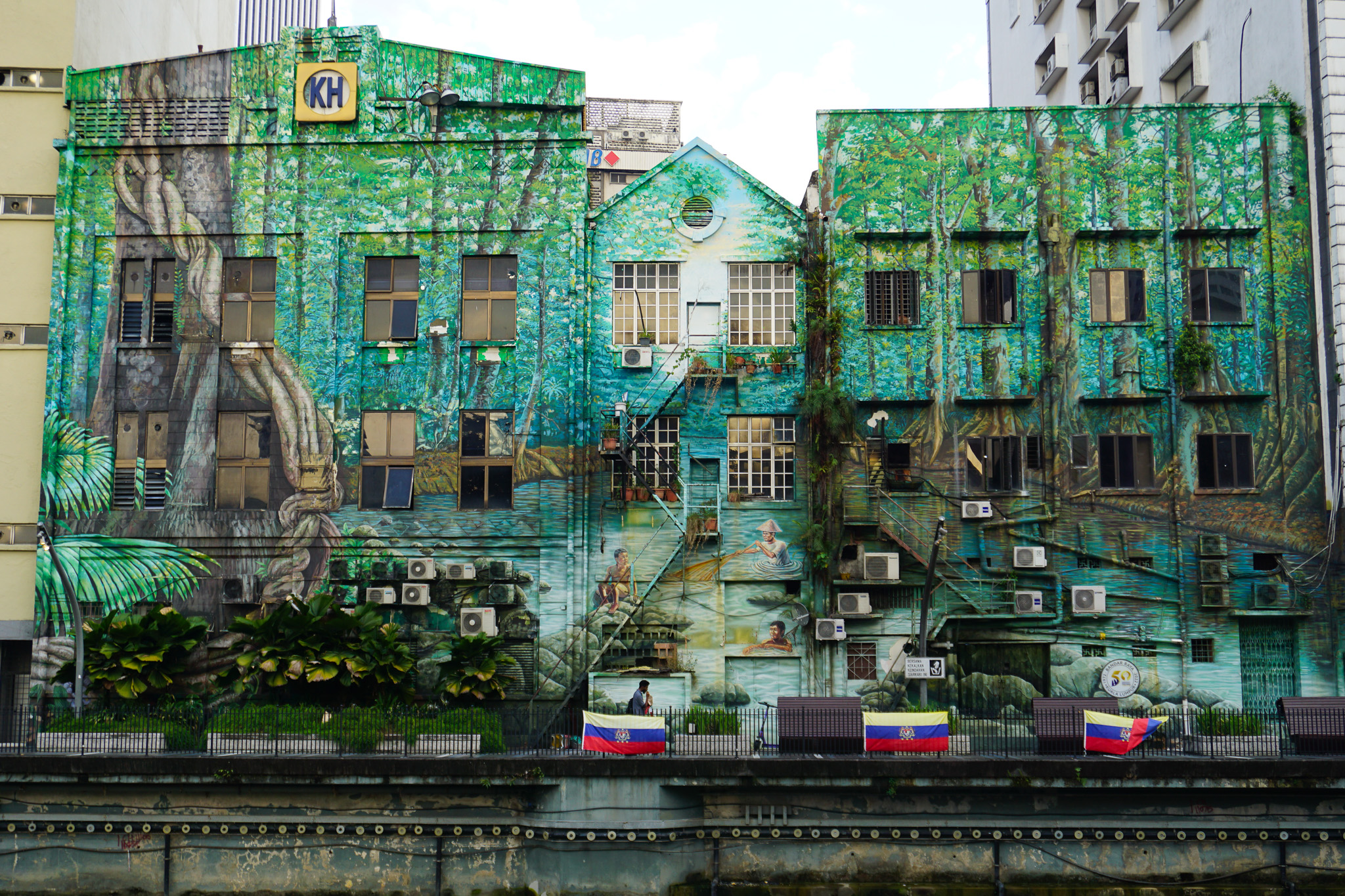

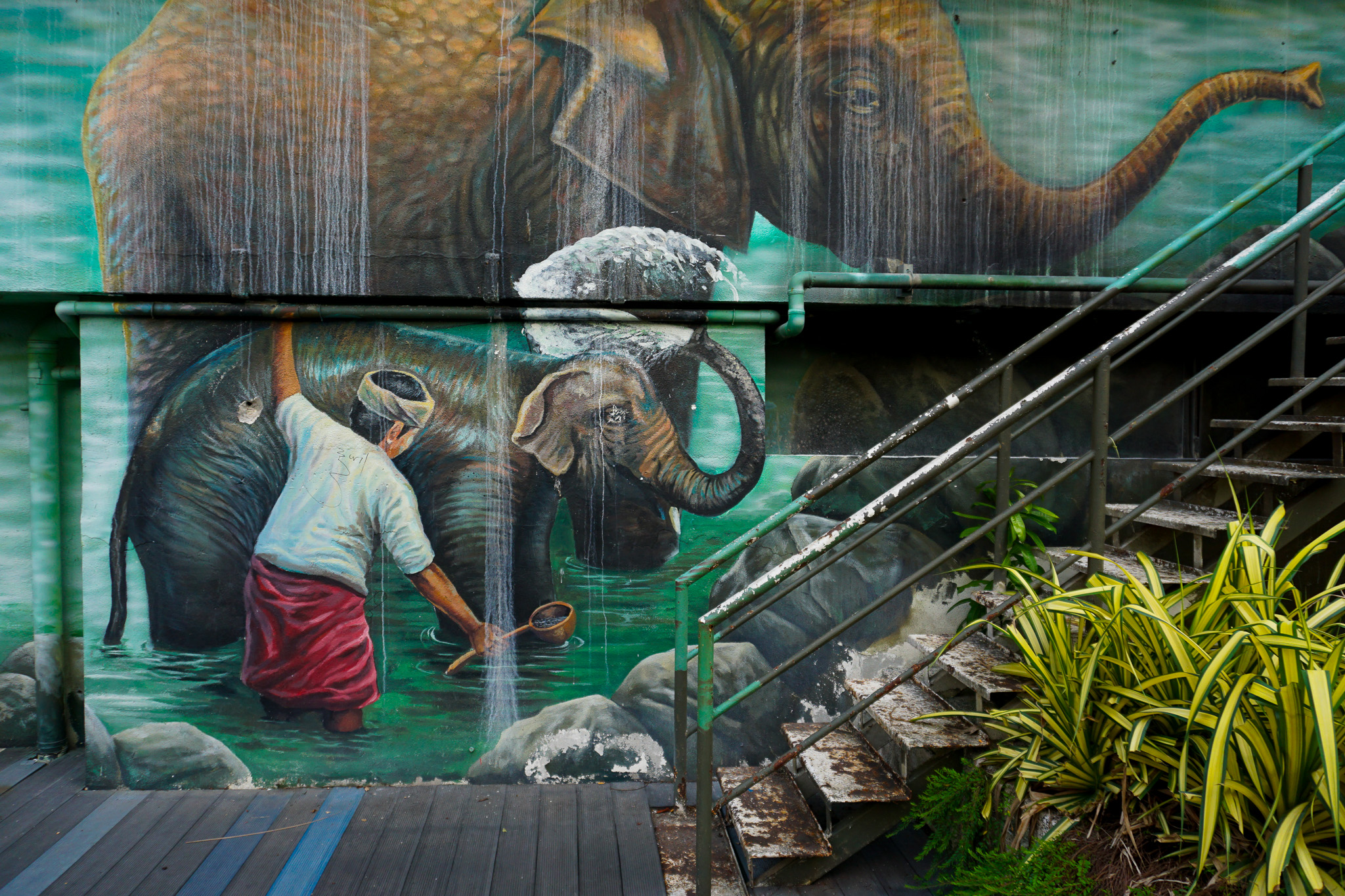
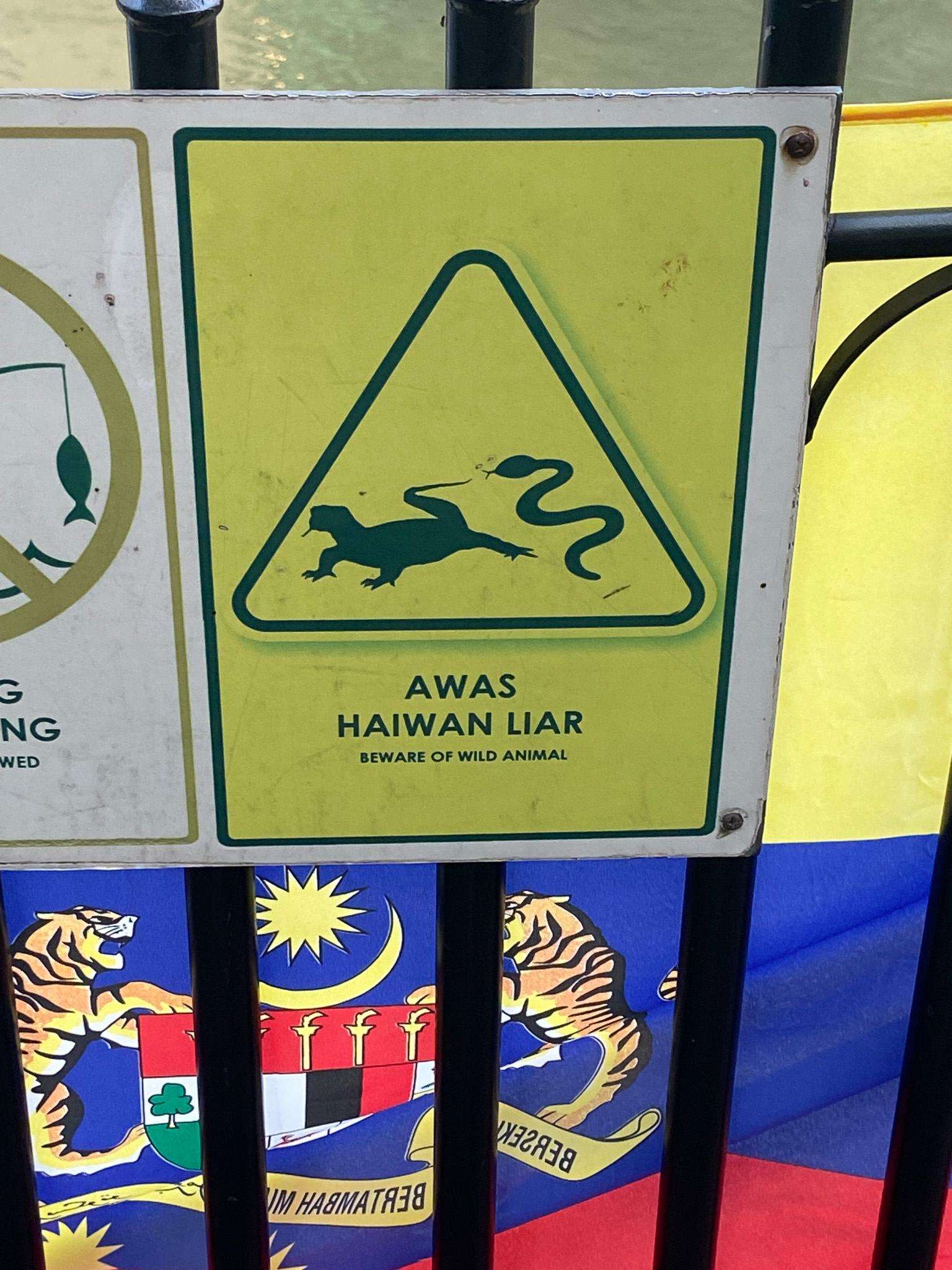
This is all to say that whilst I understand the appeal of the Petronas, don’t you agree with me that the Sultan Abdul Samad Building (pictured below) is so much more impressive and absolutely stunning?
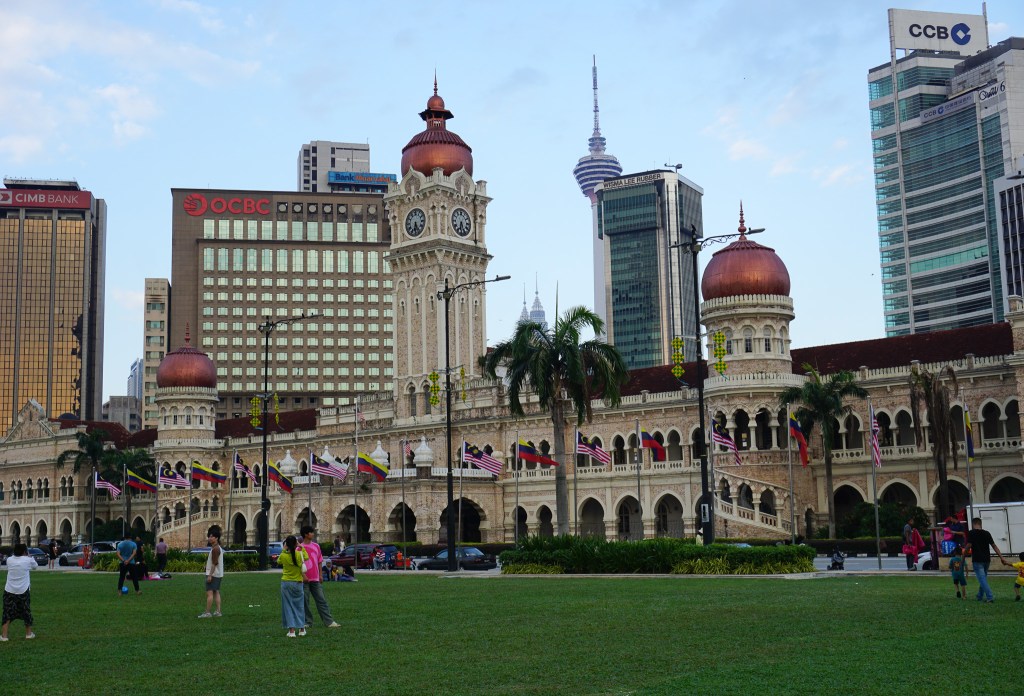
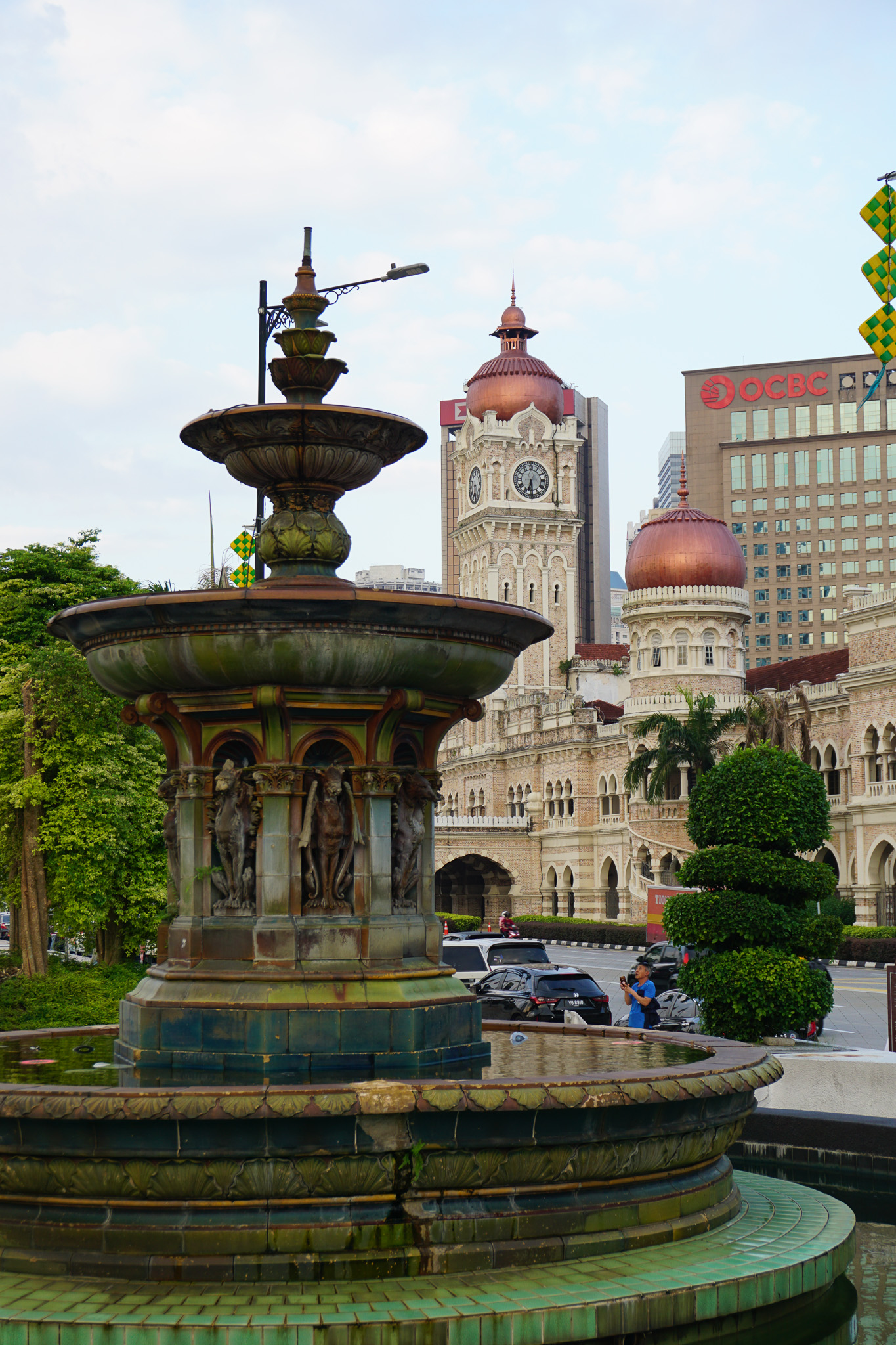

Built in 1897, this iconic landmark showcases a stunning blend of Moorish, Islamic and Indo-architectural styles, a bow to Malaysia’s colonial history. It was named after Sultan Abdul Samad, and it originally served as the headquarters of the British colonial administration in Malaysia. In front of the building, there is Merdeka Square, where events often take place. During my visit, it was Ramadan, and locals gathered in the square, setting up their picnic tables on the lawn, preparing to break fast at sunset.
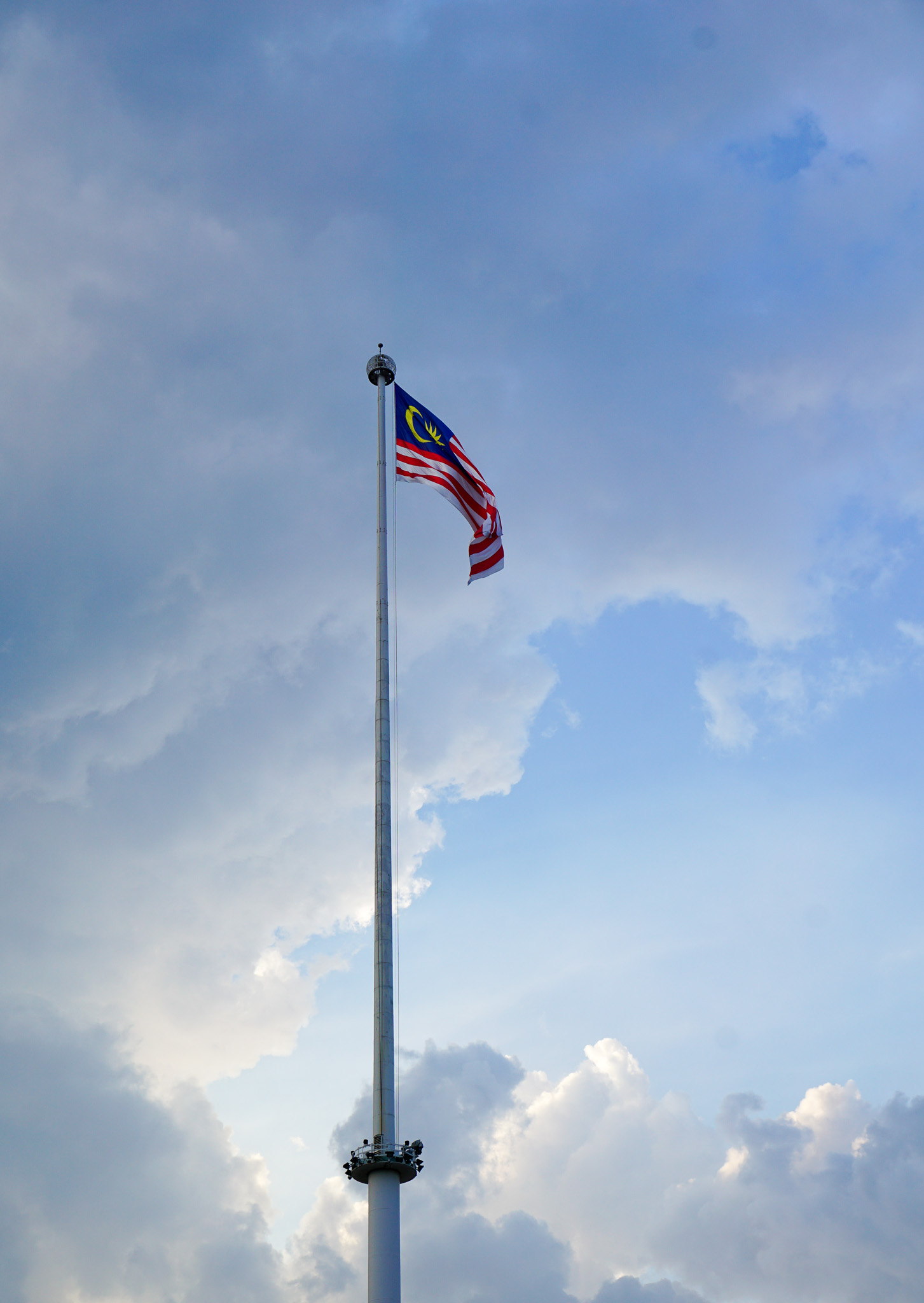
But of course, it also is about the Petronas…
You could not visit Kuala Lumpur and miss the Petronas? Well, I did miss the one thing that probably most tourists do when visiting – going inside and up the towers. Honestly, as I’ve become more of an experienced traveller, I came to realise that sometimes going inside the landmarks and pay an exorbitant amount of money to see views of the city without said landmarks is just not that much my cup of tea. The last time I paid for a view was in New York – I went up the Rock, not the Empire State Building, because I wanted a view of New York’s skyline with the Empire State Building on it.
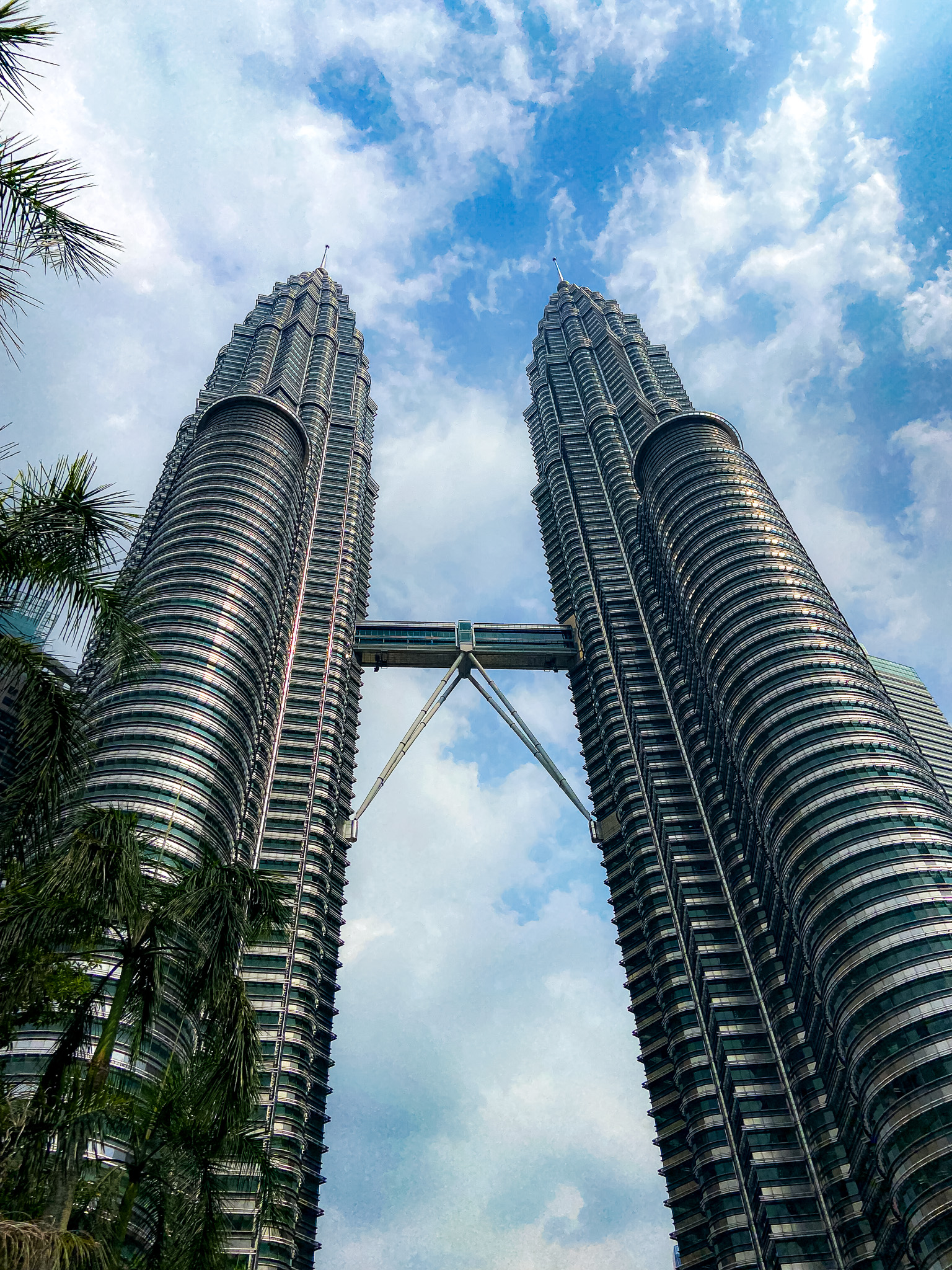
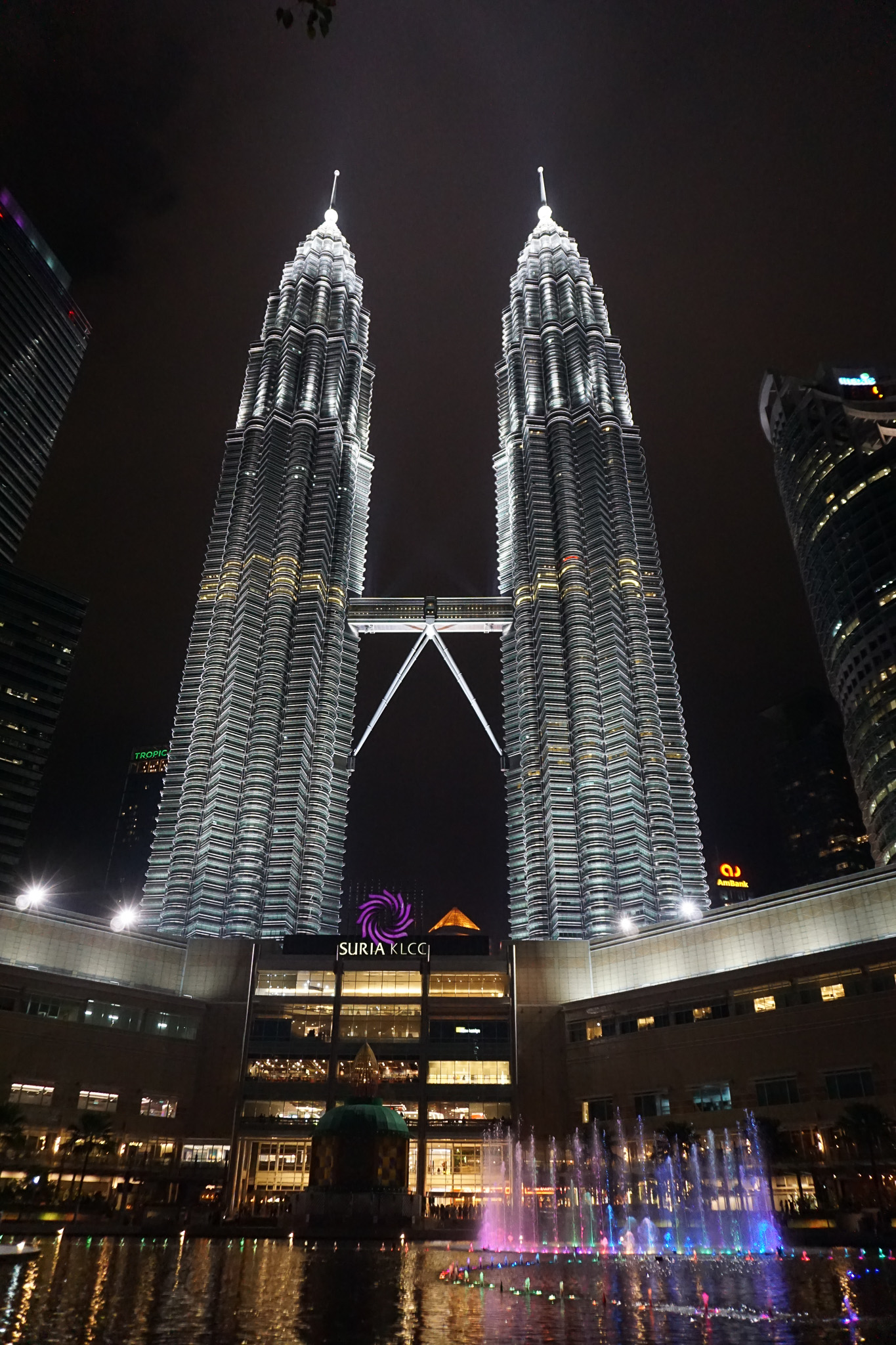
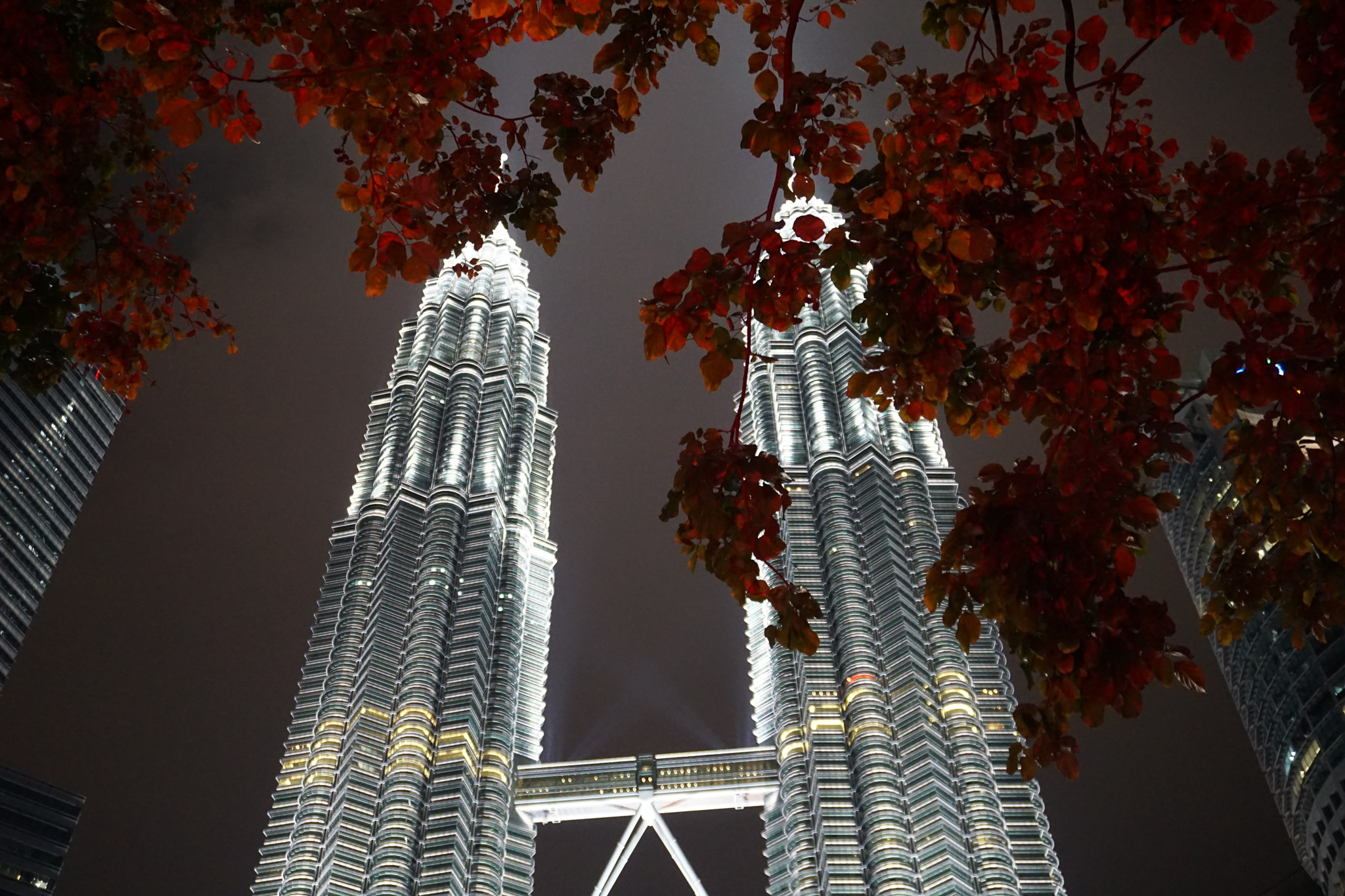
So, I decided to skip going in and simply admire the Petronas from outside—they also do a light show by the towers in the fountain in KLCC Plaza that is free to attend. I also preferred the night view of the towers.
The Petronas Twin Towers were completed in 1998 and held the title of the tallest building in the world until 2004, with a height of 451.9 meters. Of course, this put Malaysia on the global map, especially bearing in mind these were built and owned by Petronas, Malaysia’s leading gas and oil company. Personally, It’s not about the height, but how the architect, César Pelli from Argentina, incorporated Islamic-inspired geometric patterns reflecting Malaysiã Muslim heritage and culture.
Taking one of the best walking tours in South East Asia
Kuala Lumpur was also the place where I had the best “free” walking tour in my time in South East Asia. The day before I had received a few messages from the guide, warning that it would be at least 3 hours of walking, that it is of course very hot, and that his tour was mostly focused on history. He was quite insistent on these points, which made me believe that perhaps others had bailed because they couldn’t walk for so long in the hot and humid weather, or perhaps he had been criticised for being a very fastidious History teacher, rather than a guide. Personally, though, walking isn’t a problem, and whilst I do struggle a bit with hot temperatures, by that point I knew how to protect myself. Also, for me, it was about learning – and his reviews were pretty strong.
I took rushed notes of a few things I learned on this tour, as I knew I would forget otherwise. This tour wasn’t just about Kuala Lumpur – it was about Malaysia. I also quickly noticed that some topics aren’t supposed to be questioned – and I made him uncomfortable with a couple of my questions, that I could see he wanted to answer but really couldn’t. I let him off the hook once I noticed his discomfort. Yet, this made me value even more the freedom of speech I have back home, and we so often forget about, taking it for granted.
Malaysia has nine kings! Did you know this? I believe this was when my first uncomfortable question came up. I asked something in the lines of “are they not fighting each other for power?”. No. They protect each other, and have good reason to, because some have committed truly awful crimes – and got away with it. This is not something he could have told me.
It is an odd monarchy, but a strict one – and it’s called constitutional. This was established after Malaysia’s independence from Britain. Every five years, the nine rules elect one among themselves to be Malaysia’s king through a secret ballot.
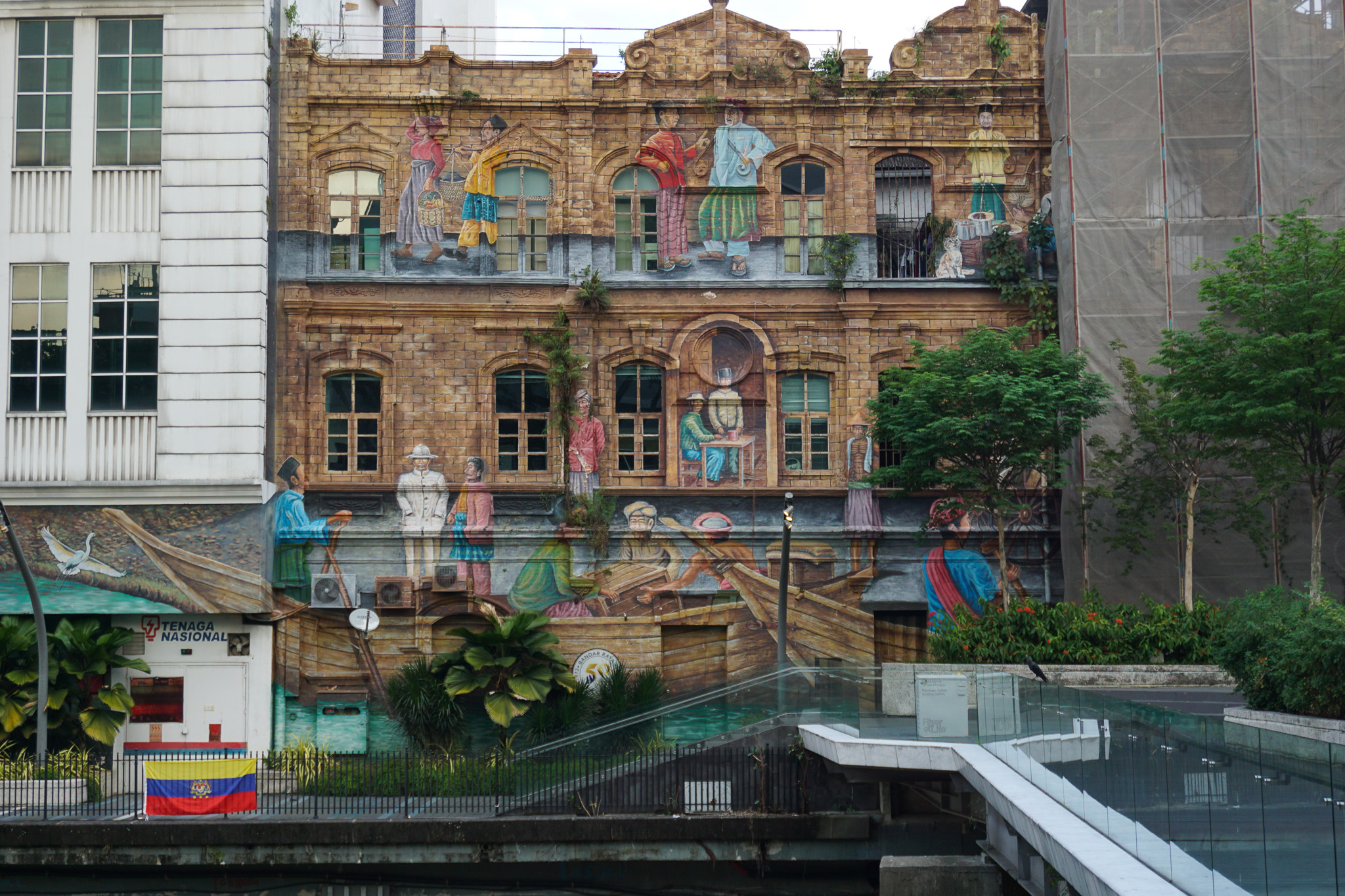
He also tried to explain who are the people of Malaysia, which to be fair to him, it’s almost an impossible task. Who are the original people of Malaysia? The indigenous people only account for 1% of today’s population, but most of them aren’t registered, so this percentage is very likely a lot higher. And when Kuala Lumpur was an actual jungle, there were early immigrants from Indonesia who once lived there.
Nowadays though, labels are various. You have the Malaysian and the Malay. You might be a Malaysian Malay Muslim, Malaysian Chinese Christian, a Malaysian Indian. Locals seem to be defined by the country where they were born, plus their heritage and finally their religion. It is a true tapestry of Asia, and I recall thinking if this is where the inspiration for Malaysia’s tourist slogan came from : “Malaysia, truly Asia”. You can indeed see a little bit of every corner of Asia in this country.
I will always love a place that is diverse and feels inclusive. This is one of the reasons I love London, and I could sense Kuala Lumpur was a little like that. Many religions and ethnicities coexisting and living peacefully – at least apparently so.

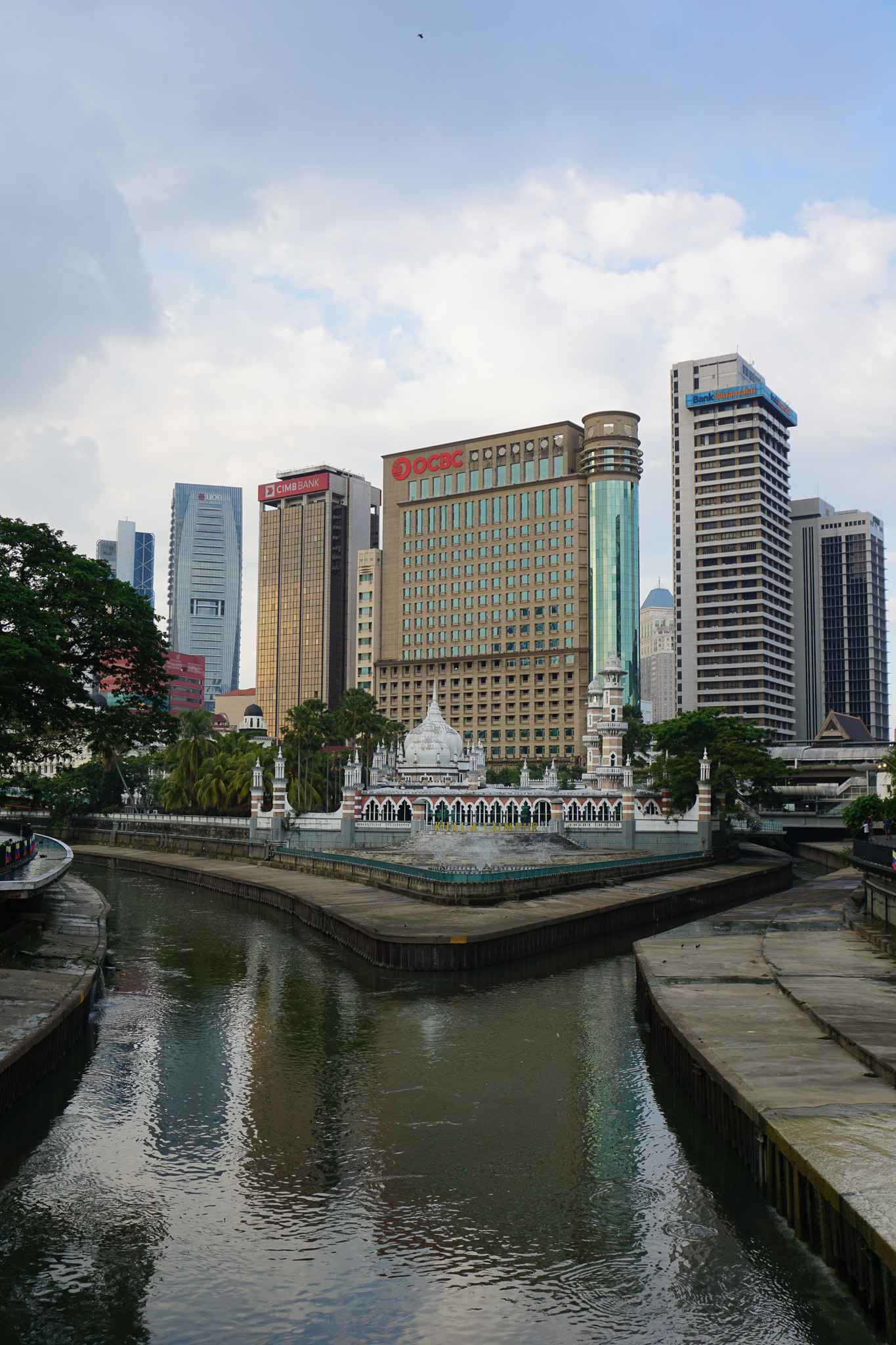
It is true that this walking tour was long, but the guide was a fantastic storyteller and I felt time flew by. I ended up walking for hours in Kuala Lumpur, even with the convenience of public transportation that often did not exist in other places. But I found the city to be so interesting to explore, with its cinematic, hectic atmosphere I didn’t want to miss out on. And whilst shopping wasn’t a priority to me, I did visit a couple of shopping centres to get some much-needed air conditioning. Plus, some of these had amazing food courts, where I could rest my legs in acclimatised environments whilst getting some great food.
Kuala Lumpur is absolutely a great place to explore. Some travellers I came across told me they only spent there a couple days, unbothered by the cultural and artistic offer of it, simply preferring to stay away from it. big city centres. Of course, I get it – it comes down to personal preference. But if you think Kuala Lumpur is only about tall buildings, I can assure you it is not – and would urge you to give it a little more of your time.
Love, Nic
 The Winged Bone
2 thoughts on “From Petronas to Chinatown: Navigating Kuala Lumpur’s Complex Charm”