
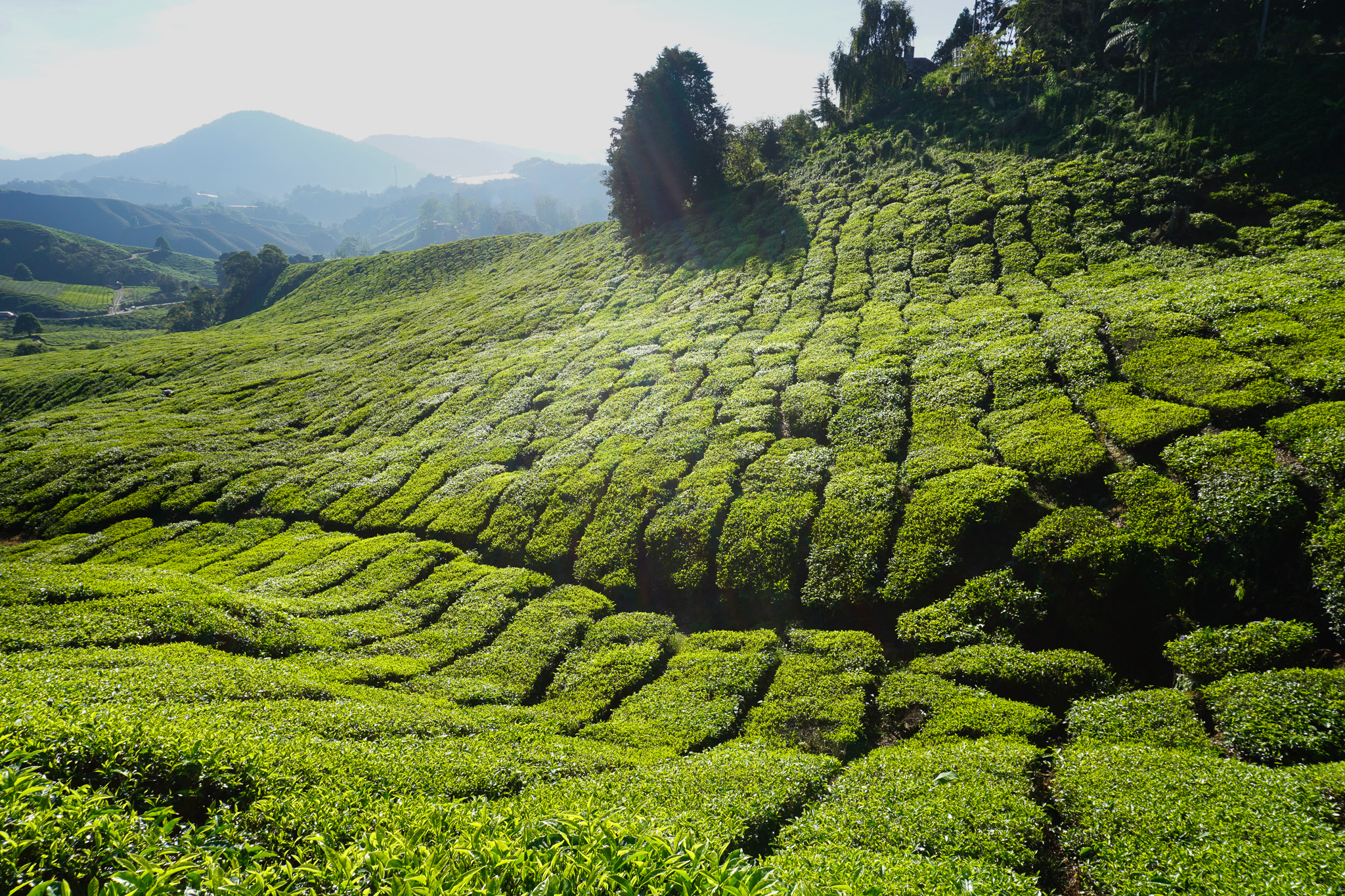
I took a bus from Georgetown to another British-named place in Malaysia—the Cameron Highlands. Nestled in the mountains, as the name Highlands denounces it, the journey was peaceful but windy when entering the mountain range. And if you aren’t prone to motion sickness (as I am), you will enjoy some fantastic scenery from the window. Hills covered in deep, dense greenery and, of course, much cooler temperatures—something I welcomed very much.
I stayed only two nights in the Cameron Highlands and that is more than enough, unless you are planning a multi-day trekking adventure. I recommend staying at Father’s Guesthouse. It’s conveniently located in the town of Tana Ratah, where the bus drops you off. They also own a tour company, so you can book tours directly with them. I would recommend you insist on organising this in advance though.
I had wanted to do a day trek, and had messaged them in advance to see if it was possible to book it, especially bearing in mind that often they have a minimum of 2 people and, as a solo traveller, I wanted to see if there were any groups scheduled that I could join. I was told to just book it when I got to Tanah Rata… and that didn’t work out. Sadly, the tour that I wanted wasn’t happening and I wasn’t given a reason.
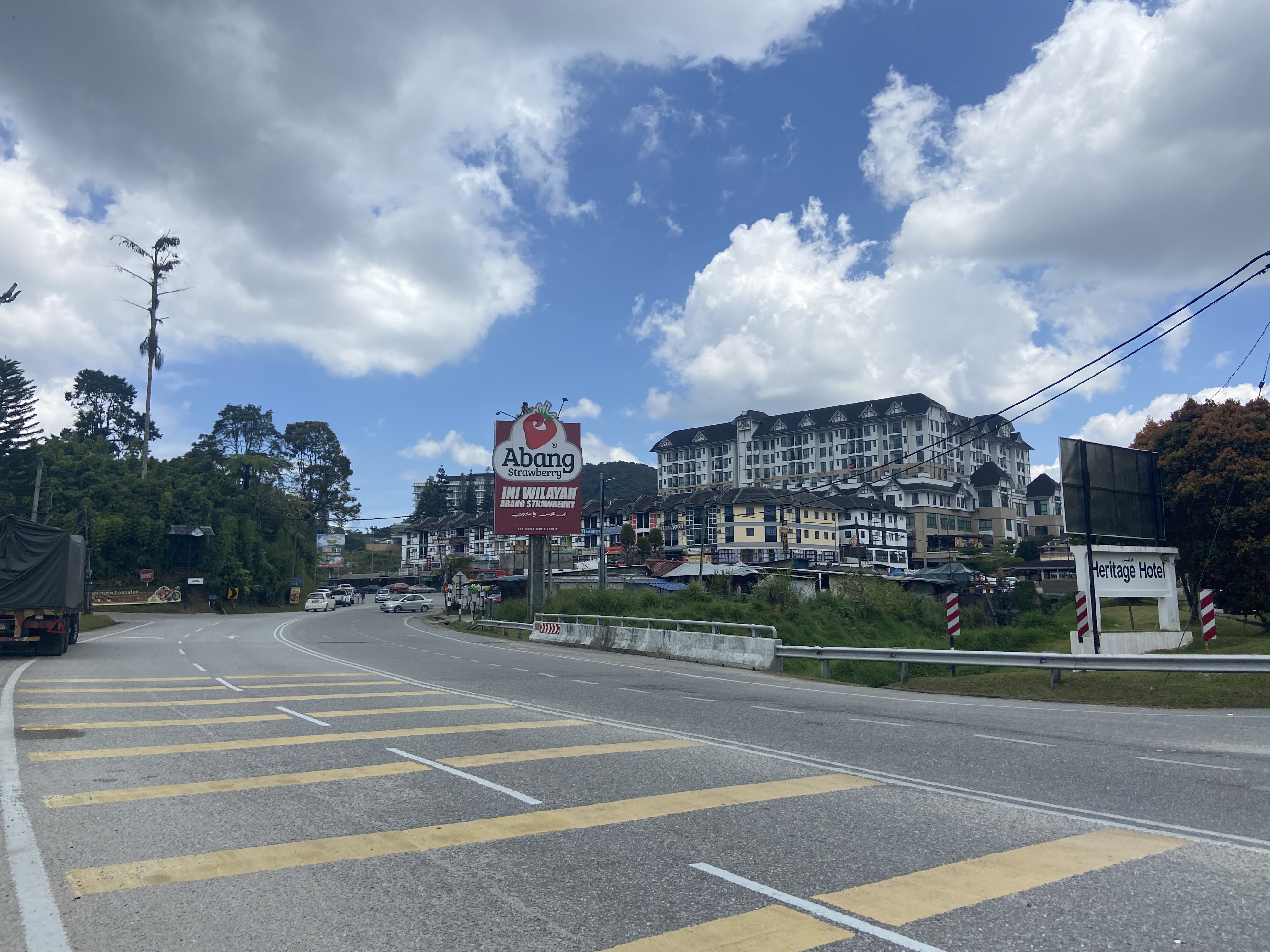
My plan was to do the trek in one day and then do a half-day tour on my last day of the tea plantations if possible, but suddenly I had a lot of free time on my hands and went for the full-day experience tour – touring the tea plantations and the mossy forest in the morning, and there were some other activities in the afternoon – strawberry picking, a visit to the local market, butterfly farm and a temple. The afternoon was a waste and I regretted having gone for the full-day tour – I didn’t want to go to the Butterfly farm, something that is more for children, the market really has nothing special about it, and the temple is quite underwhelming. And whilst I do love strawberries, l grew up in a village and my parents grow strawberries themselves… the act of picking fruit isn’t new to me at all.
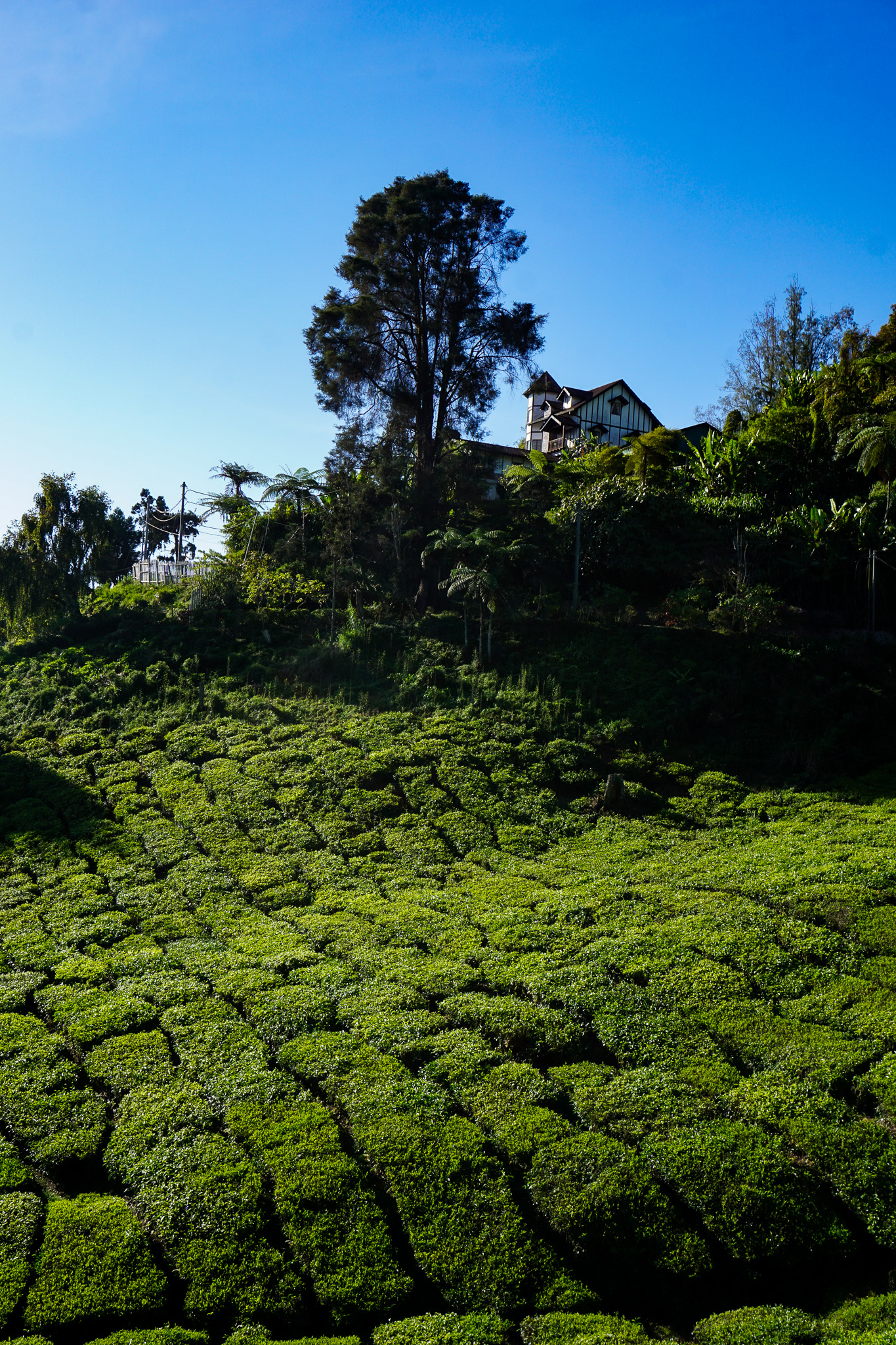
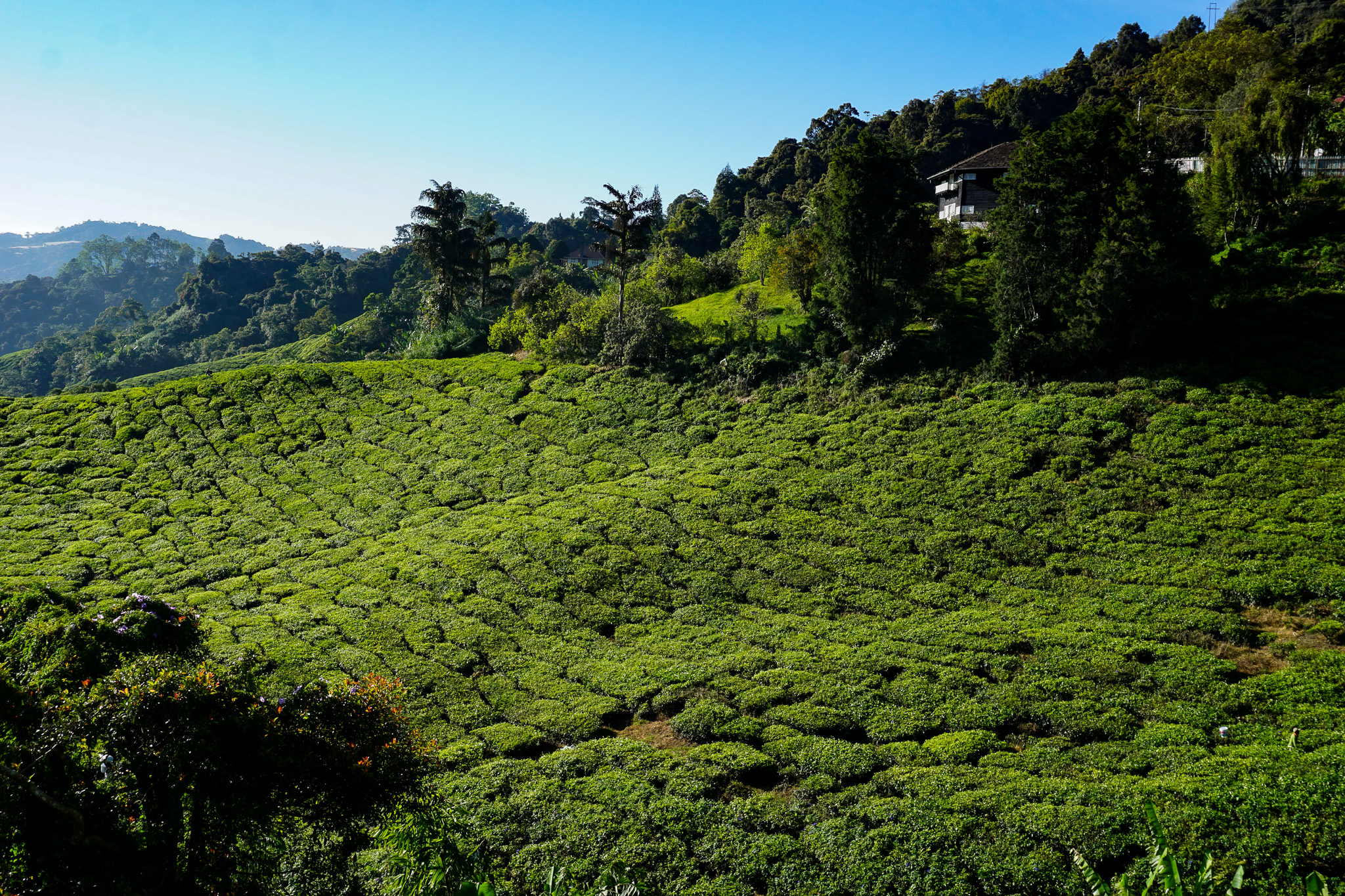
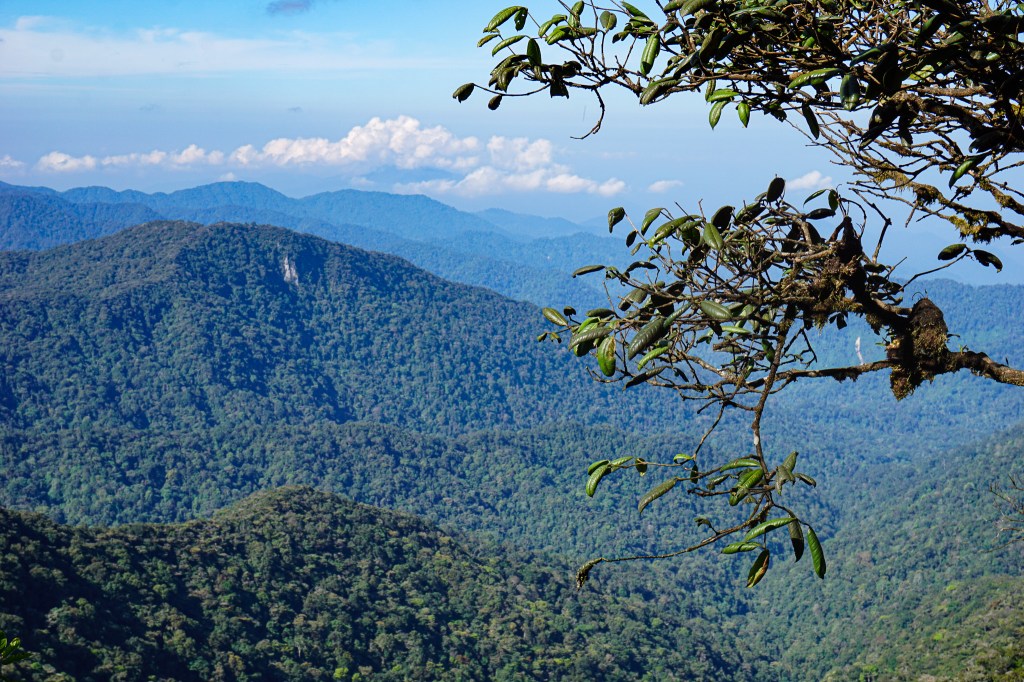
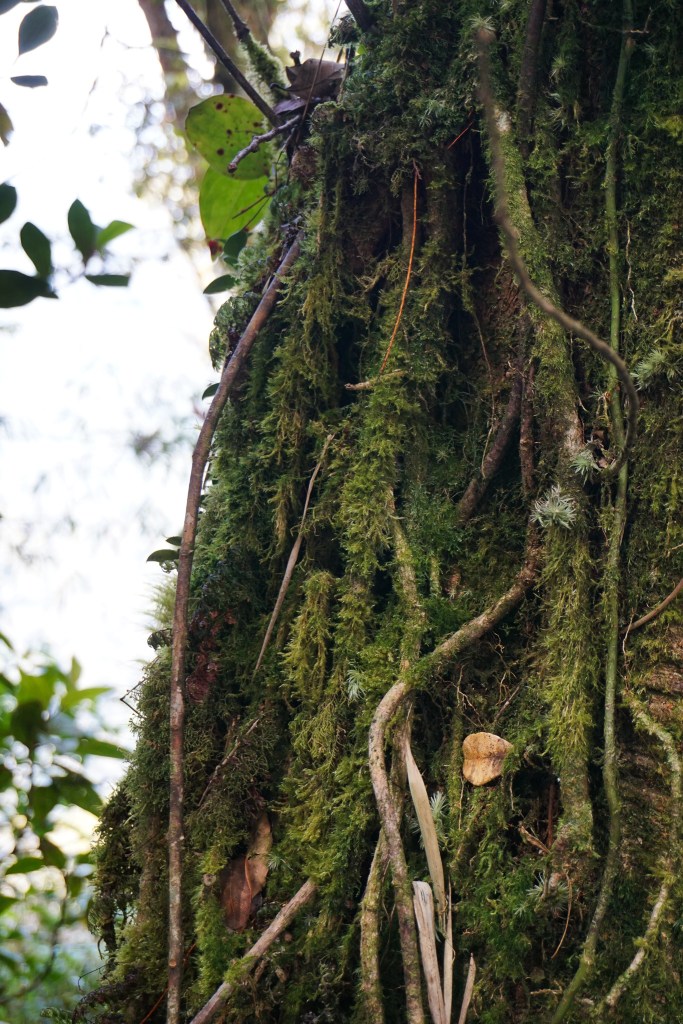
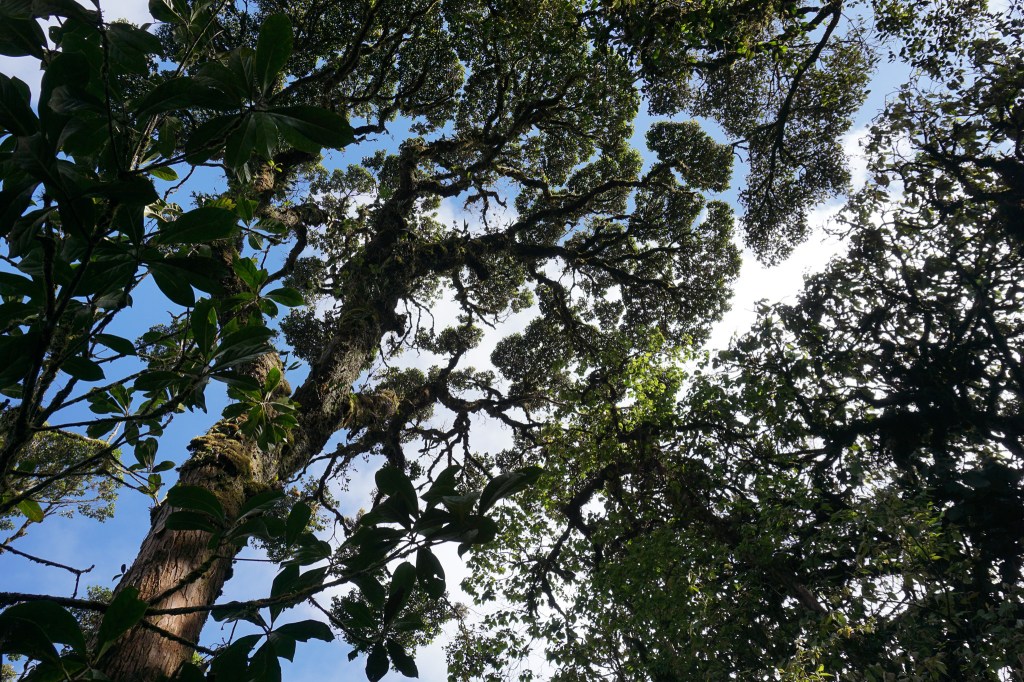
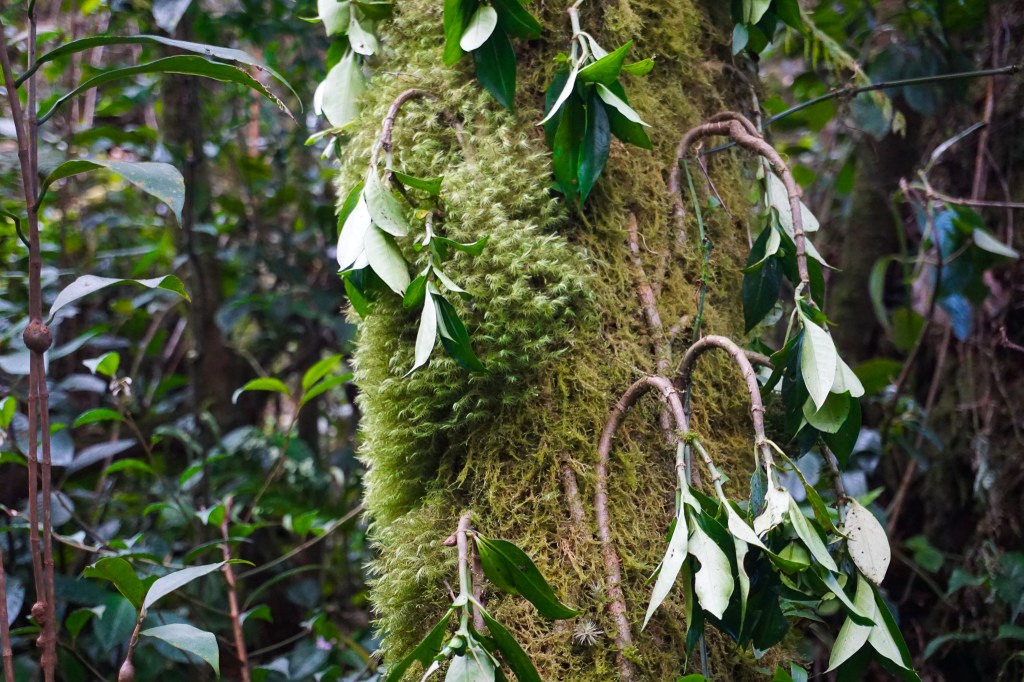
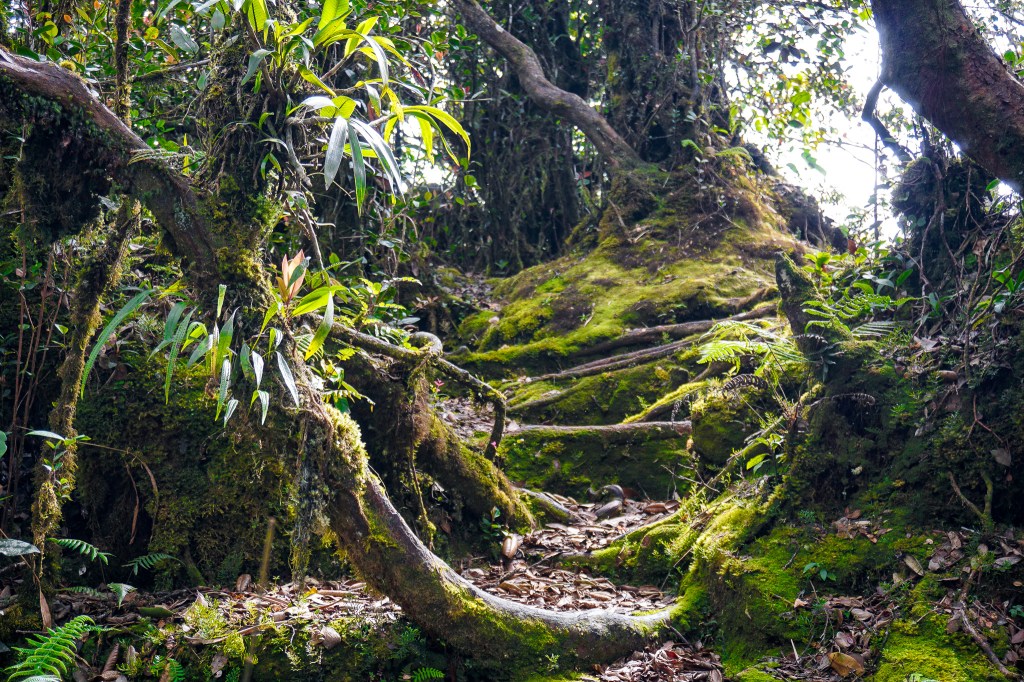
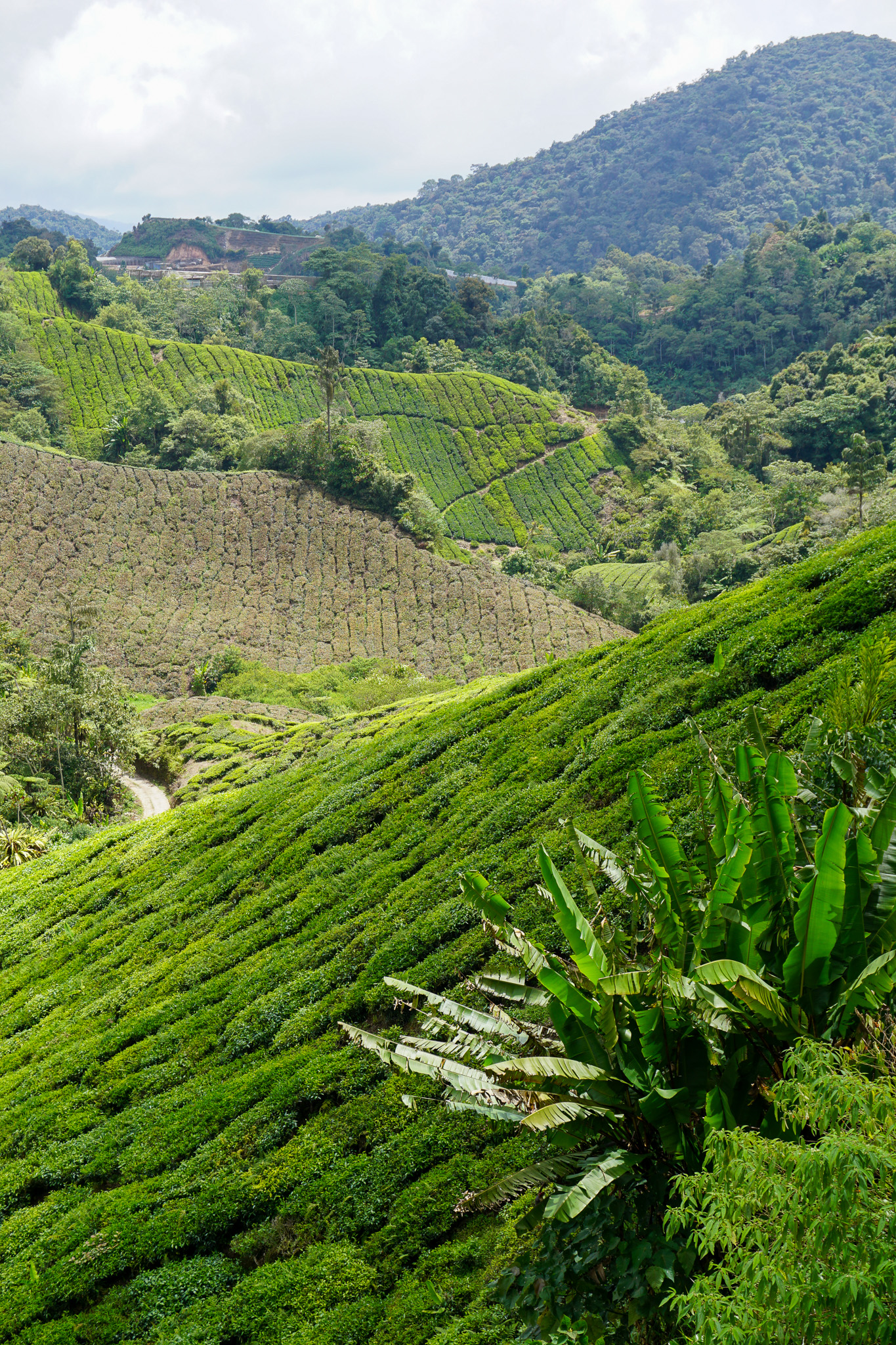
The visit to the tea plantations and Mossy Forest is definitely worth it – you learn a little more about the history of how this place ended up being such a tea producer, and the views over the plantations are absolutely stunning, especially if you’re lucky to get some sunshine. Don’t expect much from the Mossy forest either – you can only walk through a defined wooden path, and there isn’t much room to explore. This is probably for the best to keep the place as safe as possible from humans. Still, the views of the surrounding mountains are amazing and everything is surrounded by moss, almost as if you were inside a Fantasy book exploring a setting in a different world.

But why another British name?
The region was originally inhabited by its indigenous people, the Orang Asli. But then came the European colonialists in the late 19th century, with William Cameron, a British colonial administrator, stepping foot in the region in 1885. As it happened in Georgetown, he saw potential. Impressed by its cool climate and fertile soil, soon enough plans were being drawn up to make it an agricultural hub.
By the early 20th century, the construction of infrastructures started and the area became known as a retreat for British colonial officials and expatriates. Tea cultivation was introduced in the 1920s. The soil is incredibly fertile due to its volcanic origin and combined with the relatively cool yet humid climate of the region, tea plantations in the region were thriving. Yet, as you can imagine, those who were profiting from it weren’t exactly working in the fields. Whilst the word “slavery” isn’t utilised much in connection to the British Empire, it is important to highlight the poor working conditions of the labourers, mostly from marginalised communities, who were mostly exploited. The tea industry in particular relied on indentured labour – a system that involves signing contracts that bound workers to the plantations for specific periods. Some workers were also “debt bounded” – they’d often get into debt with their own employer to pay for travel expenses and even accommodation, creating a vicious, never-ending cycle they could not break from. To me, this is slavery.
Nowadays we speak of sustainable practices and ethically sourced tea and companies come forward with promises that they pay fair wages and provide safe working conditions for their employees, but the reality is really far from that. We read these statements in its packaging, at the local supermarket, where we comfortably go for our weekly groceries, never thinking about the origin of the food, the drinks, or the products we are buying. But we see expressions such as “ethically sourced” and we immediately jump to get that in our basket, even if it has a higher price, making us feel slightly better about ourselves, with our comforts, with our privilege. We believe in these statements, and we lie to ourselves, into believing that these corporations are ethical now. These things are properly scrutinised. We don’t want to entertain the thought we are being lied to, even though again and again we have been. But these places, where people we don’t know, who speak languages we don’t understand, are so far away from us, it is so easy to ignore them. You go home, you make yourself a cuppa. You sit on your couch, dipping your little biscuits, sipping slowly the delicious brew. What can you do? It is what it is.
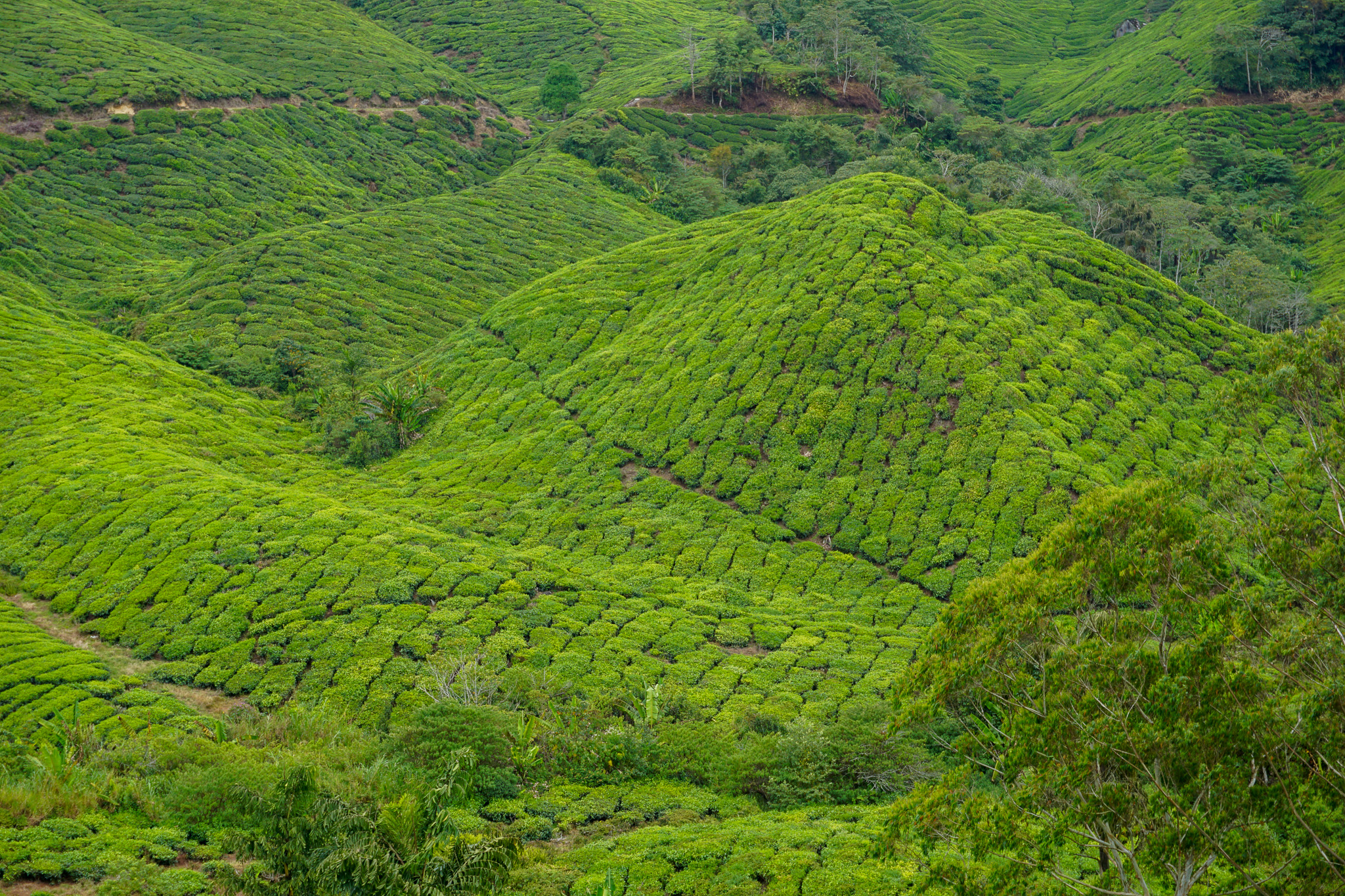
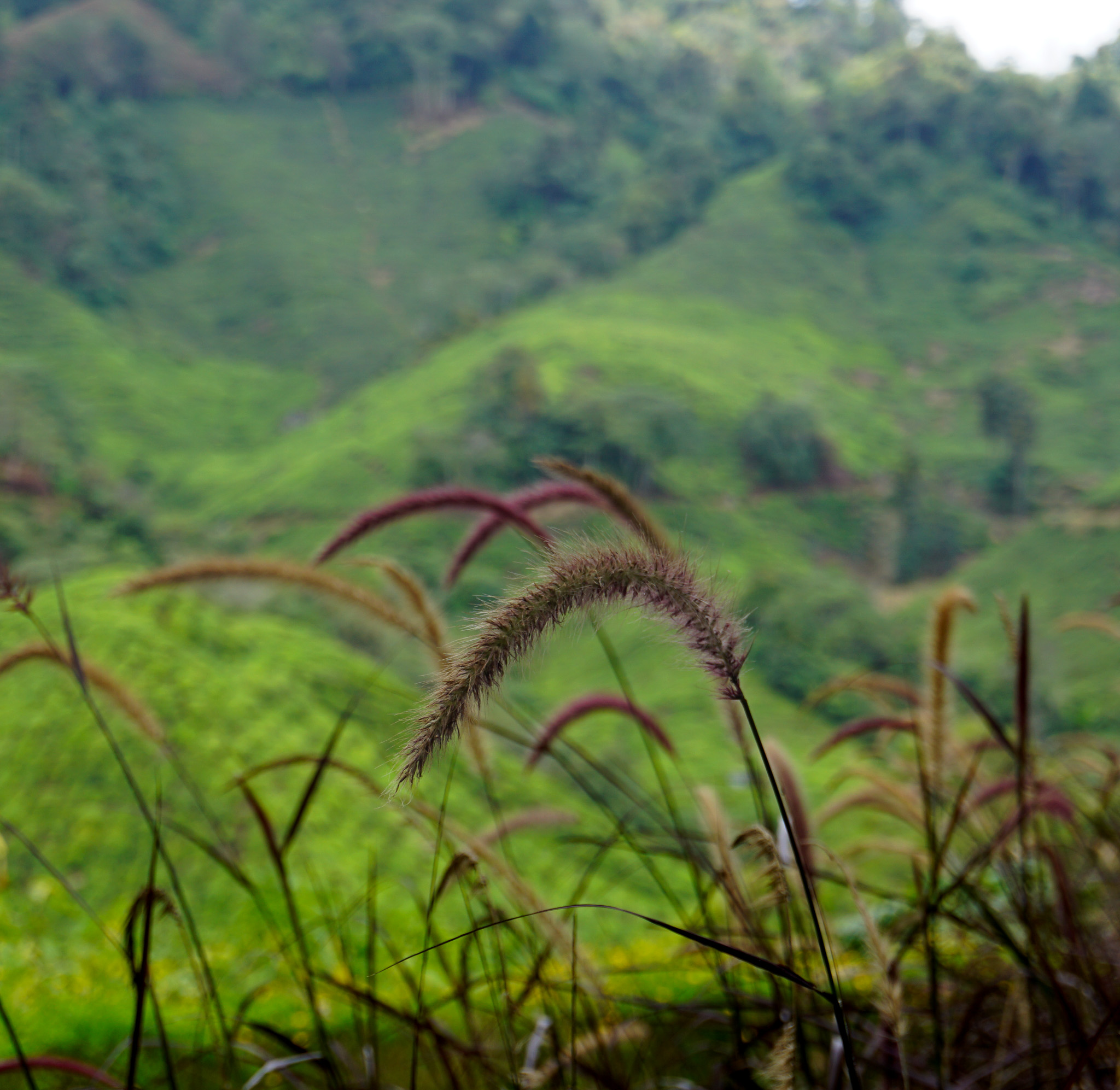
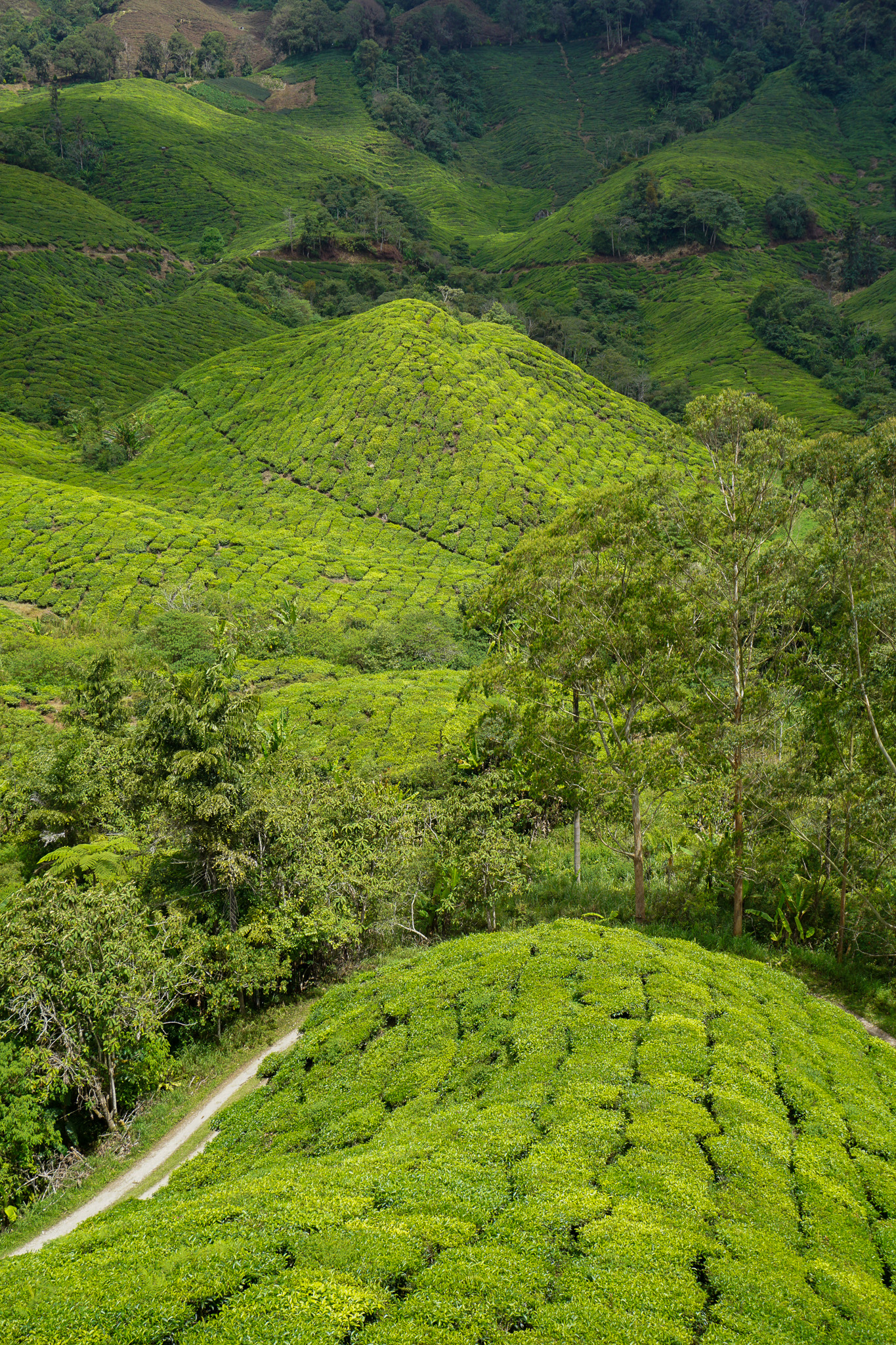
Even when you travel to these places, like I did, you are shown only what they want you to see, which is to say, what you are allowed to see. It’s a tourist experience, nicely packaged to look digestible to your eyes. But look a little closer – and you’ll see some people working in the fields. Bendover, with heavy baskets on their backs. Hands full of knots and skin so thick from years upon years of harsh work. Look at their faces – aged. Tired. Spent. Fading. From the labour, but also because those are people who have been working for decades on end, without rest. Without rest in sight.
Perhaps there are slight improvements to their work conditions – but from what I saw, I don’t believe it’s on par with our expectations, and corporations can do better if they are truly invested in sharing their wealth with those who put the manual work, their lives, their health and safety at risk every day.
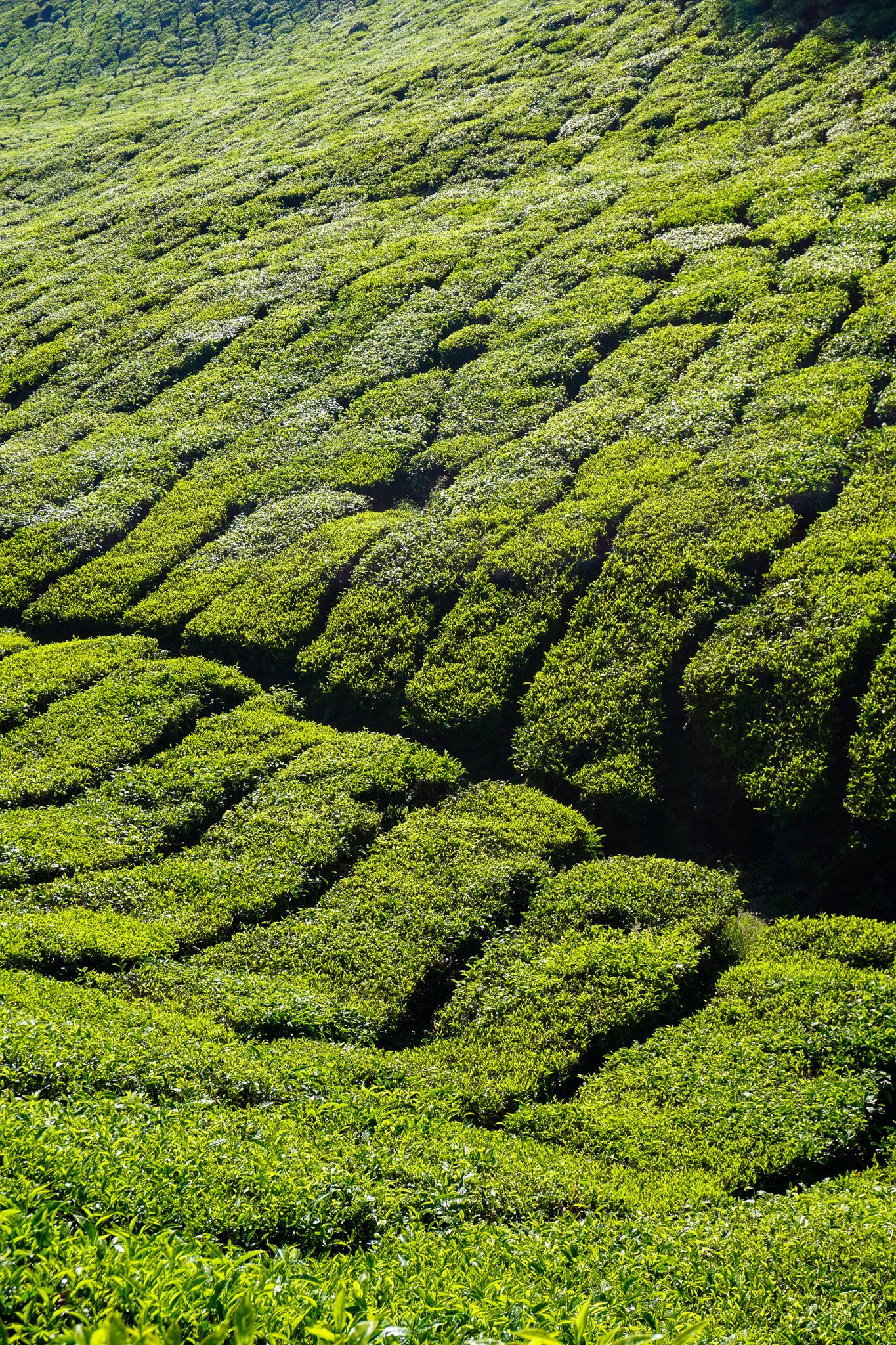
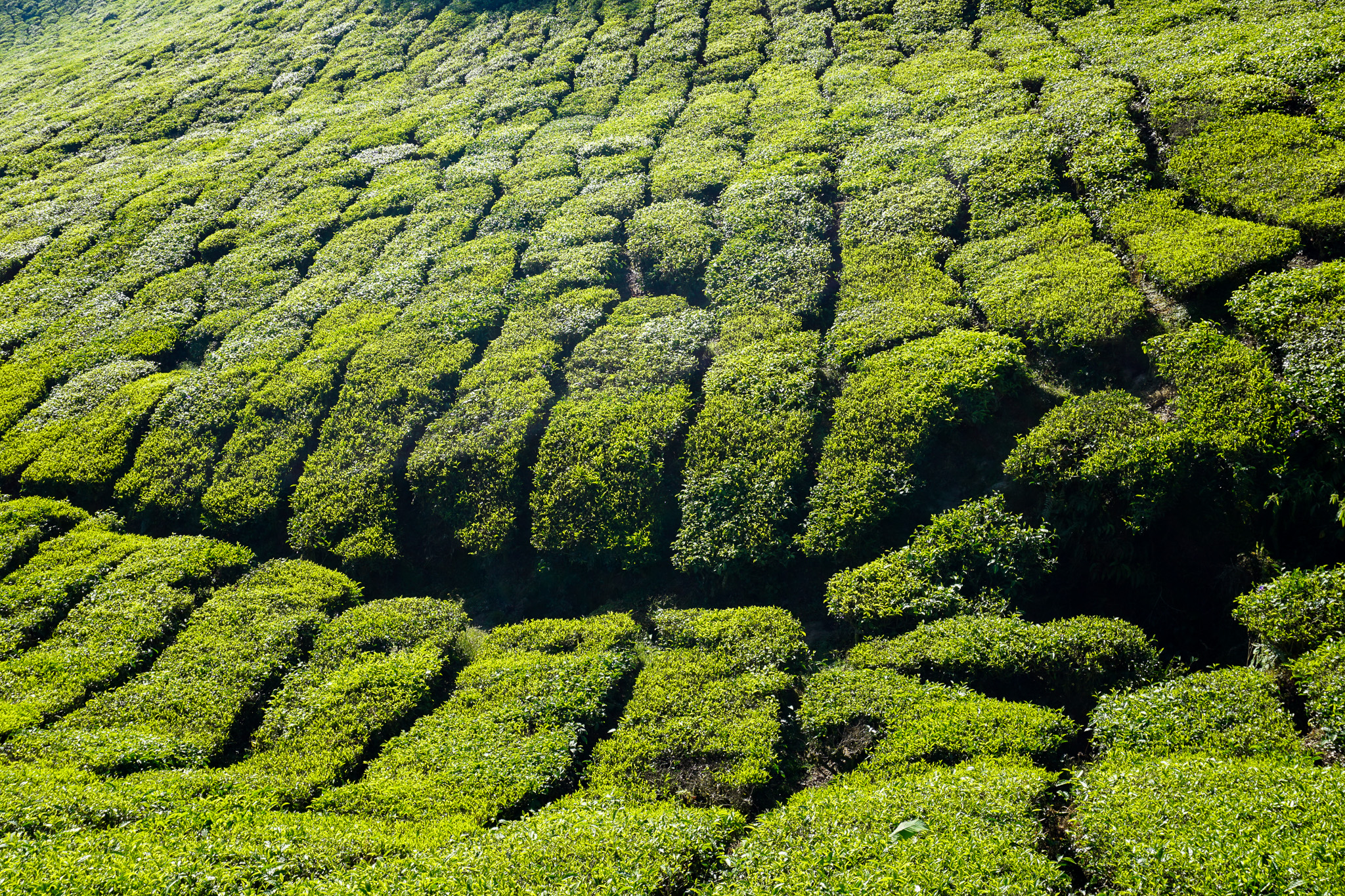
I could not write about tea plantations without mentioning this dark side. As a tourist, you go to the Cameron Highlands and are blinded by its beauty. The way the tea bushes form crusty-shaped green patterns in the hills. How infinite it looks, how peaceful.
I’m not trying to be hypocritical here. I do drink tea, as I drink coffee. And so much of what I buy I ignore the source and don’t bother finding out. Honestly, it won’t do any good, apart from making me feel there is no escape to this life, to this world so full of inequalities, often so cruel and relentless. It’s not even a world where the strongest survive – it is a world of privilege, something that is about pure, random luck, more than anything else.
Still, I could not ignore this. I could not write about the tea plantations in Malaysia without this little reflection. Spare a moment, spare a thought to the sweat of those who make it possible for you to drink the tea that became part of your everyday. To those who are responsible for creating those beautiful patterns in the fields, manually cutting and collecting tea leaves, so we can enjoy that nice hot cuppa.
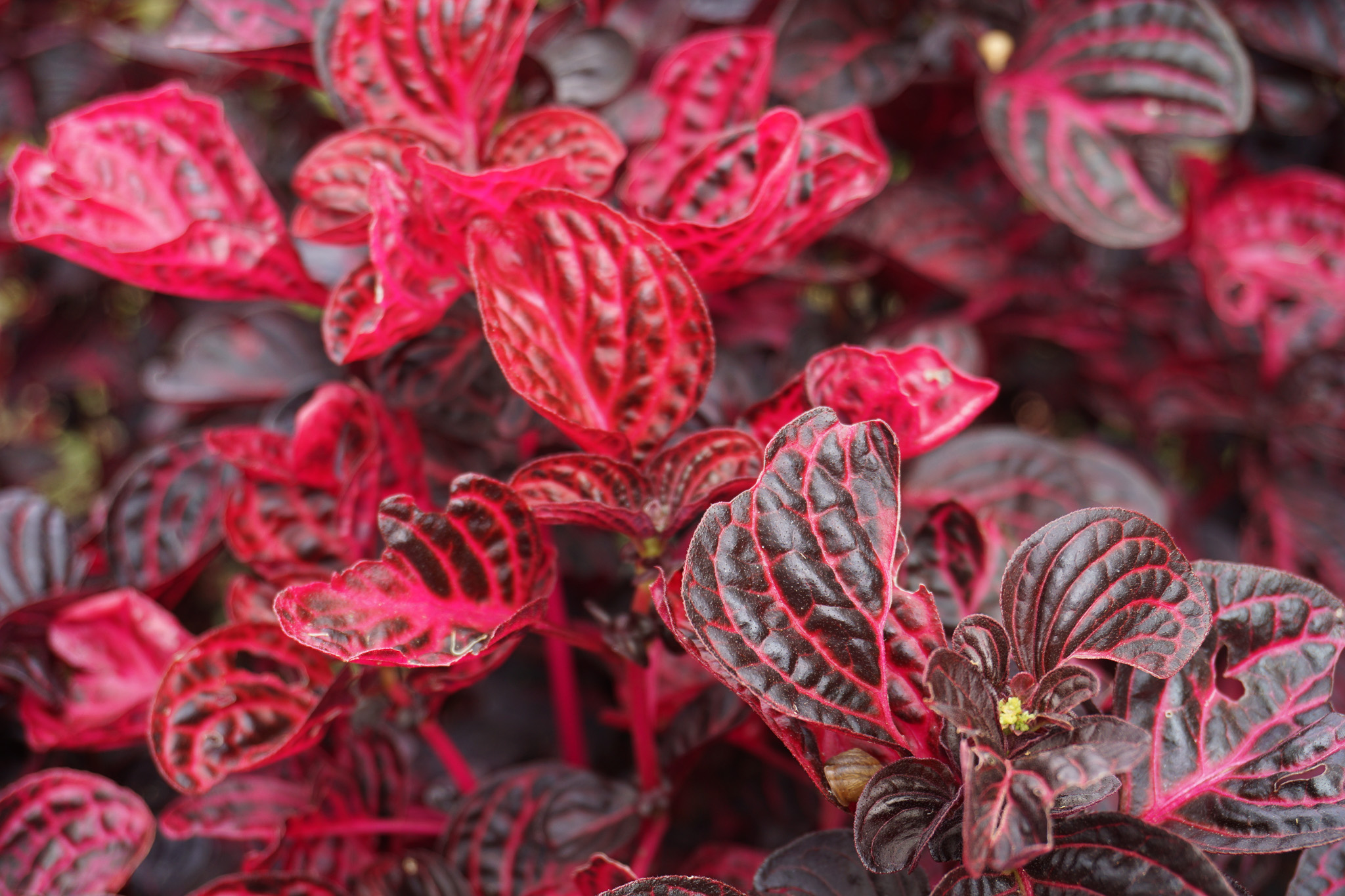
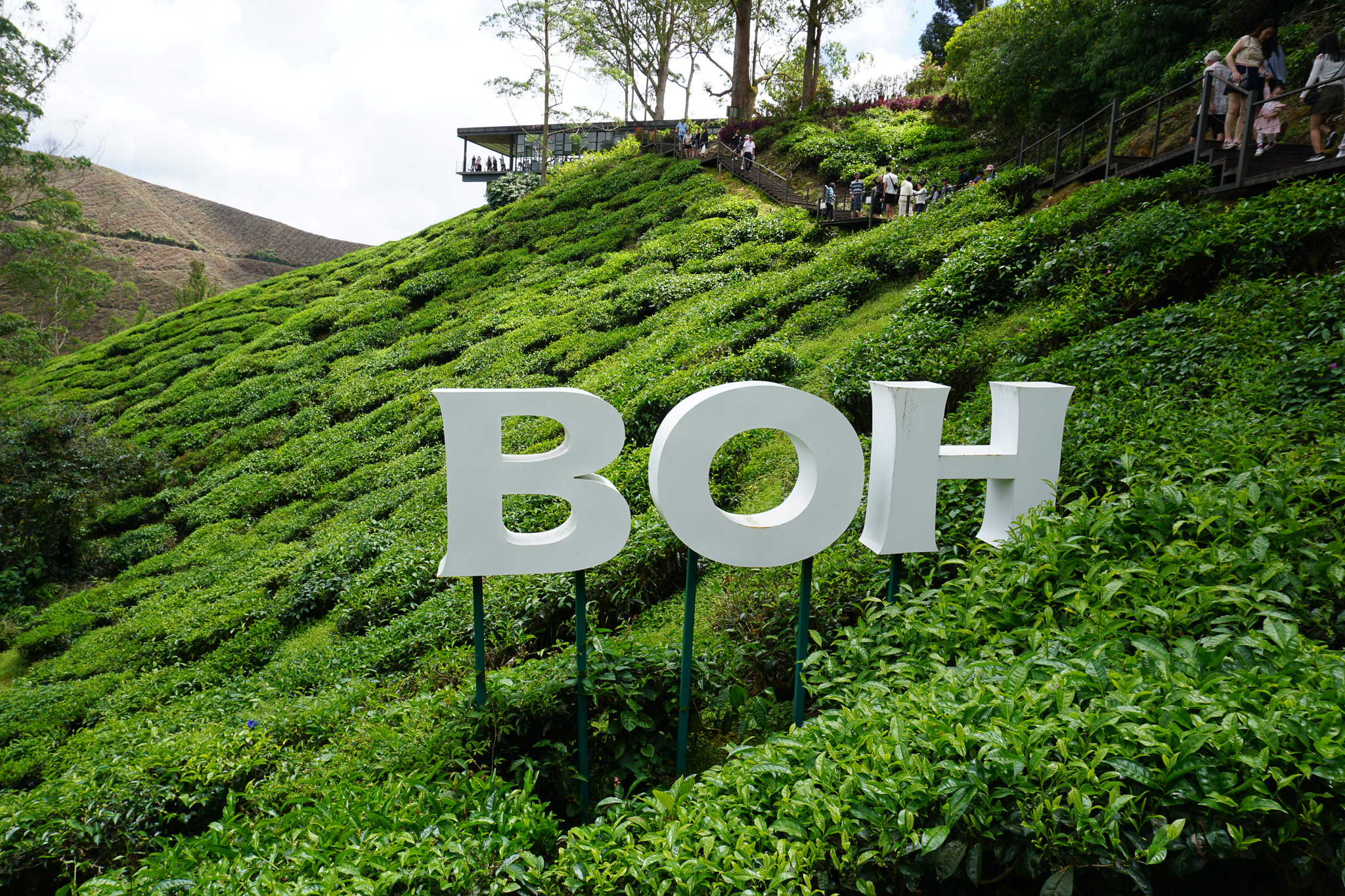
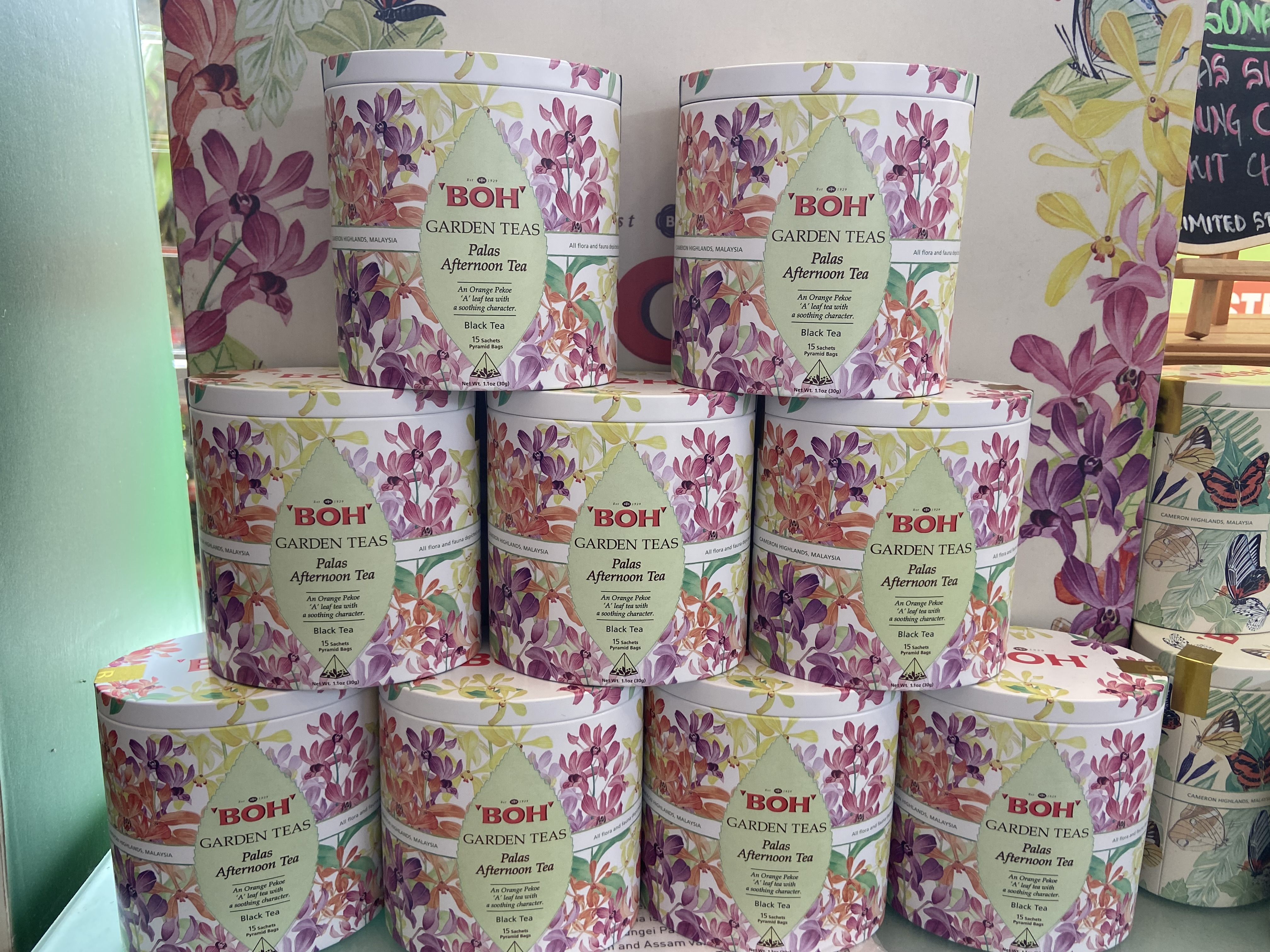
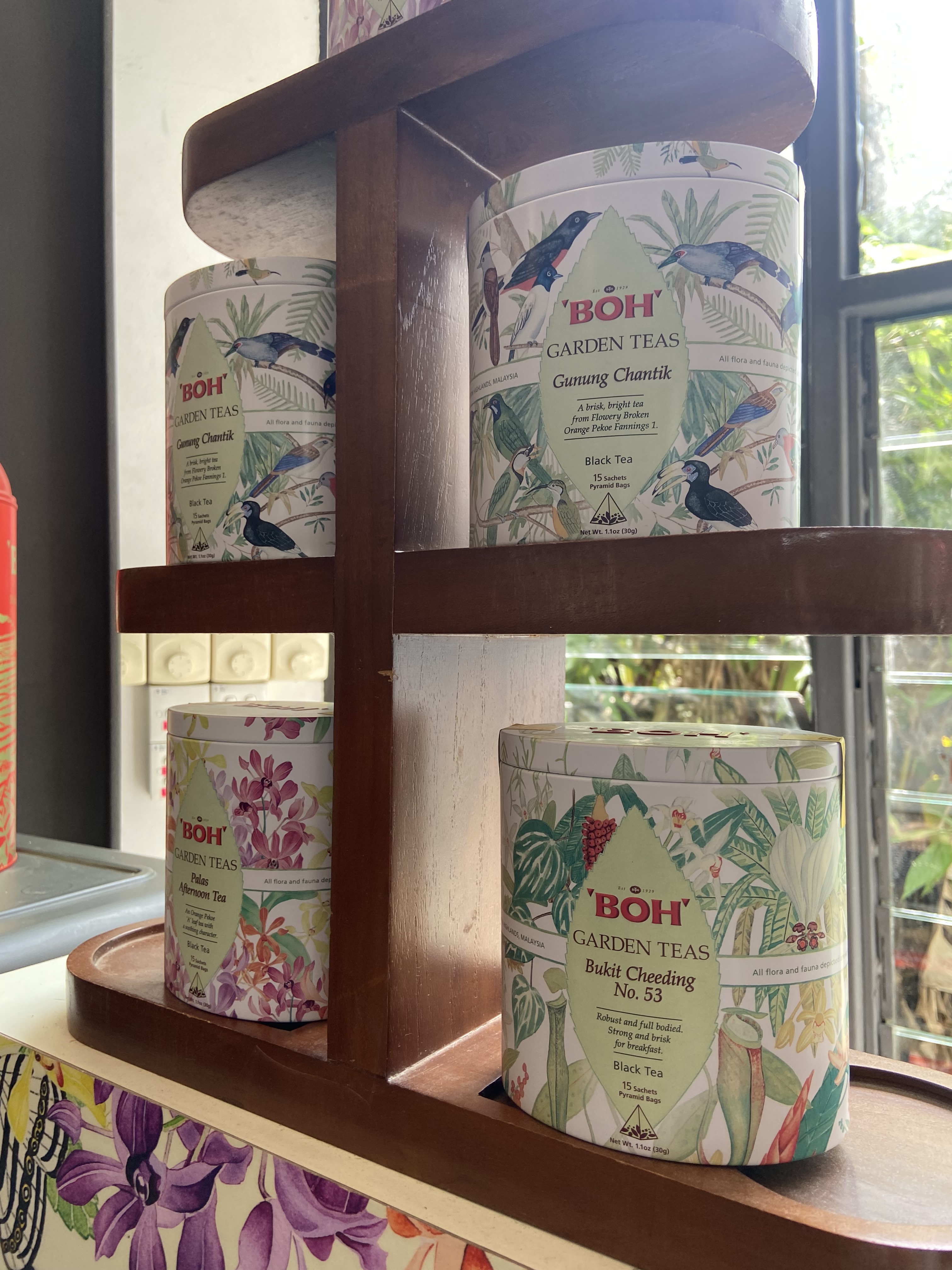
And perhaps you can do it at the BOH Tea Centre itself. This was the first plantation in the region, established by J.A. Russell in 1929. It was its success that made others follow, the Cameron Valley Tea House being another famous one. As part of the tour, I visited the BOH tea centre. Here you can tour a part of the factory and see how tea leaves are treated and processed. You can also try different teas and there is a big shop (of course) where you can buy every flavour and quality you wish for. I had lunch at the restaurant, which was incredibly crowded and busy, but where you have a beautiful view over the hills.
As Malaysia gained independence in 1957, the region’s development as a tourist destination continued and it persists today. I definitely recommend a visit to the Cameron Highlands but make sure to do your research beforehand and if you want to do any treks book them in advance as well. The weather isn’t always ideal for these, and the monsoon season will impact it. Also, bring extra layers – the nights get chilly and if you’ve been in much warmer places you’re body will take time to adjust. They don’t have heating in the hotel (at least not in the Guesthouse where I was staying) so be prepared. The town itself has little to do – a few places where you can eat, and convenience stores where I ended up getting most of my food. The Guesthouse had a kitchen where I could store and warm up any meals.
At this point my experience of Malaysia had been unbalanced – a bad time in Langkawi, a good time in Georgetown but struggled much with the heat, and in the Cameron Highlands I was truly disappointed with the lack of trekking tour options for the days I was there, and couldn’t shake the bitterness of visiting those tea plantations. Furthermore, whilst the staff at the Guesthouse was very friendly, didn’t particularly feel the same at the restaurants. Once again I was experiencing some terrible customer service – this one time I stepped into a 7-Eleven and the teenager was just sitting on the floor behind the counter watching videos on his phone. If it wasn’t for the noise from it, I would have assumed the shop was empty. To me, someone who doesn’t even care that much for friendliness in places such as convenience stores, this was one of the major cultural shocks I found in Malaysia – how little care they seemed to have for providing customers with a good experience, almost as if they didn’t care at all if the sold anything or not if they would lose their job or not. And well… I must blame smartphones, and I couldn’t stop myself from wandering how they were getting distracted before the age of accessible tech and widespread wifi.
Sometimes I really wished I could have come to these places 20 or even 30 years ago. But well, I was barely a person then.
Love, Nic
 The Winged Bone
One thought on “Cameron Highlands: Tea Plantations and Unseen Realities”