
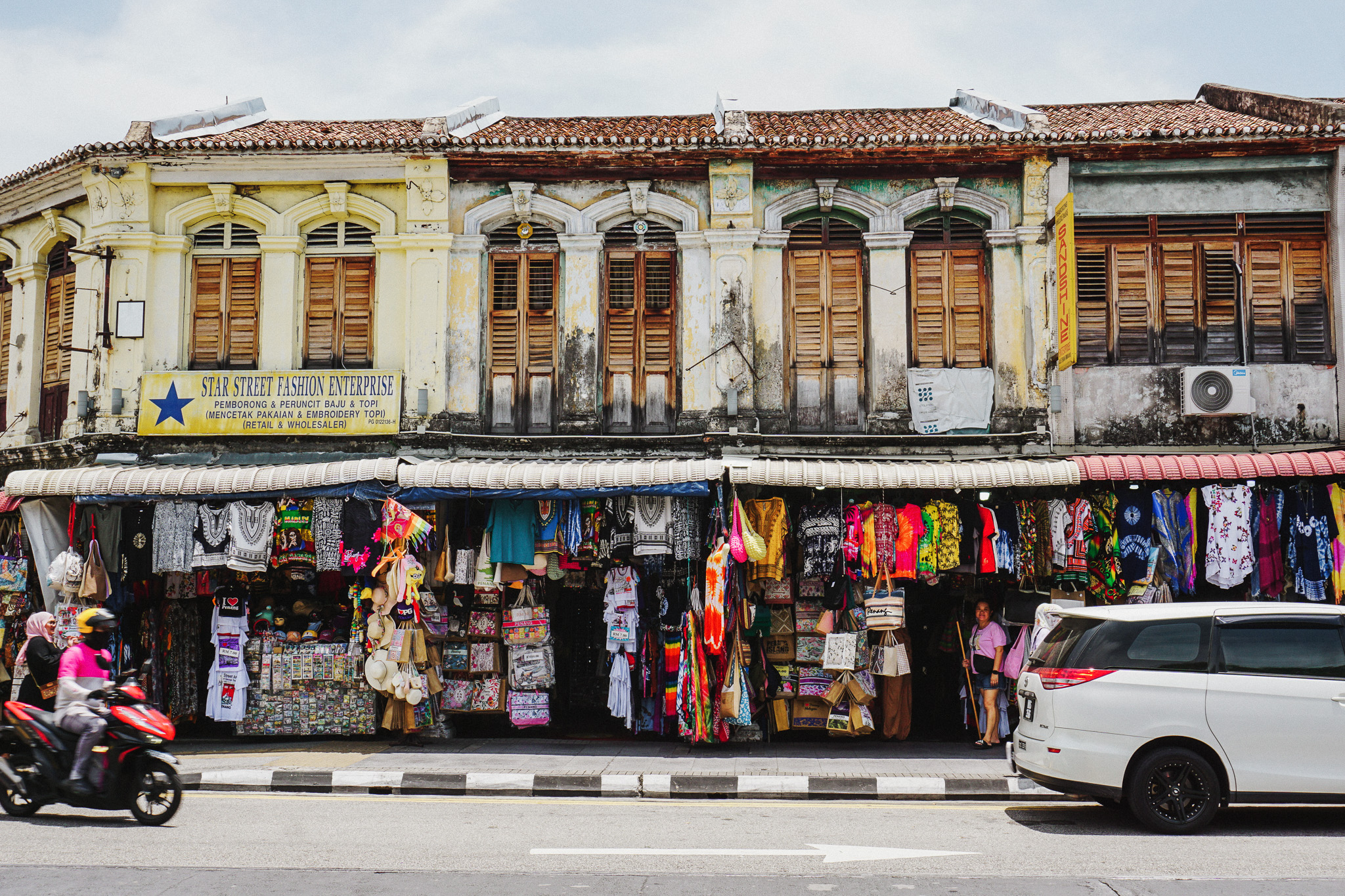
After three weeks of beach destinations, and my poor experience in Langkawi, I was incredibly excited to get to Penang and explore its UNESCO-listed capital, Georgetown. Yet, when I got there, my excitement was quickly abated by the suffocating heat. The sun here seemed to shine differently, in an aggressive way I hadn’t experienced yet. It was hurting to walk outside in the sun, no matter how early I started to explore. I was struggling. Walking for two minutes was enough to be drenched in sweat. The wasn’t much shade either was little, the city would benefit from a lot more greenery. The thing is Georgetown is also a photographers’ heaven – full of fantastic traditional architecture, its streets are indeed interesting places to capture amazing images. But the sun, the high temperatures… were crackling my sensitive skin, blinding my eyes, and making it hard to breathe in general. So I decided not to put too much pressure on it… and simply explore and learn about Georgetown.
Known for being a tapestry of multiple cultures sewn together, this is a place where you can soak in the architectural marvels, and entertain your taste buds with flavours from Chinese, Indian and Malay cultures. The city itself, through its architecture and food, speaks of tales of immigration, trade and colonialism that have made Penang and Georgetown what it is today.
And a huge contributor to that, as in many other places in the world, is geography.
Location is almost everything. Bring on the Colonialists.
The island of Penang has what is called a “strategic location” – just along the Strait of Malacca, it became a vital port for trade over the centuries, with Georgetown taking a central stage – especially after the European colonialists arrived. If we know anything about colonialists, is that they cared for profit – so strategy was on top of mind.
Before their arrival, Penang was mostly inhabited – it was a “rest stop” for Malay, Arab, Indian and Chinese traders passing through the Straight, and it was under the control of the Kedah Sultanate, which at the time dominated northern Malaysia.
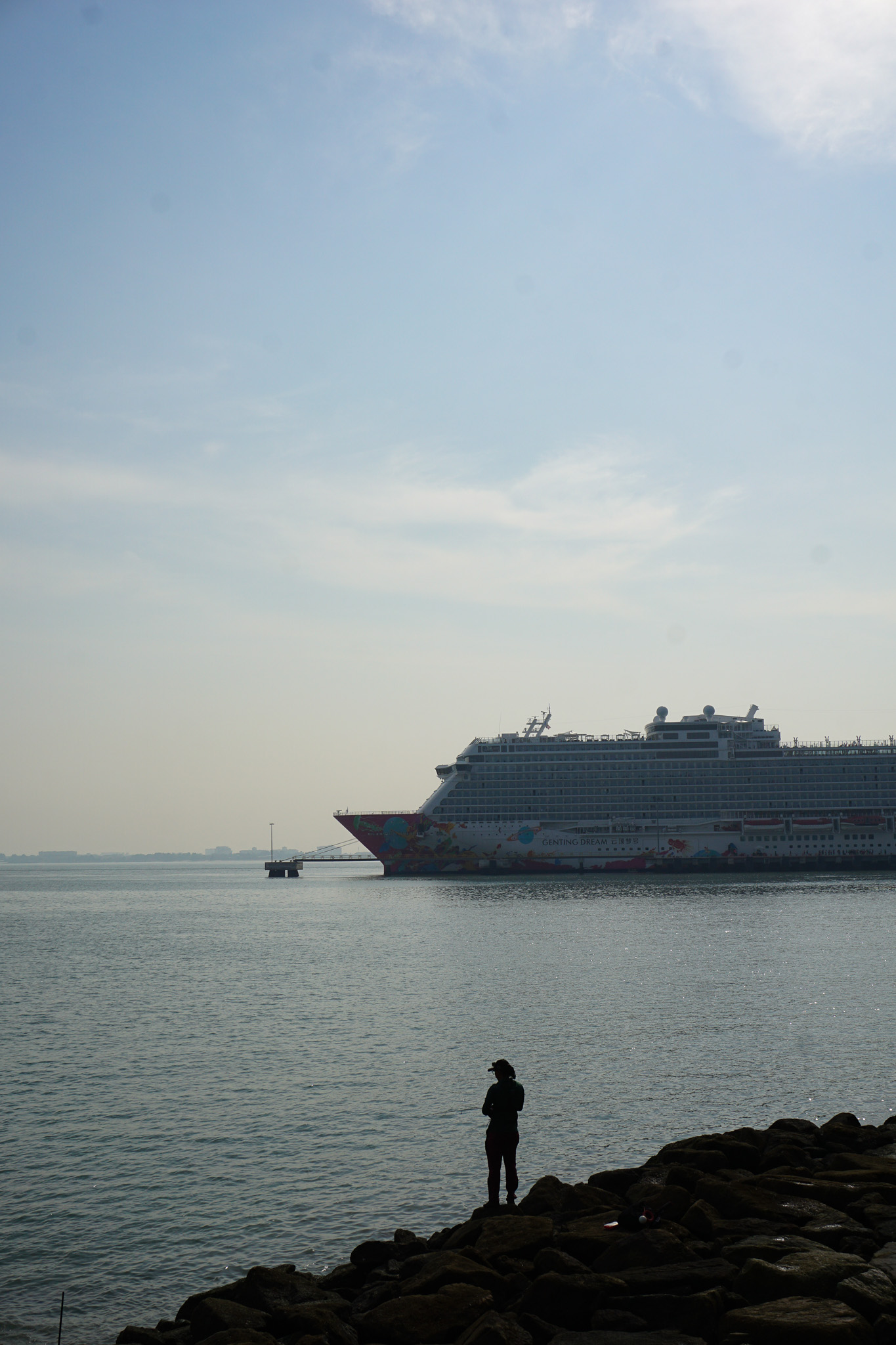
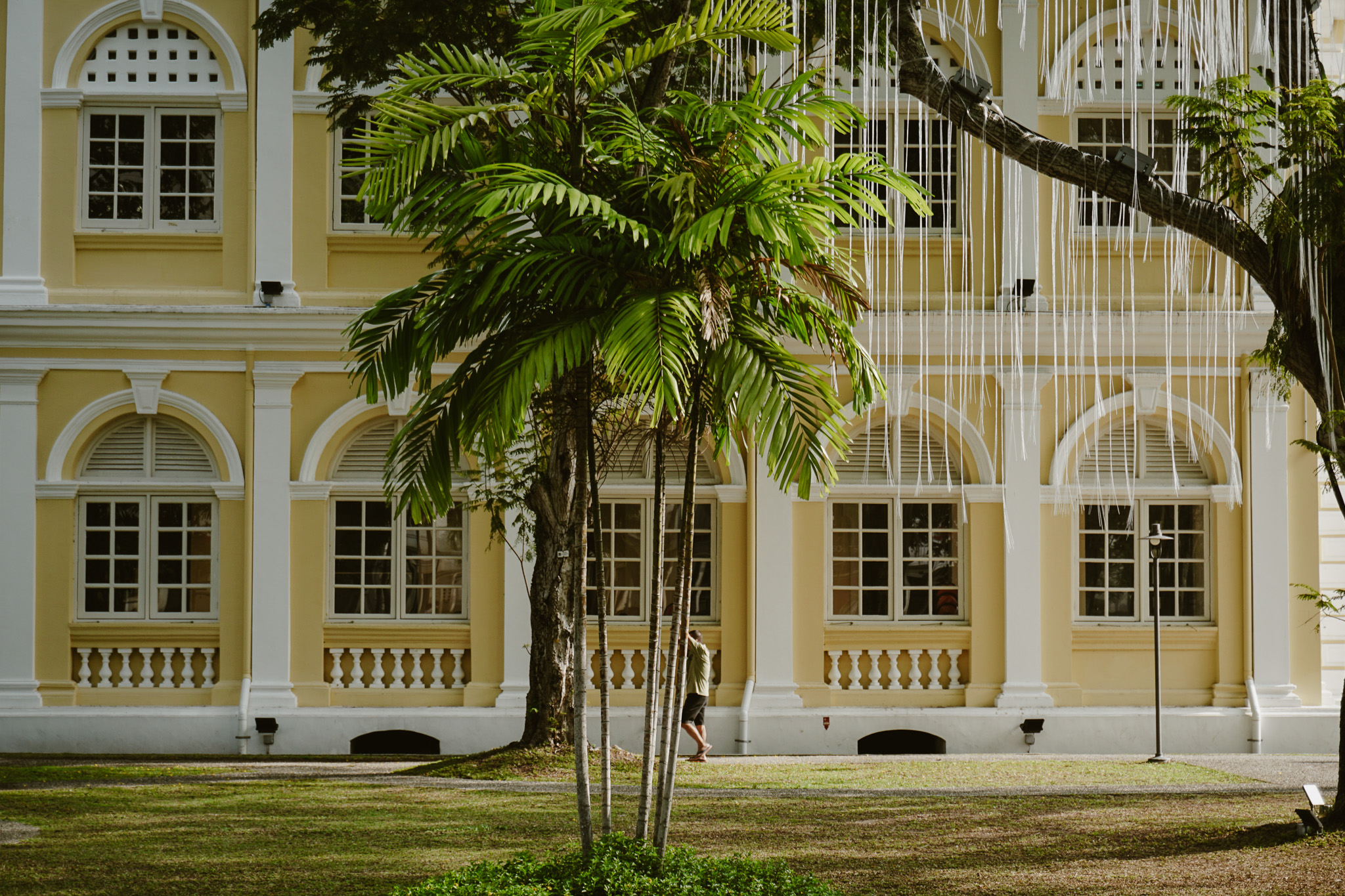
It was in 1786 that the first “white man” with big intentions arrived in Georgetown, marking the beginning of what is considered its modern history. The man was Captain Francis Light, an English Trader working for the British East India Company. He saw the potential of the region and was able to reach an agreement with the Sultan – he would get permission to build a free trade port in Georgetown under British flag, and offered in exchange protection against the common Siamese and Burmese invasions. It was done deal and Georgetown was then founded, under the name of King George III – the first British Settlement in Southeast Asia.


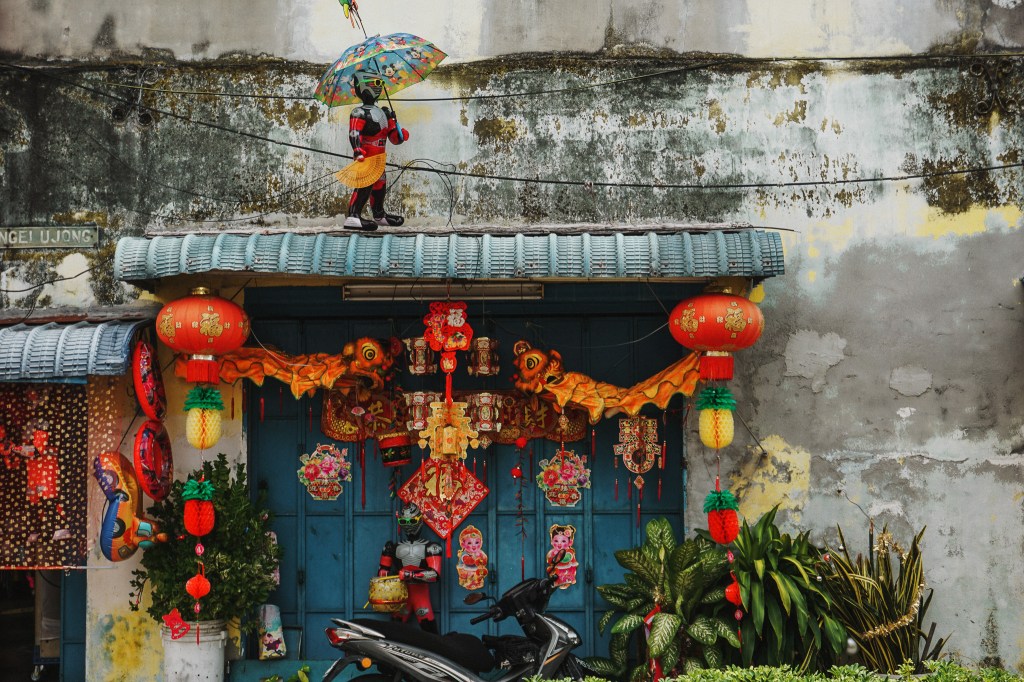
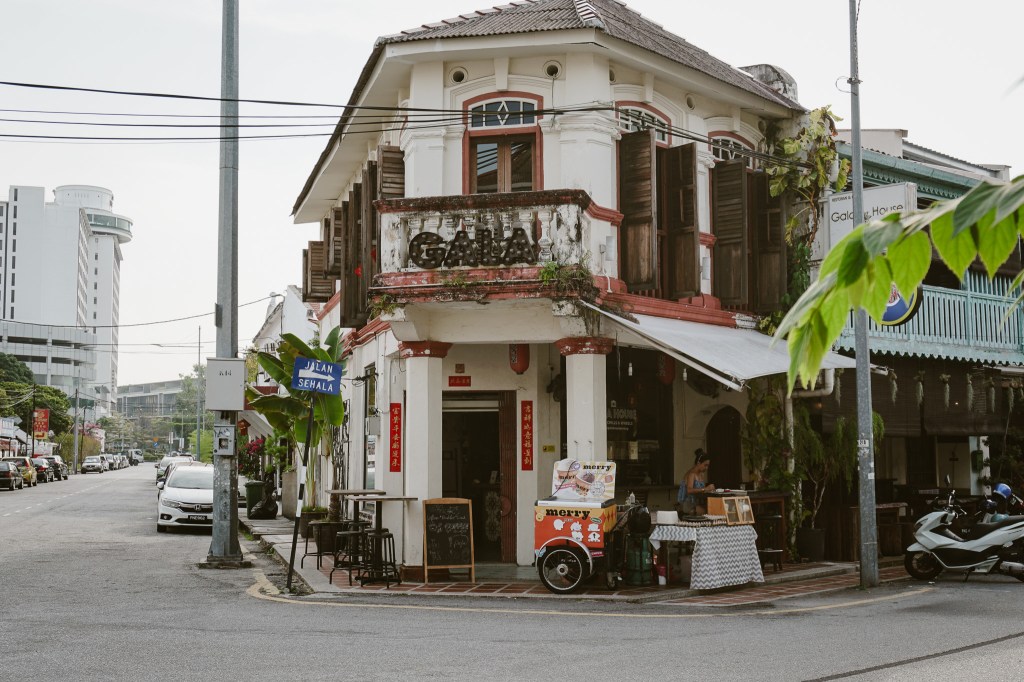
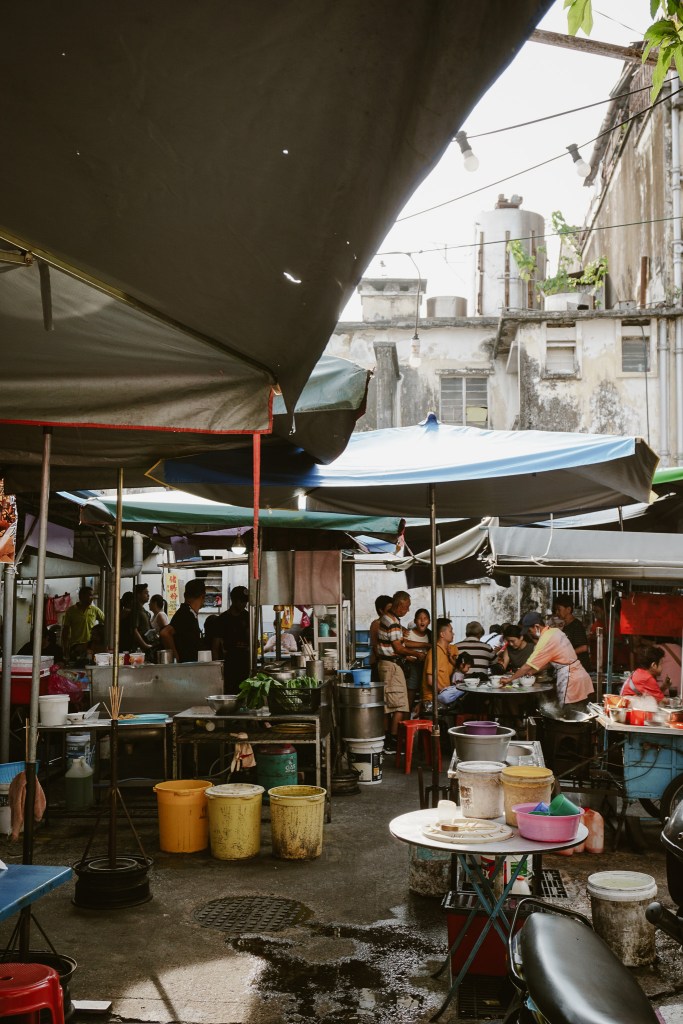
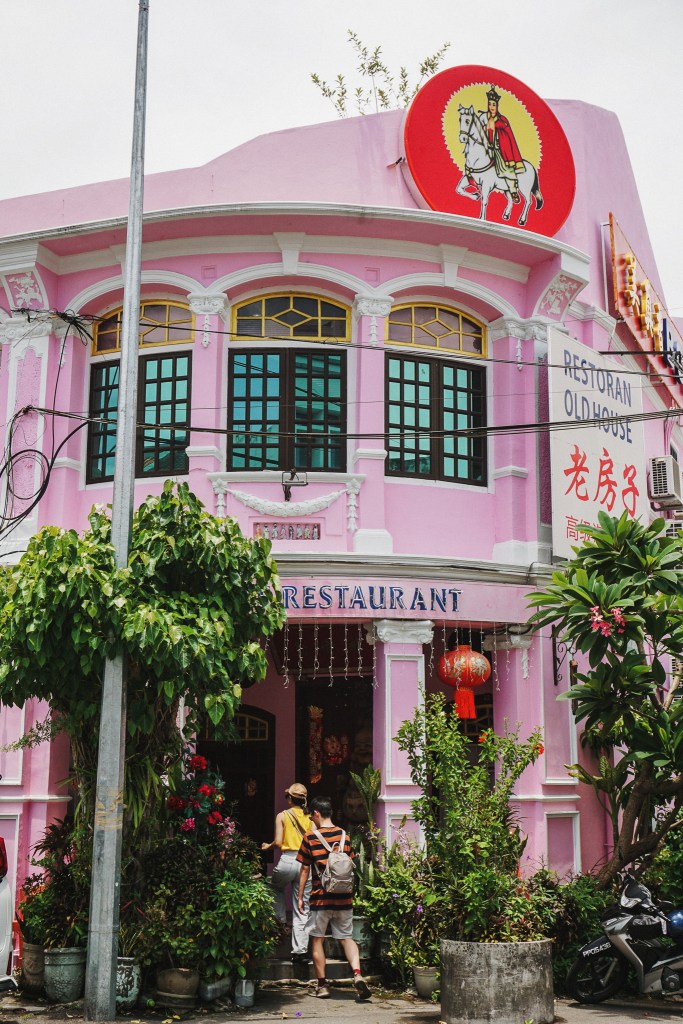
With the strategic eye of the British colonialists, Georgetown grew to become a bustling trading port, of high relevance not only for British colonial trading but also for merchants from many other countries and cultures, including Chinese, Indian, and Arab – those who had been stopping in there before. Its status as “free trading port” meant goods were not subjected to customs or taxes, making it very attractive for those looking to maximise their investments.
As I said, at the end of the day, it was about location, but it was also the strategic vision of the British Empire that attracted the wealth that created what we see today.
The Golden Era and proliferation of “Rockefellers of the East”
The reason why Georgetown is such a fantastic place to visit is in huge part due to the prosperity of this time.
Georgetown had catapulted to occupy centre stage, the show’s star in the Southeastern Asian trade. With it came wealth… and wealthy, influential people. Settlers established themselves in Georgetown, laying the foundation for the multicultural and quite elite heritage we can find today. The Chinese settlers, from the Hokkien and Teochew communities, were especially influential in commerce, but Indians, Tamil Muslims and Hindus also had their share of influence. Whilst some of them were brought in by the British as labourers, others were traders and merchants as well. The local Malay continued to constitute the majority of the population in Penang – a great example of different cultures and religions living peacefully on the same island.
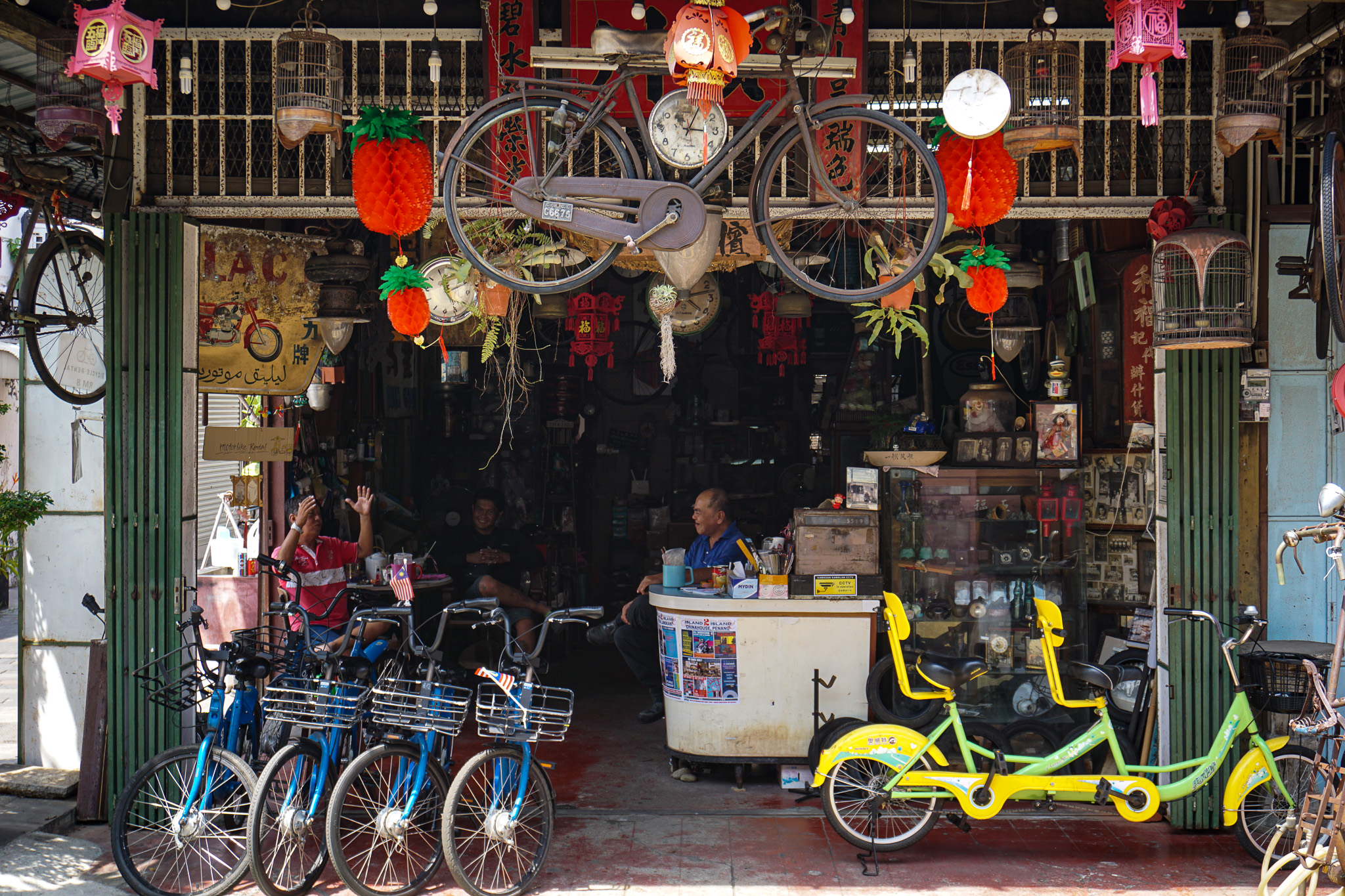
Yet, that comes with its own challenges. In Georgetown cultures of course influenced each other in a way, but no one conformed to the other. And in certain aspects this can be somehow confusing for today’s visitor. You will marvel at these architectural gems, but you might as well find a lot of things confusing and I can only link this back to the cultural diversity. For instance, every different place seemed to have a different “closing day”. In Europe, it is common the “closing day” is a Monday, so you often expect museums and even eateries to close on that day. But here, they all had different days – some places were closing on Mondays, others on Tuesdays or Wednesdays. There was also the issue with eateries, cafes and restaurants opening times – they were all opening late, lots of them opening from 1:30/2pm. And whilst I was in a Muslim country (and Ramadan had just started), remember that a huge part of these restaurants were Chinese. Of course, I also thought about the heat – but everywhere else in Southeast Asia I was finding restaurants open at least for lunchtime, perhaps closing during the afternoon to reopen in the evening. And, to top it all off, other shops were closing very early, at 5pm, precisely when the heat just started to get bearable.
Was this all due to the conflation of so many different cultures not only coexisting but also living by their own set of rules? Perhaps. and it’s definitely not easy to navigate for someone coming from the outside.

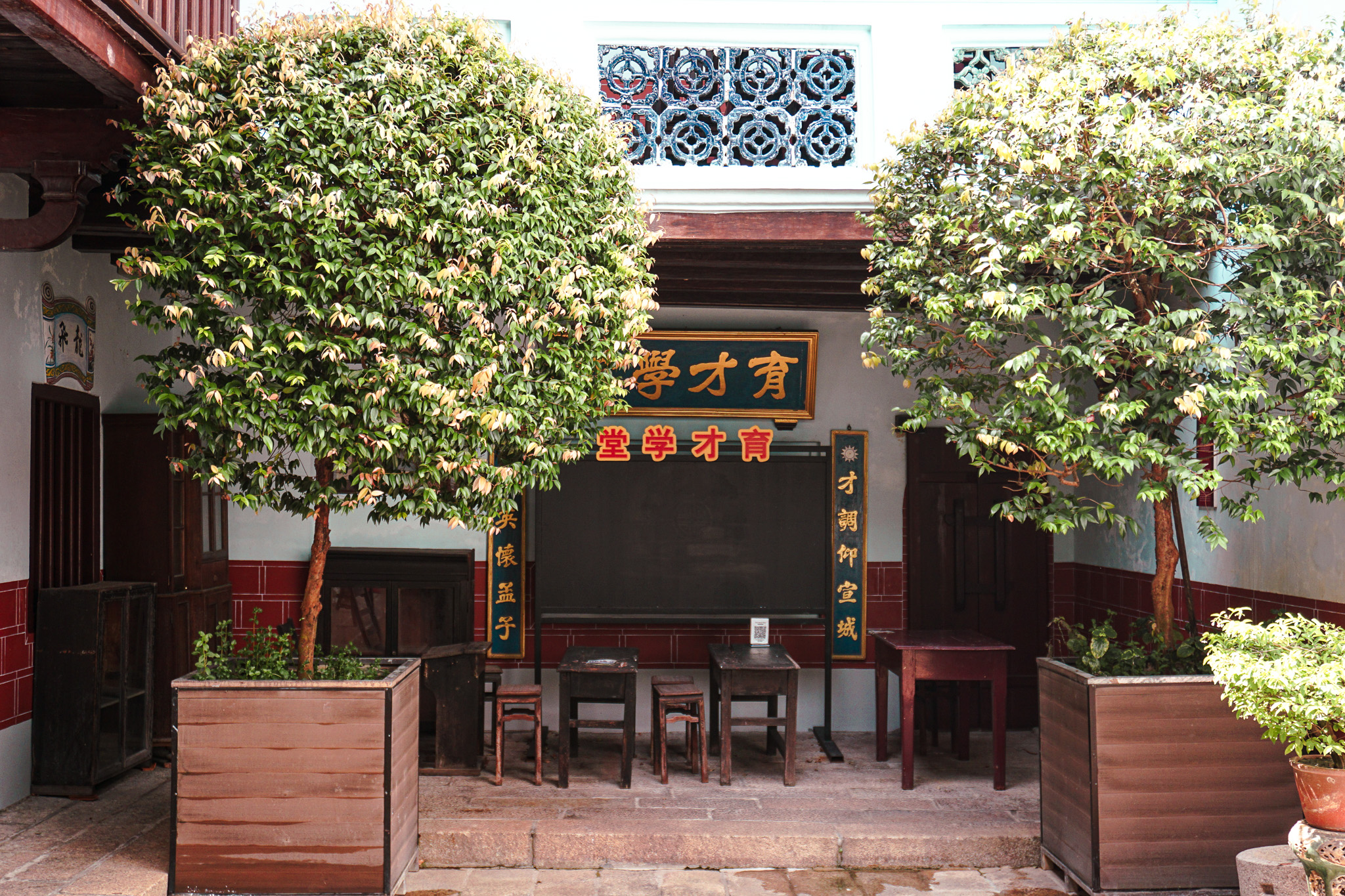
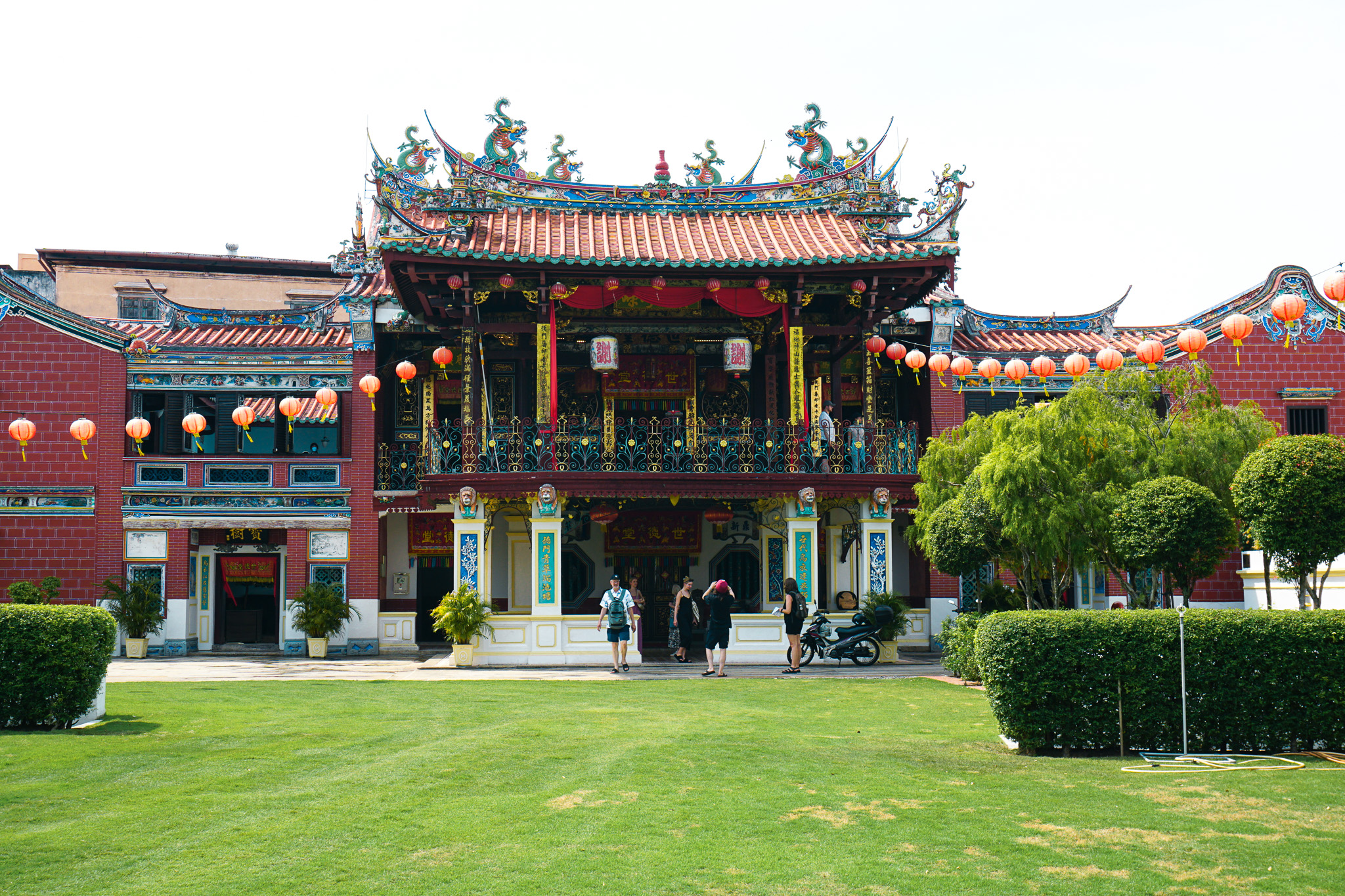


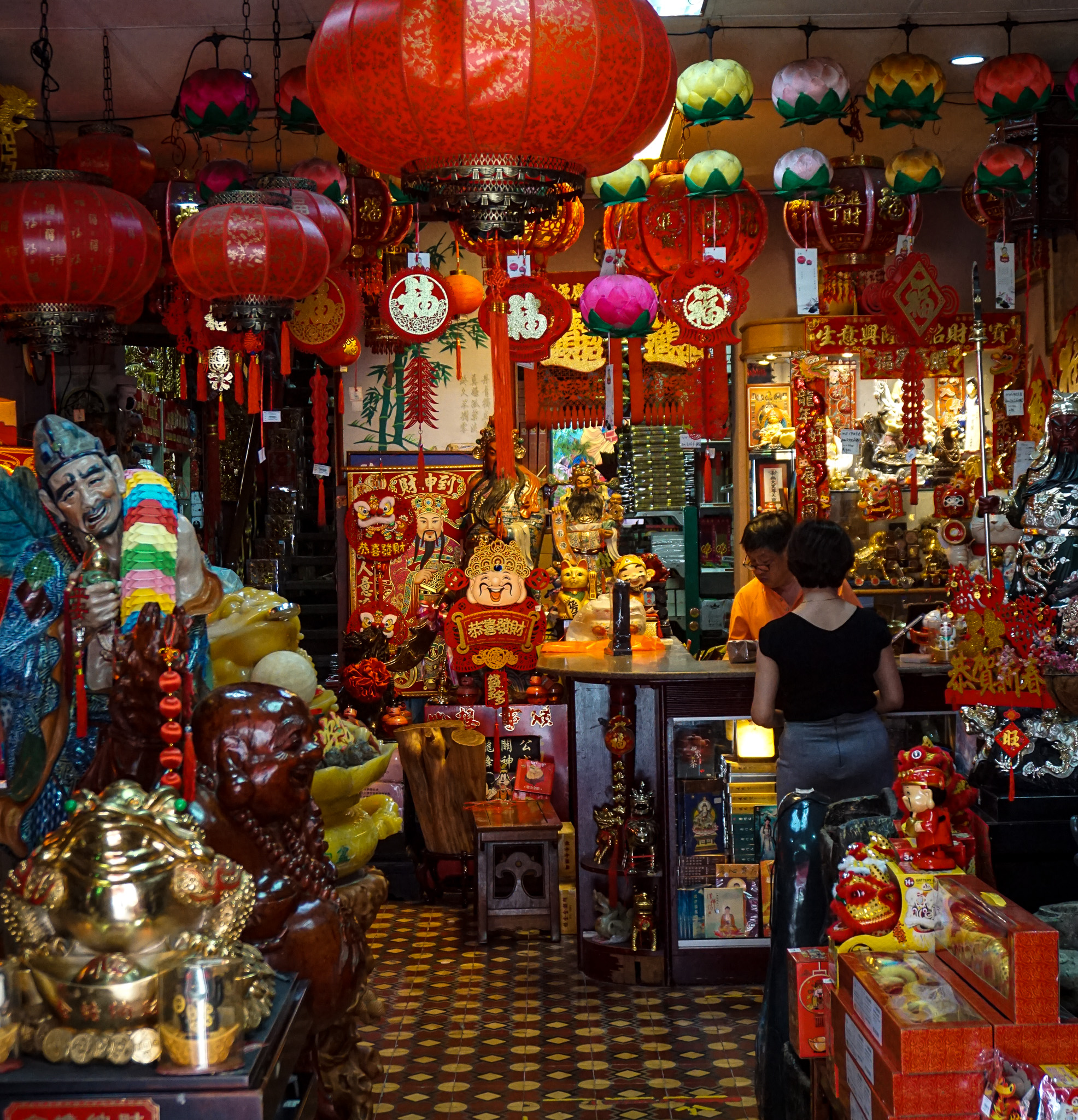
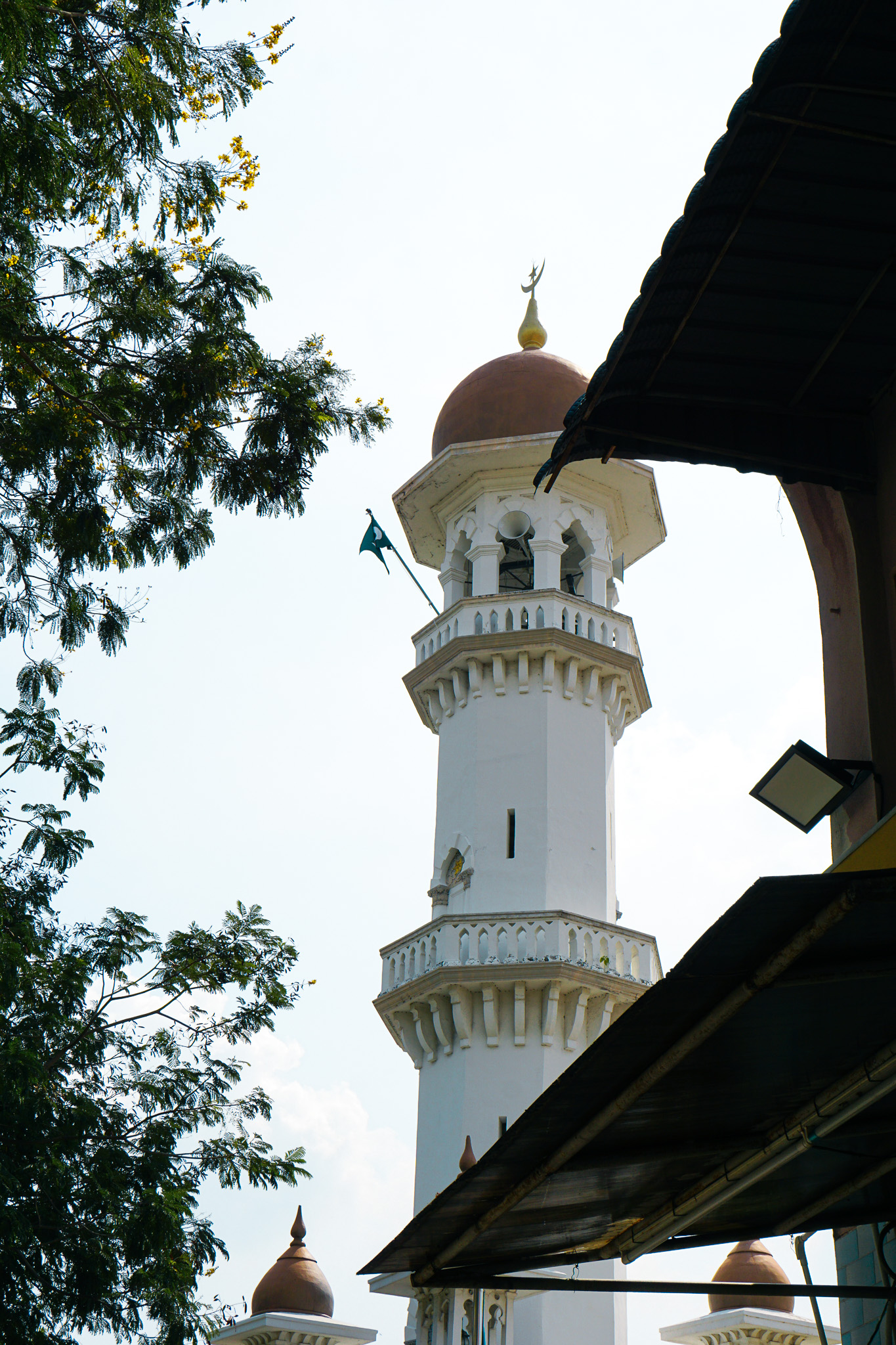
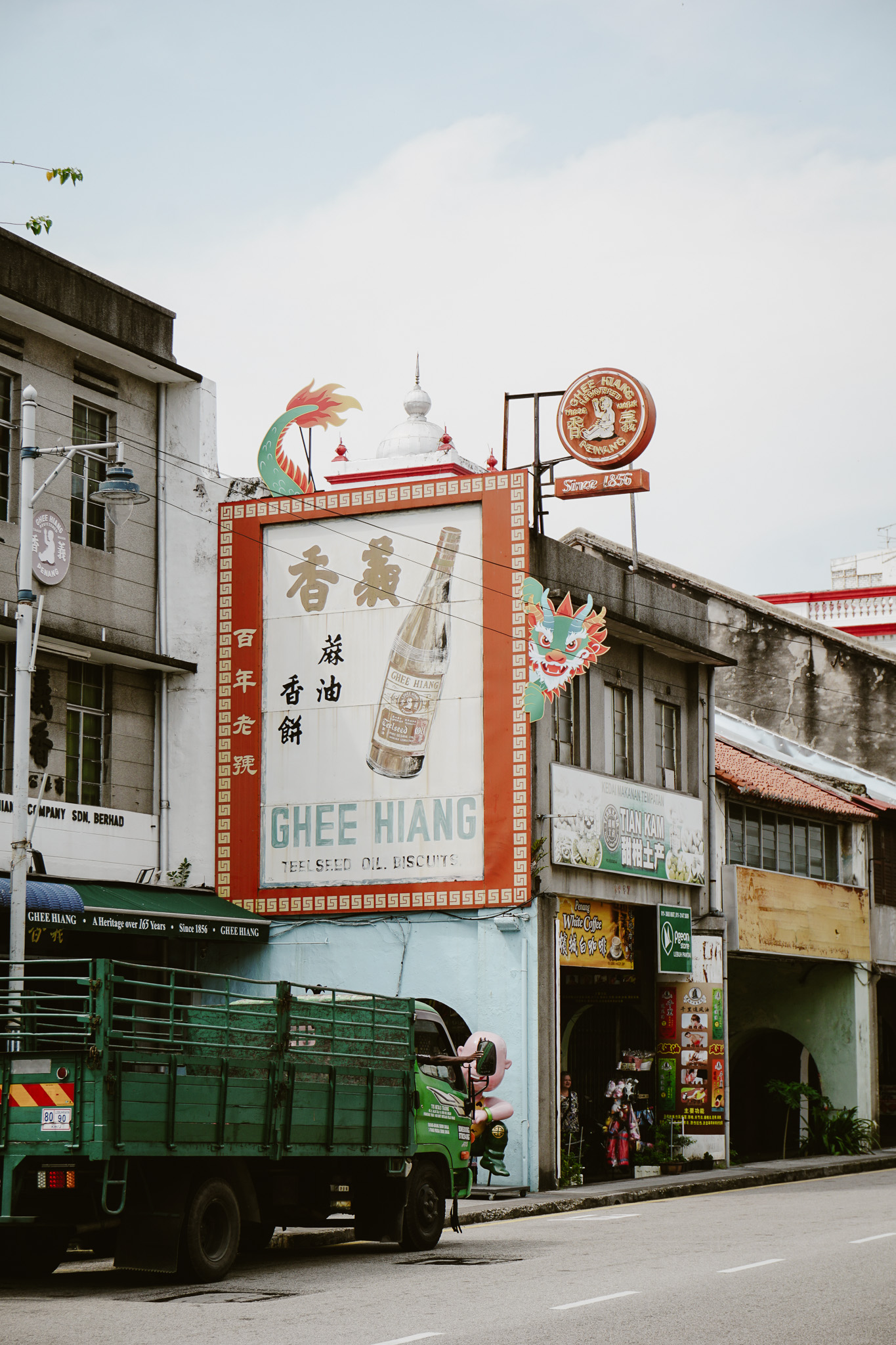
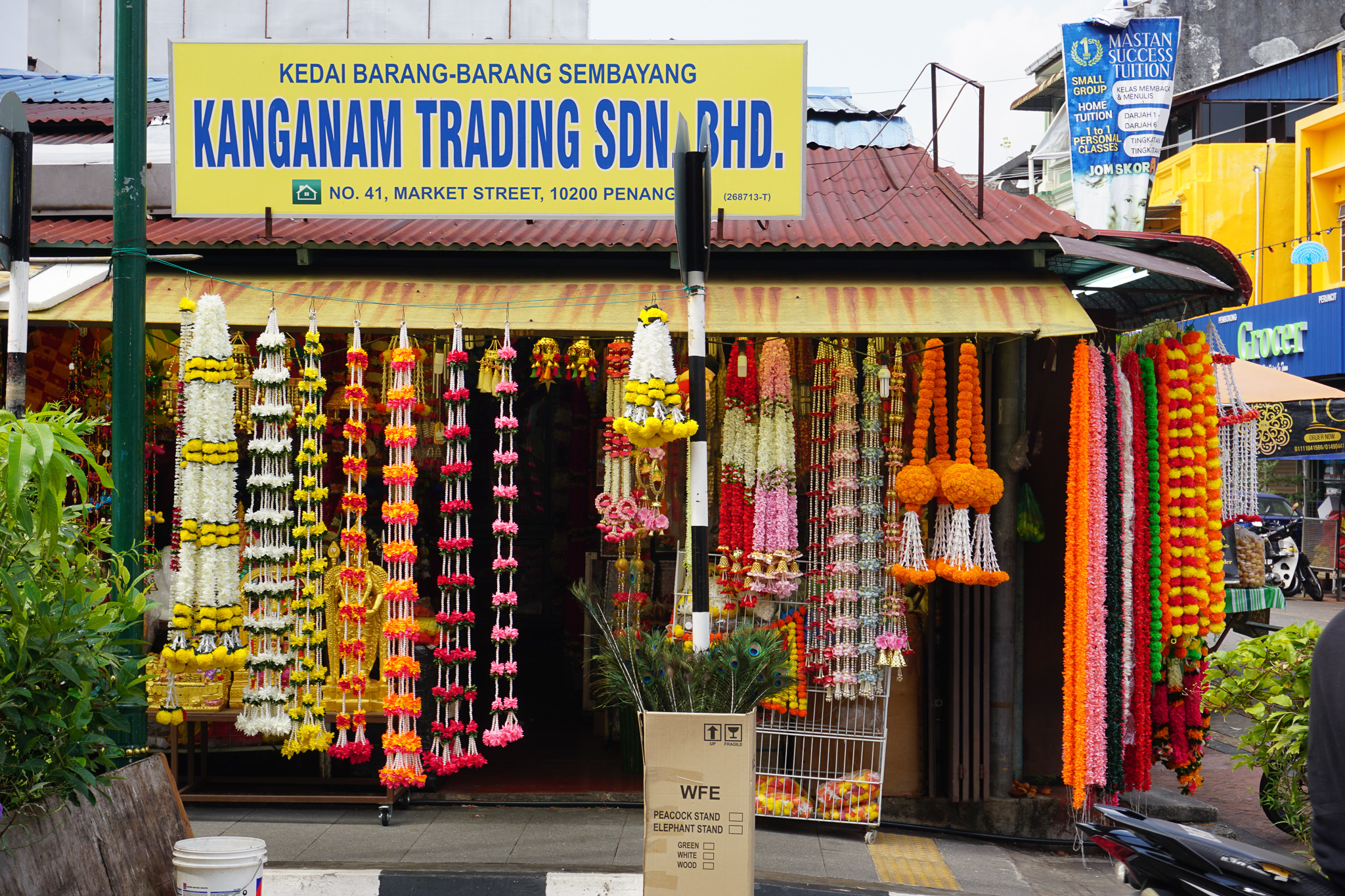
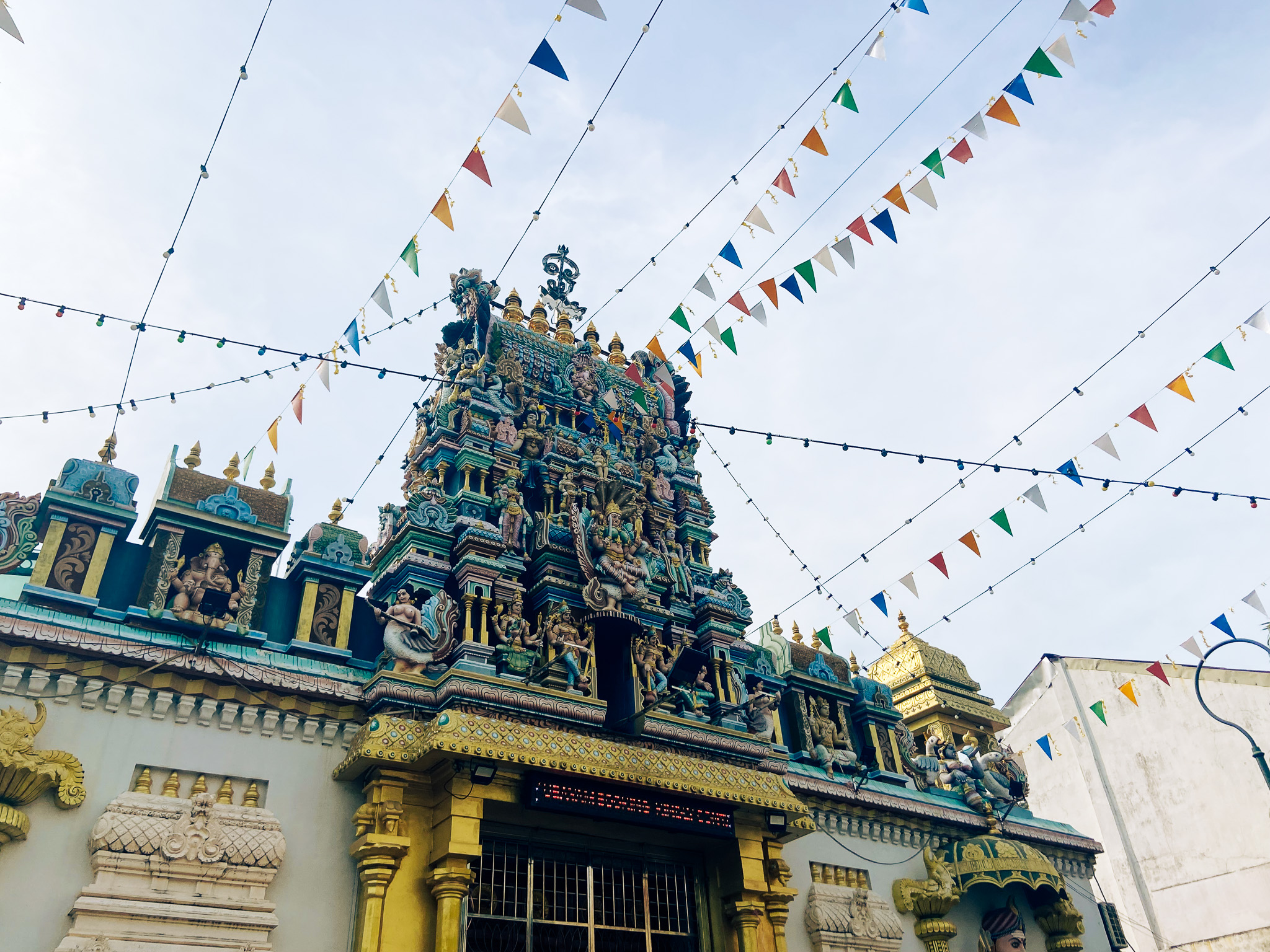
The influence of British rule is notable in the architecture of Georgetown, but so is the Chinese and Indian Muslim – the streets are lined up with traditional Chinese and Indian-Muslim shophouses, Chinese clan houses, Hindu and Buddhist temples, as well as mosques. It was in times like these that some of the most interesting places to visit in Georgetown were built – such as the Blue and the Green Mansions. Both are examples of 19th-century Peranakan (Straits Chinese) heritage, an example of the wealth of Chinese merchants from that period.
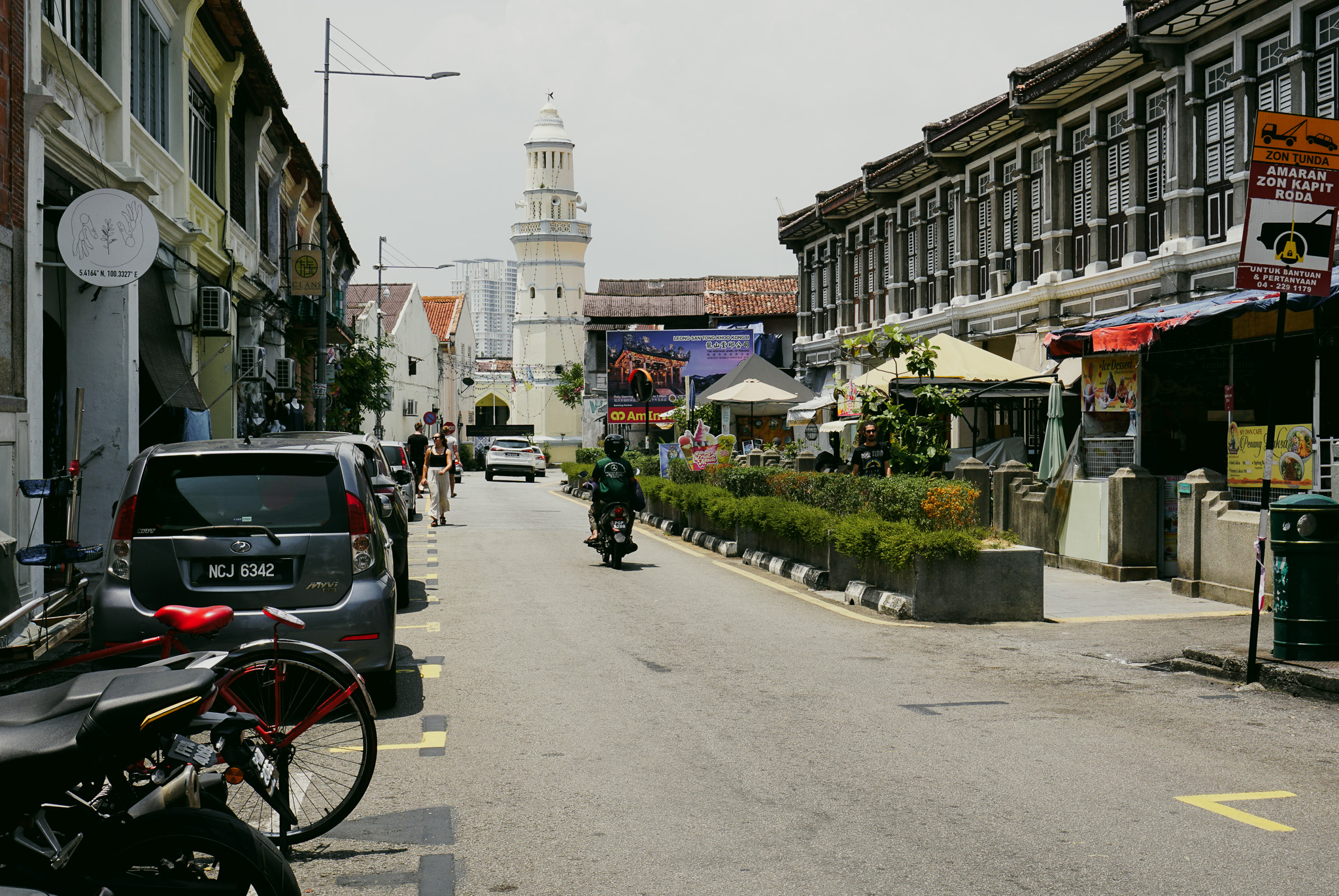

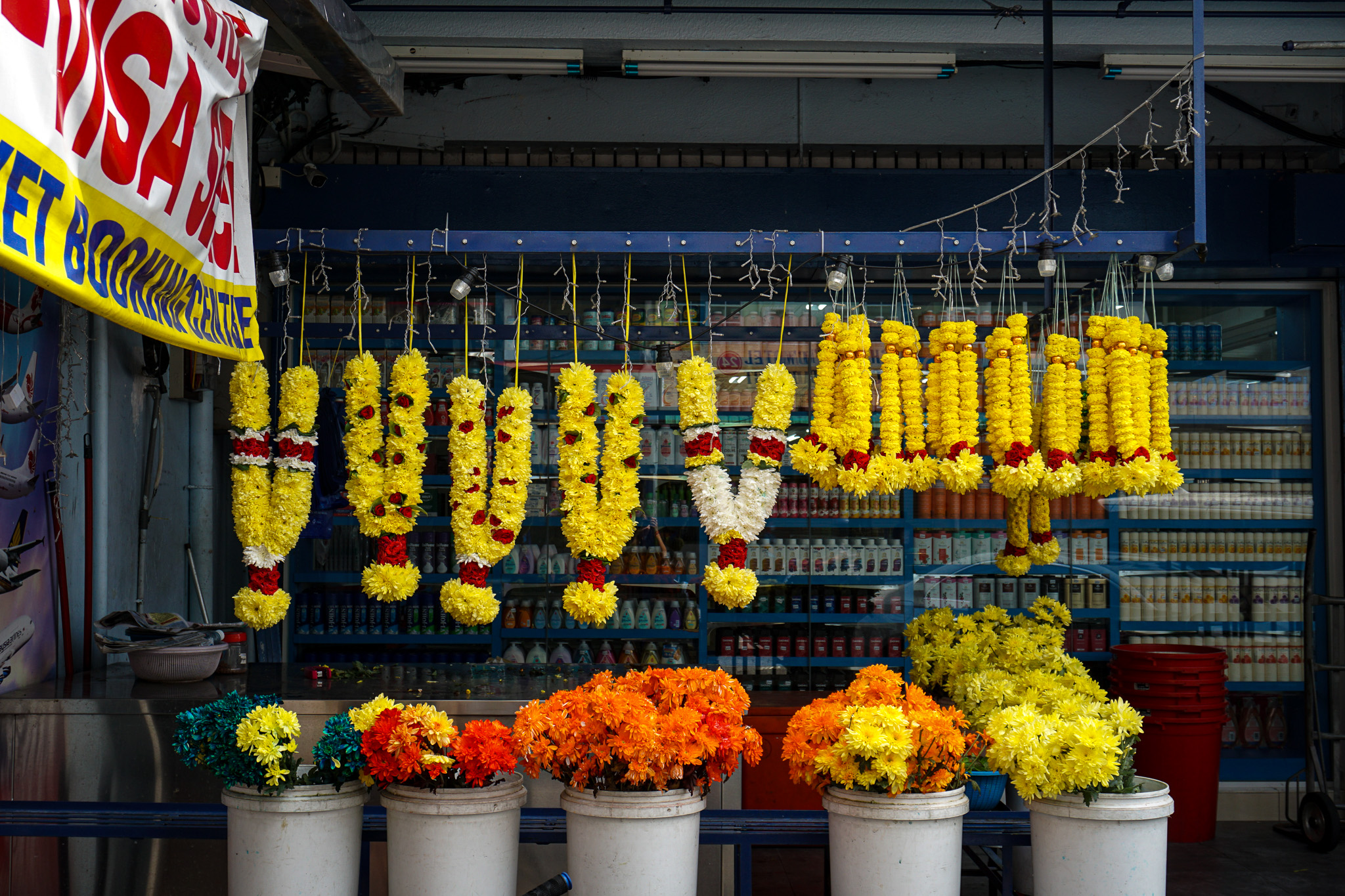
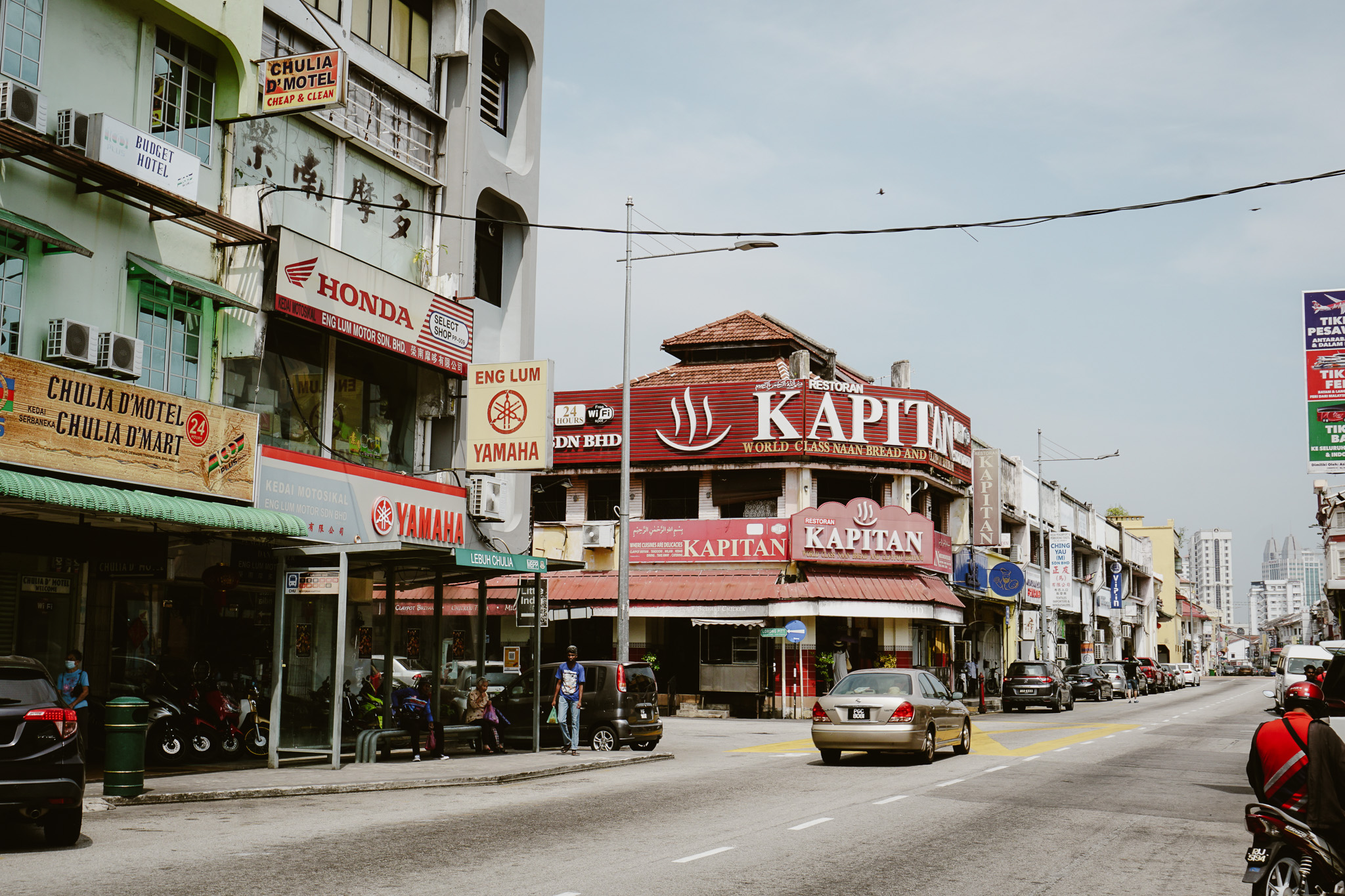

The Blue Mansion (Cheong Fatt Tze Mansion)
Cheong Fatt Tze was a wealthy Chinese merchant, diplomat and industrialist also famously nicknamed the Rockefeller of the East. The mansion was built in the late 19th century. Its architectural style blends Hokkien and Teochew influences, with some British colonial flair as well. The layout follows the principles of Feng Shui, with open courtyards, lattice windows and intricate woodwork. The floor tiles were actually imported from England and there are stained glass windows borrowing influences from Europe.

There are two ways for you to visit the Blue Mansion – either by guided tour, which can be booked on their website, or by staying there. Yes, this place has been converted into a boutique hotel in recent years… it is stunning, but as you can imagine, comes with a premium price.
Whilst the Blue Mansion today is unquestionably an iconic landmark in its own right, a testament to the prosper times of the Chinese in Penang, it was left abandoned after the death of its owner in 1916. His descendants couldn’t have cared less for this architectural marvel (unbelievable I know) and it ended up being divided into smaller units and rented out to tenants. No one took care of the property, and its decline was visible – by mid-20th century, the mansion was dilapidated and some parts of the building were abandoned, as locals left. It was only in the 1990s that the mansion was bought by Laurence Loh. Leading a team of local conservationists, they were responsible for bringing the Blue Mansion to its former glory. It was hard work – they employed traditional techniques and materials, to honour its original features. This is why it was awarded with UNESCO Asia-Pacific Heritage Award.
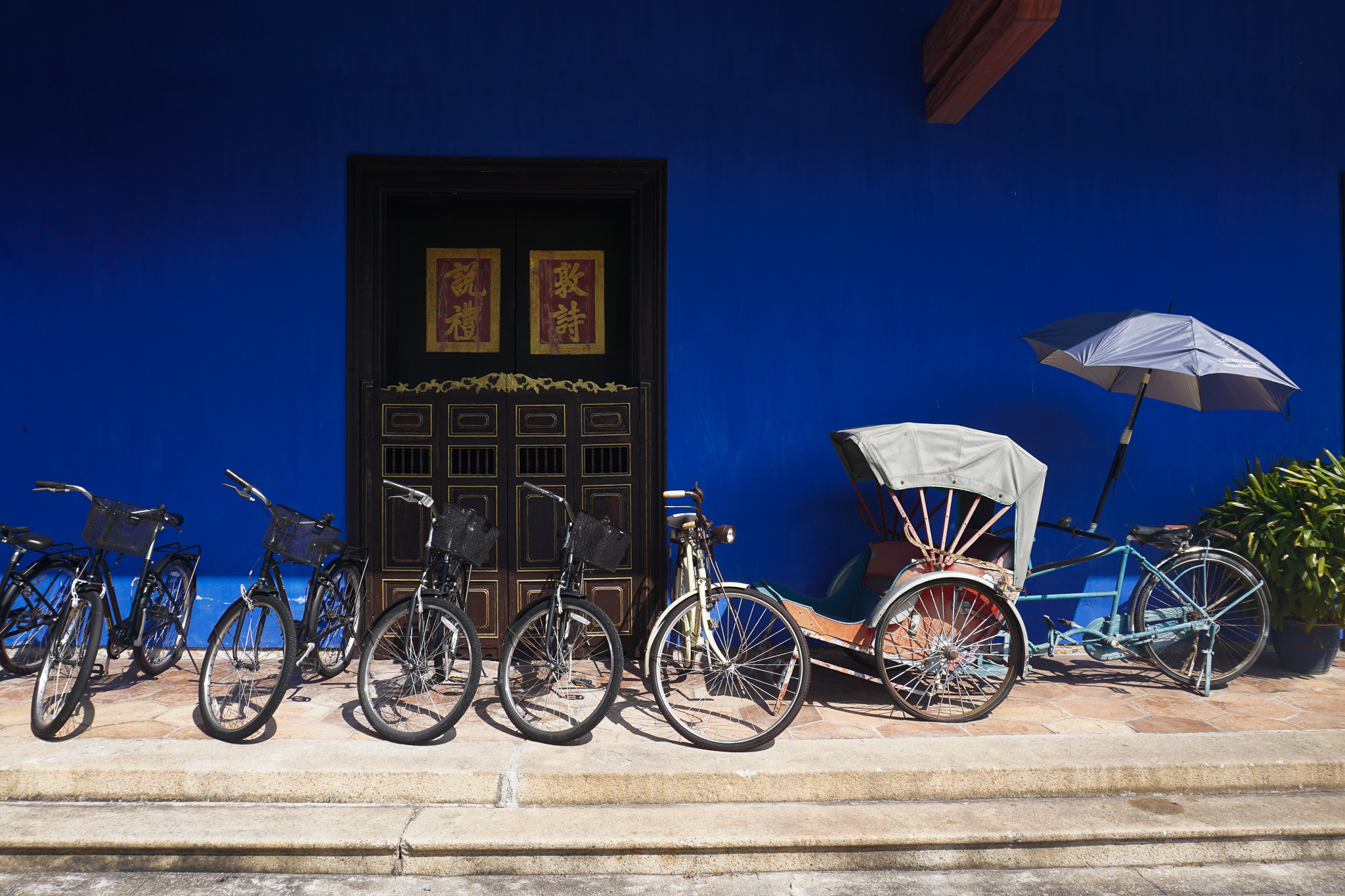
I was very lucky to have as my guide one of the current owners of the mansion. The lady spoke passionately about the restoration process, not shying away from sharing her very strong criticisms in regard to the many ways Georgetown’s cultural heritage is being destroyed, herself incredibly concerned with the possibility of losing its UNESCO status.
I definitely recommend a visit to the Blue House, however, keep in mind you won’t be seeing that much of the house itself since it’s been converted into a Boutique Hotel. However, just for taking a look at its entrance hall and courtyard and hearing about not just the history but the restoration process of the place is more than worth it. If you’ve seen the movie Crazy Rich Asians (2018), some of it was filmed here.
(P.S. Sadly, I seem to have lost the few pictures I took of the interior, here’s a link to their official website)
The Green Mansion
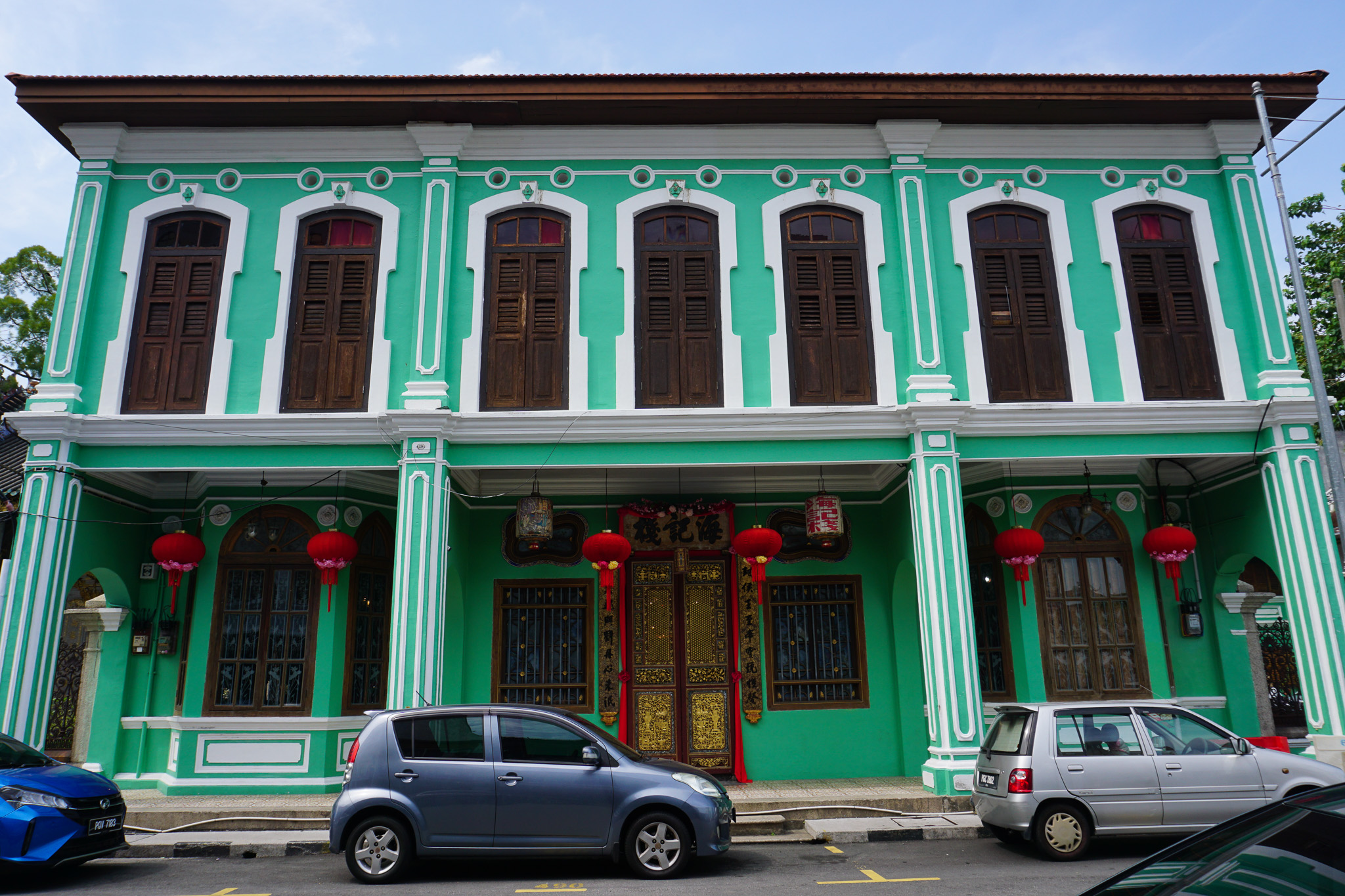
Also known as the Pinang Peranakan Mansion, it was once the residence of Chung Keng Quee, a wealthy Kapitan Cina (the name given to a Chinese community leader). He was mostly known for his involvement in the lucrative tin mining industry and leadership within the Hai San secret society. Secret societies such as these had appeared initially to help Chinese immigrants, but soon became what is known today as the Chinese Mafia – whilst illegal, their power was unquestionable.
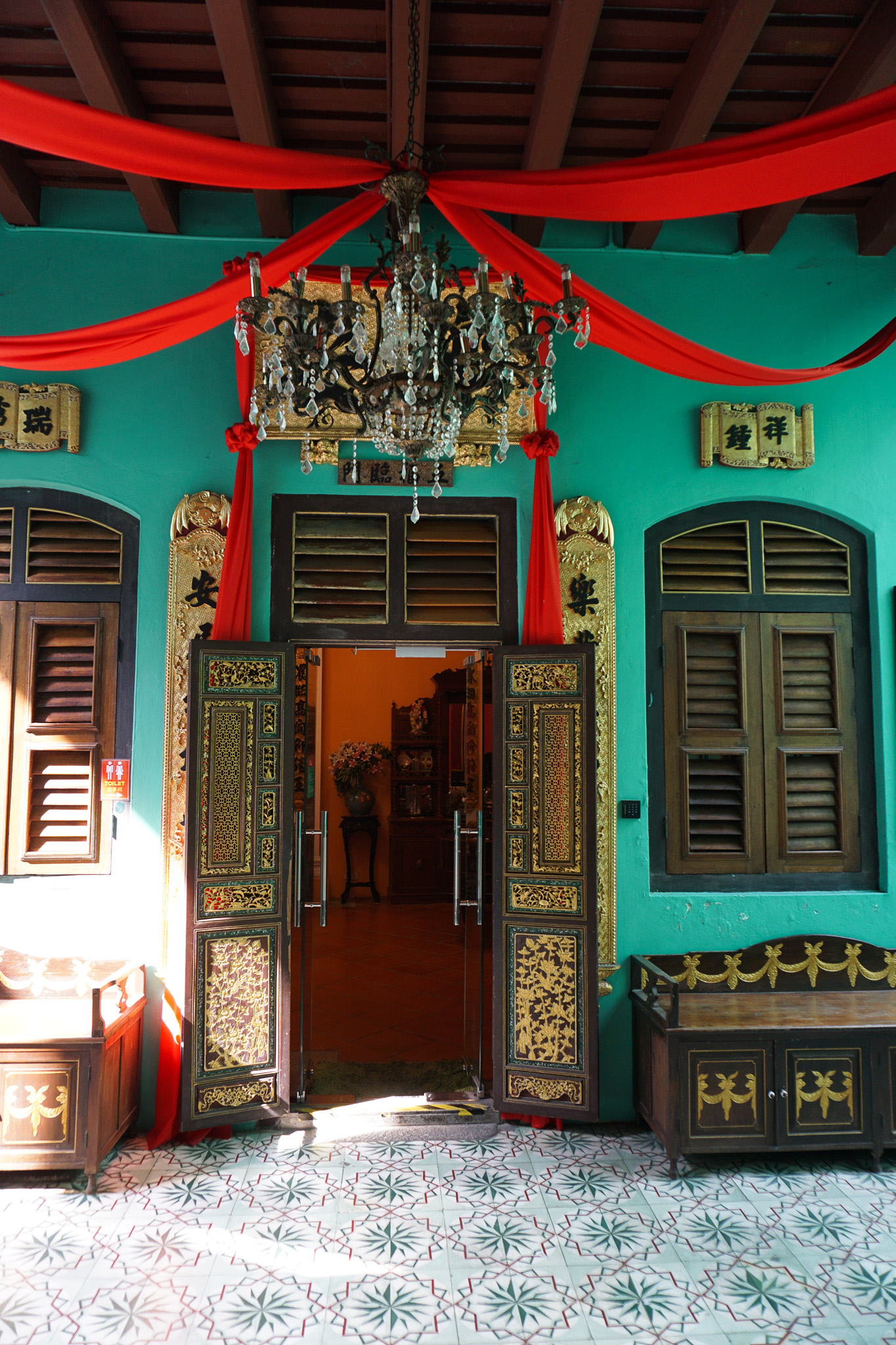
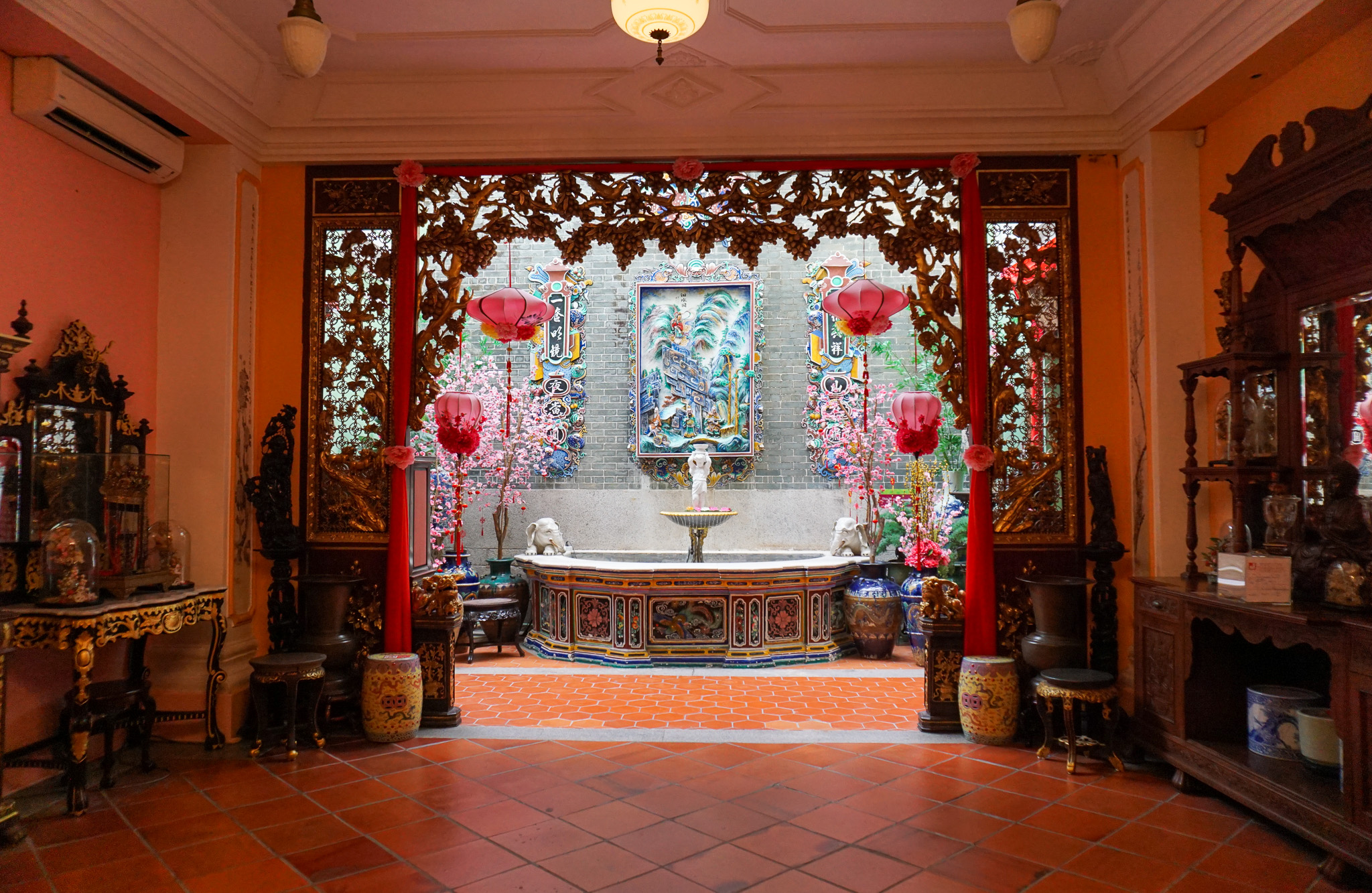
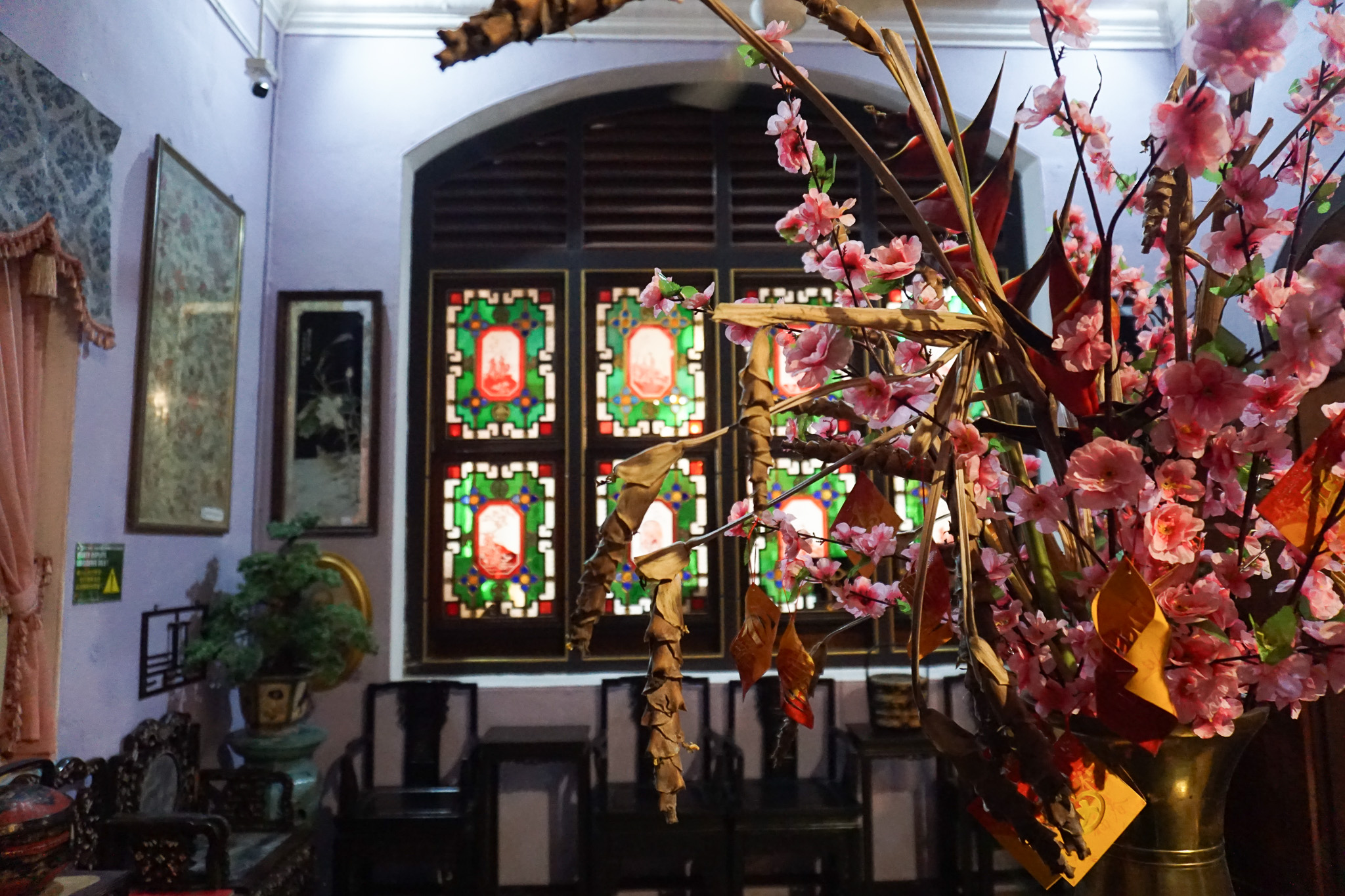
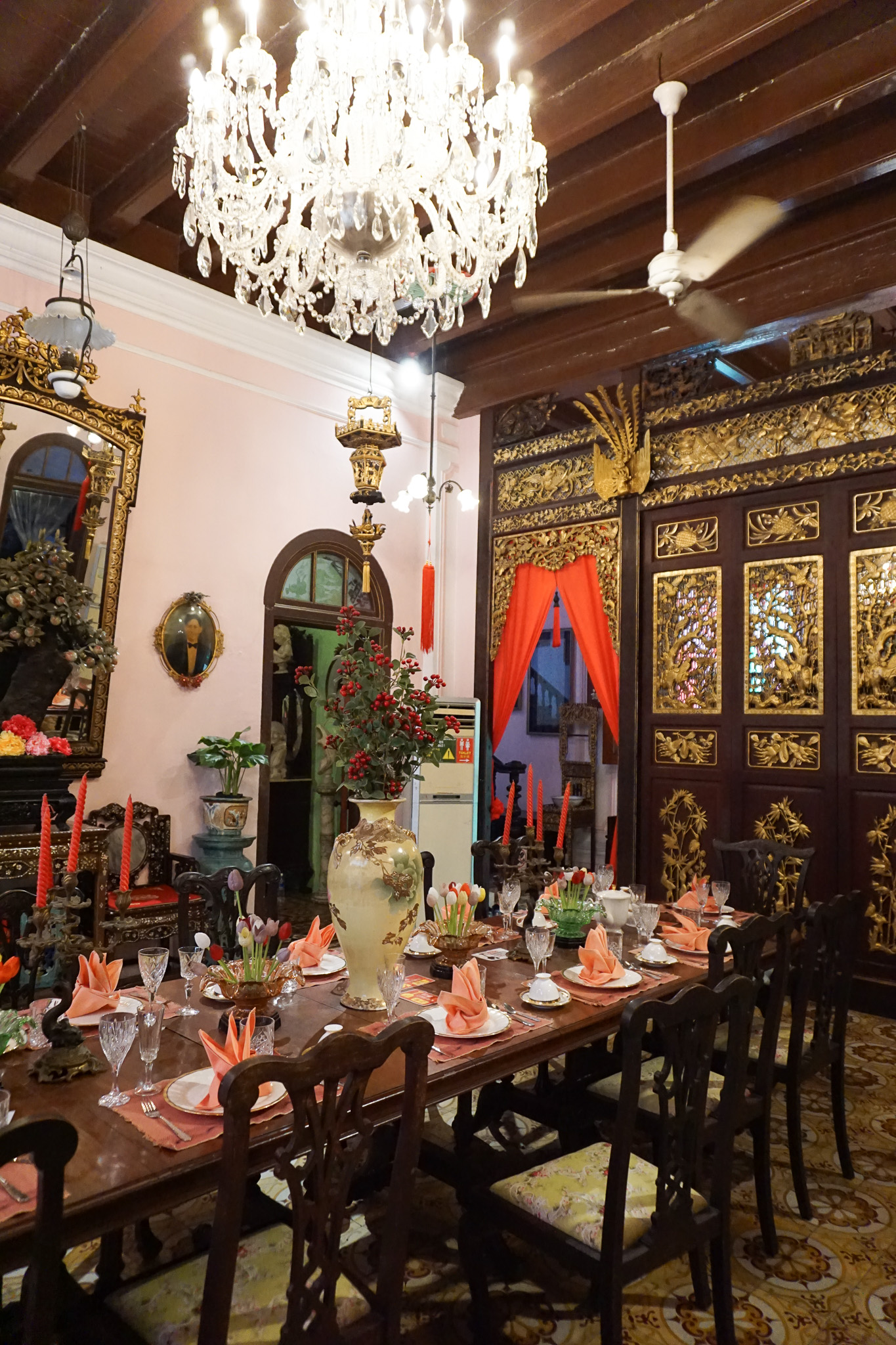
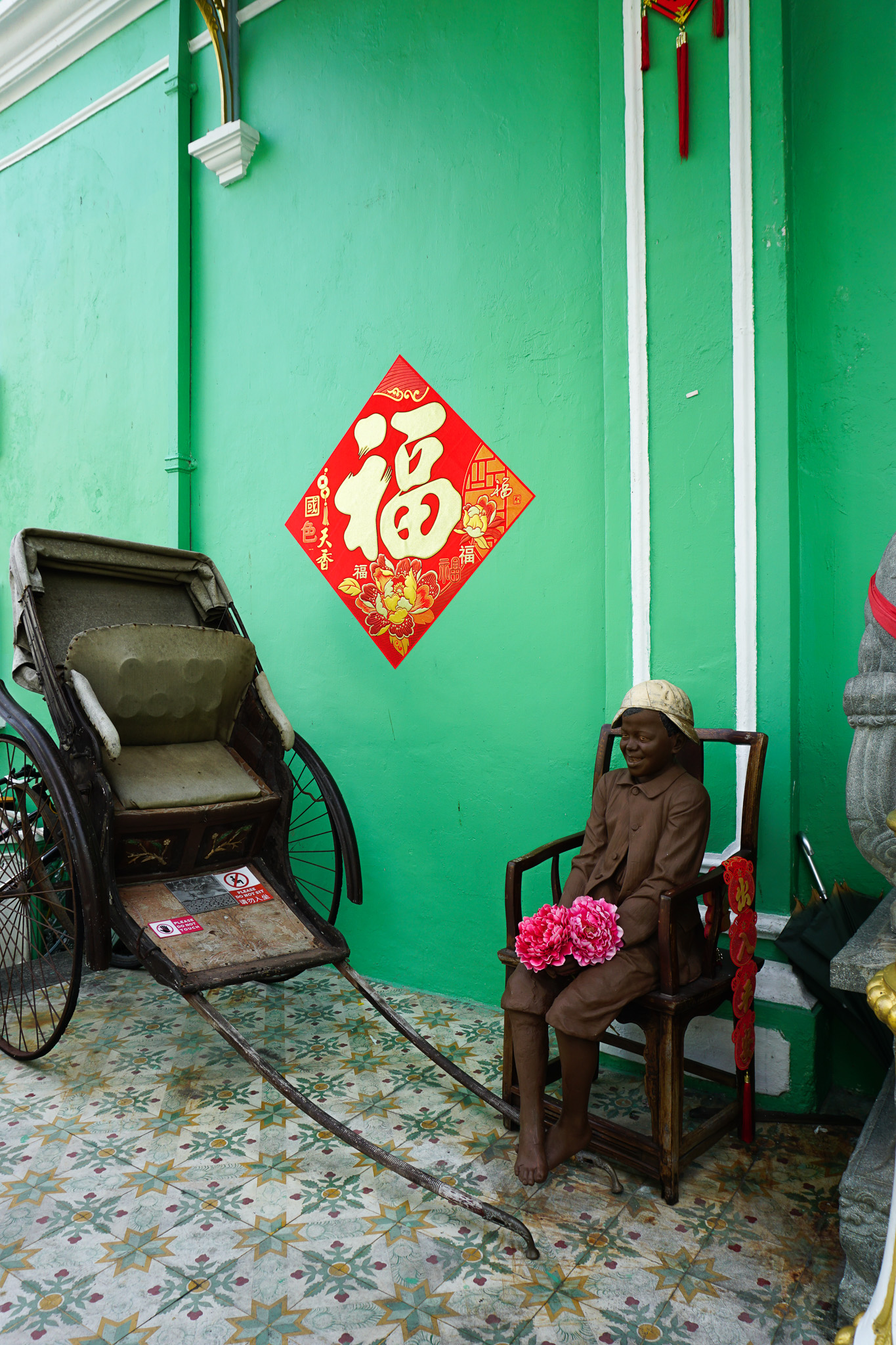
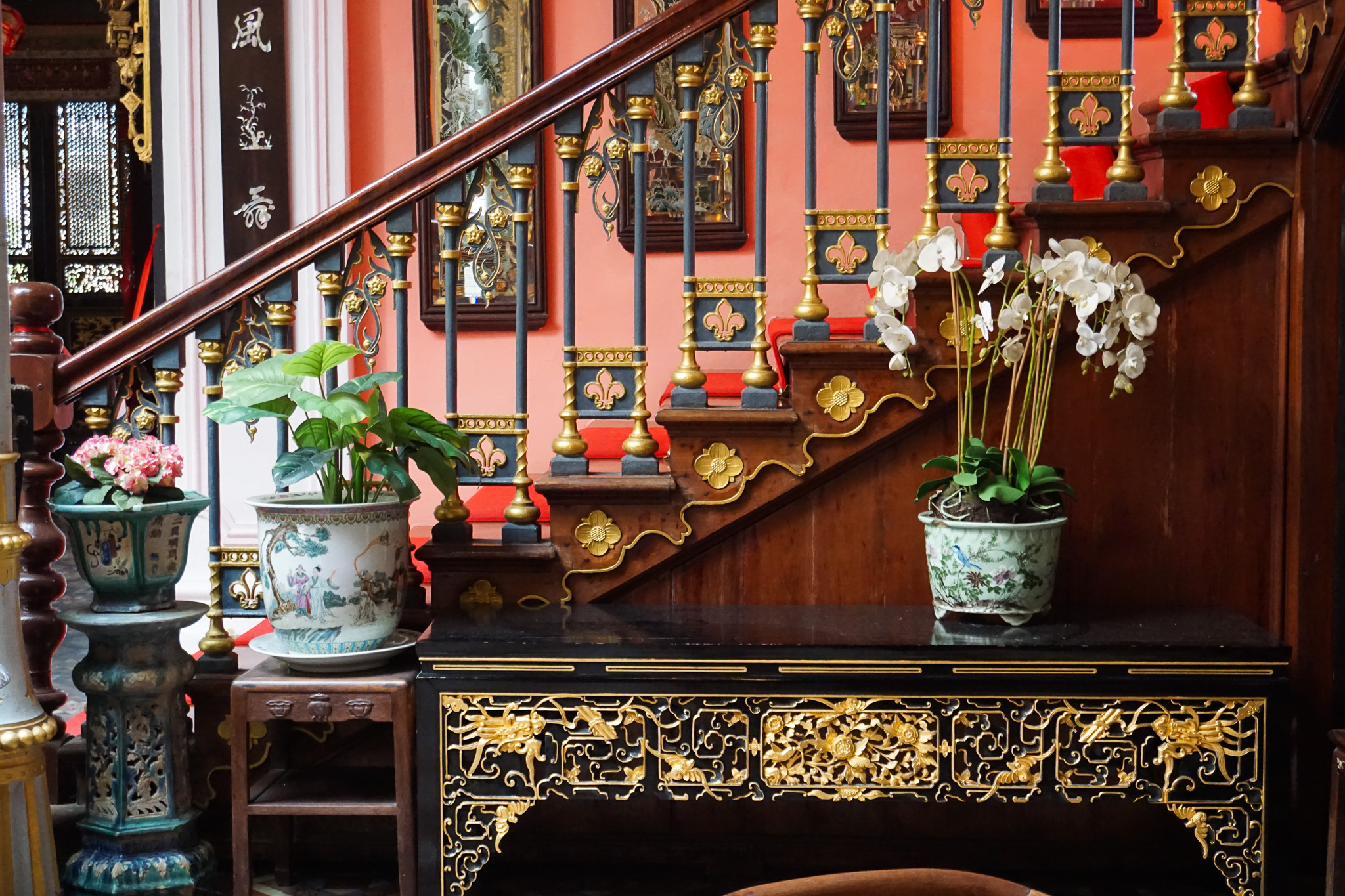
The Green Mansion shares some similarities with the Blue Mansion. It also blends elements of Chinese, Malay and European designs, but what really stands out is its intricately decorated and adorned interiors. Contrary to the Blue Mansion, you can visit the Green Mansion without a tour (even though they offer them inside, without having to pay any additional fees). It’s today a museum, solely serving educational purposes, so you can freely wander through the rooms which still have a lot of its original furniture – you can really spend a good time here, looking at antique furnishings, hand-carved wooden screens and colourful ceramics imported from Europe.
The other side of the coin – the Jetties
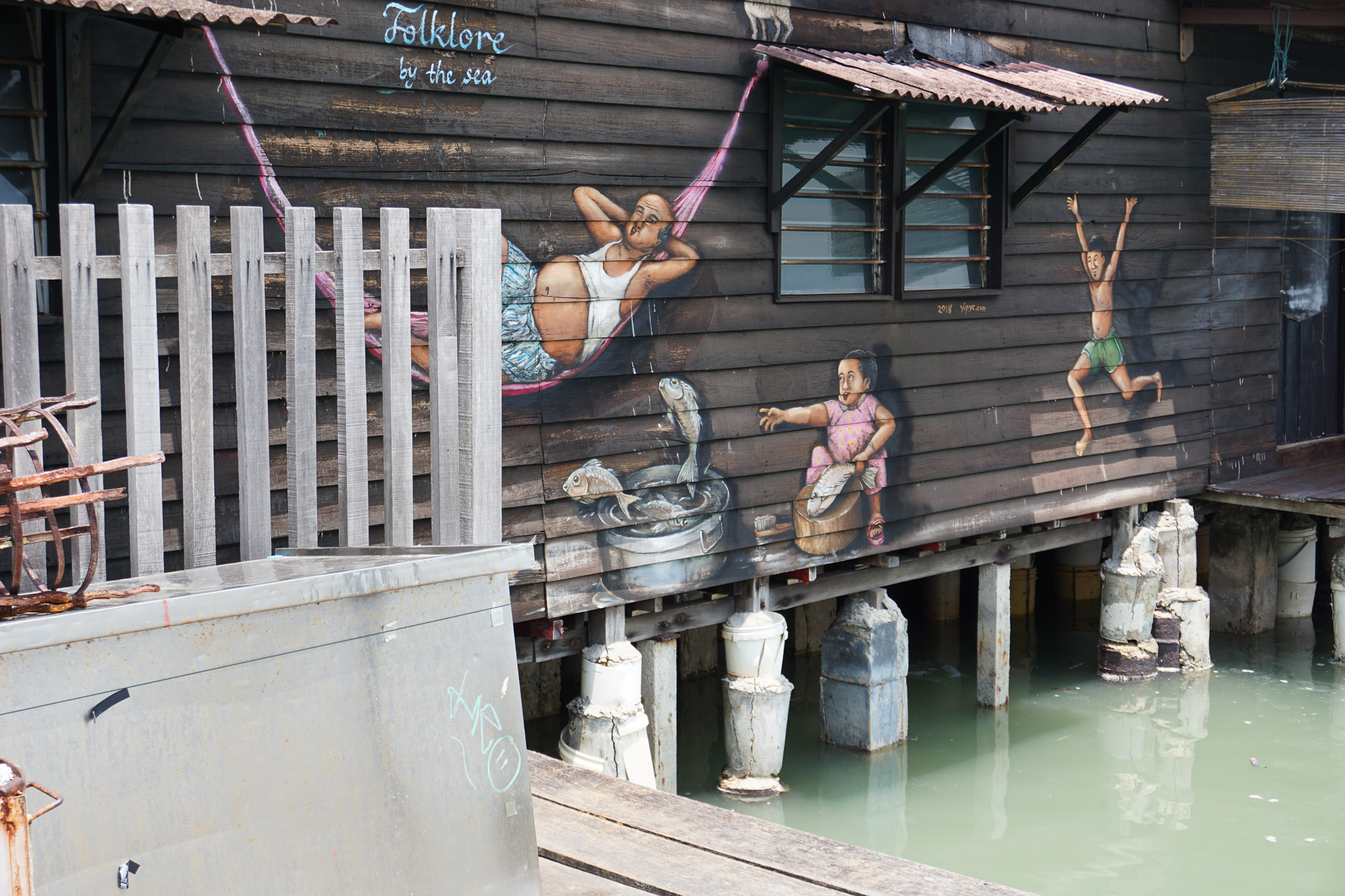
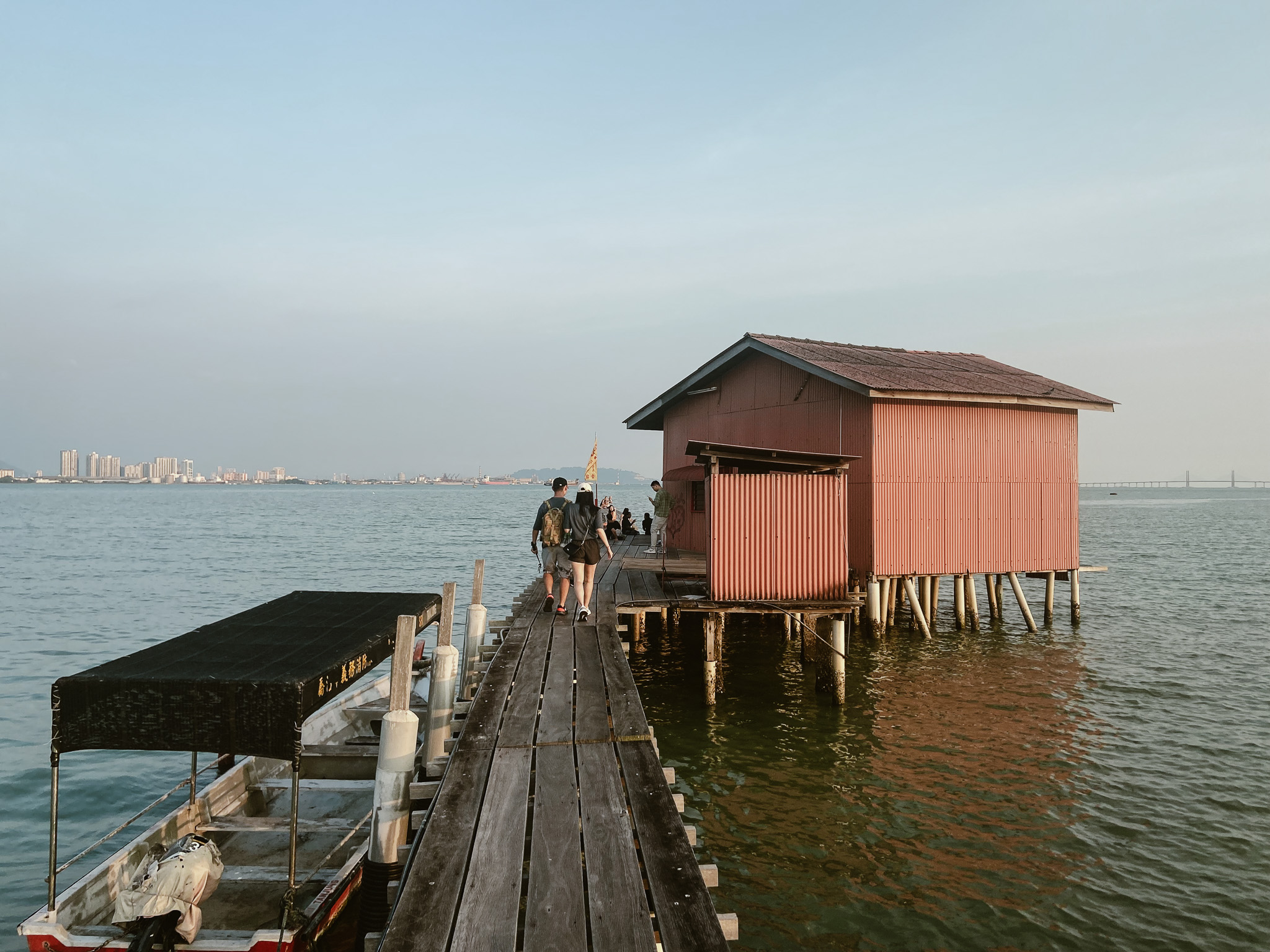
Not all settlers were wealthy and powerful. Some were impoverished labourers who could not afford land prices – and so they built their homes on stills in the water, where their main businesses also took place – they were fishermen, boatmen, and dock workers. The different jetties took the name of their clan and were mostly established in the 19th and 20th centuries, with a wave of immigrants from southern China arriving in Penang, fleeing economic hardships and political instability
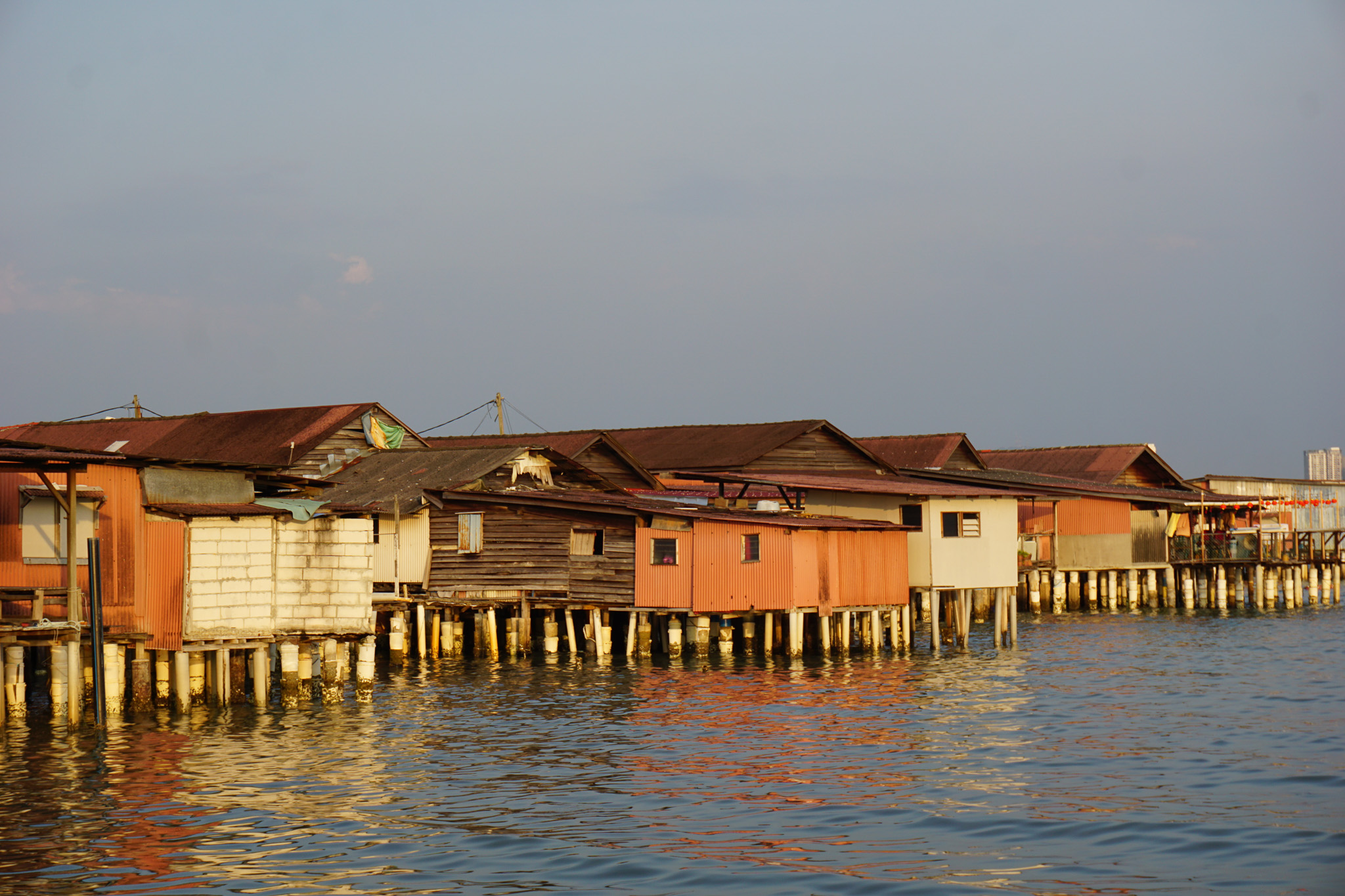
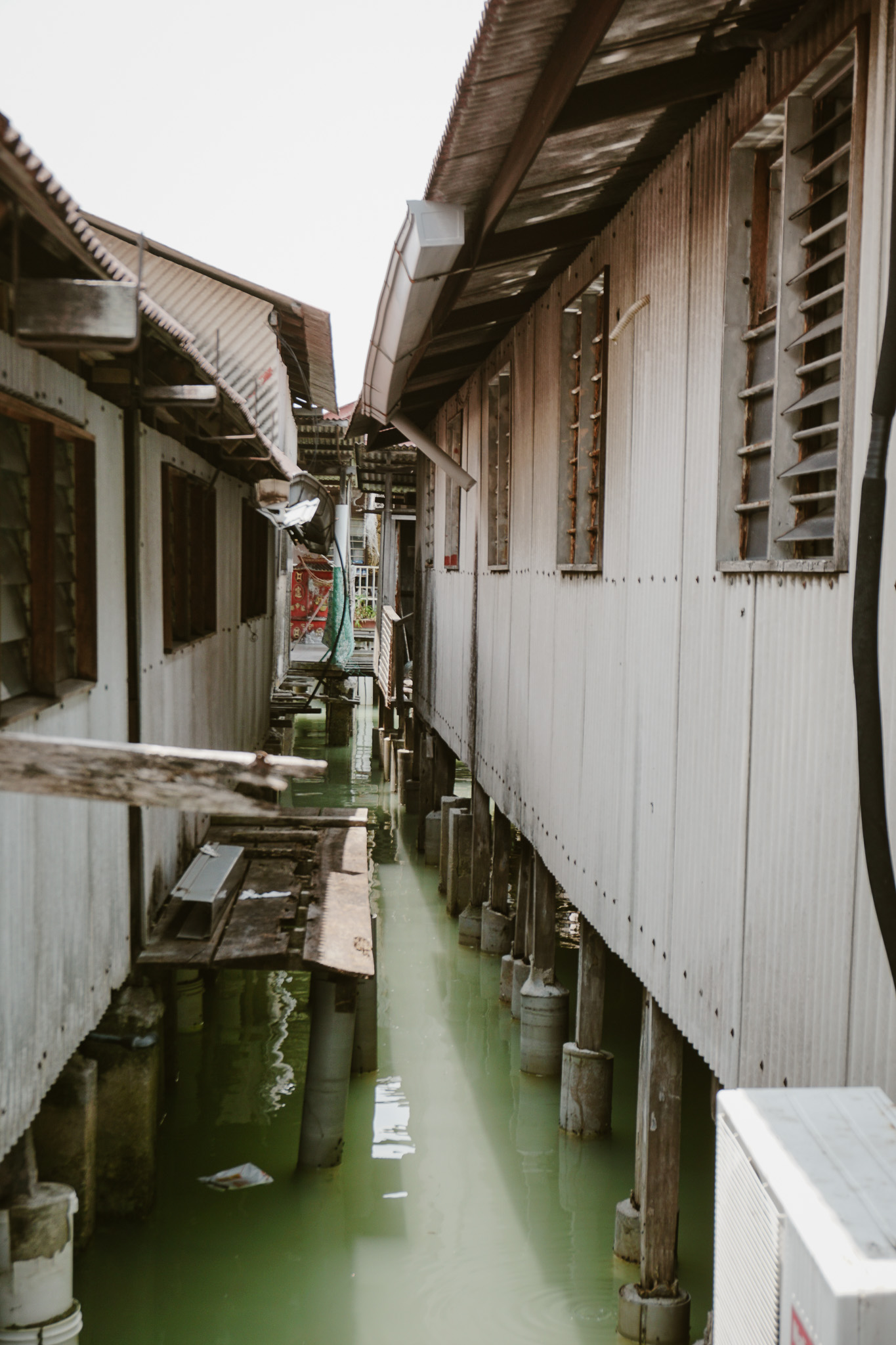


One of the biggest Jetty—Chew Jetty—is today one of Georgetown’s main tourist attractions. The contrast between the luxurious Green and Blue Mansions and the humble wooden huts testifies to the stark difference between the rich and the poor at the time. Those who lived in the jetties struggled to make ends meet. They had no access to education and were dependent on the sea for their livelihoods.
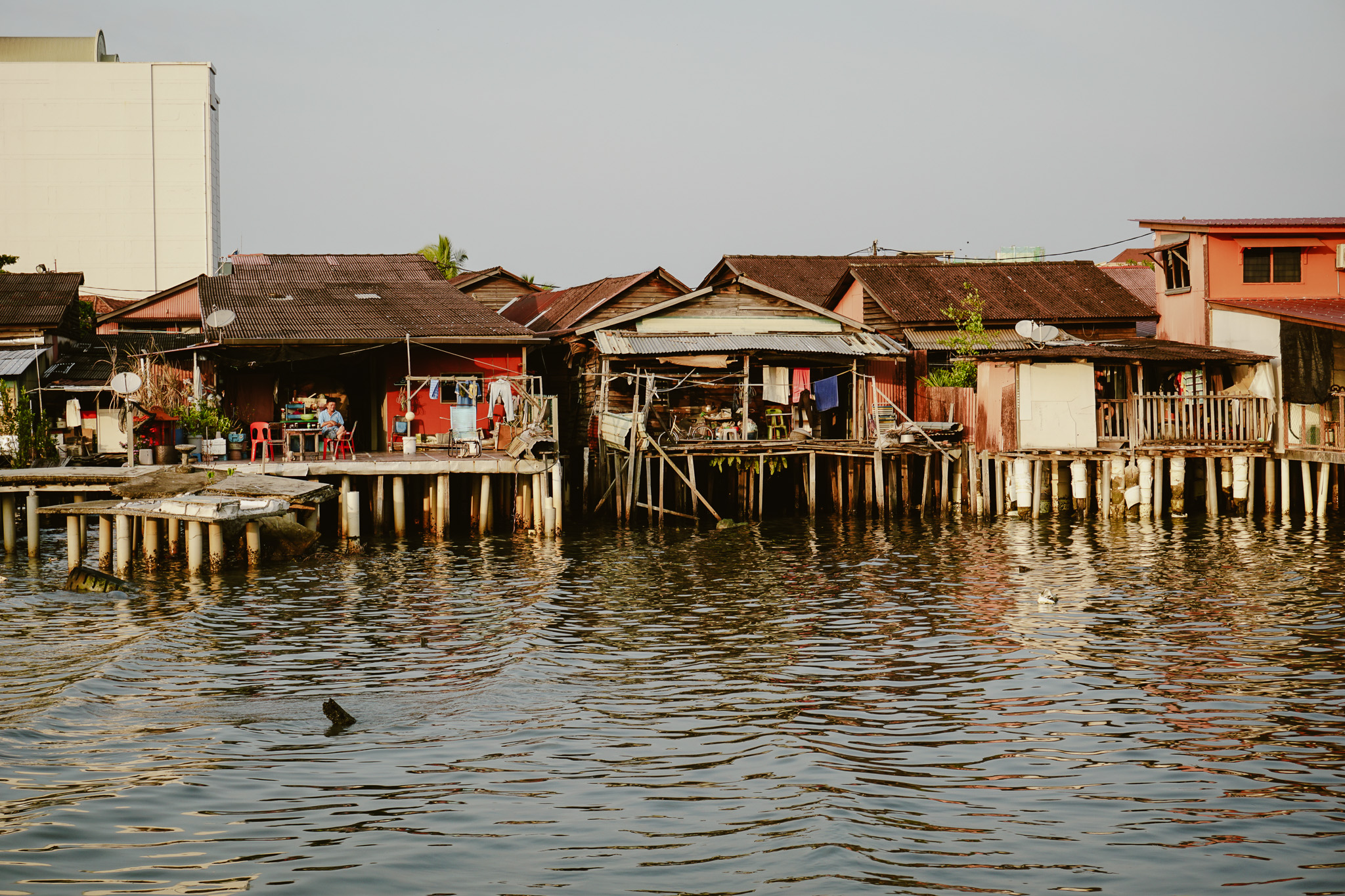
While this was a very interesting place to visit, bear in mind that people still live here and it’s easy to invade their privacy even when you don’t mean it. So beware of that.

Georgetown’s eventual decline
During World War II, Penang was occupied by the Japanese – this was a hard time for the city when its inhabitants were subjected to forced labour and harsh treatment. When the Japanese were defeated in 1945, British control resumed. But this wouldn’t last. After the war, Penang became part of the Malayan Union. Nationalist movements fighting for independence from Britain were getting stronger, and independence was gained in 1957. Unfortunately though, as history has so often told, the once wealthy city of Georgetown struggled economically post-independence – it lost its free port status in the 1960s, causing a decline of the maritime trade that had made the city grow. Penang was now shifting towards industrialisation, with a special focus on manufacturing and tourism.
It is the well-preserved colonial architecture and its role as a cultural crossroads between the East and West for over 500 years that has given Georgetown its status as UNESCO World Heritage in 2008.

A fragile relationship with UNESCO
But this status might be in danger. Having the title of UNESCO World Heritage site is a great honour, one that must be gained and, most importantly, maintained. And that is the challenge – the goal of UNESCO is to guarantee cultural and historical heritage is preserved. It can be quite challenging for cities to find the right balance between preservation and modernisation, as the latter often threatens the former. Georgetown has been flagged a few times as being at risk of losing this distinction. There’s been a lot of uncontrolled development which I was learning was a massive threat in the region – it involves a lack of proper urban planning and the construction of buildings that sit outside of the city’s character – high rises in Georgetown being a good example. Furthermore, these also threaten the often fragile nature of older, historical buildings. It puts the authenticity of the city in danger, which has made Georgetown special, and ironically, it’s putting at risk what attracts tourists in the first place – its unique cultural heritage.
Locals are leaving – this gentrification instead of taking into consideration the needs of the locals, is sending them away with the rise in costs of living. The displacement of its population will eventually lead to a rapid decline of its cultural identity.
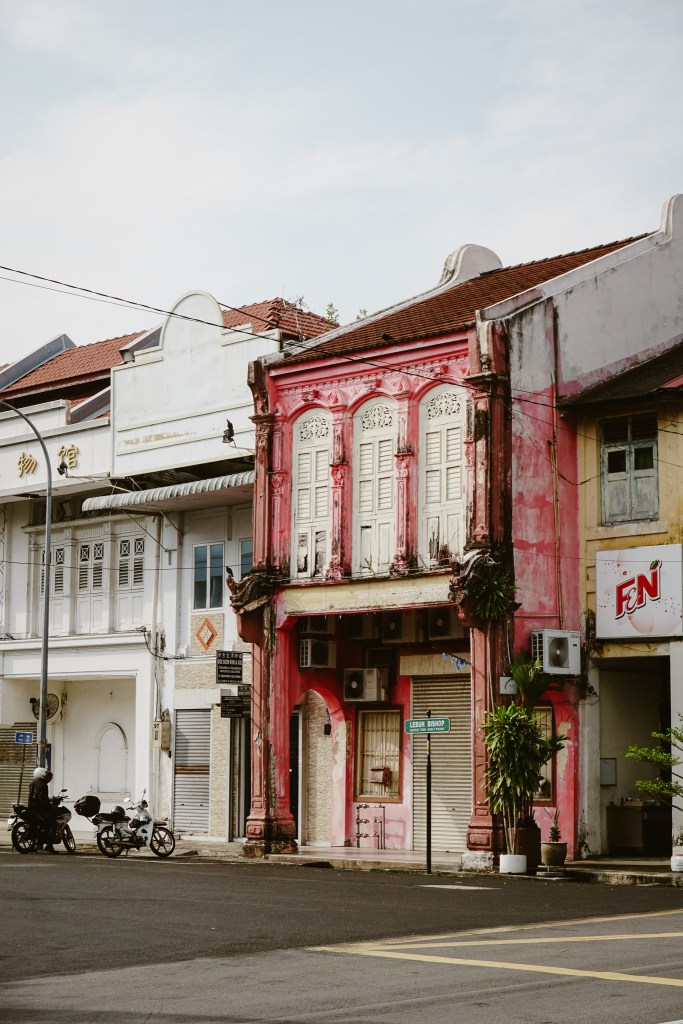
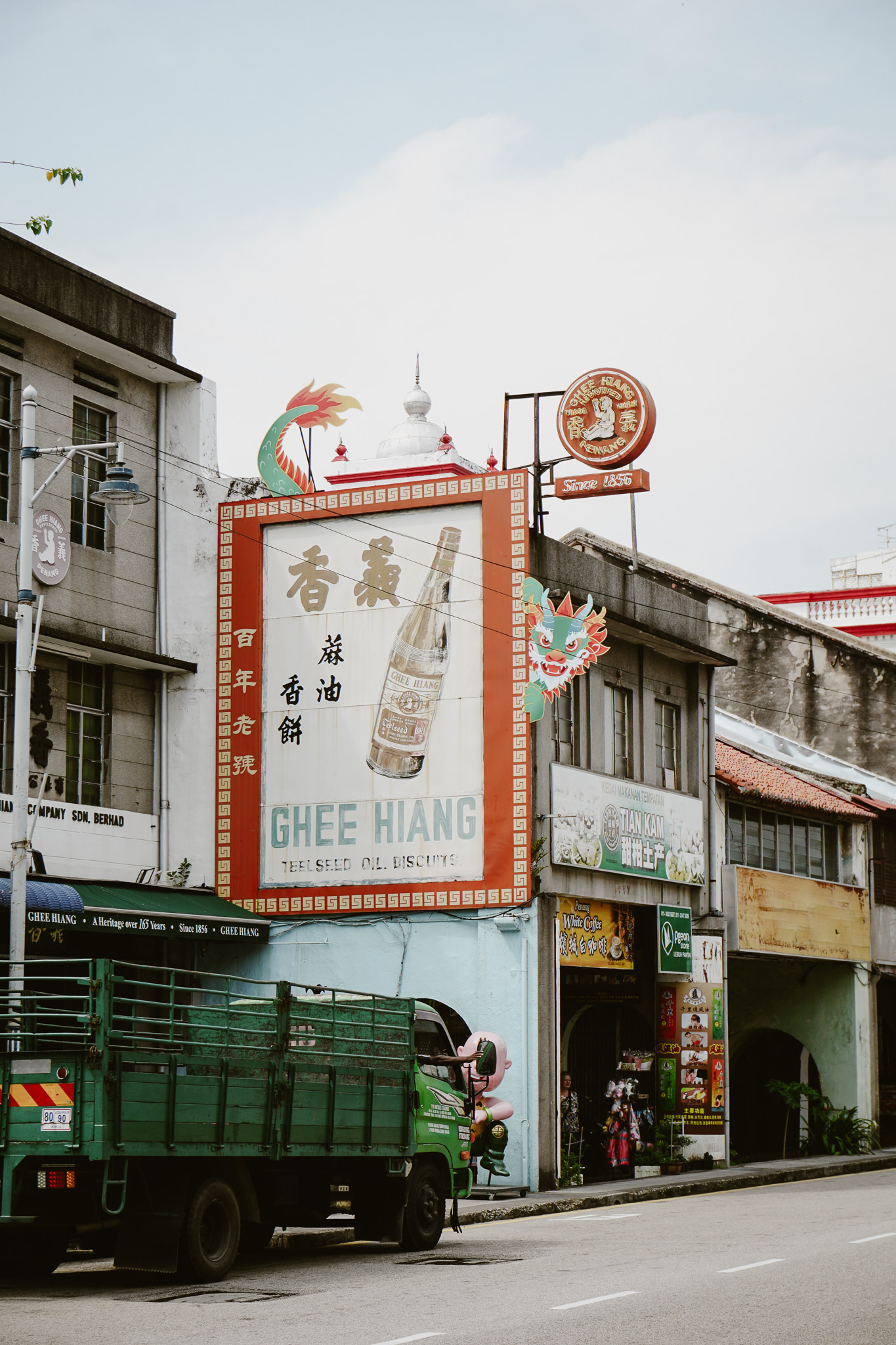
I could see with my own eyes how so many façades of beautiful buildings are falling apart, with restoration urgently needed. Perhaps some of these have been abandoned and are facing the danger of eventually being demolished and replaced by something more modern but without meaning, empty of significance.
Love, Nic
This article is also featured on GPSmyCity. To download this article for offline reading or create a self-guided walking tour to visit the attractions highlighted in this article, go to Walking Tours and Articles in George Town.
 The Winged Bone
4 thoughts on “Penang, Malaysia – Exploring Georgetown’s Heritage”