
I woke up that first morning in Chiang Mai feeling absolutely knackered. My body was hurting, my head heavy, my nose obstructed. After the longest train journey of my life, to one of the most exciting destinations in Thailand, I wanted to be in full health to explore the city. Yet, I wasn’t, thanks to the air conditioning of the aforementioned train.
Sick? You’ll have time to sleep when you’re dead (my unhealthy philosophy)
So I did what any highly functioning millennial out there would do—swallowed some ibuprofen pills, showered, dressed, had breakfast (which should have come before the ibuprofen, but whilst medicine on an empty stomach may kill you, it also makes the pain go away a lot faster, and well, priorities), and set off to explore Chiang Mai.
I had only heard good things about it – how it was much quieter than Bangkok, but still with every convenience of a big city and a very well-conserved historical centre. In recent years, it has also become a hub for digital nomads. The temperatures are also supposed to be a lot more bearable. Nestled in the mountains of northern Thailand, the ancient capital of the Lanna Kingdom boasts of a cooler climate… except when the whole country goes on a heatwave, exactly what happened when I was there.
I really liked Chiang Mai but everything I had read had built up some expectations that didn’t come to fruition. For instance, I was expecting a more historical feel to it. I had also read Chiang Mai was more affordable than other places in Thailand… and perhaps that was so in the past, but not anymore! The accommodation was definitely at a higher price, and a lot of the cafes and restaurants were very westernized – which isn’t necessarily a bad thing, as I explained in my post about Vientiane, but it showed the city is a lot more modern and globalised than some resources would paint it to be. I was also expecting it to be greener, but somehow it was more similar to Bangkok. If you want some greenery though, Chiang Mai is a great base for hiking in the mountains, and doing some jungle treks.
So, in a way, I was definitely a bit deflated. But, on the other hand, I found Chiang Mai to be perfect for a culture geek like myself – temple hopping, museum visits, and small boutiques owned by local artists, made me identify with the city immediately. Unfortunately, the massive cold I had developed didn’t help. I felt tired and had difficulty breathing. The awfully hot weather wasn’t doing me any favours… thankfully Chiang Mai is a place where you can take your time. And that’s what I did.
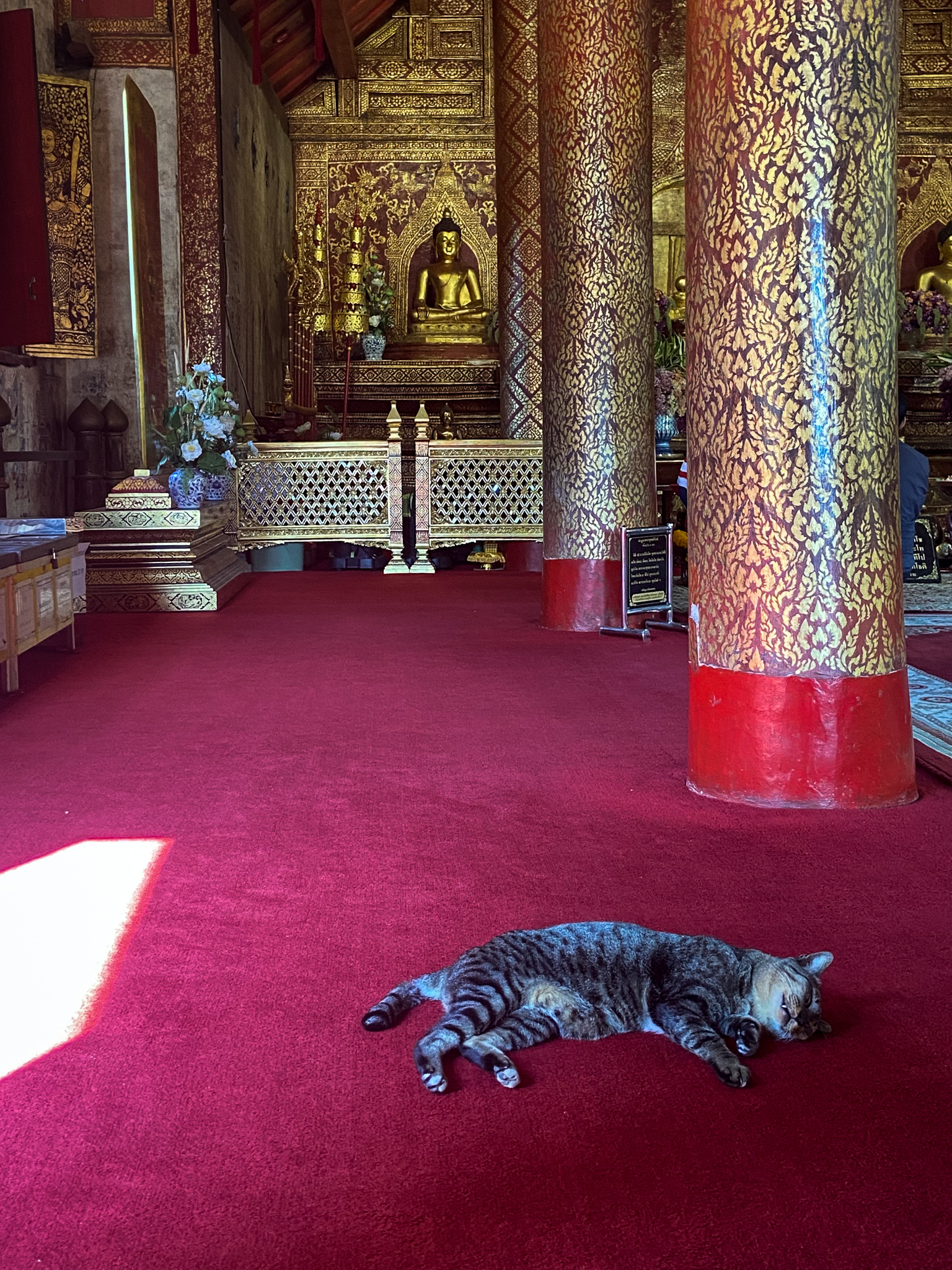
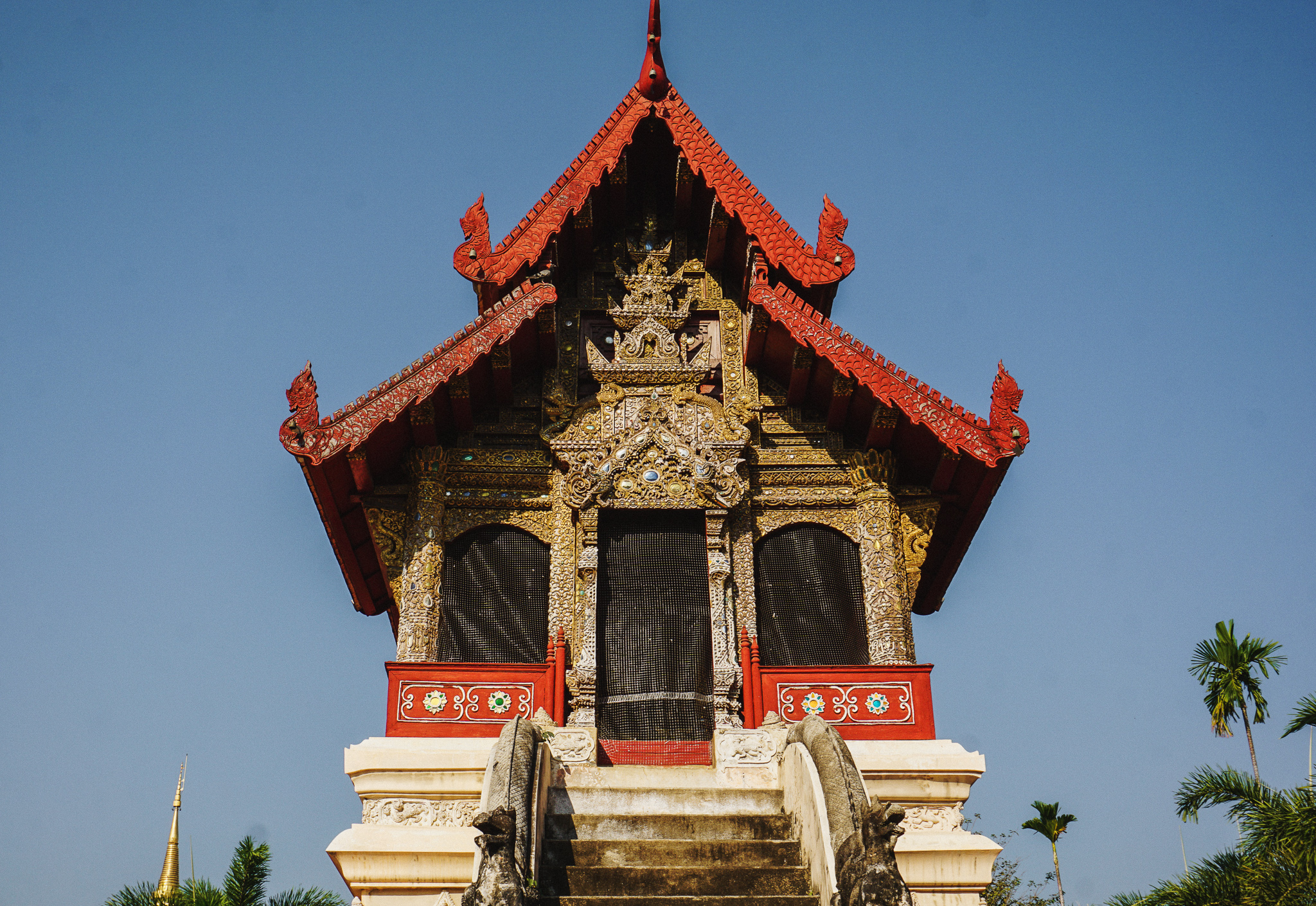
In some ways, Chiang Mai reminded me of Luang Prabang, where the Buddhist temples are jewel crowns – authentic and stunning architecture to take you on a journey back into the past. On my first day, I walked around the city, and visited some of the main ones – but not all. Getting templed out is definitely a thing! Similarly to Luang Prabang, where you find architecture so deeply connected to the golden age of the Laotian Kingdom, in Chiang Mai, you will find unique examples of the Lanna Kingdom, which reigned over the Northern region of Thailand from the 13th to the 18th century. Chiang Mai was of course the capital of this kingdom, and therefore it retains an enviable heritage to this day, making it such a tourist hotspot.
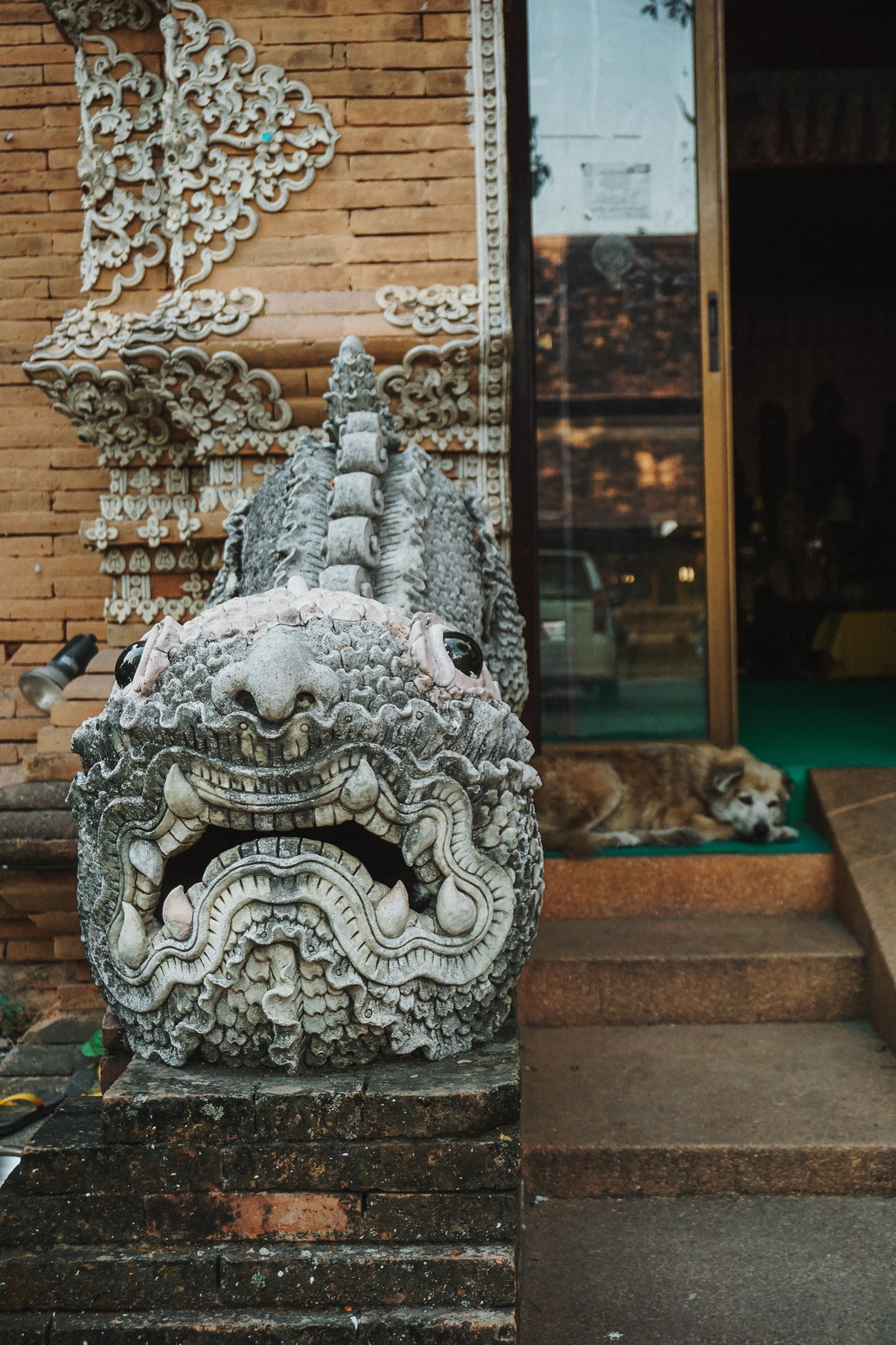
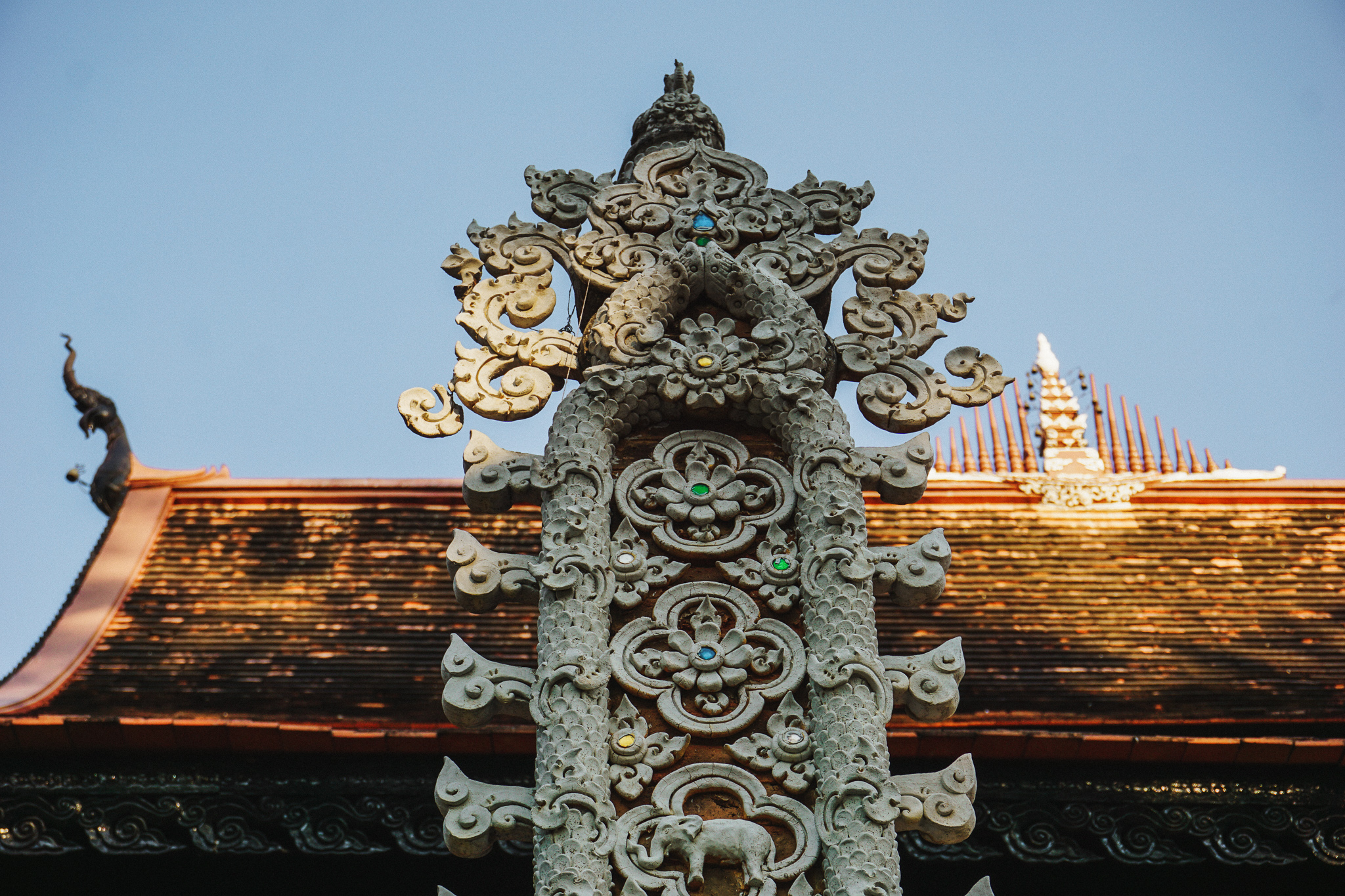
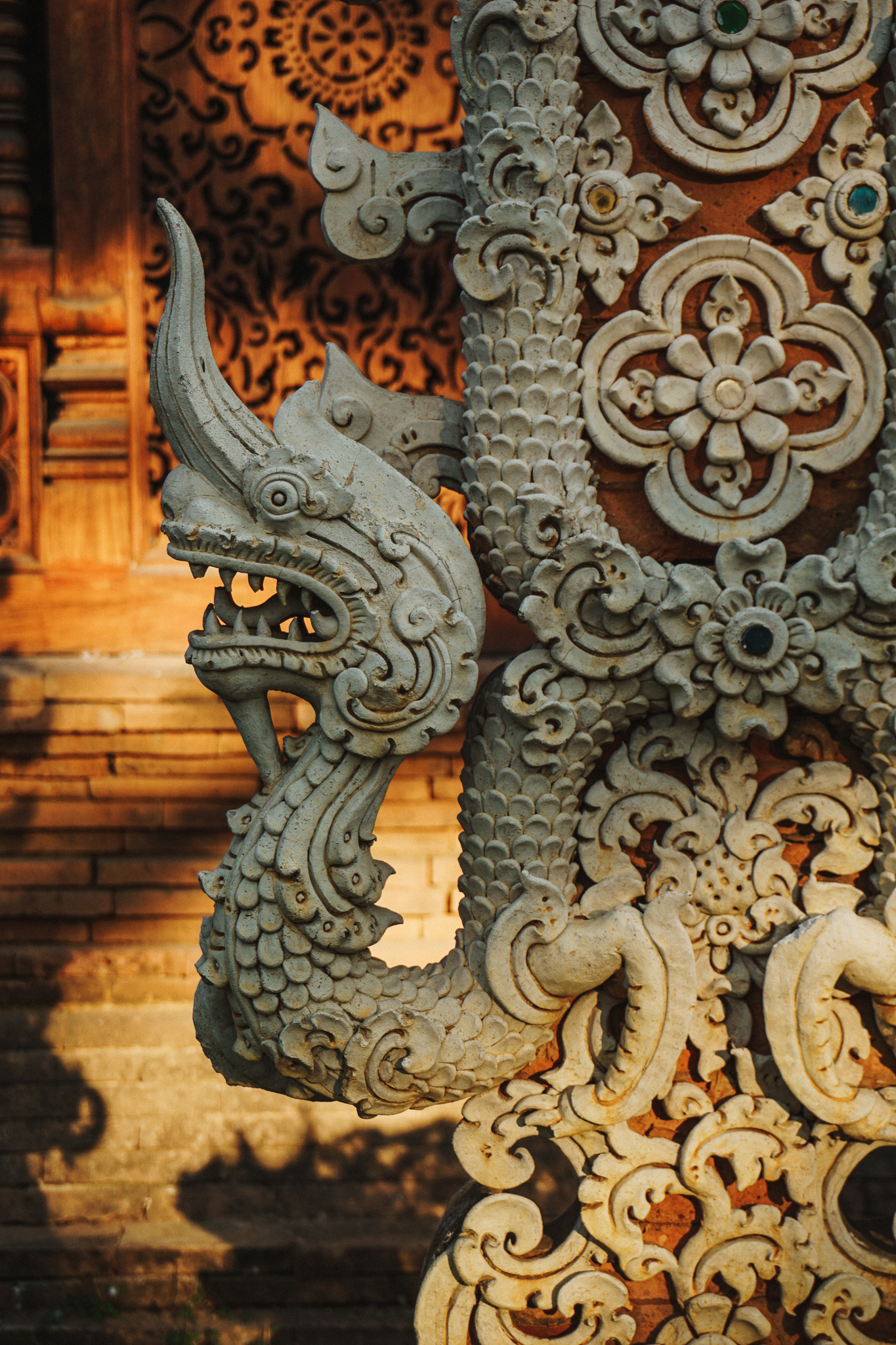
I have to say one of my favourite temples was just outside of the northern wall, not too far from where I was staying – Wat Lok Moli. I almost missed this place! The architecture was mesmerising, with intricate wooden panels, exposed brick stupas, and ornate white stone lotus flowers covering the facades. This temple is a perfect example of Lanna architecture, which mixes Chinese, Burmese and Thai elements.
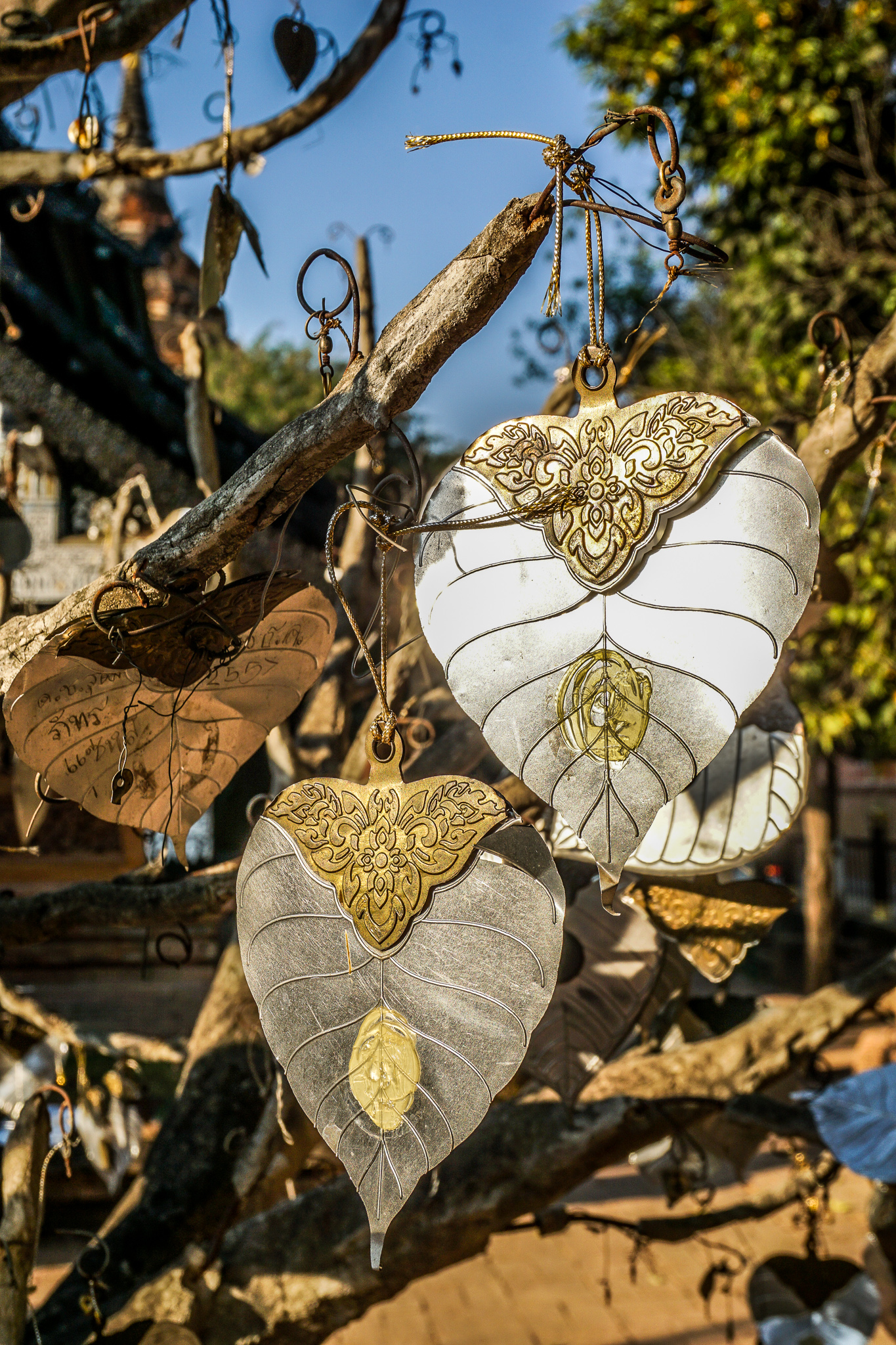
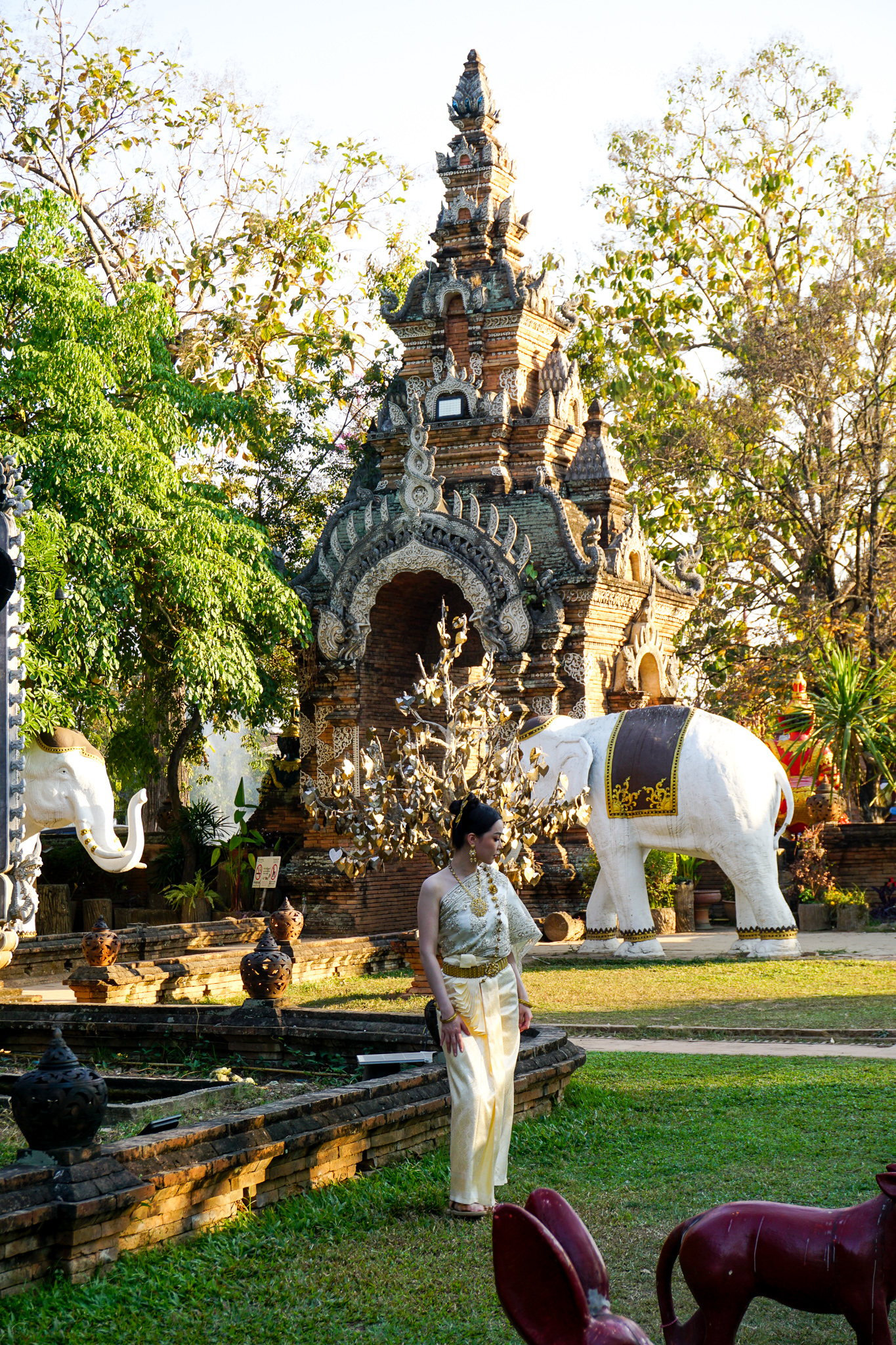
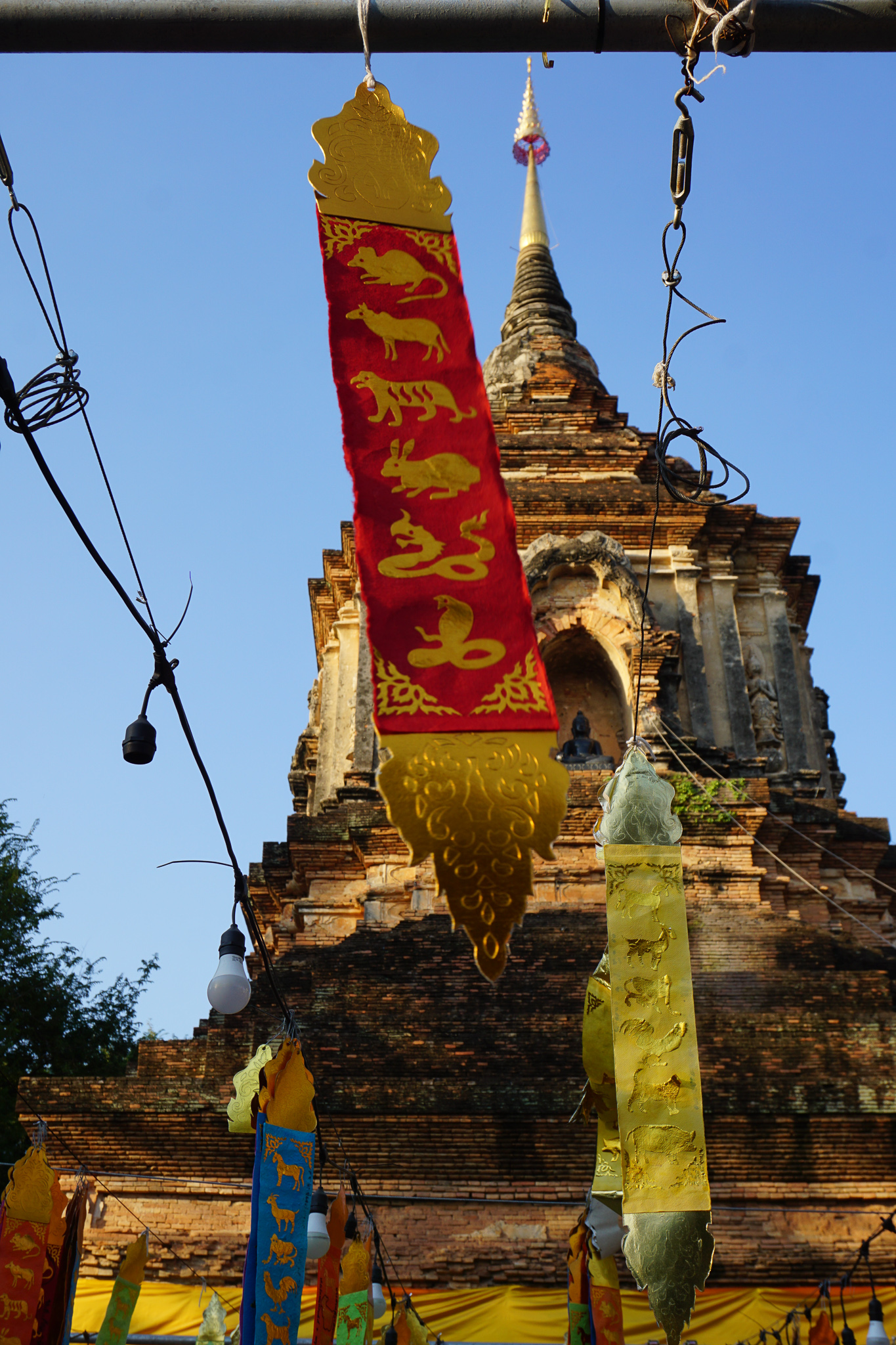
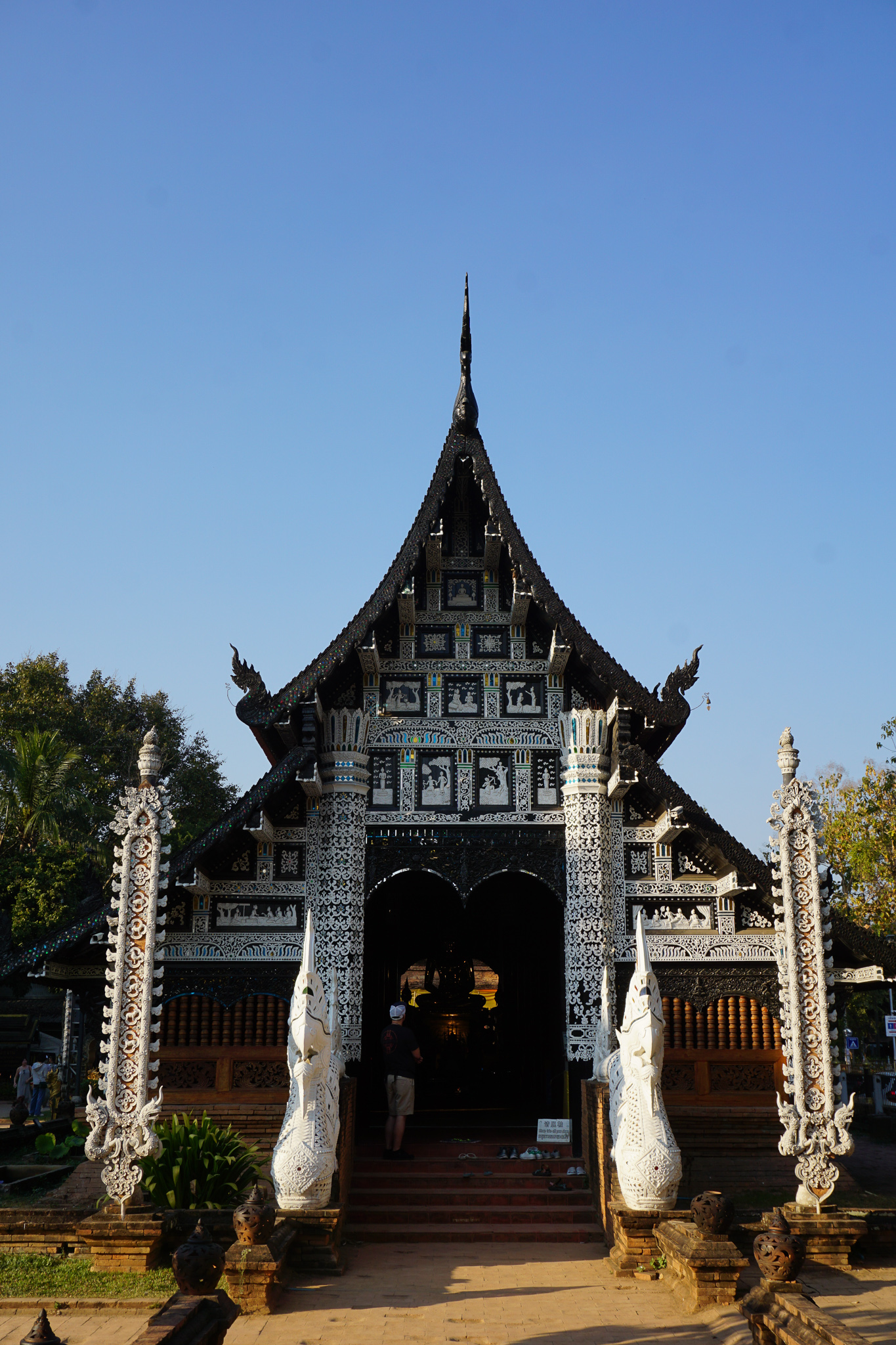
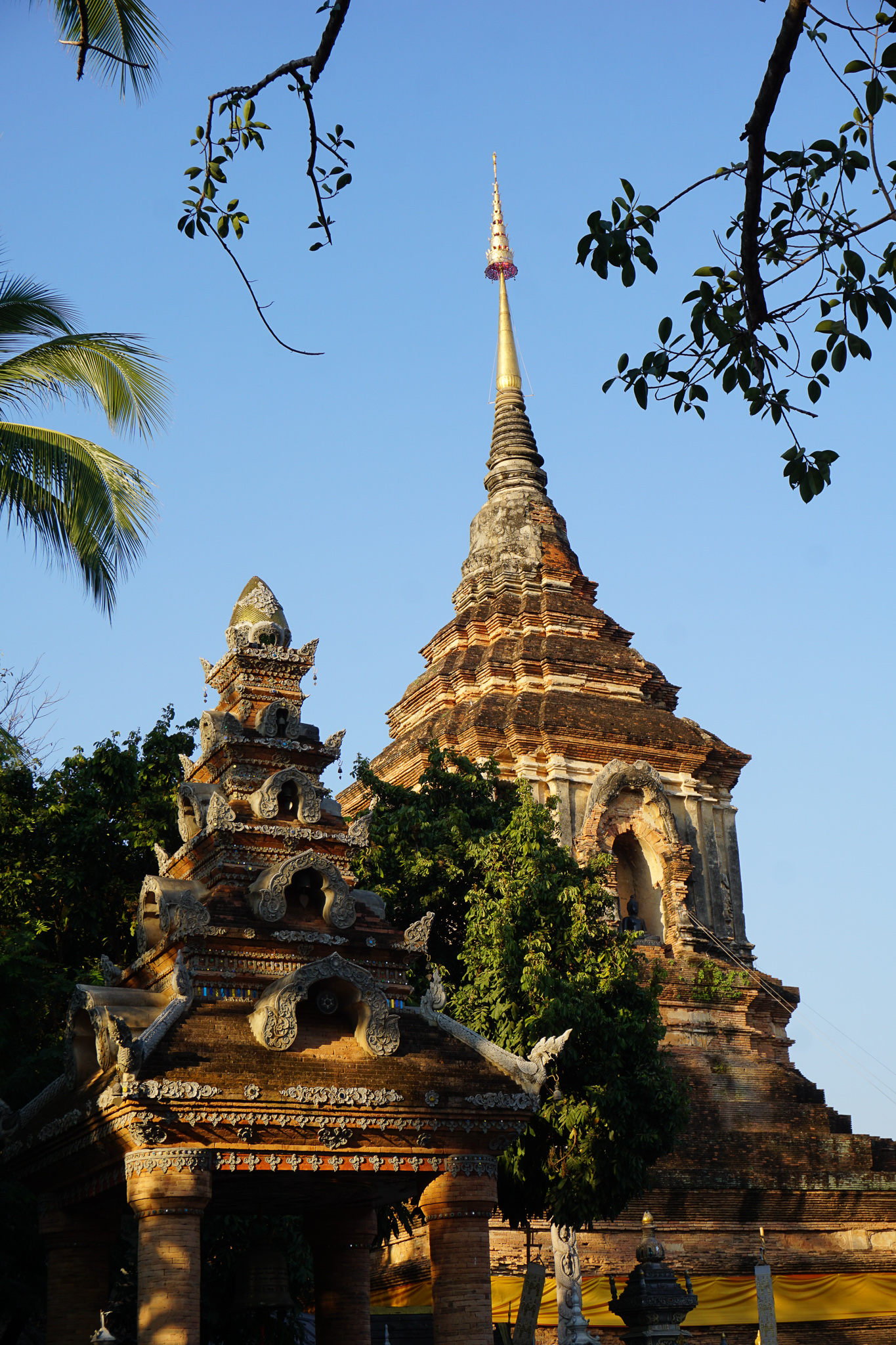
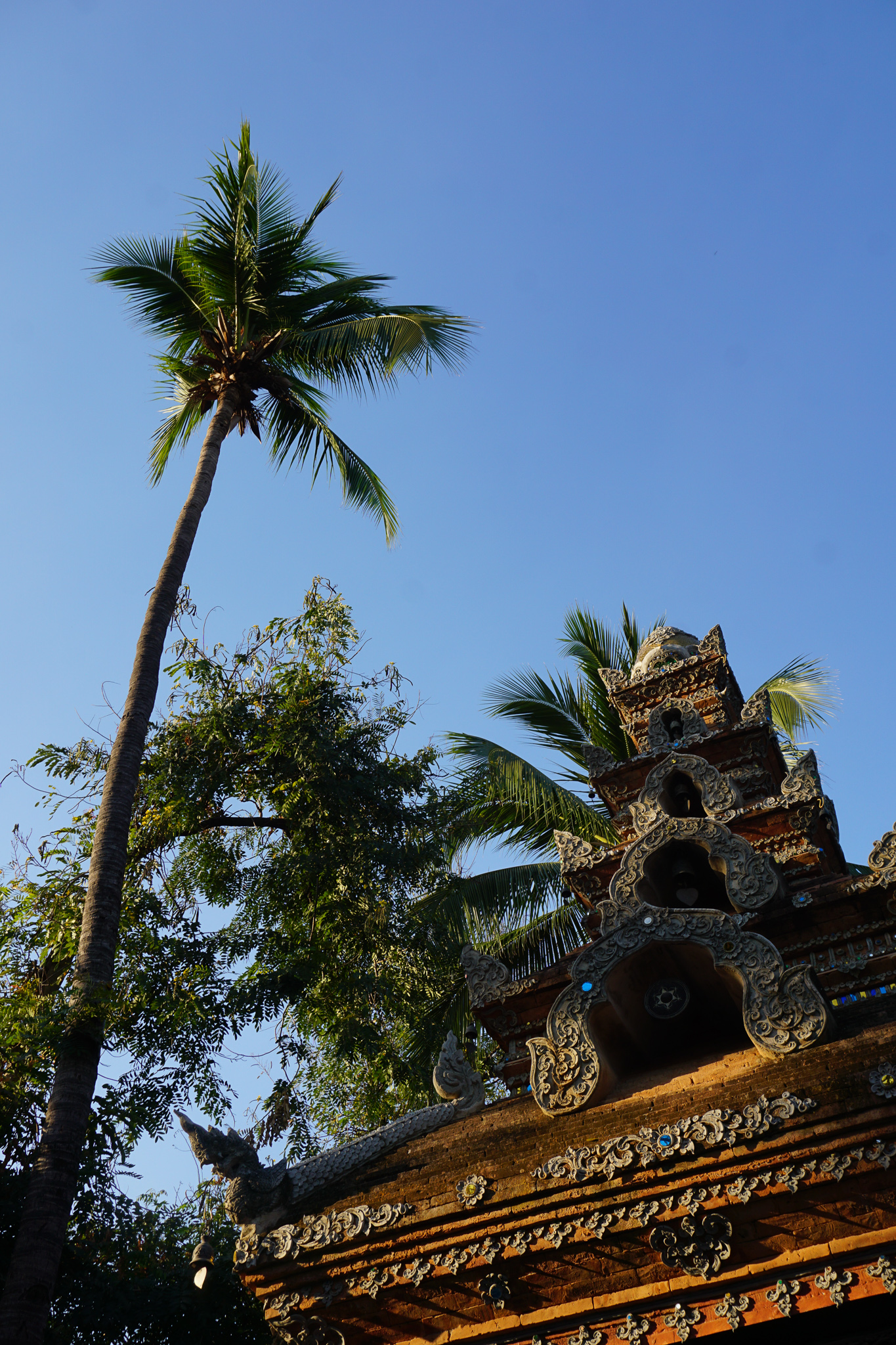
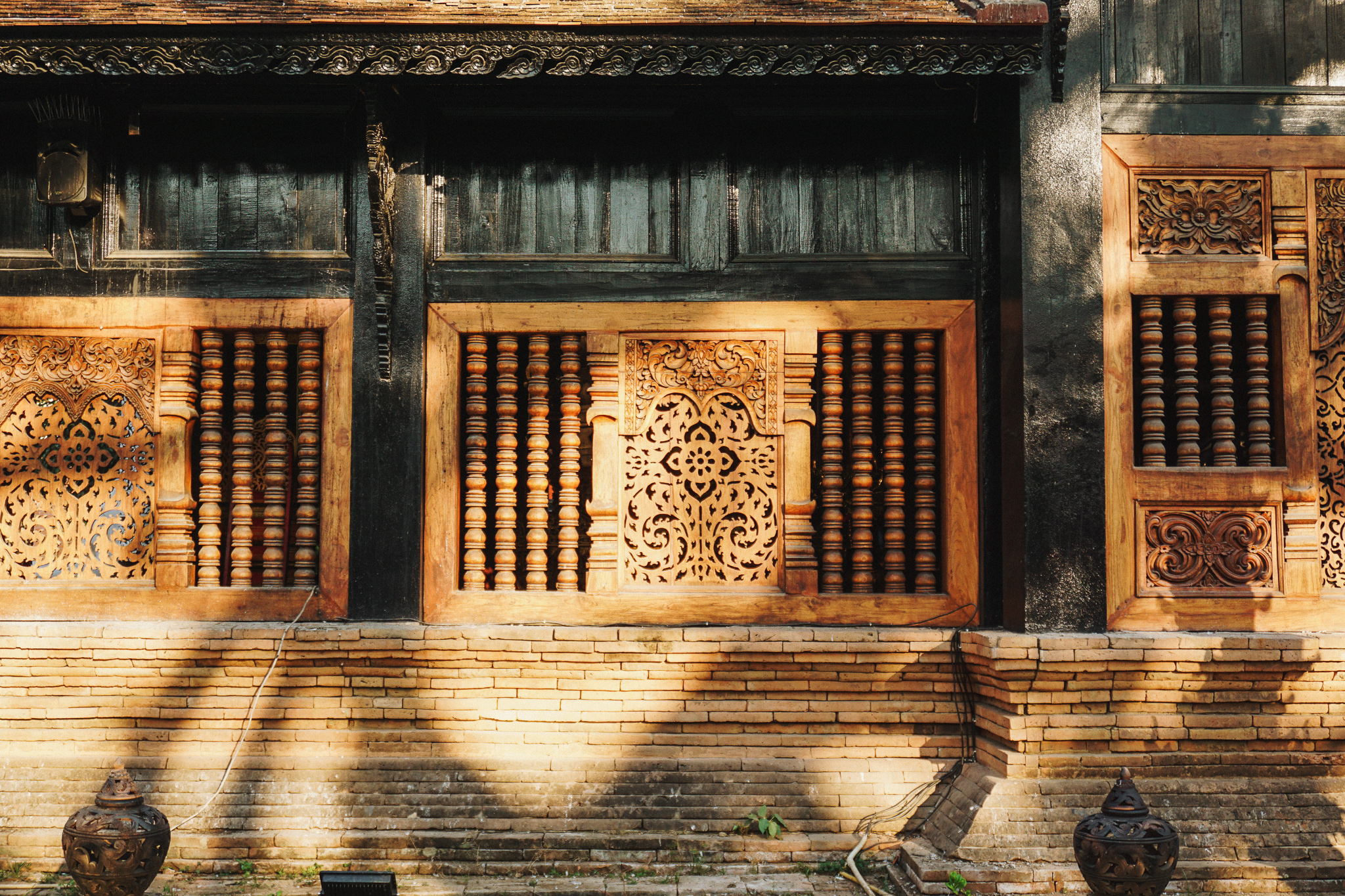
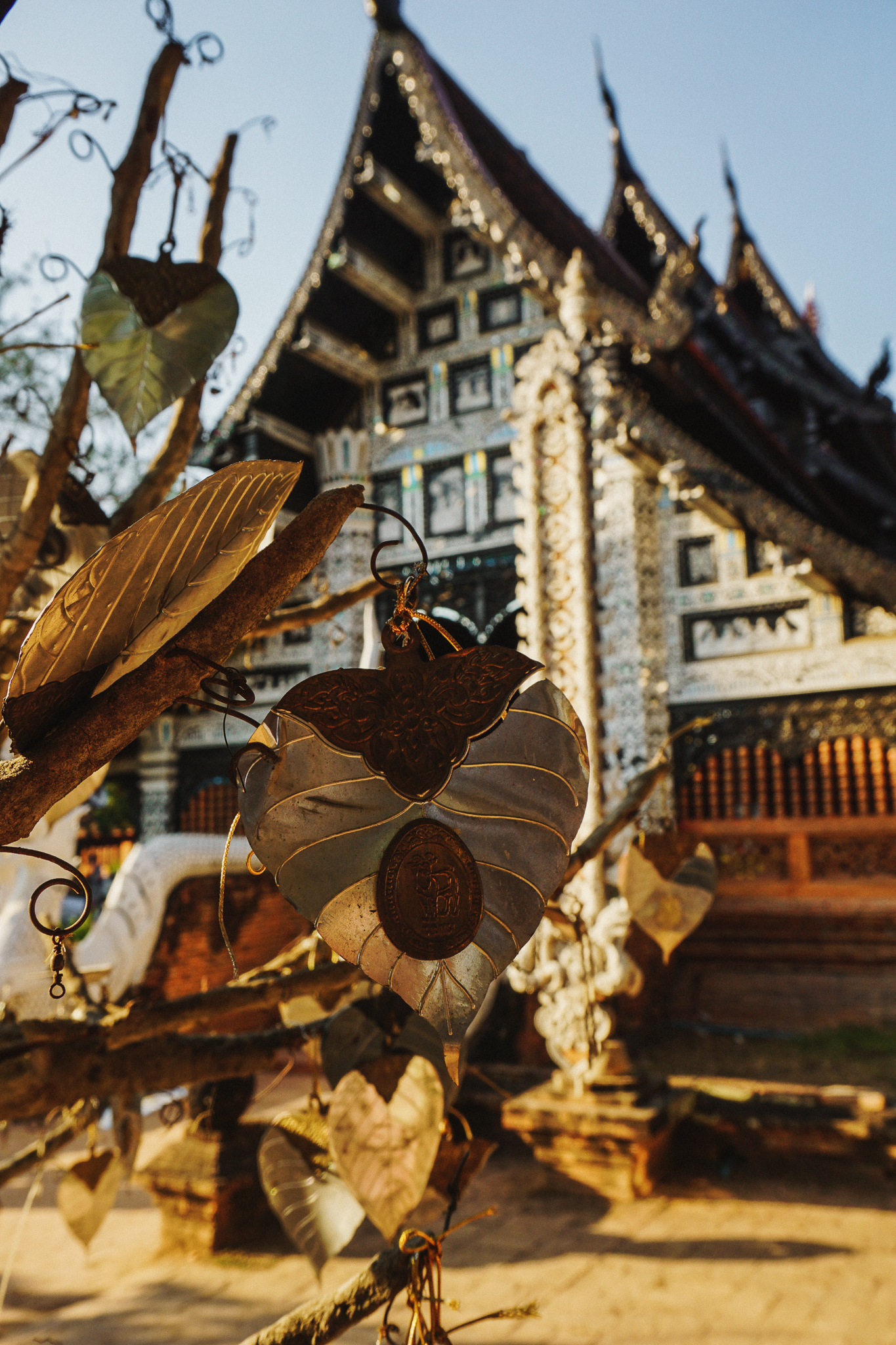
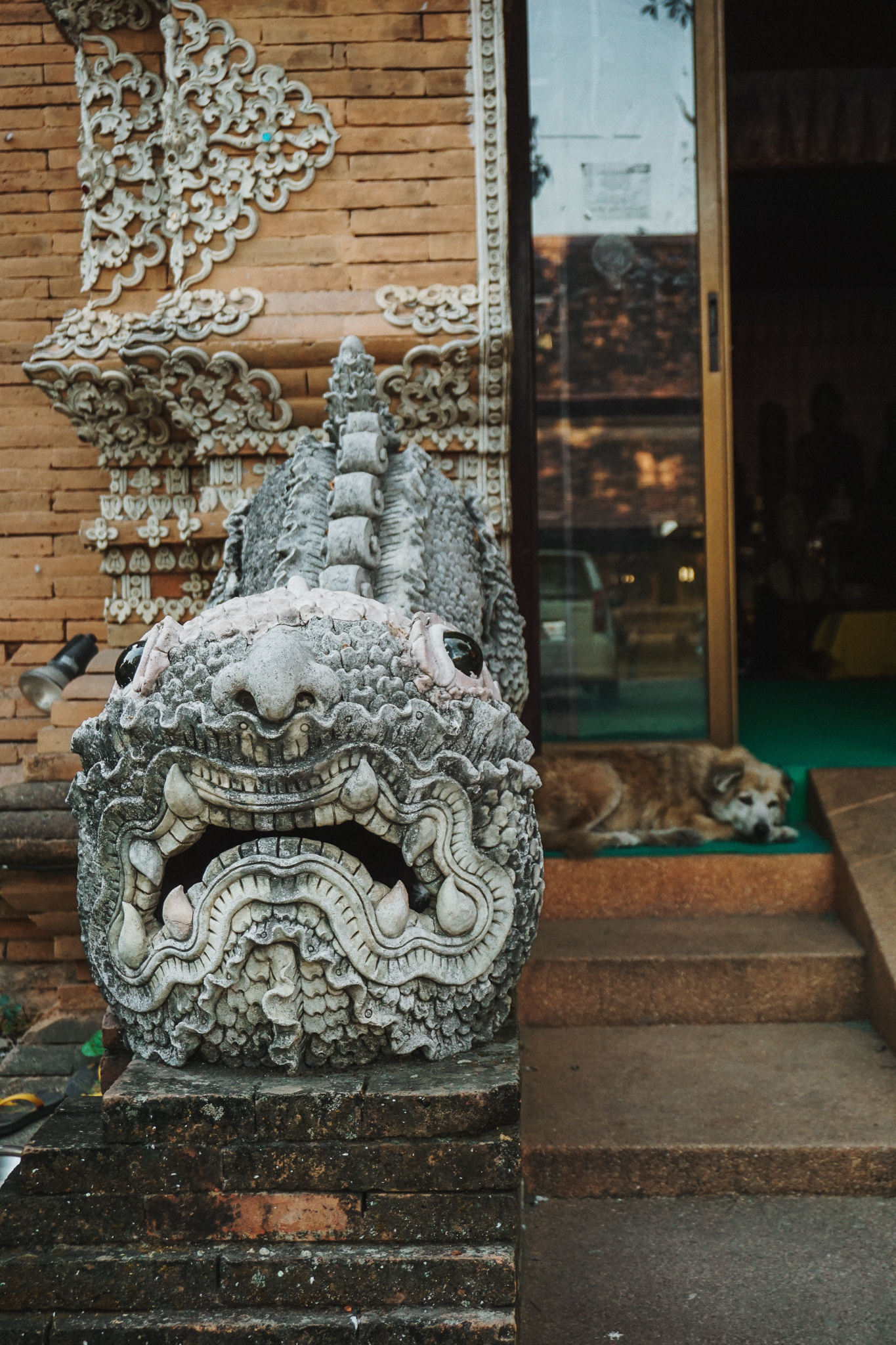
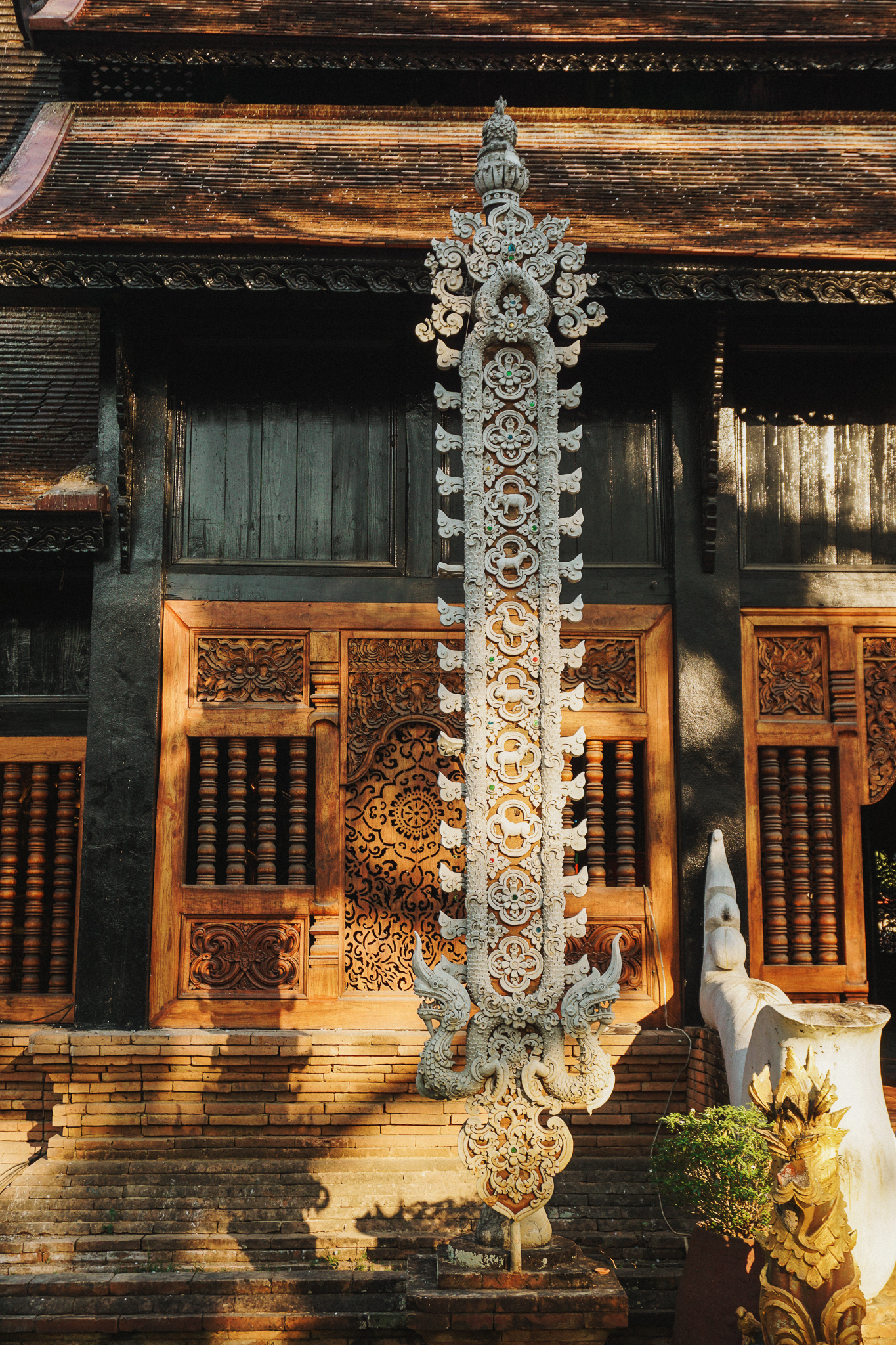
Praying for all the luck!
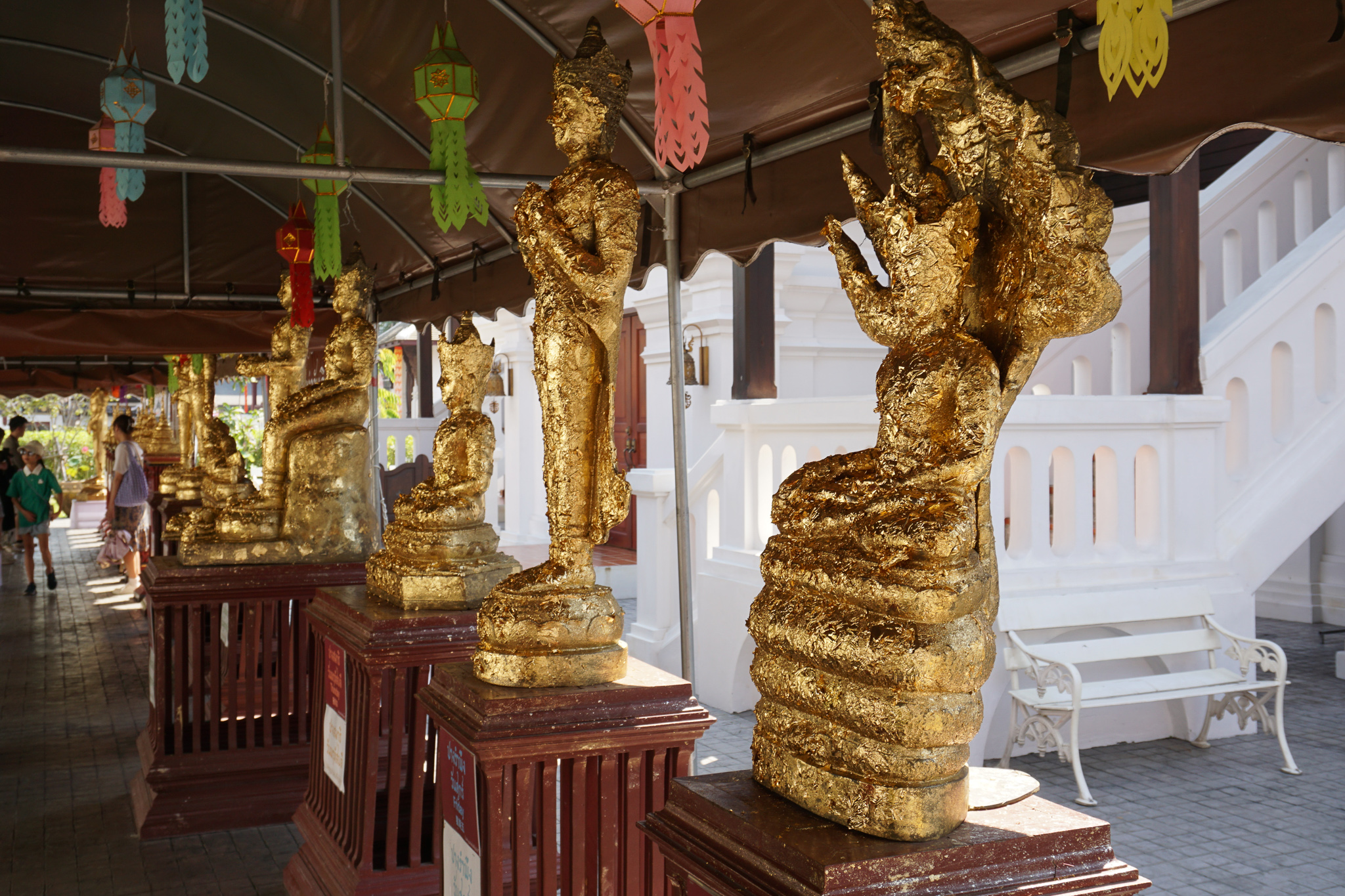
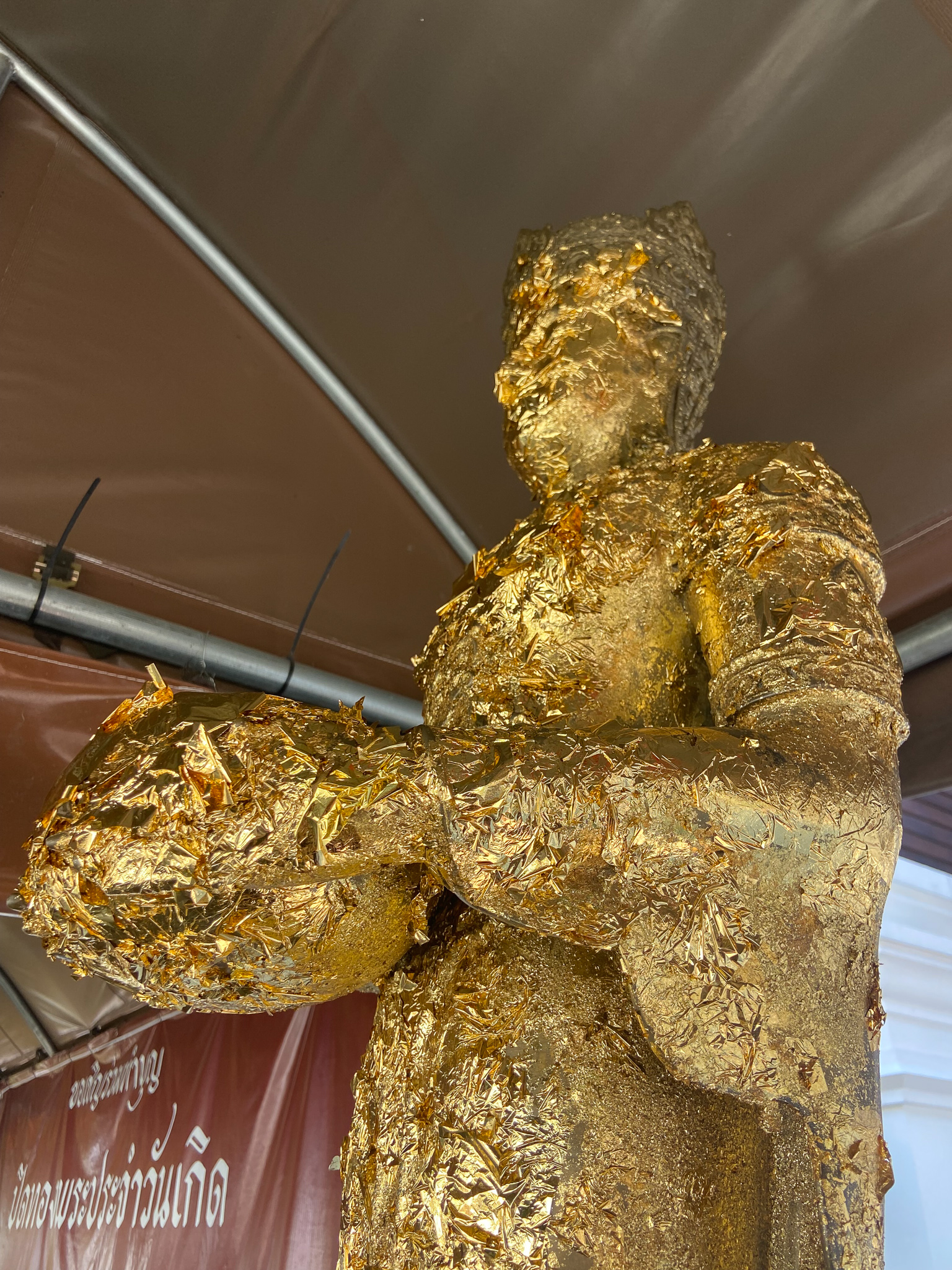
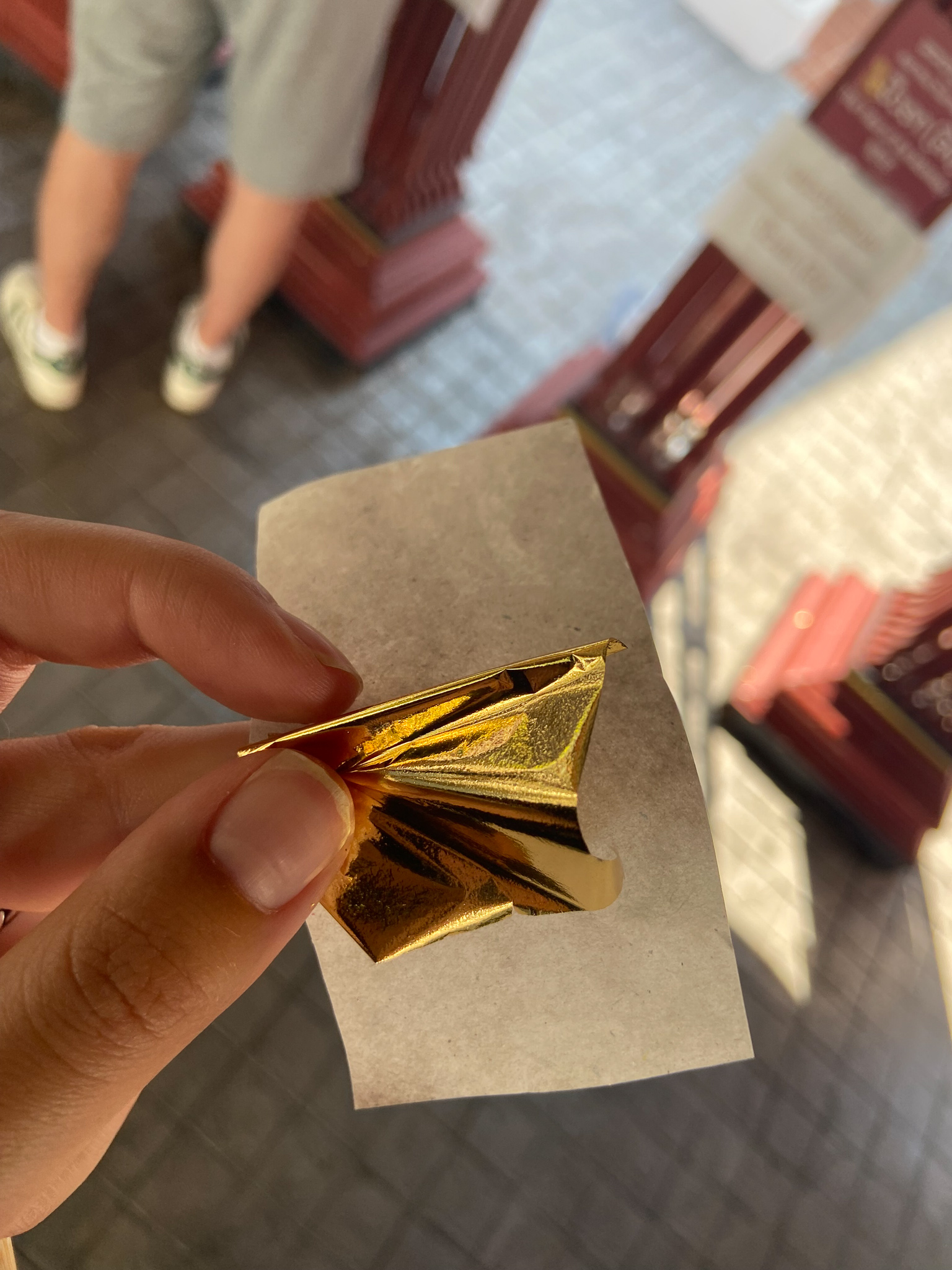
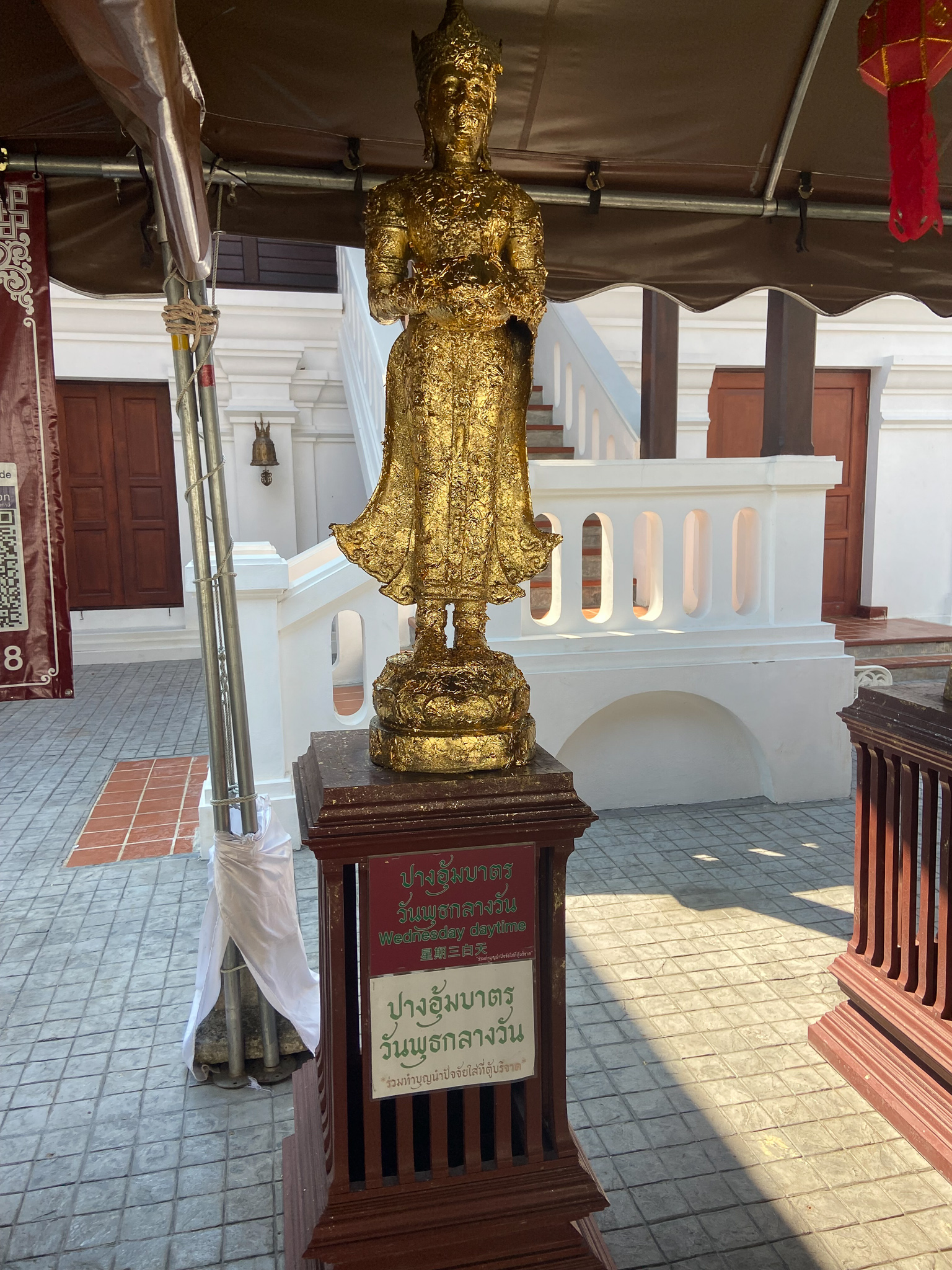
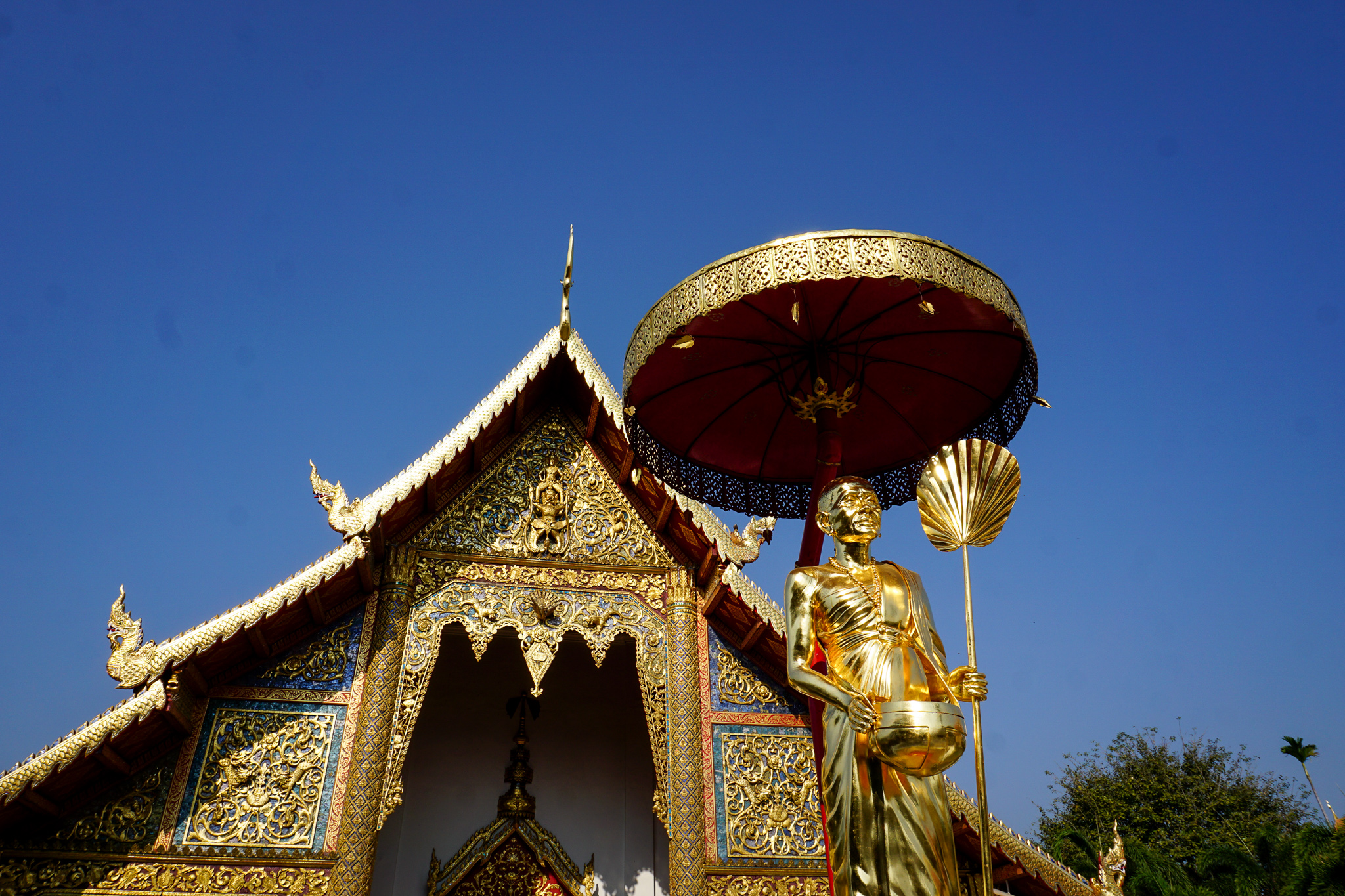
In many of these temples, there were on display sculptures of different Buddhas depending on your year of birth, or the day of the week you were born. Upon donation, you could get a small leaf of gold, to cover the sculptures with. As I had found a 20-bath note on the street, I was feeling auspicious. This was my sign to make some little donations and partake in this somehow fun and interesting activity. In Buddhism, covering Buddha statues with gold leaf is actually a way to pay respect for his teachings, besides praying for good luck.
Feminist Rage
But of course, something else had to make me angry. This was the first city where I found myself being barred from visiting a certain section of the temple for being a woman. This happened to me in Wat Chedi Luang – as a woman, I am not allowed to visit the little shrine where the city pillar, considered sacred locally, is kept. A plaque at the entrance explains in Thai and English why women aren’t allowed to enter: “Women are prohibited to enter because they menstruate. It is believed that it humiliates and ruins the sanctity of the city pillar.
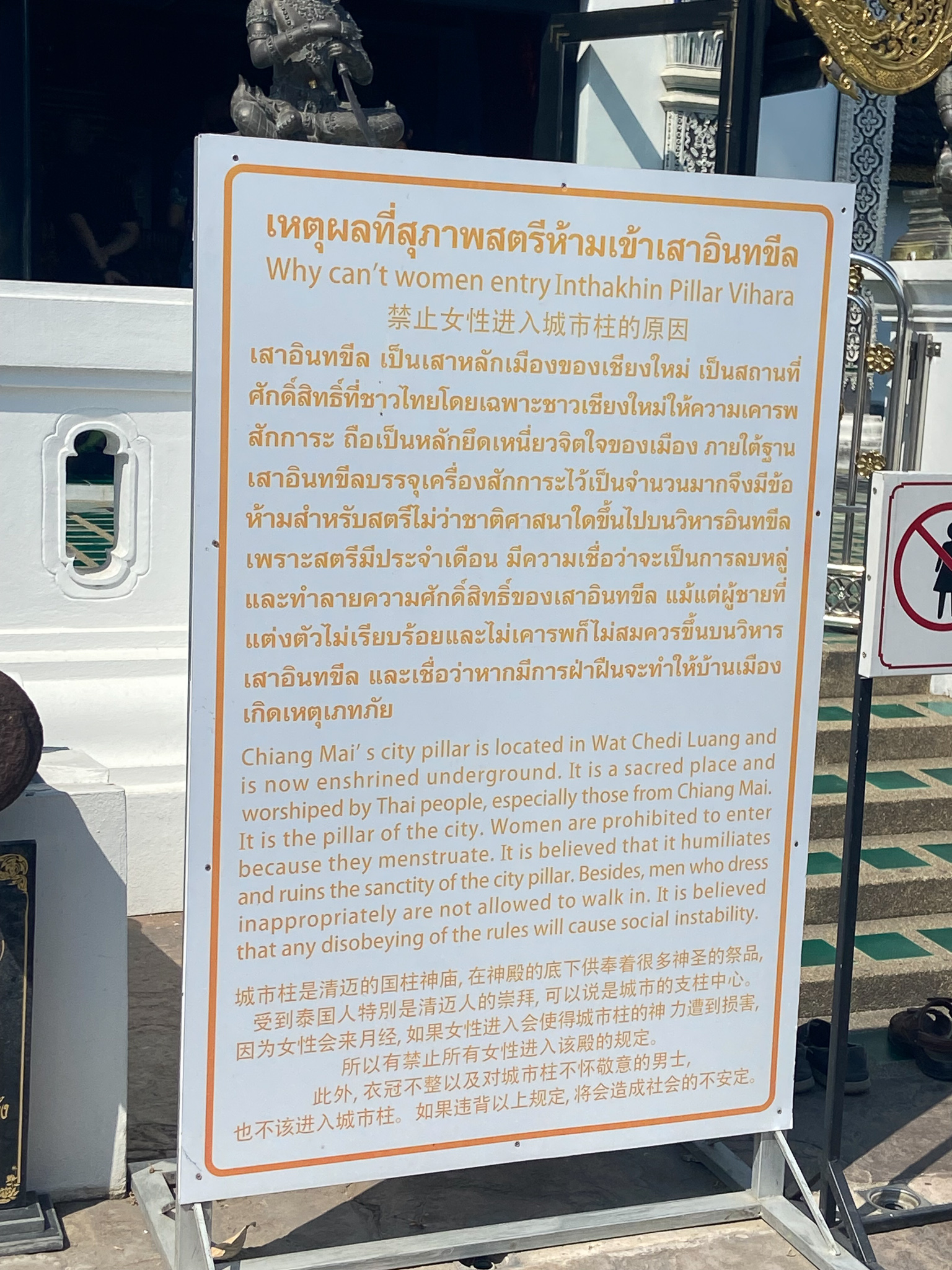
Well, what causes instability it’s an unequal society where women are seen as dirty. I was quite mad about it as the fervent feminist that I am, even more so because I paid the same ticket price as any man would’ve, even though I was barred from visiting such an important part of the complex. I had to take a few deep breaths, reminding myself this is a different culture, a different religion with different beliefs, and I am the visitor, the foreigner. While I had been okay with the dress code for visiting temples, being forbidden from entering a temple only because of the gender I was born with felt absolutely outrageous. And guess what? It is women’s menstruation that allows the human race to even exist.
Eventually, I had to move on from this, and just let it go… but was a very stark reminder of how unequal and conservative Thai society can still be when it comes to gender, even when Gay Marriage was just recently legalised in the country.
Continuing with temple hopping…
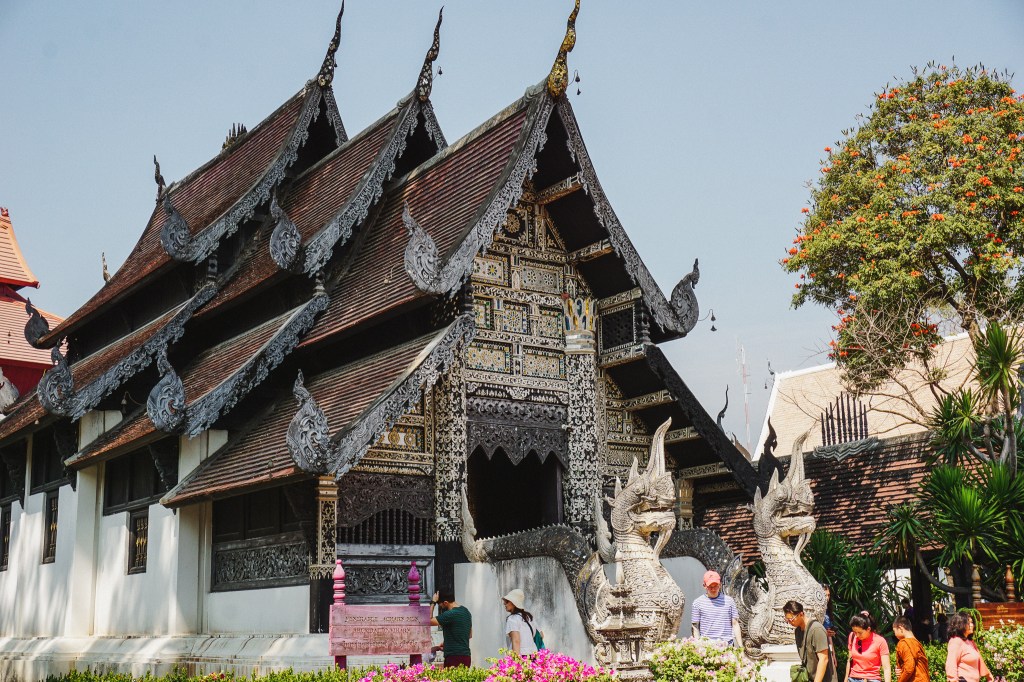
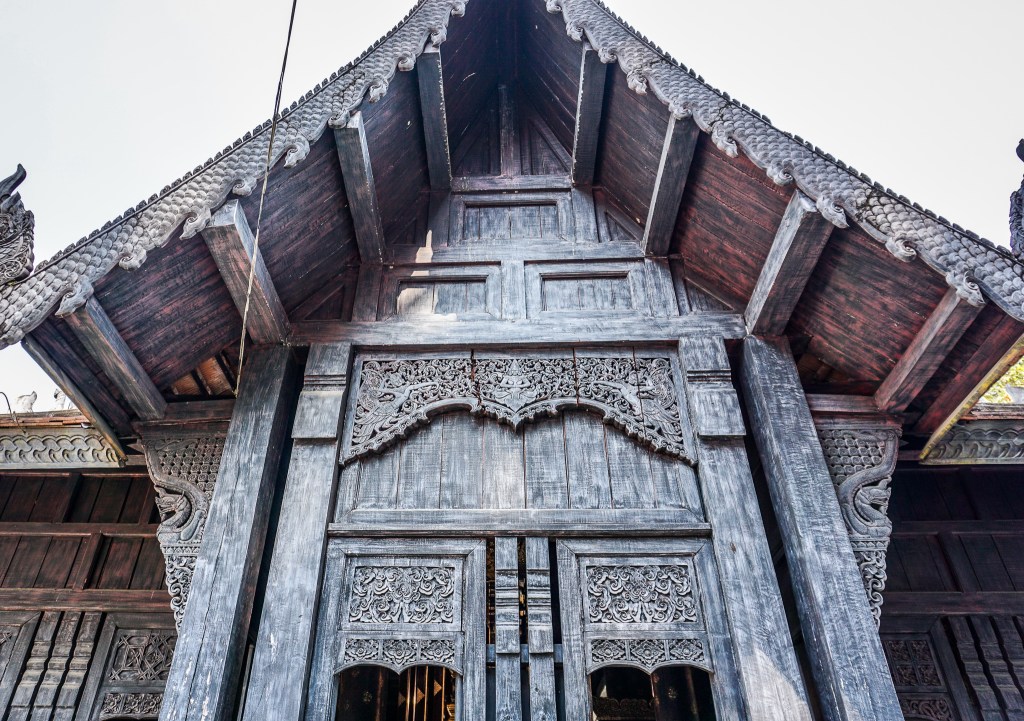
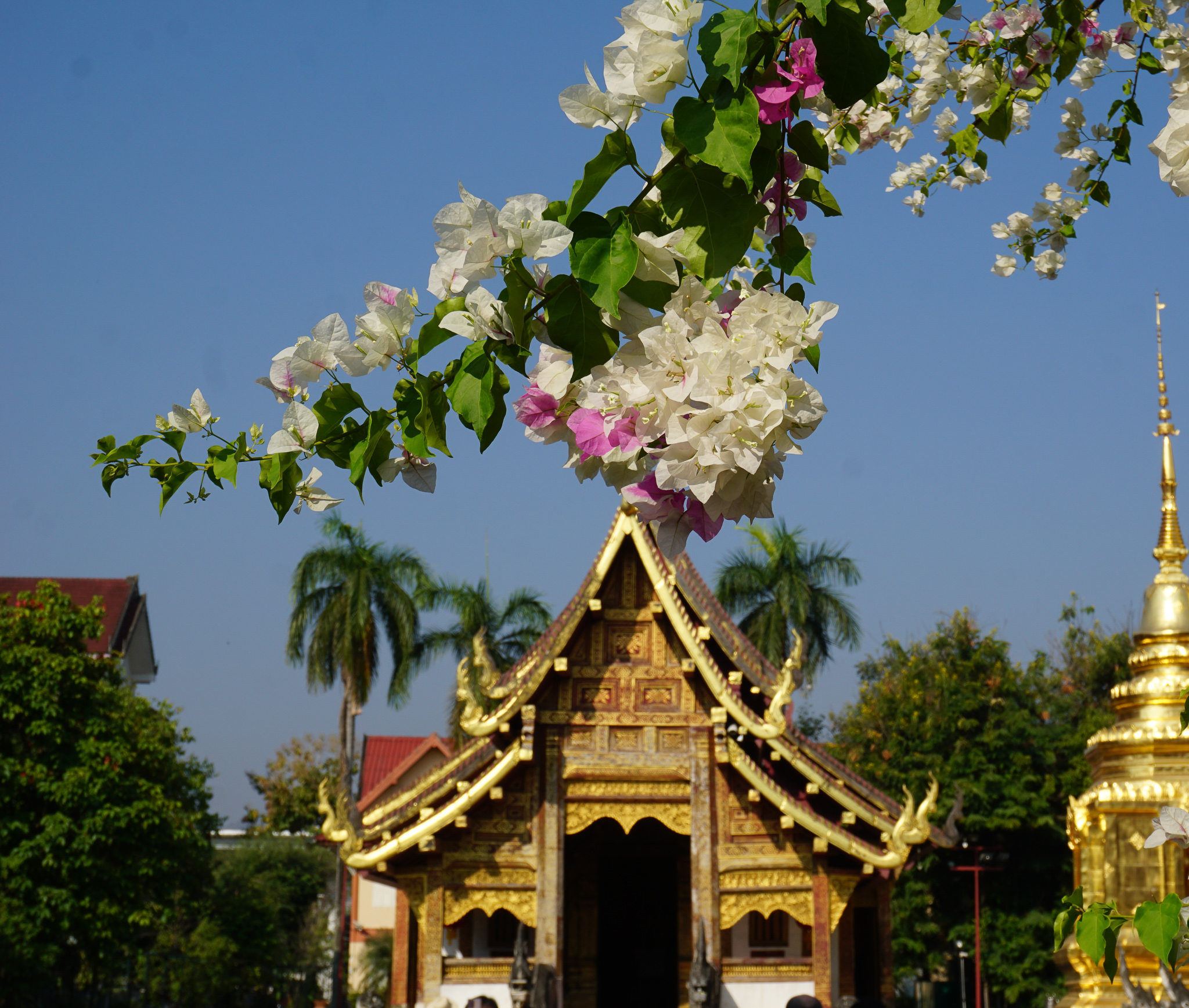
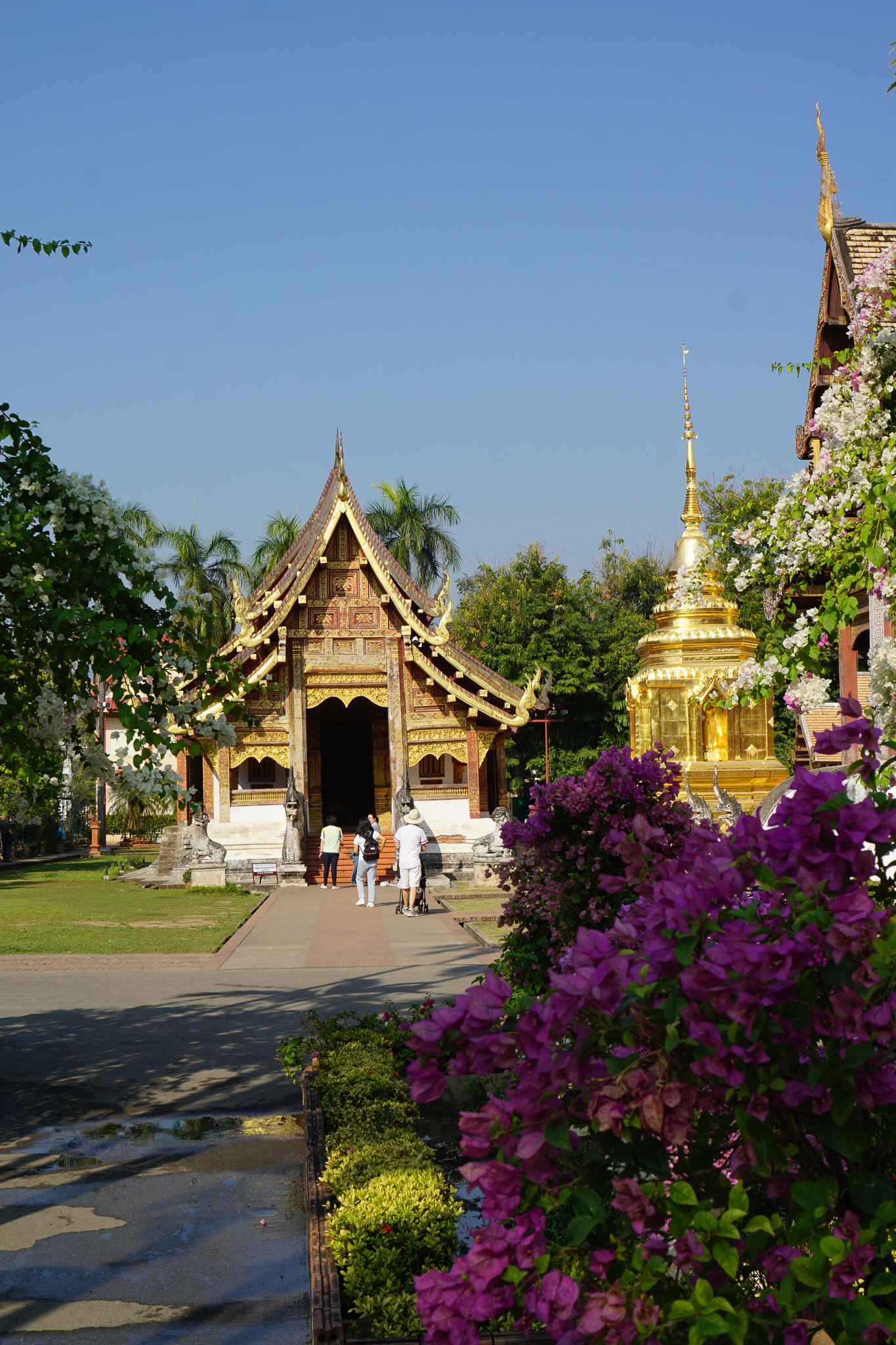
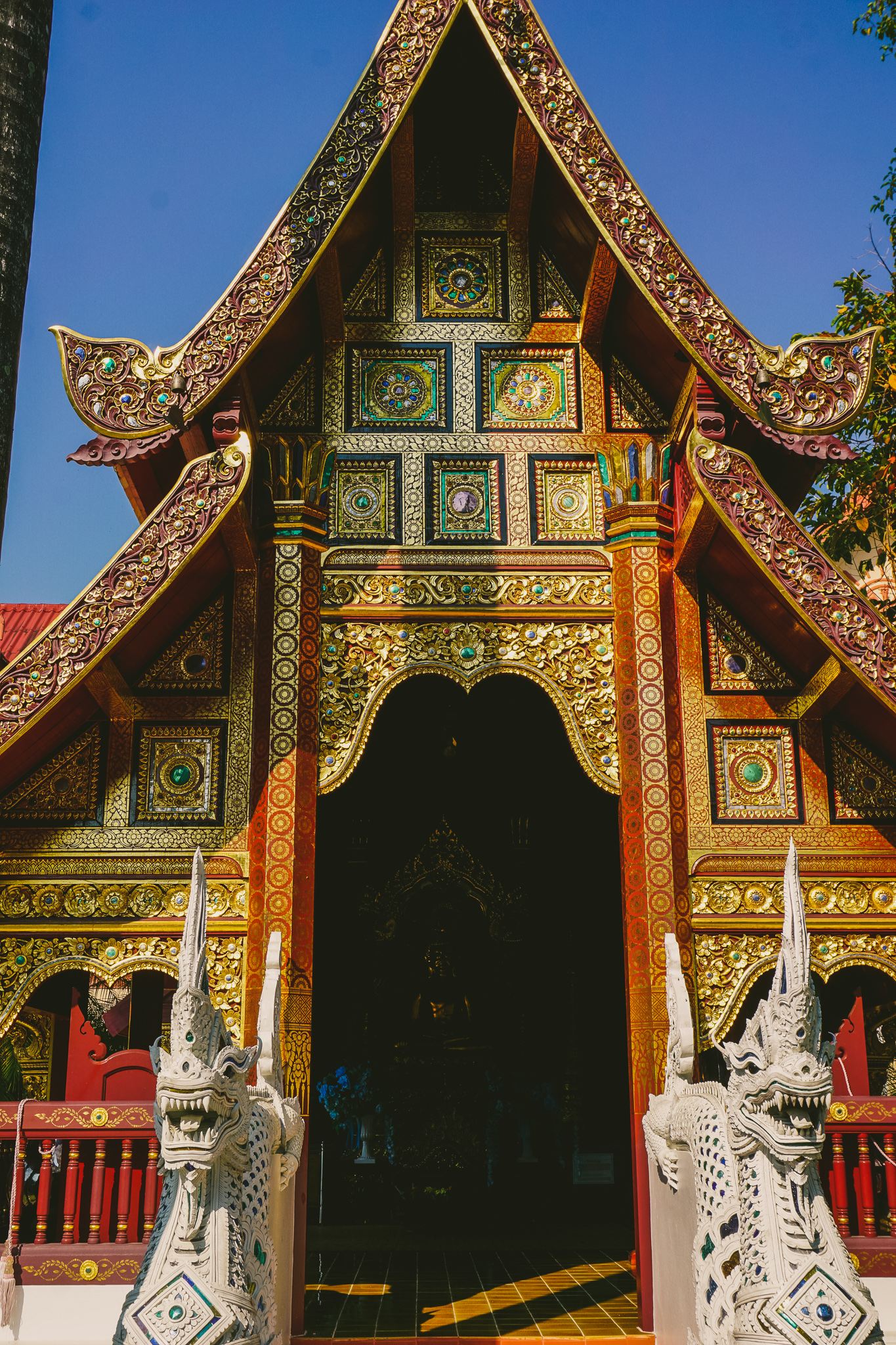
Wat Inthakhin Sadue Muang is a smaller but really beautiful temple, with teak wooden walls and golden details. I could see that it was visited by plenty of locals, and local tour guides were making a stop there. It is also free to visit, so it’s perfect to take in without the rush of crowds.
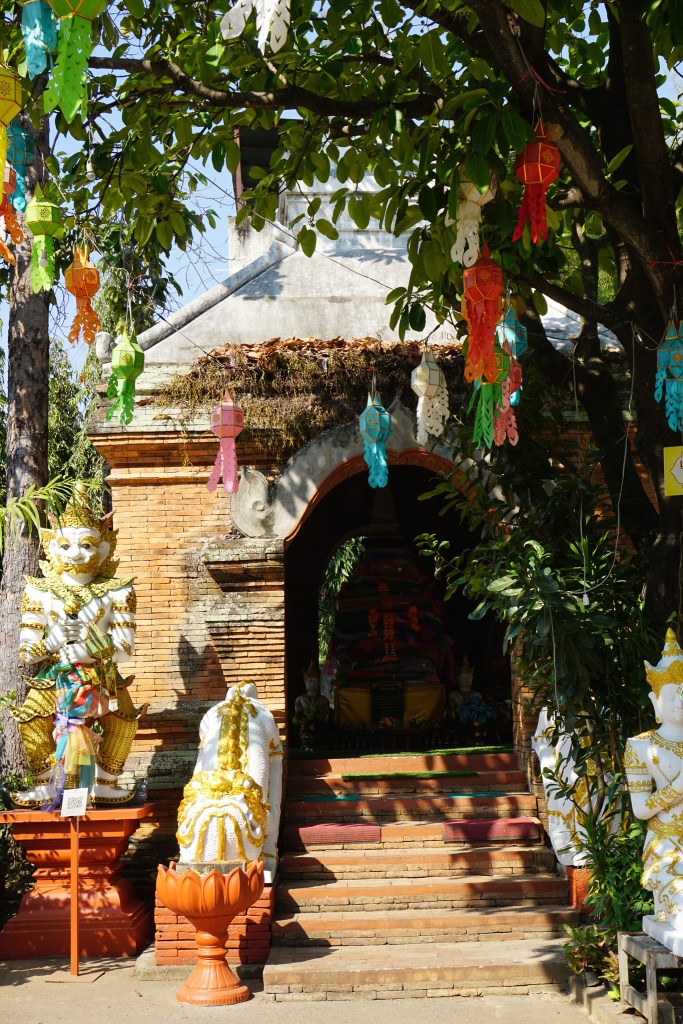
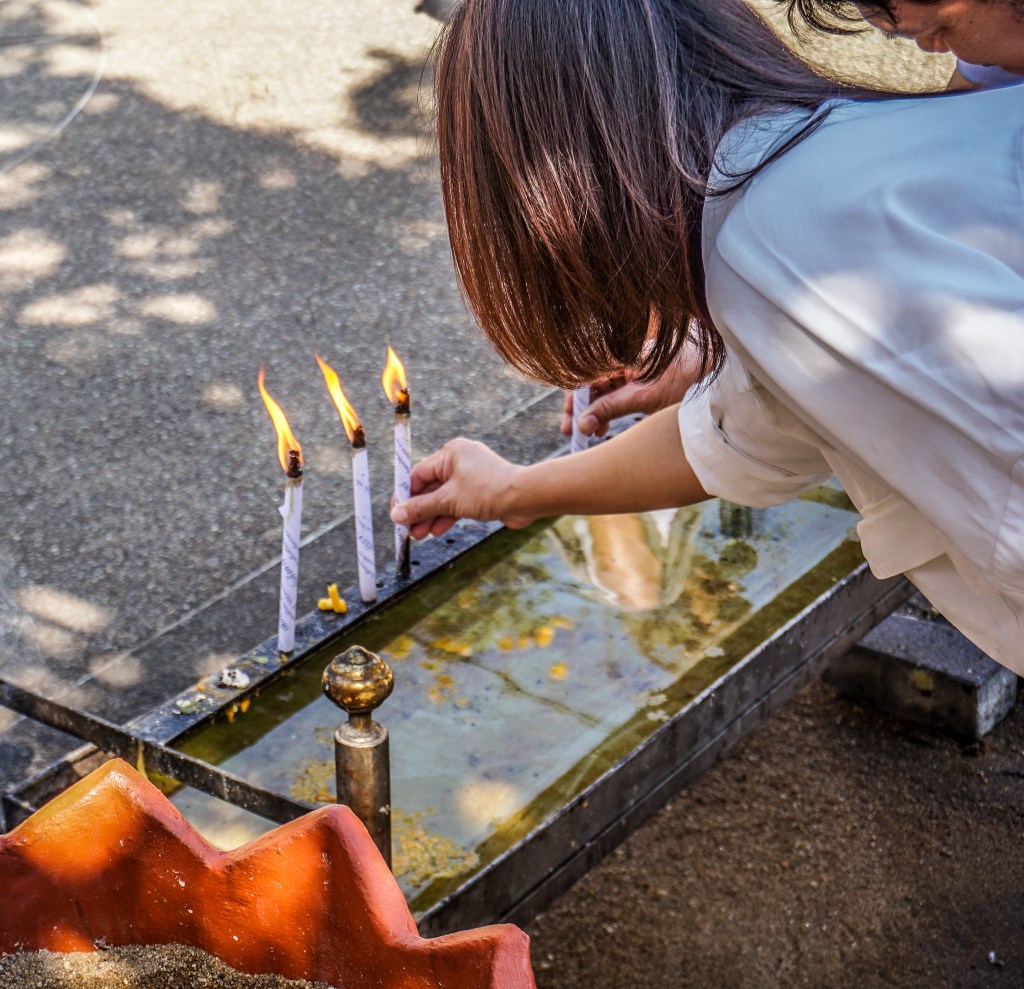

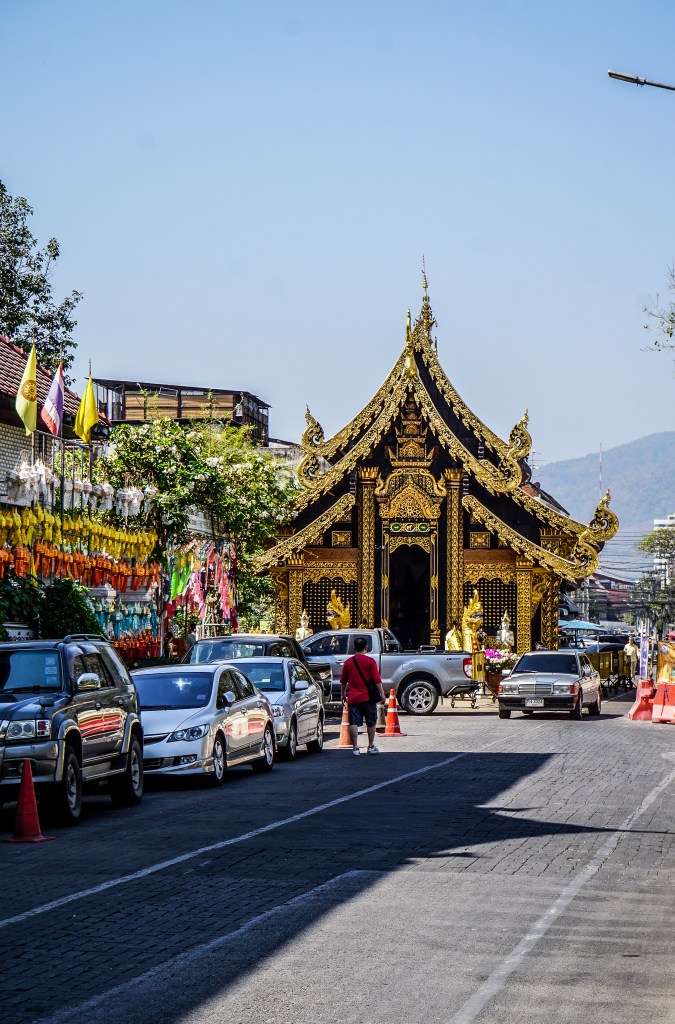
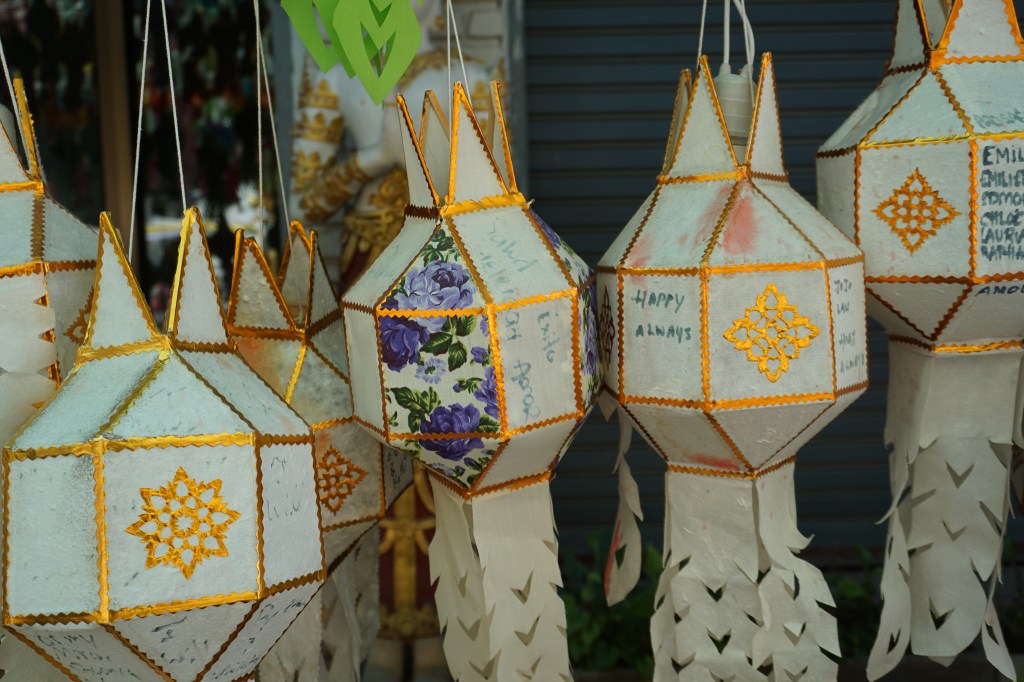
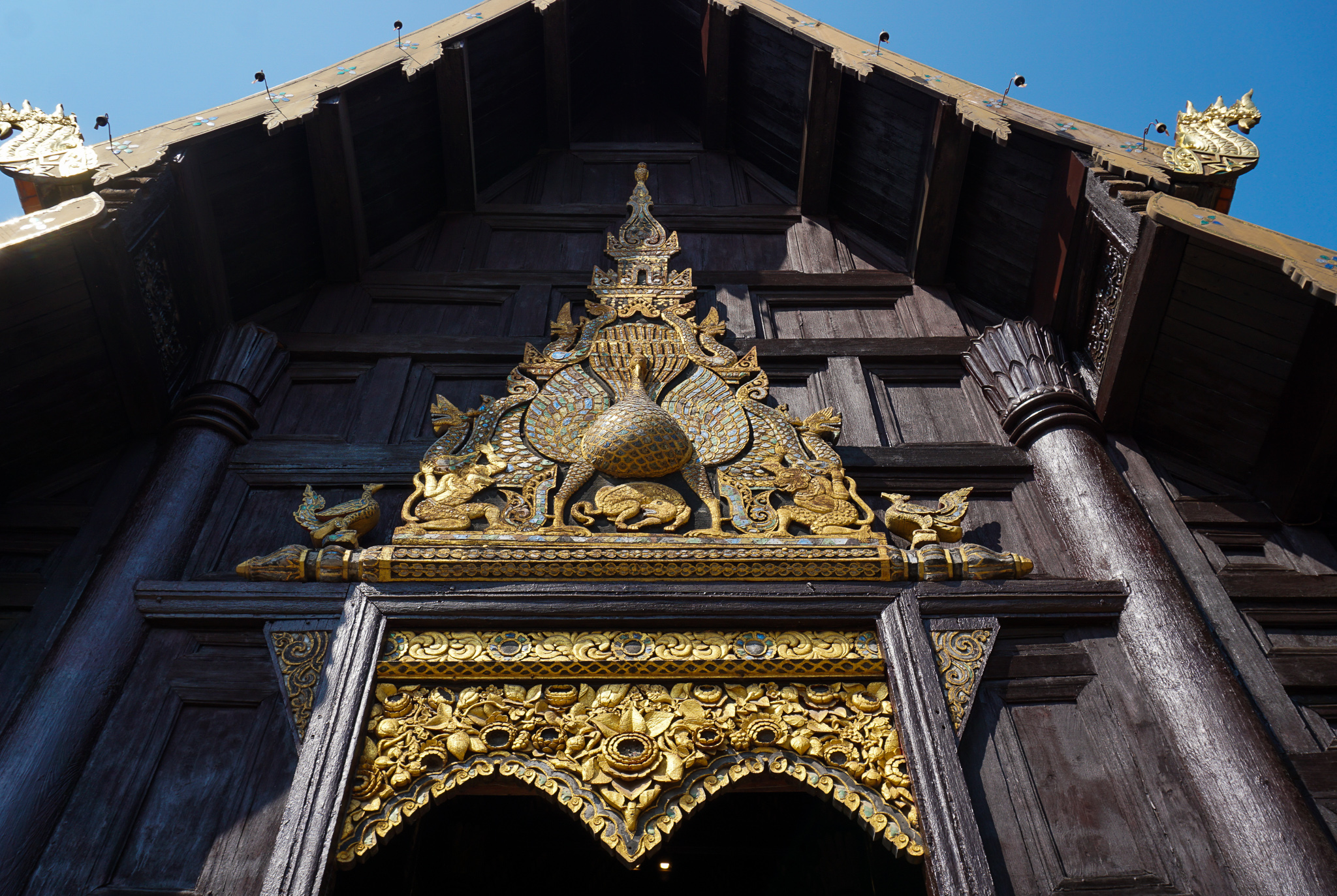
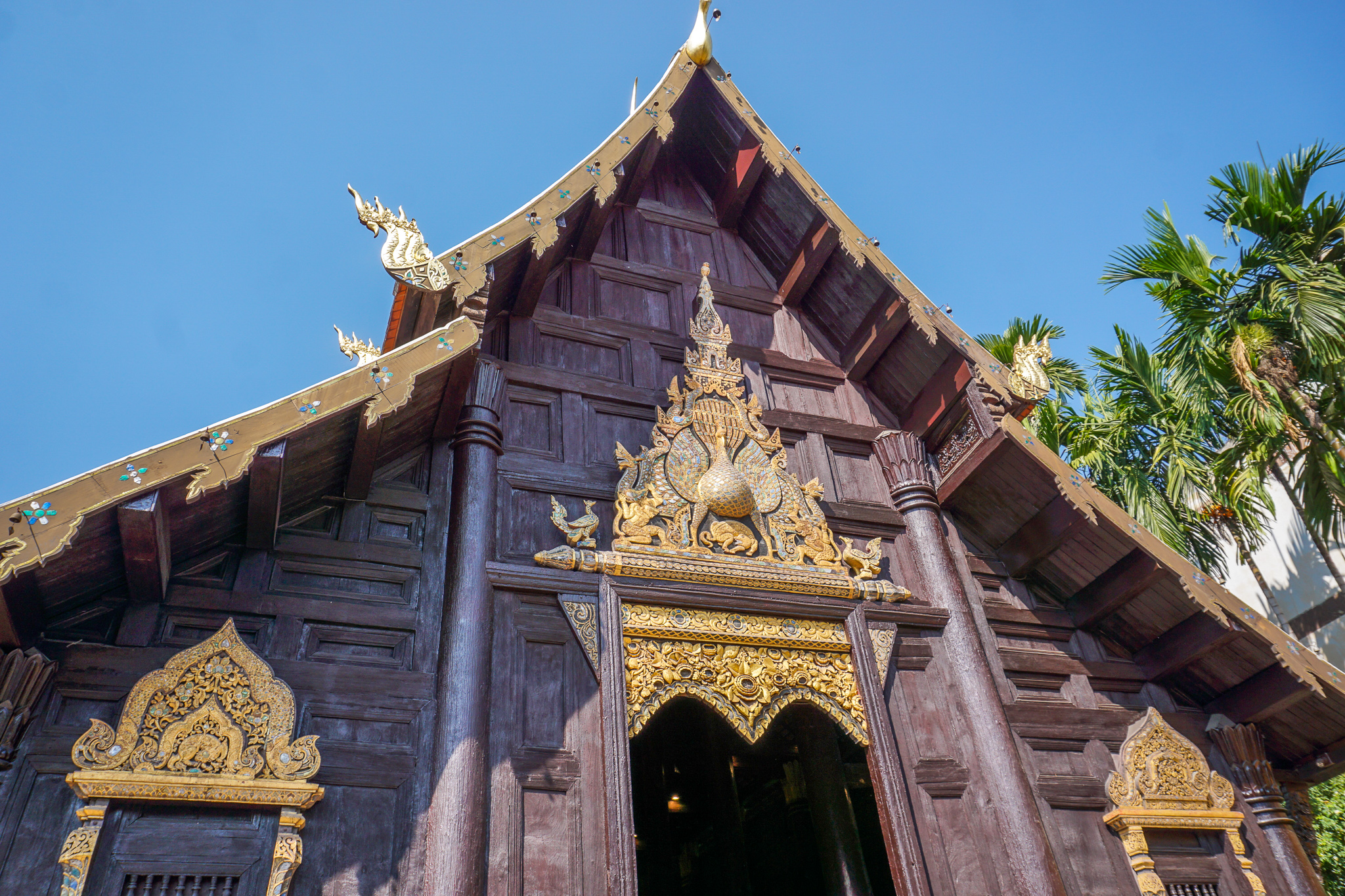
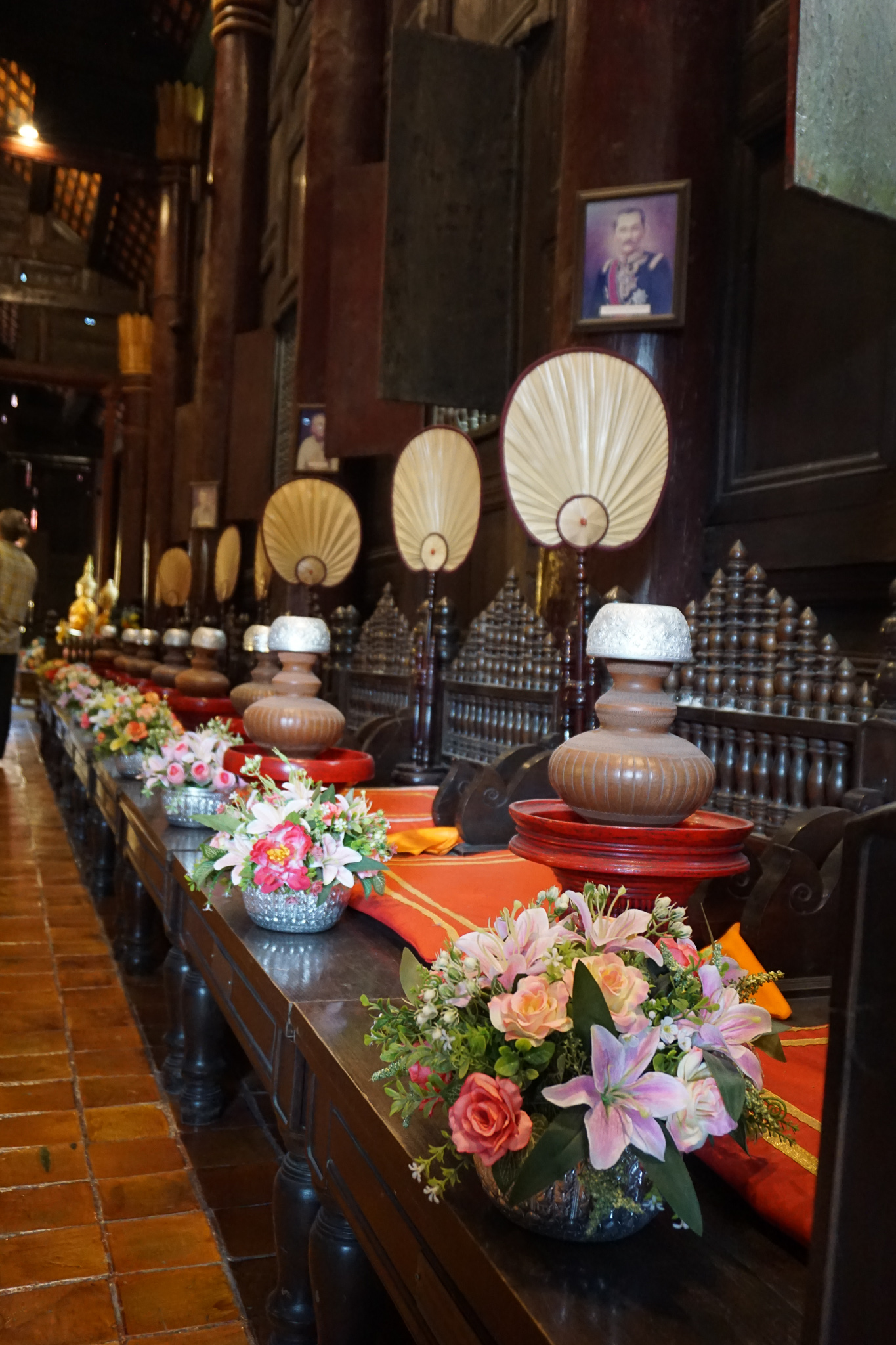
Wat Phantao was the second temple I visited. This is probably one of the most notable Lanna architectural styles, entirely made of teakwood. What really caught my attention was the image of a golden peacock at the centre. Whilst it was one of the most unique temples I visited in Chiang Mai, it was also one of the busiest, making it hard to take pictures and enjoy its details.
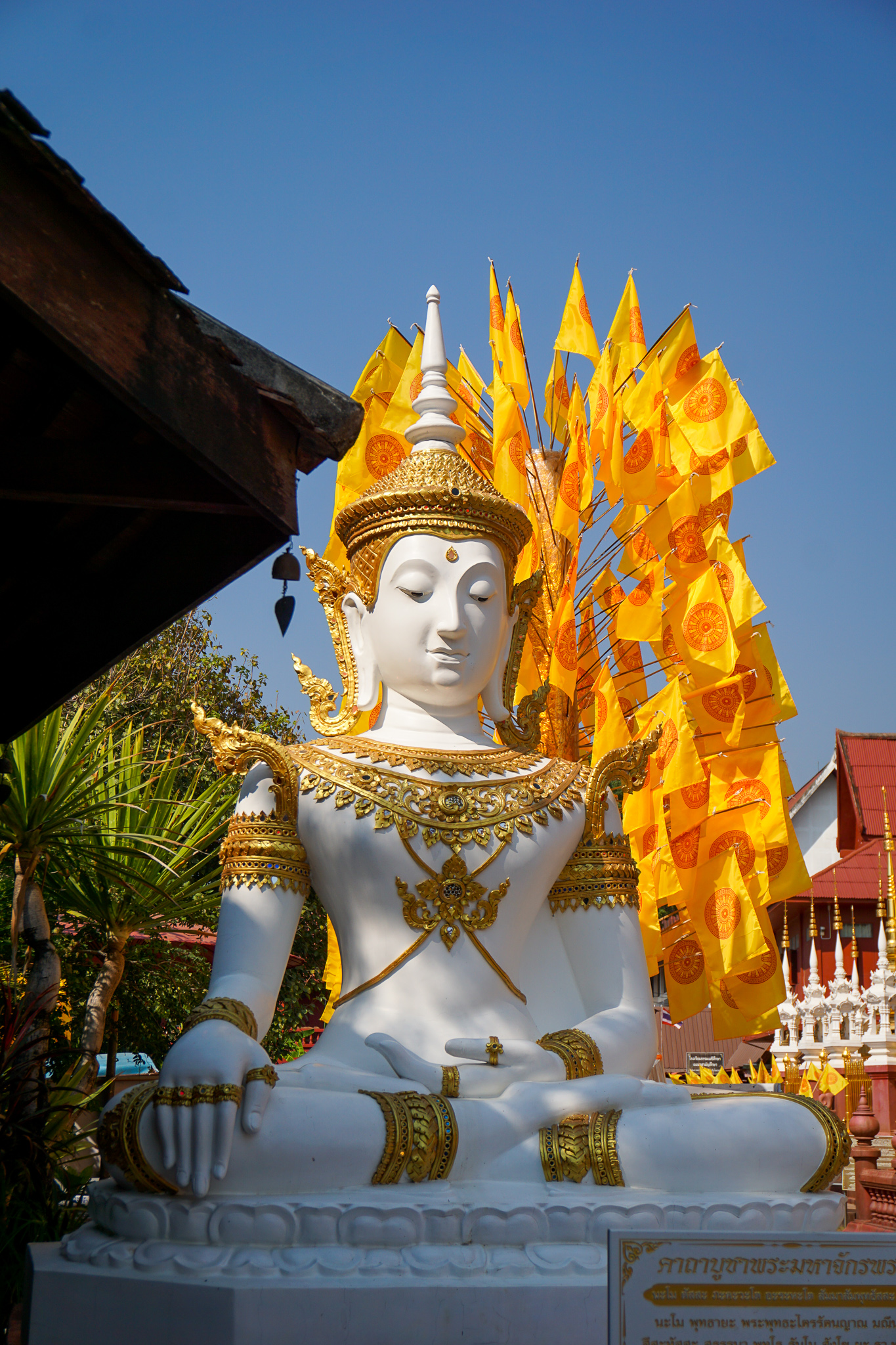
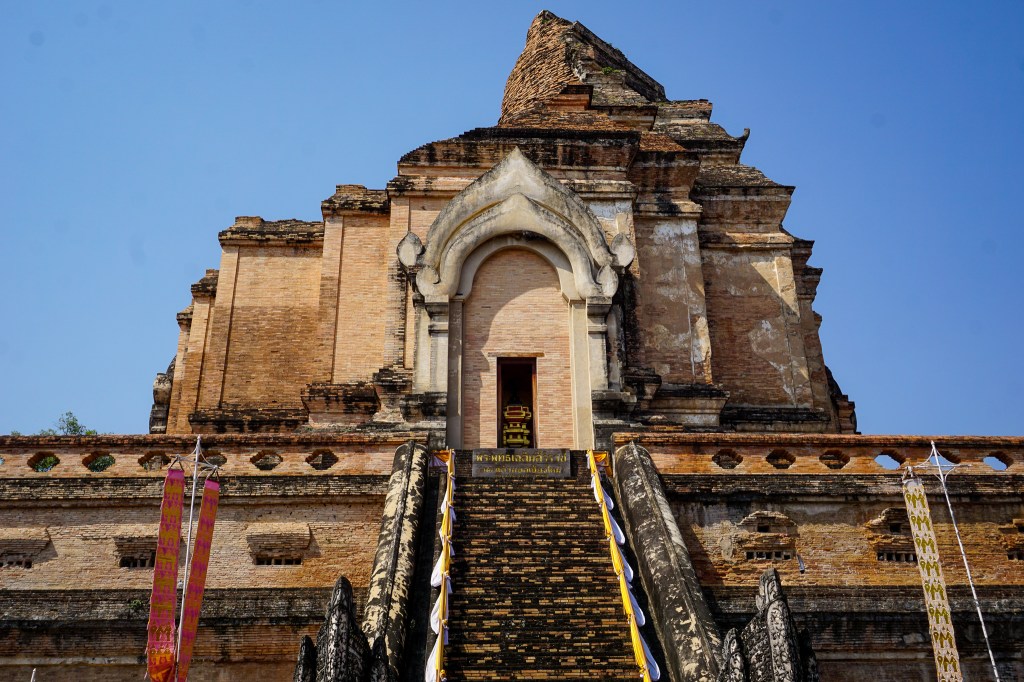
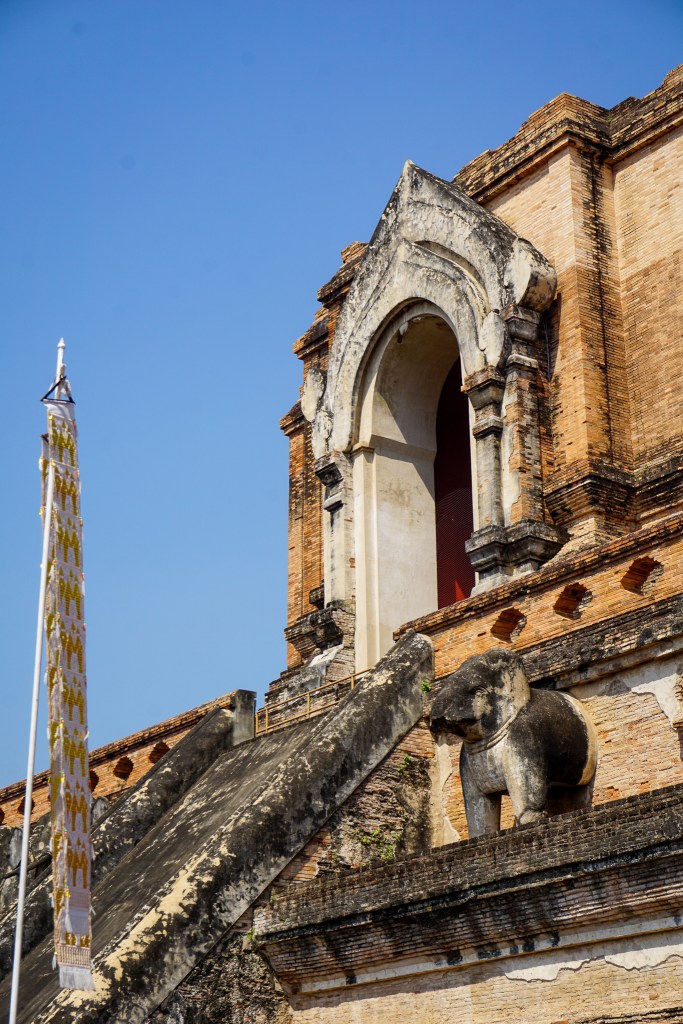
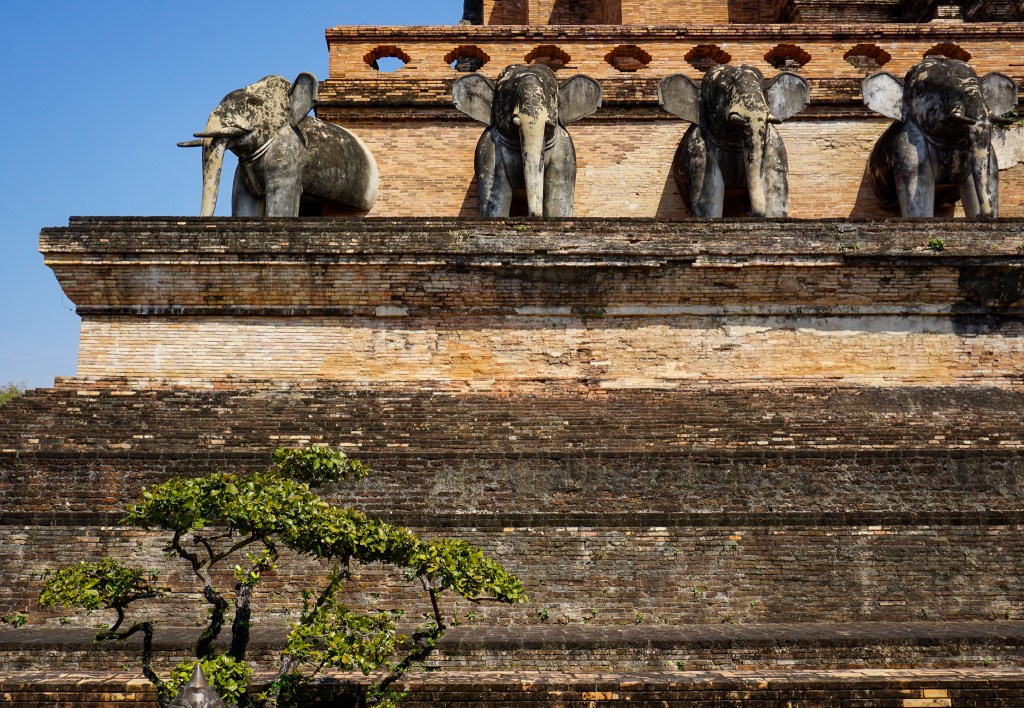
Right next to Wat Phantao, there’s Wat Chedi Luang – where I couldn’t visit the shrine protecting the city pillar for being a woman. Its construction started in the 14th century, and it was meant as a burial ground for the ashes of King Sawn Muang Ma’s father, but after a decade it was left unfinished. Construction was only continued by the widow of the now-deceased king, but it took a few more decades for it to be completed – in the end, the temple was only finalised in the mid-15th century, during the reign of King Tilokaraj. It was at the time the largest building of all Lanna, 82m high. Unfortunately, in 1545, part of the upper structure collapsed during an earthquake, and it was only in the early 1990s that this was reconstructed, and financed by UNESCO and the Japanese government. Not everyone is happy about it though – some experts claim the new construction doesn’t respect the traditional elements of the Lanna architectural style, with more Central Thai elements added to it.
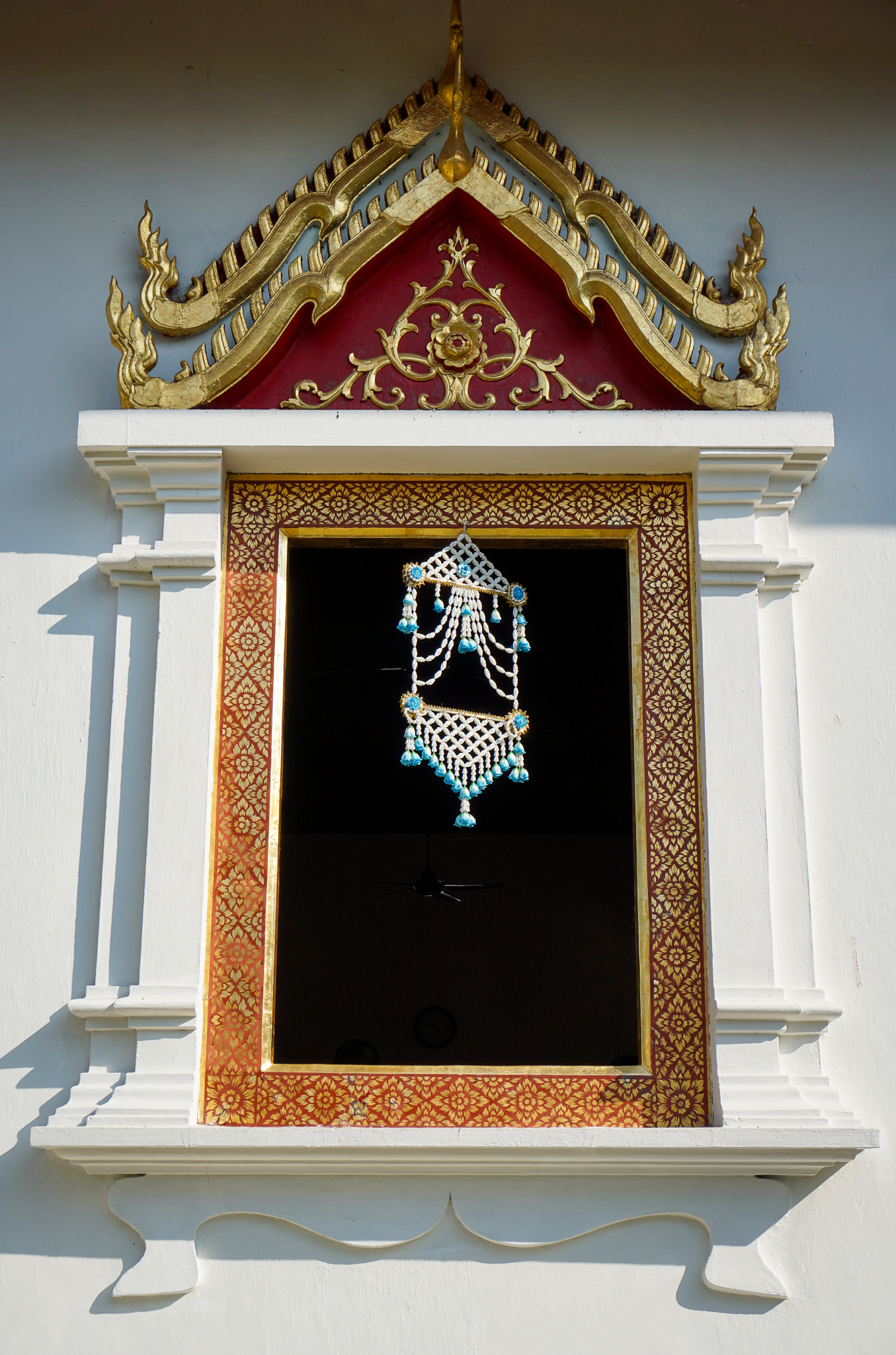
Wat Phra Singh Woramahawihan is probably one of the most visited temples in Chiang Mai, with its striking intricate gold pannels, and beautiful gardens.
Stumbling upon a Temple made of Silver
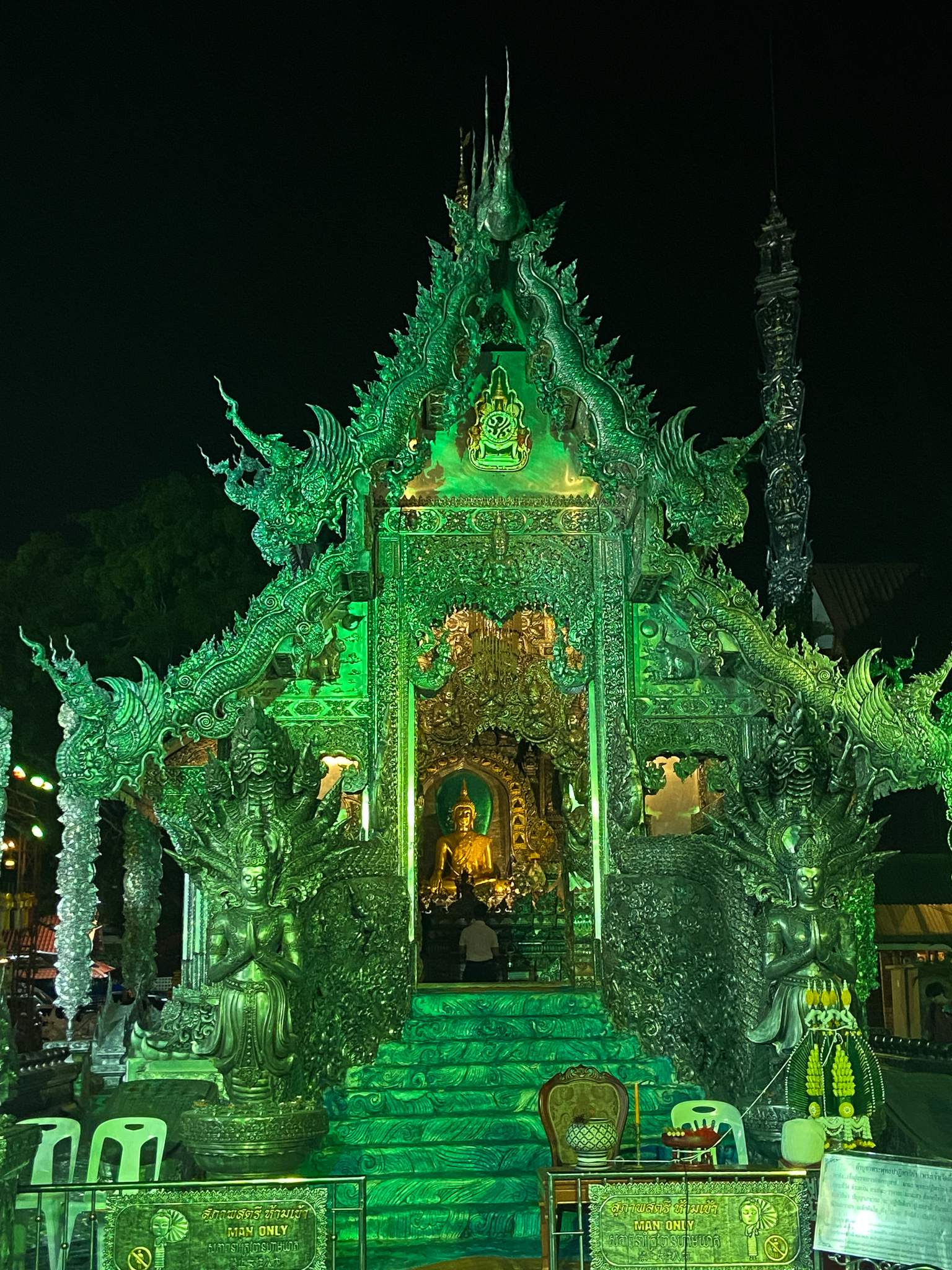
The Night markets in Chiang Mai are definitely something you should not miss. The location is based on the day of the week, and I ended up going to the Saturday Night Market, located outside of the city walls, from Wua Lai Walking Street. I definitely recommend it – from great food to lovely and affordable souvenirs, you’ll find everything here, including a nice blend of locals and tourists. I came across a very interesting temple – Wat Sri Suphan, known as the Silver Temple. The entrance fee is 50 baths (~£1.12/$1.50) and if you are a woman, you can’t go inside the temple, which once again it’s incredibly infuriating. In that case, I should’ve paid half the ticket! I was particularly pissed off about this, as the temple is absolutely stunning on the outside, and I can only imagine the inside must be even more so. I was also surprised I hadn’t seen this in the “must do” lists of Chiang Mai… so take my advice, and try to pay a visit! If you are there on a Saturday, it’s even better – you can combine it with the night market. The temple at night was illuminated in different colours, which brought a very magical atmosphere to it. Of course, photos don’t look as great during the night… so if you have 100 baths to spare, perhaps you can visit at night and day!
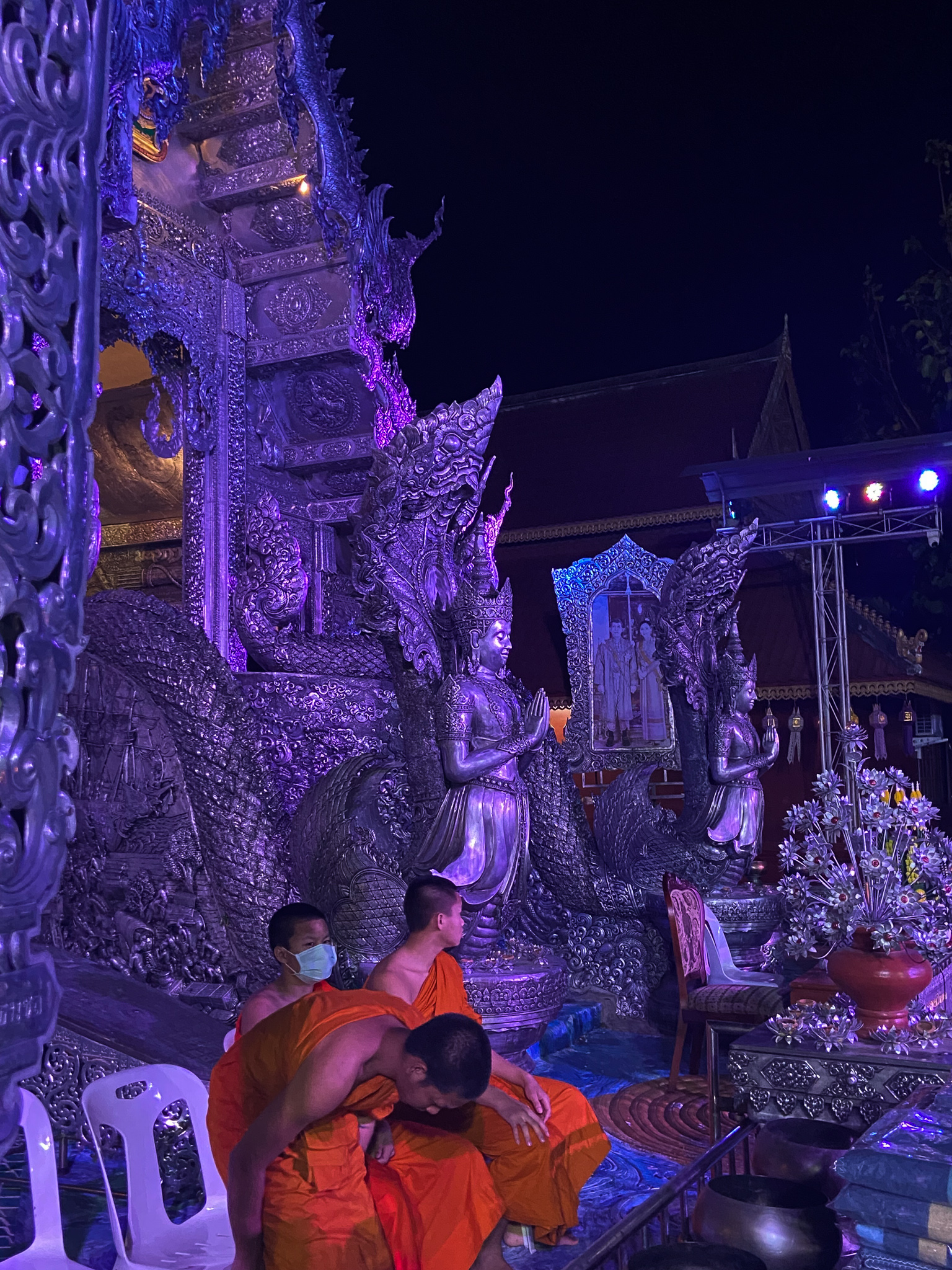
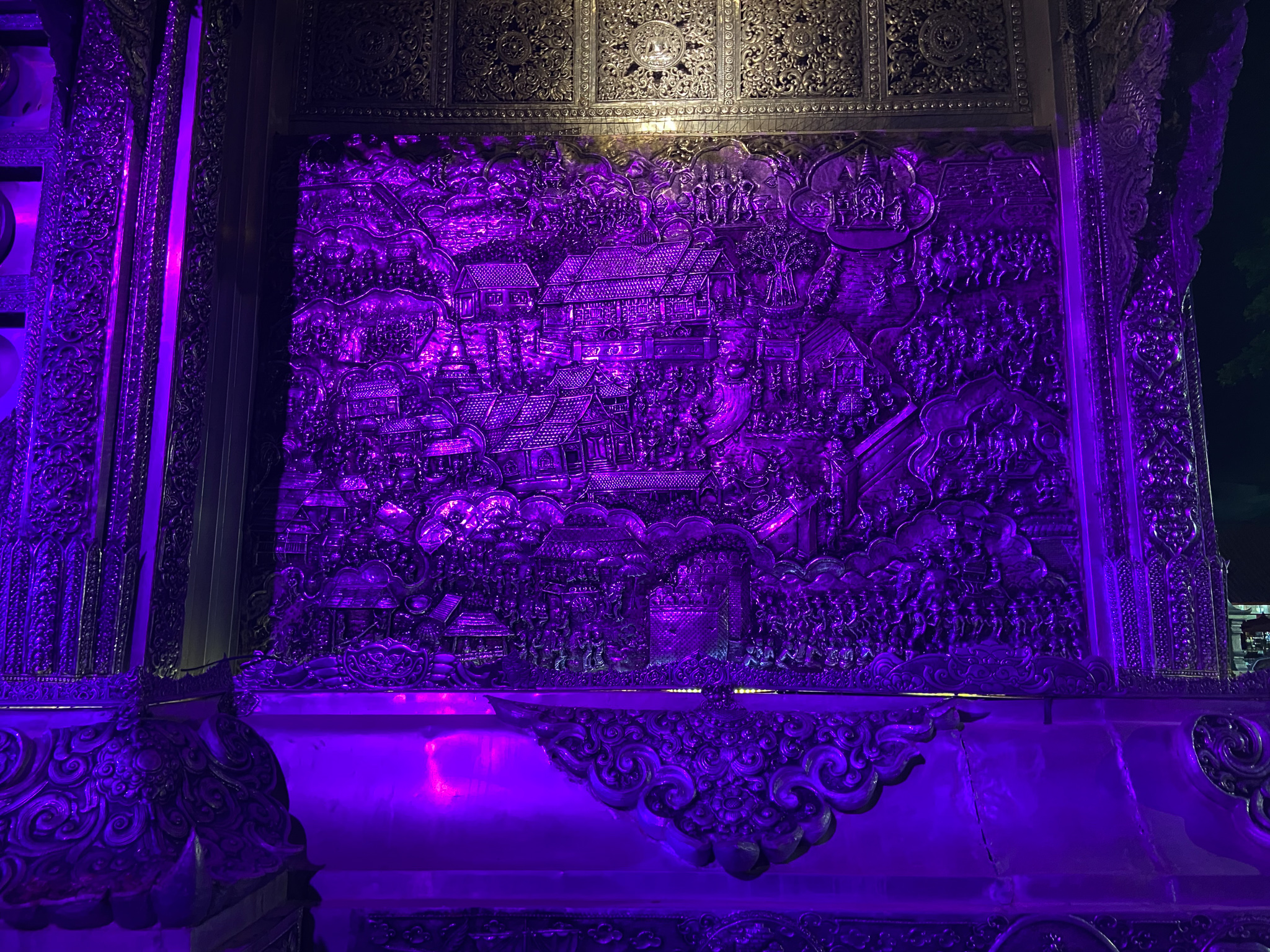
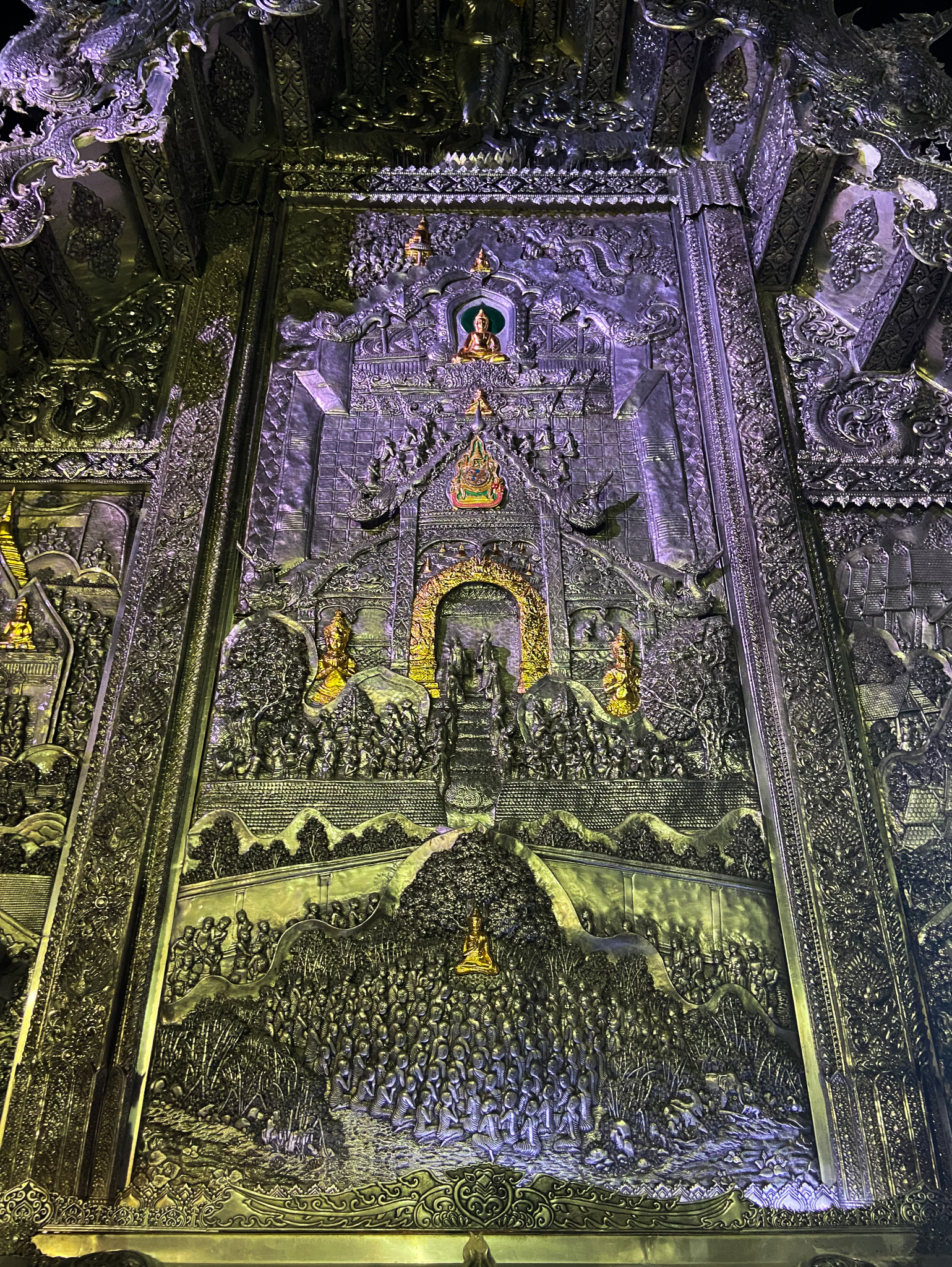
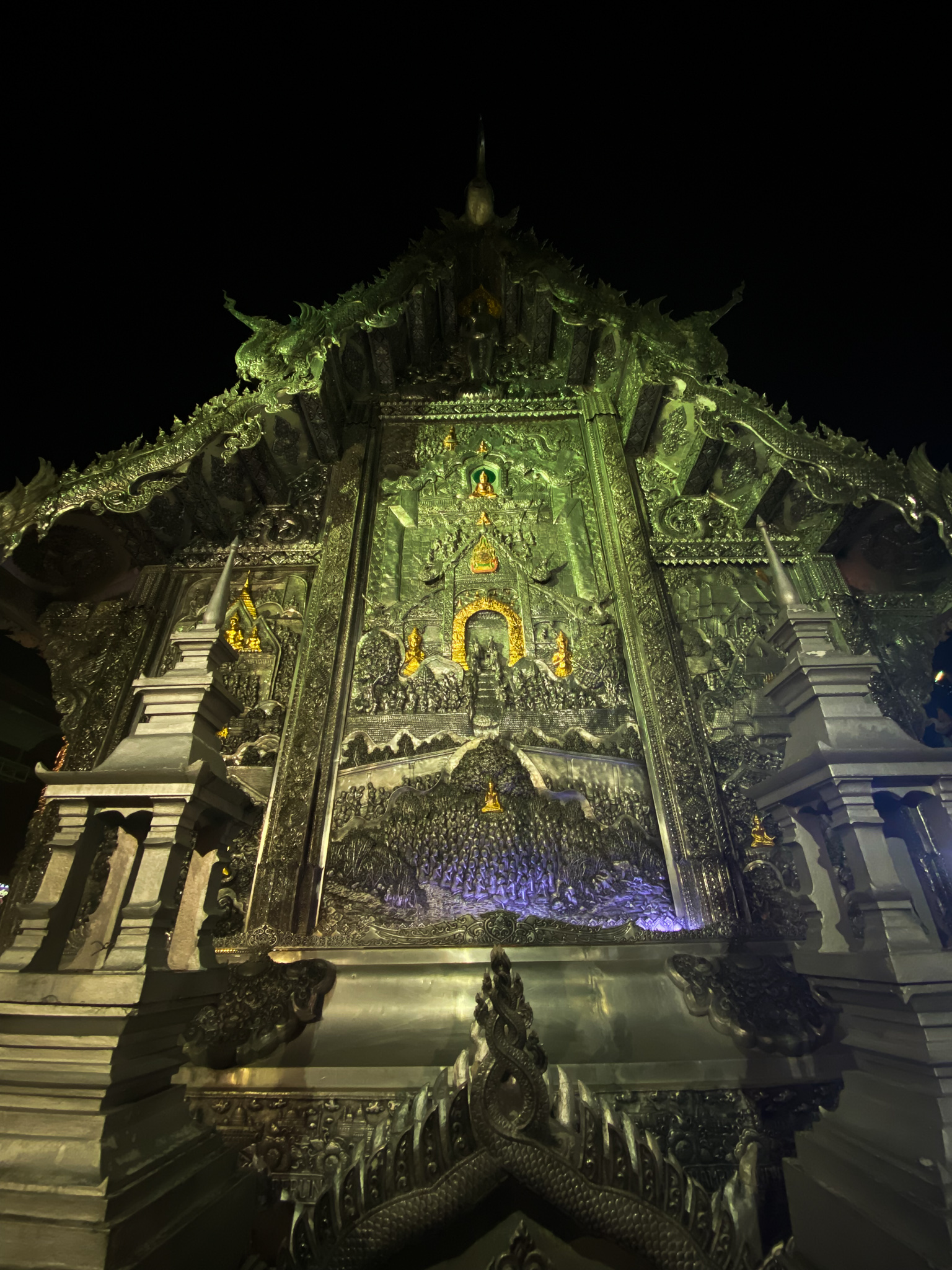
At first, I was a little hesitant and thinking that perhaps this was some kind of tourist trap I had just fallen for. But in reality, this is actually an old temple, built in the 16th century. Even though the temple is quite small, in comparison to many others you’d visit in Chiang Mai, the fact that its walls and roof are covered in a mix of silver, aluminium and nickel makes it very unique, and striking building to look at. The craftsmanship is breathtaking. The temple has been maintained as years have passed, with the latest restoration work finalised in 2026, performed by silver craftsmen in the Wua Lai community, known for carrying this craft for generations.
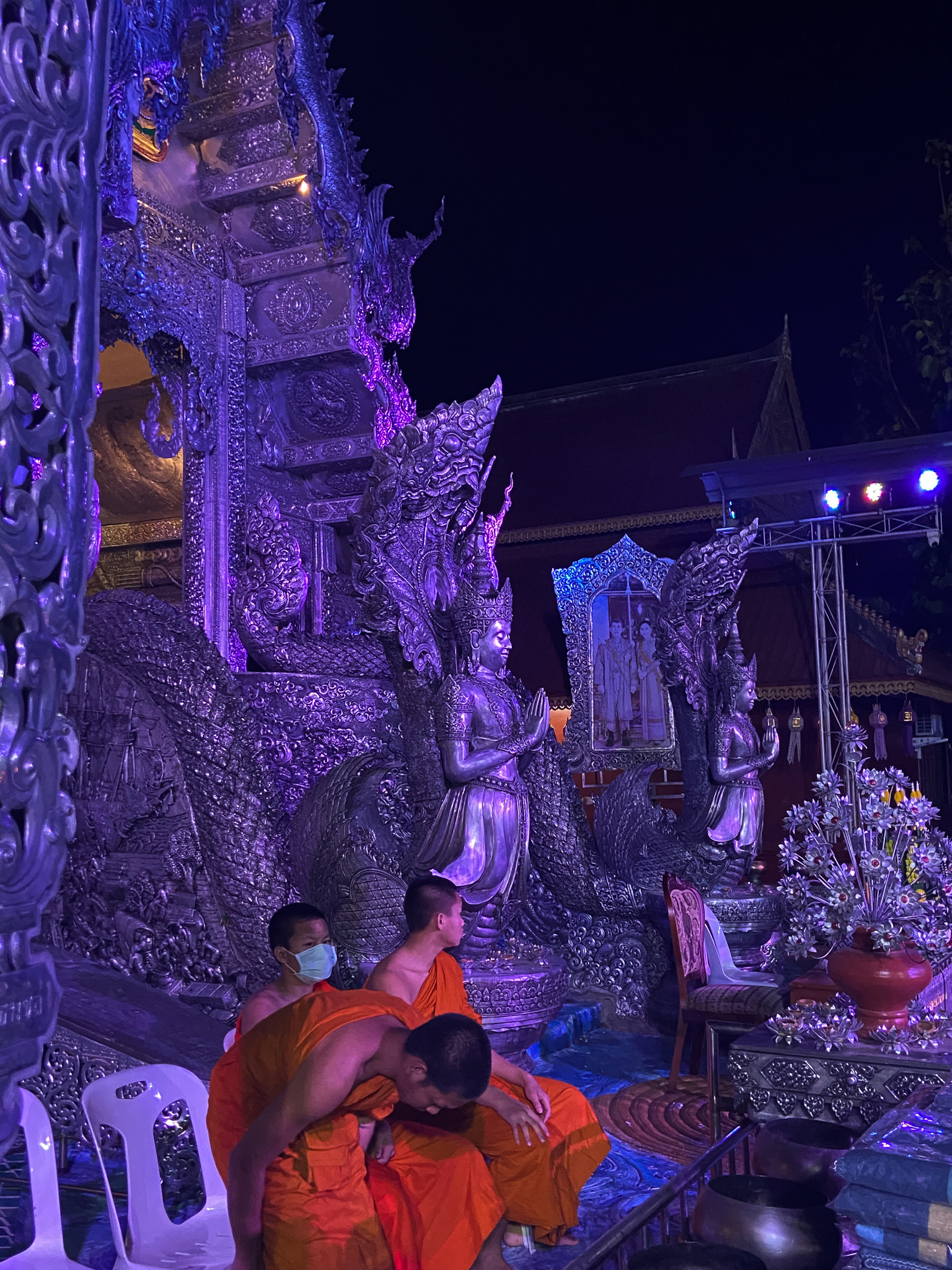
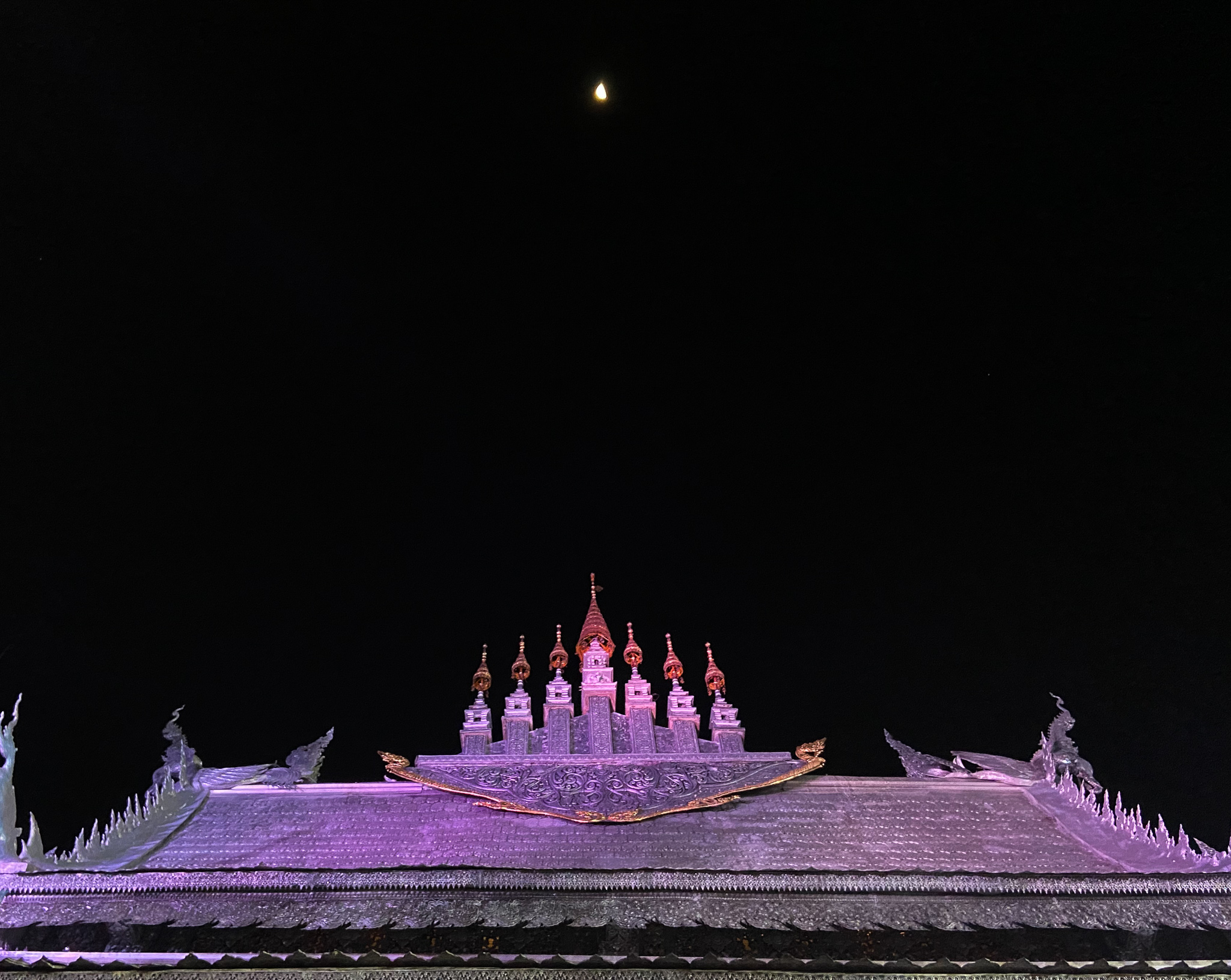
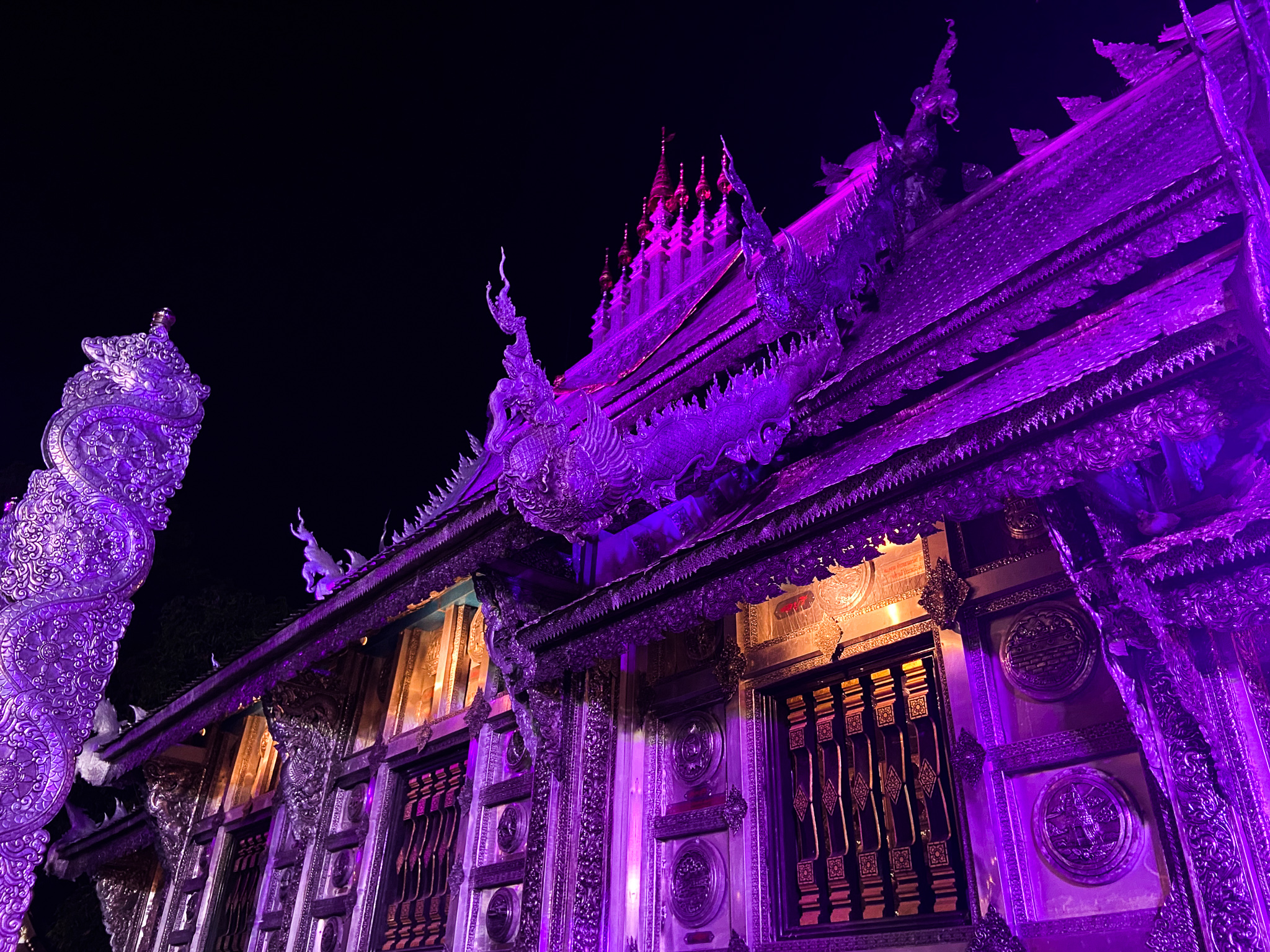
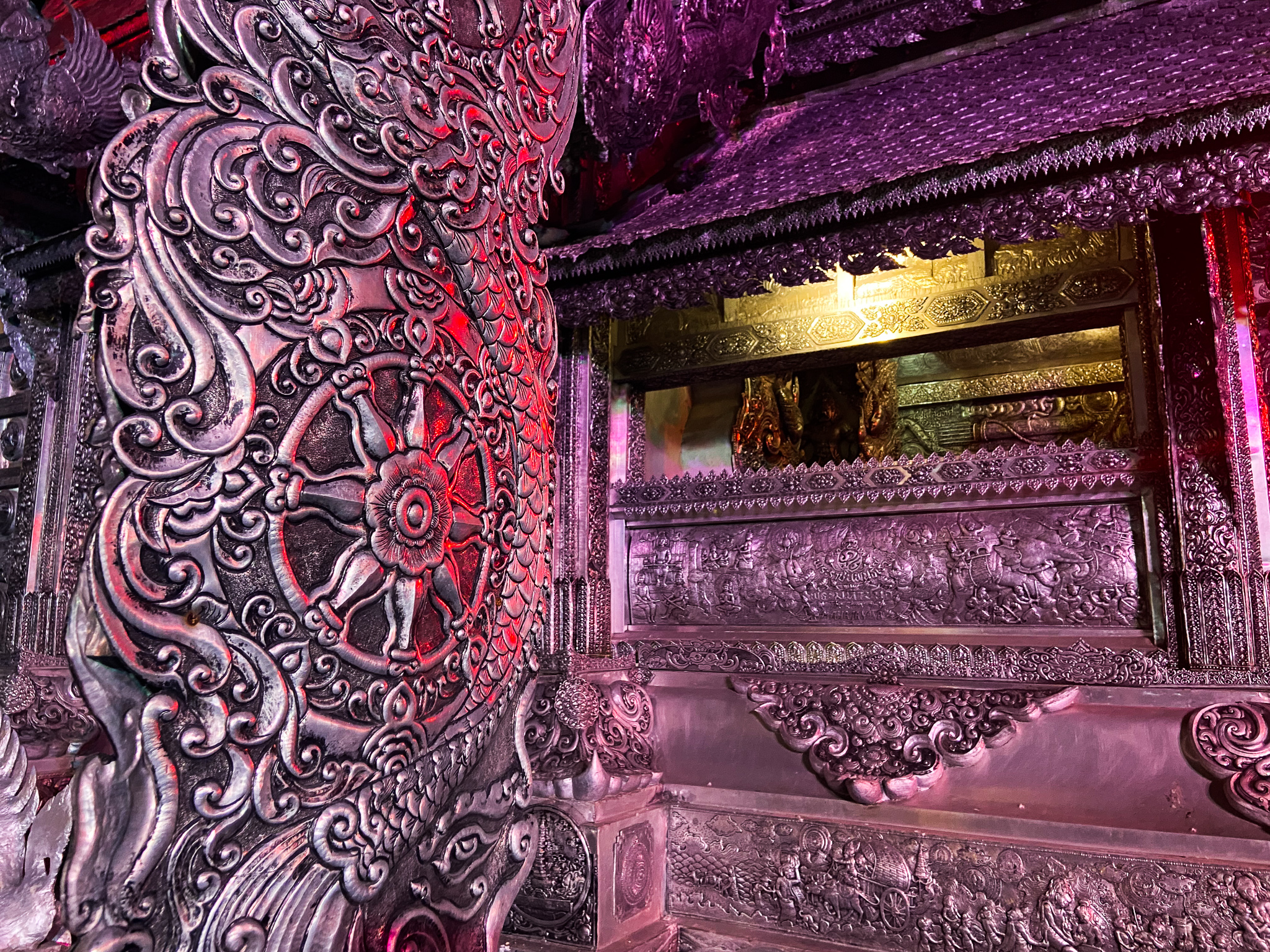
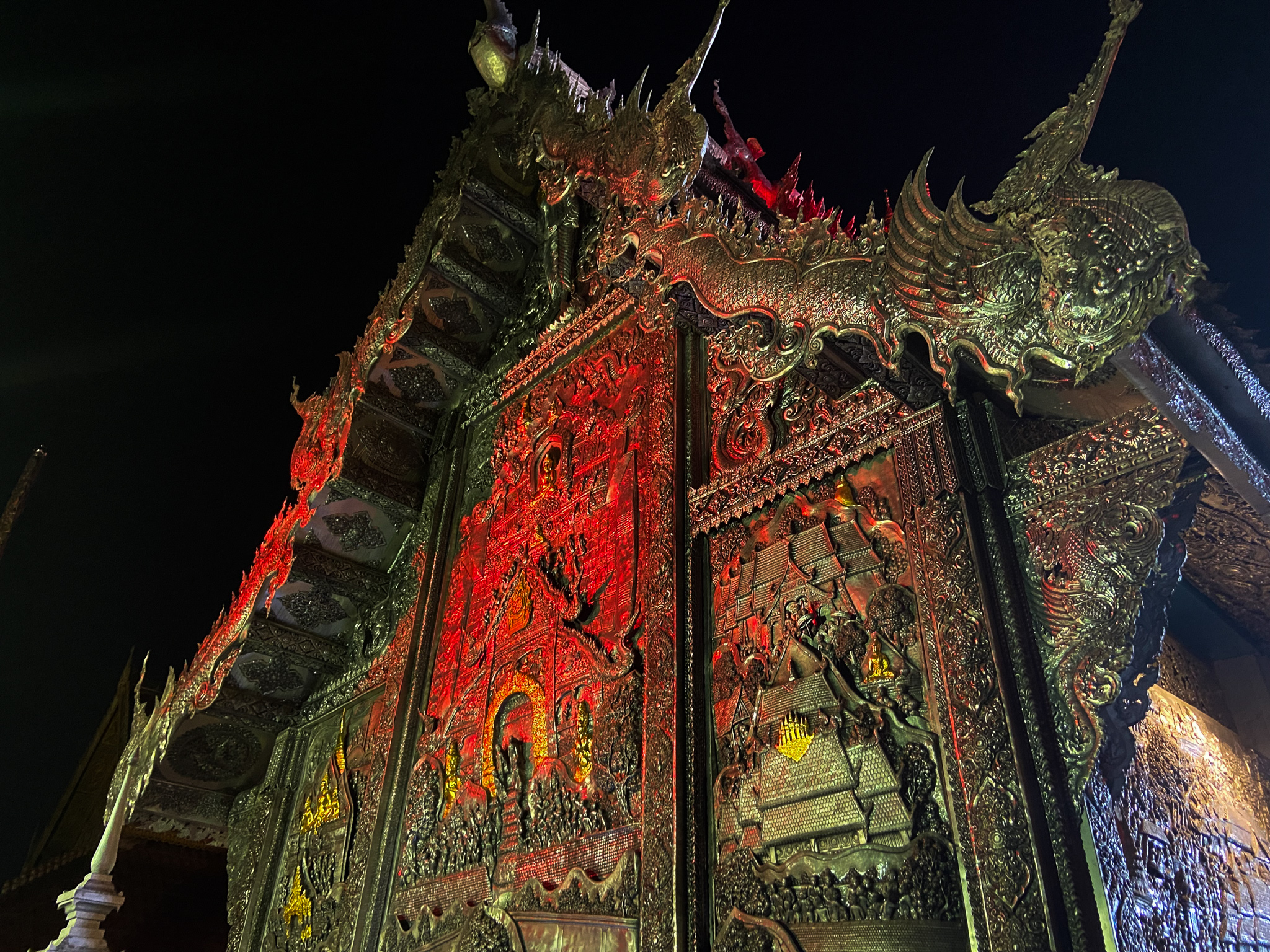
I think the Silver Temple is a good one to go to even if you are not particularly interested in temples in general or are feeling templed out, simply because it is very unlikely you will find anything like this anywhere else.
But there is more to do in Chiang Mai than temples… and I’ll talk about it in my next post!
Love, Nic
This article is also featured on GPSmyCity. To download this article for offline reading or create a self-guided walking tour to visit the attractions highlighted in this article, go to Walking Tours and Articles in Chiang Mai.
 The Winged Bone
One thought on “Temple Hopping in Chiang Mai”