
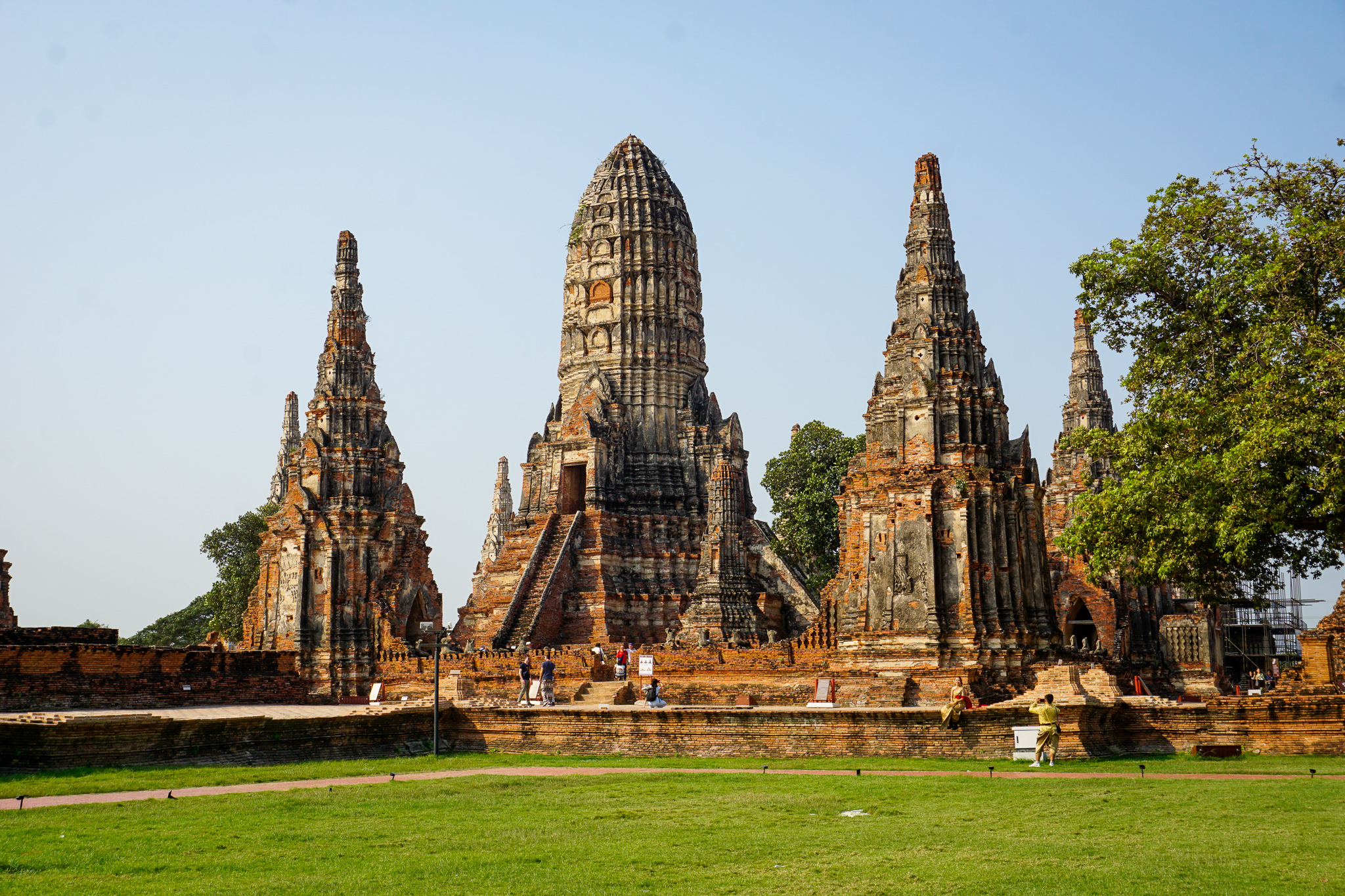
I briefly mentioned the Ayutthaya Kingdom in my previous post, when writing a little about the proliferation of floating markets in the times when commerce and trading flourished in the country. The time spanning between 1351 to 1767 was indeed golden for the nation. You can also visit the magnificent ruins of its ancient capital, Ayutthaya, which is just 80 km away from Bangkok.
My initial plan was to take the train to Ayutthaya and spend a night there, exploring the different complexes by myself. But I was enjoying Bangkok a lot and had limited time in the city. So I decided to do it on a day tour, to make it less complicated – the tour included not only a guide explaining to you what you are looking at (always relevant when visiting ruins) but also an air conditioning transport from one temple to another. I ended up really enjoying the tour, which was what I needed after my bad experience in the floating market.
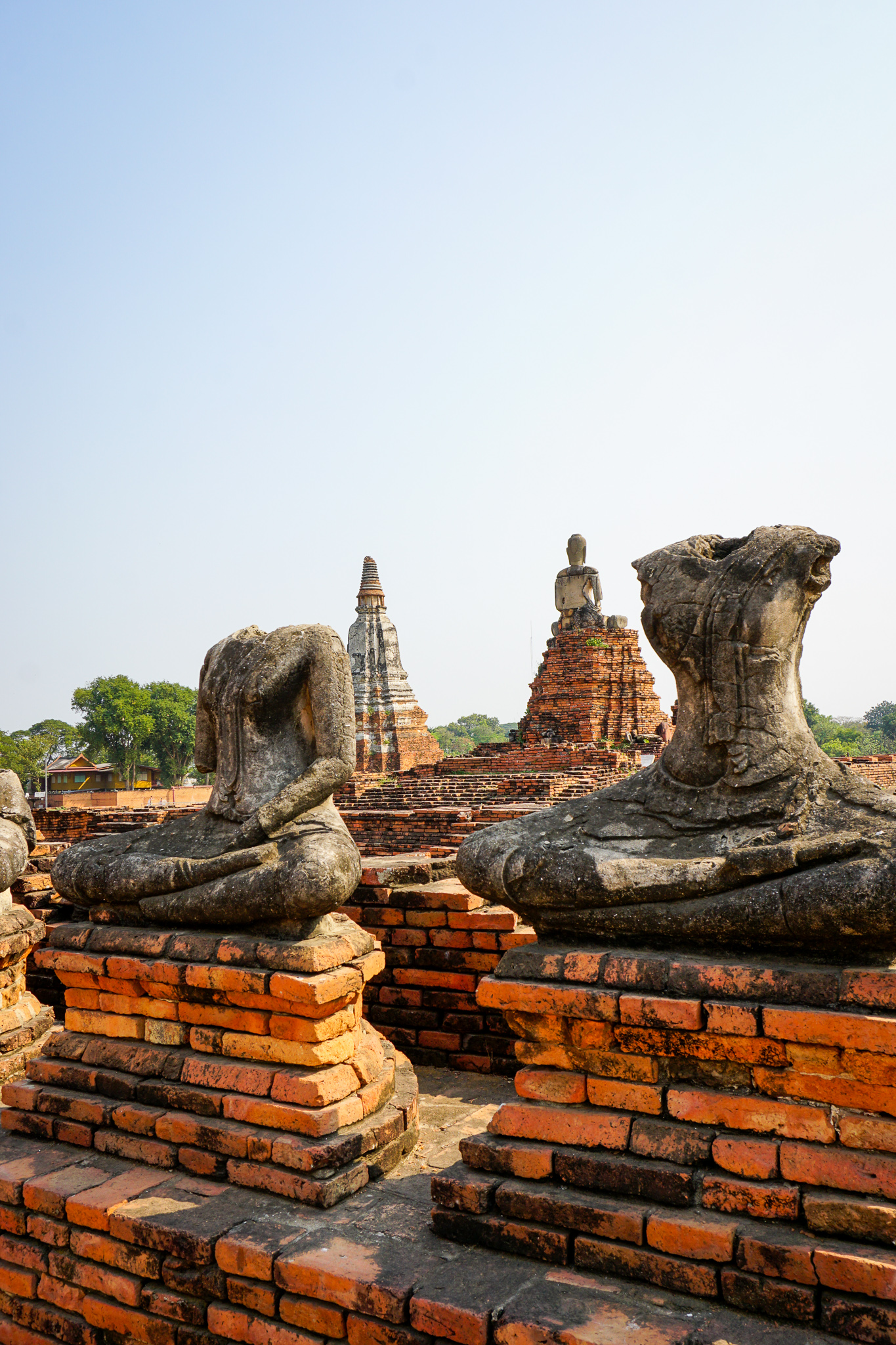


This is a visit for those interested in history, it’s a journey back in time. I always love a good time machine. And whilst the old capital was sacked, burned and mostly destroyed when the Burmese invaded in the 18th century, there is still quite a lot to be seen. Bearing in mind all the years that have passed, the human and nature provoked destruction, and that I can only see a mere fraction of the splendour this city once was, I was still quite impressed with the condition of most of it.
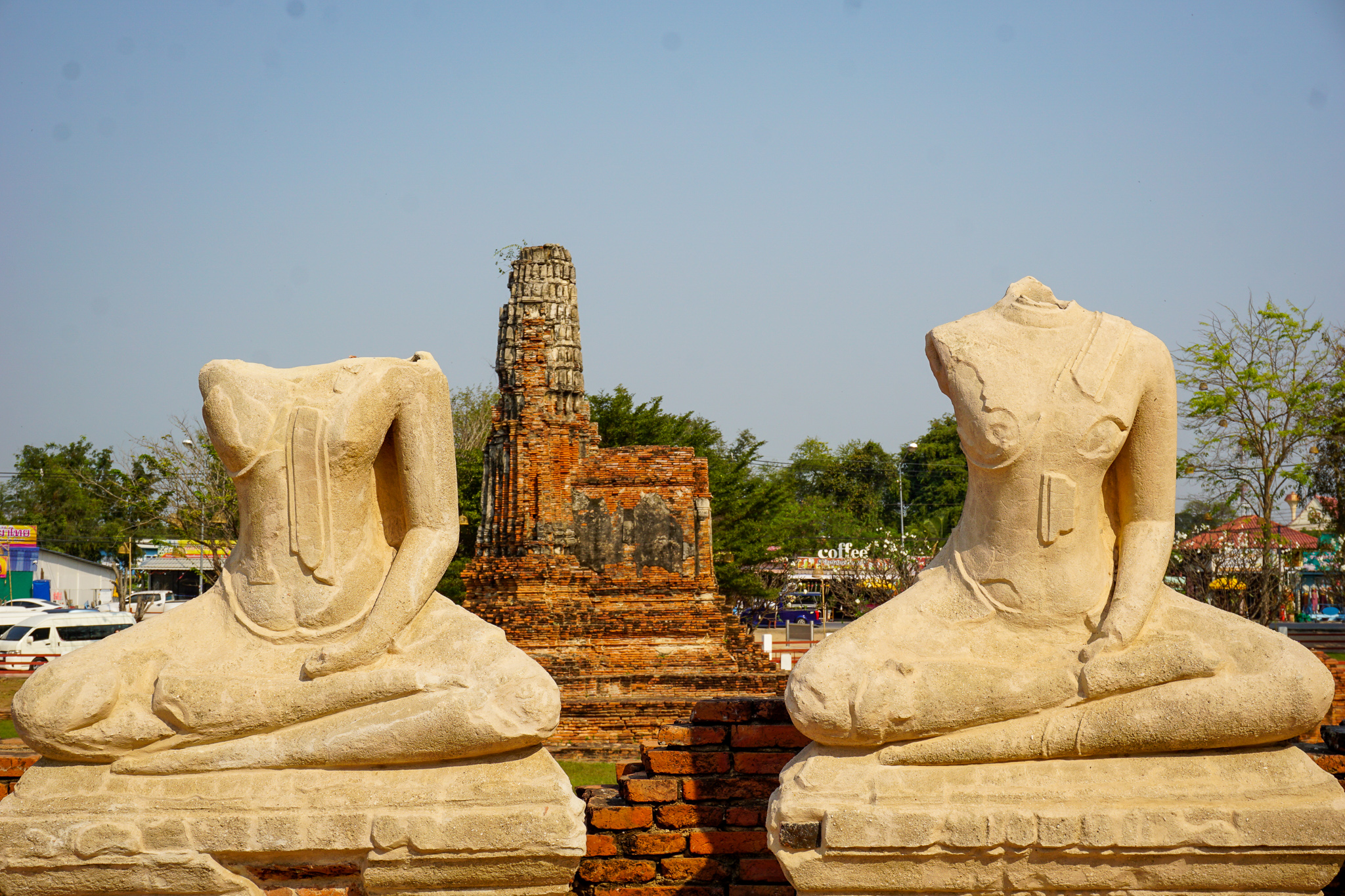
It isn’t easy to visit these ruins. The temperatures were already high early in the morning, and there wasn’t much shade when visiting the temples. Towards the end of it, I was starting to struggle to keep up with the tales our guide was so keen to pass on to us. And whilst I was so very eager to learn, I find myself holding very little memory of what he taught us that day. Thankfully there is the Internet and my photos to help me do some present research to help bring my memories back to this post.
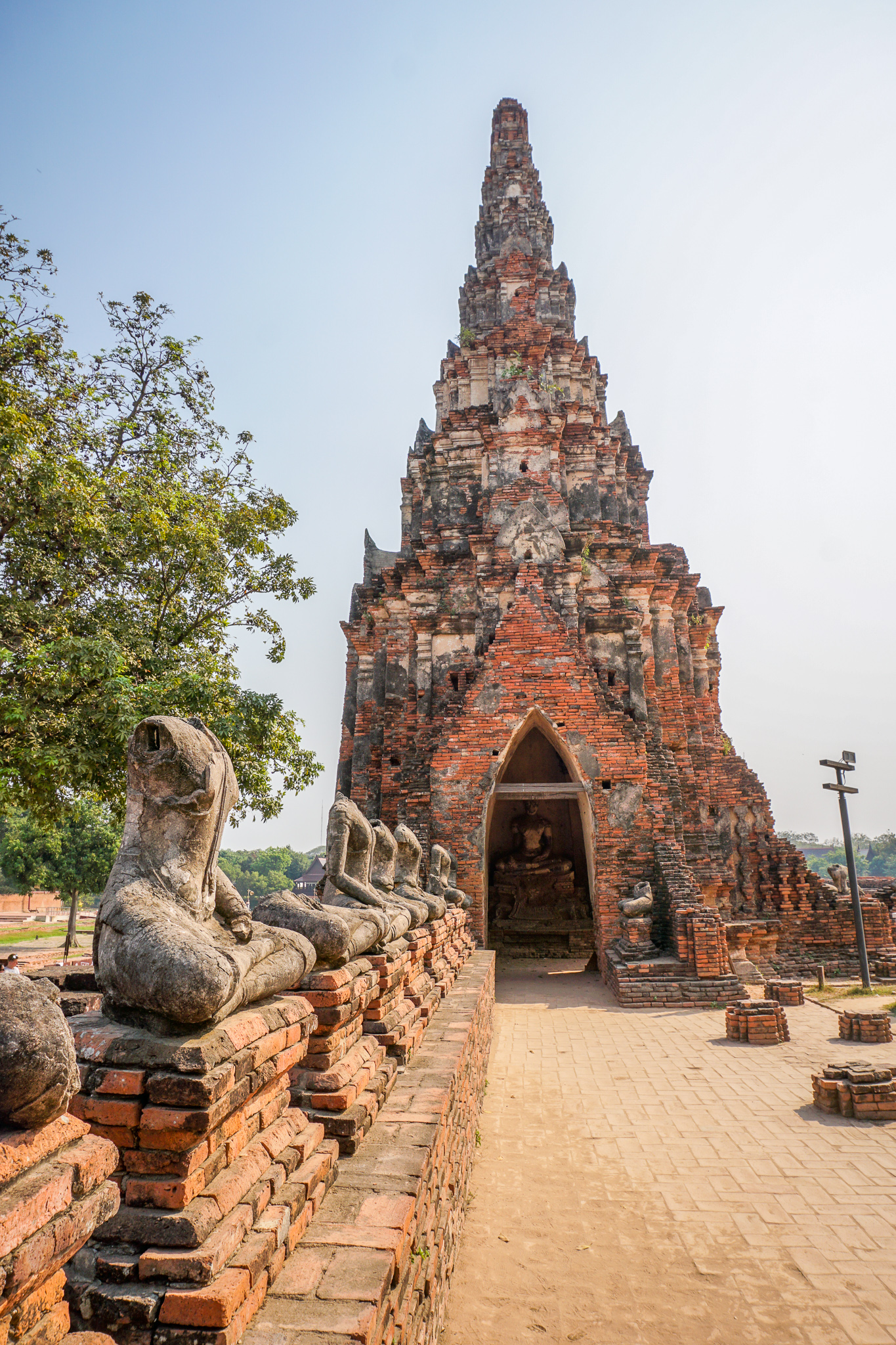
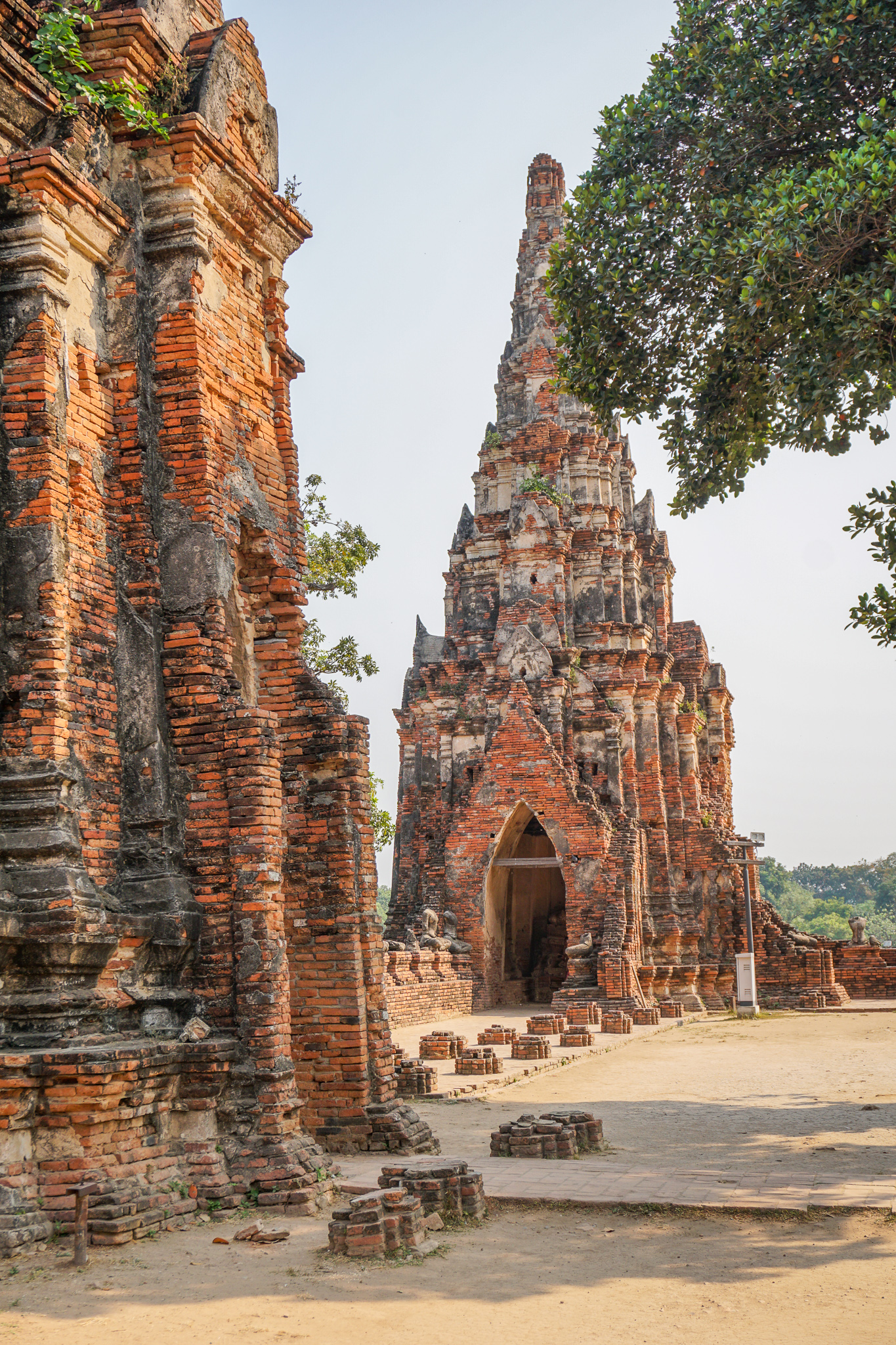
All great Eras do eventually meet its end, and it was a tragic and violent one for the Kingdom of Ayutthaya, which had flourished for over 400 years. The city was sacked and destroyed by the Burmese army in 1767, after a long siege. Anything that was standing was mostly razed to the ground, with countless lives lost with it. Those who survived, dispersed to other parts of the country, leaving Ayutthaya in complete abandonment. This is why I find so impressive so much of it has remained for the eyes of future guests like myself to see. And whilst this was a turning point in Thai’s history, the kingdom did eventually re-establish itself, with a new capital in Thonburi – modern Bangkok.
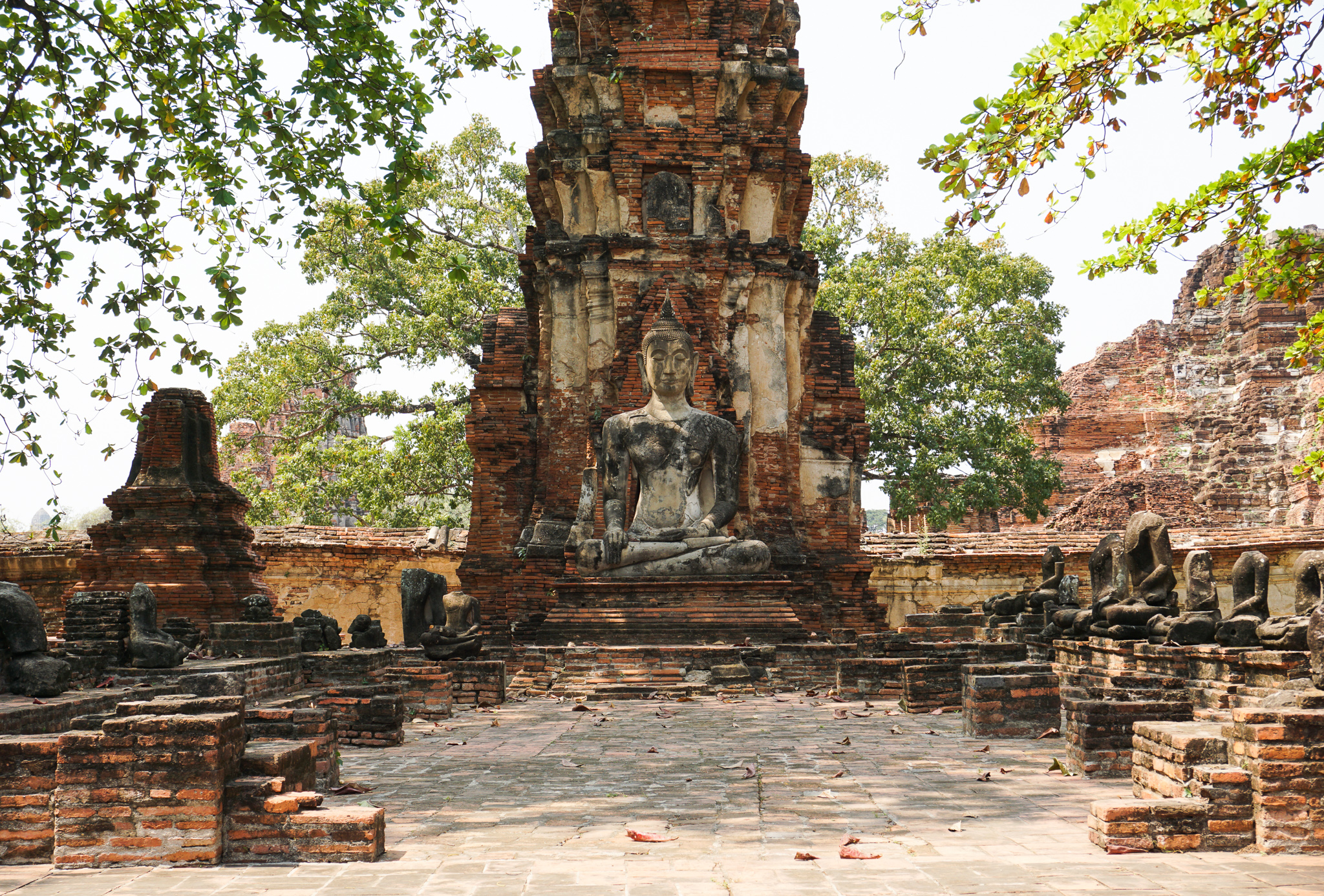
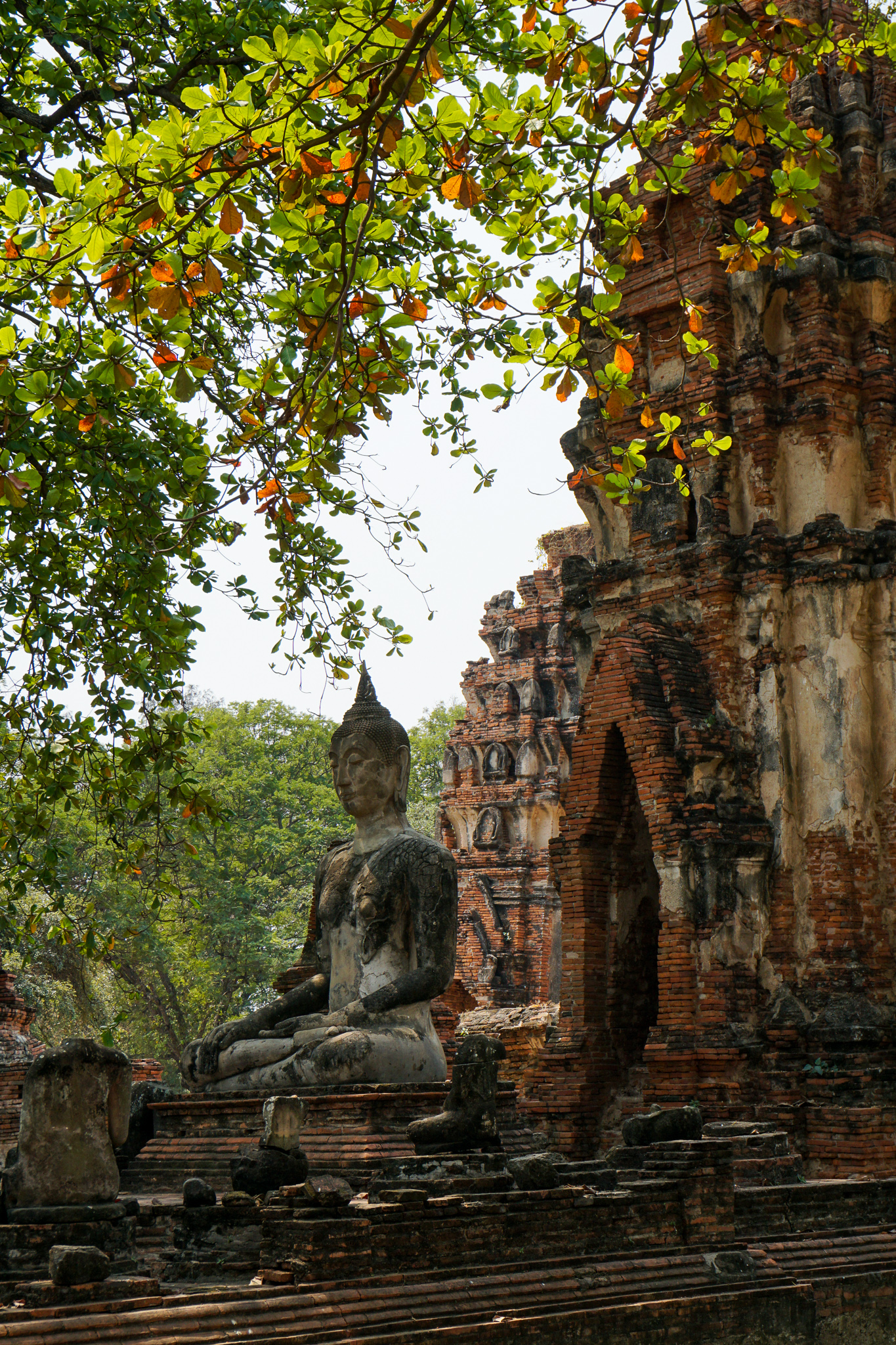

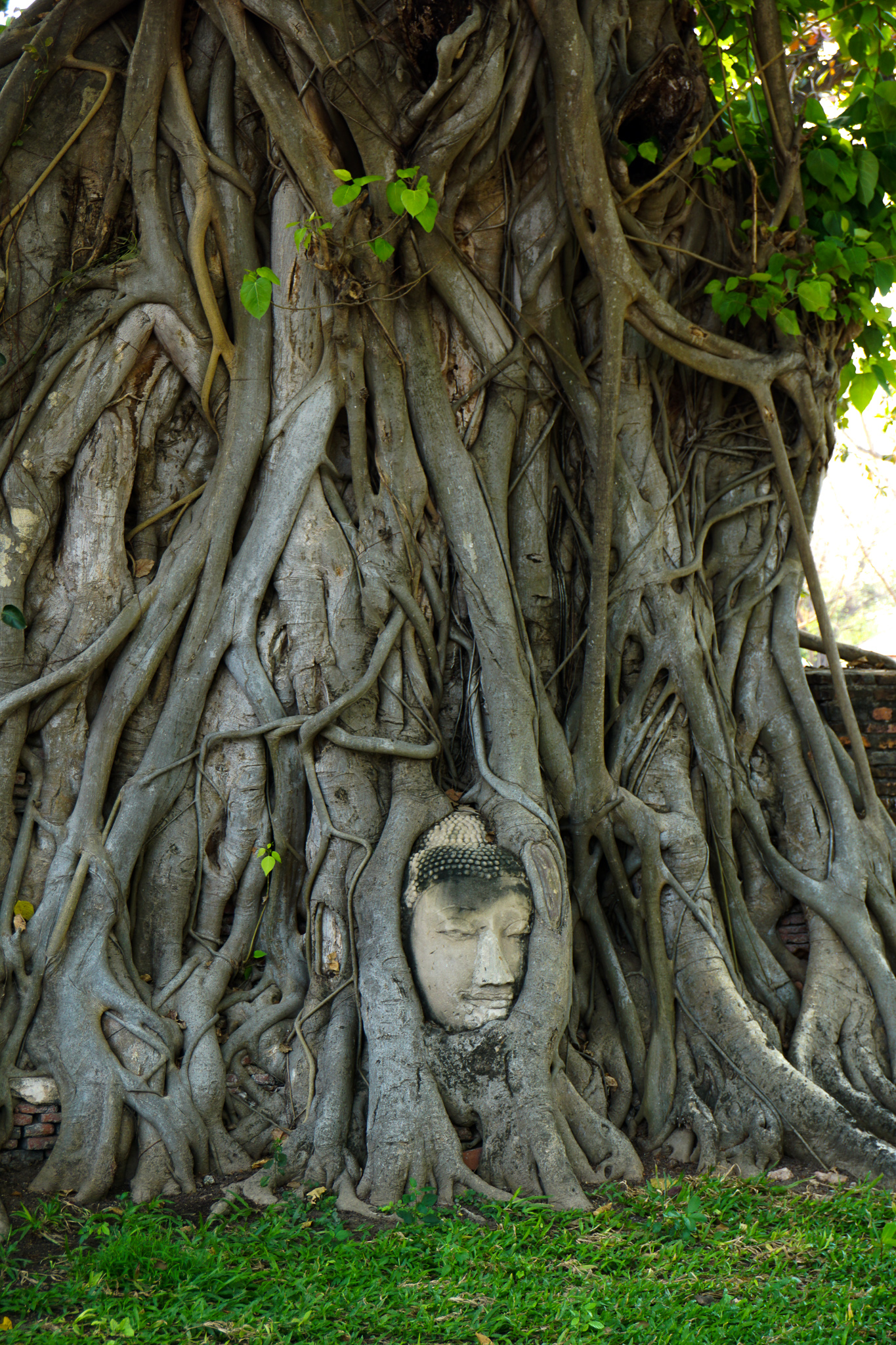
The most iconic ruin, and perhaps the most visited, is the Wat Mahathat. As some of the complexes in Cambodia, its uniqueness comes from the way nature has taken over the structures. There is a Buddha head engulfed by a tree root, almost giving an expression of serenity to the tree. There is a queue to take photos in front of the head… but a very important rule to bear in mind when visiting Buddhist temples is that you are not supposed to stand, never higher than the Buddha. Since the head is so close to the ground, you always have to sit to ensure you’re not disrespecting the site. And believe me, the guards will shout at you if you so much stand for a fraction of a second in front of the head.
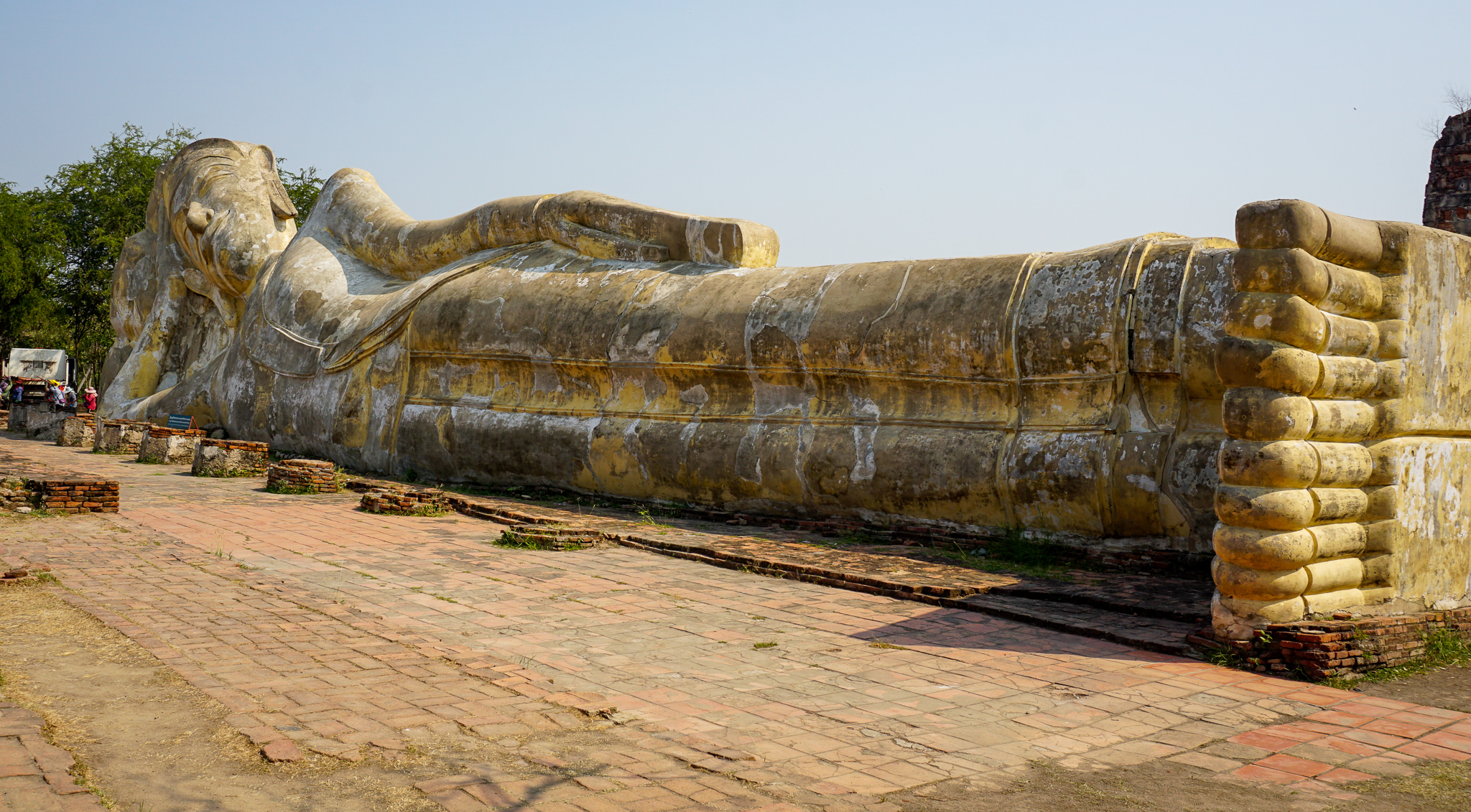
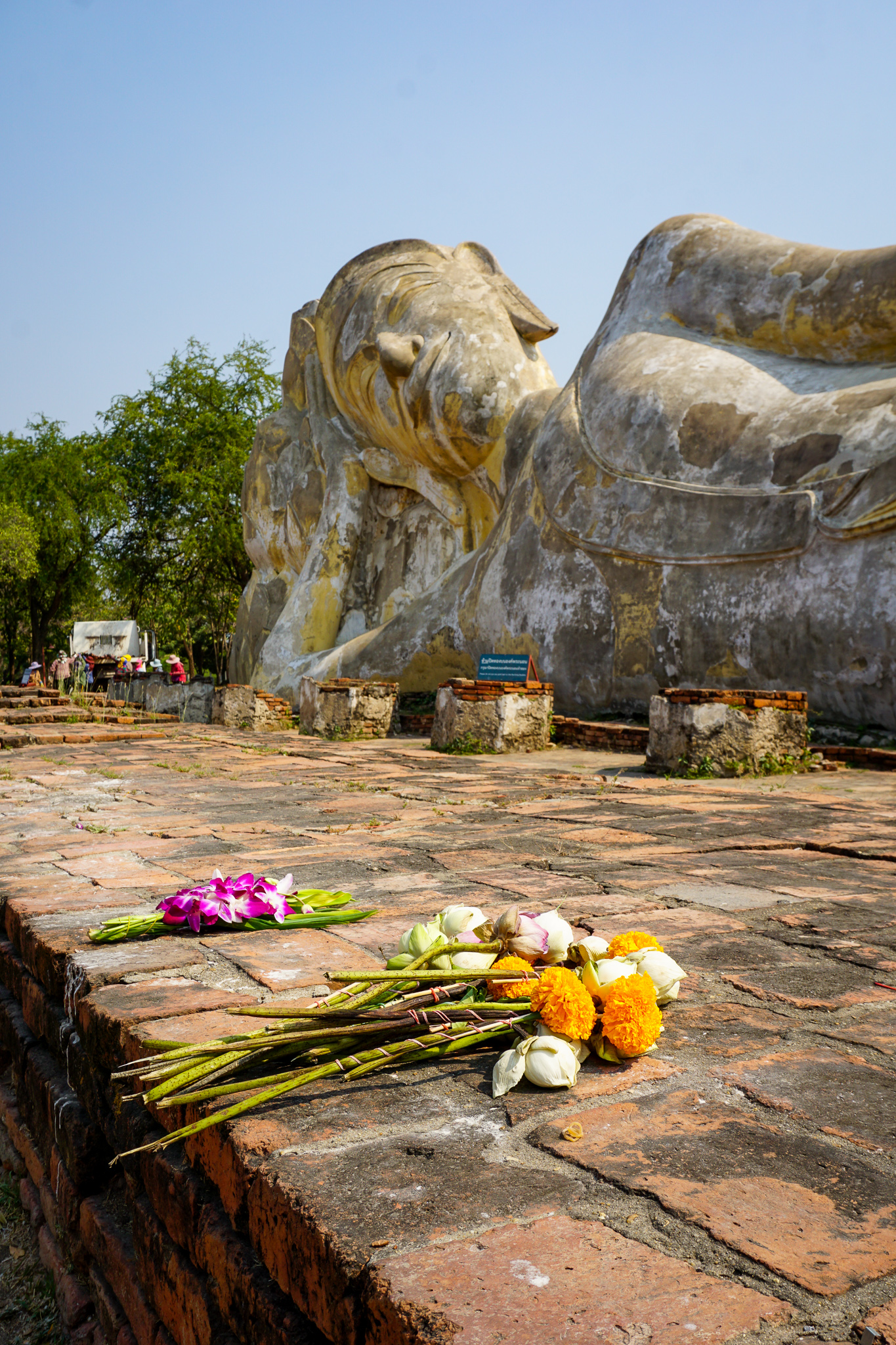
The colossal reclining Buddha in Wat Yai Mongkol is another interesting one to visit, but there is really not much else to see besides it. Most of it was destroyed, and it’s only an empty field, with some stones on the ground.
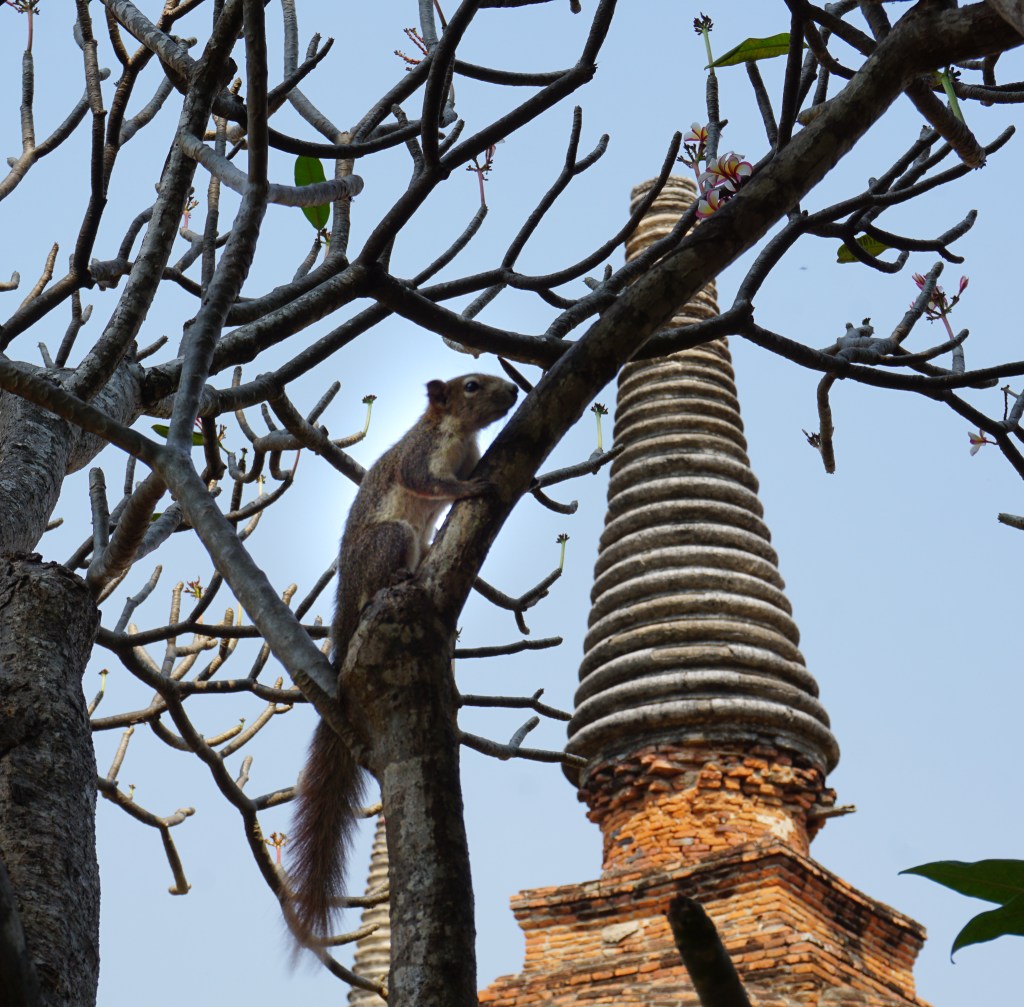
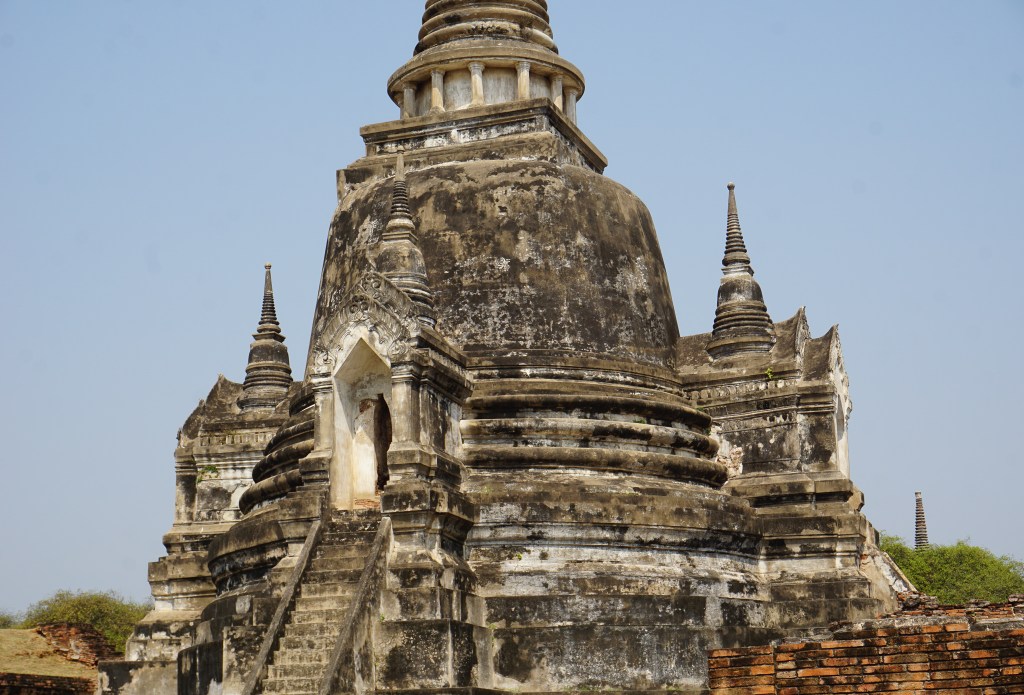

If you were in Angkor Wat in Cambodia before coming to Ayutthaya, it’s almost impossible not to compare them and find similarities. It makes sense, as both were influenced by the Khmer Empire which had a significant influence in the whole of South East Asia. The Khmer Empire had its capital in Angkor and preceded the Siam Empire, overlapping for about two hundred years… during these, the Siamese kept fighting for more power, and it is often attributed to them the role played in bringing Angkor down.
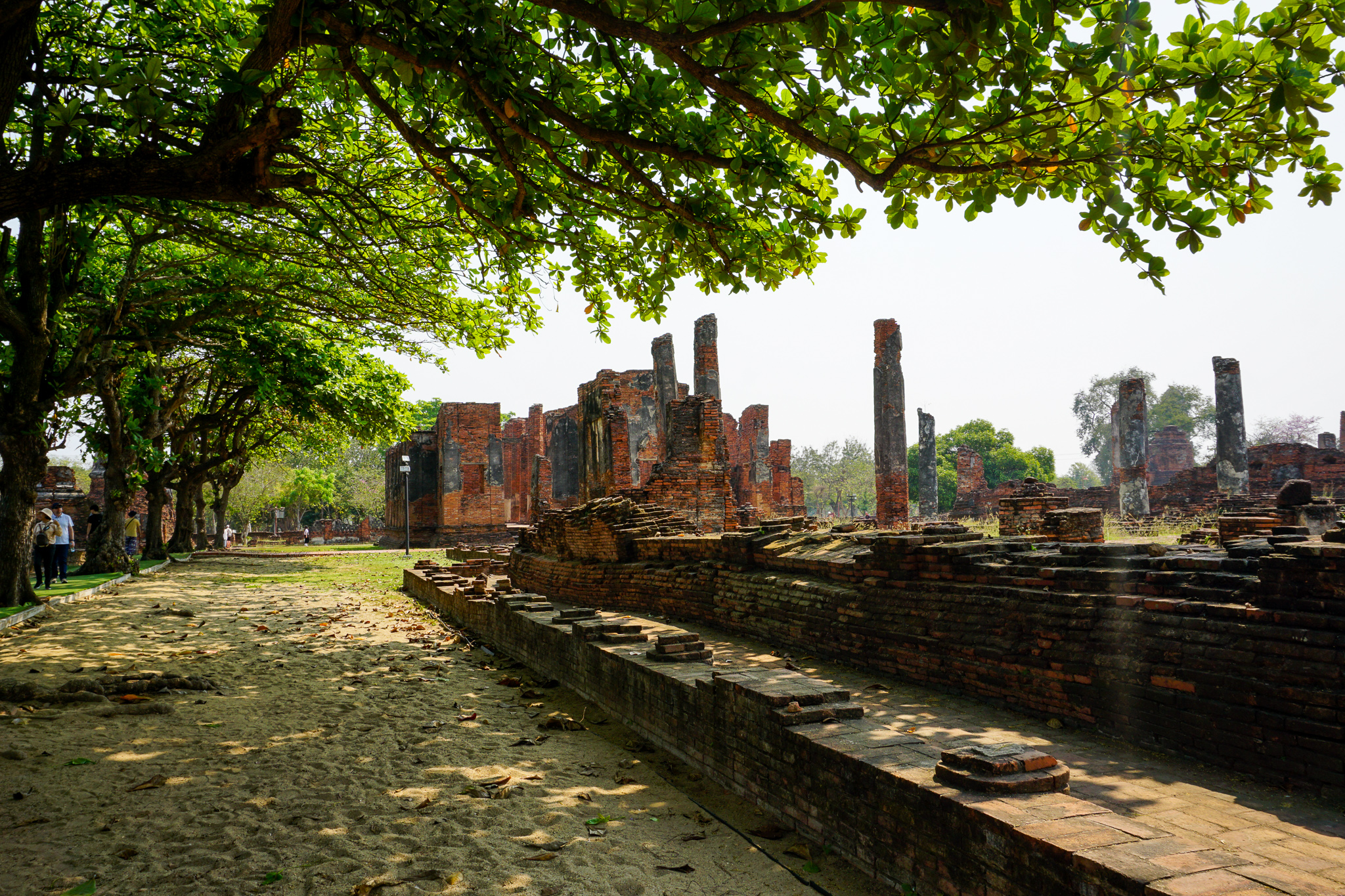
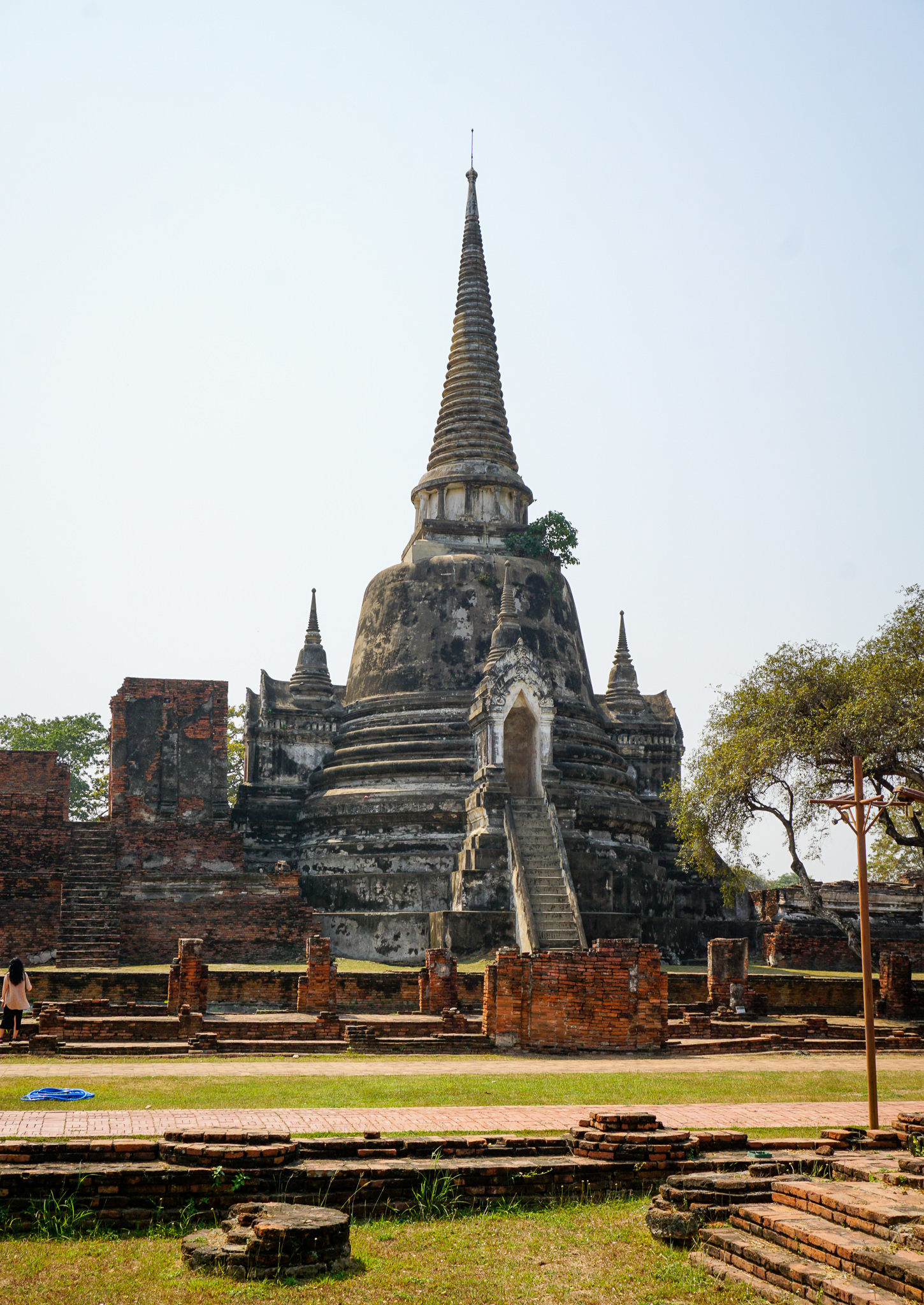
Still, anyone would recognise Angkor Wat is just something else entirely. Including the Siamese, who of course took inspiration from it to build their own centres of power.
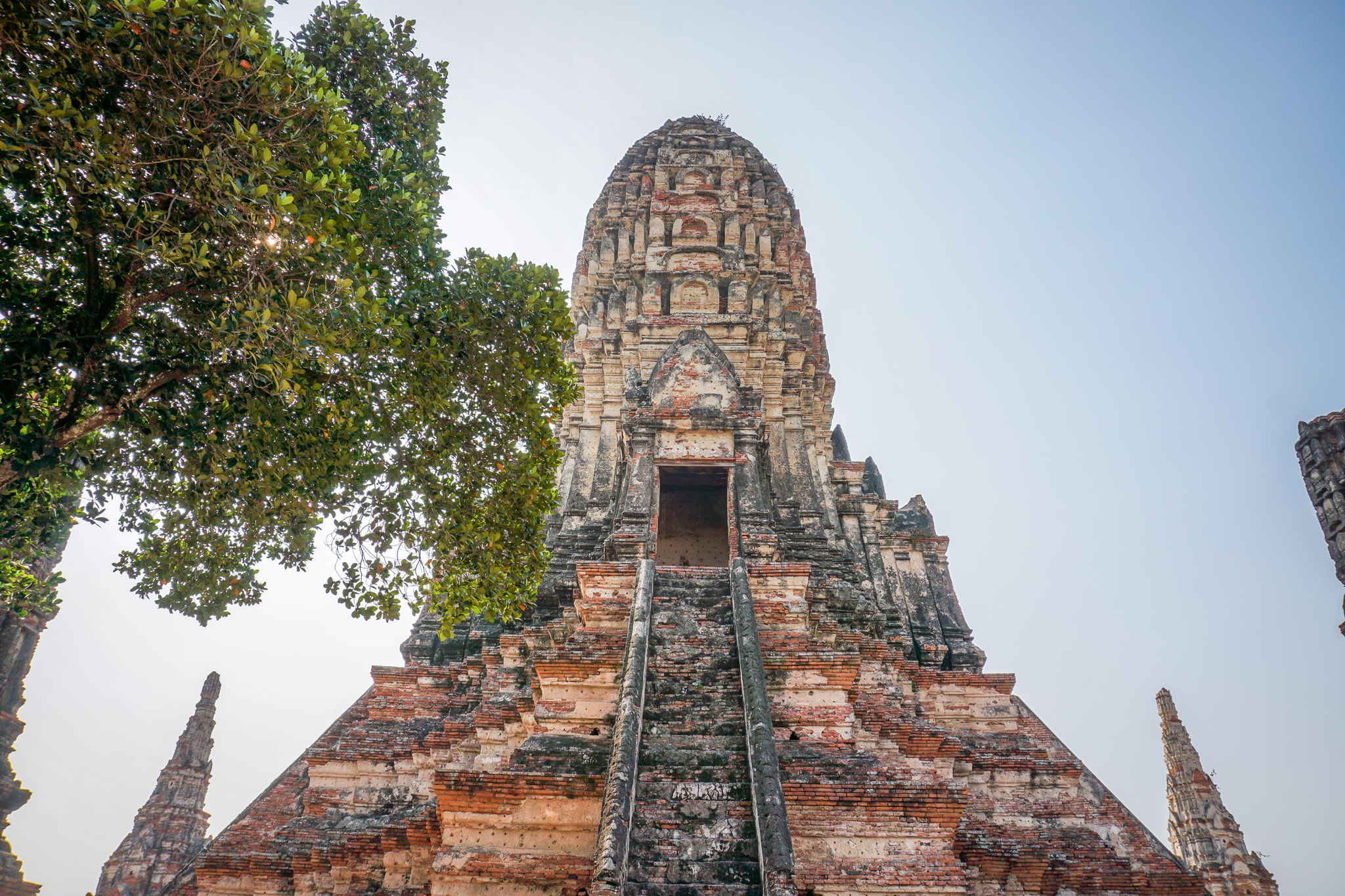
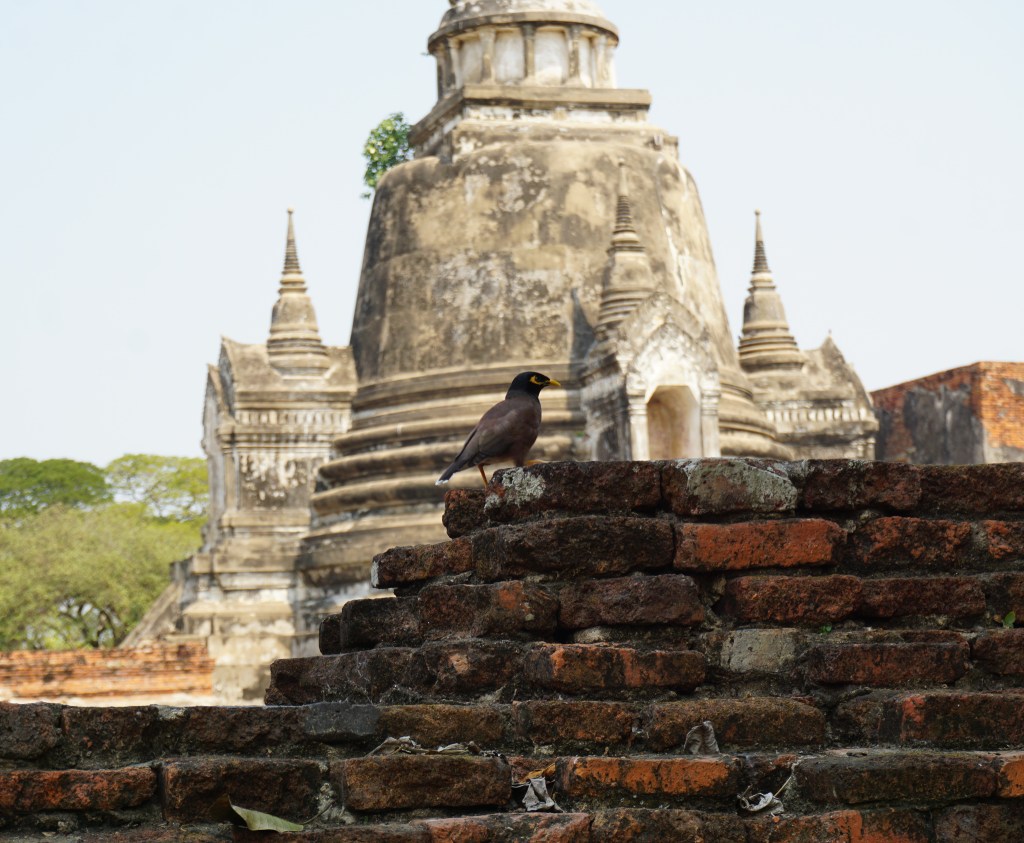
Some main differences are worth noting – the materials used in Ayutthaya were very different to those found in Angkor Wat. The Siamese favoured brick and mortar, whilst in Angkor sandstone was used instead. The temples in Ayutthaya are also a lot more compact, meanwhile in Angkor, they’re more open.
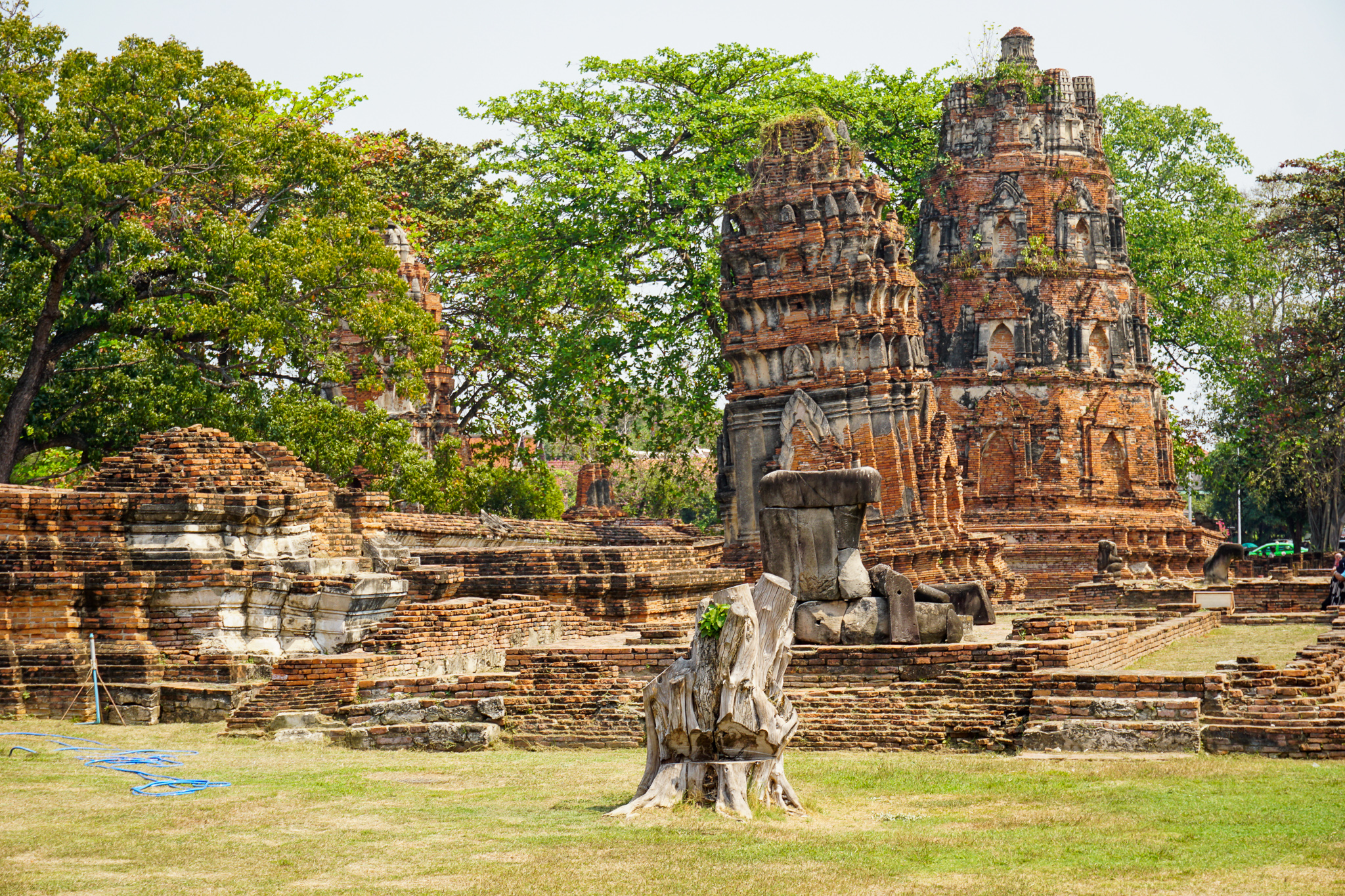
I strongly recommend a visit to Ayutthaya, especially if you are into history and want to have a better understanding of the history of Thailand. Remember – these ruins were once the centre of the Siamese Empire. It was during the four centuries the Kingdom of Ayutthaya reigned that the region flourished. It would be a shame to miss this out.
Love, Nic
 The Winged Bone
Interesting sites!
LikeLike