
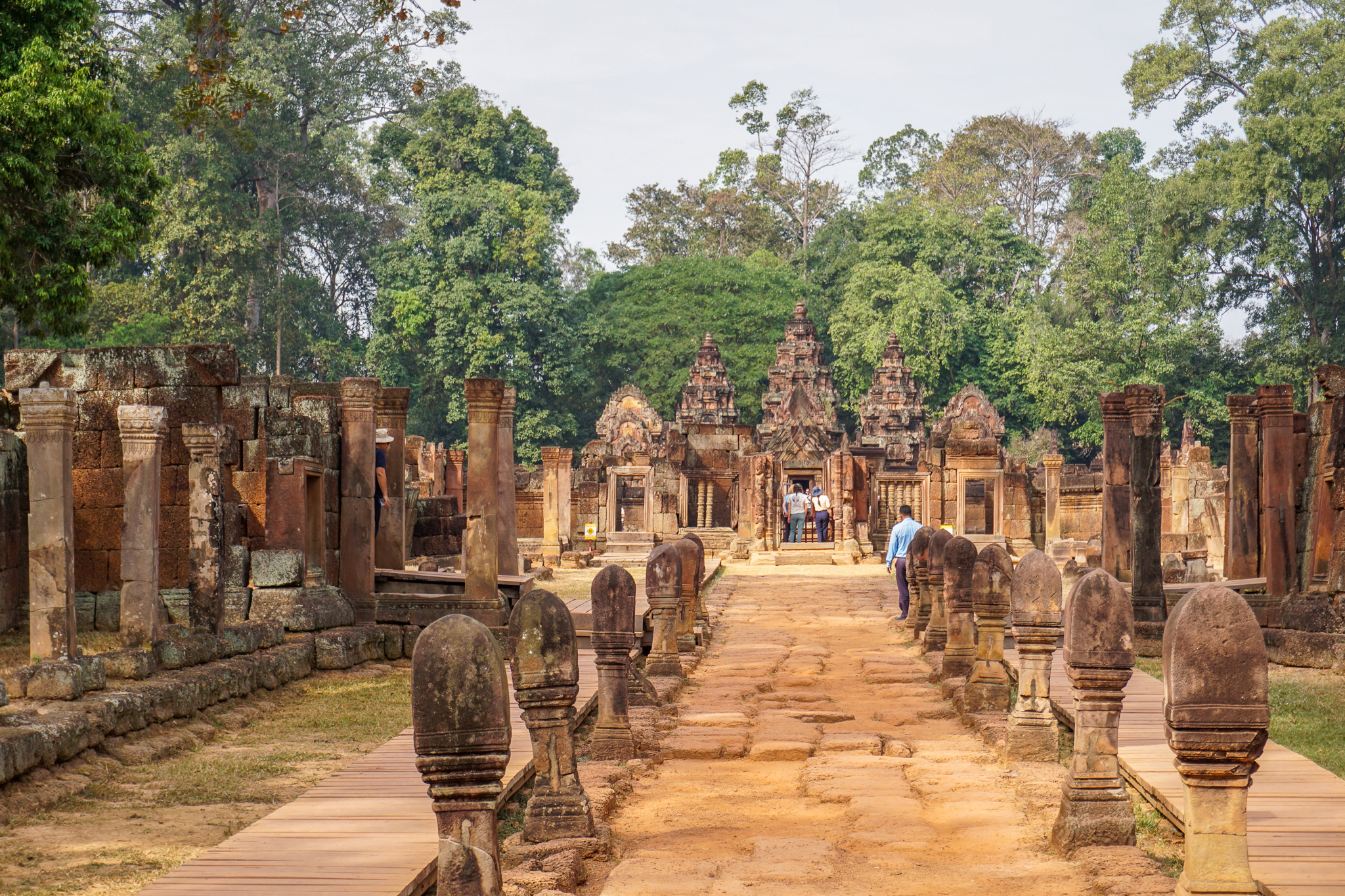
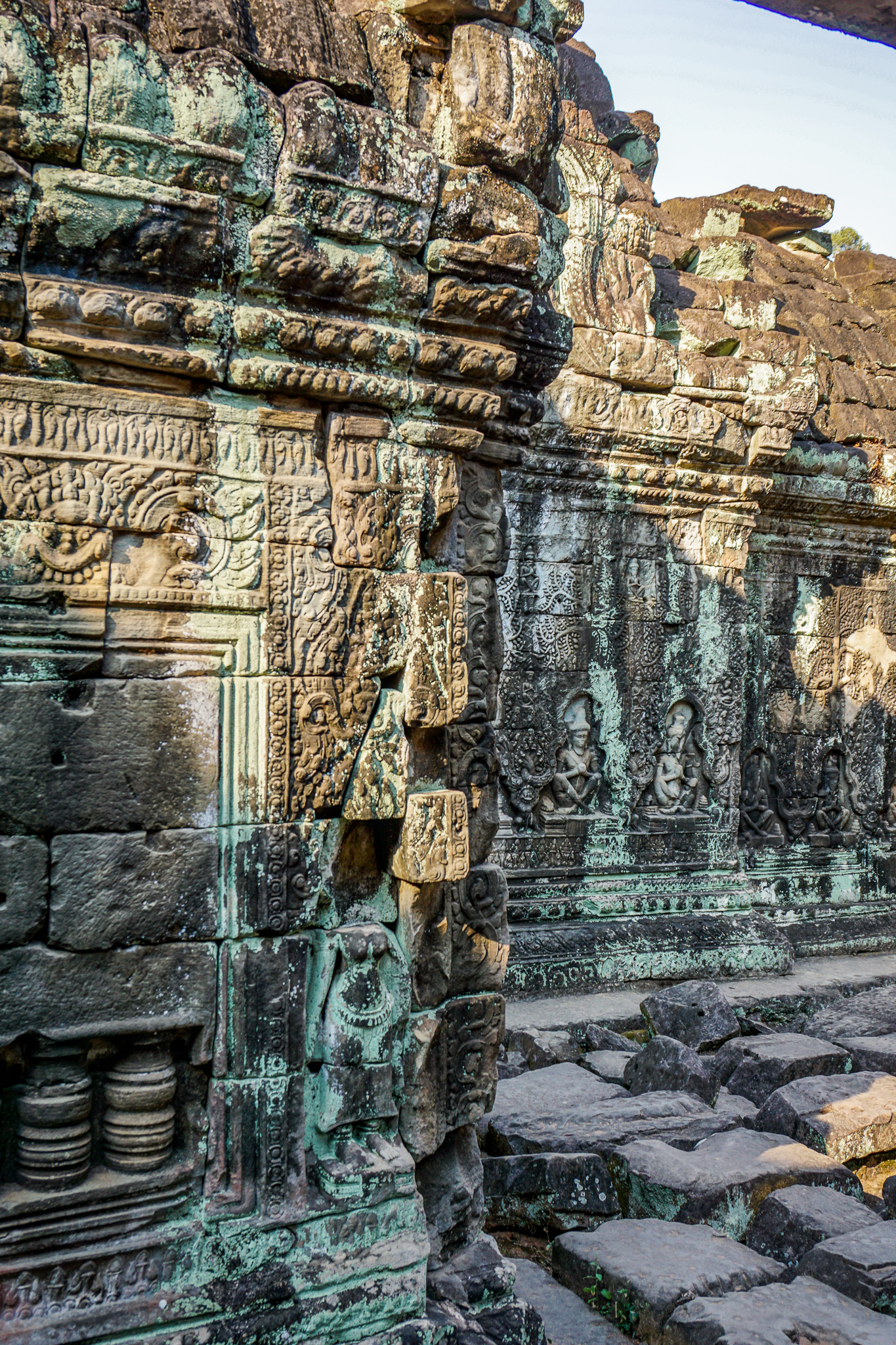
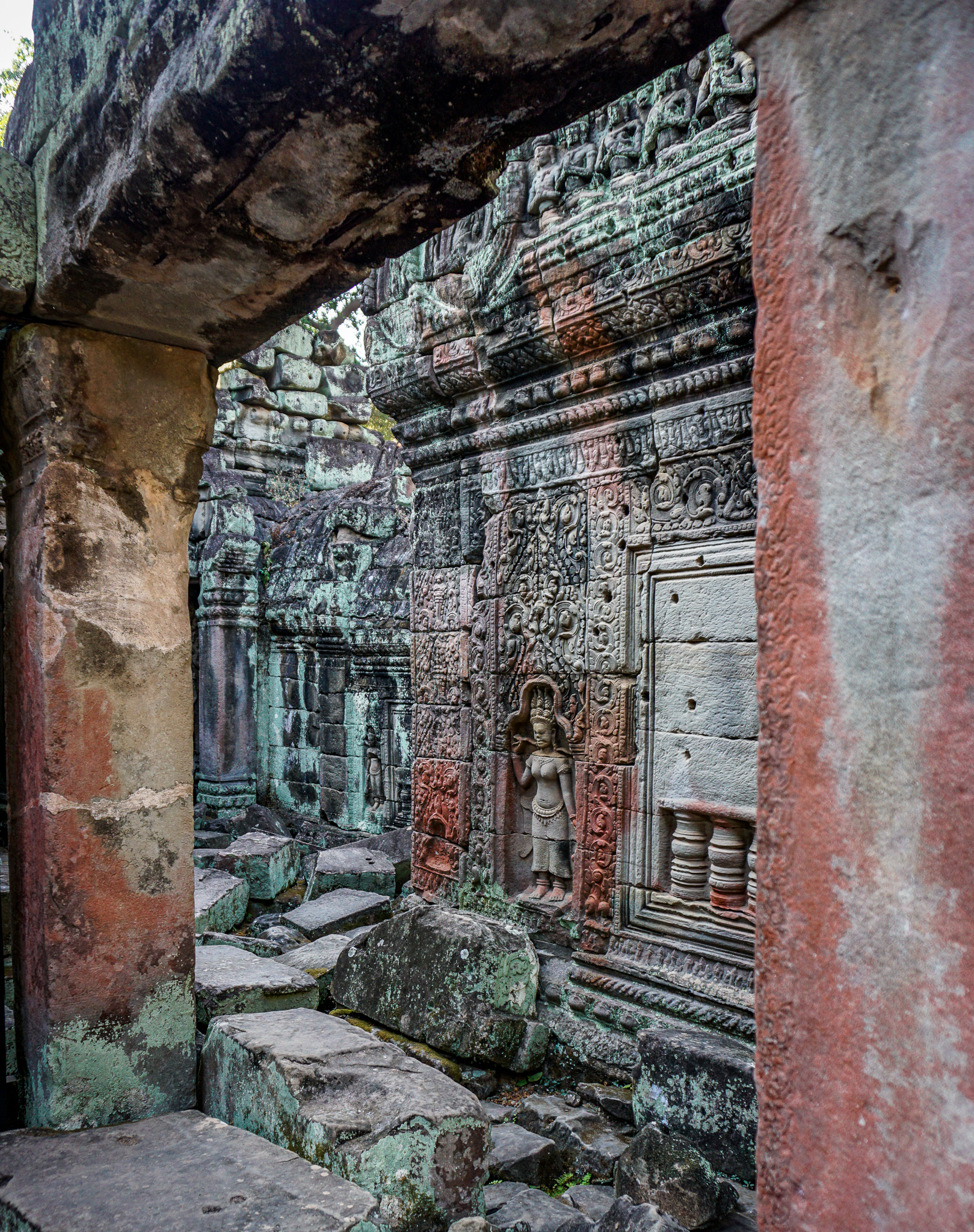
A new day in Angkor Complex and a new guide. Whilst on my first visit I was in awe by the size and grandeur of the temples, laughing out loud to the stories and jokes of the guide, on this day I would be mostly impressed by the delicate and intricate carvings found in the temples, adopting a more serious countenance whilst listening carefully to the stuff the guide had to tell us about Cambodia’s government.
My guide for the second visit to the Angkor Complex wanted to get stuff out of his chest. Except that… well… he is not really allowed. This is something we so easily forget we have in the West as a privilege – that of freedom of expression. Being allowed to criticize the government and the authorities, or simply rant to a friend about the establishment. But this guide seemed to have had enough. He whispered to us, not without looking to all sides, making sure no one was close enough to hear him. In a low voice, he hinted at the corruption that’s been going one for decades. He told us how this so-called “democratic regime” is far from living up to what democratic standards should be like. He told us there is no heart and care for the people. And how can something be democratic when the same party has been in power since 1985?
When I was back in the hotel, I looked it up online. Hun Sen has been Cambodia’s prime minister from 1985 to 2023. He stepped back only to pass the power to his eldest son. What a strange way of practising democracy. It stinks of dictatorship. Looks more like a monarchy. And wait for it… it all gets worse when you find out about this family’s connections to the Khmer Rouge. The party that was responsible for killing most of Cambodia’s population not that long ago.
I enquired a little more about schooling in the country, because I was guessing what he was about to tell me – children are taught a version of the facts, probably a distorted version. Instead of having an education, Cambodia’s youth is being subjected to propaganda from an early age. And to make things worse the older generation, those who went through the years of terror of the genocide, don’t want to talk about it. Whether that’s because they are too traumatized to want to remember, or simply because they still live in fear of repercussions, or of anything else like that happening again… and can you blame them? Who wouldn’t want peace?
It is scary to think though. It seems Cambodia is living under a fake pretence of peace, of democracy. These things always tend to blow up – whether that happens in five years or in fifty… we don’t know. For now, this dictatorship seems to be overlooked by every player in the international space. I suppose that’s because it’s profitable for them. This is the sad reality of our world. There is no code of honour, no real fairness. Injustice is fuelled by what really matters – money. It seems that keeping entire populations impoverished, and submissive under dictatorships is still quite profitable for those who claim to stand up for democratic values and Human rights.
Bear in mind we were being told this whilst visiting the temples. I already wrote about this in the previous post, but the complex is owned by the government, and you pay a high price for the privilege to visit it. Yet, when you are visiting the place, you realise there doesn’t seem to be a lot of effort to restore, to keep it up, and the infrastructure is quite poor. And to add to that, all the restoration projects seem to be owned by foreigners. Cambodia’s government continues to claim to be too poor to invest in the rehabilitation of its heritage. And how could you trust it?
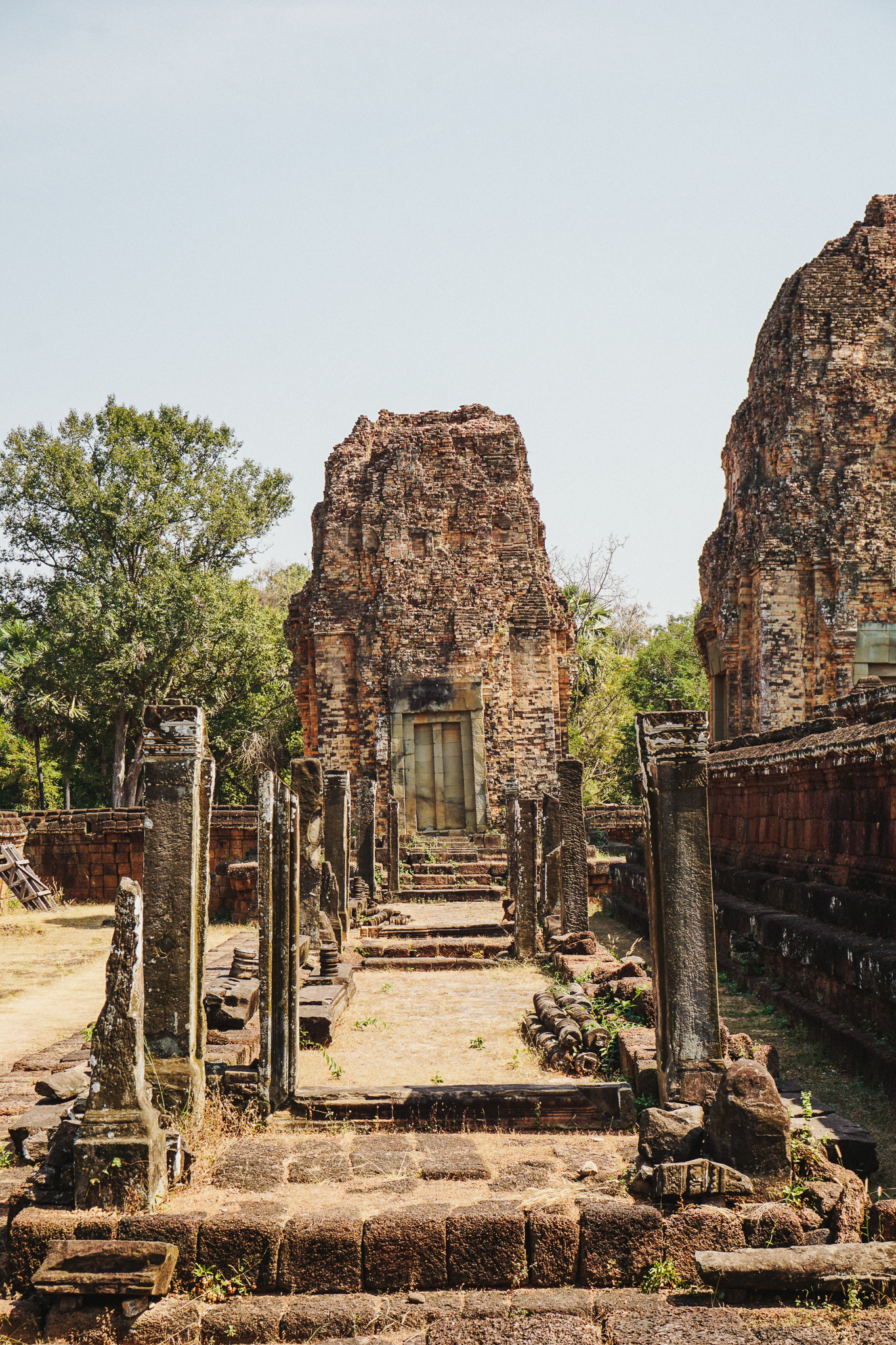


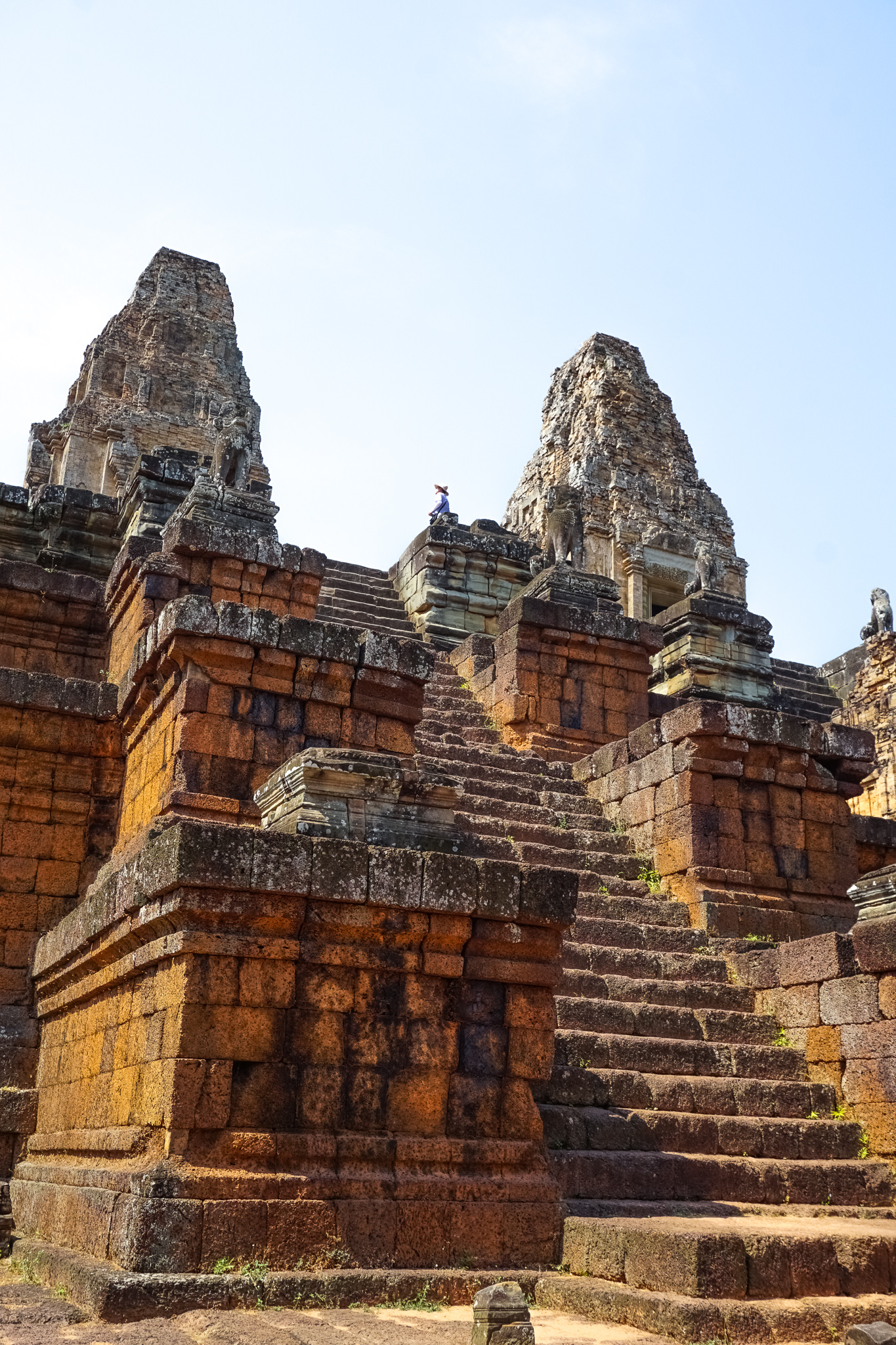
In my previous post I mentioned how the Angkor Complex was never really abandoned, and it was simple “discovered” by the West – specifically by explorer Henri Mouhot, in 1840. That’s when true restoration works came to life… and you can see when you visit the temples how some of them are truly in danger of complete destruction. Of course having a government that simply doesn’t care is a huge problem, and I’m assuming a blocker too. I have no idea what kind of challenges foreigner entities have in setting up their operations there, how many fees, taxes, and who knows even bribes they have to account for besides the actual costs of the work they are doing.
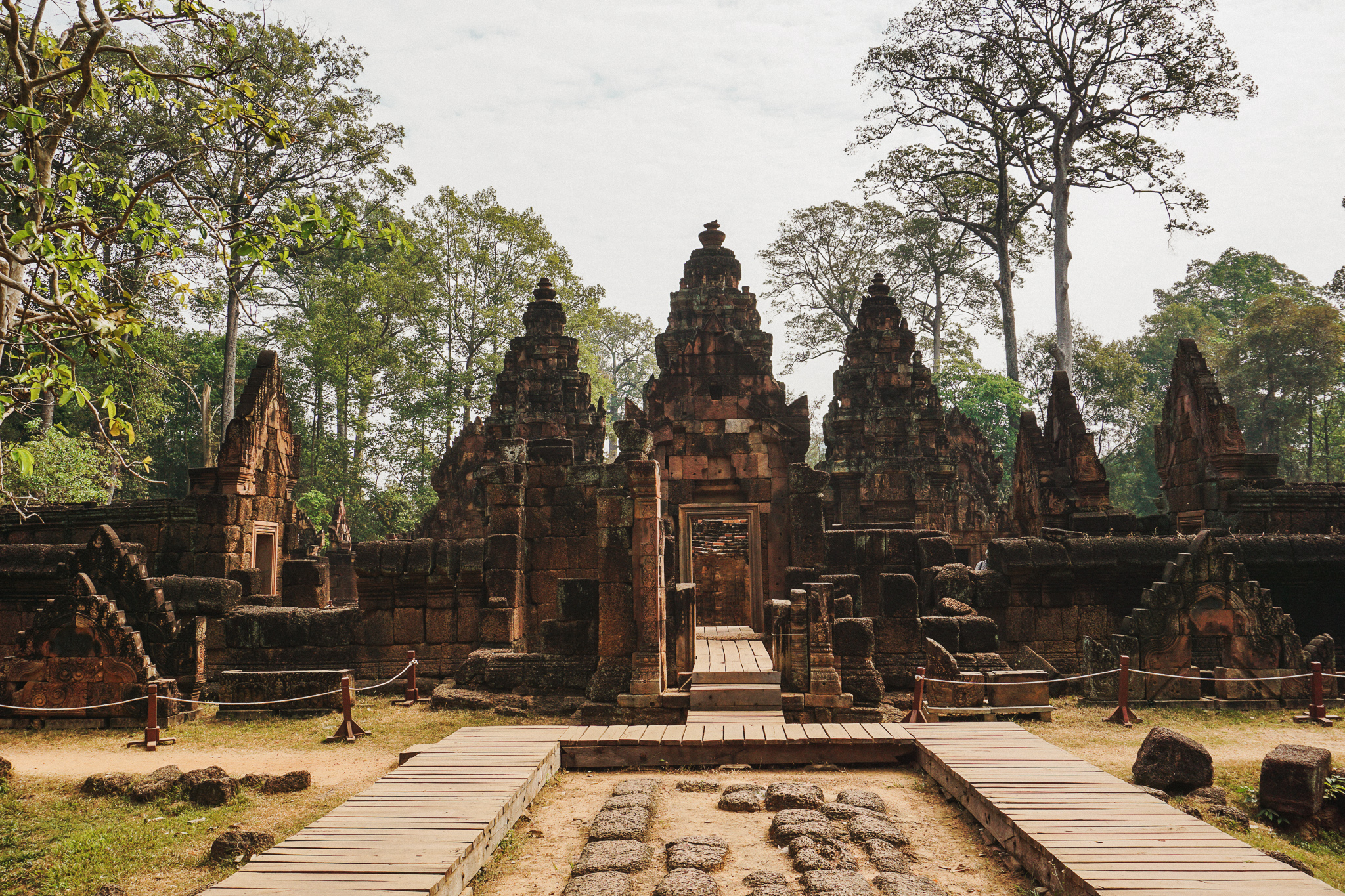
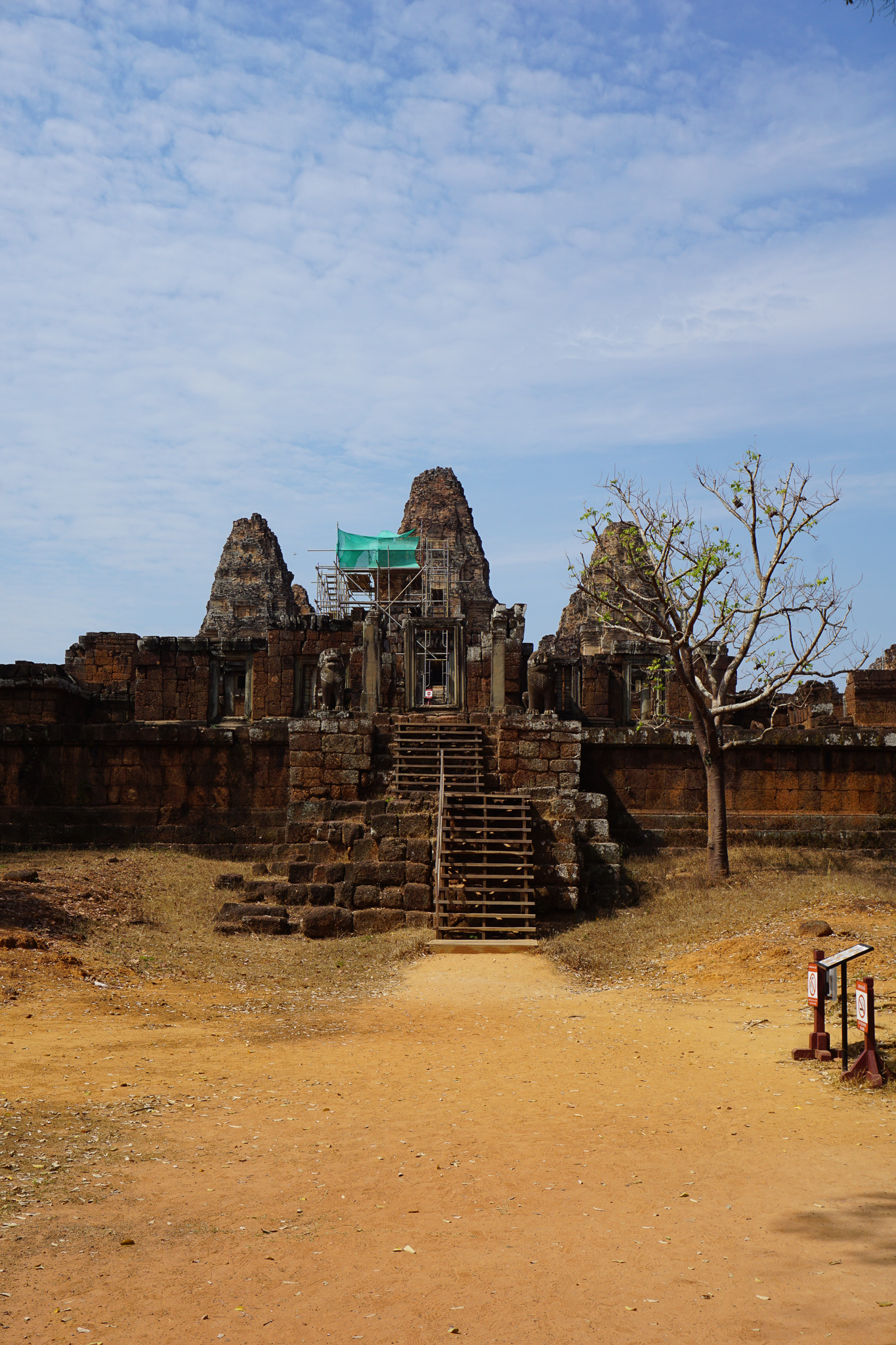
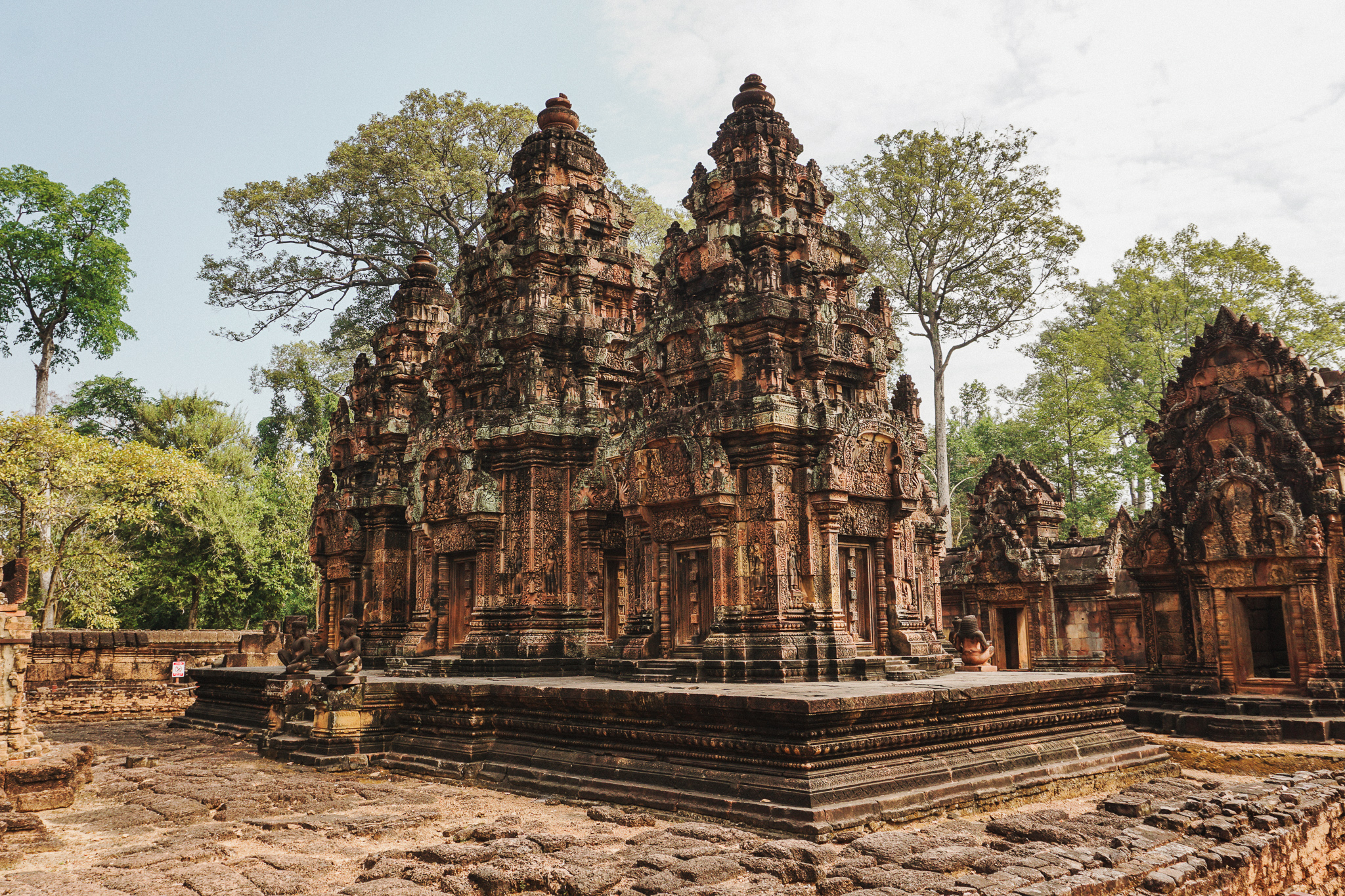
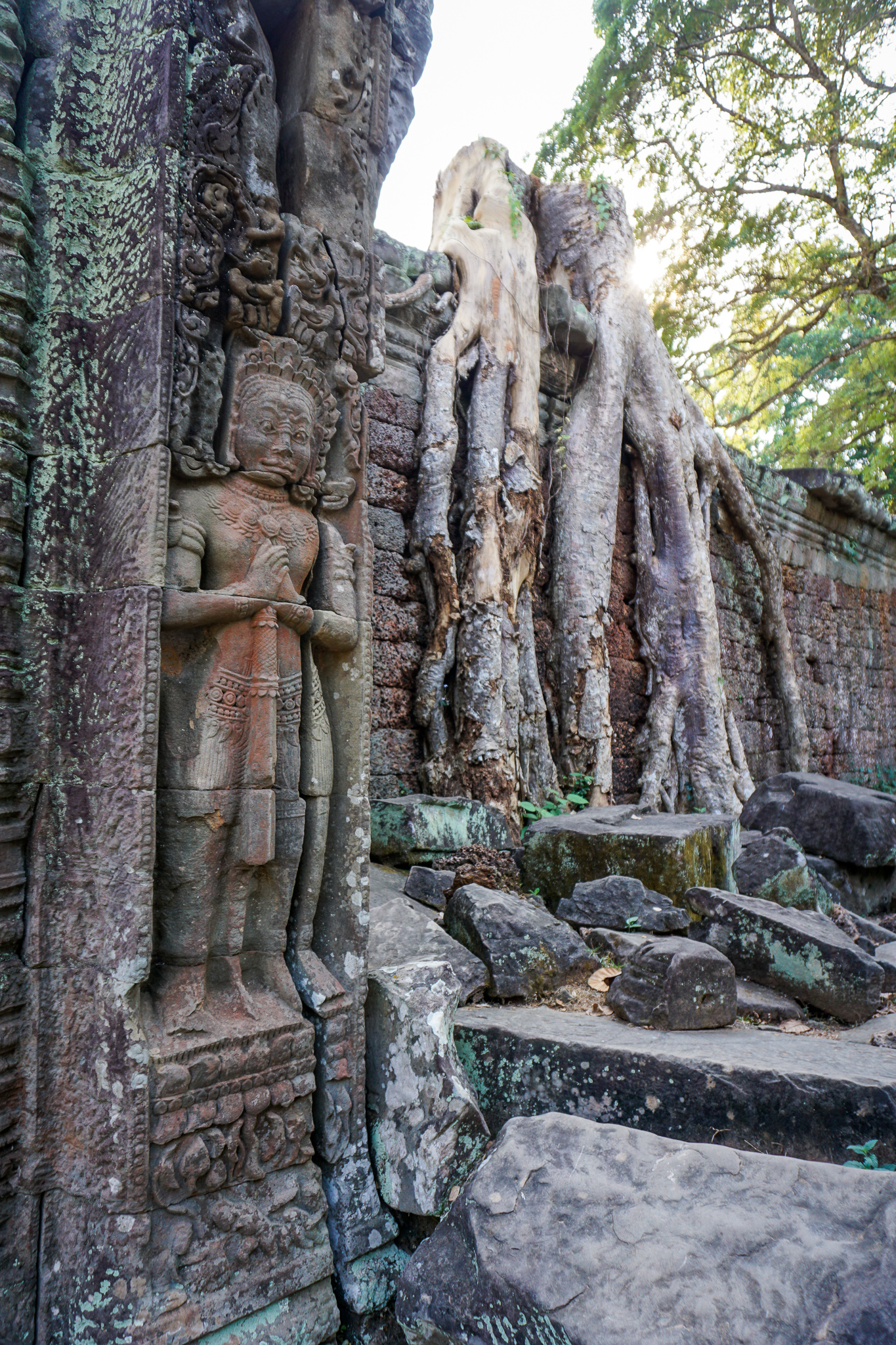
One of the reasons why so many of these temples fell into such terrible disrepair was of course the Khmer Rouge. Not necessarily because they actively destroyed it, but because during these years any restoration efforts were simply halted, putting into jeopardy decades of work. This was a period of four years (1975-1979), which may not seem like a lot in the great scheme of things – but we’re talking about structures with hundreds of years, in a tropical jungle, where heavy rains and high temperatures not only create pressures and erosion in the stones, but Nature does seriously take over, growing at a much faster (and strong) rates than on any other place on earth with a more moderate climate.
The Khmer Rouge themselves did minor direct damage, but at a time when resources were scarce, they did use some of the temples’ wood for firewood, and there is also evidence of some bullet holes likely from when the Vietnamese forces invaded to stop them.
In reality, the worst came after the Khmer Rouge was taken down. It’s hard to imagine the state of the country. Cities were deserted, and millions of people had been killed, or died from starvation or disease. Many were desperate for food, to find themselves ways to survive. Others… well, there are always those who simply take advantage of nations in turmoil. So between the 1980s and the 90s, many looted Angkor, causing greater damage than the Khmer Rouge, the weather and Nature combined. This is why there are so many statues lacking heads, carvings missing parts, etc. Anything could be worth millions in the black market… and it was jus there to be taken.

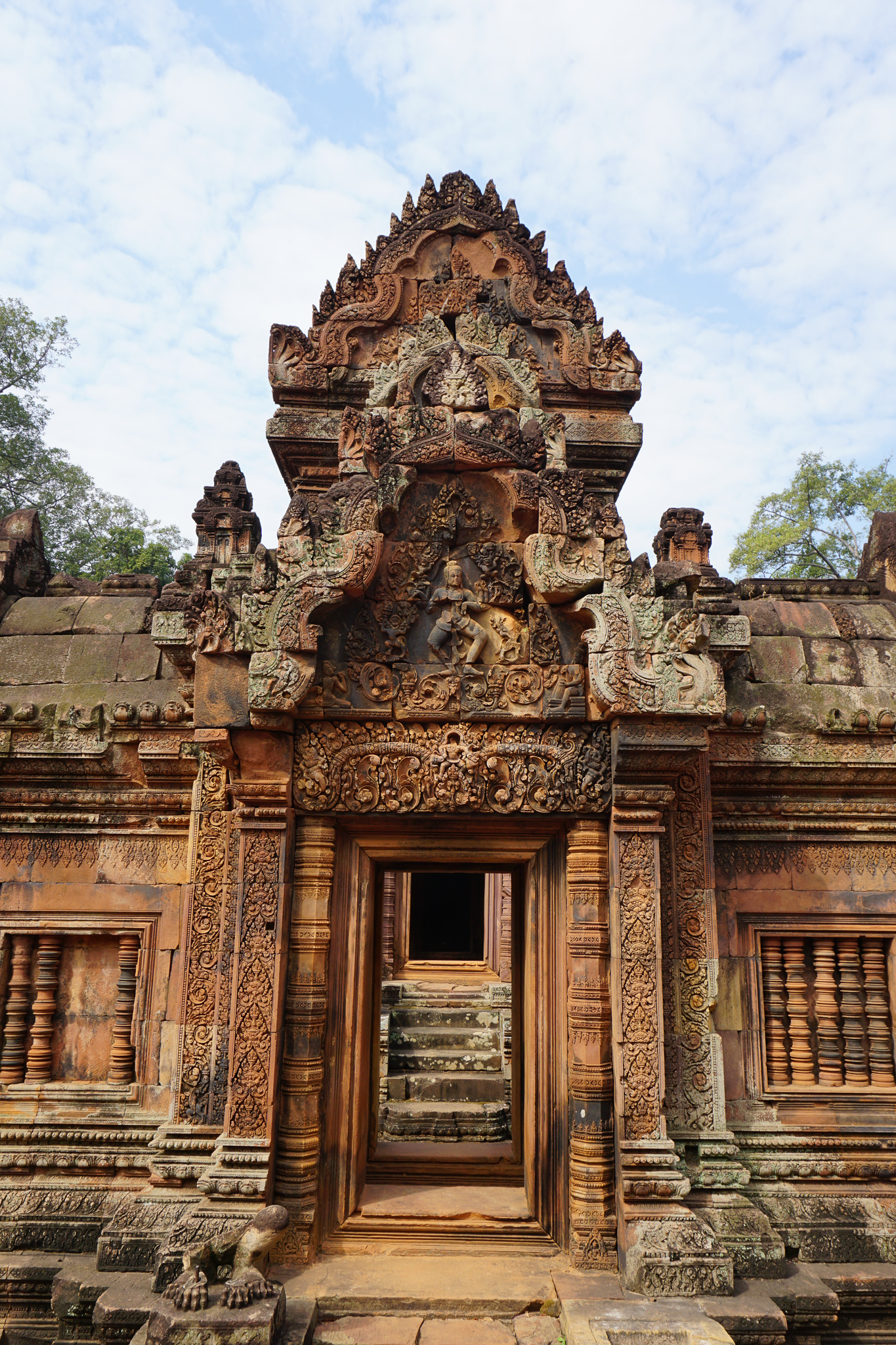
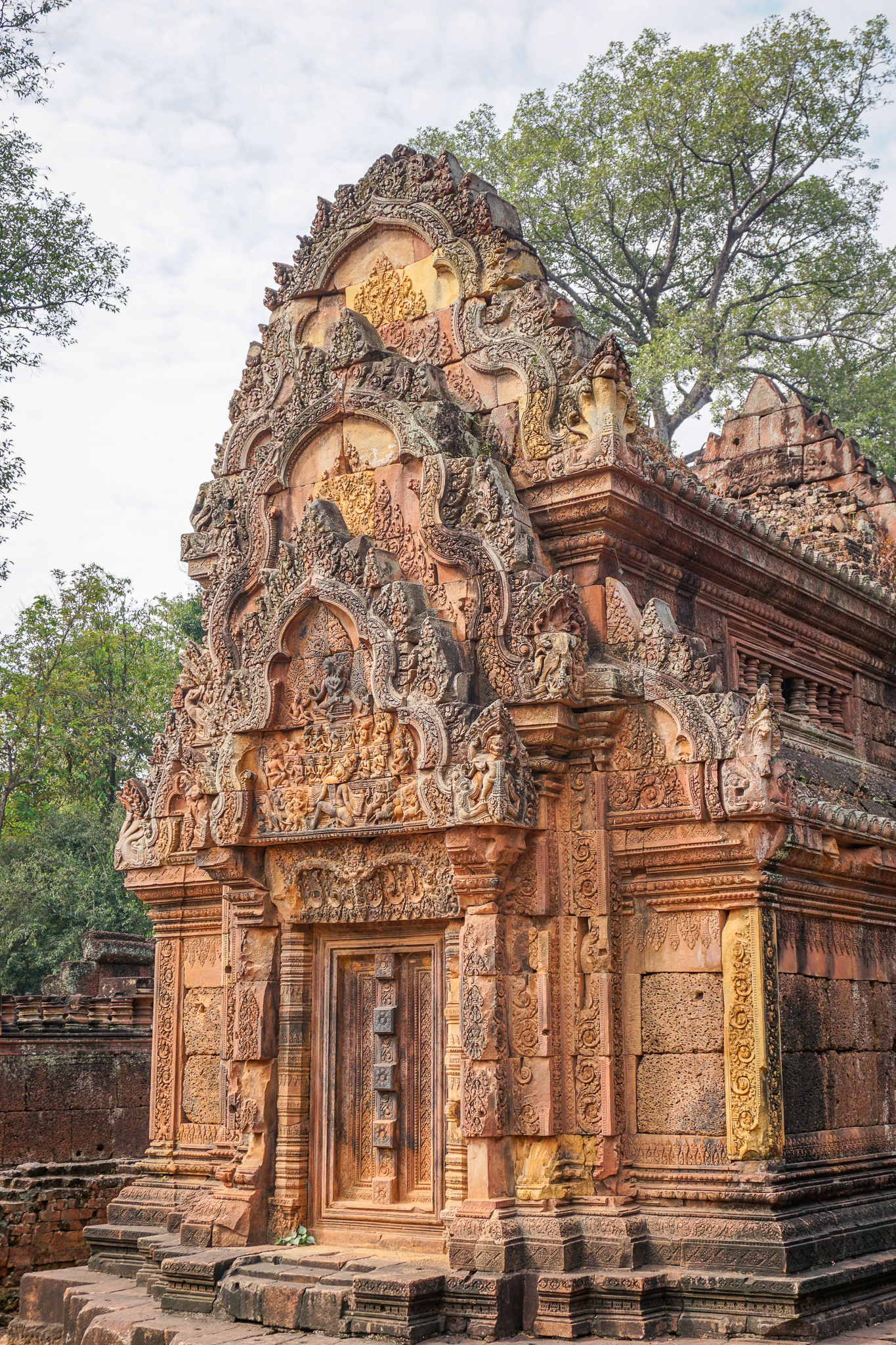
Let’s talk a little about the temples of this second visit. The main attraction on this second day was the Banteay Srei Temple, which means Citadel of the Women. The name comes from its delicate carvings, which some have conjectured could have not been made by the hands of the men, as they are so delicate…which is of course a very weak argument that makes no sense. It is also known as the Pink Temple as its stone has a pinkish hue. This temple is dedicated to Shiva, and whilst it’s much smaller than its counterparts, it is incredibly well preserved, and its carvings are indeed beautifully made, making it a must-visit, if you can spare the time. Thank you Nature, for being good here!
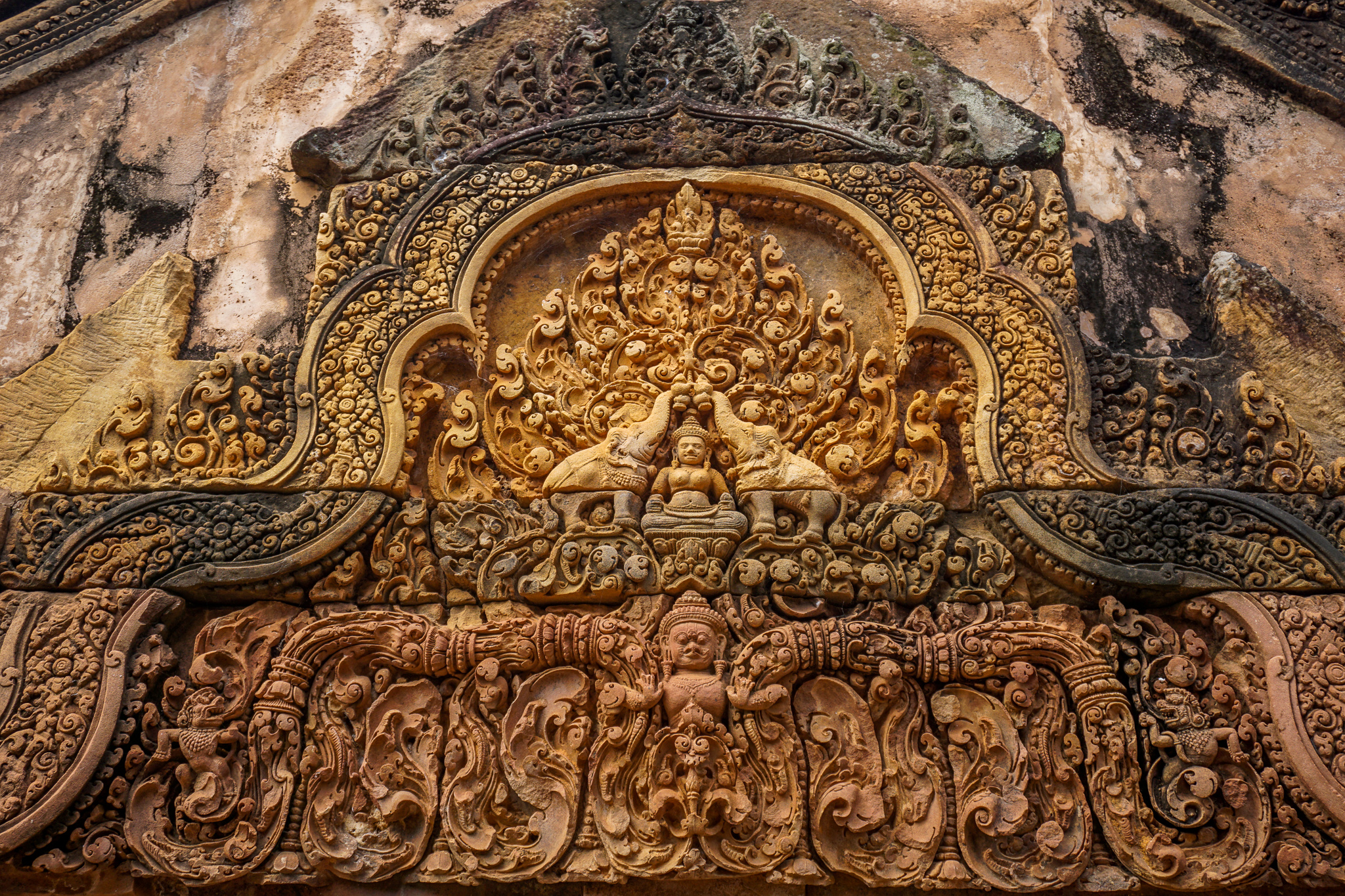
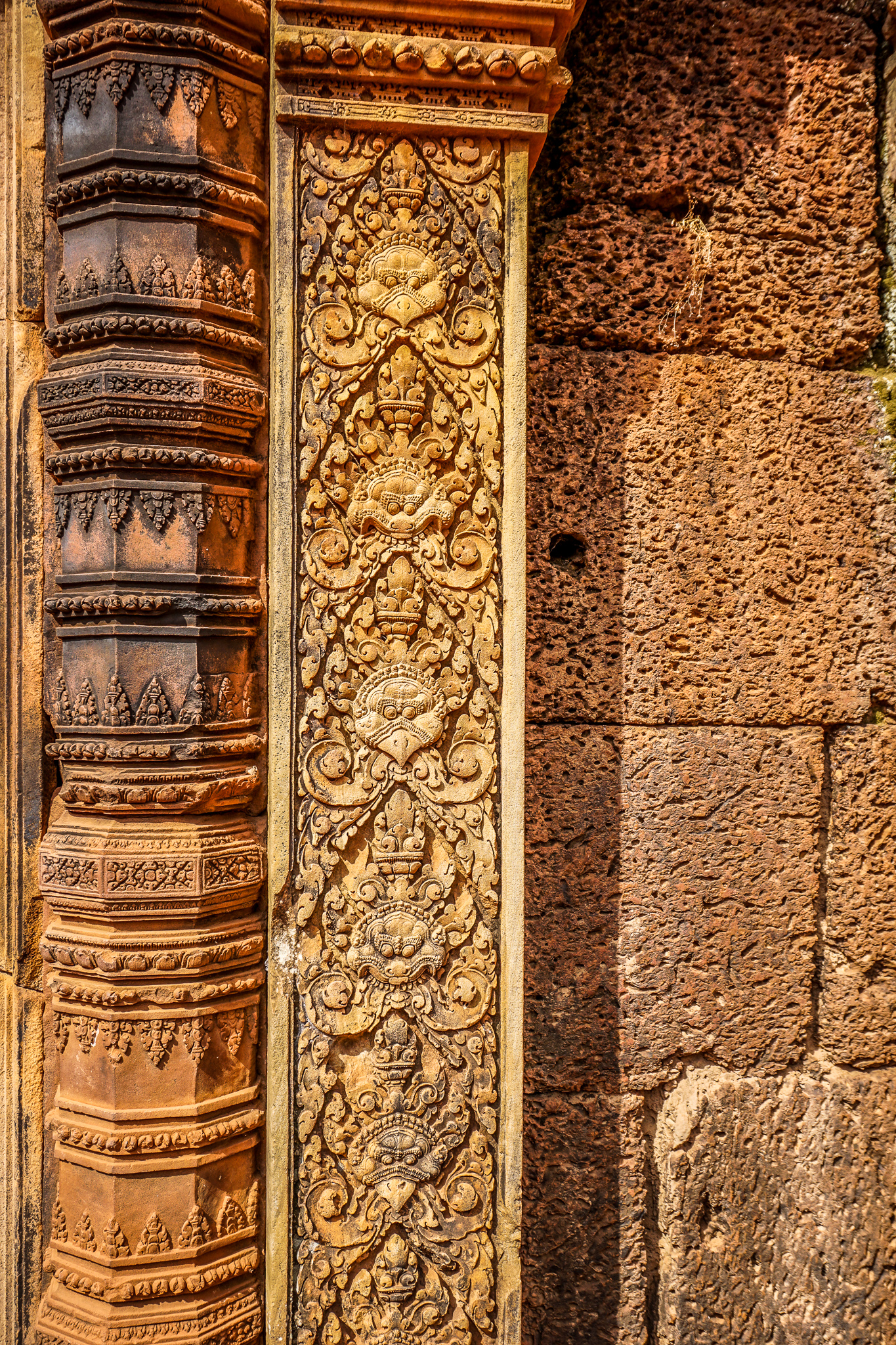

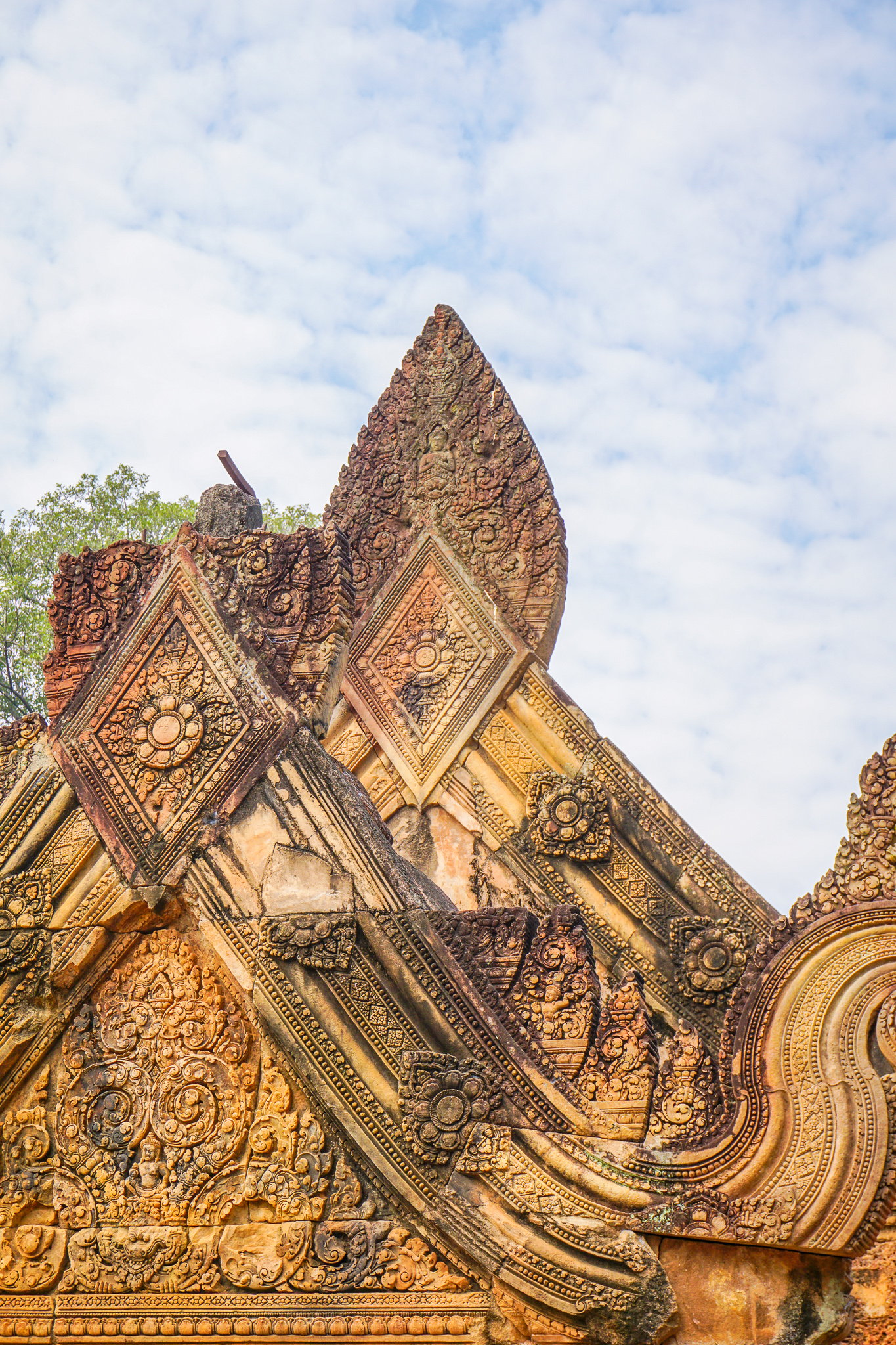

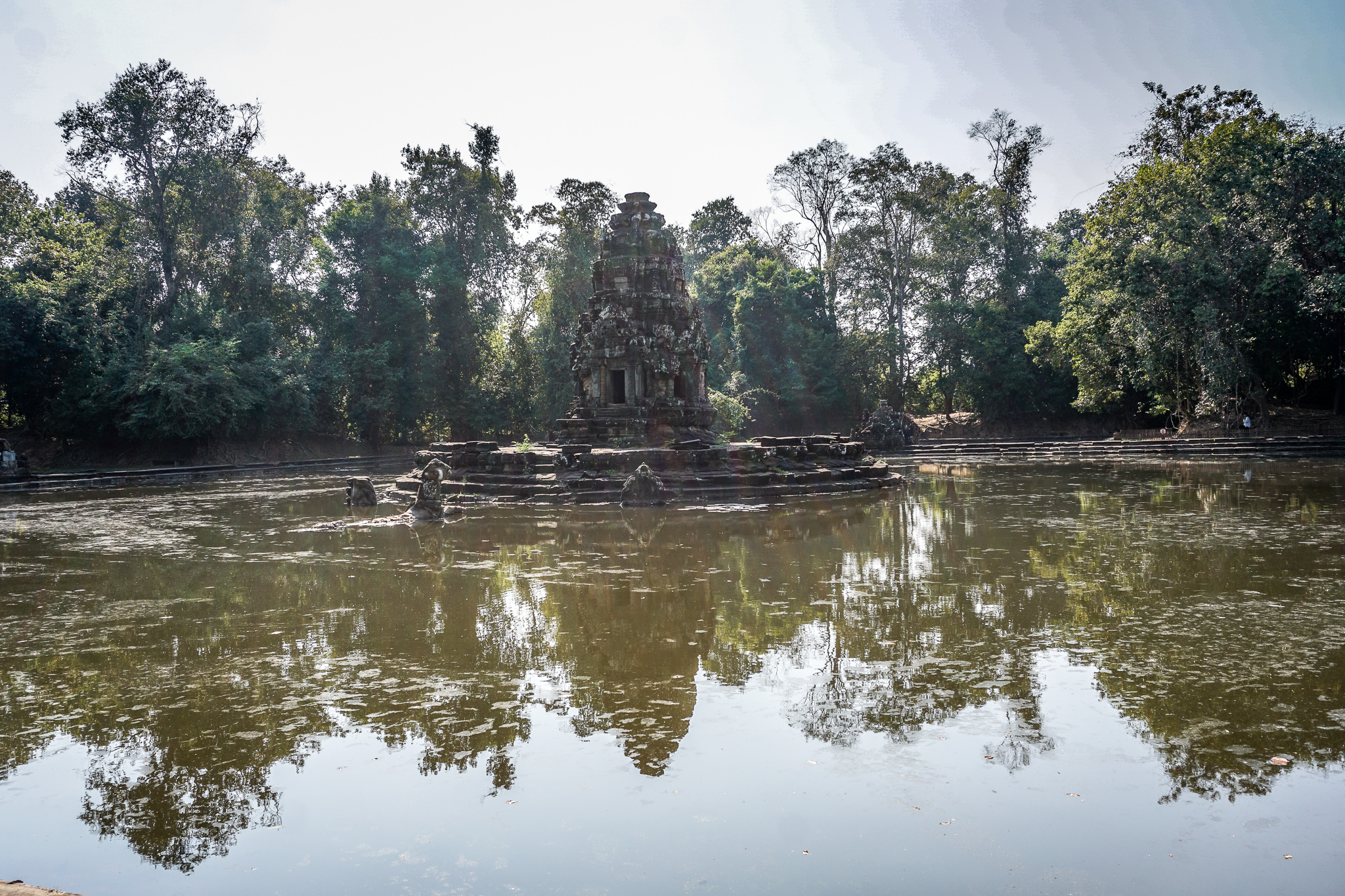
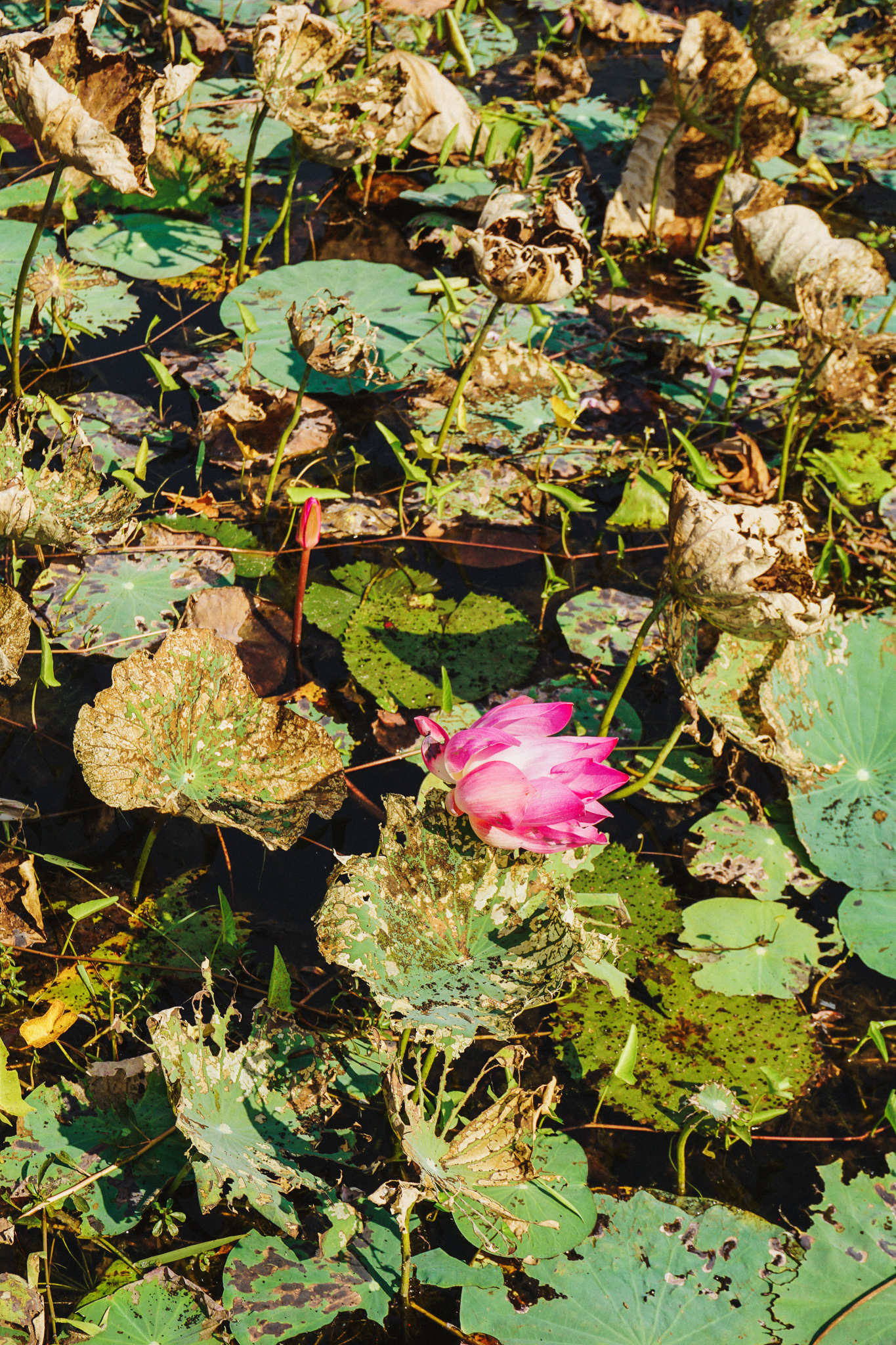
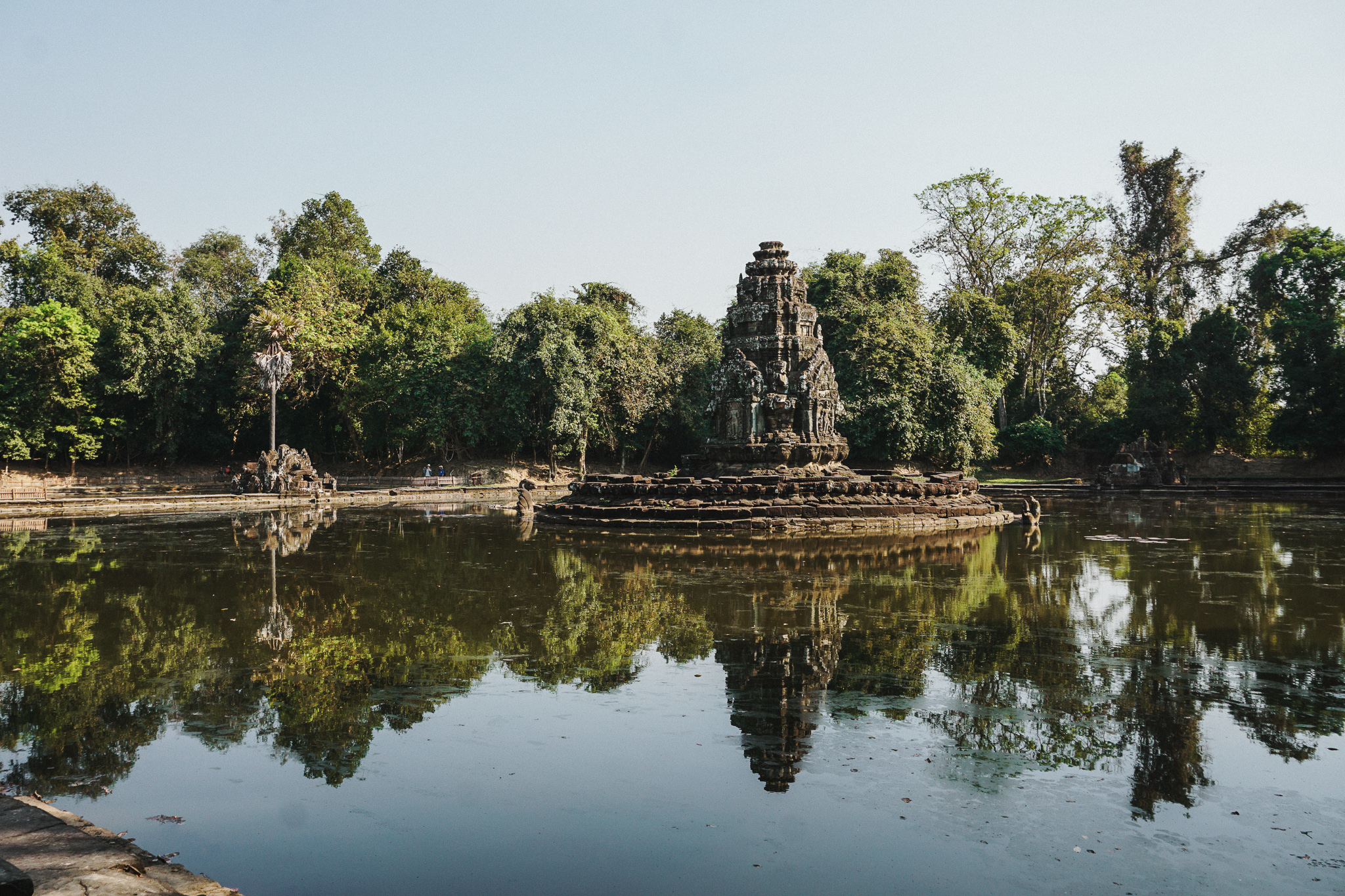
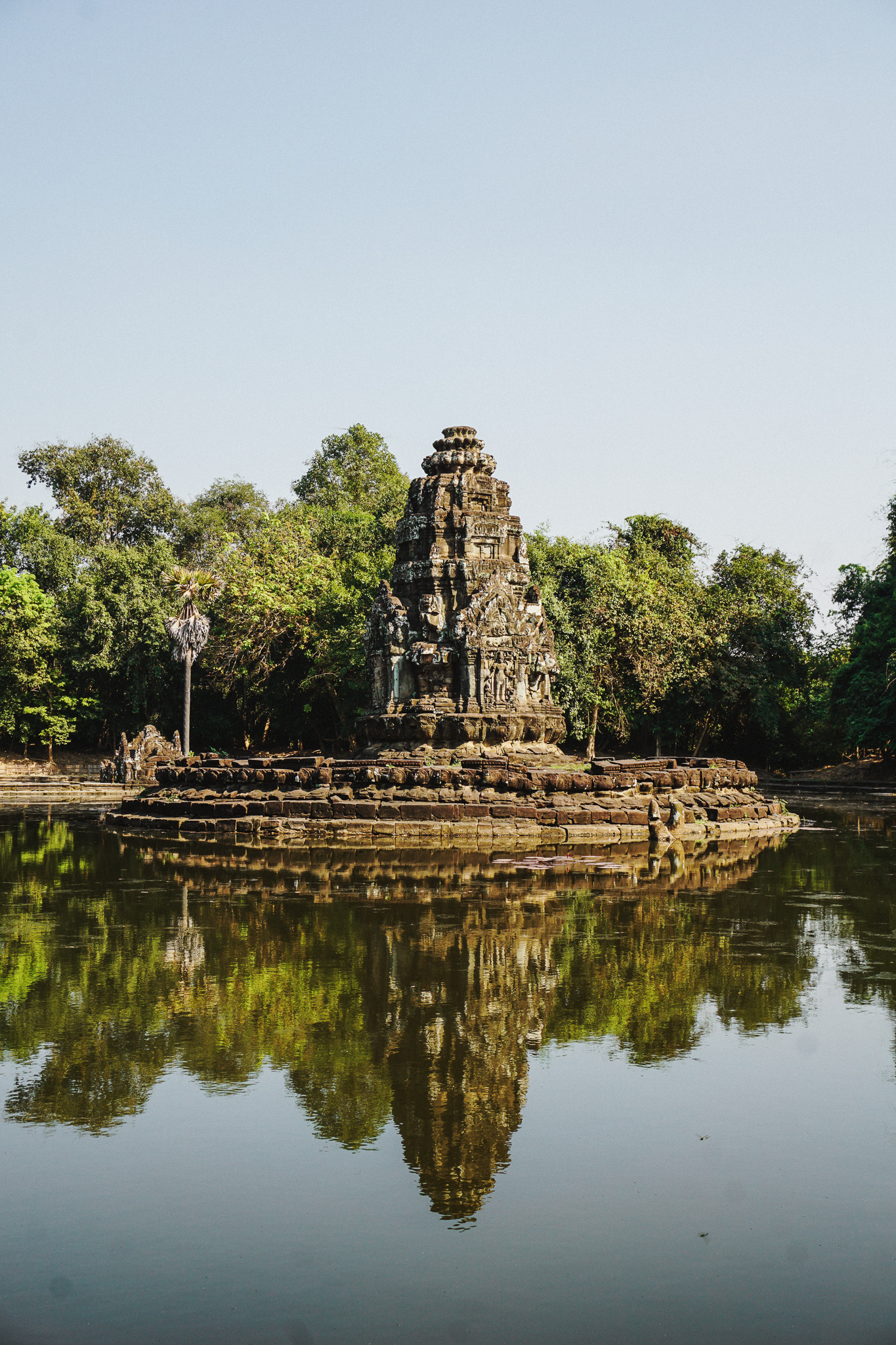
While this temple is incredible, we visited another one that ended up being among my favourites too. A temple located on an artificial island called Neak Pean . This temple was designed for medical purposes, as the ancients believed in the healing power of those waters. It was a sort of hospital in those days, but with what we’d call alternative medicine practices. There are four different connected pools, with each one of them representing different elements – Fire, Wind, Water and Earth. This is one of those places that makes you believe in the supernatural powers of Nature too. It is just incredible, even though quite a few parts of the temple have been destroyed by the actual elements of Nature, with carvings having faded away.



And with this visit, my time visiting the complex of Angkor was over. If you ask me if it was worth it – yes, absolutely. It is of the top ten experiences I’ve had in my four months travelling South East Asia, and I would go back if the chance arises. It is really a testimony to Humnakind’s ability to build incredible masterpieces, lasting for centuries and centuries, in complete harmony with its surrounding Nature. I just wish there were more efforts to maintain it, and I do fear what may happen if things don’t change.
Love, Nic
 The Winged Bone