
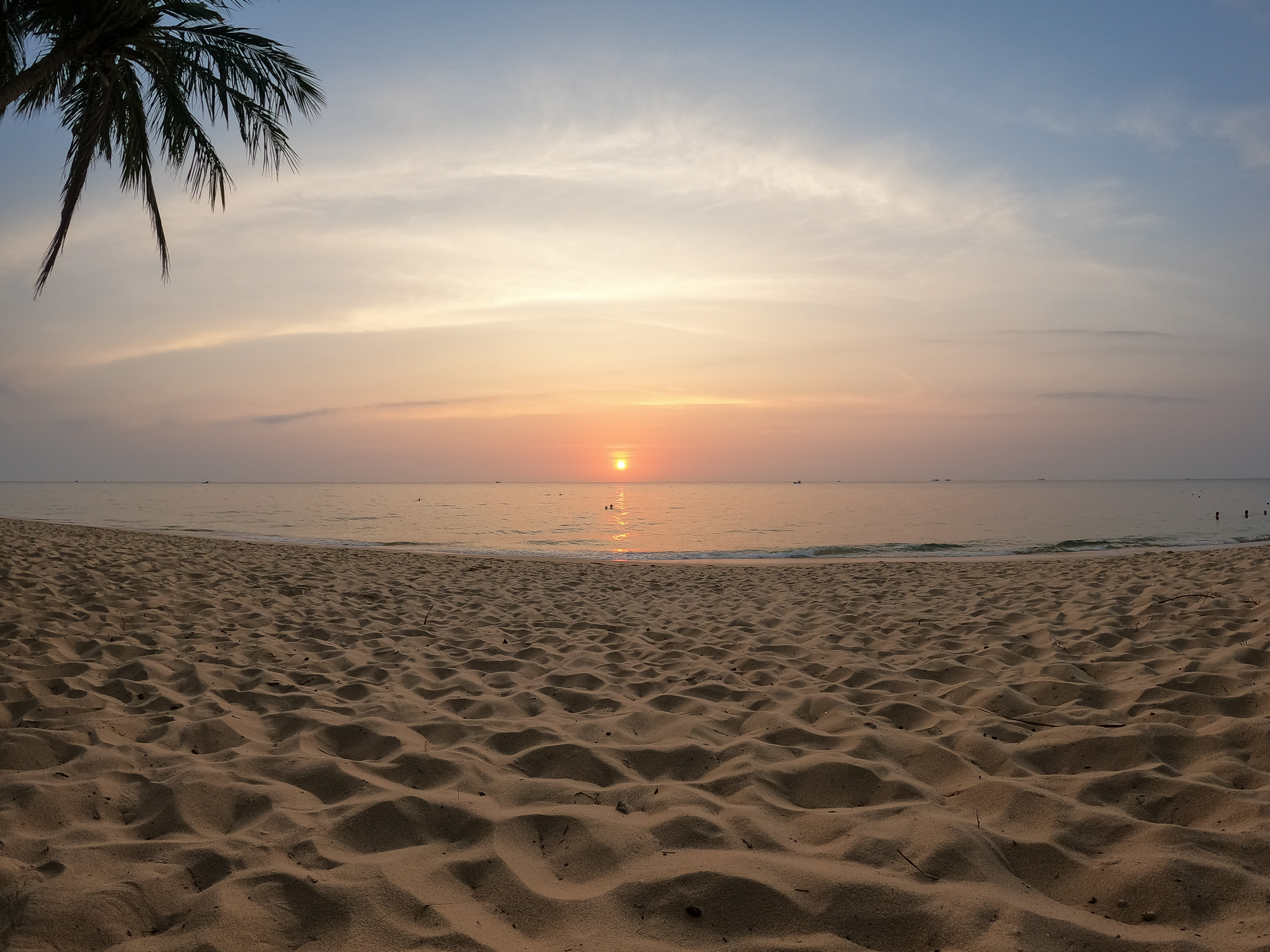
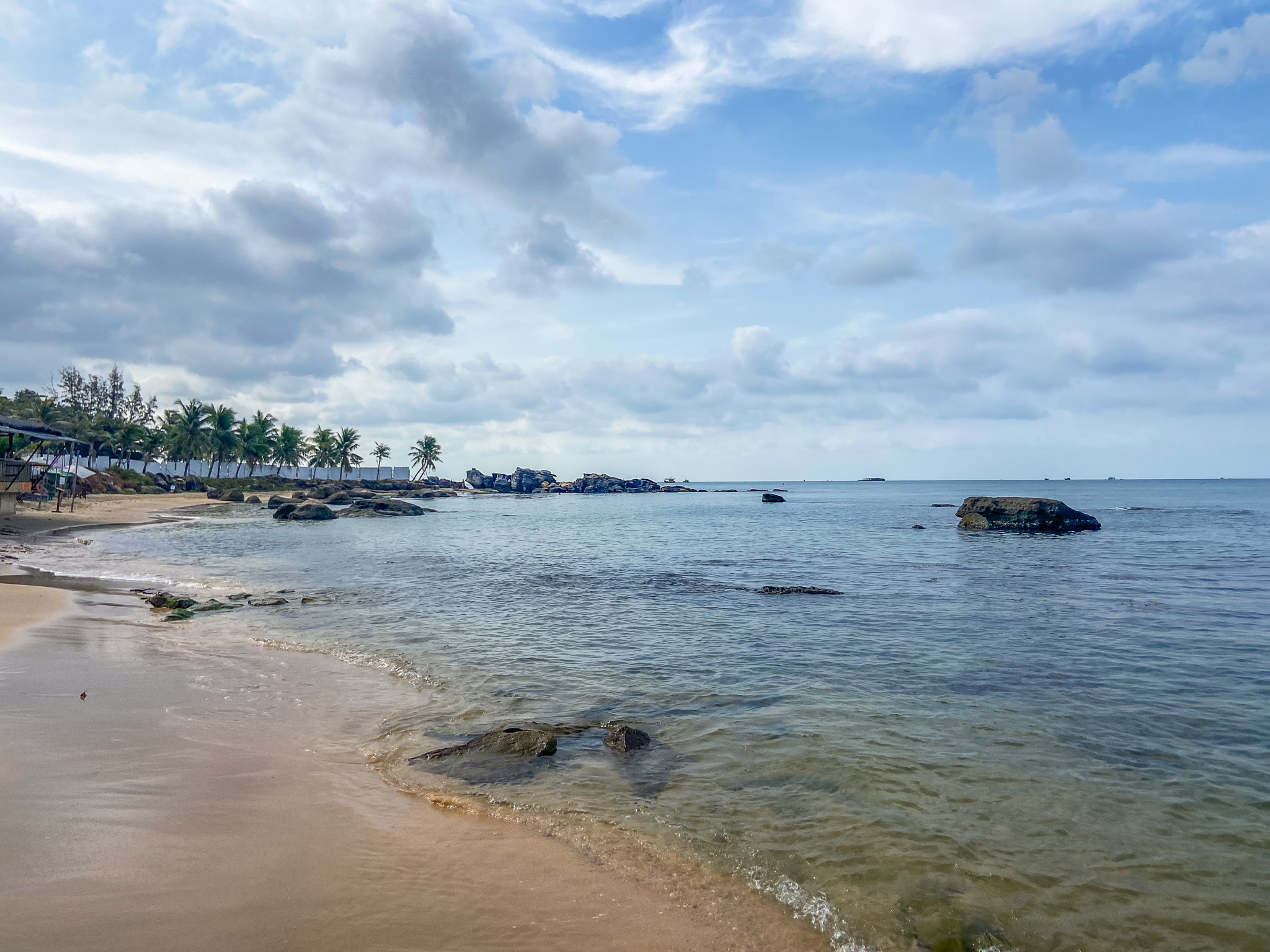
After starting my journey through South East Asia in the busy Ho Chi Minh City, I decided to book a few days in Phú Quốc hoping to get some relaxing time in. Quite frankly I didn’t have much expectations about it… until a few days earlier when I started reading online (particularly on Reddit) very negative reviews about this island and what it had become. I never really take much to heart what I read online, but oh dear, those Redditors were right. Even now, four months later, I’m finding it hard to explain the strangeness of the island. Perhaps it was once a nice place for backpackers like myself, looking for some pristine beaches with a chill vibe in Vietnam. And whilst the beach is somehow nice (at least the stretch by which I was staying), everything else is just quite frankly… odd.
The Tourist Crowd and Expectations
I usually have no qualms towards specific groups of tourists. Ok, let me set this straight – I didn’t use to have any problems with specific groups of tourists until this trip. And Phú Quốc was one of those places where it all changed. I hesitate writing this here because I hate generalisations – but the island was mostly full of Russian and South Korean tourists – both groups being very loud and quite frankly very rude, not only to locals but fellow tourists alike. Now, I’m not saying every single Russian and South Korean is like that, but this was the impression I got from experiencing not only one but multiple situations where I encountered these nationalities in the majority. I was particularly surprised by the sheer amount of Russians, to the point that some restaurants even had menus in Russian!
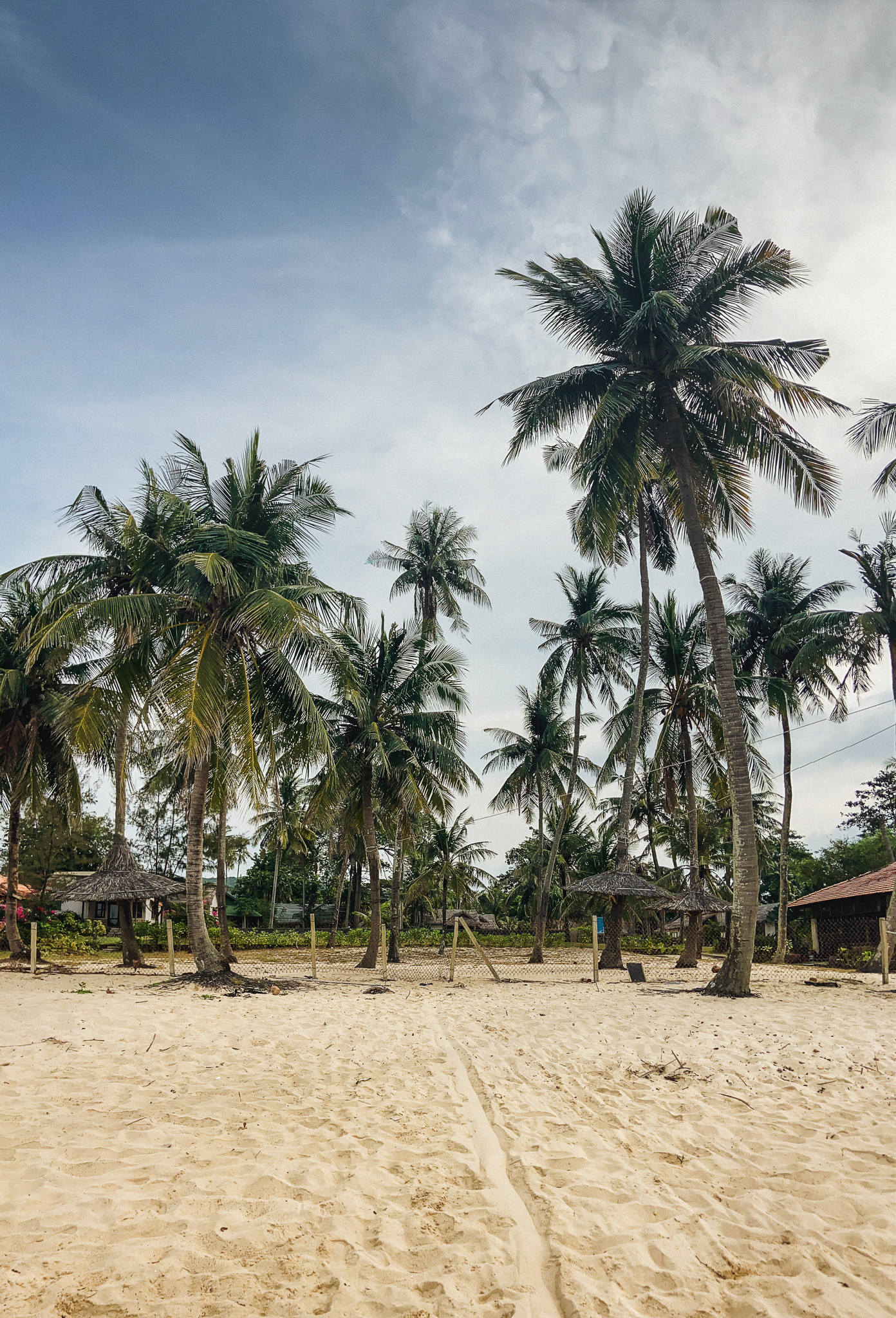

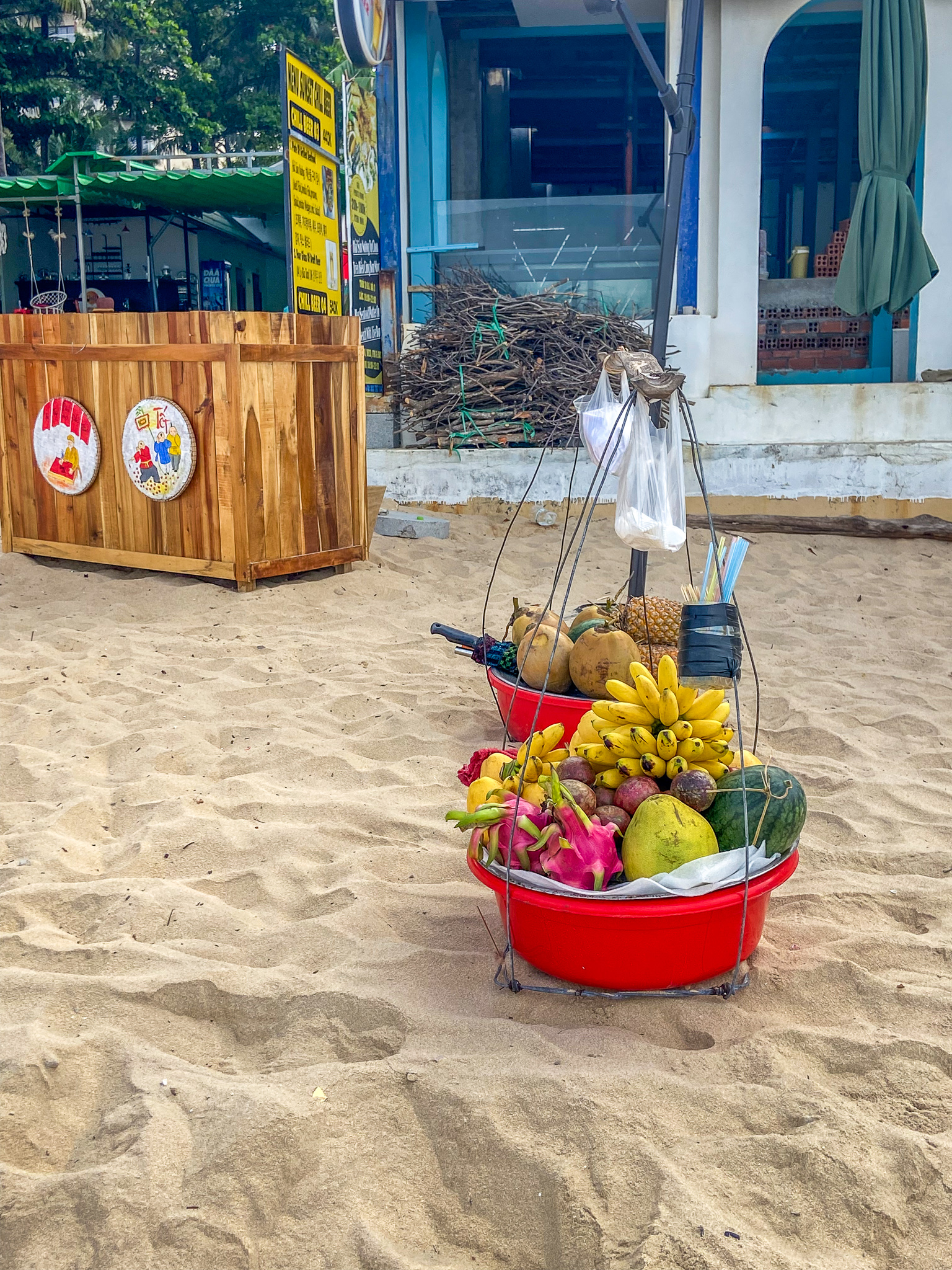
I have also learned that when you travel to more vacation/beach holiday destinations, you encounter people who really couldn’t care less about the country they are visiting and its culture. And fair enough… Phú Quốc has very little of Vietnam in it, with culture being practically nonexistent, and it was hard to find restaurants that served Vietnamese cuisine. Most people (myself included) come here for some relaxing time. But there are others that besides relaxing want to party hard, with heavy drinking being a part of it, pretending they are in their own countries, but with cheaper fares. I avoided that sh*t-show by simply not going out in the evenings.
Decrepit Hotels and Abandoned Resorts
I stayed in a family-owned accommodation, in a little bungalow that I absolutely loved. It was clean and beautifully done, I just had to cross the road to be at the beach, and it was a nice-looking part of it too, even though I had to cross a resort to access it. The reason why this is so nice was precisely because everything else is so ugly and decrepit that it makes you wonder how are foreigners still coming here… perhaps because it is cheaper than other places. But still… it is clearly a destination made for you to stay at a resort and not leave it. And hopefully, you booked a room in a place that is not falling apart…
It is quite sad and somehow creepy to see places that were once perhaps luxury stays that have fallen into complete disrepair. Walls that need to be repainted, letters that have fallen off, signs that have faded. Some of the places looked almost empty, waiting for tourists who were not coming, employees showing blank faces, and idle hands
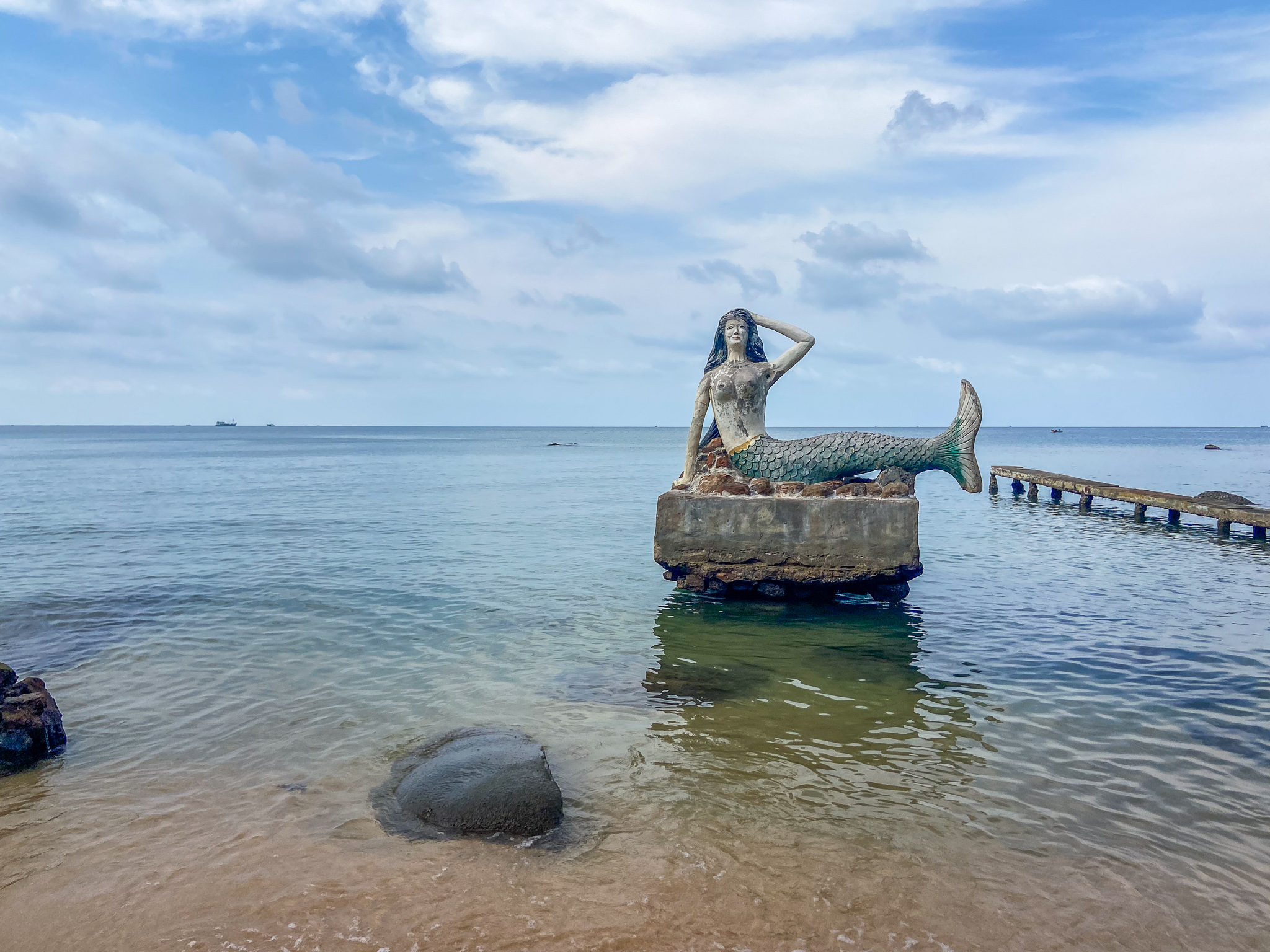
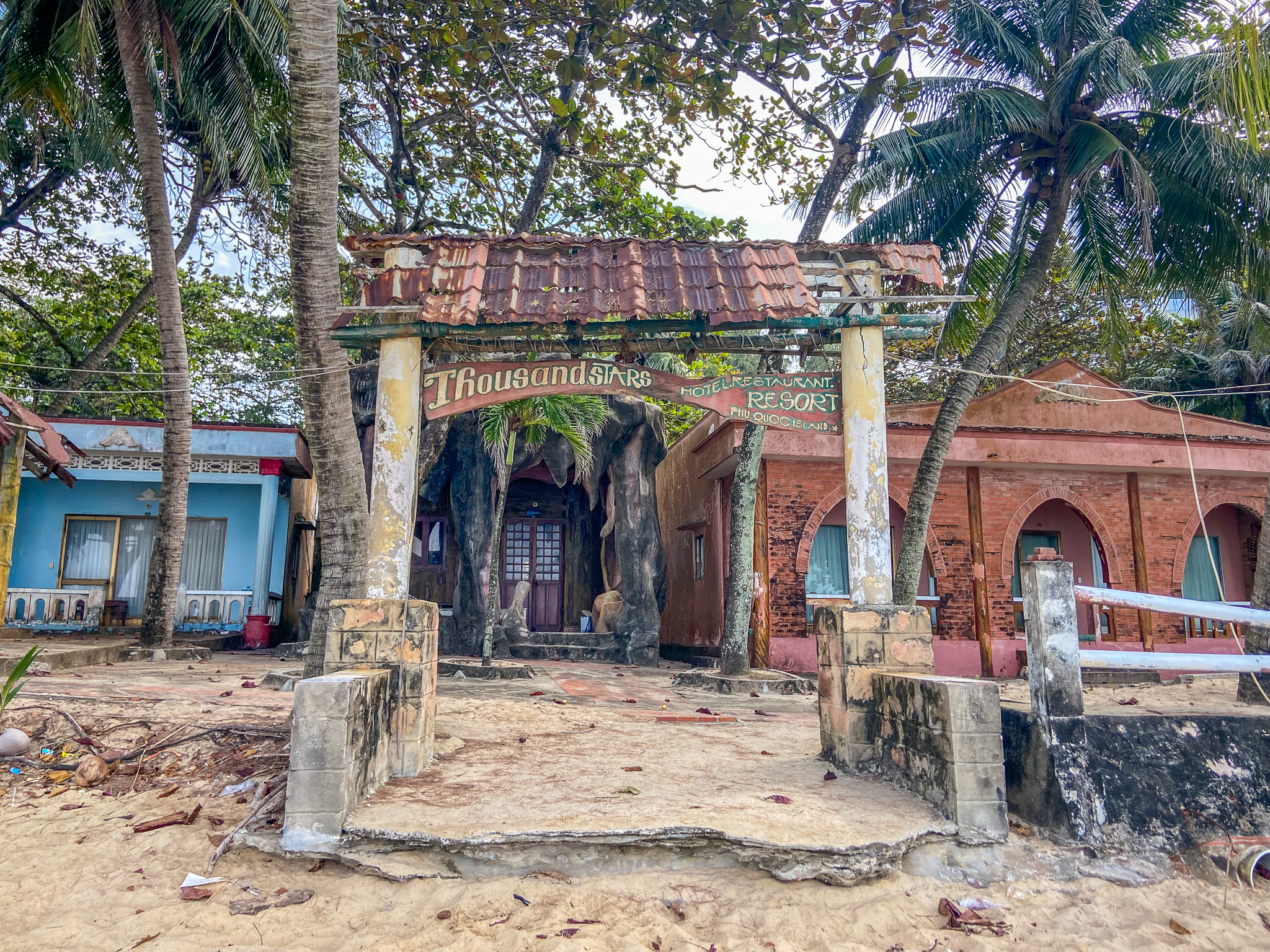

And then as I was walking by the beach I came across the creepiest abandoned resort of all… and I do wonder if there was ever a time its space was full of joyful tourists, and happy families, creating memories whilst snapping photos in front of the very strange looking, ocean and world themed sculptures.
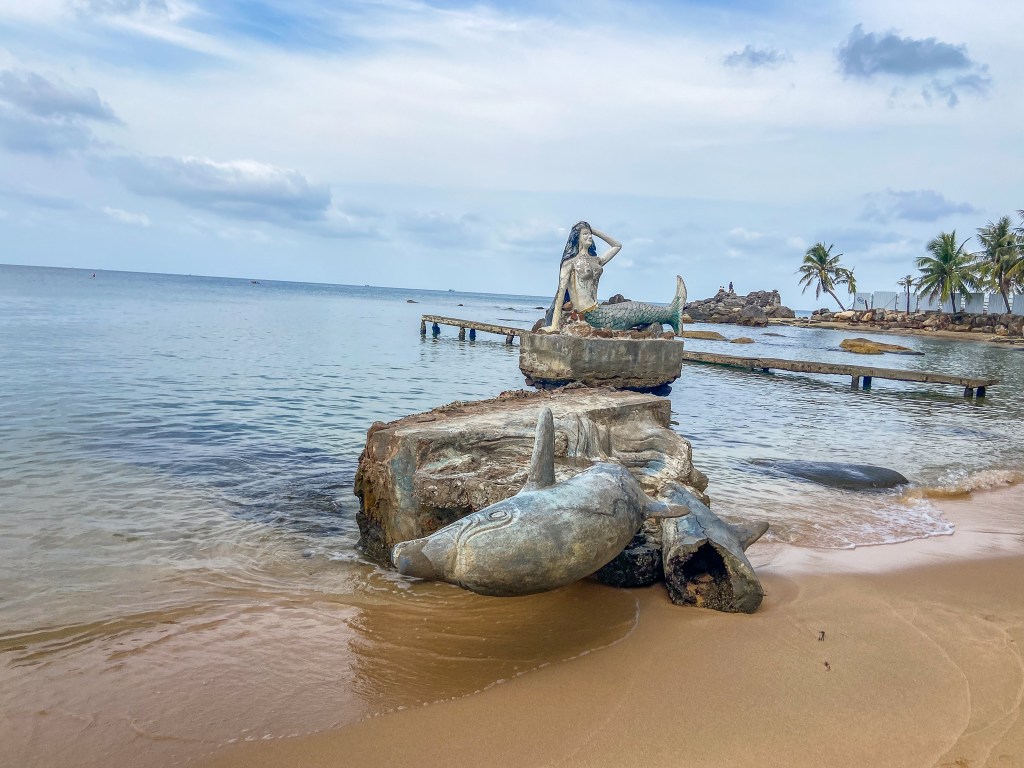
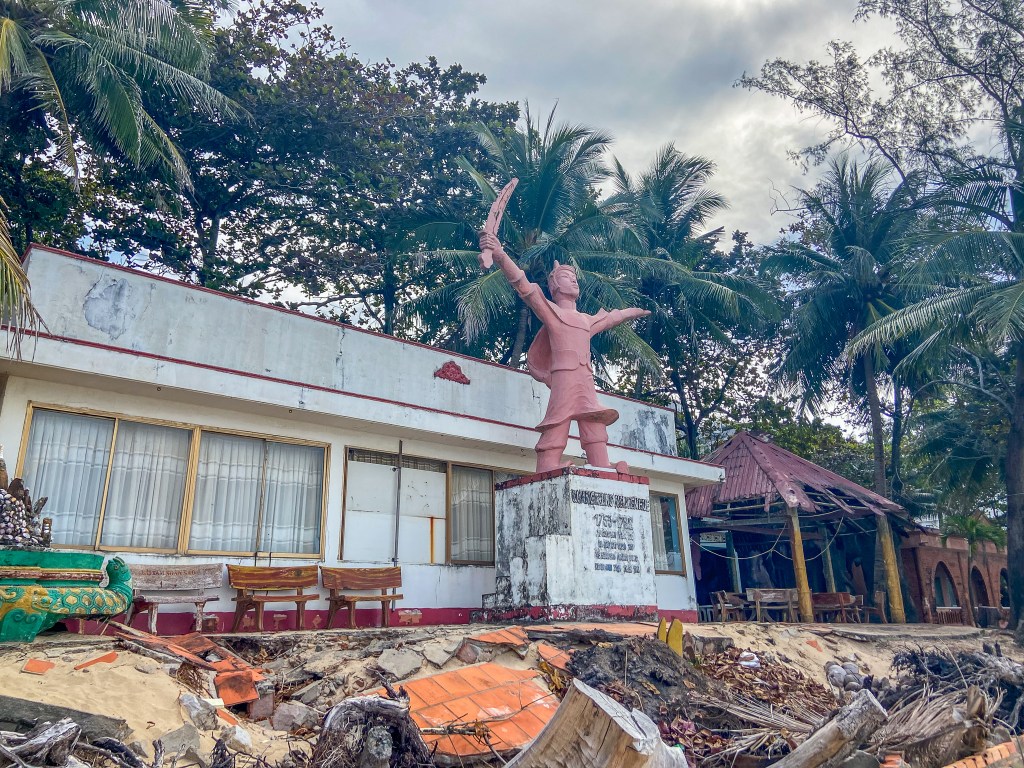
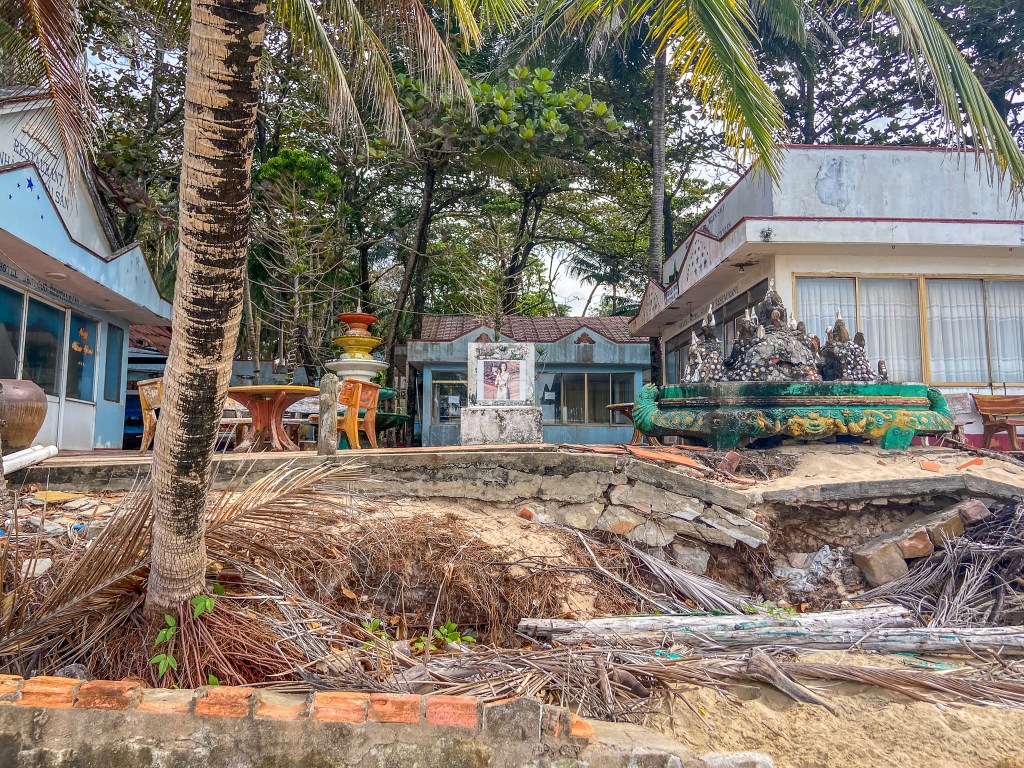


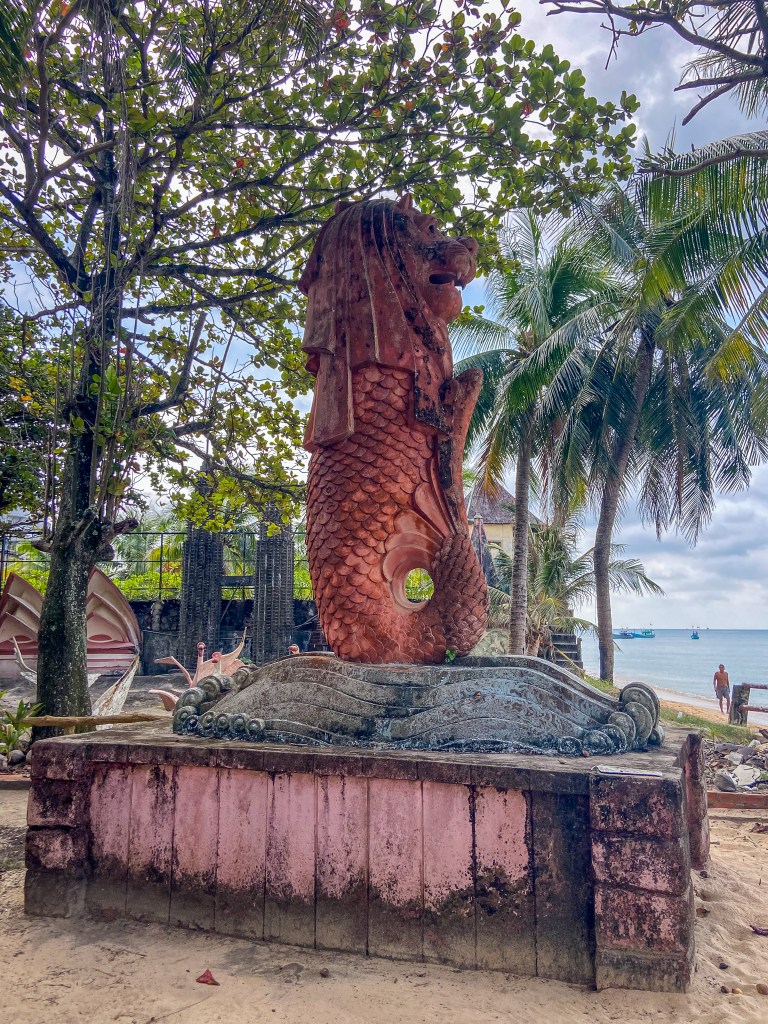

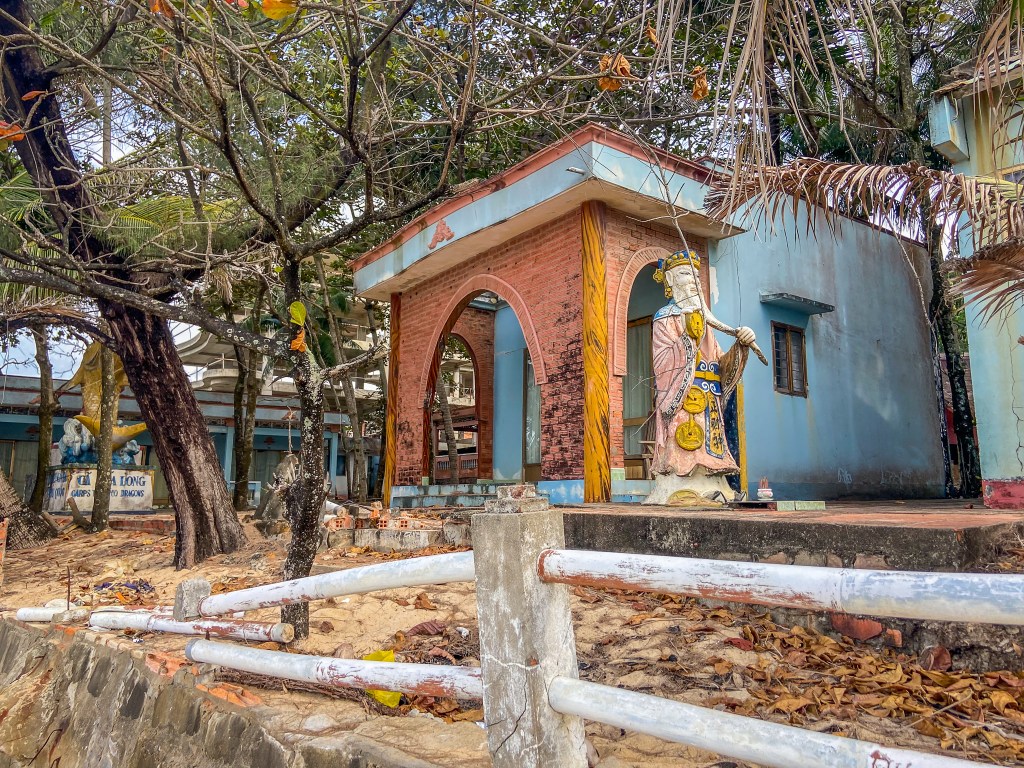
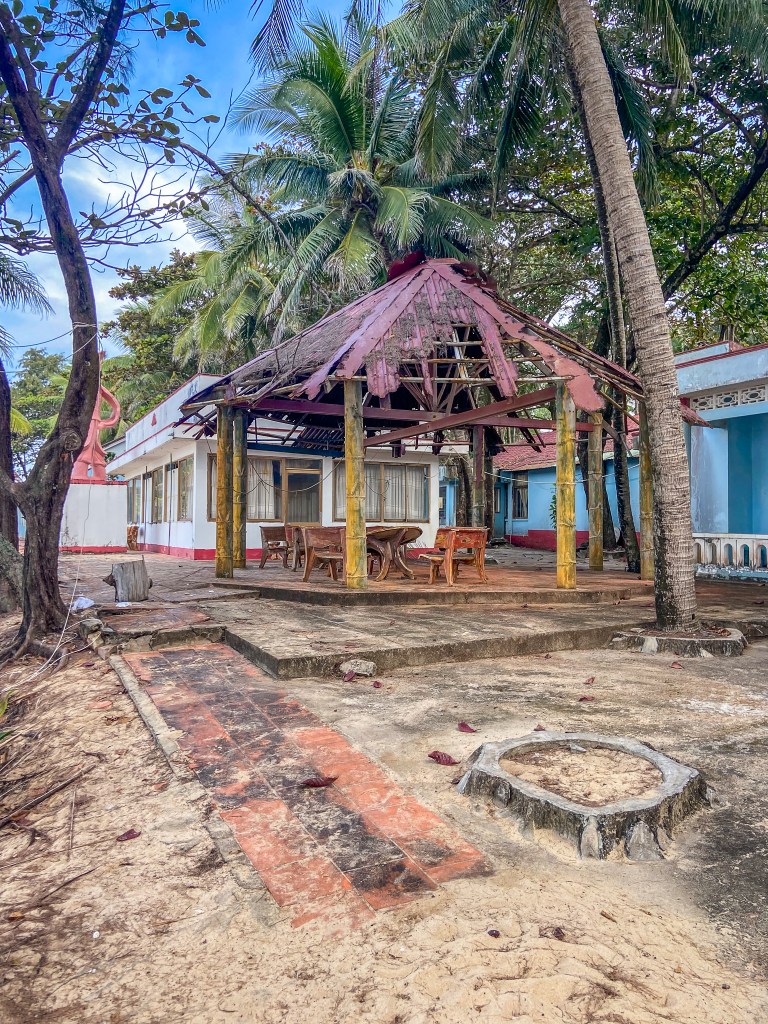
The place was called the “Thousand Stars Resort” and a quick Google search made it all even weirder, as some of the reviews I found were titled “CREEPY, KEEP AWAY”, dated from 2013 with the most recent from 2018 titled “Update warning – how is this still open?!”. So it has been creepy all along… I wish I could find out a little more about it. The place definitely has the ideal characteristics to be a set in a horror movie… and what I found most upsetting was that despite its clearly abandoned state, some of it seemed to still be taken care of, with some spots looking like they had been repainted recently.
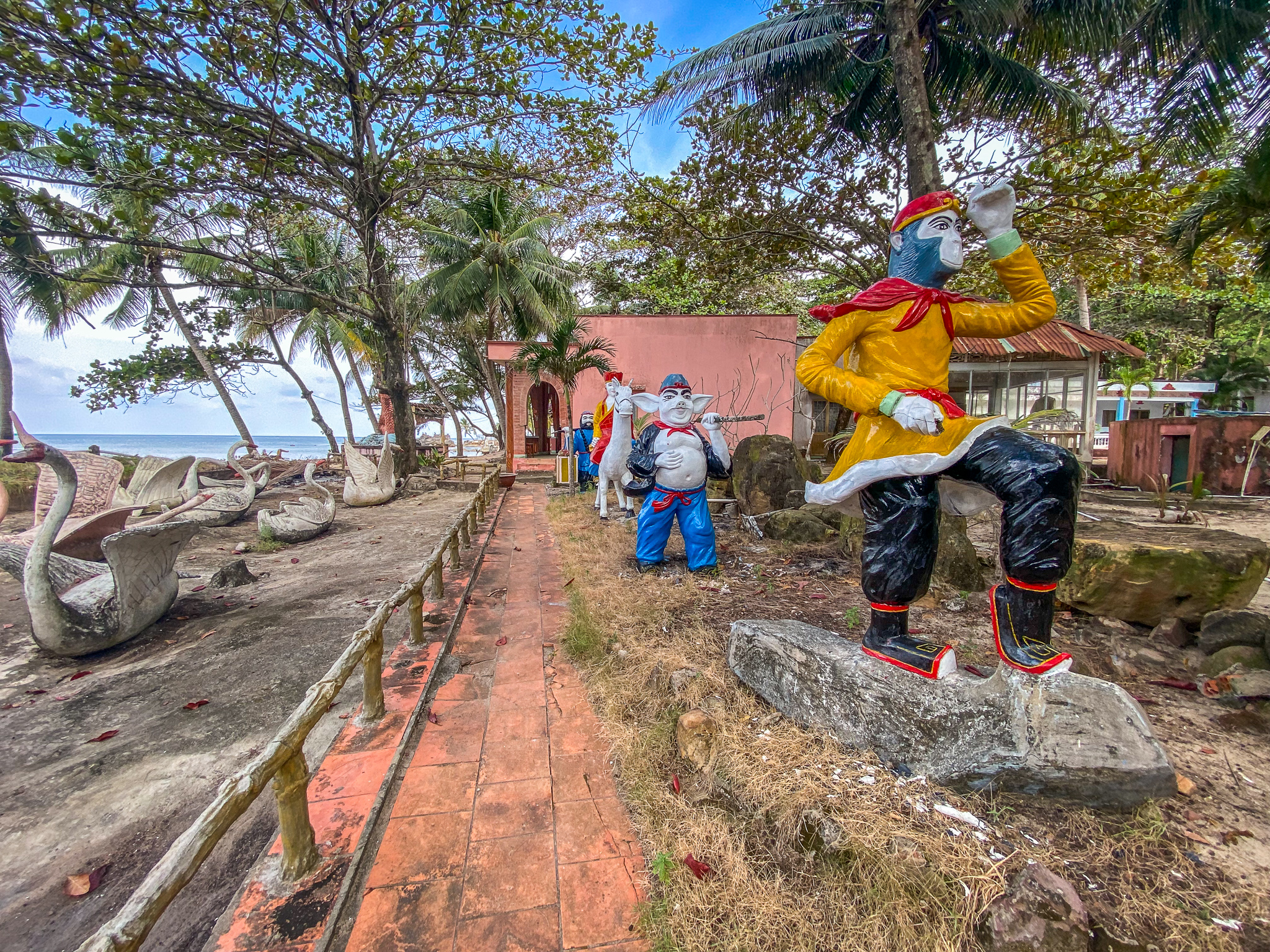
Definitely, keep away.
A Property Wasteland
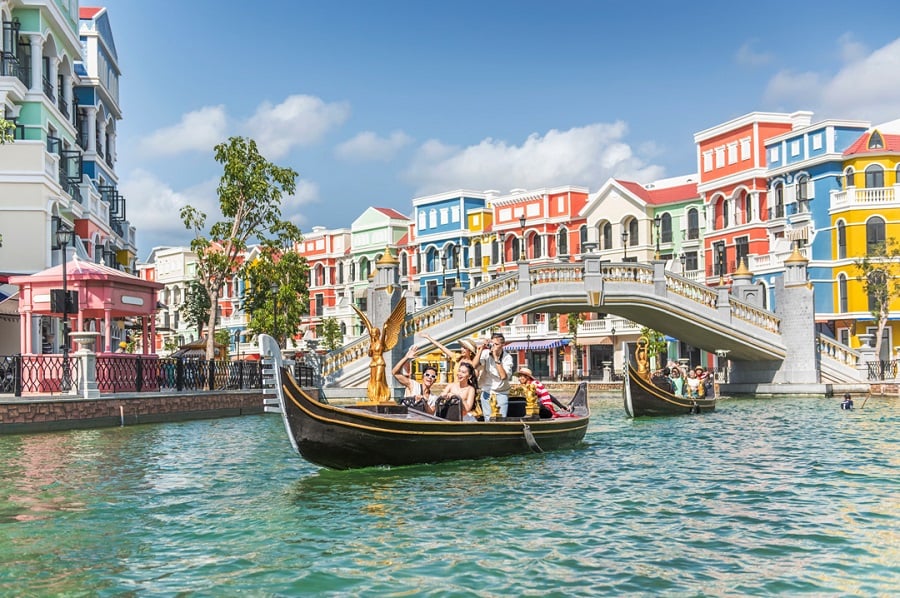
As if the abandoned and decrepit-looking resorts and hotels weren’t a clear signal that perhaps tourism isn’t exactly flourishing on this island, the strangest thing of all is the overdevelopment of what seems like luxury real estate no one seems to buy – not to mention the phantom town of Vinpearl Grand World, a replica of European cities, some sort of theme park that perhaps only attracts Asian tourists wanting to take some pictures in a fake European town. I didn’t set foot in this place, but passed by it. It’s reportedly full of empty or fake shops, most times is simply empty. It also includes blocks of buildings for residential purposes which no one seems to have bought – or if they did, they just aren’t using it or can’t rent it out. It’s eerie, to say the least.
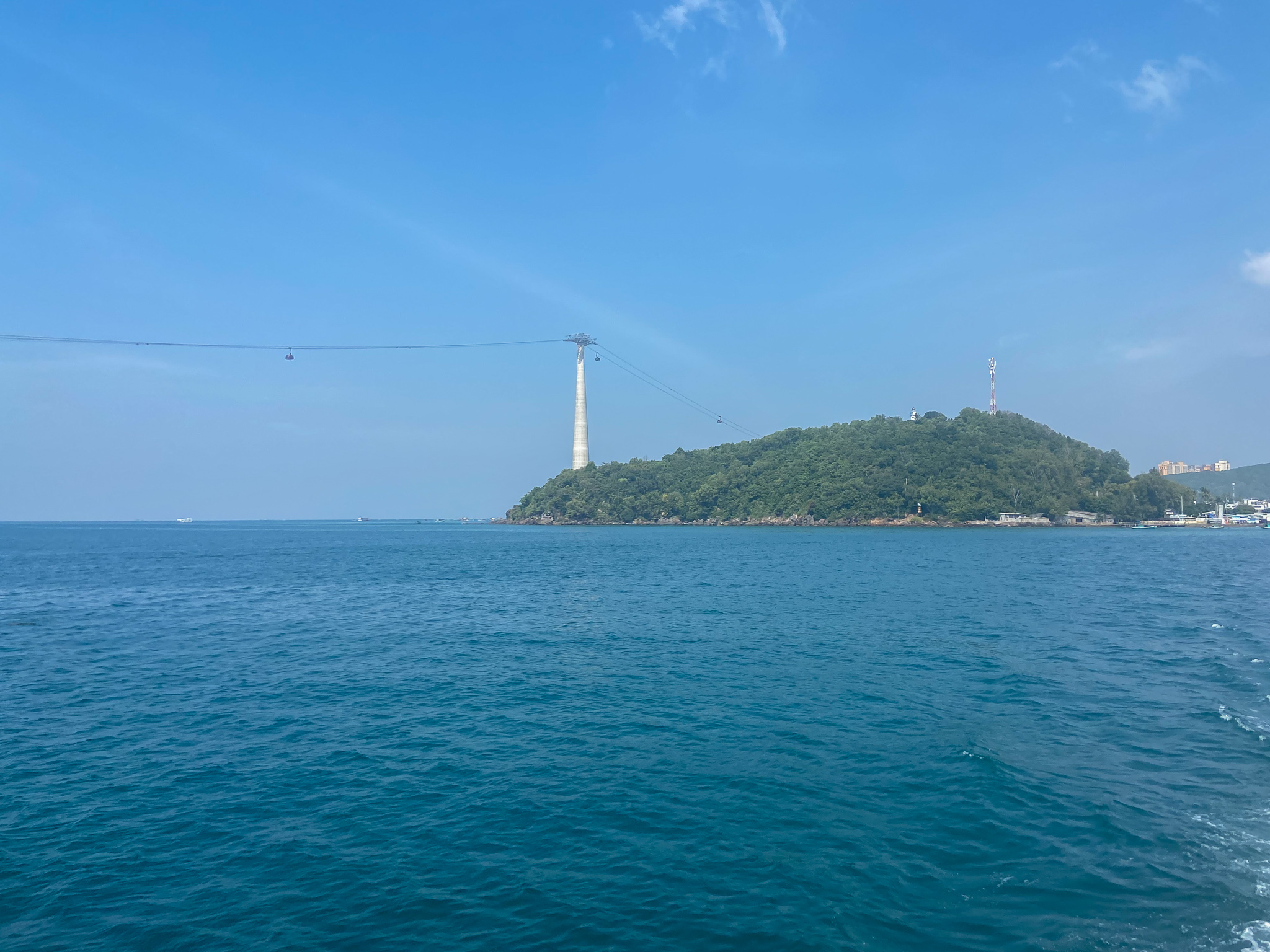
I should also mention another main attraction in Phú Quốc is its Cable Car. It figures in the Guinness World Record books as the longest, travelling about 7,899 metres over the sea. It was something I considered doing, but I couldn’t find any tickets that didn’t include the water park belonging to the same company… and it was also quite pricey.
Ok… enough with the negativity, let’s talk about the Good Stuff
If you stay at the right accommodation (I recommend the Cosy Bungalows), are not expecting much culture or amazing food (the restaurants here are definitely not even comparable to what you find on the mainland), you can have a few relaxing days and take a couple of day tours. I used the company that seems to be the main one in the island, called John’s Tours. Did the two-island snorkelling trip and the Starfish Beach day trip. The latter included some commercial stops. The starfish were unreal, they actually seemed to be made of rubber!
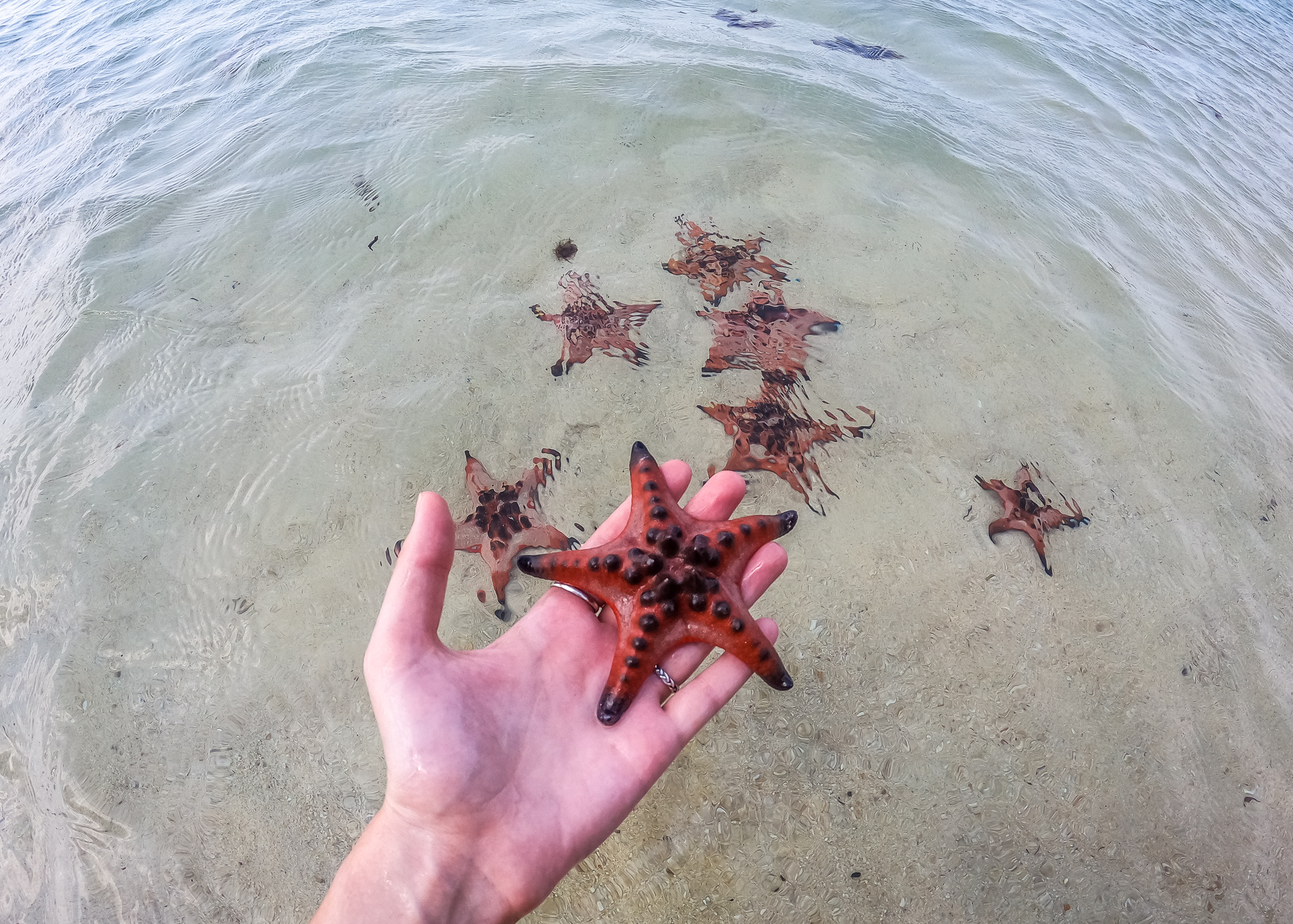
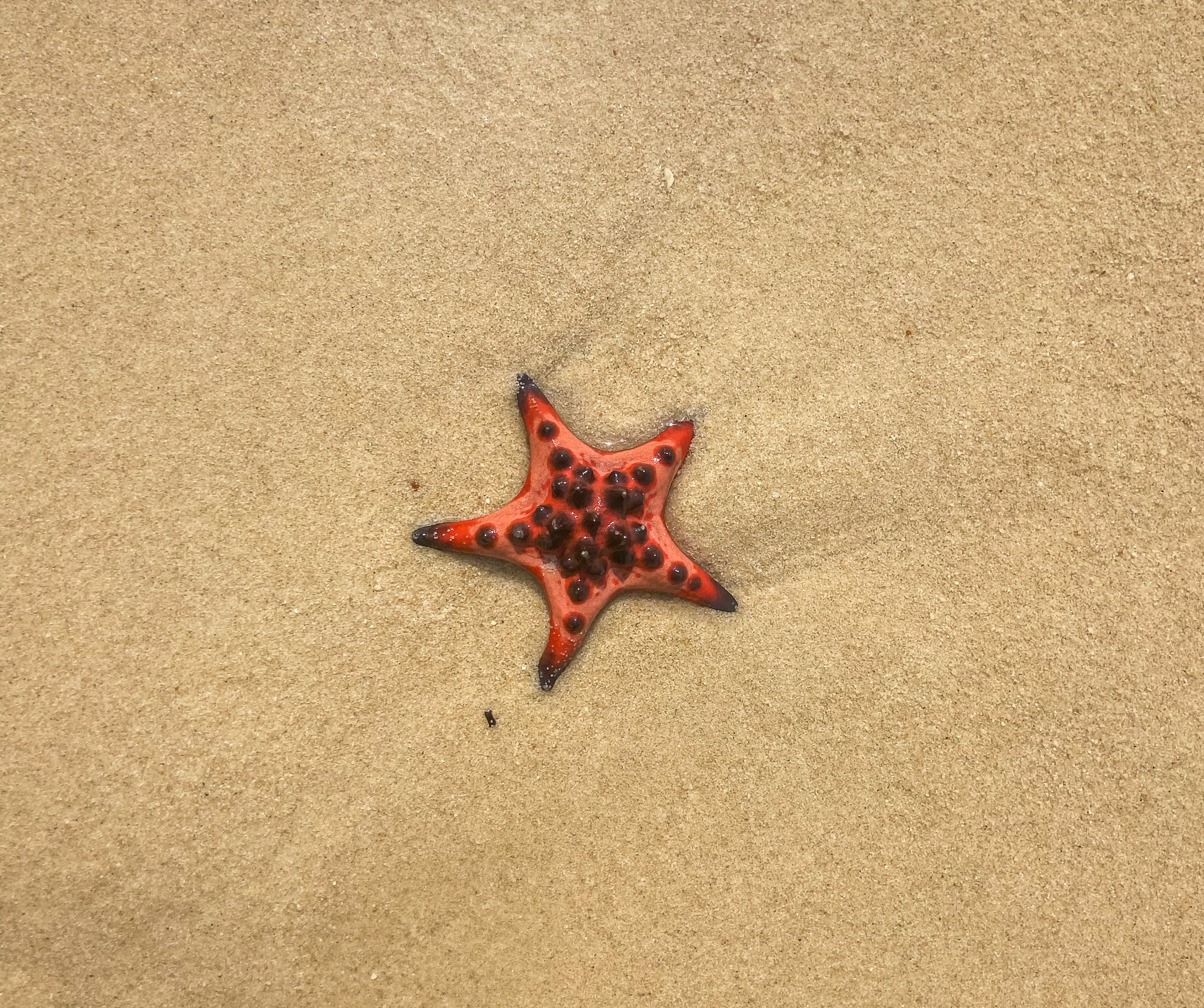
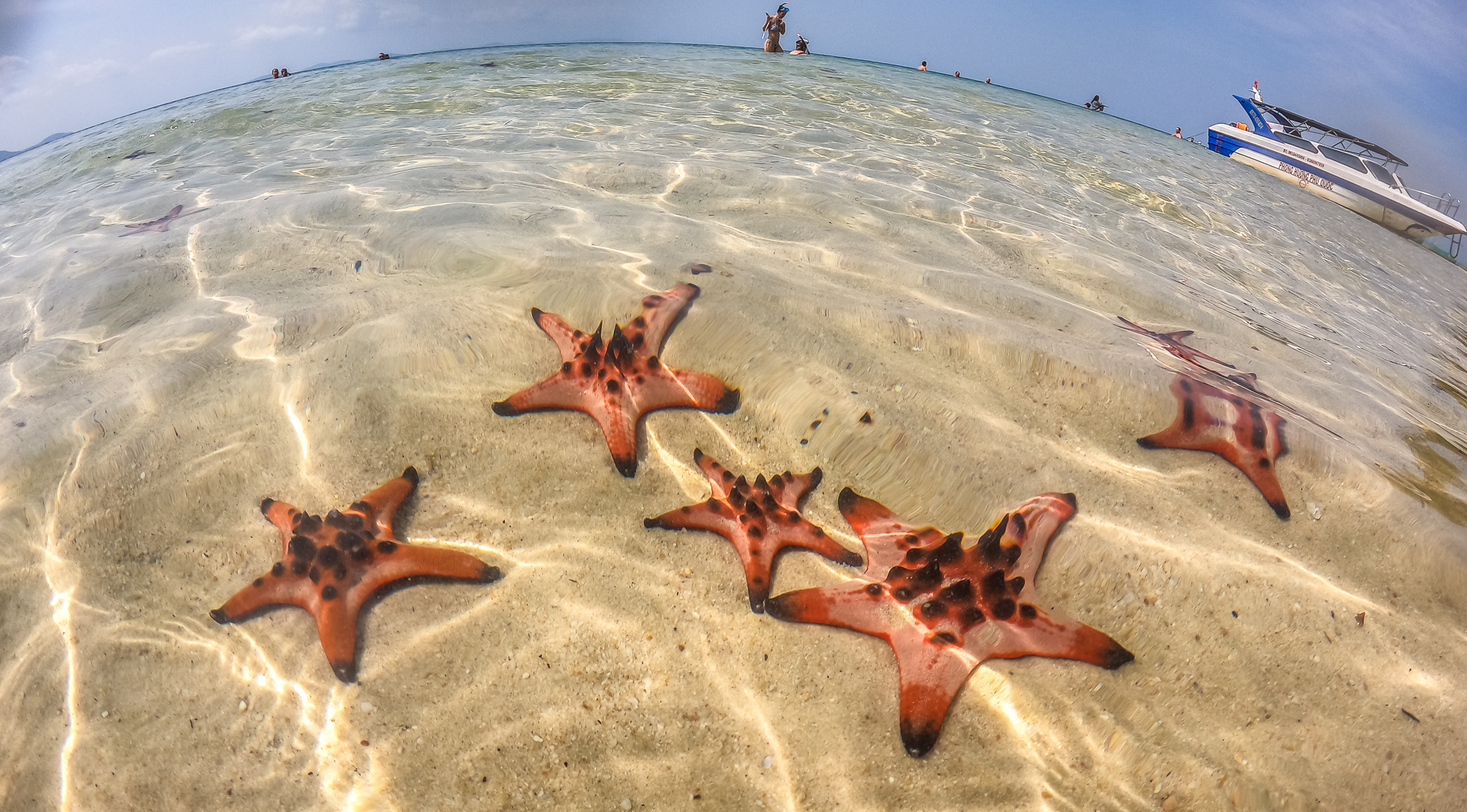
I do have to state something quite important about Starfish Beach. Guides are going to motivate you to hold them and take photos with them, but this is wrong and definitely a far cry from sustainable tourism. Touching the starfish can harm them and even lead to their death, particularly when people leave them out of the water. My own guide was incentivize us to touch them… and I only did to move them back to the water, as some tourists were taking them out to take pictures and leave them in the sand to dry.
It was hard to witness these bad practices, and it never got any easier during my trip. Usually, I’m very careful to choose tours and companies that follow animal welfare and environmental practices, but these are not always available in such parts of the world. It was a hard pill I had to swallow, leaving me feeling complicit in such bad practices.
Despite this, the tours were good, with entertaining, professional guides. I got the chance to speak a little more with one of them, and I always ask questions about themselves as I feel these are the only opportunities I get to speak with locals. I asked him if he was originally from Phú Quốc. This simple question unravelled a little of his life story. He told me he only works there, and he was born and raised in a little village by the Mekong Delta. His family has always lived in poverty, and his dad worked in farming earning the equivalent of $2 a day. His mum is deemed incapacitated to work, as she only has one leg. He ended up telling me the only reason he could speak English was because his family borrowed money to send him to Malaysia… and there he was exploited and scammed. The promised salary for his work was never seen. For three years, he could only earn enough to pay the loan back. On the flip side, this was where he met an Englishman who taught him English, and that allowed him to change his life, by getting hired as a tour guide back in Vietnam.
Thankfully. Even if that English was being used to tell jokes such as “why does the giraffe has the head so far away from its body? Because it has a long neck”. Despite the dryness, I couldn’t stop myself from laughing. His name was Ren, and I admired the commitment in making sure our little groups was having a good time.
In conclusion…
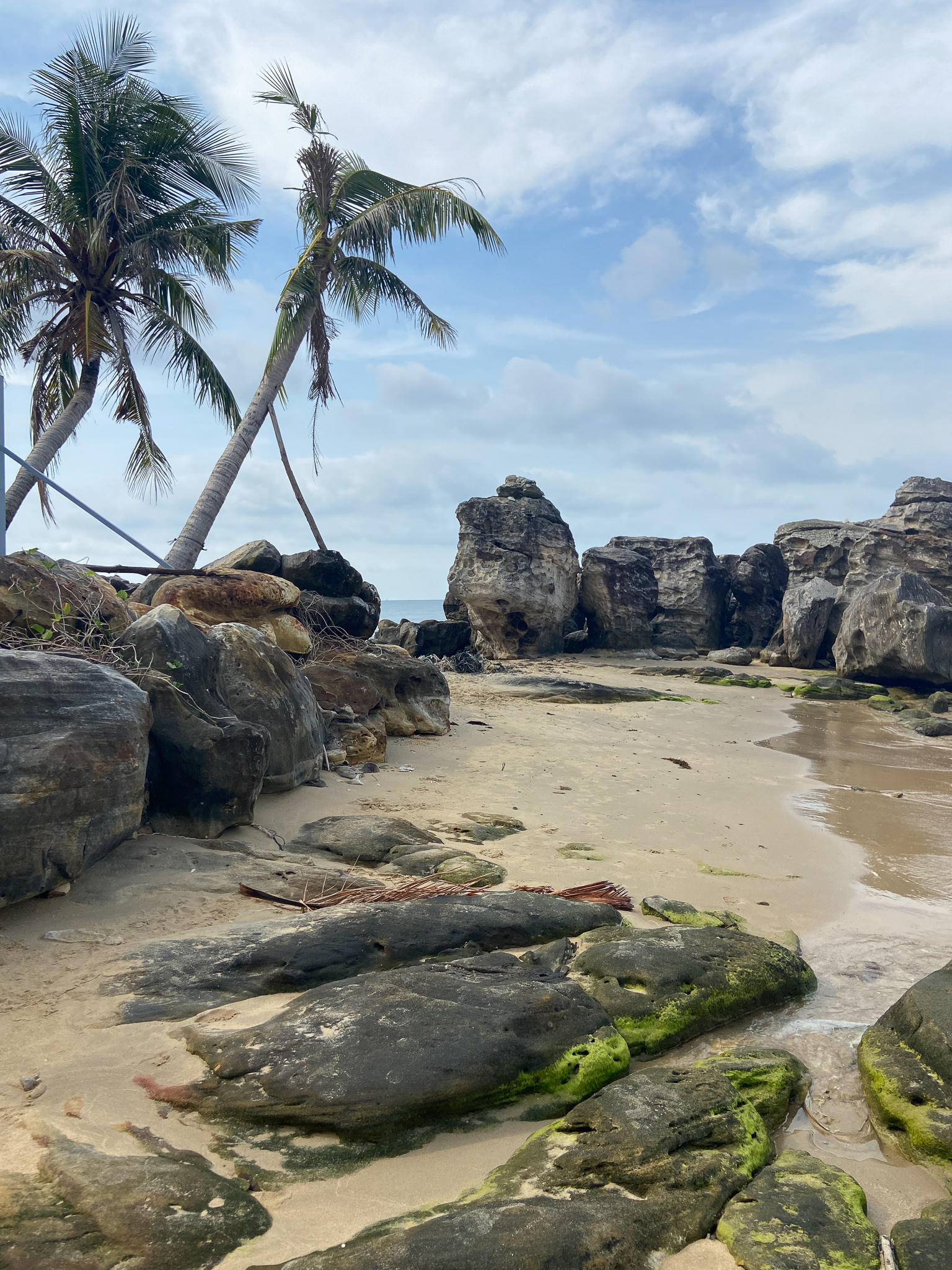

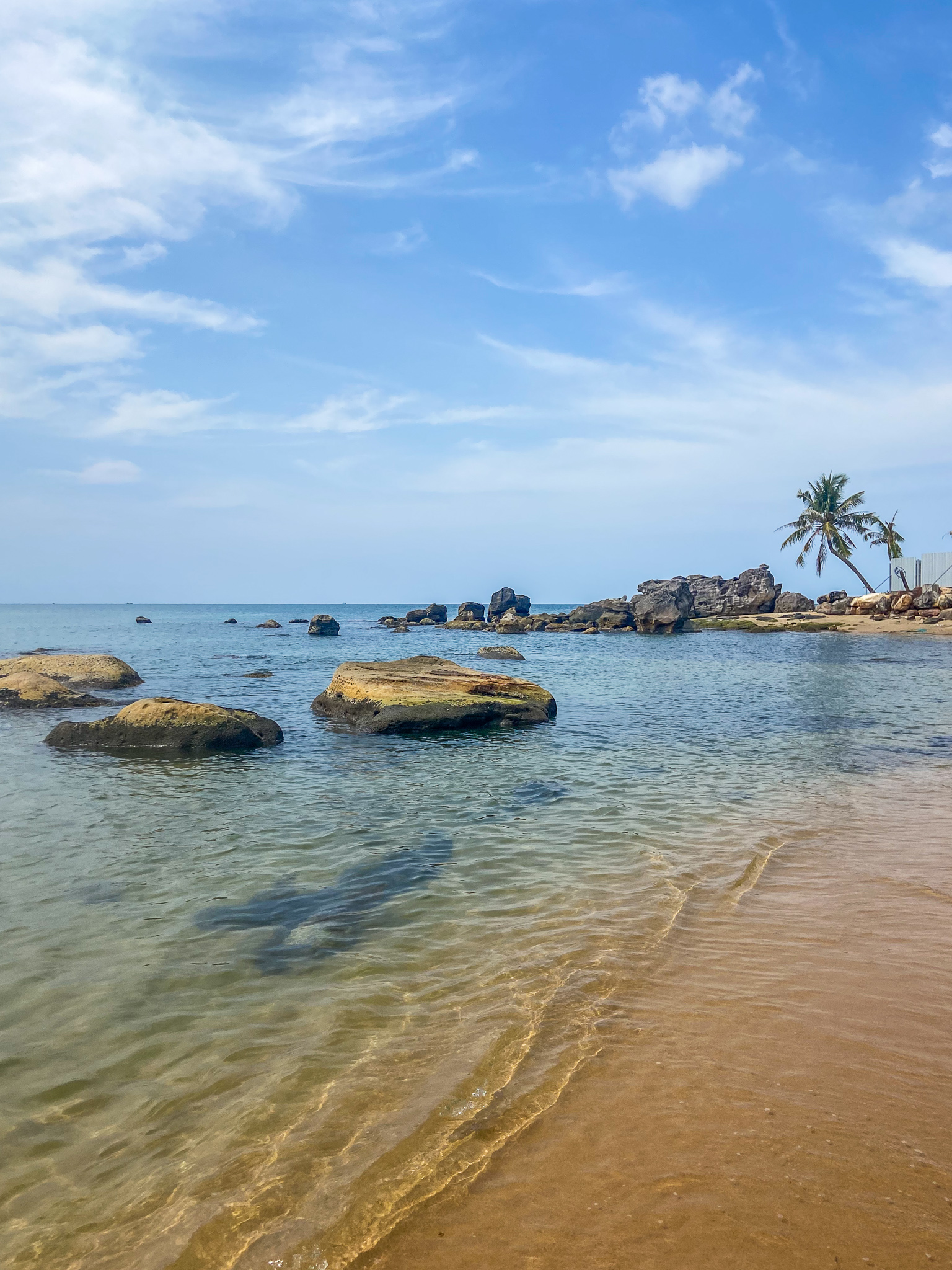

Frankly, this is not a place I would come back to. If anything, if the island continues to develop in the direction that is currently headed, I can only foresee a worse faith. It seems land is being bought from locals at irrisory prices, and this investment, likely most foreigners, is just not doing anything for tourism or the locals. The place needs instead better infrastructures and better environmental practices. The locals need to own their land, and be able to live in decent conditions, without feeling their only option is to sell the little they have, being forced to move elsewhere. Enough with tacky resorts where no one really wants to stay. More ecotourism is needed to ensure this island doesn’t become exactly where it’s headed – a paradise lost to greedy landlords, exploiting investment groups, who only care about making a profit, regardless of environmental and cultural impact.
Love, Nic
 The Winged Bone
I kind of agree with you about beach vacations and the crowds they attract. The empty resort does look like a setting for a horror movie and also sad that they needed all these statues instead of focusing on the natural beauty of the island?
Ren’s story is inspirational and glad to read that he was able to come back and do something in Vietnam with his new skills.
The starfish are so cool (loved all your IG stories of them). It’s a shame that this island doesn’t seem to manage tourism and the local environment well. What comes to mind is a beach in Thailand (was it the one The Beach was set at?) what had to be closed for years so that the natural habitat could have time to grow back and be clean. It really affects the livelihood of the locals too who work in the area.
LikeLiked by 1 person
Yes, they closed the beach from “The Beach”! I think Thailand is probably one of the places I was in South East Asia where they seem to have taken a lot of lessons already from overtourism… that place in Thailand is called Maya Bay. I was there, but they close it for some parts of the year, and you are not allowed to swim there to protect the fauna.
LikeLike