
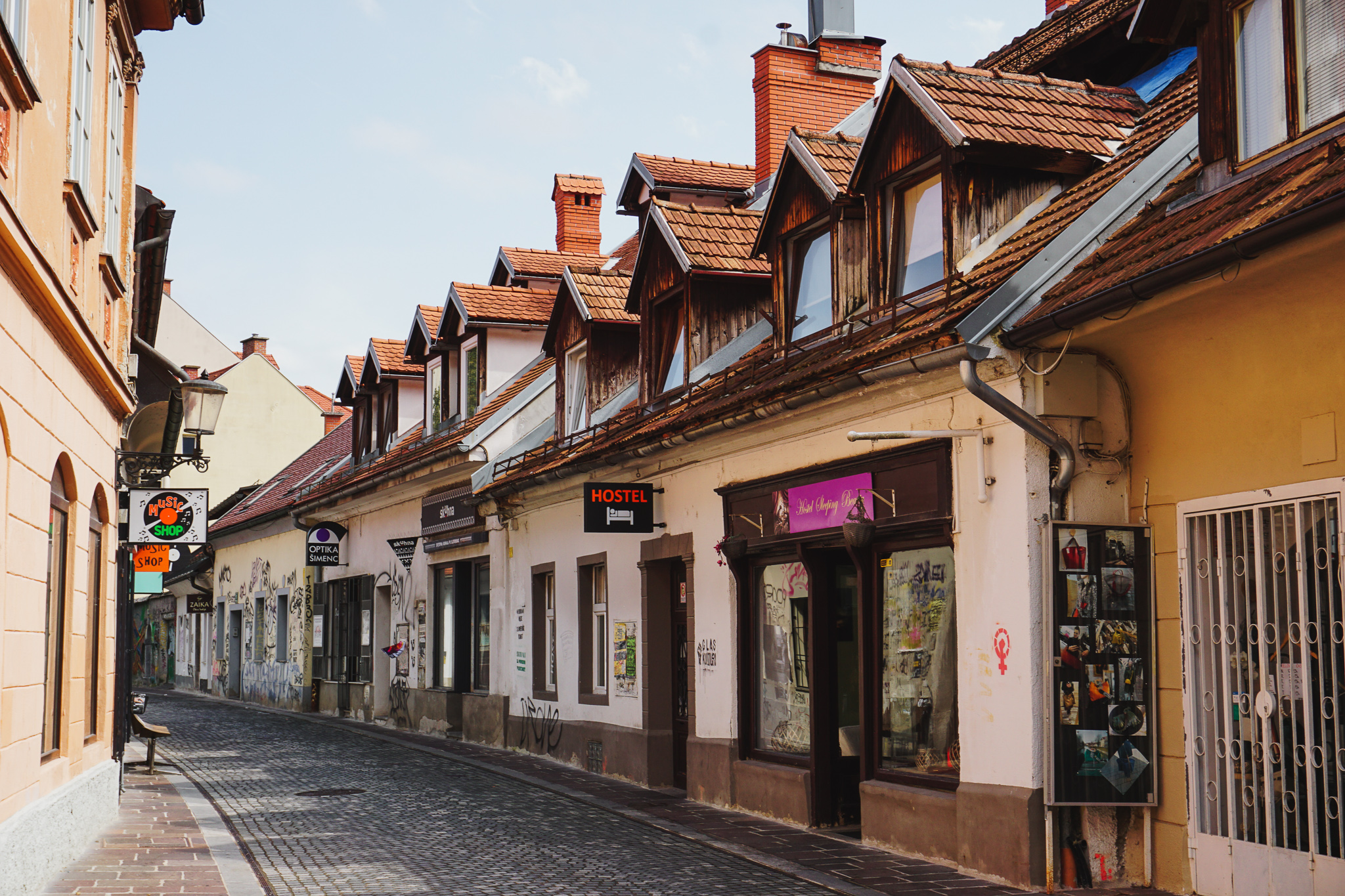
Ljubljana really has it all. Even in the old town, the centre of the city, amongst the seriousness of brilliant architecture by Plečnik, the examples of Art Nouveau and neo-classical buildings, you feel the tunes of youth, of newness – a city that has kept its respect for the old without stopping to move beyond tradition.

I have noticed an interesting trend about the countries that I visit which are relatively new democracies. The Baltics are a great example. The youth has had a heavy hand in reforming the country, and it allowed for more open-mindedness that is often not there in those countries with older democracies, where the youth is bored by political promises, often not being taken seriously even when trying to get involved, often mocked and ignored. It is very clear why Ljubljana keeps a youthful population – mostly due to its own open-minded ways of living, opening culture to everyone who wants to be a part of it, regardless of age or economic status.

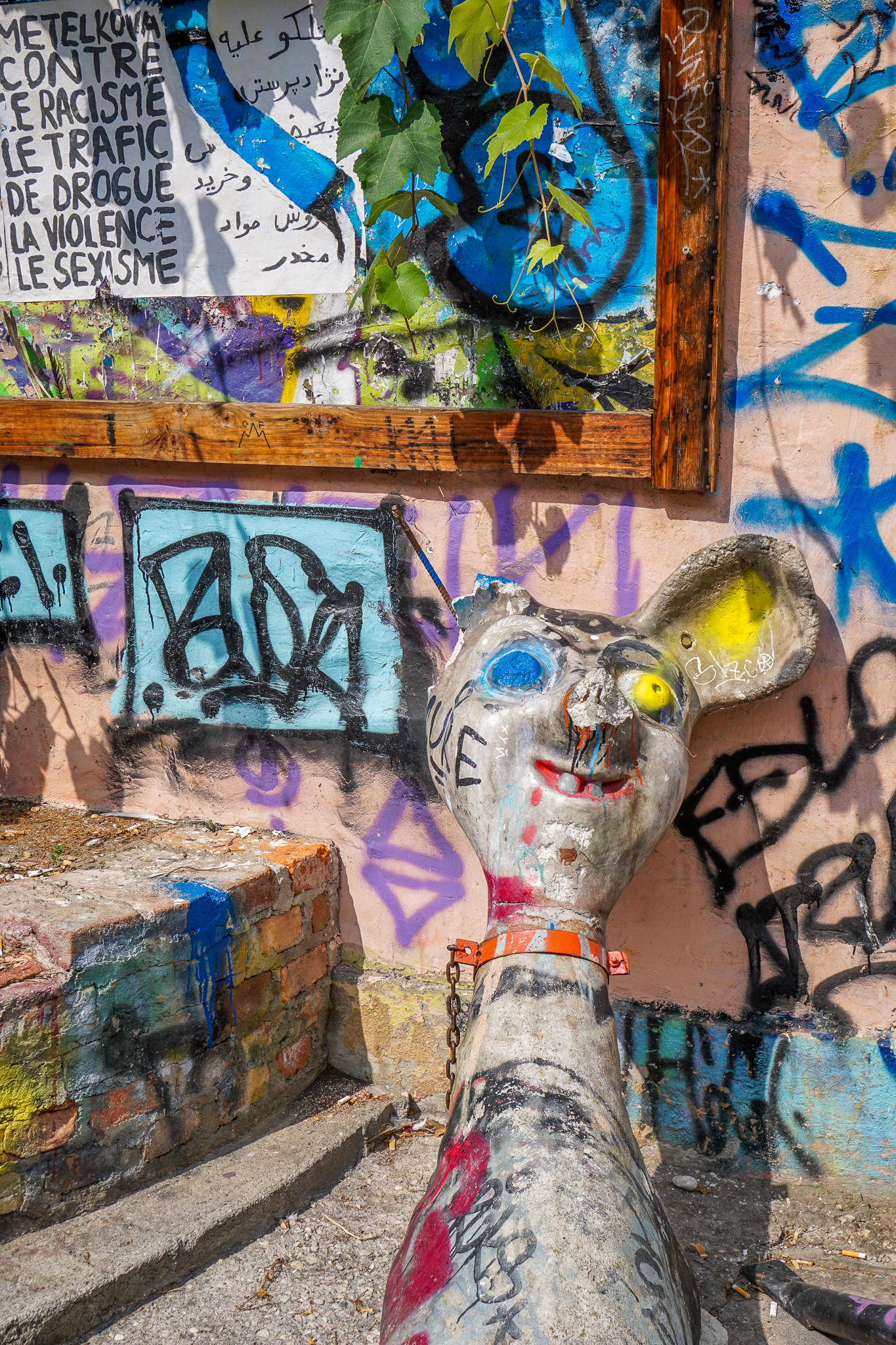
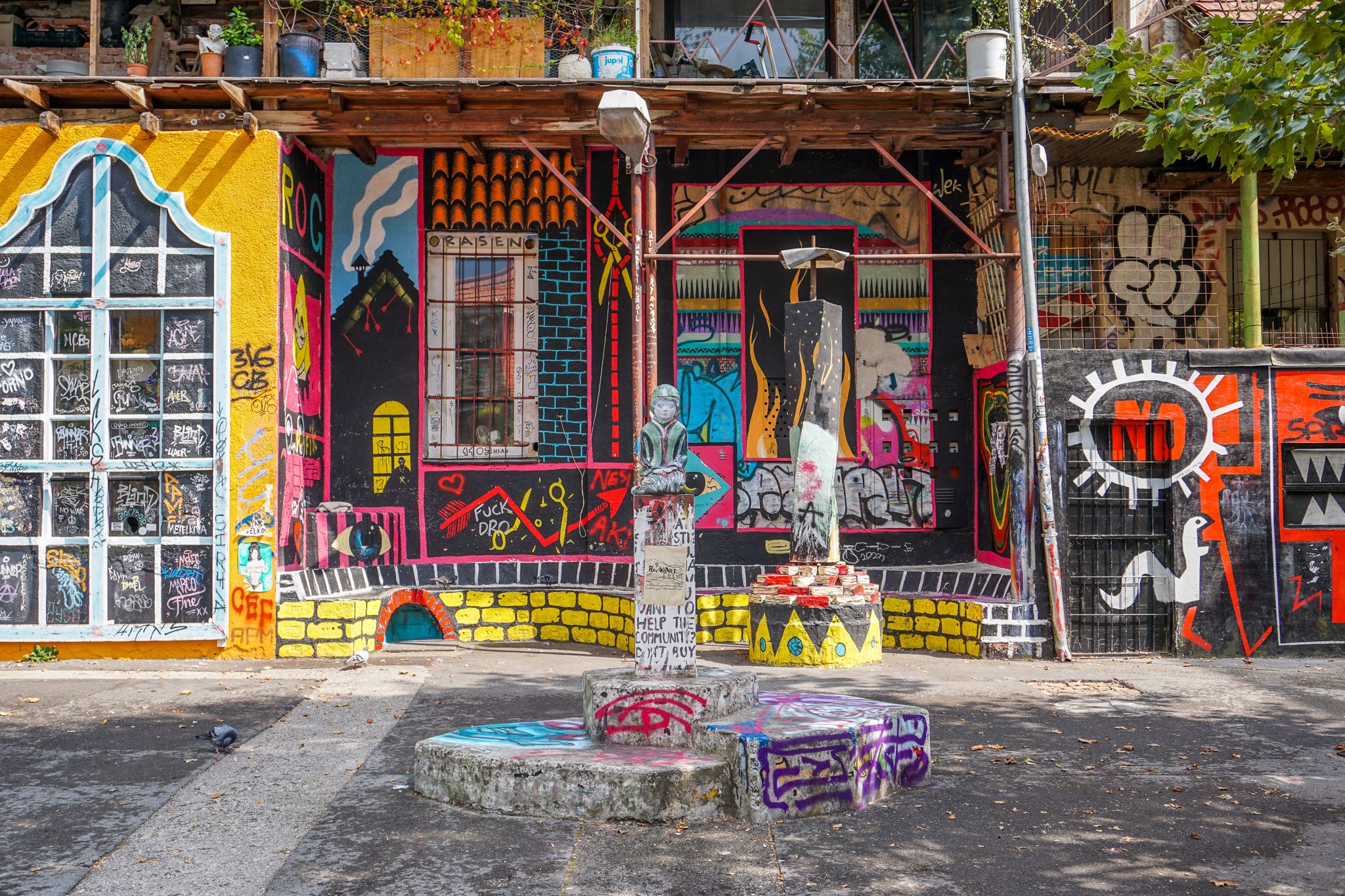
And so, one thing that you should absolutely not miss is Metelkova. This is the perfect example of the power of new forces and new ways of living, of arts taking over a space tainted with bad memories to create something new, different, and beautiful, that mostly represents freedom of expression in any form. Metelkova was once the military headquarters of the Austro-Hungarian Empire and after it became the Slovenian HQ for the Yugoslav National Army. It’s made of seven barracks, which have been squatted since 1993 to form what is known now as the “Metelkova City of Autonomous Cultural Centre”.
This place is now a little heaven for those looking for alternative lifestyles or, like me, to experience free forms of street art.
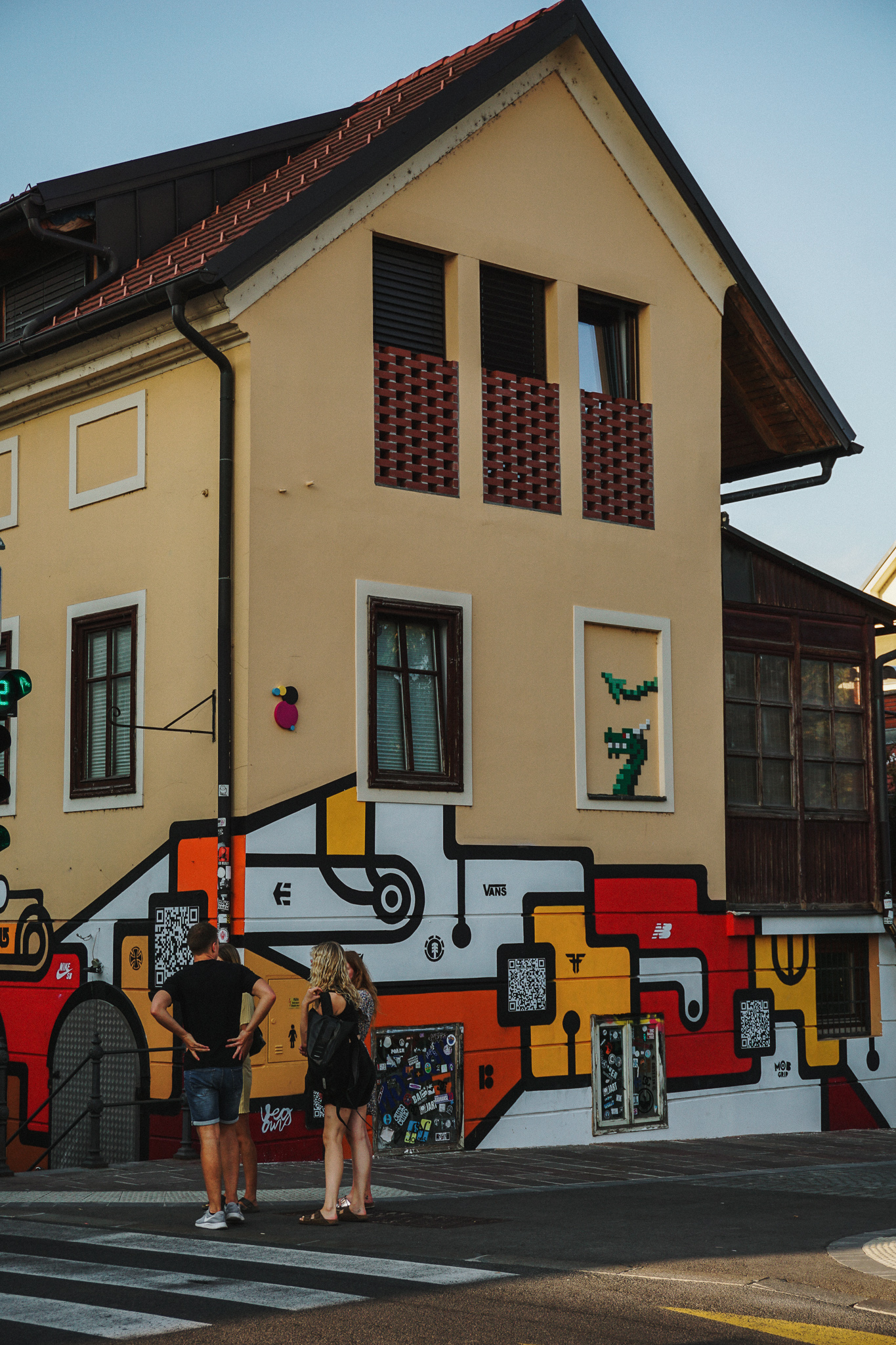
The history of the community as it stands today begins on June 25th 1991 as both Slovenia and Croatia declared their independence. This is when Yugoslavia started to crumble, and once it was finished the military barracks were left abandoned. At that time, there was already a network in place in Meltkova made of alternative youth organisations. They formally requested permission from the municipality of Ljubljana to use the space for creative and peaceful purposes, giving it a new life and writing a new future for headquarters that had meant submission to the Slovenians. This is when some controversy begins – the municipality gave them the permission, but when it comes to actually allowing them to stay… that was a different story. It was in 1993 that this place became a swat when a commissioner mandated the demolition of some of the barracks that had been promised/given to the Network. The idea was to illegally convert that area into a commercial site. Metelkova was then called a squat because they were illegally occupying the place.
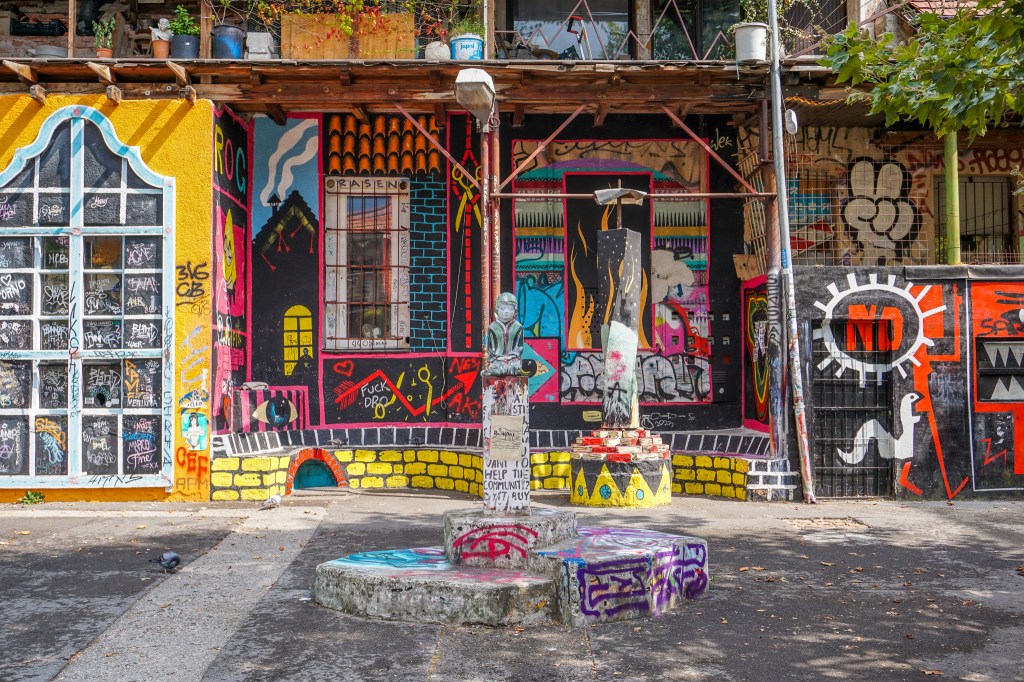
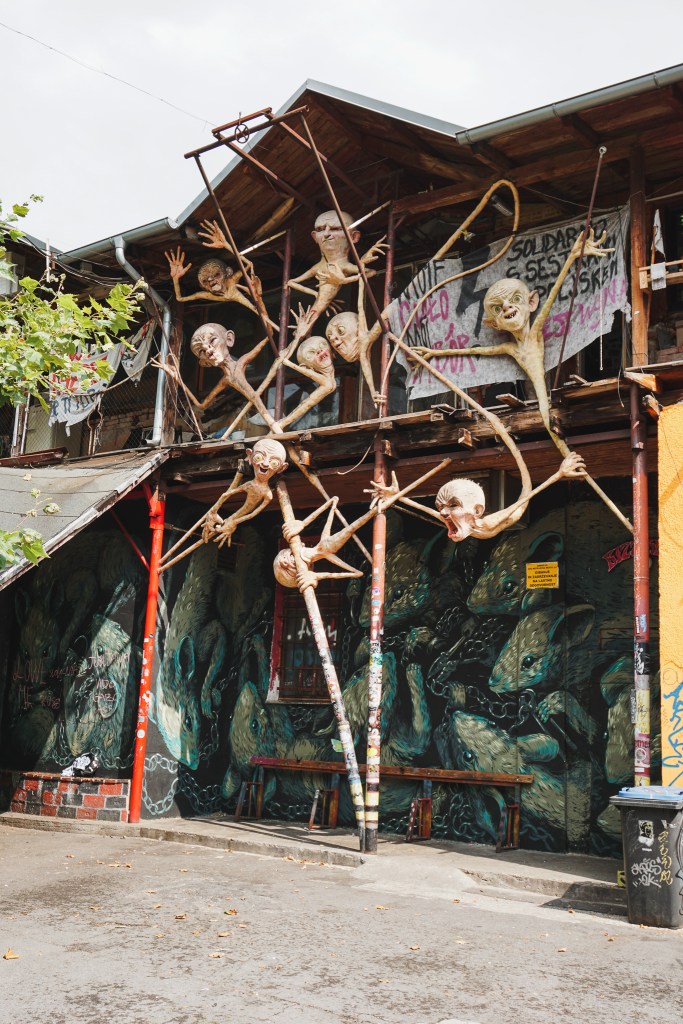
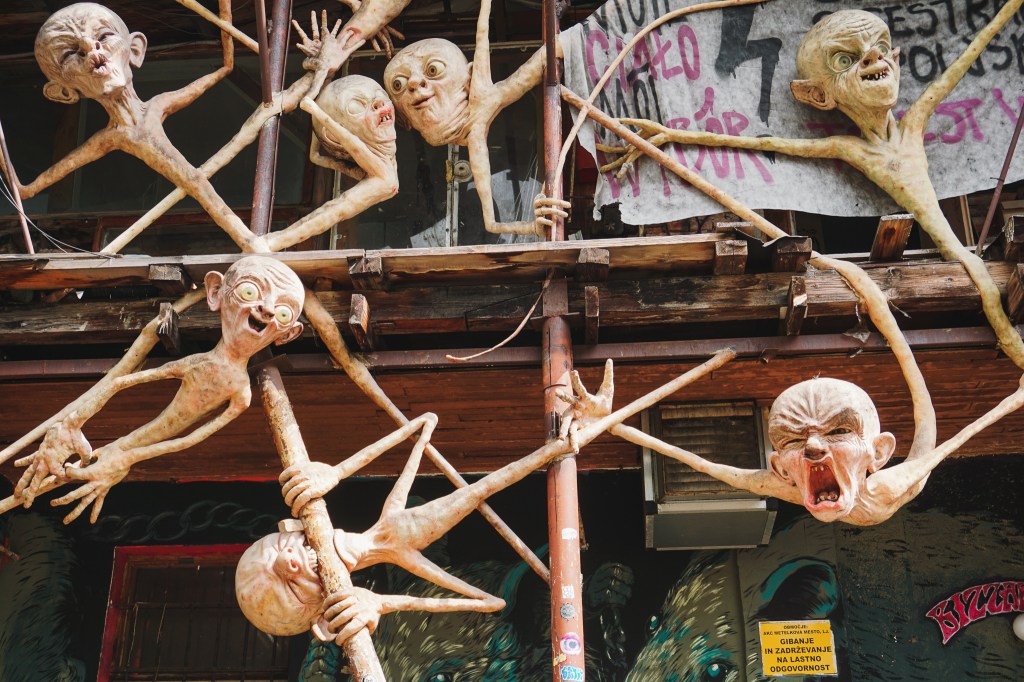
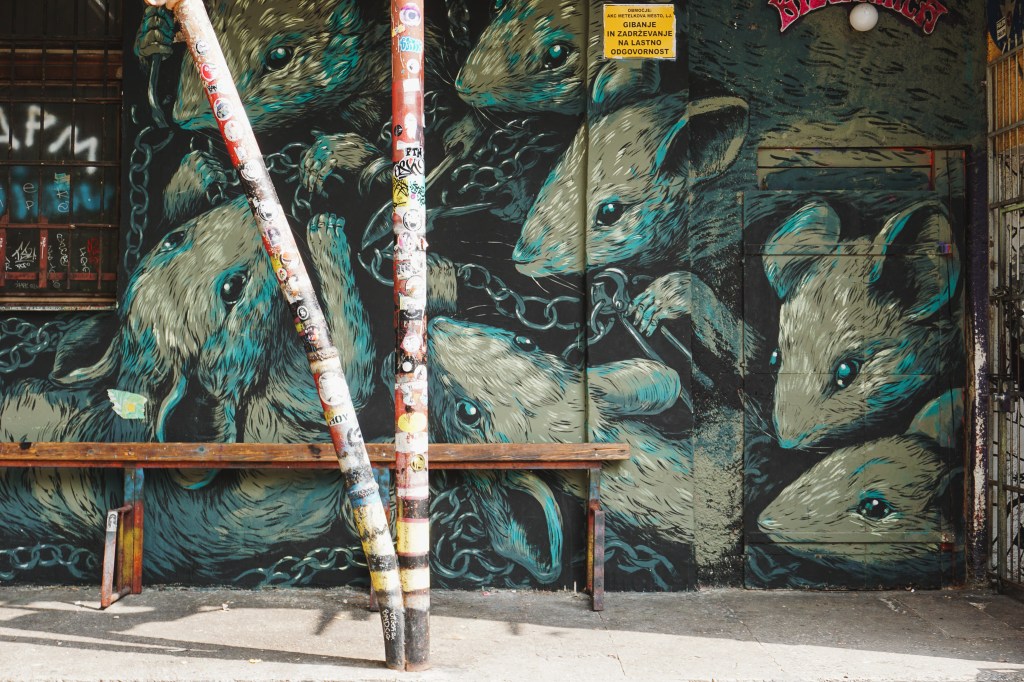
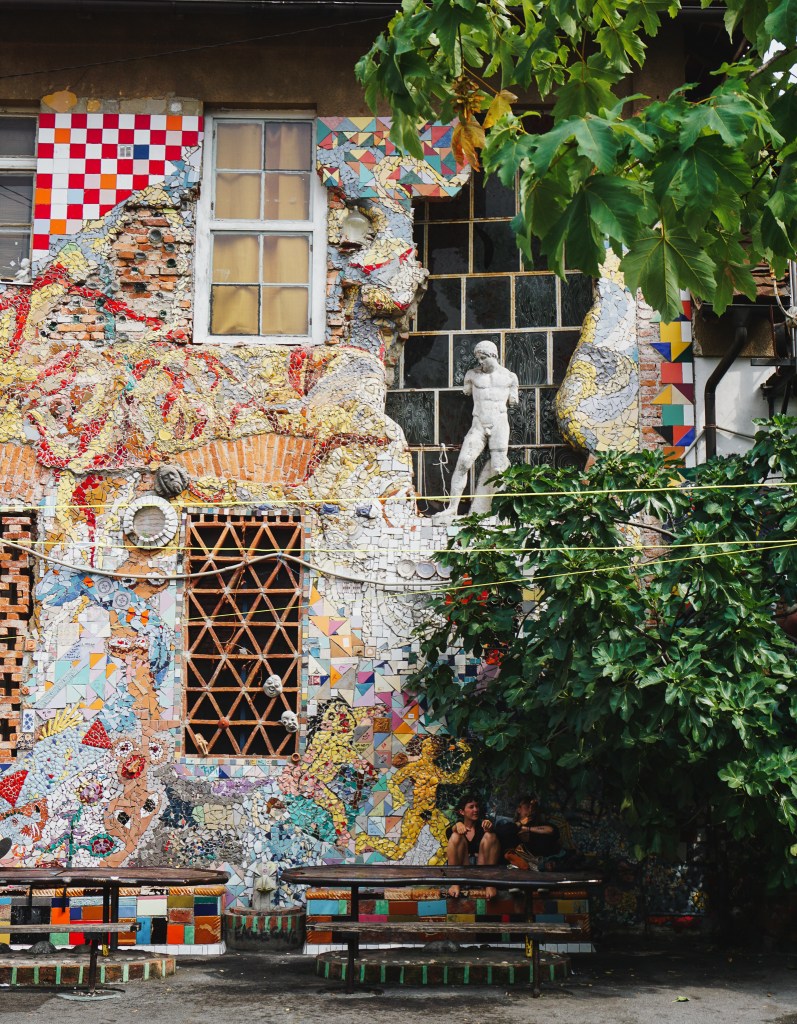
To this day, the status of the legality of Metelkova is somehow ambiguous. In the 2000s, many others tried to have some sort of interaction in the community claiming it as theirs, including the LGBTQ+ community, non-governmental organisations and even UNESCO. Whilst the latter did not receive proper legal status, the area was recognised as a national cultural heritage back in 2005.
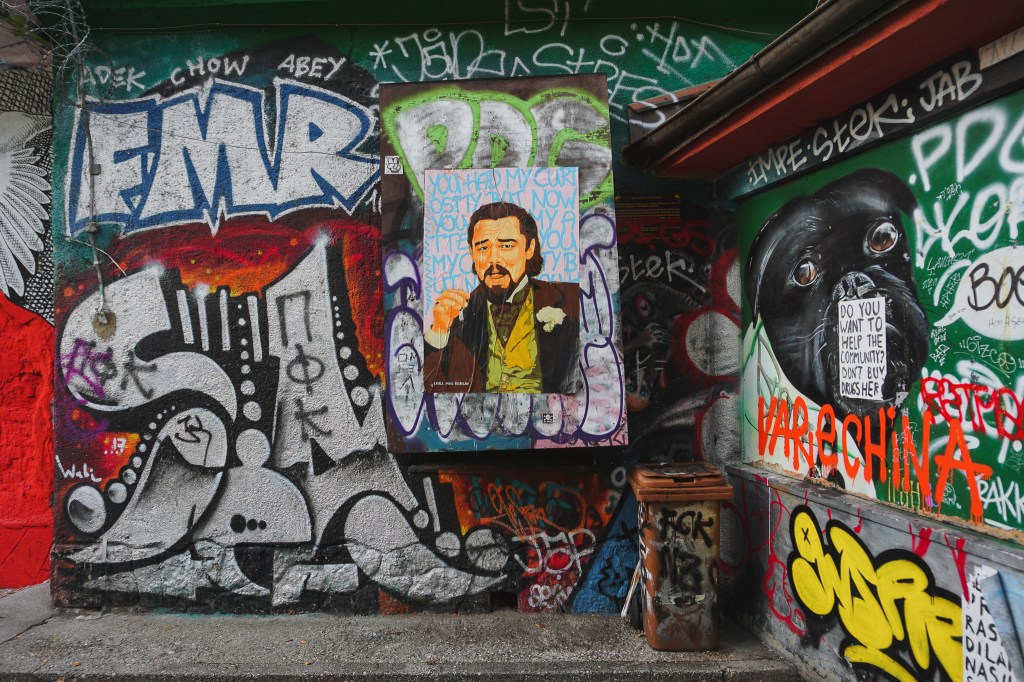

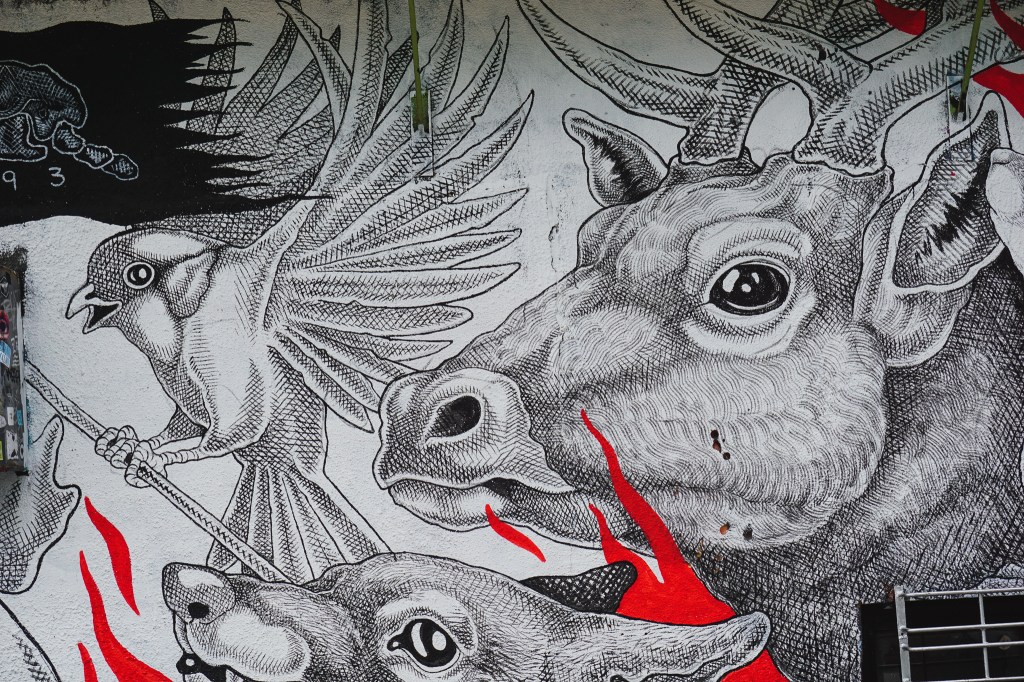
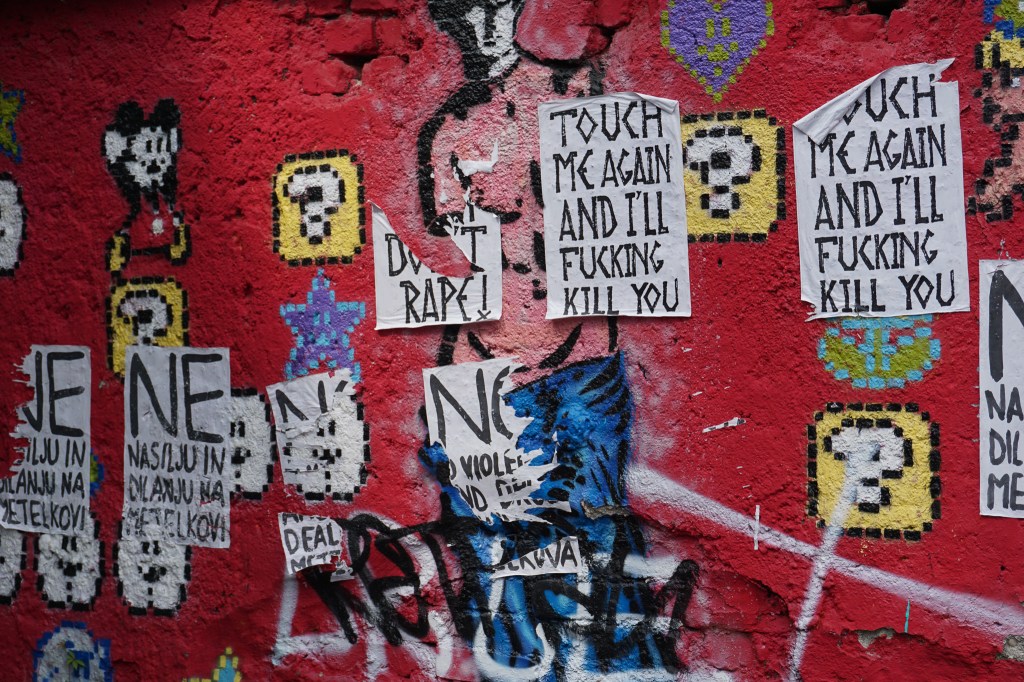
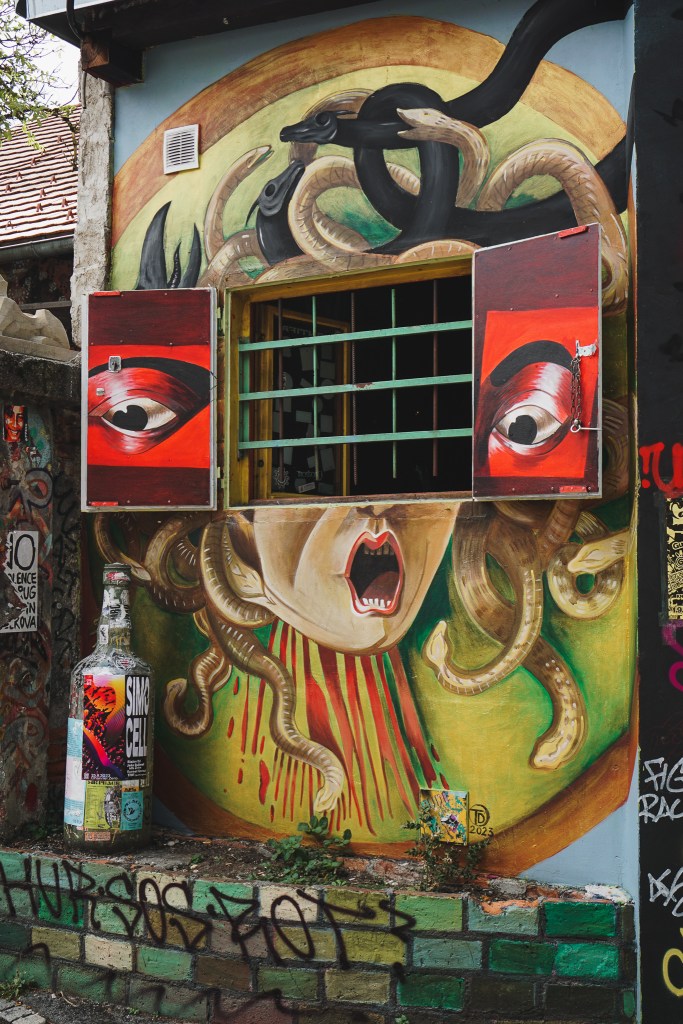
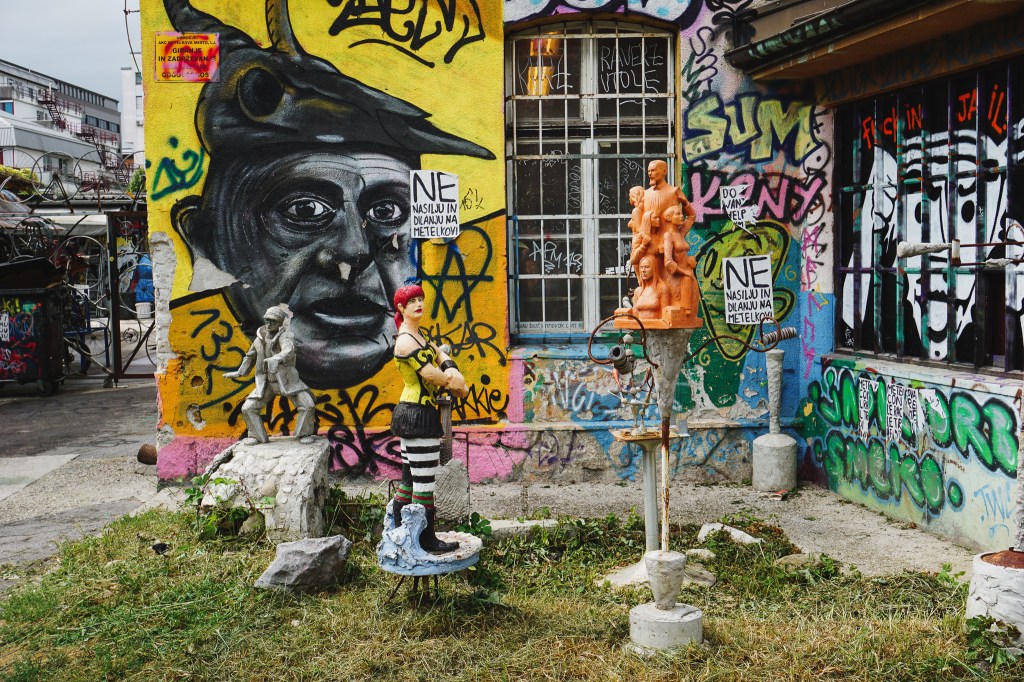
Mostly, Metelkova is a place for those who may be looking to belong somewhere – minorities, LGBTQ+ and artists with close involvement in activism. Right now, Metelkova is somehow an attraction in itself, so perhaps it is seen in a more positive light, than simply calling those who have formally requested and have formally been given permission to take over “squatters”.
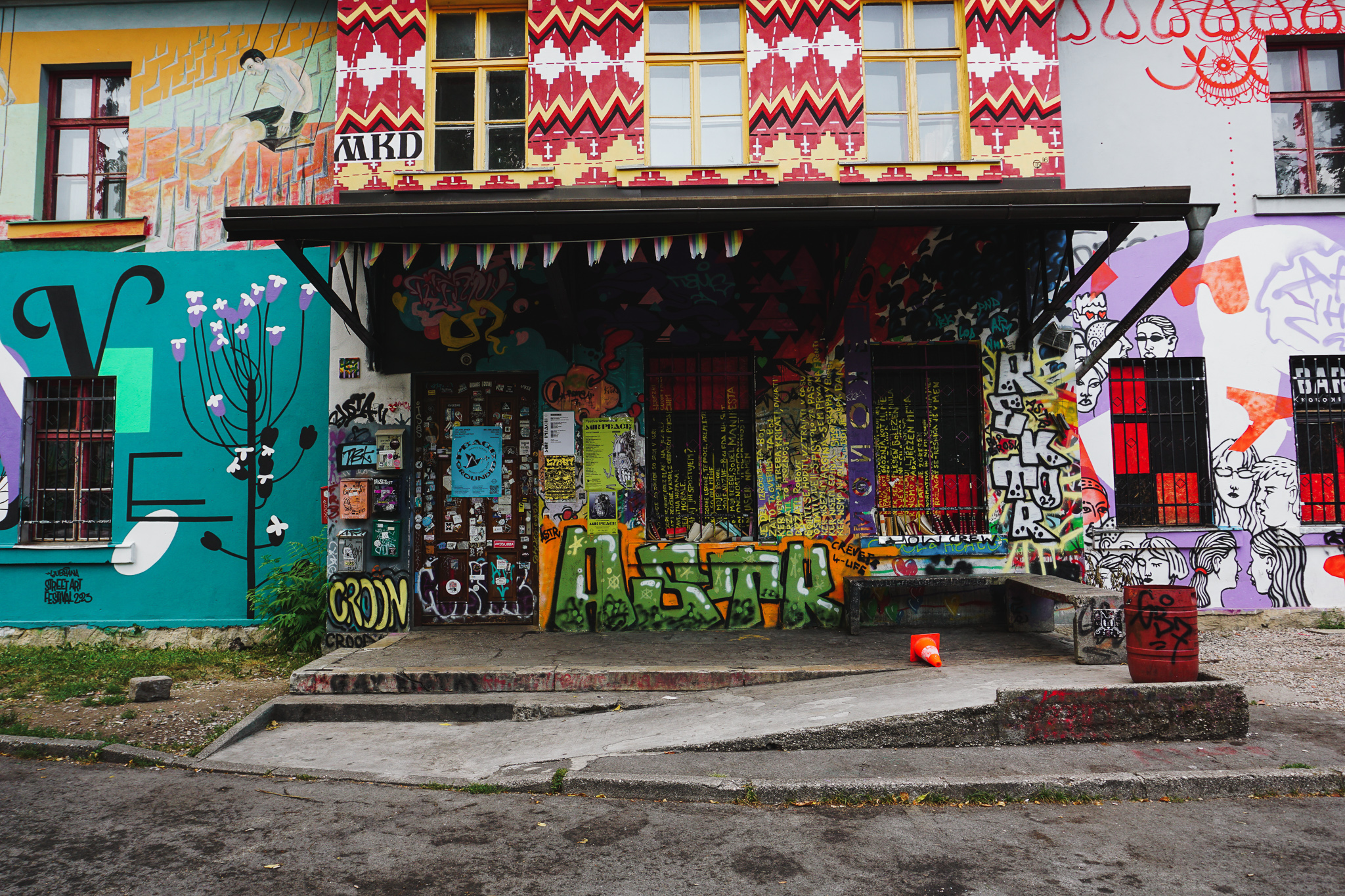
This was definitely a highlight of my trip to Slovenia, and I believe it is a lot more lively at night. I am happy I could fit in this visit just before a storm broke out and thunder and rain pouring took over the skies.
You can find my other posts about this trip here: Ljubljana and Bled.
Love, Nic
 The Winged Bone
One thought on “The quirky side of Ljubljana”